How to do RFID starts with choosing the right RFID frequency, tag, reader, antenna, and software workflow for the object and environment being identified. For most item-level tracking projects, UHF RAIN RFID is practical because passive tags can be read without line-of-sight and across several meters.
What Do You Need to Do RFID?
When engineers at Cykeo evaluate an RFID deployment, the first mistake we try to avoid is starting with the reader. The reader is only one part of the radio system.
A working RFID installation normally contains:
RFID tags — attached to products, tools, pallets, documents, assets, or other objects.
RFID readers — generate the RF field and communicate with tags.
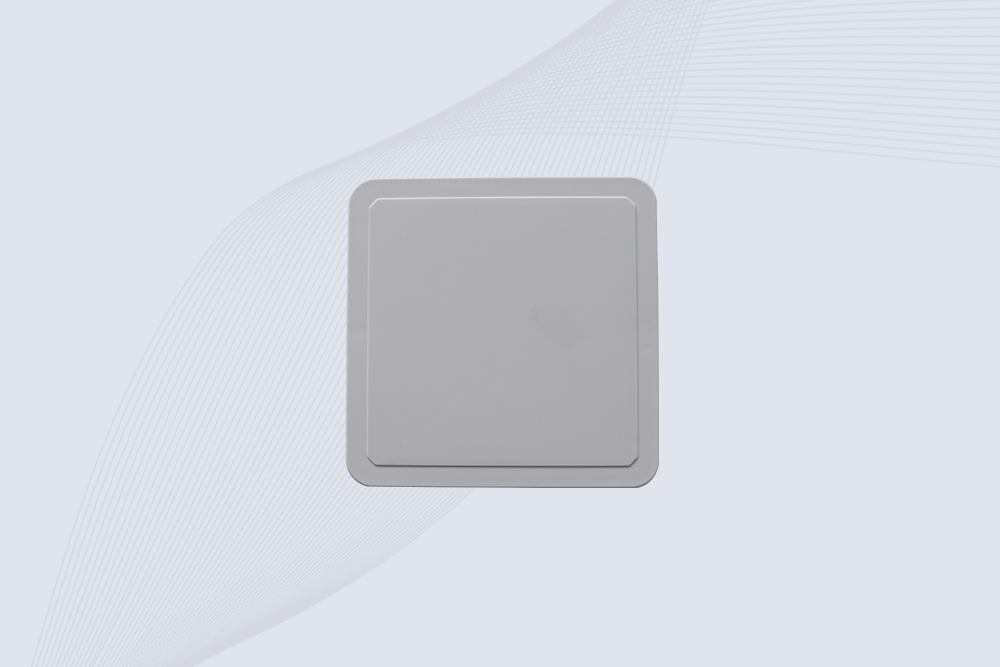
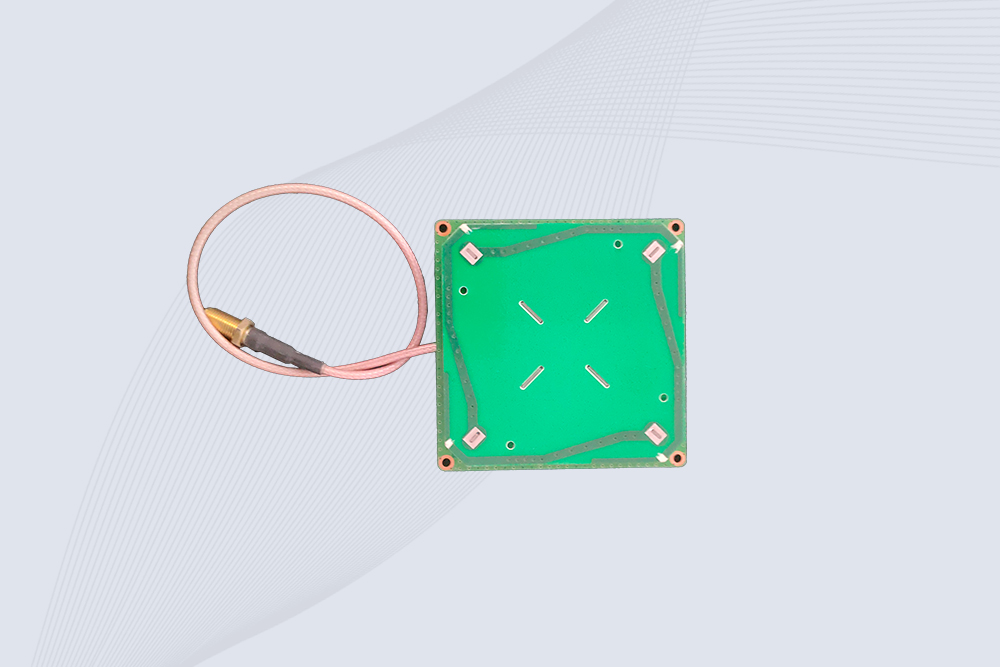
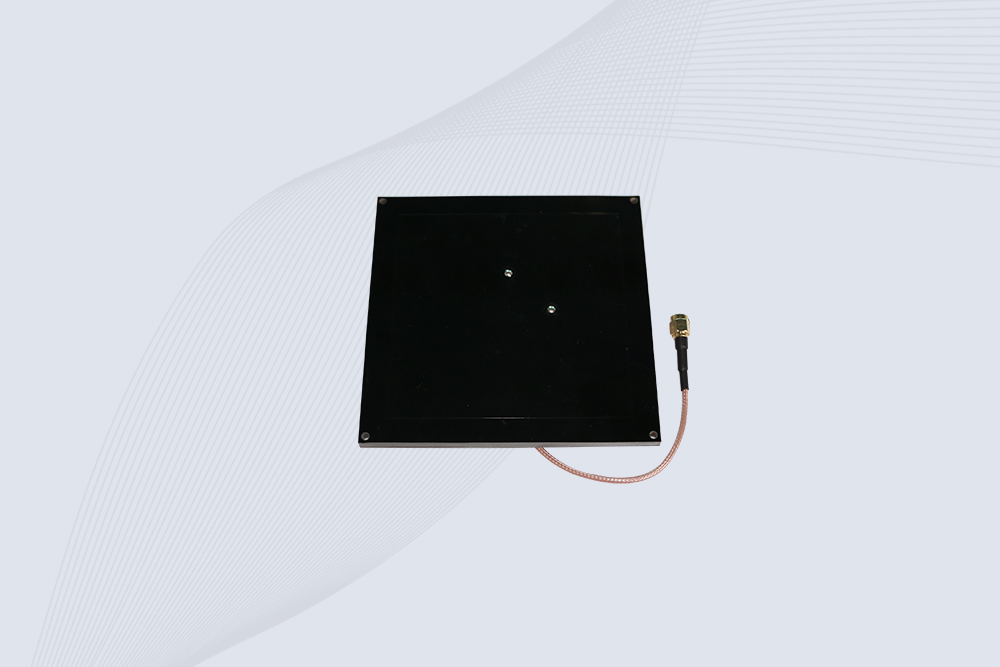
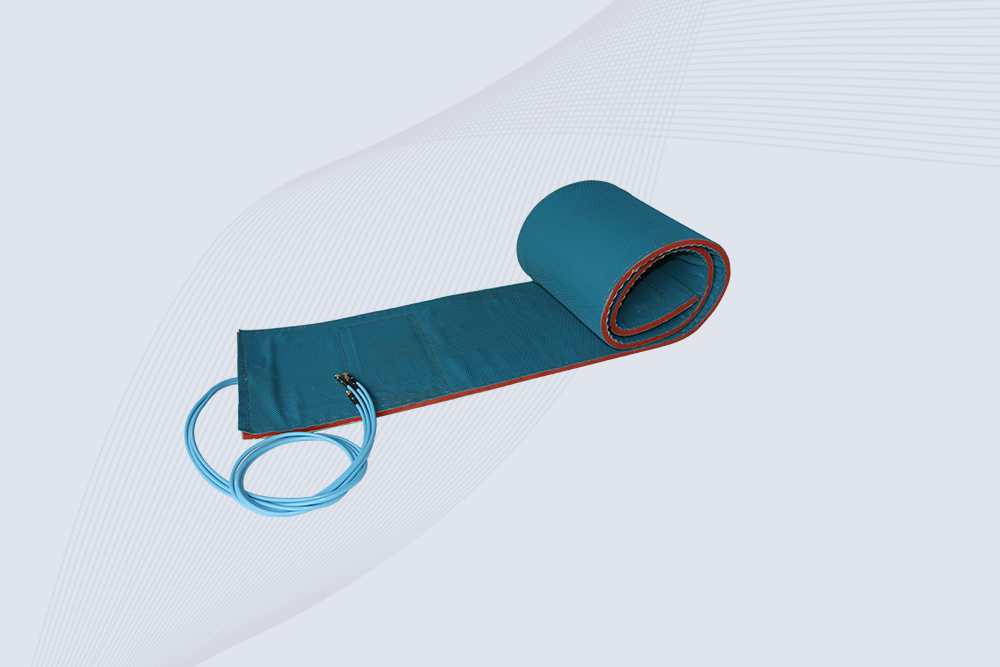
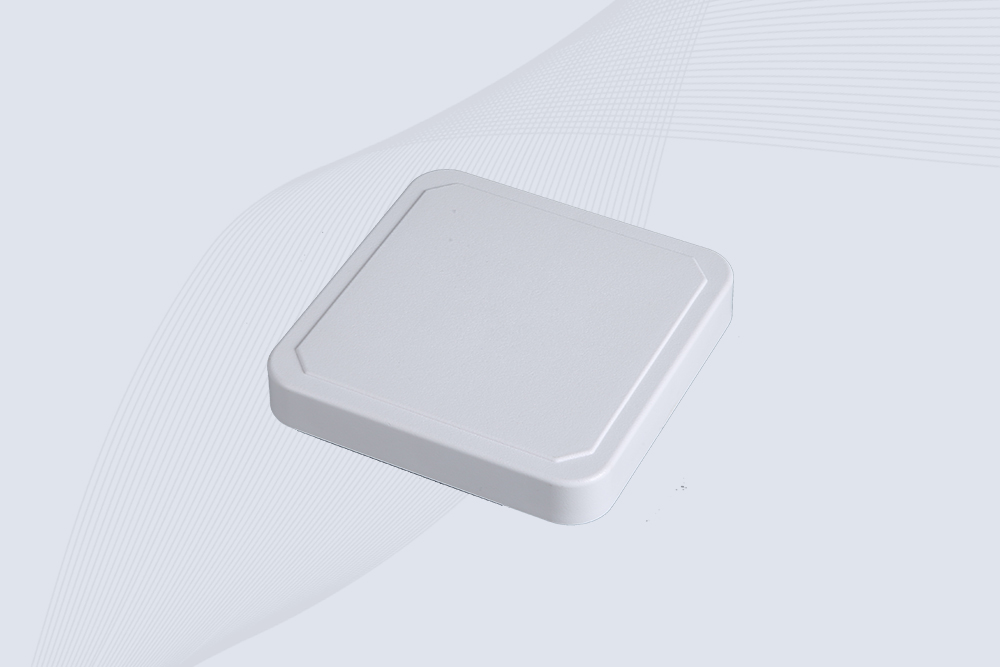
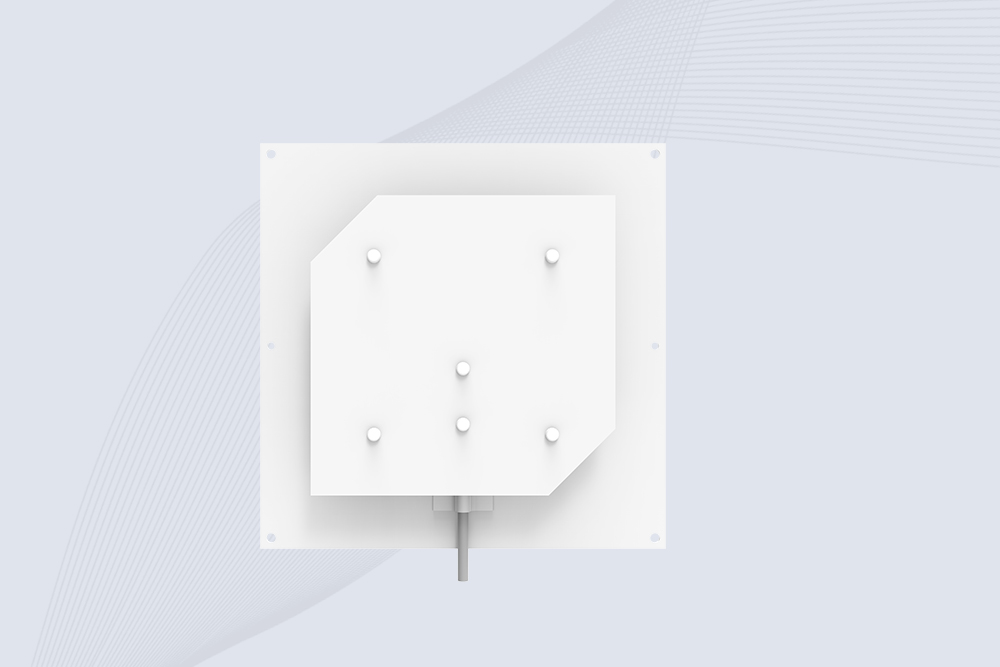
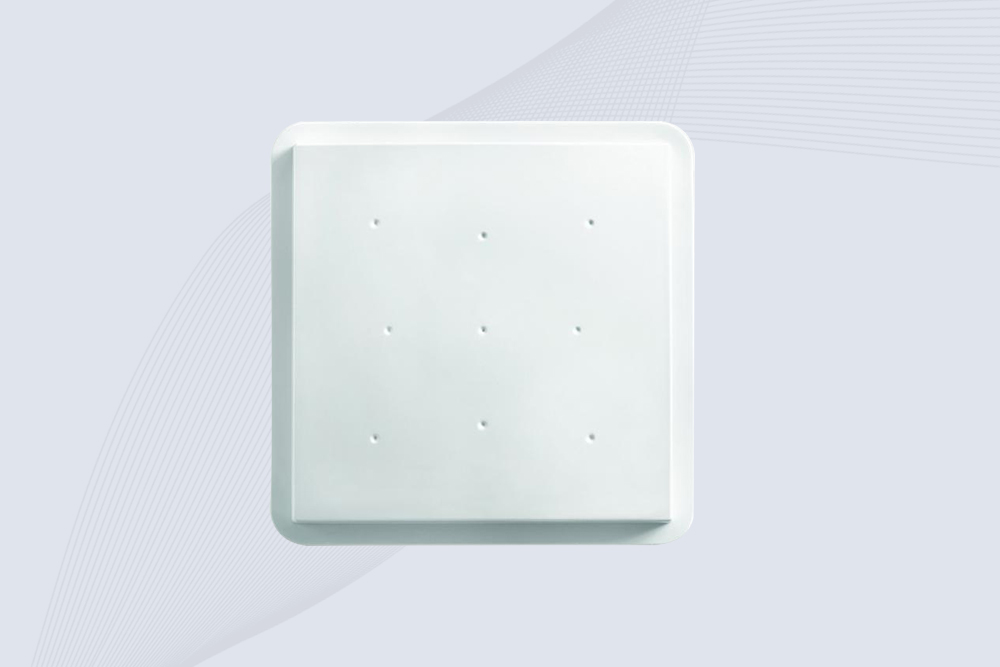
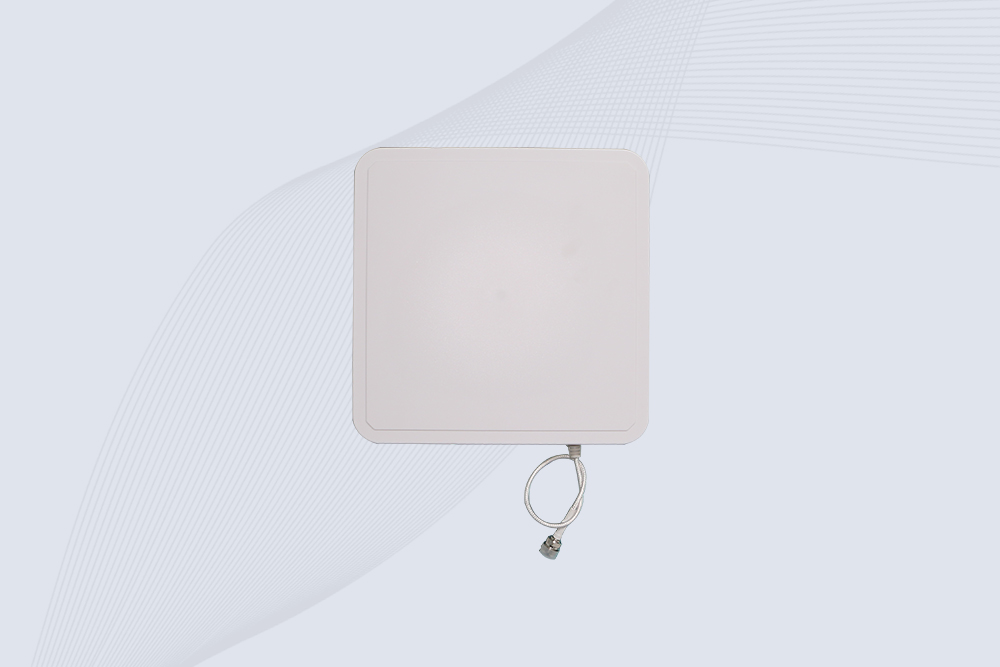
RFIDAntennas — determine how the RF energy is distributed through the reading area.
RFID middleware or application software — converts tag reads into usable business events.
A data structure — defines what the tag identifier actually means inside the application.
GS1 describes an RFID system as an infrastructure containing one or more readers and tags. In a passive system, the reader supplies energy through its RF field, while the tag responds by backscattering information to the reader.
That distinction matters on a real installation. A reader can report hundreds of EPCs correctly and still produce a poor business result if the antenna field covers the wrong area.
Step 1: Choose the RFID Frequency
RFID is not one radio technology.
RFID type
Typical frequency
Typical application
LF
125/134 kHz
Animal identification, access control
HF
13.56 MHz
Cards, ticketing, documents
UHF / RAIN RFID
860–930 MHz
Inventory, logistics, asset tracking
GS1 identifies UHF passive RFID, also called RAIN RFID, as operating in the 860–930 MHz range and being widely used for fast identification, inventory, and tracking.
For warehouse cartons moving through a doorway, for example, UHF is usually the first technology I would test. For a badge that needs deliberate near-field interaction, HF may be the better engineering choice.
How to Choose RFID Tags
The tag has to match the object—not simply the frequency.
During testing, I pay particular attention to:
Material: metal and liquid can alter RFID performance.
Tag orientation: changing the tag angle can change coupling with the antenna.
Mounting position: placing a tag directly against unsuitable material can reduce usable range.
Required read zone: a controlled 2–3 m zone may be more useful than maximum theoretical distance.
Memory requirements: determine whether EPC memory alone is sufficient or whether User Memory is needed.
GS1 notes that passive UHF read range depends on reader power, interference, antenna characteristics, polarization, tag orientation, and surrounding materials. Typical UHF ranges are several meters, with up to 15 meters possible in special conditions.
What the RFID Tag Actually Stores
For many item-identification projects, the EPC is the important starting point. GS1 describes EPC as the bridge between GS1 identifiers and RAIN RFID, allowing identifiers such as GTINs to be serialized for improved visibility and traceability.
A useful implementation pattern is:
EPC: unique item identity
User Memory: optional application-specific information
TID: information associated with the RFID chip itself
Database: detailed product, asset, location, status, and transaction records
GS1’s current EPC Gen2 standard specifies read and write operations in 16-bit multiples, while tag memory capacity remains tag-dependent rather than fixed by the air-interface protocol.
Field Insight: Start With the Reading Zone
One of the most useful lessons from RFID commissioning is simple: do not begin by asking how far the reader can read. Ask where it is allowed to read.
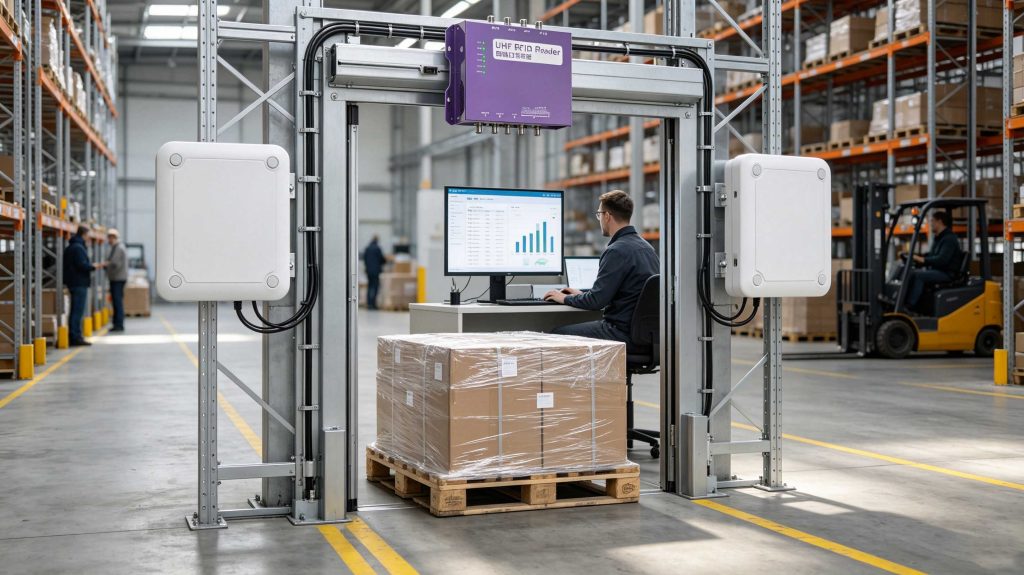
Imagine a pallet passing a warehouse portal. If the antenna reads tags 10 meters away, that sounds impressive until inventory from the neighboring aisle starts appearing in the transaction log.
The useful RFID system is the one that reads the intended tags at the intended location.
That is why antenna placement, polarization, reader power, tag orientation, shielding, and software filtering deserve as much attention as reader specifications.
A practical RFID installation connects tags, antennas, readers, and business software into one identification workflow.
Standards Behind a Real RFID Deployment
For UHF systems, standards are not background paperwork. They affect interoperability.
GS1’s EPC Gen2 air-interface standard defines the physical and logical requirements for passive UHF RFID. The current GS1 repository lists EPC Gen2 version 3.0.1, released February 26, 2026, while ISO/IEC 18000-63 covers the corresponding UHF RFID air-interface framework.
For software integration, GS1 also identifies LLRP (Low Level Reader Protocol) as the interface between RFID readers and software clients, providing standardized low-level control over reader operations.
At Cykeo, this is where RFID development becomes less about buying a reader and more about engineering the complete data path: tag → antenna → reader → protocol → filtering → application event → database.
How to Set Up an RFID Reader
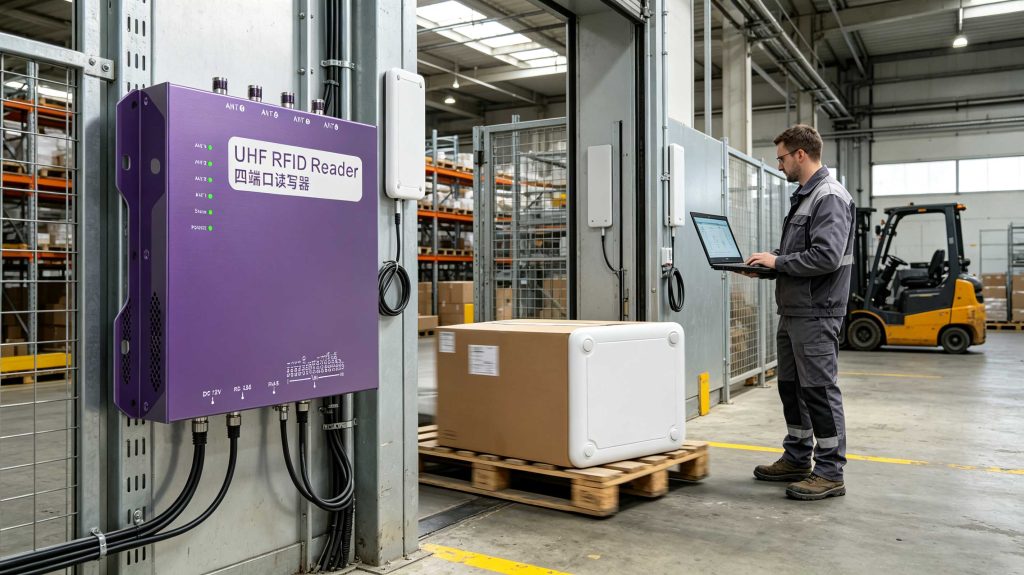
Once the tag has been selected, reader configuration becomes the next practical issue. For UHF RFID, do not simply turn the reader to maximum power and start scanning. Set the output power according to the required read zone, antenna gain, cable loss, tag characteristics, and local radio regulations.
A typical commissioning sequence at Cykeo looks less like a software tutorial and more like a site inspection:
Connect the RFID reader to the intended network or host computer.
Connect and verify each antenna port.
Select the appropriate regional frequency configuration.
Set an initial reader power level.
Place representative tagged objects in the actual operating position.
Check read consistency while changing tag orientation and object spacing.
Reduce or increase power according to the required coverage.
Add filtering and application rules only after the physical read zone is stable.
This order matters. Software cannot reliably compensate for an antenna that is physically aimed at the wrong area.
How to Position RFID Antennas
Antenna placement is where many RFID installations succeed or fail.
For a portal application, antennas are normally positioned so that the RF field intersects the path of the tagged objects. For shelf or workstation applications, the antenna geometry is different. The target is not maximum distance; it is repeatable identification within a defined area.
RFID Antenna Placement Checklist
Keep antennas away from unnecessary metal obstructions.
Test both horizontal and vertical tag orientations.
Consider antenna polarization when selecting tag orientation.
Check the effect of nearby conveyors, racks, doors, and vehicles.
Avoid creating overlapping read zones unless the software is designed to handle them.
Test the actual tagged product rather than an empty cardboard sample.
Record the reader power and antenna position used during commissioning.
RAIN Alliance explains that RFID performance is affected by tag orientation, reader/antenna configuration, materials, and the surrounding environment. In practice, this is why a tag that performs well on a workbench can behave differently when attached to a metal tool, liquid container, or densely packed pallet.
How to Test RFID Read Accuracy
A proper RFID test should measure more than whether the reader can see a tag.
I prefer testing with the same conditions the operator will face on Monday morning—not a carefully positioned sample tag sitting 50 cm in front of an antenna.
Record:
Test condition
What to observe
Tag distance
Detection range and consistency
Tag orientation
Missed reads caused by rotation
Object material
Performance around metal, liquid, plastic
Tag density
Multi-tag collision behavior
Movement speed
Reads while objects are moving
Antenna position
Changes in coverage
Reader power
Coverage versus unwanted reads
Repeated passes
Stability over multiple cycles
For a batch containing 100 tagged objects, for example, the useful question is not “Did the reader detect RFID?” It is whether the application consistently identifies the expected objects under the actual operating conditions.
That difference becomes important when RFID data is used to trigger inventory transactions, shipment confirmation, tool returns, or asset movement.
How RFID Software Processes Reads
An RFID reader produces tag observations. Your application needs business events.
A single physical tag may be reported repeatedly while it remains inside the RF field. If every observation becomes a new database transaction, the application can quickly become unusable.
A practical software layer therefore commonly handles:
EPC filtering
duplicate suppression
antenna-port identification
RSSI or signal-related information where available
read-time timestamps
reader identification
location or zone association
event rules
database/API transmission
For example:
Raw read: EPC 3034...A91F detected repeatedly on antenna 2
Application event: Asset 10482 entered Zone B at 14:32:18
The second record is what the warehouse, factory, library, or maintenance team actually needs.
GS1’s EPCIS standard is designed to capture and share visibility event information, including what happened, when it happened, where it happened, and why it happened. That event-based approach is particularly useful when RFID becomes part of a larger supply-chain information system.
RFID Integration With Existing Systems
An RFID deployment rarely operates alone.
A reader may communicate with middleware or an application through Ethernet, serial communication, APIs, SDKs, or standardized reader protocols. Cykeo RFID solutions can be integrated into application environments where tag identification needs to become part of an existing operational workflow.
A useful architecture is:
RFID Tag → Antenna → Reader → Filtering → Middleware/API → Application → Database
The application might then connect RFID events with:
WMS
ERP
MES
inventory databases
asset-management platforms
library systems
maintenance systems
logistics software
The important design decision is deciding when a read becomes an event.
Common RFID Problems on Site
The RFID reader has a long range, but the system misses tags.
Check tag orientation, mounting material, antenna polarization, tag quality, and RF environment before increasing power.
“The reader sees tags outside the intended area.”
The reading field is probably too broad for the application. Lower power, change antenna positioning, improve physical separation, or introduce application-level filtering.
“Tags work individually but fail when many are together.”
Test the actual tag population and reader anti-collision behavior. Dense tag environments are fundamentally different from single-tag demonstrations.
“The tag works on cardboard but not on metal.”
Use a tag designed for the target material. Do not assume a general-purpose label will perform identically on metal.
“The application receives too many duplicate reads.”
Treat reader observations as input data rather than automatically creating transactions from every read. Apply time, location, antenna, or EPC-based event logic.
Where RFID Is Most Useful
RFID becomes particularly valuable when people currently spend time scanning, counting, checking, or manually recording identifiable objects.
Common applications include:
Warehouse inventory: identify cartons, cases, pallets, and reusable assets.
Manufacturing: associate components or work-in-process with production stages.
Tool management: record tool movement and return events.
Retail: accelerate item identification and inventory processes.
Libraries: automate item registration, circulation, and inventory.
Logistics: capture movement through controlled portals.
Asset management: maintain visibility of mobile equipment.
The strongest deployments usually begin with a narrow operational problem. One warehouse portal. One tool room. One receiving station. The physical environment can then be measured before expanding the system.
RFID FAQ
1. Can I do RFID without line-of-sight?
Yes. Passive UHF RFID can identify tags without the direct visual alignment required by barcodes, although tag orientation, materials, distance, and antenna configuration still affect performance.
2. How far can RFID read?
There is no universal RFID reading distance. UHF systems can reach several meters, and GS1 notes that up to 15 meters is possible under specific conditions. Actual range depends on the complete tag-reader-antenna installation.
3. Does every RFID tag work with every reader?
No. Frequency, air-interface protocol, regional configuration, tag type, and application requirements must be compatible.
4. Does RFID require internet access?
No. An RFID reader can communicate with a local computer or local network without internet access. Internet connectivity becomes relevant when RFID data needs to reach cloud applications or remote systems.
5. Can RFID read multiple tags at once?
Yes. Anti-collision mechanisms allow compatible UHF RFID systems to identify multiple tags in an RF field. Actual throughput depends on reader configuration, tag population, environment, and application design.
6. Is RFID better than barcodes?
Not automatically. RFID is useful when non-line-of-sight identification, multiple-tag reading, or automated capture provides a practical advantage. Barcodes remain effective where deliberate visual scanning is simple and inexpensive.
7. What is the biggest RFID deployment mistake?
Treating RFID as a reader-purchasing project instead of a system-engineering project. The tag, object, antenna, RF environment, reader configuration, software logic, and business process all determine the final result.
Real-world RFID commissioning requires testing tag orientation, antenna position, reader power, and surrounding materials together.
How to Do RFID With Cykeo
A practical RFID project does not end when an EPC appears on a reader screen. The real work is making that identification reliable enough to support an operational decision.
Cykeo develops RFID readers, modules, desktop platforms, and application-oriented RFID equipment for environments where controlled identification and data capture matter. For a new deployment, the useful starting point is the actual object, movement path, reading zone, tag type, and required business event—not a theoretical maximum read distance.
That is the difference between demonstrating RFID and how to do RFID successfully in a working environment.
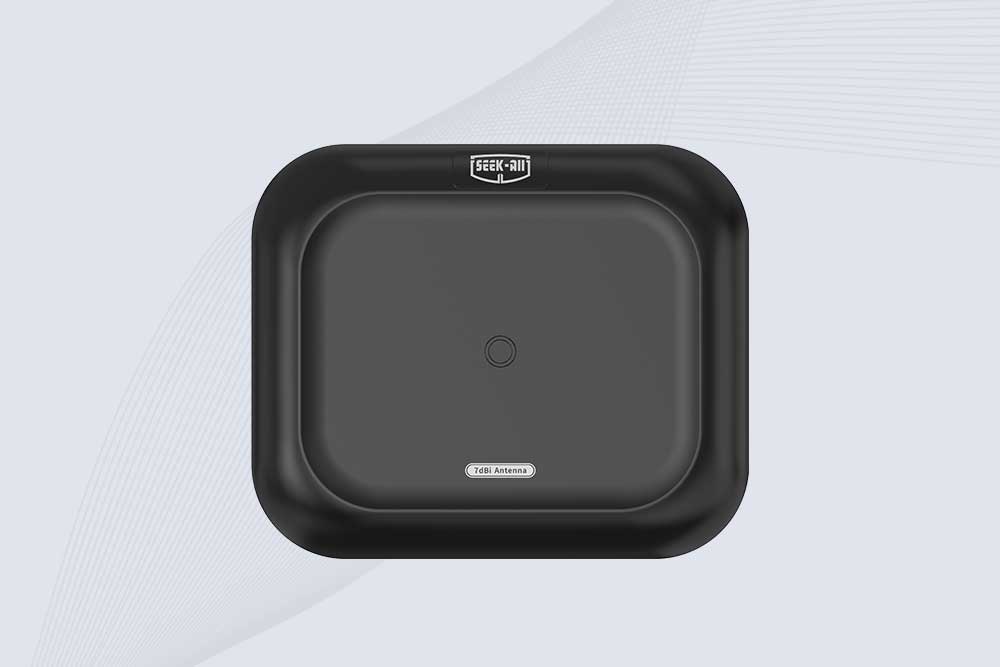
Explore the SSD-A07 UHF RFID antenna with 7 dBi gain, circular polarization, adjustable 840–960 MHz frequency, and 60°/75° beamwidth for stable RFID read/write performance.
SSD-A06 UHF RFID antenna with circular polarization, adjustable 840–960 MHz frequency, ≥4.5 dBi gain, and a compact directional design for RFID systems.
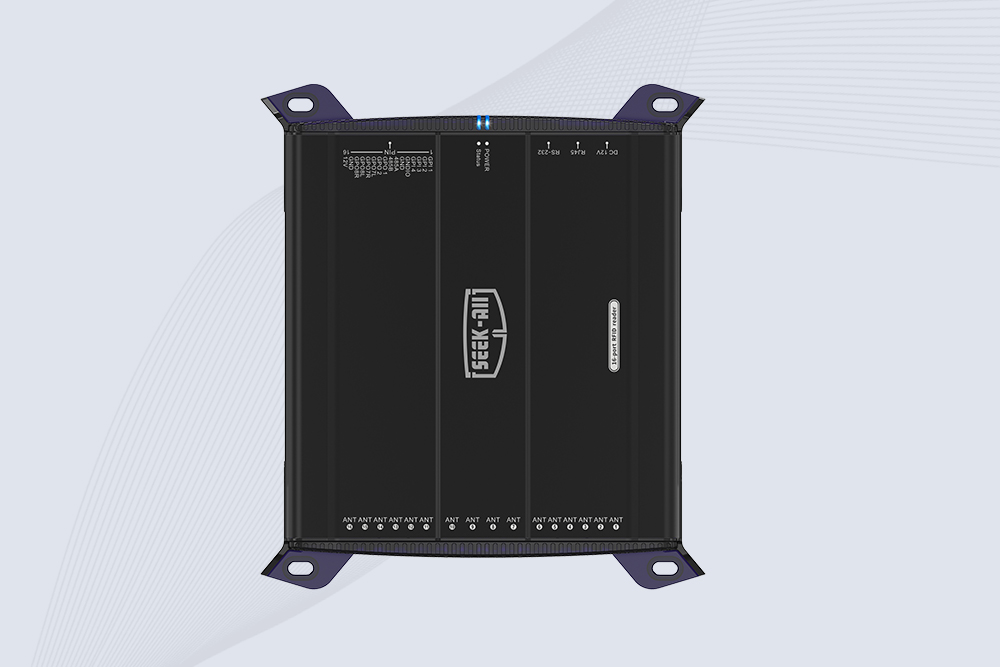
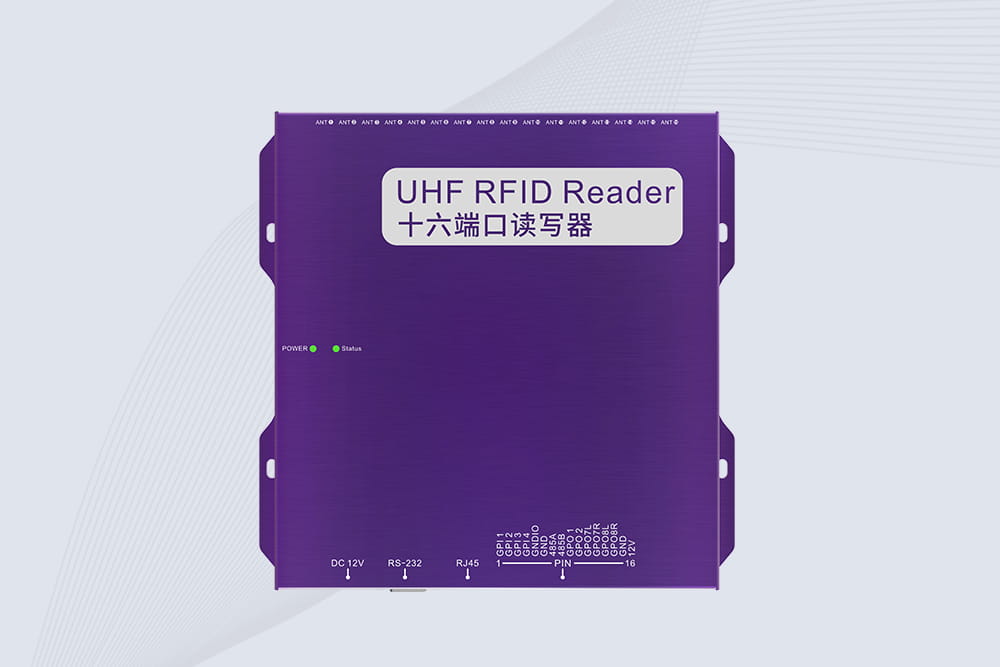
SSD-R16L Multi-Channel RFID Infrastructure for Automated Inventory Management ✔️ 16-Port High-Density RFID Reading Equipped with 16 SMA antenna ports, SSD-R16L supports multi-antenna deployment for warehouses, retail stores, logistics, production lines, and large-area RFID identification. ✔️ High-Speed & Long-Range Performance With up to 33…
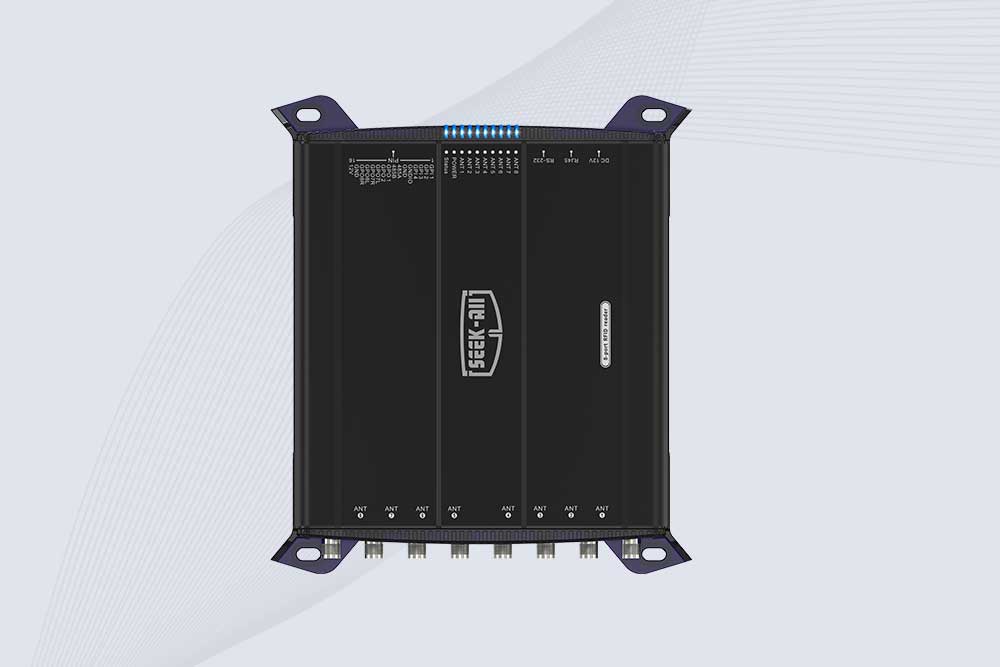
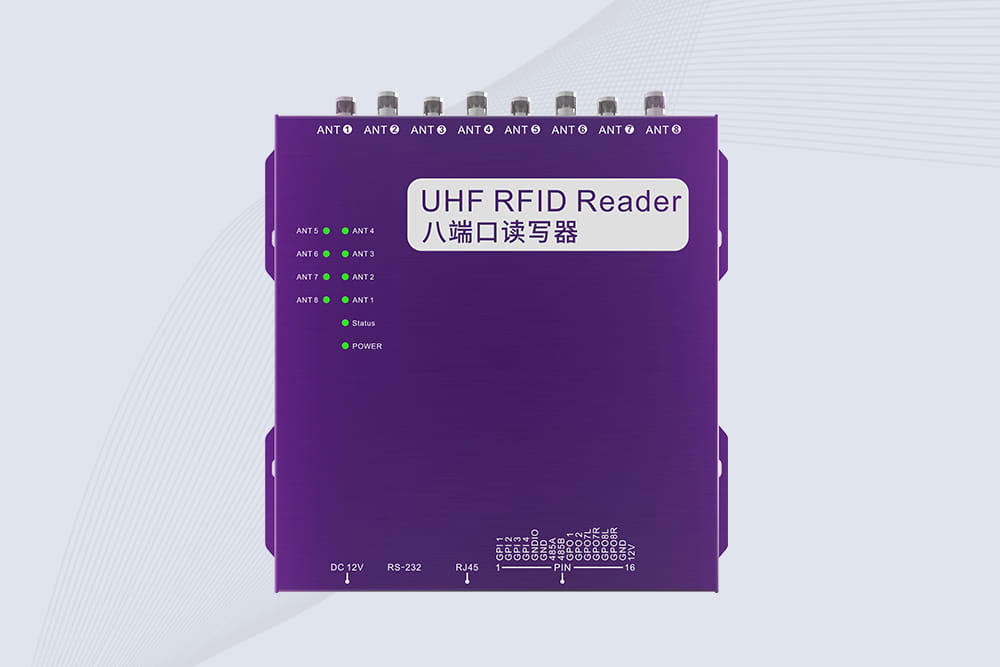
SSD-R8L 8-port UHF RFID reader with 33dBm output, up to 20m reading range and 600+ tags/s recognition. Ideal for warehouse, logistics, retail and asset tracking.
CYKEO Embedded RFID Modules are designed for compact industrial and IoT devices that require stable UHF performance. These UHF RFID Modules support global protocols, flexible power control, and reliable multi-tag reading for smart cabinets, production lines, and asset tracking systems.
CYKEO Embedded RFID Module is built for compact IoT and industrial devices that need stable UHF performance. This UHF module supports global protocols, low power operation, and reliable multi-tag reading for smart lockers, production lines, and always-on RFID systems.
CYKEO CYKEO-M1 drone rfid module is a compact UHF RFID reader module designed for drones and UAV platforms. It supports long-range aerial scanning, fast multi-tag reading, and stable performance in wind, vibration, and outdoor environments.
CYKEO CYKEO-M4 RC522 RFID Module is an industrial-grade UHF RFID reader with 4 ports, supporting ISO, EPC, and GB protocols. High-speed, accurate reading for IoT, automation, and warehouse applications.
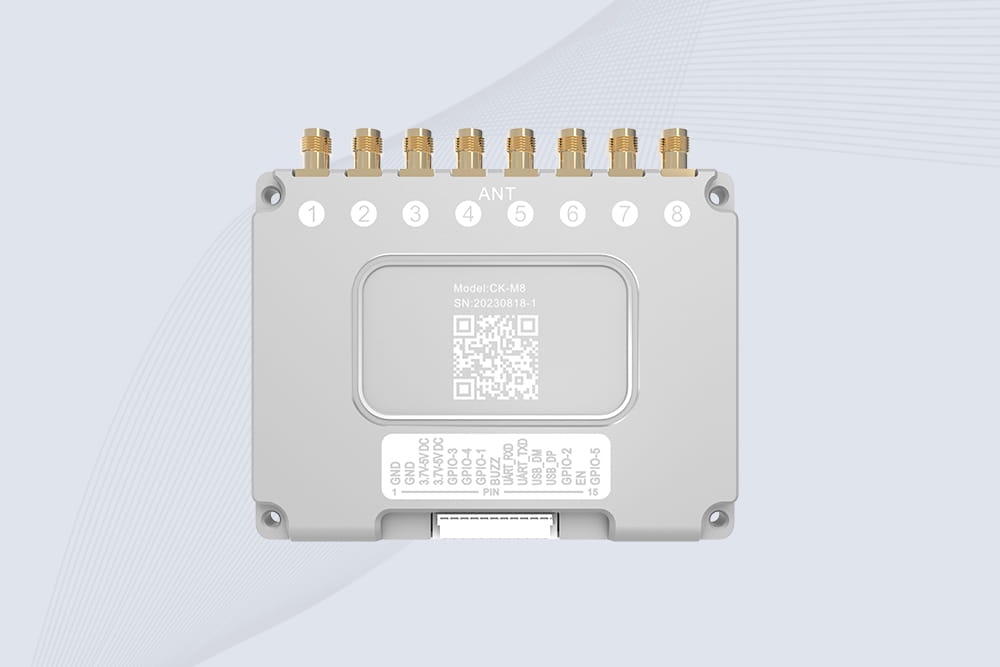
CYKEO CYKEO-M8 Module RFID is an 8-port UHF R2000 RFID Module designed for high-density, multi-tag environments. Stable 33dBm output, ISO & GB protocol support, ideal for warehouses, factories, and automated systems.
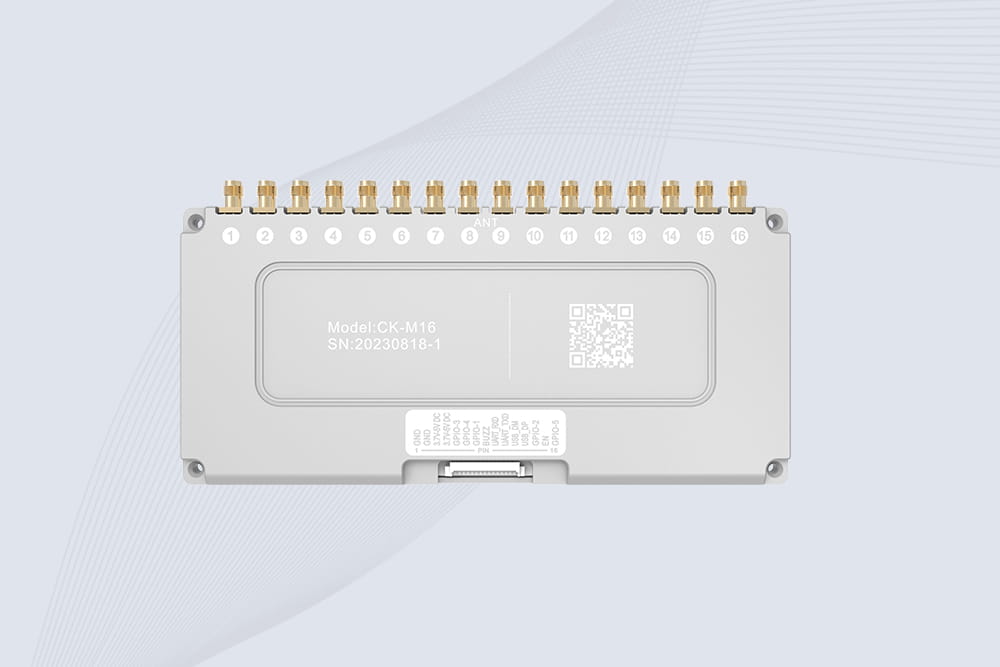
CYKEO CYKEO-M16 RFID Module is a 16-port UHF RFID reader module based on the R2000 chipset. Designed for dense tag environments, it supports ISO and GB standards and delivers stable multi-antenna control for industrial automation.
The CYKEO CYKEO-M16L RFID Reader Module is a 16-channel UHF RFID core designed for dense tag environments. With adjustable 33dBm output, multi-protocol support, and stable multi-antenna control, this RFID Tag Reader Module fits industrial automation, warehouse systems, and large-scale IoT deployments.
CYKEO CYKEO-M8L module RFID is a compact industrial UHF module built for dense tag and multi-antenna environments. With 8 RF ports, adjustable 33 dBm output, and ISO & GB protocol support, it is widely used in factories, warehouses, and automated tracking systems.
CYKEOCYKEO-M4L UHF RFID Module is a compact 4-channel RFID tag reader module designed for dense tag environments. Supporting ISO and GB protocols, it delivers stable reads up to 10 meters for industrial and IoT systems.
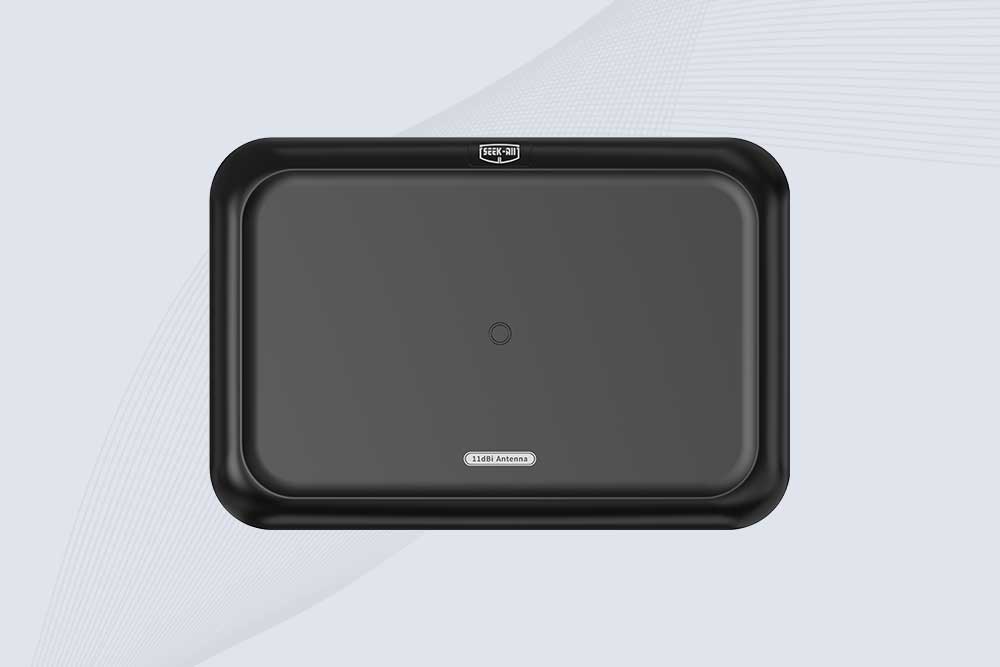
Cykeo CYKEO-A11 UHF RFID reader antenna delivers 11dBi gain, 840-960MHz frequency range, and IP65 ruggedness for retail, logistics, and industrial RFID systems. Features low VSWR and easy installation.
CYKEO Antenna RFID Reader delivers stable long-range UHF performance with a 10.5dBi directional design, built for warehouses, conveyor portals, and industrial RFID systems. This rfid reader antenna provides 20m+ read distance and rugged IP67 protection.
Cykeo CYKEO-A5B industrial Linear RFID Antenna delivers 5dBi gain, ≤1.5:1 VSWR, and IP65 rugged design for warehouse, production line, and logistics UHF systems.
Cykeo’s CYKEO-B12 Long Range RFID Antenna delivers 15m+ read range with 12dBi gain, IP65 rugged design, and global 840-960MHz UHF support. Ideal for warehouse/logistics asset tracking.
Cykeo CYKEO-B10 Long Distance RFID Antenna offers 10dBi gain, 840-960MHz frequency range, IP65 rating, and 20m+ coverage for logistics/warehousing/ETC systems. Low VSWR ensures stable signal transmission.
Cykeo CYKEO-A6 UHF RFID panel antenna features 6dBi gain, 840-960MHz broadband, IP65 metal-ready housing for logistics/smart retail. 18mm ultra-thin design with tool-free mounting.
Cykeo CK-A3 industrial antenna RFID UHF offers 5m+ tag detection, ≤1.3:1 VSWR, IP65 rugged design, and global UHF spectrum compatibility (840-960MHz) for warehouses, factories, and retail.
Cykeo CYKEO-B5 directional RFID antenna provides 5dBi gain with 60° narrow beamwidth for precise inventory tracking. IP65-rated, global UHF frequency support, and low VSWR.
Create your own high-performance DIY RFID antenna! 5dBi gain, 840-960MHz tunable, step-by-step guides. Compatible with Arduino, Raspberry Pi, and commercial UHF readers.
Cykeo CYKEO-A7 Flexible RFID Antenna features 840-960MHz wideband tuning, 7dBi gain, and IP68 rating for medical/retail/industrial curved surface deployments. 98% read accuracy with peel-and-stick installation.
Cykeo CYKEO-B5A industrial Passive RFID Antenna delivers 5dBi gain, 70° beamwidth, and -40°C~55°C operation for warehouses/smart cabinets. Compatible with Zebra/Impinj readers.
Cykeo’s CYKEO-A9B High Gain RFID Antenna delivers 15m+ read range with 9dBi amplification. Features IP54 rugged design, 840-960MHz bandwidth, and 80° beamwidth for warehouse/manufacturing RFID systems.
Cykeo’s enterprise-grade 8dbi Impinj RFID Antenna 10m+ read range with 840-960MHz tuning. Features IP65 housing, 1.4 VSWR, 35° beamwidth for retail/warehouse RFID systems.
Cykeo CYKEO-A9 industrial UHF RFID antenna delivers 9dBi gain, 840-960MHz frequency range, and IP65 protection for warehouse/logistics/retail RFID systems. Features N-type connector and ≤1.3:1 VSWR.
CYKEO UHF RFID Antenna built for long-distance and industrial applications. This antenna rfid uhf delivers strong gain, outdoor durability, and reliable tag performance in warehouses, yards, and vehicle ID systems.
CYKEO Antenna RFID delivers reliable long-range UHF performance in warehouses, retail shelves, and cold-chain environments. This compact uhf rfid antenna provides stable reads with circular polarization and ultra-wide 840–960 MHz support, ideal for industrial tracking, smart shelves, and asset monitoring.
Cykeo’s CYKEO-C8 UHF RFID antennas delivers 8dBi gain, 840-960MHz full-band coverage, and IP65 ruggedness for manufacturing/warehouse RFID systems. Industrial RFID Antennas Features
Cykeo’s 8dBi UHF RFID antenna and reader kit delivers 10m+ range, 840-960MHz broadband, and IP65 ruggedness for factories, warehouses, and logistics. ISO 18000-6C & EPC Gen2 certified.
Cykeo’s CYKEO-A12C UHF Large RFID Antenna delivers 12dBi gain, 840-960MHz global frequency, IP65 ruggedness for logistics/warehousing/automotive. 40° beamwidth ensures stable 15m+ tag reads.
CYKEO Near Field RFID Antenna provides precise 5–30 cm reading for shelves, cabinets, and workstations. This compact rfid shelf antenna delivers stable short-range performance around metal and clutter, ideal for pharmacies, libraries, and electronics sorting.
Cykeo CYKEO-C1 industrial Forklift RFID Reader features 20m read range, 600 tags/sec scanning, Impinj R2000 chipset, and IP67 rugged design. Ideal for warehouse logistics and manufacturing. Supports ISO 18000-6C/6B protocols.
Cykeo CYKEO-R4 industrial UHF RFID Fixed Reader features 4 TNC ports, 400+ tags/sec speed, IP67 housing, and global frequency compliance for vehicle inspection, smart warehouse, and asset management systems.
CYKEO CYKEO-R8L Fixed RFID Reader with 8-port UHF design, Impinj-based RF core and up to 20m read range. An industrial Fixed RFID Reader for vehicle inspection, warehouse portals, smart manufacturing lines and secure access checkpoints.
RFID Fixed Reader from CYKEO – the CYKEO-R16L 16-port UHF fixed reader for warehouses, smart cabinets, and production lines. Long-range, multi-tag reading, stable performance for 24/7 industrial use.
Discover how Cykeo's new Beijing branch delivers cutting-edge RFID technology and tailored IoT solutions across six North China provinces, driving industrial digitalization with 48-hour delivery assurance.
Improve hospital linen control with the Cykeo CK-G2224 RFID smart cabinet — real-time tracking, automated inventory, reduced loss, and full workflow digitization.
Learn how an RFID payment system works, its benefits, and real-world use cases. Discover why businesses are switching to fast, contactless RFID payment solutions.
How to test RFID with a phone? With NFC functionality and mobile apps, users can quickly read high-frequency RFID tags. This is ideal for field testing, verification, and early project identification. Learn the exact steps and how to troubleshoot ...
 Cykeo RFID IoT Solution Products R&D Manufacturer