 Cykeo RFID IoT Solution Products R&D Manufacturer

RFID Payment System: How It Works and Why Businesses Are Switching Fast
274Learn how an RFID payment system works, its benefits, and real-world use cases. Discover why businesses are switching to fast, contactless RFID payment solutions.
MoreAll RFID Product
A lot of people start searching for an RFID access kit with a simple goal.
Open a door.
Control a gate.
Manage employee access.
Track vehicles entering a facility.
Sounds straightforward.
Then they start comparing products and suddenly find themselves looking at dozens of reader types, card technologies, frequencies, communication protocols, and installation options.
At that point, most buyers aren’t asking:
“What RFID kit should I buy?”
They’re asking:
“How do I avoid buying the wrong one?”
I’ve seen this happen with warehouses, apartment complexes, office buildings, and even small parking lots.
The hardware usually isn’t the biggest challenge.
Choosing the right architecture is.
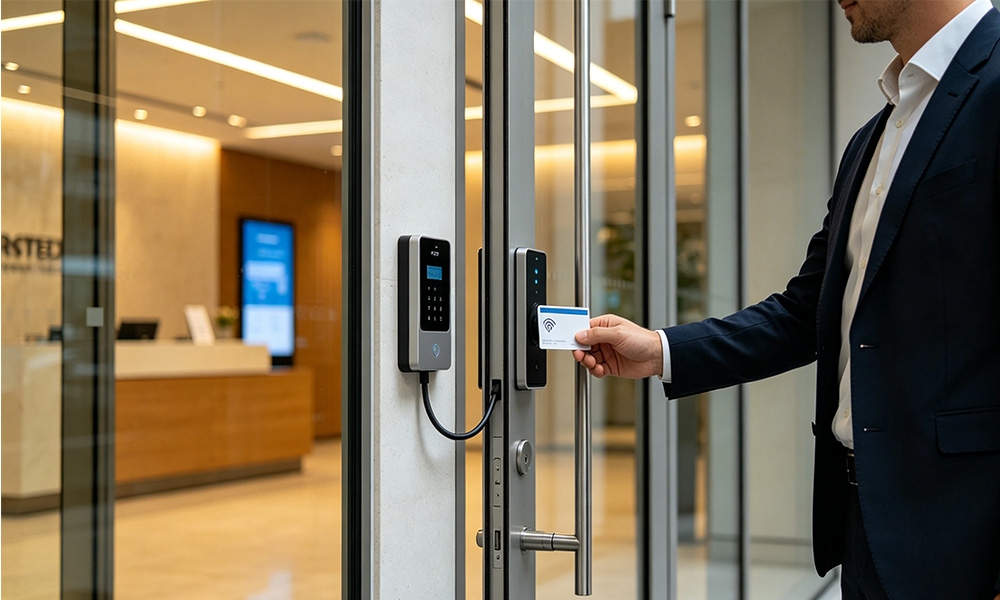
A facility manager once shared an experience that stuck with me.
The goal seemed simple.
Install RFID access control at two vehicle entrances and a pedestrian gate.
The initial proposal looked attractive because the hardware cost was low.
Readers.
Cards.
Controller.
Done.
Or so everyone thought.
Six months later, complaints started arriving.
Vehicles had to stop directly in front of the reader.
Drivers rolled down windows during rain.
Entry queues formed during busy hours.
Visitors frequently called security because credentials weren’t recognized immediately.
Nothing was technically broken.
The system simply wasn’t designed around how people actually moved through the site.
That difference matters more than many buyers realize.
A reader that works perfectly in a test environment can become frustrating in daily operation.
One of the biggest misconceptions in access control is the idea that longer range is always better.
Sometimes it is.
Sometimes it creates new problems.
Consider a secure office entrance.
If a reader detects credentials from several meters away, employees might unintentionally trigger access while simply walking nearby.
In contrast, a vehicle gate at a logistics facility often benefits from longer read distances.
Drivers don’t need to stop.
Traffic flows more smoothly.
Waiting times decrease.
The right read range depends heavily on the environment.
A warehouse gate and a data center entrance have completely different requirements.
Yet many buyers evaluate readers as if they’re solving the same problem.
They’re not.
This is where many projects become unnecessarily complicated.
People often focus on readers while overlooking the credential itself.
The credential determines much of the user experience.
For example:
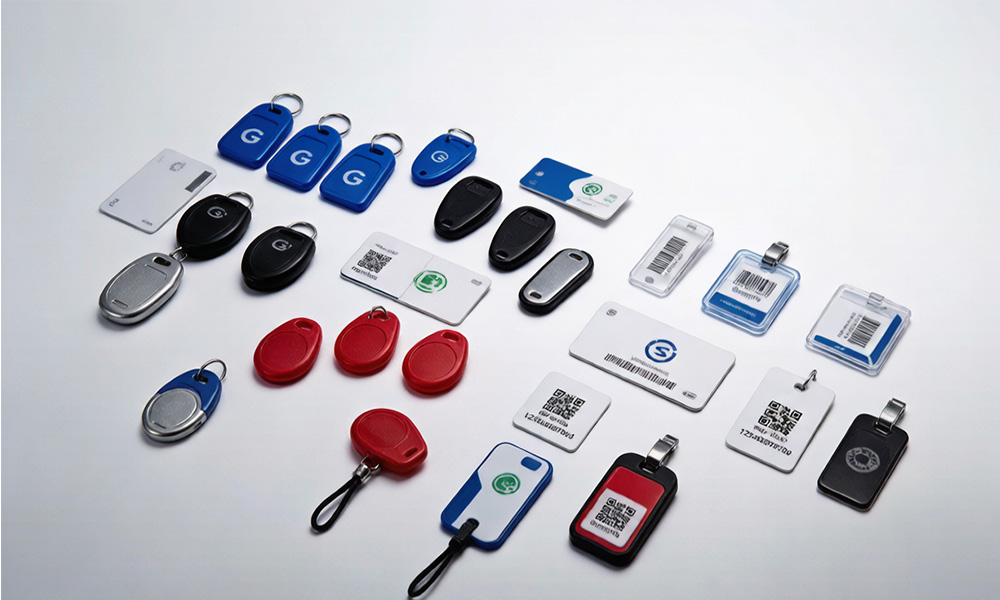
An office building may prefer RFID cards because they’re familiar and easy to issue.
A residential community may favor key fobs since residents already carry keys.
A parking facility might use windshield tags to eliminate the need for drivers to present credentials manually.
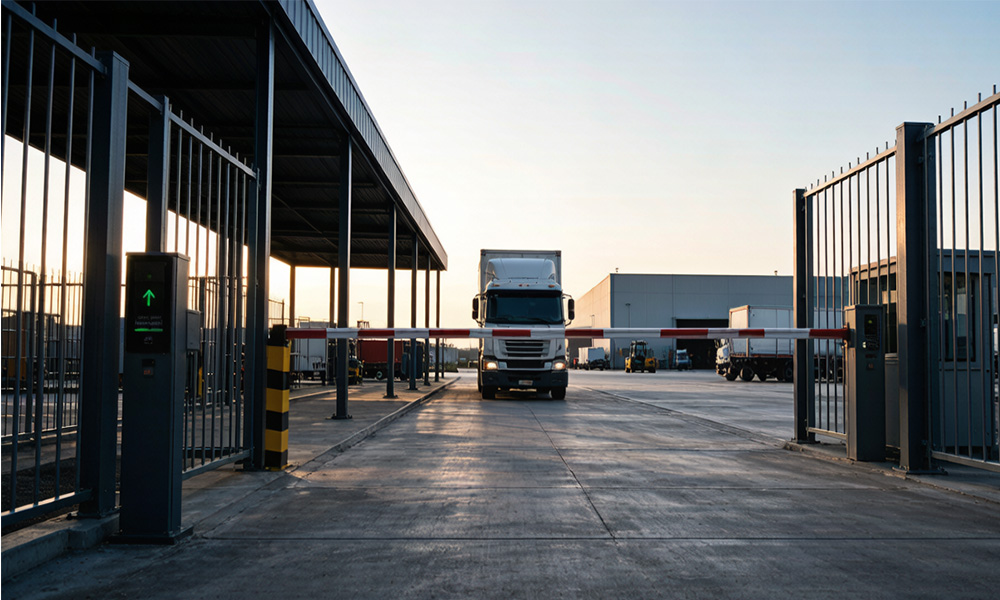
A logistics yard handling hundreds of trucks per day may deploy long-range vehicle tags to keep traffic moving.
The technology is similar.
The operational experience is completely different.
Whenever I evaluate an RFID access project, I spend almost as much time discussing credentials as readers.
Because that’s what users interact with every day.
Many first-time buyers search for “RFID access kit” and assume they’re purchasing a complete solution.
Sometimes they are.
Sometimes they’re only buying a reader.
A fully functioning access control deployment may include:
This becomes especially important for commercial projects.
A reader may perform perfectly.
If the controller responds slowly or the network experiences interruptions, users will still perceive the system as unreliable.
In practice, people judge the entire access process, not individual components.
This becomes obvious once you’ve worked on both.
With door access systems, people naturally slow down.
They present a card.
The door unlocks.
The process feels normal.
Vehicle access works differently.
Drivers expect movement.
They don’t want to stop, lower a window, present a credential, and wait for a gate to respond.
At large facilities, even a few extra seconds per vehicle can create noticeable congestion.
This is one reason long-range RFID has become increasingly popular in:
The goal isn’t just security.
It’s traffic management.
That distinction often changes system design decisions.
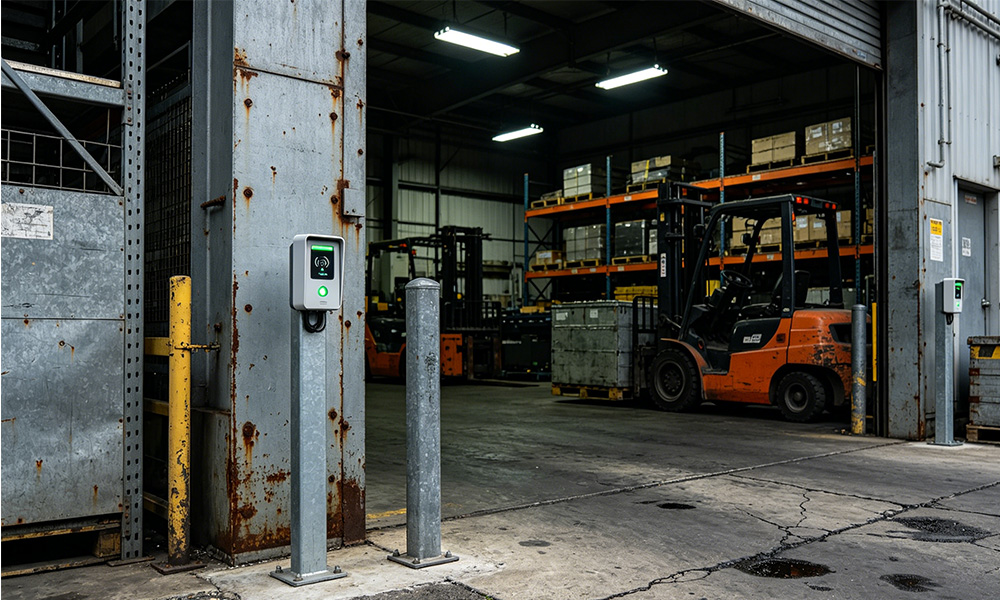
A reader that performs perfectly indoors may behave very differently outdoors.
Rain.
Dust.
Direct sunlight.
Metal structures.
Large vehicles.
These factors affect RFID performance more than many buyers expect.
I’ve seen installations where the reader itself wasn’t the problem.
The surrounding environment was.
Metal fences reflected signals.
Vehicle positioning varied.
Credential placement changed from user to user.
The result was inconsistent reads.
The lesson is simple.
Lab performance and field performance are rarely identical.
Site conditions matter.
A lot.
End users usually ask:
“How far can it read?”
Integrators often ask something else.
“How does it connect?”
That may sound less exciting, but it’s usually more important.
Modern access control systems frequently need to communicate with:
The reader itself may only represent a small portion of the overall project.
Integration capability often determines whether deployment takes days or months.
Maintenance.
Not hardware.
Not installation.
Maintenance.
Many organizations focus heavily on purchase price while ignoring long-term operation.
Questions worth asking include:
How easy is it to issue new credentials?
How quickly can lost cards be disabled?
Can permissions be managed remotely?
How difficult is firmware updating?
Will replacement credentials still be available years later?
A system that saves a few hundred dollars upfront may create thousands of dollars in administrative costs over its lifetime.
That’s why experienced facility managers often evaluate workflows before hardware specifications.
Not the longest read range.
Not the cheapest reader.
Not the most impressive marketing brochure.
Instead, I look for signs that the system was designed around real-world usage.
Can vehicles move efficiently?
Can credentials be managed easily?
Can the system expand later?
Will it integrate with existing infrastructure?
Can replacement components be sourced consistently?
Those questions rarely appear on product packaging.
Yet they’re often the factors that determine whether an RFID access project succeeds five years from now.
And that’s usually what commercial buyers care about most.
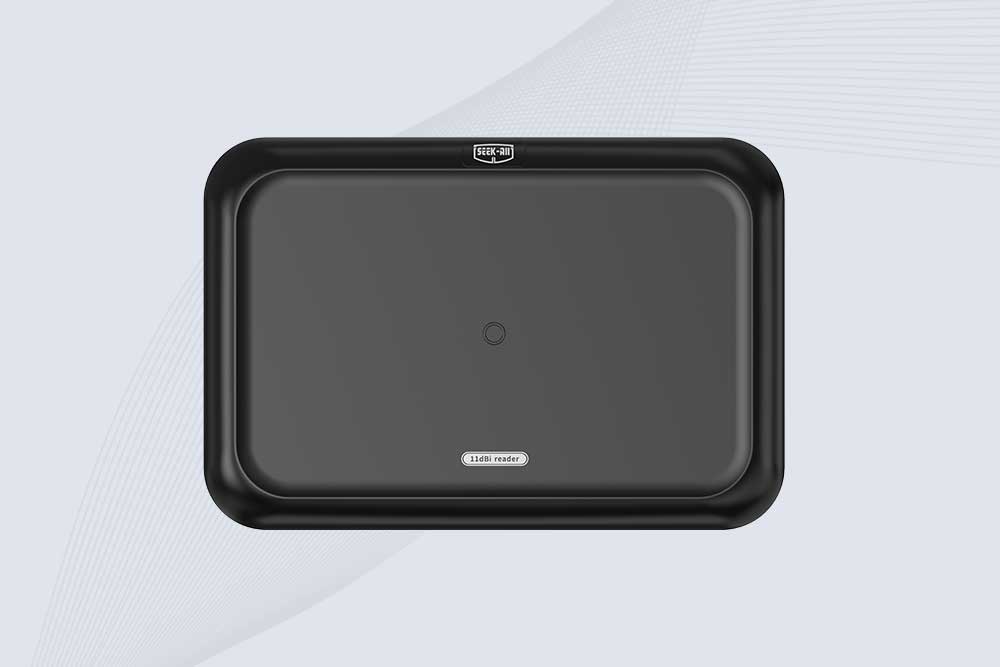
SSD-RA11L is an 11 dBi UHF RFID reader with up to 15m reading distance, 600+ tags/s speed, integrated antenna and flexible connectivity.
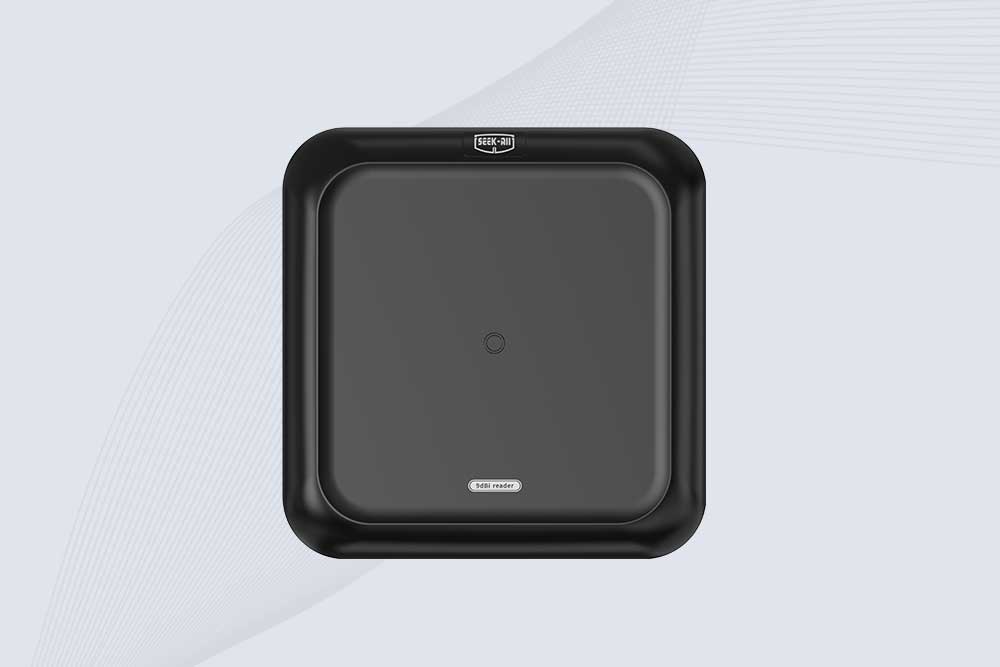
SSD-RA09L is a long range UHF RFID reader with a built-in 9 dBi antenna, 10m reading range, 600+ tags/s speed and flexible interfaces.
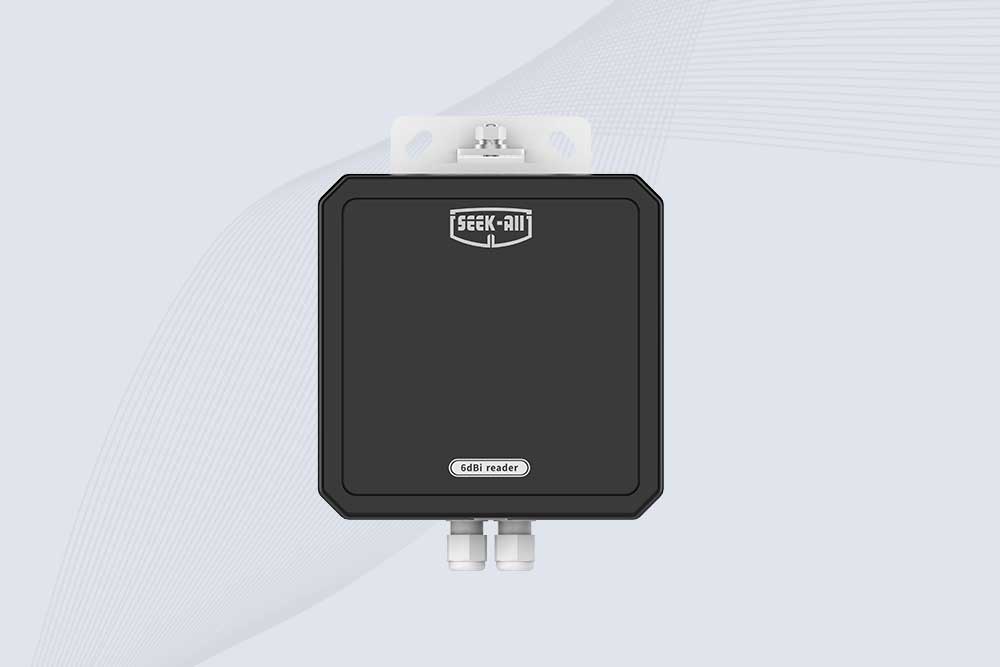
SSD-RA06L is an industrial UHF RFID reader with a built-in 6 dBi antenna, 3 m read range, 600+ tags/s, Ethernet, RS232, and optional Wi-Fi, 4G, and PoE.
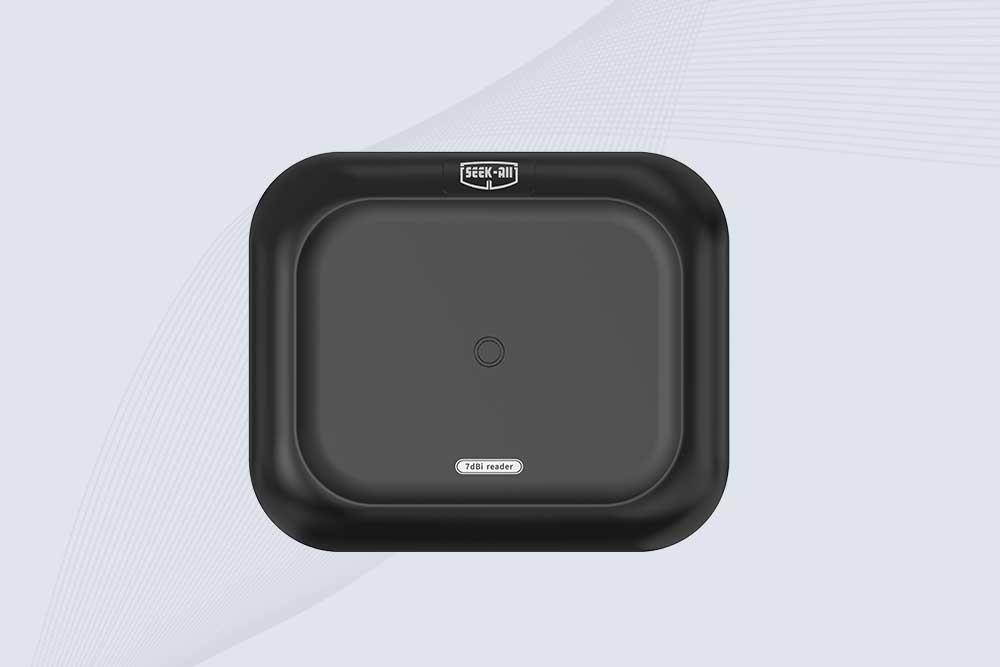
SSD-RA07L industrial UHF RFID reader with integrated 7 dBi antenna, up to 6 m reading distance, over 600 tags/s, Ethernet, RS232, and optional Wi-Fi, 4G, and PoE.
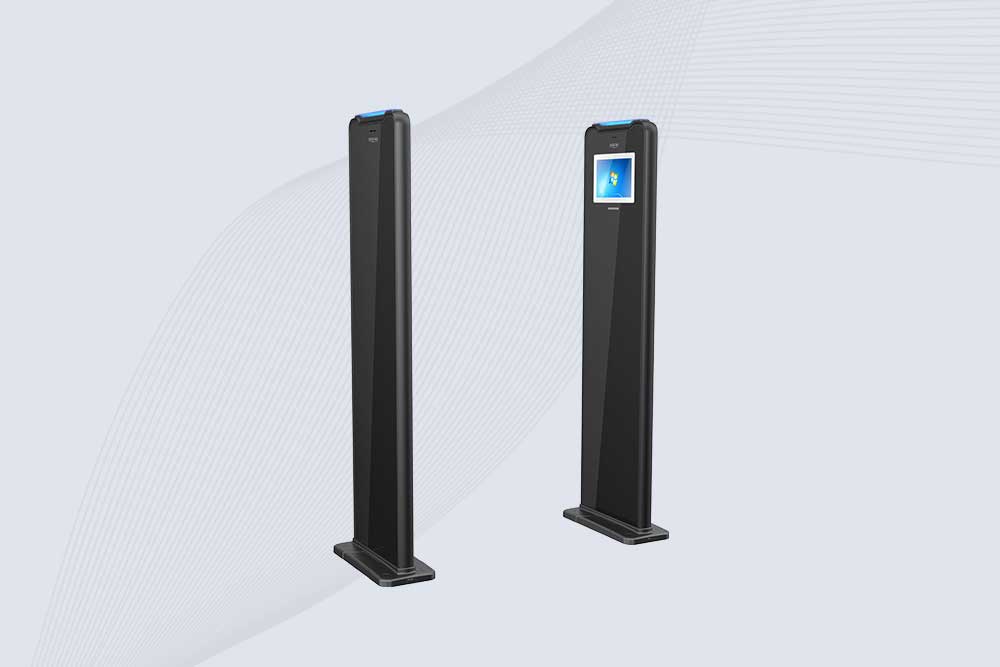
SSD-T4A-P Smart access control with real-time crowd tracking ✔️ AI Tag Filtering for Reduced Misreads SSD-T4A-P supports AI-based tag filtering and up to 6 EPC filtering sets, helping reduce unwanted reads and improve identification accuracy in busy entrances, exits, and retail environments. ✔️ Fast In & Out Detection with Visual & Audio…
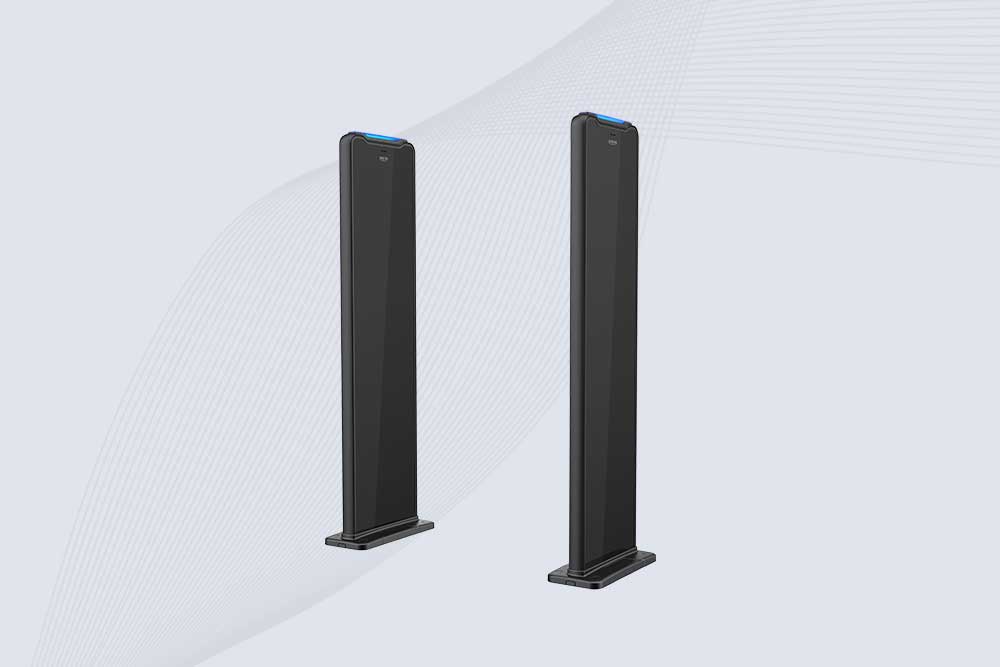
SSD-T4A UHF RFID Gate Reader with 11 dBi antenna, up to 10 m reading distance, AI tag filtering, in/out detection, 300,000 data storage, and TCP/HTTP/MQTT support.
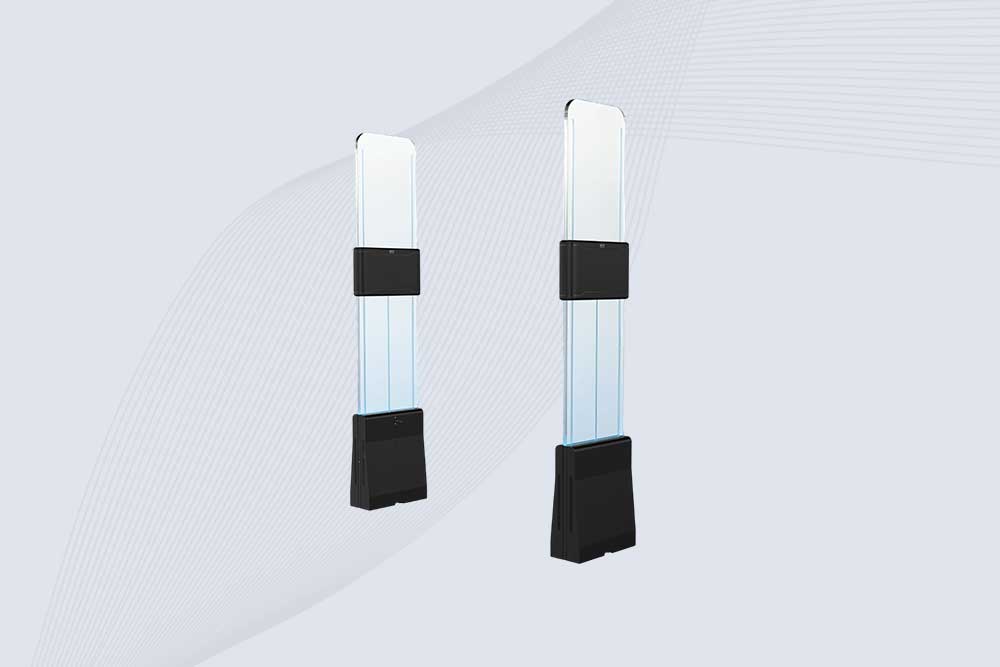
SSD-T2D UHF RFID Gate Reader with 11dBi circular antenna, Impinj E710/X3M1 chipset, up to 10m reading distance, AI tag filtering, in/out detection, and audio-visual alarms.
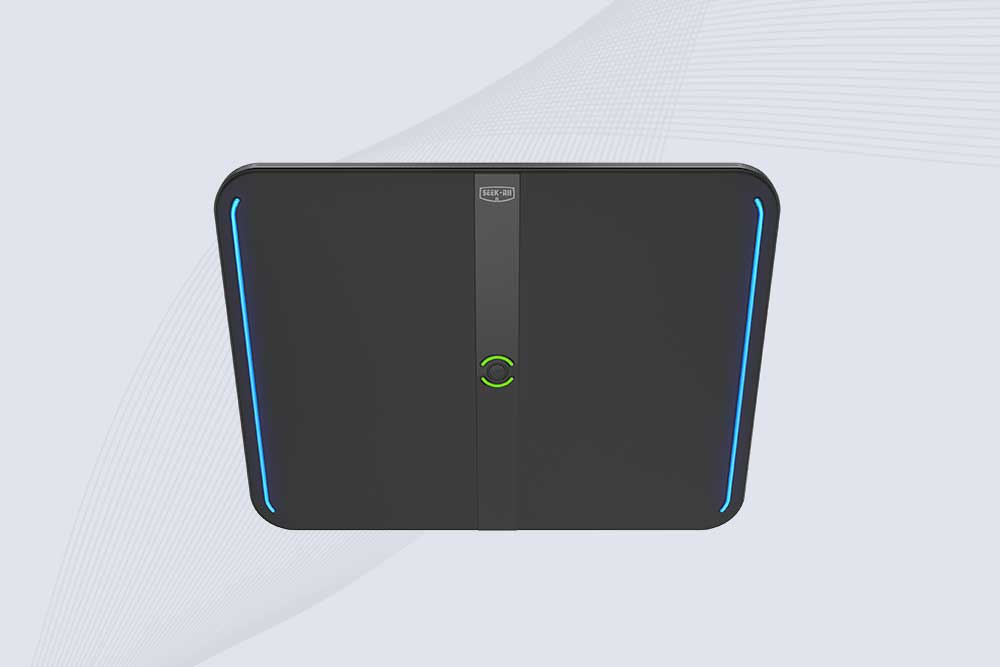
SSD-T1 ✔️ AI-Powered Tag Filtering SSD-T1 supports AI-based tag filtering with up to 6 EPC filtering sets, helping reduce unwanted tag reads and improve identification accuracy in busy retail and access-control environments. ✔️ Reliable In & Out Detection With a 7dBi antenna and a reading range of up to 2.5 meters, SSD-T1 can detect tagged i…
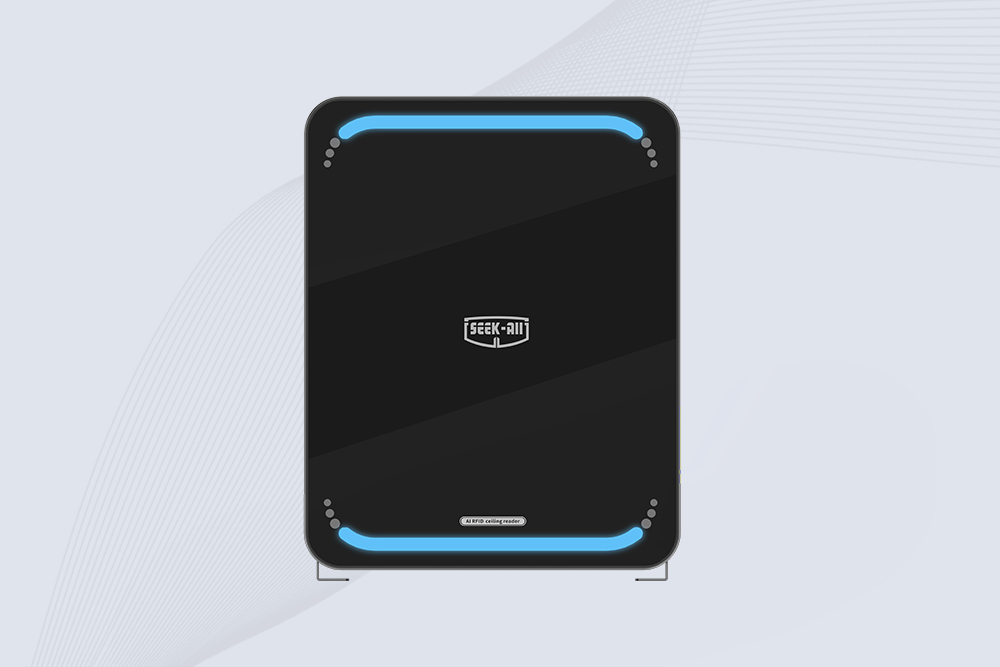
SSD-T1G is a 12 dBi AI RFID ceiling-mounted reader with 10m reading range, In/Out detection, AI tag filtering, 300,000-record storage, and TCP/HTTP/MQTT support.
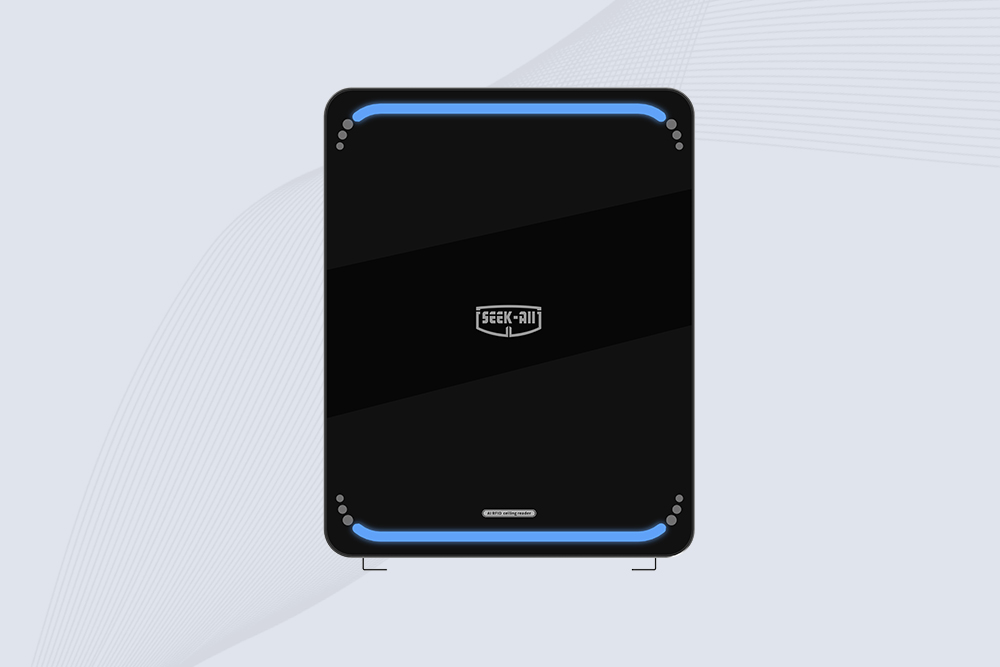
SSD-T1H 9dBi AI ceiling-mounted UHF RFID reader with up to 10m reading range, AI tag filtering, 300,000 data storage, and TCP/HTTP/MQTT support.
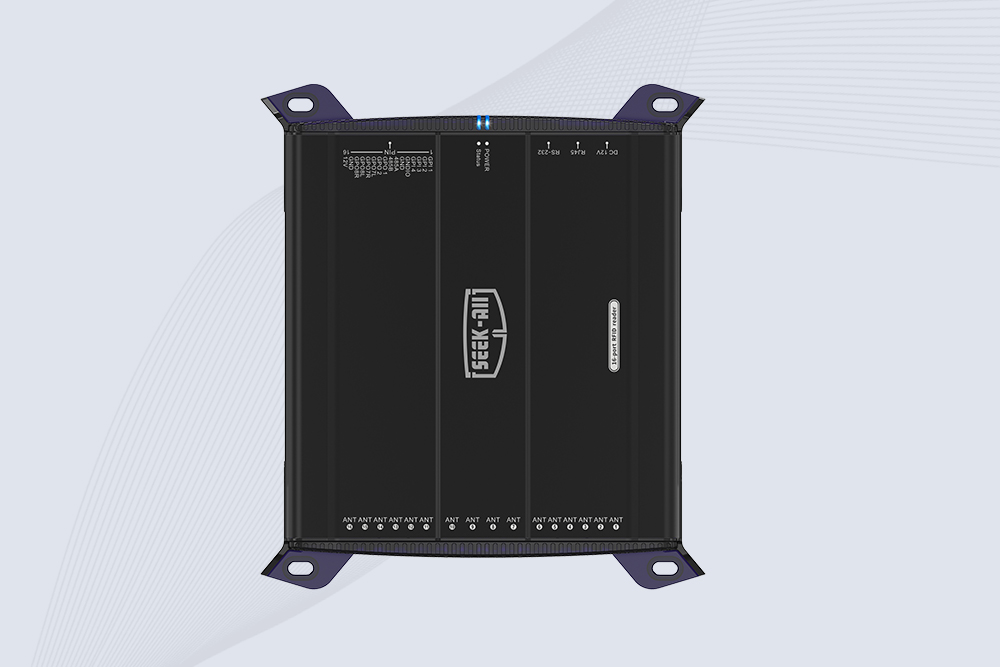
SSD-R16L Multi-Channel RFID Infrastructure for Automated Inventory Management ✔️ 16-Port High-Density RFID Reading Equipped with 16 SMA antenna ports, SSD-R16L supports multi-antenna deployment for warehouses, retail stores, logistics, production lines, and large-area RFID identification. ✔️ High-Speed & Long-Range Performance With up to 33…
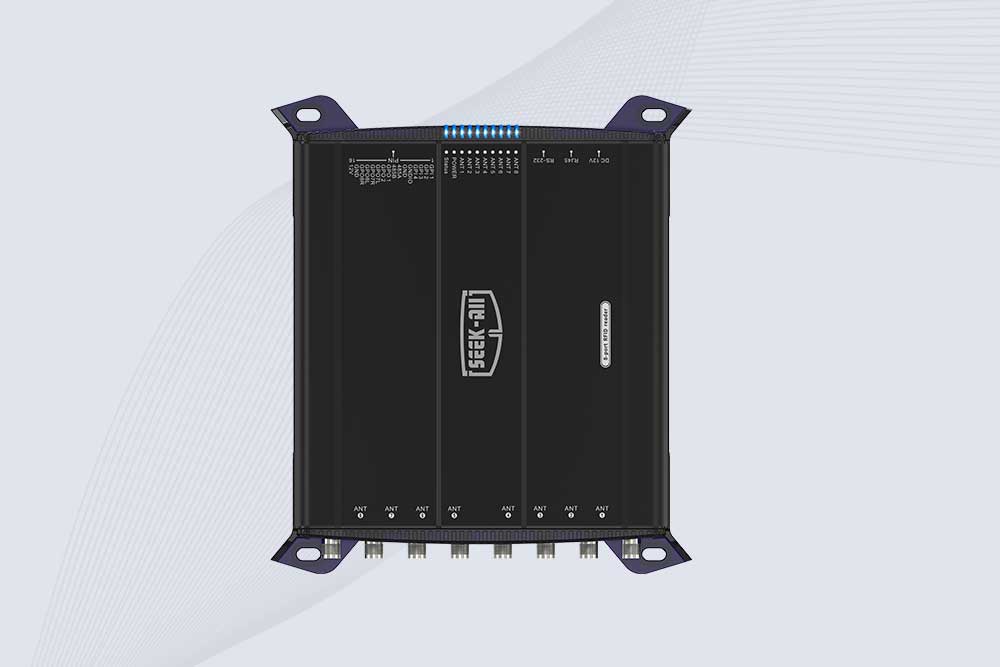
SSD-R8L 8-port UHF RFID reader with 33dBm output, up to 20m reading range and 600+ tags/s recognition. Ideal for warehouse, logistics, retail and asset tracking.
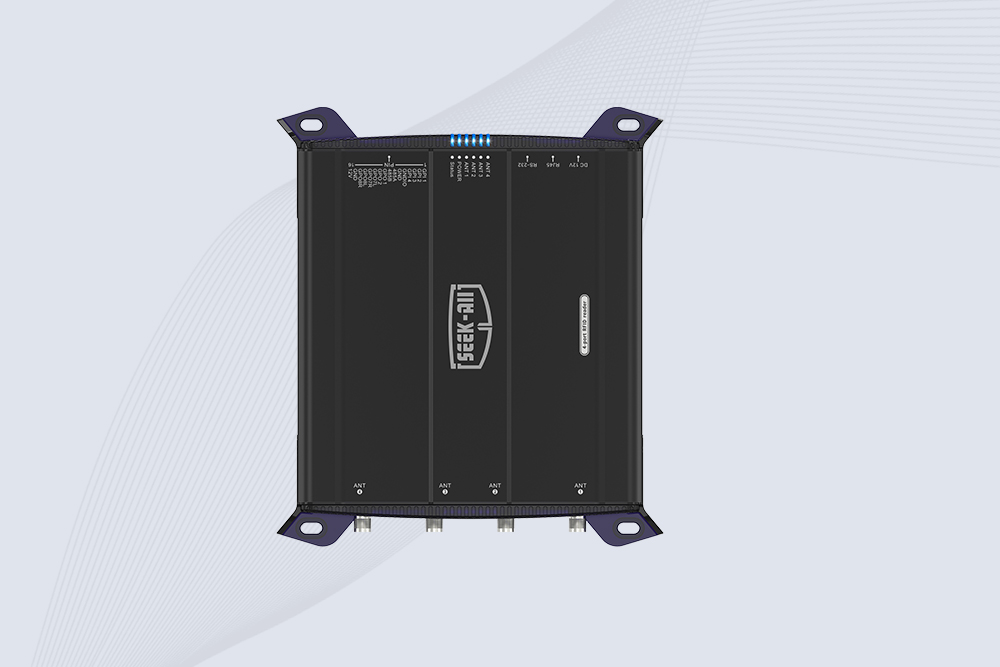
SSD-R4L is a 4-port UHF RFID fixed reader with 33dBm output power, up to 20m reading range, EPC C1G2 support and 600+ tags/s reading speed.
Cykeo’s CYKEO-T1D industrial RFID ceiling reader features 500 tags/sec scanning, IP54 protection, and -20℃~60℃ operation for retail/warehouse security. Supports ISO18000-6C and GB/T29768 protocols.
Cykeo’s ceiling-mounted RFID reader enables hands-free 5m inventory tracking with 500 tags/min speed. Features dual alerts, ERP integration, and IP54 rating for warehouse security.
Cykeo CK-T1E RFID gate system features 120° coverage, AI motion filtering, and 5m detection for retail/warehouse security. IP67 rugged design with ERP integration.
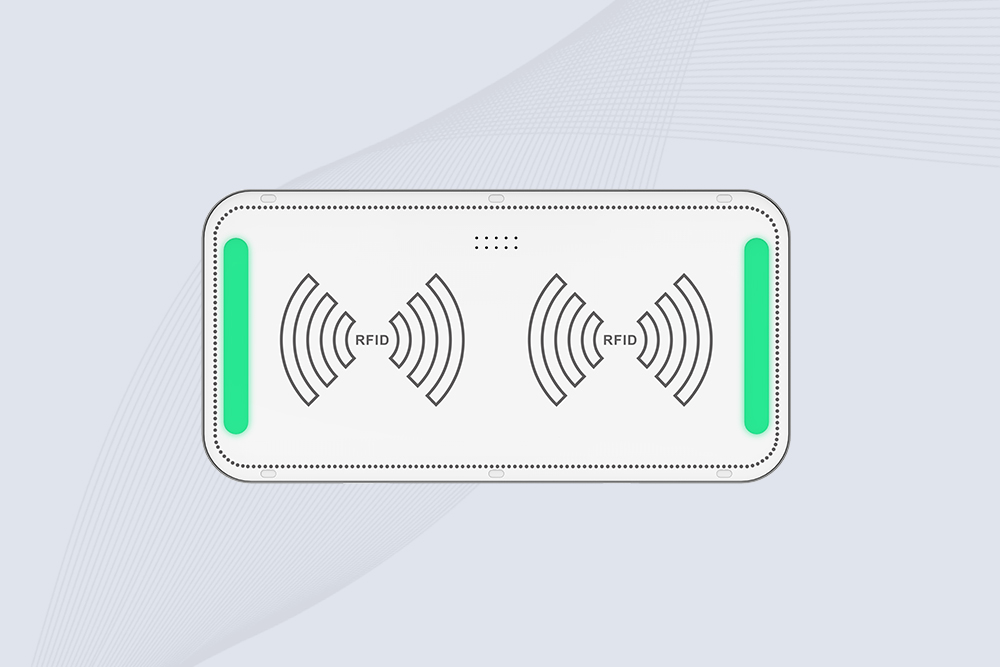
Cykeo CYKEO-T1A industrial ceiling RFID system offers 10-20m read range, 500+ tags/sec speed, and IP65 protection for smart warehousing. Supports multi-protocol integration and real-time inventory alerts.
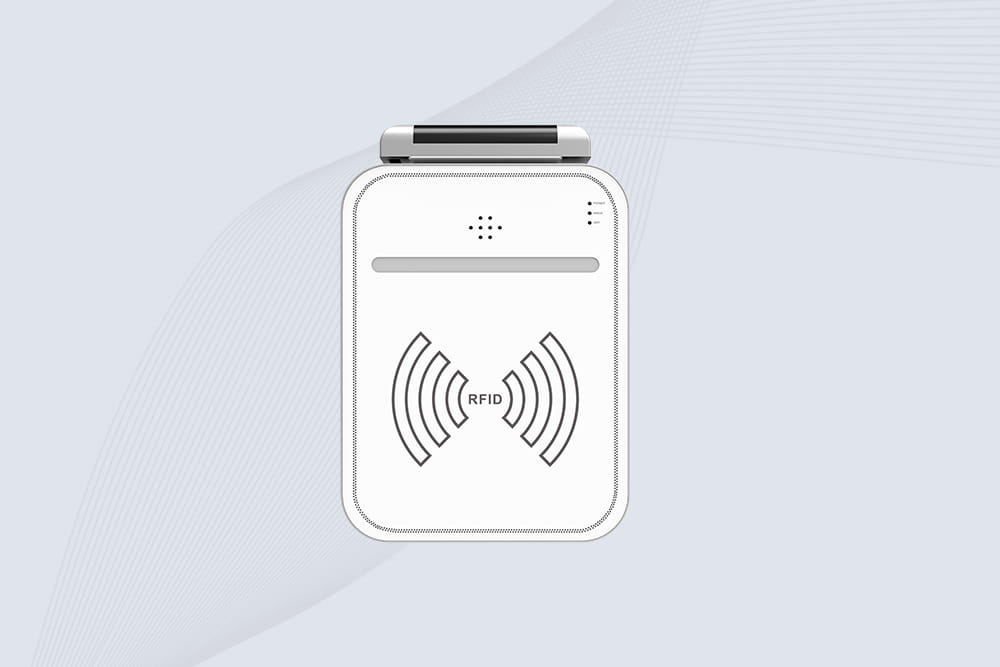
Cykeo’s CYKEO-T1 ceiling-mounted UHF RFID reader offers 500tags/sec scanning, ISO18000-6C compliance, and -20℃~60℃ operation for smart retail/warehouse management. Supports TCP/IP & Android integration.
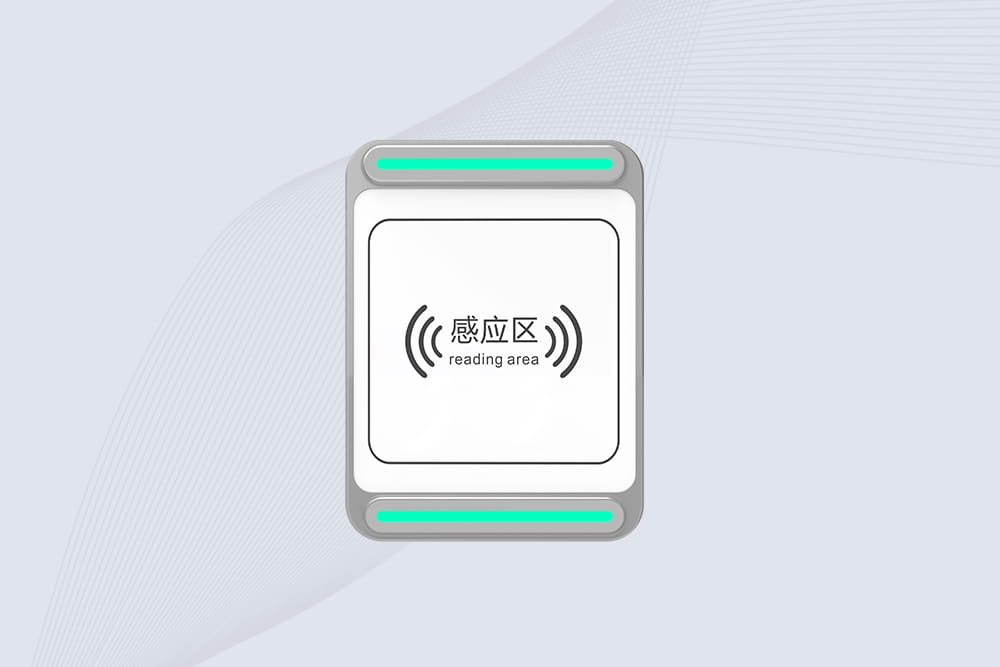
Cykeo CYKEO-T1B ceiling-mounted RFID system delivers 10-20m reading range, 500+ tags/sec processing, and integrated security alarms. Ideal for warehouse/logistics automation with Android-compatible SDK.
Cykeo’s industrial ceiling-mounted RFID reader offers 10m+ automated inventory tracking, ISO-18000 compliance, and anti-theft alarms. Designed for retail/warehouse/logistics facilities.
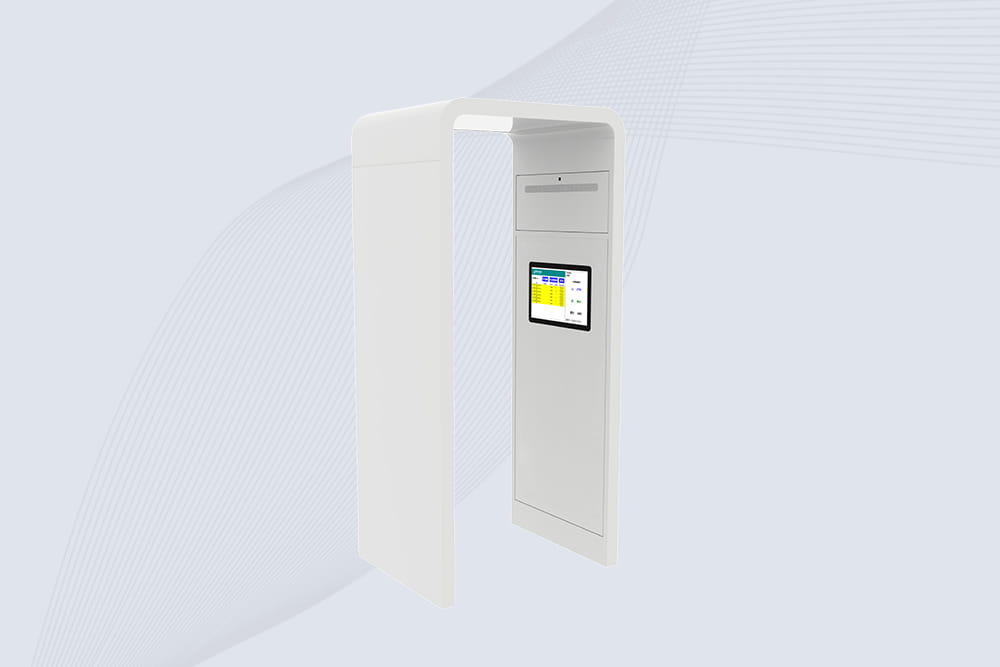
Cykeo CYKEO-T8 industrial arch gate RFID reader delivers 800+ tags/min scanning, 4m detection range, and Android touchscreen for libraries/retail stores. Supports SAP integration & dual EAS alarms.
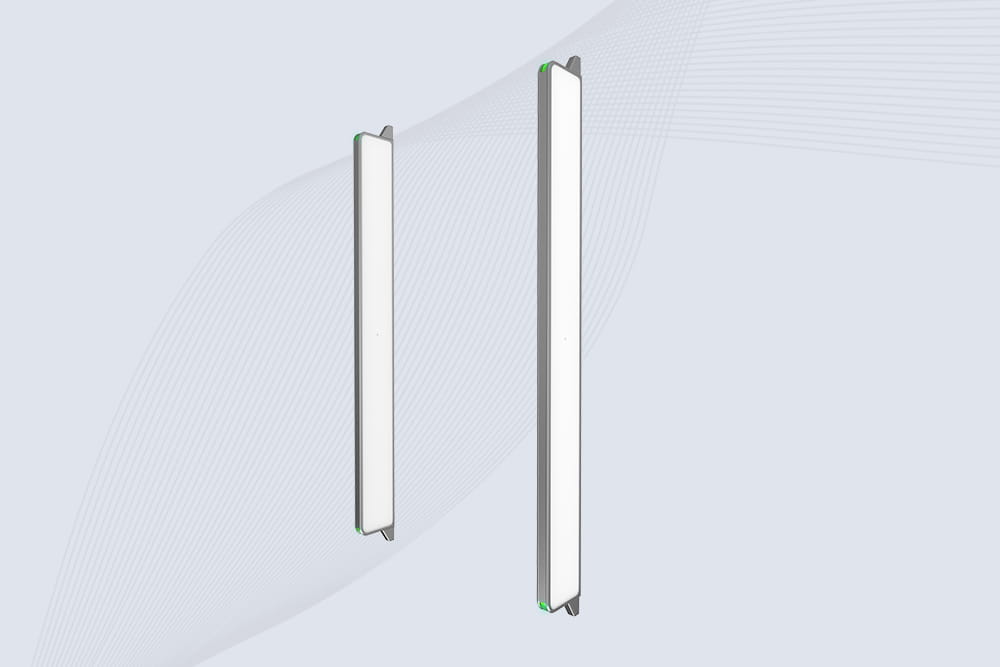
Cykeo CYKEO-T3 industrial RFID gate reader features 200cm detection, infrared triggering, and dual alarm modes for warehouses/libraries. Supports WiFi/4G and Java/C# SDK integration.
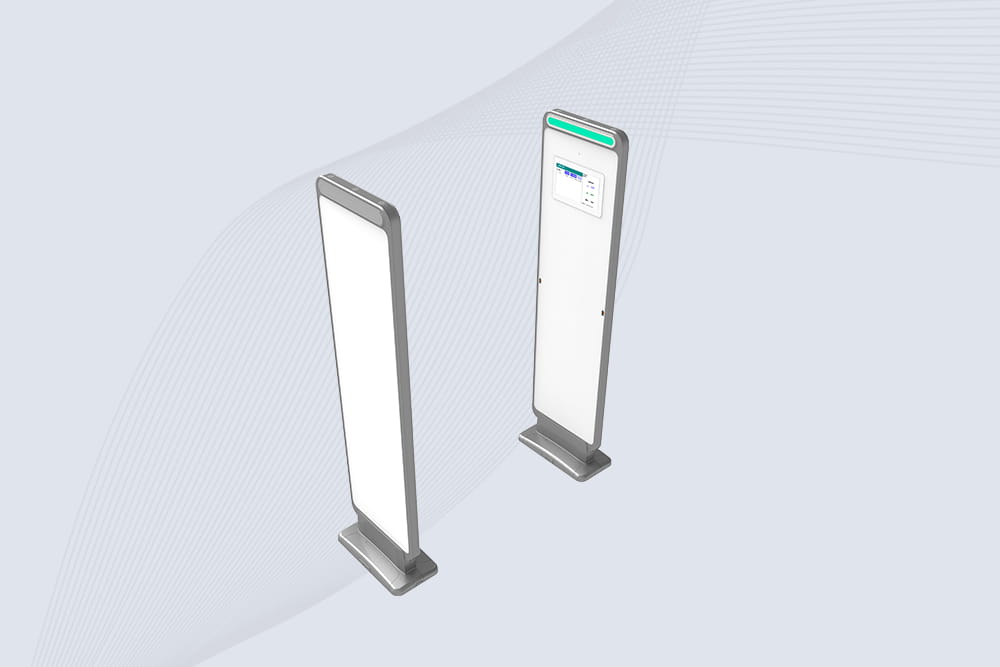
Cykeo CYKEO-T4 industrial RFID gate system features 4-antenna array, 99.9% detection accuracy, dual EAS alarms, and WiFi/4G connectivity for library/warehouse/retail security. ISO 18000-6C compliant.

Cykeo’s CYKEO-T5 UHF RFID gate reader features 600cm detection, infrared tracking, and dual-mode alarms for retail/library security. Supports crowd counting and multi-protocol integration.
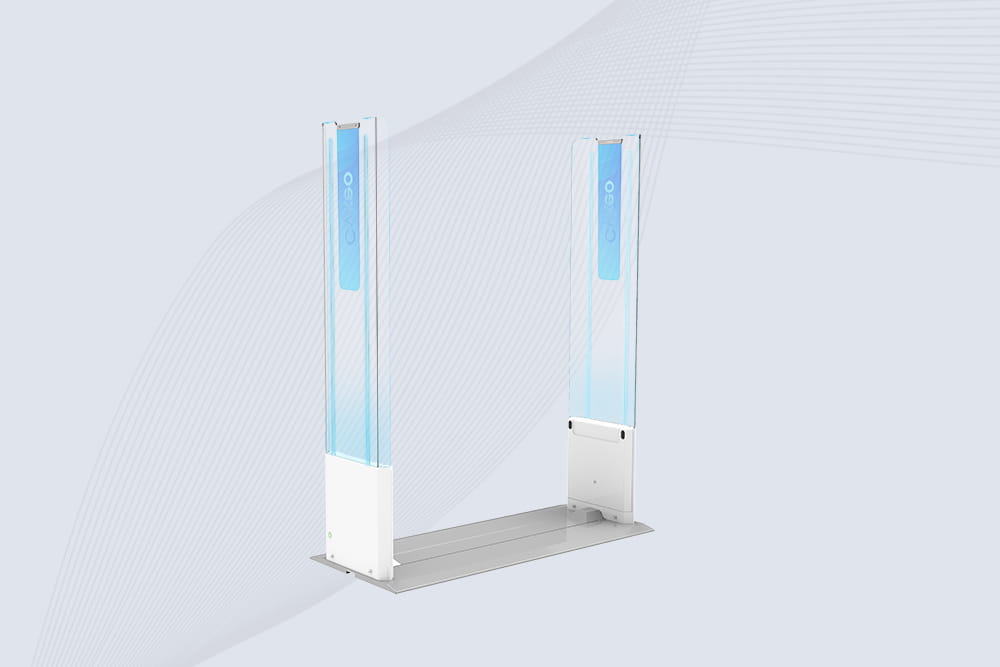
Cykeo CYKEO-T2A industrial Gate Barrier RFID Reader system features 6m detection, 200 tags/sec scanning, IP54 durability. Perfect for retail security, warehouse access control. Supports EPC C1G2, WiFi/4G, ERP integration.
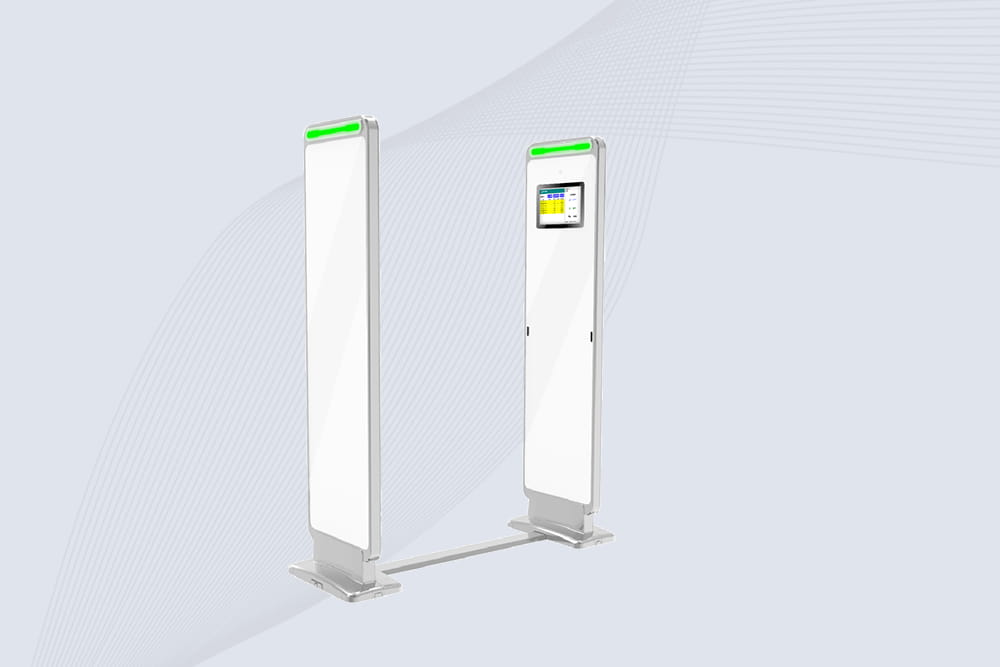
Cykeo’s CYKEO-T4 RFID Gate Reader system offers 200+ tags/sec scanning, EAS alarms, and rugged design for libraries/warehouses. Supports WiFi/4G and Windows/Android OS.

Cykeo HF RFID gate reader offers 90cm detection range, ISO15693/18000-6C compliance, and industrial-grade durability for libraries/retail. Features EAS alarms, infrared traffic analysis, and 3D omni-directional scanning.
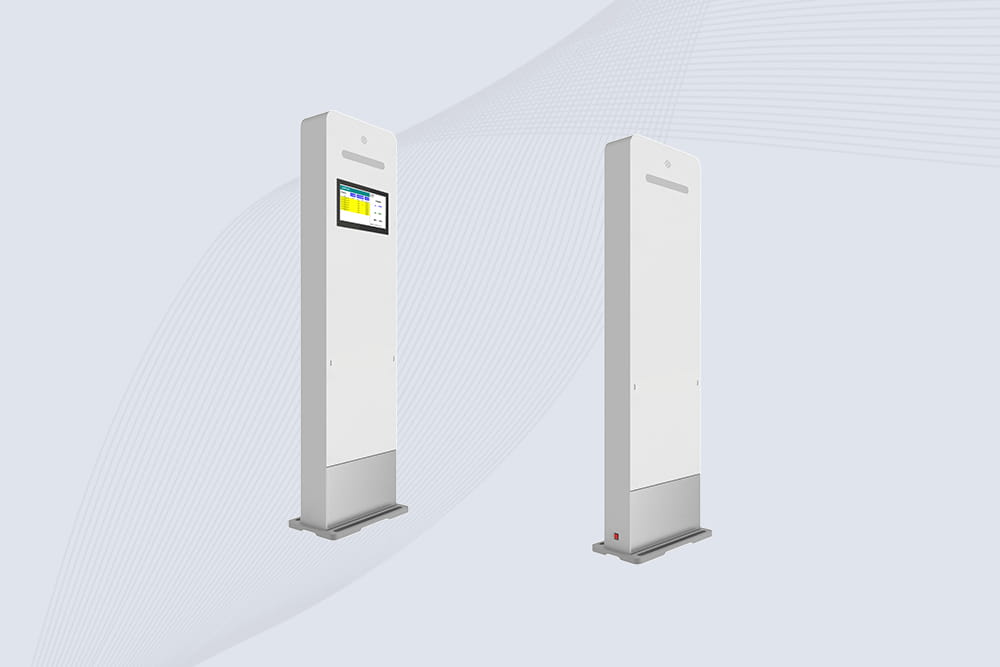
Cykeo CYKEO-T7 UHF RFID Gate Reader system delivers 600cm read range, 99.9% tag accuracy, real-time personnel counting, and SAP integration for logistics/warehouse/manufacturing. Supports dual OS & offline alarms.
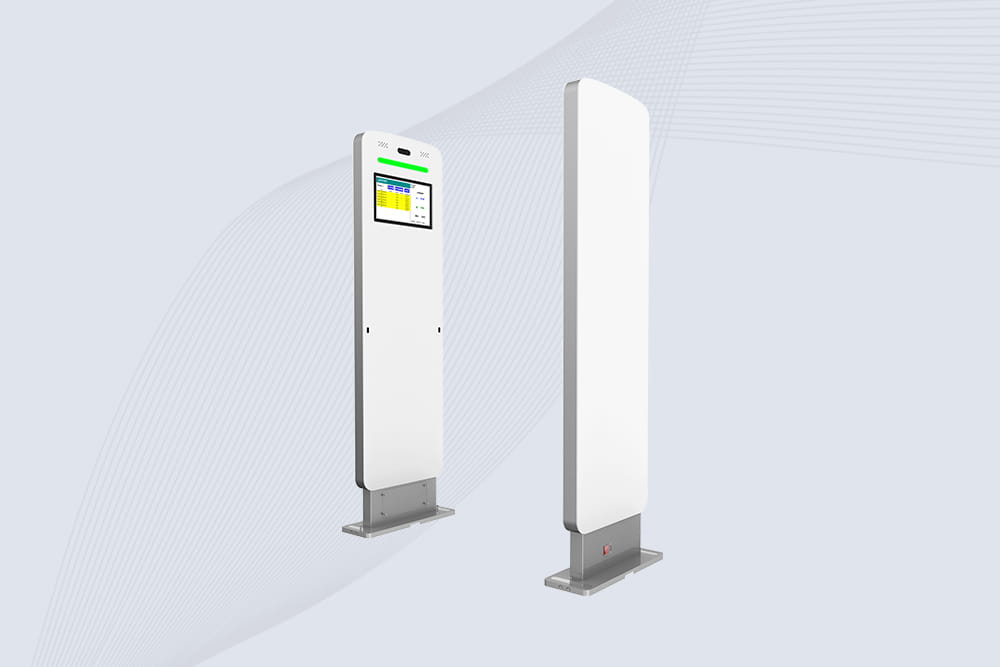
Cykeo CYKEO-T6 gate RFID reader features 1,200+ tags/min scanning, 6m detection range, and industrial-grade durability for libraries/stores/warehouses. Supports ISO 18000-6C and waterproof installations.

Cykeo CYKEO-T9HA industrial HF RFID gate reader offers 100cm range, 100+ tags/sec scanning, ISO 15693/14443A protocols, and IP66 durability for libraries, archives, and retail. Supports offline alarms and SAP integration.
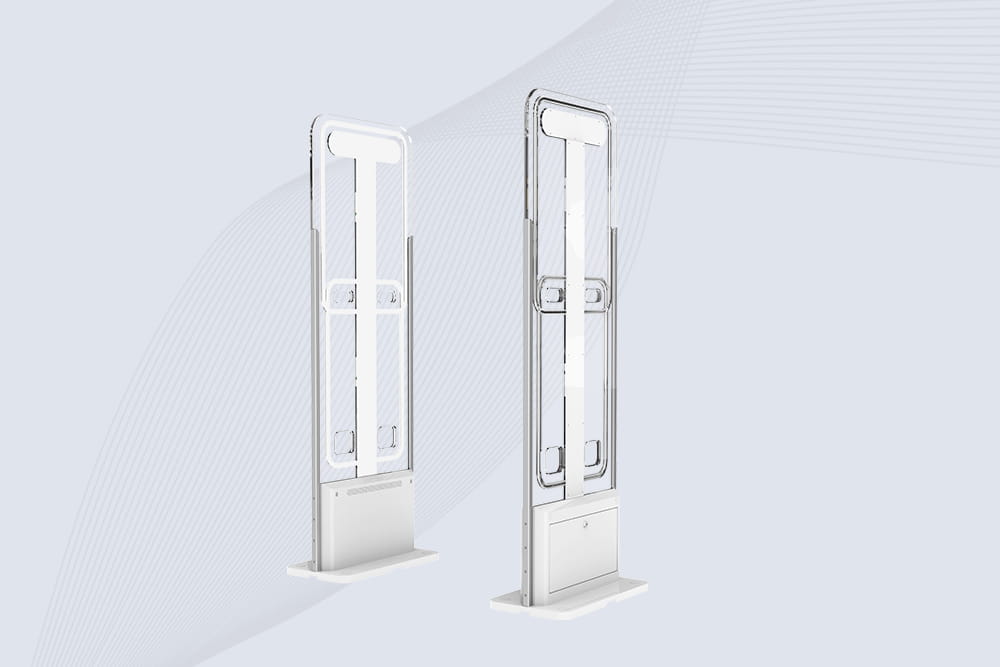
Cykeo CYKEO-T9UH UHF RFID gate reader offers 90cm detection width, EAS/AFI anti-theft alerts, IP54 rugged design, and multi-protocol support for libraries, retail, and logistics.
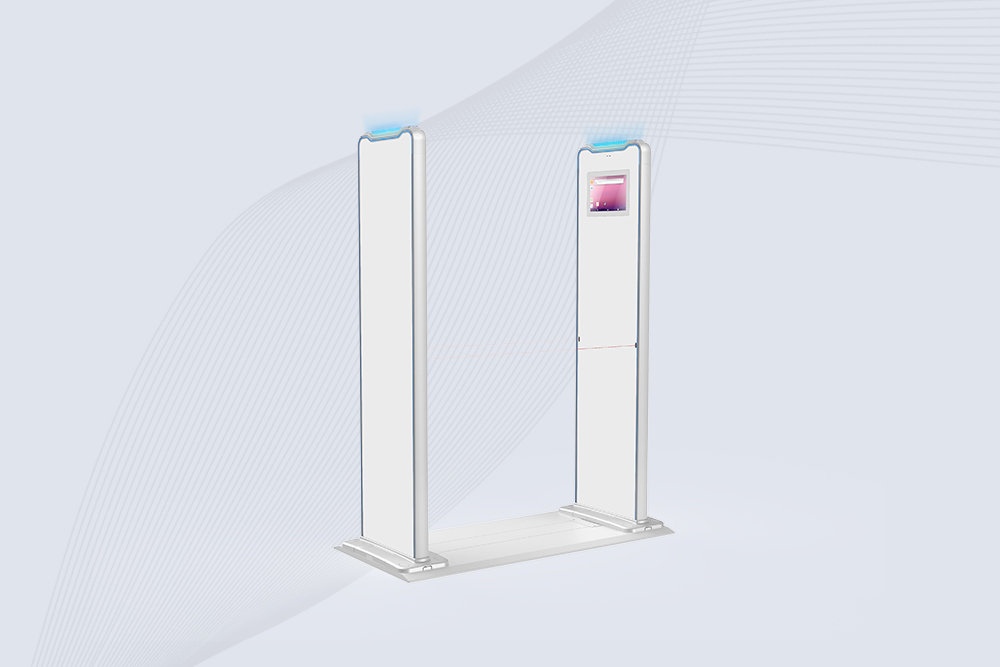
Cykeo’s Fixed RFID Gate Reader features 60 tags/sec scanning, IP54 rugged design, and dual-mode EAS alarm. Ideal for library/warehouse/event access control with real-time crowd analytics.
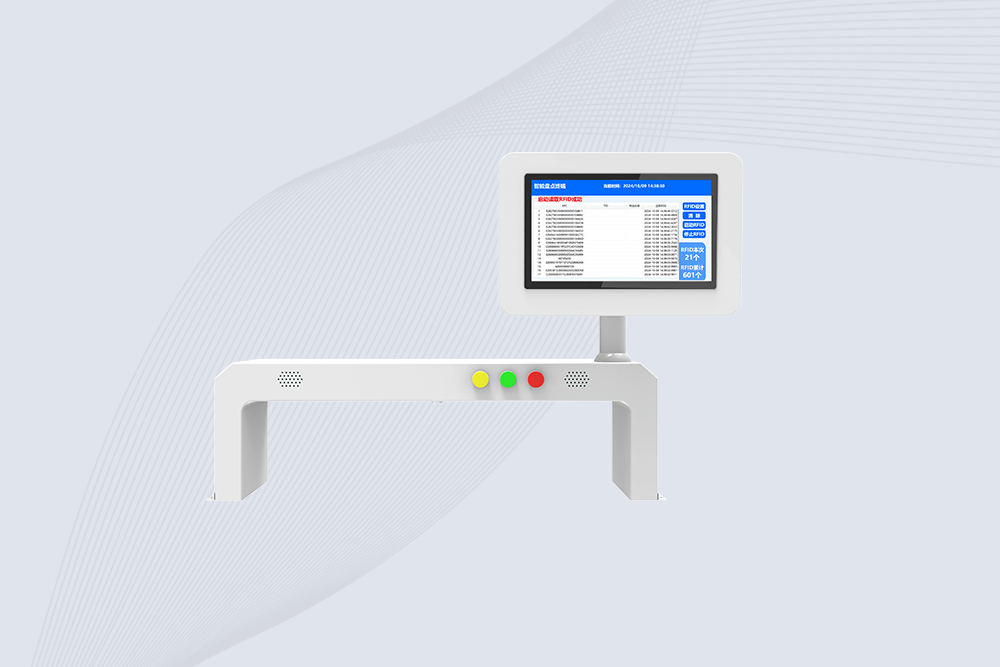
Cykeo CYKEO-T8A rfid gate access control system features IP68 enclosure, 400 tags/sec scanning, and 6-antenna array for warehouse/manufacturing security.
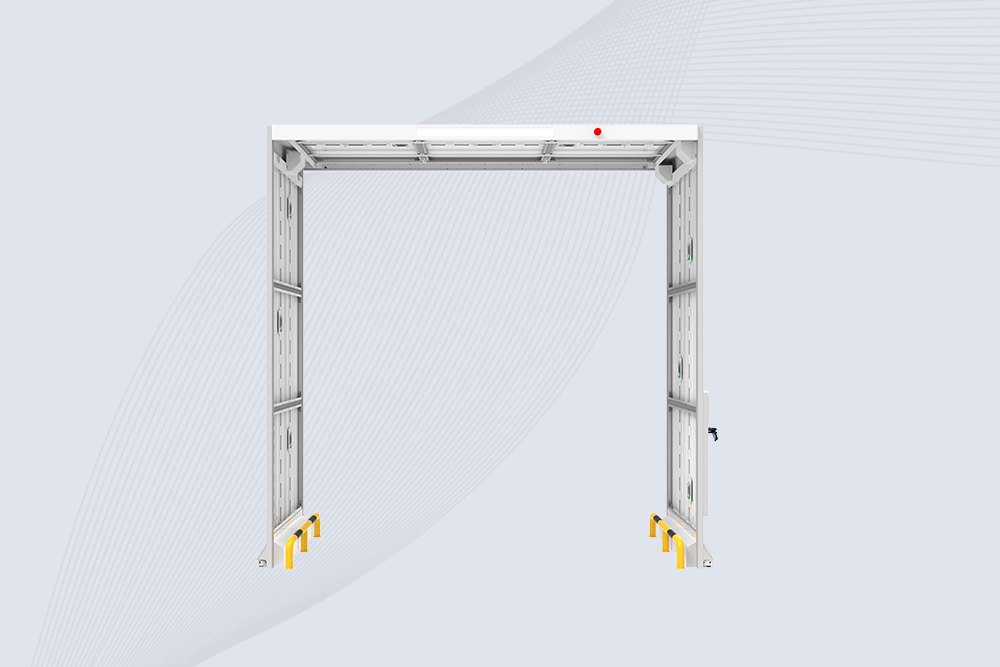
Cykeo CYKEO-T8F RFID gate entry systems deliver 200+ tags/sec scanning, EPC C1G2 compliance, and EAS alarms for warehouse/production gates. Supports Windows/Android OS.
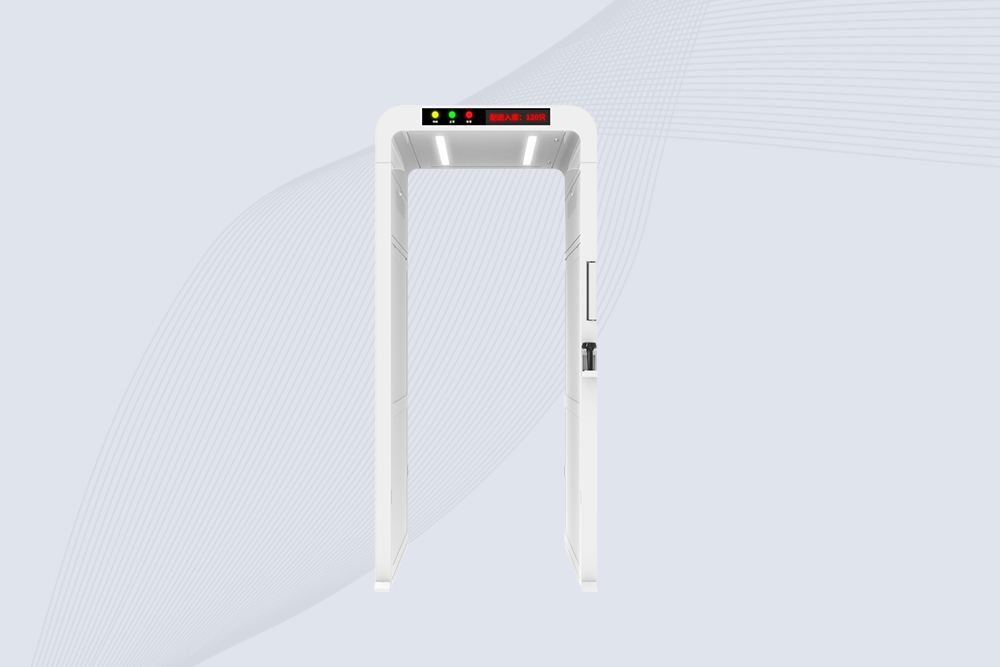
Cykeo CYKEO-T8C RFID gate opener delivers 200+ tags/sec scanning, ISO 18000-6C compliance, and facial recognition for logistics/secure facilities. Supports Windows/Android OS.
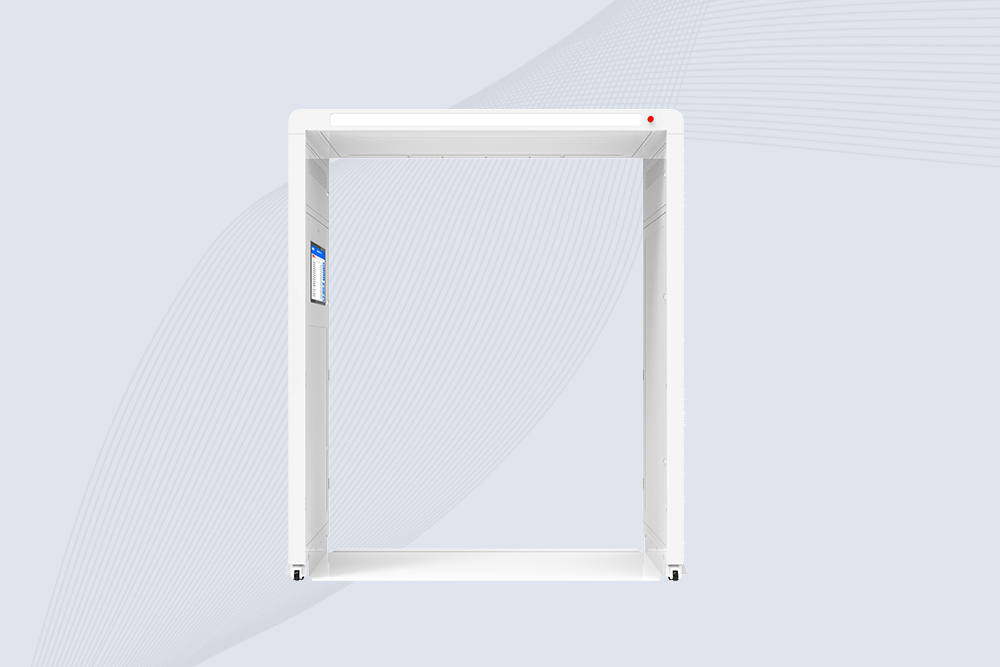
Cykeo CYKEO-T8D RFID gate access control system features 4-antenna 99.98% accuracy, ISO 18000-6C compliance, and real-time theft prevention for libraries/warehouses. Supports Windows/Android OS.
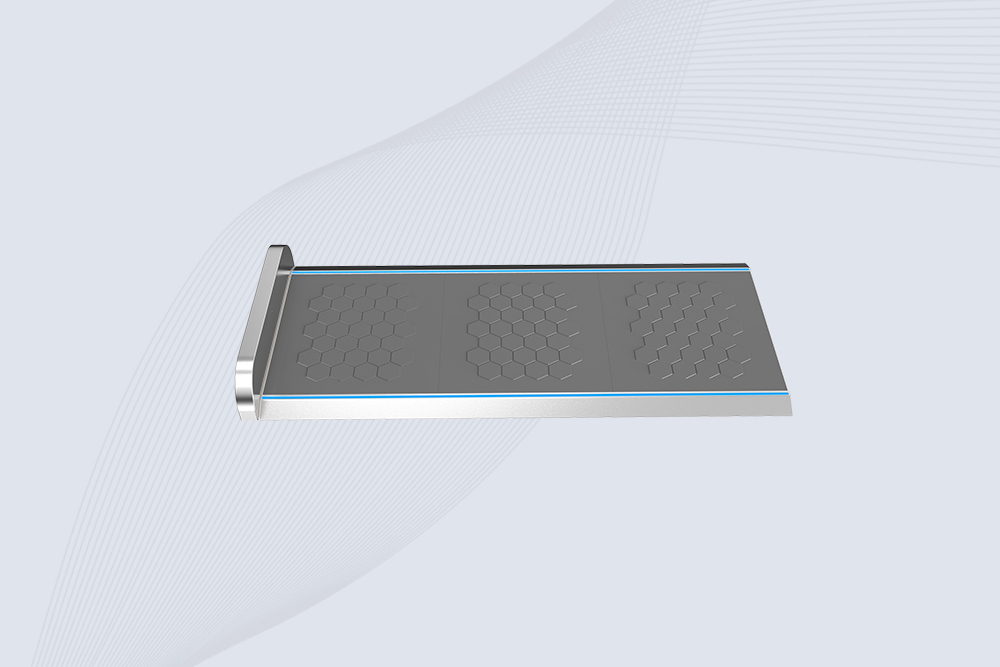
Cykeo CYKEO-T2 industrial RFID gate features 500+ tags/sec scanning, 0-3m vertical detection, and cloud management for warehouse automation and inventory control.
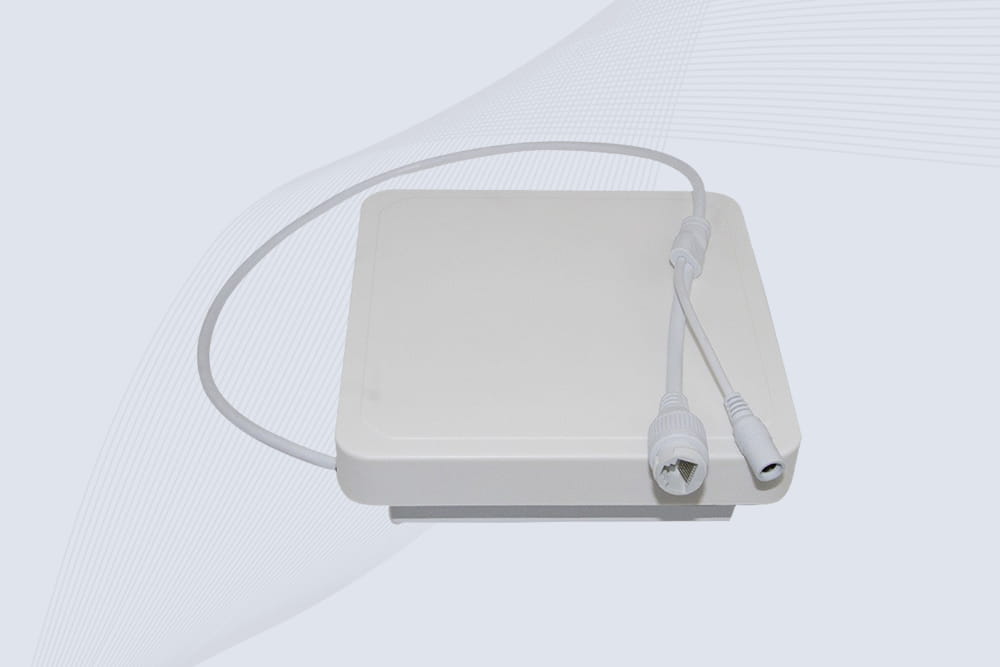
Cykeo’s industrial long range RFID reader delivers 20-meter scanning, 500+ tags/sec speed, and IP67 waterproof design for automated warehouses, logistics, and harsh environment applications.
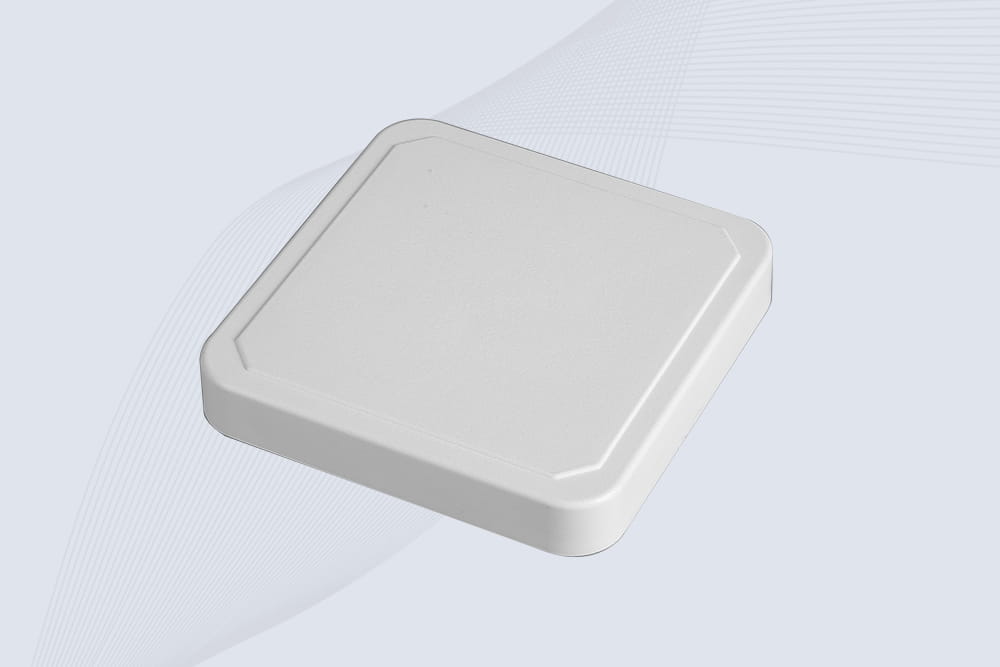
Cykeo’s CYKEO-RA6L industrial RFID long range reader features 20m read distance, 500 tags/sec speed, and IP67 protection. Ideal for warehouse automation, manufacturing WIP tracking, and smart logistics. Supports ISO 18000-6C/6B protocols.
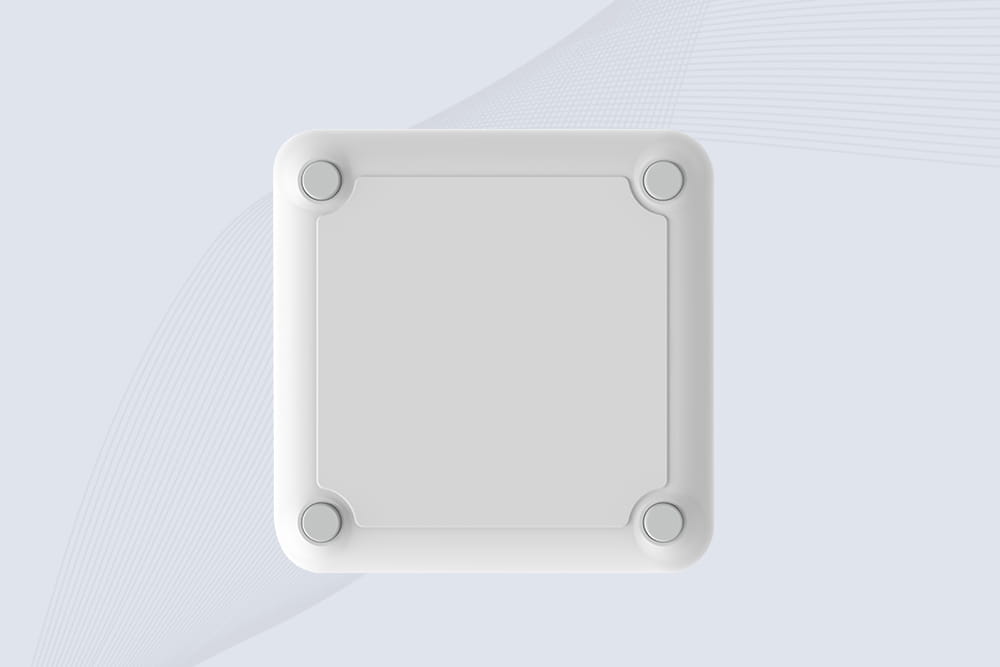
CYKEO Long Range RFID Tag Reader built for outdoor and industrial operations. This Outdoor RFID Reader delivers 20m read distance, fast tag processing, and IP67 durability for wide-area tracking.
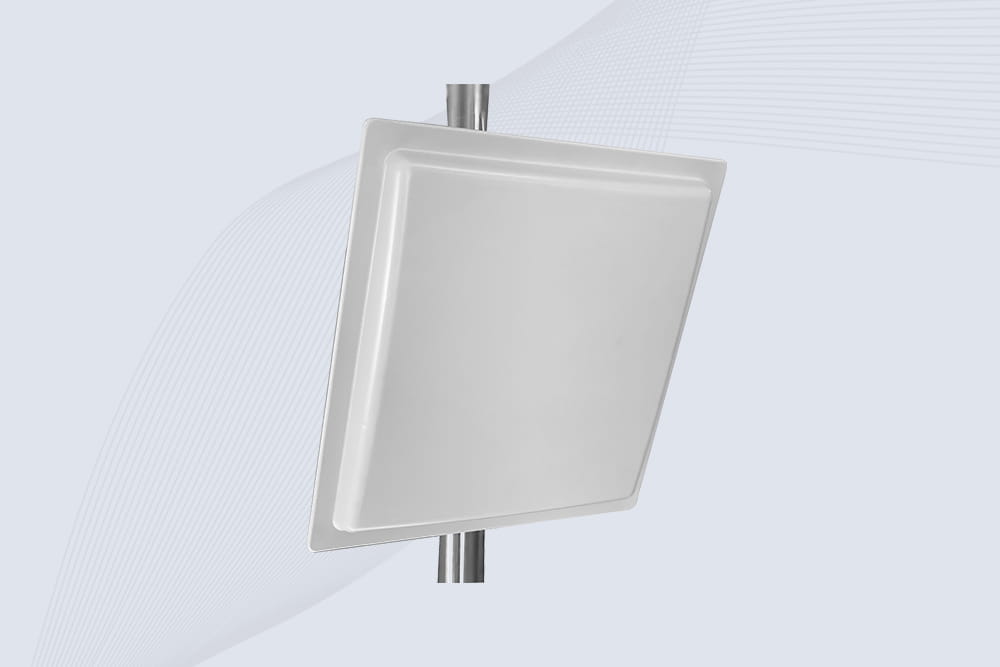
Cykeo CYKEO-RA12L industrial Long Range RFID Reader delivers 20m read range, 200+ tags/sec scanning, and IP67 protection for manufacturing/logistics applications. Supports ISO 18000-6C/GB protocols.
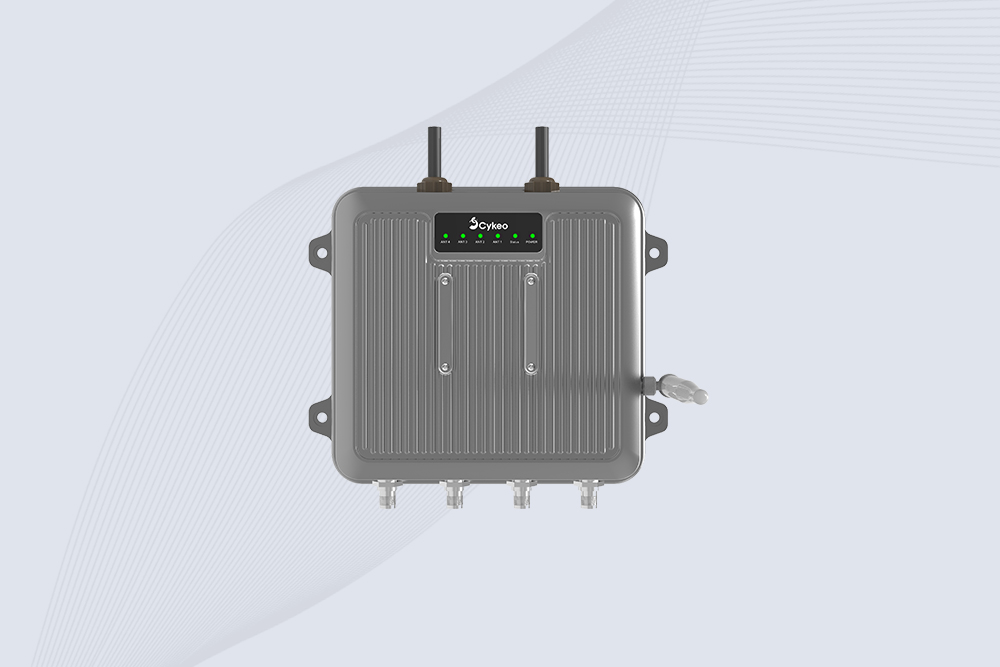
Cykeo CYKEO-C1 industrial Forklift RFID Reader features 20m read range, 600 tags/sec scanning, Impinj R2000 chipset, and IP67 rugged design. Ideal for warehouse logistics and manufacturing. Supports ISO 18000-6C/6B protocols.
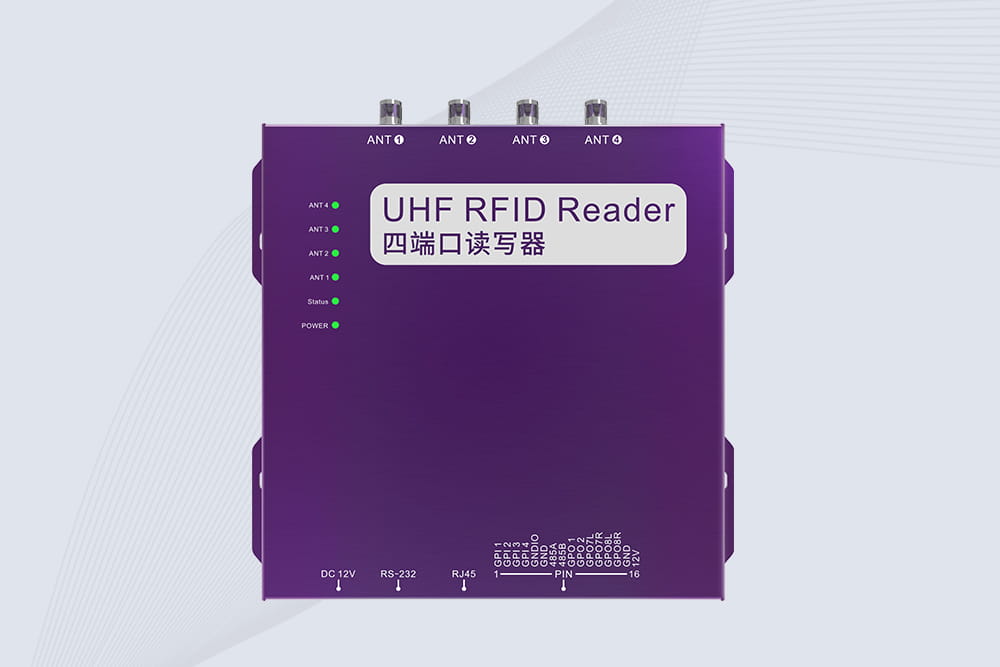
Cykeo CYKEO-R4 industrial UHF RFID Fixed Reader features 4 TNC ports, 400+ tags/sec speed, IP67 housing, and global frequency compliance for vehicle inspection, smart warehouse, and asset management systems.
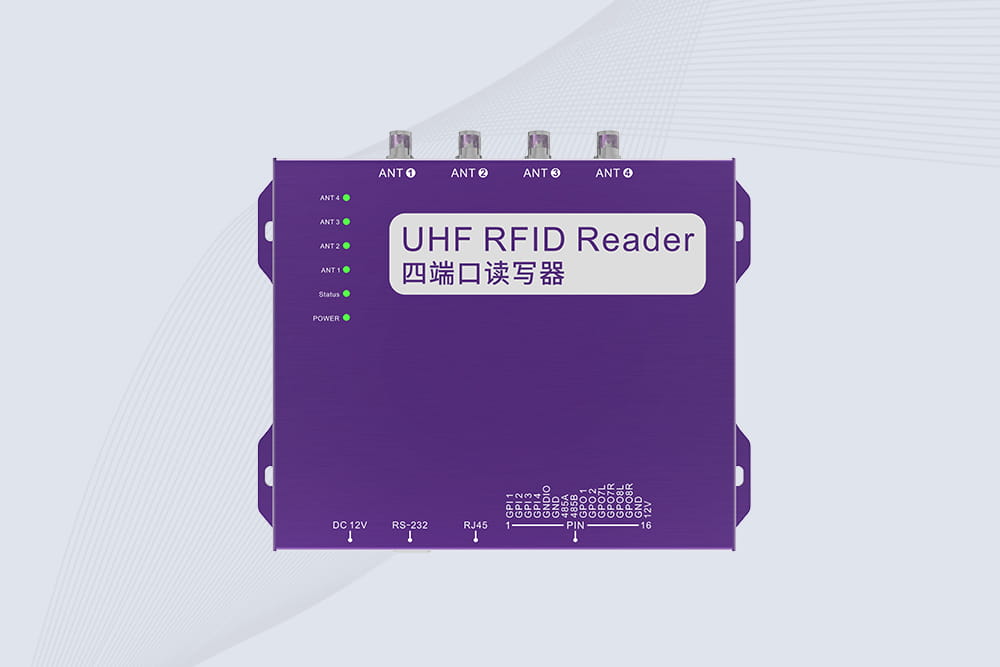
Cykeo’s CYKEO-R4L 4-port Fixed UHF RFID Reader delivers 400 tags/sec scanning, ISO 18000-6C compliance, and IP65 protection. Ideal for warehouse automation, manufacturing WIP tracking, and logistics management.
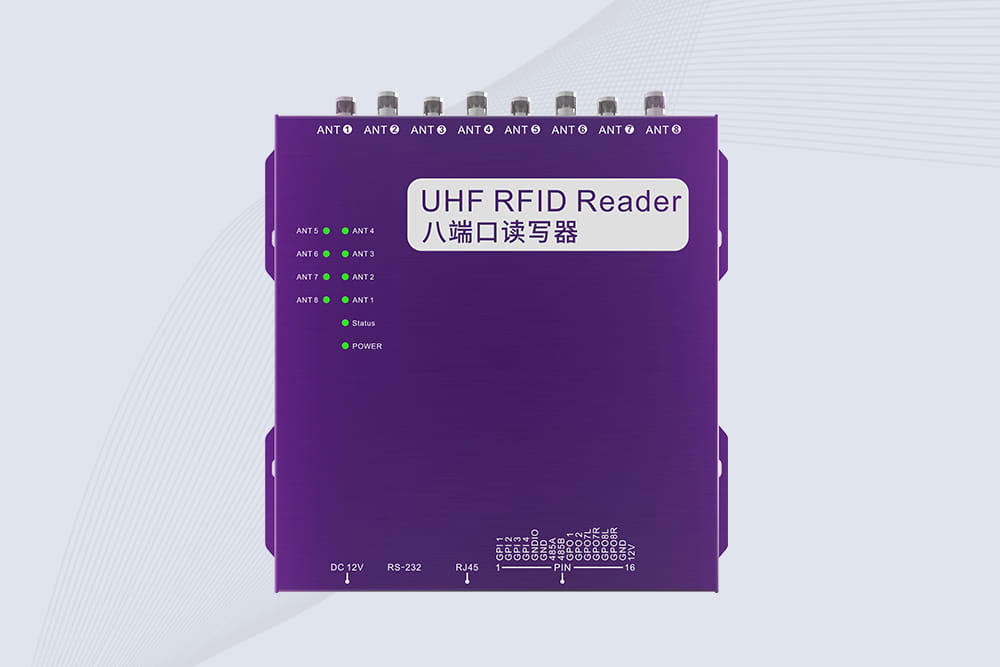
CYKEO CYKEO-R8L Fixed RFID Reader with 8-port UHF design, Impinj-based RF core and up to 20m read range. An industrial Fixed RFID Reader for vehicle inspection, warehouse portals, smart manufacturing lines and secure access checkpoints.
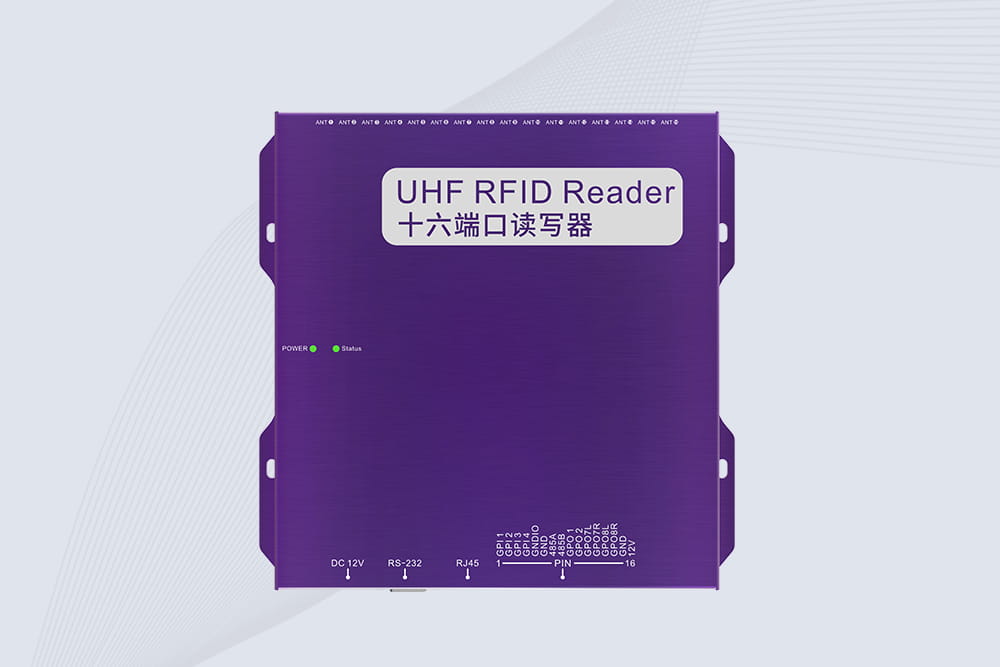
RFID Fixed Reader from CYKEO – the CYKEO-R16L 16-port UHF fixed reader for warehouses, smart cabinets, and production lines. Long-range, multi-tag reading, stable performance for 24/7 industrial use.
RFID Industry Writer | IoT & Asset Tracking Analyst
James writes about RFID technology, asset tracking, and the practical challenges of digital transformation across warehousing, retail, manufacturing, and logistics.
His work focuses on how RFID is applied in real-world operations—improving inventory visibility, automating workflows, and helping businesses manage assets with greater accuracy and efficiency.
He regularly covers topics including UHF RFID, smart cabinets, RFID portals, tool tracking, warehouse automation, and industrial IoT trends..

Learn how an RFID payment system works, its benefits, and real-world use cases. Discover why businesses are switching to fast, contactless RFID payment solutions.
More
Learn what does rfid mean and how RFID technology transforms asset tracking, inventory, and automation with Cykeo professional RFID identification solutions.
More
Discover how RFID readers reduce inventory loss by 40% through real-time tracking and accuracy. Learn cost-saving strategies with Cykeo’s RFID solutions.
More
Learn how to properly install metal mount RFID tags for maximum reading performance. A practical guide for industrial users and bulk RFID deployments.
More