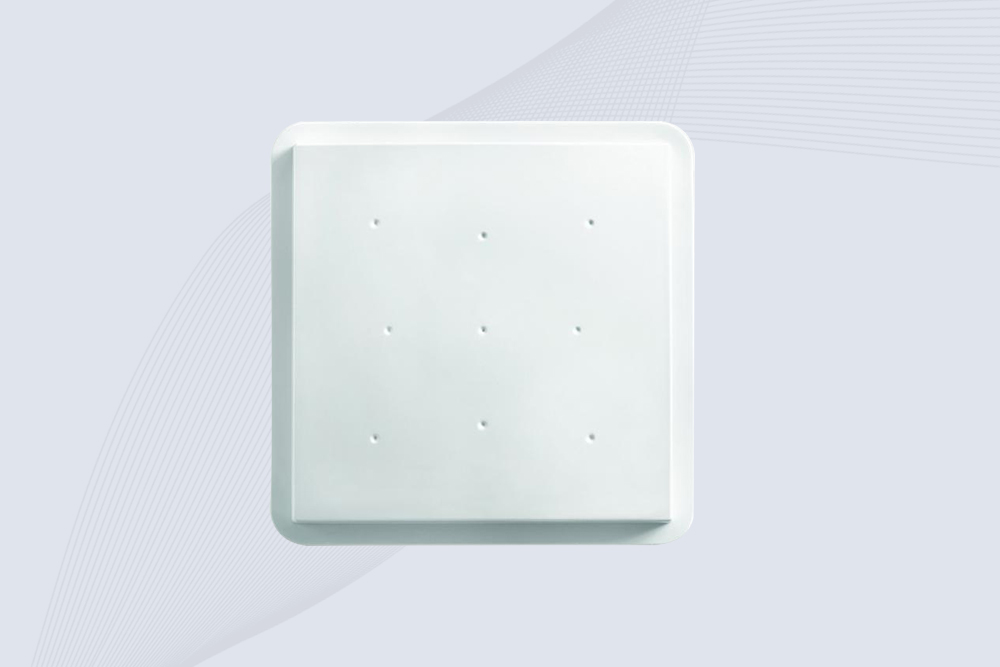
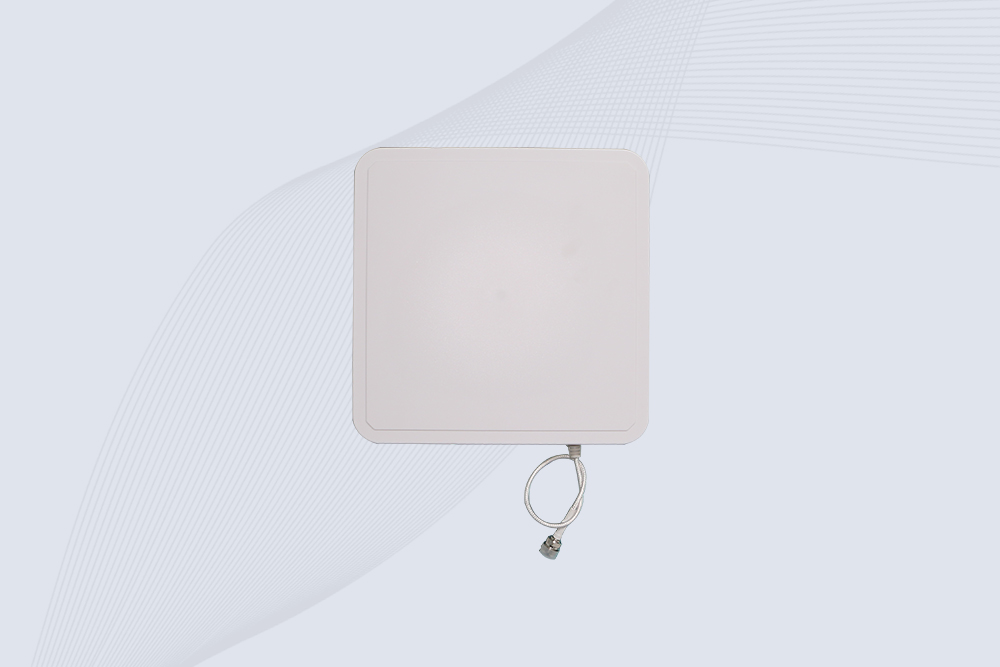
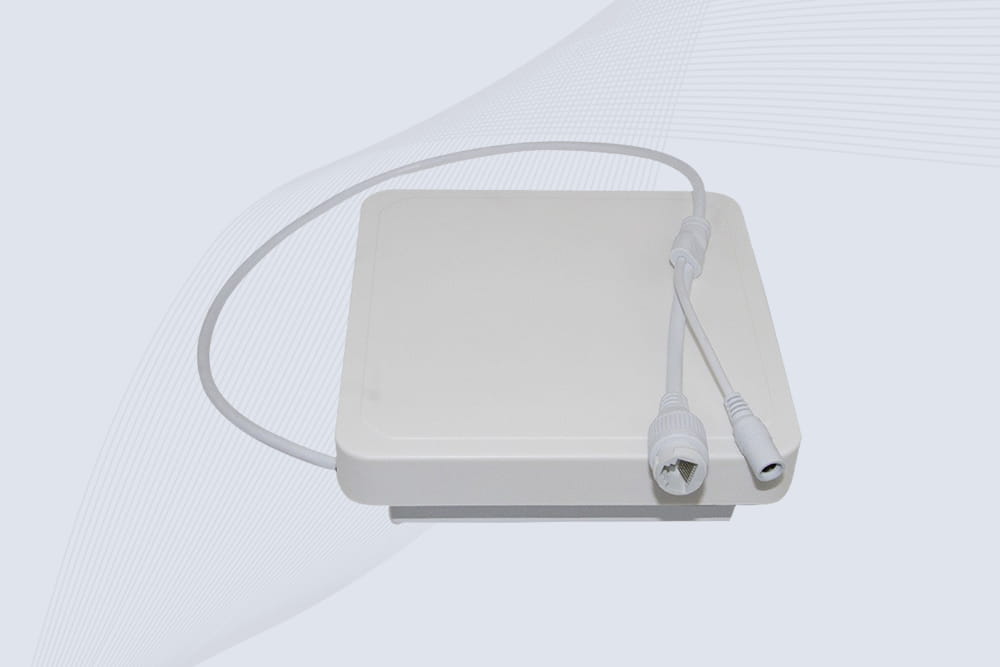
To implement RFID in a warehouse, first define the inventory process, then select compatible UHF RFID tags and readers, install read points, connect RFID data to the warehouse management system, and validate read performance before expanding across the facility.
That sequence sounds simple. On an actual warehouse floor, it is not the reader that usually determines whether the project works. Tag placement, pallet composition, metal structures, liquids, antenna positioning, and the exact point where RFID data enters the WMS can change the result considerably.
From an implementation perspective, I recommend starting with one measurable warehouse process, not the entire building. Receiving is often a strong starting point because every inbound carton or pallet already has a defined transaction and a clear system event.
GS1 specifically notes that RAIN RFID can complement existing barcode processes and is particularly useful where warehouses need higher inventory productivity, larger-scale inventory counts, or visibility without line-of-sight scanning.
RFID warehouse implementation starts with the workflow
Before selecting hardware, map where inventory physically moves:
Receiving dock
Inspection or staging area
Put-away
Storage locations
Picking
Packing
Shipping dock
Returns
Then identify where an RFID read actually creates business value.
A fixed reader at a dock door, for example, has a very different job from a handheld rfid reader used during cycle counting. The former needs controlled portal coverage and event filtering. The latter needs mobility, comfortable ergonomics, and reliable reads around shelving.
This distinction is easy to miss during procurement.
GS1’s warehouse guidance emphasizes visibility of inbound and outbound flows and accurate inventory information rather than treating RFID as a standalone hardware installation.
Choose the RFID architecture for the warehouse
A practical UHF RFID warehouse system normally combines several components:
The important design decision is not simply which RFID reader has the longest read range.
It is whether the system can distinguish “a pallet passed through this dock” from “a pallet happened to be within radio range.”
That is where antenna positioning, power settings, tag orientation, reader configuration, and event logic become part of the implementation rather than an afterthought.
RFID warehouse tags need testing before mass deployment
Tag selection should happen against the actual goods.
Cardboard cartons, plastic containers, liquids, metal tools, metal racks and dense mixed pallets can behave very differently in an RFID field. GS1 notes that RAIN RFID tags can be designed for harsh warehouse conditions and can use specialized coatings or construction when exposure to moisture, dirt, impact or other conditions makes ordinary labels unsuitable.
For a pilot, I would test at least:
Empty carton
Full carton
Mixed-SKU pallet
Liquid-containing product
Metal-containing product
Tag placed in its final production position
Do not test only a loose RFID label on a clean workbench. That is one of the easiest ways to obtain an impressive pilot result that disappears after deployment.
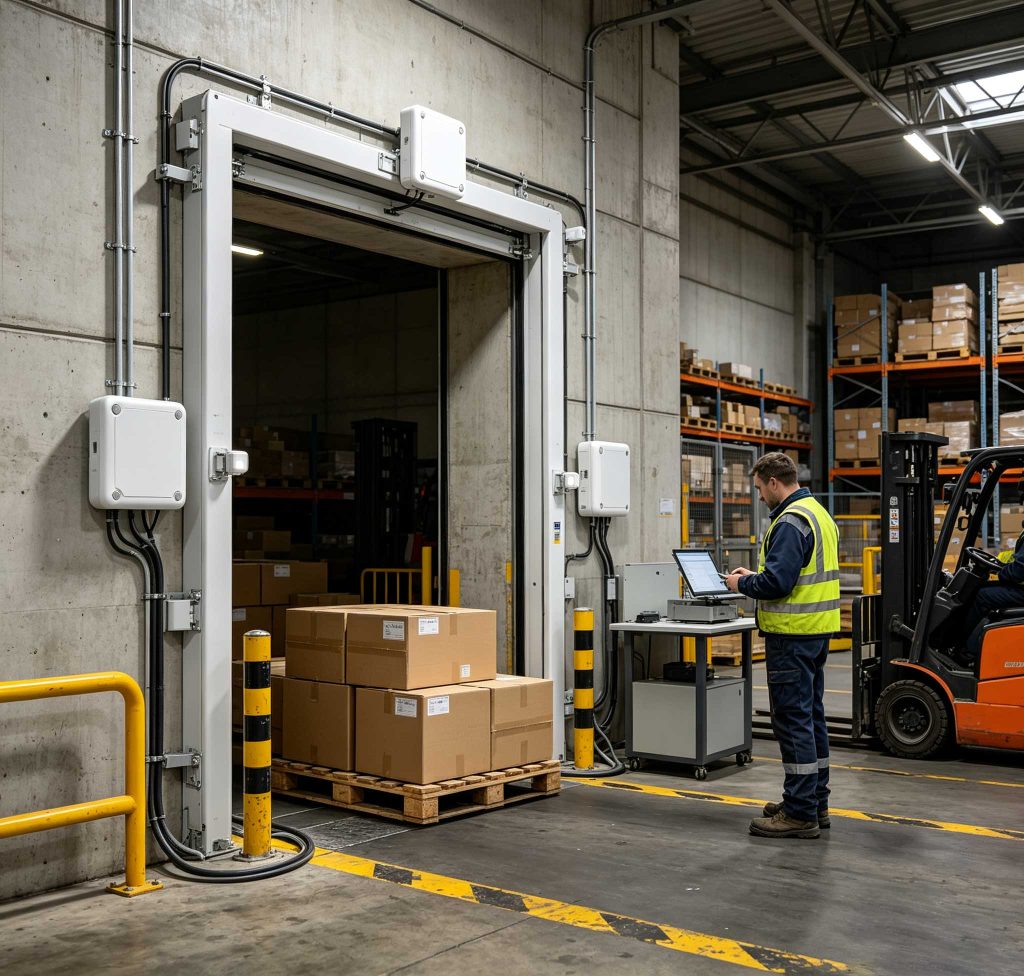
Fixed RFID readers capture tagged pallets as inventory moves through a warehouse receiving area.
Build the pilot before expanding the RFID system
A warehouse RFID pilot should answer measurable questions.
For example:
Can the system identify the intended tagged goods?
Are neighboring tags being captured accidentally?
Does pallet composition affect readability?
Can the reader distinguish inbound from outbound movement?
How quickly does the WMS receive the event?
What happens when a tag cannot be read?
Can operators continue using barcode processes as a fallback?
There is useful evidence behind this measured approach. A GS1 study involving ten major retailers reported RFID inventory accuracy of 93–99%, with inventory accuracy improving by more than 50%; the participating companies also reported sales increases of 1.5–5.5%.
Those figures should not be copied into a warehouse business case as guaranteed results. They come from a specific retail study, not every warehouse environment. The useful lesson is methodological: establish a baseline first, then measure the RFID-enabled process against it.
Another GS1 reference reports that RFID-enabled inventory counts can move from roughly 250 to 20,000 items per hour in cited applications, illustrating why RFID can change the economics of large inventory counts.
What should be measured during the pilot?
At minimum, record:
Read rate by SKU or product type
Reads per transaction
Missed reads
False reads
Inventory count time
Receiving transaction time
Picking or shipping errors
Manual interventions
WMS event latency
For Cykeo deployments, these measurements also help determine whether the warehouse needs fixed UHF RFID readers, handheld equipment, desktop registration devices, or a combination.
The strongest RFID implementations are rarely the ones with the most readers. They are the ones where every reader has a defined operational responsibility.
Connect RFID data to the warehouse management system
RFID becomes operationally useful when a tag read produces a meaningful warehouse event.
A simplified structure is:
RFID Tag → Reader → Middleware → Business Rules → WMS/ERP
For example, a reader may detect several EPCs at a receiving door. Middleware can filter duplicate reads and associate the remaining identifiers with the receiving transaction. The WMS then records the movement instead of forcing an employee to manually scan every carton.
GS1 supports standards-based RFID and software interfaces including LLRP, ALE and EPCIS, providing a framework for integrating identification and event information across systems.
This is also why RFID implementation should involve both the warehouse team and the software team from the beginning. A technically excellent read that never becomes a correct WMS transaction is still a failed implementation.
Author’s implementation perspective
n warehouse RFID projects, the difficult moment is usually not switching on the reader. It is the first busy shift afterward: two forklifts cross the dock, a pallet contains liquid products, another pallet sits close to the antenna, and operators move faster than the original test scenario anticipated.
That is when controlled read zones, filtering rules and process design prove their value.
I treat RFID deployment as an operational engineering project, not simply an equipment installation. The tag, reader, antenna, middleware and WMS have to behave as one system. That perspective is particularly important when implementing Cykeo UHF RFID equipment in receiving, inventory, asset tracking and shipping environments.
How to implement RFID in warehouse: deployment steps
A warehouse RFID deployment should move from process definition to controlled testing, then integration and expansion. Installing readers first and deciding what the reads mean afterward usually creates unnecessary rework.
1. Define the RFID use case
Start with one measurable operation:
Receiving verification
Automated dock-door identification
Put-away confirmation
Cycle counting
Picking verification
Shipping validation
Asset or pallet tracking
GS1 recommends first identifying the business problem, required visibility, identifiers, and feasibility of capturing events before designing the technical solution.
For example, if the objective is automated receiving, define exactly what should happen when a tagged pallet crosses Dock 3. The RFID system should not merely report that an EPC was seen. It should help establish what arrived, when it arrived, where it was read, and what warehouse transaction it belongs to.
RFID reader and antenna placement
Fixed UHF RFID readers are most effective when the physical movement of goods naturally passes through a controlled read zone.
For a dock-door deployment, evaluate:
Door width and height
Pallet travel direction
Forklift speed
Antenna mounting height
Distance between antennas
Adjacent dock doors
Metal structures
Nearby RFID-tagged inventory
Potential RF reflections
One practical design principle is worth emphasizing: do not maximize RF coverage blindly.
A reader that sees everything around the dock may create more filtering work than a carefully controlled read zone. GS1’s EPCIS documentation makes the same conceptual distinction between a ReadPoint—where an event is captured—and the subsequent BusinessLocation where the object is considered to reside.
That distinction is useful when designing warehouse events. A pallet crossing Door 5 is one event. Its subsequent storage location is another business state.
Use the physical warehouse to control RFID reads
The best installations often use the warehouse itself as part of the RFID system.
Dock walls, conveyors, controlled lanes, staging areas and pallet routes can help define where an RFID event should occur. Instead of trying to make the antenna read through every possible direction, arrange the process so tagged goods naturally pass through the intended field.
This becomes particularly important when several dock doors operate simultaneously.
RFID tag selection for warehouse inventory
Tag selection should follow the material being tagged—not the other way around.
Test representative products before approving a tag specification:
Warehouse item
Main consideration
Recommended test
Cardboard cartons
Usually straightforward placement
Test filled carton
Liquid products
RF absorption can affect performance
Test actual liquid-filled package
Metal equipment
Detuning and shielding
Use an on-metal-compatible tag
Plastic containers
Tag position can affect coupling
Test multiple mounting positions
Mixed pallets
Different materials interact
Test complete pallet
Reusable pallets
Repeated handling
Test durability and placement
GS1 notes that RAIN RFID can complement barcode systems and can be advantageous in large inventories because multiple tagged items on a pallet can be read without individually positioning a barcode scanner at each item.
The pilot should therefore use real warehouse merchandise, not empty demonstration boxes.
Connect RFID to WMS and warehouse software
The hardware layer is only one part of implementation.
A practical architecture is:
RFID Tag → Cykeo Reader → RFID Middleware → Event Rules → WMS/ERP
The middleware layer can handle duplicate reads, filtering, reader status, tag data normalization and business-event logic before information reaches the warehouse management system.
For larger visibility projects, EPCIS provides a standardized model for sharing supply-chain event information. GS1 describes EPCIS as supporting information about what, when, where and why an event occurred, including product movement, inventory visibility and chain-of-custody information.
This matters because raw RFID reads are not the same thing as warehouse transactions.
If a reader detects an EPC ten times while a pallet pauses at a doorway, the WMS should not necessarily receive ten receiving transactions.
RFID pilot acceptance criteria
Before expanding the system to every dock or storage area, establish acceptance criteria.
A useful pilot scorecard includes:
Read reliability: percentage of expected tags successfully detected
False-read control: tags detected outside the intended process
Transaction accuracy: RFID events correctly associated with WMS transactions
Processing time: time from physical movement to system event
Operator usability: whether the workflow is practical during a normal shift
Do not judge the pilot only by raw read rate.
A 99% read rate means little if the remaining 1% represents high-value shipments or if false reads cause operators to distrust the system. Conversely, a slightly lower laboratory read result may be acceptable if the warehouse process provides an effective exception workflow.
GS1’s RFID resources specifically identify inventory accuracy, process productivity and supply-chain visibility as important areas where RAIN RFID can provide value.
Cykeo RFID implementation approach
Cykeo RFID equipment can be incorporated into different warehouse workflows rather than forcing every operation into the same hardware configuration.
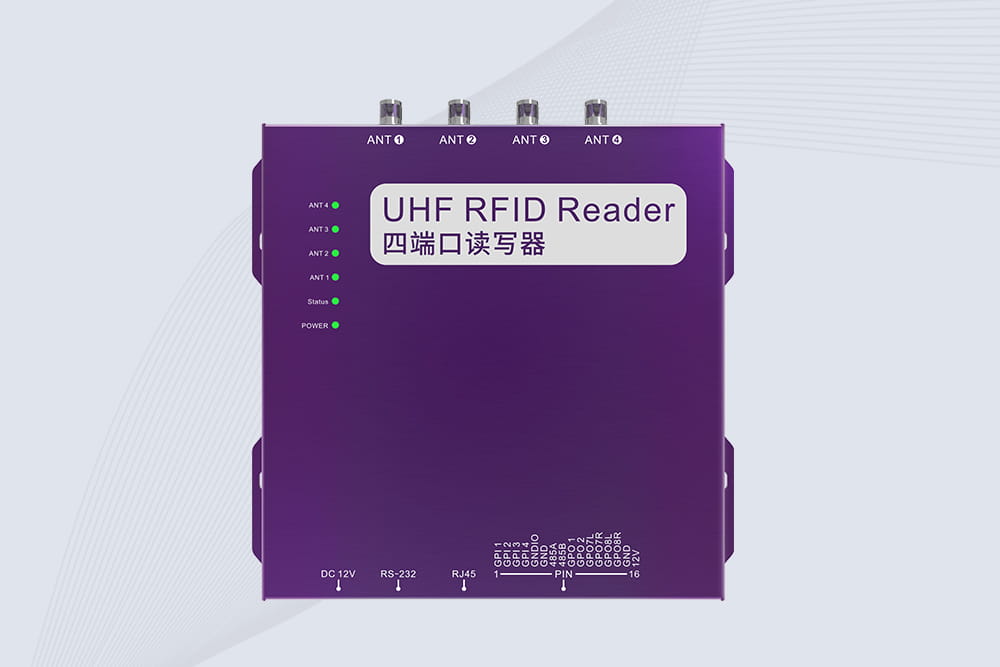
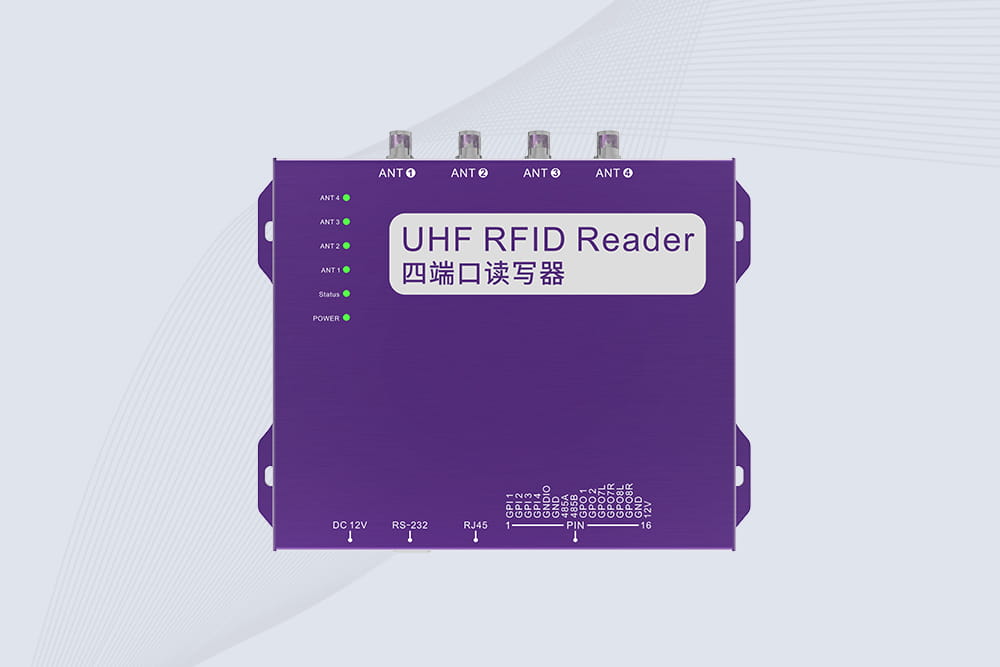
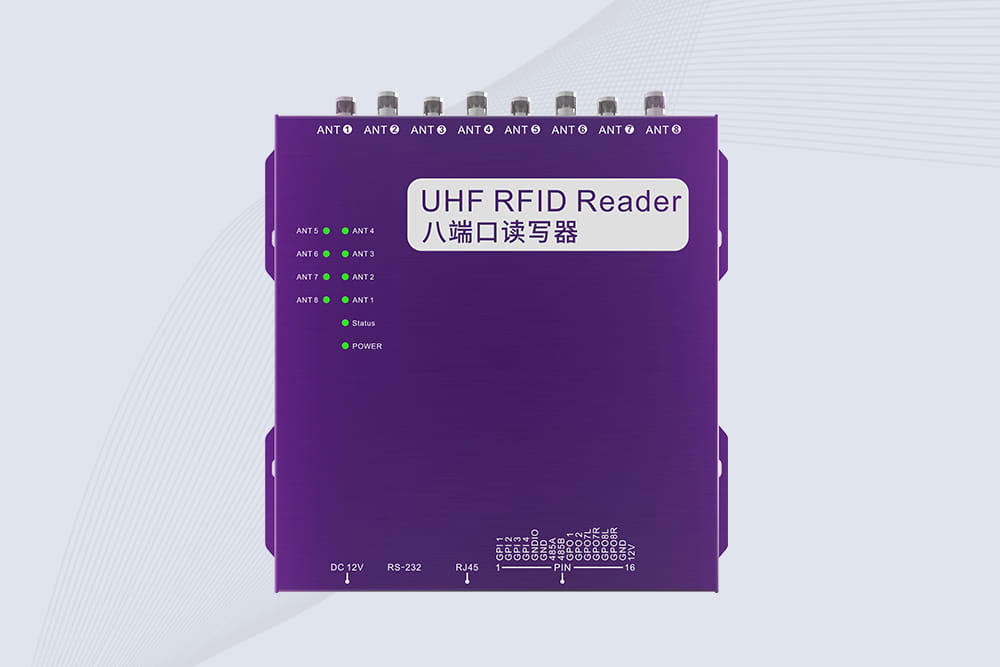
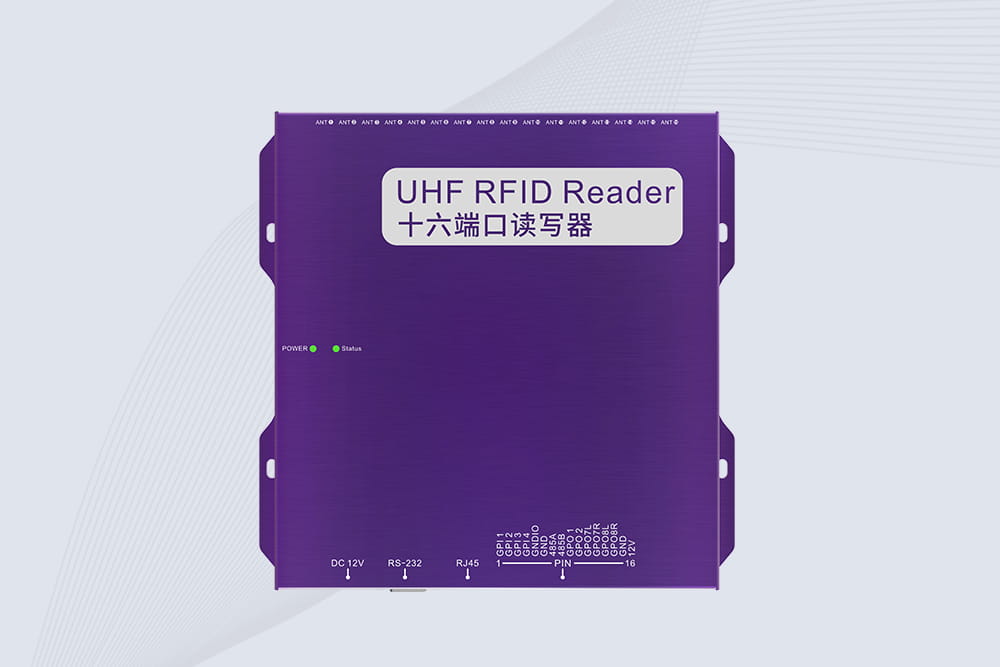
A fixed UHF RFID reader is suitable for controlled locations such as receiving and shipping portals. Handheld equipment is more appropriate when employees need to move through aisles and perform inventory checks. A desktop RFID reader can support tag registration or controlled item identification at a workstation.
That combination is often more practical than attempting to cover an entire warehouse with fixed readers.
The implementation should also preserve a fallback process. Barcode scanning, manual confirmation or exception handling remains useful when a tag is damaged, incorrectly positioned, outside the intended read zone, or otherwise unavailable.
A warehouse operator performs an RFID-assisted inventory check using a handheld reader.
FAQ: how to implement rfid in warehouse
1. What is the first step in implementing RFID in a warehouse?
Define the warehouse process and business problem first. Receiving, shipping, cycle counting and asset tracking have different RFID requirements, so the workflow should determine the equipment and integration architecture.
2. Should RFID replace barcodes in a warehouse?
Not necessarily. GS1 describes RAIN RFID and barcodes as technologies that can complement each other. RFID is particularly useful where line-of-sight scanning creates labor or productivity limitations.
3. Where should fixed RFID readers be installed?
Common locations include receiving docks, shipping docks, controlled portals and other points where inventory naturally passes through a defined read zone. The exact placement depends on building structure, product materials and movement patterns.
4. Can RFID integrate with a WMS?
Yes. RFID readers can provide tag observations to middleware or application software, which can then associate those observations with warehouse transactions. GS1’s RFID architecture includes software interfaces such as LLRP and ALE, while EPCIS provides a standardized approach to supply-chain visibility events.
5. How long does an RFID warehouse pilot take?
There is no universal deployment period. A meaningful pilot should run long enough to expose different products, shifts, operators and operating conditions. The acceptance criteria should matter more than an arbitrary number of days.
6. What causes RFID warehouse projects to fail?
Common technical causes include unsuitable tags, uncontrolled read zones, poor antenna positioning and inadequate filtering. Operational failures can also occur when RFID events are not correctly mapped to receiving, inventory or shipping transactions.
7. Is UHF RFID suitable for large warehouses?
Yes. RAIN/UHF RFID is particularly relevant to large inventories because tags can be read when they are within reader range, and multiple tagged items can be captured without individual line-of-sight barcode scanning.
Final answer: how to implement rfid in warehouse
The most reliable way to implement RFID in a warehouse is to begin with one clearly defined process, test tags against real inventory, engineer the reader and antenna zones around physical movement, connect RFID observations to WMS transactions, and expand only after measurable pilot results are achieved.
The key is not simply getting RFID tags to read. It is making each read correspond to a correct warehouse event.
That is the difference between installing RFID hardware and actually implementing RFID.
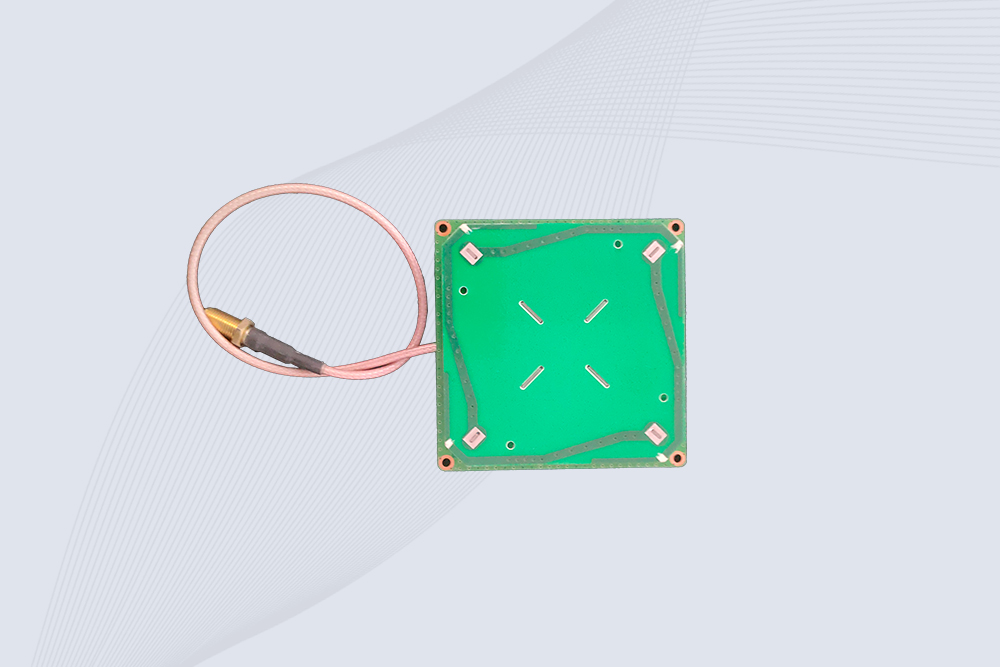
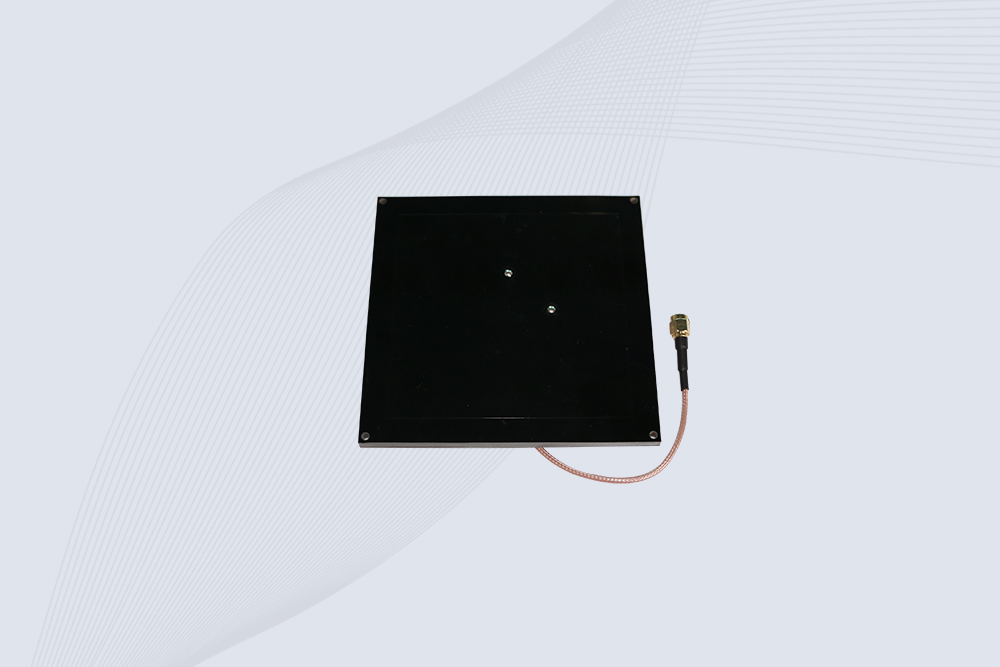
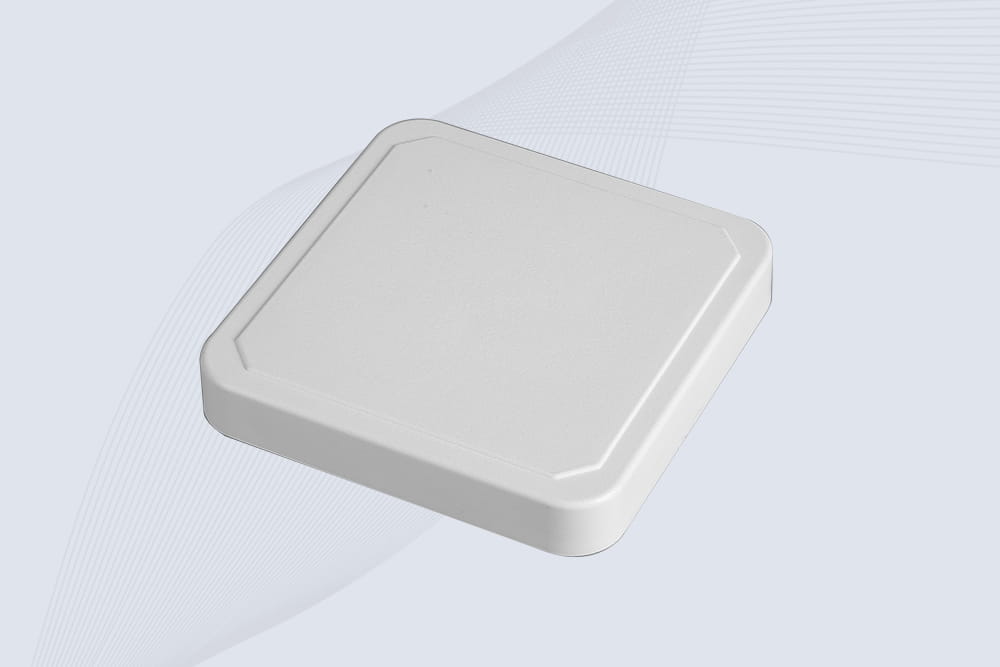
SSD-A06 UHF RFID antenna with circular polarization, adjustable 840–960 MHz frequency, ≥4.5 dBi gain, and a compact directional design for RFID systems.
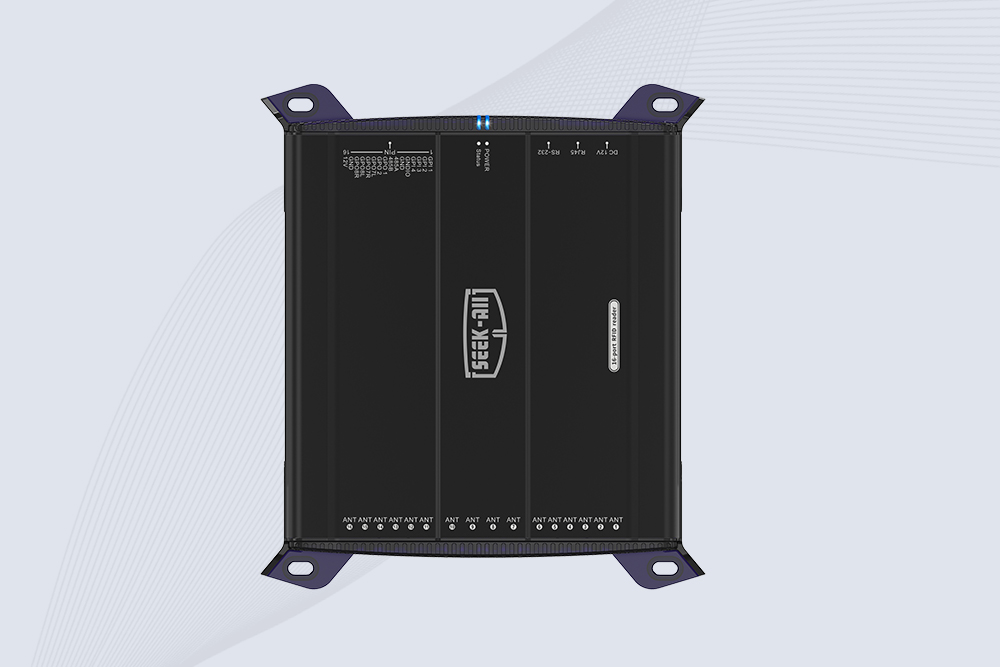
SSD-R16L Multi-Channel RFID Infrastructure for Automated Inventory Management ✔️ 16-Port High-Density RFID Reading Equipped with 16 SMA antenna ports, SSD-R16L supports multi-antenna deployment for warehouses, retail stores, logistics, production lines, and large-area RFID identification. ✔️ High-Speed & Long-Range Performance With up to 33…
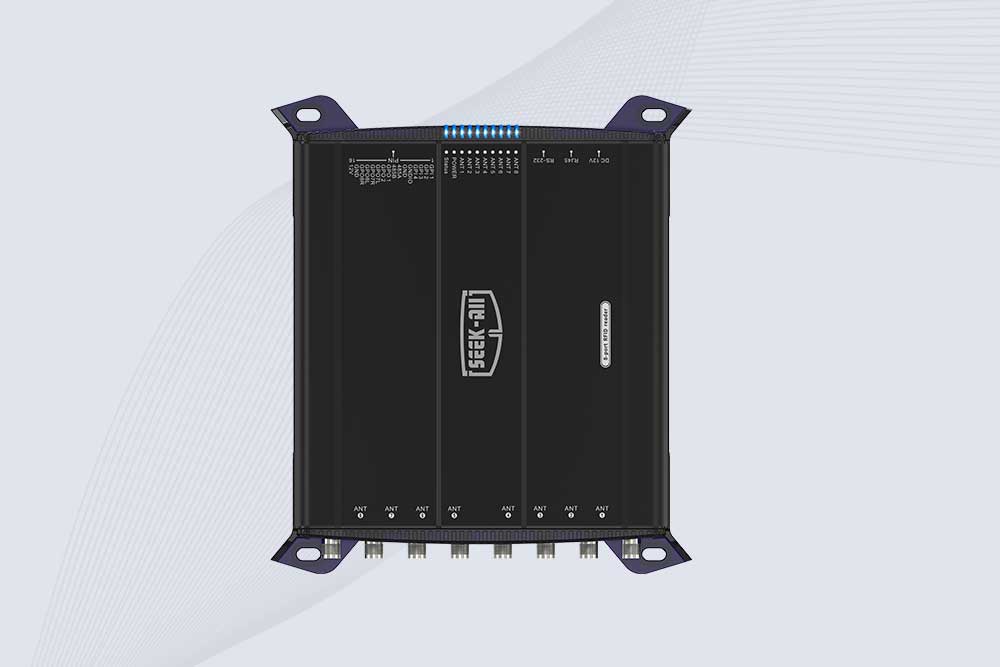
SSD-R8L 8-port UHF RFID reader with 33dBm output, up to 20m reading range and 600+ tags/s recognition. Ideal for warehouse, logistics, retail and asset tracking.
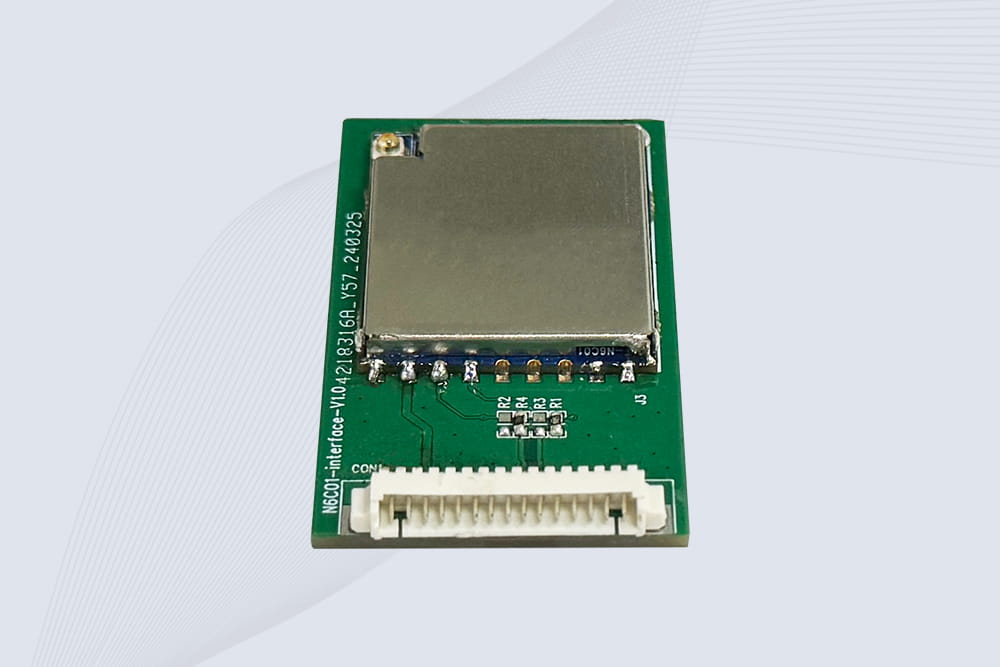
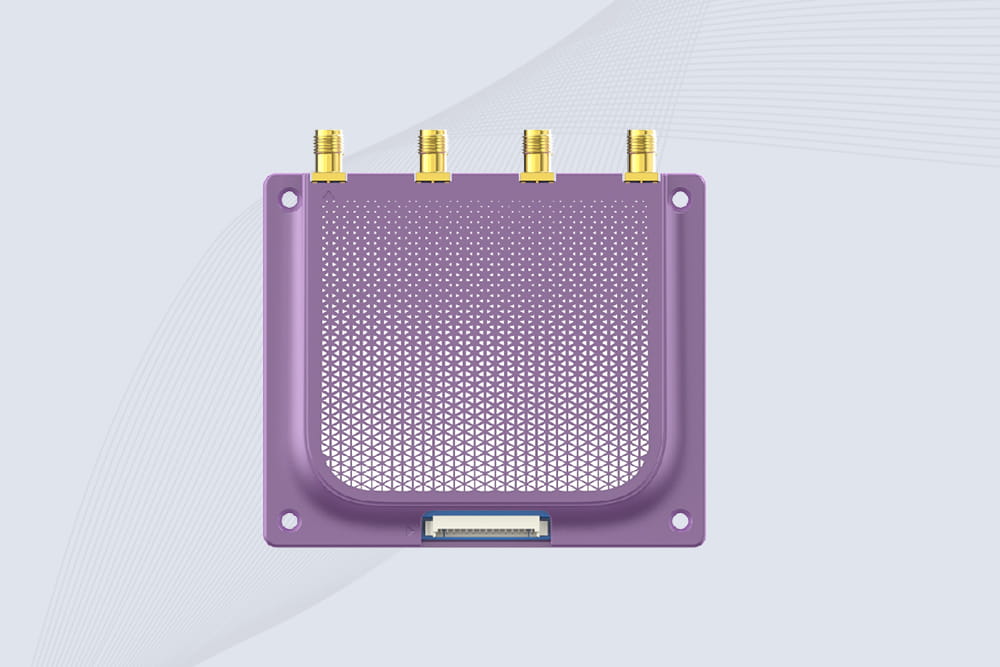
CYKEO Embedded RFID Modules are designed for compact industrial and IoT devices that require stable UHF performance. These UHF RFID Modules support global protocols, flexible power control, and reliable multi-tag reading for smart cabinets, production lines, and asset tracking systems.
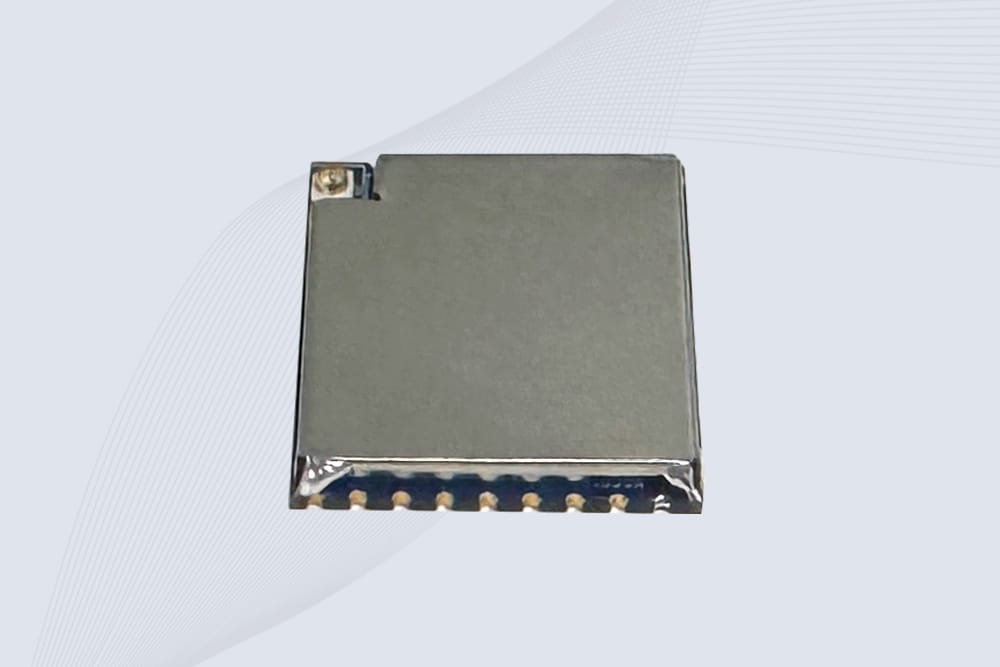
CYKEO Embedded RFID Module is built for compact IoT and industrial devices that need stable UHF performance. This UHF module supports global protocols, low power operation, and reliable multi-tag reading for smart lockers, production lines, and always-on RFID systems.
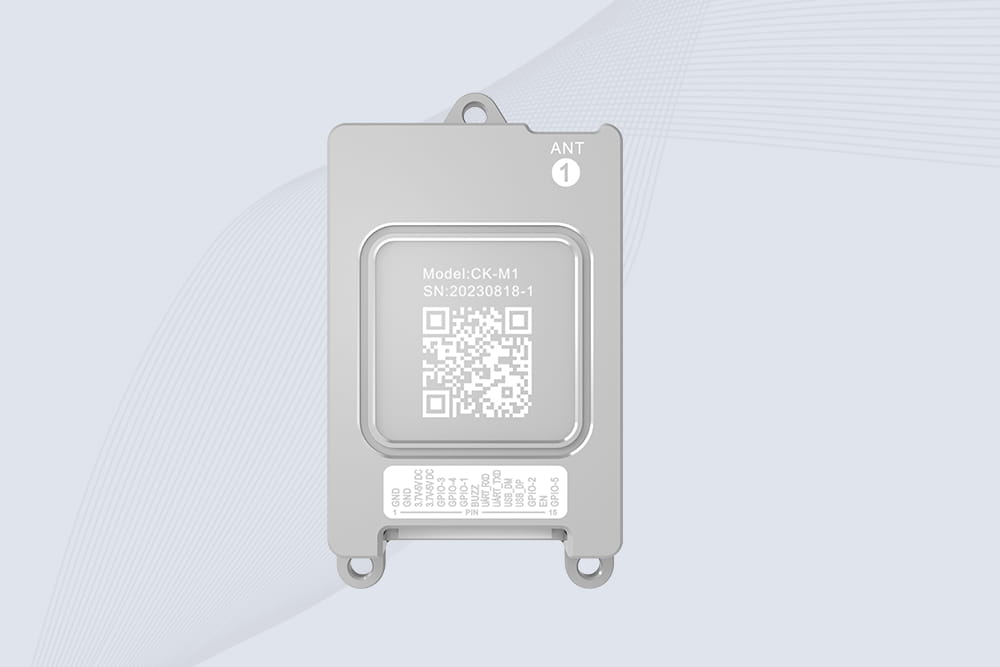
CYKEO CYKEO-M1 drone rfid module is a compact UHF RFID reader module designed for drones and UAV platforms. It supports long-range aerial scanning, fast multi-tag reading, and stable performance in wind, vibration, and outdoor environments.
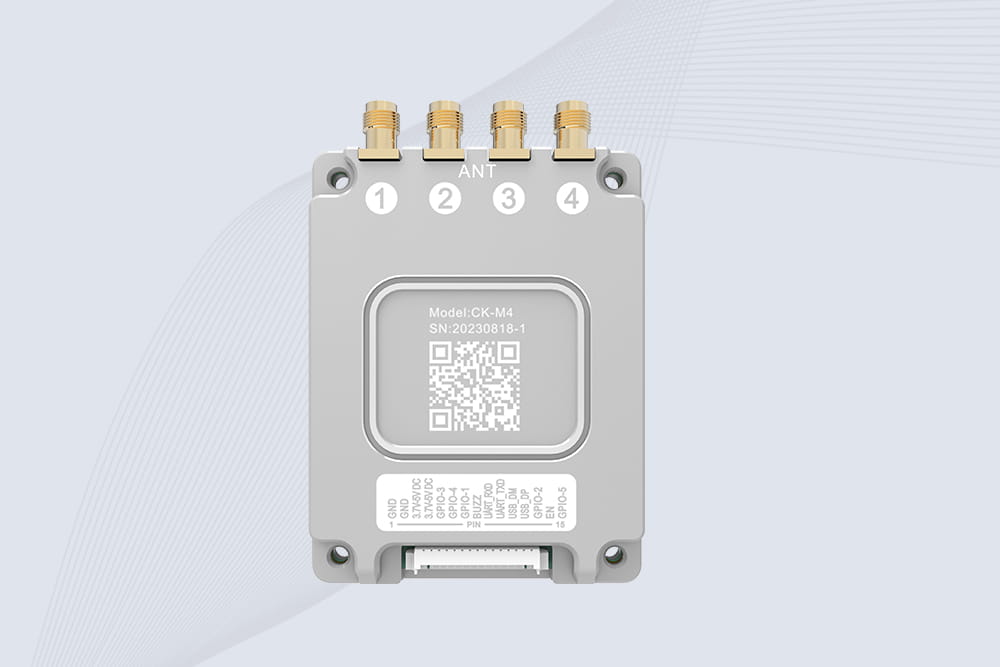
CYKEO CYKEO-M4 RC522 RFID Module is an industrial-grade UHF RFID reader with 4 ports, supporting ISO, EPC, and GB protocols. High-speed, accurate reading for IoT, automation, and warehouse applications.
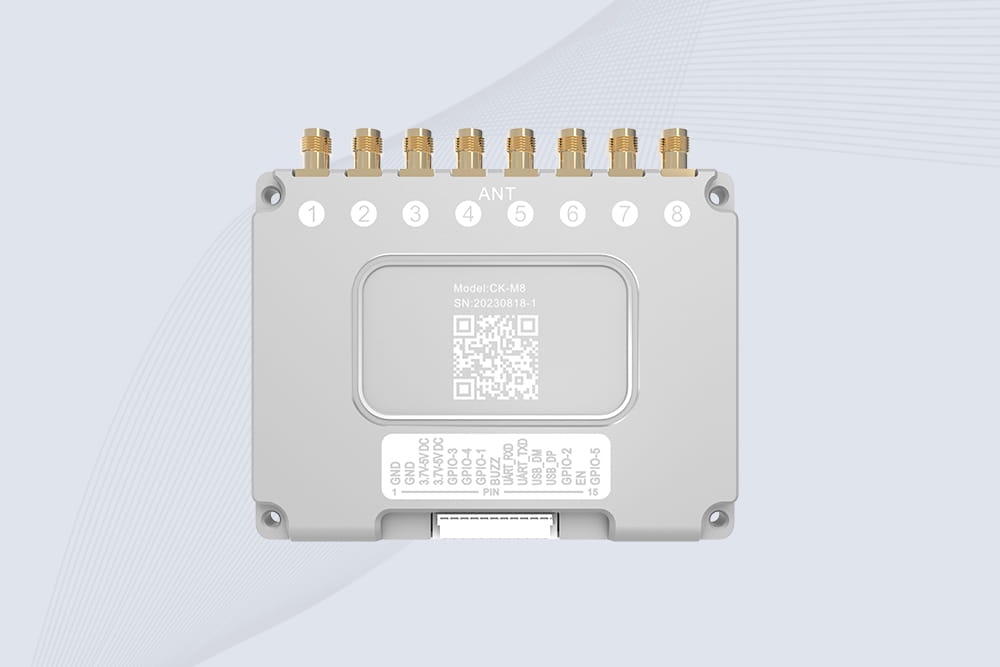
CYKEO CYKEO-M8 Module RFID is an 8-port UHF R2000 RFID Module designed for high-density, multi-tag environments. Stable 33dBm output, ISO & GB protocol support, ideal for warehouses, factories, and automated systems.
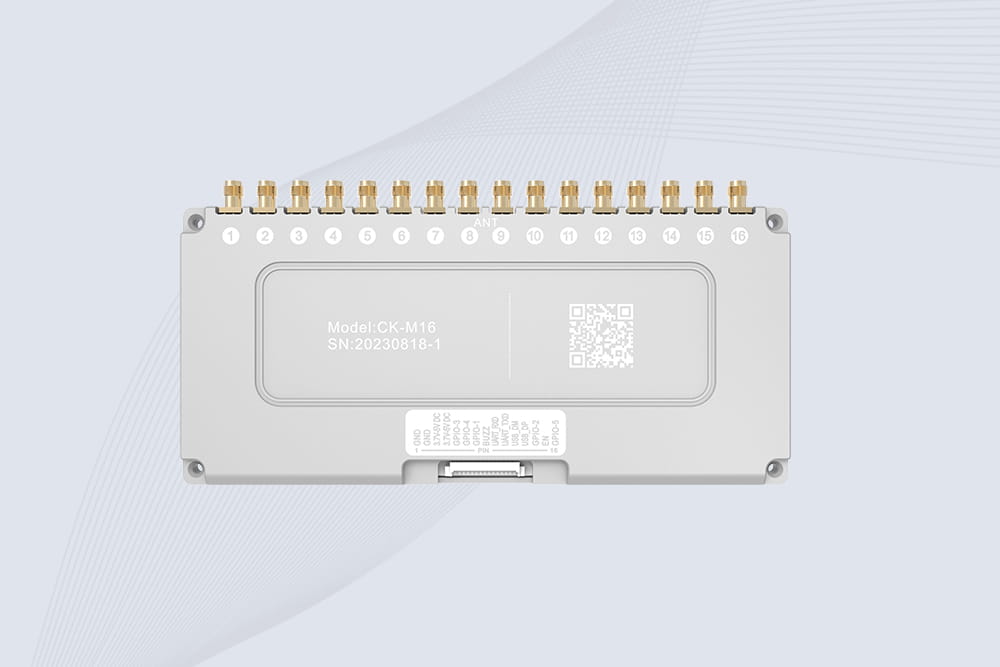
CYKEO CYKEO-M16 RFID Module is a 16-port UHF RFID reader module based on the R2000 chipset. Designed for dense tag environments, it supports ISO and GB standards and delivers stable multi-antenna control for industrial automation.
The CYKEO CYKEO-M16L RFID Reader Module is a 16-channel UHF RFID core designed for dense tag environments. With adjustable 33dBm output, multi-protocol support, and stable multi-antenna control, this RFID Tag Reader Module fits industrial automation, warehouse systems, and large-scale IoT deployments.
CYKEO CYKEO-M8L module RFID is a compact industrial UHF module built for dense tag and multi-antenna environments. With 8 RF ports, adjustable 33 dBm output, and ISO & GB protocol support, it is widely used in factories, warehouses, and automated tracking systems.
CYKEOCYKEO-M4L UHF RFID Module is a compact 4-channel RFID tag reader module designed for dense tag environments. Supporting ISO and GB protocols, it delivers stable reads up to 10 meters for industrial and IoT systems.
Cykeo CYKEO-A11 UHF RFID reader antenna delivers 11dBi gain, 840-960MHz frequency range, and IP65 ruggedness for retail, logistics, and industrial RFID systems. Features low VSWR and easy installation.
CYKEO Antenna RFID Reader delivers stable long-range UHF performance with a 10.5dBi directional design, built for warehouses, conveyor portals, and industrial RFID systems. This rfid reader antenna provides 20m+ read distance and rugged IP67 protection.
Cykeo CYKEO-A5B industrial Linear RFID Antenna delivers 5dBi gain, ≤1.5:1 VSWR, and IP65 rugged design for warehouse, production line, and logistics UHF systems.
Cykeo’s CYKEO-B12 Long Range RFID Antenna delivers 15m+ read range with 12dBi gain, IP65 rugged design, and global 840-960MHz UHF support. Ideal for warehouse/logistics asset tracking.
Cykeo CYKEO-B10 Long Distance RFID Antenna offers 10dBi gain, 840-960MHz frequency range, IP65 rating, and 20m+ coverage for logistics/warehousing/ETC systems. Low VSWR ensures stable signal transmission.
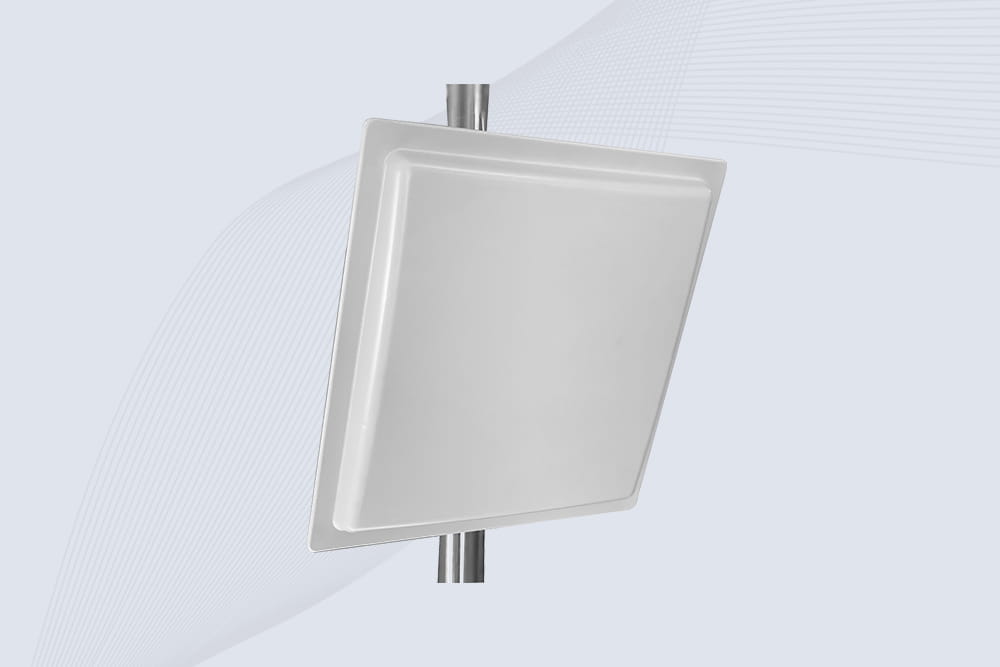
Cykeo CYKEO-A6 UHF RFID panel antenna features 6dBi gain, 840-960MHz broadband, IP65 metal-ready housing for logistics/smart retail. 18mm ultra-thin design with tool-free mounting.
Cykeo CK-A3 industrial antenna RFID UHF offers 5m+ tag detection, ≤1.3:1 VSWR, IP65 rugged design, and global UHF spectrum compatibility (840-960MHz) for warehouses, factories, and retail.
Cykeo CYKEO-B5 directional RFID antenna provides 5dBi gain with 60° narrow beamwidth for precise inventory tracking. IP65-rated, global UHF frequency support, and low VSWR.
Create your own high-performance DIY RFID antenna! 5dBi gain, 840-960MHz tunable, step-by-step guides. Compatible with Arduino, Raspberry Pi, and commercial UHF readers.
Cykeo CYKEO-A7 Flexible RFID Antenna features 840-960MHz wideband tuning, 7dBi gain, and IP68 rating for medical/retail/industrial curved surface deployments. 98% read accuracy with peel-and-stick installation.
Cykeo CYKEO-B5A industrial Passive RFID Antenna delivers 5dBi gain, 70° beamwidth, and -40°C~55°C operation for warehouses/smart cabinets. Compatible with Zebra/Impinj readers.
Cykeo’s CYKEO-A9B High Gain RFID Antenna delivers 15m+ read range with 9dBi amplification. Features IP54 rugged design, 840-960MHz bandwidth, and 80° beamwidth for warehouse/manufacturing RFID systems.
Cykeo’s enterprise-grade 8dbi Impinj RFID Antenna 10m+ read range with 840-960MHz tuning. Features IP65 housing, 1.4 VSWR, 35° beamwidth for retail/warehouse RFID systems.
Cykeo CYKEO-A9 industrial UHF RFID antenna delivers 9dBi gain, 840-960MHz frequency range, and IP65 protection for warehouse/logistics/retail RFID systems. Features N-type connector and ≤1.3:1 VSWR.
CYKEO UHF RFID Antenna built for long-distance and industrial applications. This antenna rfid uhf delivers strong gain, outdoor durability, and reliable tag performance in warehouses, yards, and vehicle ID systems.
CYKEO Antenna RFID delivers reliable long-range UHF performance in warehouses, retail shelves, and cold-chain environments. This compact uhf rfid antenna provides stable reads with circular polarization and ultra-wide 840–960 MHz support, ideal for industrial tracking, smart shelves, and asset monitoring.
Cykeo’s CYKEO-C8 UHF RFID antennas delivers 8dBi gain, 840-960MHz full-band coverage, and IP65 ruggedness for manufacturing/warehouse RFID systems. Industrial RFID Antennas Features
Cykeo’s 8dBi UHF RFID antenna and reader kit delivers 10m+ range, 840-960MHz broadband, and IP65 ruggedness for factories, warehouses, and logistics. ISO 18000-6C & EPC Gen2 certified.
Cykeo’s CYKEO-A12C UHF Large RFID Antenna delivers 12dBi gain, 840-960MHz global frequency, IP65 ruggedness for logistics/warehousing/automotive. 40° beamwidth ensures stable 15m+ tag reads.
CYKEO Near Field RFID Antenna provides precise 5–30 cm reading for shelves, cabinets, and workstations. This compact rfid shelf antenna delivers stable short-range performance around metal and clutter, ideal for pharmacies, libraries, and electronics sorting.
Cykeo’s industrial long range RFID reader delivers 20-meter scanning, 500+ tags/sec speed, and IP67 waterproof design for automated warehouses, logistics, and harsh environment applications.
Cykeo’s CYKEO-RA6L industrial RFID long range reader features 20m read distance, 500 tags/sec speed, and IP67 protection. Ideal for warehouse automation, manufacturing WIP tracking, and smart logistics. Supports ISO 18000-6C/6B protocols.
CYKEO Long Range RFID Tag Reader built for outdoor and industrial operations. This Outdoor RFID Reader delivers 20m read distance, fast tag processing, and IP67 durability for wide-area tracking.
Cykeo CYKEO-RA12L industrial Long Range RFID Reader delivers 20m read range, 200+ tags/sec scanning, and IP67 protection for manufacturing/logistics applications. Supports ISO 18000-6C/GB protocols.
Cykeo CYKEO-C1 industrial Forklift RFID Reader features 20m read range, 600 tags/sec scanning, Impinj R2000 chipset, and IP67 rugged design. Ideal for warehouse logistics and manufacturing. Supports ISO 18000-6C/6B protocols.
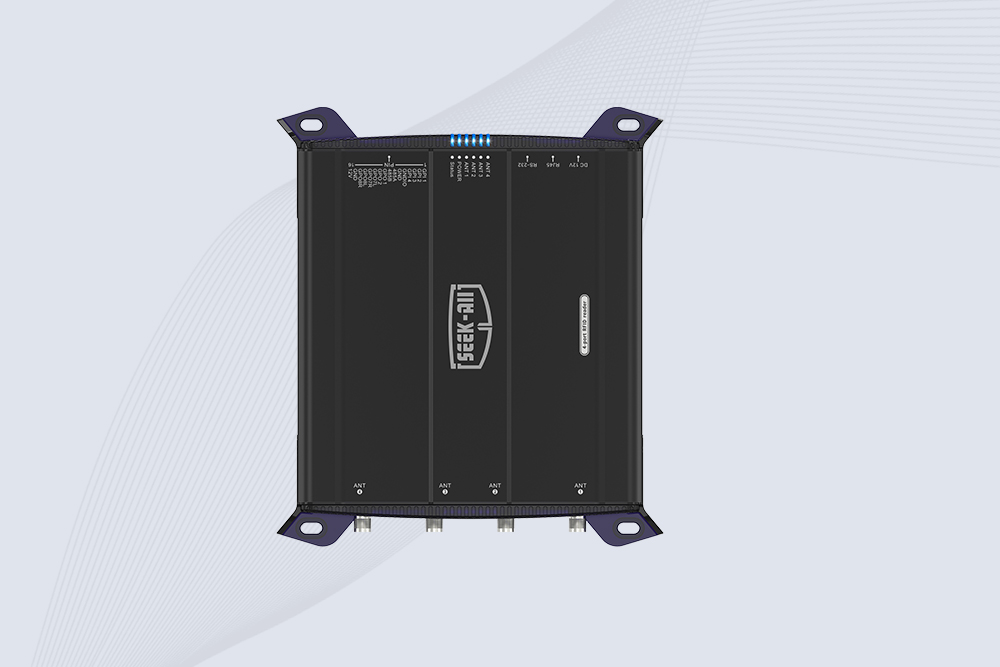
Cykeo CYKEO-R4 industrial UHF RFID Fixed Reader features 4 TNC ports, 400+ tags/sec speed, IP67 housing, and global frequency compliance for vehicle inspection, smart warehouse, and asset management systems.
CYKEO CYKEO-R8L Fixed RFID Reader with 8-port UHF design, Impinj-based RF core and up to 20m read range. An industrial Fixed RFID Reader for vehicle inspection, warehouse portals, smart manufacturing lines and secure access checkpoints.
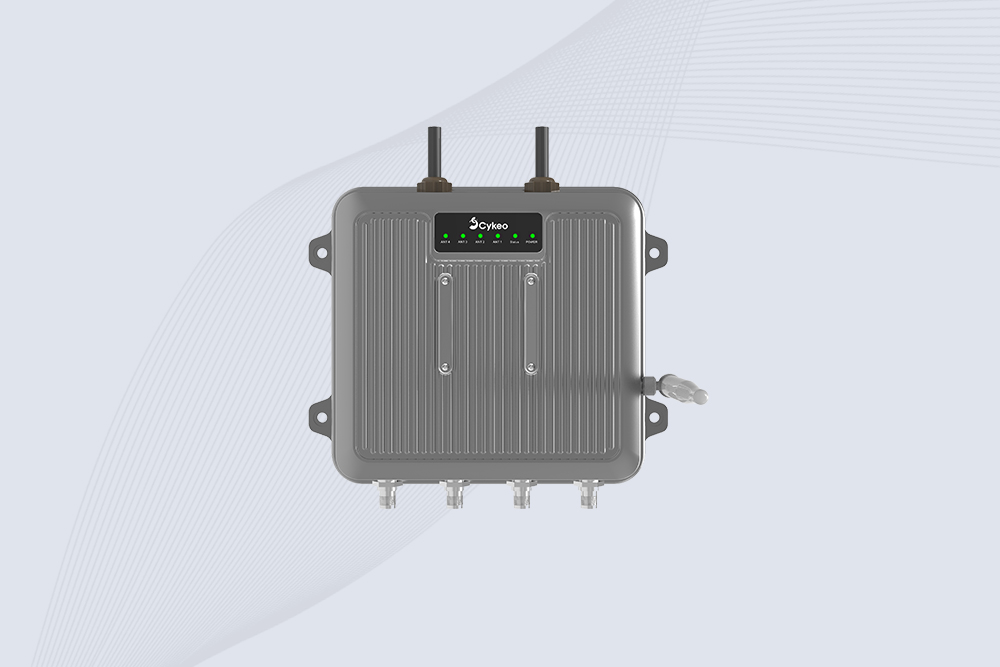
RFID Fixed Reader from CYKEO – the CYKEO-R16L 16-port UHF fixed reader for warehouses, smart cabinets, and production lines. Long-range, multi-tag reading, stable performance for 24/7 industrial use.
Discover how long do led tennis court lights last and how RFID tracking software delivers real-time visibility, automation, and accurate asset management.
Discover how an RFID stock management system improves warehouse inventory accuracy, reduces manual counting, and enables real-time inventory visibility.
passive rfid scanner enables contactless asset tracking in industrial environments. Cykeo systems improve accuracy for tools, logistics, and field operations.
 Cykeo RFID IoT Solution Products R&D Manufacturer