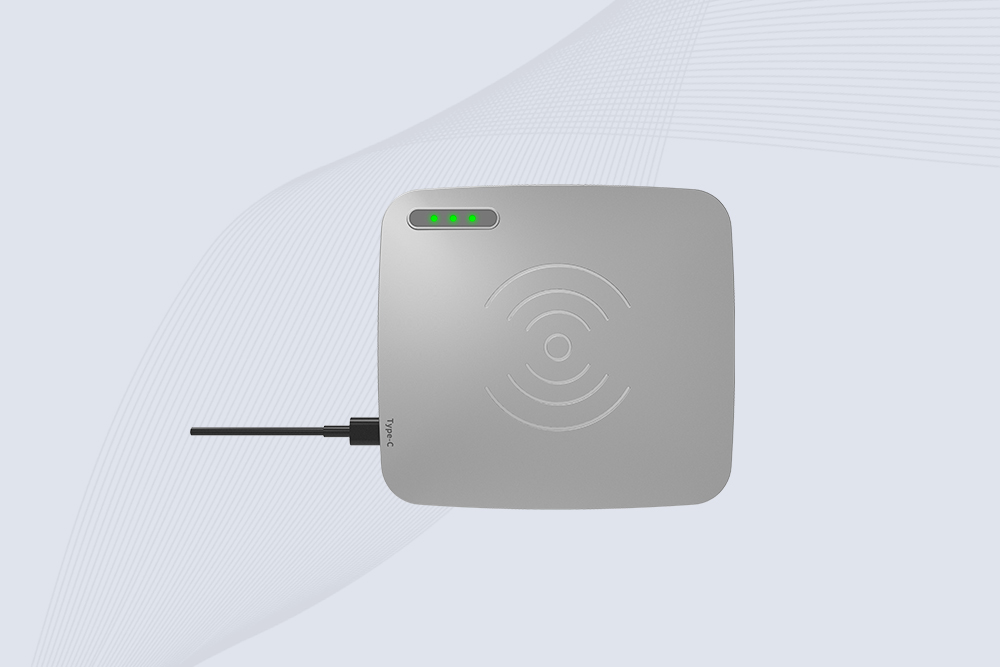
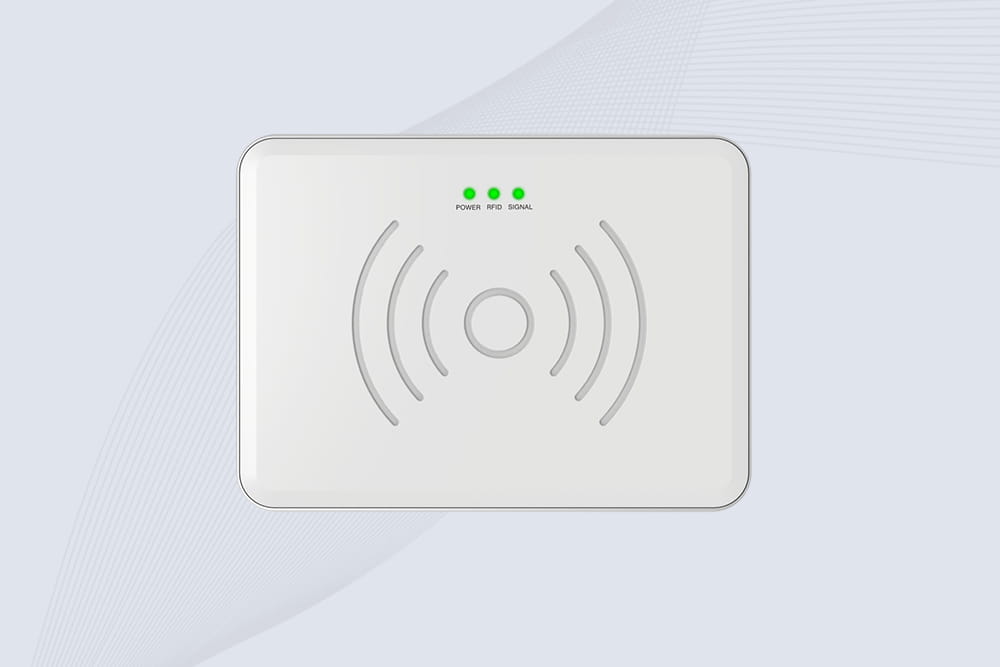
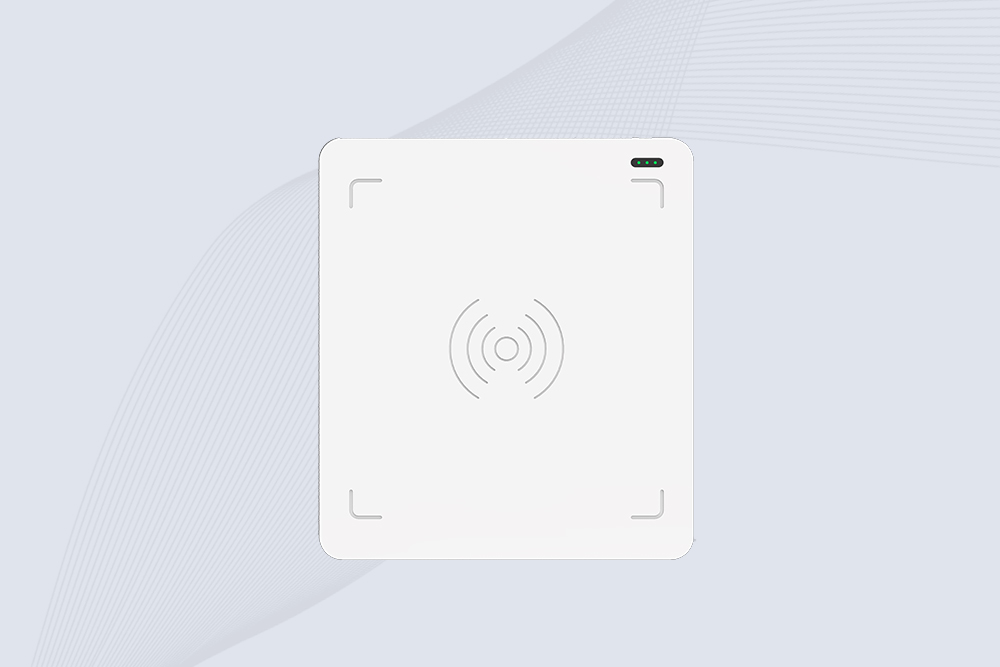
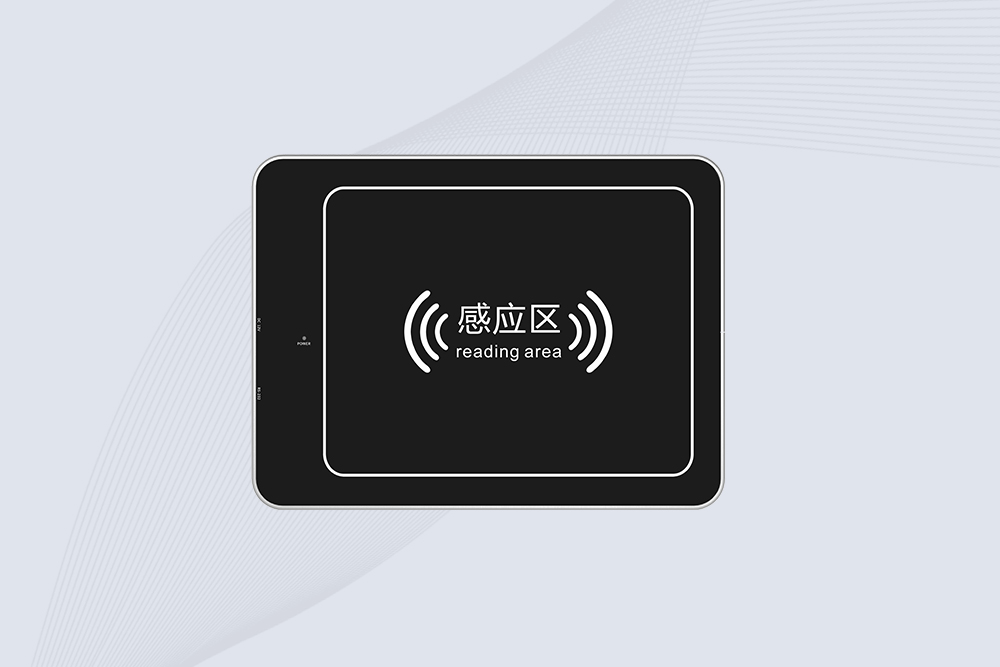
To read a RFID tag, use a compatible RFID reader that sends radio frequency signals to activate the tag, captures the returned identification data, and transfers the information to software. The reader type, tag frequency, antenna design, and environment determine reading performance.
Reading a RFID tag is the first step in transforming physical objects into digitally traceable assets. Unlike barcode technology, RFID does not require direct visual alignment. A reader can identify tagged objects through radio communication, allowing organizations to manage inventory, equipment, products, and assets more efficiently.
From my experience participating in RFID system testing and deployment projects, I have found that many implementation failures do not happen because the RFID tag cannot be read. They happen because the system reads too much, too little, or the wrong information.
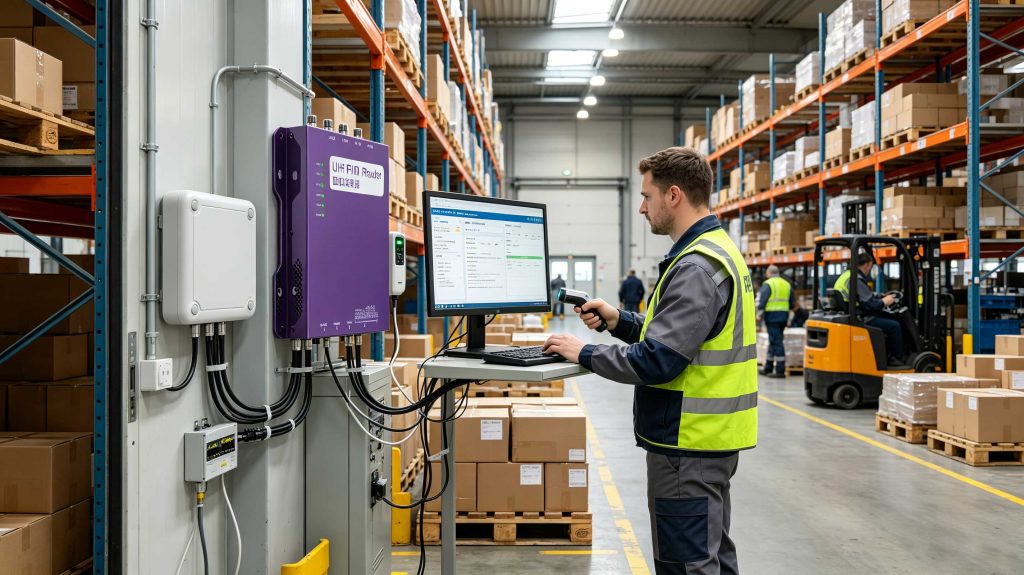
A warehouse doorway is a good example. A fixed UHF RFID reader may detect dozens of tags within seconds, but the application must understand whether a pallet is entering, leaving, or simply moving nearby. The real engineering challenge is controlling the reading process.
According to GS1, RFID technology provides automatic identification and data capture capabilities that help organizations improve visibility throughout supply chains. EPC-based RFID systems allow tagged objects to be identified and associated with business information.
Understanding how RFID tags are read
How RFID communication works
An RFID tag stores identification information inside its chip. When an RFID reader sends radio signals, the tag responds by transmitting stored data back to the reader.
The basic process includes:
Step
RFID Reading Process
1
Reader sends radio frequency energy
2
Tag antenna receives the signal
3
RFID chip activates
4
Tag sends stored information
5
Reader receives and processes data
6
Software records the event
Most passive RFID tags do not contain batteries. They receive energy from the reader signal and communicate through backscatter technology.
The reading performance depends on:
RFID frequency
Reader sensitivity
Antenna design
Tag orientation
Environmental conditions
Software processing
Types of RFID tags and compatible readers
Choose the correct RFID reader based on tag frequency
One of the most important steps in reading an RFID tag is matching the reader with the correct tag technology.
RFID Type
Frequency
Common Applications
LF RFID
125–134 kHz
Animal tracking, access systems
HF RFID
13.56 MHz
Cards, libraries, NFC applications
UHF RFID
860–960 MHz
Logistics, inventory, asset tracking
A UHF RFID reader cannot normally read an HF RFID card because they operate using different communication frequencies.
For industrial applications, UHF RFID is widely used because it supports:
Longer reading distances
Faster inventory scanning
Multiple tag identification
Automated tracking processes
The ISO/IEC 18000-63 standard defines the communication interface for UHF RFID systems operating in the 860 MHz to 960 MHz range, supporting communication between compliant readers and tags.
How to read a RFID tag step by step
Step 1: Select an RFID reader
The first step is choosing hardware suitable for the application.
A warehouse requires a reader that can identify many tags quickly.
A desktop registration station requires controlled reading distance and stable operation.
The hardware choice affects the entire RFID workflow.
Step 2: Connect the RFID reader to software
After selecting the reader, connect it with the management system.
Common communication methods include:
USB
RS-232
Ethernet
TCP/IP
Wireless interfaces
A complete RFID reading system usually includes:
RFID Tag
   ↓
RFID Reader
   ↓
Communication Interface
   ↓
RFID Software
   ↓
Database / Enterprise System
The RFID reader only provides raw identification data.
The software determines:
Which item was detected
Where it was detected
When the event occurred
What action should happen next
This distinction becomes critical in large-scale RFID deployments.
Factors that influence RFID tag reading performance
Reading distance
Reading distance is affected by more than reader power.
Important factors include:
Tag size
Antenna design
Reader sensitivity
Installation location
Surrounding materials
For example, metal surfaces and liquids can affect RFID signal performance. Industrial environments often require specially designed RFID tags or optimized installation methods.
Tag orientation and placement
RFID tags do not always perform identically from every angle.
During deployment testing, engineers usually evaluate:
Horizontal placement
Vertical placement
Movement direction
Distance changes
Multiple-tag situations
A pallet tag facing directly toward an antenna may perform differently from the same tag placed behind another object.
Reading multiple RFID tags simultaneously
One advantage of RFID technology is the ability to identify multiple tags without individual scanning.
A warehouse reader may detect:
Multiple cartons
Several pallets
Different asset tags
at the same time.
To maintain accuracy, professional RFID systems use:
Anti-collision algorithms
Tag filtering
Reader parameter adjustment
Application-level event processing
Cykeo UHF RFID solutions support multi-tag identification and filtering technologies designed for practical industrial environments.
Reading RFID tags in real-world applications
Warehouse inventory management
Warehouses use RFID tag reading for:
Receiving operations
Shipment verification
Inventory counting
Location tracking
Compared with manual counting methods, RFID enables faster automatic identification.
Industrial asset tracking
Factories use RFID tags to manage:
Tools
Equipment
Production materials
Maintenance records
The system needs reliable identification because every tag represents a physical asset.
Healthcare equipment management
Hospitals may use RFID tags on:
Medical devices
Surgical instruments
Supplies
In these environments, reading accuracy and traceability are more important than maximum reading distance.
RFID tag reading connects physical inventory with real-time digital identification.
Common RFID tag reading problems
RFID tag cannot be detected
Possible causes:
Incorrect reader frequency
Damaged tag
Poor tag placement
Insufficient reading range
Environmental interference
The first troubleshooting step is always checking compatibility between the tag and reader.
RFID reader detects too many tags
In open environments, readers may capture unwanted tags.
Solutions include:
Reducing output power
Adjusting antenna direction
Creating controlled reading zones
Using software filtering
The objective is not reading everything.
The objective is reading the correct information.
Professional insight into RFID tag reading
A reliable RFID system is not measured only by how far a reader can detect a tag.
A better measurement is:
Can the system identify the right object, at the right location, at the right time?
Successful RFID deployment requires cooperation between:
RFID tags
Readers
Antennas
Software
Business processes
Cykeo RFID solutions focus on this complete approach by combining hardware performance, software integration capability, and application-specific design.
A good RFID system does not simply collect signals.
It creates trustworthy operational data.
Advanced methods for reading a RFID tag in professional RFID systems
Reading a RFID tag in a commercial environment is not only about detecting the tag ID. A reliable RFID system must understand the relationship between the tag, reader, antenna, software, and business process.
In real deployment projects, I have found that the most important performance indicator is not the maximum reading distance listed in a specification sheet. The critical factor is whether the system can consistently identify the correct object during daily operation.
A warehouse may have moving forklifts, metal racks, workers, and hundreds of tagged products. A hospital may have sensitive equipment moving between rooms. The RFID system must work under these conditions, not only in a controlled test area.
A professional RFID tag reading architecture normally contains:
RFID tag
RFID reader
RFID antenna
Communication interface
Middleware or software platform
Business database
GS1 describes an RFID infrastructure as consisting of readers and tags, where readers send standardized commands and receive responses from tags through radio communication. Passive tags obtain operating energy from the reader signal and return information through backscatter communication.
How to read a RFID tag with different RFID readers
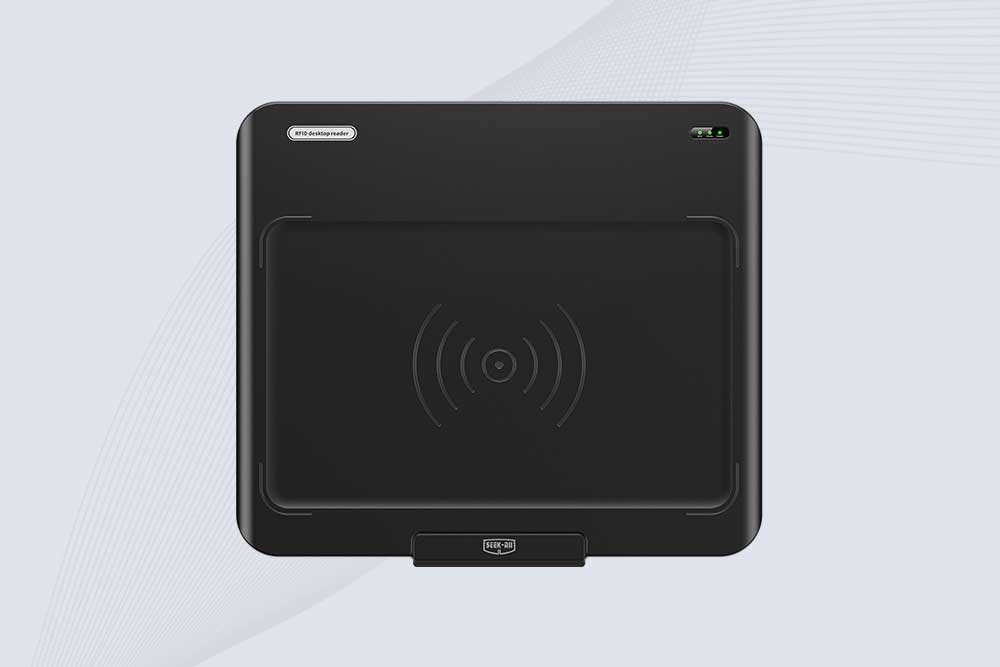
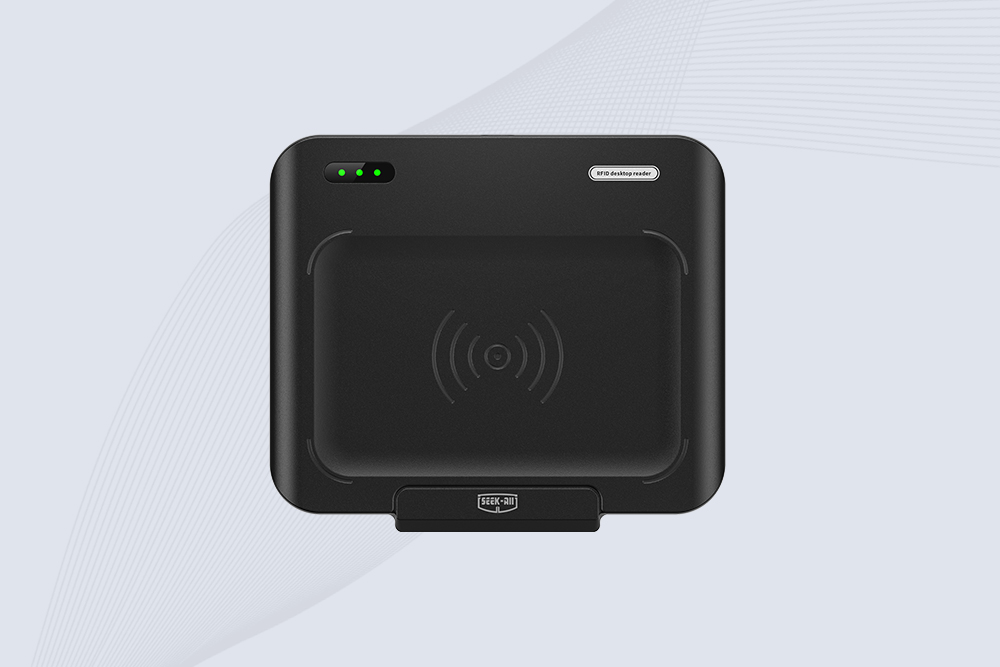
Reading RFID tags with desktop RFID readers
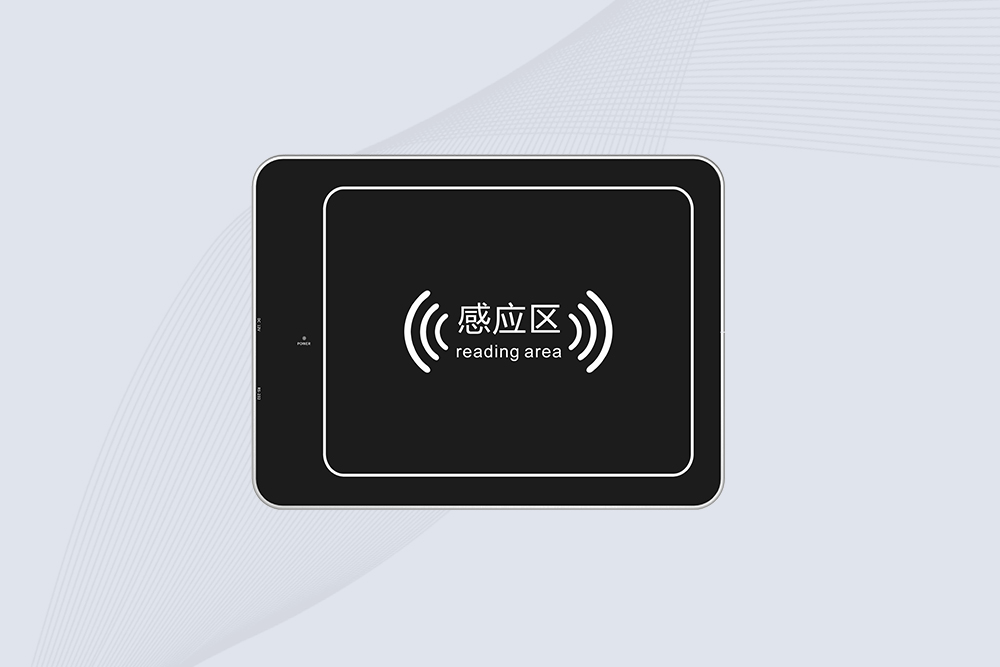
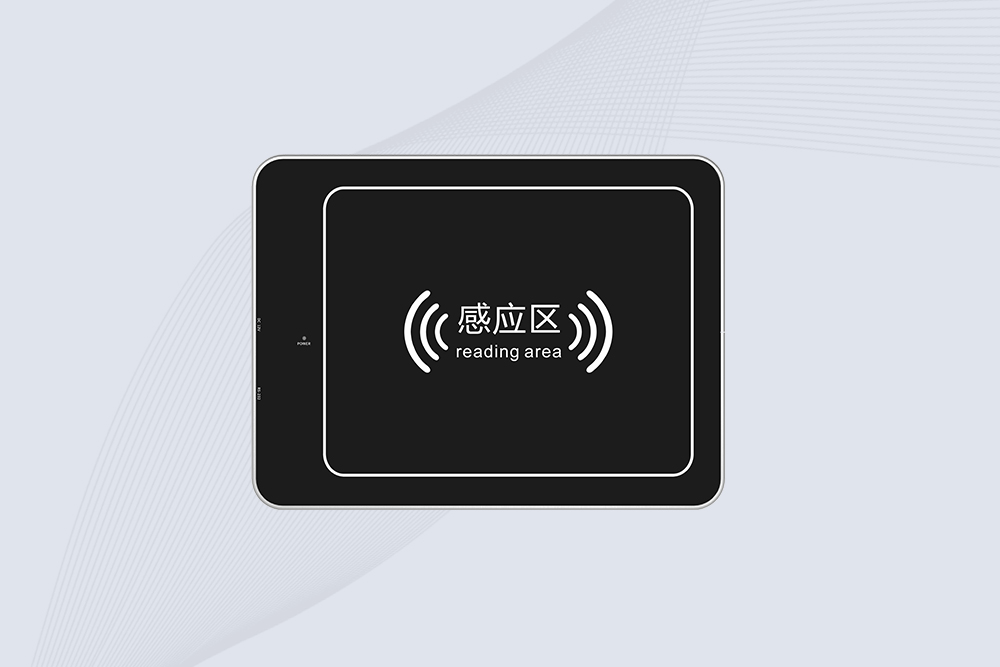
Desktop RFID readers are designed for controlled environments where operators need stable and repeatable identification.
Typical applications include:
RFID tag registration
Product labeling
Access card issuing
Library management
Small equipment tracking
Advantages:
Feature
Practical Benefit
Controlled reading area
Prevents unwanted tag detection
USB communication
Easy connection with computers
Compact design
Suitable for office environments
Reading and writing capability
Supports tag preparation
For example, when registering RFID labels before warehouse deployment, a desktop reader allows operators to verify each tag before attaching it to an item.
The objective is not reading the tag from several meters away.
The objective is making sure the correct tag is programmed and verified.
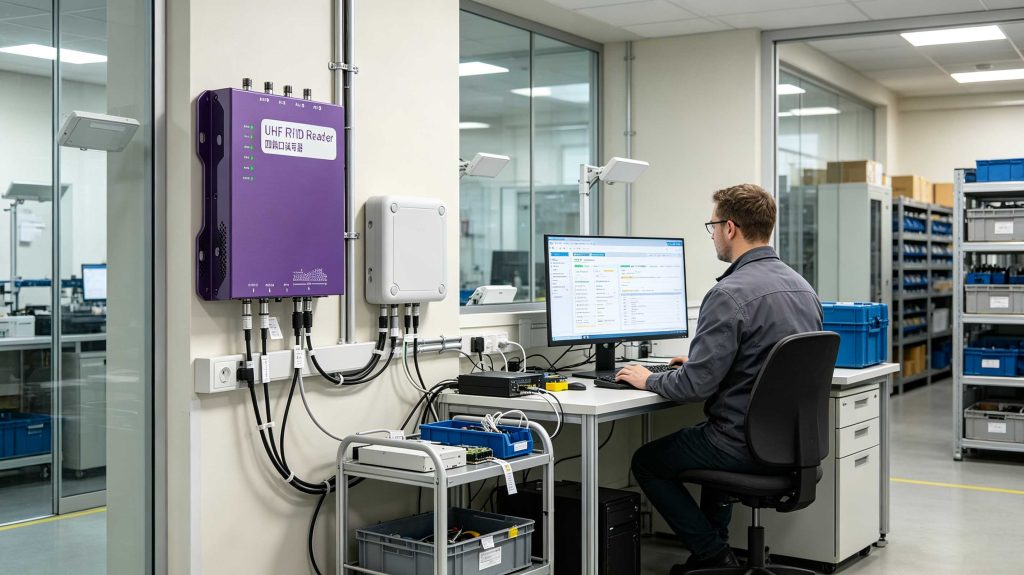
Reading RFID tags with fixed RFID readers
Fixed RFID readers are commonly used in automated environments.
Typical scenarios:
Warehouse entrance monitoring
Production line tracking
Logistics verification
Smart cabinet management
A fixed reader continuously monitors a defined area.
The software must determine:
Which tag entered the area
When the event happened
Whether the tag movement is valid
Whether an alarm or workflow should start
For example:
A pallet passing through a warehouse gate generates an RFID event.
The system may then:
Confirm pallet identity.
Update inventory status.
Record movement time.
Notify the warehouse system.
The RFID reader captures the signal.
The application creates the business action.
Reading RFID tags with handheld readers
Handheld RFID readers provide flexibility for mobile operations.
They are widely used for:
Inventory counting
Equipment inspection
Retail stock checking
Maintenance management
Unlike fixed readers, handheld devices depend more on operator movement.
Important factors include:
Scanning angle
Reading distance
Operator workflow
Tag location
A well-designed handheld RFID process reduces unnecessary scanning and improves inventory efficiency.
How RFID software improves tag reading accuracy
Raw RFID data needs processing
An RFID reader may capture the same tag multiple times.
A professional application converts this into useful information:
TAG001 entered warehouse zone A at 09:15
TAG002 entered warehouse zone A at 09:16
Software processing usually includes:
Duplicate filtering
Time interval control
Reader location mapping
Event generation
Database synchronization
Without software processing, RFID systems may collect large amounts of meaningless data.
How to improve RFID tag reading performance
1. Select the correct RFID tag type
The RFID tag itself has a major influence on performance.
Consider:
Environment
Recommended RFID Tag
General inventory
Standard UHF RFID tag
Metal equipment
On-metal RFID tag
Small products
Compact RFID label
Outdoor applications
Durable RFID tag
The wrong tag choice can reduce reading reliability even when using a high-performance reader.
2. Optimize RFID antenna placement
Antenna installation affects the reading zone.
During deployment, engineers usually test:
Tag direction
Product movement speed
Distance changes
Interference sources
Coverage area
For example:
A warehouse doorway may require antennas positioned to create a reading tunnel.
A smart shelf may require antennas designed for close-range detection.
The same RFID reader can perform very differently depending on installation.
3. Adjust RFID reader parameters
Professional RFID readers allow configuration of:
Output power
Frequency settings
Antenna selection
Inventory mode
Filtering parameters
Higher power is not always better.
Too much reading range can create unwanted detection.
A well-designed RFID system creates a controlled reading environment.
RFID tag reading in supply chain applications
Warehouse inventory
RFID tag reading helps warehouses improve:
Receiving accuracy
Inventory visibility
Shipment verification
Asset tracking
Instead of manually scanning individual items, RFID systems can automatically identify multiple tagged objects.
Manufacturing tracking
Factories use RFID tags to track:
Work-in-progress materials
Production tools
Finished products
Maintenance equipment
The system provides visibility into where an item is located and what process it has completed.
Healthcare asset management
Healthcare organizations use RFID tags for:
Medical equipment tracking
Surgical instrument management
Supply monitoring
Accuracy is especially important because missing or misplaced equipment can affect operational efficiency.
RFID tag reading enables automatic identification and real-time visibility across industrial and healthcare environments.
Cykeo RFID solutions for reading RFID tags
Cykeo provides RFID hardware solutions designed for industrial identification and automation applications.
Key capabilities include:
UHF RFID support based on ISO 18000-6C / EPC C1G2 protocols Multi-tag identification technology Adjustable reader power settings Tag filtering functions SDK and API integration support USB, Ethernet, and serial communication options
Cykeo RFID readers are designed for applications including:
Warehouse automation
Industrial asset management
Smart cabinets
Retail identification
Equipment tracking
For OEM developers, embedded RFID modules provide integration flexibility.
For system integrators, fixed RFID readers provide reliable identification infrastructure.
RFID tag reading troubleshooting checklist
Problem
Possible Cause
Solution
Tag cannot be detected
Wrong frequency
Confirm reader compatibility
Short reading range
Poor antenna setup
Adjust installation
Too many detected tags
Reading zone too large
Reduce power or filter data
Unstable reading
Interference
Test environment
Slow inventory
Incorrect settings
Optimize reader parameters
Troubleshooting should start from the physical environment before changing software settings.
FAQ: how to read a RFID tag
1. What device can read a RFID tag?
A compatible RFID reader can read RFID tags. The reader type depends on whether the tag uses LF, HF, or UHF frequency technology.
2. Can a smartphone read all RFID tags?
No. Smartphones mainly support NFC/HF RFID applications. They generally cannot read UHF RFID tags used in logistics and industrial tracking.
3. How far can RFID tags be read?
Reading distance depends on the tag type, reader power, antenna design, and environment. UHF RFID systems generally provide longer ranges than HF systems.
4. Can RFID readers read multiple tags at once?
Yes. UHF RFID systems are designed for multi-tag identification using anti-collision technology. ISO/IEC 18000-63 defines collision arbitration methods for identifying tags in multiple-tag environments.
5. Why is my RFID tag not working?
Possible causes include incompatible readers, damaged tags, incorrect installation, environmental interference, or incorrect configuration.
6. Do RFID tags need batteries?
Most passive RFID tags do not require batteries. They receive energy from the reader signal and return information through backscatter communication.
Final thoughts on how to read a RFID tag
The answer to how to read a RFID tag begins with choosing the correct RFID reader, but successful deployment requires much more.
Reliable RFID tag reading depends on:
Compatible hardware
Proper antenna design
Correct configuration
Software processing
Real-world testing
A professional RFID system does not simply detect tags.
It transforms physical objects into accurate digital information.
Cykeo focuses on this complete RFID approach by combining reader performance, integration capability, and application-oriented engineering.
SSD-D3AL is a USB-HID UHF RFID reader with 0–30 cm reading, 0–15 cm writing, over 600 tags/s recognition, USB plug-and-play operation and OEM Logo customization.
SSD-D1AL is a compact USB UHF RFID reader with Impinj E710/X3M1 chipset, USB-HID, 600+ tags/s recognition, 4/8/16 antenna support and plug-and-play USB power.
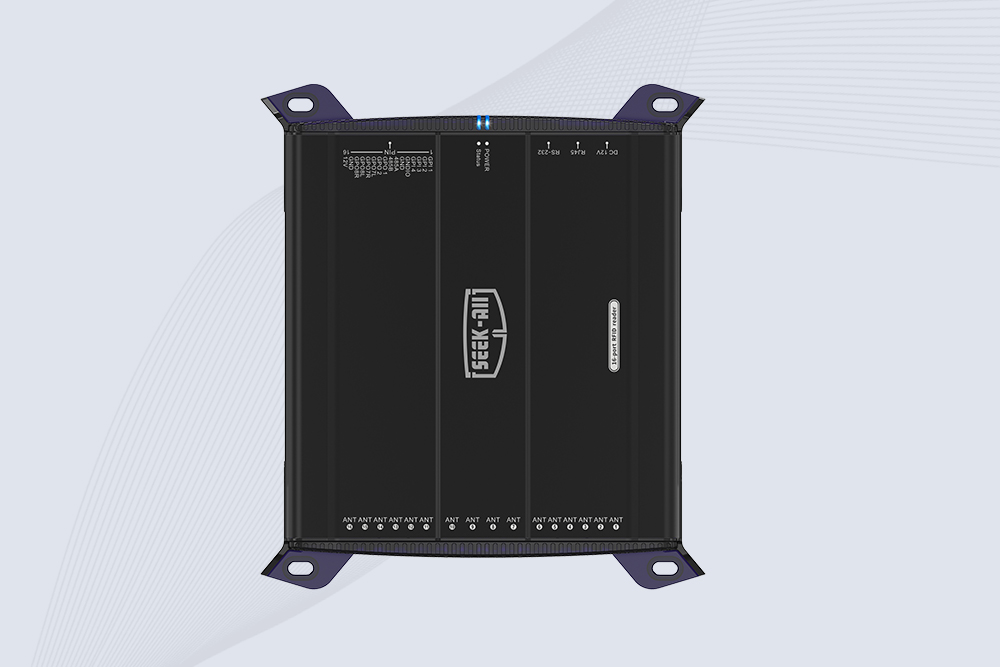
SSD-R16L Multi-Channel RFID Infrastructure for Automated Inventory Management ✔️ 16-Port High-Density RFID Reading Equipped with 16 SMA antenna ports, SSD-R16L supports multi-antenna deployment for warehouses, retail stores, logistics, production lines, and large-area RFID identification. ✔️ High-Speed & Long-Range Performance With up to 33…
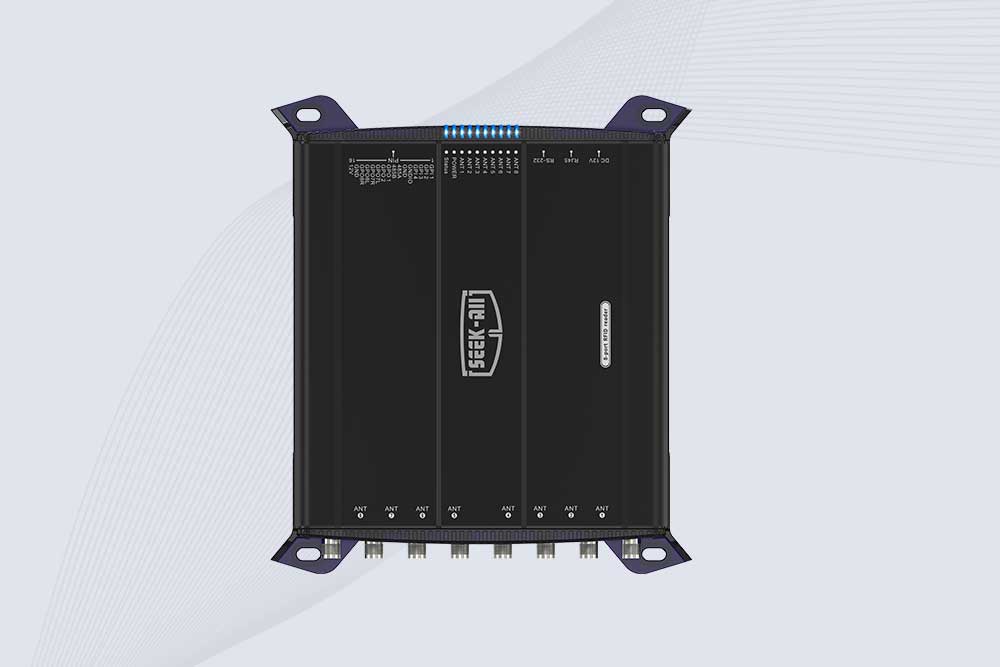
SSD-R8L 8-port UHF RFID reader with 33dBm output, up to 20m reading range and 600+ tags/s recognition. Ideal for warehouse, logistics, retail and asset tracking.
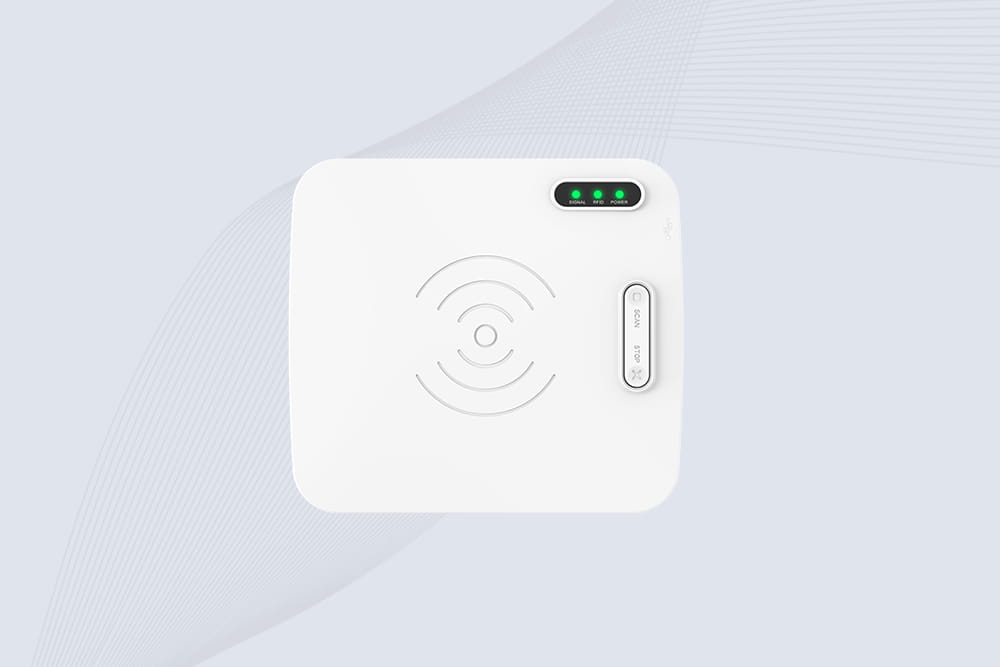
CYKEO CYKEO-D1LA USB RFID Reader is a compact desktop solution with near-field control for precise tag reading and encoding. Powered by USB, supporting ISO 18000-6C, and built for stable batch writing, this usb rfid tag reader fits retail, libraries, offices, and controlled RFID encoding tasks.
CYKEO CYKEO-D1L RFID scanner USB is a compact desktop UHF RFID scanner designed for short-range tag writing and verification. This usb rfid scanner supports batch encoding, stable 0–26 dBm output, and works across Windows, Linux, and Android systems.
CYKEO CYKEO-D1C USB RFID Card Reader is a near-field UHF desktop writer designed for secure, short-range tag encoding. With USB-C connectivity and stable 26 dBm output, this rfid reader usb c is ideal for badge issuance, label encoding, and controlled desktop RFID workflows.
CYKEO CYKEO-D2L RFID Reader USB is a compact desktop encoder built on the Impinj R500 chip. With near-field control and stable USB power, this usb rfid card reader delivers precise tag writing for offices, retail counters, and small-scale logistics encoding tasks.
CYKEO CYKEO-D3L USB RFID Tag Reader delivers stable UHF tag reading and writing for daily desktop and light industrial tasks. Designed for controlled short-range operation, this USB RFID Tag Reader works reliably with rfid tag and reader systems in libraries, tool tracking, and inventory registration.
The CYKEO CYKEO-D4L UHF RFID Tag Reader is a stable Desktop RFID Reader designed for accurate tag registration, borrowing, and return workflows. Built with the Impinj R2000 chip, this UHF RFID Tag Reader delivers controlled short-range reads for libraries, asset tracking, and inventory management environments.
The CYKEO CYKEO-D5L Desktop RFID Card Reader is a stable UHF RFID Card Reader designed for controlled short-range reading and writing. Built for libraries, tool rooms, and asset desks, this UHF RFID Card Reader supports dense tag handling, secure data processing, and easy USB integration.
The CYKEO CYKEO-D6L RFID Reader Writer is a heavy-duty Desktop RFID Reader designed for short-range, high-accuracy tag programming. Built for libraries, labs, and asset desks, this RFID Reader Writer supports batch processing, stable 33dBm output, and seamless integration with existing management systems.
Cykeo CYKEO-D8A embedded RFID badge reader offers 30+ tags/sec scanning, 20cm anti-crosstalk precision, and DC 12V power for unmanned stores, warehouses, and smart inventory systems.
Cykeo’s CYKEO-D8C UHF RFID gate reader achieves 200-tag/batch scanning with adjustable power control, ideal for retail inventory and smart warehouse management.
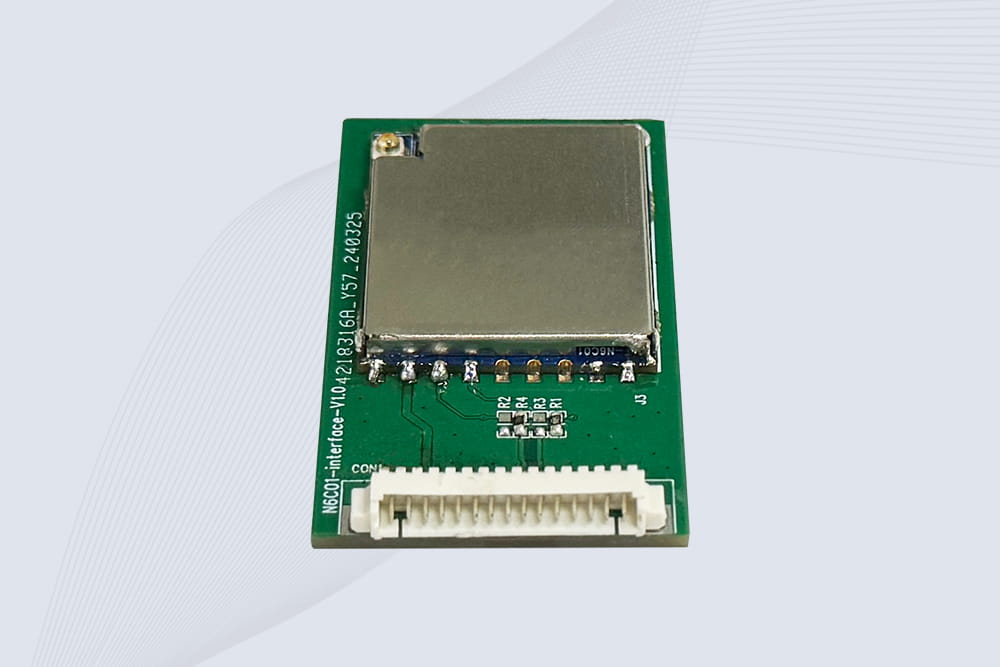
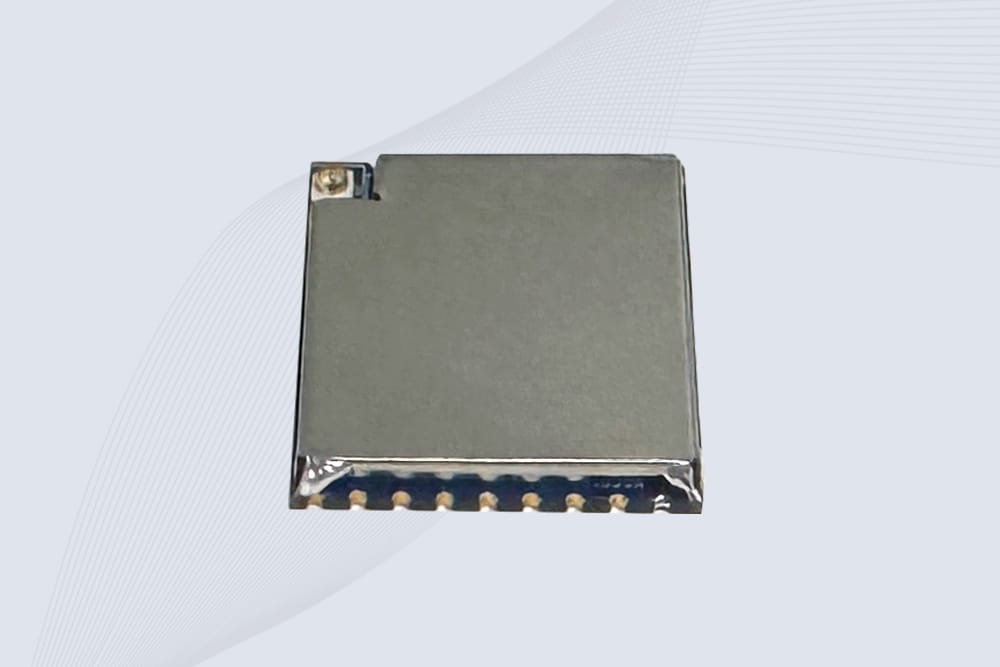
CYKEO Embedded RFID Modules are designed for compact industrial and IoT devices that require stable UHF performance. These UHF RFID Modules support global protocols, flexible power control, and reliable multi-tag reading for smart cabinets, production lines, and asset tracking systems.
CYKEO Embedded RFID Module is built for compact IoT and industrial devices that need stable UHF performance. This UHF module supports global protocols, low power operation, and reliable multi-tag reading for smart lockers, production lines, and always-on RFID systems.
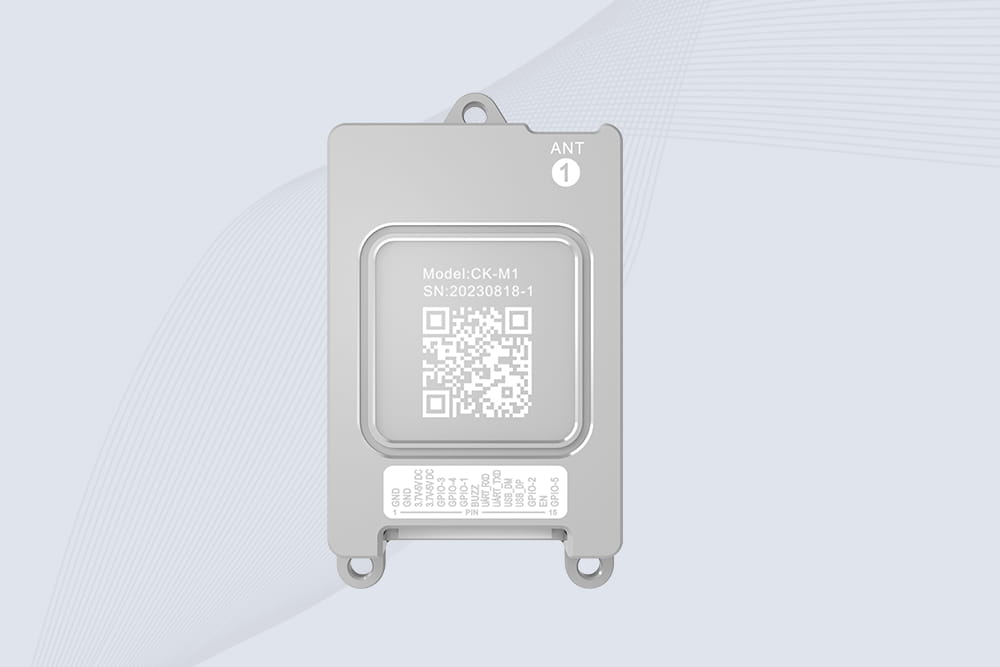
CYKEO CYKEO-M1 drone rfid module is a compact UHF RFID reader module designed for drones and UAV platforms. It supports long-range aerial scanning, fast multi-tag reading, and stable performance in wind, vibration, and outdoor environments.
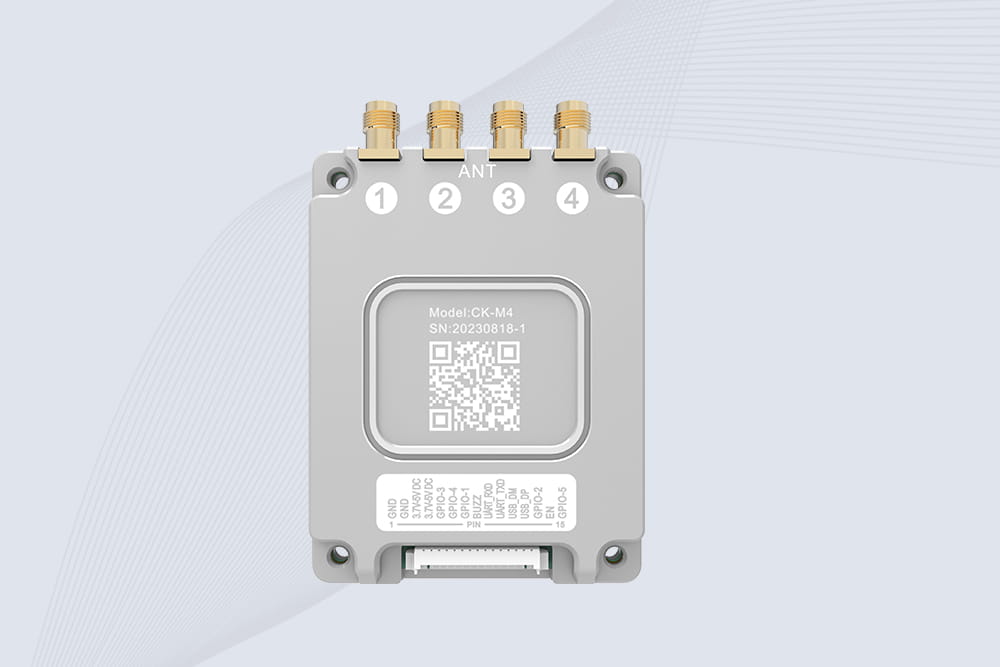
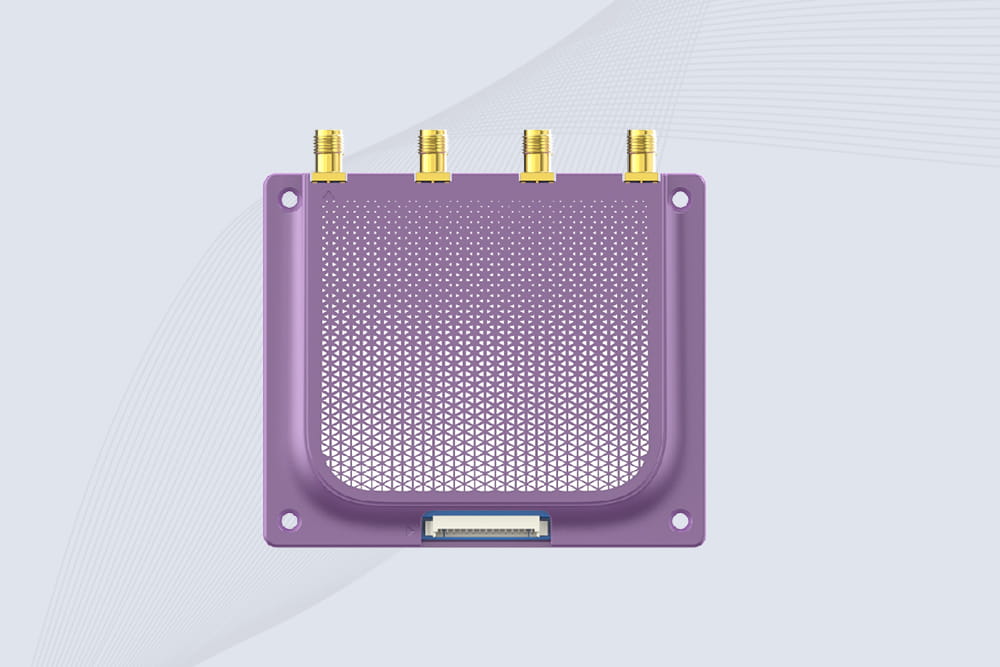
CYKEO CYKEO-M4 RC522 RFID Module is an industrial-grade UHF RFID reader with 4 ports, supporting ISO, EPC, and GB protocols. High-speed, accurate reading for IoT, automation, and warehouse applications.
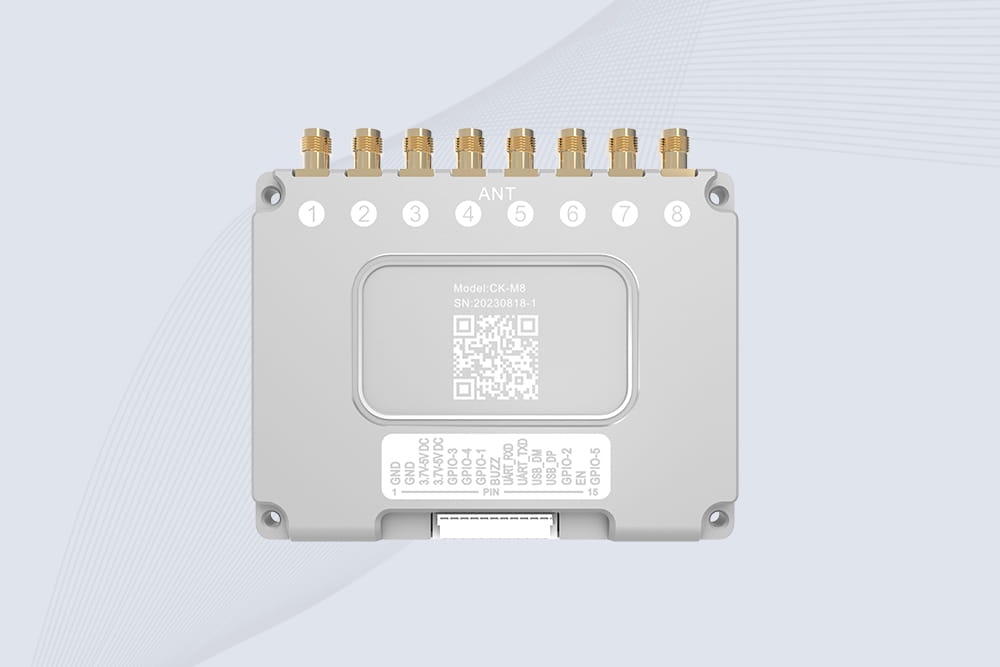
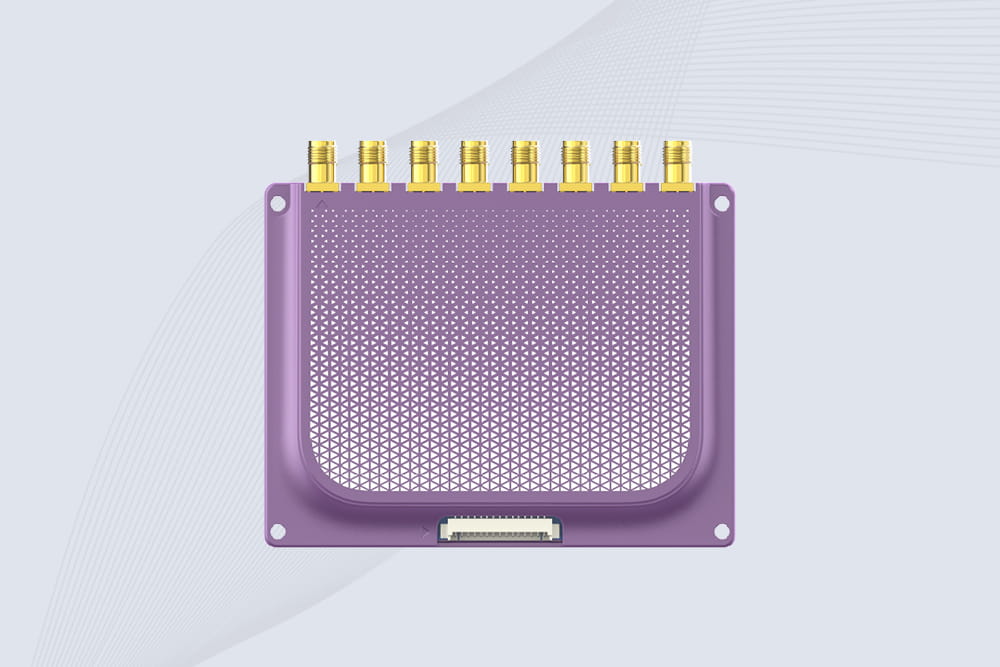
CYKEO CYKEO-M8 Module RFID is an 8-port UHF R2000 RFID Module designed for high-density, multi-tag environments. Stable 33dBm output, ISO & GB protocol support, ideal for warehouses, factories, and automated systems.
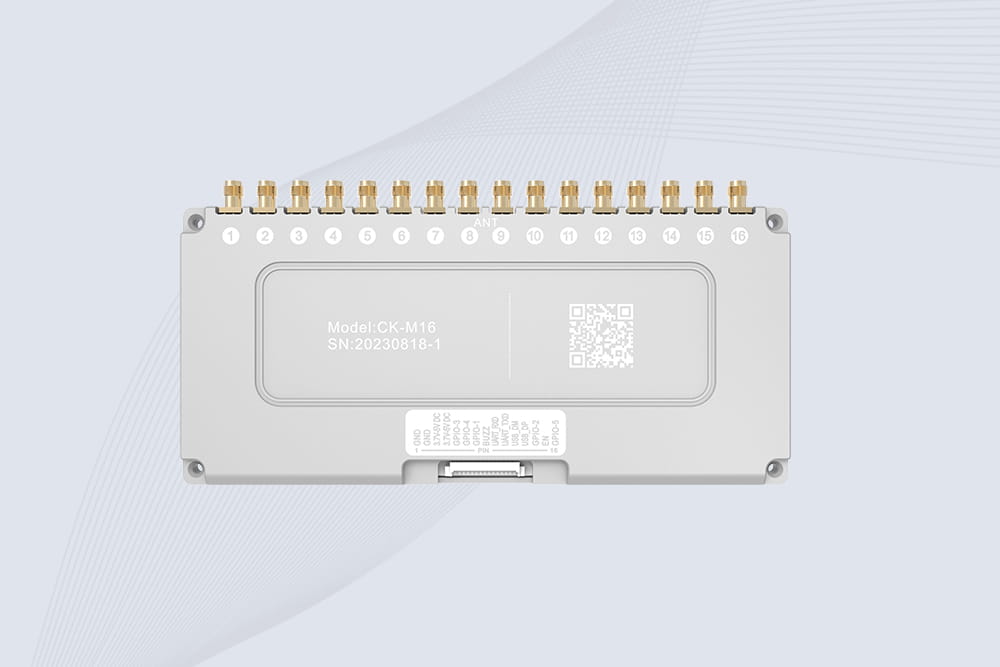
CYKEO CYKEO-M16 RFID Module is a 16-port UHF RFID reader module based on the R2000 chipset. Designed for dense tag environments, it supports ISO and GB standards and delivers stable multi-antenna control for industrial automation.
The CYKEO CYKEO-M16L RFID Reader Module is a 16-channel UHF RFID core designed for dense tag environments. With adjustable 33dBm output, multi-protocol support, and stable multi-antenna control, this RFID Tag Reader Module fits industrial automation, warehouse systems, and large-scale IoT deployments.
CYKEO CYKEO-M8L module RFID is a compact industrial UHF module built for dense tag and multi-antenna environments. With 8 RF ports, adjustable 33 dBm output, and ISO & GB protocol support, it is widely used in factories, warehouses, and automated tracking systems.
CYKEOCYKEO-M4L UHF RFID Module is a compact 4-channel RFID tag reader module designed for dense tag environments. Supporting ISO and GB protocols, it delivers stable reads up to 10 meters for industrial and IoT systems.
Cykeo CYKEO-C1 industrial Forklift RFID Reader features 20m read range, 600 tags/sec scanning, Impinj R2000 chipset, and IP67 rugged design. Ideal for warehouse logistics and manufacturing. Supports ISO 18000-6C/6B protocols.
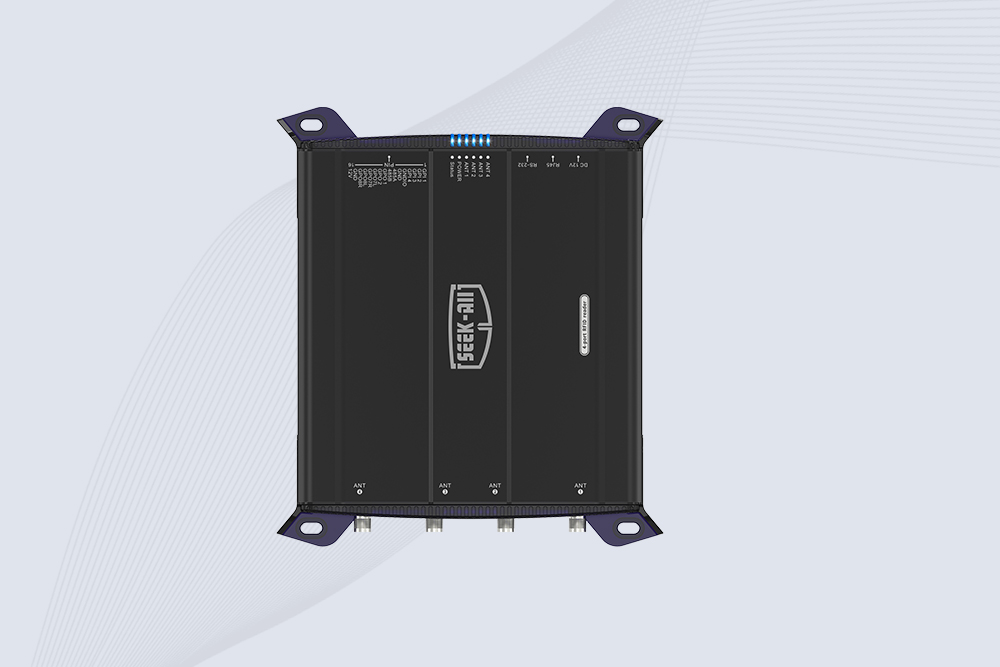
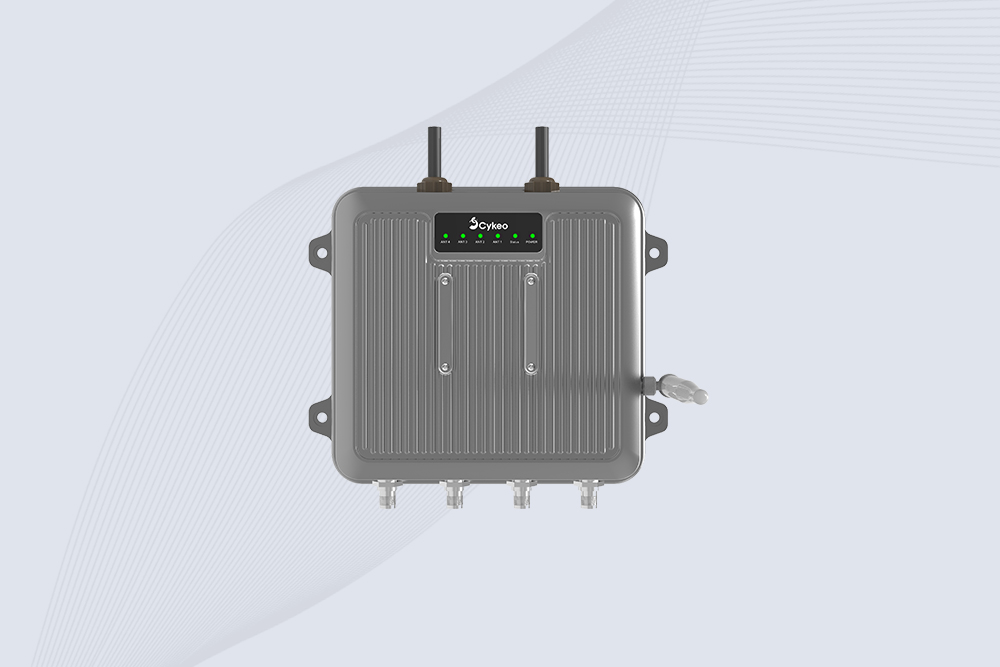
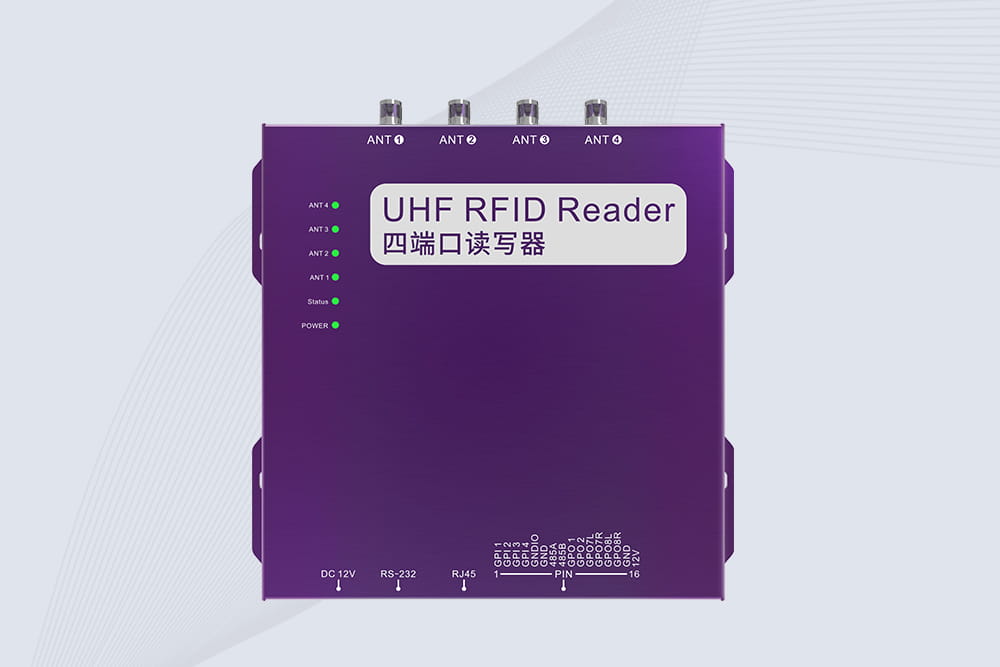
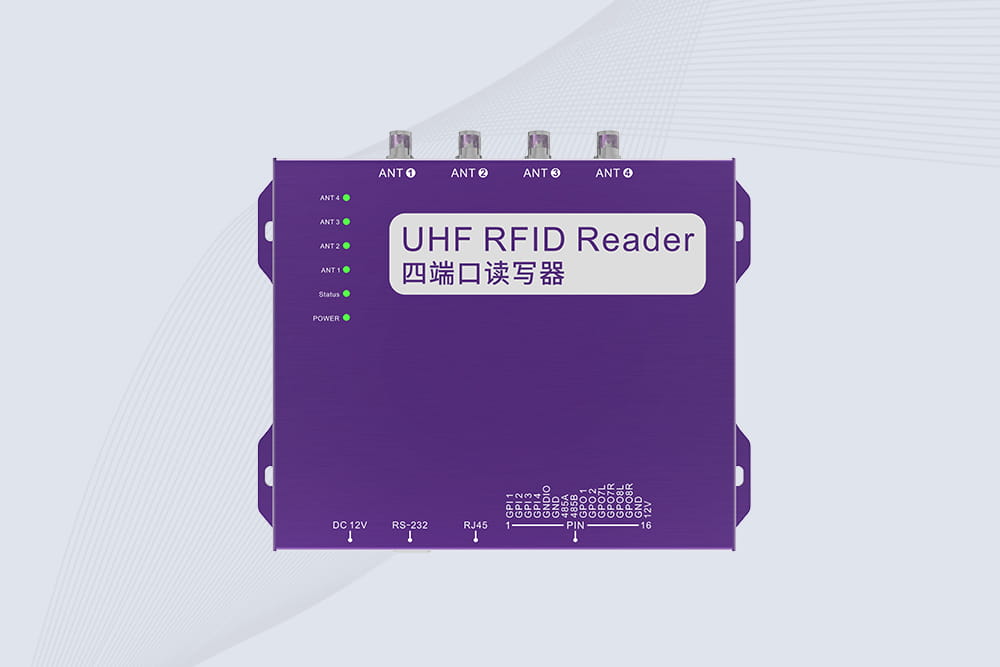
Cykeo CYKEO-R4 industrial UHF RFID Fixed Reader features 4 TNC ports, 400+ tags/sec speed, IP67 housing, and global frequency compliance for vehicle inspection, smart warehouse, and asset management systems.
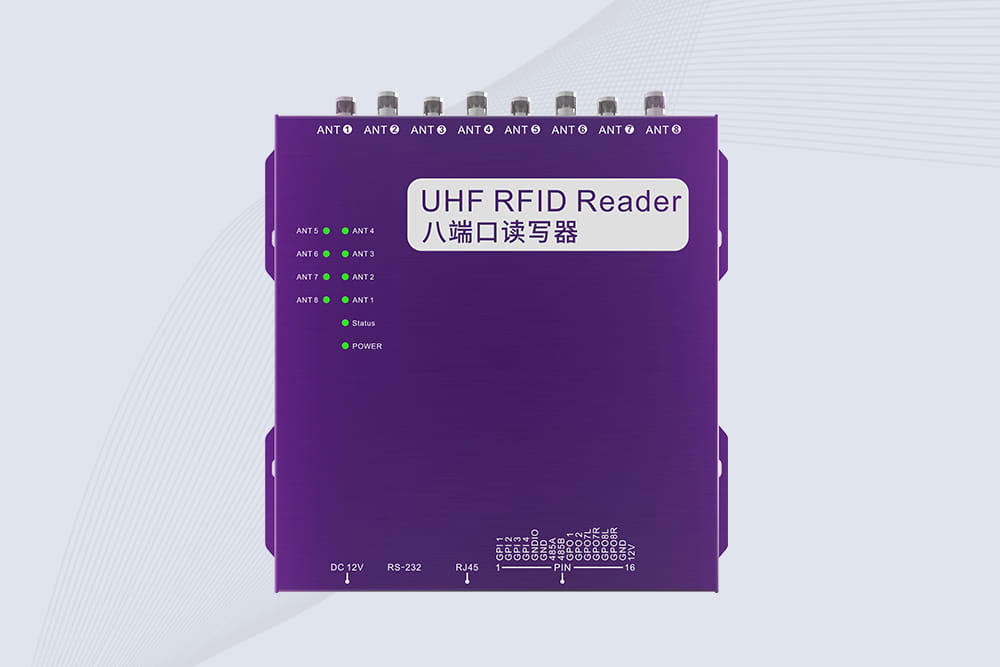
CYKEO CYKEO-R8L Fixed RFID Reader with 8-port UHF design, Impinj-based RF core and up to 20m read range. An industrial Fixed RFID Reader for vehicle inspection, warehouse portals, smart manufacturing lines and secure access checkpoints.
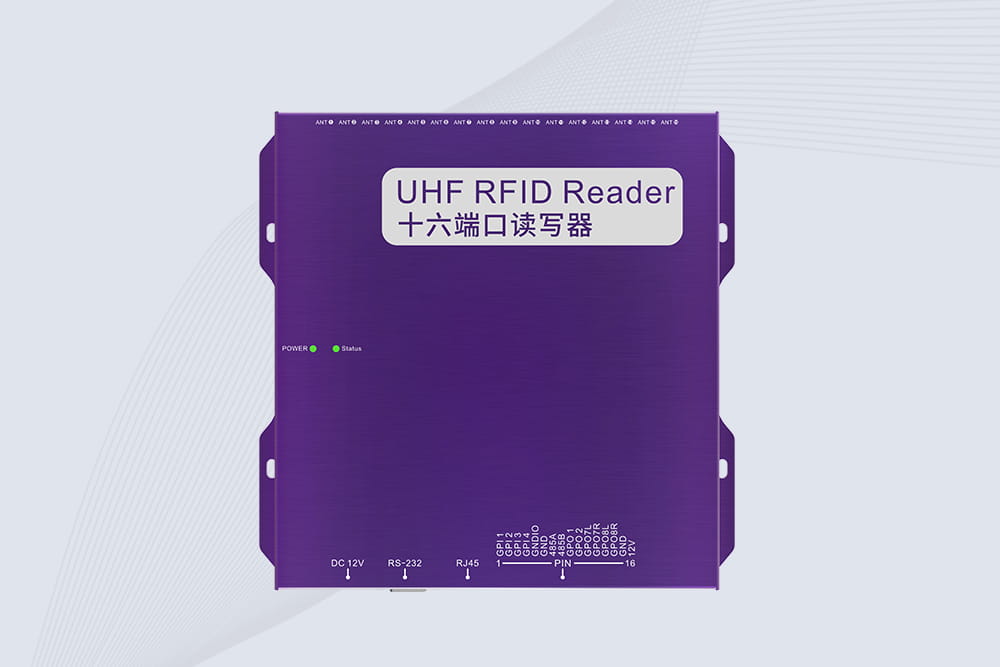
RFID Fixed Reader from CYKEO – the CYKEO-R16L 16-port UHF fixed reader for warehouses, smart cabinets, and production lines. Long-range, multi-tag reading, stable performance for 24/7 industrial use.
RFID access management isn’t just about tapping a card to open doors. This word guide explores real-world use cases in offices, warehouses, hospitals, and schools—highlighting benefits, common pitfalls, and practical lessons learned.
Discover how an RFID location tracking system improves asset visibility, reduces search time, and automates inventory management. Explore Cykeo RFID solutions.
Learn how to read RFID tags with Android using mobile readers. Improve efficiency with fast, accurate scanning solutions trusted in logistics and retail.
 Cykeo RFID IoT Solution Products R&D Manufacturer