 Cykeo RFID IoT Solution Products R&D Manufacturer
Think Small, Get Tough: Inside the 2.45-GHz On-Chip Tag
257Need a tiny, tough tag? We explain the practical pros and cons of choosing a 2.45-GHz RFID tag with on-chip antenna for small asset and industrial tracking.
MoreAll RFID Product
To improve RFID read range, optimize the tag, reader power, antenna gain, polarization, tag orientation, and installation environment together. Increasing reader power alone rarely solves weak reads. Reliable range comes from matching the RFID tag and antenna to the application, then validating the complete system under real operating conditions.
When an RFID system underperforms, the first reaction on site is often to increase transmission power. That can help, but it is rarely the complete answer.
GS1 notes that passive UHF RFID tags typically provide read ranges of several meters, with up to around 15 meters in special cases, while highly sensitive readers using phased-array antennas can reach up to about 20 meters. GS1 also emphasizes that the actual readable volume depends strongly on antenna directivity, gain, polarization, and tag orientation.
That distinction matters.
A system that reads one tag at 12 meters is not necessarily a good 12-meter RFID system. If the tag disappears when a pallet turns 30 degrees, the practical read zone is much smaller than the specification suggests.
In field deployment, this is one of the first things worth checking: measure the usable read zone, not the longest successful read.
| Factor | Effect on read range | Practical consideration |
|---|---|---|
| Tag antenna | Determines how efficiently the tag receives and reflects RF energy | Select for the actual product material |
| Reader output power | Influences available RF energy | Stay within regional regulatory limits |
| Reader antenna | Shapes RF coverage | Match gain and beamwidth to the read zone |
| Polarization | Affects tag response by orientation | Circular polarization suits variable tag orientation |
| Tag orientation | Can create weak angles or nulls | Test the real mounting position |
| Metal and liquid | Can detune or weaken RFID performance | Validate tags on the actual item |
| RF interference | Can reduce reliable communication | Survey the environment before installation |
| Reader position | Changes the usable field | Tune distance and antenna angle experimentally |
RFID Journal similarly identifies frequency, reader output power, tag antenna size, and whether the tag is active or passive as important range variables. Its guidance also warns that metal and water can significantly reduce UHF read distance.
This is why replacing a reader without examining the tag and installation environment can produce an expensive disappointment.
A tag that performs well on cardboard may behave very differently when attached to a metal asset, liquid-filled container, painted surface, or densely packed product.
Impinj’s technical documentation identifies tag sensitivity as a critical contributor to RAIN RFID performance and notes that tag sensitivity depends on the IC, inlay design, and interaction with the material of the item being tagged.
For an actual deployment, test at least:
Do not test only an unloaded demonstration tag.
A useful engineering test is to mark several distance points and record successful reads rather than simply “read/no read.” For example, test at 2 m, 4 m, 6 m, 8 m and beyond, while rotating the tagged item through realistic orientations. This produces a much more useful performance map than a single maximum-distance figure.
The antenna is not an accessory added after selecting the reader. It is part of the RF system.
RFID Journal describes antenna gain, beam width, orientation, and polarization as factors that influence both read distance and read accuracy.
For a controlled portal, an antenna aimed directly across the intended tag path may work well. For a conveyor or forklift application, however, the tag can enter the field at changing angles. A circularly polarized antenna can therefore be preferable when tag orientation cannot be controlled.
RFID Journal’s technical guidance makes the distinction clearly: linear polarization can provide strong performance when tag orientation is controlled, while circular polarization is more suitable when tag orientation varies.
Before fixing the antenna permanently:
The last step is easily overlooked.
Maximum range and useful range are not the same thing. In a warehouse, reading a pallet ten meters away may sound impressive until the reader also captures tags on the neighboring rack.
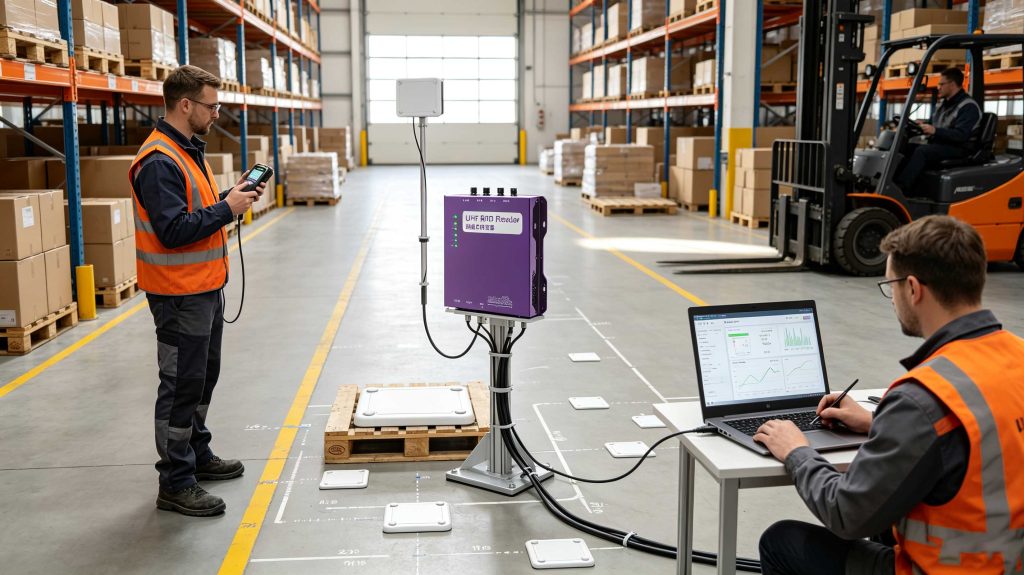
Increasing reader output power can extend range, but higher power is not automatically better.
RFID systems operate under regional radio regulations, and excessive power can create interference or enlarge the read zone beyond the intended boundary. GS1 specifically identifies reader power and interference as factors affecting passive RFID range.
A better commissioning sequence is:
For Cykeo UHF RFID deployments, adjustable reader output can be used as part of this tuning process. The objective is not to chase the largest possible number in meters; it is to create a stable, controllable read zone for the actual workflow.
A recurring field mistake is testing only the center of the antenna’s beam.
The difficult tags are usually at the boundary.
They sit at an angle. They are behind another carton. They are attached too close to metal. They enter the zone sideways. Those are the conditions that expose whether the installation is genuinely robust.
Longer RFID range is usually achieved by improving the RF link budget and installation geometry together, not by simply turning the reader to maximum power.
In a real deployment, I normally look at the tag first, then the antenna, then the reader configuration, and only afterward consider whether additional RF power is actually necessary. This order matters because a poorly matched tag can remain unreliable even when a powerful reader is used.
RAIN RFID documentation notes that reader antennas can be configured for near-field or far-field operation. Far-field systems can provide long-distance reads, while near-field designs are useful for challenging materials such as metal and liquid.
Passive UHF RFID tags are directional. When the tag antenna and reader antenna are poorly aligned, the received RF energy can drop substantially.
The RAIN RFID Alliance specifically recommends considering antenna polarization according to whether tag orientation is predictable. Linear polarization can be advantageous when orientation is controlled, while circular polarization is generally more suitable when tagged objects can rotate or arrive at unpredictable angles.
This becomes obvious during forklift testing.
A pallet may read perfectly while approaching a portal straight-on, then produce intermittent reads when the forklift turns slightly. The reader has not suddenly become weaker. The tag has simply moved into a less favorable polarization relationship.
For this reason, range testing should include:
A range figure obtained from one fixed tag orientation should never be treated as the complete deployment specification.
Metal is one of the most common reasons an apparently strong RFID system performs poorly after installation.
A standard label designed for cardboard may detune when placed directly on a metal cabinet or machine. Liquid can also alter the electromagnetic environment around the tag.
RAIN RFID field guidance recommends specialized on-metal tags for metal surfaces and warns that such tags are themselves directional.
Impinj likewise notes that RAIN RFID tag designs can be optimized for difficult materials, including metal and liquid containers.
That leads to a practical rule:
Choose the tag for the object, not the reader.
For industrial RFID projects, I would normally create a small test matrix before purchasing a large quantity of tags:
| Application surface | Tag approach to evaluate | Main test |
|---|---|---|
| Cardboard | General-purpose UHF tag | Distance and orientation |
| Plastic | General-purpose UHF tag | Surface mounting |
| Metal | On-metal RFID tag | Distance and angle |
| Liquid container | Liquid-compatible tag | Full/empty container |
| Dense carton | High-sensitivity tag | Multi-tag reading |
| Machinery | Rugged/on-metal tag | Movement and vibration |
This is also where Cykeo’s RFID engineering approach should be applied: validate the actual tagged asset in the final environment before fixing the reader configuration.

A common mistake is to increase power until the desired tag becomes readable and stop there.
That can create a second problem: stray reads.
A portal intended to identify items on a conveyor might begin detecting inventory several meters away. A shelf reader may pick up tags from the neighboring shelf. A doorway reader may capture assets that have not actually passed through the doorway.
RAIN RFID guidance treats the read zone as a configurable part of system design, with antennas, power settings, and operating parameters working together.
Impinj’s current reader guidance makes the same practical point: transmit power can be tuned to minimize stray tags, and application-specific reader parameters often require fine adjustment rather than relying on generic settings.
So the target should be:
maximum reliable coverage inside the required zone — minimum detection outside it.
That is a much better engineering objective than maximum possible distance.
Sometimes the correct solution to a short read range is not more power. It is better spatial coverage.
For example, a pallet portal may have tags facing different directions. One antenna may provide excellent reads from one side while leaving an orientation gap on the opposite side. Adding appropriately positioned antennas can produce more consistent coverage without forcing one antenna to illuminate the entire area.
The RAIN RFID antenna guide describes different antenna categories and applications, including specialized, proximity, and distance antennas.
When designing a multi-antenna installation, evaluate:
The physical arrangement should follow the workflow.
A conveyor is not a doorway. A pallet rack is not a checkout counter. Treating every RFID installation as a generic “long-range reader” deployment usually creates unnecessary tuning work later.
An RFID system installed beside industrial motors, switching equipment, other wireless systems, or multiple readers may behave differently from the same equipment in a quiet test room.
For commissioning, establish a baseline with:
Then introduce the actual production environment.
This makes troubleshooting much faster. If performance drops only after neighboring readers are enabled, replacing the RFID tag is unlikely to solve the underlying problem.
Cykeo’s UHF RFID hardware can be incorporated into applications where read range and multi-tag performance need to be tuned to the operating environment.
For example, the CYKEO-M4L rfid module supports adjustable output power, multi-tag identification, tag-data filtering, and anti-collision processing. Its documented maximum port output is 33 dBm, with power adjustable in 1 dBm steps.
Those adjustment capabilities are useful during commissioning because the correct setting is application-dependent.
The same principle applies to fixed industrial deployments: reader power, antenna selection, tag type, mounting position, and filtering should be evaluated as one system.
Before declaring the installation ready, record:
| Acceptance item | Recommended result |
|---|---|
| Required read distance | Reliable at the application’s boundary |
| Difficult tag orientation | Tested and documented |
| Metal/liquid items | Tested with production packaging |
| Multi-tag reading | Tested at realistic population |
| Stray reads | Controlled outside the read zone |
| Antenna coverage | Verified across the complete path |
| Interference | Tested with nearby equipment operating |
| Power setting | Documented for each antenna |
| Repeatability | Consistent across repeated trials |
The RAIN RFID Alliance makes an especially useful observation here: read range is only one parameter of tag performance. A narrow beam may increase distance but make orientation more difficult and increase the chance of missed reads.
That is an important field lesson. A slightly shorter but forgiving read zone can outperform a theoretically longer system once forklifts, operators, pallets, and imperfect tag placement enter the picture.
It can, but only within the limits of the reader, tag, antenna, regulations, and environment. Excessive power can also increase stray reads and interference. Power should be tuned rather than simply maximized.
There is no universal best antenna. Far-field directional antennas are commonly used for longer-distance applications, while proximity and near-field antennas suit controlled short-range environments. Antenna selection should follow the required read zone.
Production introduces variables such as metal, liquids, tag orientation, dense products, nearby readers, and physical obstructions. Testing the actual tagged product in its final environment is therefore essential.
Circular polarization is often useful when tag orientation varies. Linear polarization can be advantageous when the tag orientation is predictable. The correct choice depends on the movement and mounting conditions.
Yes. Metal can reflect RF energy and alter tag performance. Specialized on-metal RFID tags are designed for these applications and should be tested on the actual metal surface.
The reader may be operating at excessive power, the antenna beam may be too broad, antennas may overlap, or reader parameters may need adjustment. Reducing power and refining antenna positioning can help create a more controlled read zone.
Use production-equivalent tags and products, measure several distances, rotate the tags through realistic orientations, test difficult materials, and verify both successful reads and unwanted reads. Repeat the test with the surrounding RFID equipment operating.
The practical answer to how to improve RFID read range is to improve the entire RF system rather than chase a single distance specification.
Start with the tag. Test the actual material. Check orientation. Select the antenna according to the required coverage. Tune reader power. Control stray reads. Then repeat the test after the surrounding equipment is switched on.
In my experience, the strongest RFID installations are rarely the ones with the highest theoretical range. They are the ones where the read zone is predictable, repeatable, and matched to the physical workflow.
That is the standard Cykeo can apply when developing or tuning a UHF RFID solution for logistics, manufacturing, asset tracking, retail, or other industrial applications.

SSD-A06 UHF RFID antenna with circular polarization, adjustable 840–960 MHz frequency, ≥4.5 dBi gain, and a compact directional design for RFID systems.
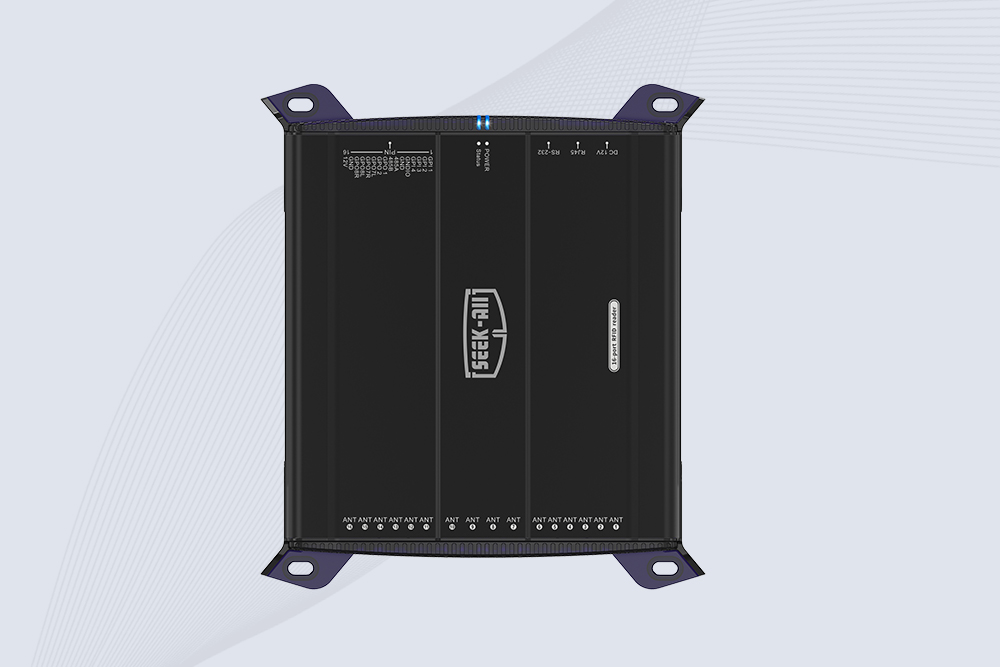
SSD-R16L Multi-Channel RFID Infrastructure for Automated Inventory Management ✔️ 16-Port High-Density RFID Reading Equipped with 16 SMA antenna ports, SSD-R16L supports multi-antenna deployment for warehouses, retail stores, logistics, production lines, and large-area RFID identification. ✔️ High-Speed & Long-Range Performance With up to 33…
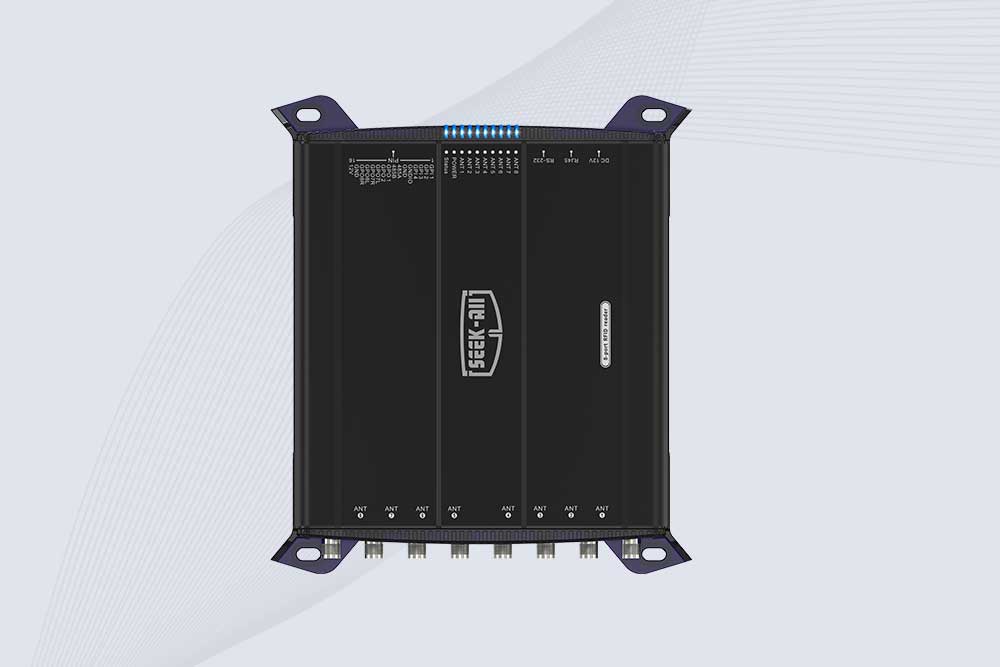
SSD-R8L 8-port UHF RFID reader with 33dBm output, up to 20m reading range and 600+ tags/s recognition. Ideal for warehouse, logistics, retail and asset tracking.
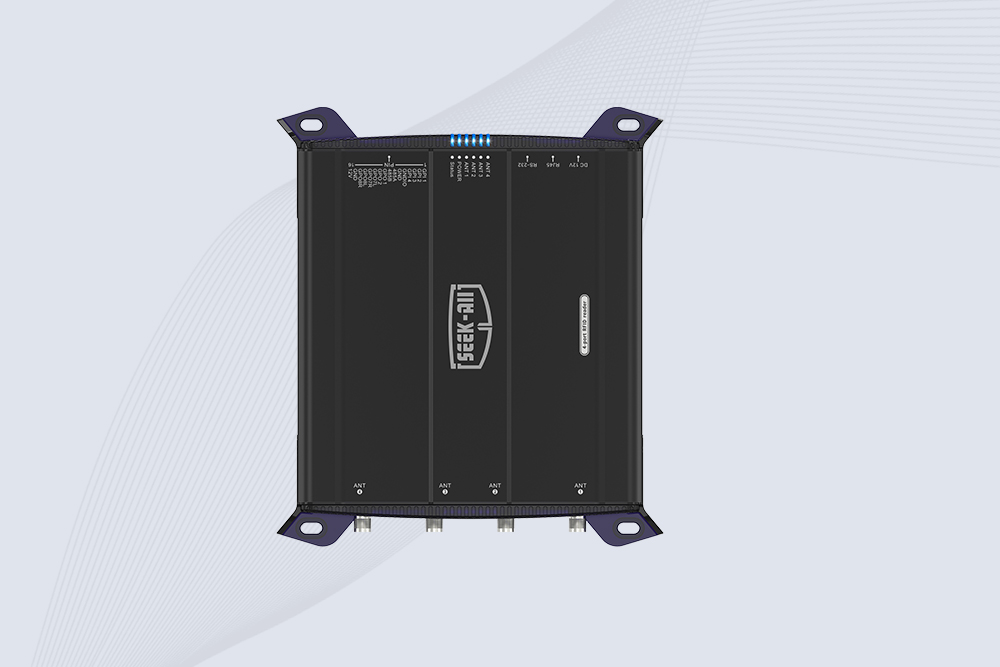
SSD-R4L is a 4-port UHF RFID fixed reader with 33dBm output power, up to 20m reading range, EPC C1G2 support and 600+ tags/s reading speed.
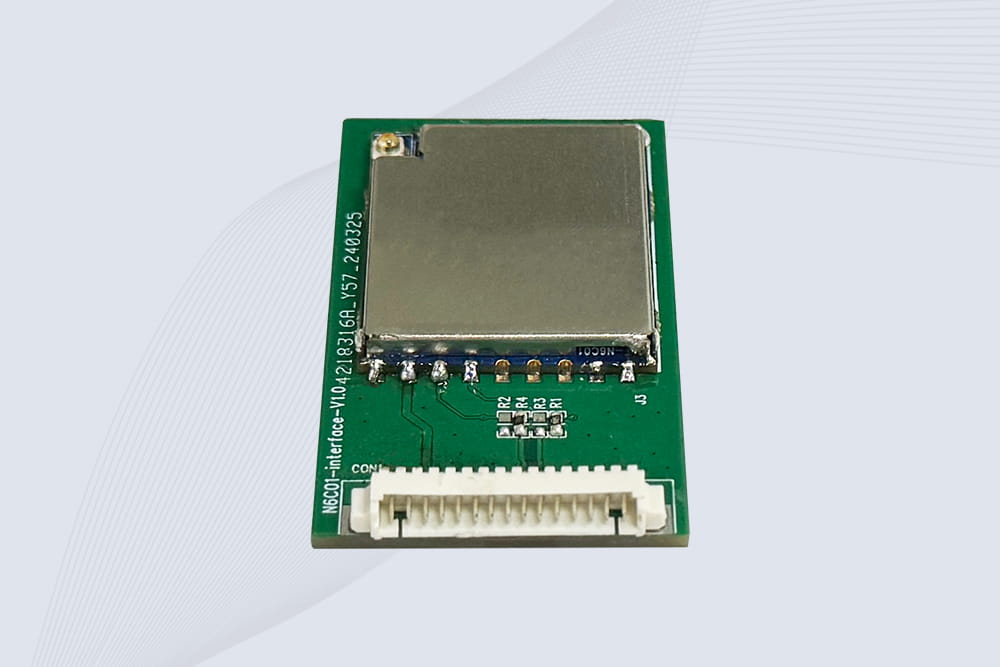
CYKEO Embedded RFID Modules are designed for compact industrial and IoT devices that require stable UHF performance. These UHF RFID Modules support global protocols, flexible power control, and reliable multi-tag reading for smart cabinets, production lines, and asset tracking systems.
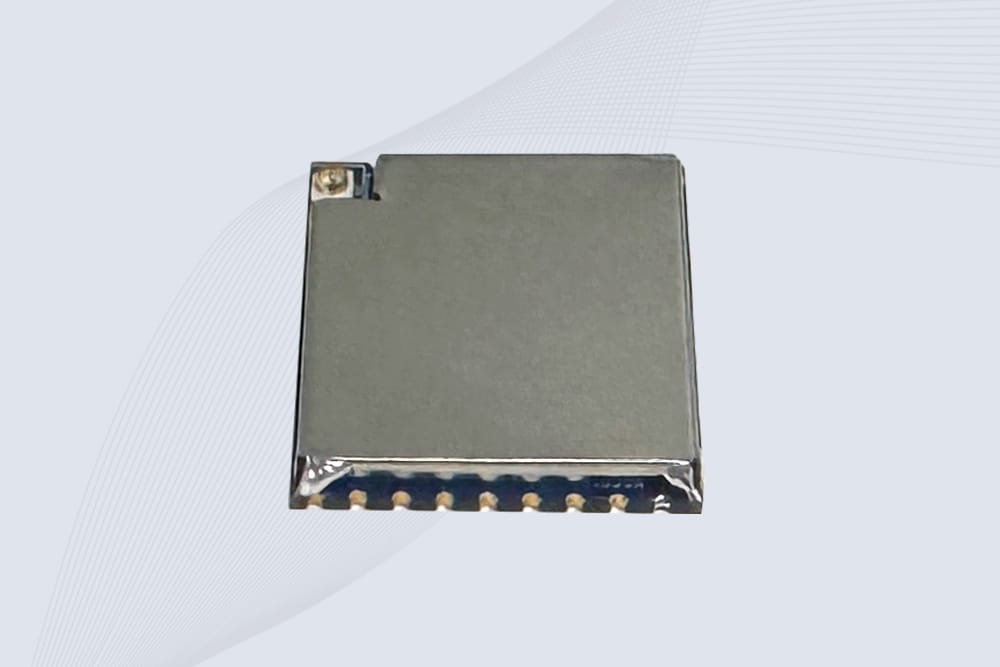
CYKEO Embedded RFID Module is built for compact IoT and industrial devices that need stable UHF performance. This UHF module supports global protocols, low power operation, and reliable multi-tag reading for smart lockers, production lines, and always-on RFID systems.
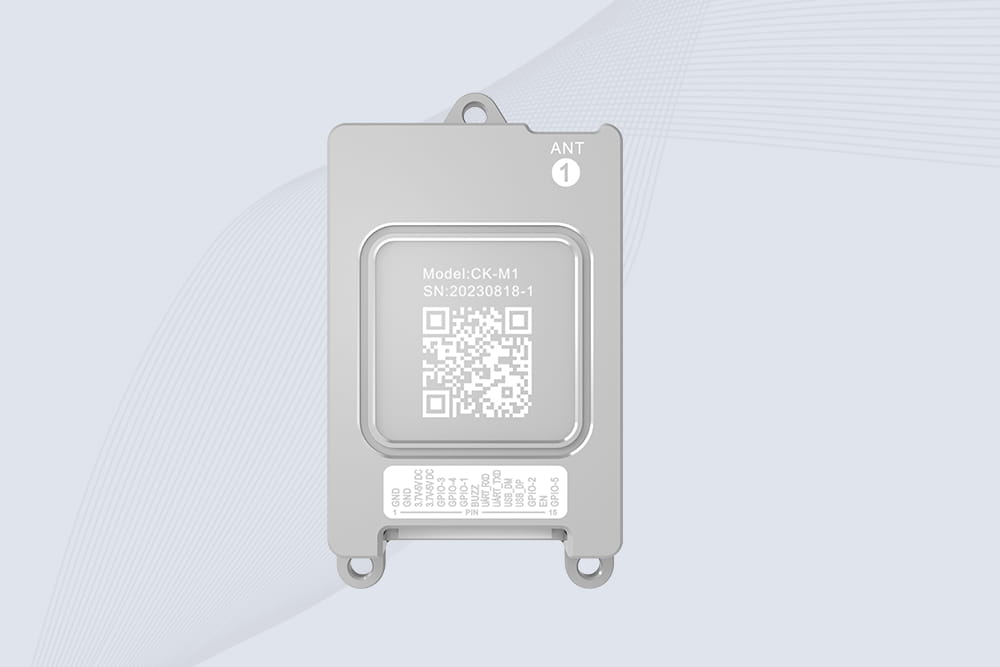
CYKEO CYKEO-M1 drone rfid module is a compact UHF RFID reader module designed for drones and UAV platforms. It supports long-range aerial scanning, fast multi-tag reading, and stable performance in wind, vibration, and outdoor environments.
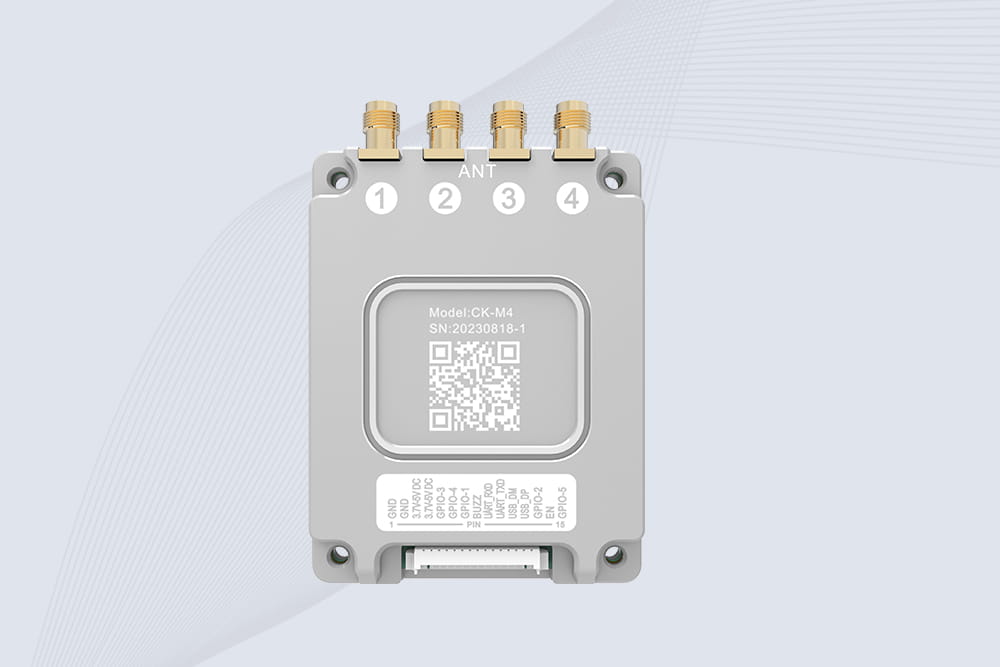
CYKEO CYKEO-M4 RC522 RFID Module is an industrial-grade UHF RFID reader with 4 ports, supporting ISO, EPC, and GB protocols. High-speed, accurate reading for IoT, automation, and warehouse applications.
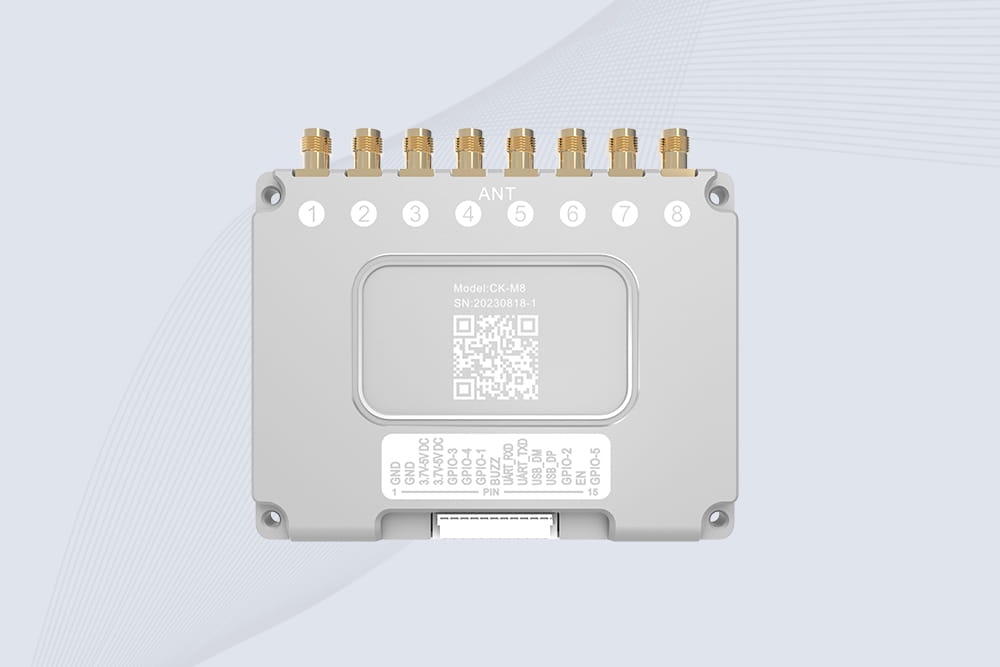
CYKEO CYKEO-M8 Module RFID is an 8-port UHF R2000 RFID Module designed for high-density, multi-tag environments. Stable 33dBm output, ISO & GB protocol support, ideal for warehouses, factories, and automated systems.
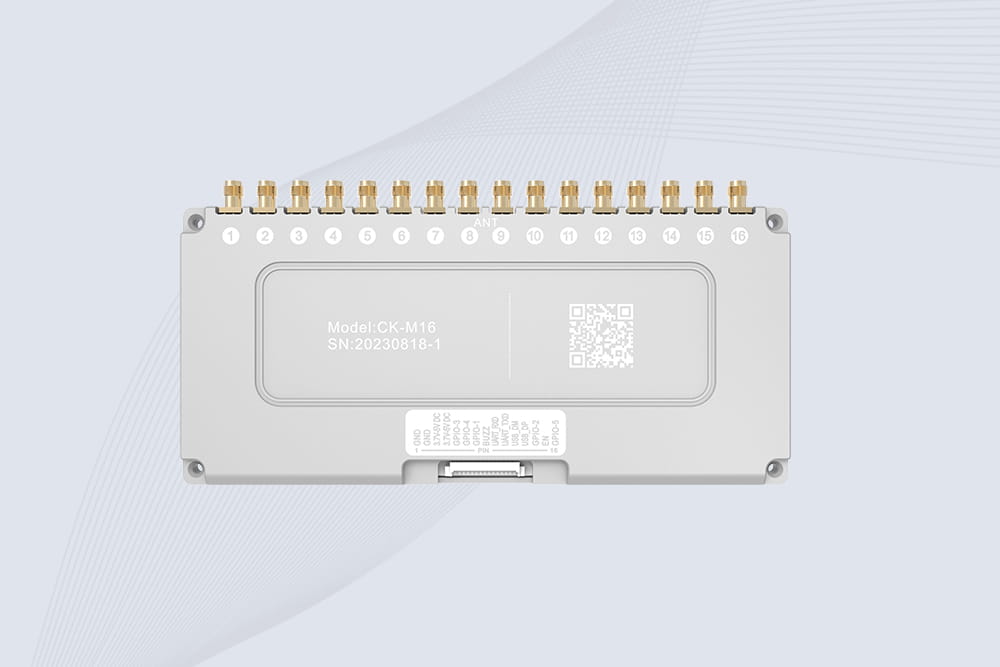
CYKEO CYKEO-M16 RFID Module is a 16-port UHF RFID reader module based on the R2000 chipset. Designed for dense tag environments, it supports ISO and GB standards and delivers stable multi-antenna control for industrial automation.
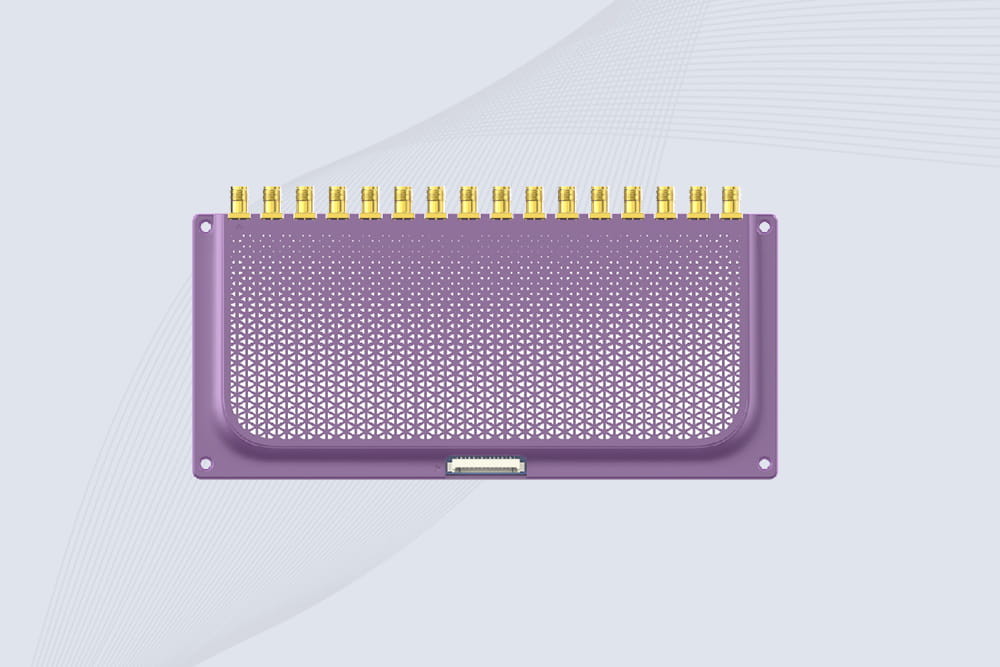
The CYKEO CYKEO-M16L RFID Reader Module is a 16-channel UHF RFID core designed for dense tag environments. With adjustable 33dBm output, multi-protocol support, and stable multi-antenna control, this RFID Tag Reader Module fits industrial automation, warehouse systems, and large-scale IoT deployments.
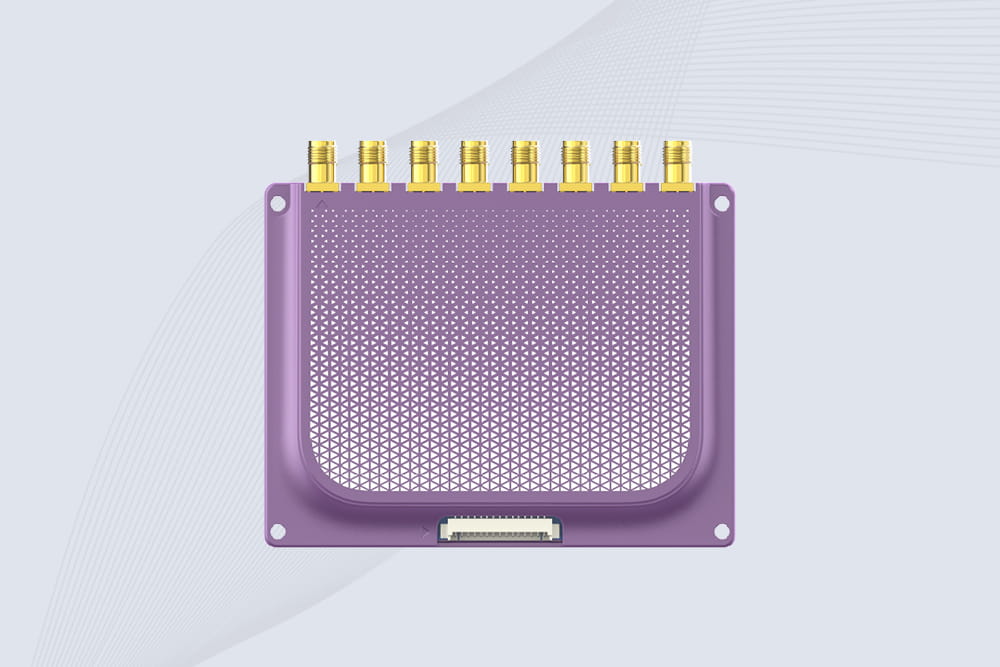
CYKEO CYKEO-M8L module RFID is a compact industrial UHF module built for dense tag and multi-antenna environments. With 8 RF ports, adjustable 33 dBm output, and ISO & GB protocol support, it is widely used in factories, warehouses, and automated tracking systems.
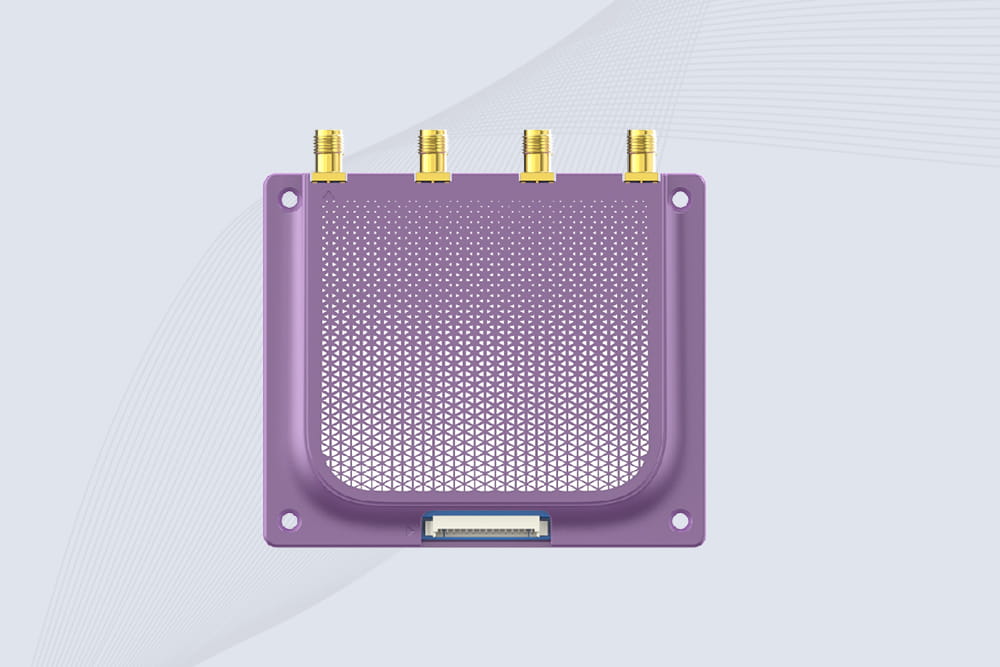
CYKEOCYKEO-M4L UHF RFID Module is a compact 4-channel RFID tag reader module designed for dense tag environments. Supporting ISO and GB protocols, it delivers stable reads up to 10 meters for industrial and IoT systems.
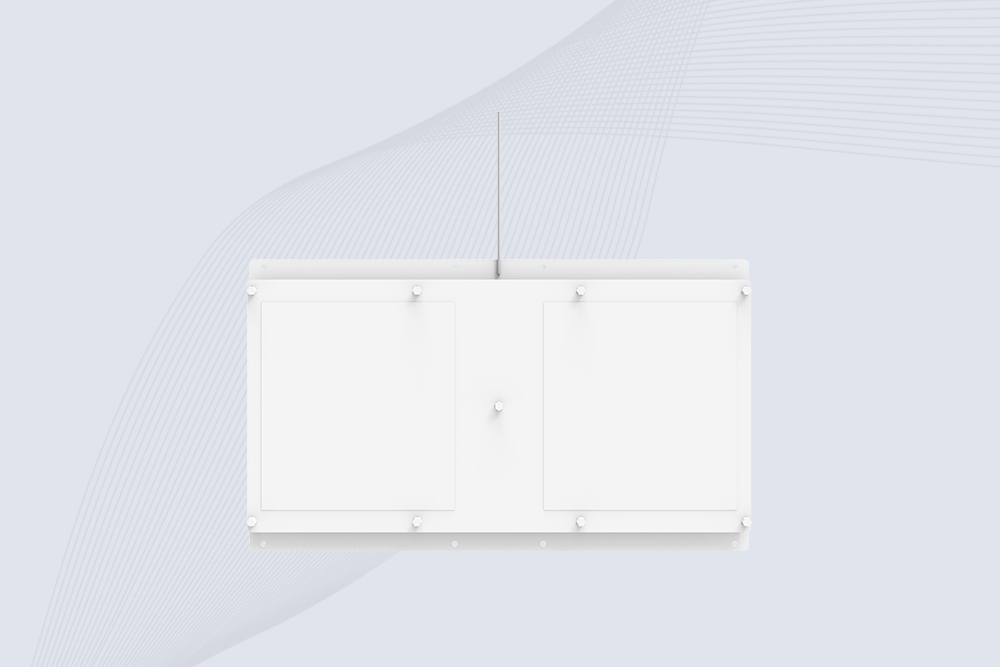
Cykeo CYKEO-A11 UHF RFID reader antenna delivers 11dBi gain, 840-960MHz frequency range, and IP65 ruggedness for retail, logistics, and industrial RFID systems. Features low VSWR and easy installation.
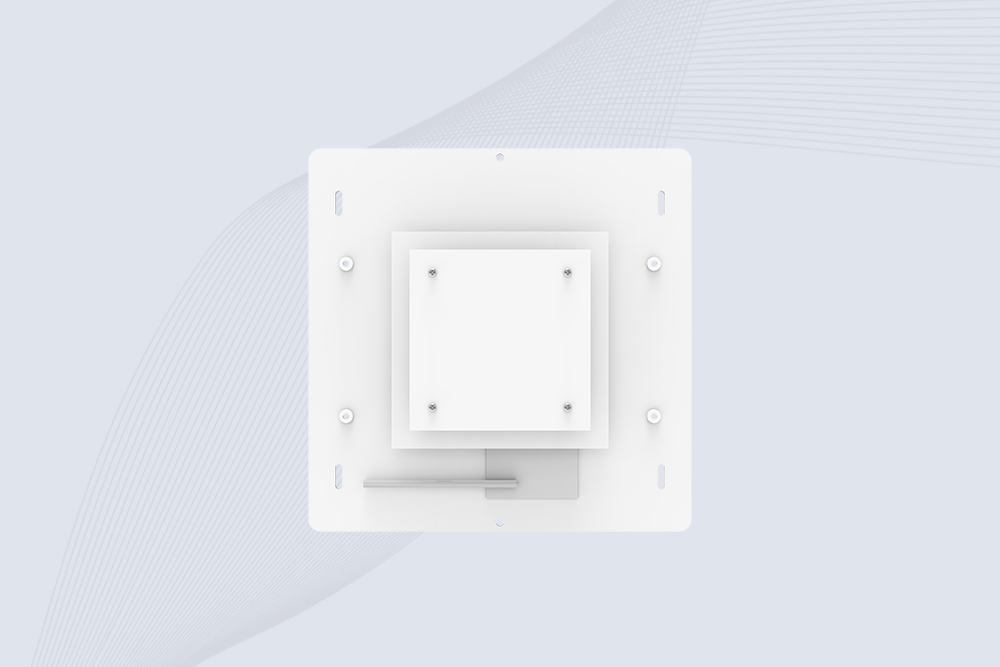
CYKEO Antenna RFID Reader delivers stable long-range UHF performance with a 10.5dBi directional design, built for warehouses, conveyor portals, and industrial RFID systems. This rfid reader antenna provides 20m+ read distance and rugged IP67 protection.

Cykeo CYKEO-PHF3 industrial HF RFID Antenna offers 24-point dynamic tracking, ISO 14443A/15693 protocols, metal-environment stability for archives/libraries/manufacturing.

Cykeo CYKEO-A5B industrial Linear RFID Antenna delivers 5dBi gain, ≤1.5:1 VSWR, and IP65 rugged design for warehouse, production line, and logistics UHF systems.

Cykeo’s CYKEO-B12 Long Range RFID Antenna delivers 15m+ read range with 12dBi gain, IP65 rugged design, and global 840-960MHz UHF support. Ideal for warehouse/logistics asset tracking.
Cykeo CYKEO-B10 Long Distance RFID Antenna offers 10dBi gain, 840-960MHz frequency range, IP65 rating, and 20m+ coverage for logistics/warehousing/ETC systems. Low VSWR ensures stable signal transmission.
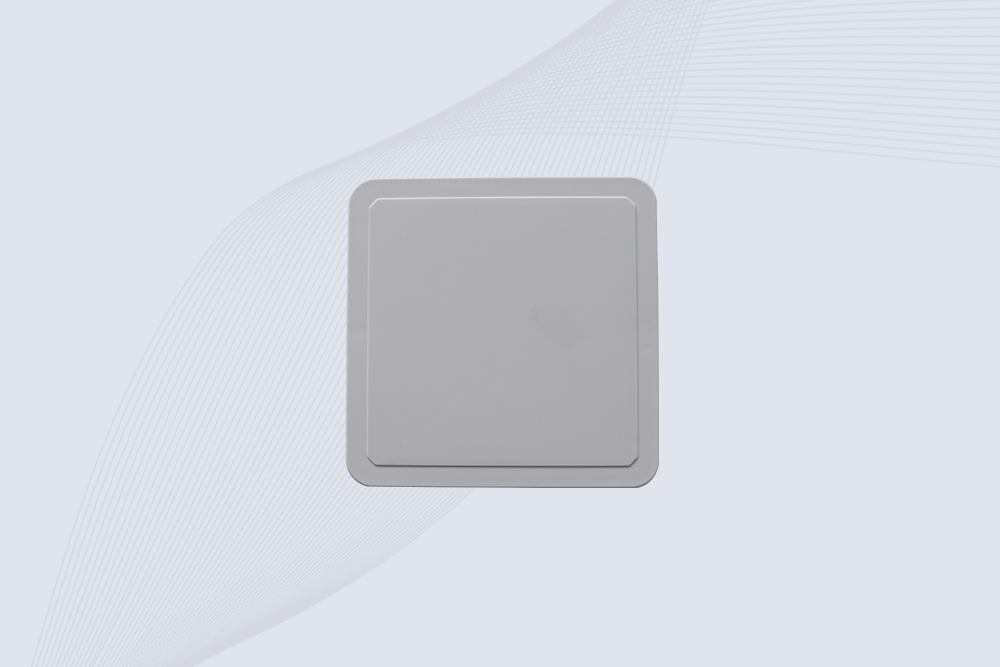
Cykeo CYKEO-A6 UHF RFID panel antenna features 6dBi gain, 840-960MHz broadband, IP65 metal-ready housing for logistics/smart retail. 18mm ultra-thin design with tool-free mounting.

Cykeo CK-A3 industrial antenna RFID UHF offers 5m+ tag detection, ≤1.3:1 VSWR, IP65 rugged design, and global UHF spectrum compatibility (840-960MHz) for warehouses, factories, and retail.
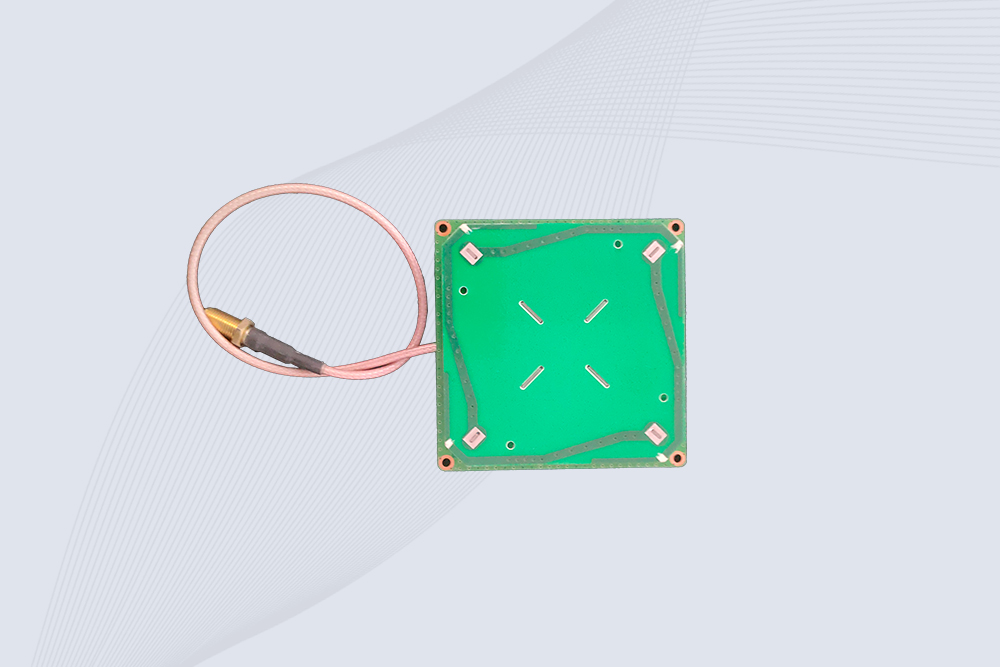
Cykeo CYKEO-B5 directional RFID antenna provides 5dBi gain with 60° narrow beamwidth for precise inventory tracking. IP65-rated, global UHF frequency support, and low VSWR.
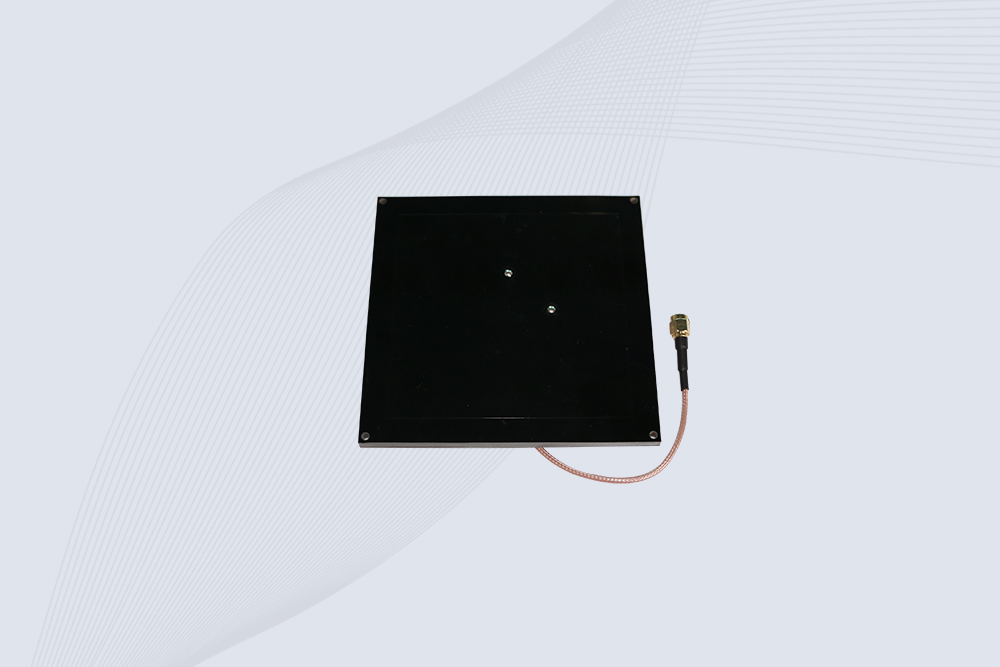
Create your own high-performance DIY RFID antenna! 5dBi gain, 840-960MHz tunable, step-by-step guides. Compatible with Arduino, Raspberry Pi, and commercial UHF readers.
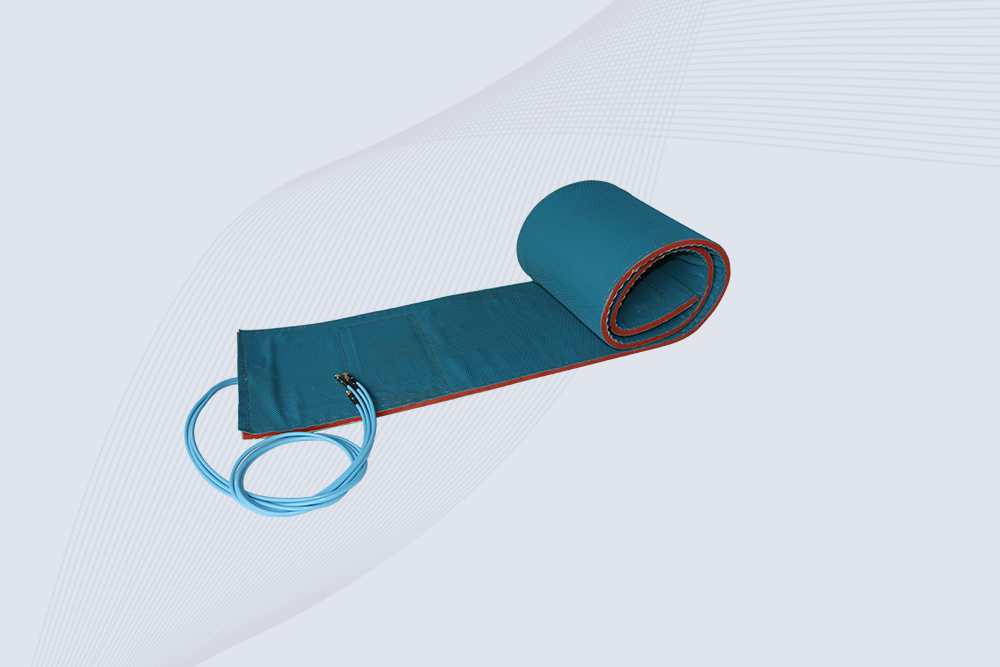
Cykeo CYKEO-A7 Flexible RFID Antenna features 840-960MHz wideband tuning, 7dBi gain, and IP68 rating for medical/retail/industrial curved surface deployments. 98% read accuracy with peel-and-stick installation.
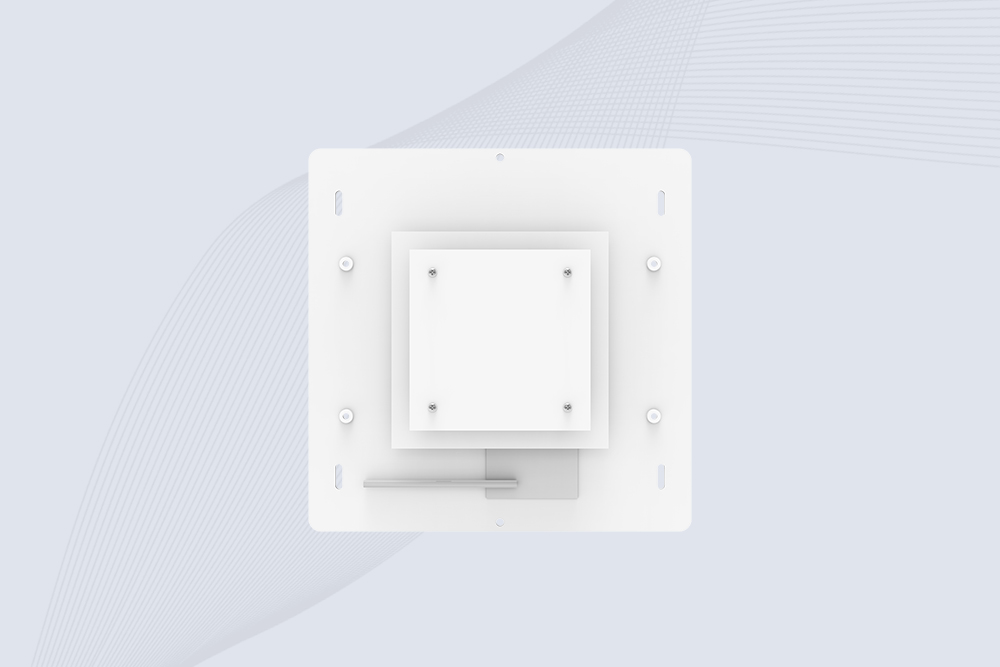
Cykeo CYKEO-B5A industrial Passive RFID Antenna delivers 5dBi gain, 70° beamwidth, and -40°C~55°C operation for warehouses/smart cabinets. Compatible with Zebra/Impinj readers.
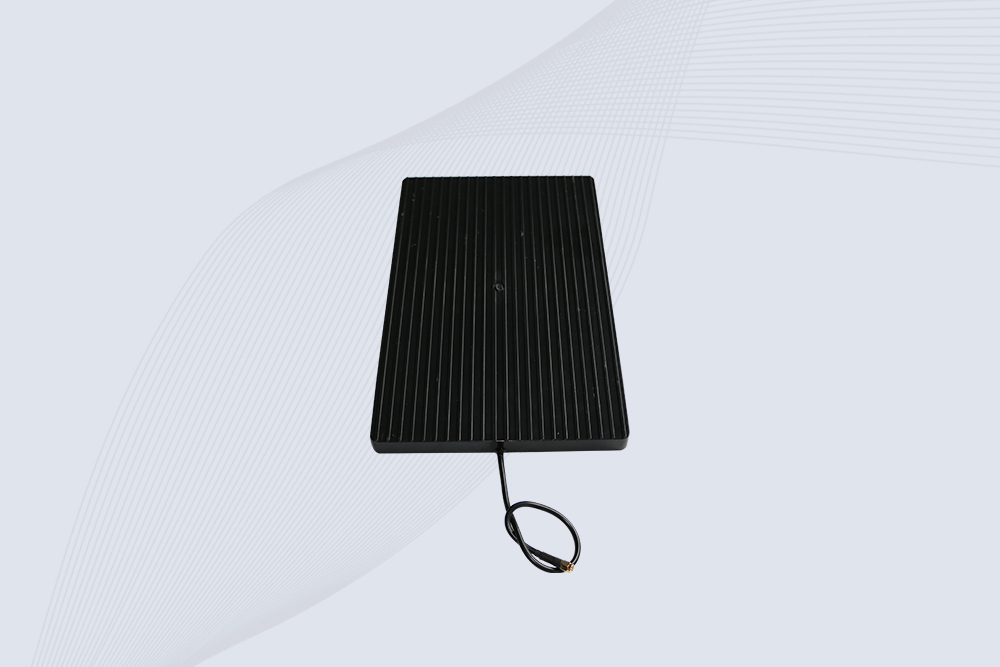
Cykeo’s CYKEO-A9B High Gain RFID Antenna delivers 15m+ read range with 9dBi amplification. Features IP54 rugged design, 840-960MHz bandwidth, and 80° beamwidth for warehouse/manufacturing RFID systems.

Cykeo’s enterprise-grade 8dbi Impinj RFID Antenna 10m+ read range with 840-960MHz tuning. Features IP65 housing, 1.4 VSWR, 35° beamwidth for retail/warehouse RFID systems.
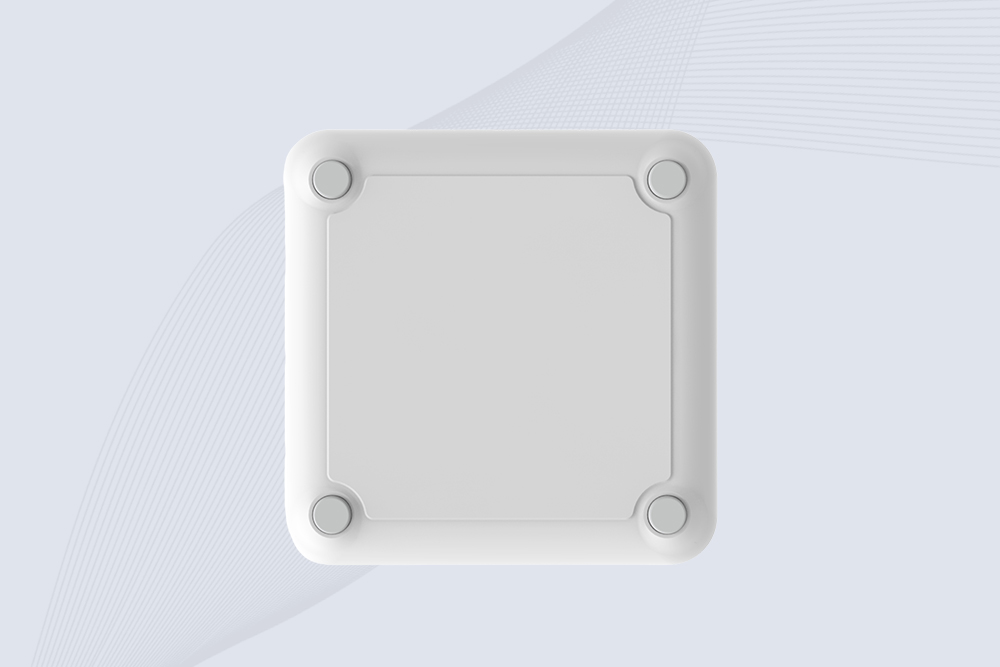
Cykeo CYKEO-A9 industrial UHF RFID antenna delivers 9dBi gain, 840-960MHz frequency range, and IP65 protection for warehouse/logistics/retail RFID systems. Features N-type connector and ≤1.3:1 VSWR.
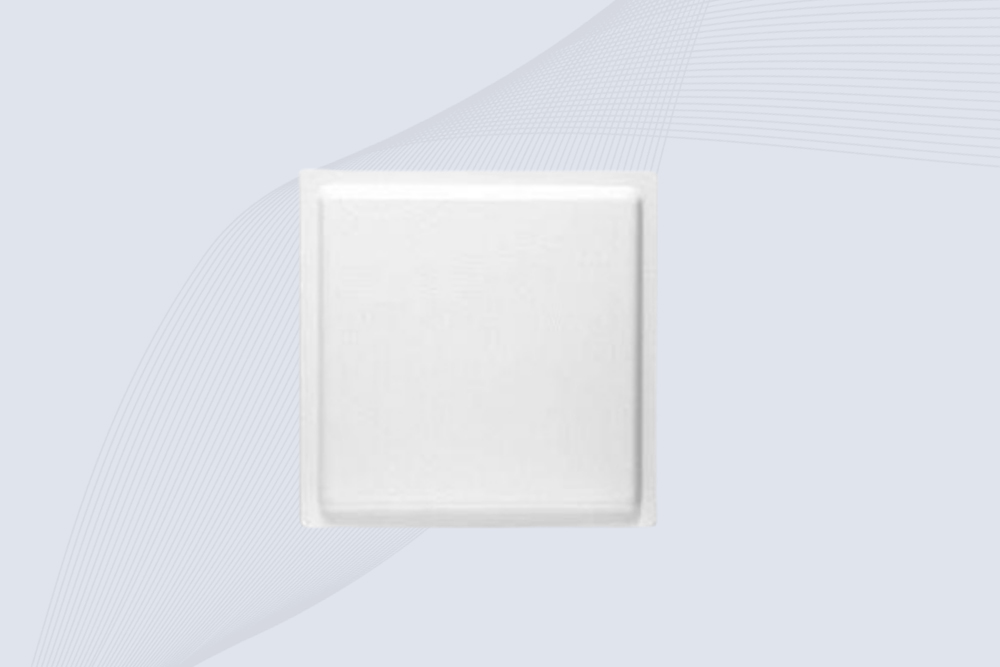
CYKEO UHF RFID Antenna built for long-distance and industrial applications. This antenna rfid uhf delivers strong gain, outdoor durability, and reliable tag performance in warehouses, yards, and vehicle ID systems.
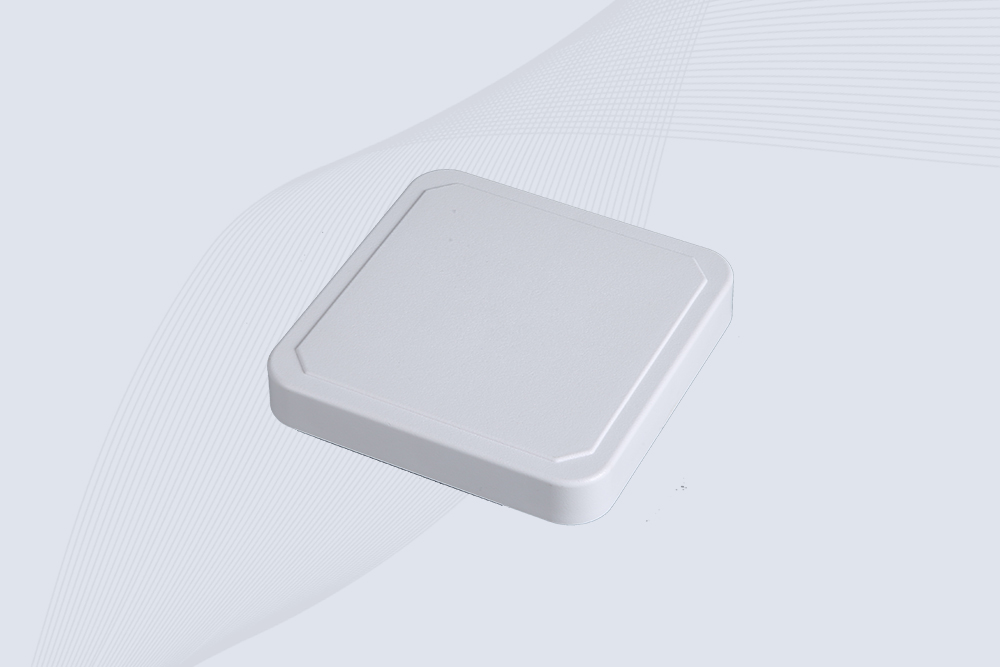
CYKEO Antenna RFID delivers reliable long-range UHF performance in warehouses, retail shelves, and cold-chain environments. This compact uhf rfid antenna provides stable reads with circular polarization and ultra-wide 840–960 MHz support, ideal for industrial tracking, smart shelves, and asset monitoring.
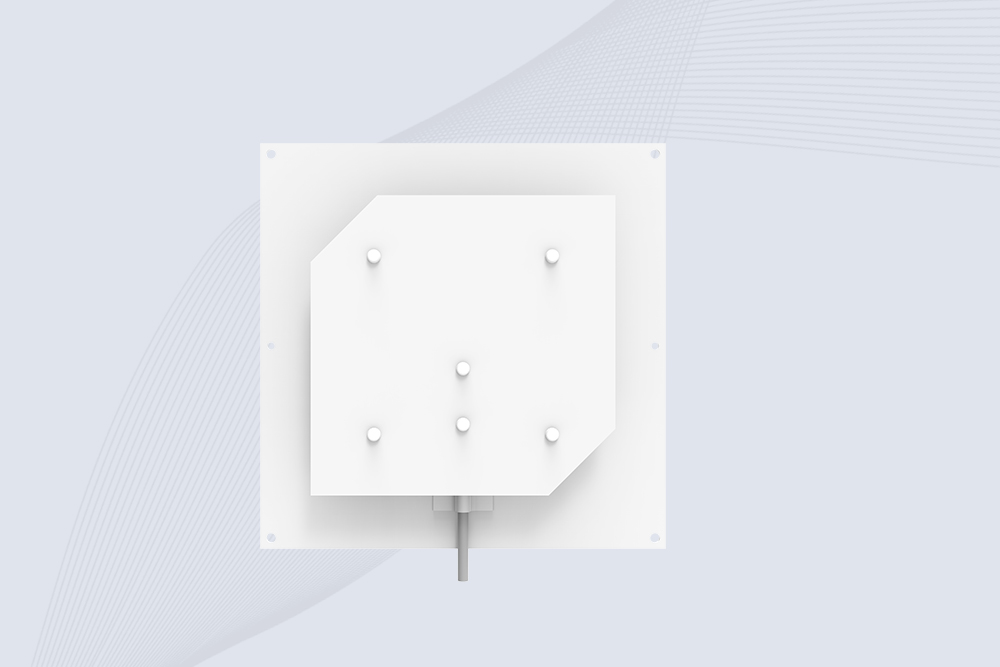
Cykeo’s CYKEO-C8 UHF RFID antennas delivers 8dBi gain, 840-960MHz full-band coverage, and IP65 ruggedness for manufacturing/warehouse RFID systems. Industrial RFID Antennas Features
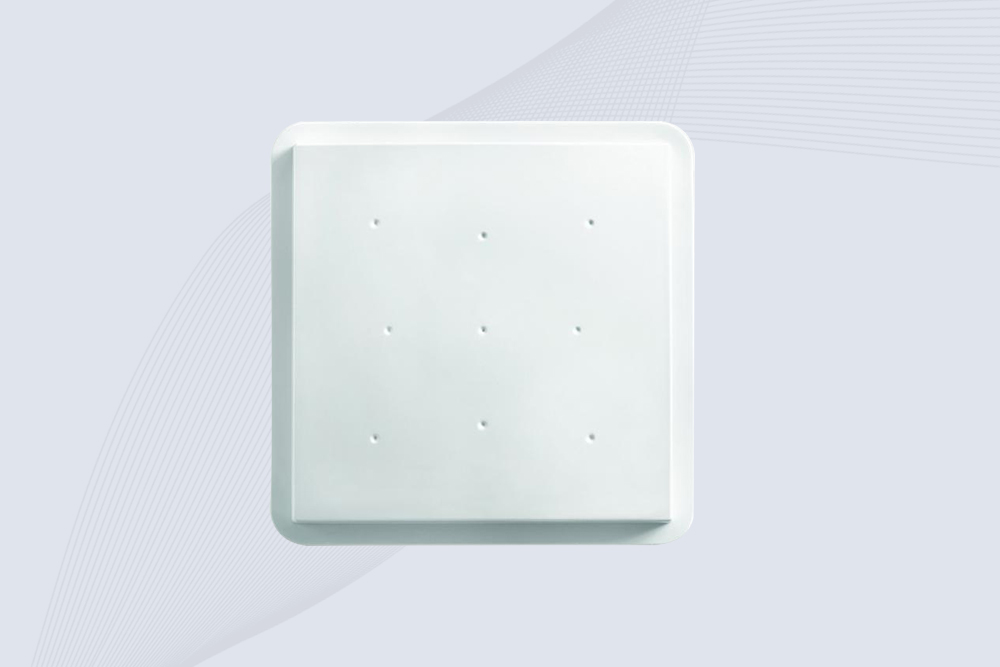
Cykeo’s 8dBi UHF RFID antenna and reader kit delivers 10m+ range, 840-960MHz broadband, and IP65 ruggedness for factories, warehouses, and logistics. ISO 18000-6C & EPC Gen2 certified.
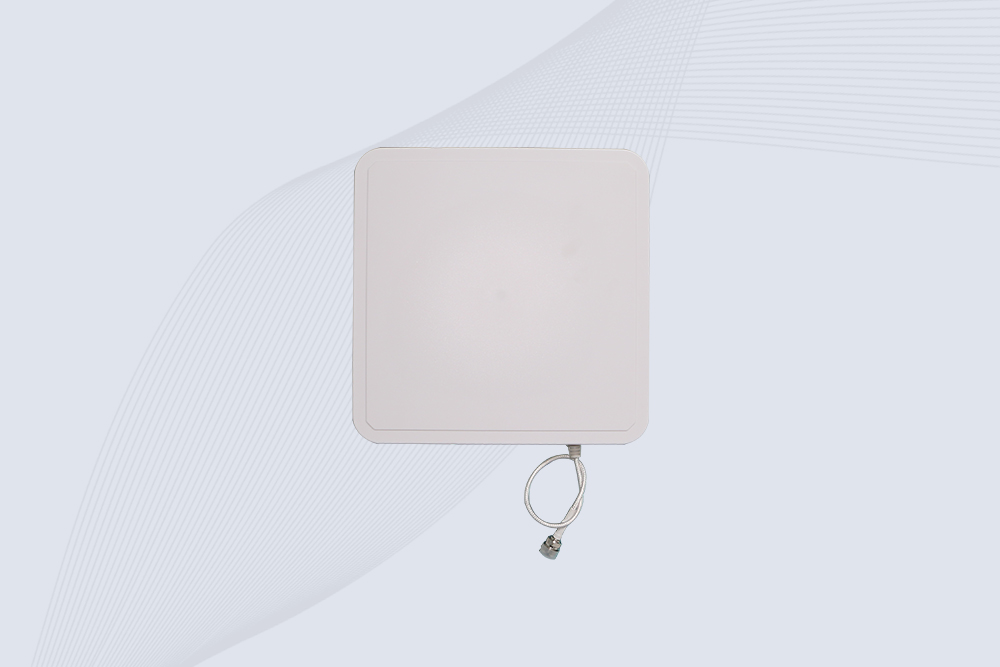
Cykeo CYKEO-A9A industrial UHF RFID reader and antenna kit delivers 10m range, 500 tags/sec, IP65 ruggedness for manufacturing/logistics. Supports EPC Gen2, ISO18000-6C.
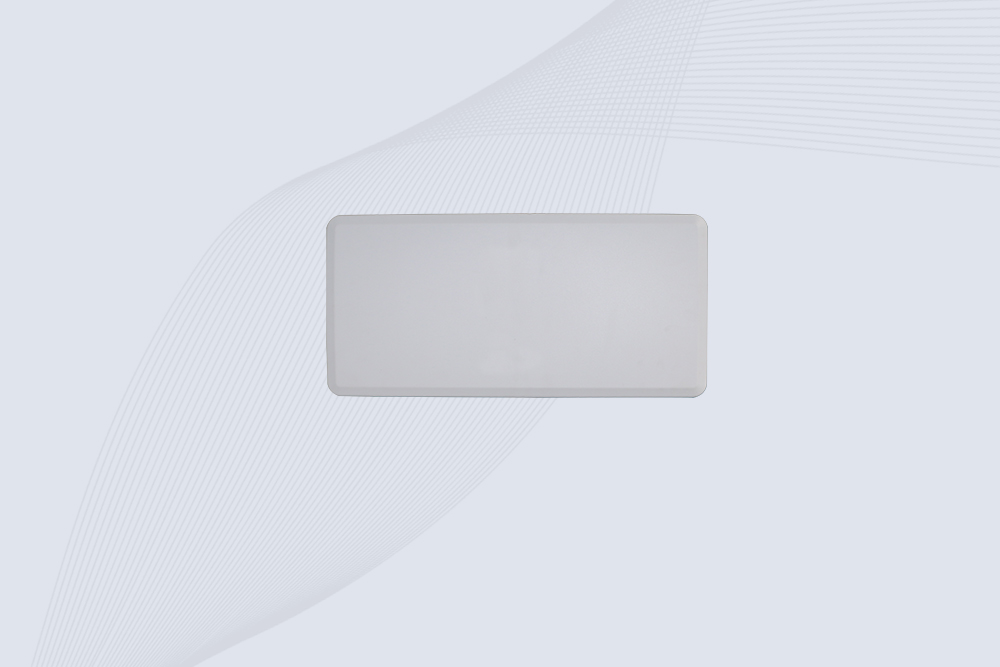
Cykeo’s CYKEO-A12C UHF Large RFID Antenna delivers 12dBi gain, 840-960MHz global frequency, IP65 ruggedness for logistics/warehousing/automotive. 40° beamwidth ensures stable 15m+ tag reads.

CYKEO Near Field RFID Antenna provides precise 5–30 cm reading for shelves, cabinets, and workstations. This compact rfid shelf antenna delivers stable short-range performance around metal and clutter, ideal for pharmacies, libraries, and electronics sorting.
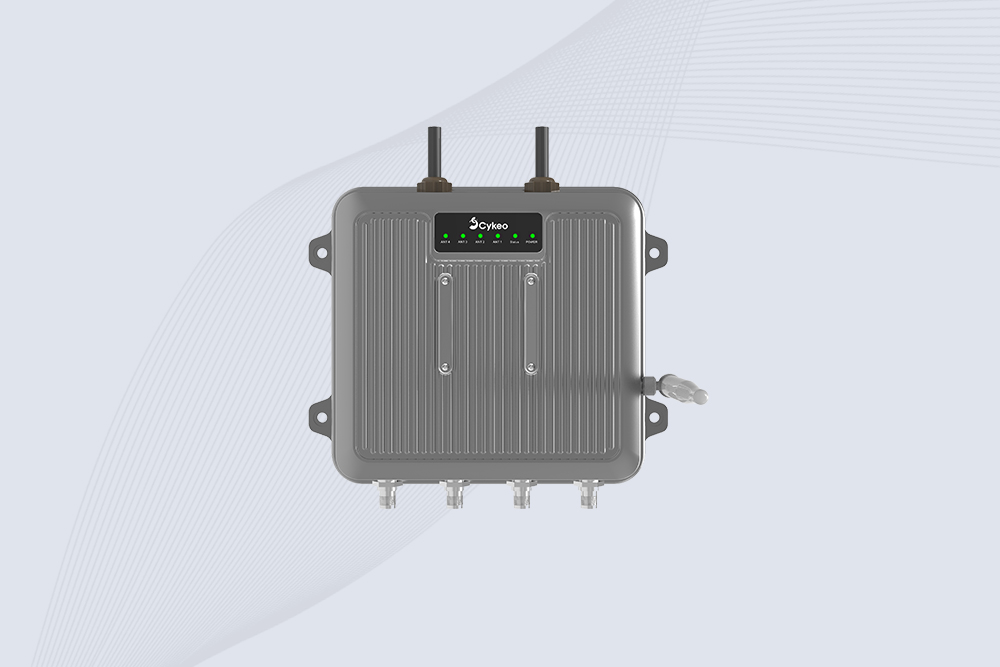
Cykeo CYKEO-C1 industrial Forklift RFID Reader features 20m read range, 600 tags/sec scanning, Impinj R2000 chipset, and IP67 rugged design. Ideal for warehouse logistics and manufacturing. Supports ISO 18000-6C/6B protocols.
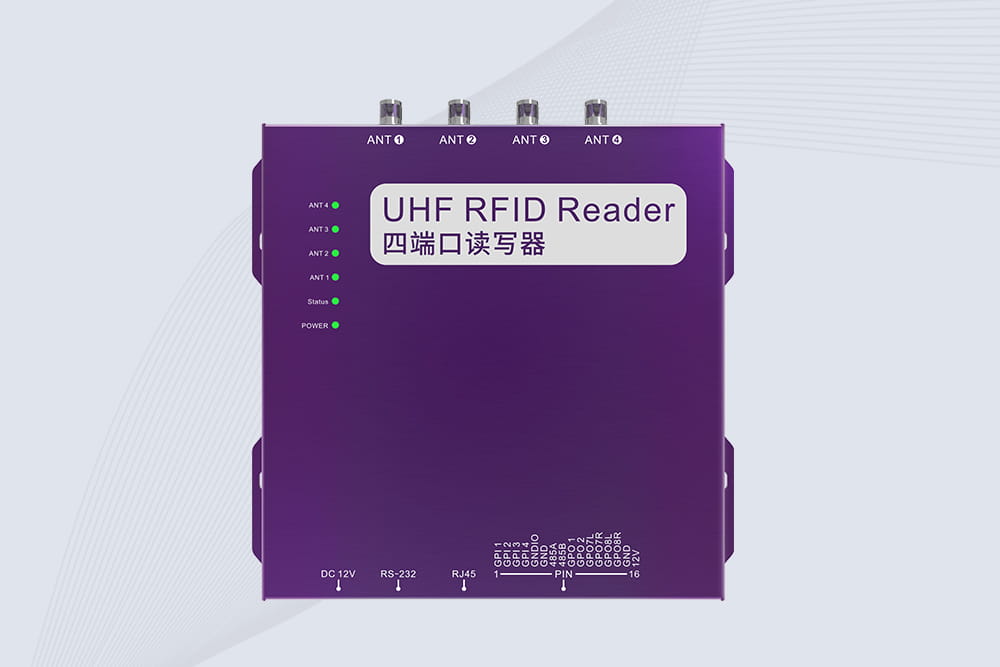
Cykeo CYKEO-R4 industrial UHF RFID Fixed Reader features 4 TNC ports, 400+ tags/sec speed, IP67 housing, and global frequency compliance for vehicle inspection, smart warehouse, and asset management systems.
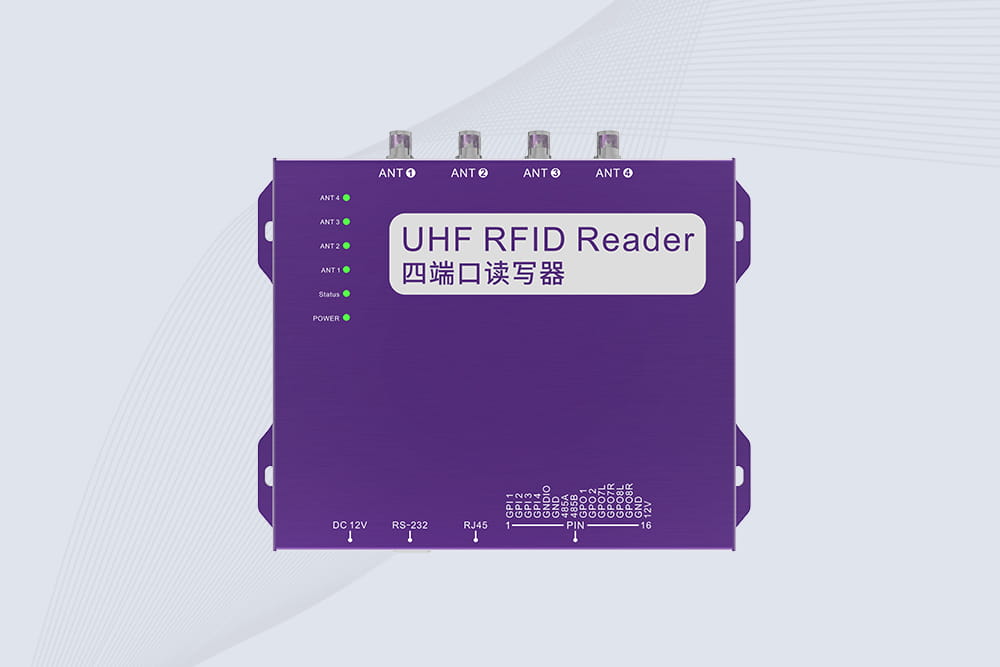
Cykeo’s CYKEO-R4L 4-port Fixed UHF RFID Reader delivers 400 tags/sec scanning, ISO 18000-6C compliance, and IP65 protection. Ideal for warehouse automation, manufacturing WIP tracking, and logistics management.
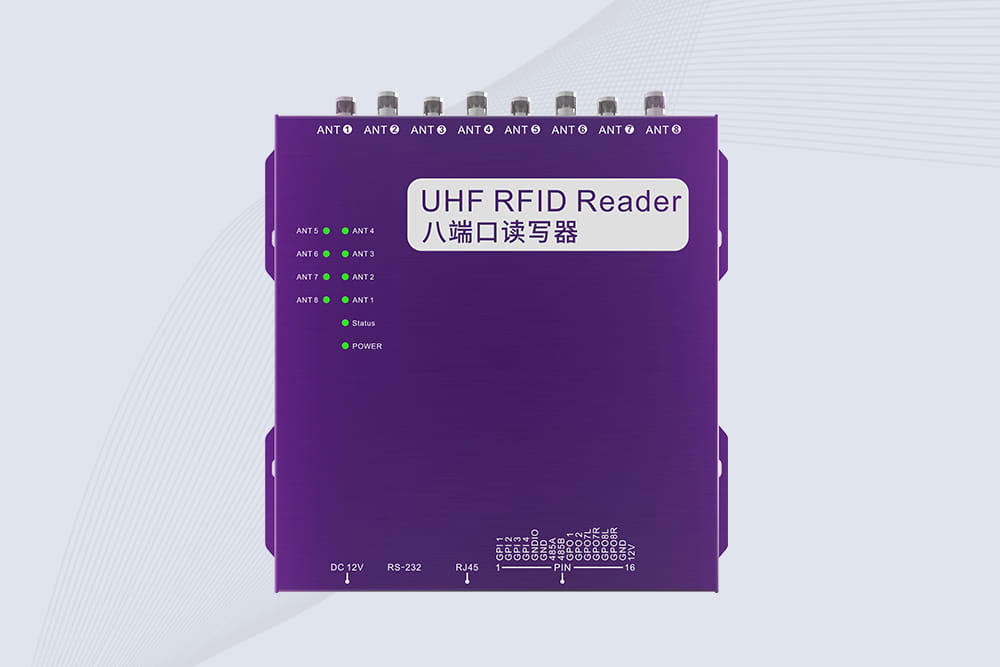
CYKEO CYKEO-R8L Fixed RFID Reader with 8-port UHF design, Impinj-based RF core and up to 20m read range. An industrial Fixed RFID Reader for vehicle inspection, warehouse portals, smart manufacturing lines and secure access checkpoints.
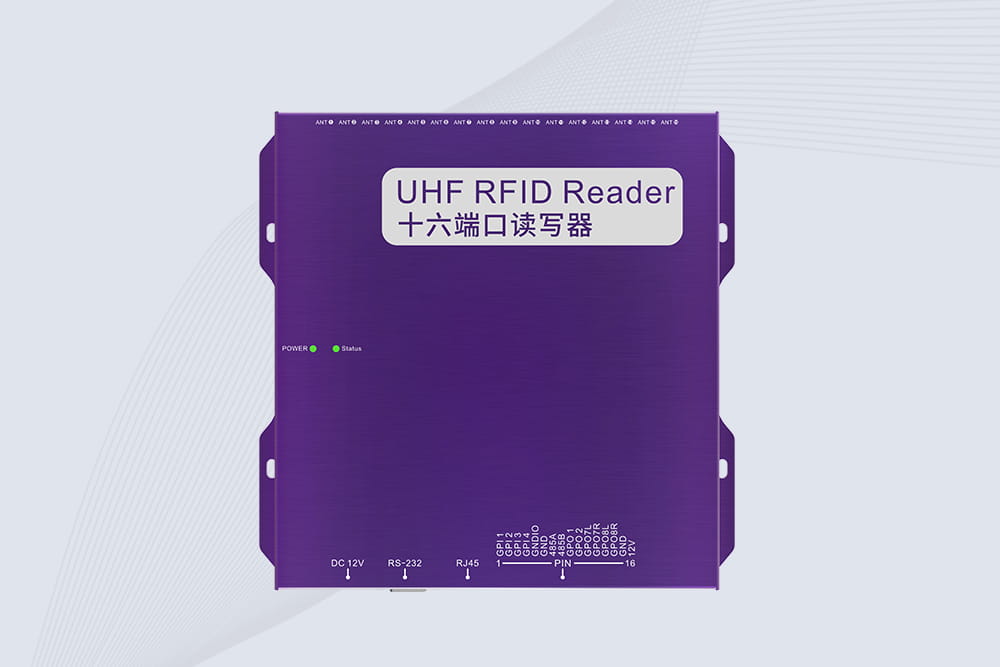
RFID Fixed Reader from CYKEO – the CYKEO-R16L 16-port UHF fixed reader for warehouses, smart cabinets, and production lines. Long-range, multi-tag reading, stable performance for 24/7 industrial use.
Need a tiny, tough tag? We explain the practical pros and cons of choosing a 2.45-GHz RFID tag with on-chip antenna for small asset and industrial tracking.
More
Discover radio frequency identification rfid tags from Cykeo for asset tracking, inventory accuracy, and industrial automation. Improve visibility and efficiency with reliable RFID technology.
More
how to test if rfid blocker works using real RFID readers. Learn accurate testing steps, signal loss benchmarks, and field-proven verification methods with Cykeo devices.
More
Wondering how to read data from RFID reader? This practical guide explains the steps from physical connection to code, covering network ports, SDKs, and data streams.
More