To implement an RFID system, define the business process first, select compatible tags and readers, test the radio environment, design data capture points, integrate filtered RFID events with your software, and validate the complete workflow through a pilot before full deployment.
The hardware comes later than many teams expect.
An RFID project can begin with excellent tags and capable readers yet still fail operationally because nobody decided what a successful read should trigger. Should the item enter inventory? Confirm shipment? Update asset location? Raise an exception? Those decisions belong at the beginning.
GS1’s RFID standards cover identification, UHF Gen2 air interfaces, reader and software interfaces, and implementation guidance. GS1 also identifies RAIN RFID as a technology that can improve supply-chain visibility and inventory accuracy when deployed within an appropriate system architecture.
Start with the process, not the RFID hardware
The first question in how to implement rfid system is not “Which reader should I buy?”
It is: What physical event do I need the system to capture?
Typical RFID use cases include:
Asset identification
Inventory counting
Warehouse receiving
Shipping verification
Tool tracking
Work-in-process tracking
Access or item movement monitoring
Tag registration and encoding
Map the existing workflow before designing the system. Follow the object from one operational point to another and identify where an automatic read would eliminate a manual step or provide information that is currently unavailable.
GS1’s EPCIS implementation guidance takes a similar process-first approach: before designing data capture, organisations should determine whether objects have suitable identifiers, whether identifiers can be carried on RFID tags or other data carriers, and whether the operational process can realistically support capture of the required event.
A simple implementation question that prevents expensive mistakes
For every planned RFID read point, write one sentence:
“When this tagged object passes here, the system must know ______.”
For a receiving portal, the answer may be which cases arrived. For a tool cabinet, it may be which tool was removed and when. For a manufacturing station, it may be which workpiece entered the next process.
If that blank cannot be filled clearly, installing RFID equipment will not solve the underlying problem.
Build the RFID system architecture
A complete RFID system normally contains more than tags and readers.
For RAIN RFID, GS1 defines the EPC Gen2 air interface for passive UHF RFID systems operating within the 860–930 MHz range, subject to regional spectrum allocations. The standard addresses the physical and logical communication requirements between interrogators and passive tags.
The architecture should be designed as one chain. A reader can successfully capture a tag and still produce no business value if the data never becomes a correct application event.
Select tags based on the real environment
Tag selection is a field-testing exercise.
The tag must be tested on the actual object, in its final mounting position, under realistic conditions. A tag that performs well on an empty cardboard box may behave differently on a full carton, metal container, liquid-filled product, moving conveyor, or dense group of tagged objects.
For UHF RAIN RFID, GS1 describes separate logical memory areas for different data, including EPC memory, which contains the Electronic Product Code identifying the object to which the tag is attached.
Before approving a tag, test:
Material: cardboard, plastic, metal, liquid, or mixed materials.
Placement: several positions on the real object.
Orientation: front-facing, side-facing, horizontal, and vertical where relevant.
Distance: expected minimum and maximum operating distance.
Density: one tag versus a full group, carton, rack, or pallet.
Movement: stationary testing and real movement through the read zone.
Durability: abrasion, handling, moisture, temperature, or other environmental exposure.
A useful rule from deployment work is simple: bench testing proves the tag can communicate; process testing proves the system can work.
A controlled RFID pilot helps verify tag performance, antenna coverage, and data capture before full-scale implementation.
Design the RFID read points
Every reader needs a purpose.
A fixed reader at a doorway should detect a movement through that doorway. A desktop reader may only need to identify one item at a controlled workstation. A handheld reader serves a different function again: the operator actively chooses where and when to read.
Do not approach antenna design as a competition for the largest possible read zone.
A larger RF field can increase the chance of reading unintended tags. In a crowded environment, the goal is often to create a predictable capture zone, then test its boundaries repeatedly.
Check:
Reader transmit-power configuration
Antenna gain and orientation
Antenna polarization
Cable routing and installation quality
Nearby metal structures
Adjacent RFID read zones
Tagged objects outside the intended area
Movement direction and speed
GS1’s latest UHF Gen2 developments also address more selective inventory operations, including tag selection and mechanisms intended to reduce interference from fringe tags.
Define what RFID data means before integration
Raw RFID observations are not automatically business transactions.
A reader might see the same EPC multiple times while an object remains in range. Without filtering and event logic, an application could receive repeated observations that have no useful operational meaning.
A practical data path looks like this:
RFID Tag → Reader → Data Filtering → Event Rules → Business Application → Database
For example:
Reader detects EPC → software confirms the tag crossed the intended read point → duplicate observations are filtered → system associates the event with a process → inventory status changes.
GS1’s EPCIS standard is designed for visibility information across organisations and supports information about products and assets, including location, movement, aggregation and timestamped events. EPCIS is also data-carrier neutral, meaning its event model can work with RAIN RFID as well as other identification technologies.
This is where Cykeo implementation work should focus on the full workflow rather than isolated device performance: tag data must reach the application in a form the application can act on.
Run a pilot and measure the right results
Do not move directly from a demonstration to full deployment.
Start with one process, limited equipment, representative products, and measurable acceptance criteria. The pilot should include normal operators and real operating conditions—not only the engineering team.
Useful KPIs include:
Successful read rate
Missed-read rate
Unintended or false reads
Transaction accuracy
Duplicate-read volume
Event latency
Manual exception rate
Time required to complete the process
There is strong evidence that RFID can improve inventory data quality, but results depend on how the technology is applied. A field research program reported by Auburn University’s RFID Lab included one experiment spanning 23 weeks and 13 stores, followed by a second experiment involving 62 stores, split into 31 treatment and 31 control stores across five product categories. The research reported that RFID-enabled automatic inventory adjustment reduced inventory record inaccuracy by about 26% in the earlier field study.
That number should not be treated as a guaranteed outcome for every RFID project. It is more useful as evidence for the implementation principle behind it: RFID creates value when captured data is connected to a process that can use the data to improve decisions or records.
My practical implementation benchmark
Before expanding an RFID system, I look for consistency rather than one impressive demonstration.
Can the system work when the normal shift is busy? When multiple tagged objects are nearby? When the object orientation changes? When the software connection is delayed? When an expected tag is missing?
Those are the tests that expose the real implementation gaps.
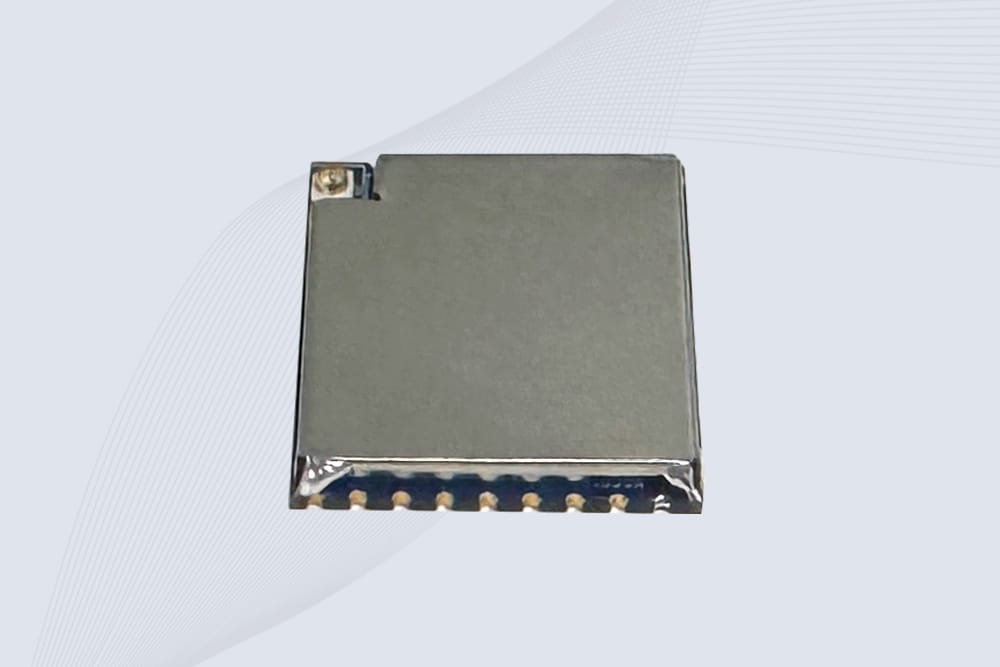
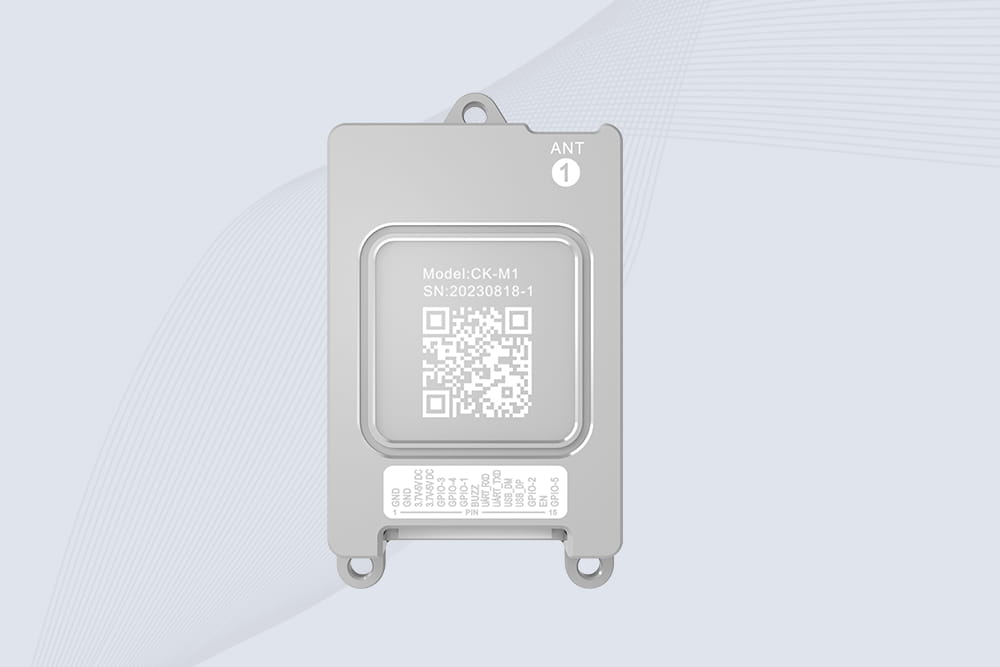
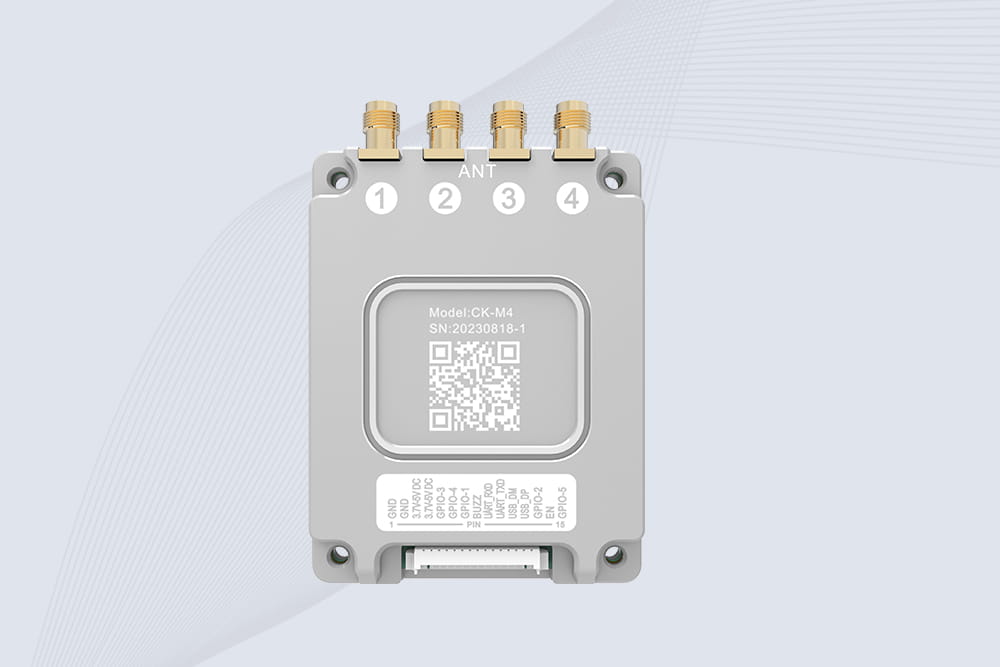
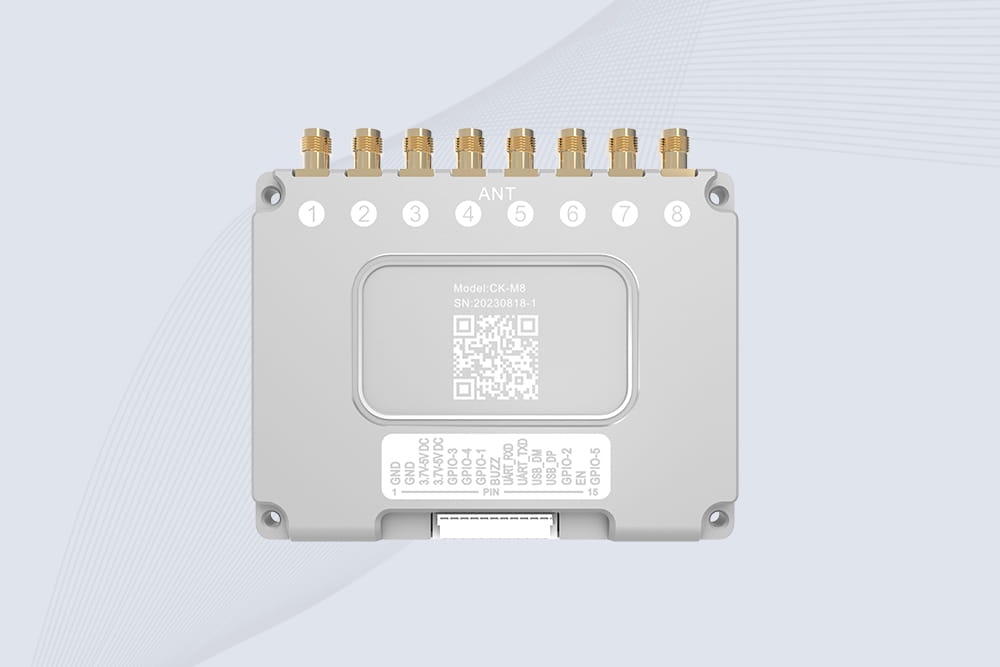
Cykeo RFID deployments can combine fixed readers, RFID reader modules, desktop devices, antennas and software interfaces according to the application. The hardware should follow the process design—not dictate it.
The next stage of how to implement rfid system is reader deployment, software integration, acceptance testing, common failure points, detailed Cykeo implementation considerations, FAQs, authoritative references, and the remaining image and cover-image metadata.
How to implement RFID system in a real operating environment
Once the pilot proves that the tags can be read, the next challenge is making those reads useful during normal operations.
A production RFID system has to cope with forklift movement, overlapping pallets, temporary staging, metal equipment, changing tag orientations, and operators who do not stop to help the technology. This is where implementation experience matters.
The practical architecture is:
RFID Tag → RFID Reader → Antenna → Data Processing → Business Rules → WMS/ERP/MES
The reader captures RFID observations. The software determines which observations represent a meaningful event.
For example, if one pallet remains inside a portal for several seconds, the reader may detect its EPC repeatedly. The warehouse system should normally interpret that as one movement—not dozens of separate transactions.
RFID reader installation and antenna positioning
Reader placement should follow the physical movement of assets.
For a warehouse entrance, antennas can be positioned around the passage so that the RFID field covers the pallet route rather than the entire surrounding storage area. For production lines, the read zone may need to be much narrower.
Before fixing the installation, test:
Antenna height and angle
Reader output power
Tag orientation
Pallet spacing
Forklift speed
Door position
Nearby metal
Adjacent RFID readers
Unintended tags within range
GS1’s EPCIS implementation guidance distinguishes a ReadPoint, where an event is captured, from a BusinessLocation, where the object is associated with a business location. This is an important design distinction when translating RFID observations into operational events.
Do not chase maximum read distance
This is one of the more useful lessons from physical RFID deployment.
A reader configured for maximum possible coverage can detect tags that are not part of the transaction. In a busy warehouse, that may create more software filtering problems.
A smaller, predictable read zone can be operationally superior to a very large RF field.
For Cykeo RFID deployments, reader power, antenna arrangement, tag placement, and filtering should therefore be validated together rather than configured independently.
RFID middleware and software integration
Raw RFID data should rarely be pushed directly into a business database without processing.
A middleware or application layer can handle:
Duplicate-read filtering
Tag data normalization
Reader identification
Read-zone association
Entry/exit logic
Event timing
Exception handling
WMS or ERP communication
GS1 EPCIS provides a standardized model for capturing and sharing visibility events, including information about what, when, where, and why an event occurred.
This becomes particularly important in multi-reader environments.
Imagine two dock doors positioned 15 meters apart. A pallet waiting near one door may occasionally be detected by the other reader. Without location-aware filtering and event logic, the RFID system can report a technically valid read that is operationally wrong.
The issue is not RFID’s inability to read the tag.
The issue is assigning the read the wrong meaning.
How to test an RFID system before deployment
A proper acceptance test should use real products and normal operating conditions.
Test
What to measure
Single-tag test
Basic identification
Multi-tag test
Simultaneous tag capture
Orientation test
Performance at different tag angles
Material test
Metal, liquid, plastic and cardboard
Movement test
Tags moving at normal operating speed
Boundary test
Unwanted reads outside the zone
Integration test
Correct WMS/ERP transaction
Exception test
Behavior when a tag is missed
Do not approve the system because it performs well with ten demonstration tags on an empty table.
That test proves very little about a production environment.
GS1 has published RFID examples showing inventory-counting productivity increasing from approximately 250 items per hour to 20,000 items per hour in cited applications. The figure is application-specific rather than a universal RFID guarantee, but it demonstrates why implementation assessments should measure operational productivity rather than reader specifications alone.
How Cykeo can fit into an RFID system architecture
Cykeo RFID equipment can be used at different stages of an identification workflow.
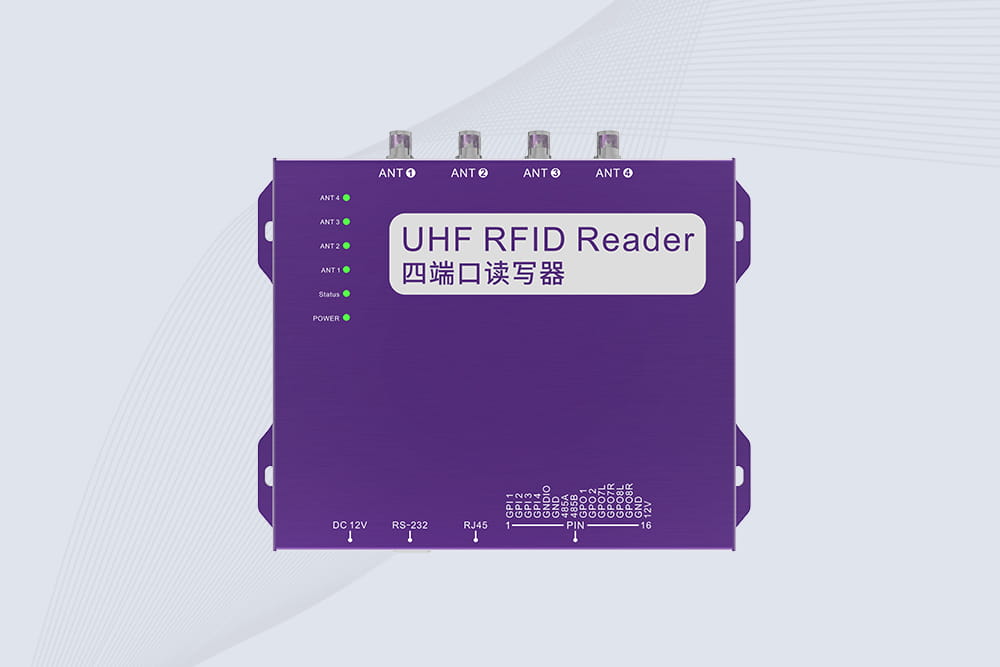
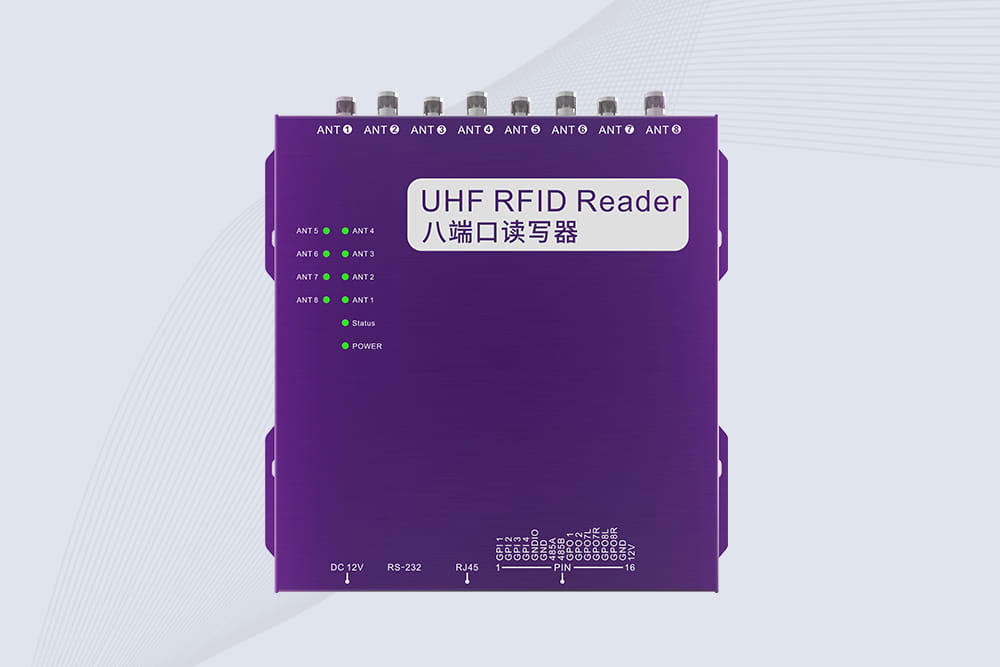
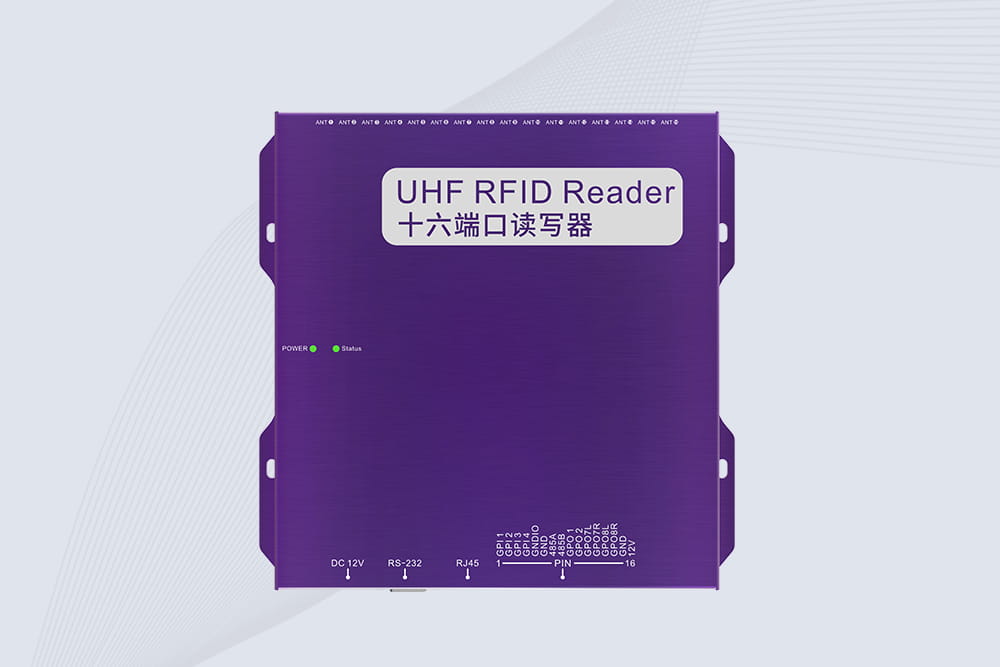
Fixed UHF RFID readers are appropriate for controlled automatic read points such as warehouse portals, production checkpoints, and shipping areas.
Handheld RFID equipment supports mobile inventory checks, asset searching, and cycle counting where workers move through storage areas.
Desktop RFID readers are useful at registration workstations where operators associate a newly encoded RFID tag with an item or database record.
This modular approach avoids a common mistake: attempting to use one RFID device for every task.
The hardware should follow the workflow.
The software layer then brings those separate reads into one operational system.
RFID hardware, read zones, and warehouse software are configured together during system deployment.
FAQ: how to implement rfid system
1. What is the first step when implementing an RFID system?
Define the business process first. Identify what needs to be tracked, where RFID should capture the event, what system should receive the information, and how success will be measured.
2. What equipment is needed for an RFID system?
A typical system uses RFID tags, readers, antennas where required, software or middleware, and integration with an operational application such as a WMS, ERP, MES, or asset-management platform.
3. Should RFID readers be installed throughout the entire facility?
Not necessarily. Readers should be installed at meaningful identification points. Controlled read zones are often more useful than attempting continuous coverage of every square meter.
4. Why should RFID tags be tested on actual products?
Material composition affects RFID performance. Metal and liquids can influence RF behavior, while tag position and orientation can change the result. Testing the final product and final tag position provides more useful deployment evidence than testing loose labels.
5. Can RFID integrate with an existing WMS?
Yes. RFID data can pass through middleware, APIs, SDKs, or other software interfaces before being associated with warehouse transactions. GS1’s RFID standards ecosystem includes reader and application integration technologies, while EPCIS provides a framework for supply-chain event visibility.
6. What causes false RFID reads?
Common causes include excessive read-zone coverage, nearby tagged inventory, reflections from metal structures, poorly positioned antennas, and insufficient software filtering. Physical installation and event logic should be tested together.
7. How do you know an RFID system is ready for full deployment?
The system should meet predefined acceptance criteria for read reliability, false reads, transaction accuracy, processing time, exceptions, and operator usability under realistic operating conditions.
Final answer: how to implement rfid system
The most reliable way to implement an RFID system is to define the business event first, select tags and readers for the actual environment, engineer controlled read zones, connect RFID observations to software, test under real operating conditions, and expand only after the pilot meets measurable acceptance criteria.
The reader is only one part of the system.
The difficult work happens where radio behavior meets physical movement and software logic. That is where a professionally engineered Cykeo RFID deployment can turn individual tag reads into usable operational data.
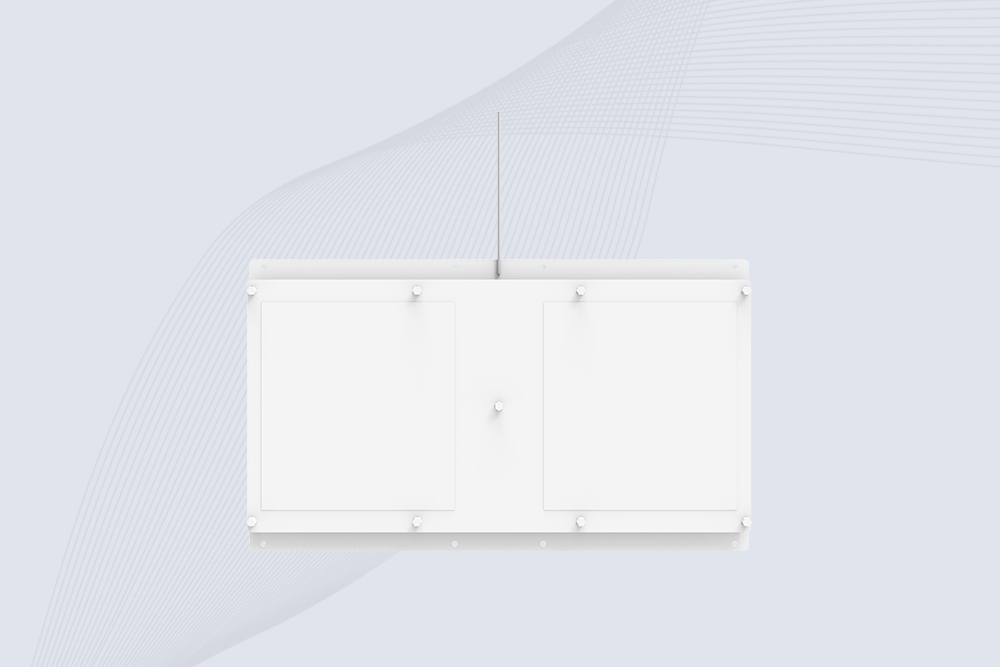
SSD-A06 UHF RFID antenna with circular polarization, adjustable 840–960 MHz frequency, ≥4.5 dBi gain, and a compact directional design for RFID systems.
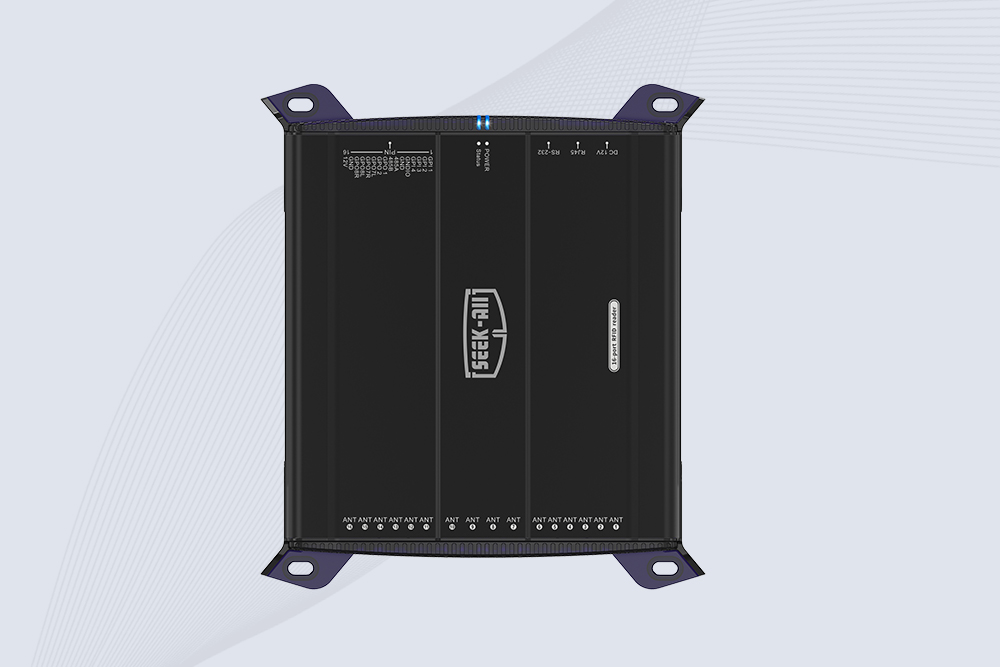
SSD-R16L Multi-Channel RFID Infrastructure for Automated Inventory Management ✔️ 16-Port High-Density RFID Reading Equipped with 16 SMA antenna ports, SSD-R16L supports multi-antenna deployment for warehouses, retail stores, logistics, production lines, and large-area RFID identification. ✔️ High-Speed & Long-Range Performance With up to 33…
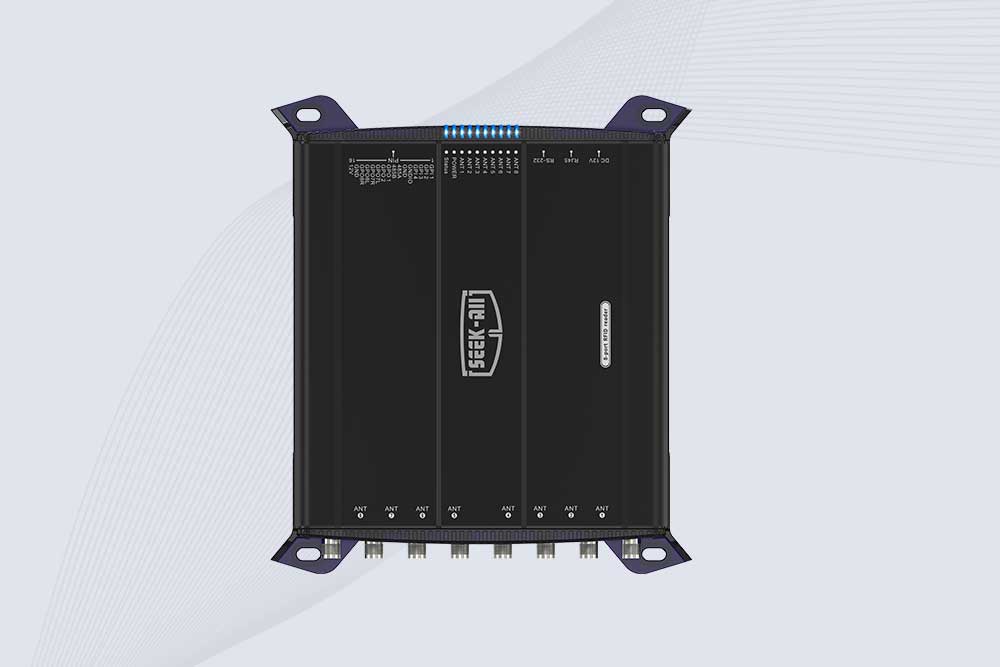
SSD-R8L 8-port UHF RFID reader with 33dBm output, up to 20m reading range and 600+ tags/s recognition. Ideal for warehouse, logistics, retail and asset tracking.
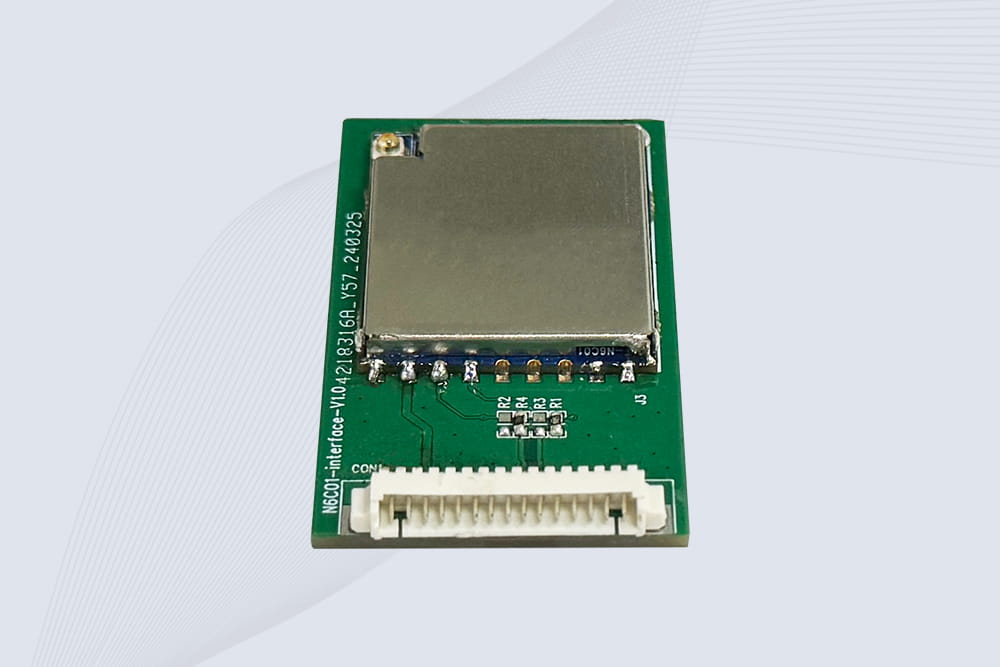
CYKEO Embedded RFID Modules are designed for compact industrial and IoT devices that require stable UHF performance. These UHF RFID Modules support global protocols, flexible power control, and reliable multi-tag reading for smart cabinets, production lines, and asset tracking systems.
CYKEO Embedded RFID Module is built for compact IoT and industrial devices that need stable UHF performance. This UHF module supports global protocols, low power operation, and reliable multi-tag reading for smart lockers, production lines, and always-on RFID systems.
CYKEO CYKEO-M1 drone rfid module is a compact UHF RFID reader module designed for drones and UAV platforms. It supports long-range aerial scanning, fast multi-tag reading, and stable performance in wind, vibration, and outdoor environments.
CYKEO CYKEO-M4 RC522 RFID Module is an industrial-grade UHF RFID reader with 4 ports, supporting ISO, EPC, and GB protocols. High-speed, accurate reading for IoT, automation, and warehouse applications.
CYKEO CYKEO-M8 Module RFID is an 8-port UHF R2000 RFID Module designed for high-density, multi-tag environments. Stable 33dBm output, ISO & GB protocol support, ideal for warehouses, factories, and automated systems.
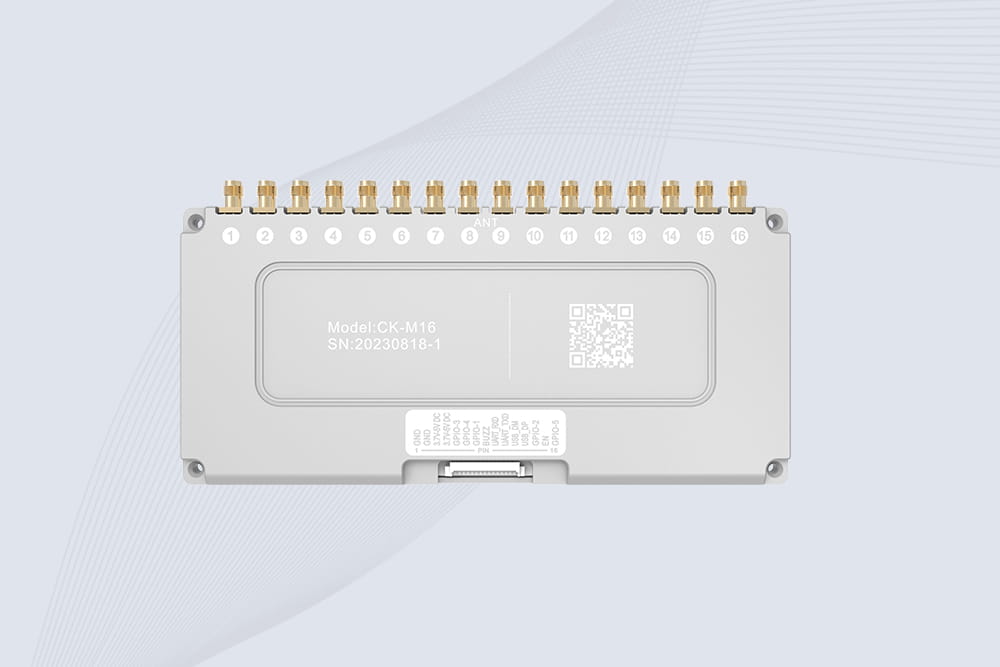
CYKEO CYKEO-M16 RFID Module is a 16-port UHF RFID reader module based on the R2000 chipset. Designed for dense tag environments, it supports ISO and GB standards and delivers stable multi-antenna control for industrial automation.
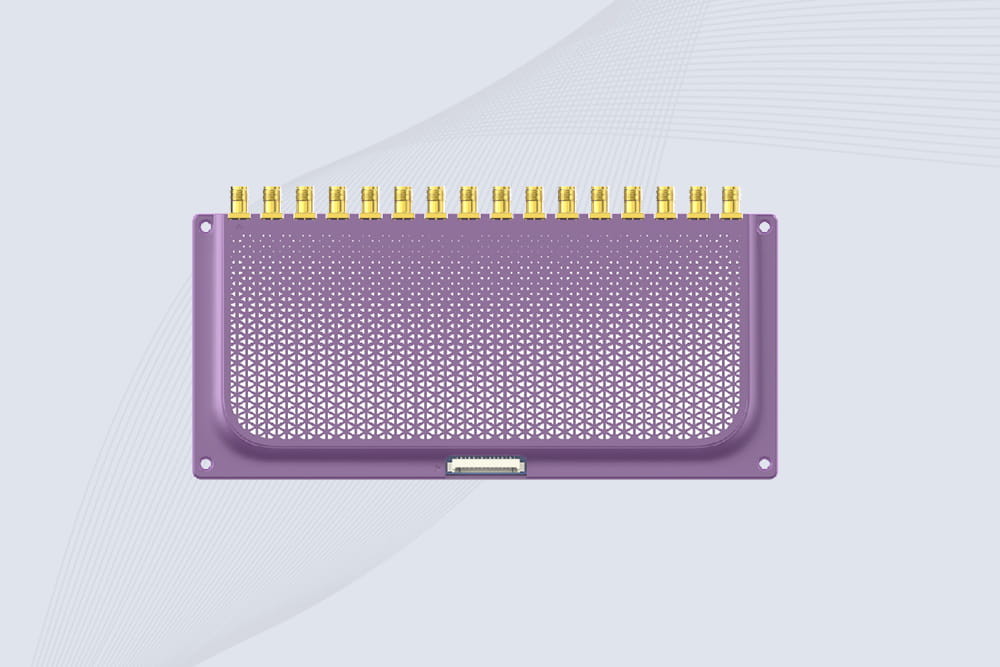
The CYKEO CYKEO-M16L RFID Reader Module is a 16-channel UHF RFID core designed for dense tag environments. With adjustable 33dBm output, multi-protocol support, and stable multi-antenna control, this RFID Tag Reader Module fits industrial automation, warehouse systems, and large-scale IoT deployments.
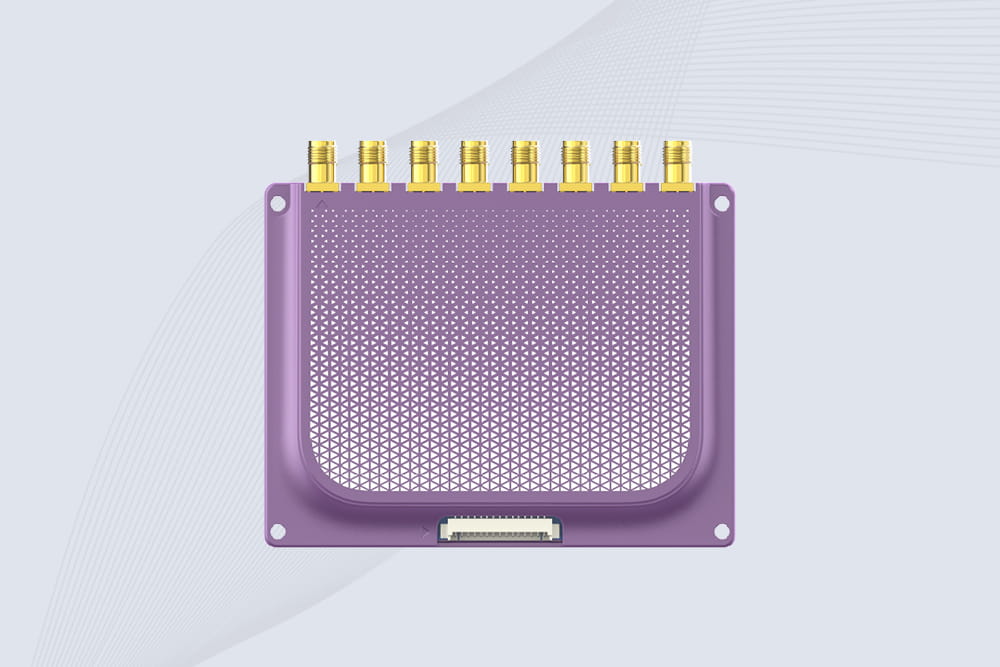
CYKEO CYKEO-M8L module RFID is a compact industrial UHF module built for dense tag and multi-antenna environments. With 8 RF ports, adjustable 33 dBm output, and ISO & GB protocol support, it is widely used in factories, warehouses, and automated tracking systems.
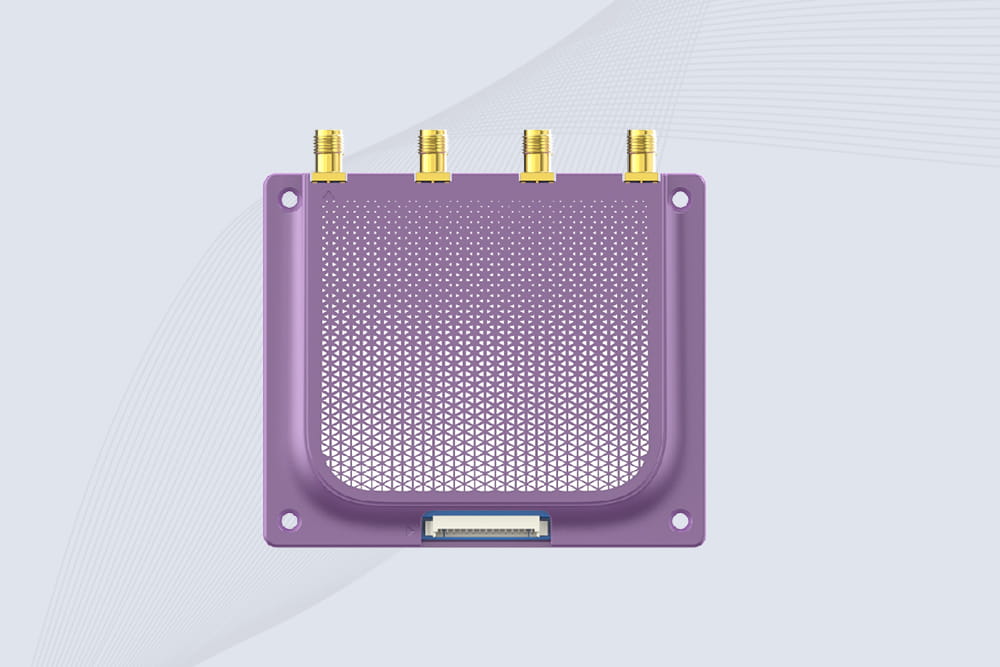
CYKEOCYKEO-M4L UHF RFID Module is a compact 4-channel RFID tag reader module designed for dense tag environments. Supporting ISO and GB protocols, it delivers stable reads up to 10 meters for industrial and IoT systems.
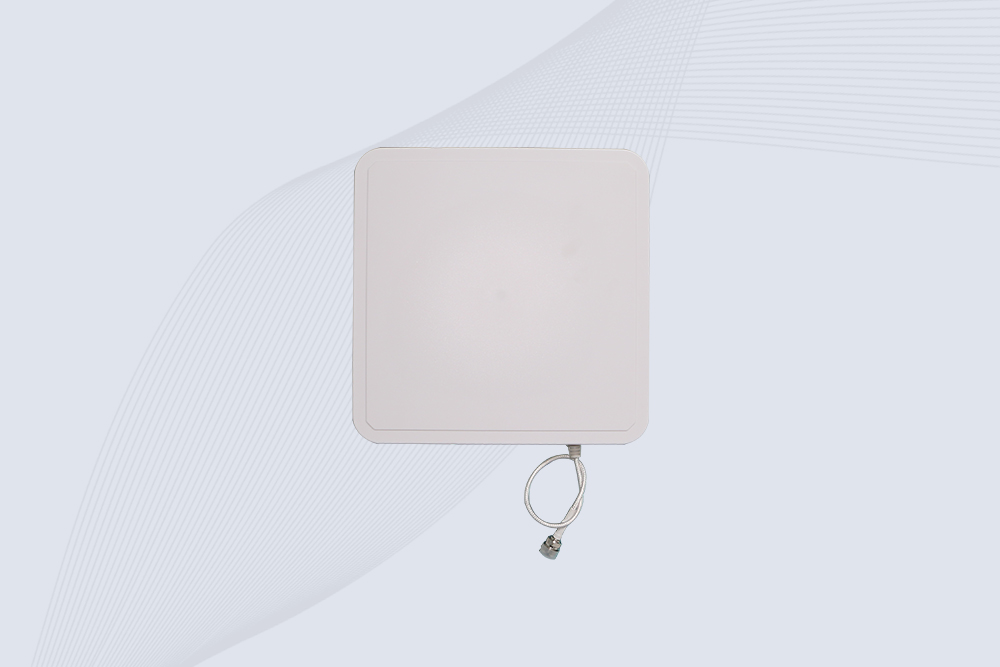
Cykeo CYKEO-A11 UHF RFID reader antenna delivers 11dBi gain, 840-960MHz frequency range, and IP65 ruggedness for retail, logistics, and industrial RFID systems. Features low VSWR and easy installation.
CYKEO Antenna RFID Reader delivers stable long-range UHF performance with a 10.5dBi directional design, built for warehouses, conveyor portals, and industrial RFID systems. This rfid reader antenna provides 20m+ read distance and rugged IP67 protection.
Cykeo CYKEO-A5B industrial Linear RFID Antenna delivers 5dBi gain, ≤1.5:1 VSWR, and IP65 rugged design for warehouse, production line, and logistics UHF systems.
Cykeo’s CYKEO-B12 Long Range RFID Antenna delivers 15m+ read range with 12dBi gain, IP65 rugged design, and global 840-960MHz UHF support. Ideal for warehouse/logistics asset tracking.
Cykeo CYKEO-B10 Long Distance RFID Antenna offers 10dBi gain, 840-960MHz frequency range, IP65 rating, and 20m+ coverage for logistics/warehousing/ETC systems. Low VSWR ensures stable signal transmission.
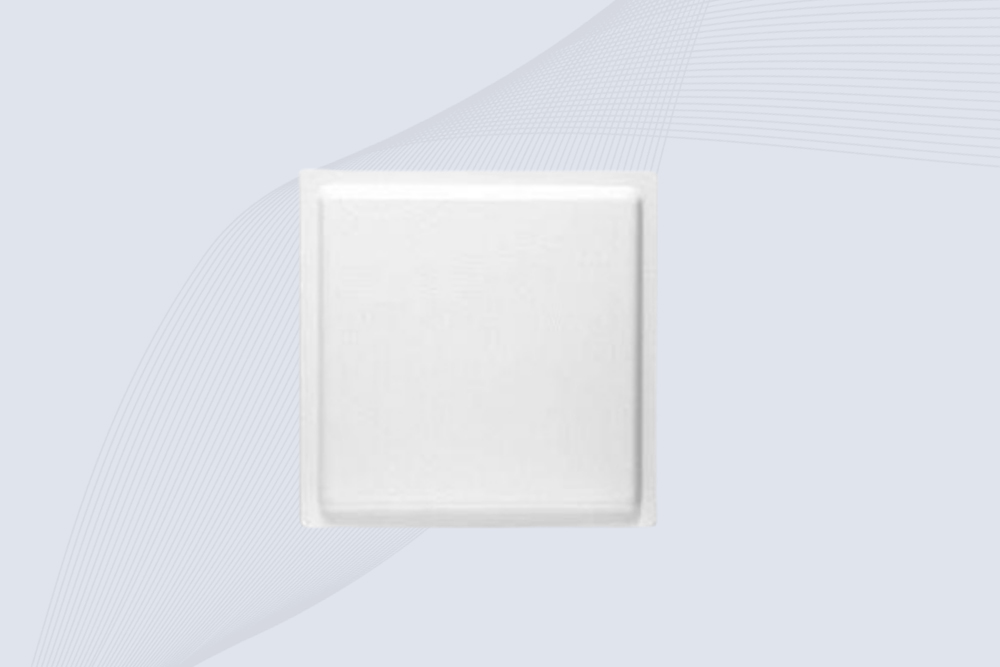
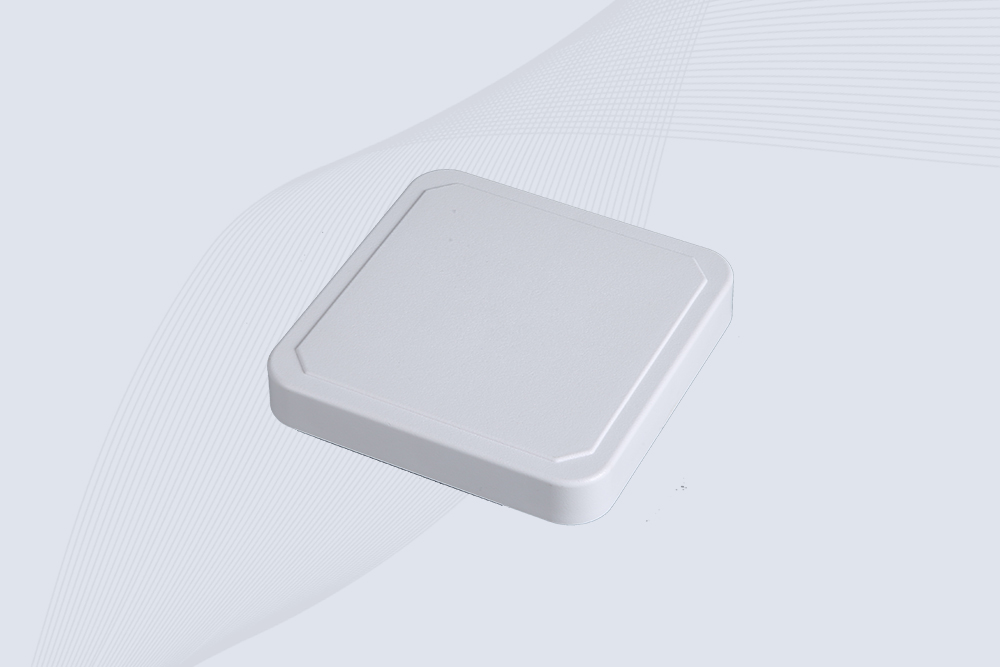
Cykeo CYKEO-A6 UHF RFID panel antenna features 6dBi gain, 840-960MHz broadband, IP65 metal-ready housing for logistics/smart retail. 18mm ultra-thin design with tool-free mounting.
Cykeo CK-A3 industrial antenna RFID UHF offers 5m+ tag detection, ≤1.3:1 VSWR, IP65 rugged design, and global UHF spectrum compatibility (840-960MHz) for warehouses, factories, and retail.
Cykeo CYKEO-B5 directional RFID antenna provides 5dBi gain with 60° narrow beamwidth for precise inventory tracking. IP65-rated, global UHF frequency support, and low VSWR.
Create your own high-performance DIY RFID antenna! 5dBi gain, 840-960MHz tunable, step-by-step guides. Compatible with Arduino, Raspberry Pi, and commercial UHF readers.
Cykeo CYKEO-A7 Flexible RFID Antenna features 840-960MHz wideband tuning, 7dBi gain, and IP68 rating for medical/retail/industrial curved surface deployments. 98% read accuracy with peel-and-stick installation.
Cykeo CYKEO-B5A industrial Passive RFID Antenna delivers 5dBi gain, 70° beamwidth, and -40°C~55°C operation for warehouses/smart cabinets. Compatible with Zebra/Impinj readers.
Cykeo’s CYKEO-A9B High Gain RFID Antenna delivers 15m+ read range with 9dBi amplification. Features IP54 rugged design, 840-960MHz bandwidth, and 80° beamwidth for warehouse/manufacturing RFID systems.
Cykeo’s enterprise-grade 8dbi Impinj RFID Antenna 10m+ read range with 840-960MHz tuning. Features IP65 housing, 1.4 VSWR, 35° beamwidth for retail/warehouse RFID systems.
Cykeo CYKEO-A9 industrial UHF RFID antenna delivers 9dBi gain, 840-960MHz frequency range, and IP65 protection for warehouse/logistics/retail RFID systems. Features N-type connector and ≤1.3:1 VSWR.
CYKEO UHF RFID Antenna built for long-distance and industrial applications. This antenna rfid uhf delivers strong gain, outdoor durability, and reliable tag performance in warehouses, yards, and vehicle ID systems.
CYKEO Antenna RFID delivers reliable long-range UHF performance in warehouses, retail shelves, and cold-chain environments. This compact uhf rfid antenna provides stable reads with circular polarization and ultra-wide 840–960 MHz support, ideal for industrial tracking, smart shelves, and asset monitoring.
Cykeo’s CYKEO-C8 UHF RFID antennas delivers 8dBi gain, 840-960MHz full-band coverage, and IP65 ruggedness for manufacturing/warehouse RFID systems. Industrial RFID Antennas Features
Cykeo’s 8dBi UHF RFID antenna and reader kit delivers 10m+ range, 840-960MHz broadband, and IP65 ruggedness for factories, warehouses, and logistics. ISO 18000-6C & EPC Gen2 certified.
Cykeo’s CYKEO-A12C UHF Large RFID Antenna delivers 12dBi gain, 840-960MHz global frequency, IP65 ruggedness for logistics/warehousing/automotive. 40° beamwidth ensures stable 15m+ tag reads.
CYKEO Near Field RFID Antenna provides precise 5–30 cm reading for shelves, cabinets, and workstations. This compact rfid shelf antenna delivers stable short-range performance around metal and clutter, ideal for pharmacies, libraries, and electronics sorting.
Cykeo’s industrial long range RFID reader delivers 20-meter scanning, 500+ tags/sec speed, and IP67 waterproof design for automated warehouses, logistics, and harsh environment applications.
Cykeo’s CYKEO-RA6L industrial RFID long range reader features 20m read distance, 500 tags/sec speed, and IP67 protection. Ideal for warehouse automation, manufacturing WIP tracking, and smart logistics. Supports ISO 18000-6C/6B protocols.
CYKEO Long Range RFID Tag Reader built for outdoor and industrial operations. This Outdoor RFID Reader delivers 20m read distance, fast tag processing, and IP67 durability for wide-area tracking.
Cykeo CYKEO-RA12L industrial Long Range RFID Reader delivers 20m read range, 200+ tags/sec scanning, and IP67 protection for manufacturing/logistics applications. Supports ISO 18000-6C/GB protocols.
Cykeo CYKEO-C1 industrial Forklift RFID Reader features 20m read range, 600 tags/sec scanning, Impinj R2000 chipset, and IP67 rugged design. Ideal for warehouse logistics and manufacturing. Supports ISO 18000-6C/6B protocols.
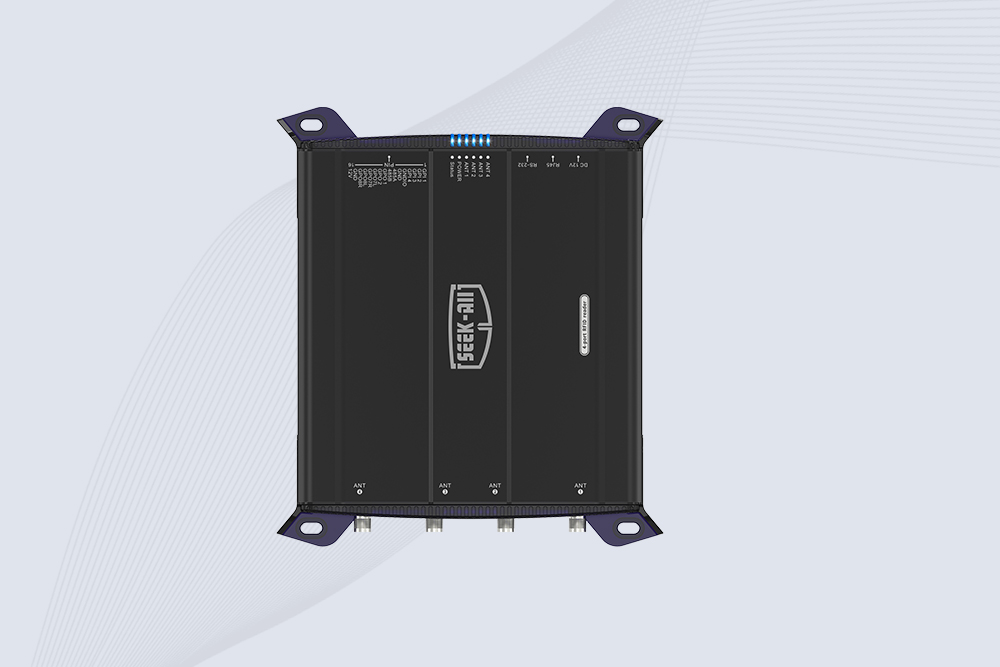
Cykeo CYKEO-R4 industrial UHF RFID Fixed Reader features 4 TNC ports, 400+ tags/sec speed, IP67 housing, and global frequency compliance for vehicle inspection, smart warehouse, and asset management systems.
CYKEO CYKEO-R8L Fixed RFID Reader with 8-port UHF design, Impinj-based RF core and up to 20m read range. An industrial Fixed RFID Reader for vehicle inspection, warehouse portals, smart manufacturing lines and secure access checkpoints.
RFID Fixed Reader from CYKEO – the CYKEO-R16L 16-port UHF fixed reader for warehouses, smart cabinets, and production lines. Long-range, multi-tag reading, stable performance for 24/7 industrial use.
Discover how RFID technology, featuring the CK‑TP4A retractable UHF RFID gate, streamlines warehouse and inventory management. Improve efficiency, accuracy, and real-time tracking for large-scale warehouses and high-volume inventory operations.
Learn how an RFID payment system works, its benefits, and real-world use cases. Discover why businesses are switching to fast, contactless RFID payment solutions.
Cut through the jargon. An engineer's plain-English guide to how the Electronic Product Code (EPC) acts as the brain of RFID, enabling true item intelligence beyond simple tracking.
Explore real-world applications of long range RFID readers in warehouse automation, parking systems, manufacturing, logistics, and asset tracking. A practical guide for RFID system integrators and distributors.
 Cykeo RFID IoT Solution Products R&D Manufacturer