A UHF RFID reader can identify hundreds of tags within a reading zone in rapid succession, rather than literally reading every tag at the same instant. Actual capacity depends on reader speed, tag density, RF conditions, antenna design, tag orientation, and how long tags remain in the field.
That distinction is important.
When people ask how many RFID can be read at once, they usually mean: How many tagged items can one reader reliably identify during one inventory cycle?
That is different from asking how many tags physically respond at the exact same microsecond.
RFID readers use anti-collision mechanisms to separate tag responses and process them rapidly. RFID Journal explains that UHF readers do not truly communicate with multiple tags simultaneously; they isolate individual tags in rapid succession, making the process appear simultaneous to the user.
For practical warehouse and industrial applications, hundreds of tags can be inventoried in a short period, but there is no universal number that applies to every reader or installation.
How Many RFID Tags Can a Reader Read?
RAIN RFID documentation states that the technology can inventory hundreds of tags simultaneously over distances exceeding 10 meters in a short period. Another RAIN Alliance publication describes RAIN RFID as capable of reading at speeds of hundreds of items per second.
This gives a useful technical reference point, but it should not be turned into a blanket specification such as “every RFID reader reads 500 tags.”
The physical environment changes the answer.
Factor
Effect on Multi-Tag Reading
Tag population
More tags require more inventory time
Reader speed
Determines how quickly tags can be processed
RF output power
Influences which tags enter the effective read zone
Antenna design
Controls coverage and tag coupling
Tag orientation
Poor orientation can reduce reliable reads
Metal/liquid
Can affect UHF RFID performance
Reader interference
Multiple readers can compete for RF resources
Tag dwell time
More time in the field allows more tags to be identified
Required data
EPC-only inventory is faster than reading additional memory
Software filtering
Prevents repeated reads from becoming duplicate records
The Number Is Not Just a Reader Specification
This is one of the details that becomes obvious during real RFID commissioning.
A reader might successfully identify 300 tags in a stationary test.
That does not automatically mean it can identify 300 tags moving through a warehouse doorway at forklift speed.
The tags may have different orientations. Some may be surrounded by other tags. The pallet may pass through the reading zone quickly. Nearby readers may also be operating.
RFID Journal gives a useful example: the same population of 1,000 tags may be difficult to capture while moving rapidly through a dock door, yet potentially manageable when held inside a tunnel reader with antennas surrounding the reading area for several seconds.
That is why I treat tag dwell time as one of the first variables to measure.
How RFID Reads Multiple Tags
UHF RFID uses an anti-collision protocol to manage a dense population of tags.
The basic problem is straightforward.
If 100 tags responded to a reader at exactly the same time, their signals would collide.
The reader therefore separates the population.
EPC Gen2 uses the Q algorithm to manage tag responses and organize the inventory process. RFID Journal describes how tags are effectively placed into a controlled response sequence so the reader can identify them individually without repeatedly interrogating tags it has already processed.
A simplified sequence looks like this:
Reader begins an inventory round.
Tags in the RF field respond according to the protocol.
Collisions are detected or managed.
The reader isolates a tag.
Tag identification is captured.
The identified tag is suppressed from unnecessary repeated responses.
The reader continues through the remaining population.
The inventory cycle ends when the required population has been identified.
So when someone sees a reader display:
“247 tags detected”
the system has not received 247 independent responses simultaneously.
It has completed a rapid multi-tag inventory process.
That is why anti-collision performance matters as much as raw reader power.
UHF RFID uses anti-collision protocols to identify large populations of tagged items within a controlled reading zone.
How Many RFID Can Be Read at Once in UHF Systems?
For UHF RFID, the more useful measurement is often tags per second, not a fixed number of tags “at once.”
RAIN Alliance documentation describes RAIN RFID as supporting reading speeds of hundreds of items per second, while earlier RFID industry technical documentation describes EPC Gen2 systems being designed around fast read rates and dense tag populations.
However, a tag-read rate is not the same as guaranteed throughput.
Suppose a reader has a theoretical inventory rate of several hundred tags per second.
If a pallet remains inside the antenna field for only one second, the available inventory time is very different from a pallet sitting in the field for five seconds.
The practical calculation is closer to:
Required tag capacity = tag population × required capture probability × available dwell time
This is why two installations using the same reader can produce noticeably different results.
Example: Warehouse Pallet
Imagine a pallet containing 200 RFID-tagged cartons.
If the pallet moves slowly through a controlled portal, the reader may have enough time to inventory the entire population repeatedly.
If the same pallet passes quickly through a narrow reading zone, the system has fewer opportunities to interrogate every tag.
The question then becomes less about:
“Can the reader read 200 tags?”
and more about:
“Can the reader reliably capture the required 200 tags during the actual transit time?”
That is the engineering question worth testing.
What Limits RFID Multi-Tag Reading?
Tag Density
A dense population creates more competition for inventory cycles.
RAIN Alliance specifically notes that RAIN RFID can access hundreds of tags simultaneously but also warns that high-density deployments and overlapping systems require disciplined RF engineering.
Tag Orientation
A pallet may contain tags facing different directions.
A tag that is perfectly oriented toward an antenna during a laboratory test may be poorly coupled when turned 90 degrees inside a real carton stack.
Materials
Metal and liquids can complicate UHF RFID performance.
A technical RFID Journal reference notes that tag readability depends heavily on materials, structure, and placement, with metallic and conductive environments presenting particular challenges.
Reader Interference
A warehouse may contain multiple fixed readers.
EPC Gen2 introduced reader operating modes including single-reader, multi-reader, and dense-reader modes to address environments with different levels of RF activity. Technical documentation notes that dense-reader operation is intended for facilities with many readers, such as distribution centers and factories.
Tag Dwell Time
This is frequently underestimated.
A reader can only inventory tags while they are sufficiently within the effective reading field.
The longer the useful dwell time, the more opportunities the system has to complete inventory rounds.
How Many RFID Can Be Read at Once by Cykeo Readers?
Cykeo UHF RFID reader platforms are designed for multi-tag identification applications where rapid inventory and reliable anti-collision processing are required.
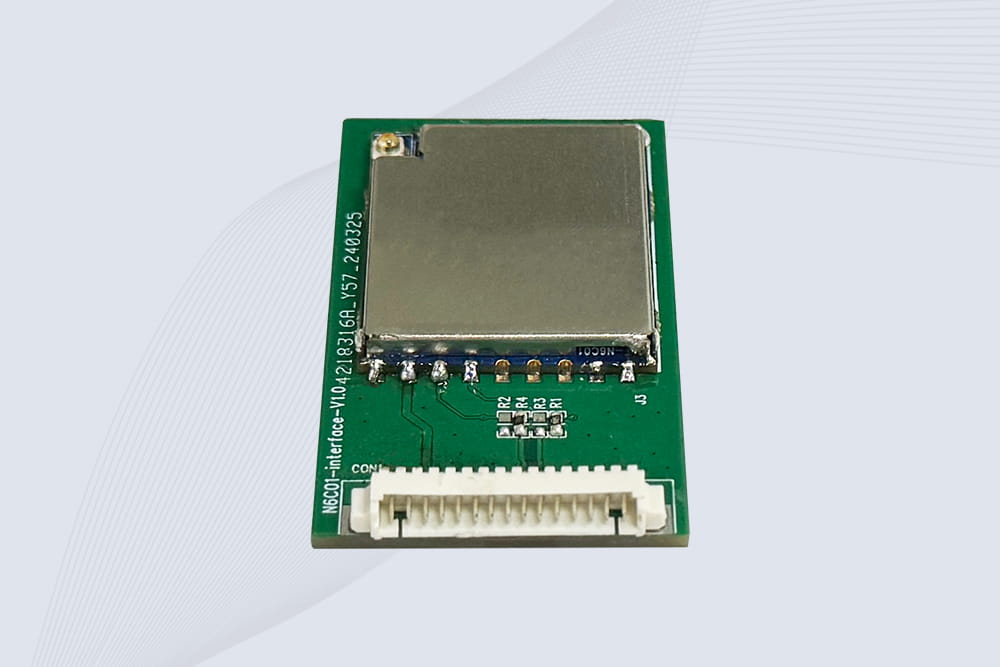
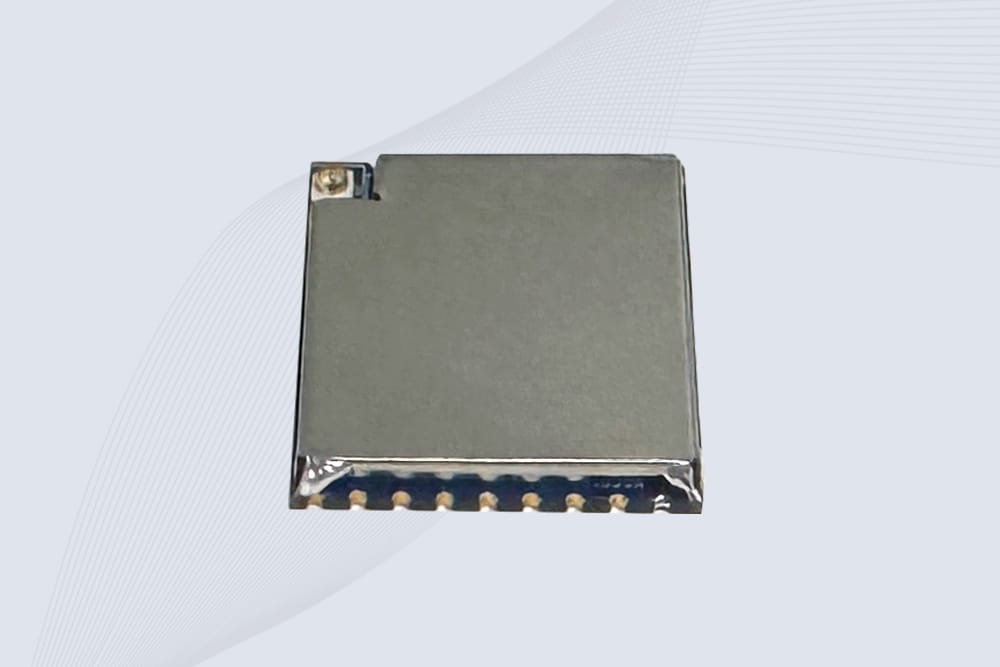
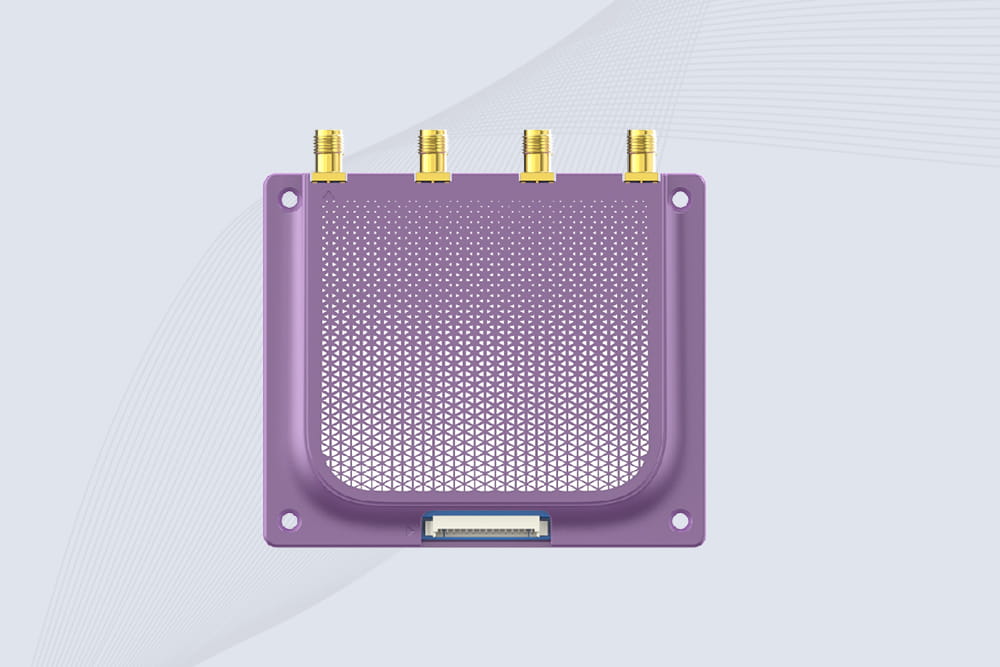
For example, the CYKEO-M4L module is designed with an integrated RF front end and baseband digital signal-processing architecture. Its specified multi-tag recognition capability is more than 400 tags per second, with adjustable output power up to 33 dBm.
That figure should be interpreted as a device performance specification under defined conditions, not a promise that every installation will always produce 400+ unique tags per second.
The field result still depends on:
Tag model
Tag spacing
Antenna configuration
Reader power
Tag orientation
RF environment
Inventory algorithm
Required memory operations
Movement speed
That distinction is important when comparing RFID equipment.
A reader advertised at 400 tags per second is not necessarily twice as useful as one advertised at 200 tags per second if the application only needs 100 tags and has severe read-zone interference.
Conversely, a high-throughput pallet tunnel may benefit considerably from faster inventory cycles.
RFID Read Capacity by Application
Application
Typical challenge
Capacity priority
Retail shelf
Many individual products
Fast inventory
Warehouse pallet
Dense tag population
High multi-tag throughput
Shipping portal
Fast-moving goods
Speed + read reliability
Tool cabinet
Small confined population
Accurate identification
Conveyor
Short dwell time
Very fast inventory
Desktop reader
Small tag population
Controlled near-field reading
Manufacturing line
Variable movement
Repeatable capture
The physical scene determines the right specification.
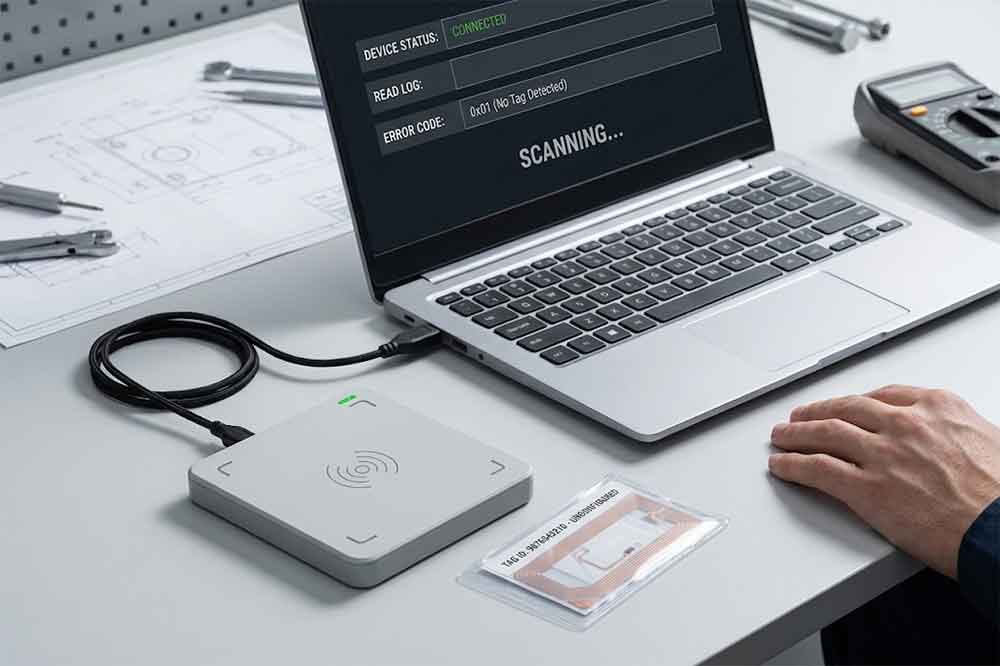
A desktop RFID reader might only need to identify a handful of tags.
A pallet portal may need to process hundreds.
A conveyor reader may encounter a smaller number but have only a fraction of a second to capture them.
The number printed on the reader datasheet therefore tells only part of the story.
Field Experience: Why “Maximum Tags” Is the Wrong First Question
When validating an RFID system, I would not begin with a theoretical maximum.
I would begin with the actual tag population.
For example:
50 tags on a shelf
150 cartons on a pallet
300 garments in a stockroom
500 assets in a staging area
Then I would test the population in its actual environment.
The test should record:
total tags present → tags successfully identified → time available → missed tags → duplicate reads → false reads
That produces a meaningful engineering result.
It also exposes problems that a simple reader specification cannot reveal.
A system that reads 500 tags in an empty laboratory but misses 20 tags on a real pallet is less useful than a system that consistently reads the actual operational population.
What Determines How Many RFID Tags Can Be Read at Once?
The practical answer to how many RFID can be read at once is not a fixed number. A reader’s usable capacity depends on tag population, inventory speed, RF environment, antenna configuration, tag orientation, reader interference, and dwell time.
RAIN RFID is specifically designed for multi-tag identification. NXP describes EPC Gen2-based RFID tags as supporting anti-collision and collision-arbitration functions that allow multiple tags to operate within the reader’s antenna field.
In a clean test environment, a reader may identify a large population quickly. A production warehouse is less forgiving.
Metal shelving changes the RF environment. A densely packed pallet changes tag coupling. A forklift can move a pallet through the antenna field faster than expected.
So I would never approve an RFID installation based solely on a statement such as “500 tags per second.”
The more useful question is:
How many of the required tags can be identified reliably during the actual operating window?
1. Tag Population
The number of tags inside the RF field directly affects the inventory process.
Ten tags are easy to manage.
Five hundred tags require substantially more anti-collision activity.
A thousand tags may still be technically readable, but whether they can all be captured before the pallet leaves the zone depends on the reader, protocol settings, antenna geometry, and available dwell time.
2. Read Speed
Read speed determines how quickly the reader can move through the tag population.
For comparison, current commercial RAIN RFID readers advertise very different performance levels. Impinj’s R700, for example, specifies read rates of up to 1,300+ tags/second under its stated conditions.
That does not mean every application will achieve 1,300 unique tags per second.
It demonstrates something more important: reader throughput is a measurable engineering characteristic, not a universal tag-capacity number.
3. Dwell Time
Dwell time is frequently overlooked.
Imagine two identical pallets containing 300 tags.
One pallet remains in the reading zone for five seconds.
The second passes through in one second.
The reader has five times as much opportunity to inventory the first pallet.
This is why a slower conveyor, tunnel, or portal can sometimes achieve better practical inventory completeness than a theoretically faster reader installed in a poorly controlled zone.
RFID Anti-Collision and Dense Tag Reading
Modern UHF RFID relies on anti-collision mechanisms to organize responses from many tags.
EPC Gen2 was developed specifically to improve speed, reliability, and operation in environments containing large tag populations and multiple readers. RFID Journal’s technical discussion of Gen2 notes higher data-transfer capability than earlier EPC protocols and mechanisms intended to reduce problems caused by tag collisions.
The reader essentially manages a conversation with a population rather than trying to force every tag to speak simultaneously.
A simplified inventory sequence looks like this:
Reader initiates an inventory round.
Tags enter the response process.
Tags are distributed across response slots.
Colliding responses are resolved.
Individual tag IDs are captured.
Identified tags are handled according to the inventory protocol.
The reader continues until the required population has been inventoried.
The Q parameter is particularly relevant. It controls the number of available response slots in the EPC Gen2 anti-collision process. If the value is poorly matched to the population, too many collisions or unnecessary empty slots can reduce efficiency.
That is why dense-tag performance involves more than simply increasing RF power.
Reader Power Does Not Equal Tag Capacity
This is a common misconception.
A higher RF output can help a reader energize tags farther away, but it does not automatically mean the reader can process more tags per second.
Cykeo’s UHF modules, for example, provide output power up to 33 dBm, with power adjustment in 1 dBm steps. The manufacturer’s specifications also identify multi-tag reading and tag-data filtering as core functions.
Power adjustment is valuable because the objective is not always maximum range.
In a shipping portal, excessive range can cause the reader to detect tags on a neighboring pallet.
In a shelf application, excessive range may cause cross-reads from another shelf.
In a conveyor application, insufficient range may cause missed tags.
The correct setting is the one that produces the intended read zone.
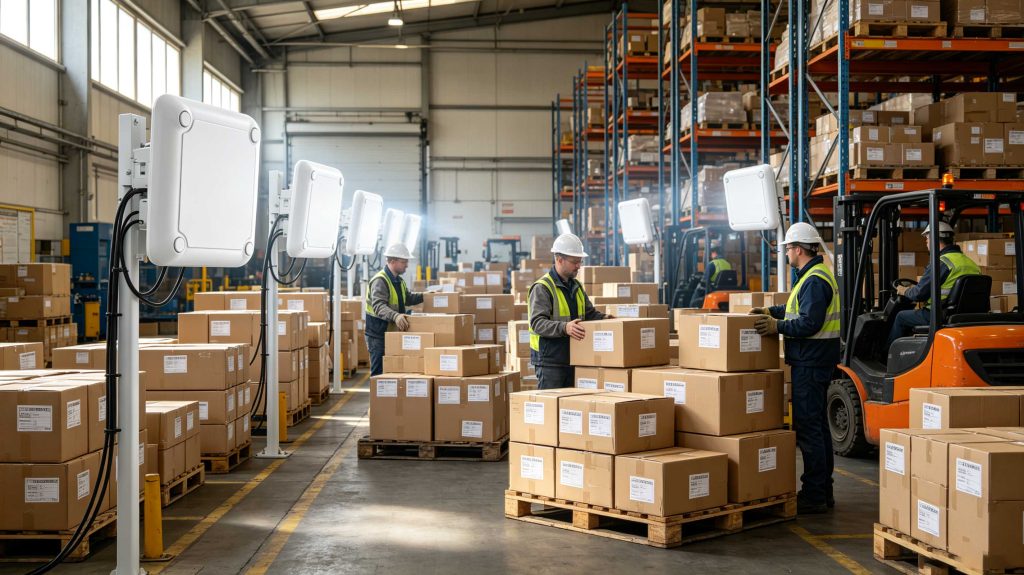
How Many RFID Can Be Read at Once in a Real Warehouse?
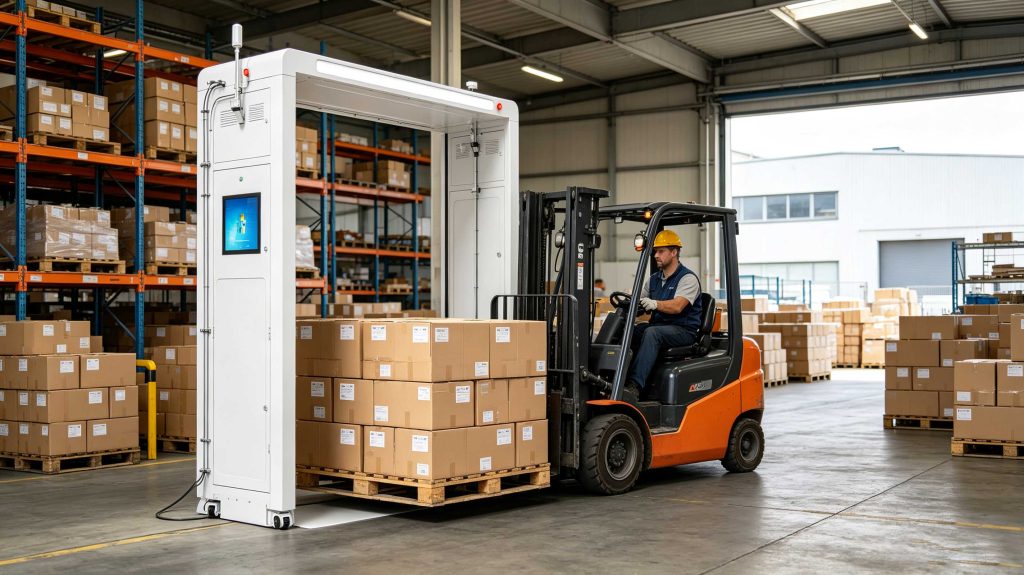
Consider a warehouse pallet containing 250 RFID-tagged cartons.
A useful commissioning test would measure:
Test parameter
Example
Tags physically present
250
Tags detected
247
Missed tags
3
Reading time
2.5 seconds
Duplicate observations
Recorded separately
False reads
0
Movement direction
Inbound
Reader
Fixed UHF portal
This gives far more useful information than simply writing “250 tags supported.”
The key metric becomes:
247 / 250 successfully identified under the actual operating condition.
Then repeat the test.
Change pallet orientation.
Move tags.
Change forklift speed.
Introduce the neighboring pallet.
Test the door at different times of day.
That is how an RFID capacity claim becomes meaningful.
Cykeo RFID Multi-Tag Reading Performance
Cykeo’s published specifications provide concrete performance figures that are useful for evaluating multi-tag applications.
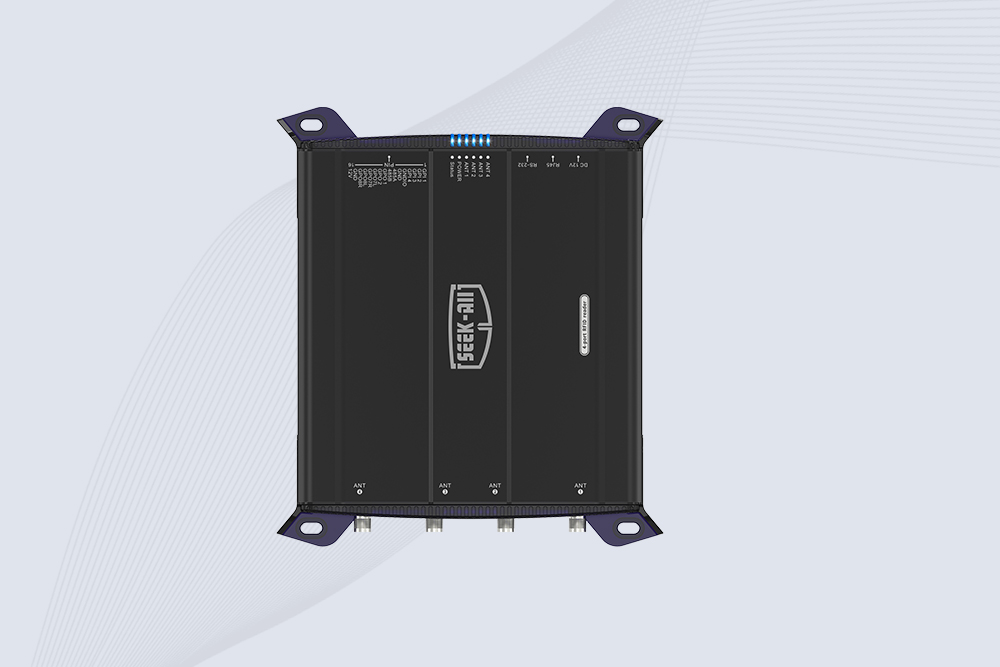
The CK-M4L four-port UHF RFID module specifies:
More than 400 tags/second reading capability
Up to 33 dBm RF output
1 dBm output-power adjustment
Four RF channels
EPC C1G2 / ISO 18000-6C support
ISO 18000-6B support
GB/T29768-2013 support
Tag-data filtering
Anti-collision processing
840–960 MHz operating range
Cykeo’s published test specification also lists more than 600 tag identifications per second under its stated performance conditions, so those figures should be distinguished rather than casually merged into one universal number.
That distinction is important for technical website content.
A specification such as 400+ tags/second describes reader capability under defined conditions. It does not mean a customer should expect 400+ unique tags every second in a metal warehouse, on every pallet, at every antenna angle.
Why Cykeo Uses Adjustable Power
Cykeo readers support fine power adjustment rather than forcing every installation to operate at maximum output.
That gives integrators more control over:
Read-zone boundaries
Neighboring reader interference
False detections
Short-range applications
Conveyor installations
Warehouse portals
Dense inventory areas
For a tracking system, controlled RF is often more useful than maximum RF.
High-density RFID applications depend on reader throughput, antenna geometry, tag orientation, and controlled dwell time.
How Many RFID Tags Can Be Read on a Pallet?
A pallet is one of the more demanding multi-tag RFID environments because tags can be:
Closely packed
Oriented differently
Partially shielded
Mounted on different materials
Surrounded by other RF-reflective objects
A pallet with 300 tags is therefore not equivalent to 300 tags laid flat on a laboratory table.
For warehouse deployment, I normally recommend testing at least three configurations:
Configuration A — Ideal Orientation
Tags face the antenna in the expected direction.
This establishes a baseline.
Configuration B — Mixed Orientation
Tags are rotated or positioned naturally.
This reflects real packing conditions.
Configuration C — Worst-Case Load
The pallet contains the densest realistic product mix, including materials that may challenge UHF RFID.
This is the test that tells the integrator whether the system is ready.
Conveyor RFID: Capacity Is a Time Problem
Conveyor applications make the relationship between read speed and dwell time particularly obvious.
Suppose a tagged carton is visible to the antenna for only 300 milliseconds.
The reader has a very small window to identify it.
Now consider a carton moving through a longer tunnel with multiple antennas.
The same reader technology has more opportunities to interrogate the tag.
For this reason, conveyor RFID design should consider:
Cykeo’s CK-R4L fixed UHF reader, for example, specifies a reading speed above 400 tags/second and adjustable reading distance, with actual range dependent on output power, antenna type, tag type, and application environment.
That qualification from the manufacturer’s own specification is important.
RFID Multi-Tag Reading in Different Applications
Application
Approximate challenge
What matters most
Retail shelf
Dense individual items
Tag readability + inventory speed
Pallet portal
Hundreds of tags
Anti-collision + dwell time
Conveyor
Short read window
Speed + antenna placement
Warehouse aisle
Adjacent tagged goods
Read-zone control
Tool cabinet
Small population
Accurate identification
Library station
Controlled near-field population
Filtering + read reliability
Manufacturing line
Moving work-in-process
Repeatable event capture
There is no single “best” reader for all of these.
A four-port fixed reader may be appropriate for a portal.
A compact RFID module may be better inside an automated machine.
A near-field desktop reader may be more suitable for controlled registration work.
The number of tags is only one part of the design.
What Should You Ask an RFID Supplier?
Before accepting a multi-tag reading specification, ask for the conditions behind the number.
Ask these seven questions:
How many tags were used in the test?
What tag model was used?
What antenna was used?
What was the tag spacing?
How long did the tags remain in the RF field?
Was the test performed in a real operating environment?
Does the number represent unique tags per second or repeated tag observations?
That last question can reveal a surprising amount.
A system that repeatedly sees the same 50 tags can generate a very high raw read count without actually identifying 50 new tags every cycle.
For inventory applications, unique-tag throughput is the more meaningful number.
How Many RFID Can Be Read at Once? Practical Answer by Scenario
Scenario
Practical interpretation
10–50 tags
Usually a relatively small population for UHF RFID
50–200 tags
Common multi-tag inventory scenario
200–500 tags
Requires careful reader and antenna design
500+ tags
Dense population; dwell time and RF engineering become increasingly important
1,000+ tags
Feasible as a population in some systems, but requires application-specific validation
These are engineering categories, not guaranteed reader specifications.
The right system should always be validated against the customer’s actual tag population and movement pattern.
FAQ: How Many RFID Can Be Read at Once?
Can RFID read 500 tags simultaneously?
A UHF RFID reader can inventory a population of hundreds of tags rapidly, but the tags are not literally communicating with the reader at exactly the same instant. Anti-collision protocols organize their responses.
How many tags can Cykeo RFID readers read per second?
Cykeo publishes multi-tag reading performance above 400 tags per second for several UHF RFID products. The exact result depends on the model and specified test conditions.
Can one RFID reader read 1,000 tags?
A reader can potentially inventory a 1,000-tag population, but the important variables are available reading time, tag density, antenna configuration, RF environment, and required capture reliability. It should be validated as a complete system.
Does RFID read speed depend on tag quantity?
Yes. As the tag population increases, the anti-collision process has more responses to manage. Poorly matched inventory parameters can increase collisions and reduce effective throughput.
Does antenna count increase RFID capacity?
Multiple antennas can improve coverage and provide better control over a physical reading area, but simply adding antennas does not automatically multiply the number of tags a reader can identify per second.
Can RFID read tags moving on a conveyor?
Yes. Conveyor RFID is a common application, but the reader must identify the tags within the available transit time. Antenna placement, conveyor speed, tag orientation, and reader throughput all matter.
Is 400 tags per second enough for warehouse RFID?
It can be more than sufficient for some applications and insufficient for others. A warehouse handling 100 tags per event has different requirements from a high-speed portal handling hundreds or thousands of tags in a short window.
Final SEO Section
How Many RFID Can Be Read at Once in a Real Application?
How many RFID can be read at once should never be answered with one universal number.
UHF RFID is designed for multi-tag identification, and modern readers can process hundreds of tags rapidly. Some current commercial readers advertise throughput above 1,000 tags per second, while Cykeo publishes more than 400 tags/second for several of its UHF RFID products.
But the number that matters on site is different.
It is the number of unique required tags reliably captured during the actual operating window.
For a warehouse pallet, that means testing the real pallet.
For a conveyor, test the actual conveyor speed.
For a retail shelf, test the real products and tag orientations.
For a production line, test the actual material mix and reader position.
RFID performance is not a competition to produce the largest number on a datasheet. It is a question of whether the reader can identify the required population, in the required time, without creating unwanted reads.
That is the practical answer to how many RFID can be read at once.
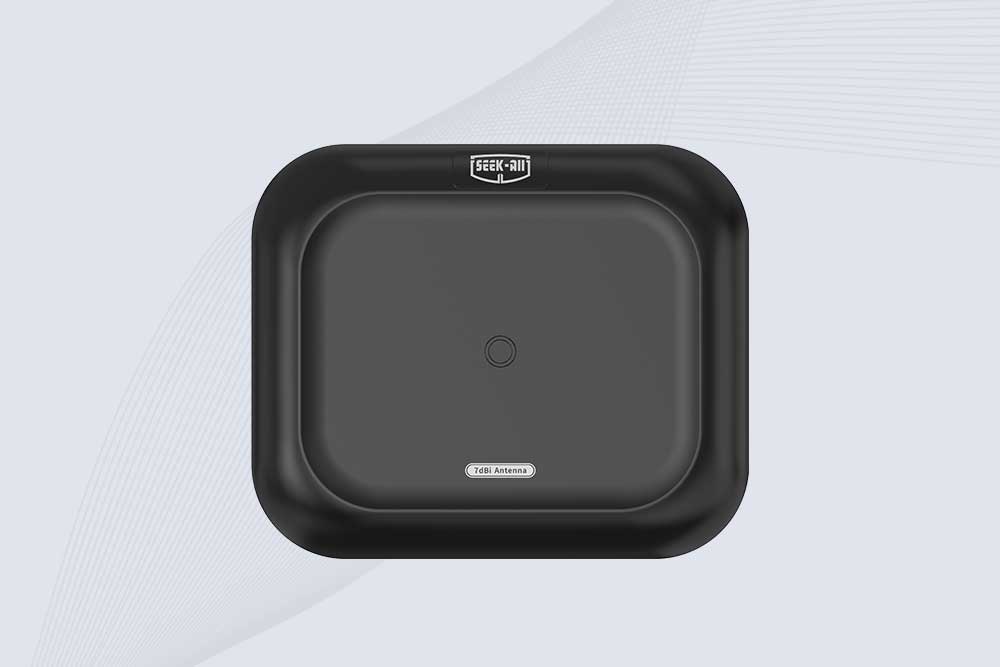
Explore the SSD-A07 UHF RFID antenna with 7 dBi gain, circular polarization, adjustable 840–960 MHz frequency, and 60°/75° beamwidth for stable RFID read/write performance.
SSD-A06 UHF RFID antenna with circular polarization, adjustable 840–960 MHz frequency, ≥4.5 dBi gain, and a compact directional design for RFID systems.
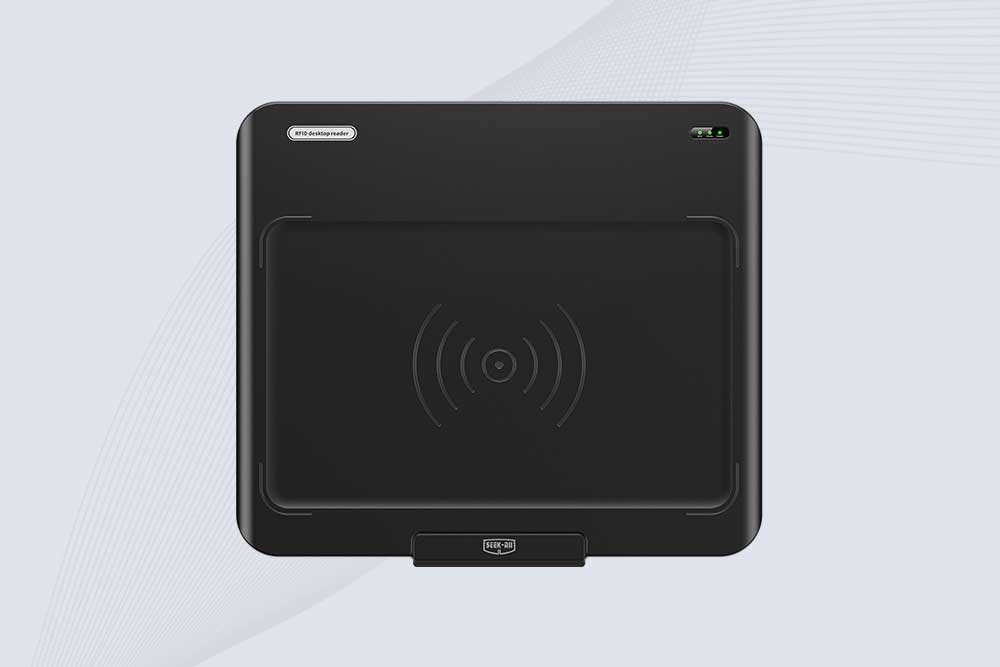
SSD-D3AL is a USB-HID UHF RFID reader with 0–30 cm reading, 0–15 cm writing, over 600 tags/s recognition, USB plug-and-play operation and OEM Logo customization.
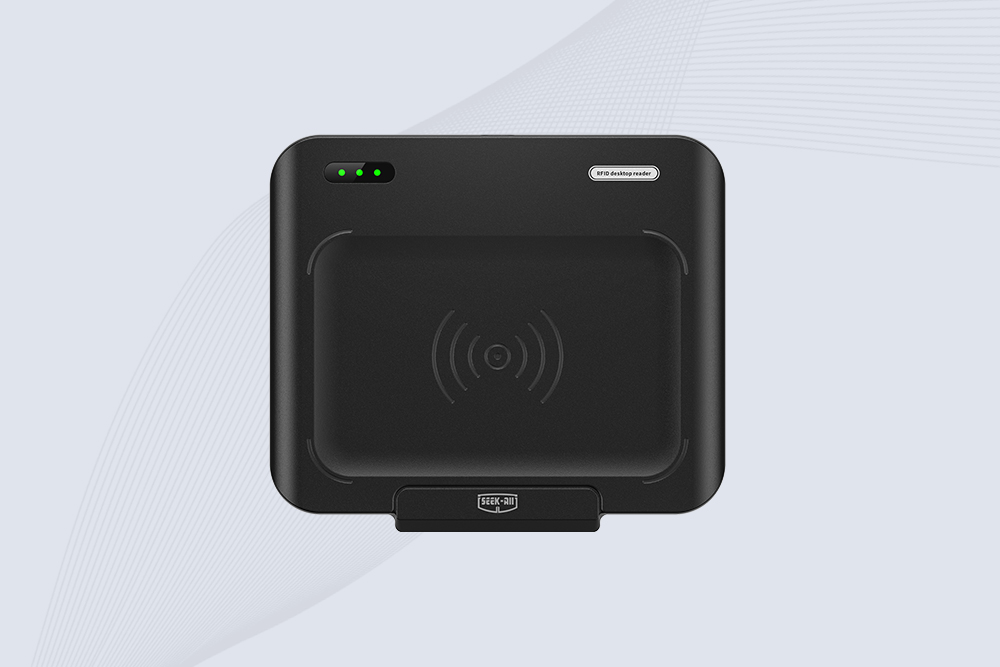
SSD-D1AL is a compact USB UHF RFID reader with Impinj E710/X3M1 chipset, USB-HID, 600+ tags/s recognition, 4/8/16 antenna support and plug-and-play USB power.
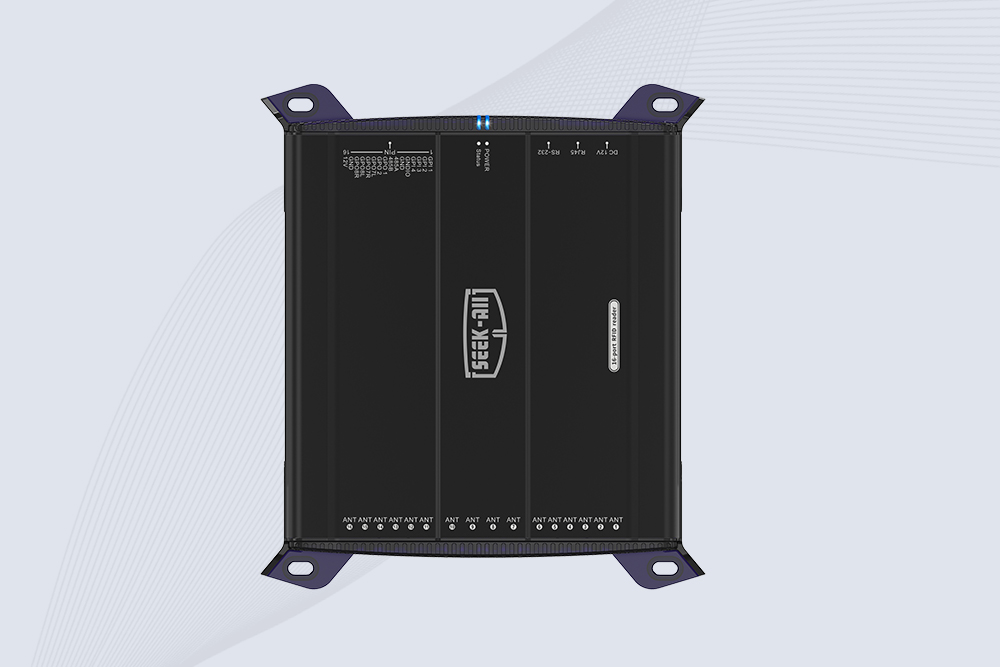
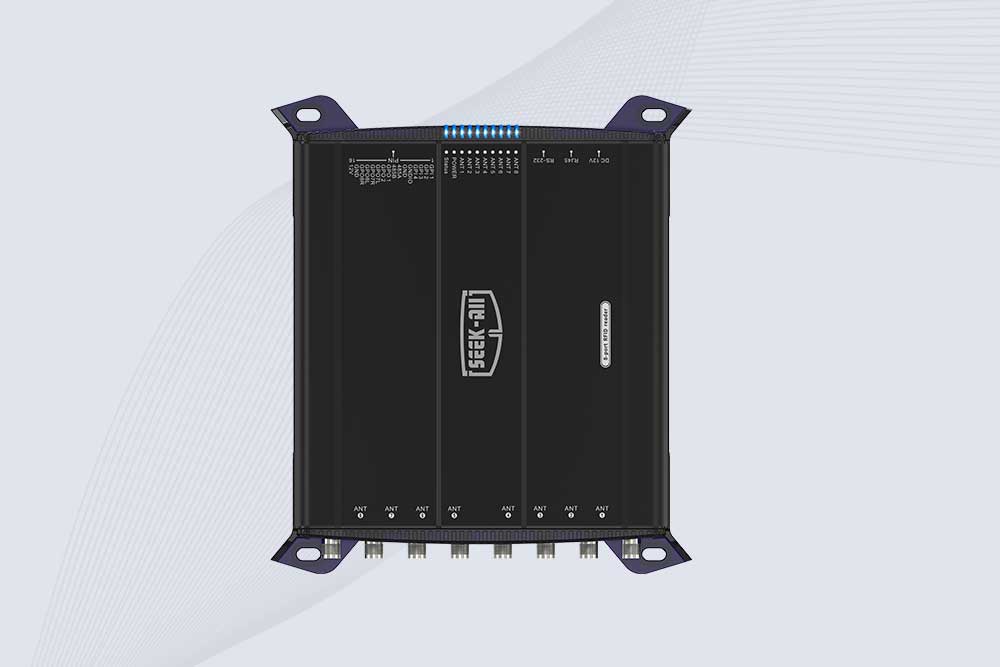
SSD-R16L Multi-Channel RFID Infrastructure for Automated Inventory Management ✔️ 16-Port High-Density RFID Reading Equipped with 16 SMA antenna ports, SSD-R16L supports multi-antenna deployment for warehouses, retail stores, logistics, production lines, and large-area RFID identification. ✔️ High-Speed & Long-Range Performance With up to 33…
SSD-R8L 8-port UHF RFID reader with 33dBm output, up to 20m reading range and 600+ tags/s recognition. Ideal for warehouse, logistics, retail and asset tracking.
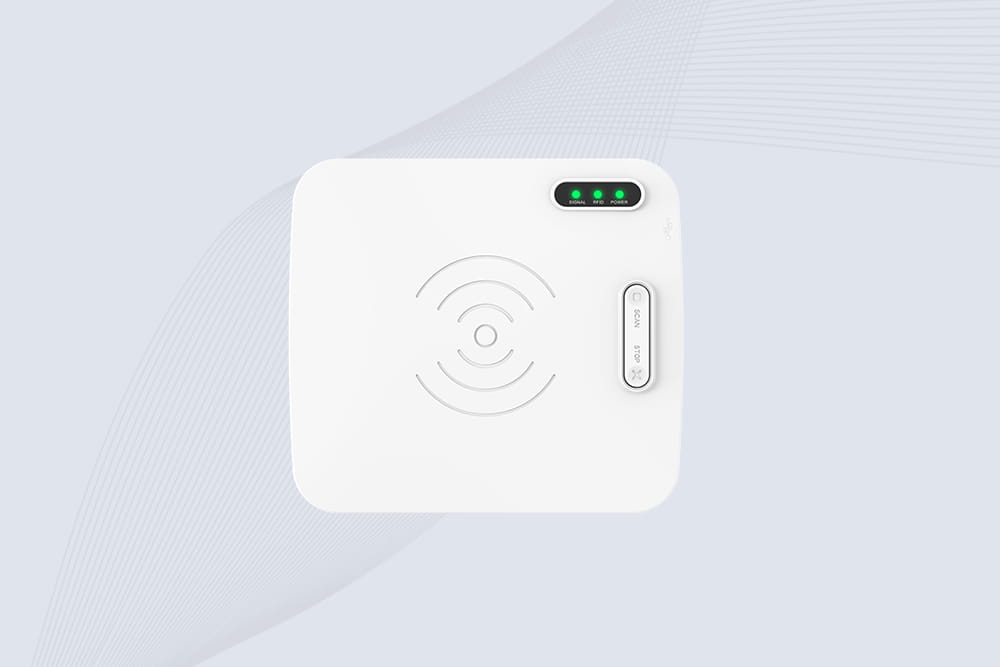
CYKEO CYKEO-D1LA USB RFID Reader is a compact desktop solution with near-field control for precise tag reading and encoding. Powered by USB, supporting ISO 18000-6C, and built for stable batch writing, this usb rfid tag reader fits retail, libraries, offices, and controlled RFID encoding tasks.
CYKEO CYKEO-D1L RFID scanner USB is a compact desktop UHF RFID scanner designed for short-range tag writing and verification. This usb rfid scanner supports batch encoding, stable 0–26 dBm output, and works across Windows, Linux, and Android systems.
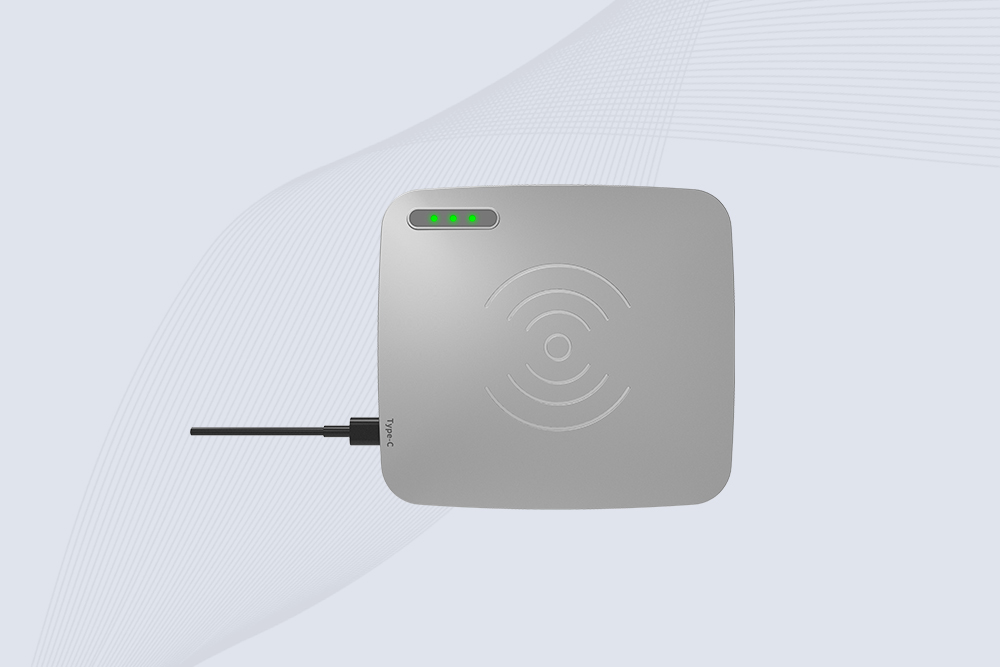
CYKEO CYKEO-D1C USB RFID Card Reader is a near-field UHF desktop writer designed for secure, short-range tag encoding. With USB-C connectivity and stable 26 dBm output, this rfid reader usb c is ideal for badge issuance, label encoding, and controlled desktop RFID workflows.
CYKEO CYKEO-D2L RFID Reader USB is a compact desktop encoder built on the Impinj R500 chip. With near-field control and stable USB power, this usb rfid card reader delivers precise tag writing for offices, retail counters, and small-scale logistics encoding tasks.
CYKEO CYKEO-D3L USB RFID Tag Reader delivers stable UHF tag reading and writing for daily desktop and light industrial tasks. Designed for controlled short-range operation, this USB RFID Tag Reader works reliably with rfid tag and reader systems in libraries, tool tracking, and inventory registration.
The CYKEO CYKEO-D4L UHF RFID Tag Reader is a stable Desktop RFID Reader designed for accurate tag registration, borrowing, and return workflows. Built with the Impinj R2000 chip, this UHF RFID Tag Reader delivers controlled short-range reads for libraries, asset tracking, and inventory management environments.
The CYKEO CYKEO-D5L Desktop RFID Card Reader is a stable UHF RFID Card Reader designed for controlled short-range reading and writing. Built for libraries, tool rooms, and asset desks, this UHF RFID Card Reader supports dense tag handling, secure data processing, and easy USB integration.
The CYKEO CYKEO-D6L RFID Reader Writer is a heavy-duty Desktop RFID Reader designed for short-range, high-accuracy tag programming. Built for libraries, labs, and asset desks, this RFID Reader Writer supports batch processing, stable 33dBm output, and seamless integration with existing management systems.
Cykeo CYKEO-D8A embedded RFID badge reader offers 30+ tags/sec scanning, 20cm anti-crosstalk precision, and DC 12V power for unmanned stores, warehouses, and smart inventory systems.
Cykeo’s CYKEO-D8C UHF RFID gate reader achieves 200-tag/batch scanning with adjustable power control, ideal for retail inventory and smart warehouse management.
CYKEO Embedded RFID Modules are designed for compact industrial and IoT devices that require stable UHF performance. These UHF RFID Modules support global protocols, flexible power control, and reliable multi-tag reading for smart cabinets, production lines, and asset tracking systems.
CYKEO Embedded RFID Module is built for compact IoT and industrial devices that need stable UHF performance. This UHF module supports global protocols, low power operation, and reliable multi-tag reading for smart lockers, production lines, and always-on RFID systems.
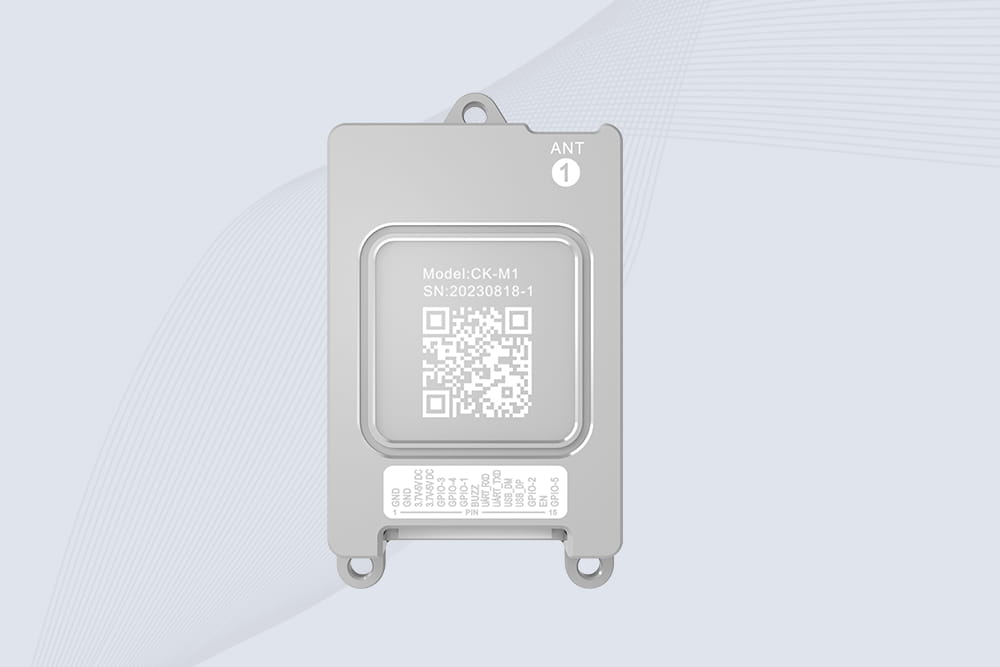
CYKEO CYKEO-M1 drone rfid module is a compact UHF RFID reader module designed for drones and UAV platforms. It supports long-range aerial scanning, fast multi-tag reading, and stable performance in wind, vibration, and outdoor environments.
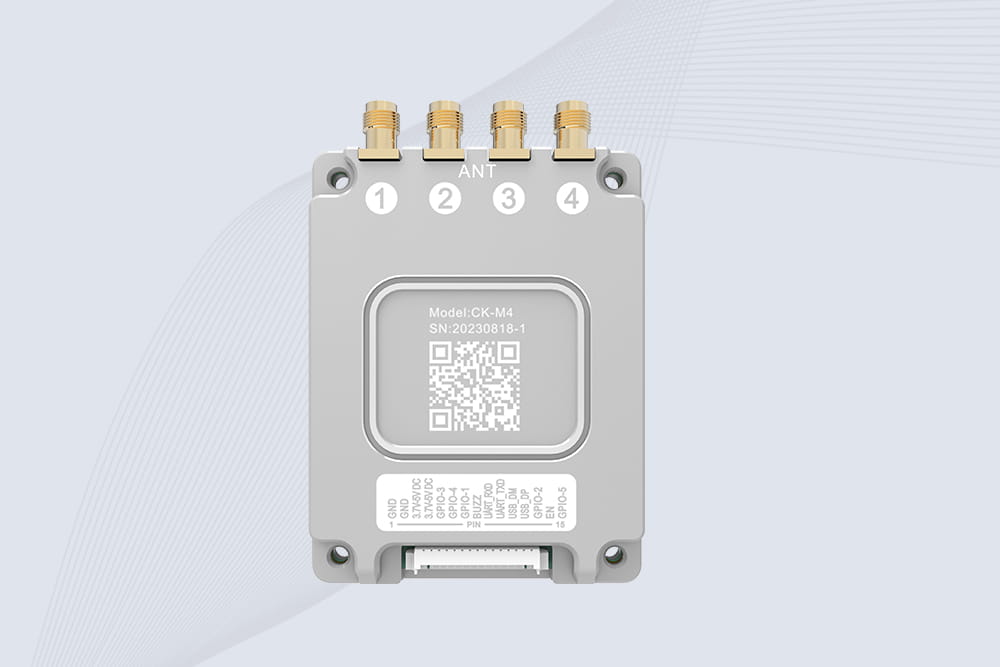
CYKEO CYKEO-M4 RC522 RFID Module is an industrial-grade UHF RFID reader with 4 ports, supporting ISO, EPC, and GB protocols. High-speed, accurate reading for IoT, automation, and warehouse applications.
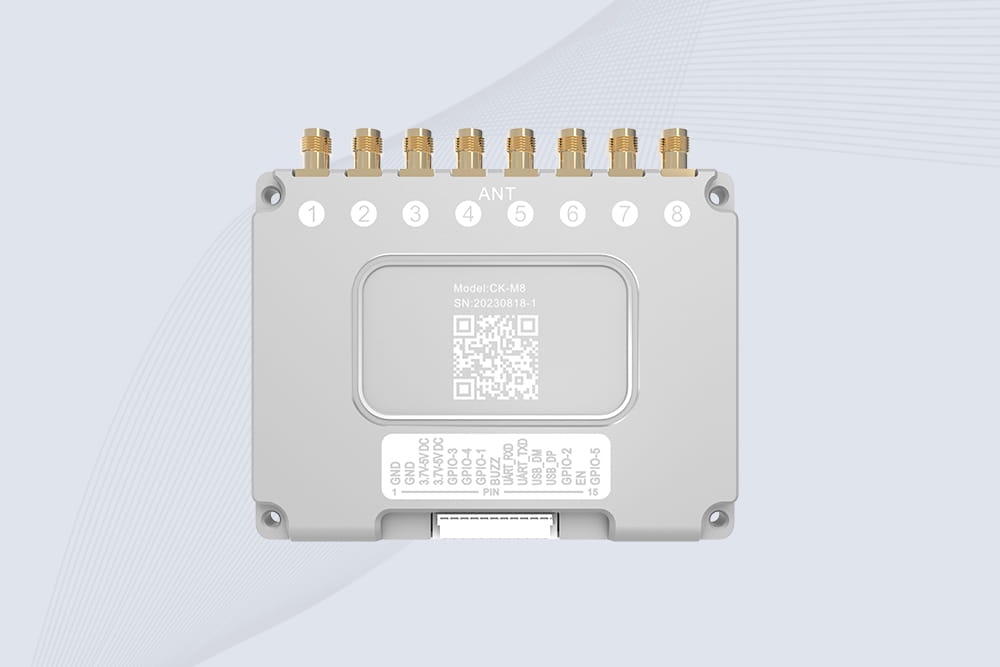
CYKEO CYKEO-M8 Module RFID is an 8-port UHF R2000 RFID Module designed for high-density, multi-tag environments. Stable 33dBm output, ISO & GB protocol support, ideal for warehouses, factories, and automated systems.
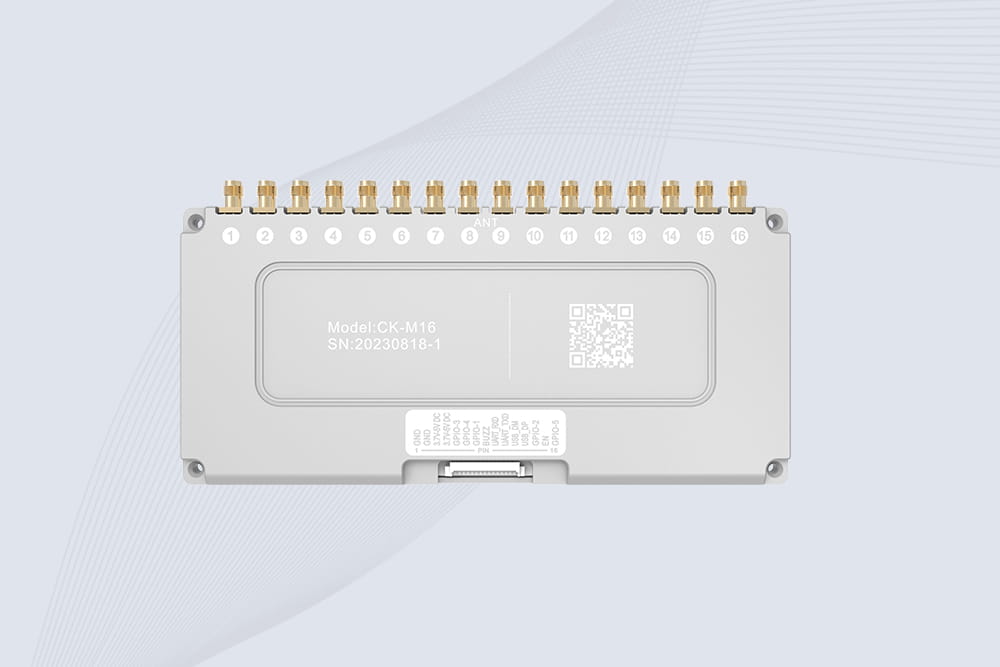
CYKEO CYKEO-M16 RFID Module is a 16-port UHF RFID reader module based on the R2000 chipset. Designed for dense tag environments, it supports ISO and GB standards and delivers stable multi-antenna control for industrial automation.
The CYKEO CYKEO-M16L RFID Reader Module is a 16-channel UHF RFID core designed for dense tag environments. With adjustable 33dBm output, multi-protocol support, and stable multi-antenna control, this RFID Tag Reader Module fits industrial automation, warehouse systems, and large-scale IoT deployments.
CYKEO CYKEO-M8L module RFID is a compact industrial UHF module built for dense tag and multi-antenna environments. With 8 RF ports, adjustable 33 dBm output, and ISO & GB protocol support, it is widely used in factories, warehouses, and automated tracking systems.
CYKEOCYKEO-M4L UHF RFID Module is a compact 4-channel RFID tag reader module designed for dense tag environments. Supporting ISO and GB protocols, it delivers stable reads up to 10 meters for industrial and IoT systems.
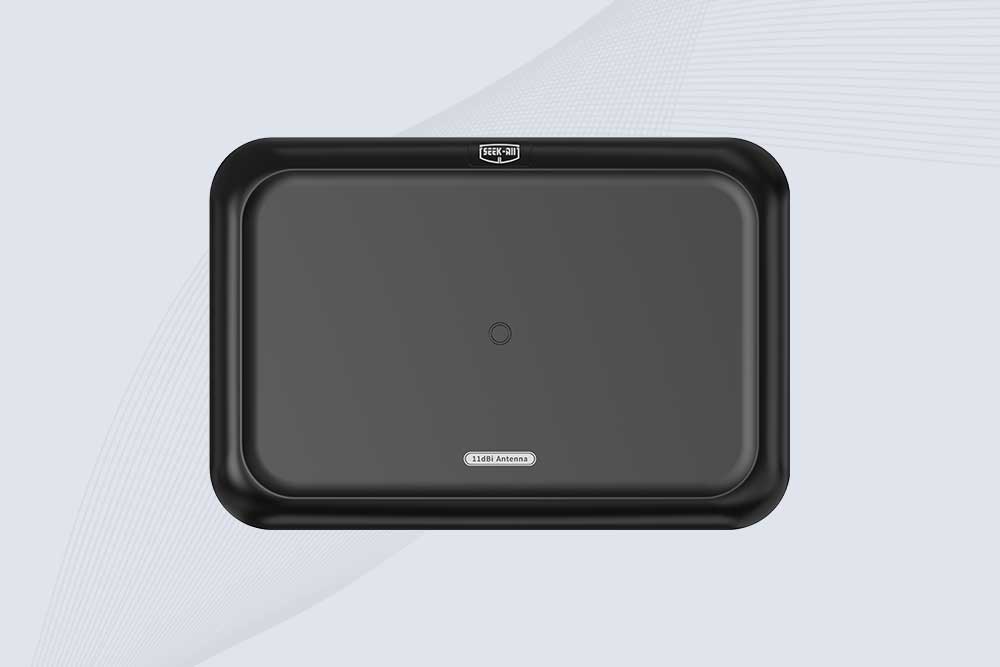
Cykeo CYKEO-A11 UHF RFID reader antenna delivers 11dBi gain, 840-960MHz frequency range, and IP65 ruggedness for retail, logistics, and industrial RFID systems. Features low VSWR and easy installation.
CYKEO Antenna RFID Reader delivers stable long-range UHF performance with a 10.5dBi directional design, built for warehouses, conveyor portals, and industrial RFID systems. This rfid reader antenna provides 20m+ read distance and rugged IP67 protection.
Cykeo CYKEO-A5B industrial Linear RFID Antenna delivers 5dBi gain, ≤1.5:1 VSWR, and IP65 rugged design for warehouse, production line, and logistics UHF systems.
Cykeo’s CYKEO-B12 Long Range RFID Antenna delivers 15m+ read range with 12dBi gain, IP65 rugged design, and global 840-960MHz UHF support. Ideal for warehouse/logistics asset tracking.
Cykeo CYKEO-B10 Long Distance RFID Antenna offers 10dBi gain, 840-960MHz frequency range, IP65 rating, and 20m+ coverage for logistics/warehousing/ETC systems. Low VSWR ensures stable signal transmission.
Cykeo CYKEO-A6 UHF RFID panel antenna features 6dBi gain, 840-960MHz broadband, IP65 metal-ready housing for logistics/smart retail. 18mm ultra-thin design with tool-free mounting.
Cykeo CK-A3 industrial antenna RFID UHF offers 5m+ tag detection, ≤1.3:1 VSWR, IP65 rugged design, and global UHF spectrum compatibility (840-960MHz) for warehouses, factories, and retail.
Cykeo CYKEO-B5 directional RFID antenna provides 5dBi gain with 60° narrow beamwidth for precise inventory tracking. IP65-rated, global UHF frequency support, and low VSWR.
Create your own high-performance DIY RFID antenna! 5dBi gain, 840-960MHz tunable, step-by-step guides. Compatible with Arduino, Raspberry Pi, and commercial UHF readers.
Cykeo CYKEO-A7 Flexible RFID Antenna features 840-960MHz wideband tuning, 7dBi gain, and IP68 rating for medical/retail/industrial curved surface deployments. 98% read accuracy with peel-and-stick installation.
Cykeo CYKEO-B5A industrial Passive RFID Antenna delivers 5dBi gain, 70° beamwidth, and -40°C~55°C operation for warehouses/smart cabinets. Compatible with Zebra/Impinj readers.
Cykeo’s CYKEO-A9B High Gain RFID Antenna delivers 15m+ read range with 9dBi amplification. Features IP54 rugged design, 840-960MHz bandwidth, and 80° beamwidth for warehouse/manufacturing RFID systems.
Cykeo’s enterprise-grade 8dbi Impinj RFID Antenna 10m+ read range with 840-960MHz tuning. Features IP65 housing, 1.4 VSWR, 35° beamwidth for retail/warehouse RFID systems.
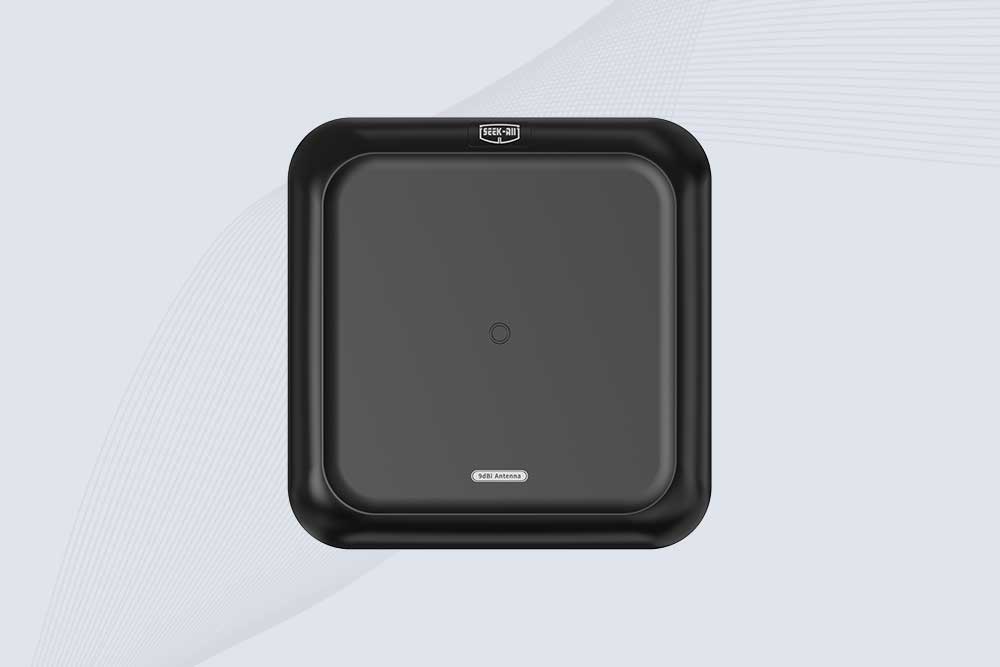
Cykeo CYKEO-A9 industrial UHF RFID antenna delivers 9dBi gain, 840-960MHz frequency range, and IP65 protection for warehouse/logistics/retail RFID systems. Features N-type connector and ≤1.3:1 VSWR.
CYKEO UHF RFID Antenna built for long-distance and industrial applications. This antenna rfid uhf delivers strong gain, outdoor durability, and reliable tag performance in warehouses, yards, and vehicle ID systems.
CYKEO Antenna RFID delivers reliable long-range UHF performance in warehouses, retail shelves, and cold-chain environments. This compact uhf rfid antenna provides stable reads with circular polarization and ultra-wide 840–960 MHz support, ideal for industrial tracking, smart shelves, and asset monitoring.
Cykeo’s CYKEO-C8 UHF RFID antennas delivers 8dBi gain, 840-960MHz full-band coverage, and IP65 ruggedness for manufacturing/warehouse RFID systems. Industrial RFID Antennas Features
Cykeo’s 8dBi UHF RFID antenna and reader kit delivers 10m+ range, 840-960MHz broadband, and IP65 ruggedness for factories, warehouses, and logistics. ISO 18000-6C & EPC Gen2 certified.
Learn why procurement teams choose armoire RFID smart cabinets for asset control and inventory visibility. Discover cost benefits, loss reduction, and why RFID cabinets outperform traditional storage solutions.
Learn how to design a reliable RFID gate system using fixed readers, directional antennas, and middleware. Explore RFID portal architecture, multi-antenna layouts, warehouse automation strategies, and methods to reduce interference between RFID ga...
USB RFID reader troubleshooting involves identifying whether a problem comes from the USB connection, tag compatibility, reading environment, data output, or...
RFID surgical instrument tracking helps hospitals reduce lost tools, improve OR efficiency, and ensure compliance. See how CYKEO delivers real results.
 Cykeo RFID IoT Solution Products R&D Manufacturer