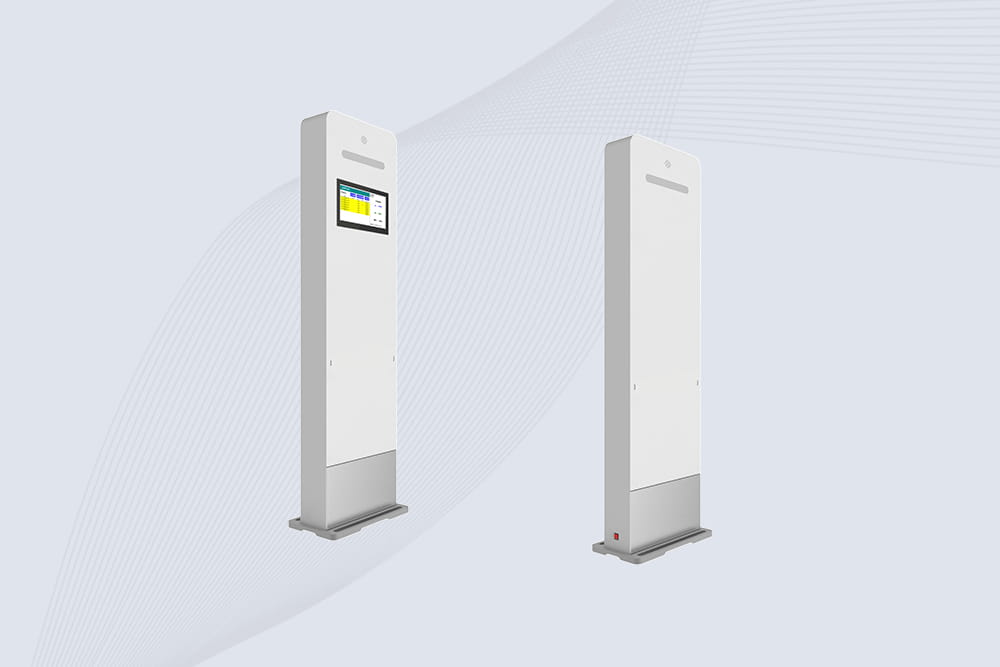
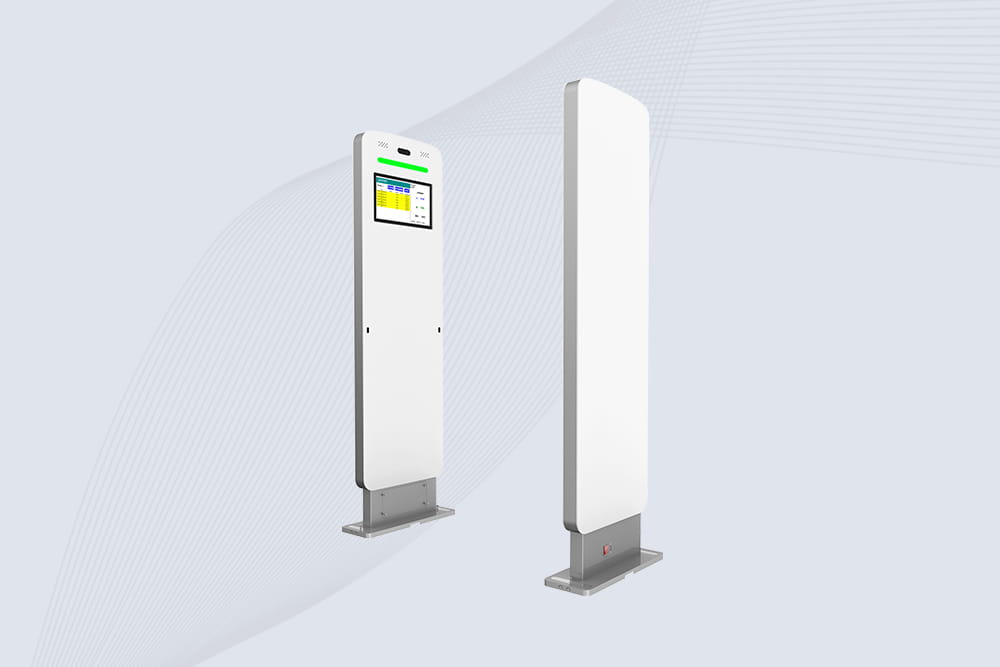
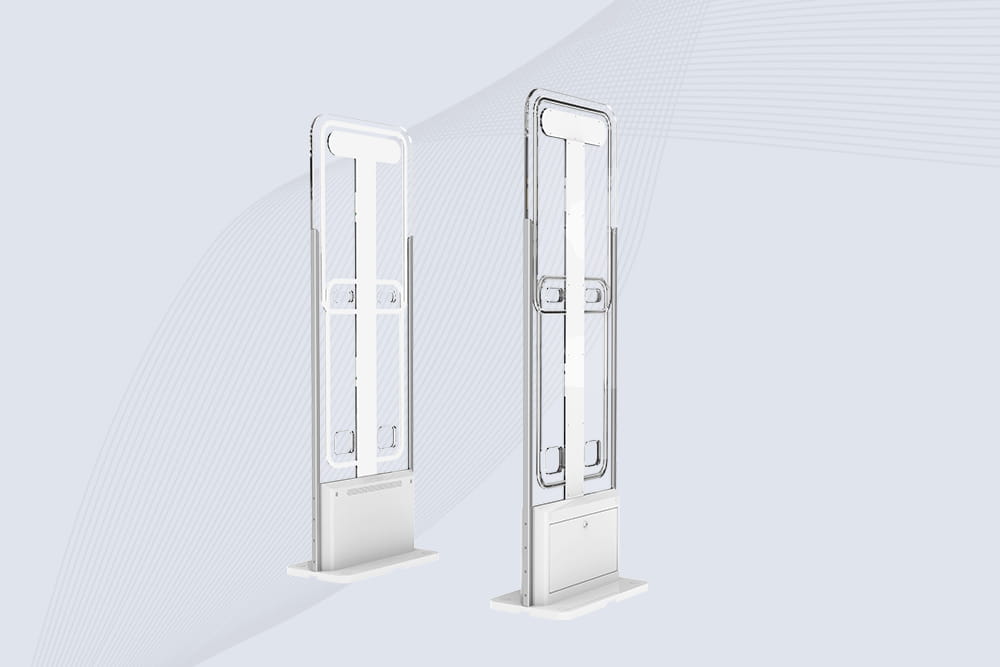
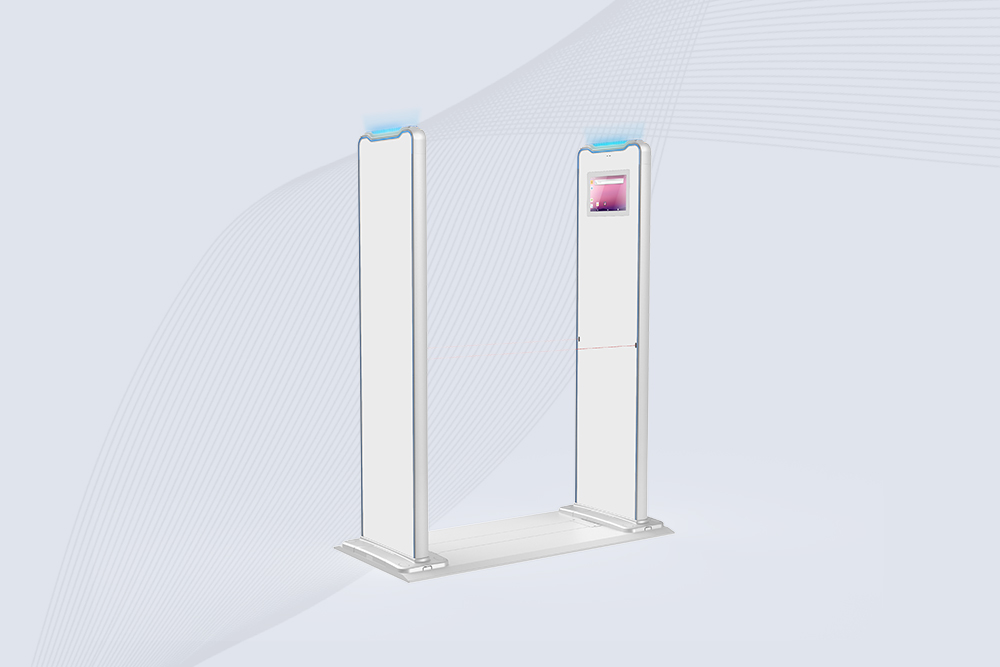
Ask any warehouse manager where the day actually gets lost, and few will point to the racking or the pick lines. It’s the yard. Trucks queue at the gate while a guard copies plate numbers. Dock crews wait for paperwork that arrives twenty minutes after the trailer does. Outbound loads get scanned carton by carton while the driver watches the clock. RFID warehouse yard management attacks exactly these choke points — gate check-in, dock receiving, and outbound verification — by letting fixed readers identify vehicles and tagged loads automatically, without anyone leaving a cab or picking up a clipboard.
For integrators and wholesale buyers, though, the interesting question isn’t whether RFID works in a yard. It’s which hardware configuration fits the project, because yard environments punish under-specified equipment faster than almost any other RFID application.
Why the Yard Is the Right Place to Start with RFID
Most RFID conversations inside a warehouse begin with inventory accuracy. That’s a legitimate goal, but it’s also the hardest one: item-level tagging across thousands of SKUs is a long campaign. The yard is different. A yard only needs to track a few hundred moving objects — trucks, trailers, and the loads attached to them — and each one passes a fixed, predictable checkpoint.
That geometry favors fixed infrastructure. One reader at a gate can register every inbound vehicle for an entire shift. Four readers across a bank of dock doors can confirm pallets leaving on the correct trailer. The return shows up in weeks, not quarters: shorter gate queues, fewer mis-shipments, and a timestamped record of every vehicle movement that manual logs never captured reliably.
How RFID Yard System Actually Works
A yard deployment has three layers, and skipping any of them is the most common cause of failed pilots.
Layer 1: Vehicle and Asset Tags
Every truck, trailer, and reusable container gets a UHF tag — on the windshield, the front panel, or the trailer frame. Fleets that own their vehicles usually use rigid windshield-mount tags. Mixed fleets handling external carriers often pair permanent vehicle tags with disposable tags applied to pallets or shipping labels per load. Metal-heavy trailers need tags rated for on-metal mounting; an ordinary label slapped on an aluminum box body will read inconsistently, and the inconsistency will be blamed on the reader.
Layer 2: Fixed Long-Range Readers at Checkpoints
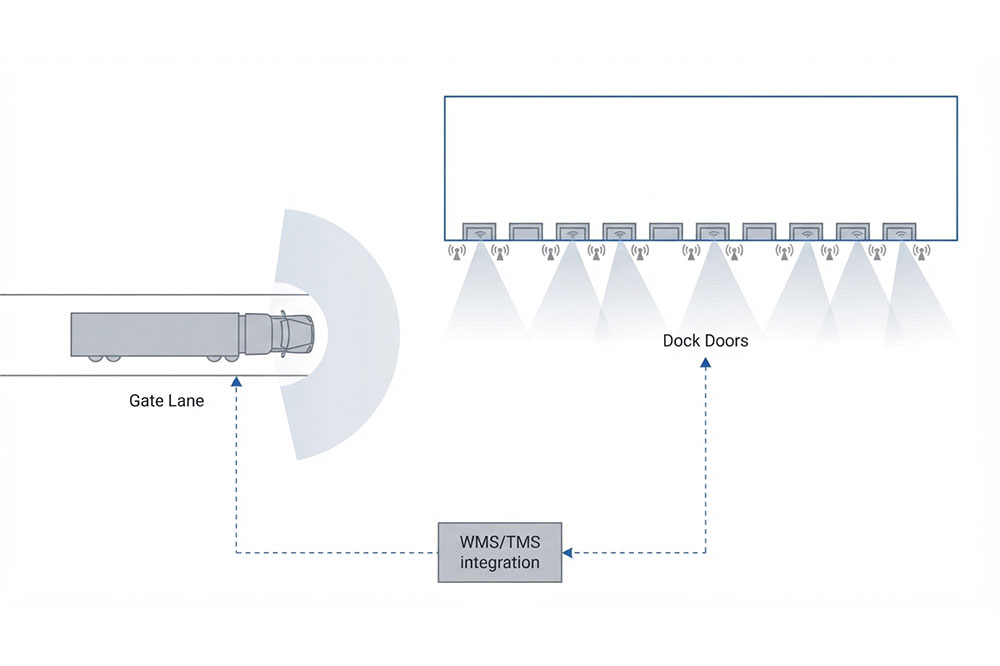
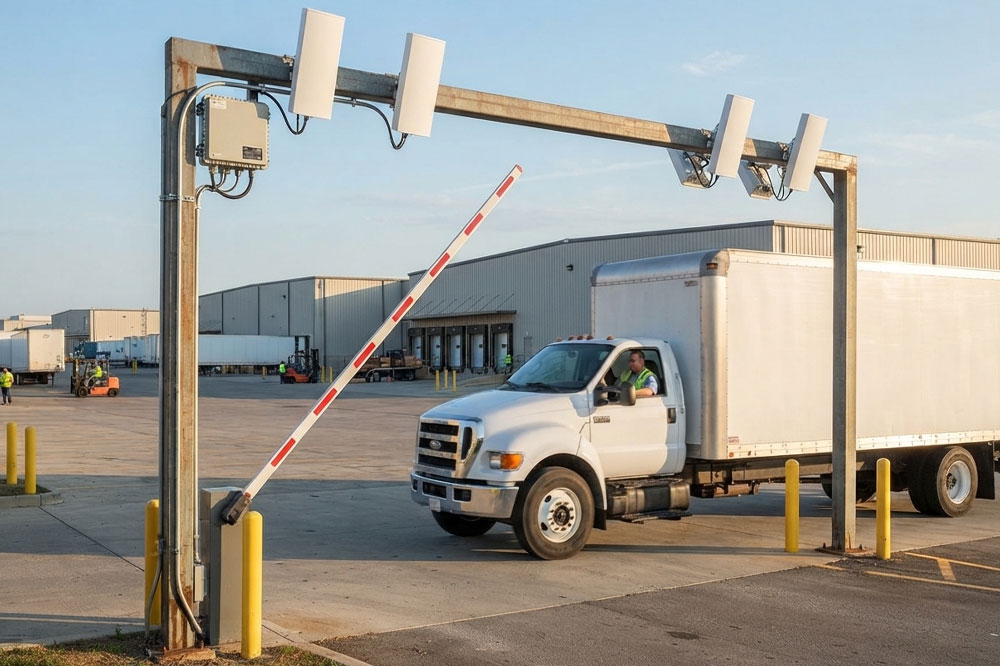
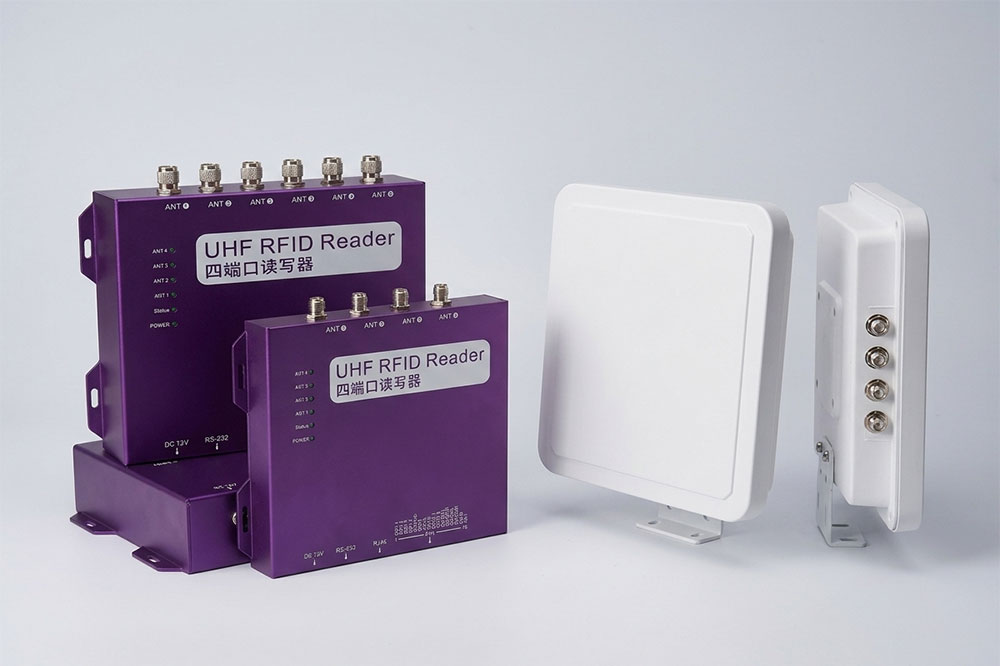
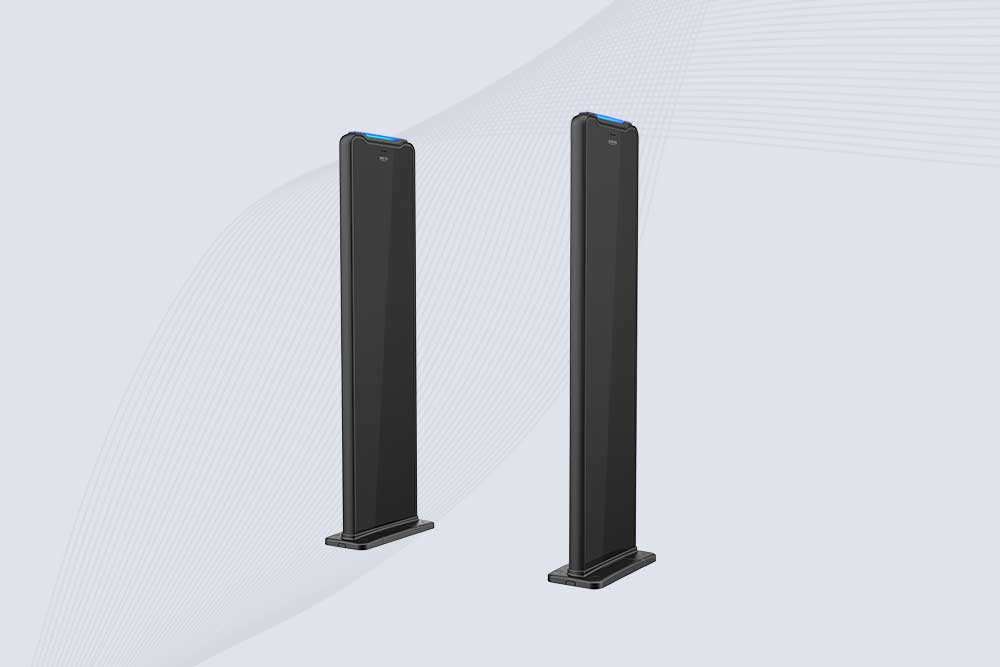
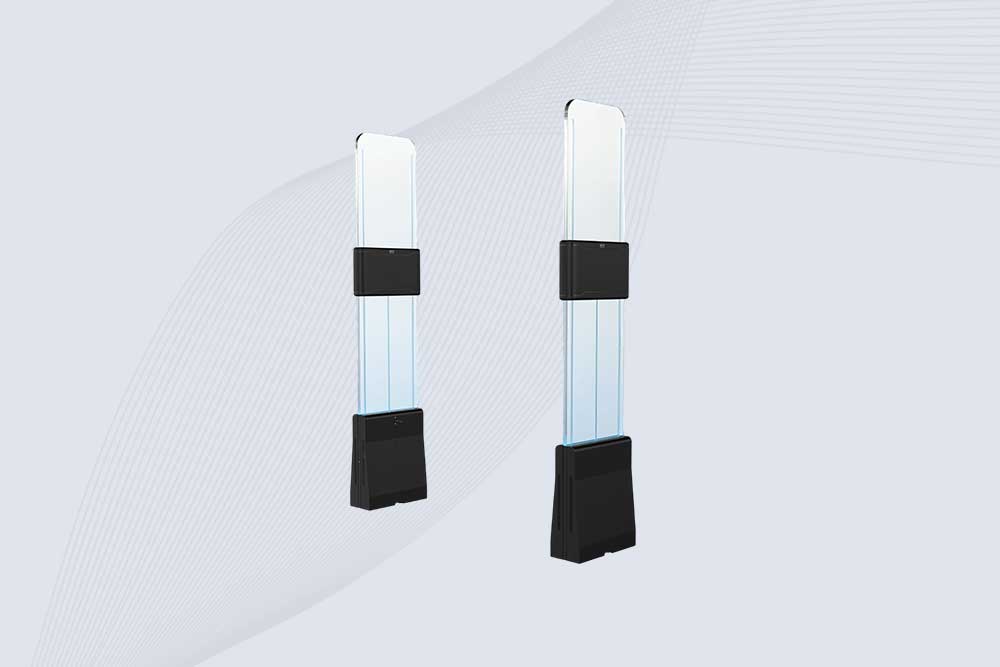
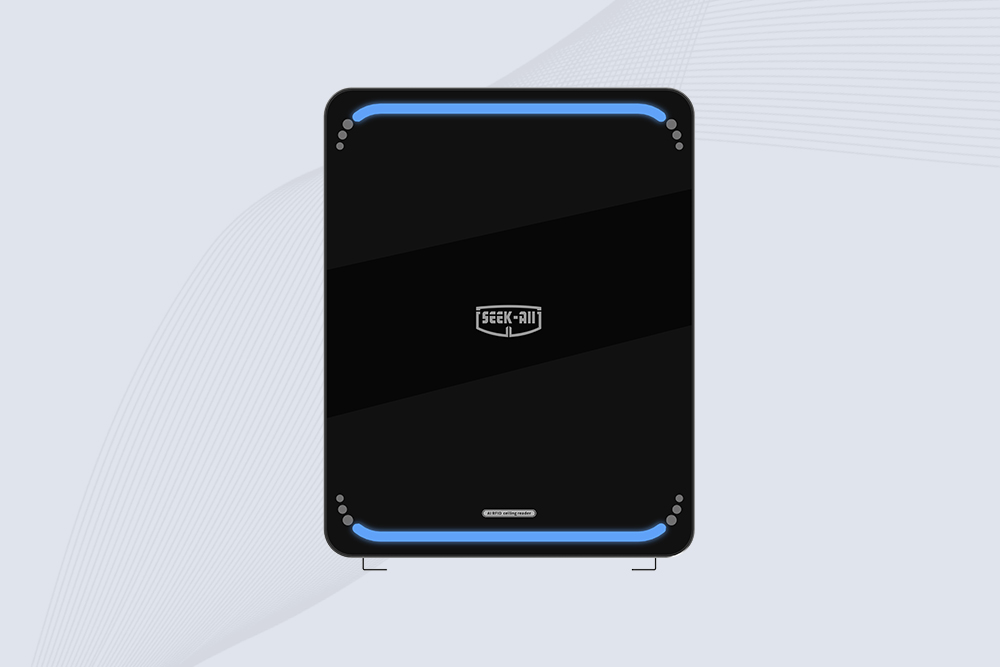
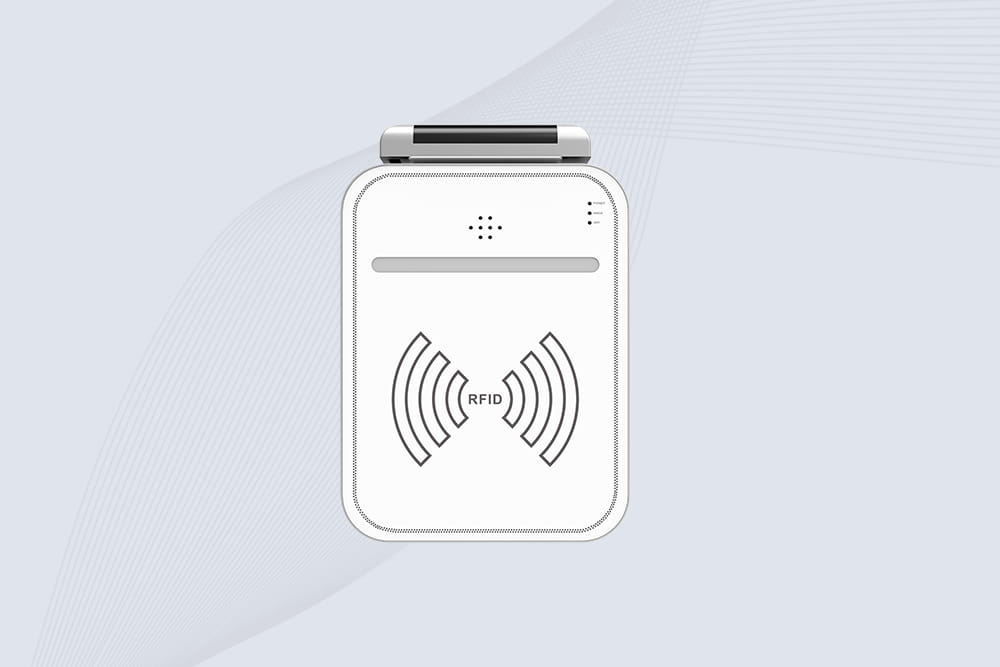
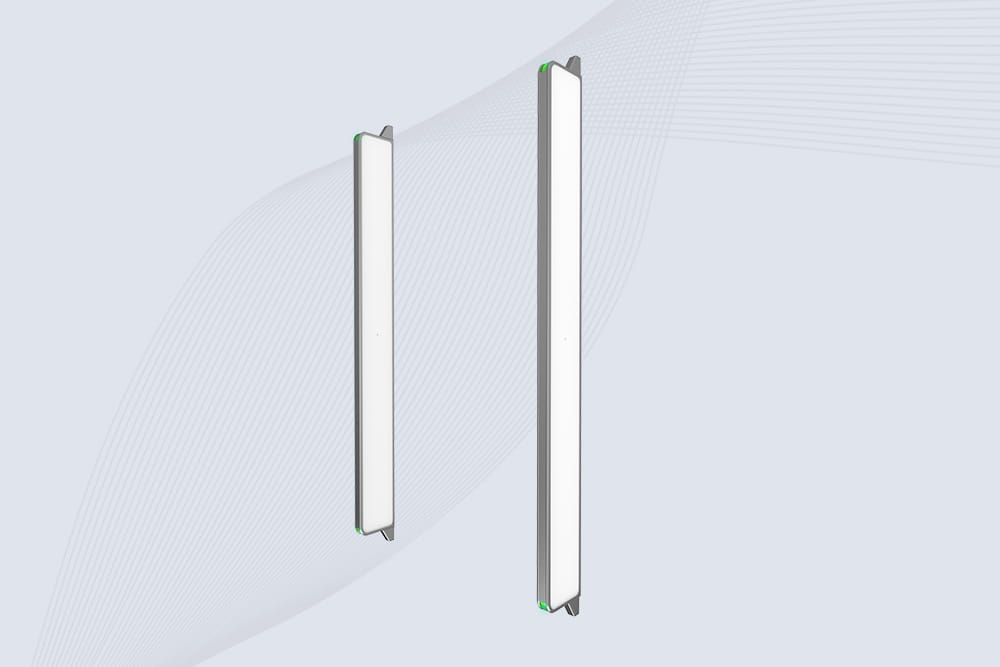
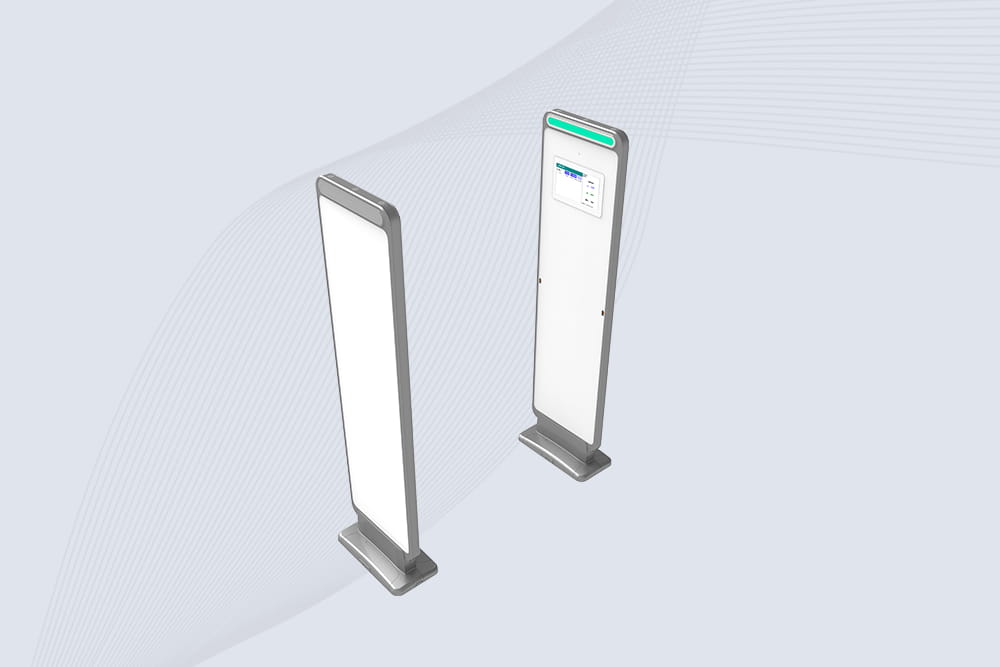
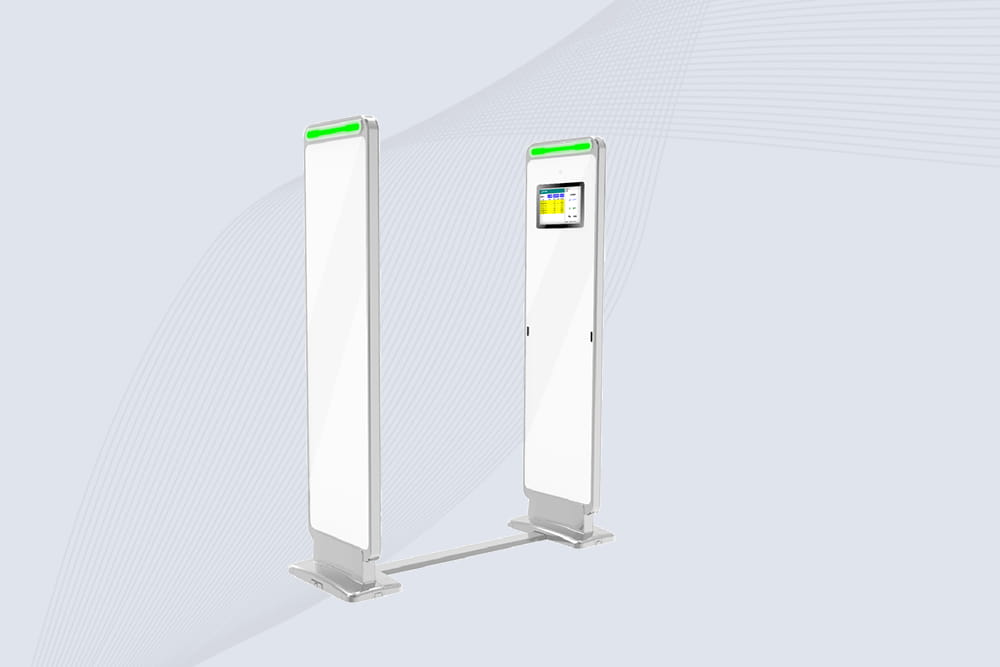
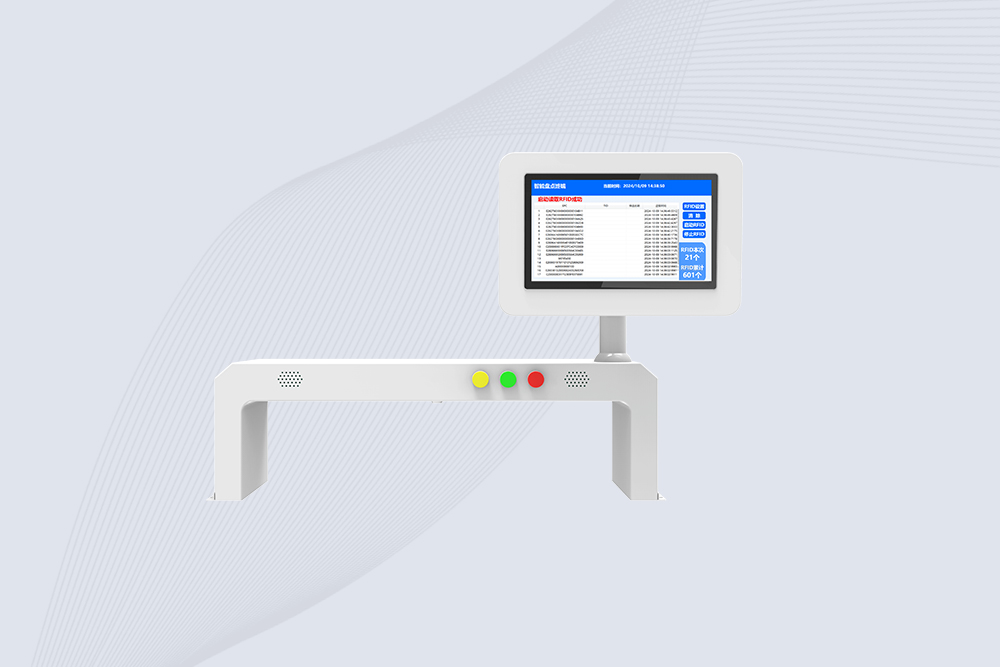
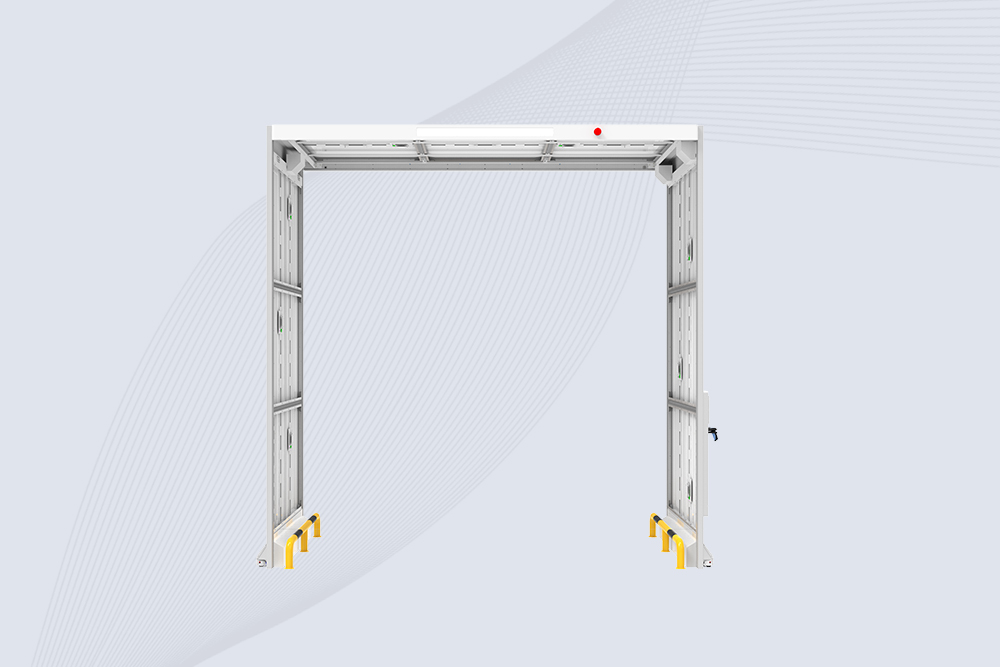
This is the core hardware decision. Gates typically use a long-range UHF reader with directional antennas creating a defined read zone across the lane. Dock doors use multi-port fixed readers driving one antenna per door, so the software knows not just what left, but which door it left through. A 4-port or 8-port fixed reader covers most mid-size dock faces; larger distribution centers step up to 8- and 16-port units to keep cabling and controller count down.
Layer 3: Software That Turns Reads into Events
Raw tag reads are not yard management. The value appears when the middleware interprets them: Truck T-4471 entered the yard at 14:02, was assigned Dock 7, its inbound pallets were confirmed at 14:41, and it departed at 15:20. This is where the reader’s SDK and API quality matter as much as RF performance, because someone on your team — or the end customer’s — has to wire these events into a WMS, TMS, or access-control platform.
Automating Inbound: Gate to Dock Without Stopping
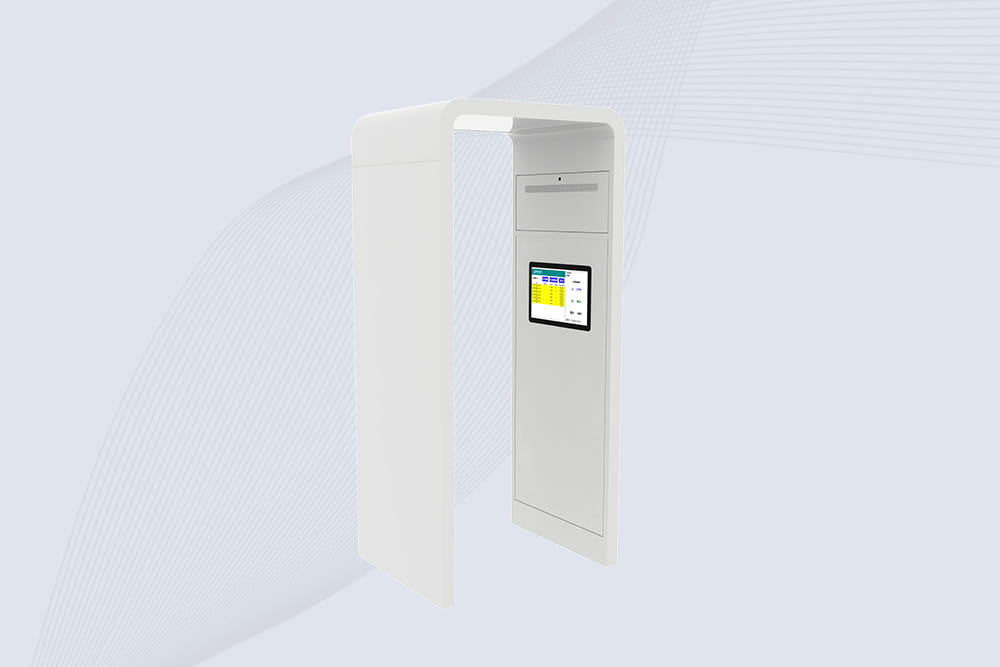
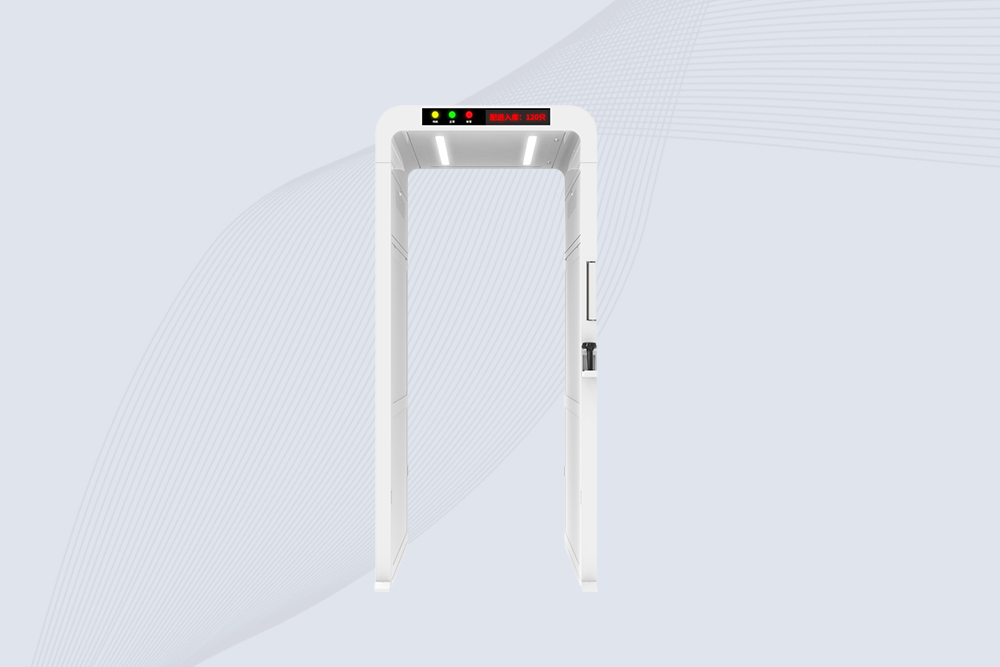
Inbound flow is where RFID pays back fastest. A tagged truck approaching the gate enters the antenna’s read zone; the system validates the vehicle against an appointment list, opens the barrier, and logs arrival time automatically. The driver never stops, and the guard tower stops being a bottleneck during peak windows.
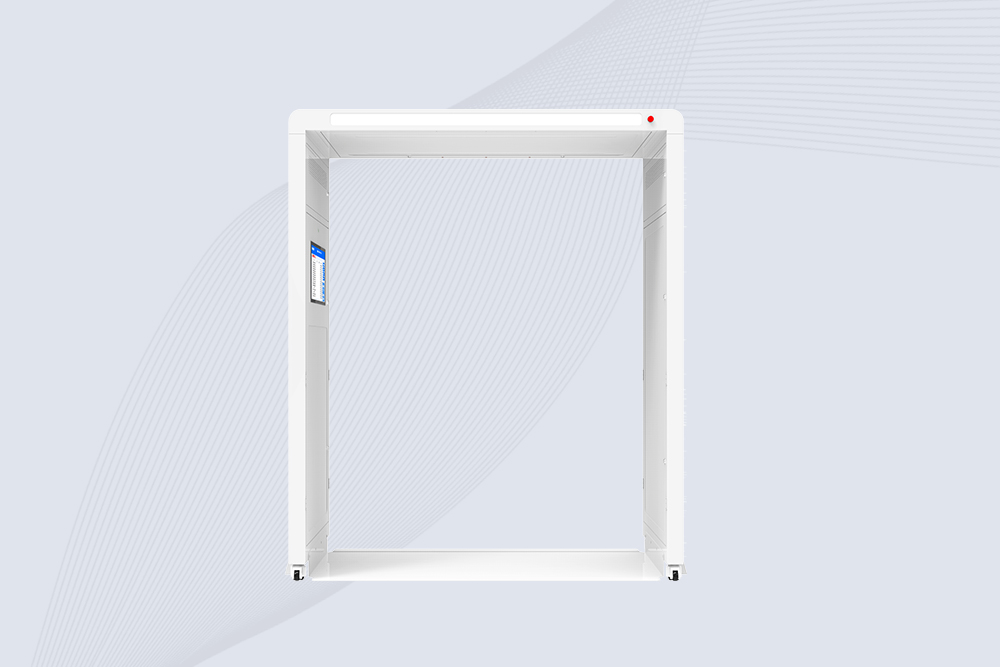
At the dock, the sequence repeats for cargo. Pallets tagged at origin pass a portal or a reader array over the door as they’re loaded or unloaded. Receiving becomes a confirmation event rather than a scanning session: the system compares what physically crossed the threshold against the ASN or purchase order and flags discrepancies immediately — the moment they can still be fixed, instead of three days later during a count.
For yards moving hundreds of pallets per trailer, bulk-read capability is the differentiator. Readers that sustain 600+ tags per second clear a full trailer during a single forklift pass; slower equipment forces crews to pace their movements to the hardware, which quietly erodes the labor savings.
Automating Outbound: Verification and Loading Control
Outbound is where RFID prevents expensive mistakes. Loads staged for shipment pass a dock-door portal on the way to the trailer; a mismatch — pallets from order A mixed into a shipment for customer B — triggers an alert before the trailer door closes. Post-departure reconciliation becomes a report instead of an investigation.
Vehicle-mounted readers add a second layer for larger operations. A reader on the forklift or yard tractor reads tags on racks, staging lanes, and trailers as the vehicle moves, keeping location data current without dedicated audit walks. Handheld readers then cover the exceptions: spot checks, damaged-tag replacement, and loads that arrive untagged from external carriers.
Hardware Selection Guide for Wholesale and Project Buyers
Buyers purchasing in volume — for resale, or for multi-site rollouts — should evaluate on these criteria rather than headline read range:
1. Port count and antenna expansion. Dock faces and multi-lane gates want more antenna ports, not more boxes. An 8-port reader serving four dock doors costs less to install and maintain than four single-port units.
2. Environmental rating. Gates and yard lanes live outdoors. IP67 enclosures, lightning protection, and a workable operating temperature range are baseline requirements, not upgrades. Indoor dock portals can relax to IP65.
3. Integration surface. Demand the SDK, sample code, and protocol documentation before committing. Readers that only talk to the vendor’s own software lock your customer into a stack they may outgrow.
4. Bulk-read performance under real density. Bench tests with five tags tell you nothing. Ask how the reader performs anti-collision with several hundred tags crossing simultaneously — that’s the yard scenario.
5. Cost per covered checkpoint. At volume, compare quotes on cost per gate or per dock door including antennas, cabling, and mounting — the accessories line routinely swings total project cost more than the reader’s list price.
For teams building their first yard quote, Cykeo’s fixed RFID readers cover the 4/8/16-port range most dock projects need, the long-range RFID reader line handles outdoor gates with IP67 protection, and the RFID antennas category includes the directional panels used for lane coverage. Volume buyers comparing options across the catalog can start from the full RFID product list.
Common Deployment Mistakes (and What They Cost)
The recurring failures we see in yard projects are rarely exotic. Antennas mounted too high or angled past the lane let trucks in adjacent lanes trigger gates. Tags mounted on metal surfaces without on-metal rated tags produce intermittent reads that get misdiagnosed as reader faults. And software teams treated as an afterthought discover mid-project that the reader’s event model doesn’t map to the WMS. Each of these is avoidable with a site survey and an integration proof-of-concept before the bulk order — two weeks of diligence that protects a five-figure hardware commitment.
FAQs
Q1: How far can an RFID yard reader actually detect a truck?
Reliable vehicle identification typically happens within 5–15 meters depending on antenna gain, tag type, and mounting. Chasing maximum range is the wrong goal — a well-shaped 8-meter read zone that never misses beats a 20-meter zone that reads neighboring lanes. Vehicle speed matters more than distance: a truck at walking pace is easy; one at 40 km/h through a narrow window is an antenna-alignment problem.
Q2: Do drivers need to stop or scan anything?
No. With passive UHF windshield tags, identification happens as the vehicle passes the gate reader. That’s the core operational advantage over barcode or manual check-in at high-traffic gates.
Q3: What’s the realistic payback period for a mid-size distribution yard?
For a yard with 30–100 daily truck movements, integrators commonly see the gate labor savings and dock error reduction offset hardware costs within 12–24 months. Yards with high mis-shipment rates or demurrage exposure recover faster, because each avoided error carries a real invoice value.
Q4: Can RFID yard data connect to our existing WMS or TMS?
Yes, provided the reader vendor exposes open APIs and SDKs. Cykeo readers ship with SDK and API support for WMS/ERP/MES integration — confirm the event format during the POC stage rather than after deployment.
Q5: We handle external carrier trucks we can’t tag. Does RFID still work?
Yes, with a hybrid approach: permanent tags on your own fleet and containers, plus disposable tags applied at check-in for external vehicles, or handheld readers at the dock for exception handling. Many yards phase this in — own fleet first, carriers second.
SSD-T4A-P Smart access control with real-time crowd tracking ✔️ AI Tag Filtering for Reduced Misreads SSD-T4A-P supports AI-based tag filtering and up to 6 EPC filtering sets, helping reduce unwanted reads and improve identification accuracy in busy entrances, exits, and retail environments. ✔️ Fast In & Out Detection with Visual & Audio…
SSD-T4A UHF RFID Gate Reader with 11 dBi antenna, up to 10 m reading distance, AI tag filtering, in/out detection, 300,000 data storage, and TCP/HTTP/MQTT support.
SSD-T2D UHF RFID Gate Reader with 11dBi circular antenna, Impinj E710/X3M1 chipset, up to 10m reading distance, AI tag filtering, in/out detection, and audio-visual alarms.
SSD-T1 ✔️ AI-Powered Tag Filtering SSD-T1 supports AI-based tag filtering with up to 6 EPC filtering sets, helping reduce unwanted tag reads and improve identification accuracy in busy retail and access-control environments. ✔️ Reliable In & Out Detection With a 7dBi antenna and a reading range of up to 2.5 meters, SSD-T1 can detect tagged i…
SSD-T1G is a 12 dBi AI RFID ceiling-mounted reader with 10m reading range, In/Out detection, AI tag filtering, 300,000-record storage, and TCP/HTTP/MQTT support.
Cykeo’s CYKEO-T1D industrial RFID ceiling reader features 500 tags/sec scanning, IP54 protection, and -20℃~60℃ operation for retail/warehouse security. Supports ISO18000-6C and GB/T29768 protocols.
Cykeo’s ceiling-mounted RFID reader enables hands-free 5m inventory tracking with 500 tags/min speed. Features dual alerts, ERP integration, and IP54 rating for warehouse security.
Cykeo CK-T1E RFID gate system features 120° coverage, AI motion filtering, and 5m detection for retail/warehouse security. IP67 rugged design with ERP integration.
Cykeo CYKEO-T1B ceiling-mounted RFID system delivers 10-20m reading range, 500+ tags/sec processing, and integrated security alarms. Ideal for warehouse/logistics automation with Android-compatible SDK.
Cykeo’s industrial ceiling-mounted RFID reader offers 10m+ automated inventory tracking, ISO-18000 compliance, and anti-theft alarms. Designed for retail/warehouse/logistics facilities.
Cykeo CYKEO-T3 industrial RFID gate reader features 200cm detection, infrared triggering, and dual alarm modes for warehouses/libraries. Supports WiFi/4G and Java/C# SDK integration.
Cykeo CYKEO-T4 industrial RFID gate system features 4-antenna array, 99.9% detection accuracy, dual EAS alarms, and WiFi/4G connectivity for library/warehouse/retail security. ISO 18000-6C compliant.
Cykeo’s CYKEO-T5 UHF RFID gate reader features 600cm detection, infrared tracking, and dual-mode alarms for retail/library security. Supports crowd counting and multi-protocol integration.
Cykeo’s CYKEO-T4 RFID Gate Reader system offers 200+ tags/sec scanning, EAS alarms, and rugged design for libraries/warehouses. Supports WiFi/4G and Windows/Android OS.
Cykeo HF RFID gate reader offers 90cm detection range, ISO15693/18000-6C compliance, and industrial-grade durability for libraries/retail. Features EAS alarms, infrared traffic analysis, and 3D omni-directional scanning.
Cykeo CYKEO-T7 UHF RFID Gate Reader system delivers 600cm read range, 99.9% tag accuracy, real-time personnel counting, and SAP integration for logistics/warehouse/manufacturing. Supports dual OS & offline alarms.
Cykeo CYKEO-T6 gate RFID reader features 1,200+ tags/min scanning, 6m detection range, and industrial-grade durability for libraries/stores/warehouses. Supports ISO 18000-6C and waterproof installations.
Cykeo CYKEO-T9HA industrial HF RFID gate reader offers 100cm range, 100+ tags/sec scanning, ISO 15693/14443A protocols, and IP66 durability for libraries, archives, and retail. Supports offline alarms and SAP integration.
Cykeo CYKEO-T9UH UHF RFID gate reader offers 90cm detection width, EAS/AFI anti-theft alerts, IP54 rugged design, and multi-protocol support for libraries, retail, and logistics.
Cykeo’s Fixed RFID Gate Reader features 60 tags/sec scanning, IP54 rugged design, and dual-mode EAS alarm. Ideal for library/warehouse/event access control with real-time crowd analytics.
Cykeo CYKEO-T8A rfid gate access control system features IP68 enclosure, 400 tags/sec scanning, and 6-antenna array for warehouse/manufacturing security.
Cykeo CYKEO-T8F RFID gate entry systems deliver 200+ tags/sec scanning, EPC C1G2 compliance, and EAS alarms for warehouse/production gates. Supports Windows/Android OS.
Cykeo CYKEO-T8D RFID gate access control system features 4-antenna 99.98% accuracy, ISO 18000-6C compliance, and real-time theft prevention for libraries/warehouses. Supports Windows/Android OS.
Cykeo CYKEO-T2 industrial RFID gate features 500+ tags/sec scanning, 0-3m vertical detection, and cloud management for warehouse automation and inventory control.
RFID Industry Writer | IoT & Asset Tracking Analyst
James writes about RFID technology, asset tracking, and the practical challenges of digital transformation across warehousing, retail, manufacturing, and logistics.
His work focuses on how RFID is applied in real-world operations—improving inventory visibility, automating workflows, and helping businesses manage assets with greater accuracy and efficiency.
He regularly covers topics including UHF RFID, smart cabinets, RFID portals, tool tracking, warehouse automation, and industrial IoT trends..
Discover whether GPS or RFID is the most effective technology for tracking inventory in stores. Compare accuracy, cost, and use cases for retail operations.
Learn how RFID frequency range affects read distance, speed, and performance. Compare LF, HF, and UHF RFID systems with real-world insights from Cykeo RFID experts.
Retailers in apparel, sporting goods, department stores, and other merchandise sectors use RFID technology to improve inventory visibility, identify products...
 Cykeo RFID IoT Solution Products R&D Manufacturer