 Cykeo RFID IoT Solution Products R&D Manufacturer


What is Lab Logistics Tracking?
194Lab logistics tracking uses RFID technology to automate laboratory inventory, hazardous chemical management, sample traceability, and asset accountability, improving safety and operational efficiency.
MoreAll RFID Product
Anyone who has quoted a warehouse RFID project knows where the budget goes. A modest rollout — say, twenty dock doors, a couple of conveyor checkpoints, and one receiving tunnel — can involve dozens of reader points, and if each one carries a premium multi-port device, the hardware line alone can kill the project before it starts. That is why the low cost fixed RFID reader segment exists, and why it deserves more scrutiny than it usually gets. Cheap hardware that misses tags is expensive in the end; the right budget reader, specified correctly, does the job for years. This guide is written for wholesale buyers, integrators, and project managers who need to compare quotes and make that call.
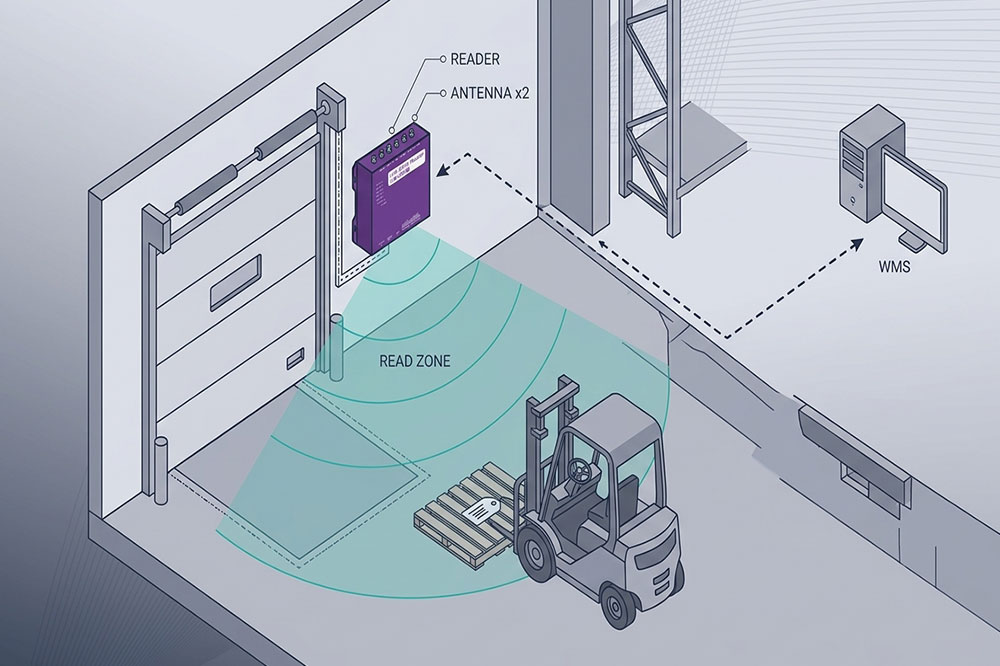
Warehouses and cross-docks scale by checkpoints, not by sites. Every dock door, every conveyor merge, every forklift aisle exit is a potential reader point, so unit price multiplies fast. The typical mistake is evaluating a reader the way you would evaluate a single piece of office equipment — one box, one price — when the real number to compare is cost per checkpoint.
A four-port reader covering two dock doors with two antennas each can cost less per door than a flagship sixteen-port unit covering four. On a twenty-door project, that difference can be tens of thousands of dollars. This is also why we dedicated a separate guide to scanning dense tag populations at range — Long Range RFID Scanner for Warehouse Inventory: How to Scan Hundreds of Tags Faster — because read physics, not price, decides whether a budget reader is even viable for your layout.
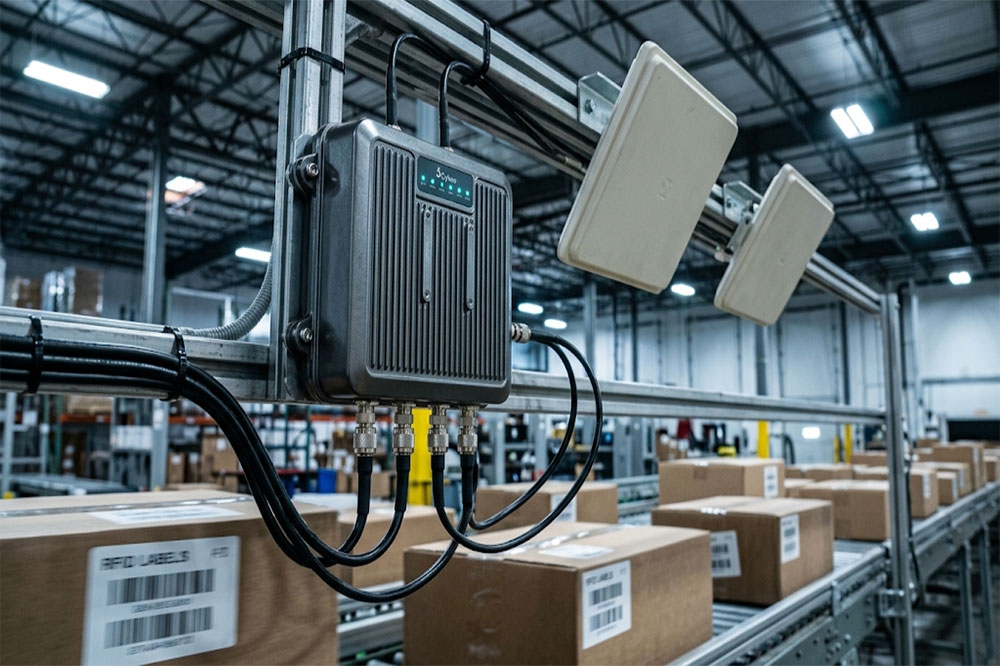
A budget reader is not an excuse for weak RF. For warehouse work, hold the line on four basics:
The reader will talk to your WMS, MES, or a lightweight edge application. Check for:
Dock doors get forklift traffic, dust, and temperature swings. IP54 is acceptable for indoor docks; IP65–IP67 is worth the premium for washdown areas, yards, or cold-chain vestibules. Confirm FCC and CE certification before import — uncertified hardware is a customs and liability problem, not a bargain. Cykeo’s factory background, certifications, and OEM/ODM terms are summarized on the About Cykeo page if you need documentation for your own procurement file.
“choosing a low-cost RFID reader for OEM projects“
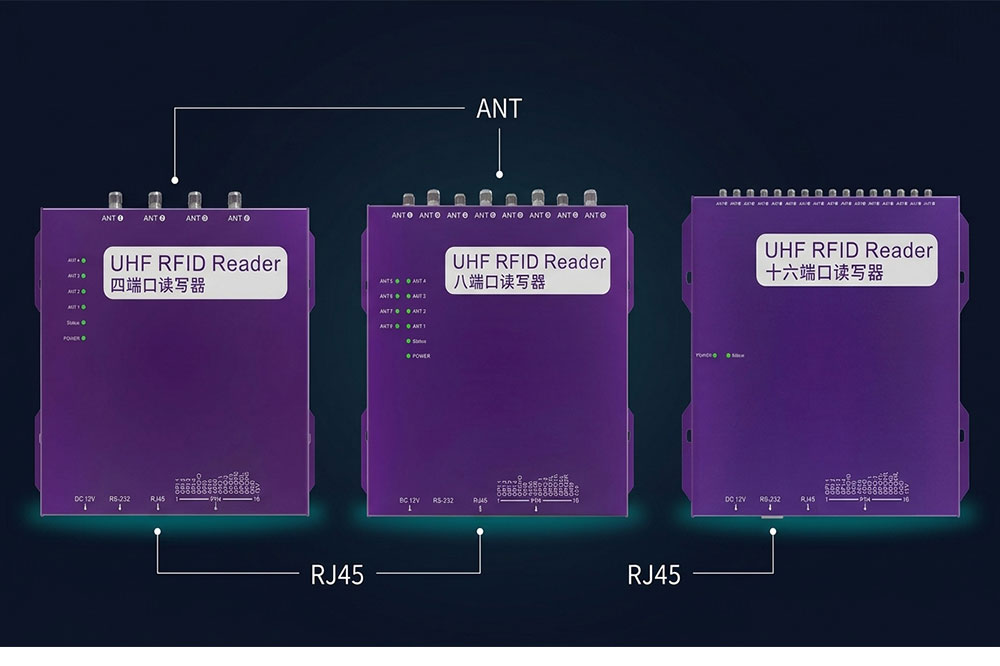
The fixed RFID reader category currently spans 4-port, 8-port, 16-port, and vehicle-mounted units. For budget-driven projects, three tiers matter.
[Image 2 — product-lineup comparison graphic]
At the entry tier, three 4-port models cover most checkpoint designs:
Indicative pricing for this tier starts around $300 per unit at project quantities — before antennas, cables, and mounting, which we cover under TCO below.
When one enclosure must serve two to four adjacent doors or a multi-lane gate, an 8-port unit reduces cabling, controllers, and license count per site. The CYKEO-R8L 8-port fixed RFID reader runs an Impinj-based RF core, sustains 600+ tags/sec, and adds HDMI and Android-class local processing so a simple edge app can trigger the barrier, the camera, and the light stack without a separate industrial PC. Multi-port units start near $600 — still budget territory when you divide by doors served.
Step up when any of these appear: more than four antenna zones per checkpoint, 24/7 outdoor exposure at -20 °C and below, or read zones longer than about 15 m on standard antennas. The UHF RFID antennas you pair with the reader influence range as much as the reader itself, so budget tier does not mean antenna tier can be ignored.
A $300 reader with a $120 antenna pair, $60 of quality coax, and a $40 mounting kit is a $520 checkpoint — before PoE injectors, enclosures, and integration hours. Wholesale buyers should model TCO with five lines:
A “cheap” reader with no SDK, no certificates, and no firmware path usually fails on lines 2 and 4, which is exactly where the savings evaporate.
Range and price trade off — we compare tiers in the low cost fixed RFID reader guide.
developer’s guide to cheap RFID readers with SDK and API“
Dealing directly with a manufacturer changes what you should verify. Before committing a PO, ask:
If the answers are vague, that vagueness is the risk. Cykeo’s full hardware range, including modules for embedded builds, is browsable in the RFID product catalog, and the reader modules page (RFID reader modules) is the right place to look if your product roadmap needs the RF core inside your own enclosure.
Budget 4-port readers earn their keep in four recurring patterns:
For full warehouse workflows — receiving, putaway, cycle counting — pair this hardware with the process blueprint in the RFID warehousing solution overview, and for cross-dock and parcel flows see the RFID logistics solution page.
Entry-class 4-port UHF fixed readers start around $300 per unit at project volume. Industrial multi-port models start around $600, and ruggedized high-performance units from about $1,000. Remember to add antennas, coax, mounting, and integration time — the reader is rarely the largest line in the checkpoint budget.
Yes, for standard doors. Two antennas (one inside, one outside, or one high/one low) give reliable pallet-level reads at 6–10 m. Wider openings or multi-lane gates are where 8-port models justify their premium.
Fixed readers run 24/7 unattended at fixed read zones, so durability, power tuning, and network interfaces matter most. Handhelds trade range for portability. If your use case is checkpoint automation, a fixed unit — even a budget one — will outperform a handheld workflow every time.
If you resell or deploy in the US or EU, yes — without exception. Certification affects customs clearance, insurance, and liability. Always request certificate copies with your sample units.
Look for readers with documented RESTful APIs and sample code in Java or C#. Most WMS platforms accept tag events through middleware, and a clean API turns integration from a custom project into a configuration task.
Send us your checkpoint count, door dimensions, and tag types — Cykeo’s engineering team will come back with a per-checkpoint hardware list, a budget-tier bill of materials, and sample units for field testing. Browse the fixed RFID reader lineup first, or go straight to the full RFID product catalog to see what else belongs in the quote.

Discover SSD-D4AL, a USB-HID UHF RFID reader with 4/8/16 antenna options, Impinj E710/X3M1 chipset, plug-and-play USB power, and OEM customization.
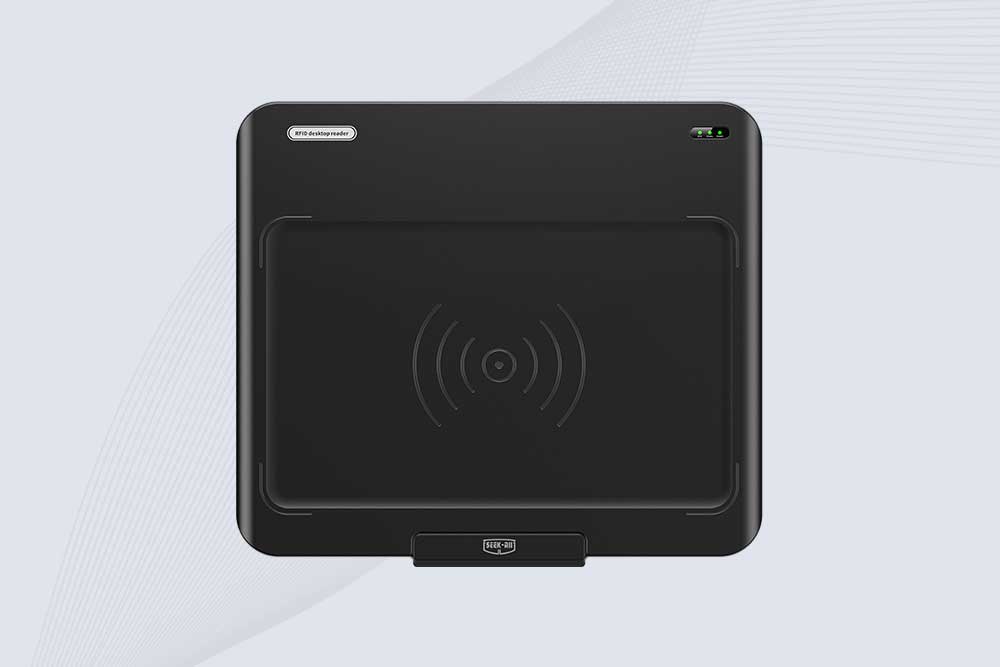
SSD-D3AL is a USB-HID UHF RFID reader with 0–30 cm reading, 0–15 cm writing, over 600 tags/s recognition, USB plug-and-play operation and OEM Logo customization.
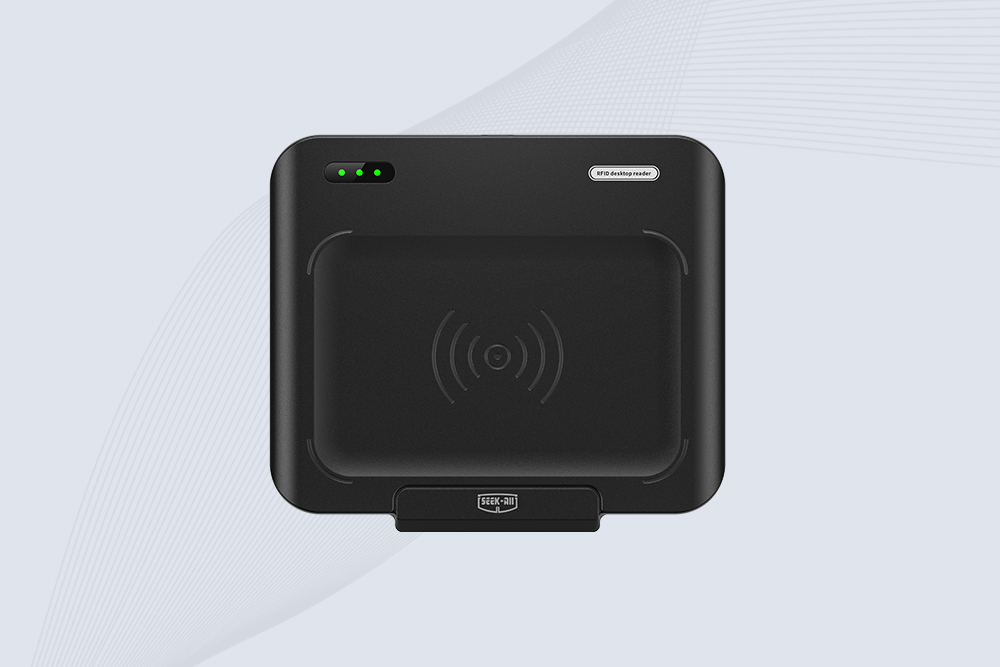
SSD-D1AL is a compact USB UHF RFID reader with Impinj E710/X3M1 chipset, USB-HID, 600+ tags/s recognition, 4/8/16 antenna support and plug-and-play USB power.
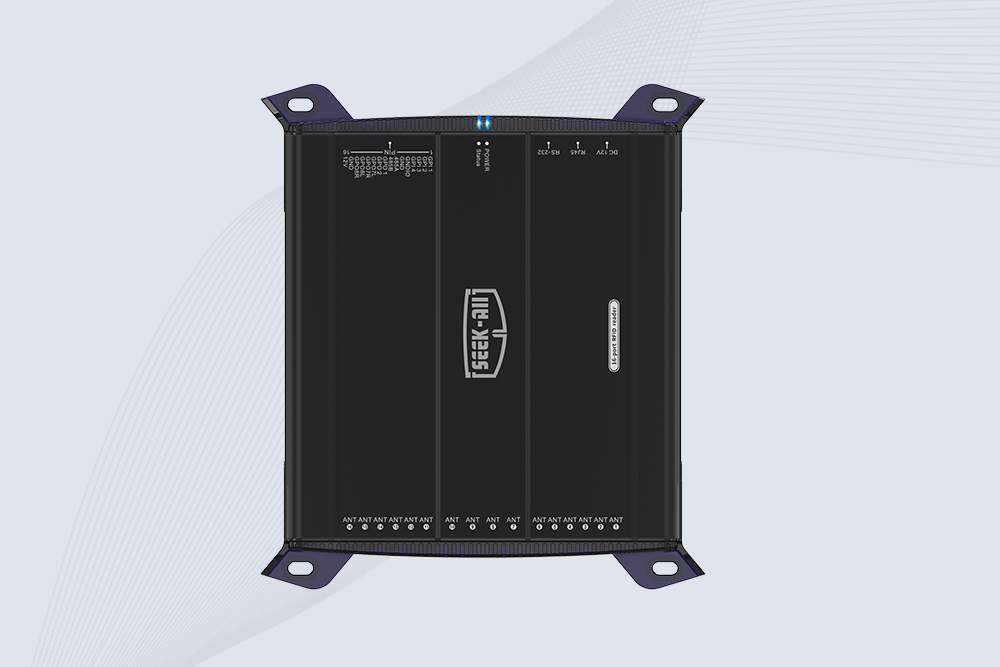
SSD-R16L Multi-Channel RFID Infrastructure for Automated Inventory Management ✔️ 16-Port High-Density RFID Reading Equipped with 16 SMA antenna ports, SSD-R16L supports multi-antenna deployment for warehouses, retail stores, logistics, production lines, and large-area RFID identification. ✔️ High-Speed & Long-Range Performance With up to 33…
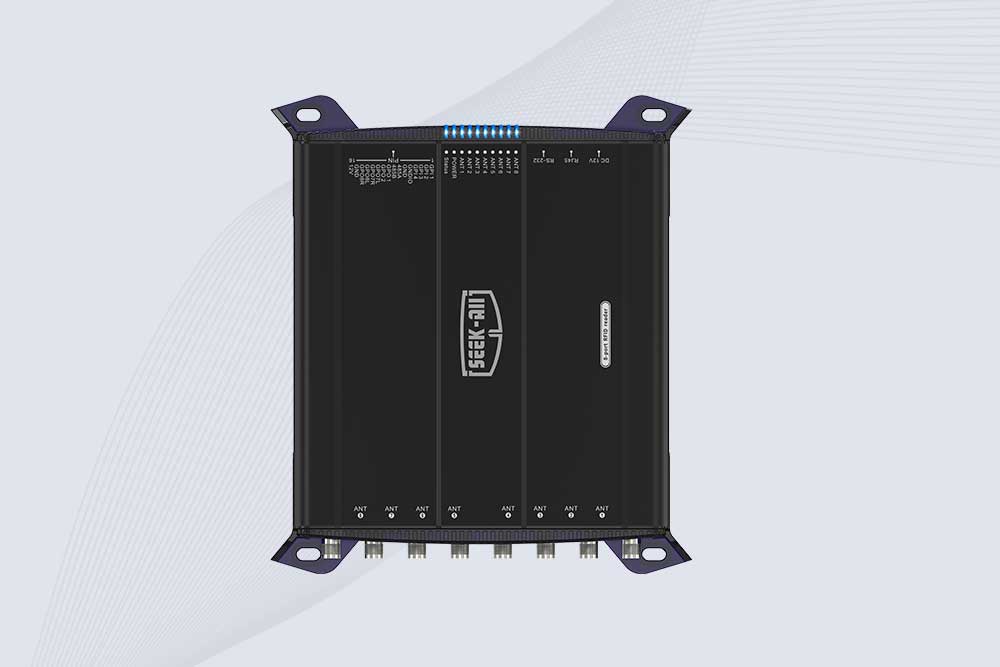
SSD-R8L 8-port UHF RFID reader with 33dBm output, up to 20m reading range and 600+ tags/s recognition. Ideal for warehouse, logistics, retail and asset tracking.
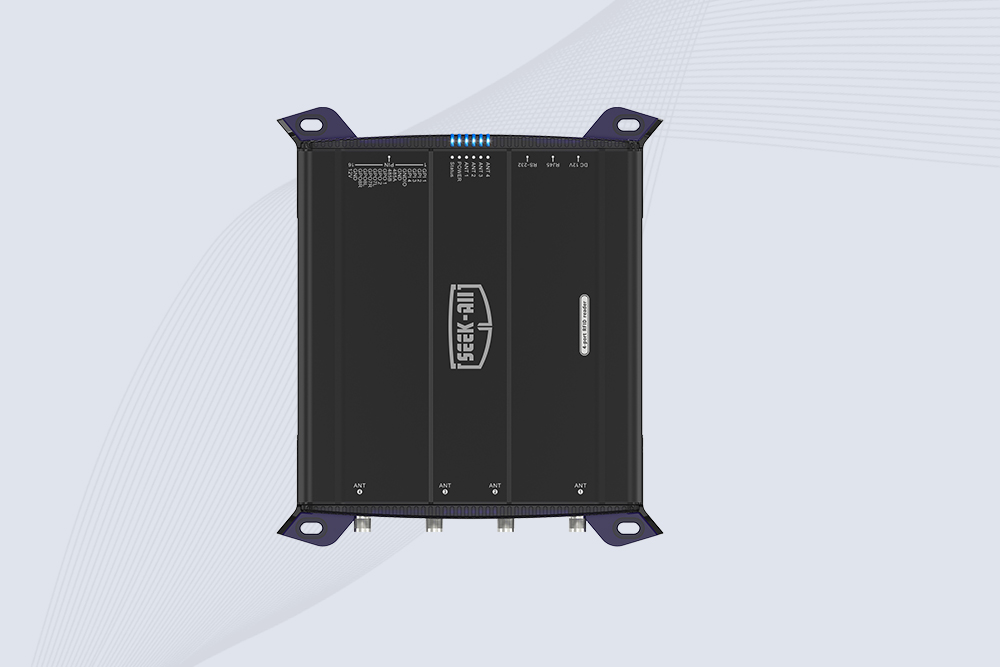
SSD-R4L is a 4-port UHF RFID fixed reader with 33dBm output power, up to 20m reading range, EPC C1G2 support and 600+ tags/s reading speed.

CYKEO CYKEO-D1LA USB RFID Reader is a compact desktop solution with near-field control for precise tag reading and encoding. Powered by USB, supporting ISO 18000-6C, and built for stable batch writing, this usb rfid tag reader fits retail, libraries, offices, and controlled RFID encoding tasks.
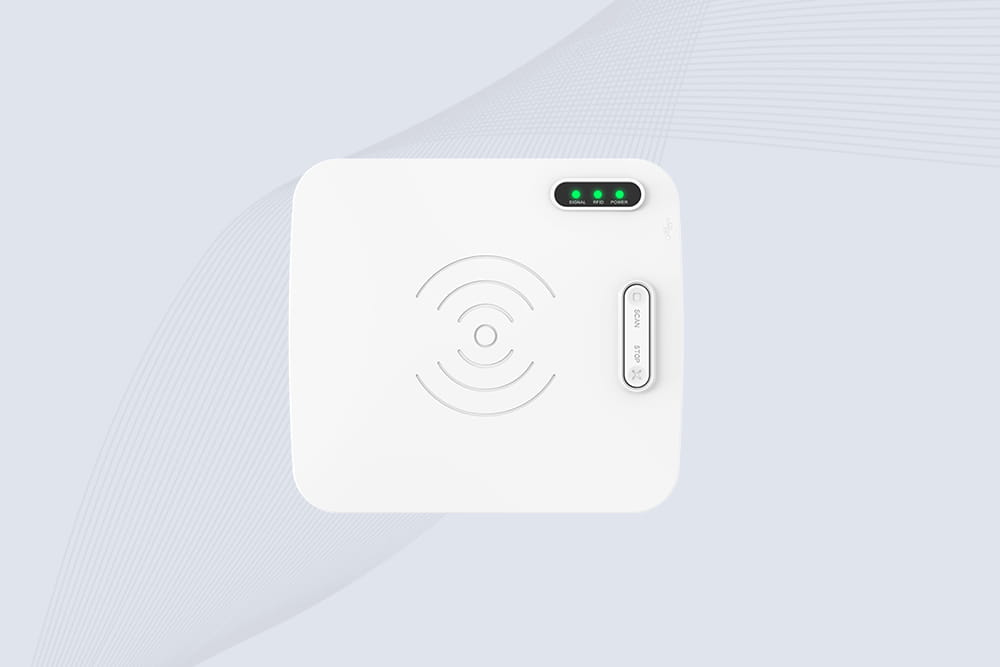
CYKEO CYKEO-D1L RFID scanner USB is a compact desktop UHF RFID scanner designed for short-range tag writing and verification. This usb rfid scanner supports batch encoding, stable 0–26 dBm output, and works across Windows, Linux, and Android systems.
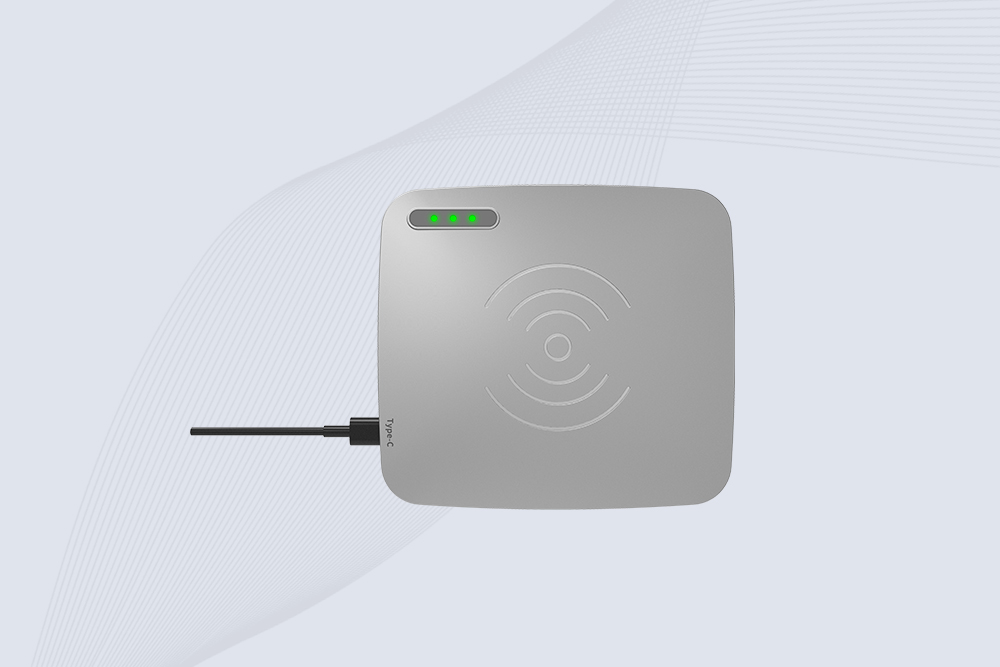
CYKEO CYKEO-D1C USB RFID Card Reader is a near-field UHF desktop writer designed for secure, short-range tag encoding. With USB-C connectivity and stable 26 dBm output, this rfid reader usb c is ideal for badge issuance, label encoding, and controlled desktop RFID workflows.
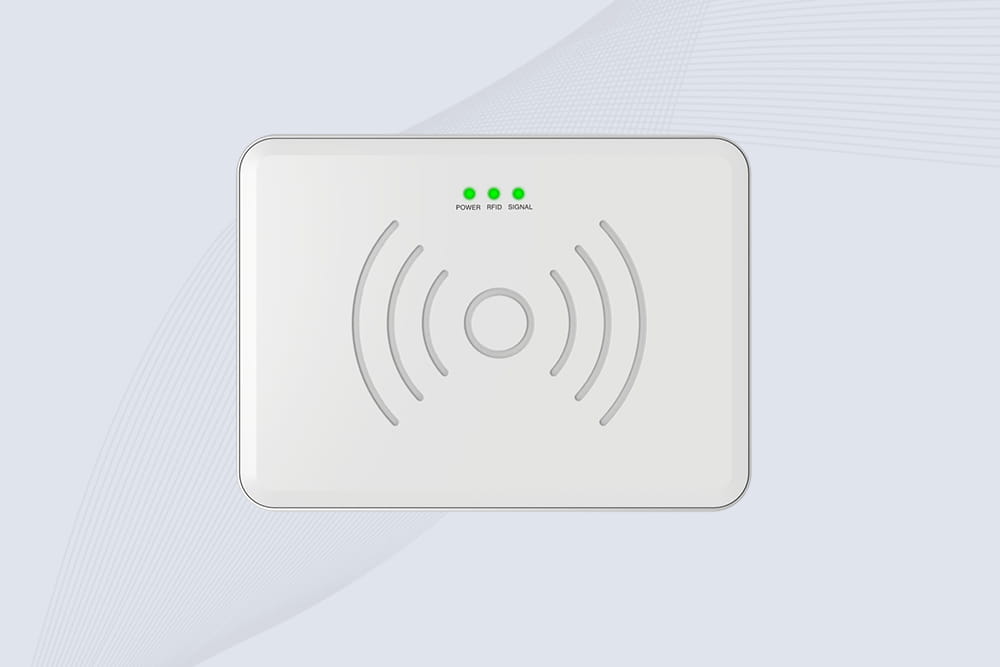
CYKEO CYKEO-D2L RFID Reader USB is a compact desktop encoder built on the Impinj R500 chip. With near-field control and stable USB power, this usb rfid card reader delivers precise tag writing for offices, retail counters, and small-scale logistics encoding tasks.
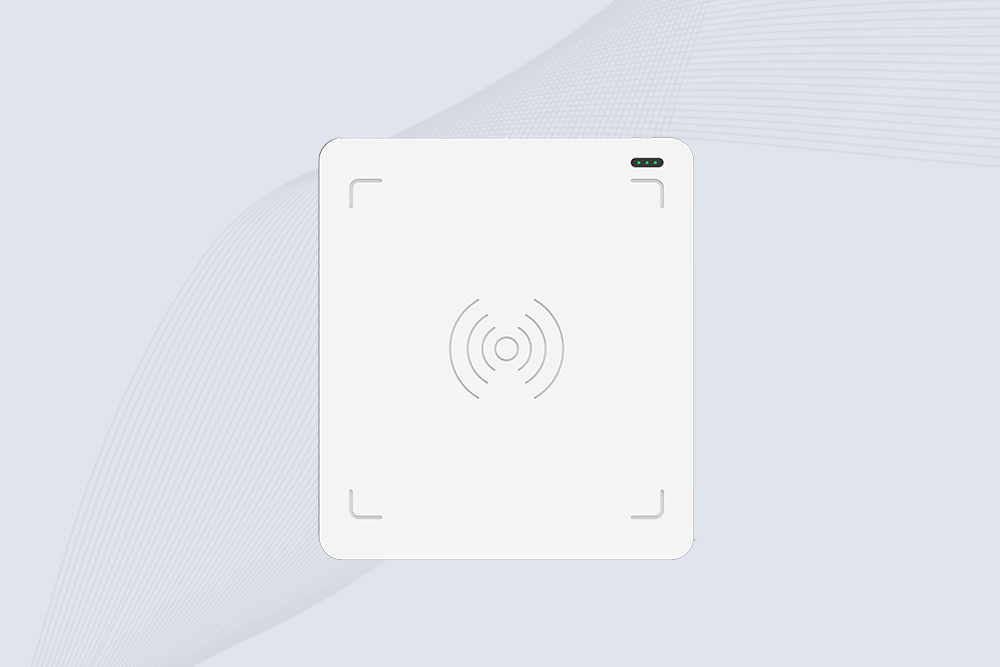
CYKEO CYKEO-D3L USB RFID Tag Reader delivers stable UHF tag reading and writing for daily desktop and light industrial tasks. Designed for controlled short-range operation, this USB RFID Tag Reader works reliably with rfid tag and reader systems in libraries, tool tracking, and inventory registration.
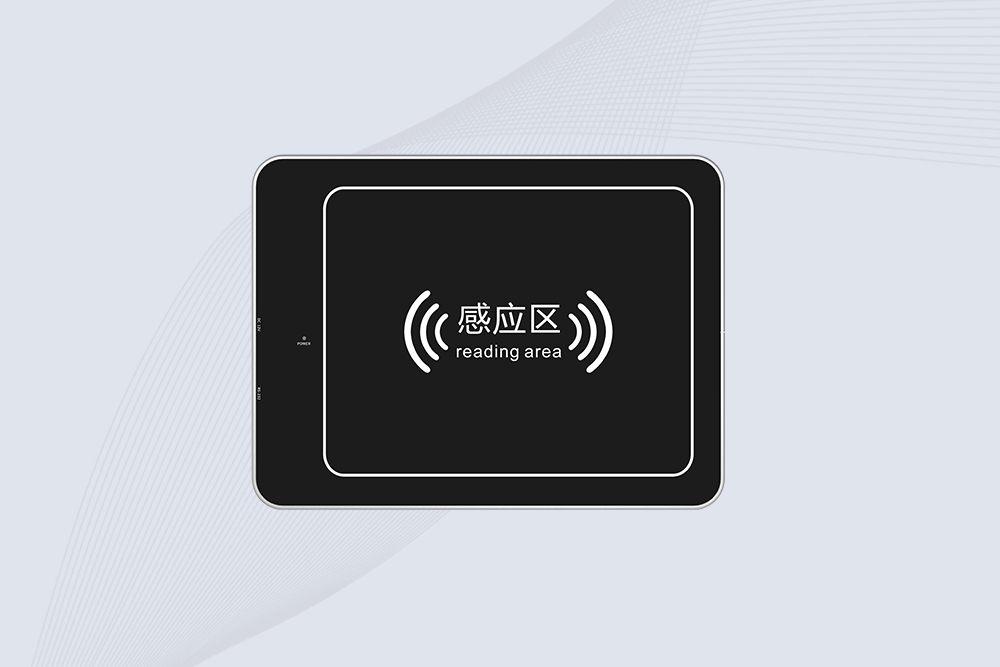
The CYKEO CYKEO-D4L UHF RFID Tag Reader is a stable Desktop RFID Reader designed for accurate tag registration, borrowing, and return workflows. Built with the Impinj R2000 chip, this UHF RFID Tag Reader delivers controlled short-range reads for libraries, asset tracking, and inventory management environments.
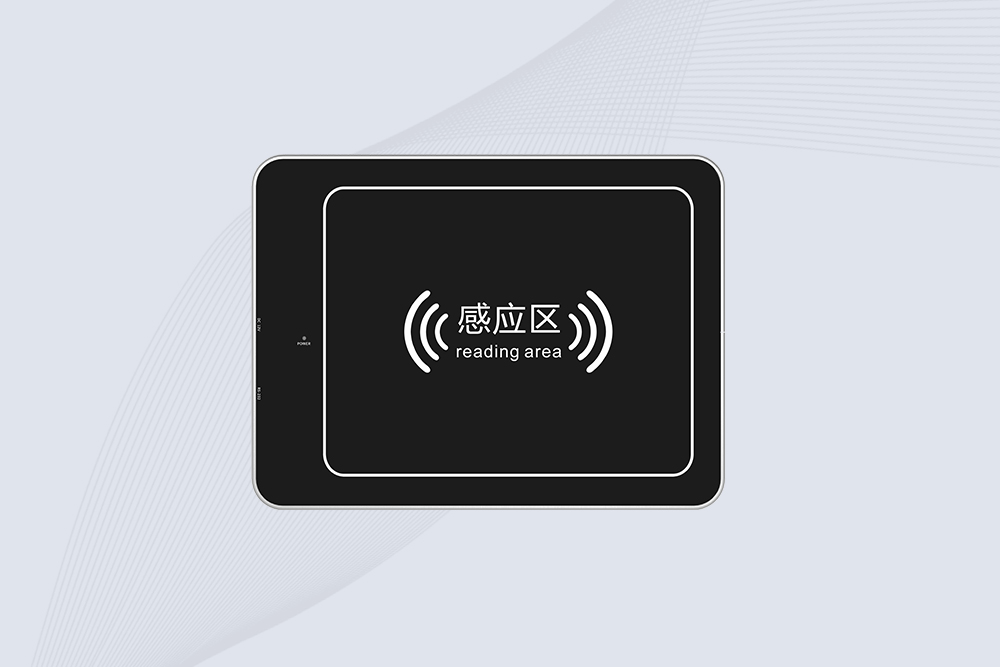
The CYKEO CYKEO-D5L Desktop RFID Card Reader is a stable UHF RFID Card Reader designed for controlled short-range reading and writing. Built for libraries, tool rooms, and asset desks, this UHF RFID Card Reader supports dense tag handling, secure data processing, and easy USB integration.
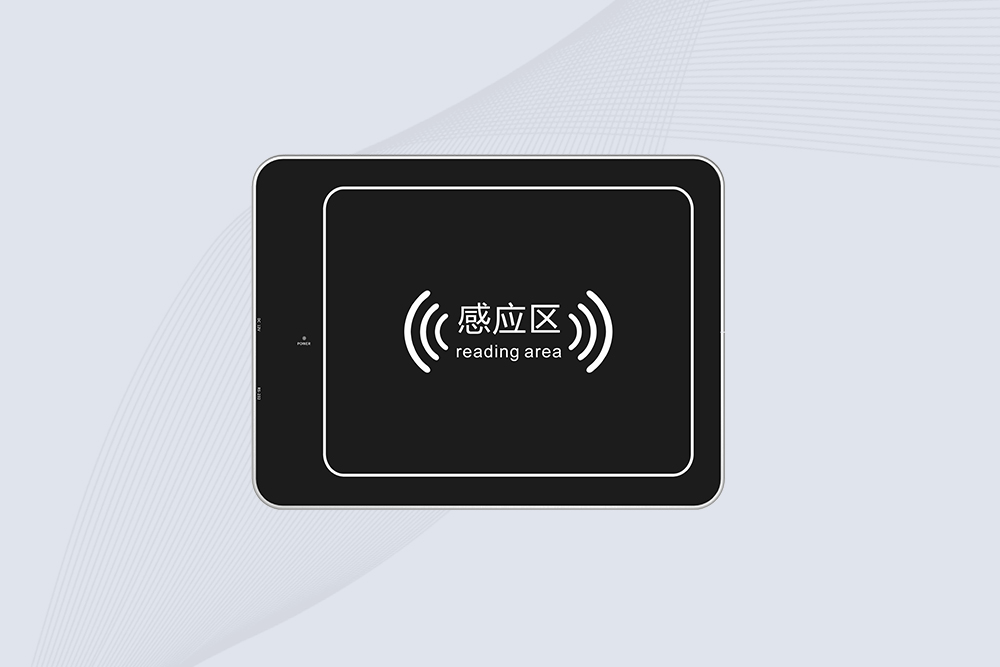
The CYKEO CYKEO-D6L RFID Reader Writer is a heavy-duty Desktop RFID Reader designed for short-range, high-accuracy tag programming. Built for libraries, labs, and asset desks, this RFID Reader Writer supports batch processing, stable 33dBm output, and seamless integration with existing management systems.
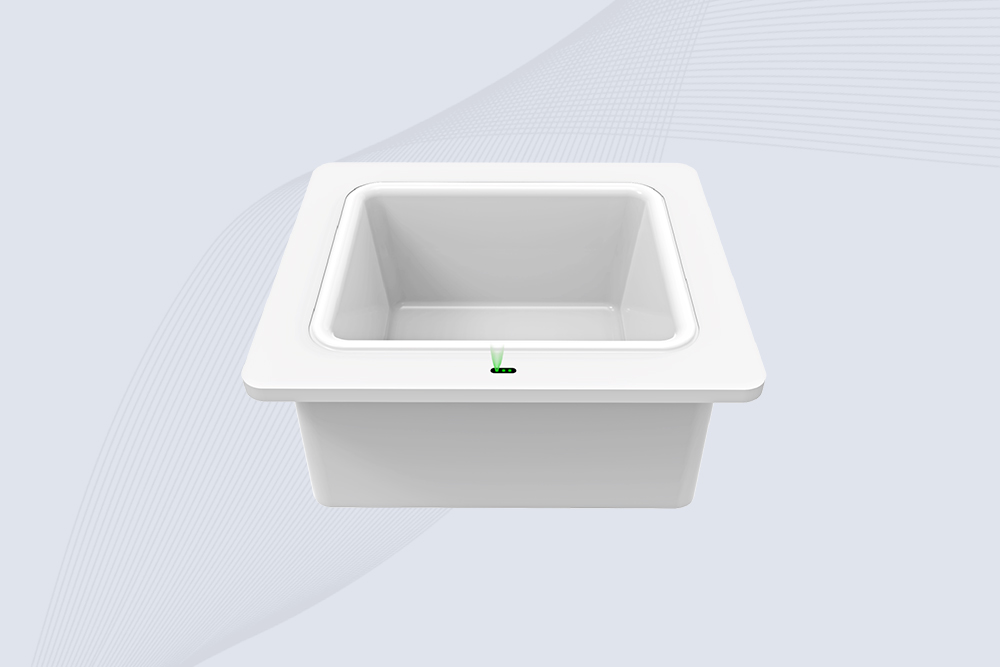
Cykeo CYKEO-D8B UHF RFID tunnel and RFID Desktop Reader features 30+ items batch reading,
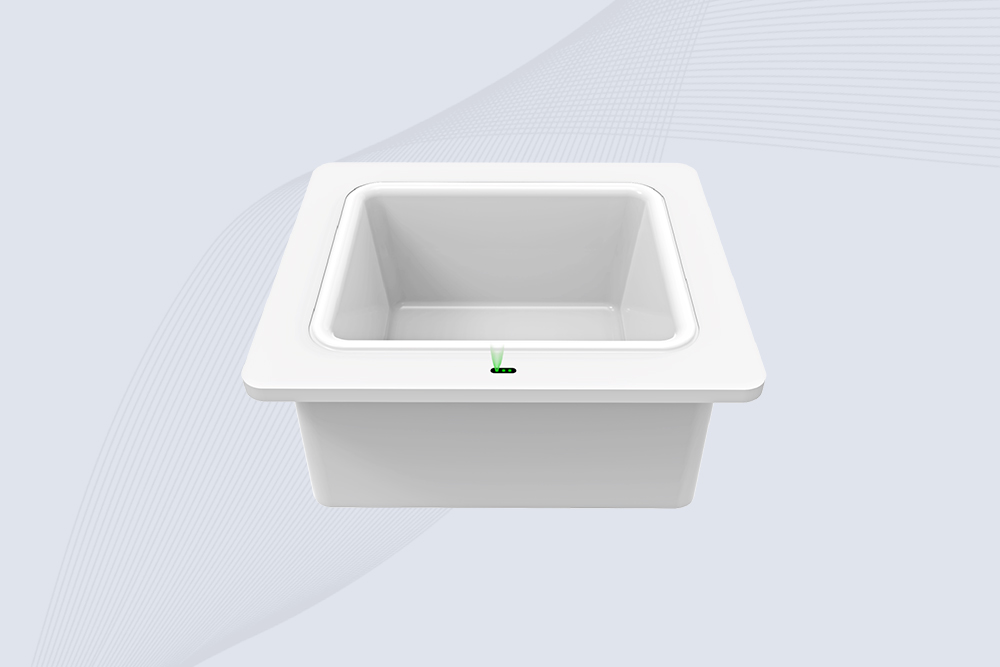
Cykeo CYKEO-D8A embedded RFID badge reader offers 30+ tags/sec scanning, 20cm anti-crosstalk precision, and DC 12V power for unmanned stores, warehouses, and smart inventory systems.
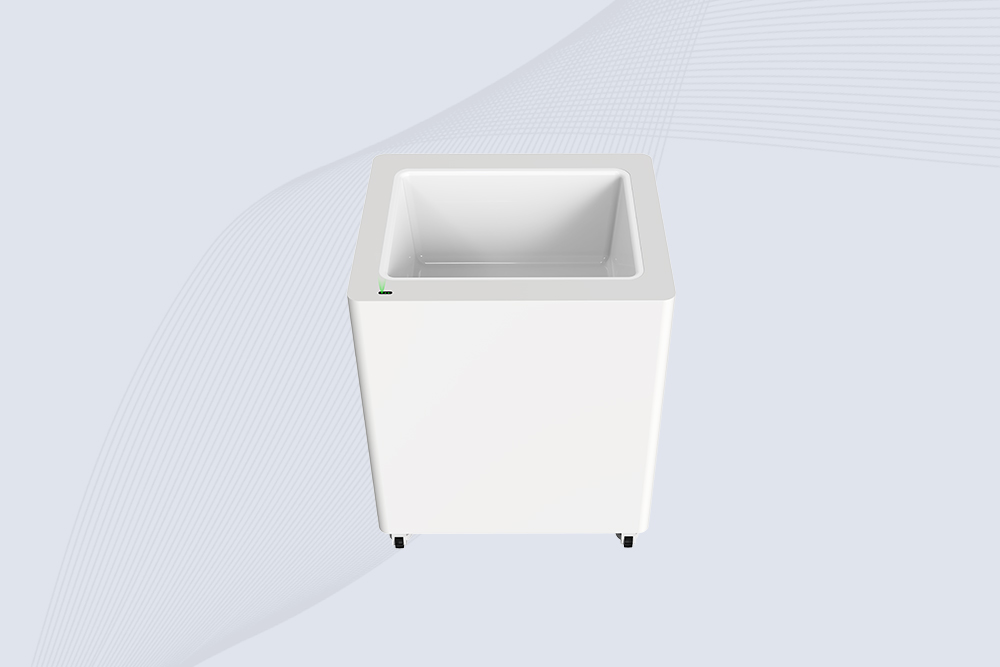
Cykeo’s CYKEO-D8C UHF RFID gate reader achieves 200-tag/batch scanning with adjustable power control, ideal for retail inventory and smart warehouse management.
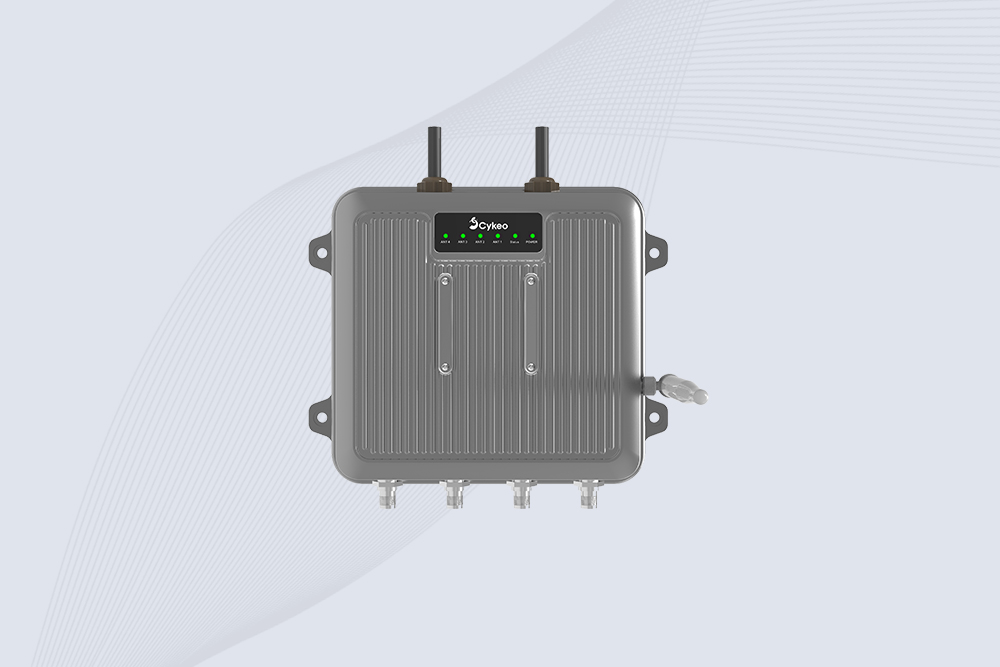
Cykeo CYKEO-C1 industrial Forklift RFID Reader features 20m read range, 600 tags/sec scanning, Impinj R2000 chipset, and IP67 rugged design. Ideal for warehouse logistics and manufacturing. Supports ISO 18000-6C/6B protocols.
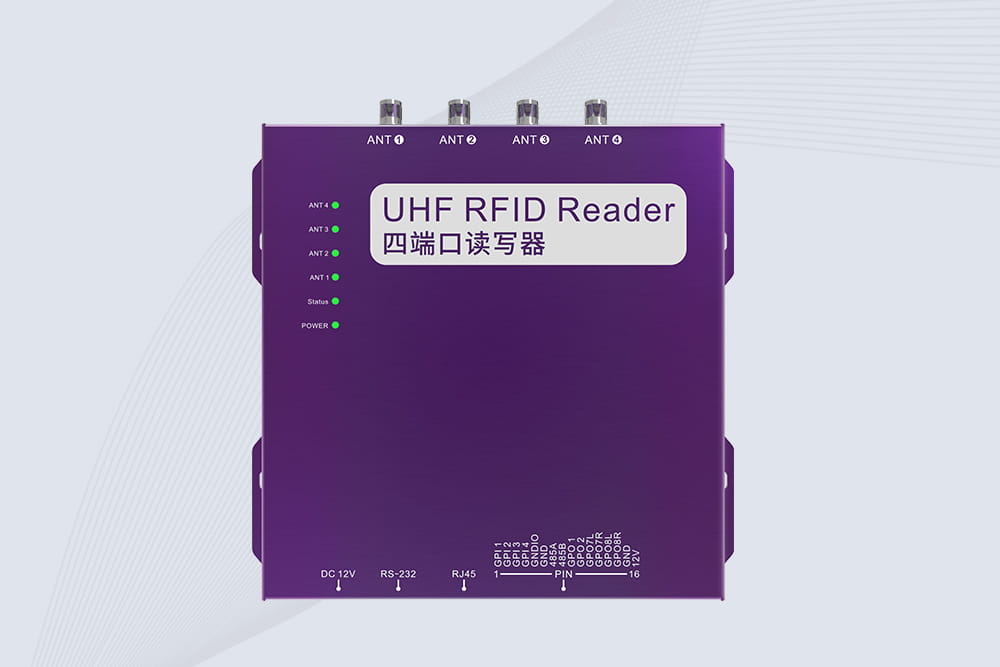
Cykeo CYKEO-R4 industrial UHF RFID Fixed Reader features 4 TNC ports, 400+ tags/sec speed, IP67 housing, and global frequency compliance for vehicle inspection, smart warehouse, and asset management systems.
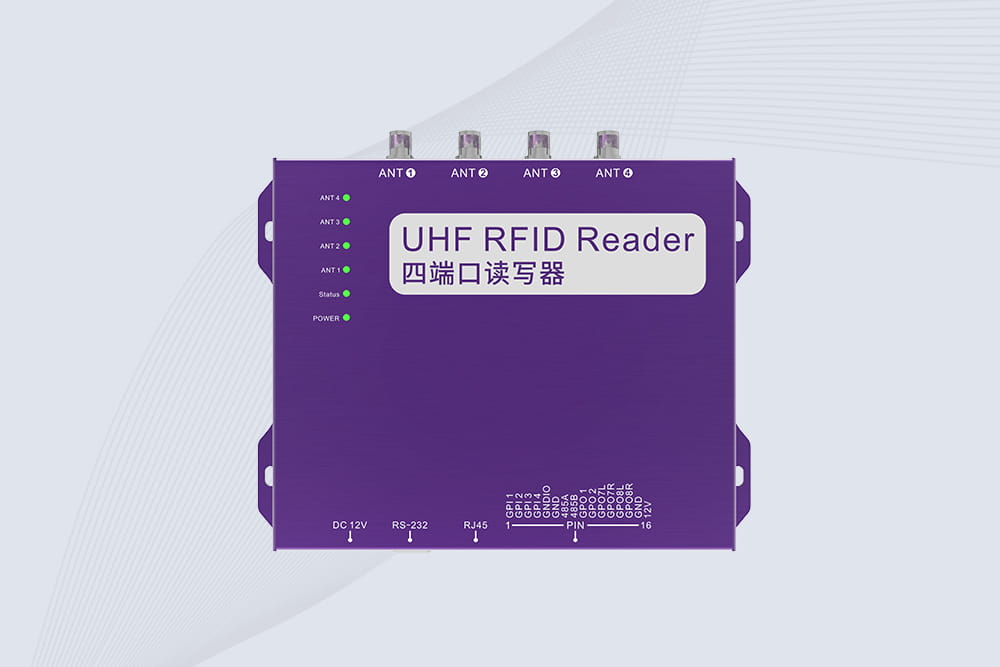
Cykeo’s CYKEO-R4L 4-port Fixed UHF RFID Reader delivers 400 tags/sec scanning, ISO 18000-6C compliance, and IP65 protection. Ideal for warehouse automation, manufacturing WIP tracking, and logistics management.
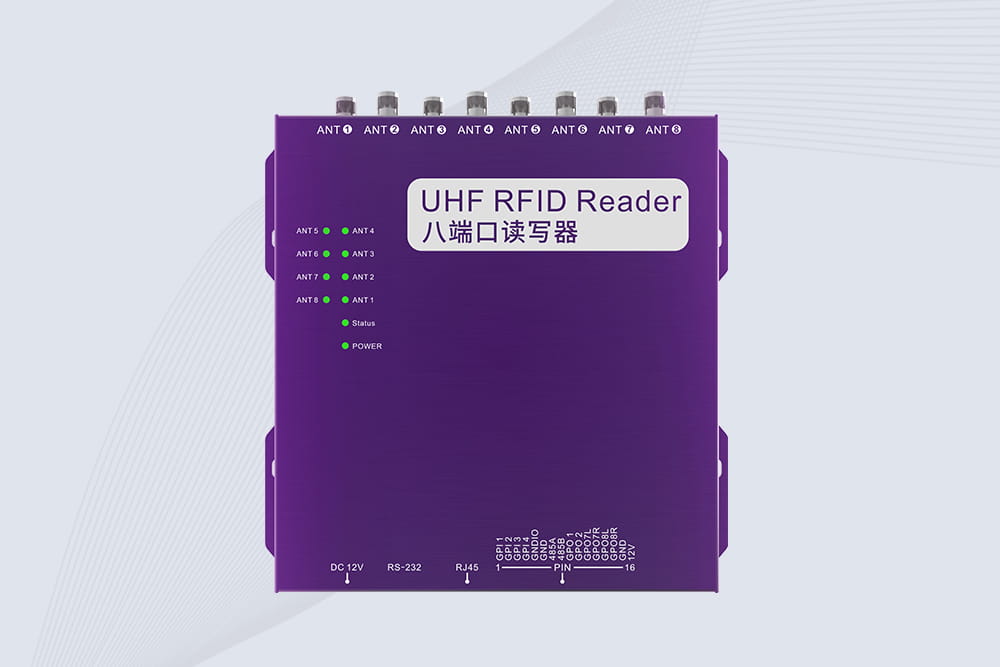
CYKEO CYKEO-R8L Fixed RFID Reader with 8-port UHF design, Impinj-based RF core and up to 20m read range. An industrial Fixed RFID Reader for vehicle inspection, warehouse portals, smart manufacturing lines and secure access checkpoints.
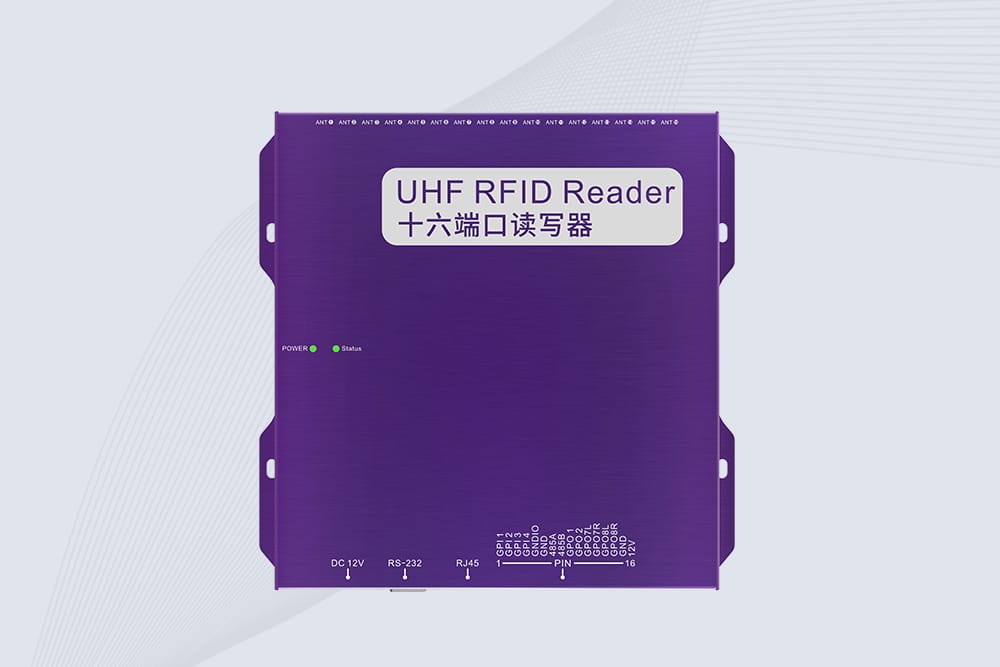
RFID Fixed Reader from CYKEO – the CYKEO-R16L 16-port UHF fixed reader for warehouses, smart cabinets, and production lines. Long-range, multi-tag reading, stable performance for 24/7 industrial use.
RFID Industry Writer | IoT & Asset Tracking Analyst
James writes about RFID technology, asset tracking, and the practical challenges of digital transformation across warehousing, retail, manufacturing, and logistics.
His work focuses on how RFID is applied in real-world operations—improving inventory visibility, automating workflows, and helping businesses manage assets with greater accuracy and efficiency.
He regularly covers topics including UHF RFID, smart cabinets, RFID portals, tool tracking, warehouse automation, and industrial IoT trends..

Lab logistics tracking uses RFID technology to automate laboratory inventory, hazardous chemical management, sample traceability, and asset accountability, improving safety and operational efficiency.
More
Looking to buy RFID tags? Learn about customizable, high-temp, on-metal, printable, sample packs, cards, and wristbands. Discover UHF, HF, LF, and active RFID tags, their costs, and how they’re used in warehouses, hospitals, retail, and cold chain...
More
Explore how RFID ceiling readers work in real warehouses, from ceiling installation to staff adaptation, revealing efficiency gains and human-centered management.
More
Wondering how to check if your RFID is working? Learn simple and effective steps to test your RFID system, ensuring it’s operating correctly. Discover tips for troubleshooting RFID issues with Cykeo technology.
More