 Cykeo RFID IoT Solution Products R&D Manufacturer

How Much Does an RFID Reader Cost? Let’s Talk Real Numbers.
768Need a budget? We break down how much an RFID reader really costs, from simple modules to industrial systems, and the key factors that determine the price.
MoreAll RFID Product
If you have ever watched a warehouse worker wave a handheld device across a shelf and see dozens of items appear on a screen at once, you have seen RFID scanning. But “scanning” is a word that hides what’s actually happening — because an RFID scan looks nothing like a barcode scan.
This guide explains what RFID scanning really is, what one scan event produces, the four ways scanning happens in real operations, and the metrics that tell you whether your scanning setup is performing. If you just want the hardware physics, our guide on how RFID scanners work covers that in depth.
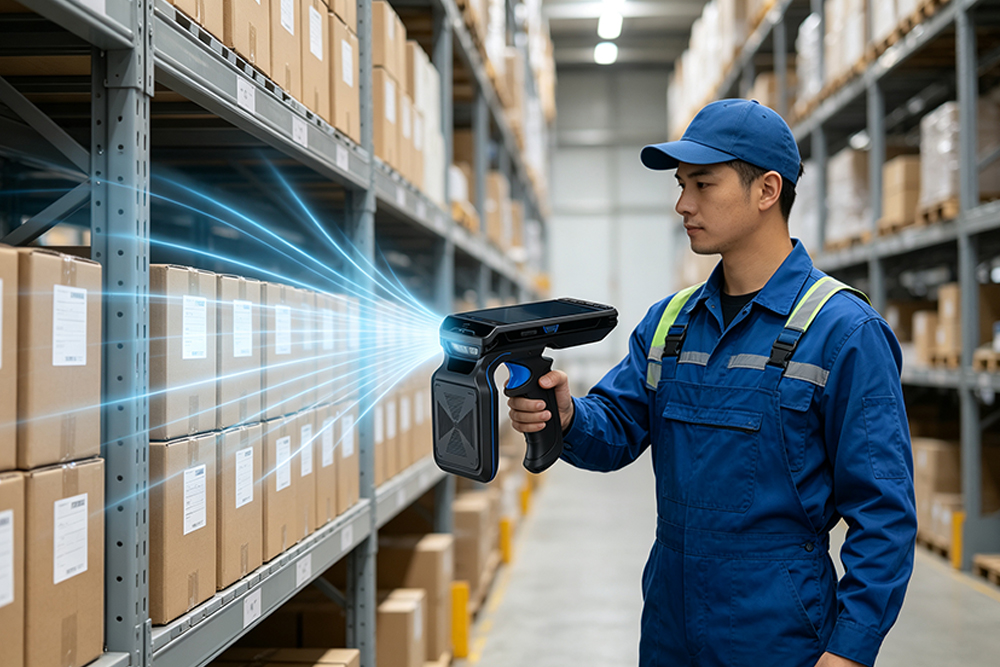
RFID scanning is the act of identifying RFID-tagged items using radio waves. A scanning device (an RFID reader with an antenna) broadcasts energy into a zone. Every compatible tag inside that zone wakes up and answers with its unique ID. The reader collects all the answers and passes them to your software — in milliseconds, without pointing at any single label.
The key difference from barcode scanning: a barcode scan reads one printed code you can see; an RFID scan reads every compatible tag inside a radio zone — even tags you can’t see, inside closed boxes, facing the wrong way, or moving past at speed.
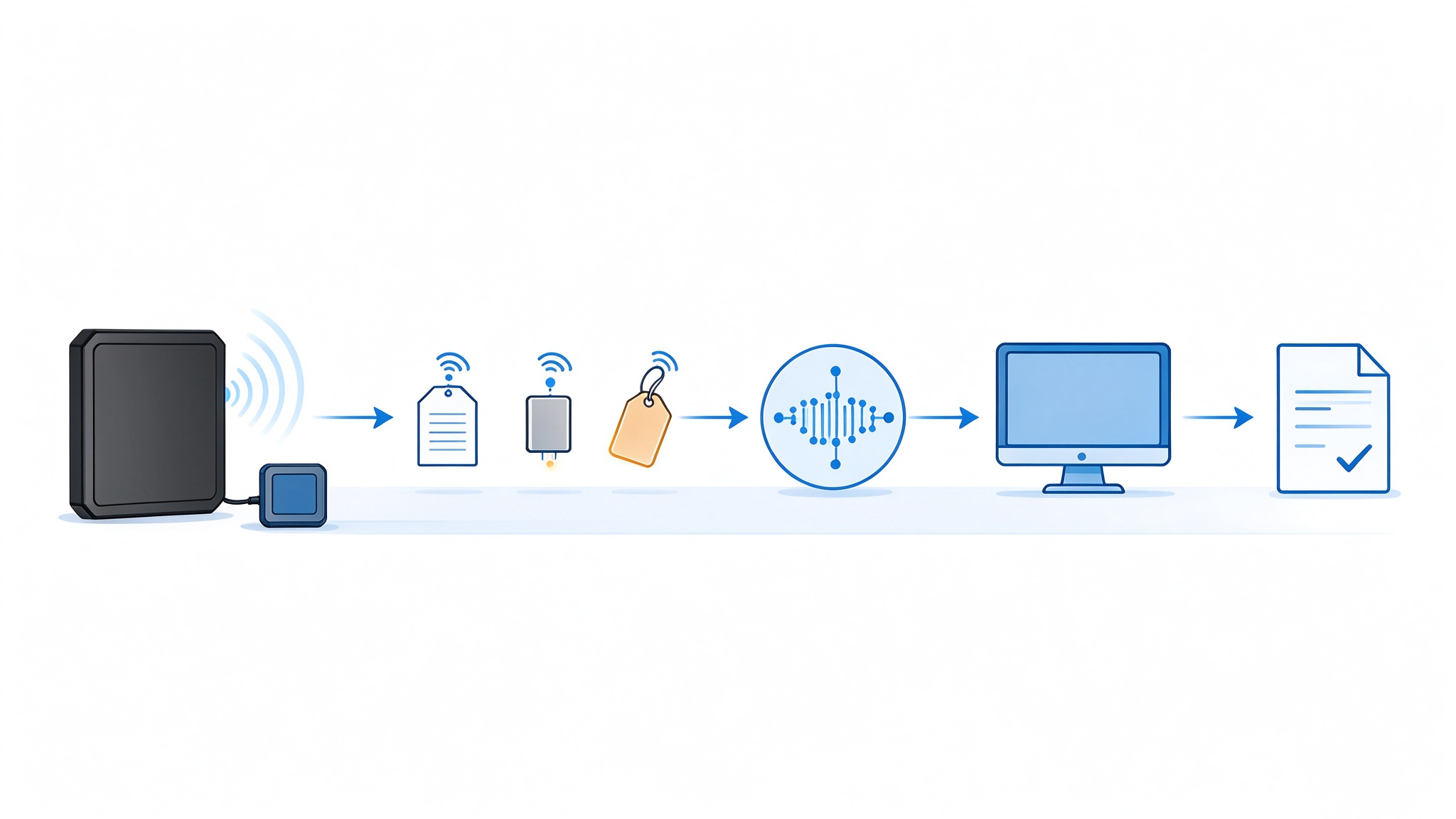
In RFID, scanning, reading and interrogating all describe the same event: the reader asks, the tags answer. Vendors and articles use the words interchangeably:
So when you see “read rate” on a datasheet, that is your scan success rate. When this article says “scan event,” every guide on this site about how RFID tags are read is describing the same moment.
Note the last step: the tag ID itself is just a license plate. Everything meaningful — product name, order, location history — lives in your database, looked up from that ID. If you want the full physics of steps 1–4, the step-by-step reading process guide walks through it in detail.
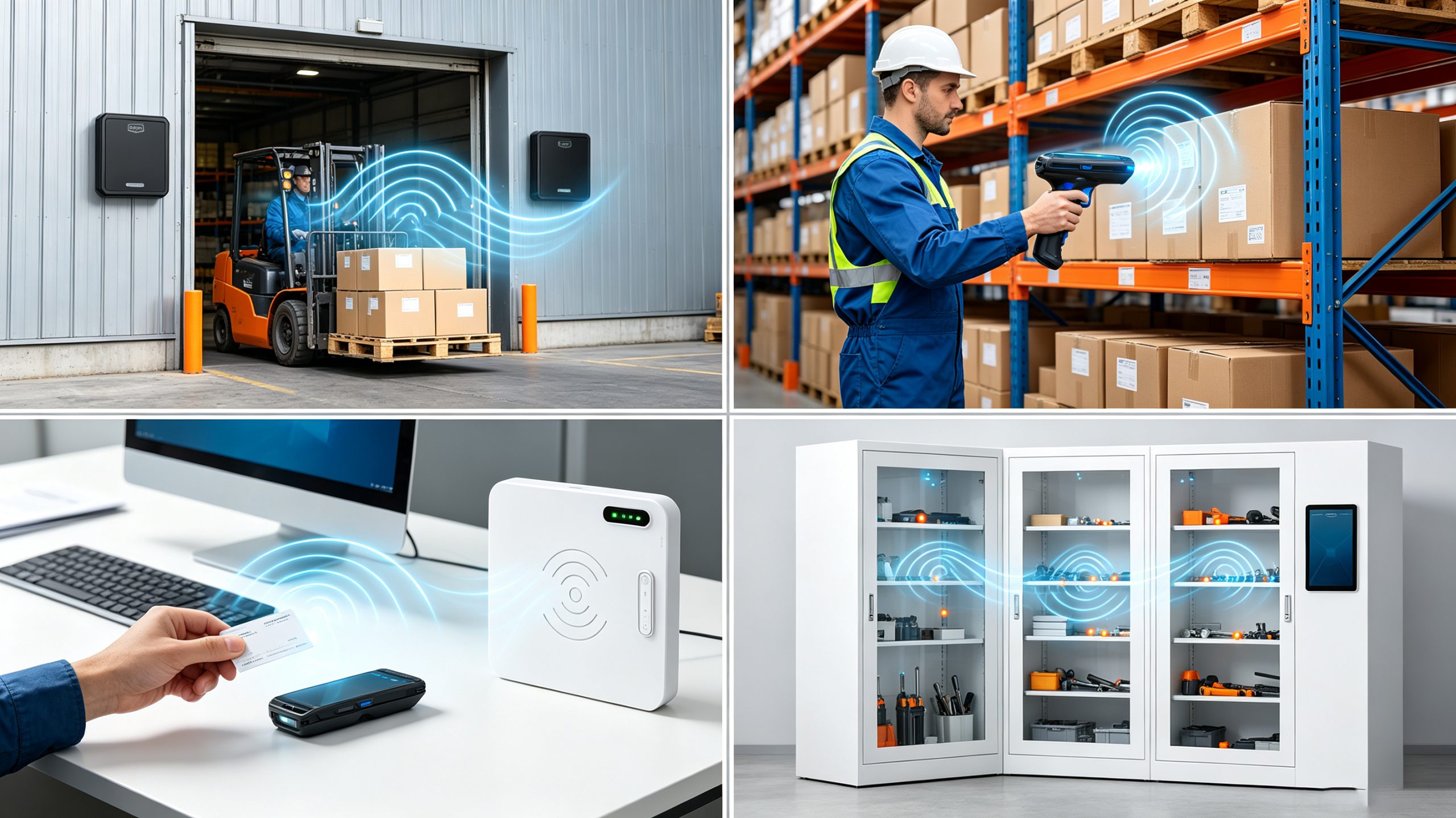
“Scanning” describes four very different workflows in practice. Most real deployments use a mix:
| Scanning method | How it works | Hardware | Typical speed |
| 1. Portal / gate scanning | Items pass through a fixed read zone (dock door, conveyor) — zero human action | Fixed multi-port reader + antennas | 200–1,000+ tags/sec, hands-free |
| 2. Handheld sweep scanning | Worker waves a handheld across shelves or a pallet | Handheld UHF reader | Hundreds of tags per sweep |
| 3. Desktop tap scanning | Item is placed on or near a desktop reader — controlled one-at-a-time | USB desktop reader/encoder | 1 tag per placement |
| 4. Continuous zone monitoring | Zone (smart cabinet, tool crib) is scanned continuously; system knows what’s present right now | Fixed reader + filtered inventory mode | Real-time presence detection |
Choosing between them is a workflow question, not a hardware question: bring the tags to the reader (desktop), bring the reader to the tags (handheld), or let the items move through a fixed zone (portal/continuous). Our RFID reader types guide maps each method to the hardware, and the application selection guide helps you pick per workflow.
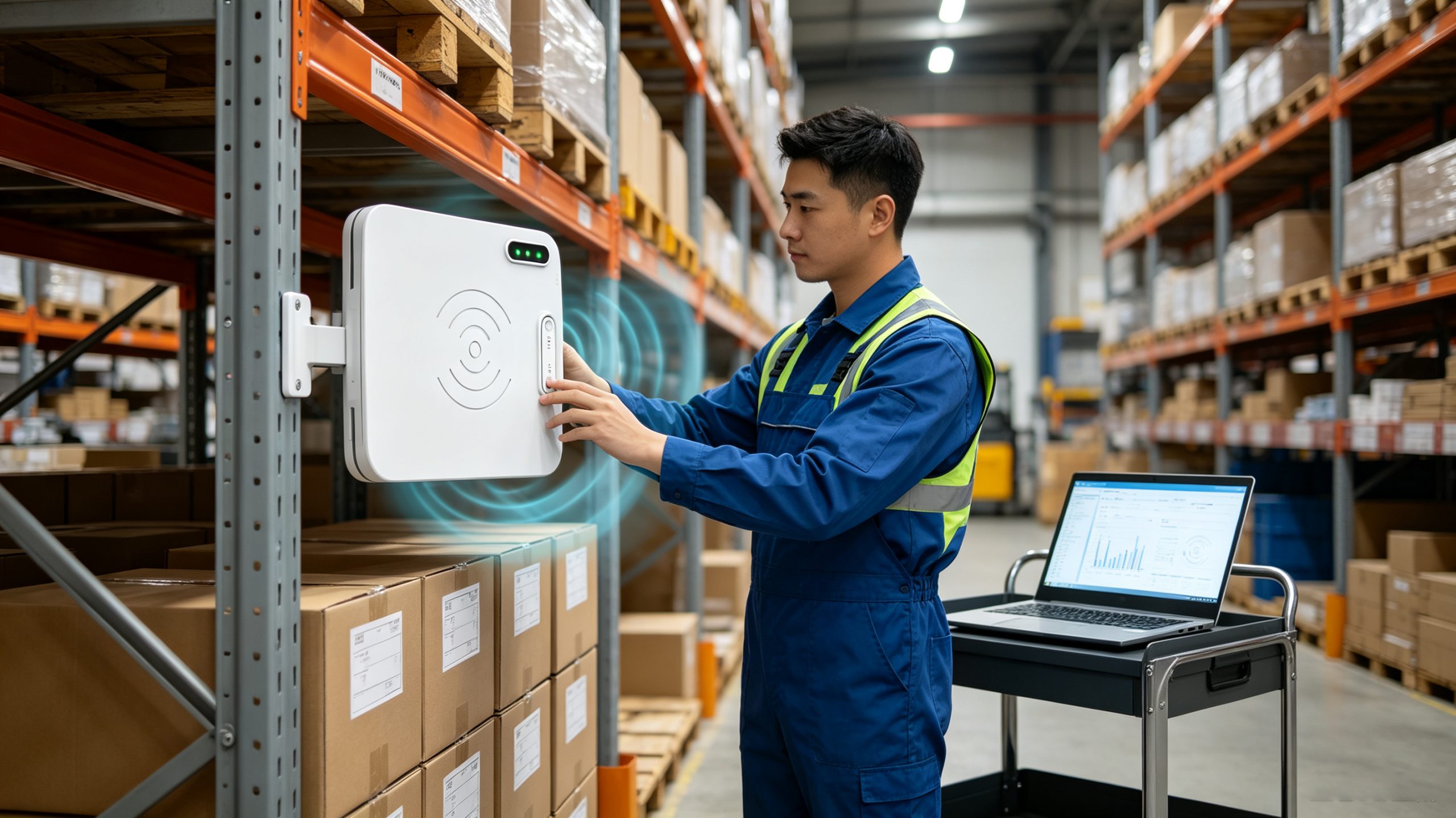
When people evaluate RFID scanning, three numbers decide whether it works:
| Metric | What it means | Typical target |
| Read rate | % of tags in the zone that actually answer | ≥ 99% for portal deployments |
| Throughput | How many tags per second the reader processes | 200–1,000+ tags/sec on modern UHF |
| Read zone accuracy | % of reads that come from the correct zone (no neighbor-pallet bleed) | matters more than raw range |
That last one surprises most buyers: a scanner reading tags from the wrong pallet is worse than a slower scanner reading the right ones. The goal of scanning design is the right IDs at the right checkpoint, not maximum range. Power, antenna placement and filtering settings are tuned for this — our daily operations guide shows how field engineers set these parameters.
People searching “what is RFID scanning” usually arrive from a barcode world. The honest comparison:
| RFID scanning | Barcode scanning | |
| Line of sight | Not required | Required |
| Items per scan | Many (whole pallets) | One at a time |
| Through packaging | Yes (radio goes through cardboard/plastic) | No — label must be visible |
| Speed for bulk counts | Hundreds per second | Minutes per pallet |
| Cost per label | 0.08–15 per tag | Under $0.01 per label |
| Best fit | High volume, automated checkpoints | Low volume, item-by-item |
Barcodes win on label cost and simplicity; RFID wins the moment individual scanning becomes a bottleneck. The full economics are compared in RFID vs barcode scanning and why RFID is better than barcode — including when barcodes are still the right answer.
Missed scans are the most common real-world complaint. Seven causes, in order of how often we see them:
| # | Cause of missed scans | Fix |
| 1 | Tag on metal or liquid — standard labels detune and fail | Switch to on-metal or liquid-tolerant tags (surface selection guide) |
| 2 | Tag orientation — UHF tags aligned wrong vs antenna polarization | Reposition tags; use dual-polarized antennas |
| 3 | Power set too high in dense zones — causes overlap and chaos, not more reads | Reduce power; tune the zone instead of maximizing it |
| 4 | Frequency mismatch — reader and tag on different bands or protocols | Confirm band/protocol compatibility before ordering |
| 5 | Metal racks/shelving near the zone — reflections distort the read zone | Adjust antenna placement, not equipment replacement |
| 6 | Tags too densely packed — collisions exceed anti-collision capacity | Space tags; increase dwell time or slow conveyor |
| 7 | Duplicate reads flooding the system — same tag logged repeatedly | Enable reader-side filtering; set session modes |
Notice that six of the seven fixes involve the tag or the zone — not buying a “stronger” scanner. That’s the single most useful thing to understand about RFID scanning.
For the full picture of applications, see what RFID is used for, and for how scanning fits the wider technology, our complete RFID guide is the starting point.
It’s identifying tagged items by radio waves instead of optically. A reader broadcasts energy into a zone, every compatible tag inside answers with its unique ID, and software turns those IDs into records — no line of sight, many items at once.
Yes — different words for the same event. “Scanning” is the operational term, “reading” is the engineering term, “interrogating” is the formal standards term.
Modern UHF readers process hundreds to over 1,000 tags per second. A portal scan of a full pallet takes about 2 seconds; a handheld sweep of a shelf takes seconds, not minutes.
Yes — UHF radio signals pass through cardboard, plastic and most packaging. Exceptions: metal reflects and liquid absorbs the signal, so tags on or inside metal/liquid items need special tag types.
Most often: tag on metal or liquid, wrong tag orientation, power set too high, or frequency mismatch between reader and tag. See the troubleshooting table above — the fix is usually the tag or the zone tuning, not the reader.

SSD-R16L Multi-Channel RFID Infrastructure for Automated Inventory Management ✔️ 16-Port High-Density RFID Reading Equipped with 16 SMA antenna ports, SSD-R16L supports multi-antenna deployment for warehouses, retail stores, logistics, production lines, and large-area RFID identification. ✔️ High-Speed & Long-Range Performance With up to 33…

SSD-R8L 8-port UHF RFID reader with 33dBm output, up to 20m reading range and 600+ tags/s recognition. Ideal for warehouse, logistics, retail and asset tracking.

SSD-R4L is a 4-port UHF RFID fixed reader with 33dBm output power, up to 20m reading range, EPC C1G2 support and 600+ tags/s reading speed.
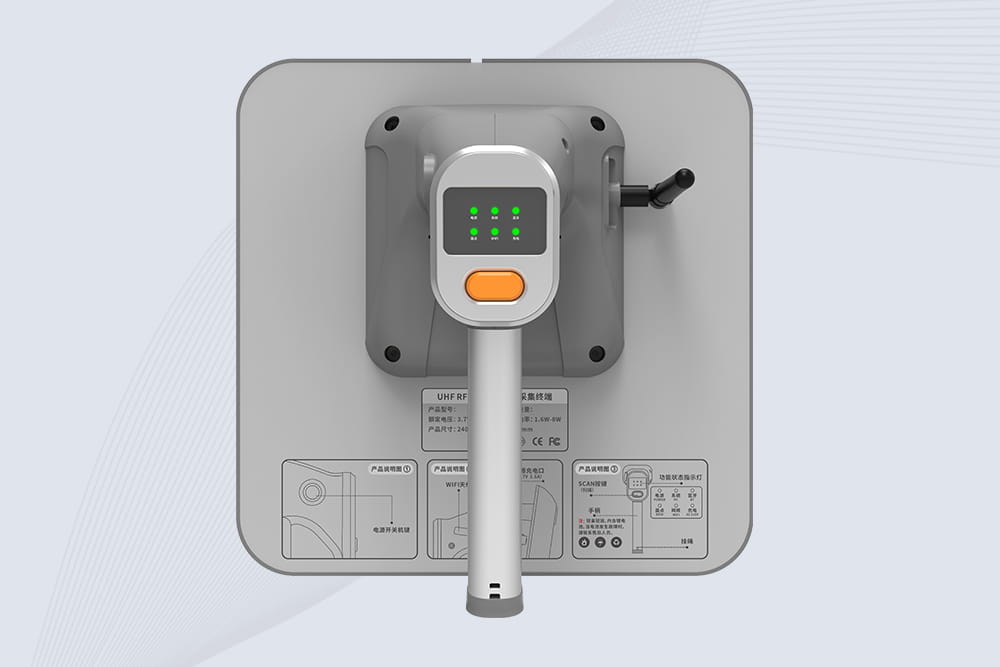
Cykeo CYKEO-B9 UHF Bluetooth handheld RFID scanner features 12m UHF range, 200+ tags/sec scanning, IP67 rugged design for retail/warehouse/pharma. Supports Android SDK & real-time Bluetooth 5.0 transmission.
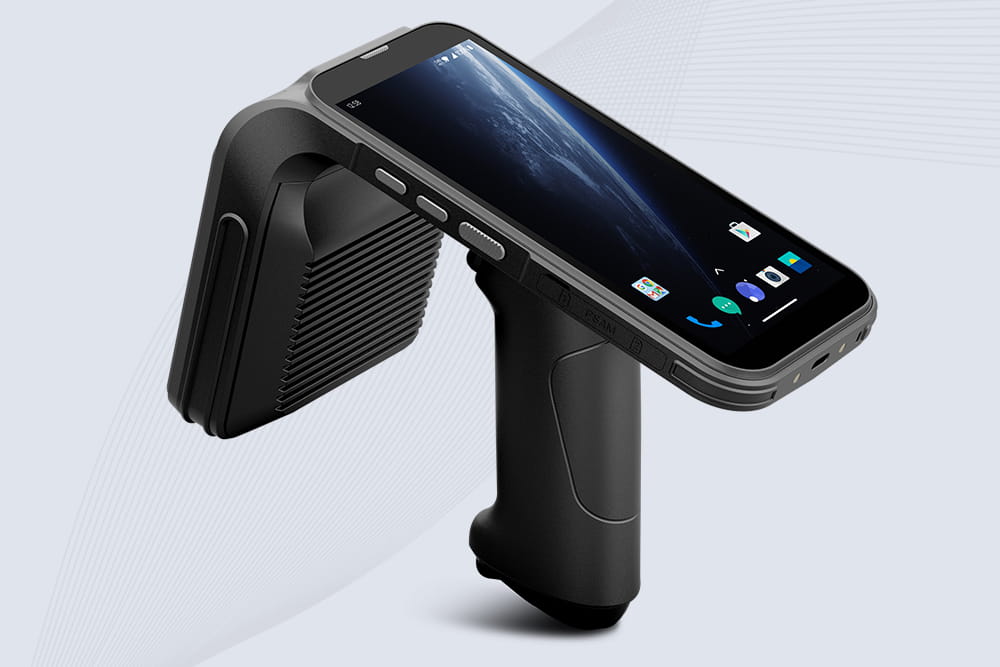
Cykeo CYKEO-B4 UHF Handheld RFID Reader scanner delivers 1300 tags/sec reading, 30m UHF range, and 12-hour battery life. IP65 rugged design with barcode/NFC/ID scanning for retail/manufacturing/logistics.
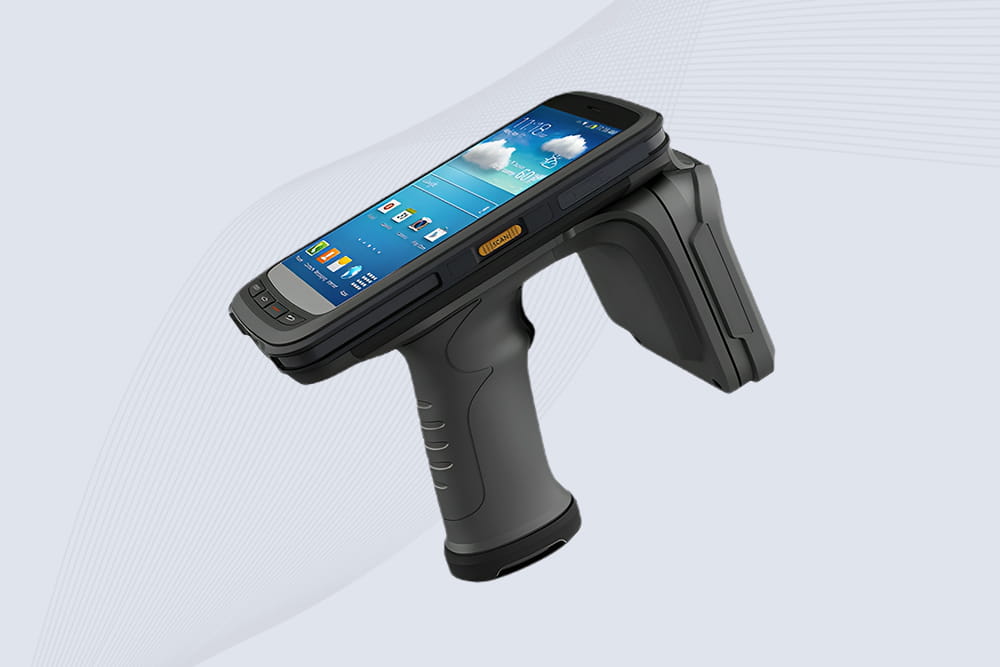
Cykeo CYKEO-B2 industrial UHF RFID handheld Scanner offers 10m range, 500 tags/sec scanning, Android 11 OS, and IP65 rugged design for retail/warehouse/manufacturing.
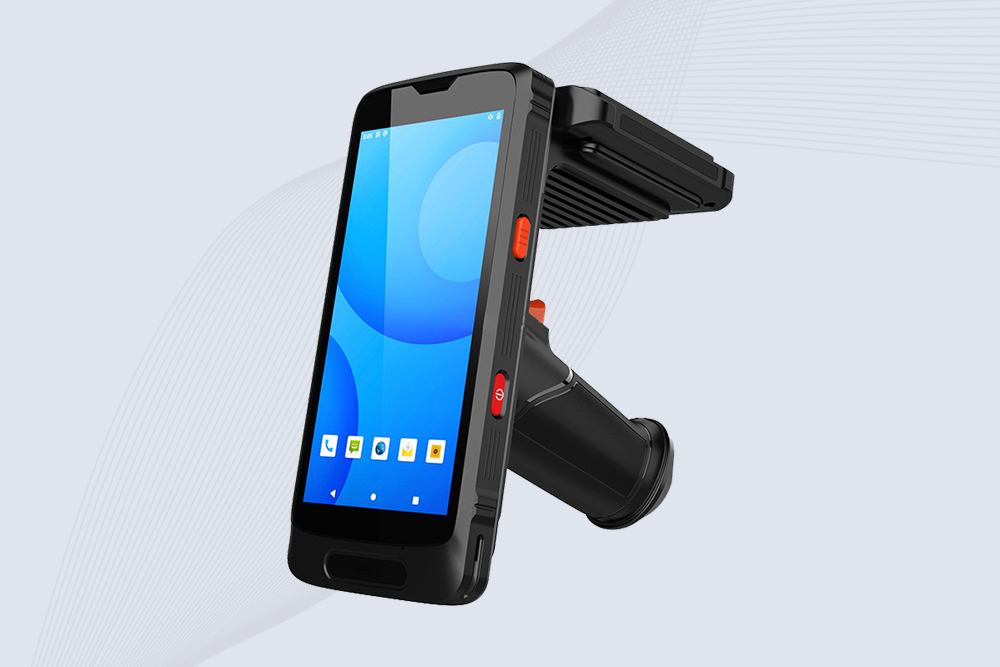
Cykeo CYKEO-B3 industrial RFID Reader Handheld, terminal offers 2m read range, multi-protocol scanning (NFC/barcode/ID), Android 10 OS, and IP65 ruggedness for logistics/retail/manufacturing.
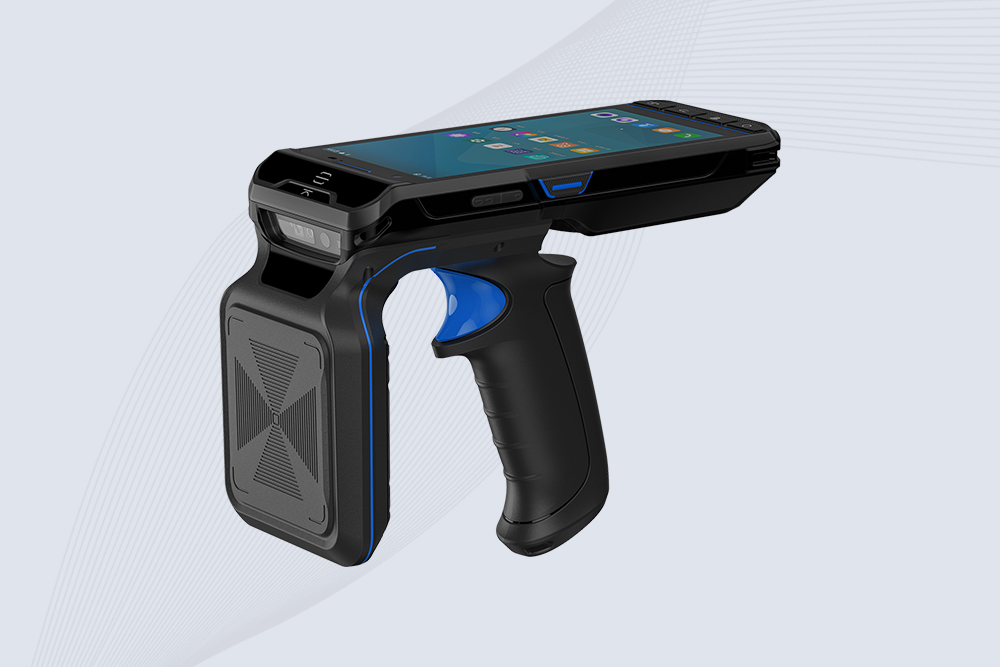
Cykeo CYKEO-B3L industrial handheld UHF RFID Reader terminal features 20m read range, 500 tags/sec scanning, Android 13 OS, 12-hour battery for logistics/retail/manufacturing. Supports barcode/NFC/ID reading.
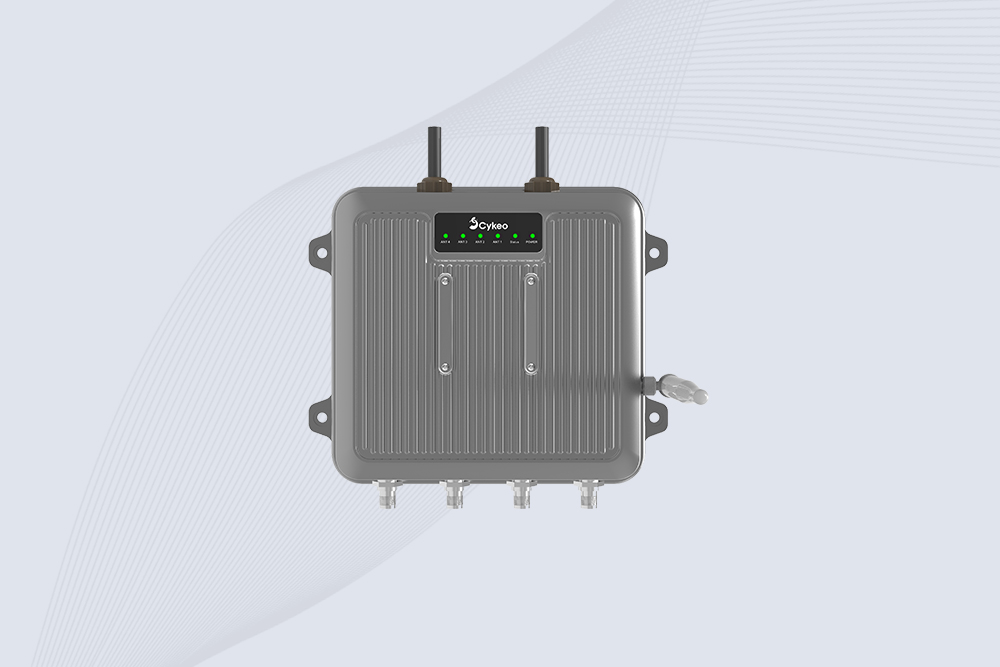
Cykeo CYKEO-C1 industrial Forklift RFID Reader features 20m read range, 600 tags/sec scanning, Impinj R2000 chipset, and IP67 rugged design. Ideal for warehouse logistics and manufacturing. Supports ISO 18000-6C/6B protocols.
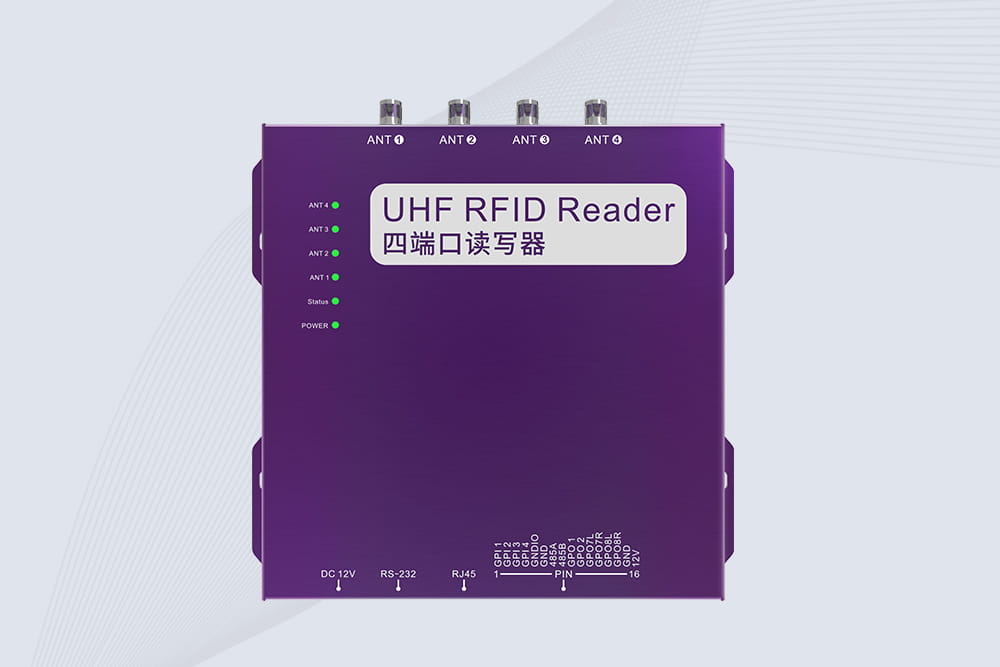
Cykeo CYKEO-R4 industrial UHF RFID Fixed Reader features 4 TNC ports, 400+ tags/sec speed, IP67 housing, and global frequency compliance for vehicle inspection, smart warehouse, and asset management systems.
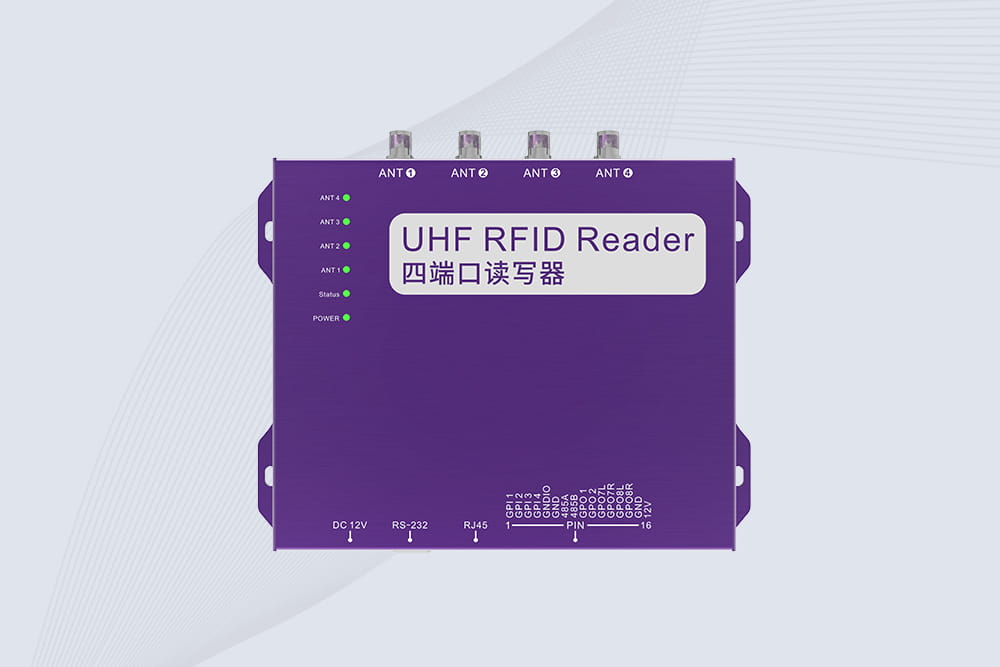
Cykeo’s CYKEO-R4L 4-port Fixed UHF RFID Reader delivers 400 tags/sec scanning, ISO 18000-6C compliance, and IP65 protection. Ideal for warehouse automation, manufacturing WIP tracking, and logistics management.
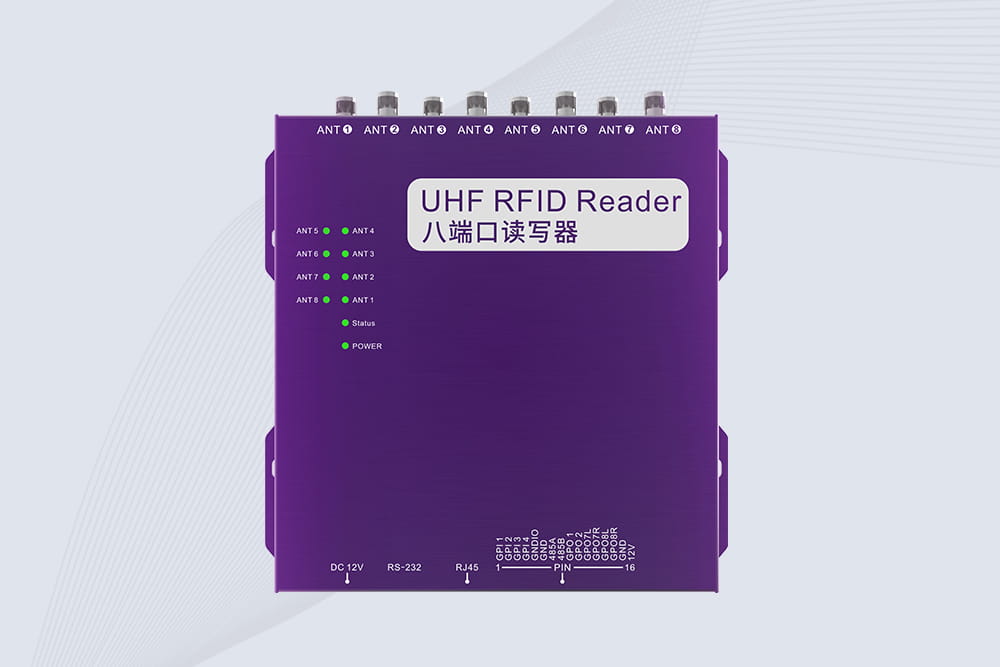
CYKEO CYKEO-R8L Fixed RFID Reader with 8-port UHF design, Impinj-based RF core and up to 20m read range. An industrial Fixed RFID Reader for vehicle inspection, warehouse portals, smart manufacturing lines and secure access checkpoints.
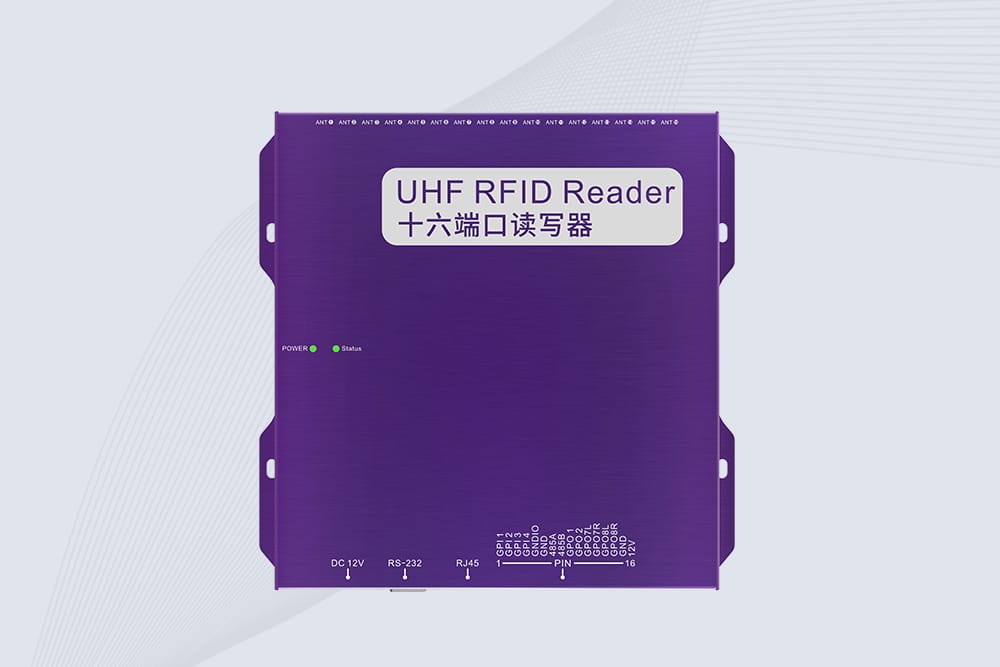
RFID Fixed Reader from CYKEO – the CYKEO-R16L 16-port UHF fixed reader for warehouses, smart cabinets, and production lines. Long-range, multi-tag reading, stable performance for 24/7 industrial use.
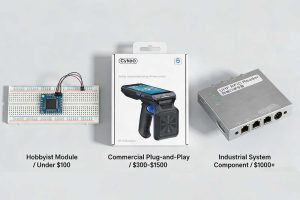
Need a budget? We break down how much an RFID reader really costs, from simple modules to industrial systems, and the key factors that determine the price.
More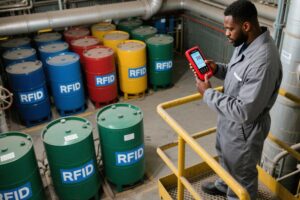
RFID handheld terminals deliver mobile inventory control with real-time scanning. Discover applications, key features, and how they reduce operational costs.
More
Discover how RFID cards streamline electric car charging access, authentication, and billing. Learn about their benefits, security, and Cykeo’s charging solutions.
More
This guide compares LF, HF, and UHF USB RFID readers, covering frequency ranges, tag compatibility, reading characteristics, and common business applications...
More