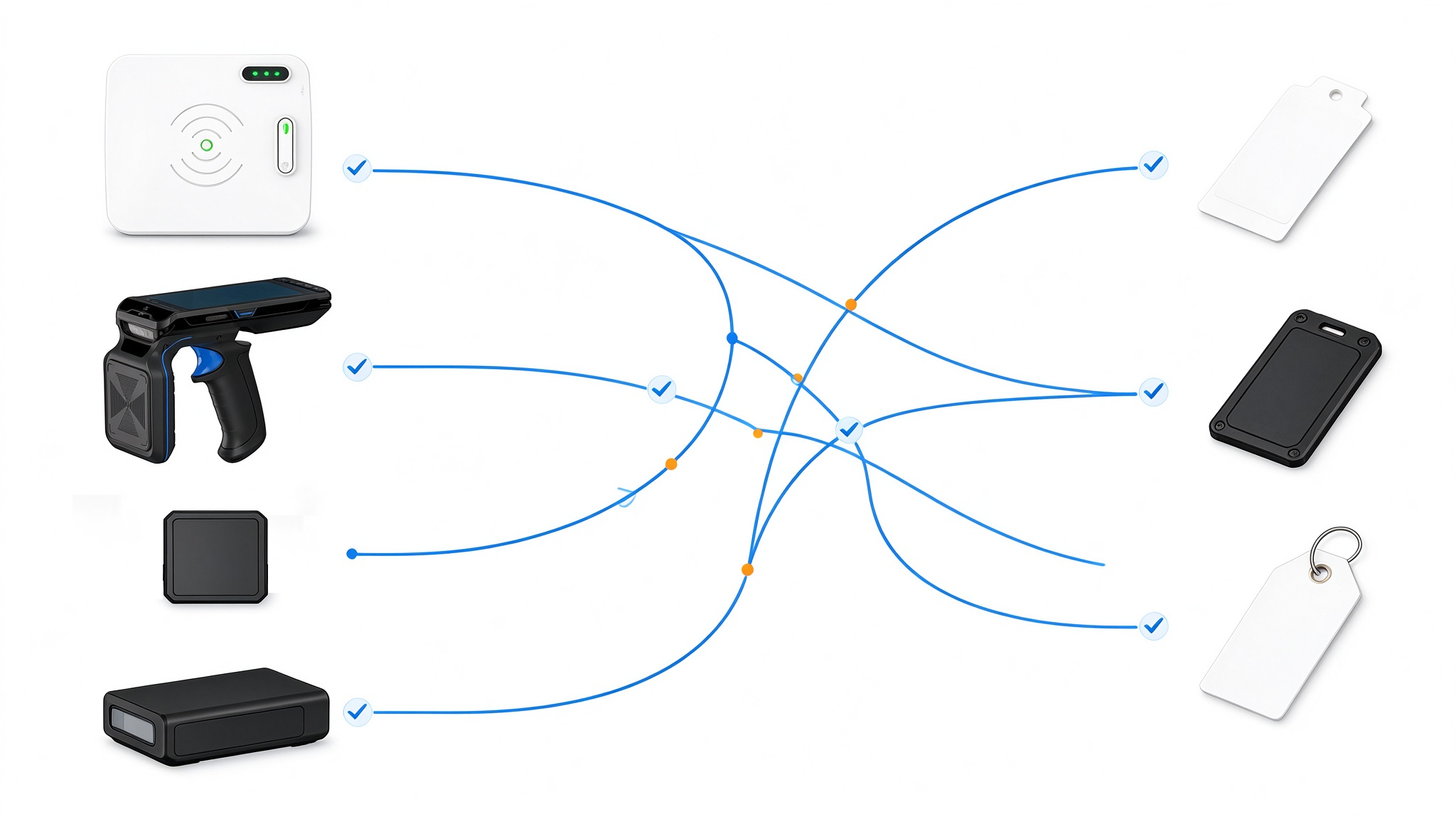
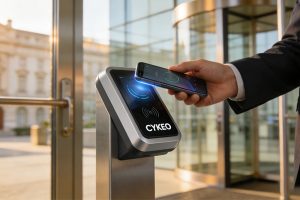
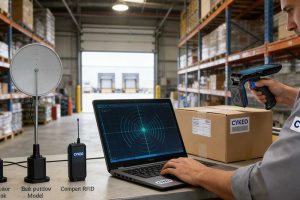
If you search for “what is an RFID reader and tag,” you are really asking one question with two halves. The tag is the silent identity label stuck on your item. The reader is the device that wakes it up and turns that identity into data your software can use. Every RFID system — from a $150 desktop kit to a $50,000 warehouse deployment — is built on this one pairing.
Most guides explain the reader on one page and the tag on another. That misses the part that actually decides whether your project works: how the two halves match. A perfectly good reader and a perfectly good tag can still fail as a pair if their frequencies, protocols or materials don’t line up. This guide covers both halves and — more importantly — how to pair them correctly.
The 30-Second Answer
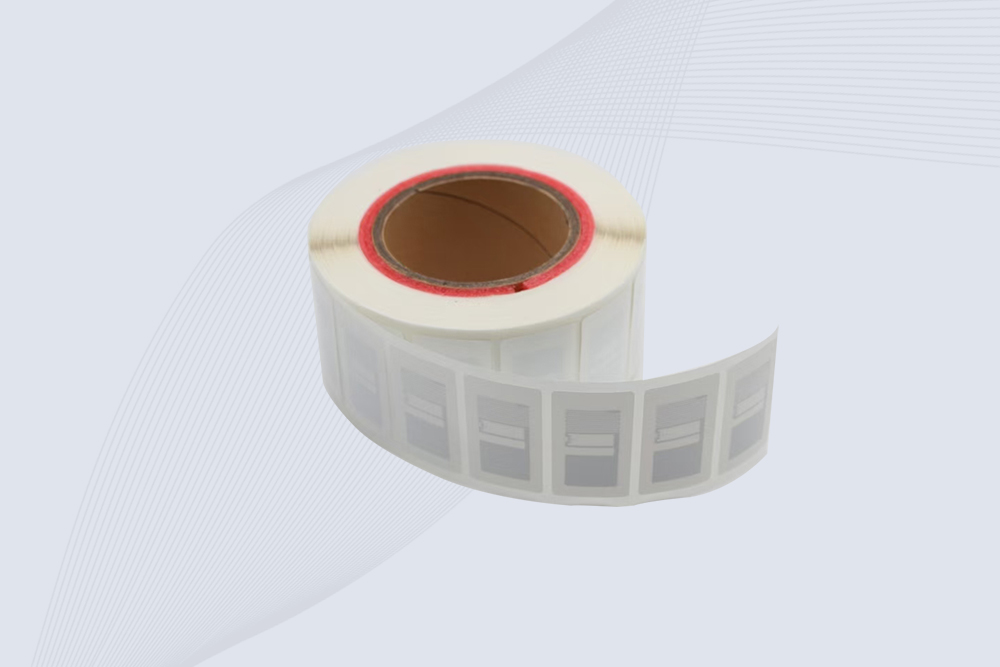
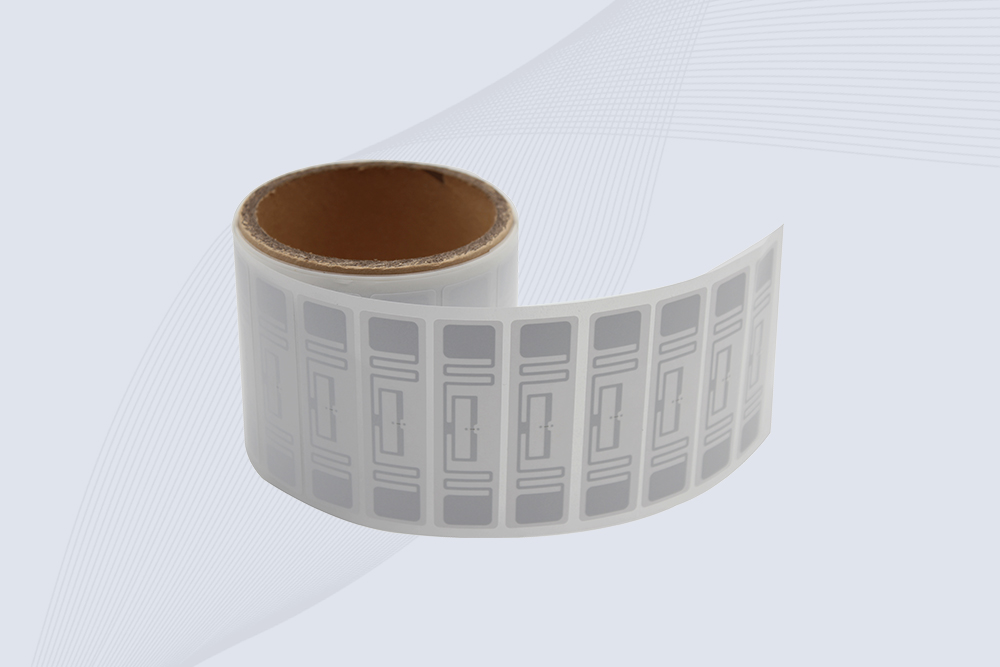
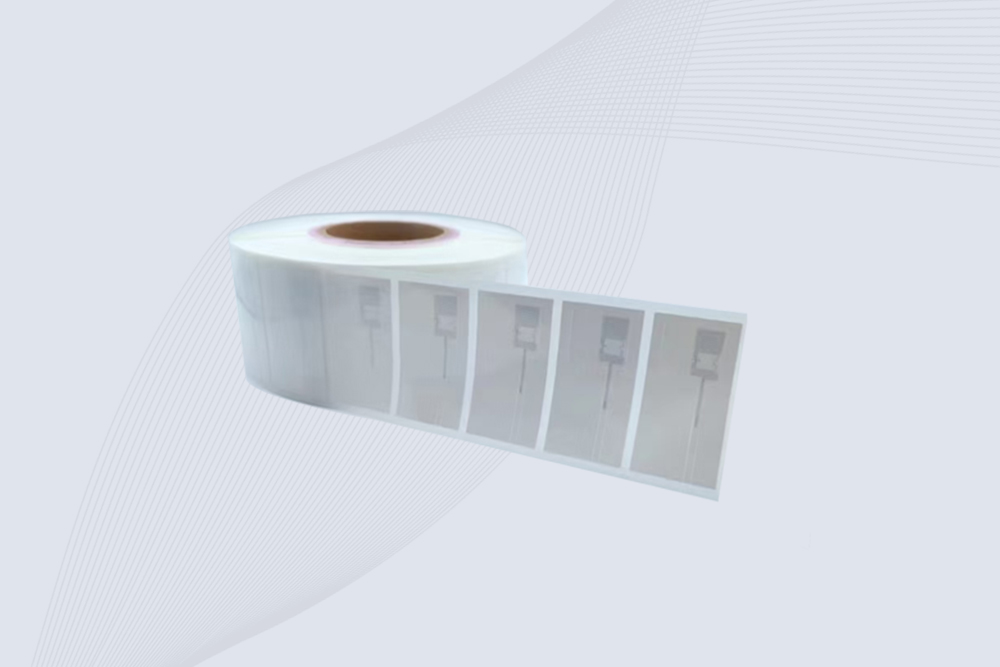
An RFID tag (also called a transponder) is a small label containing a microchip and an antenna. It stores a unique ID — and often extra data — and has no battery of its own in most cases.
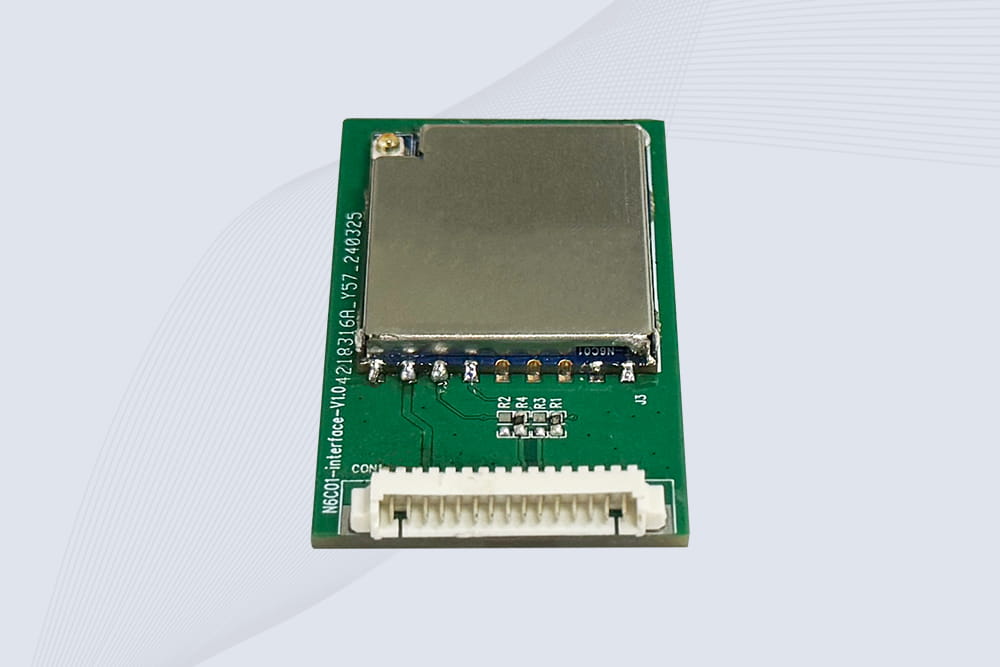
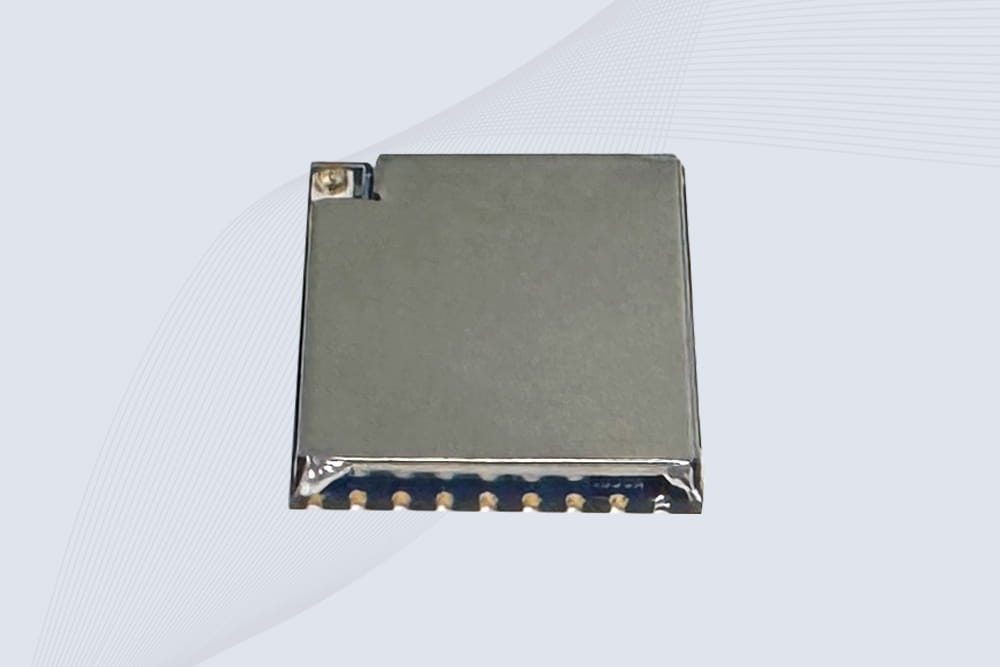
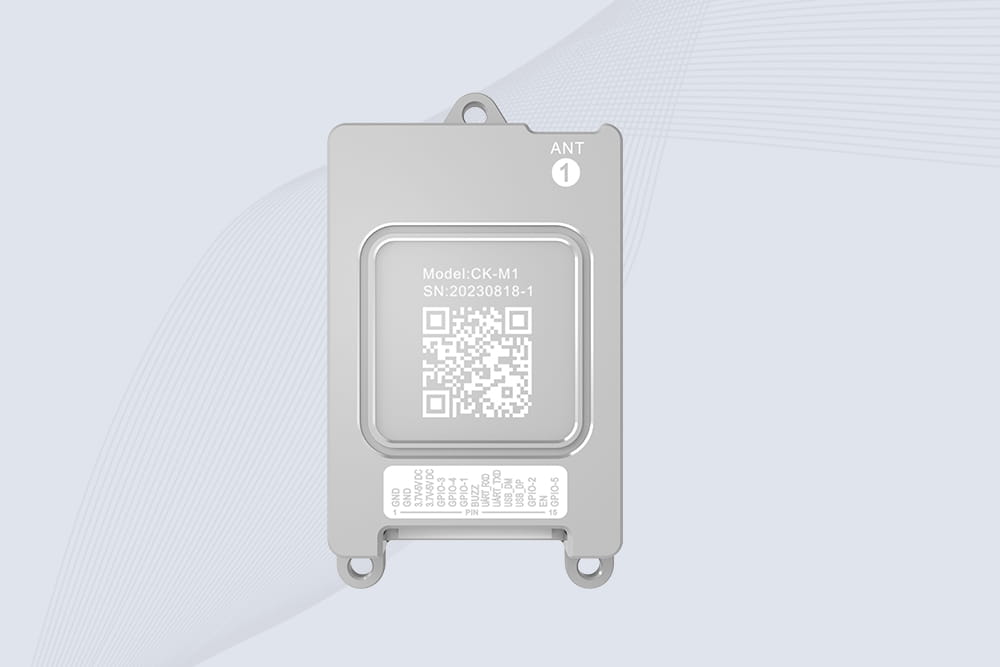
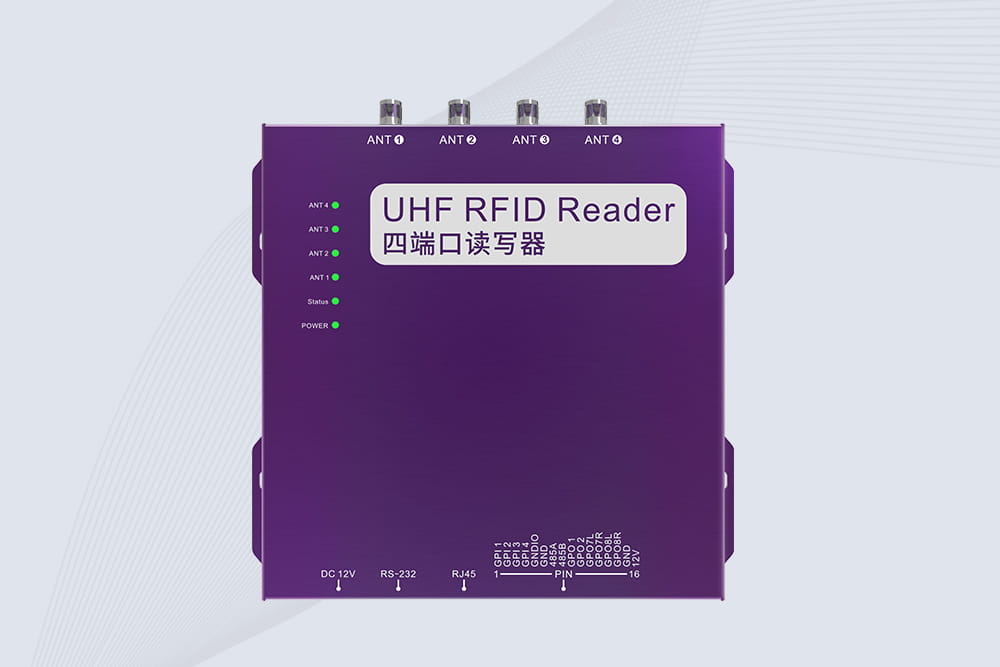
An RFID reader (also called an interrogator) is a device that sends radio energy through an antenna, wakes up nearby tags, receives their responses, and passes the decoded data to your software.
Neither half is useful alone. A tag without a reader is a passive sticker. A reader without compatible tags reads nothing.
The conversation between reader and tag happens in milliseconds and always follows the same four steps:
The reader powers the tag. Its antenna broadcasts radio energy at a specific frequency. A passive tag harvests this energy through its own antenna — that harvested power is what runs its tiny chip, because the tag has no battery.
The reader asks the question. The energy is modulated with a command, usually a simple “inventory” request: who is in the reading zone?
The tag answers by reflection. The chip alters how it reflects the reader’s own signal back — a technique called backscatter — encoding its stored ID into the reflection.
The reader decodes and delivers. The reader’s receiver filters out its own strong broadcast, decodes the faint reflected signal, and sends the ID to a computer over USB, Bluetooth, Ethernet or another interface.
From there, your software decides what the ID means: a pallet arriving at Dock 3, a tool checked out of a crib, a garment entering a laundry cycle.
What’s Inside Each Half
Understanding what’s physically in each half makes the matching rules below obvious.
Inside the reader:
A radio transmitter/receiver tuned to one frequency band
Processing hardware that runs anti-collision algorithms (so it can read dozens of tags at once)
One or more antenna ports (on fixed models) or an integrated antenna (on handhelds and USB readers)
Interfaces to connect upward: USB, RS232, Wiegand, Ethernet, Bluetooth
Inside the tag:
A microchip holding the ID and, on many tags, writable user memory
An antenna sized and shaped for its frequency band
A substrate or backing designed for where the tag will live — paper, plastic, fabric, metal, or liquid-heavy environments
That last point on the tag — the backing — is why two UHF tags with identical chips can behave completely differently on a cardboard box versus a metal machine. We break that down fully in our RFID tag selection guide.
The Matching Table: Which Reader Pairs with Which Tag
This is the table most beginners never see, and it prevents most first-time mistakes:
Your reader type
Frequency it speaks
Tags it pairs with
Typical paired job
USB desktop reader/encoder
UHF (or HF for card-issuing models)
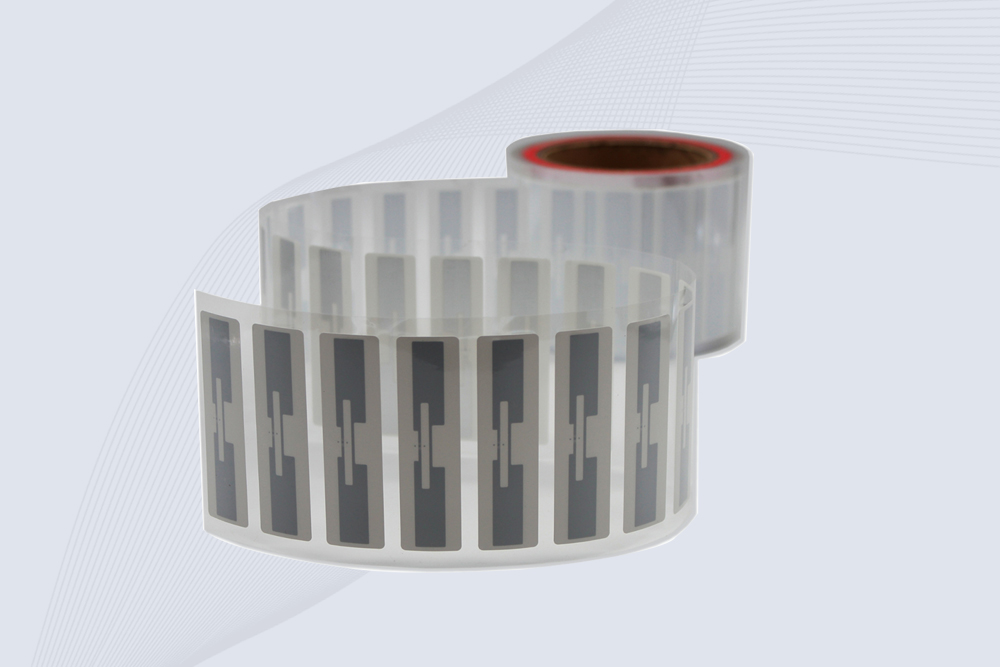
UHF paper labels, on-metal labels, cards
Encoding tags at a desk, issuing cards
Handheld UHF reader
UHF 860–960 MHz
General UHF labels, hang tags, rugged tags
Inventory counts, tool checks, asset audits
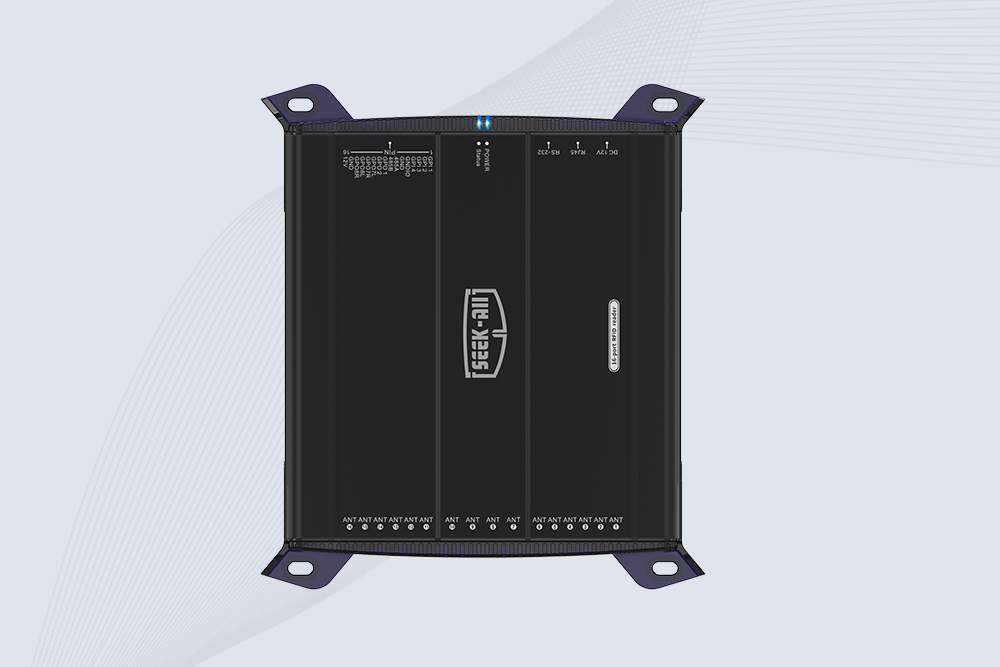
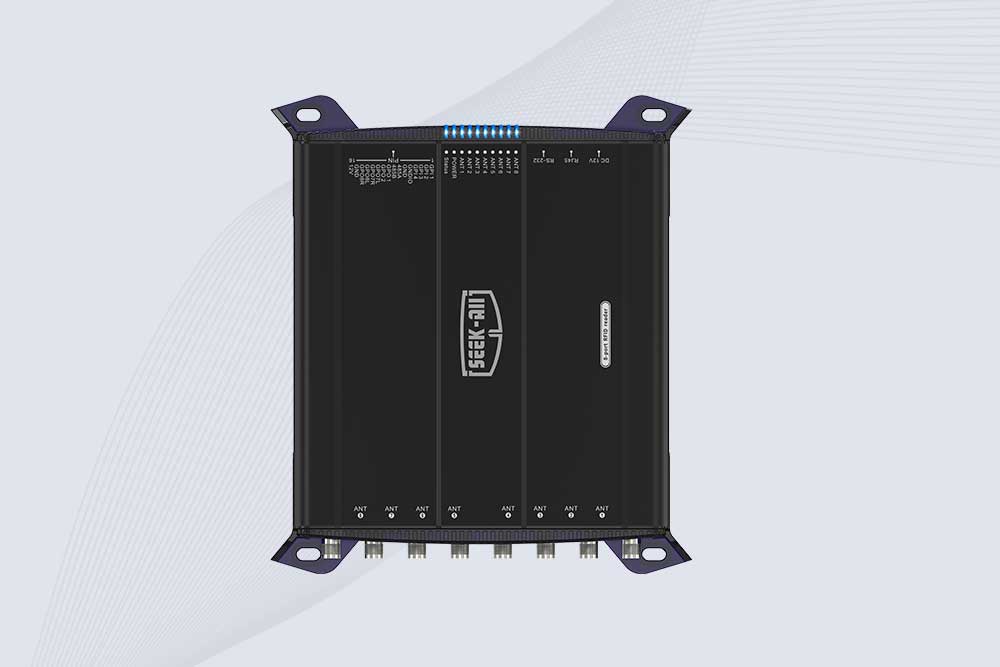
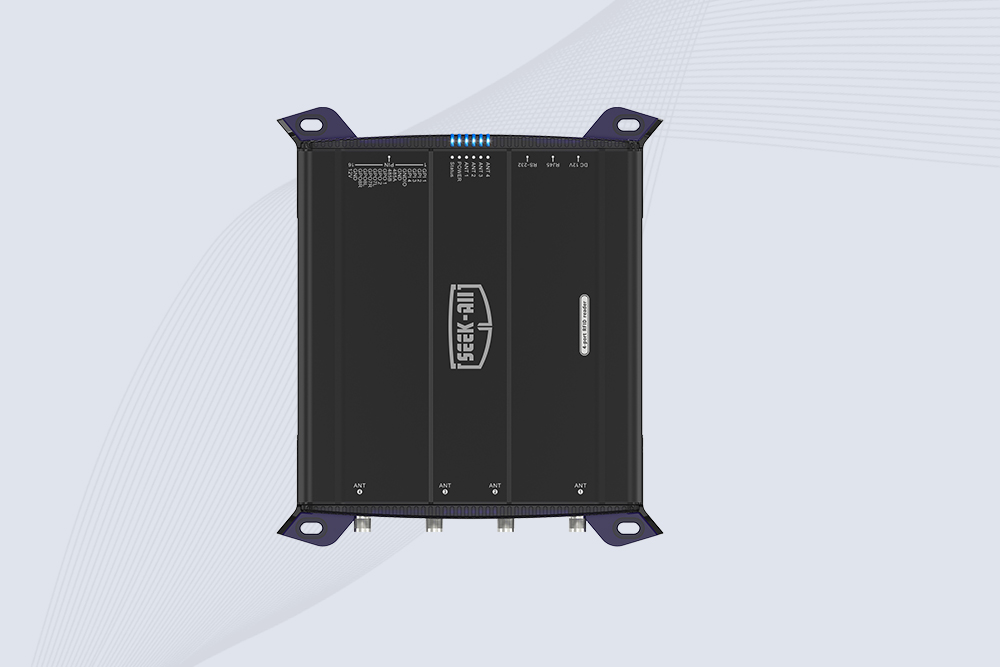
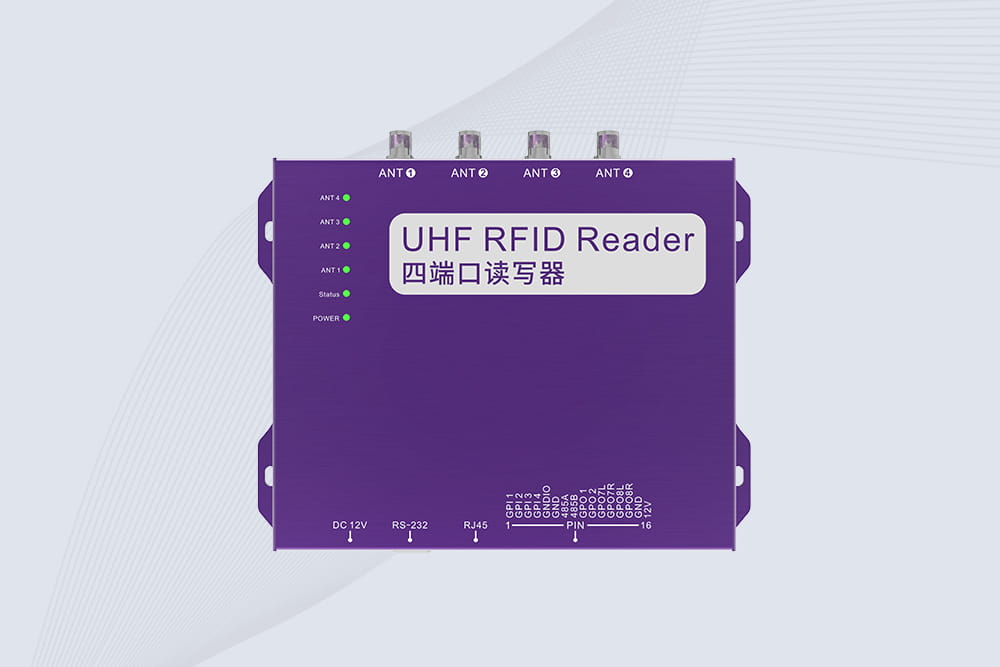
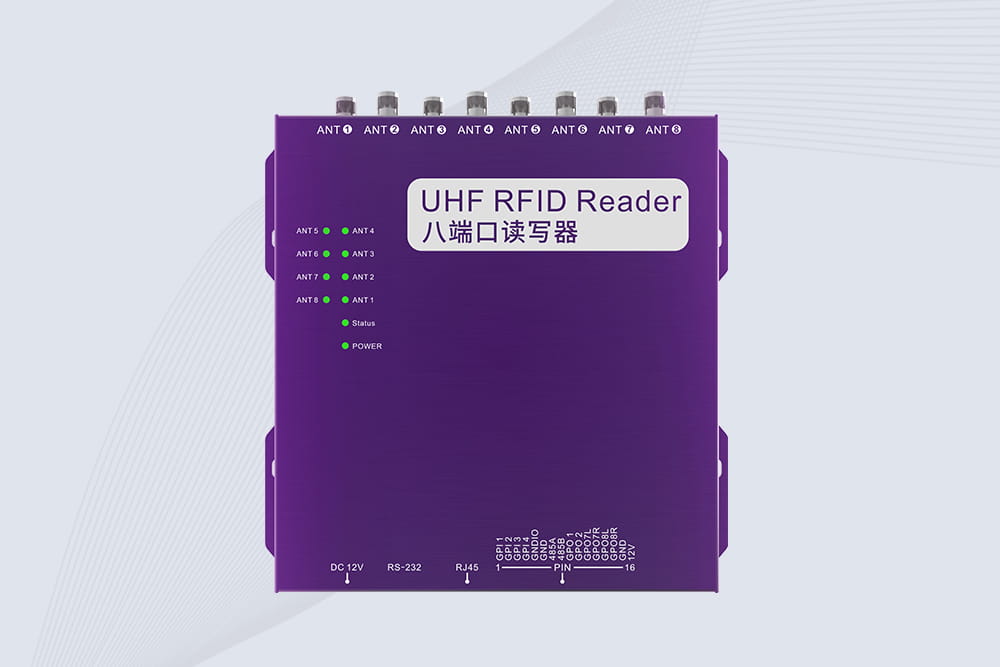
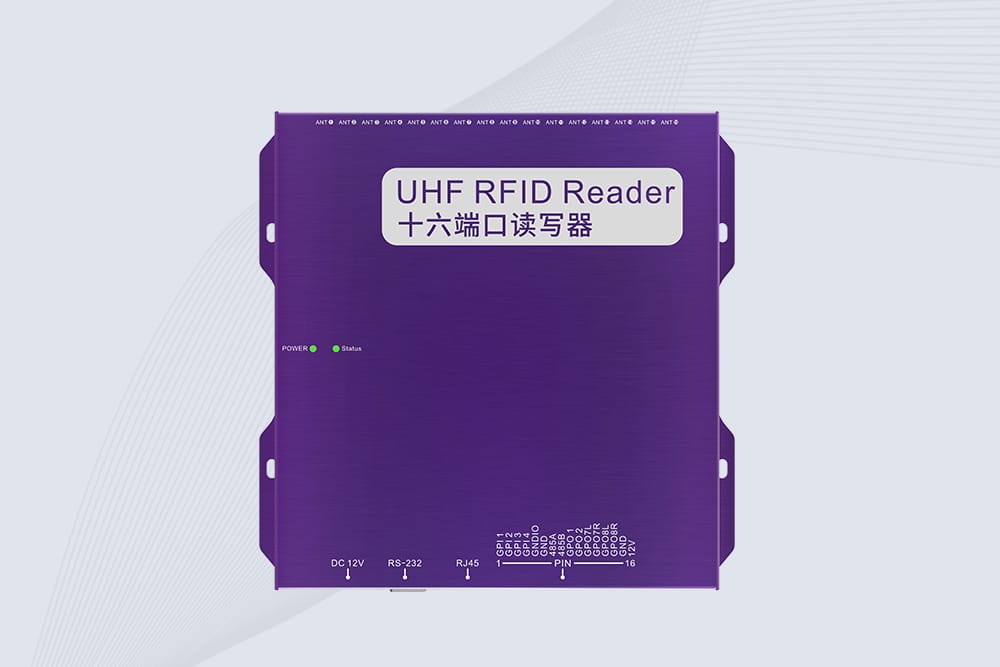
Fixed 4/8/16-port reader
UHF
UHF labels, anti-metal tags, tag-on-pallet
Dock doors, portals, production lines
LF/HF proximity reader
125 kHz / 13.56 MHz
HF cards, keyfobs, NFC-type tags
Access control, library check-in
Long-range reader + high-gain antenna
UHF, high power
UHF tags tuned for distance (vehicles, pallets)
Vehicle gates, yard management
Match reader and tag by frequency, tag type and job — not by price.
Rule 1: Frequencies Must Match — This Is Non-Negotiable
A reader only talks to tags on the same frequency band:
Band
Frequency
Typical tags
Typical readers
LF
125–134 kHz
Animal tags, old access cards
Proximity readers
HF
13.56 MHz
Cards, NFC tags, library tags
Desktop HF readers, phones (NFC)
UHF
860–960 MHz
Supply-chain labels, asset tags
Handhelds, fixed, long-range, USB UHF readers
An HF reader cannot read a UHF tag and vice versa — no matter the power or distance. This is the single most common reason a first sample order “doesn’t work.” Before ordering anything, confirm the frequency band of both halves. If you’re unsure which band your application needs, our RFID guide explains the trade-offs in plain terms.
Rule 2: The Tag’s Environment Shapes the Pair
The reader half doesn’t change much per environment — but the tag half does:
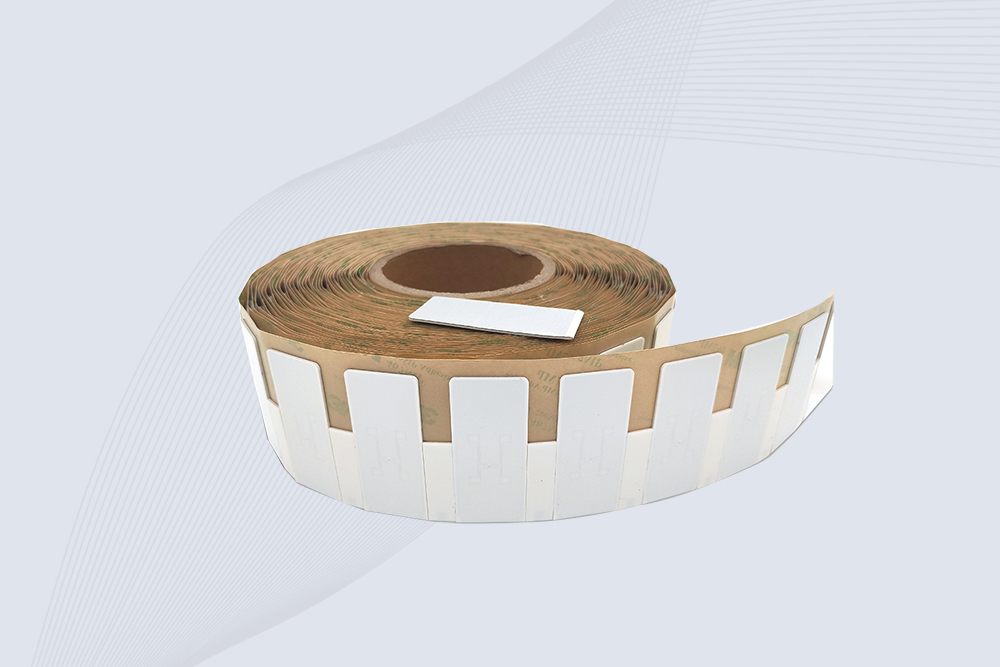
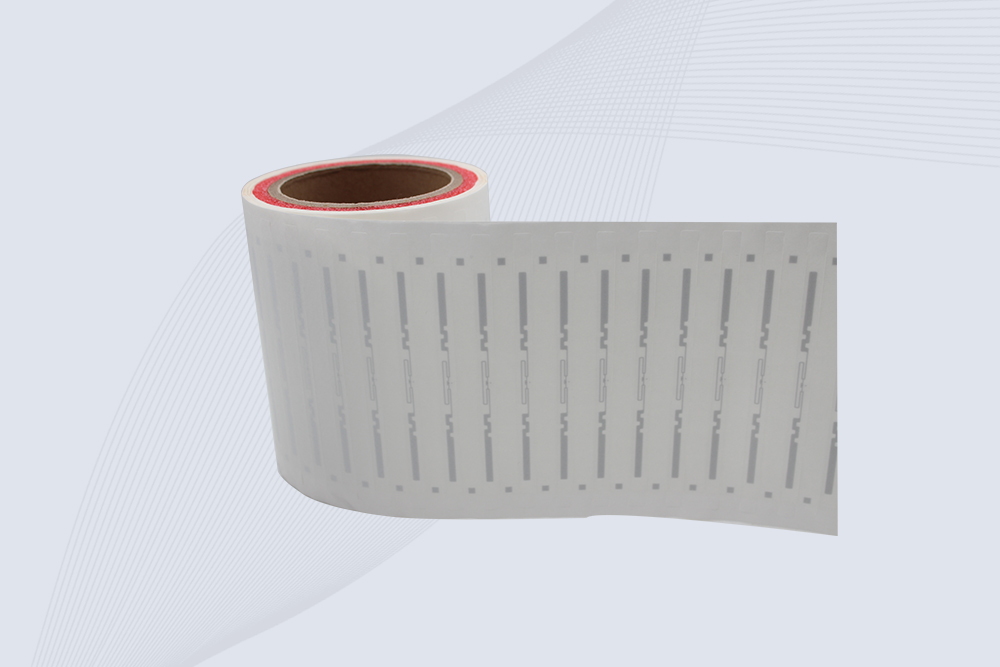
On cardboard/plastic: standard UHF paper or PET labels pair with any UHF reader
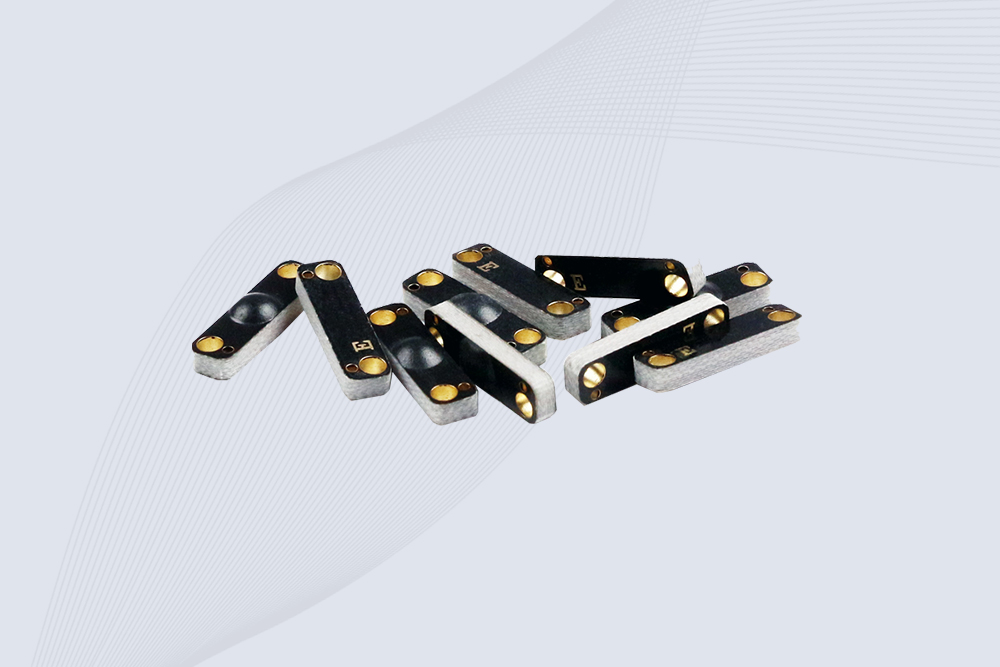
On metal: standard labels detune and fail; you need on-metal RFID tags — the reader stays the same
In liquids: standard UHF struggles; use liquid-tolerant tag designs
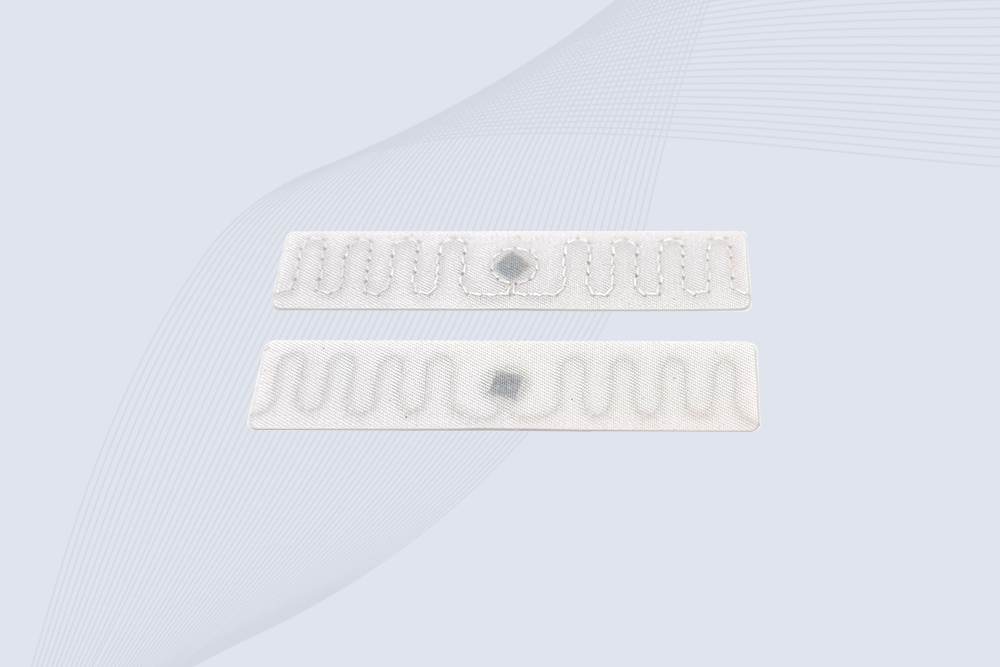
On fabric / through laundry: use textile or laundry tags rated for wash cycles
High tag density: pair anti-collision-capable readers with tags whose chips support fast inventory modes
In other words: you often fix a field problem by changing the tag, not the reader. That’s why buying the pair together — from one supplier who understands both — beats mixing hardware from three vendors.
Rule 3: Match the Pair to the Workflow, Not to the Spec Sheet
The strongest reader and the toughest tag are not automatically the right pair. Match them to the job:
Desk-based encoding of 1 tag at a time → USB reader + UHF or HF card/label
Automatic portal reads at a dock door → fixed multi-port reader + anti-metal UHF tags on pallets
Vehicle identification at a gate → long-range reader + windshield/pallet tags tuned for distance
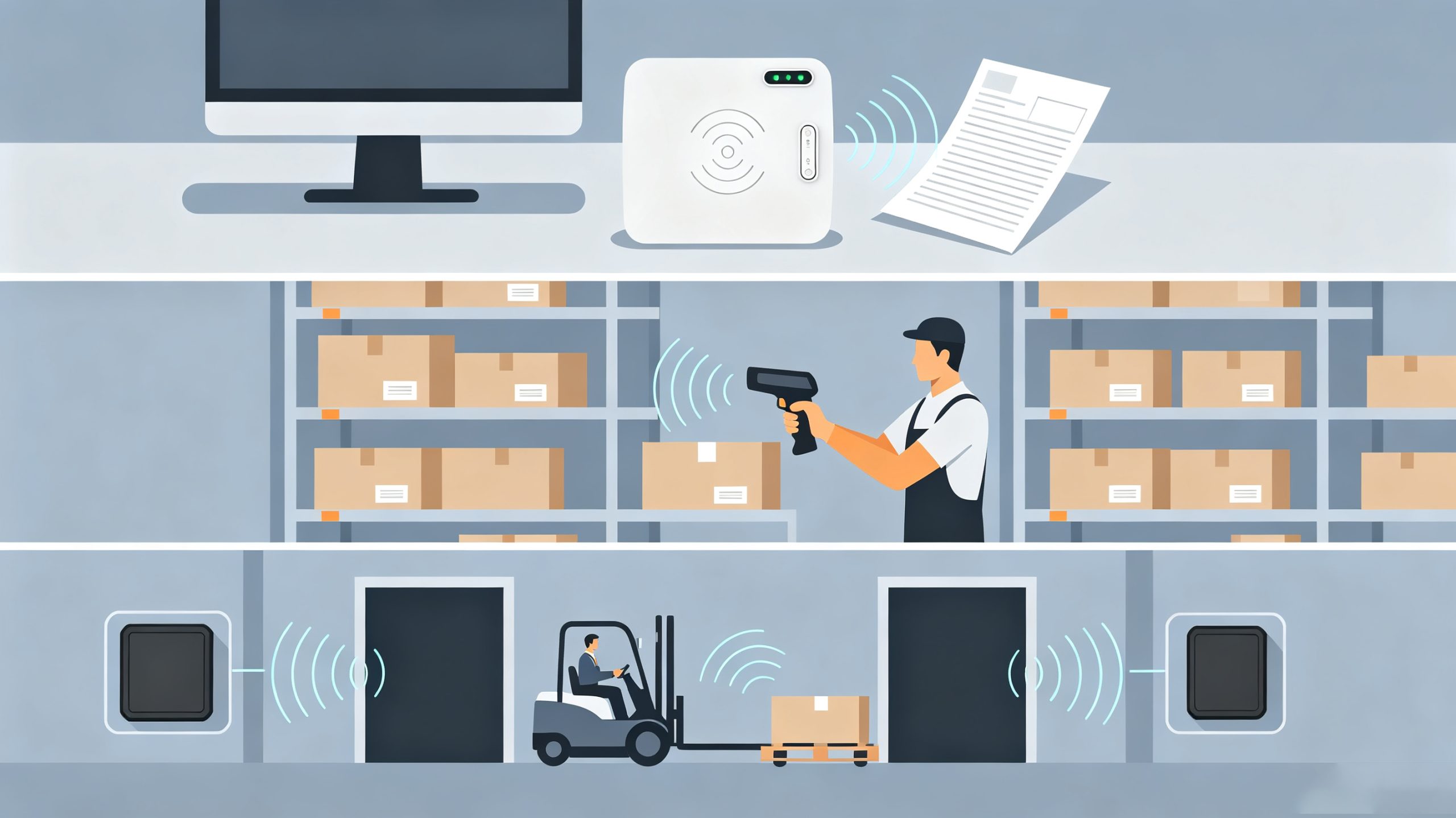
Mixed workflows → most real deployments combine two or three pairs (a fixed pair at the dock, a handheld pair for exceptions, a USB pair at the receiving desk)
Desk, handheld and portal — each workflow needs a different reader-tag pair.
What a Reader-and-Tag Pair Costs
Budget expectations for a working pair (2026, single-station scale):
Pair setup
Reader side
Tag side (100 pcs)
Total to start
Desktop encoding station
USB UHF reader 40–120
UHF paper labels 8–15
~50–135
Handheld audit kit
Handheld UHF reader 200–800
UHF labels or hang tags 10–30
~210–830
Fixed portal (1 door)
4-port reader + 2 antennas 1,200–3,500
Anti-metal/pallet tags 30–100
~1,230–3,600
Vehicle gate
Long-range reader + 9 dBi antenna 800–2,000
Vehicle-rated tags 20–60
~820–2,060
Two things people forget to budget: encoding time (someone must write data onto tags before they’re useful — a USB encoder does this) and software integration (SDK/API access matters more than a few dollars on hardware). For cheap-entry options specifically, see Cheap RFID Reader: How Much Should You Really Spend?
5 Pairing Mistakes That Kill First RFID Projects
Mixing frequency bands — an HF card-issuing reader ordered to read UHF pallet labels. Confirm band before ordering anything.
Choosing the tag for the item, not the surface — a standard label on a metal tool cabinet will read at centimeters, not meters.
Judging range by the reader alone — range is a property of the pair plus the environment: reader power + antenna gain + tag sensitivity + mounting surface.
Forgetting the write step — a reader that can’t encode means buying a separate writer or choosing reader/writer models.
Ordering one vendor’s reader and another’s tag with no testing — always validate the exact pair in your environment first. Even same-band hardware from different sources can behave differently at the edge of the read zone.
How to Test Your Pair Before Scaling
The safest path for any first deployment:
Order one USB or handheld reader plus 50–100 of your candidate tags
Test on your real items — real metal, real liquid, real packaging — not the supplier’s demo kit
Record read rate at your actual required distance and speed
Encode a few tags and confirm your software receives the data the way you need
Only then scale the pair to portals, additional handhelds or more labels
If you want to skip trial-and-error, our team at Cykeo builds both halves — readers and tags — and can recommend a matched pair for your application before you spend money. Talk to us about your application.
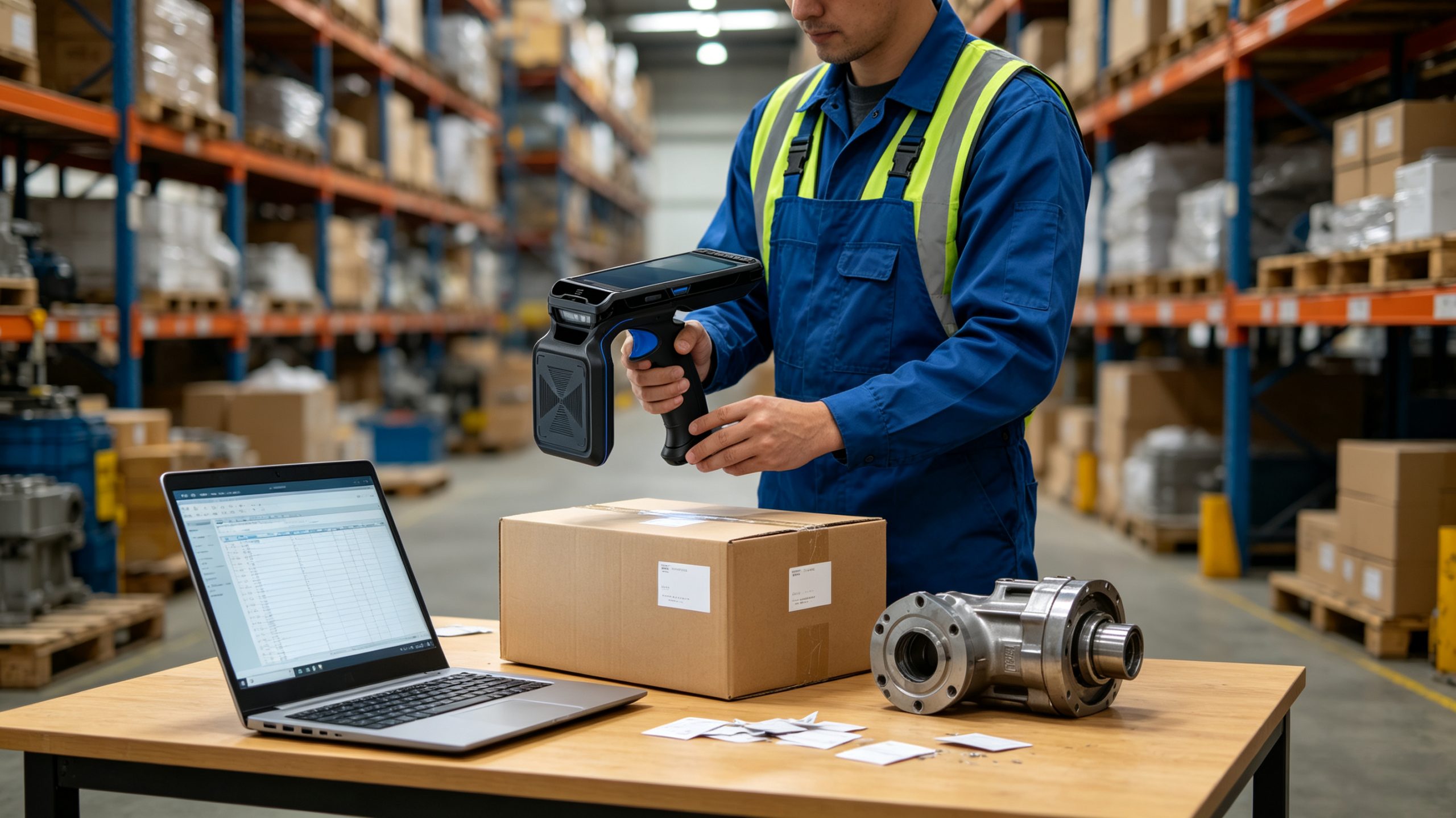
Validate the exact reader-tag pair on real items before scaling.
Frequently Asked Questions
What is the difference between an RFID reader and an RFID tag?
The tag stores and returns data; the reader supplies the energy, asks the question, and decodes the answer. The tag is passive (in most systems) — it only speaks when a reader powers it.
Can an RFID reader work without a tag, or a tag without a reader?
No. They are two halves of one system. A reader without compatible tags reads nothing; a tag without a reader is just a sticker. They must also match in frequency band.
Do RFID readers and tags need to be the same brand?
No — they need to match in frequency and protocol (e.g., EPC Gen2 for UHF). But buying both from one supplier means the pair is pre-validated and support covers the whole system.
Can one reader read multiple tags at once?
Yes. UHF readers use anti-collision algorithms to read dozens or hundreds of tags per second — one of RFID’s core advantages over barcode scanning.
What is the simplest reader-and-tag pair to start with?
A USB desktop UHF reader with standard paper labels — low cost, plug-and-play, and enough to validate your application before investing in fixed or long-range hardware.
SSD-R16L Multi-Channel RFID Infrastructure for Automated Inventory Management ✔️ 16-Port High-Density RFID Reading Equipped with 16 SMA antenna ports, SSD-R16L supports multi-antenna deployment for warehouses, retail stores, logistics, production lines, and large-area RFID identification. ✔️ High-Speed & Long-Range Performance With up to 33…
SSD-R8L 8-port UHF RFID reader with 33dBm output, up to 20m reading range and 600+ tags/s recognition. Ideal for warehouse, logistics, retail and asset tracking.
CYKEO Passive RFID Tags are made for wet and high-humidity environments where standard labels do not last. This rfid passive tag is often used around liquids, chemicals and temperature changes, providing stable reading distance and long data life for industrial tracking.
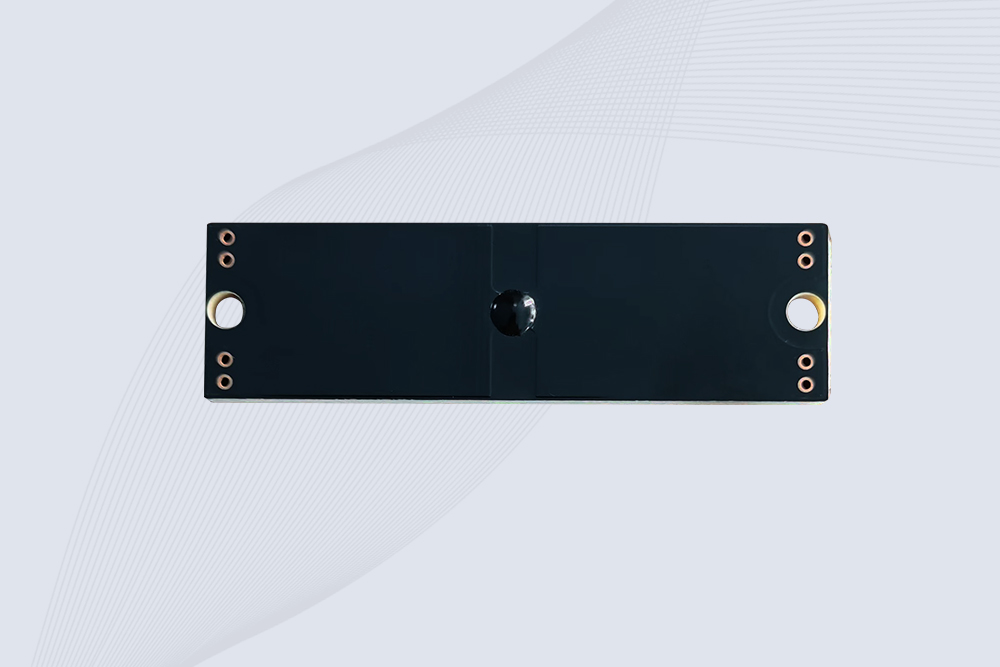
CYKEO CYKEO-PCB1504 Metal RFID Tags is a compact anti-metal UHF RFID solution built for direct mounting on metal surfaces. With stable 8-meter read range, Ucode-8 chip, and long data retention, this rfid metal tag fits tools, containers, automotive parts, and industrial asset tracking.
CYKEO CYKEO-PCB7020 On-Metal RFID Tags are designed for reliable tracking on steel and metal surfaces. Built with an FR4 epoxy body and industrial-grade chips, these On-Metal RFID Tags deliver stable performance, long data life, and chemical resistance, making them a dependable RFID anti-metal tag for harsh environments.
The CYKEO CYKEO-60-25 Anti-Metal RFID Tag is built for metal surfaces where standard tags fail. Designed for long-range performance, harsh environments, and stable data retention, this Anti-Metal RFID Tag is ideal for industrial assets, containers, and equipment tracking using on metal RFID tags.
The CYKEO RFID Laundry Tag is designed for long-term textile identification in harsh laundry environments. Built to withstand high heat, chemicals, and repeated washing, this RFID Laundry Tag delivers stable performance for hotels, hospitals, and industrial laundry operations using laundry rfid tags at scale.
The CYKEO CYKEO-125-7 RFID Book Tag is designed for reliable book and document tracking in libraries and archives. This RFID Book Tag delivers long read range, dense placement support, and stable performance on shelves, making it a practical rfid tag on books for library automation, file management, and archival systems.
CYKEO RFID tags in hospitals are designed for sterile environments where accuracy matters. These autoclavable RFID tags support long-term tracking of surgical tools, implants, and medications, helping hospitals improve visibility, compliance, and patient safety.
CYKEO RFID Cable Tie Tag is built for reliable identification on metal surfaces. This UHF RFID Cable Tie Tag is widely used in rfid tags for inventory systems, industrial asset management and Hospital RFID Tags, offering stable read performance, long service life and global EPC Gen2 compatibility.
CYKEO RFID Asset Tag is designed for stable identification of metal assets in industrial environments. This UHF RFID Asset Tag is commonly used for rfid tag asset tracking on equipment, tools and containers, providing reliable reads, long service life and ISO/IEC 18000-6C support.
CYKEO UHF RFID Card is designed for fast identification and long-term use in industrial and commercial systems. Supporting ISO 18000-6C, this UHF RFID Card works at 860–960 MHz and is suitable for custom RFID cards used in asset tracking, access control and inventory management.
CYKEO HF RFID Cards are designed for secure and stable access control systems. These 13.56 MHz RFID key cards support ISO 14443-A, reliable rewriting and long service life, making HF RFID Cards suitable for offices, campuses, events and membership management.
CYKEO UHF RFID Tag is designed for reliable tracking of metal jewelry and high-value items. This Jewelry RFID Tag supports long-range reading up to 8 meters, anti-counterfeit protection and stable performance on metal, making it suitable for retail, inventory control and asset management.
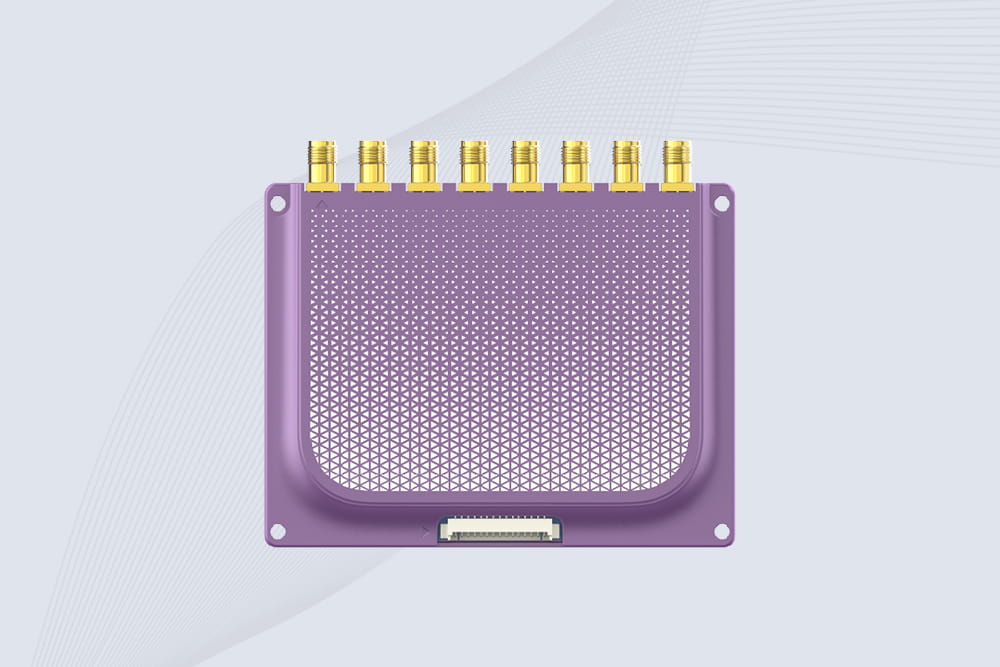
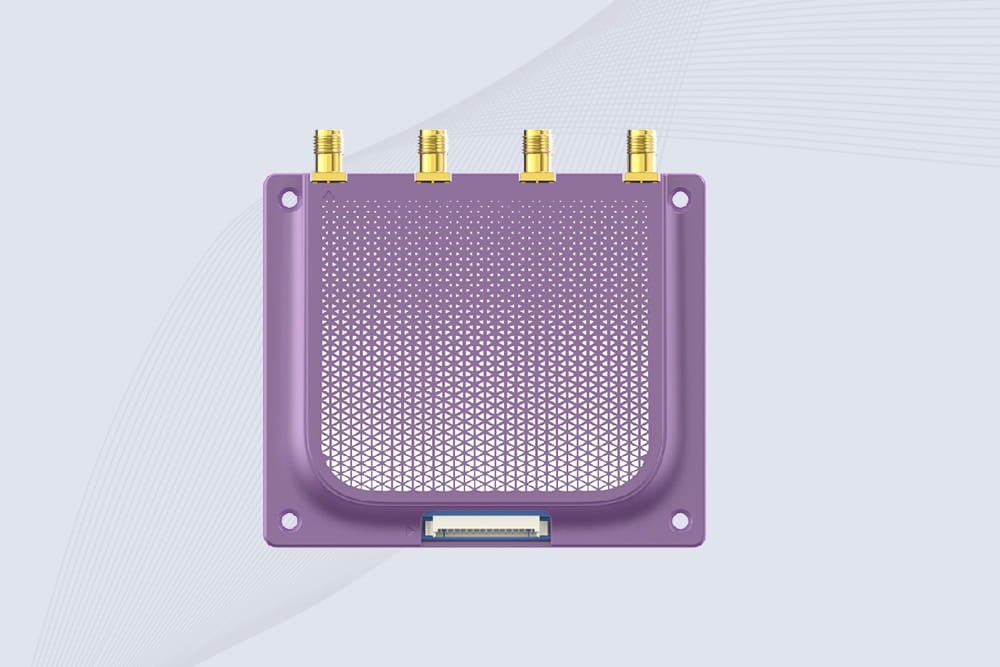
CYKEO Embedded RFID Modules are designed for compact industrial and IoT devices that require stable UHF performance. These UHF RFID Modules support global protocols, flexible power control, and reliable multi-tag reading for smart cabinets, production lines, and asset tracking systems.
CYKEO Embedded RFID Module is built for compact IoT and industrial devices that need stable UHF performance. This UHF module supports global protocols, low power operation, and reliable multi-tag reading for smart lockers, production lines, and always-on RFID systems.
CYKEO CYKEO-M1 drone rfid module is a compact UHF RFID reader module designed for drones and UAV platforms. It supports long-range aerial scanning, fast multi-tag reading, and stable performance in wind, vibration, and outdoor environments.
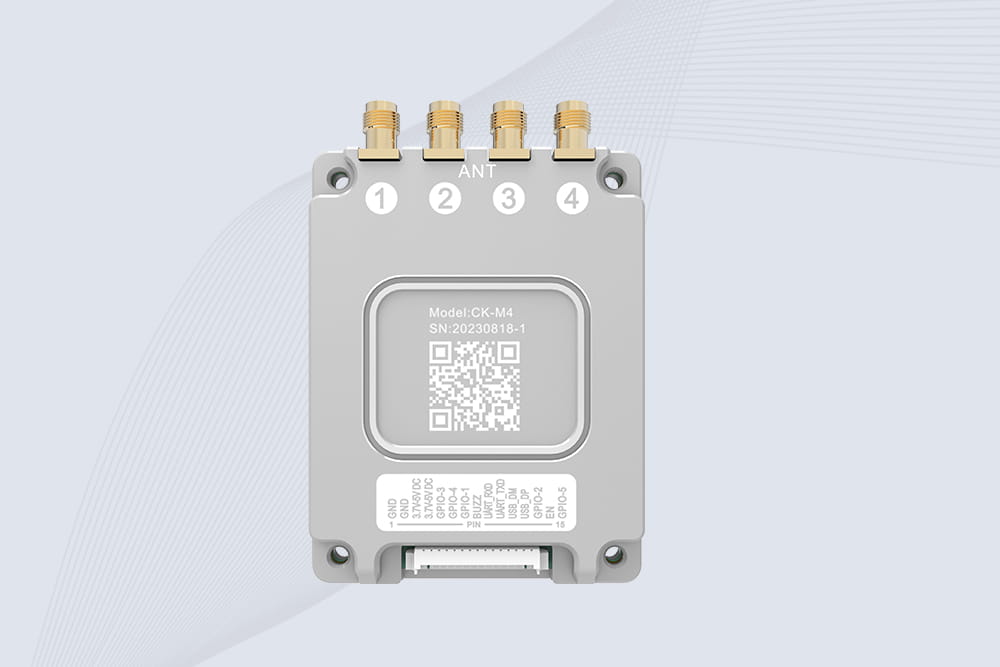
CYKEO CYKEO-M4 RC522 RFID Module is an industrial-grade UHF RFID reader with 4 ports, supporting ISO, EPC, and GB protocols. High-speed, accurate reading for IoT, automation, and warehouse applications.
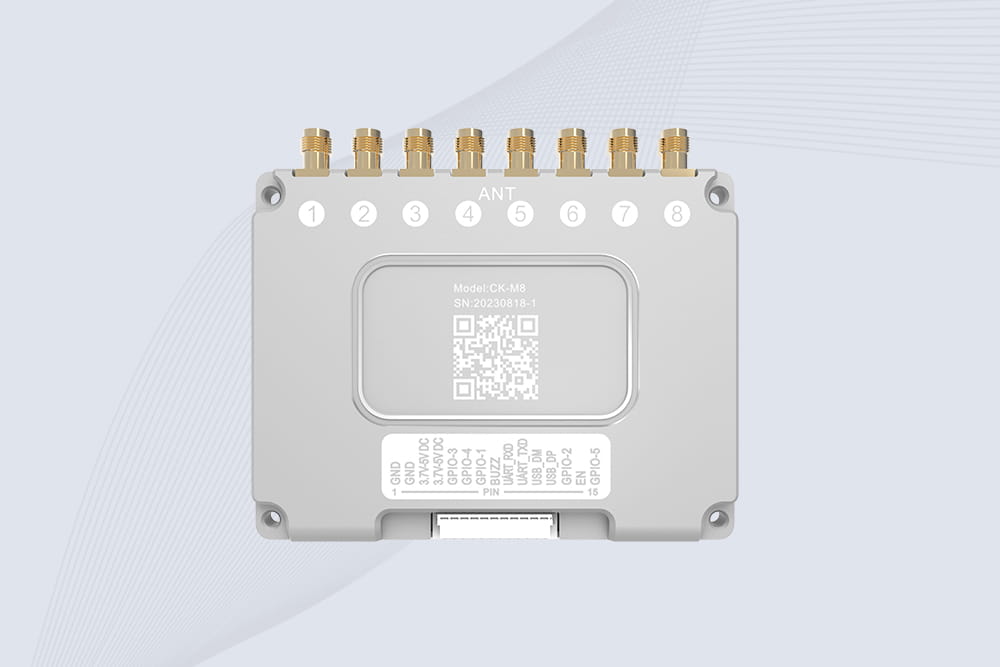
CYKEO CYKEO-M8 Module RFID is an 8-port UHF R2000 RFID Module designed for high-density, multi-tag environments. Stable 33dBm output, ISO & GB protocol support, ideal for warehouses, factories, and automated systems.
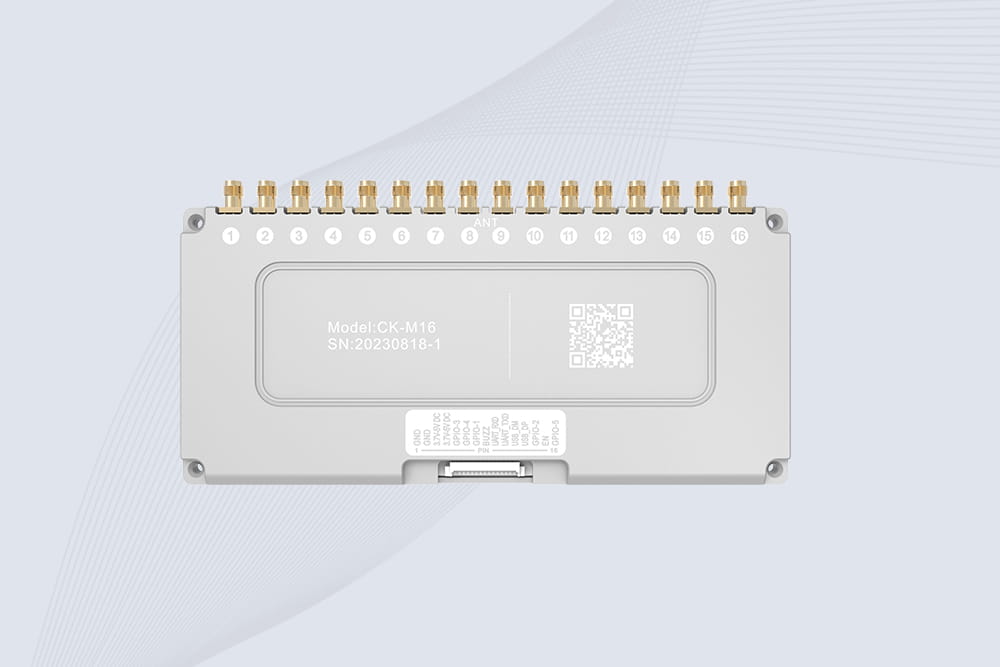
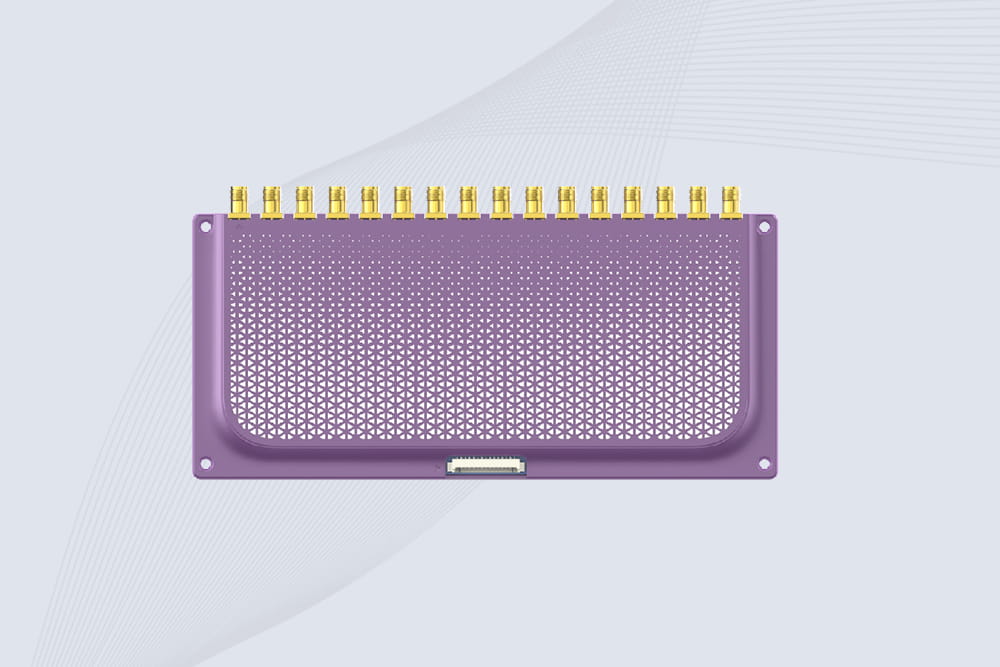
CYKEO CYKEO-M16 RFID Module is a 16-port UHF RFID reader module based on the R2000 chipset. Designed for dense tag environments, it supports ISO and GB standards and delivers stable multi-antenna control for industrial automation.
The CYKEO CYKEO-M16L RFID Reader Module is a 16-channel UHF RFID core designed for dense tag environments. With adjustable 33dBm output, multi-protocol support, and stable multi-antenna control, this RFID Tag Reader Module fits industrial automation, warehouse systems, and large-scale IoT deployments.
CYKEO CYKEO-M8L module RFID is a compact industrial UHF module built for dense tag and multi-antenna environments. With 8 RF ports, adjustable 33 dBm output, and ISO & GB protocol support, it is widely used in factories, warehouses, and automated tracking systems.
CYKEOCYKEO-M4L UHF RFID Module is a compact 4-channel RFID tag reader module designed for dense tag environments. Supporting ISO and GB protocols, it delivers stable reads up to 10 meters for industrial and IoT systems.
Cykeo CYKEO-C1 industrial Forklift RFID Reader features 20m read range, 600 tags/sec scanning, Impinj R2000 chipset, and IP67 rugged design. Ideal for warehouse logistics and manufacturing. Supports ISO 18000-6C/6B protocols.
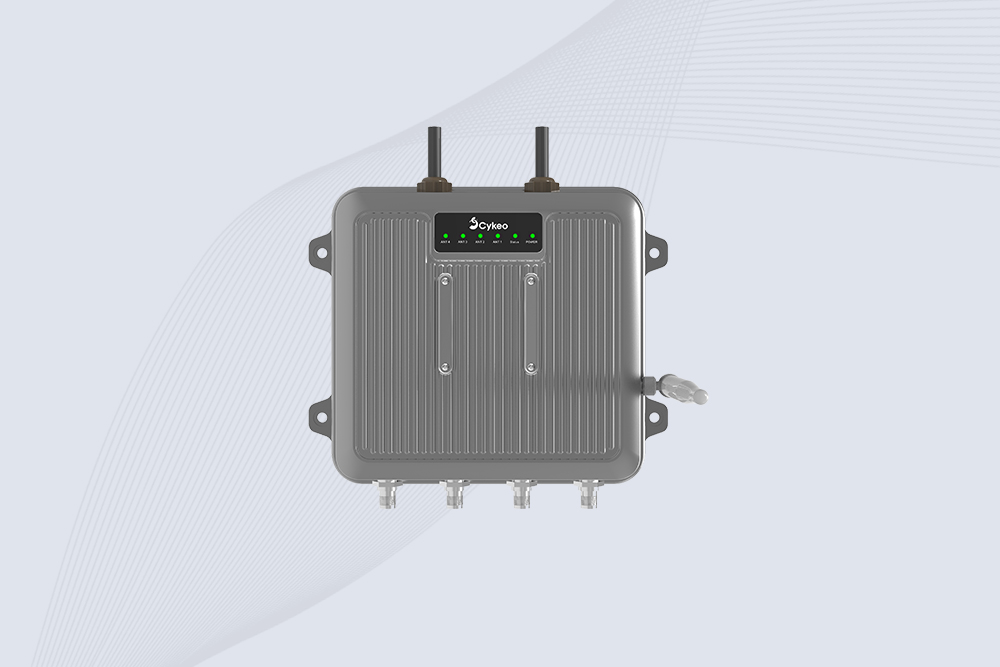
Cykeo CYKEO-R4 industrial UHF RFID Fixed Reader features 4 TNC ports, 400+ tags/sec speed, IP67 housing, and global frequency compliance for vehicle inspection, smart warehouse, and asset management systems.
CYKEO CYKEO-R8L Fixed RFID Reader with 8-port UHF design, Impinj-based RF core and up to 20m read range. An industrial Fixed RFID Reader for vehicle inspection, warehouse portals, smart manufacturing lines and secure access checkpoints.
RFID Fixed Reader from CYKEO – the CYKEO-R16L 16-port UHF fixed reader for warehouses, smart cabinets, and production lines. Long-range, multi-tag reading, stable performance for 24/7 industrial use.
With the rapid advancement of technology, Radio Frequency Identification (RFID) has become a critical technology across various industries, including logistics, supply chain management, retail, and healthcare. In mobile communication, the applicat...
Wondering what is RFID reader technology? We explain how it works, the internal components, communication principles, and why it outperforms barcodes. A clear technical overview from CYKEO engineers.
Wondering "can RFID reader read NFC tag"? Discover the technical relationship between RFID and NFC, compatibility factors, and how CYKEO solutions bridge both technologies for seamless access control.
Unsure how to choose the correct RFID antenna? Our field-tested guide helps you match antenna specifications to your environment, range, and application needs.
 Cykeo RFID IoT Solution Products R&D Manufacturer