 Cykeo RFID IoT Solution Products R&D Manufacturer

Low-Cost Fixed RFID Reader for Warehouse and Logistics Projects
133A practical buying guide that shows wholesale buyers, integrators, and distributors how to pick a low-cost fixed UHF RFID reader for warehouse and logistics ...
MoreAll RFID Product
Most “how RFID works” articles explain the technology the way a parts catalog explains a car: component, function, component, function. Accurate — and impossible to remember.
There’s a better way to understand it. Follow one tag through one real day. In this article we’ll ride along with a single UHF tag — the one stuck to pallet #A-4173 — from the moment it’s written at a desk in the morning to the moment it leaves through the shipping door in the afternoon. At every stop, you’ll see exactly what the radio is doing, what data gets created, and what would break that step in real life.
By the end, you won’t have memorized a definition. You’ll have watched the technology work.

Pallet #A-4173 is a standard wood pallet of boxed goods, and its tag is an ordinary passive UHF label: a paper sticker with a printed antenna pattern and a chip the size of a grain of sand inside. No battery. It will never have one. Everything it will ever “say” is powered by the readers it meets during the day.
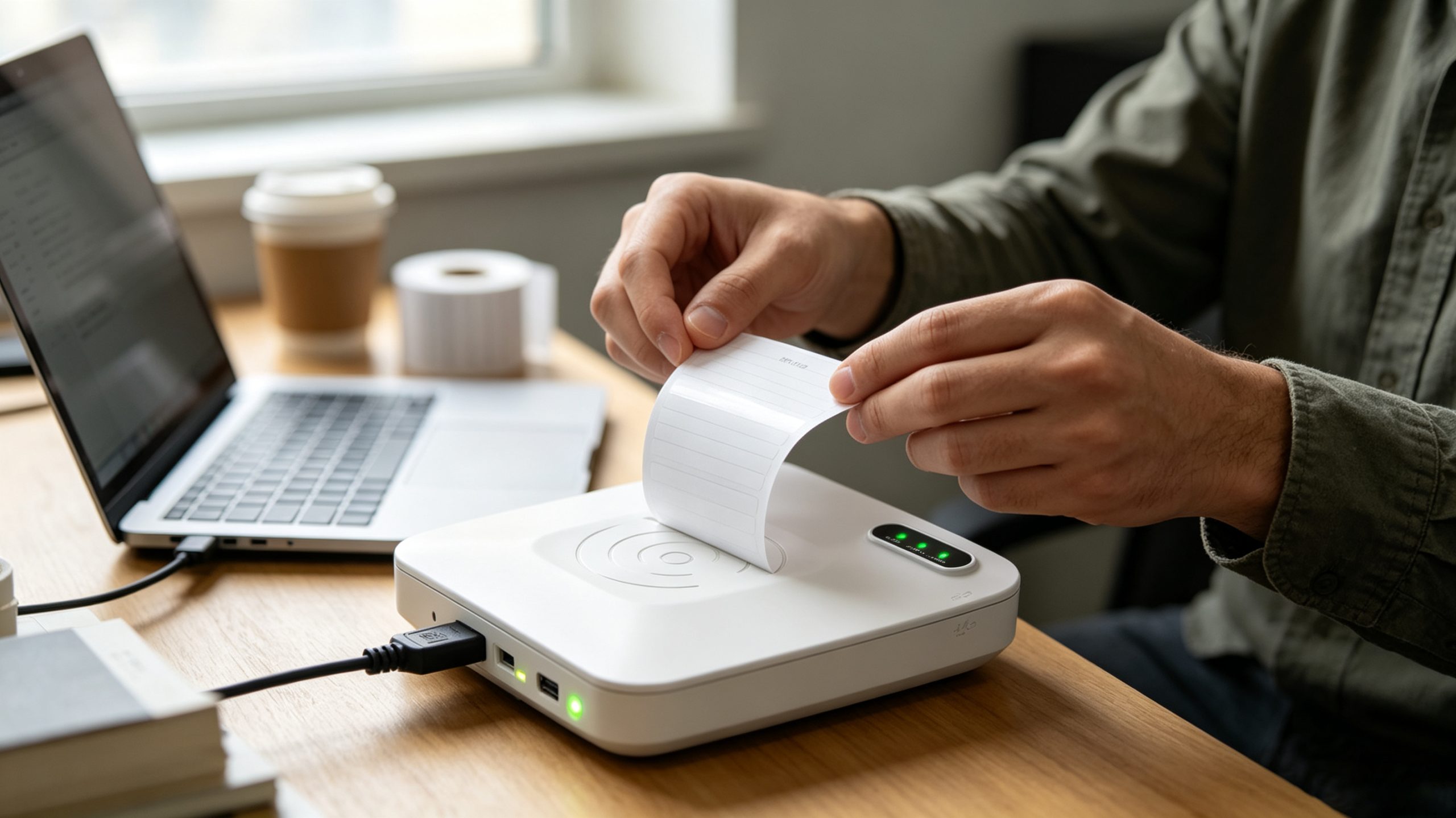
Right now the tag is blank — a license plate before the number is stamped on. Giving it its number is the first step of how RFID works in practice, and it happens at a desk, not in a warehouse.
An operator places a sheet of labels onto a desktop UHF encoder connected to a laptop. Here’s what happens inside the roughly half-second each label spends on the device:
Notice what the tag does not store: the product description, the order details, the customer’s address. The tag carries the plate; the database holds everything the plate points to. This split is deliberate — it keeps tags cheap and lets you correct records without reprinting labels.
If the operator had pasted the label directly onto a metal drum, the morning would already be over: metal detunes the antenna and a plain label reads centimetres at best. That’s why tag choice is matched to surface, not to price — our tag selection guide by material covers that matching.
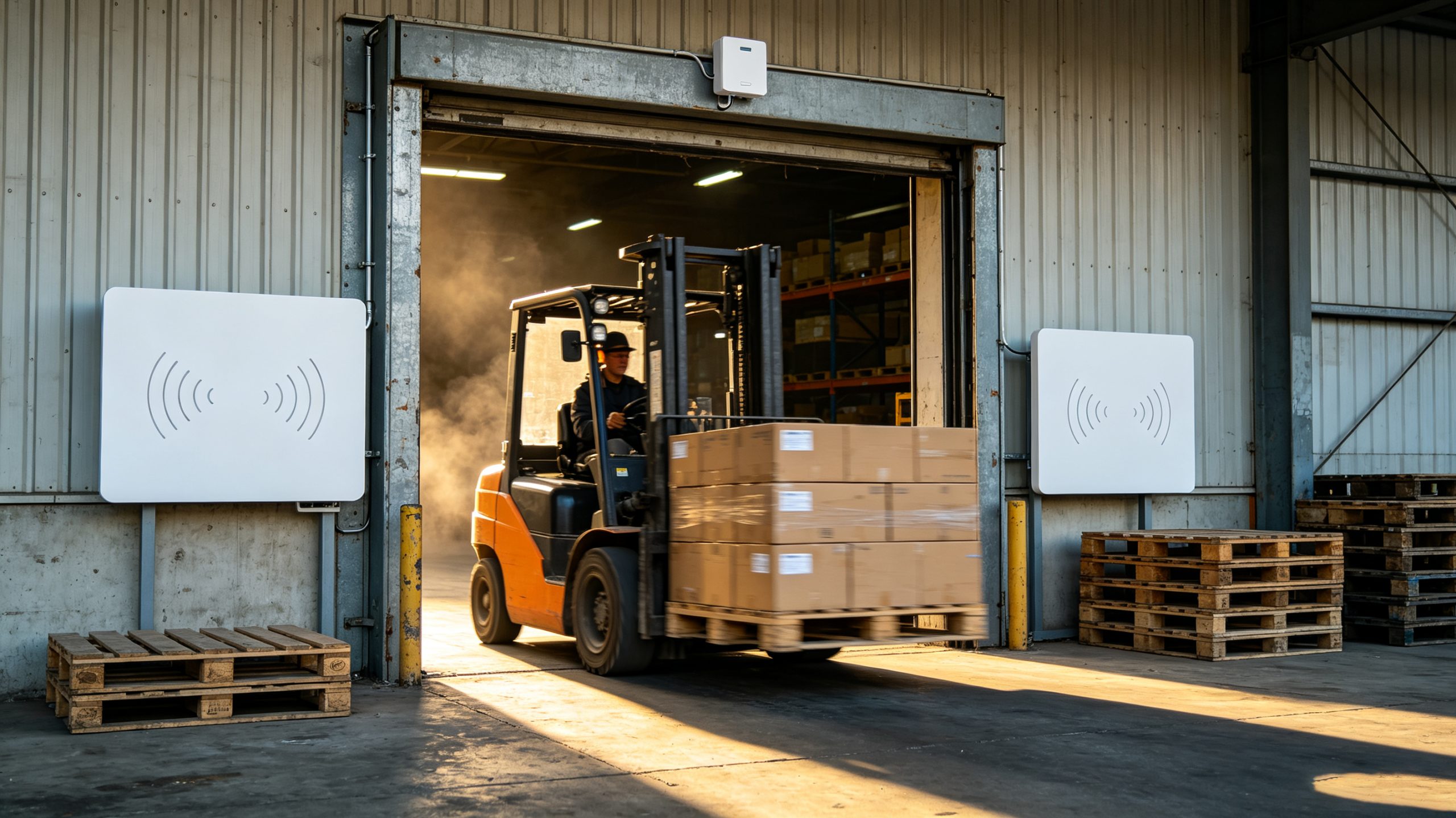
The finished pallet rolls on a forklift toward the receiving dock door. Mounted beside that door: two flat panel antennas, one on each side, connected to a fixed UHF reader in a small enclosure above.
As the pallet crosses the doorway, this happens in under a second:
Two things people get wrong about portals, both visible in this one second:
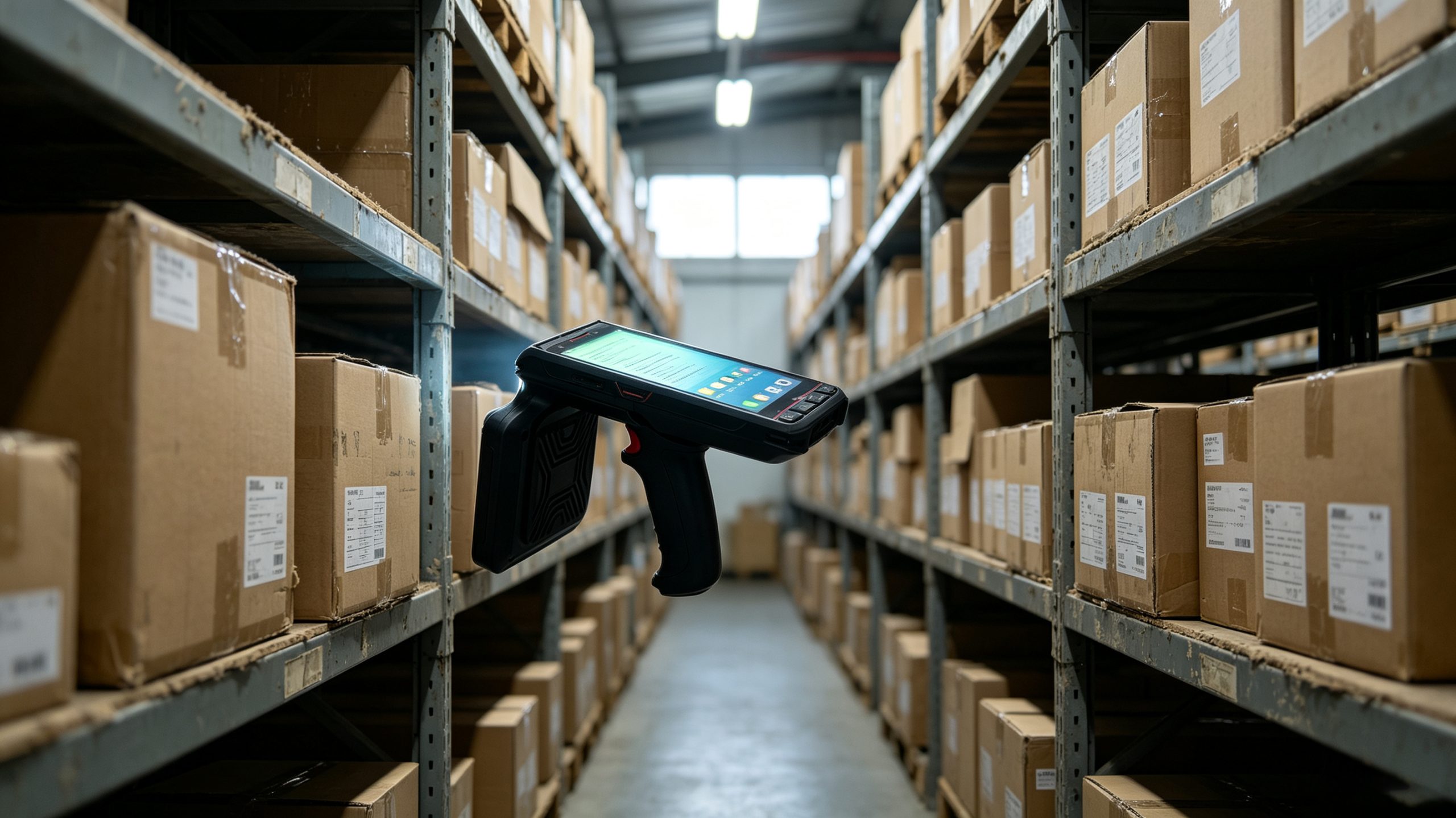
Mid-morning, an operator walks aisle C with a rugged handheld UHF reader, doing a cycle count. She doesn’t touch a single box. She sweeps the device along the shelving from about a metre away, and the screen scrolls IDs faster than she can read them.
How this works:
Watch the operator at the metal racking section, though. She slows down, angles the reader, sometimes re-sweeps a shelf. Metal shelves detune tags — the same physics that would have ruined our tag on a drum at the encoding desk. The sweep still works, but reads drop from metres to tens of centimetres near the steel uprights. Nothing is broken; the physics is just honest. Skilled operators learn where those zones are, and the best deployments position tags to avoid them.
The afternoon brings a small crisis: order #7719 is short one carton of part #22-B. The paperwork says it was received on pallet #A-4173. Nobody has seen it since.
With barcodes, this is a physical search. With RFID, the operator switches the same handheld to search mode, types the carton’s EPC, and walks the aisles.
The handheld keeps broadcasting for that specific tag. When the tag comes into range, it answers — and the reader’s display shows a signal strength meter that rises as she gets closer. Left past the racks, up two metres, behind a stack of returns: the meter maxes out, and there’s the carton. Total elapsed time: about two minutes, versus the better part of an hour it would have taken three people looking.
This works because the reader measures how strongly each tag answers — and that strength tracks distance. The same measurement, running continuously at fixed portals, is how zone-level tracking works: not “where exactly is it” but “which read zone did it last pass through,” which is enough for most warehouse operations.
Pallet #A-4173, order #7719 complete, rolls through the outbound dock door. The shipping portal does what the receiving portal did, with one different consequence: this time the captured event means leaving.
The software already knows which EPCs belong to order #7719. When the portal’s read list matches that expectation, the shipment record closes automatically — no clipboard, no signature chase, no “did we load everything?” question at 5 PM. And because the read list came from the physical tags themselves, a missing carton would have shown up as a gap at the door, not as a phone call from the customer next Tuesday.
Strip away the narrative and here’s what the technology produced from 7:55 AM to 4:50 PM — none of it involving a human touching a scanner:
| Time | Read point | Event created |
| 7:55 | Desktop encoder | EPC written and verified; linked to pallet record |
| 9:20 | Receiving dock portal | 50 IDs entered the building at door 2 |
| 11:00 | Handheld, aisle C | Live cycle count of the aisle, updated in software |
| 2:30 | Handheld, search mode | Carton located behind returns stack |
| 4:50 | Shipping dock portal | Order #7719 confirmed complete at door 5 |
That table is the real answer to “how RFID works.” The radio part — energy out, ID back — is one small trick, repeated at every read point. The value is what the trick makes possible: a stream of timestamped events that connects physical movement to digital records without human labor.
If you want the single-paragraph mechanism: the reader’s antenna broadcasts radio energy; a passive tag in that field harvests enough power to wake its chip; the chip answers by slightly changing how it reflects the reader’s own signal back (backscatter), encoding its ID in that reflection; the reader detects the modulation in its own echo and decodes the ID. The exchange takes milliseconds, and the reader manages hundreds of them per second with the anti-collision protocol from Step 2.
That paragraph is enough to use RFID sensibly. But it hides the question every buyer eventually asks — why does my 8-metre tag read at 1.8 metres in my warehouse? The answer lives in the power arithmetic of every step of that chain: cable losses, antenna gain, path loss, chip sensitivity, and the detuning effects from metal we saw at the encoding desk and the metal racking. If you want that arithmetic done properly, our article on how RFID works, explained in decibels walks the full link budget with real numbers.

Every step of the day has a characteristic failure mode, and knowing them is half of understanding how RFID works:
| Step | Typical failure | What actually went wrong |
| Encoding | Tag unreadable days later | Unverified write — a bad bond shipped as a “working” label |
| Portal read | Double-counts pallets at the neighboring door | Power set too high; zones leak past doorways |
| Portal read | Some cartons missing from the list | Tags on inner cartons detuned by product contents or pallet structure |
| Handheld sweep | Slow reads near racking | Metal shelving detuning; operator technique and tag placement |
| Search mode | Meter never rises | Wrong EPC in the database — the record, not the radio, is broken |
| Shipping portal | “Shipped” pallets still in the building | Events captured but no one closes the loop in software — a process gap, not a technology one |
Notice that only two of the six rows are genuinely radio problems. Most “RFID doesn’t work” stories are tuning, placement, or process stories wearing a technology costume.
The tag’s chip harvests energy from the reader’s radio signal itself. Powered by that harvested energy, the chip answers by reflecting the reader’s signal back with its ID encoded on the reflection (backscatter). No battery means tags cost cents and last for years.
Through an anti-collision protocol: the reader assigns time slots, tags answer in slots and retry after collisions, and the reader resolves all IDs within a few hundred milliseconds — several hundred tag conversations per second on modern UHF readers.
UHF portals and handhelds typically read from tens of centimetres to 10+ metres depending on reader power, antenna, tag type and what the tag is attached to. Metal and liquid shorten range dramatically; brochure figures assume ideal conditions.
No. Radio passes through cardboard, plastic and fabric, so tags inside sealed boxes or facing away still get read. That’s why a handheld sweep counts 500–1,200 items per hour versus 150–250 for one-by-one barcode scanning.
Yes. Encoding writes the tag’s EPC identity — and, if the chip has user memory, small additional data such as a batch number. Most deployments keep records in software and store only the ID on the tag, which keeps tags cheap and records correctable
Well-designed systems filter duplicate reads by time and location, so the same tag seen by two readers produces separate, correctly attributed events — one per read point. Mis-tuned power settings are what make this go wrong.
Ready to watch a tag do all of this in your own building? Browse our UHF RFID reader range and RFID tag range — or contact us with your workflow, and we’ll spec the read points your operation actually needs.
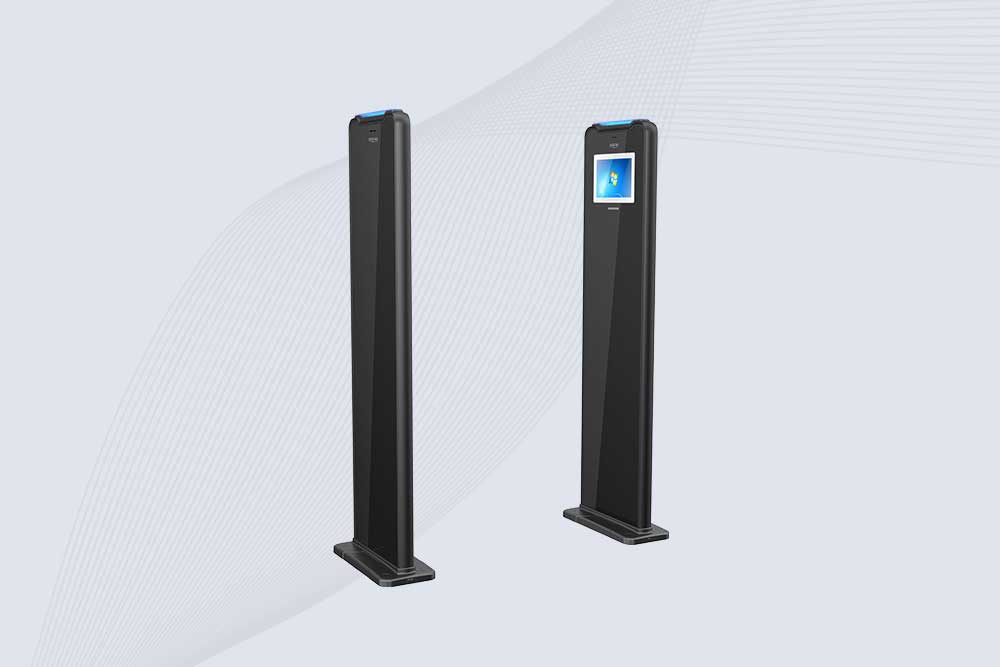
SSD-T4A-P Smart access control with real-time crowd tracking ✔️ AI Tag Filtering for Reduced Misreads SSD-T4A-P supports AI-based tag filtering and up to 6 EPC filtering sets, helping reduce unwanted reads and improve identification accuracy in busy entrances, exits, and retail environments. ✔️ Fast In & Out Detection with Visual & Audio…
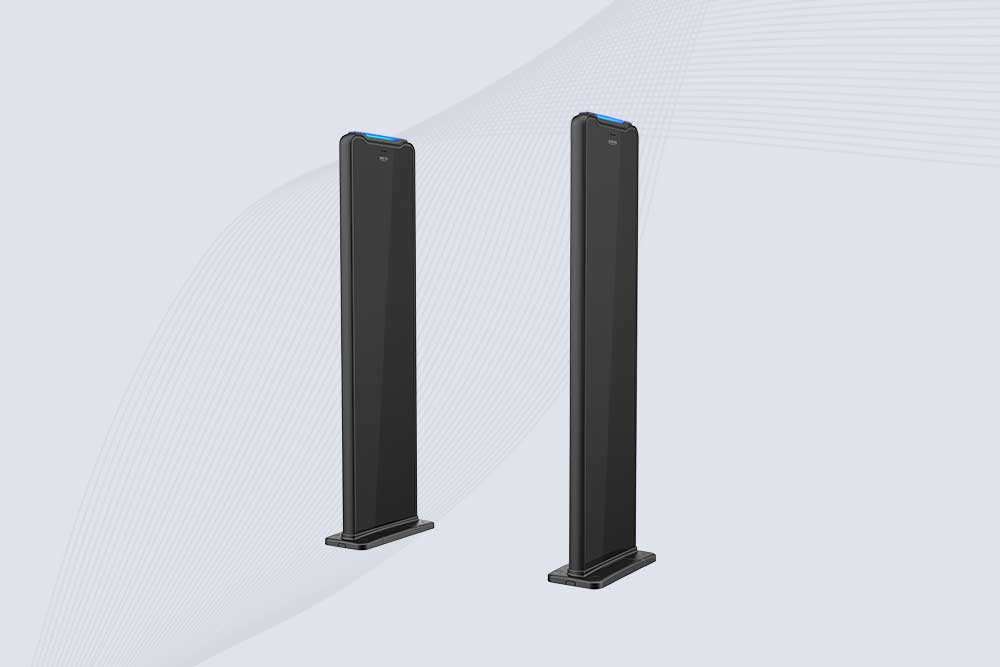
SSD-T4A UHF RFID Gate Reader with 11 dBi antenna, up to 10 m reading distance, AI tag filtering, in/out detection, 300,000 data storage, and TCP/HTTP/MQTT support.
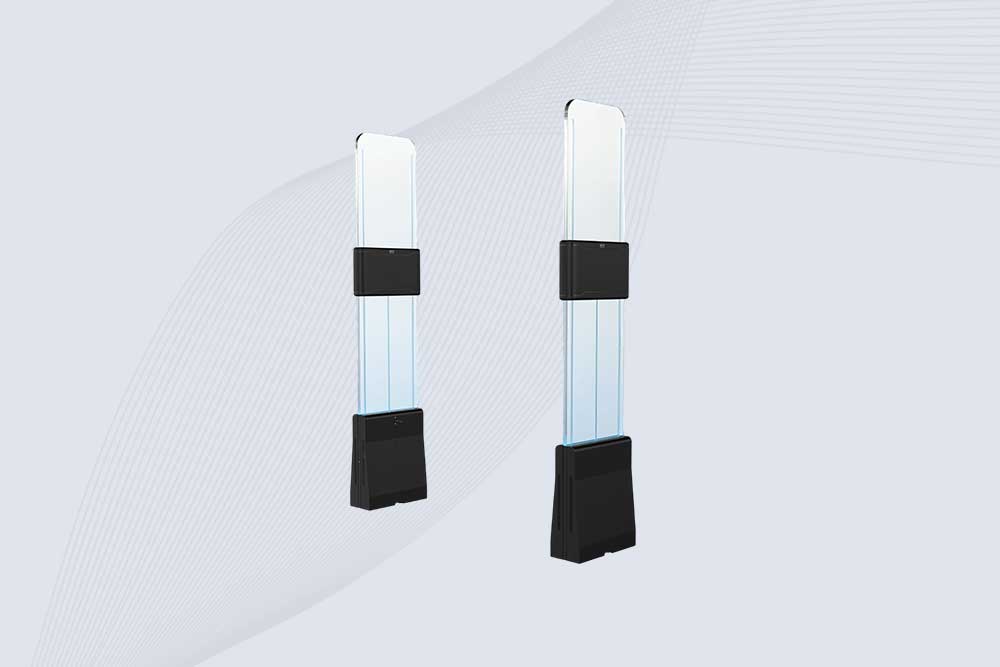
SSD-T2D UHF RFID Gate Reader with 11dBi circular antenna, Impinj E710/X3M1 chipset, up to 10m reading distance, AI tag filtering, in/out detection, and audio-visual alarms.
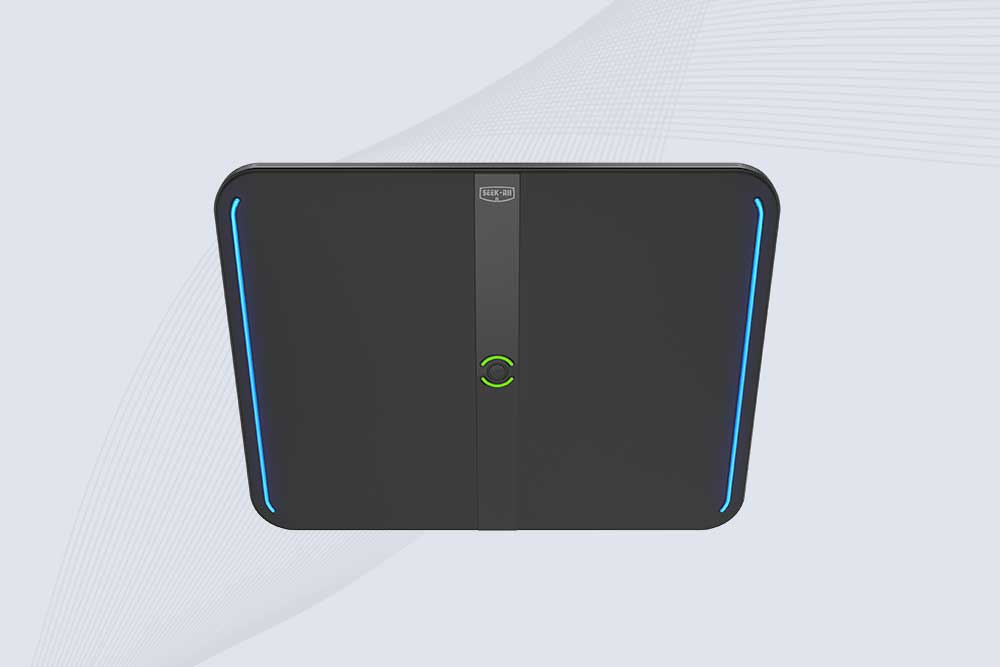
SSD-T1 ✔️ AI-Powered Tag Filtering SSD-T1 supports AI-based tag filtering with up to 6 EPC filtering sets, helping reduce unwanted tag reads and improve identification accuracy in busy retail and access-control environments. ✔️ Reliable In & Out Detection With a 7dBi antenna and a reading range of up to 2.5 meters, SSD-T1 can detect tagged i…
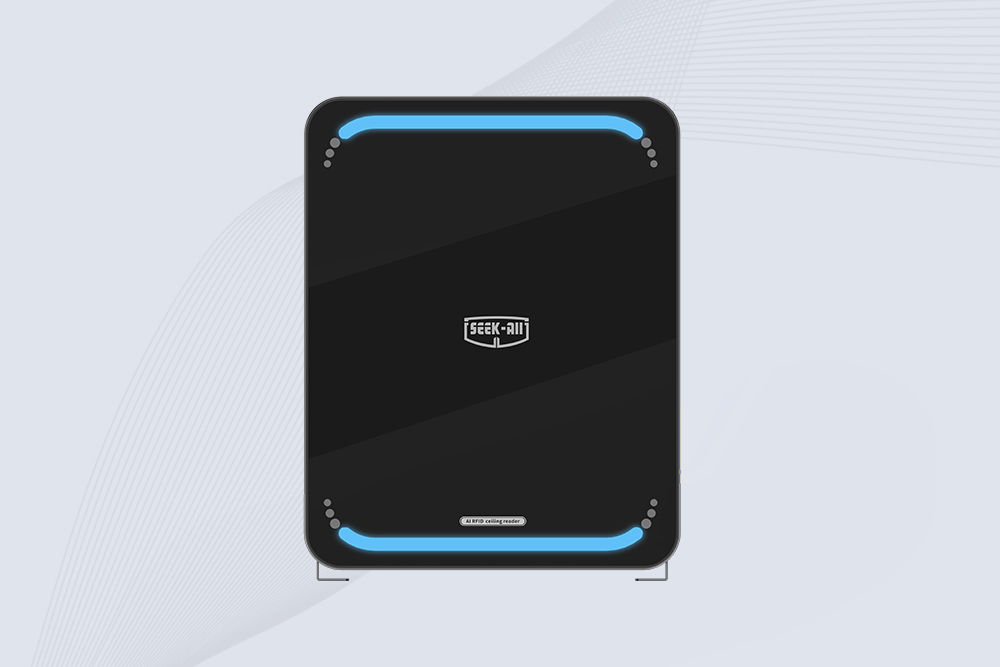
SSD-T1G is a 12 dBi AI RFID ceiling-mounted reader with 10m reading range, In/Out detection, AI tag filtering, 300,000-record storage, and TCP/HTTP/MQTT support.
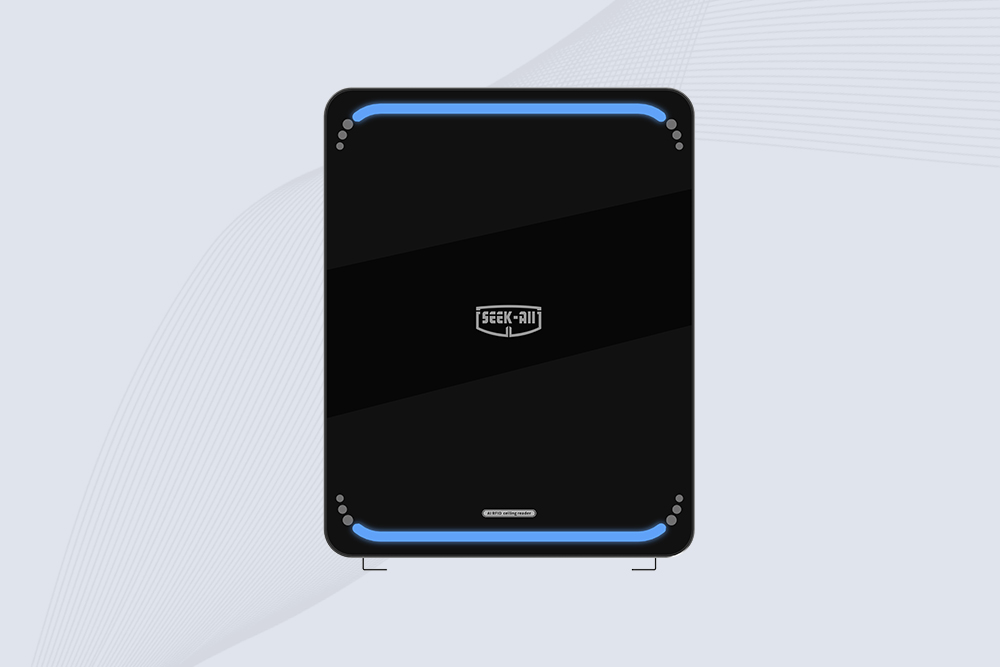
SSD-T1H 9dBi AI ceiling-mounted UHF RFID reader with up to 10m reading range, AI tag filtering, 300,000 data storage, and TCP/HTTP/MQTT support.
Cykeo’s CYKEO-T1D industrial RFID ceiling reader features 500 tags/sec scanning, IP54 protection, and -20℃~60℃ operation for retail/warehouse security. Supports ISO18000-6C and GB/T29768 protocols.
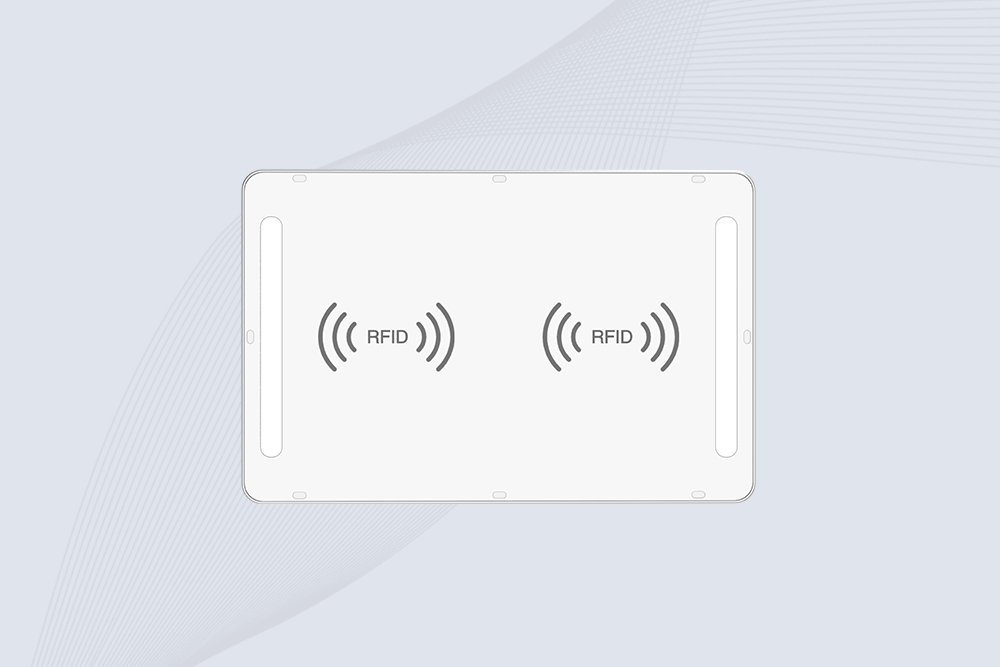
Cykeo’s ceiling-mounted RFID reader enables hands-free 5m inventory tracking with 500 tags/min speed. Features dual alerts, ERP integration, and IP54 rating for warehouse security.
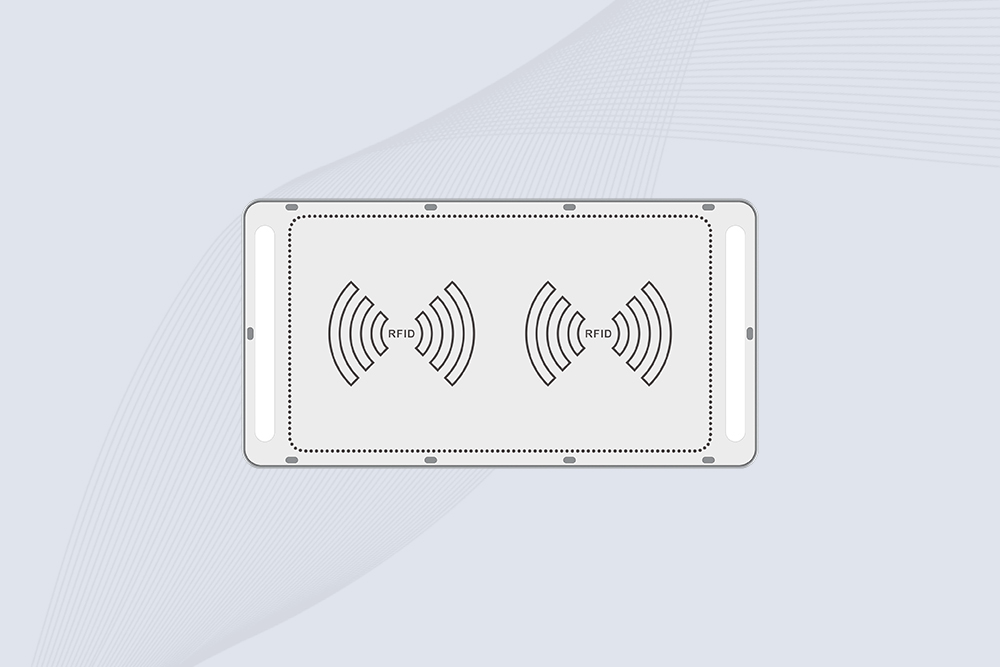
Cykeo CK-T1E RFID gate system features 120° coverage, AI motion filtering, and 5m detection for retail/warehouse security. IP67 rugged design with ERP integration.
Cykeo CYKEO-T1A industrial ceiling RFID system offers 10-20m read range, 500+ tags/sec speed, and IP65 protection for smart warehousing. Supports multi-protocol integration and real-time inventory alerts.
Cykeo’s CYKEO-T1 ceiling-mounted UHF RFID reader offers 500tags/sec scanning, ISO18000-6C compliance, and -20℃~60℃ operation for smart retail/warehouse management. Supports TCP/IP & Android integration.
Cykeo CYKEO-T1B ceiling-mounted RFID system delivers 10-20m reading range, 500+ tags/sec processing, and integrated security alarms. Ideal for warehouse/logistics automation with Android-compatible SDK.
Cykeo’s industrial ceiling-mounted RFID reader offers 10m+ automated inventory tracking, ISO-18000 compliance, and anti-theft alarms. Designed for retail/warehouse/logistics facilities.
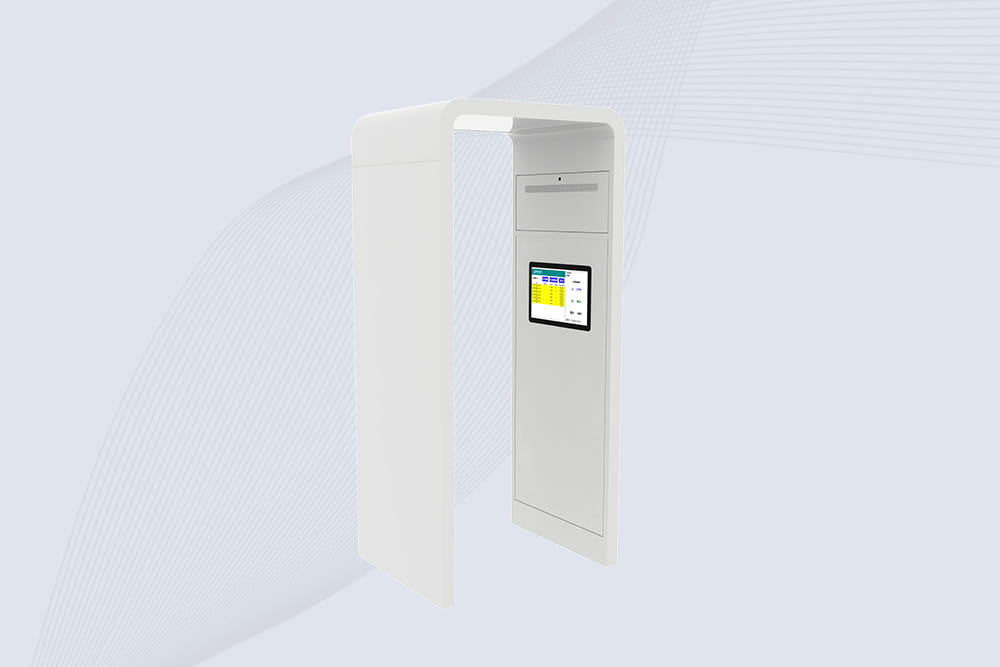
Cykeo CYKEO-T8 industrial arch gate RFID reader delivers 800+ tags/min scanning, 4m detection range, and Android touchscreen for libraries/retail stores. Supports SAP integration & dual EAS alarms.
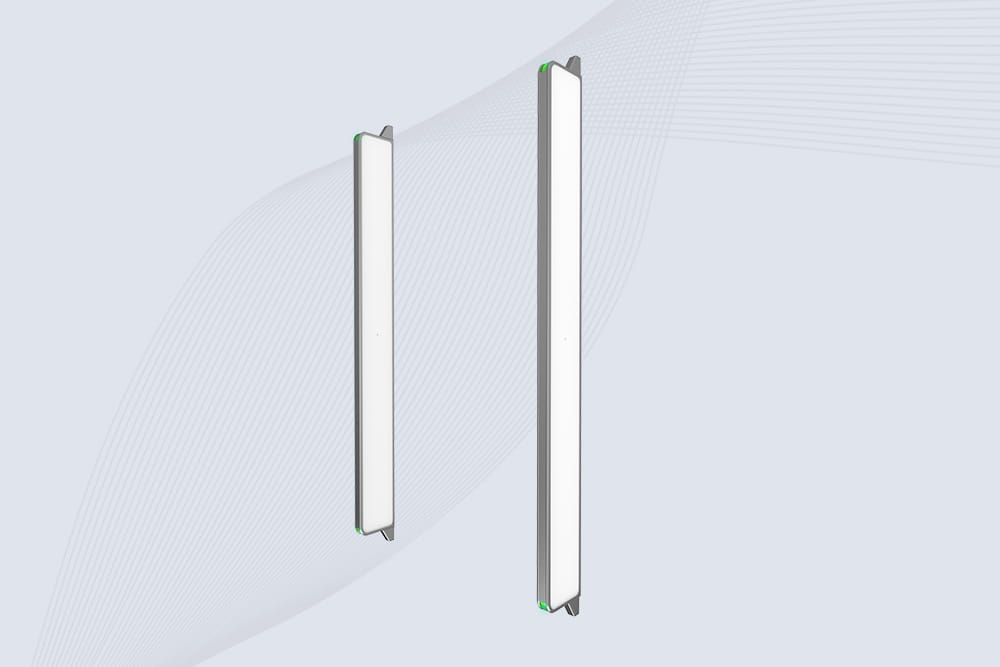
Cykeo CYKEO-T3 industrial RFID gate reader features 200cm detection, infrared triggering, and dual alarm modes for warehouses/libraries. Supports WiFi/4G and Java/C# SDK integration.
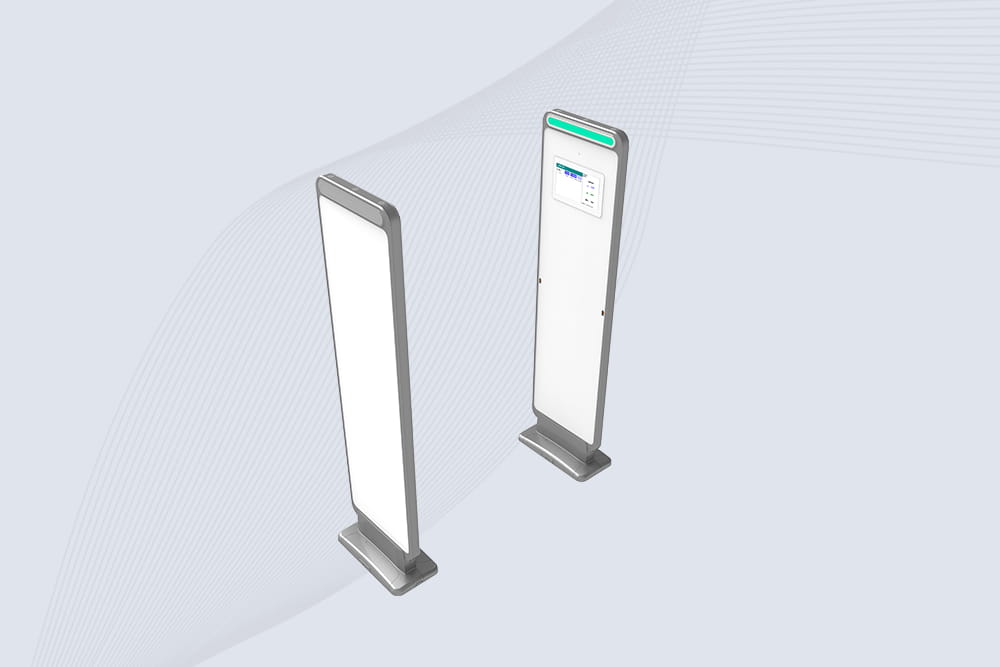
Cykeo CYKEO-T4 industrial RFID gate system features 4-antenna array, 99.9% detection accuracy, dual EAS alarms, and WiFi/4G connectivity for library/warehouse/retail security. ISO 18000-6C compliant.

Cykeo’s CYKEO-T5 UHF RFID gate reader features 600cm detection, infrared tracking, and dual-mode alarms for retail/library security. Supports crowd counting and multi-protocol integration.
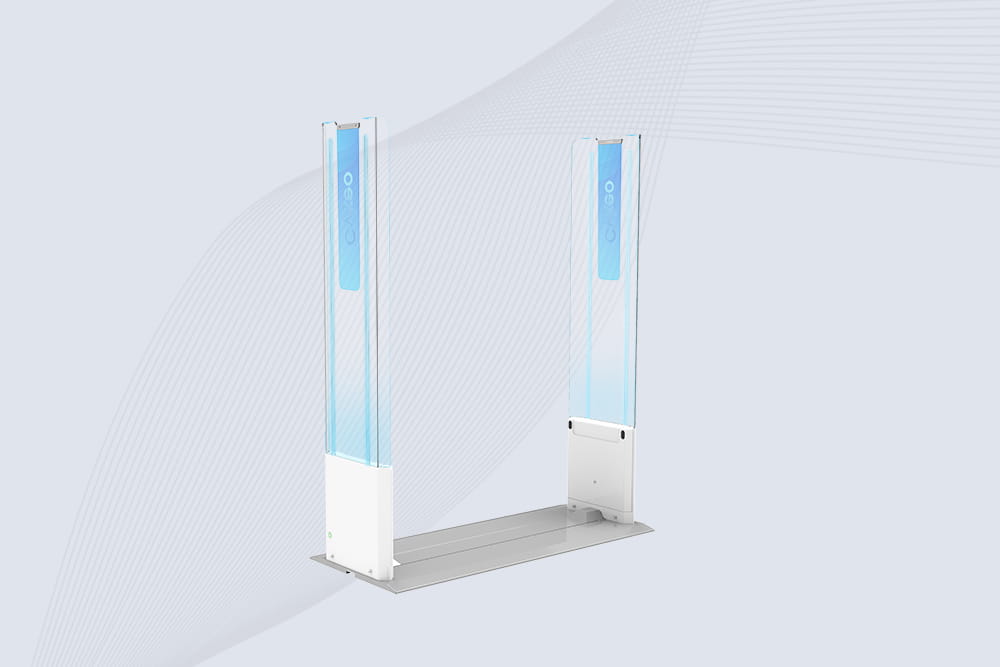
Cykeo CYKEO-T2A industrial Gate Barrier RFID Reader system features 6m detection, 200 tags/sec scanning, IP54 durability. Perfect for retail security, warehouse access control. Supports EPC C1G2, WiFi/4G, ERP integration.
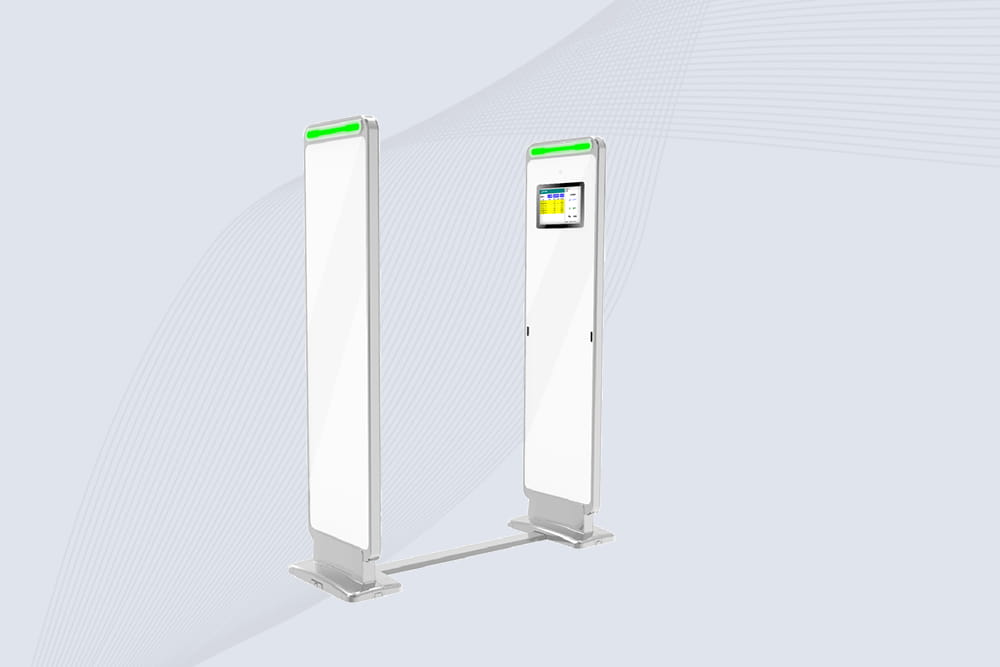
Cykeo’s CYKEO-T4 RFID Gate Reader system offers 200+ tags/sec scanning, EAS alarms, and rugged design for libraries/warehouses. Supports WiFi/4G and Windows/Android OS.

Cykeo HF RFID gate reader offers 90cm detection range, ISO15693/18000-6C compliance, and industrial-grade durability for libraries/retail. Features EAS alarms, infrared traffic analysis, and 3D omni-directional scanning.
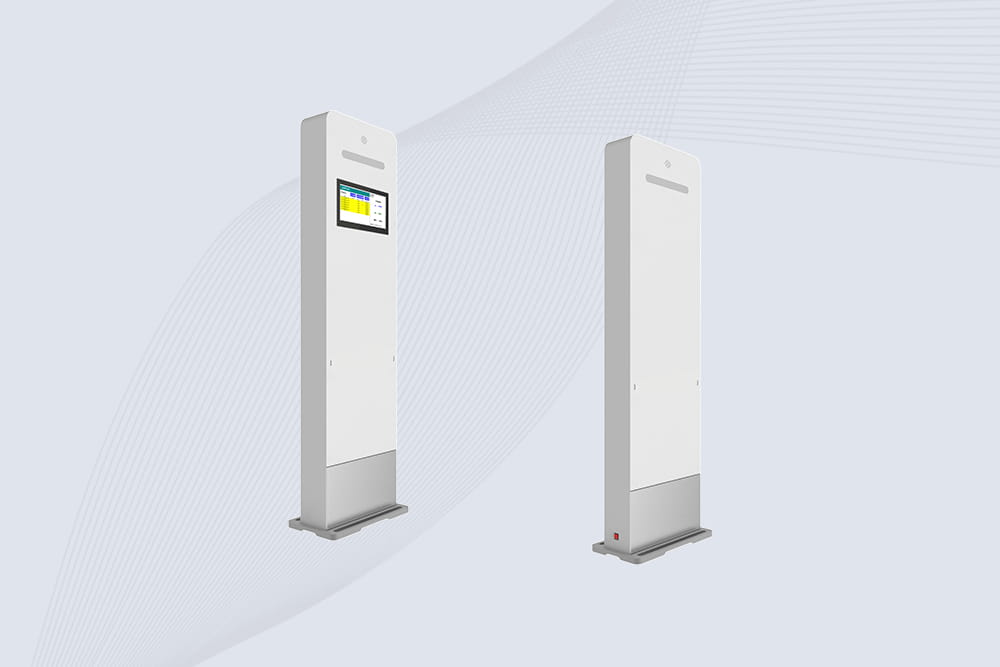
Cykeo CYKEO-T7 UHF RFID Gate Reader system delivers 600cm read range, 99.9% tag accuracy, real-time personnel counting, and SAP integration for logistics/warehouse/manufacturing. Supports dual OS & offline alarms.
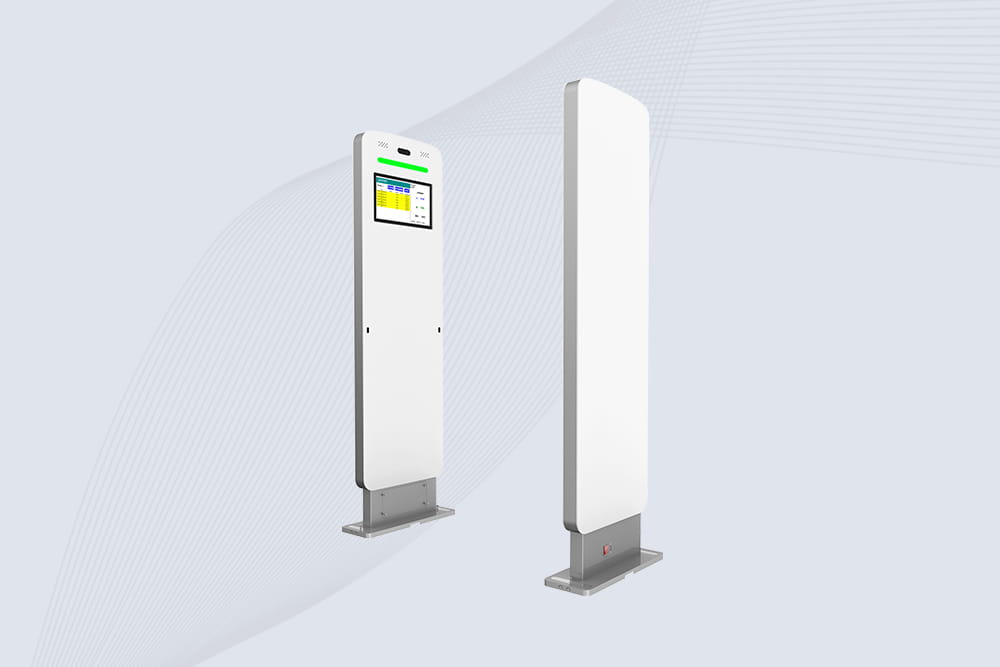
Cykeo CYKEO-T6 gate RFID reader features 1,200+ tags/min scanning, 6m detection range, and industrial-grade durability for libraries/stores/warehouses. Supports ISO 18000-6C and waterproof installations.

Cykeo CYKEO-T9HA industrial HF RFID gate reader offers 100cm range, 100+ tags/sec scanning, ISO 15693/14443A protocols, and IP66 durability for libraries, archives, and retail. Supports offline alarms and SAP integration.
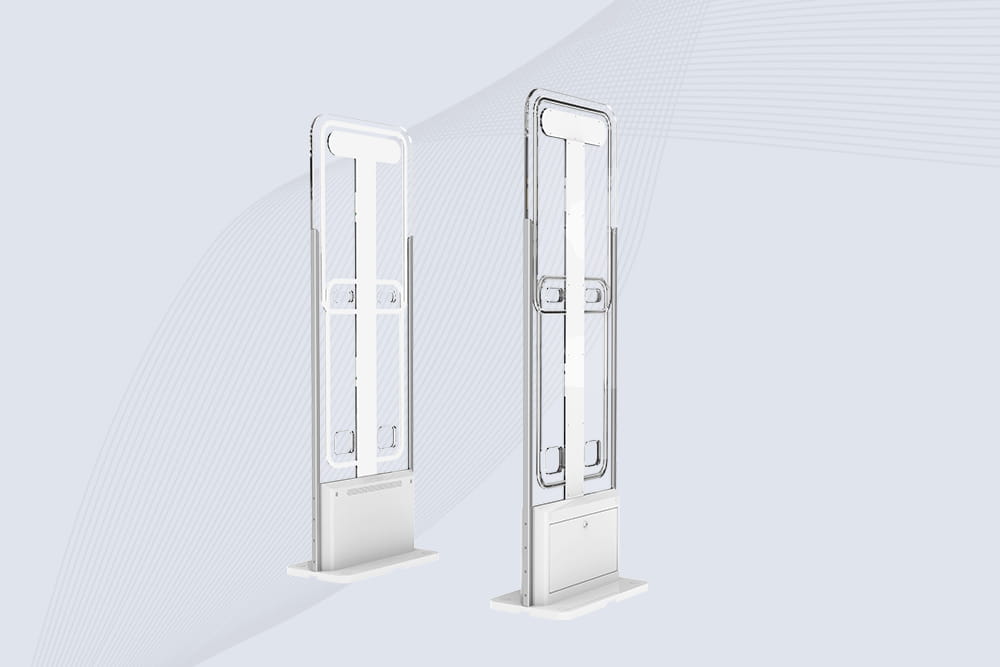
Cykeo CYKEO-T9UH UHF RFID gate reader offers 90cm detection width, EAS/AFI anti-theft alerts, IP54 rugged design, and multi-protocol support for libraries, retail, and logistics.
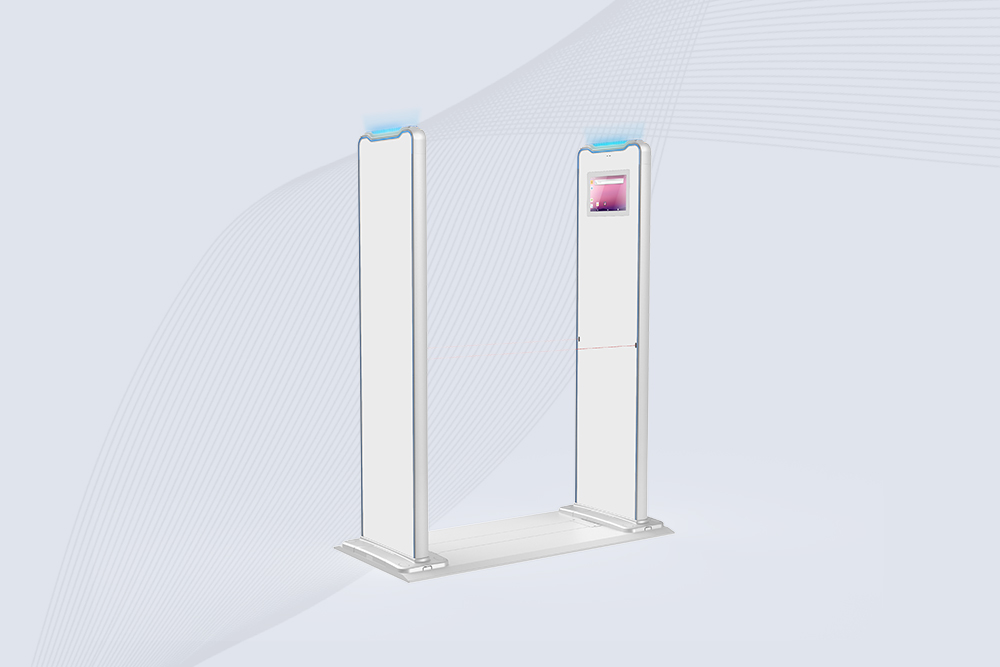
Cykeo’s Fixed RFID Gate Reader features 60 tags/sec scanning, IP54 rugged design, and dual-mode EAS alarm. Ideal for library/warehouse/event access control with real-time crowd analytics.
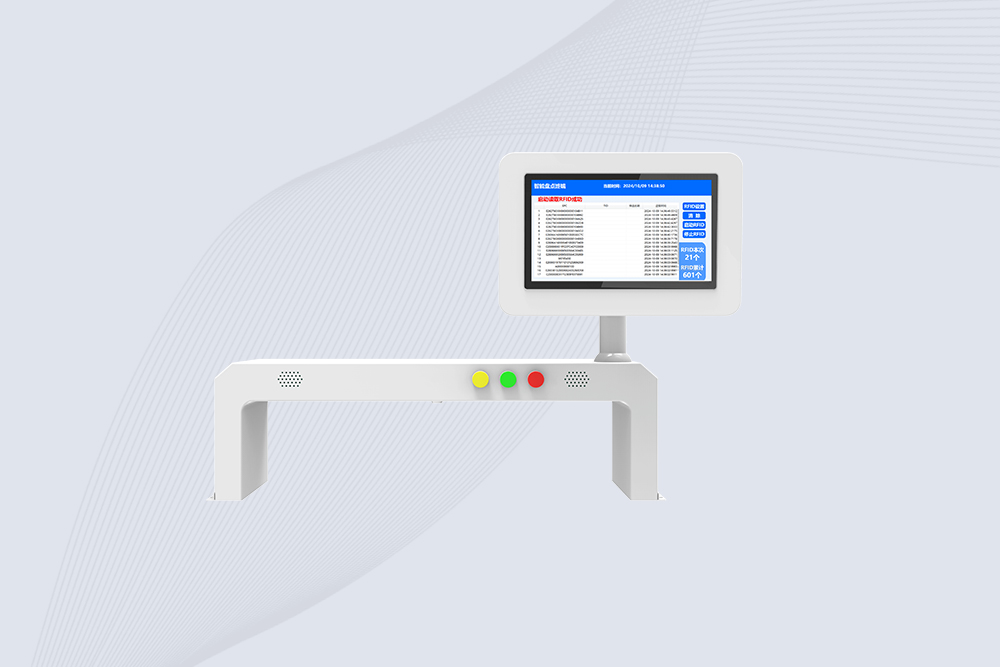
Cykeo CYKEO-T8A rfid gate access control system features IP68 enclosure, 400 tags/sec scanning, and 6-antenna array for warehouse/manufacturing security.
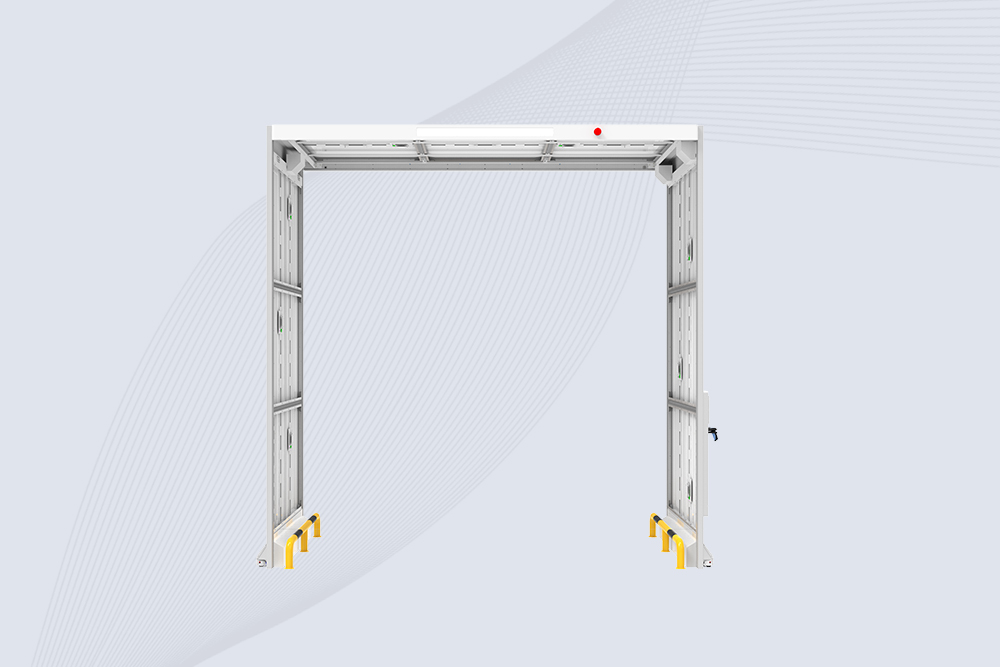
Cykeo CYKEO-T8F RFID gate entry systems deliver 200+ tags/sec scanning, EPC C1G2 compliance, and EAS alarms for warehouse/production gates. Supports Windows/Android OS.
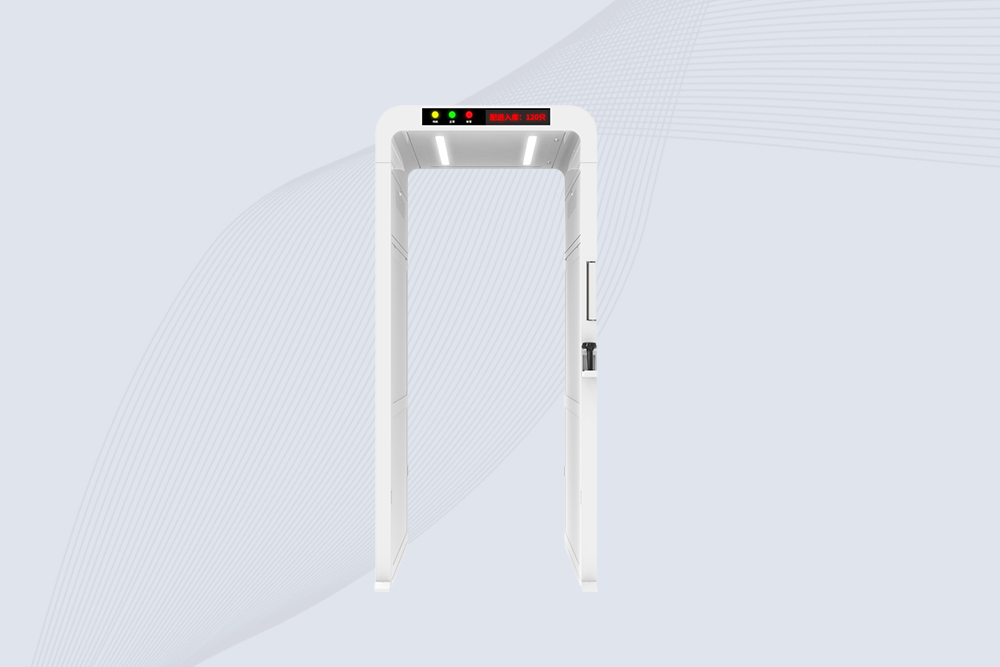
Cykeo CYKEO-T8C RFID gate opener delivers 200+ tags/sec scanning, ISO 18000-6C compliance, and facial recognition for logistics/secure facilities. Supports Windows/Android OS.
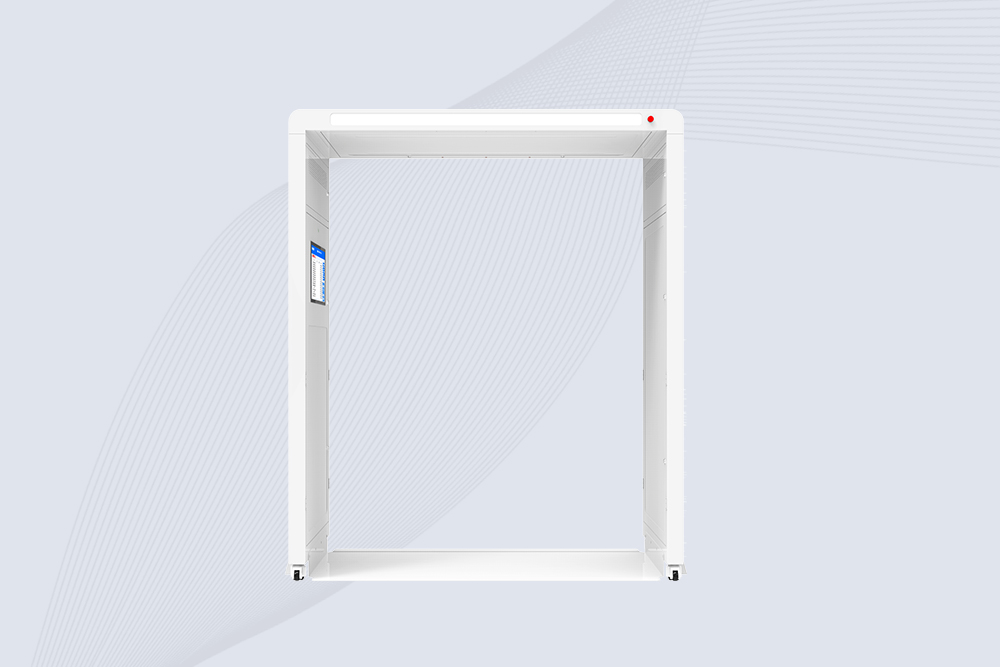
Cykeo CYKEO-T8D RFID gate access control system features 4-antenna 99.98% accuracy, ISO 18000-6C compliance, and real-time theft prevention for libraries/warehouses. Supports Windows/Android OS.
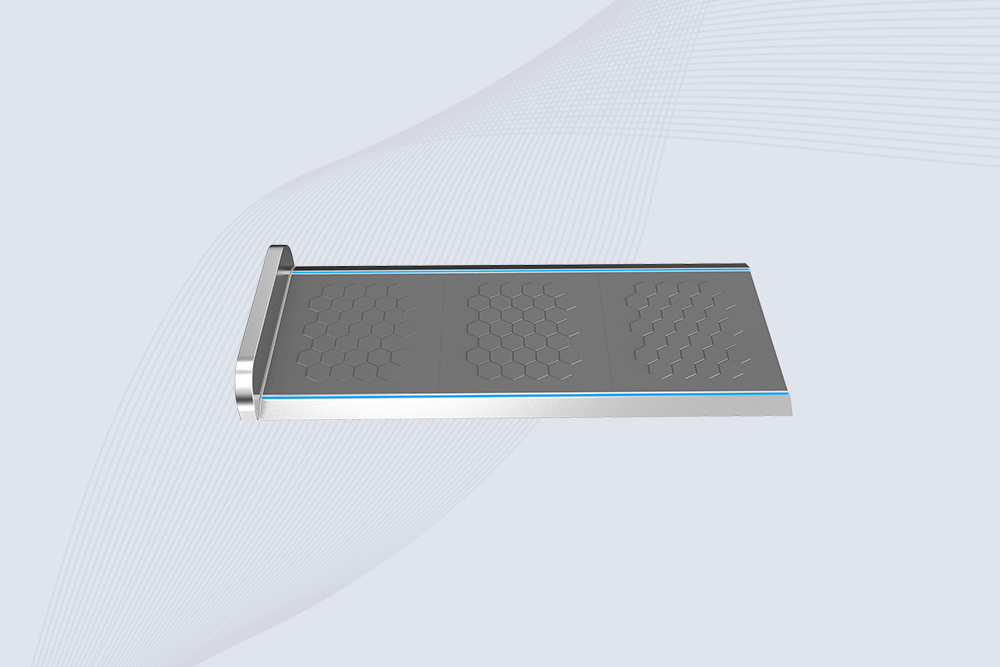
Cykeo CYKEO-T2 industrial RFID gate features 500+ tags/sec scanning, 0-3m vertical detection, and cloud management for warehouse automation and inventory control.
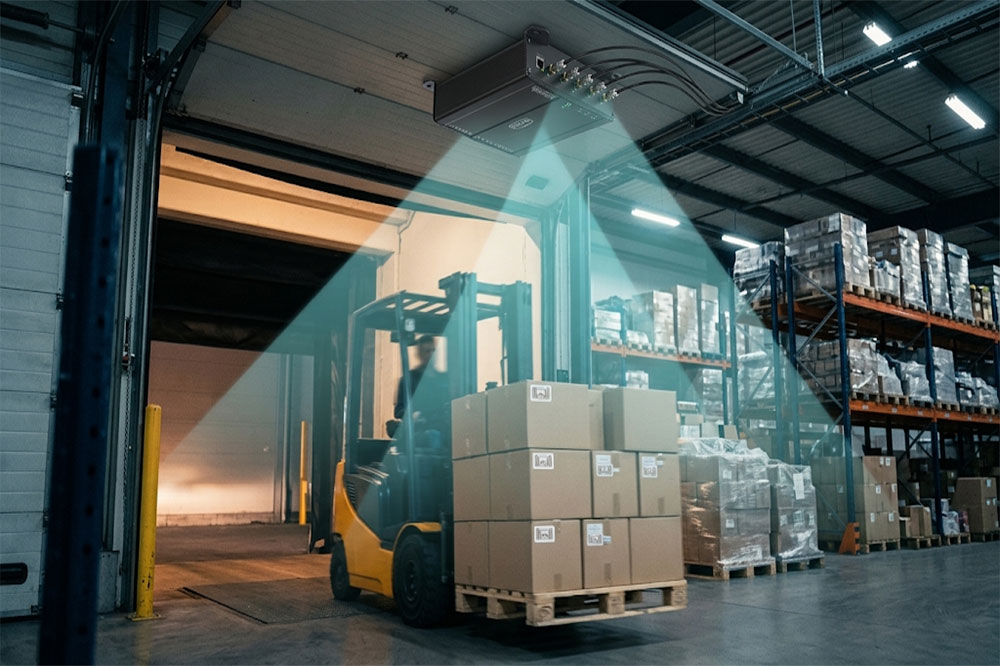
A practical buying guide that shows wholesale buyers, integrators, and distributors how to pick a low-cost fixed UHF RFID reader for warehouse and logistics ...
More
Learn what is rfid technology, how RFID systems work, and why industries use RFID for tracking, inventory, and automation with Cykeo solutions.
More
NFC tags vs RFID: Understand range, cost & use cases. Learn when NFC’s phone compatibility beats RFID’s industrial power. No jargon, just clear answers.
More
Wondering "how far away can an RFID chip be read"? Discover exact read ranges for LF, HF, UHF, and active tags. Factors affecting distance and real-world performance with CYKEO.
More