RFID technology is a wireless identification method that uses radio waves to exchange data between RFID tags and readers. It enables automatic identification, tracking, and management of products, assets, and inventory without direct contact. Businesses use RFID technology to improve operational accuracy, reduce manual work, and achieve real-time visibility.
Understanding What Is RFID Technology in Real Industrial Applications
What Is RFID Technology Used For in Business Operations
When companies ask what is rfid technology, the answer is usually connected to a practical problem: how to identify thousands of physical items faster and more accurately.
RFID (Radio Frequency Identification) is a technology that allows objects to carry a digital identity. Unlike traditional barcode systems that require visual scanning, RFID systems communicate through radio frequency signals. A reader sends energy and receives information stored inside RFID tags attached to products, tools, documents, or equipment.
In real projects, RFID technology is not simply a hardware upgrade. It changes the workflow itself.
During Cykeo RFID deployment projects, engineers often observe the same situation inside warehouses: employees spend large amounts of time searching, counting, recording, and verifying items. The bottleneck is rarely product movement; it is information collection.
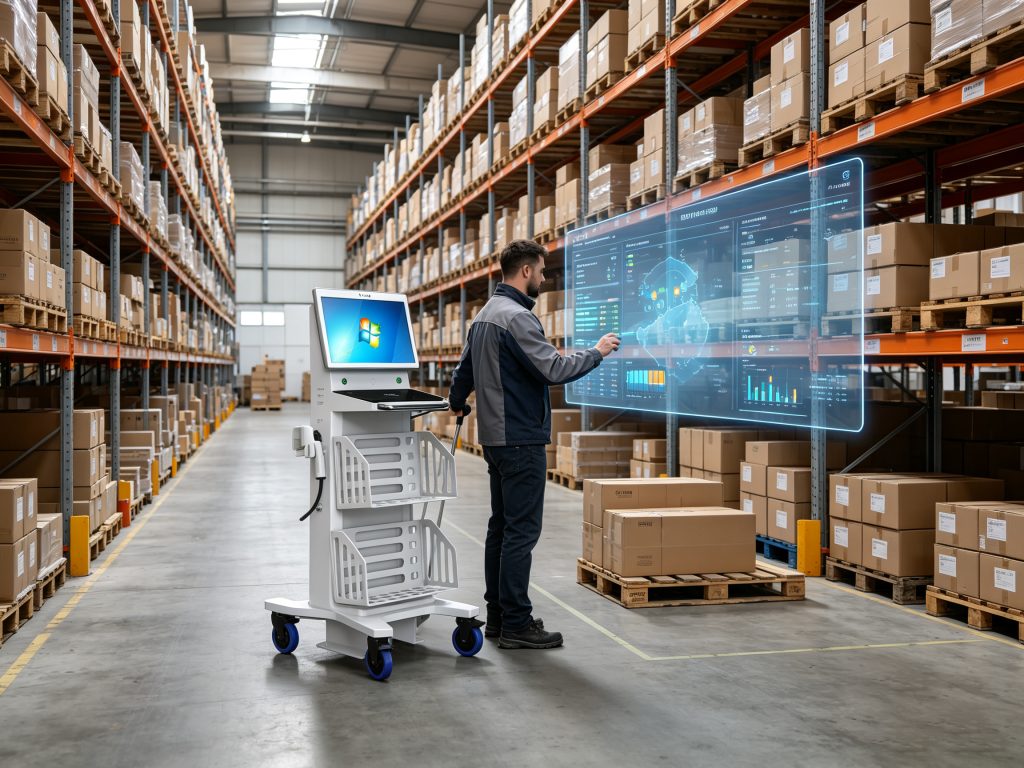
After implementing RFID systems, inventory data can be captured automatically while products move through checkpoints, storage areas, or production lines.
According to GS1, RFID is widely used in supply chain management because it improves product visibility and supports automatic identification and data capture processes.
How RFID Technology Works Step by Step
How RFID Systems Work With Tags and Readers
An RFID system normally contains three main elements:
Component
Function
RFID Tag
Stores identification information attached to an object
RFID Reader
Sends radio signals and collects tag data
Software Platform
Processes information and connects with business systems
The working process is simple but highly engineered:
The RFID reader generates a radio frequency field.
The tag sends stored information back to the reader.
Software processes the collected data.
The information becomes available for inventory, tracking, or management decisions.
For passive RFID tags, no internal battery is required. The tag receives energy from the reader signal and responds automatically.
This design makes RFID suitable for large-scale deployments where thousands or millions of items need identification.
The global RFID market has expanded significantly as industries move toward automation. According to Impinj industry information, billions of RFID tags are used globally across retail, logistics, healthcare, and industrial applications.
RFID Technology Types and Frequency Differences
Different RFID Technology Categories Explained
RFID technology is generally divided into three frequency ranges:
RFID Type
Frequency
Typical Range
Common Applications
LF RFID
125–134 kHz
Short distance
Animal tracking, access control
HF RFID
13.56 MHz
Near field
Smart cards, libraries, payment
UHF RFID
860–960 MHz
Several meters
Logistics, inventory, asset tracking
Among these categories, UHF RFID technology is widely used for industrial inventory management because it supports fast bulk reading.
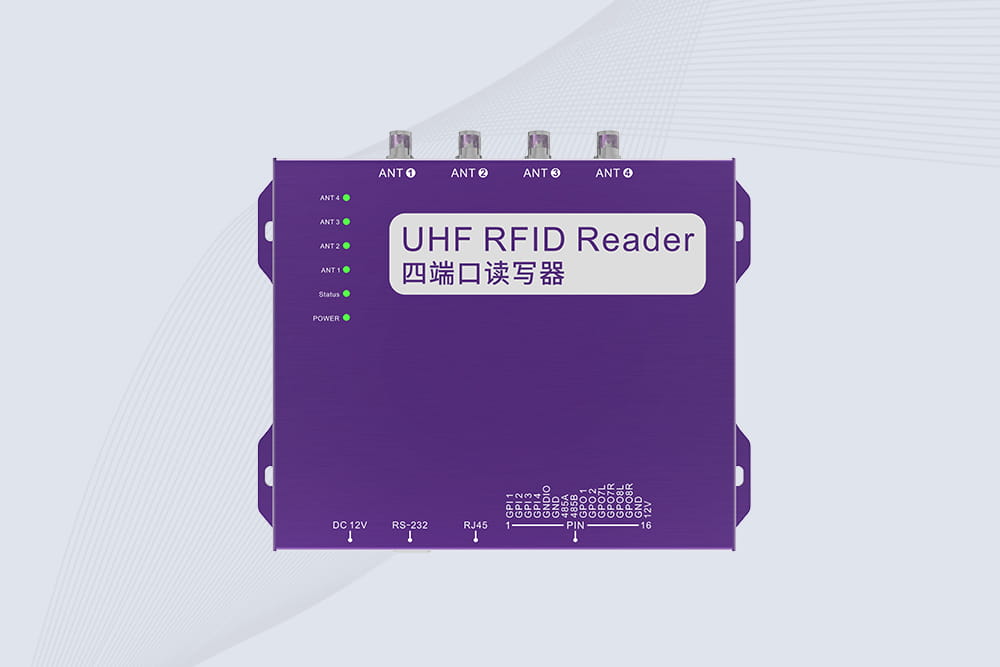
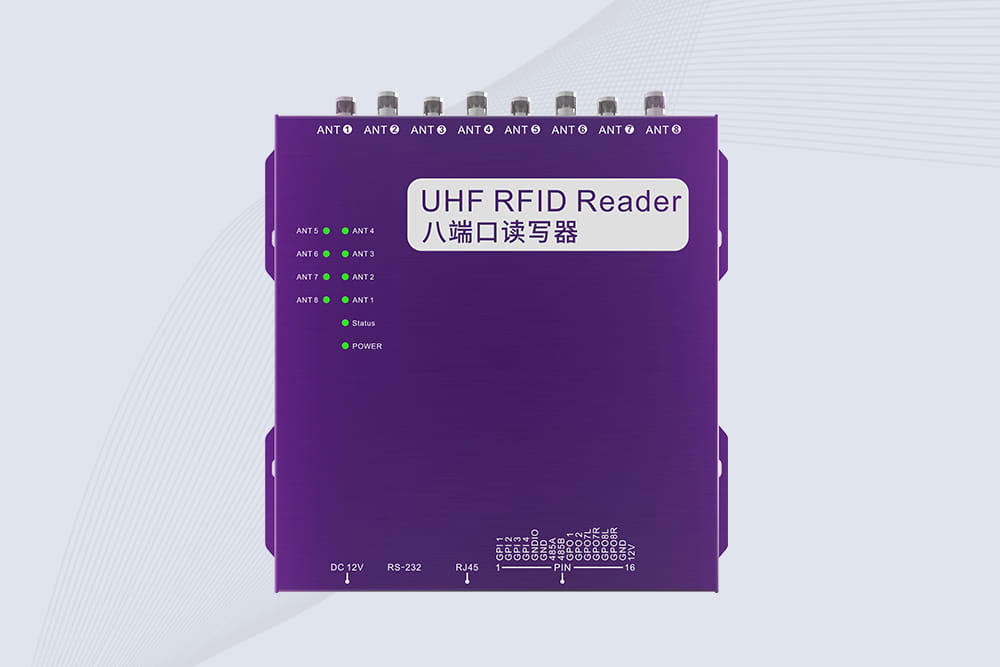
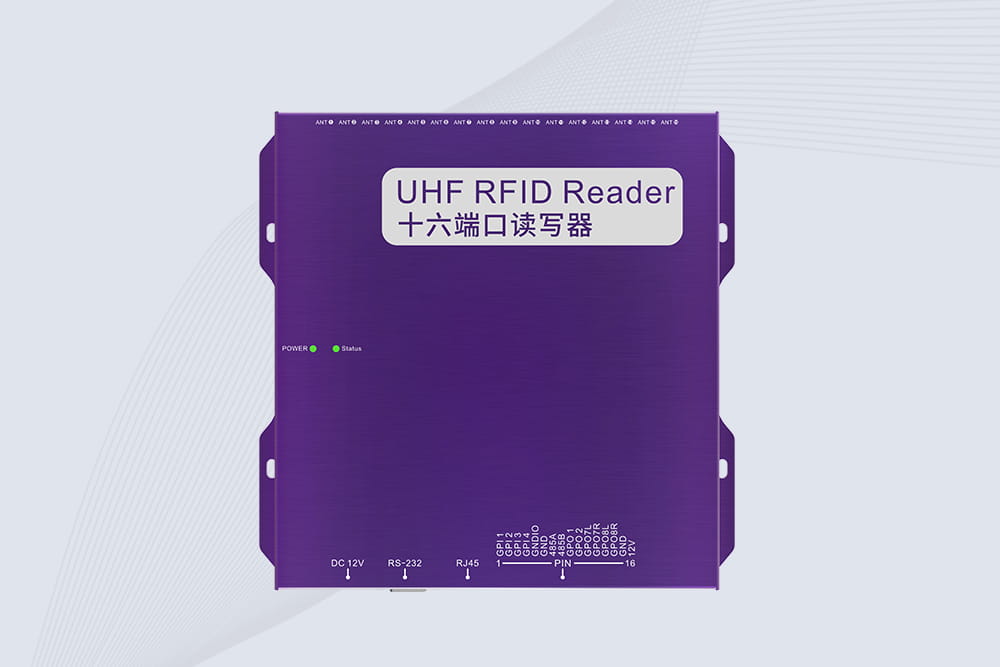
For example, Cykeo UHF RFID systems are designed for applications requiring high-speed identification, including:
Warehouse receiving and shipping
Clothing inventory management
Hotel linen tracking
Power equipment management
Tool tracking
A warehouse employee does not need to scan every item individually. A properly designed UHF RFID solution can identify multiple tagged products during a single movement.
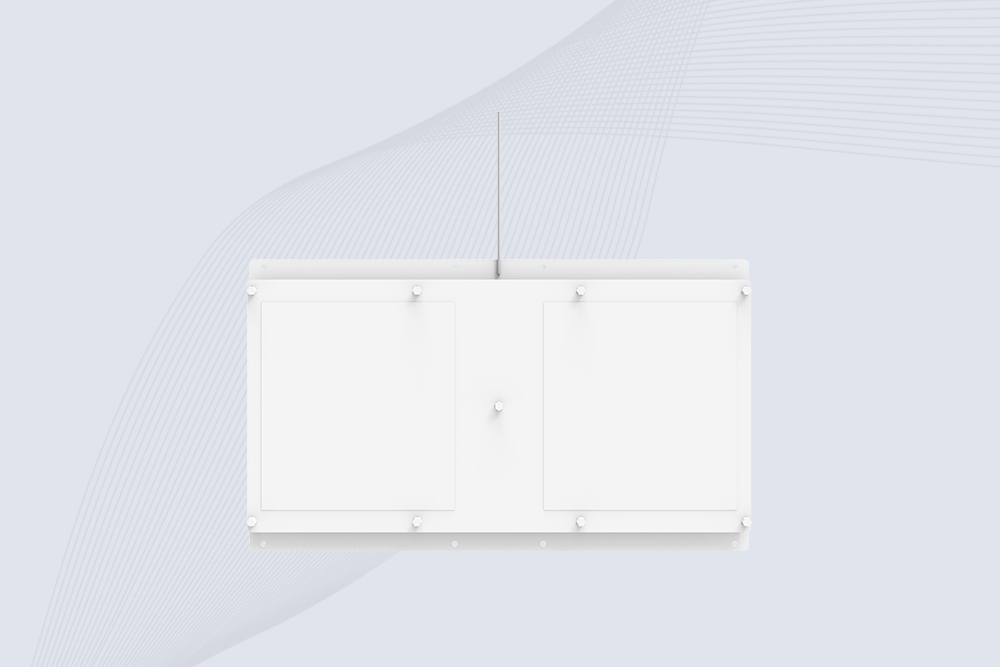
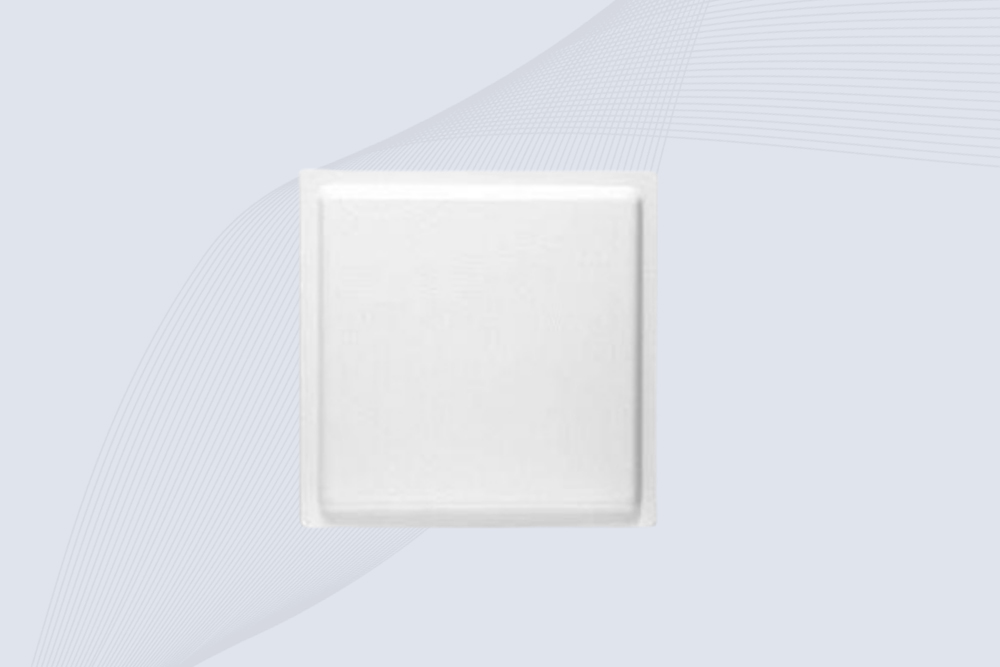
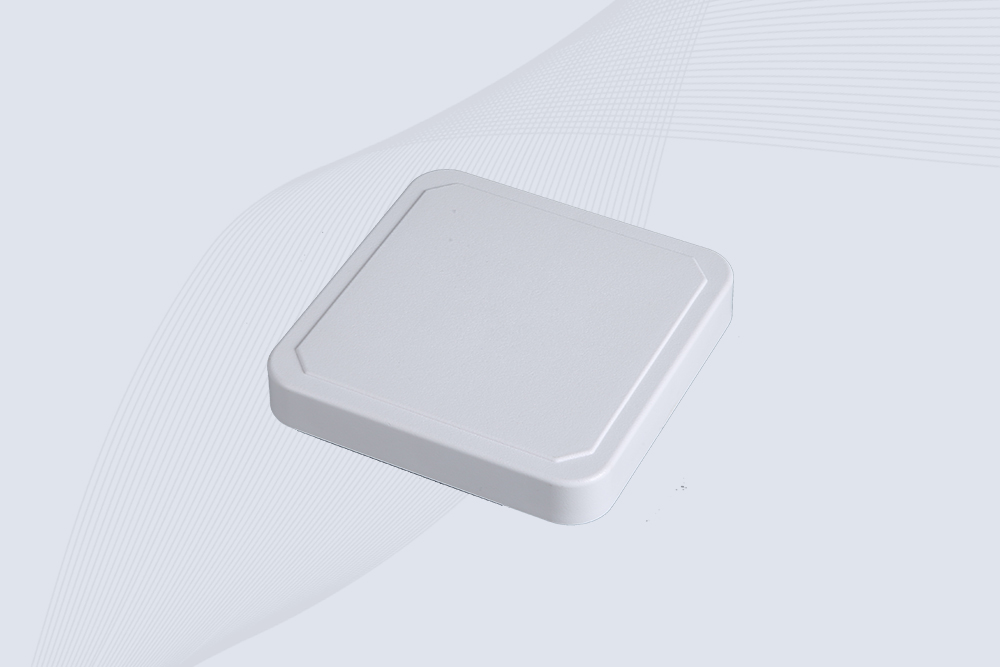
Cykeo UHF RFID technology enables fast identification of multiple tagged items during inventory operations.
Why Companies Adopt RFID Technology
Benefits of RFID Technology for Inventory and Asset Tracking
The value of RFID technology becomes clear when companies manage large quantities of physical assets.
1. Faster Data Collection
Manual inventory counting requires employees to scan or record items one by one. RFID enables automatic identification of multiple objects at the same time.
2. Improved Accuracy
Human recording errors can affect inventory availability, production schedules, and asset utilization. RFID provides consistent digital records.
3. Better Asset Visibility
Organizations can monitor:
Product location
Inventory movement
Equipment usage
Storage status
Maintenance history
4. Lower Operational Cost
Reducing repetitive manual processes allows employees to focus on higher-value activities.
Cykeo RFID Technology Experience in Industrial Environments
Cykeo RFID Technology Solutions for Real-World Applications
At Cykeo, RFID technology development focuses on practical deployment conditions rather than laboratory demonstrations.
Engineers evaluate:
Reading distance requirements
Material interference
Tag installation position
Environmental conditions
Software integration needs
For example, metal tools require different RFID solutions from textile products. Hotel linen tracking requires washable tags, while warehouse inventory often depends on UHF tags with long-distance reading capability.
This field experience influences hardware design, including fixed RFID readers, desktop RFID writers, intelligent inventory channels, and customized RFID management solutions.
The goal is not simply to read a tag. The goal is to create reliable information flow between physical assets and enterprise systems.
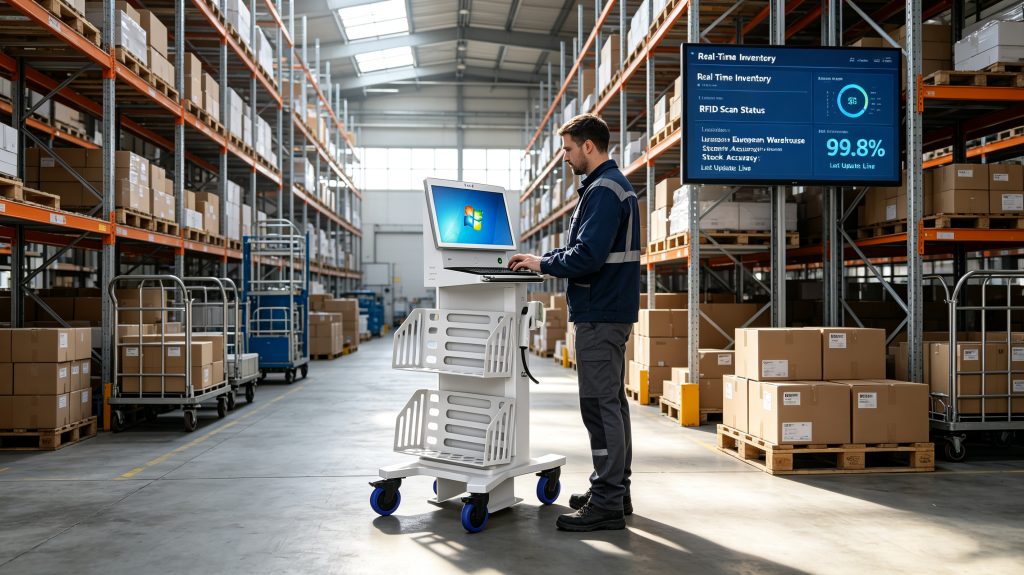
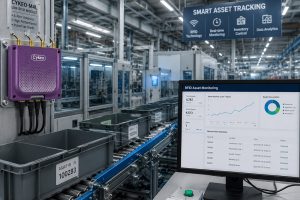
A real-world RFID technology application where RFID tags, readers, and software platforms work together to improve asset identification and inventory visibility.
FAQ About RFID Technology
What is RFID technology mainly used for?
RFID technology is mainly used for automatic identification, inventory management, asset tracking, logistics, access control, and supply chain visibility.
Does RFID technology require a direct line of sight?
No. RFID readers can identify tags without direct visual scanning, which makes the technology different from traditional barcode systems.
How accurate is RFID technology?
Accuracy depends on tag quality, reader configuration, environment, and system design. Properly engineered RFID solutions can achieve very high identification reliability in industrial applications.
Is RFID technology better than barcodes?
RFID and barcodes serve different purposes. RFID provides faster bulk identification and does not require direct scanning, making it suitable for large-scale automated environments.
Conclusion
Understanding what is rfid technology means understanding how businesses connect physical objects with digital information. RFID technology creates a bridge between products, assets, and software platforms, allowing organizations to manage operations with greater speed and visibility.
From warehouse inventory to industrial asset tracking, RFID technology continues becoming a key foundation for intelligent management systems. Cykeo focuses on developing RFID solutions that match real operational requirements, helping companies transform manual processes into efficient, data-driven workflows.
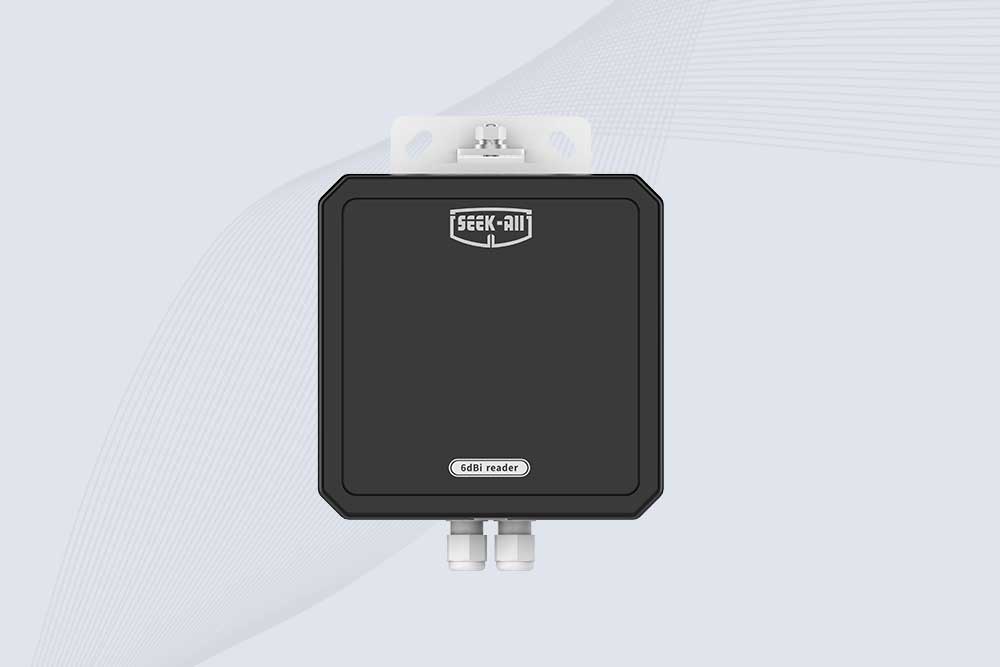
SSD-RA06L is an industrial UHF RFID reader with a built-in 6 dBi antenna, 3 m read range, 600+ tags/s, Ethernet, RS232, and optional Wi-Fi, 4G, and PoE.
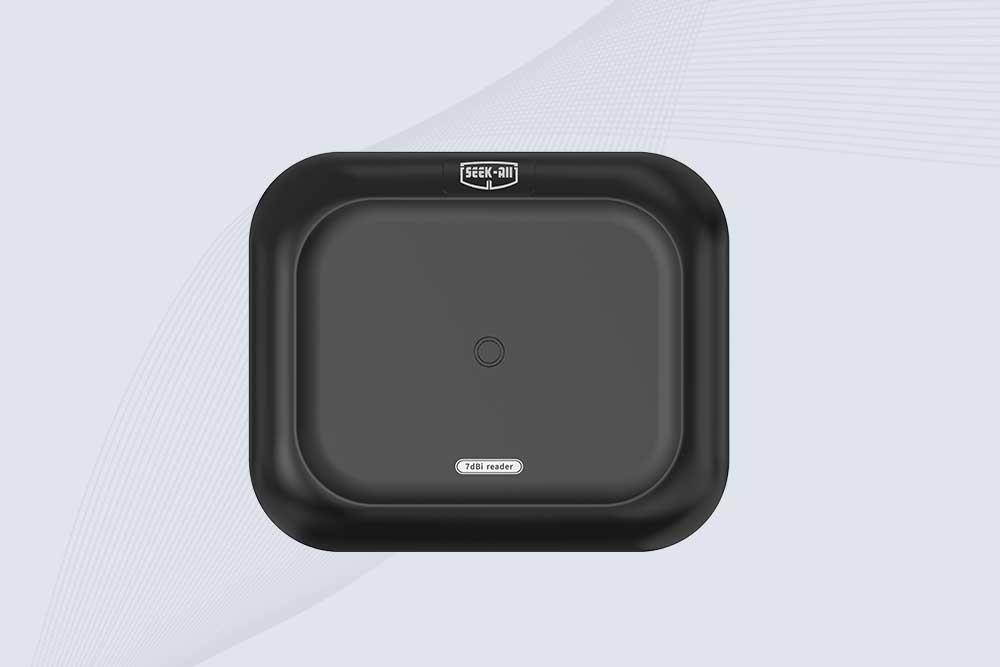
SSD-RA07L industrial UHF RFID reader with integrated 7 dBi antenna, up to 6 m reading distance, over 600 tags/s, Ethernet, RS232, and optional Wi-Fi, 4G, and PoE.
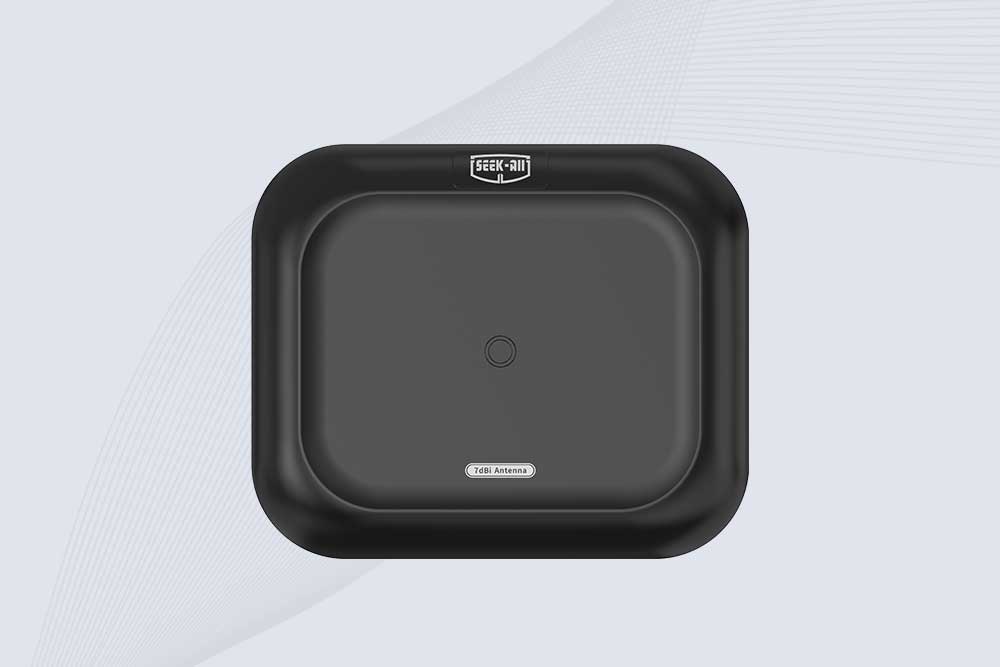
Explore the SSD-A07 UHF RFID antenna with 7 dBi gain, circular polarization, adjustable 840–960 MHz frequency, and 60°/75° beamwidth for stable RFID read/write performance.
SSD-A06 UHF RFID antenna with circular polarization, adjustable 840–960 MHz frequency, ≥4.5 dBi gain, and a compact directional design for RFID systems.
SSD-R16L Multi-Channel RFID Infrastructure for Automated Inventory Management ✔️ 16-Port High-Density RFID Reading Equipped with 16 SMA antenna ports, SSD-R16L supports multi-antenna deployment for warehouses, retail stores, logistics, production lines, and large-area RFID identification. ✔️ High-Speed & Long-Range Performance With up to 33…
SSD-R8L 8-port UHF RFID reader with 33dBm output, up to 20m reading range and 600+ tags/s recognition. Ideal for warehouse, logistics, retail and asset tracking.
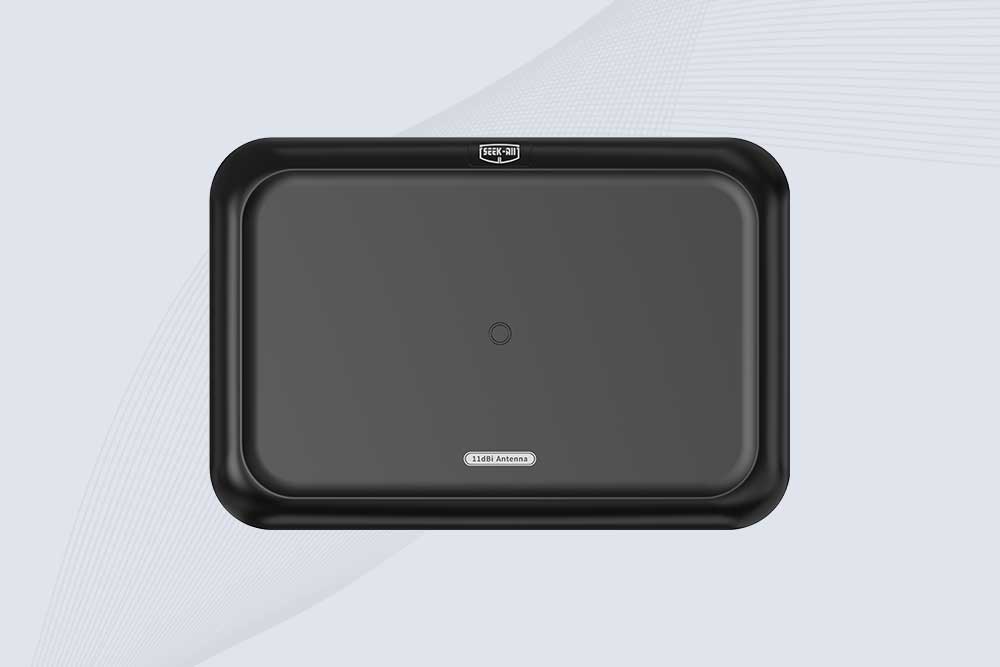
Cykeo CYKEO-A11 UHF RFID reader antenna delivers 11dBi gain, 840-960MHz frequency range, and IP65 ruggedness for retail, logistics, and industrial RFID systems. Features low VSWR and easy installation.
CYKEO Antenna RFID Reader delivers stable long-range UHF performance with a 10.5dBi directional design, built for warehouses, conveyor portals, and industrial RFID systems. This rfid reader antenna provides 20m+ read distance and rugged IP67 protection.
Cykeo CYKEO-A5B industrial Linear RFID Antenna delivers 5dBi gain, ≤1.5:1 VSWR, and IP65 rugged design for warehouse, production line, and logistics UHF systems.
Cykeo’s CYKEO-B12 Long Range RFID Antenna delivers 15m+ read range with 12dBi gain, IP65 rugged design, and global 840-960MHz UHF support. Ideal for warehouse/logistics asset tracking.
Cykeo CYKEO-B10 Long Distance RFID Antenna offers 10dBi gain, 840-960MHz frequency range, IP65 rating, and 20m+ coverage for logistics/warehousing/ETC systems. Low VSWR ensures stable signal transmission.
Cykeo CYKEO-A6 UHF RFID panel antenna features 6dBi gain, 840-960MHz broadband, IP65 metal-ready housing for logistics/smart retail. 18mm ultra-thin design with tool-free mounting.
Cykeo CK-A3 industrial antenna RFID UHF offers 5m+ tag detection, ≤1.3:1 VSWR, IP65 rugged design, and global UHF spectrum compatibility (840-960MHz) for warehouses, factories, and retail.
Cykeo CYKEO-B5 directional RFID antenna provides 5dBi gain with 60° narrow beamwidth for precise inventory tracking. IP65-rated, global UHF frequency support, and low VSWR.
Create your own high-performance DIY RFID antenna! 5dBi gain, 840-960MHz tunable, step-by-step guides. Compatible with Arduino, Raspberry Pi, and commercial UHF readers.
Cykeo CYKEO-A7 Flexible RFID Antenna features 840-960MHz wideband tuning, 7dBi gain, and IP68 rating for medical/retail/industrial curved surface deployments. 98% read accuracy with peel-and-stick installation.
Cykeo CYKEO-B5A industrial Passive RFID Antenna delivers 5dBi gain, 70° beamwidth, and -40°C~55°C operation for warehouses/smart cabinets. Compatible with Zebra/Impinj readers.
Cykeo’s CYKEO-A9B High Gain RFID Antenna delivers 15m+ read range with 9dBi amplification. Features IP54 rugged design, 840-960MHz bandwidth, and 80° beamwidth for warehouse/manufacturing RFID systems.
Cykeo’s enterprise-grade 8dbi Impinj RFID Antenna 10m+ read range with 840-960MHz tuning. Features IP65 housing, 1.4 VSWR, 35° beamwidth for retail/warehouse RFID systems.
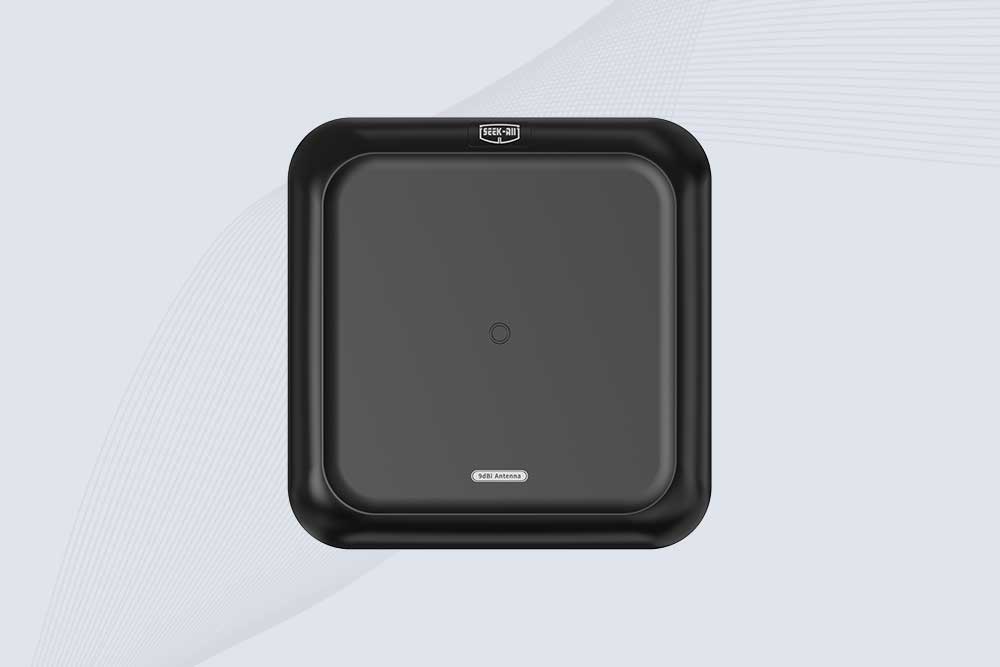
Cykeo CYKEO-A9 industrial UHF RFID antenna delivers 9dBi gain, 840-960MHz frequency range, and IP65 protection for warehouse/logistics/retail RFID systems. Features N-type connector and ≤1.3:1 VSWR.
CYKEO UHF RFID Antenna built for long-distance and industrial applications. This antenna rfid uhf delivers strong gain, outdoor durability, and reliable tag performance in warehouses, yards, and vehicle ID systems.
CYKEO Antenna RFID delivers reliable long-range UHF performance in warehouses, retail shelves, and cold-chain environments. This compact uhf rfid antenna provides stable reads with circular polarization and ultra-wide 840–960 MHz support, ideal for industrial tracking, smart shelves, and asset monitoring.
Cykeo’s CYKEO-C8 UHF RFID antennas delivers 8dBi gain, 840-960MHz full-band coverage, and IP65 ruggedness for manufacturing/warehouse RFID systems. Industrial RFID Antennas Features
Cykeo’s 8dBi UHF RFID antenna and reader kit delivers 10m+ range, 840-960MHz broadband, and IP65 ruggedness for factories, warehouses, and logistics. ISO 18000-6C & EPC Gen2 certified.
Cykeo’s CYKEO-A12C UHF Large RFID Antenna delivers 12dBi gain, 840-960MHz global frequency, IP65 ruggedness for logistics/warehousing/automotive. 40° beamwidth ensures stable 15m+ tag reads.
CYKEO Near Field RFID Antenna provides precise 5–30 cm reading for shelves, cabinets, and workstations. This compact rfid shelf antenna delivers stable short-range performance around metal and clutter, ideal for pharmacies, libraries, and electronics sorting.
Cykeo’s industrial long range RFID reader delivers 20-meter scanning, 500+ tags/sec speed, and IP67 waterproof design for automated warehouses, logistics, and harsh environment applications.
Cykeo’s CYKEO-RA6L industrial RFID long range reader features 20m read distance, 500 tags/sec speed, and IP67 protection. Ideal for warehouse automation, manufacturing WIP tracking, and smart logistics. Supports ISO 18000-6C/6B protocols.
CYKEO Long Range RFID Tag Reader built for outdoor and industrial operations. This Outdoor RFID Reader delivers 20m read distance, fast tag processing, and IP67 durability for wide-area tracking.
Cykeo CYKEO-RA12L industrial Long Range RFID Reader delivers 20m read range, 200+ tags/sec scanning, and IP67 protection for manufacturing/logistics applications. Supports ISO 18000-6C/GB protocols.
Cykeo CYKEO-C1 industrial Forklift RFID Reader features 20m read range, 600 tags/sec scanning, Impinj R2000 chipset, and IP67 rugged design. Ideal for warehouse logistics and manufacturing. Supports ISO 18000-6C/6B protocols.
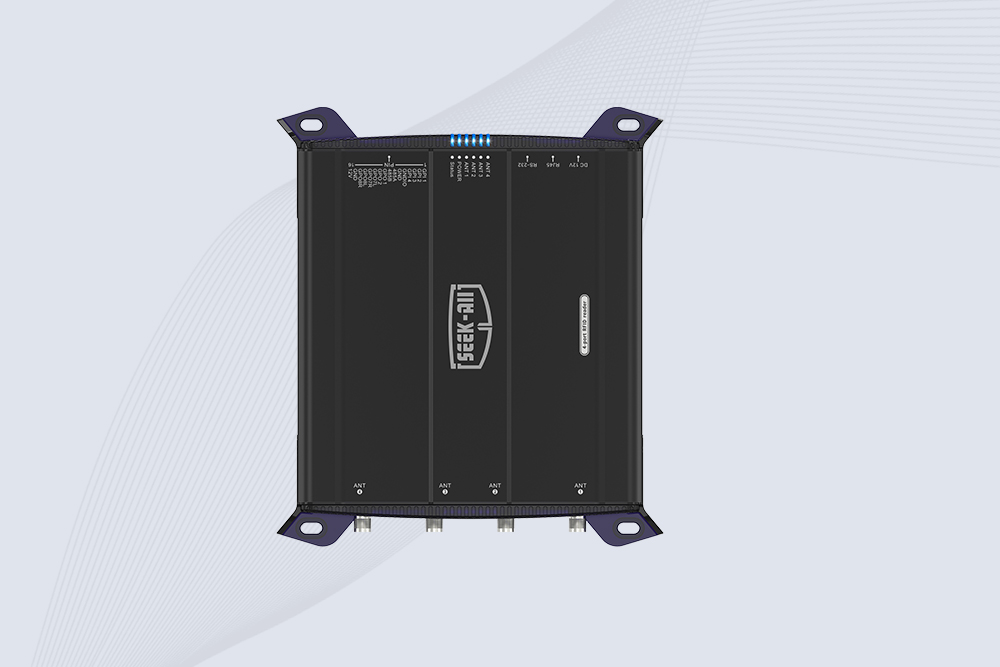
Cykeo CYKEO-R4 industrial UHF RFID Fixed Reader features 4 TNC ports, 400+ tags/sec speed, IP67 housing, and global frequency compliance for vehicle inspection, smart warehouse, and asset management systems.
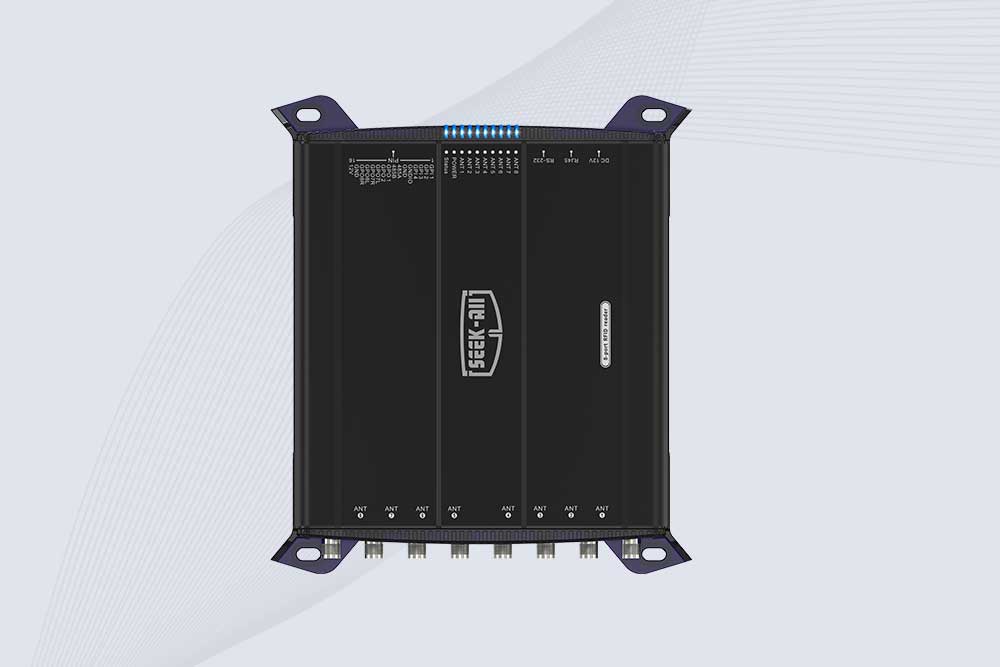
CYKEO CYKEO-R8L Fixed RFID Reader with 8-port UHF design, Impinj-based RF core and up to 20m read range. An industrial Fixed RFID Reader for vehicle inspection, warehouse portals, smart manufacturing lines and secure access checkpoints.
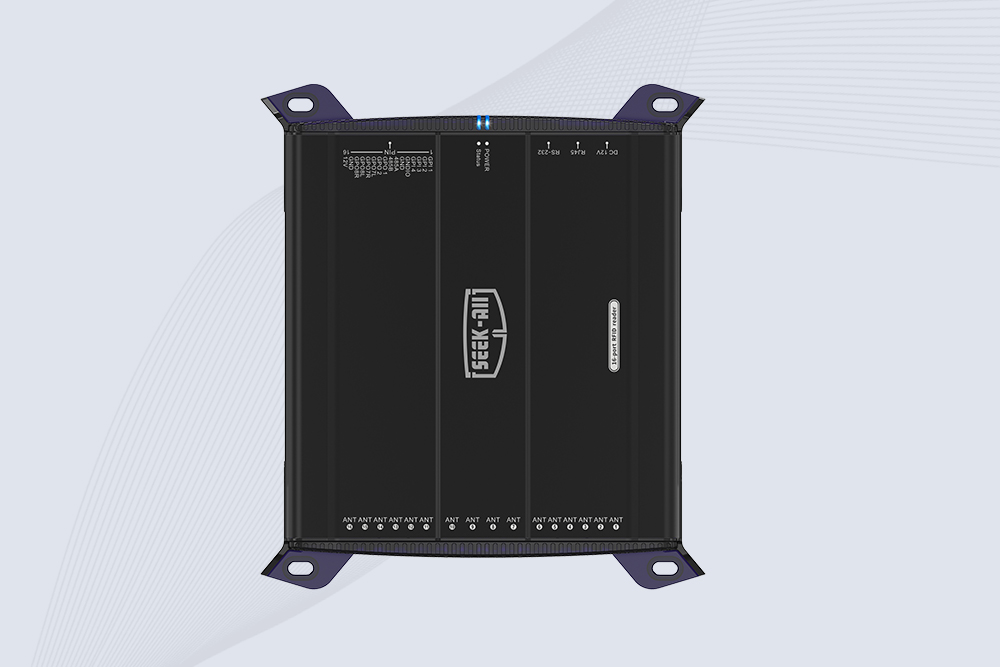
RFID Fixed Reader from CYKEO – the CYKEO-R16L 16-port UHF fixed reader for warehouses, smart cabinets, and production lines. Long-range, multi-tag reading, stable performance for 24/7 industrial use.
An RFID printer can print and encode RFID labels in one process. This guide explains how RFID printers work, common types, key features, and how to choose the right RFID label printer for your application.
Discover how modul RFID technology enables high-speed tag reading, embedded RFID development, and industrial automation. Learn why Cykeo UHF RFID modules power modern asset tracking systems.
Learn how to streamline healthcare asset tracking with handheld RFID scanners. Discover best practices for inventory management, compliance, and reducing equipment loss.
 Cykeo RFID IoT Solution Products R&D Manufacturer