 Cykeo RFID IoT Solution Products R&D Manufacturer

How to Read RFID with Android: Your Phone is Not a Magic Scanner
508A practical guide on how to read RFID with Android. Learn why your phone's NFC fails for most tags and the steps to connect an external UHF reader for real scanning apps.
MoreAll RFID Product
Search “RFID lock” and you’ll find door locks, cabinet locks, electronic seals and gate barriers all described as if they were the same thing. They share the same electronics — a reader, a credential, an actuator and a controller — but they solve completely different problems, cost between $40 and $20,000, and fail in different ways.
This guide separates the four forms, explains what each one is actually good at, and gives realistic price bands so you can budget before you talk to a supplier. It’s written for UHF (860–960 MHz) hardware, because that’s where the interesting engineering is: long-range vehicle access, whole-cabinet inventory, and seals that report their own status.
If your question is specifically about office and hotel doors — cards, key fobs, attendance integration — our companion article on RFID door lock access control systems covers that scenario in depth. This one covers the wider category.
Strip away the housing and every RFID lock is four things:
The fourth item is where cost and complexity live. A $40 cabinet lock with no controller is a solenoid that opens for any tag. A $4,000 access system is mostly the decision logic, the audit trail, and the integration to your HR or WMS system.
This is also why “RFID lock” quotes vary by 100×: you’re rarely comparing the same four components.
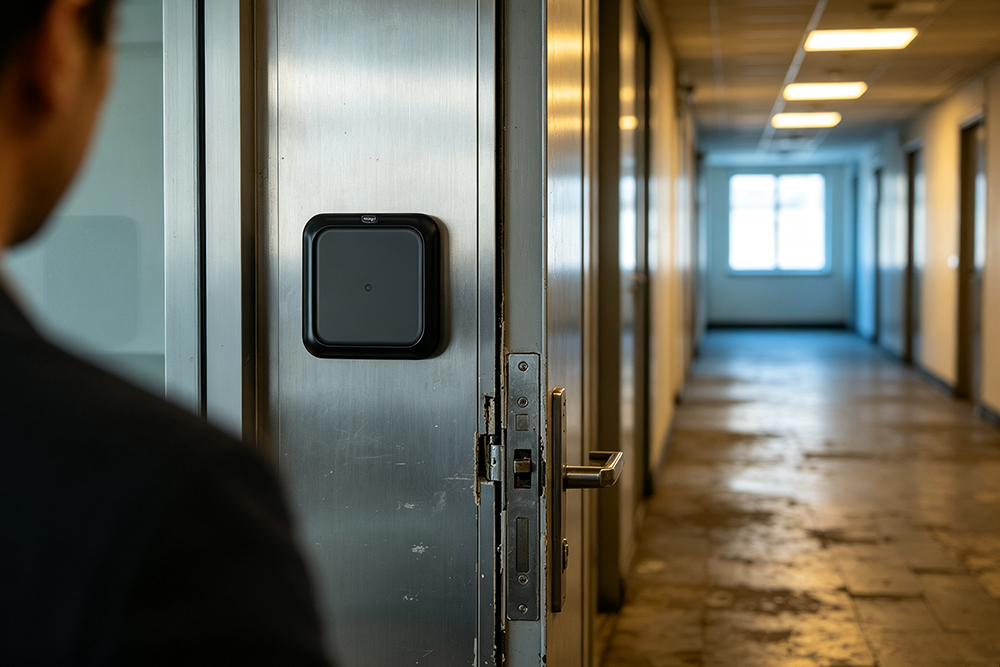
| Form | What it secures | Typical read distance | Power | Price band |
| Door lock (mortise / electric strike) | Rooms, offices, restricted areas | 3–15 cm (tap) or 0.5–3 m (UHF hands-free) | Wired 12/24 V, or battery | $120–450 per door + controller |
| Cabinet / locker lock | Cabinets, lockers, tool cribs, key cabinets | 0.3–3 m inside the cabinet | Wired, or battery | $40–150 per lock; $2,000–20,000 integrated |
| Electronic seal / padlock | Containers, trailers, valuable cages, meters | 1–8 m (handheld or portal) | Battery, months to years | $30–150 per seal |
| Gate / barrier reader | Vehicle yards, parking, weighbridges | 3–12 m (long range) | Wired, PoE | $600–3,000 per lane |
Read that table again with one question in mind: what is the lock protecting — a space, or a list of things? That single question decides which row you’re in, and most failed projects chose the wrong row before they chose the wrong product.
A door lock is the most familiar form and the most commoditised. Two engineering choices dominate:
Fail-safe or fail-secure. On power loss, a fail-safe lock unlocks (required for egress doors in many jurisdictions — people must be able to leave in a fire), while a fail-secure lock stays locked (used for server rooms, vaults, cash rooms). Getting this wrong is not a performance issue; it’s a life-safety or a security incident. Decide it explicitly, in writing, per door.
Wired or battery. Battery locks install in minutes with no cabling — attractive for retrofits and hotels — but bring battery replacement into your maintenance plan, and plan for cold rooms where cell capacity drops. Wired locks need a cable run (a real cost: $100–400 per door in labour and materials) but never surprise you.
For UHF specifically, door locks split into two behaviours: tap-range (0.5–3 cm, like a card) and hands-free (0.5–3 m, useful for warehouse staff carrying loads, or cleanrooms where gloves and gowns make tapping awkward). Hands-free UHF doors need power and antenna placement tuned so the door doesn’t open for someone walking past in the corridor — a mistake we’ll come back to.
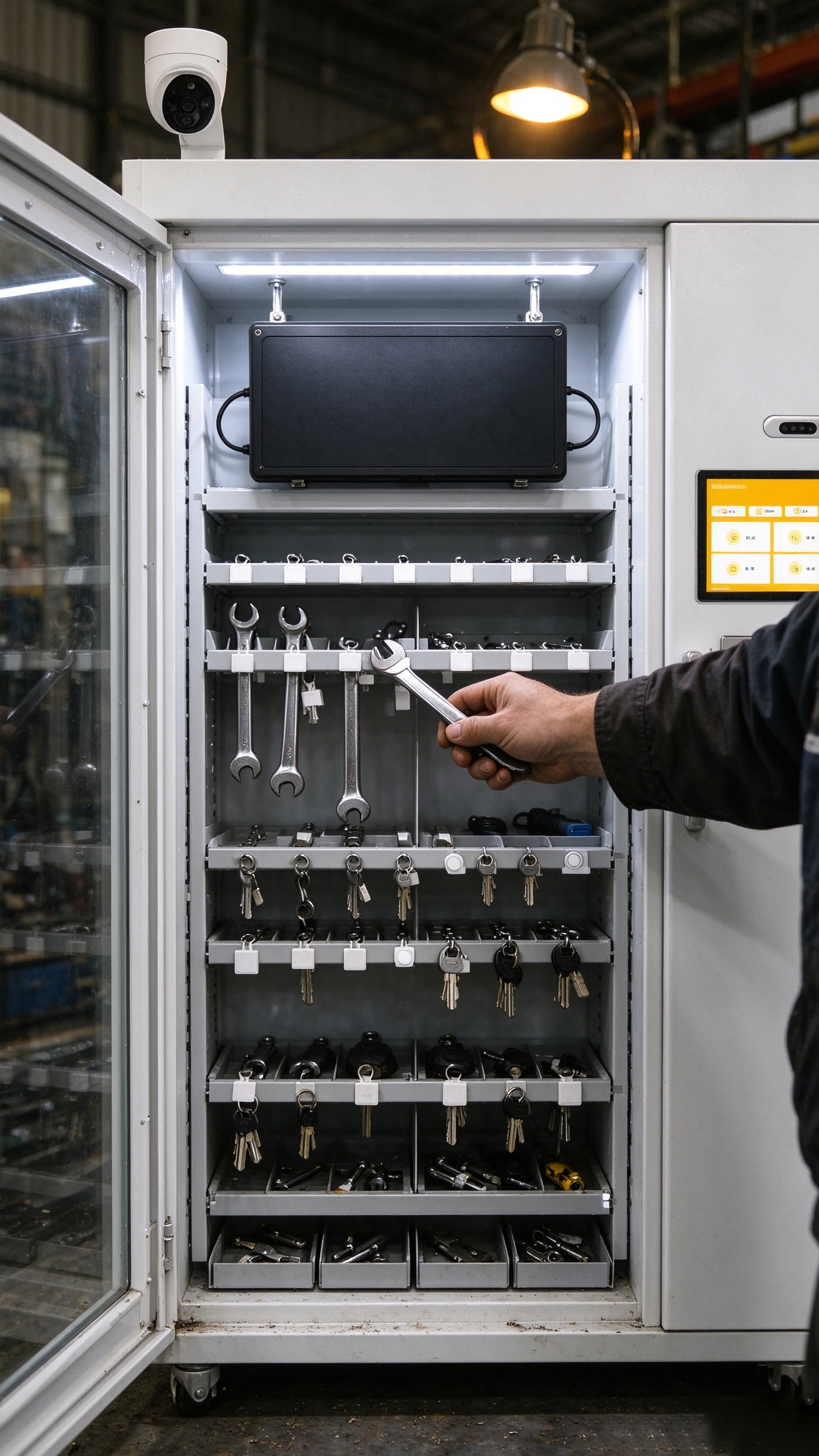
This is where UHF earns its keep, and where most “rfid lock” searches should actually land.
A metal cabinet is a Faraday cage. Put a UHF antenna inside, and the cabinet becomes a controlled read zone: every tagged item inside is read in bulk, in under a second, with no line-of-sight. That means the lock doesn’t just control access — it produces an inventory.
A door lock answers “did someone open the cabinet?” A UHF cabinet answers “who opened it, and what left with them?” That difference is the whole business case for tool cribs, key cabinets, evidence lockers, IT asset cages, chemical stores, and pharma cabinets.
What you’re buying, in cost terms:
Two engineering notes that decide whether a cabinet works:
Tag choice is not optional. Items inside a metal cabinet are typically tagged with on-metal labels or hard tags, and the tag’s performance on that specific item matters more than the reader’s price. Our guide to matching tags to surfaces covers this properly.
Antenna placement beats antenna count. A cabinet with two well-placed antennas outperforms one with five badly placed ones. If a supplier can’t describe where the antennas go relative to your item layout, they haven’t designed your read zone.
If you’re evaluating this form, our RFID cabinet and locker range shows the configurations available (key cabinets, tool cabinets, archive and document cabinets), and the smart cabinet technology overview explains how permissions, local-vs-cloud data storage and third-party integration work.
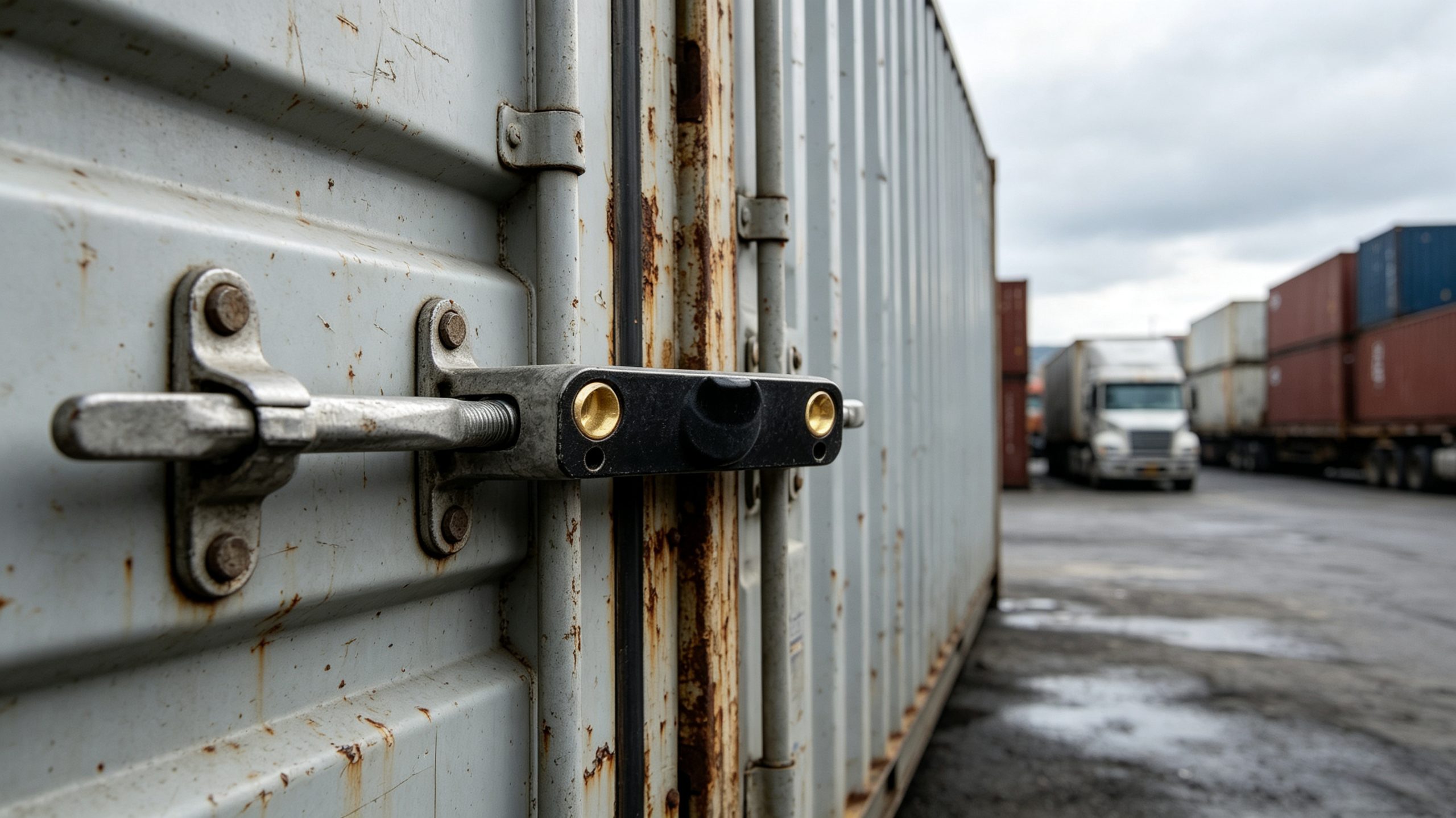
An e-seal is a one-way locking tag: a bolt or cable that physically secures a container or trailer, with a UHF chip and a tamper circuit inside. Once closed, it reports its ID and status; if the bolt is cut or the seal is opened, the next read shows the change.
Priced $30–150 each and read by handhelds or portals at 1–8 m, they’re the cheapest way to make a shipment’s integrity provable rather than assumed. Two practical constraints: seals are consumables (budget per shipment, not per year), and the read must happen at a controlled point — a portal at the gate, or a handheld sweep by the driver — because a seal that nobody reads provides no evidence.
For high-value or regulated cargo, e-seals plus a gate read point are usually a better investment than upgrading door locks, because the loss happens in transit, not in the building.
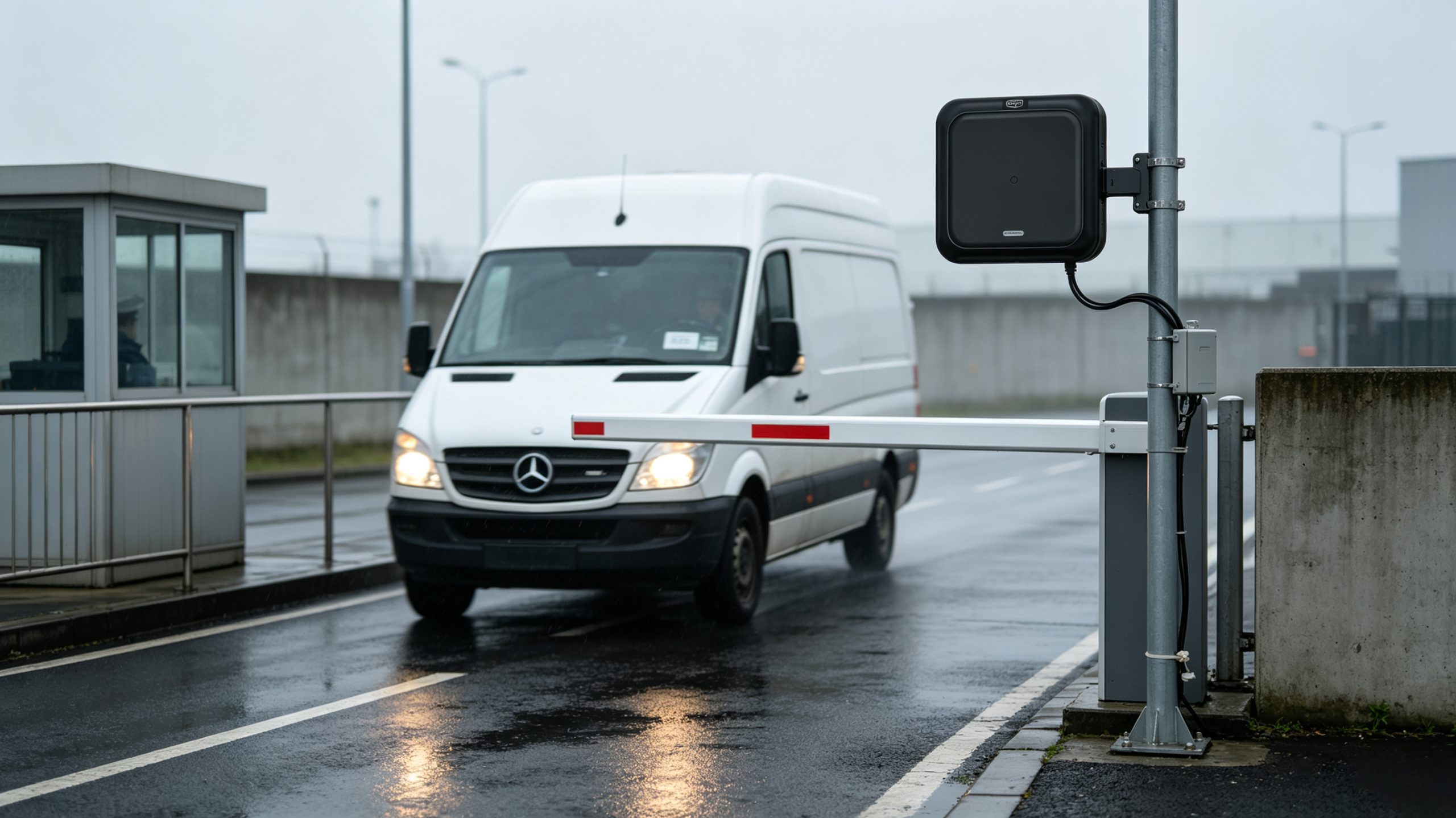
Vehicle access is where UHF’s read range becomes the whole product. A reader at the gate identifies a windshield tag at 3–12 m, the barrier lifts before the vehicle stops, and the driver never opens a window. Compared with tap-based access, throughput per lane can double or triple.
The trade-off is the same physics in a friendlier costume: long range means the gate can open for the wrong vehicle — the one behind, or the one in the adjacent lane. Mitigations are antenna aiming, read-power reduction, and a second antenna to establish direction. A gate that opens from 12 m because the tag is powerful is not a feature; it’s a security hole with a nice spec sheet.
Costs: $600–3,000 per lane for reader plus barrier hardware, before civil works. Our gate reader product line covers the hardware side.
The lock is half the decision; the credential is the other half, and it determines the user experience more than any spec sheet.
| Credential | Read behaviour | Best for | Watch out for |
| Card / fob | Tap, 1–10 cm | Offices, guest rooms, general staff | Shared cards defeat accountability |
| Wristband | Tap or short hands-free | Cleanrooms, food plants, wet areas | Comfort and hygiene replacement cycles |
| Tagged item (tool, key, asset) | Bulk, inside a read zone | Cabinets, tool cribs, lockers | Tag must suit the item’s material |
| Vehicle windshield tag | Hands-free, 3–12 m | Gates, yards, weighbridges | Long range opens for the wrong vehicle |
| Seal | Read at 1–8 m, reports tamper | Containers, trailers, custody chains | Consumable — budget per shipment |
Three practical rules follow.
Match the credential to the hands, not the database. A technician carrying a 20 kg tool bag can’t tap a reader at waist height; a lab worker in gloves can’t reliably present a fob. Hands-free at short range (0.5–1.5 m) is often the right compromise — enough convenience to avoid stopping, short enough that a passer-by doesn’t trigger it.
One credential per person, one tag per item. The moment a card is shared, the audit trail becomes fiction. If shift work makes sharing unavoidable, log the shift instead of pretending the record identifies an individual.
Budget credentials as consumables. Cards crack, wristbands wear, tags get damaged. A typical allowance is 5–10% of the credential count per year. Projects that forget this line item end up with more items than working credentials by month eight.
Worth answering honestly, because vendor marketing tends to skip it.
A passive UHF tag’s EPC is data — it can be copied onto another tag by anyone with a writer. So a lock that trusts the EPC alone is trusting a number that can be duplicated. Real deployments add layers:
The practical conclusion: UHF locks are excellent at accountability and inventory, and adequate at access control when paired with TID checks and sane rules. If you’re protecting a vault, the lock body and the door matter more than the radio.
Every lock decision includes a power decision, and this is where cheap installations announce themselves later.
If you’re paying for an RFID lock system, most of the value is in the record it produces. A useful lock event contains five fields:
| Field | Example | Why it matters |
| Who | credential ID + person | Accountability; also catches shared cards |
| What | which lock / which items | Scope of the event |
| When | timestamp | Disputes, compliance, shift analysis |
| Result | granted / denied / forced | Denied events are the interesting ones |
| Context | cabinet contents before/after | Turns access control into inventory control |
Systems that log only “door opened” answer a question nobody asks. Systems that log the five fields above answer the questions auditors and operations managers actually have — which is why the cabinet form (with contents logging) is usually worth more per dollar than the door form.
Vague business cases lose budget votes, so here’s one with numbers.
The situation. A maintenance workshop issues tools from a crib. Two storekeepers handle issue and return; a paper log records who took what. Monthly tool losses run about $600, and quarterly audits take two people a full day each.
The build. One UHF smart cabinet with two interior antennas, biometric plus card authentication, and software that logs every issue and return — roughly **$8,000–12,000** installed, including 600 on-metal tags at $0.80–1.50 each.
The arithmetic.
That’s $15,800 of annual value against roughly $10,000 of capital and $1,000 of run cost — payback inside nine months, before counting the harder-to-quantify benefit that technicians stop queueing at the crib window.
Why the same logic fails for a door. Replace “600 tools” with “12 office doors” and the numbers collapse: door locks save no labour and recover no inventory, so the only justification is risk (theft, unauthorised entry, compliance evidence). That’s a legitimate justification — but it’s a risk argument, not an ROI argument, and it should be presented that way.
Whether you install a door lock or a cabinet, the sequence that avoids surprises is the same:
Step 3 is where most projects either succeed or inherit a year of complaints. It costs an afternoon; skipping it costs the project.
1. Buying long range for a short-range job. A hands-free UHF door that opens at 2 m will also open for the person walking past. If the space needs to be secure, tap range or a second authentication factor is the correct answer.
2. Forgetting the metal. Cabinets, containers and steel doors attenuate UHF badly. A tag that reads at 5 m in open air may read at 40 cm inside a closed steel cabinet. Always test inside the actual enclosure.
3. Choosing fail-safe vs fail-secure by accident. This is a safety and insurance question, not a technical one. Decide per door, in writing, with whoever owns fire compliance.
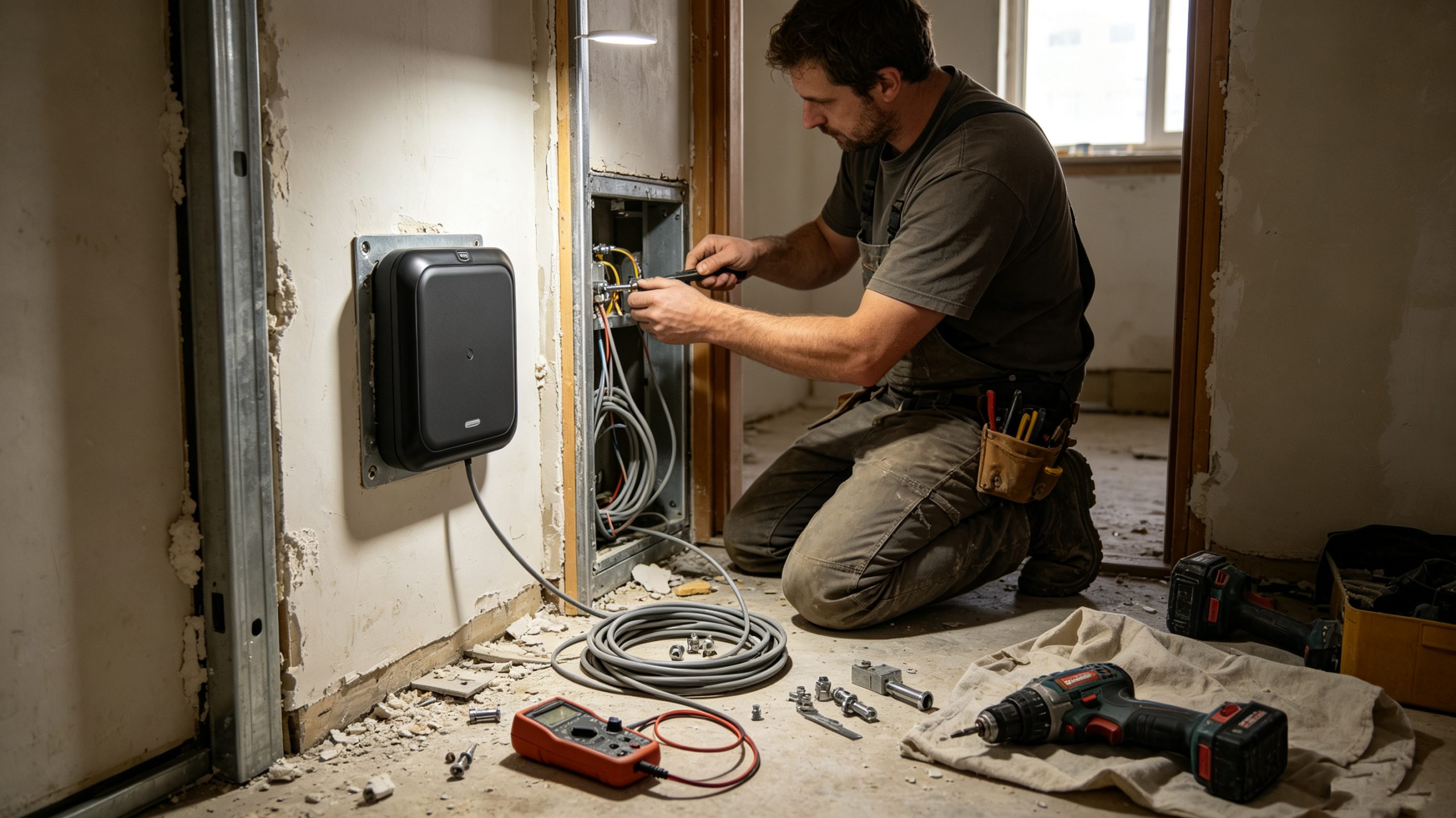
4. Underestimating the wiring. Retrofits fail on cable routes far more often than on hardware. Walk the route, count the penetrations, and price the labour before comparing lock prices.
5. Locking things that should be counted instead. If your real problem is “we don’t know what’s in the cabinet”, a lock alone will not fix it — you need the read zone, not the bolt. Equally, if the problem is theft in transit, door locks are the wrong end of the journey.
| Tier | What you get | Typical cost |
| Single retrofit cabinet lock | One lock, no audit trail | $40–150 |
| Door retrofit with reader + controller | One door, credential-based, logged | $300–900 |
| E-seal programme | 100 seals + handheld reader | $3,000–8,000 |
| Vehicle gate lane | Long-range reader + barrier | $600–3,000 per lane |
| Integrated smart cabinet | Bulk reads, biometric auth, software integration | $2,000–20,000 |
Most organisations start at tier two or three and end up at tier five, because the audit trail is what they actually wanted.
A lock with an RFID reader instead of a key: a credential (card, fob, tag or seal) is read contactlessly, and a controller decides whether to release an actuator. The lock itself is simple; the controller and its records are where the cost sits.
A retrofit cabinet lock is $40–150. A door with reader and controller runs $300–900. A UHF smart cabinet with bulk reading and software integration is $2,000–20,000. Vehicle gate lanes cost $600–3,000 before civil works.
Battery-powered locks work for 8,000–20,000 openings depending on model and temperature. Wired locks need mains power plus, for logging, a network connection. Decide fail-safe or fail-secure behaviour before installation.
As secure as the credential and controller design. A UHF tag carrying only an EPC can be copied; systems that verify the chip’s factory-locked TID, use access passwords, and log denied attempts are substantially harder to defeat. Physical attack on the lock body is usually easier than attacking the radio.
Yes, but only with the read zone designed for it. A metal cabinet blocks UHF from outside, so antennas must be inside, and tags must suit the items stored. Test with the actual items in the actual cabinet.
The lock is one component. An access control system adds credentials management, permissions, event logging, integration and reporting — which is the majority of the cost and nearly all of the value.
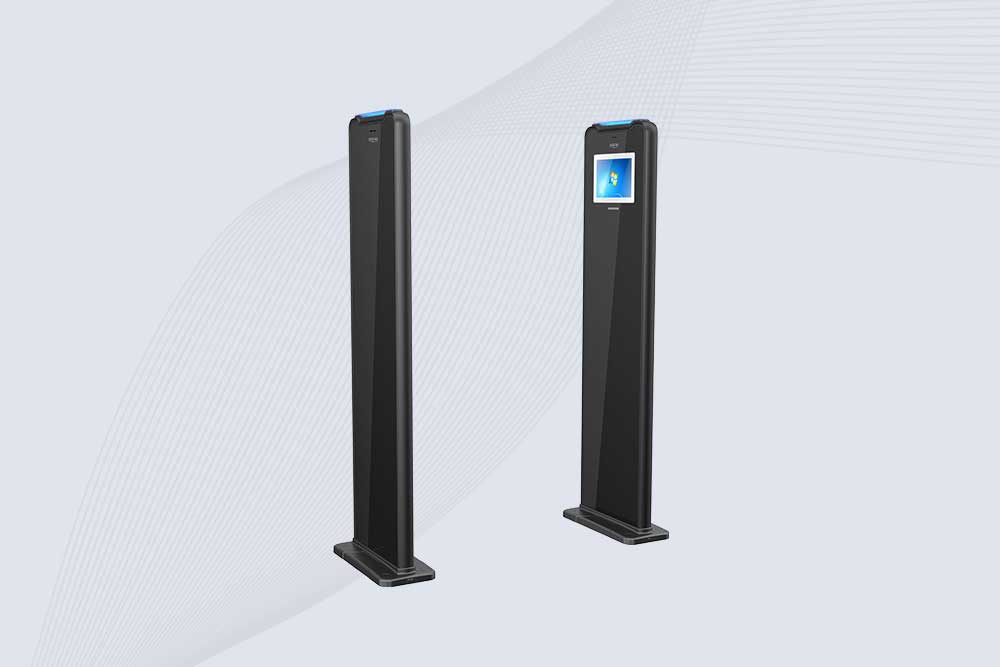
SSD-T4A-P Smart access control with real-time crowd tracking ✔️ AI Tag Filtering for Reduced Misreads SSD-T4A-P supports AI-based tag filtering and up to 6 EPC filtering sets, helping reduce unwanted reads and improve identification accuracy in busy entrances, exits, and retail environments. ✔️ Fast In & Out Detection with Visual & Audio…
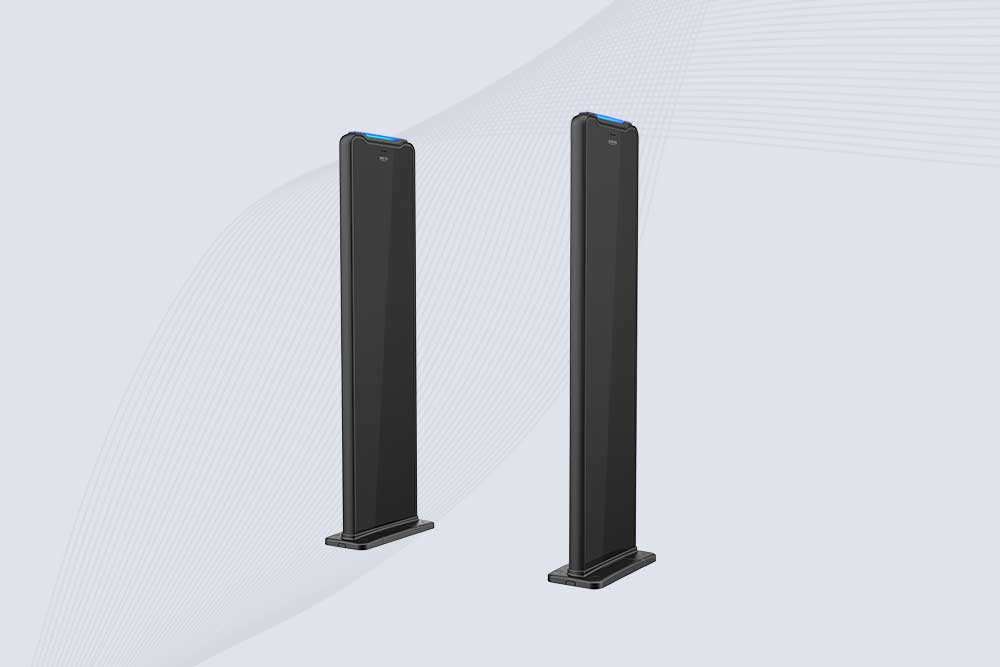
SSD-T4A UHF RFID Gate Reader with 11 dBi antenna, up to 10 m reading distance, AI tag filtering, in/out detection, 300,000 data storage, and TCP/HTTP/MQTT support.
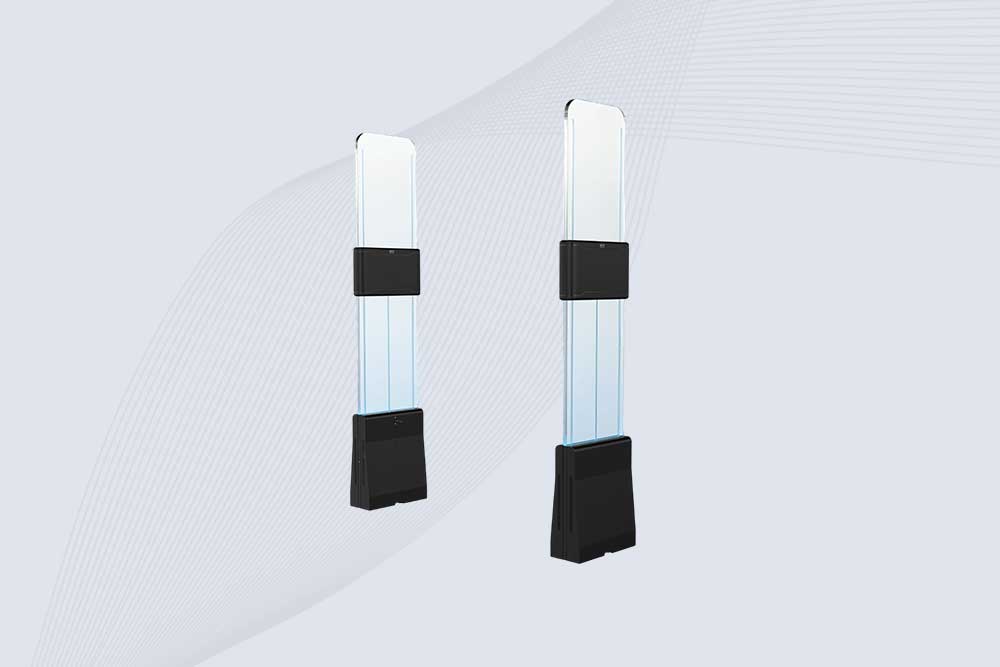
SSD-T2D UHF RFID Gate Reader with 11dBi circular antenna, Impinj E710/X3M1 chipset, up to 10m reading distance, AI tag filtering, in/out detection, and audio-visual alarms.
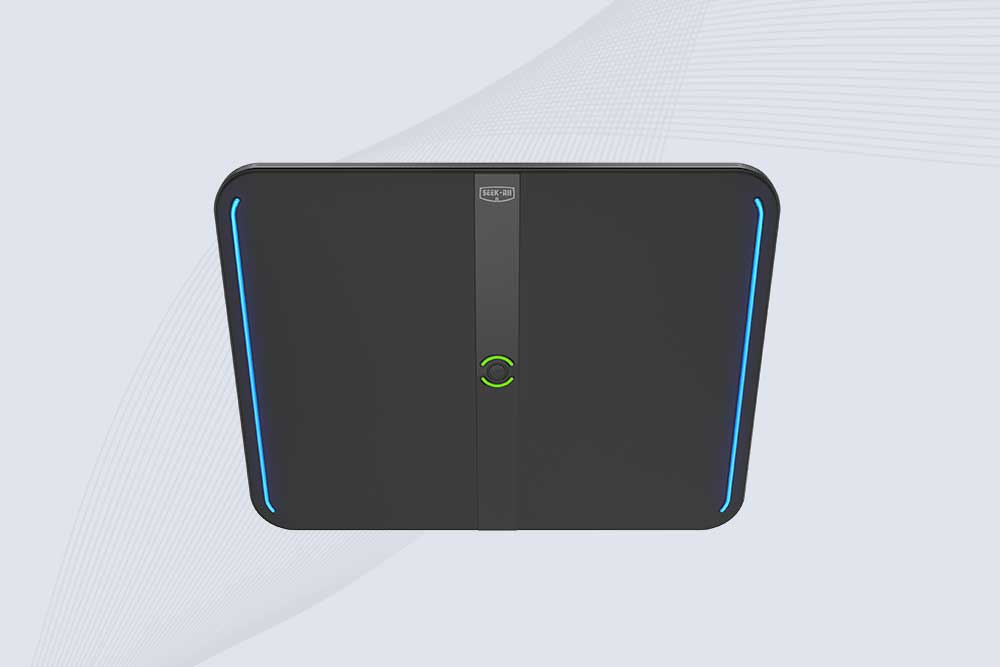
SSD-T1 ✔️ AI-Powered Tag Filtering SSD-T1 supports AI-based tag filtering with up to 6 EPC filtering sets, helping reduce unwanted tag reads and improve identification accuracy in busy retail and access-control environments. ✔️ Reliable In & Out Detection With a 7dBi antenna and a reading range of up to 2.5 meters, SSD-T1 can detect tagged i…
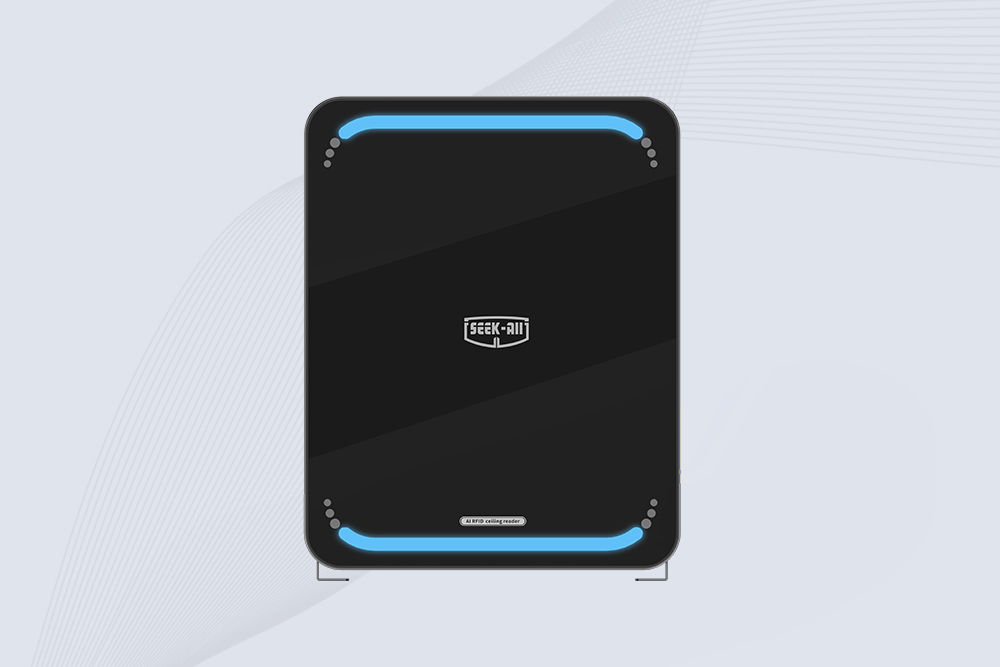
SSD-T1G is a 12 dBi AI RFID ceiling-mounted reader with 10m reading range, In/Out detection, AI tag filtering, 300,000-record storage, and TCP/HTTP/MQTT support.
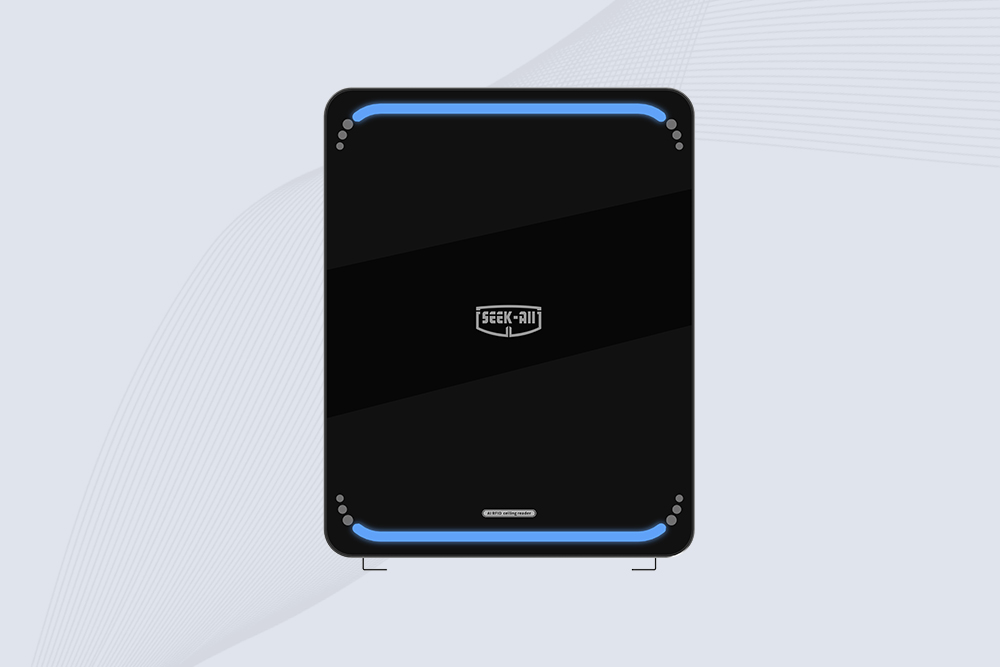
SSD-T1H 9dBi AI ceiling-mounted UHF RFID reader with up to 10m reading range, AI tag filtering, 300,000 data storage, and TCP/HTTP/MQTT support.
Cykeo’s CYKEO-T1D industrial RFID ceiling reader features 500 tags/sec scanning, IP54 protection, and -20℃~60℃ operation for retail/warehouse security. Supports ISO18000-6C and GB/T29768 protocols.
Cykeo’s ceiling-mounted RFID reader enables hands-free 5m inventory tracking with 500 tags/min speed. Features dual alerts, ERP integration, and IP54 rating for warehouse security.
Cykeo CK-T1E RFID gate system features 120° coverage, AI motion filtering, and 5m detection for retail/warehouse security. IP67 rugged design with ERP integration.
Cykeo CYKEO-T1A industrial ceiling RFID system offers 10-20m read range, 500+ tags/sec speed, and IP65 protection for smart warehousing. Supports multi-protocol integration and real-time inventory alerts.
Cykeo’s CYKEO-T1 ceiling-mounted UHF RFID reader offers 500tags/sec scanning, ISO18000-6C compliance, and -20℃~60℃ operation for smart retail/warehouse management. Supports TCP/IP & Android integration.
Cykeo CYKEO-T1B ceiling-mounted RFID system delivers 10-20m reading range, 500+ tags/sec processing, and integrated security alarms. Ideal for warehouse/logistics automation with Android-compatible SDK.
Cykeo’s industrial ceiling-mounted RFID reader offers 10m+ automated inventory tracking, ISO-18000 compliance, and anti-theft alarms. Designed for retail/warehouse/logistics facilities.
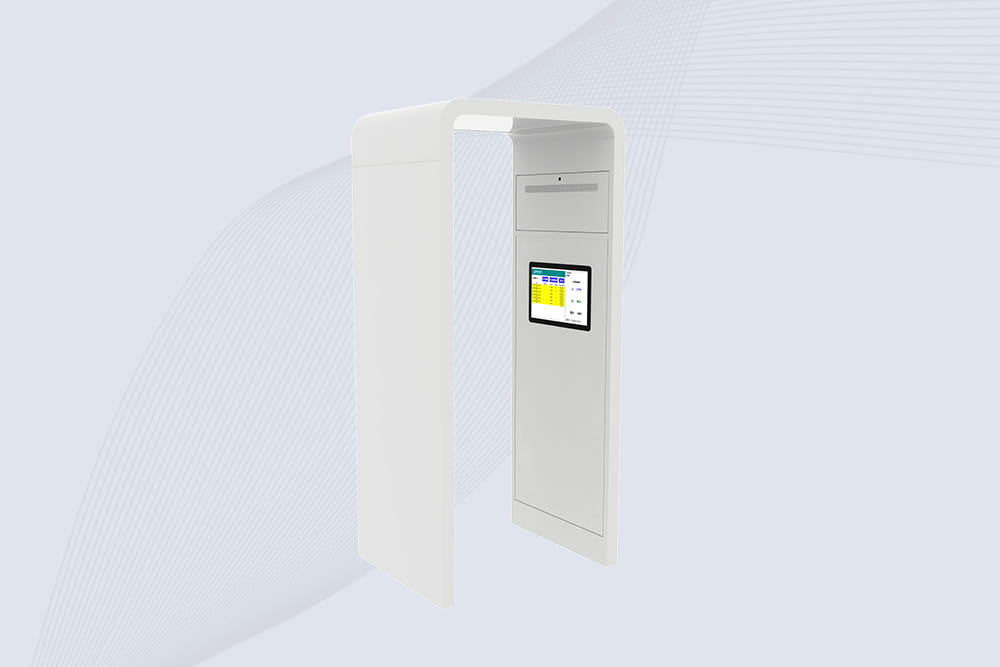
Cykeo CYKEO-T8 industrial arch gate RFID reader delivers 800+ tags/min scanning, 4m detection range, and Android touchscreen for libraries/retail stores. Supports SAP integration & dual EAS alarms.
Cykeo CYKEO-T3 industrial RFID gate reader features 200cm detection, infrared triggering, and dual alarm modes for warehouses/libraries. Supports WiFi/4G and Java/C# SDK integration.
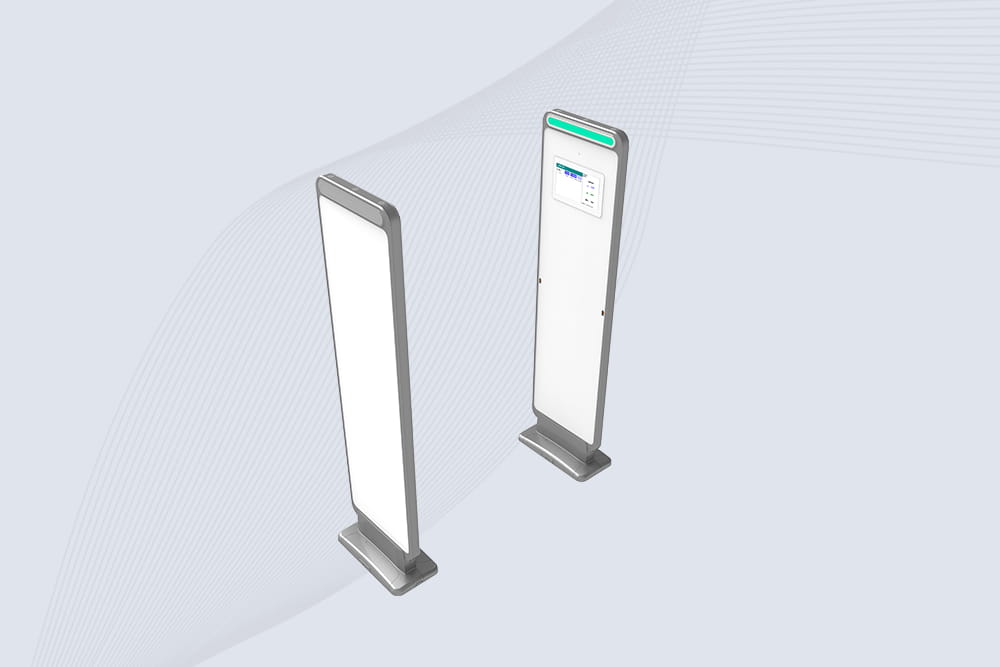
Cykeo CYKEO-T4 industrial RFID gate system features 4-antenna array, 99.9% detection accuracy, dual EAS alarms, and WiFi/4G connectivity for library/warehouse/retail security. ISO 18000-6C compliant.

Cykeo’s CYKEO-T5 UHF RFID gate reader features 600cm detection, infrared tracking, and dual-mode alarms for retail/library security. Supports crowd counting and multi-protocol integration.
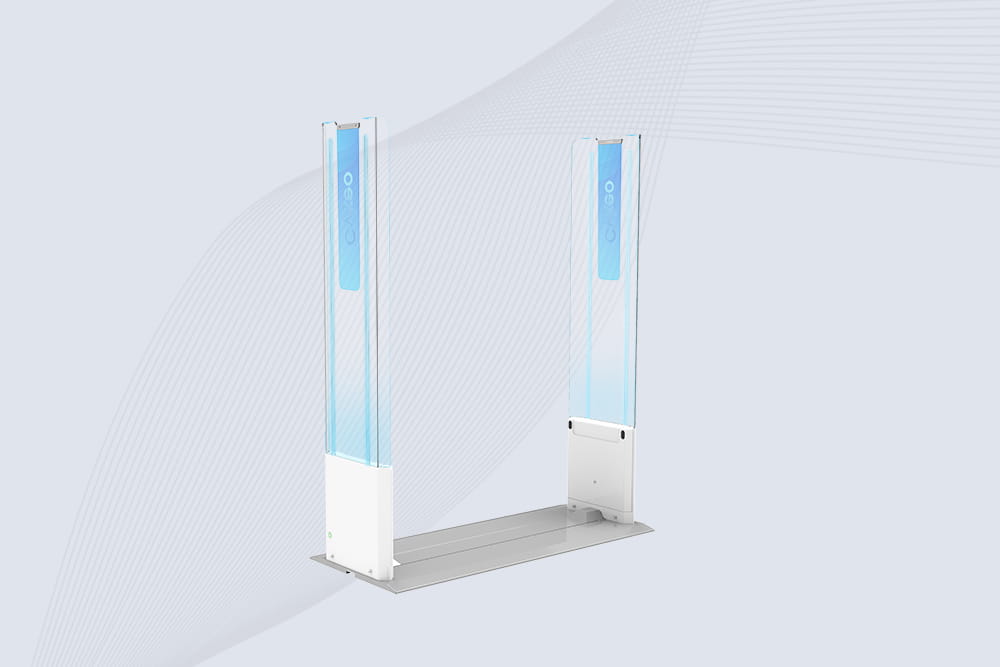
Cykeo CYKEO-T2A industrial Gate Barrier RFID Reader system features 6m detection, 200 tags/sec scanning, IP54 durability. Perfect for retail security, warehouse access control. Supports EPC C1G2, WiFi/4G, ERP integration.
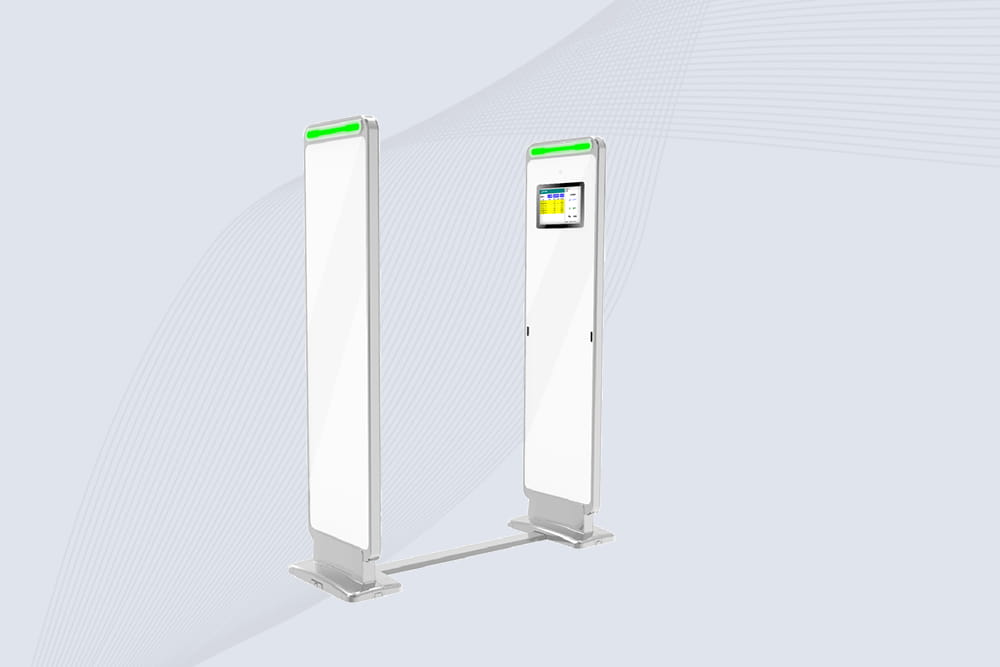
Cykeo’s CYKEO-T4 RFID Gate Reader system offers 200+ tags/sec scanning, EAS alarms, and rugged design for libraries/warehouses. Supports WiFi/4G and Windows/Android OS.

Cykeo HF RFID gate reader offers 90cm detection range, ISO15693/18000-6C compliance, and industrial-grade durability for libraries/retail. Features EAS alarms, infrared traffic analysis, and 3D omni-directional scanning.
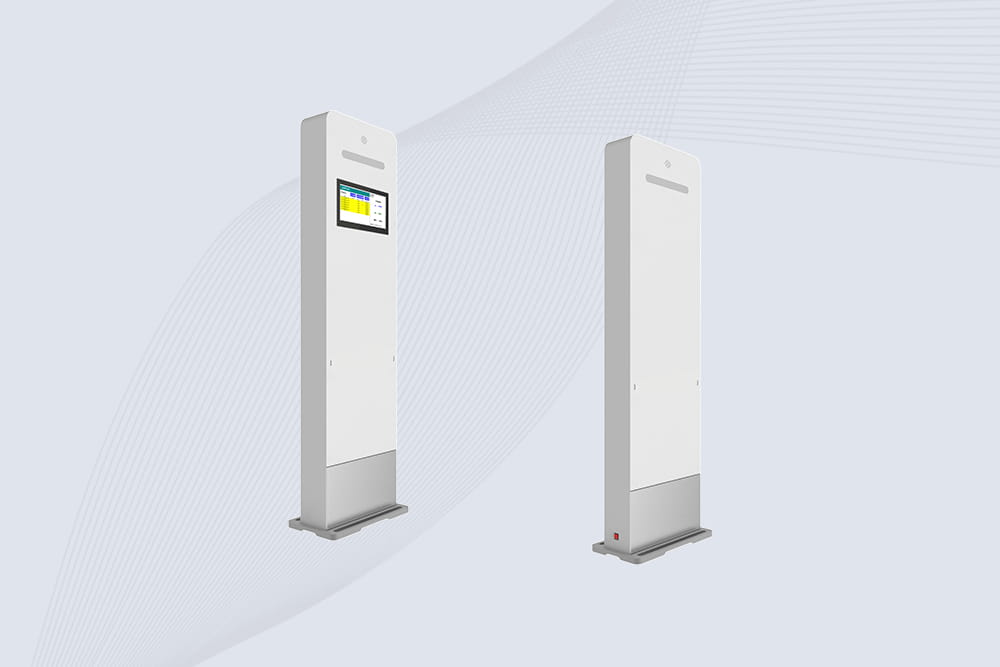
Cykeo CYKEO-T7 UHF RFID Gate Reader system delivers 600cm read range, 99.9% tag accuracy, real-time personnel counting, and SAP integration for logistics/warehouse/manufacturing. Supports dual OS & offline alarms.
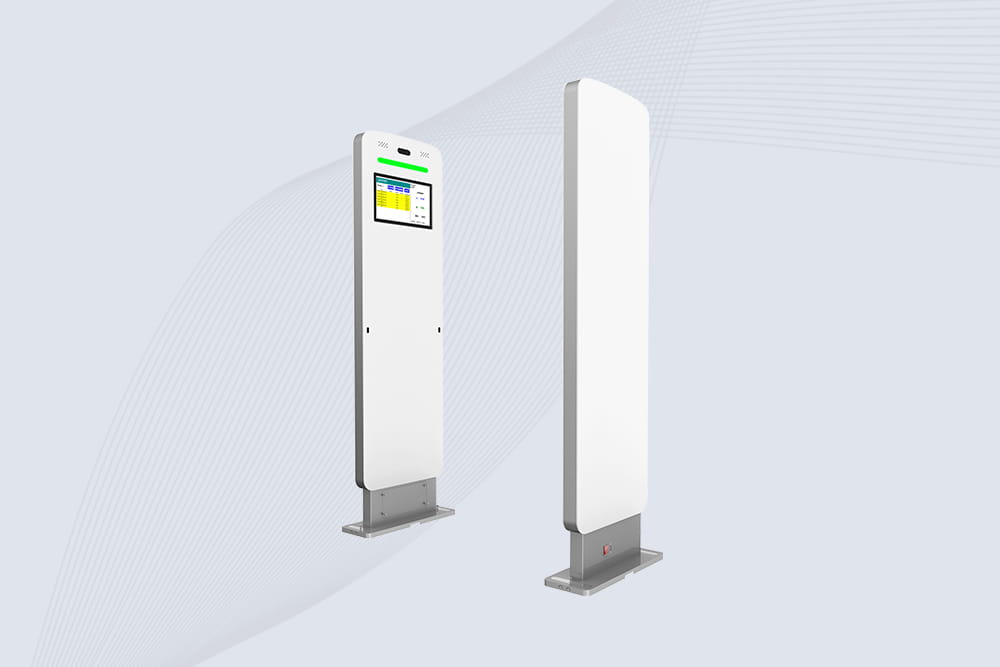
Cykeo CYKEO-T6 gate RFID reader features 1,200+ tags/min scanning, 6m detection range, and industrial-grade durability for libraries/stores/warehouses. Supports ISO 18000-6C and waterproof installations.

Cykeo CYKEO-T9HA industrial HF RFID gate reader offers 100cm range, 100+ tags/sec scanning, ISO 15693/14443A protocols, and IP66 durability for libraries, archives, and retail. Supports offline alarms and SAP integration.
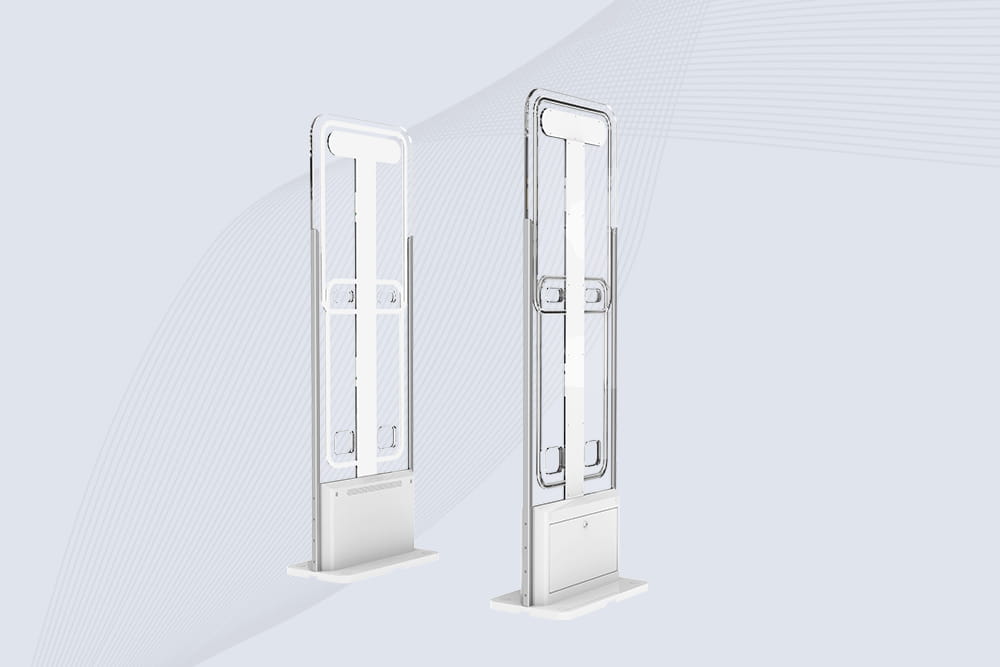
Cykeo CYKEO-T9UH UHF RFID gate reader offers 90cm detection width, EAS/AFI anti-theft alerts, IP54 rugged design, and multi-protocol support for libraries, retail, and logistics.
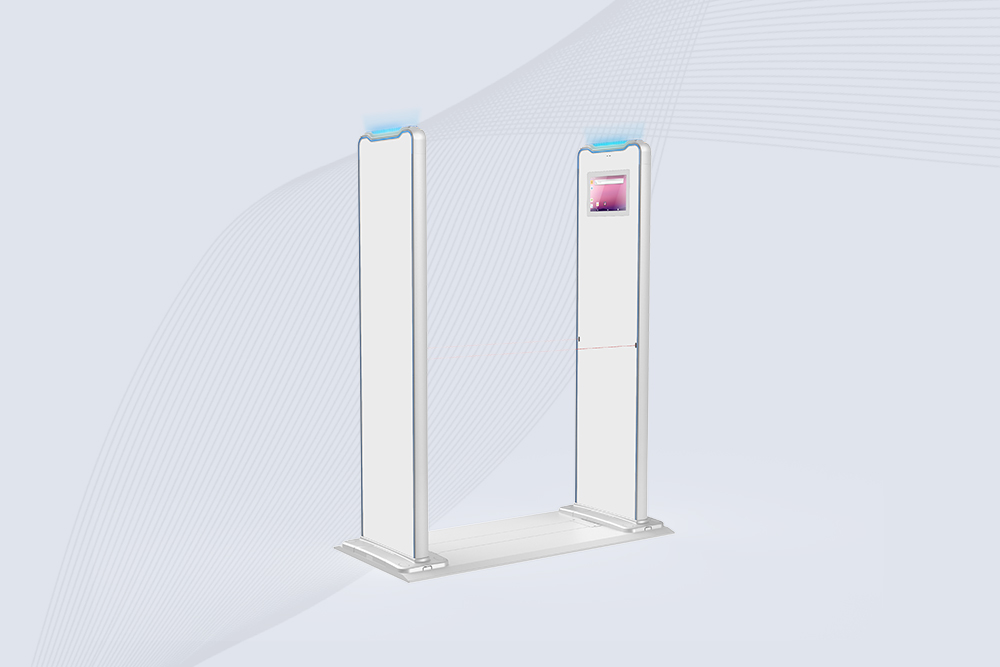
Cykeo’s Fixed RFID Gate Reader features 60 tags/sec scanning, IP54 rugged design, and dual-mode EAS alarm. Ideal for library/warehouse/event access control with real-time crowd analytics.
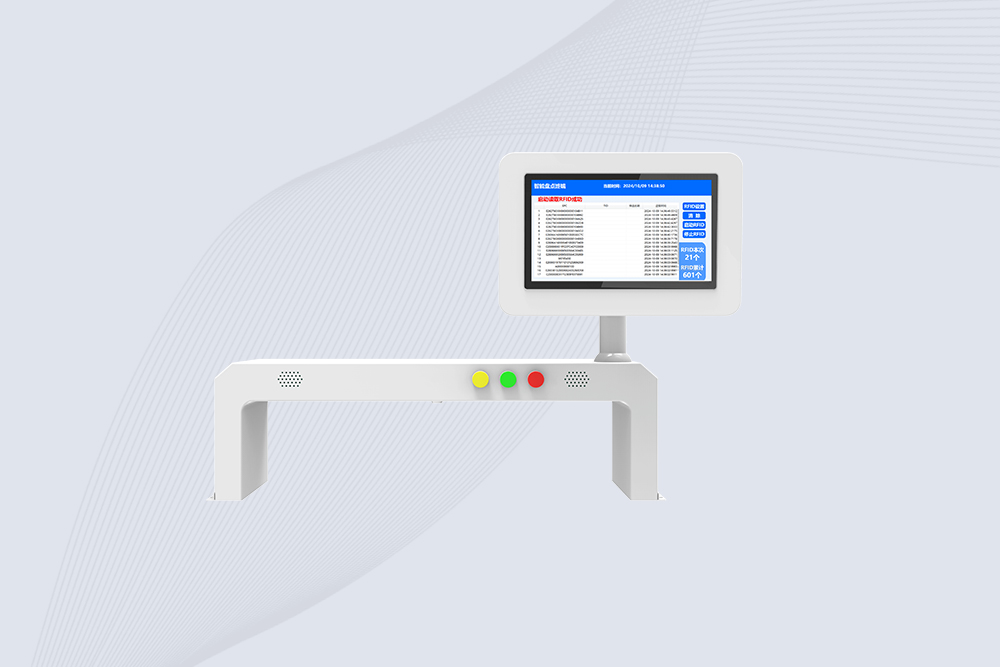
Cykeo CYKEO-T8A rfid gate access control system features IP68 enclosure, 400 tags/sec scanning, and 6-antenna array for warehouse/manufacturing security.
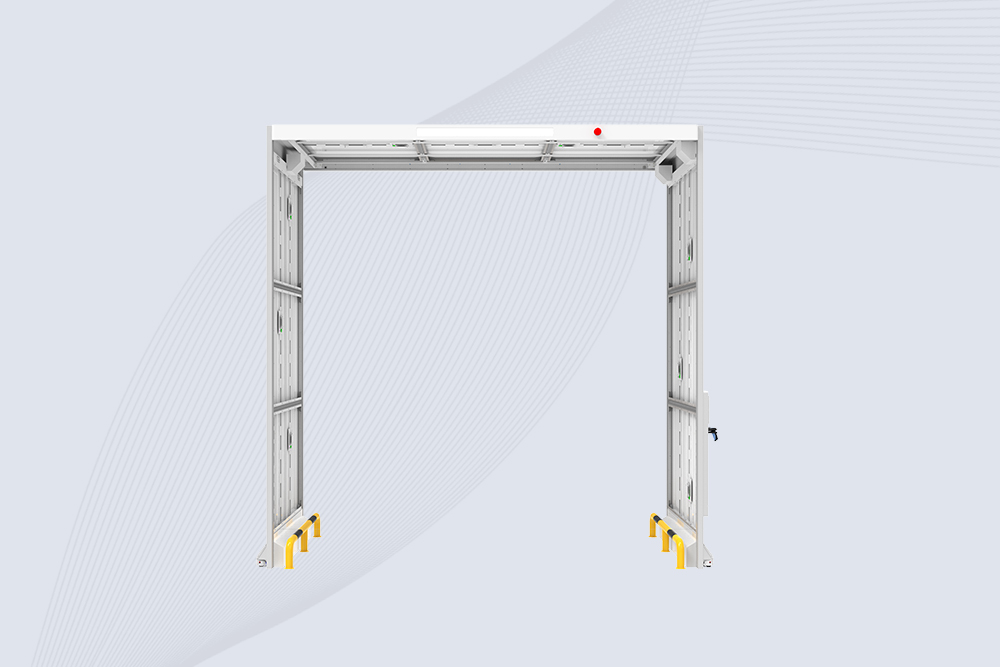
Cykeo CYKEO-T8F RFID gate entry systems deliver 200+ tags/sec scanning, EPC C1G2 compliance, and EAS alarms for warehouse/production gates. Supports Windows/Android OS.
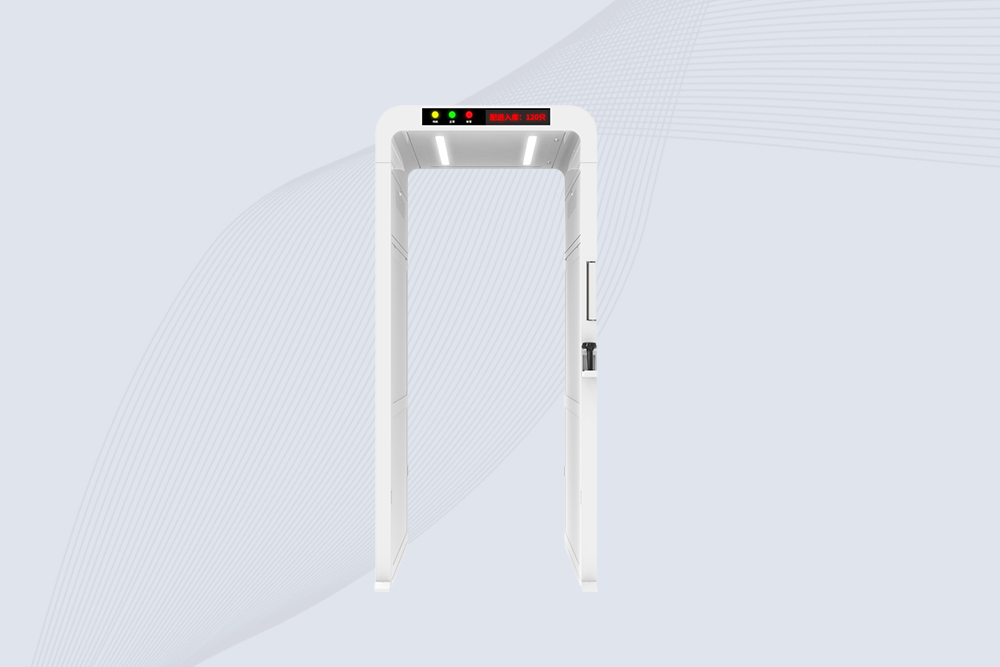
Cykeo CYKEO-T8C RFID gate opener delivers 200+ tags/sec scanning, ISO 18000-6C compliance, and facial recognition for logistics/secure facilities. Supports Windows/Android OS.
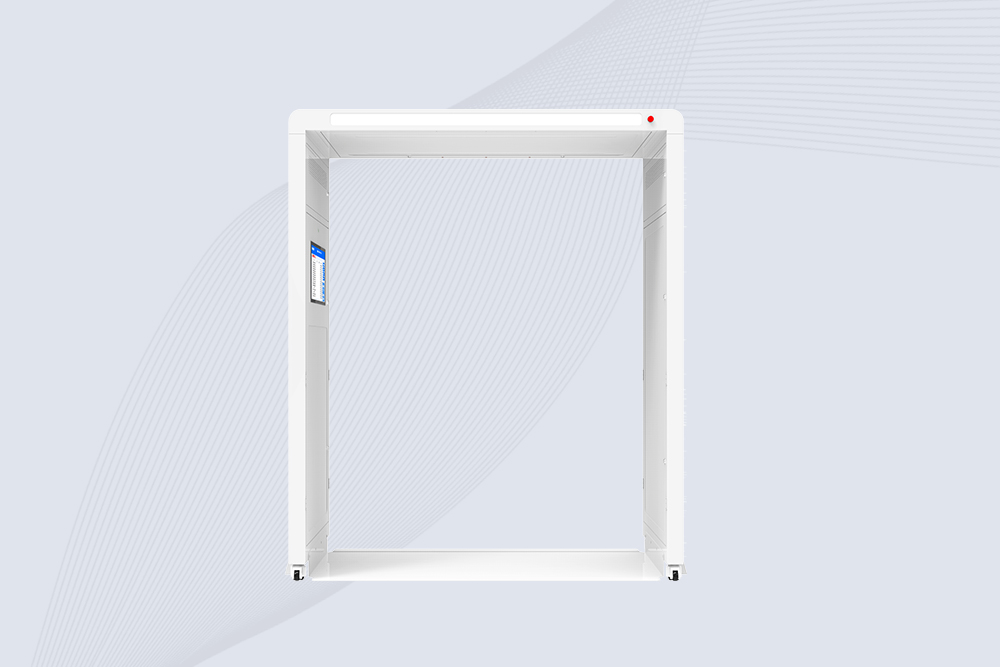
Cykeo CYKEO-T8D RFID gate access control system features 4-antenna 99.98% accuracy, ISO 18000-6C compliance, and real-time theft prevention for libraries/warehouses. Supports Windows/Android OS.
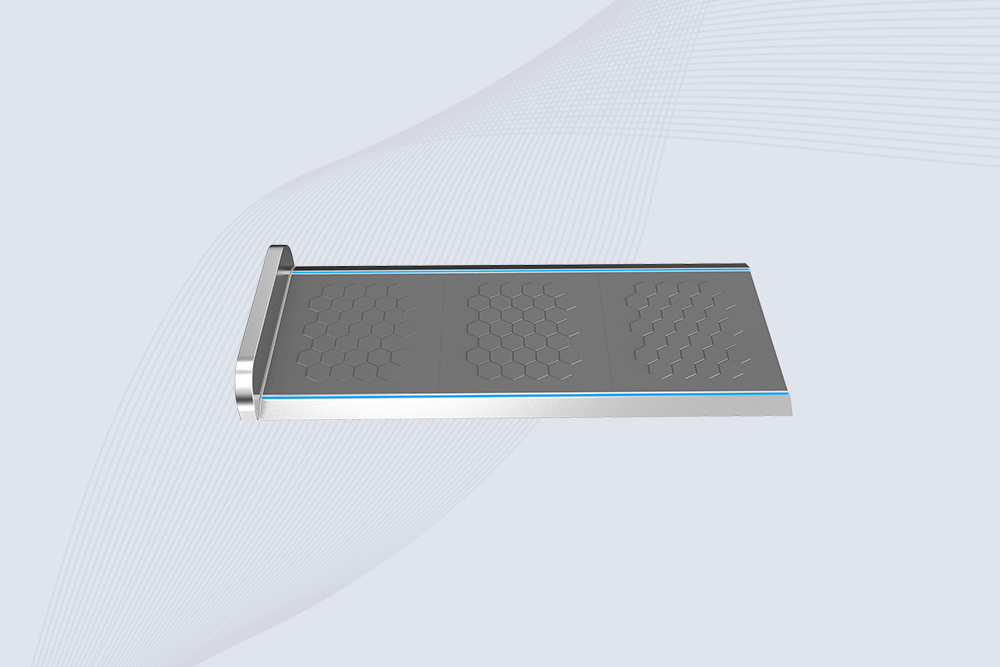
Cykeo CYKEO-T2 industrial RFID gate features 500+ tags/sec scanning, 0-3m vertical detection, and cloud management for warehouse automation and inventory control.
A practical guide on how to read RFID with Android. Learn why your phone's NFC fails for most tags and the steps to connect an external UHF reader for real scanning apps.
More
An RFID writer programs writable RFID tag memory, such as EPC or User memory, and can verify the stored data.
More
Learn how to hook up an RFID antenna to Arduino using common modules like the RC522. Our guide covers the connections, code basics, and what to do when it doesn't work.
More
A practical guide for RFID integrators and warehouse operators. Learn how antenna height, mounting angle, and gate placement affect RFID performance in real-world deployments.
More