 Cykeo RFID IoT Solution Products R&D Manufacturer
Welcome to
RFID Roadmap
Learning a new technology is difficult. It's hard to sort through all the information to get a clear picture, let alone know where to begin. We've combined 44 articles, 8 ebooks, and 1 infographic to create the ultimate RFID technology roadmap for beginners.
We divide the information into 10 parts: RFID overview, RFID readers, RFID antennas, RFID tags, hardware, software and firmware, auxiliary equipment, advanced principles, ideal device performance, RFID system deployment, and different types of RFID.
Usability features
Each step of our RFID roadmap includes:
Section 1 | RFID basics
What you will learn here:
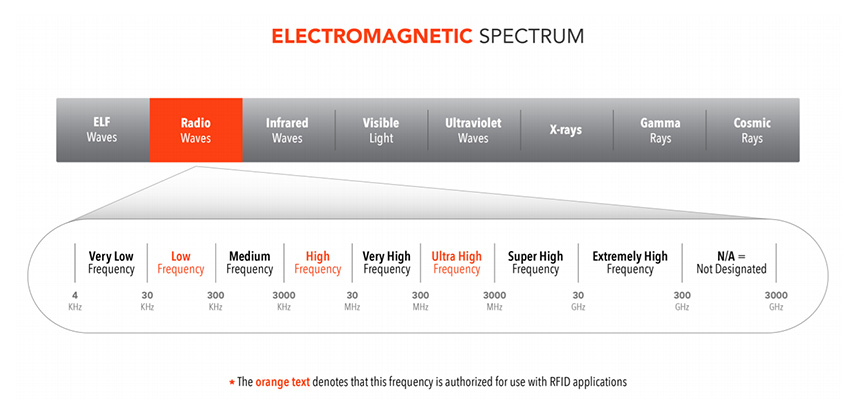
This section will provide you with a comprehensive understanding of RFID, as these guides and articles will lead you through the fundamentals. You will gain knowledge about how RFID works, detailed information on the most commonly used RFID frequency types, and insights into RFID systems communicating across a wide spectrum. Furthermore, explore thirteen common RFID applications that are present in your daily life.
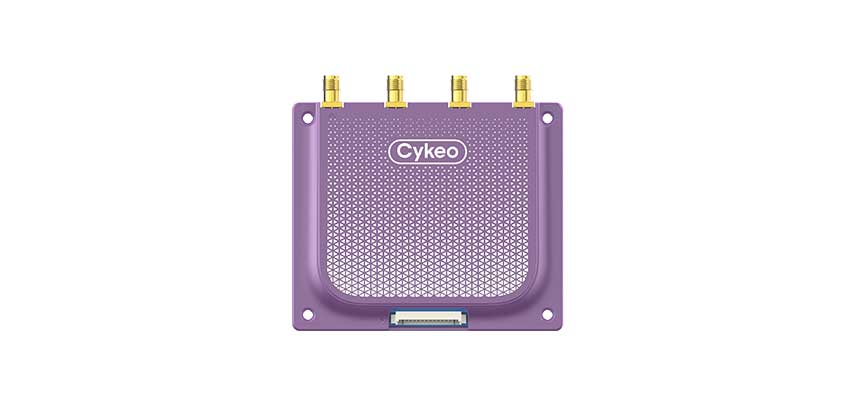
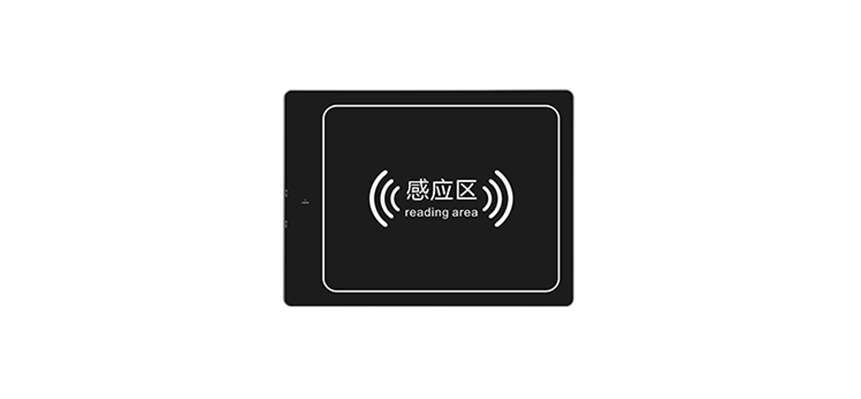
Section 2 | RFID Reader
What you will learn here:
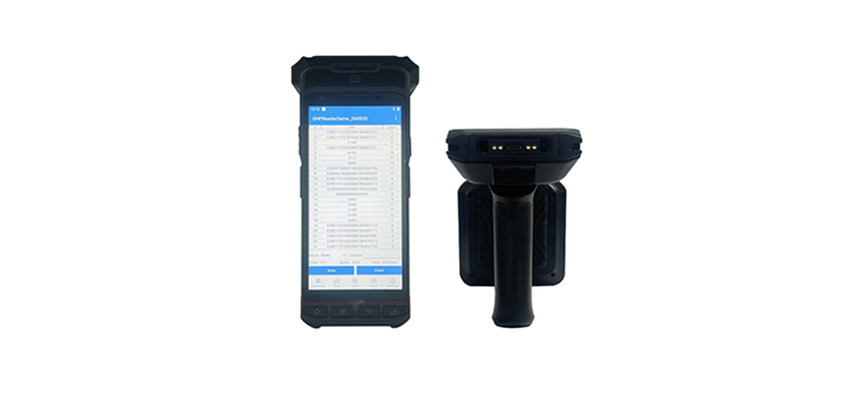
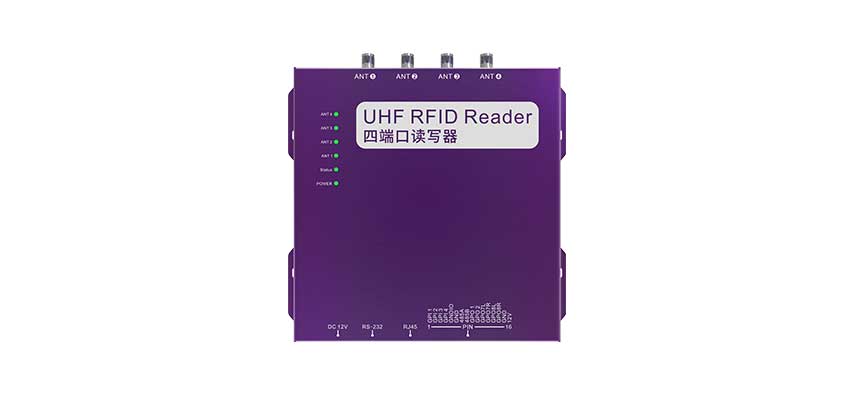
In this section, you will learn about various factors related to RFID readers that influence the purchasing decision process. You will explore three key factors to help narrow down your choices and select the RFID reader best suited for your specific application. Furthermore, at the intermediate level, you will learn about the concept of transmit power and find answers to common questions surrounding this topic.
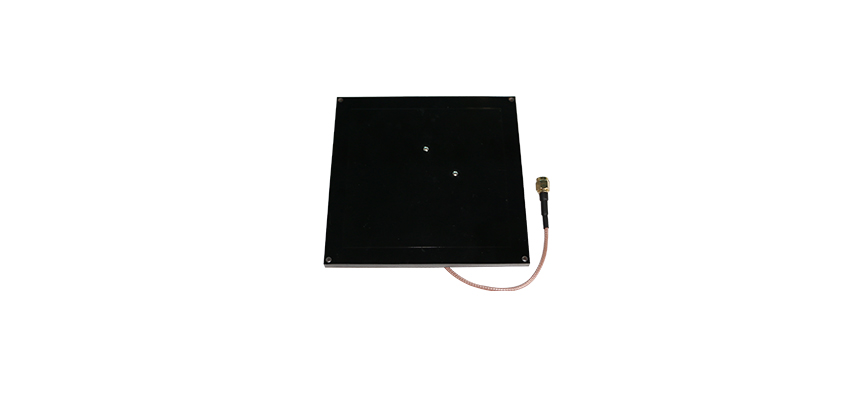

Part Three | RFID Antenna
What you will learn:
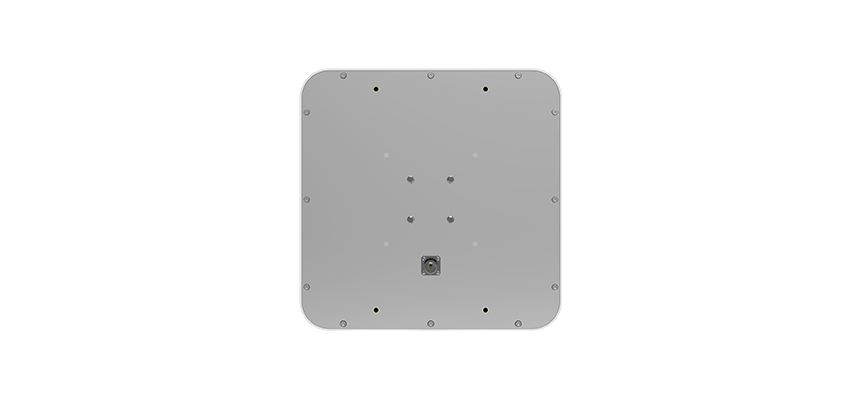
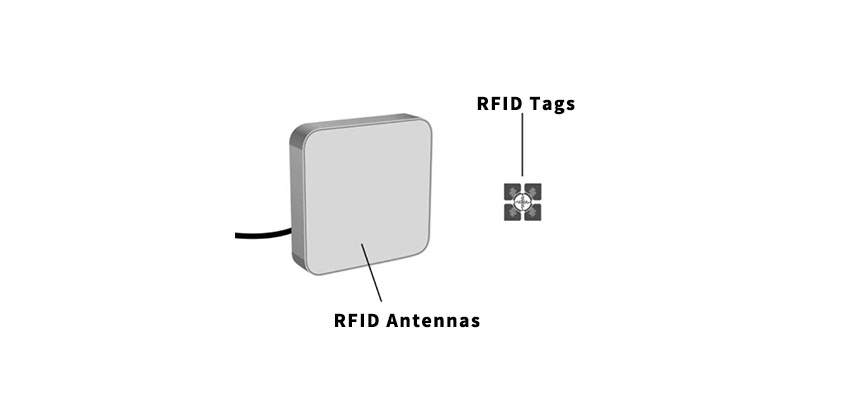
In this section, you will learn about RFID antennas. This includes understanding their properties, energy flow, and determining which antenna is best suited for your specific application. We will discuss three key factors to consider when selecting an RFID antenna. Furthermore, you will gain a deeper understanding of the difference between linear and circular polarization, and the electromagnetic field surrounding an RFID antenna.

Part Four | RFID Tags
What you will learn:
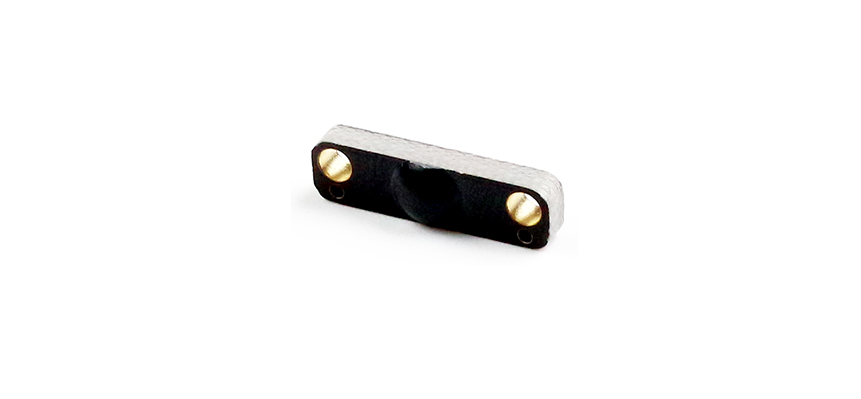
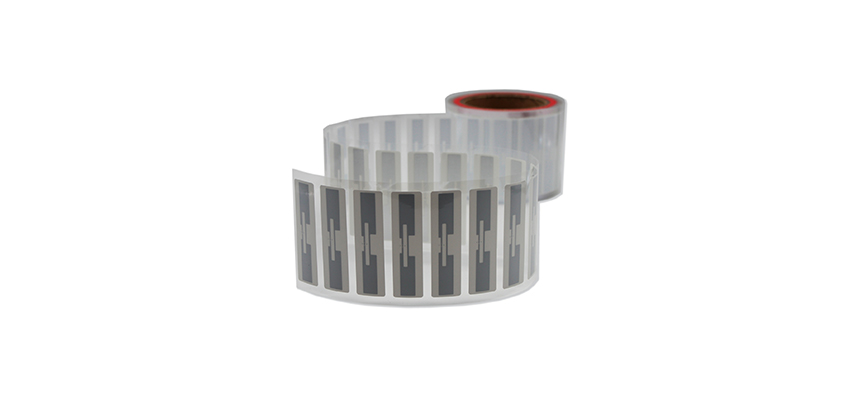
In this section, we'll explore the fundamental elements of RFID tags. This includes what RFID tags are, how they work, and their components. We introduce the three main components of an RFID tag: IC type, antenna, and housing. Furthermore, you'll delve into seven key factors to consider when choosing the best tag for your application. Next, we discuss the challenges of mounting RFID tags on metal compared to other materials.
Part 5 | Auxiliary Equipment
What you will learn:
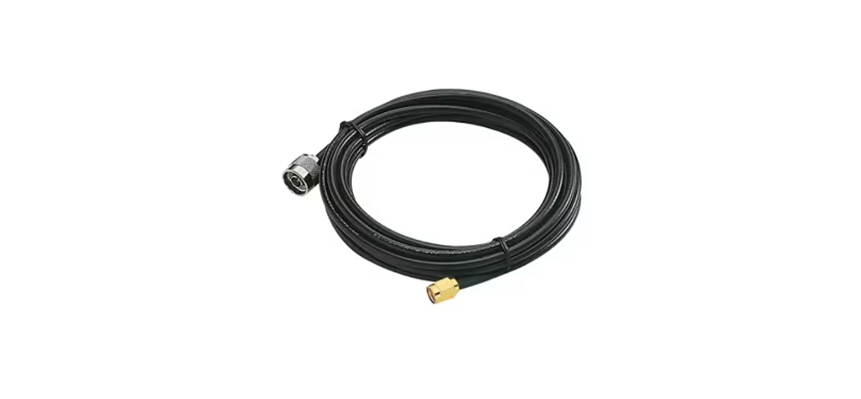
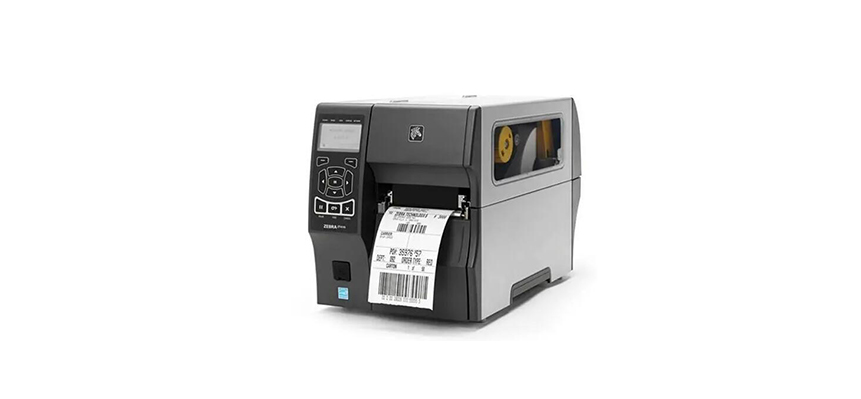
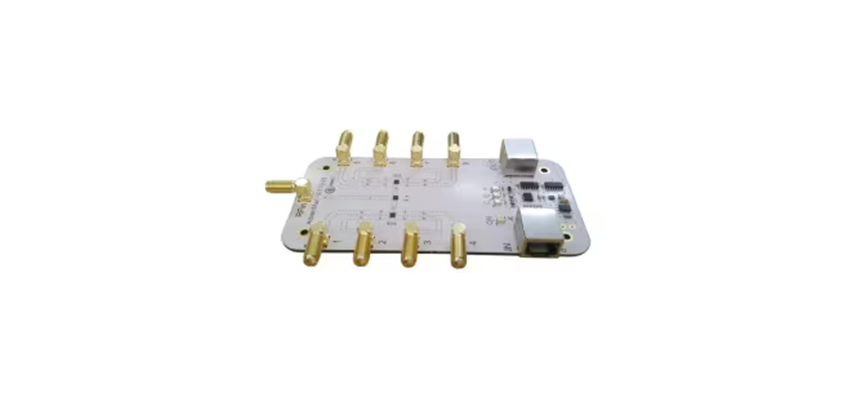
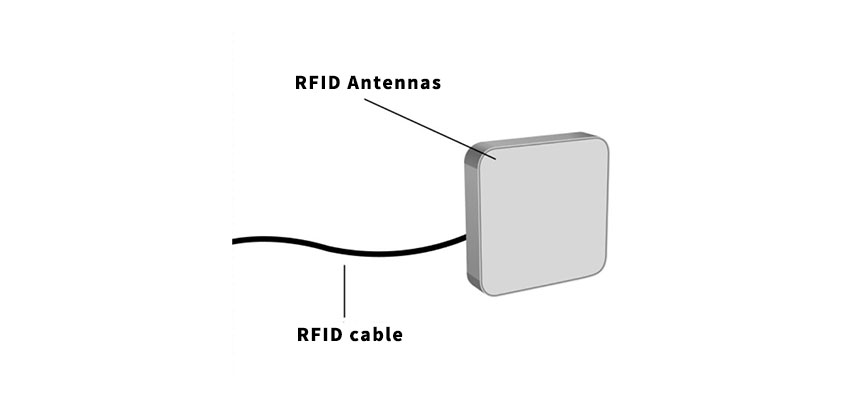
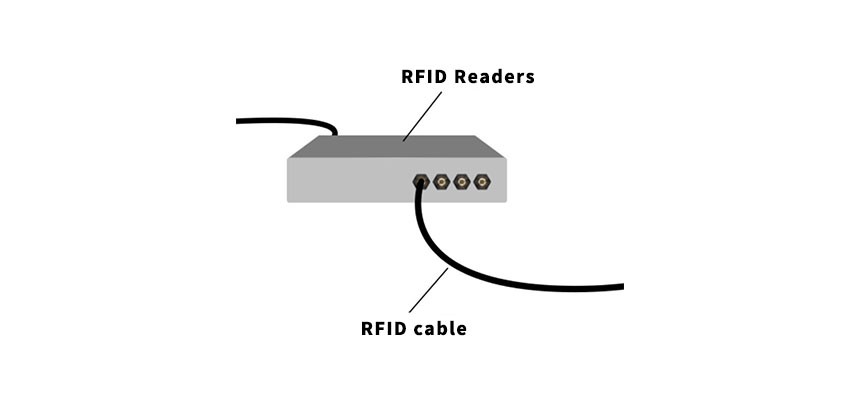
In this section, you will learn about the function of RFID antenna cables, cable connectors, and adapters in RFID systems. We discuss the components of coaxial cables, how to assess cable loss, and compare the performance of adapters and cables. This book provides a comprehensive guide to RFID printers, covering different printer types, printing technologies, and key specifications. Furthermore, we explore the concepts and applications of Universal Input (GPI) and Universal Output (GPO) devices.
Part Six | Advanced Principles
What you will learn:
This section introduces the advanced principles, communication, and security aspects of RFID technology. You will learn about RFID physics, including how energy flows in an RFID system. We discuss a range of principles, starting from the basics and gradually delving into more advanced concepts, including communication of UHF RFID passive tags via backscatter propagation. Furthermore, we define and explore the topics of coupling and frequency hopping in RFID systems.
Part 7 | Ideal Equipment Performance
What you will learn:
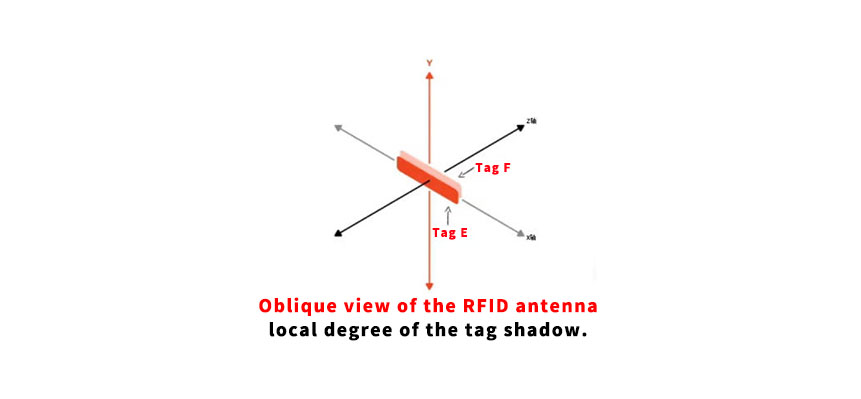
This section focuses on RFID performance, covering factors such as RFID cables, tag memory, tag positioning and installation, and security measures. We provide valuable insights into cable selection and highlight applications that often benefit from high-memory tags. Furthermore, we cover tag orientation and angle, including pitch, yaw, and roll, and discuss their importance in RFID operation.
What's inside?
- Six factors affecting RFID reading range
- RFID Antenna Cables: How to Get Better Performance in Real Projects
- Which applications require high-memory RFID tags?
- Pitch, Yaw, and Roll: Locating RFID Tags
Part 8 | Deploying Your RFID System
What you will learn:
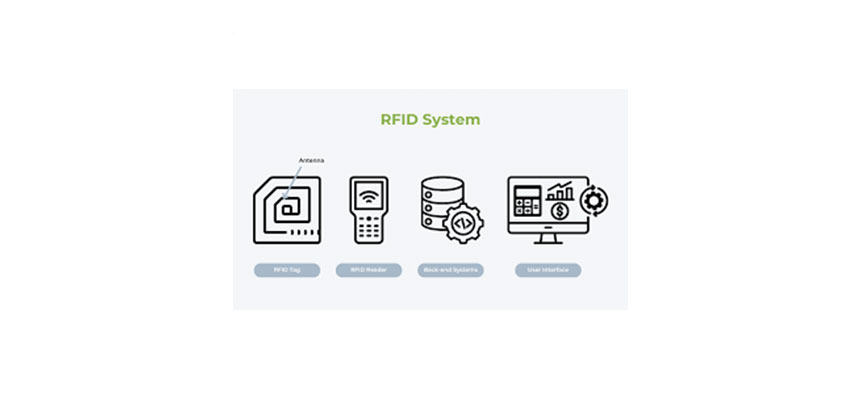
In this section, you will learn key information on how to effectively deploy an RFID system and maximize its success. We highlight the key considerations when implementing an RFID system, provide insights into its applicability in specific applications, and address potential challenges. We also discuss the importance of testing to ensure successful RFID system implementation. Furthermore, we offer recommendations on field tagging and tag reading consistency to ensure smooth and reliable operation.
What's inside?
- Deploy RFID technology
- The Importance of Testing RFID Solutions
- Best Practices for RFID Tags: 13 Tips for Field Tagging
- How to prepare the marking surface for RFID tags

Part 9 | Different Types of Radio Frequency Interference
What you will learn:
This section provides an in-depth look at various types of RFID technology, including active, passive, NFC, high-frequency, and low-frequency. We answer several frequently asked questions about RFID and NFC and explain BAP RFID tags and their functions. We highlight the key differences between the two main types of RFID systems (passive and active) and differentiate between GPS and active RFID technologies.
What's inside?
- The difference between RFID and NFC
- Active vs. Passive RFID: What's the difference?
- GPS vs. Active RFID: What are the main differences?
- What is a BAP RFID tag?
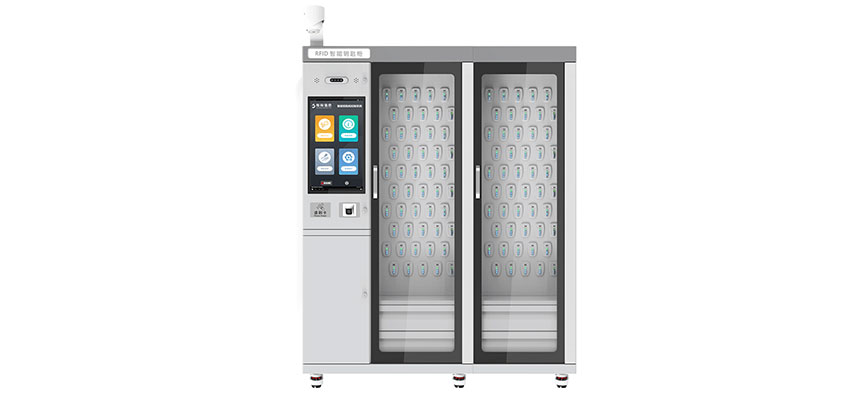
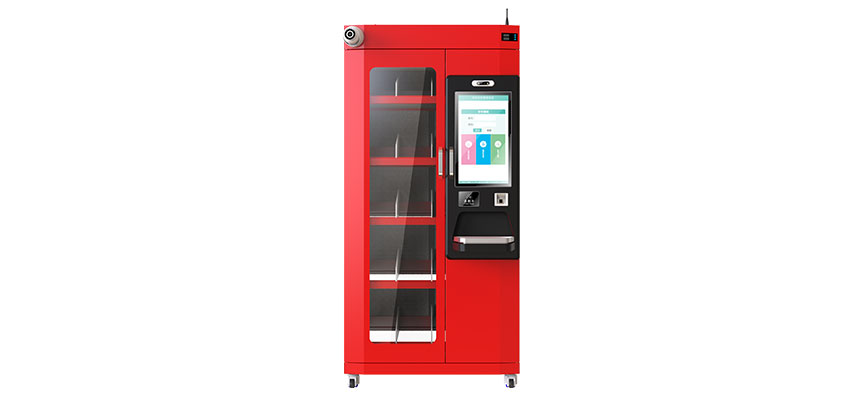
Part 10 | Integrate your RFID smart cabinet
What you will learn:
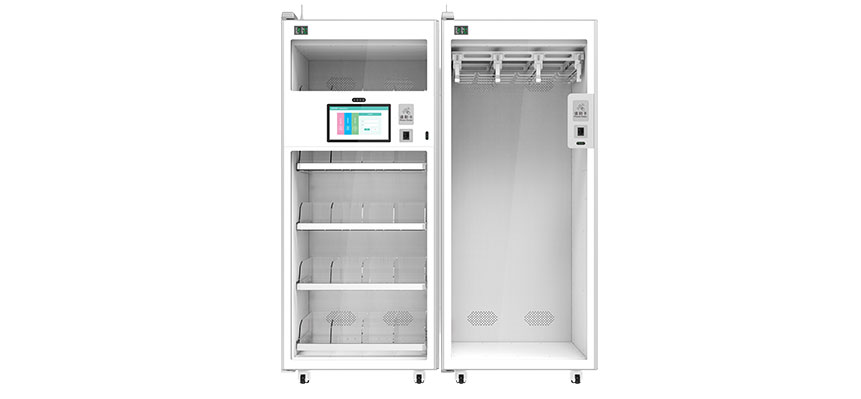
This section provides an overview of RFID smart cabinets, intelligent storage systems designed for automated asset tracking and inventory management. RFID smart cabinets integrate high-frequency (HF) RFID, ultra-high-frequency (UHF) RFID, and weight-sensing technology combined with RFID to accurately identify, track, and monitor stored items in real time. By automatically recording item placement, removal, and quantity changes, these cabinets help improve inventory visibility, reduce manual errors, and enhance security in environments such as healthcare, laboratories, manufacturing, and tool management. RFID smart cabinets support efficient asset control while enabling seamless data integration with enterprise systems for smarter operations.
What's inside?
- How does an RFID smart cabinet track items automatically?
- What is the difference between HF and UHF RFID in smart cabinets?
- Why combine weight sensing with RFID technology in a smart cabinet?
- What industries benefit most from RFID smart cabinet systems?