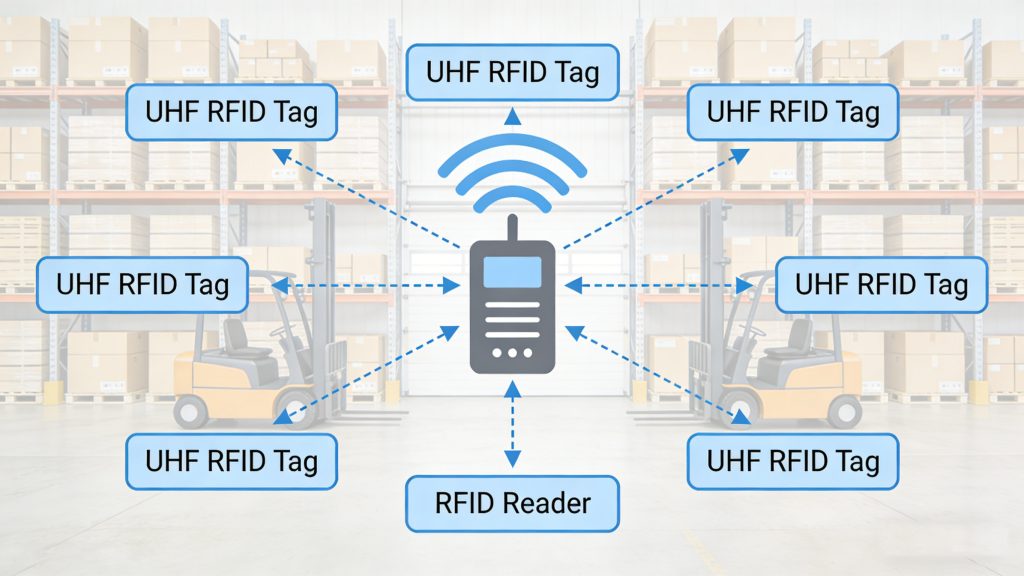
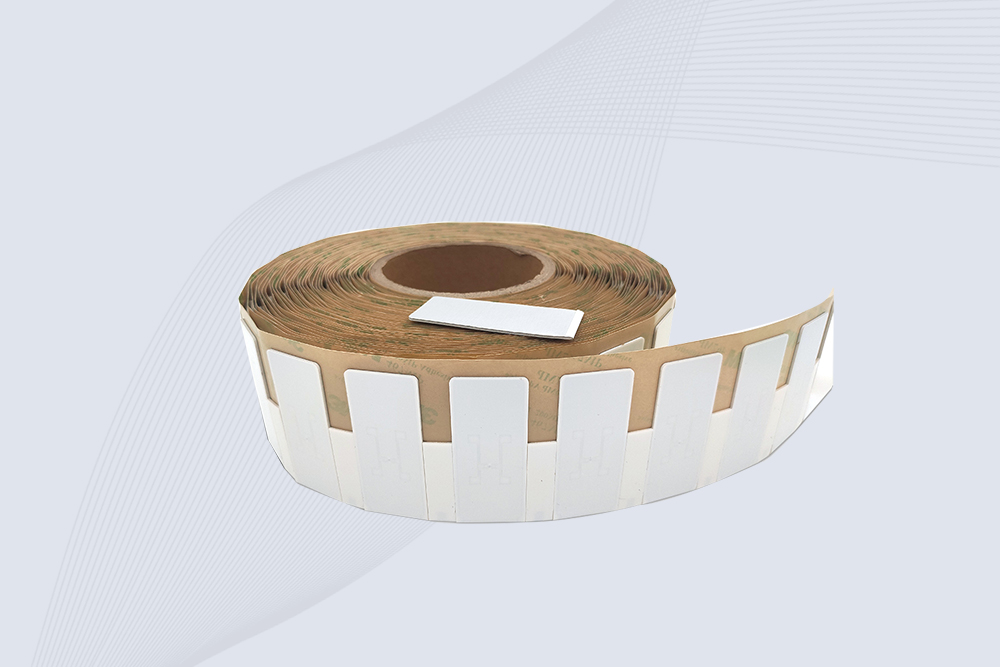
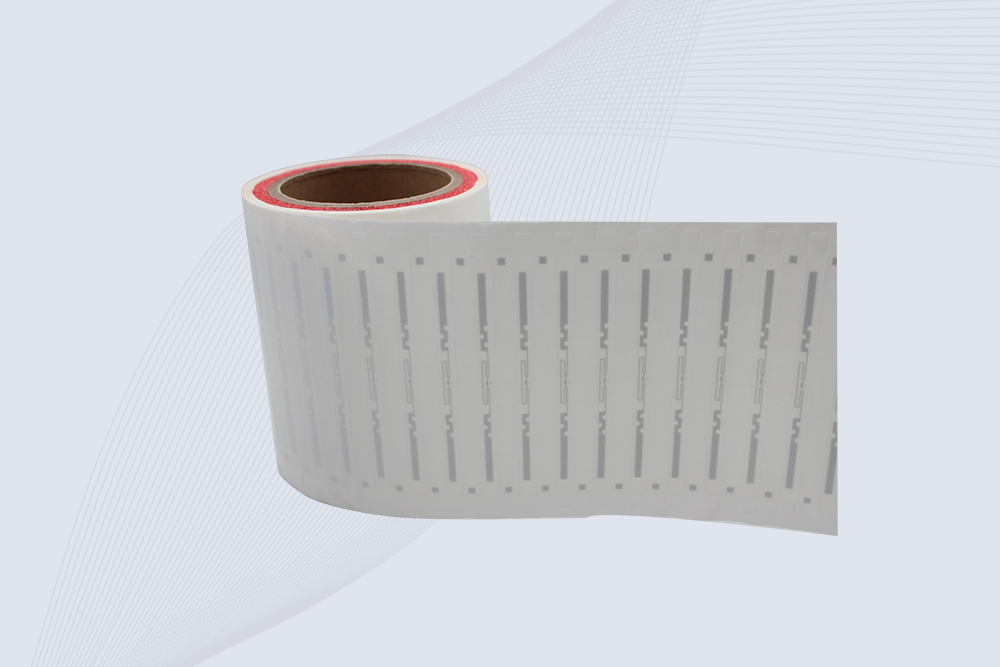
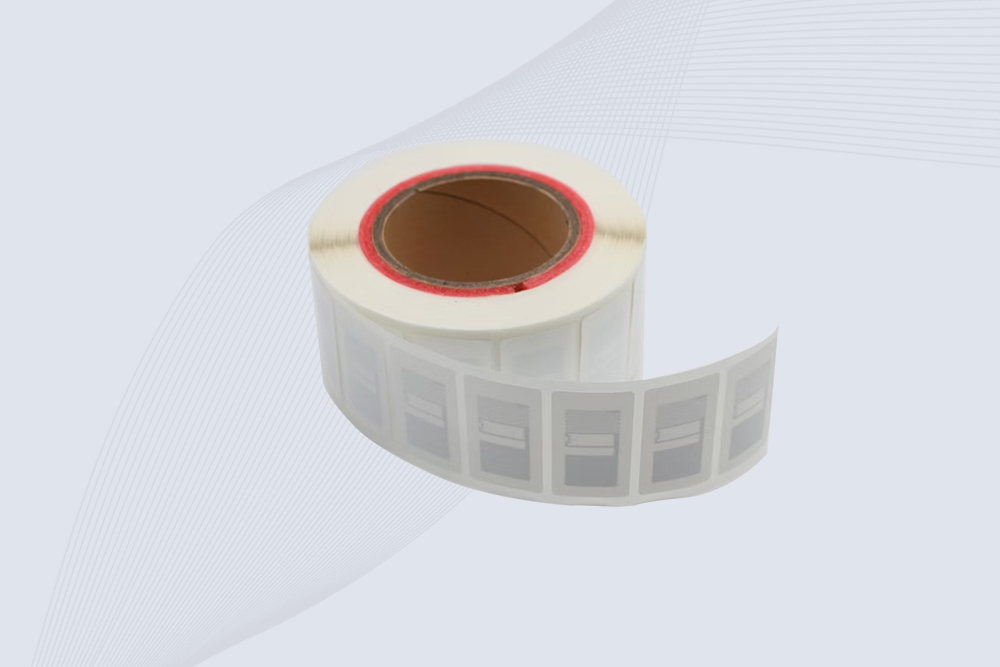
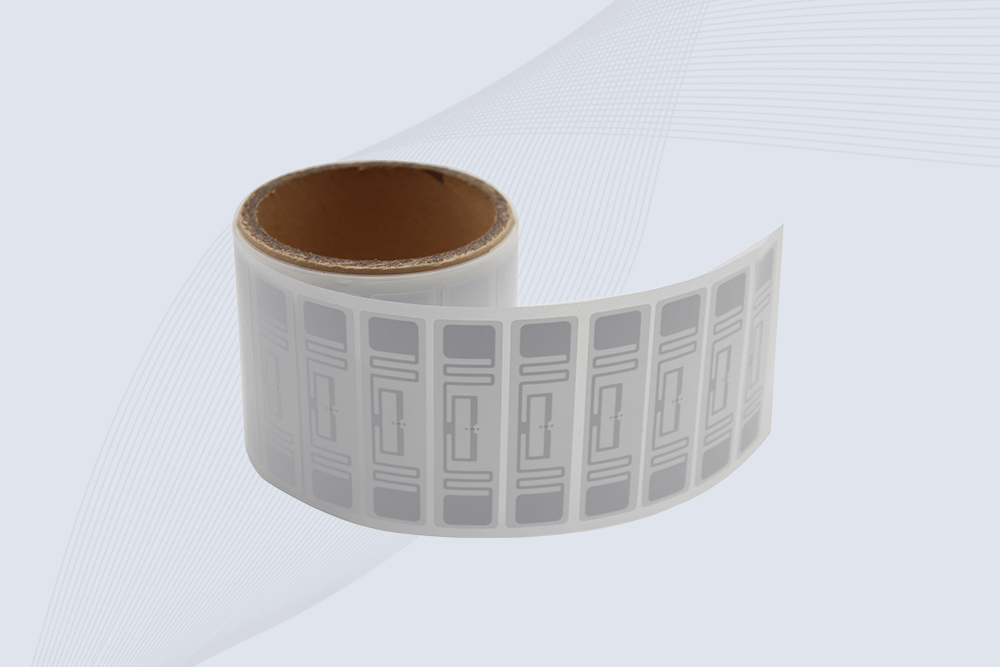
UHF RFID tags are everywhere these days—in warehouses, retail stores, logistics, and factories. In simple terms, they’re small tags that help track and identify items automatically.
Why do people like UHF RFID so much? Mainly because they read from far away, scan fast, and are cheap. But before you start using them, there are a few basics you should know. Here are the three most important things.
1. UHF RFID Tags Can Be Read From Far Away
The biggest advantage of UHF RFID tags is that they have a long read range.
In most cases, a reader can pick up a tag from a few meters away. Usually that’s 3–10 meters, and sometimes even further if the setup is good.
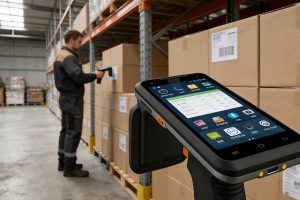
This is super useful in warehouses or logistics. You don’t have to scan each item manually. Just let the tagged goods pass by a doorway or conveyor, and the system will automatically detect them.
Of course, “long distance” doesn’t mean it works anywhere. Metal, liquids, and where you place the tag all affect reading. Sometimes just moving the tag a little bit makes a big difference.
2. Most UHF RFID Tags Are Passive
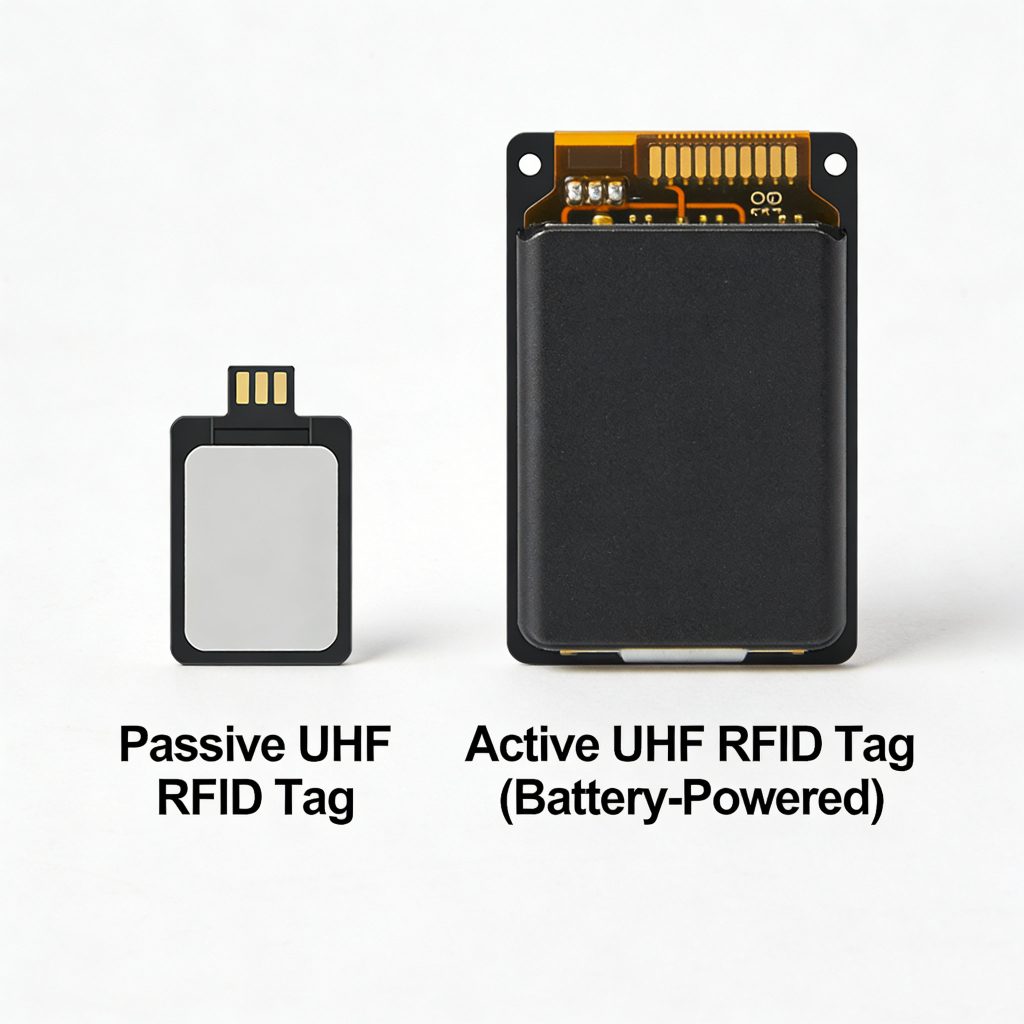
Most UHF tags are passive, meaning they don’t have a battery.
They get power from the reader’s signal. Once they pick up enough energy, the chip sends its ID back to the reader.
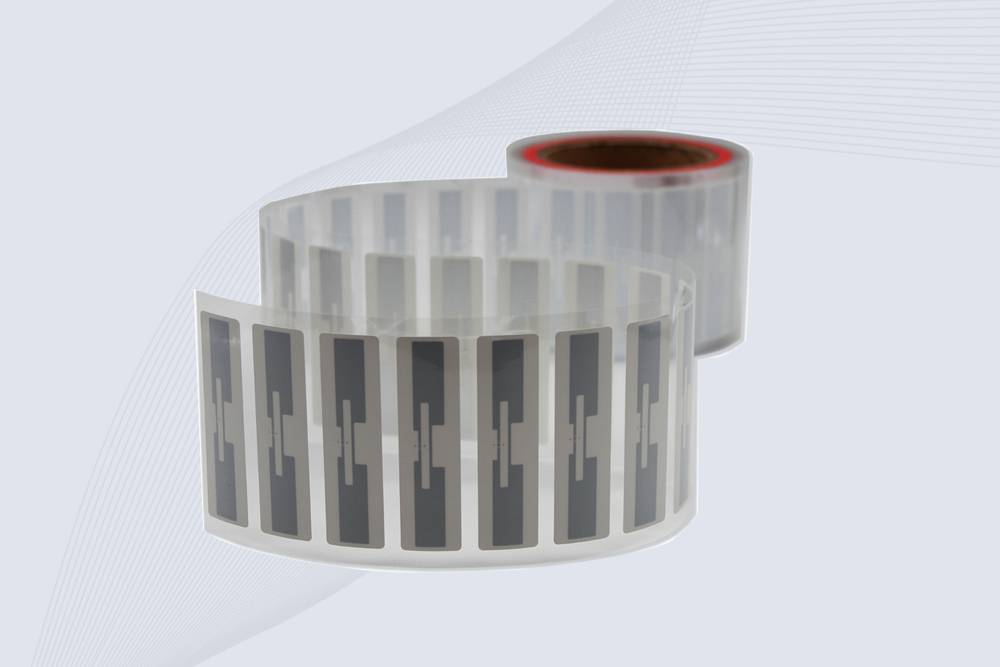
This makes them small, cheap, and easy to use—perfect for high-volume applications like retail inventory, logistics labeling, or warehouse tracking.
There are also active tags with batteries, which can send signals farther. But they are bigger and more expensive, so people usually only use them for tracking vehicles or high-value assets.
3. UHF RFID Can Read Many Tags at Once
Another big benefit of UHF RFID is that it can scan multiple tags at the same time.
Modern UHF systems use anti-collision protocols. Tags don’t talk over each other—they take turns sending their data to the reader.
In practice, this means a reader can scan dozens or even hundreds of tags per second. In busy warehouses, this allows you to register entire pallets or carts of goods in seconds instead of scanning each item manually.
Final Thoughts
UHF RFID tags are popular because they balance range, cost, and speed.
They can be read from several meters away, don’t need batteries, and can scan many tags at once. That makes them perfect for warehouses, retail, factories, and logistics.
Before starting an RFID project, knowing these three basics can help you choose the right tags and avoid common problems.
CYKEO Passive RFID Tags are made for wet and high-humidity environments where standard labels do not last. This rfid passive tag is often used around liquids, chemicals and temperature changes, providing stable reading distance and long data life for industrial tracking.
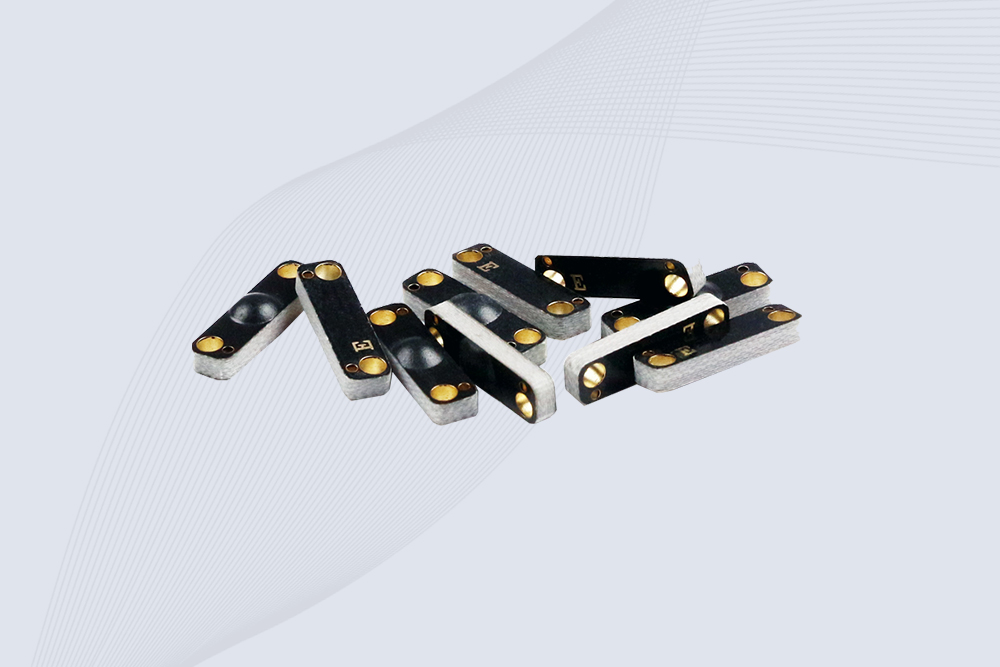
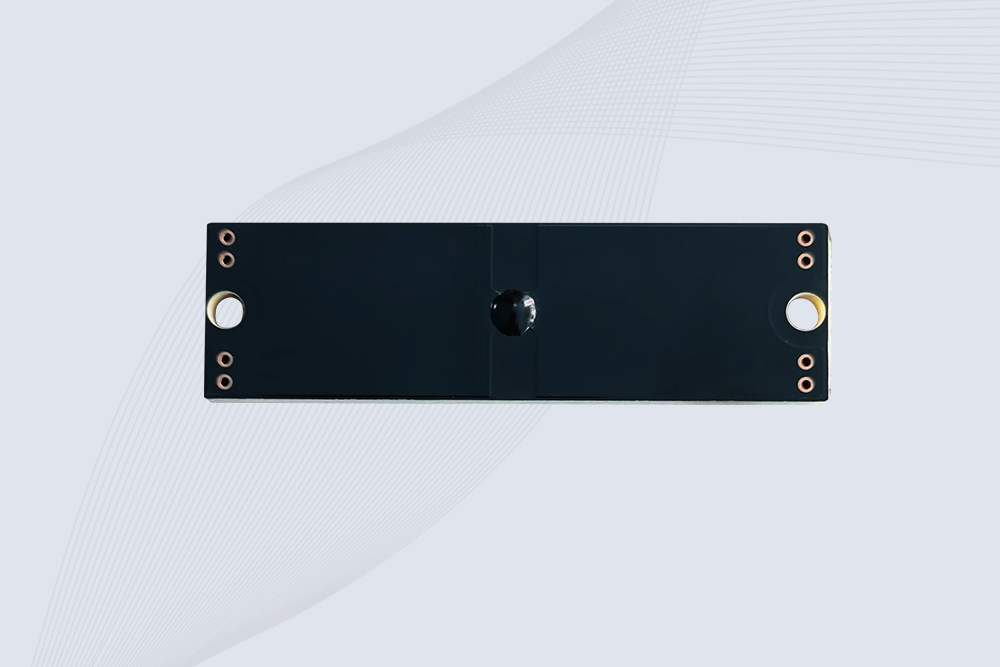
CYKEO CYKEO-PCB1504 Metal RFID Tags is a compact anti-metal UHF RFID solution built for direct mounting on metal surfaces. With stable 8-meter read range, Ucode-8 chip, and long data retention, this rfid metal tag fits tools, containers, automotive parts, and industrial asset tracking.
CYKEO CYKEO-PCB7020 On-Metal RFID Tags are designed for reliable tracking on steel and metal surfaces. Built with an FR4 epoxy body and industrial-grade chips, these On-Metal RFID Tags deliver stable performance, long data life, and chemical resistance, making them a dependable RFID anti-metal tag for harsh environments.
The CYKEO CYKEO-60-25 Anti-Metal RFID Tag is built for metal surfaces where standard tags fail. Designed for long-range performance, harsh environments, and stable data retention, this Anti-Metal RFID Tag is ideal for industrial assets, containers, and equipment tracking using on metal RFID tags.
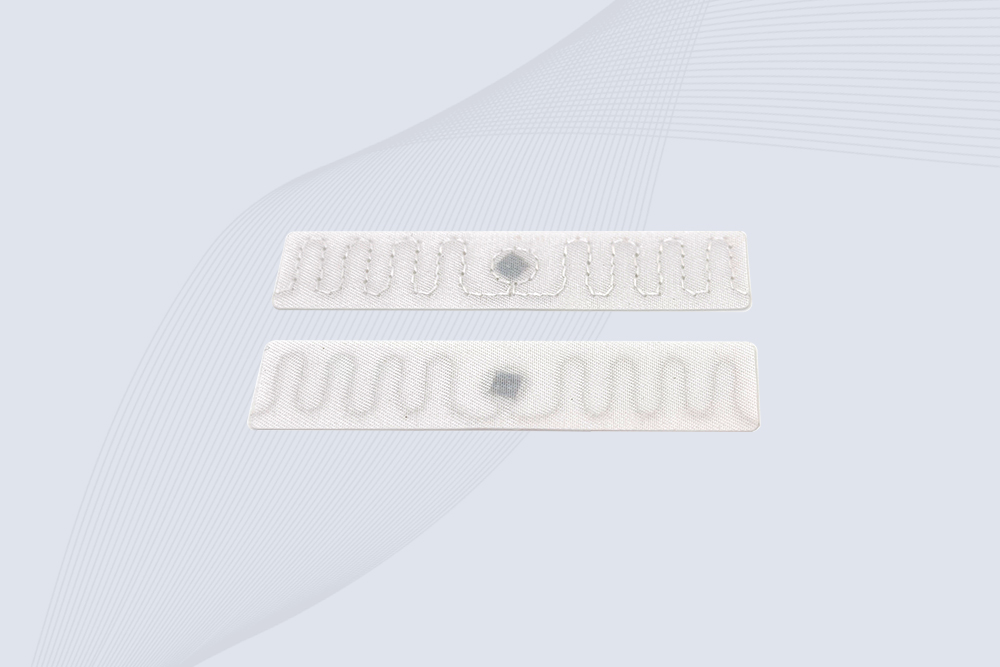
The CYKEO RFID Laundry Tag is designed for long-term textile identification in harsh laundry environments. Built to withstand high heat, chemicals, and repeated washing, this RFID Laundry Tag delivers stable performance for hotels, hospitals, and industrial laundry operations using laundry rfid tags at scale.
The CYKEO CYKEO-125-7 RFID Book Tag is designed for reliable book and document tracking in libraries and archives. This RFID Book Tag delivers long read range, dense placement support, and stable performance on shelves, making it a practical rfid tag on books for library automation, file management, and archival systems.
CYKEO RFID tags in hospitals are designed for sterile environments where accuracy matters. These autoclavable RFID tags support long-term tracking of surgical tools, implants, and medications, helping hospitals improve visibility, compliance, and patient safety.
CYKEO RFID Cable Tie Tag is built for reliable identification on metal surfaces. This UHF RFID Cable Tie Tag is widely used in rfid tags for inventory systems, industrial asset management and Hospital RFID Tags, offering stable read performance, long service life and global EPC Gen2 compatibility.
CYKEO RFID Asset Tag is designed for stable identification of metal assets in industrial environments. This UHF RFID Asset Tag is commonly used for rfid tag asset tracking on equipment, tools and containers, providing reliable reads, long service life and ISO/IEC 18000-6C support.
CYKEO UHF RFID Card is designed for fast identification and long-term use in industrial and commercial systems. Supporting ISO 18000-6C, this UHF RFID Card works at 860–960 MHz and is suitable for custom RFID cards used in asset tracking, access control and inventory management.
CYKEO HF RFID Cards are designed for secure and stable access control systems. These 13.56 MHz RFID key cards support ISO 14443-A, reliable rewriting and long service life, making HF RFID Cards suitable for offices, campuses, events and membership management.
CYKEO UHF RFID Tag is designed for reliable tracking of metal jewelry and high-value items. This Jewelry RFID Tag supports long-range reading up to 8 meters, anti-counterfeit protection and stable performance on metal, making it suitable for retail, inventory control and asset management.
Wondering "how far can an RFID be read from"? Get straight answers for LF, HF, UHF passive, and active tags. Real ranges for access control, inventory, and yard management with CYKEO.
Explore key challenges in UHF passive RFID technology, including signal interference, material limitations, and scalability. Discover how Cykeo addresses these issues.
Standard RFID tags fail on metal. We explain the physics behind the problem and how a compact UHF RFID tag antenna design for metallic objects delivers reliable tracking for tools and assets.
Fix RFID antenna signal issues in metal-heavy environments like warehouses and factories. Learn about anti-metal tags, antenna positioning, and interference mitigation.
 Cykeo RFID IoT Solution Products R&D Manufacturer