 Cykeo RFID IoT Solution Products R&D Manufacturer

How Many RFID Tags Can Be Read Per Second?
156Wondering how many RFID tags can be read per second? It varies from 50 to over 1000. We break down the real-world speeds for UHF, HF, and why it matters for your business.
MoreAll RFID Product
A typical power plant RFID workflow looks like this:
RFID tag → antenna → long range RFID scanner → EPC identification → software record → maintenance or inventory event
For example, a tagged maintenance tool leaves the central warehouse. A reader at the warehouse exit detects the tag and sends its EPC to the asset management system. The software can then update the tool status from “stored” to “issued” or “in transit.”
When the tool arrives at a workshop or substation, another reader can record the next checkpoint.
The reader identifies the tag. The software decides what the detection means.
That distinction matters because the same RFID event may represent different actions depending on the location, direction, time, work order, and asset status.
Power plants contain many valuable assets that move between storage, maintenance, operation, and inspection areas.
Potential RFID-tracked assets include:
Some equipment remains in a fixed location for years. Other items move frequently between workshops, warehouses, substations, and field service areas.
For fixed assets, RFID can support periodic inspection and inventory confirmation. For mobile assets, it can provide a record of movement between defined checkpoints.
A long range RFID scanner is particularly useful when workers need to identify several tagged items without scanning each barcode individually.
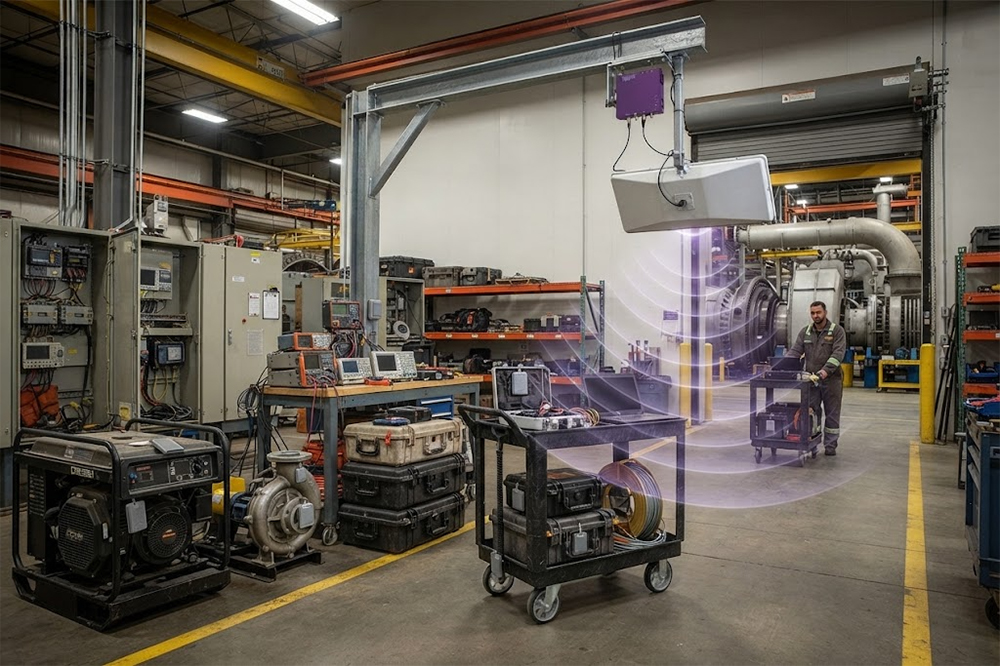
Maintenance teams often lose time searching for tools, testing instruments, and portable equipment.
A tool may be:
RFID can improve visibility by connecting the asset ID with a location, user, work order, or maintenance status.
A fixed reader at a workshop entrance may detect tools entering or leaving the area. A handheld RFID reader can then support shelf-level checks or locate a missing item nearby.
For many power plants, a combination of fixed and handheld readers is more practical than using only one type of equipment.
Power plant environments contain large amounts of metal. Transformers, electrical cabinets, generators, motors, cable reels, toolboxes, and industrial containers can affect RFID performance.
A standard RFID label may not work properly when attached directly to a metal surface. Depending on the application, an on-metal RFID tag or rugged industrial tag may be more suitable.
Tag selection should consider:
The best tag is not necessarily the one with the longest advertised reading distance. It is the one that remains readable on the actual asset under real operating conditions.
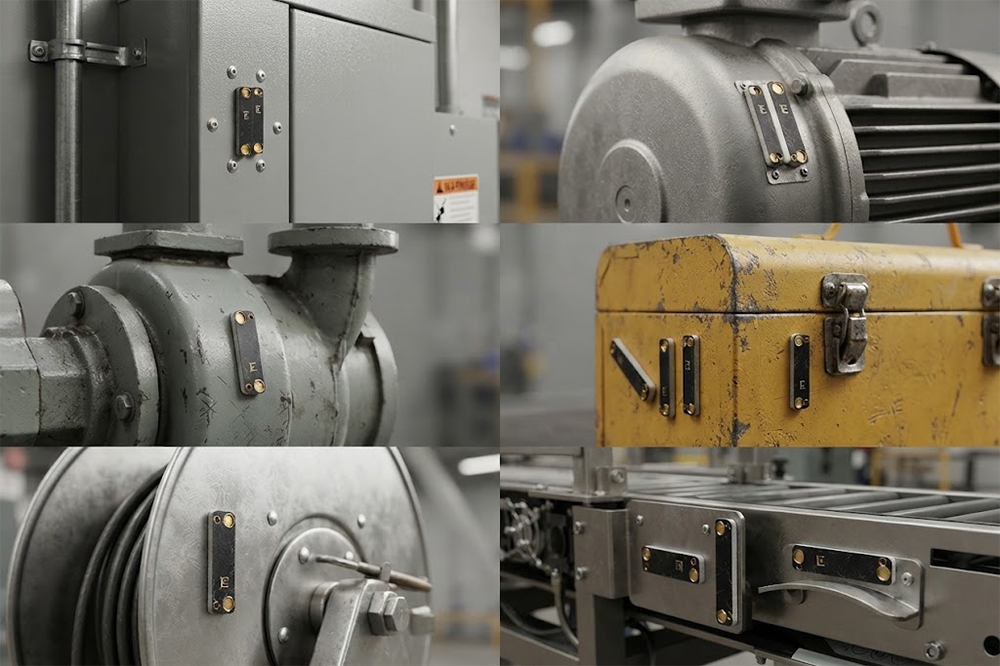
Power plants and substations may expose RFID equipment and tags to conditions that are more demanding than a normal warehouse.
Possible factors include:
The RFID reader, antenna, cable, connector, and tag should be selected as a complete system.
If the installation is near high-voltage equipment or in a hazardous area, the project team must also verify the required electrical safety, environmental, and site certifications. A standard RFID reader should not automatically be assumed suitable for every power plant area.
A long range RFID scanner does not simply read every tag within a large circle. Its actual reading area depends on the antenna pattern, mounting position, reader power, tag performance, and surrounding environment.
For example, a reader installed at a workshop entrance may detect assets passing through the doorway. However, if the antenna points toward an adjacent storage area, it may also read tags that are not supposed to be included in the event.
A controlled reading zone can be created by adjusting:
In a power plant, the goal is usually not to maximize the reading distance. The goal is to identify the correct equipment at the correct checkpoint.
Energy companies often move tools, spare parts, and equipment between several locations:
Central warehouse → maintenance workshop → substation → field service area → return warehouse
RFID can record these movements when readers are installed at suitable points.
For example, a tagged transformer component may be detected when it leaves the warehouse, arrives at a service workshop, and returns after maintenance. The software can compare the expected movement with the actual detection history.
This can help answer practical questions:
The system still depends on checkpoint placement. If an asset moves through an area without an RFID reader, the software may not receive a new location event.
UHF RFID technology can identify multiple tags within a reading zone. This makes it useful for tool carts, equipment cases, spare parts bins, and groups of maintenance assets.
However, actual performance depends on:
A cart carrying twenty tagged tool cases may behave differently from twenty loose tags placed on a table.
For this reason, testing should use the actual equipment, tag type, cart design, and movement process rather than relying only on a laboratory demonstration.
The RFID reader produces tag identification data. The software connects that data to operational meaning.
Depending on the project, the system may integrate with:
Common communication methods may include Ethernet, TCP/IP, serial communication, digital I/O, API, SDK, HTTP, or MQTT, depending on the reader model and software architecture.
For example, the software may apply rules such as:
The reader supplies the detection. The application supplies the workflow.
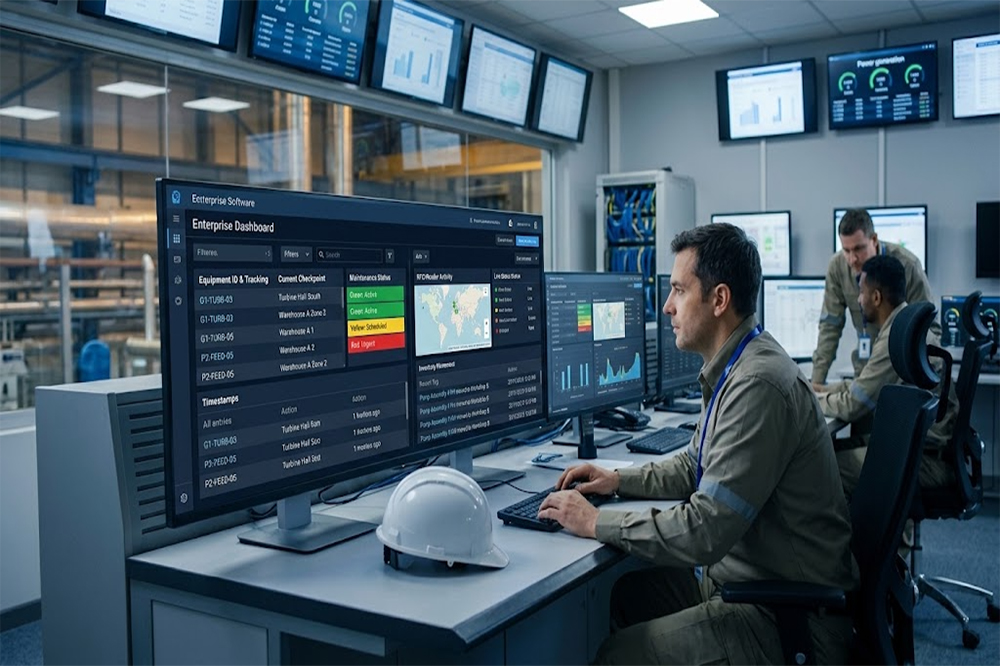
Imagine an energy company managing several substations and one central maintenance warehouse.
The company has hundreds of testing instruments, tool cases, cable accessories, spare parts containers, and portable maintenance devices. Workers currently record many movements manually.
The company installs long range RFID scanners at:
Each asset receives a suitable RFID tag. Metal equipment uses tags designed for metal mounting.
During the pilot test, the reader detects some tools from the neighboring storage shelf. The integrator changes the antenna angle, reduces unnecessary reading coverage, and adjusts the software event window.
After testing, the system can record when tools leave the warehouse, arrive at the workshop, and return after maintenance. Staff can search the asset database instead of relying only on handwritten records.
The improvement comes from the complete design—not from the reader alone.
Before purchasing a large quantity of RFID equipment, test the complete workflow with real assets.
Important test items include:
A reader that performs well with one loose tag may not perform the same way when the tag is attached to a metal toolbox, placed inside a case, or carried on a moving cart.
Distributors and RFID solution providers should evaluate more than the reader’s maximum reading distance.
Important procurement points include:
For system integrators, software compatibility and installation support may be just as important as RF specifications.
A wider reading area is not always an advantage in a power plant.
If a reader detects tools from several rooms, nearby storage shelves, or another service lane, the system may create confusing events.
A controlled and repeatable reading zone is often more valuable than the maximum possible range.
The right design should answer three questions:
When these three points are clear, the reader, antenna, tag, and software can be selected more accurately.
A long range RFID scanner can improve power plant asset visibility by identifying maintenance tools, equipment, spare parts, containers, and reusable assets at warehouses, workshops, substations, and service checkpoints.
The most reliable system combines:
For power plants and energy facilities, the goal is not simply to read farther. It is to identify the right asset at the right checkpoint and record the event accurately.
For a broader explanation of industrial equipment identification, see our guide to RFID asset tracking
Similar installation challenges appear in other metal-intensive industries, including RFID railway tracking, where tag mounting and controlled reading zones are critical.
Power plant applications share several challenges with RFID mining equipment tracking, including dust, metal surfaces, vibration, outdoor exposure, and moving industrial assets.

SSD-A06 UHF RFID antenna with circular polarization, adjustable 840–960 MHz frequency, ≥4.5 dBi gain, and a compact directional design for RFID systems.
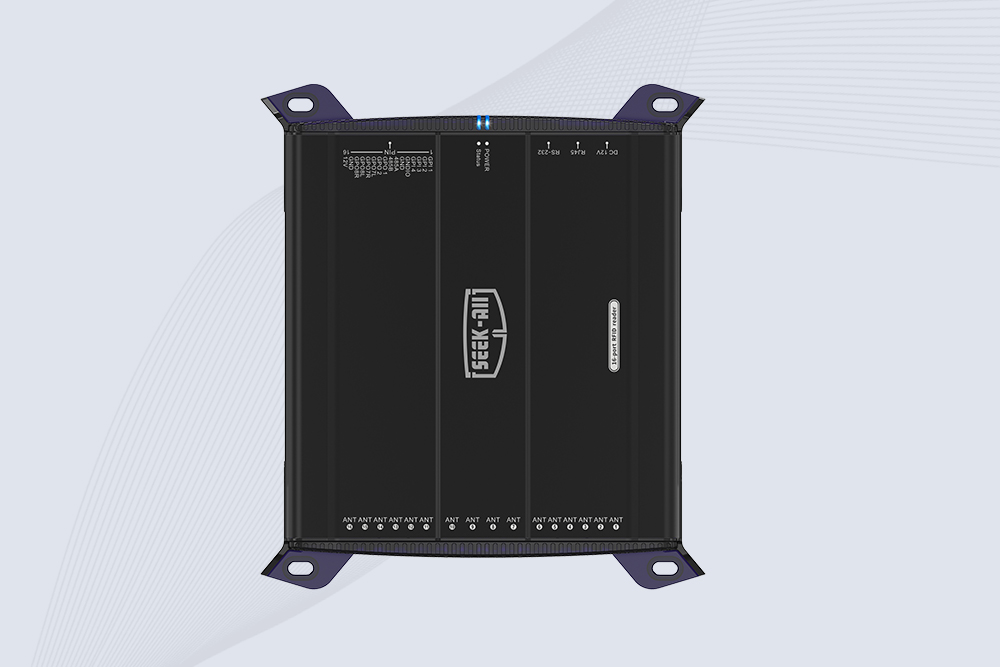
SSD-R16L Multi-Channel RFID Infrastructure for Automated Inventory Management ✔️ 16-Port High-Density RFID Reading Equipped with 16 SMA antenna ports, SSD-R16L supports multi-antenna deployment for warehouses, retail stores, logistics, production lines, and large-area RFID identification. ✔️ High-Speed & Long-Range Performance With up to 33…
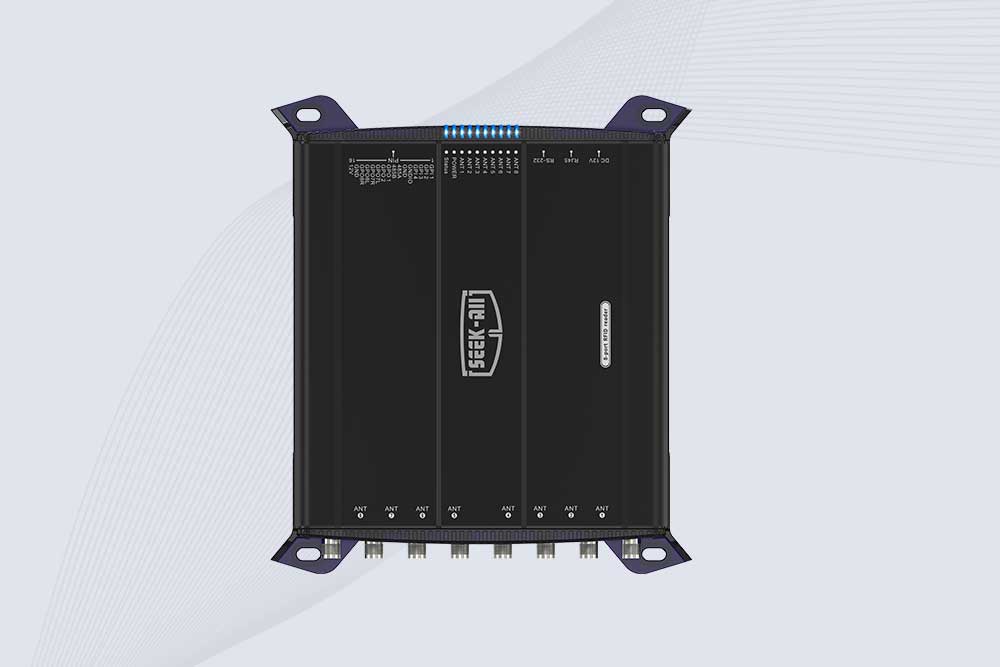
SSD-R8L 8-port UHF RFID reader with 33dBm output, up to 20m reading range and 600+ tags/s recognition. Ideal for warehouse, logistics, retail and asset tracking.
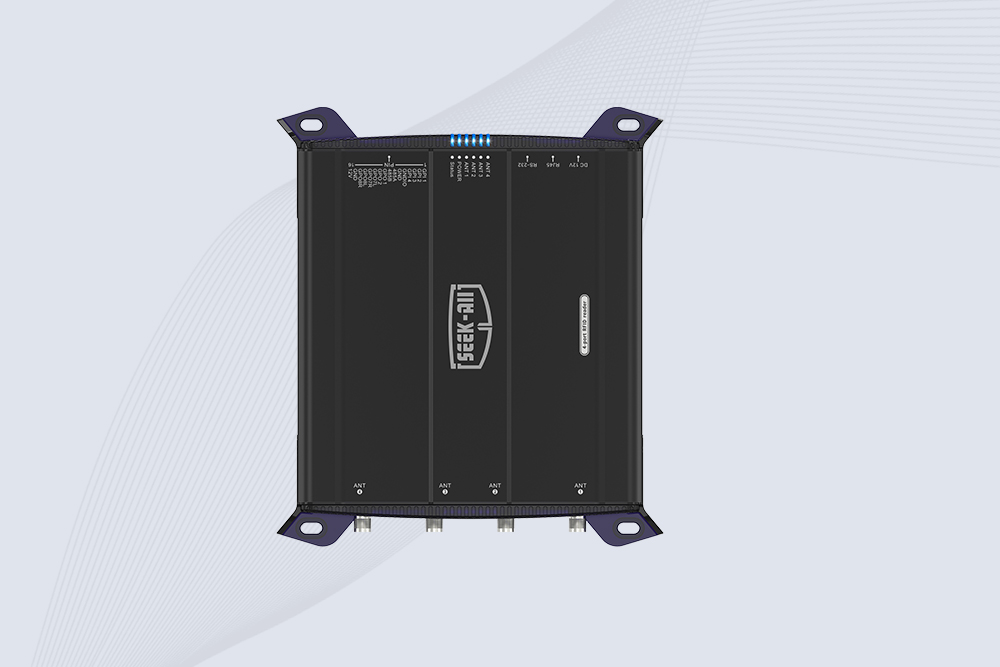
SSD-R4L is a 4-port UHF RFID fixed reader with 33dBm output power, up to 20m reading range, EPC C1G2 support and 600+ tags/s reading speed.
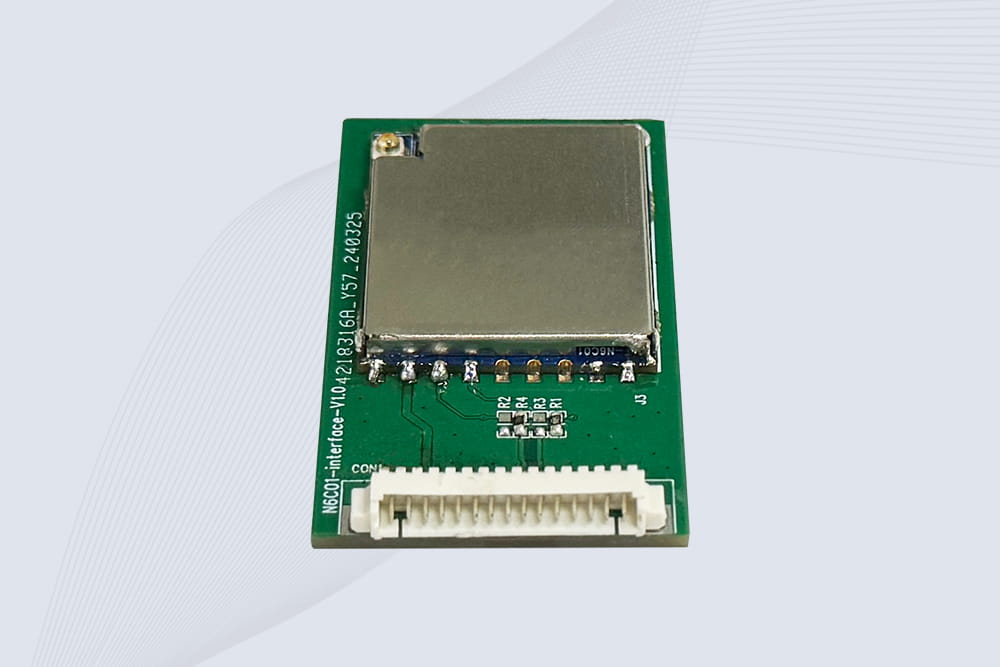
CYKEO Embedded RFID Modules are designed for compact industrial and IoT devices that require stable UHF performance. These UHF RFID Modules support global protocols, flexible power control, and reliable multi-tag reading for smart cabinets, production lines, and asset tracking systems.
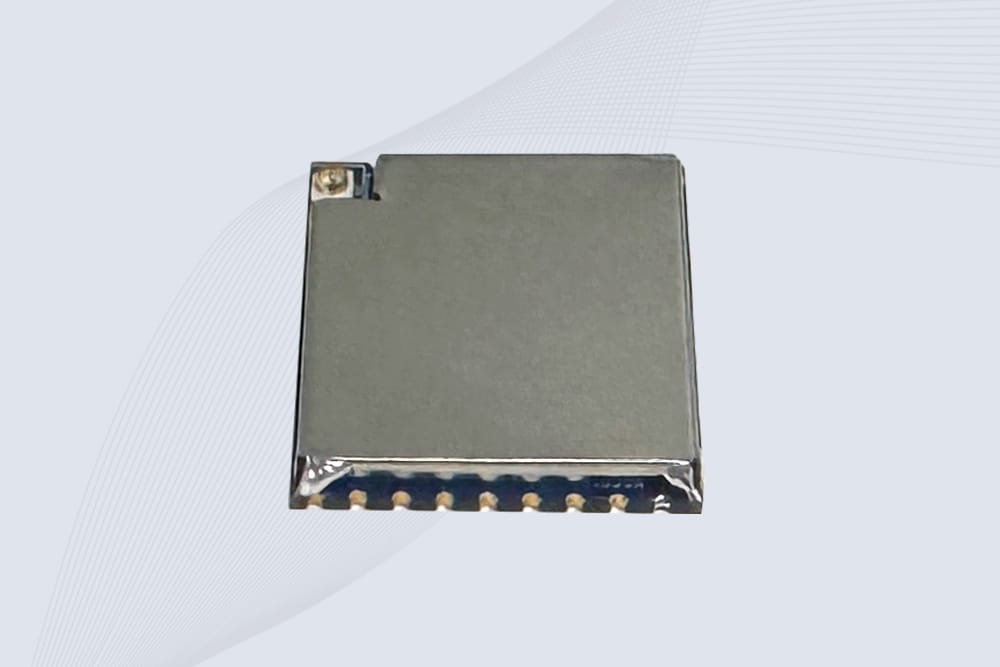
CYKEO Embedded RFID Module is built for compact IoT and industrial devices that need stable UHF performance. This UHF module supports global protocols, low power operation, and reliable multi-tag reading for smart lockers, production lines, and always-on RFID systems.
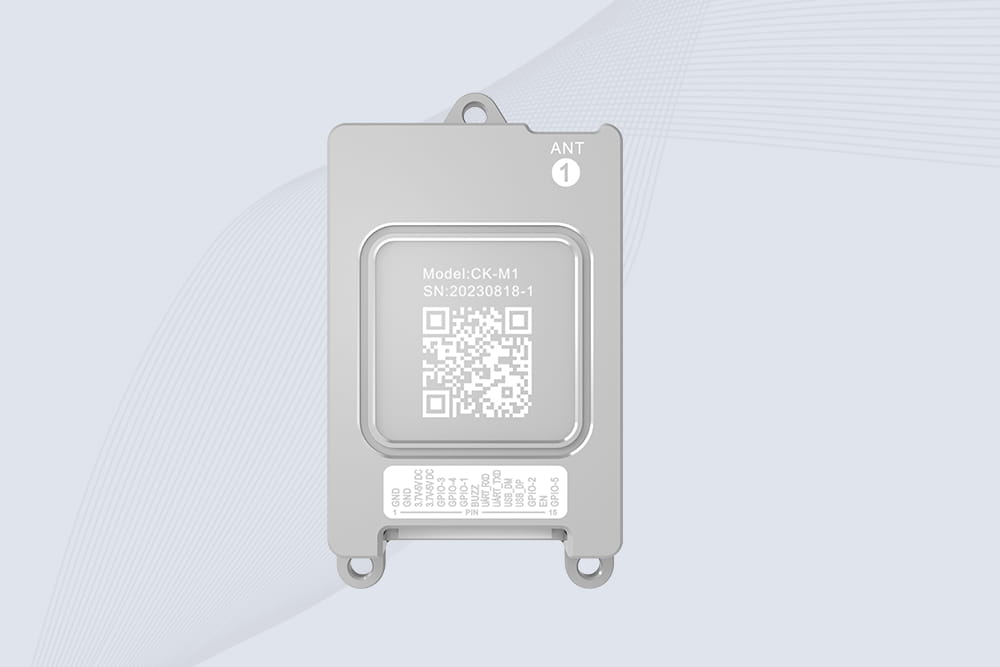
CYKEO CYKEO-M1 drone rfid module is a compact UHF RFID reader module designed for drones and UAV platforms. It supports long-range aerial scanning, fast multi-tag reading, and stable performance in wind, vibration, and outdoor environments.
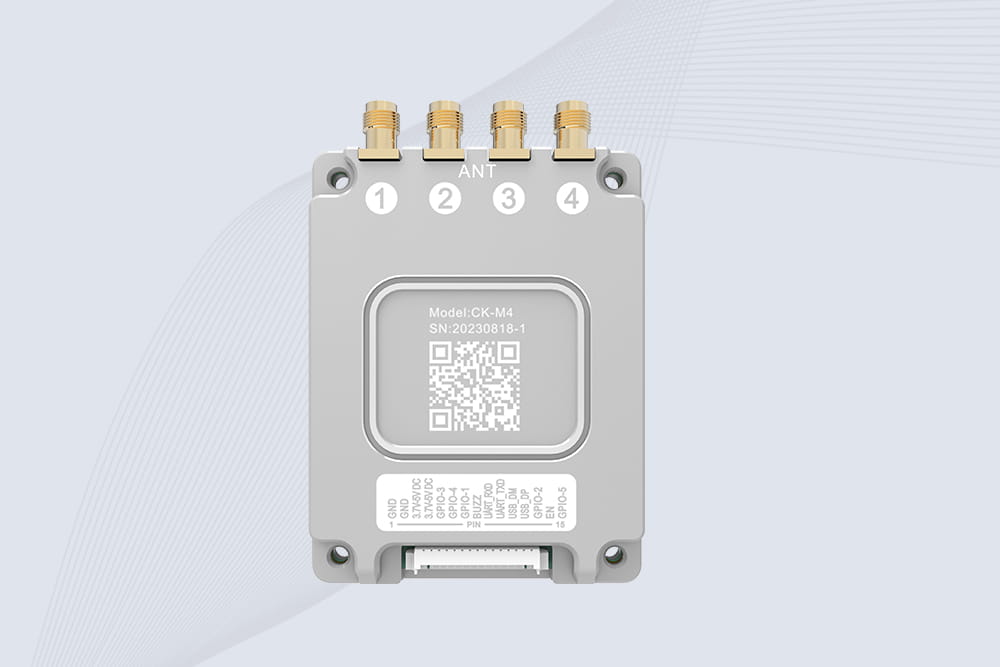
CYKEO CYKEO-M4 RC522 RFID Module is an industrial-grade UHF RFID reader with 4 ports, supporting ISO, EPC, and GB protocols. High-speed, accurate reading for IoT, automation, and warehouse applications.
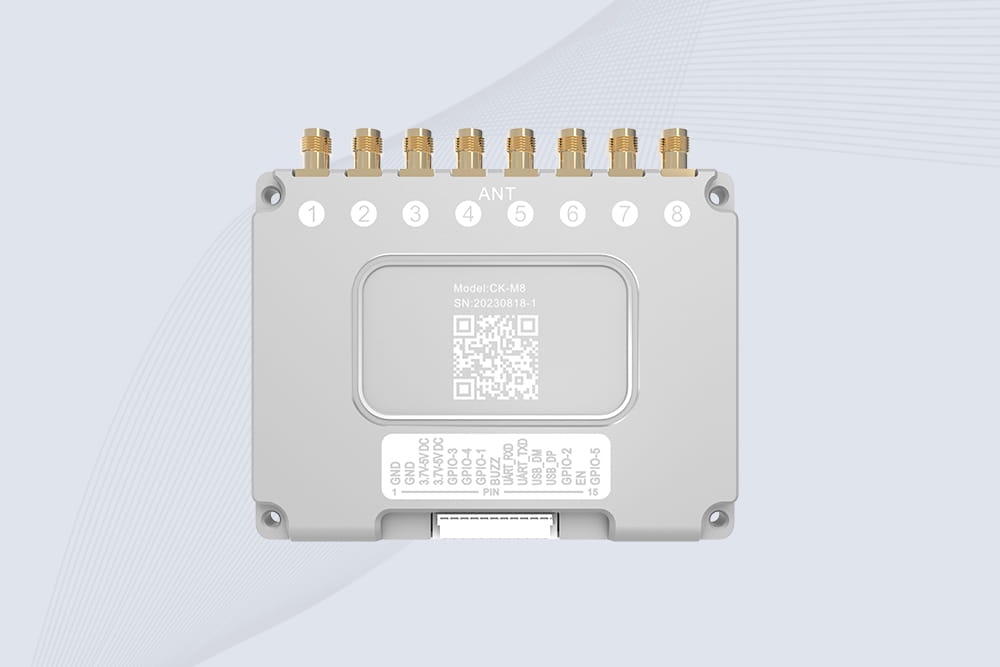
CYKEO CYKEO-M8 Module RFID is an 8-port UHF R2000 RFID Module designed for high-density, multi-tag environments. Stable 33dBm output, ISO & GB protocol support, ideal for warehouses, factories, and automated systems.
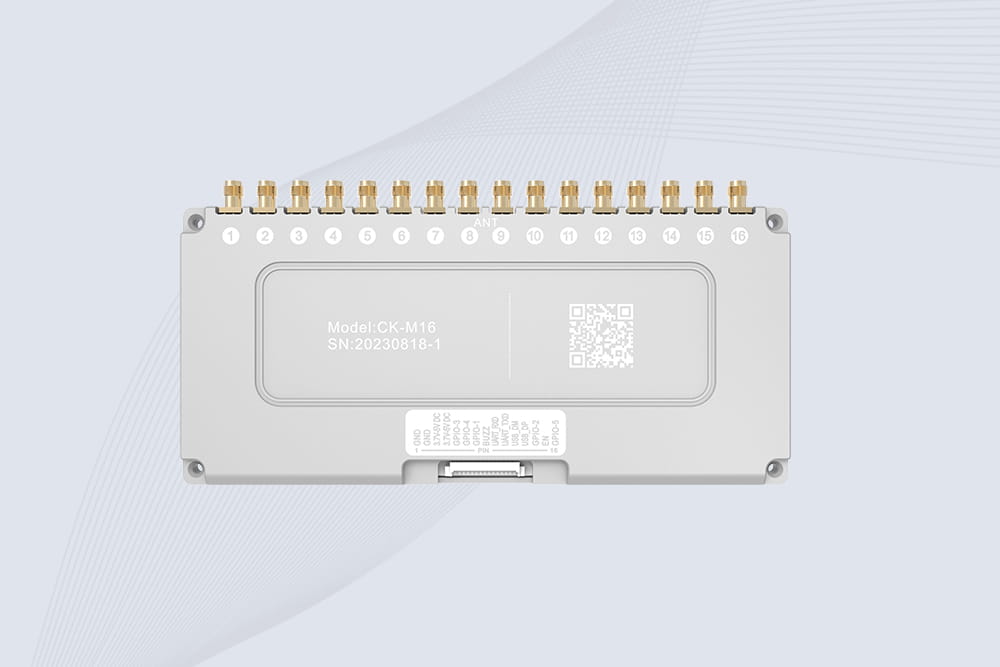
CYKEO CYKEO-M16 RFID Module is a 16-port UHF RFID reader module based on the R2000 chipset. Designed for dense tag environments, it supports ISO and GB standards and delivers stable multi-antenna control for industrial automation.
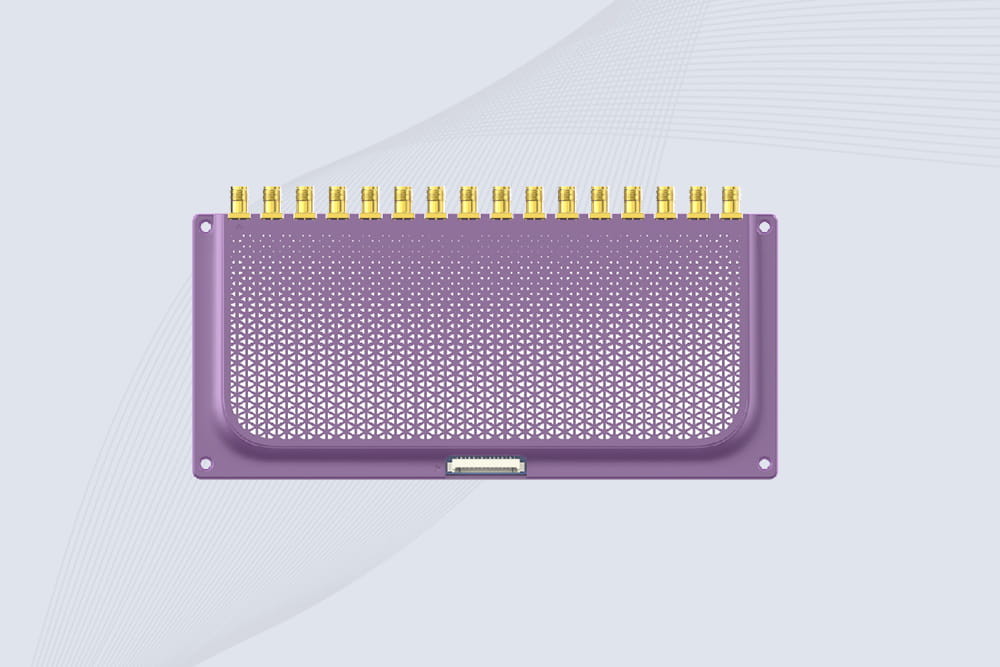
The CYKEO CYKEO-M16L RFID Reader Module is a 16-channel UHF RFID core designed for dense tag environments. With adjustable 33dBm output, multi-protocol support, and stable multi-antenna control, this RFID Tag Reader Module fits industrial automation, warehouse systems, and large-scale IoT deployments.
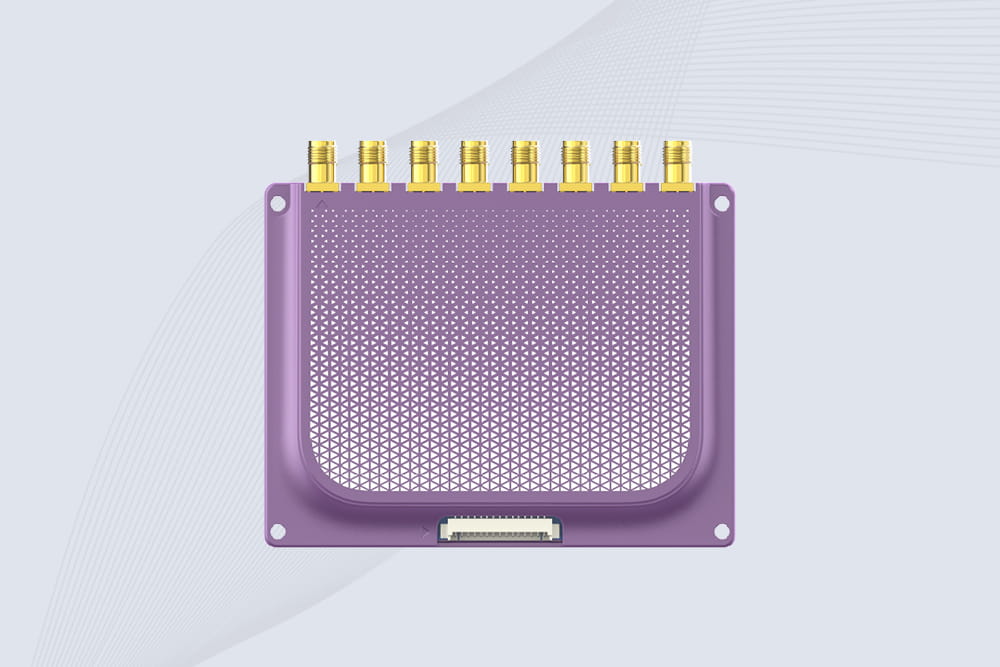
CYKEO CYKEO-M8L module RFID is a compact industrial UHF module built for dense tag and multi-antenna environments. With 8 RF ports, adjustable 33 dBm output, and ISO & GB protocol support, it is widely used in factories, warehouses, and automated tracking systems.
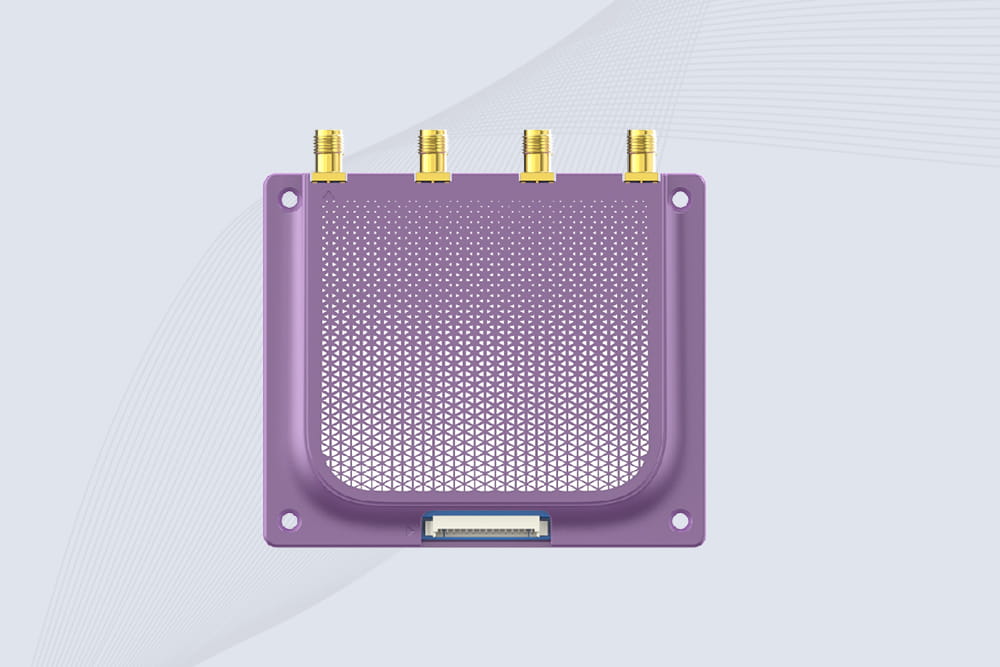
CYKEOCYKEO-M4L UHF RFID Module is a compact 4-channel RFID tag reader module designed for dense tag environments. Supporting ISO and GB protocols, it delivers stable reads up to 10 meters for industrial and IoT systems.
Cykeo CYKEO-A11 UHF RFID reader antenna delivers 11dBi gain, 840-960MHz frequency range, and IP65 ruggedness for retail, logistics, and industrial RFID systems. Features low VSWR and easy installation.

CYKEO Antenna RFID Reader delivers stable long-range UHF performance with a 10.5dBi directional design, built for warehouses, conveyor portals, and industrial RFID systems. This rfid reader antenna provides 20m+ read distance and rugged IP67 protection.

Cykeo CYKEO-PHF3 industrial HF RFID Antenna offers 24-point dynamic tracking, ISO 14443A/15693 protocols, metal-environment stability for archives/libraries/manufacturing.

Cykeo CYKEO-A5B industrial Linear RFID Antenna delivers 5dBi gain, ≤1.5:1 VSWR, and IP65 rugged design for warehouse, production line, and logistics UHF systems.

Cykeo’s CYKEO-B12 Long Range RFID Antenna delivers 15m+ read range with 12dBi gain, IP65 rugged design, and global 840-960MHz UHF support. Ideal for warehouse/logistics asset tracking.
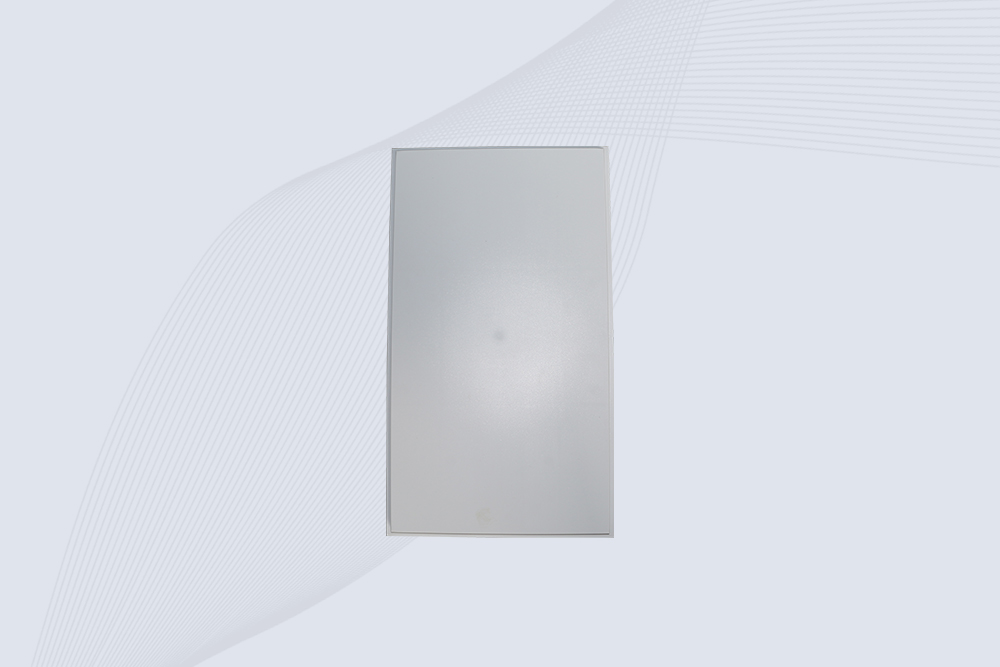
Cykeo CYKEO-B10 Long Distance RFID Antenna offers 10dBi gain, 840-960MHz frequency range, IP65 rating, and 20m+ coverage for logistics/warehousing/ETC systems. Low VSWR ensures stable signal transmission.
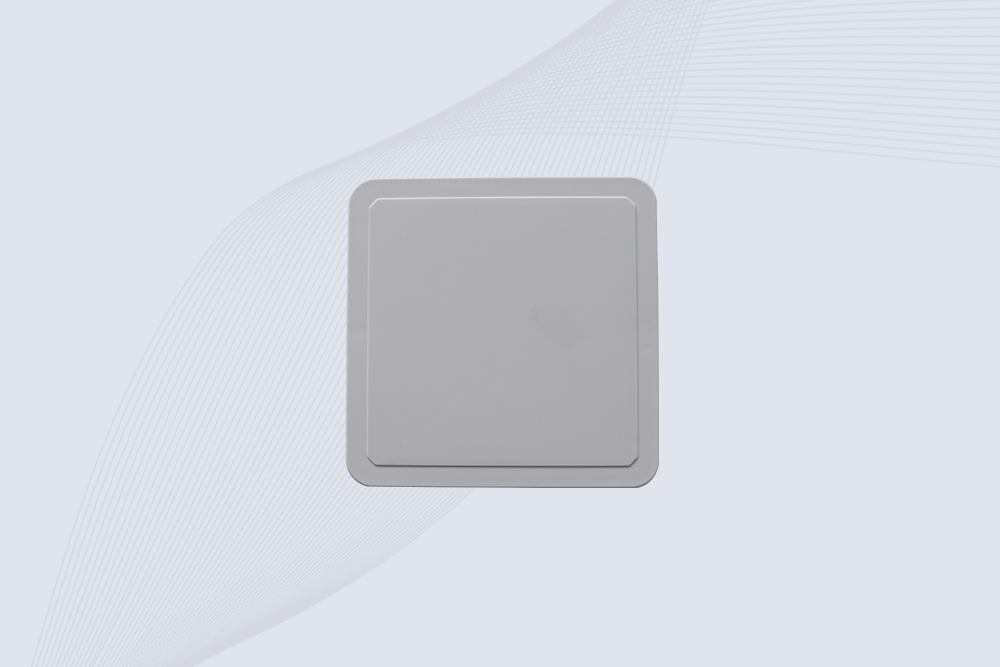
Cykeo CYKEO-A6 UHF RFID panel antenna features 6dBi gain, 840-960MHz broadband, IP65 metal-ready housing for logistics/smart retail. 18mm ultra-thin design with tool-free mounting.

Cykeo CK-A3 industrial antenna RFID UHF offers 5m+ tag detection, ≤1.3:1 VSWR, IP65 rugged design, and global UHF spectrum compatibility (840-960MHz) for warehouses, factories, and retail.
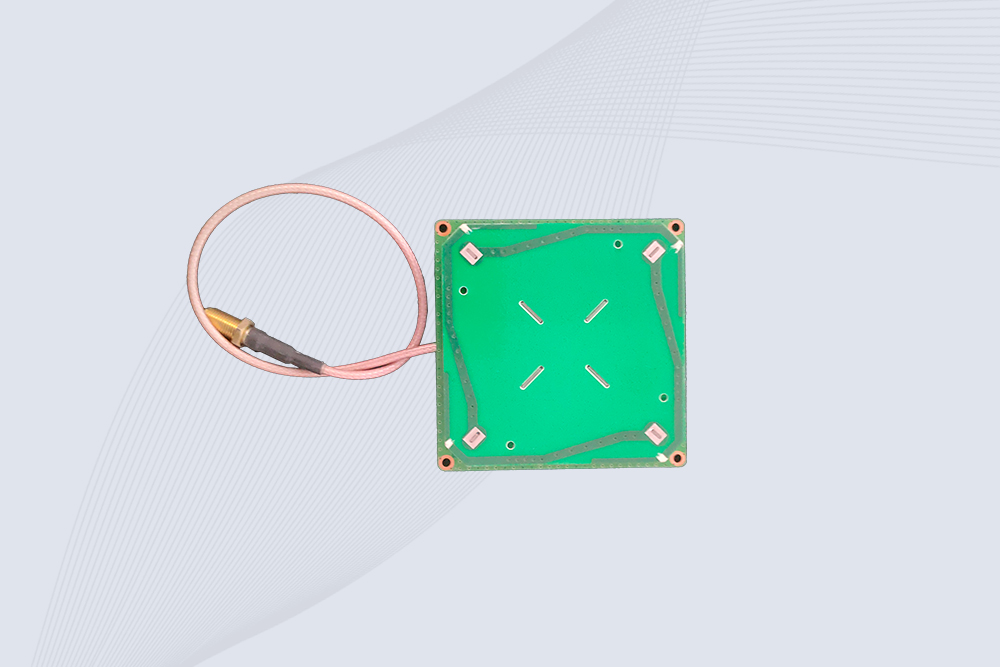
Cykeo CYKEO-B5 directional RFID antenna provides 5dBi gain with 60° narrow beamwidth for precise inventory tracking. IP65-rated, global UHF frequency support, and low VSWR.
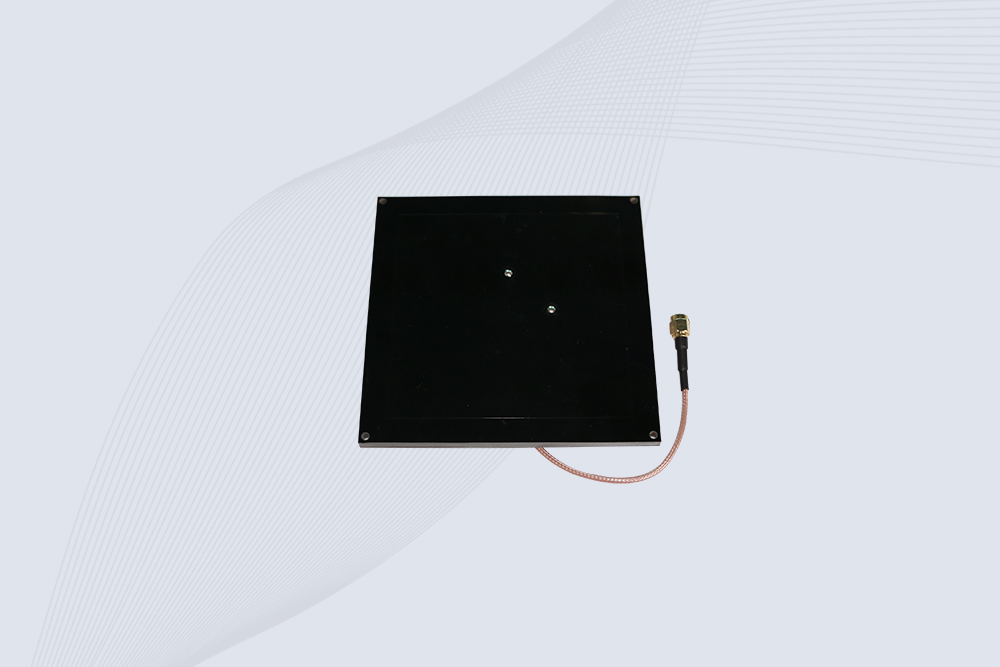
Create your own high-performance DIY RFID antenna! 5dBi gain, 840-960MHz tunable, step-by-step guides. Compatible with Arduino, Raspberry Pi, and commercial UHF readers.
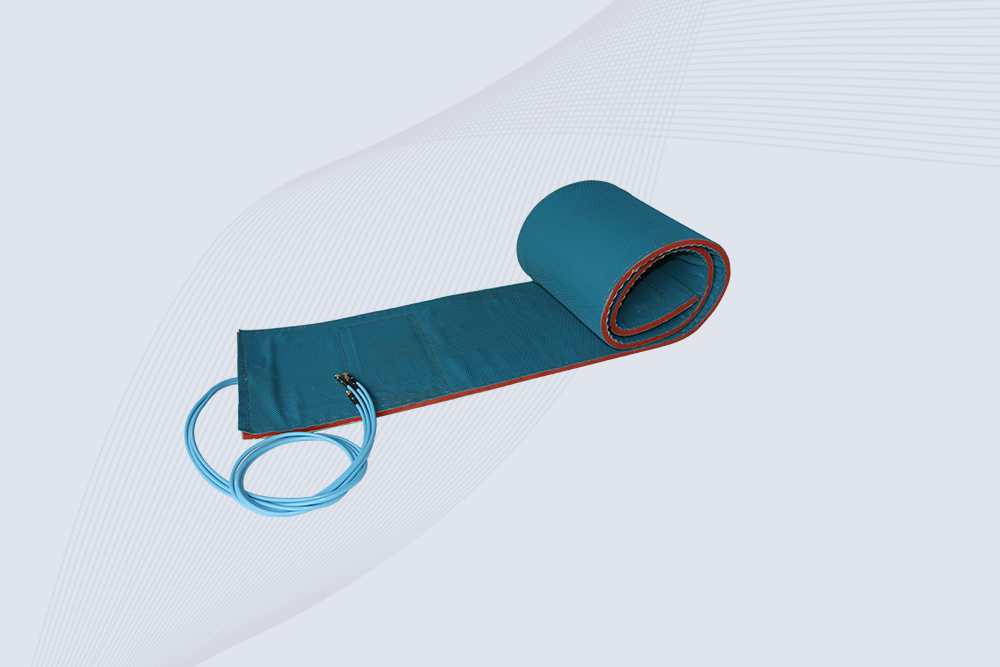
Cykeo CYKEO-A7 Flexible RFID Antenna features 840-960MHz wideband tuning, 7dBi gain, and IP68 rating for medical/retail/industrial curved surface deployments. 98% read accuracy with peel-and-stick installation.

Cykeo CYKEO-B5A industrial Passive RFID Antenna delivers 5dBi gain, 70° beamwidth, and -40°C~55°C operation for warehouses/smart cabinets. Compatible with Zebra/Impinj readers.
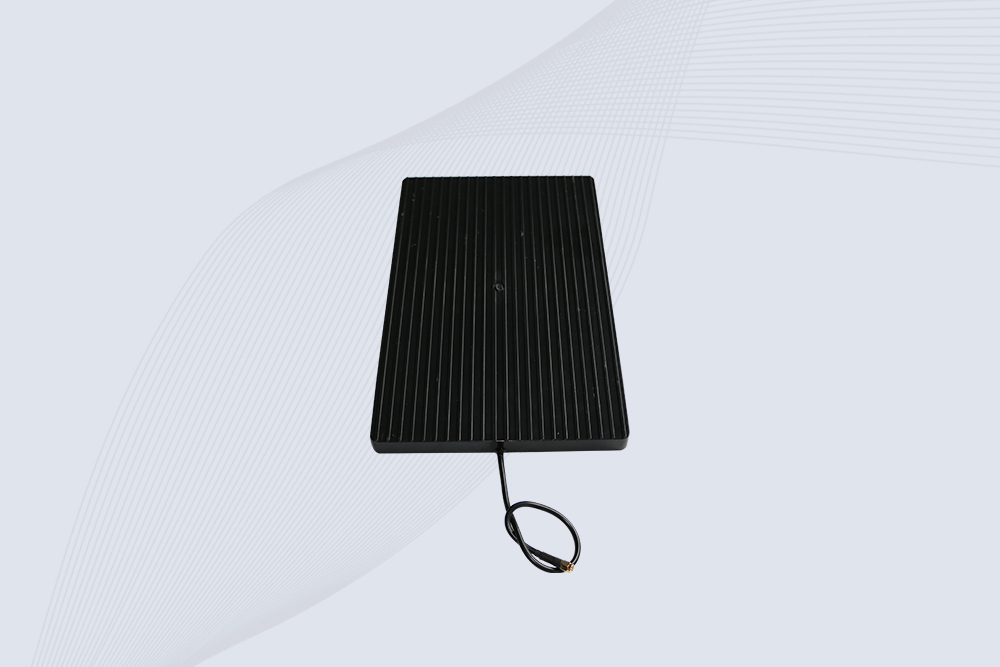
Cykeo’s CYKEO-A9B High Gain RFID Antenna delivers 15m+ read range with 9dBi amplification. Features IP54 rugged design, 840-960MHz bandwidth, and 80° beamwidth for warehouse/manufacturing RFID systems.

Cykeo’s enterprise-grade 8dbi Impinj RFID Antenna 10m+ read range with 840-960MHz tuning. Features IP65 housing, 1.4 VSWR, 35° beamwidth for retail/warehouse RFID systems.
Cykeo CYKEO-A9 industrial UHF RFID antenna delivers 9dBi gain, 840-960MHz frequency range, and IP65 protection for warehouse/logistics/retail RFID systems. Features N-type connector and ≤1.3:1 VSWR.
CYKEO UHF RFID Antenna built for long-distance and industrial applications. This antenna rfid uhf delivers strong gain, outdoor durability, and reliable tag performance in warehouses, yards, and vehicle ID systems.
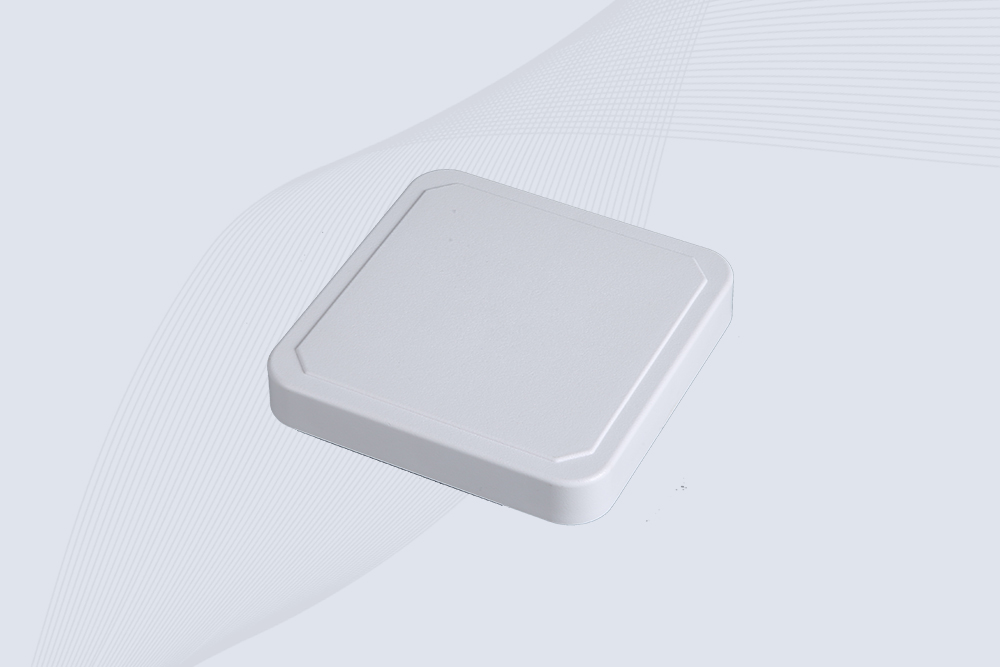
CYKEO Antenna RFID delivers reliable long-range UHF performance in warehouses, retail shelves, and cold-chain environments. This compact uhf rfid antenna provides stable reads with circular polarization and ultra-wide 840–960 MHz support, ideal for industrial tracking, smart shelves, and asset monitoring.
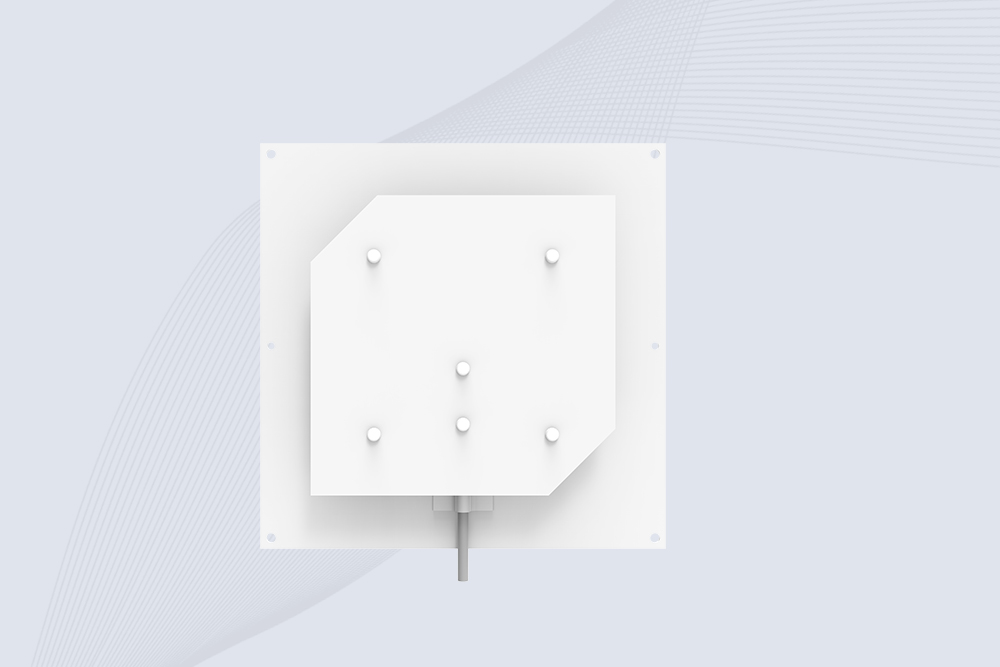
Cykeo’s CYKEO-C8 UHF RFID antennas delivers 8dBi gain, 840-960MHz full-band coverage, and IP65 ruggedness for manufacturing/warehouse RFID systems. Industrial RFID Antennas Features
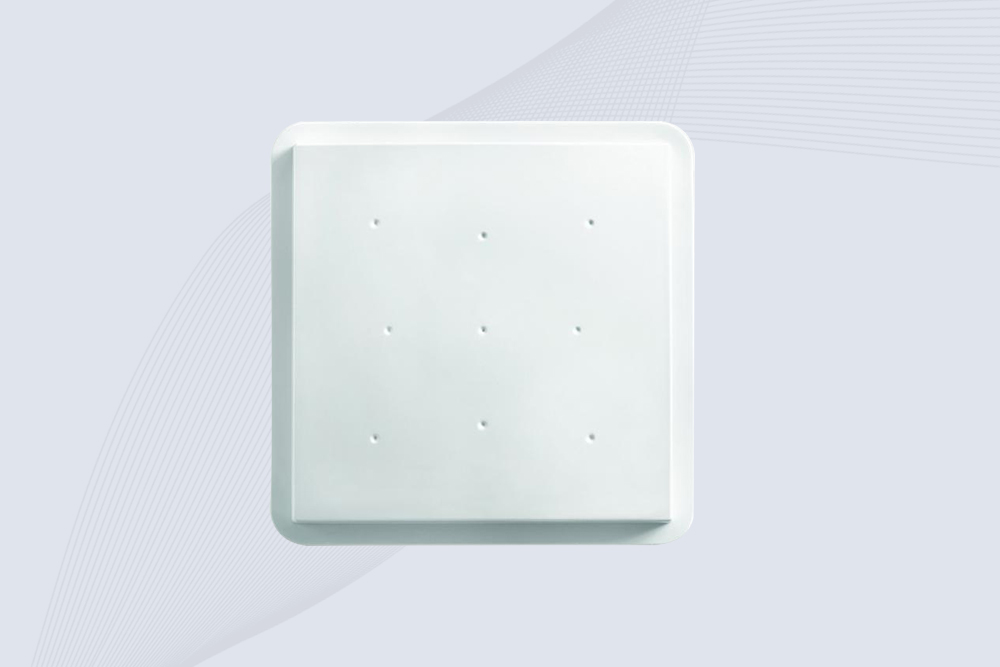
Cykeo’s 8dBi UHF RFID antenna and reader kit delivers 10m+ range, 840-960MHz broadband, and IP65 ruggedness for factories, warehouses, and logistics. ISO 18000-6C & EPC Gen2 certified.
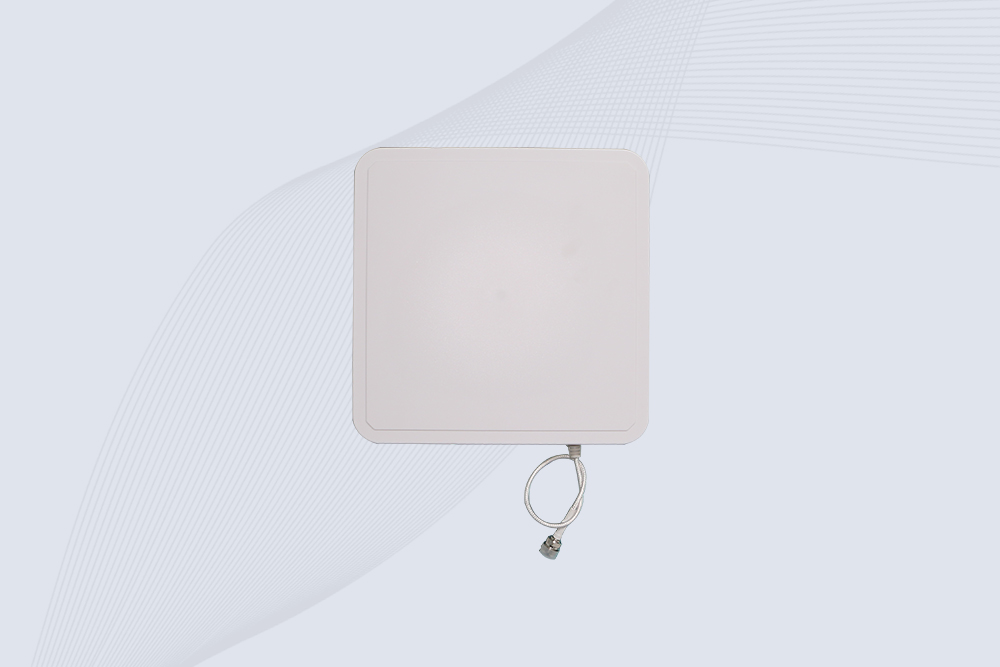
Cykeo CYKEO-A9A industrial UHF RFID reader and antenna kit delivers 10m range, 500 tags/sec, IP65 ruggedness for manufacturing/logistics. Supports EPC Gen2, ISO18000-6C.
Cykeo’s CYKEO-A12C UHF Large RFID Antenna delivers 12dBi gain, 840-960MHz global frequency, IP65 ruggedness for logistics/warehousing/automotive. 40° beamwidth ensures stable 15m+ tag reads.

CYKEO Near Field RFID Antenna provides precise 5–30 cm reading for shelves, cabinets, and workstations. This compact rfid shelf antenna delivers stable short-range performance around metal and clutter, ideal for pharmacies, libraries, and electronics sorting.
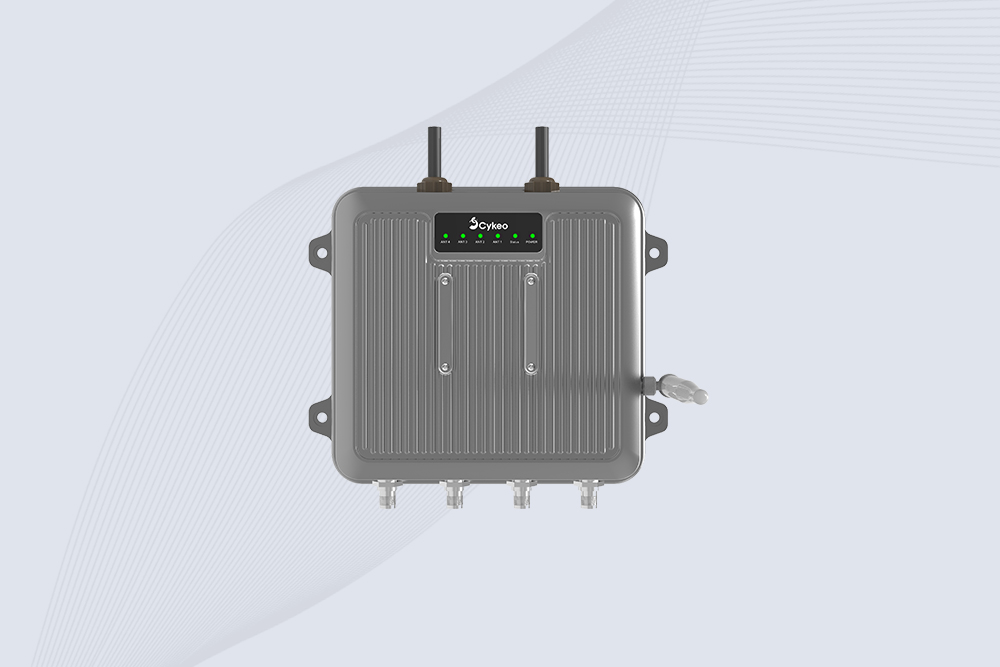
Cykeo CYKEO-C1 industrial Forklift RFID Reader features 20m read range, 600 tags/sec scanning, Impinj R2000 chipset, and IP67 rugged design. Ideal for warehouse logistics and manufacturing. Supports ISO 18000-6C/6B protocols.
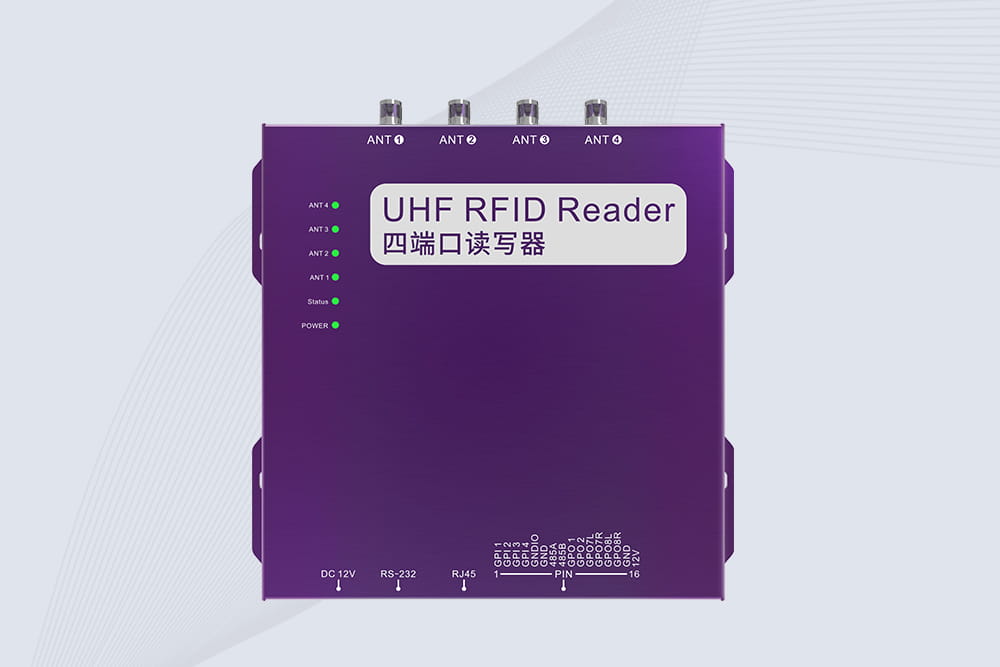
Cykeo CYKEO-R4 industrial UHF RFID Fixed Reader features 4 TNC ports, 400+ tags/sec speed, IP67 housing, and global frequency compliance for vehicle inspection, smart warehouse, and asset management systems.
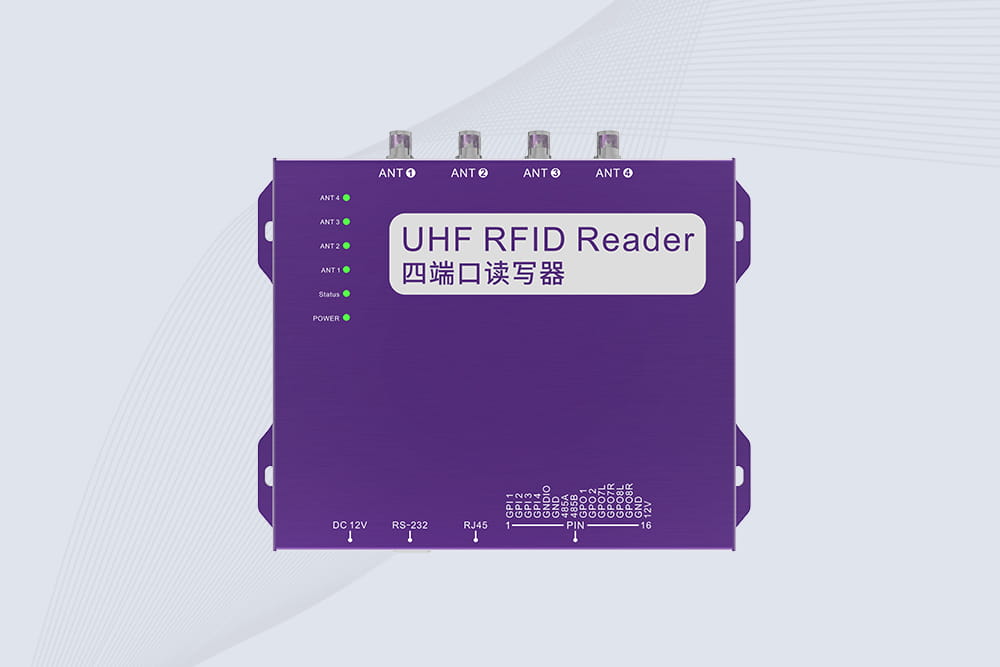
Cykeo’s CYKEO-R4L 4-port Fixed UHF RFID Reader delivers 400 tags/sec scanning, ISO 18000-6C compliance, and IP65 protection. Ideal for warehouse automation, manufacturing WIP tracking, and logistics management.
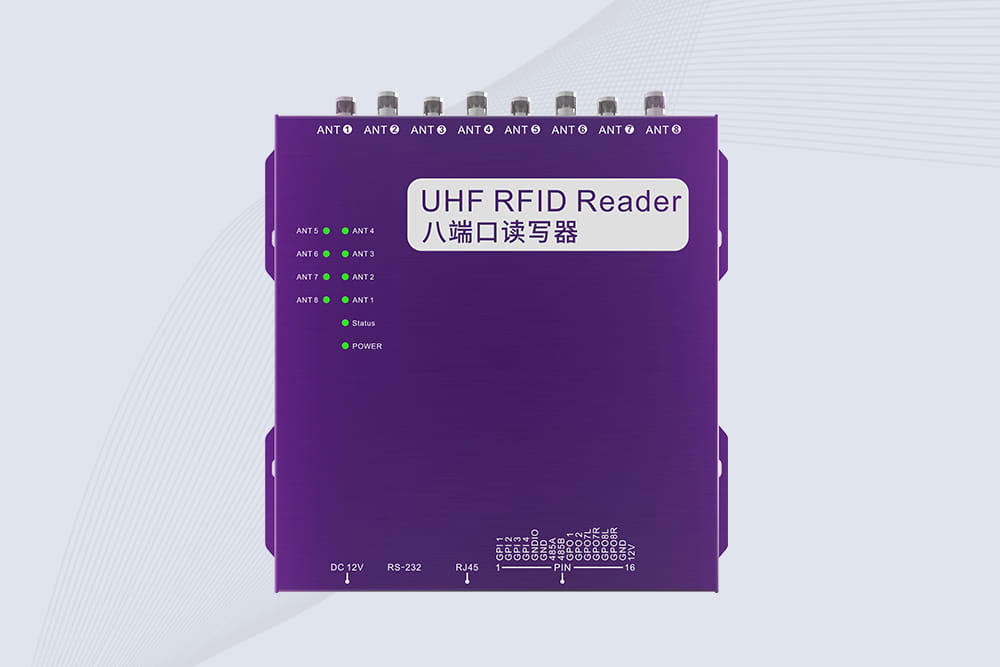
CYKEO CYKEO-R8L Fixed RFID Reader with 8-port UHF design, Impinj-based RF core and up to 20m read range. An industrial Fixed RFID Reader for vehicle inspection, warehouse portals, smart manufacturing lines and secure access checkpoints.
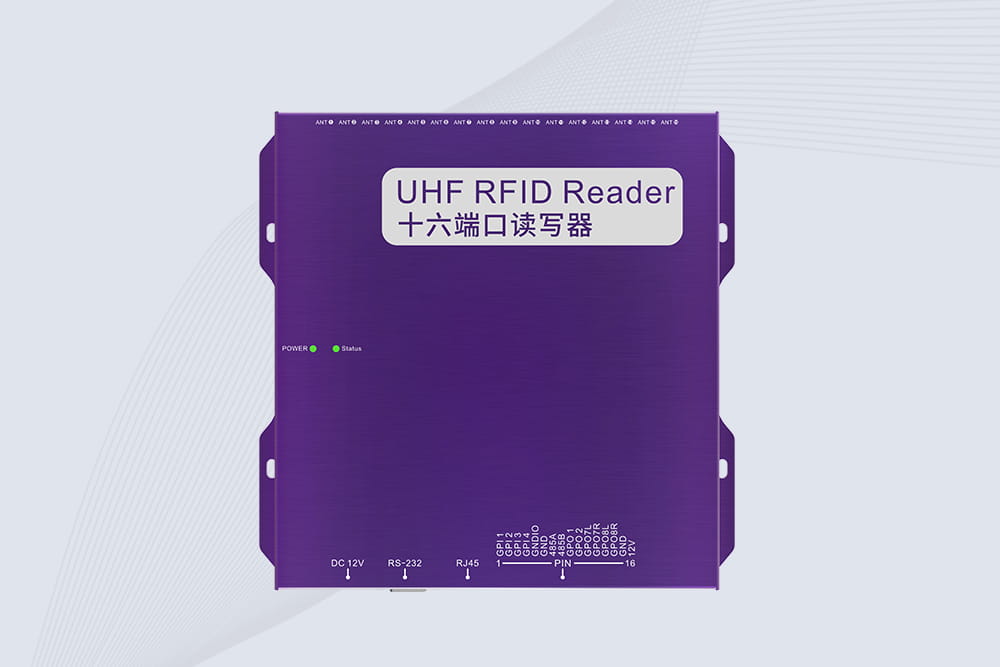
RFID Fixed Reader from CYKEO – the CYKEO-R16L 16-port UHF fixed reader for warehouses, smart cabinets, and production lines. Long-range, multi-tag reading, stable performance for 24/7 industrial use.
RFID Industry Writer | IoT & Asset Tracking Analyst
James writes about RFID technology, asset tracking, and the practical challenges of digital transformation across warehousing, retail, manufacturing, and logistics.
His work focuses on how RFID is applied in real-world operations—improving inventory visibility, automating workflows, and helping businesses manage assets with greater accuracy and efficiency.
He regularly covers topics including UHF RFID, smart cabinets, RFID portals, tool tracking, warehouse automation, and industrial IoT trends..

Wondering how many RFID tags can be read per second? It varies from 50 to over 1000. We break down the real-world speeds for UHF, HF, and why it matters for your business.
More
Discover how armoire RFID smart cabinets integrate with ERP, WMS, and custom platforms. Learn why RFID cabinets are ideal for system integrators, retrofit projects, and secondary development.
More
Find out if your Android phone can read RFID. We explain the NFC capability, what types of tags work, and why it's not suitable for business asset tracking.
More
RFID library system built around smart RFID cabinets, antennas, and readers. Suitable for system integrators and solution providers seeking flexible deployment.
More