 Cykeo RFID IoT Solution Products R&D Manufacturer

How can I associate an RFID tag ID with data in a MySQL database?
1511Learn how to link RFID tag IDs to data in a MySQL database for asset tracking, inventory management, and more. Follow step-by-step integration tips with Cykeo’s solutions.
MoreAll RFID Product
A long range RFID scanner helps construction companies identify and track equipment, tools, material containers, vehicles, and reusable assets at site entrances, storage areas, workshops, and project checkpoints. By combining UHF RFID readers, suitable tags, directional antennas, and construction management software, companies can record where tagged assets were detected and when, reducing manual inventory work and improving equipment visibility.
Construction sites often contain a mixture of tools, machines, materials, containers, temporary equipment, and vehicles. These items move frequently between storage areas, work zones, warehouses, and different project locations.
Traditional tracking may depend on paper records, spreadsheets, barcode scans, or employees remembering where an item was last used. That process can become difficult when several teams share the same equipment.
An RFID system creates a more automatic identification process.
A rfid tag is attached to a tool, container, equipment unit, or material package. When the tagged item passes through an RFID reading zone, the rfid antenna receives the signal and sends it to the reader. The reader captures the tag’s EPC and transfers the data to the software system.
The software can then create an event such as:
Equipment E018 → Site Storage Area → 08:45
Or:
Material Container C205 → Project Entrance → 14:20
RFID does not automatically provide continuous GPS positioning. Instead, it records detection events at selected checkpoints. For many construction applications, this is enough to improve accountability and reduce manual searching.
Construction companies may need to manage:
Some equipment is expensive, while other items are simply easy to misplace.
A long range RFID scanner can be installed at a warehouse entrance, equipment room, workshop, or project gate. When tagged equipment passes through the reading zone, the system records the event automatically.
This can help answer practical questions:
The result is not necessarily a complex real-time location system. It may simply be a more reliable movement history.
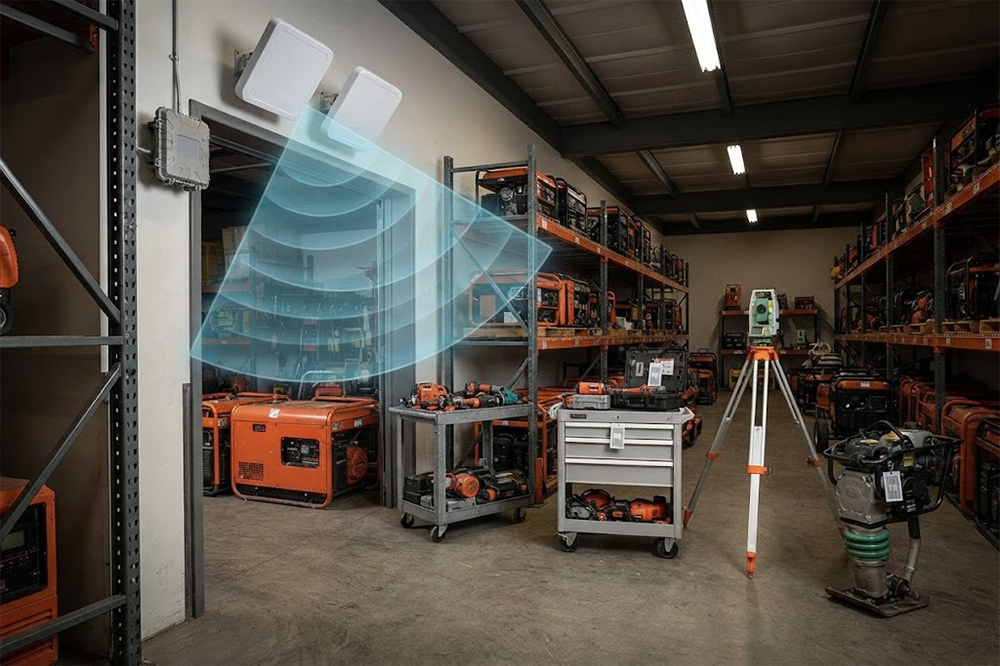
RFID can also support material tracking.
Construction materials may arrive in containers, pallets, bins, bundles, or reusable packaging. Depending on the project, RFID tags can be attached to:
When materials move from receiving to storage or from storage to a work area, RFID checkpoints can record the movement.
For example:
Receiving Area → Temporary Storage → Installation Zone
This can help project teams understand whether materials have arrived, whether they remain in storage, and whether they have been moved to the correct area.
The tag should be selected according to the material. Metal components, liquid-filled containers, and dense stacks may require special tag types or different mounting positions.
Construction sites can be challenging for RFID systems.
Metal beams, machinery, vehicles, tools, concrete structures, electrical equipment, and temporary barriers may affect radio-frequency performance. Dust, outdoor exposure, vibration, and changing site layouts can also influence installation decisions.
A standard RFID tag may not work reliably when attached directly to a metal surface. In such cases, an on-metal RFID tag may be more suitable.
However, the tag specification alone does not guarantee reliable reading.
The mounting surface, tag orientation, distance from metal, reader power, antenna angle, and surrounding materials all matter.
For outdoor or demanding applications, the project team should also consider:
A tag that works well inside a warehouse may not be the right choice for an exposed construction site.
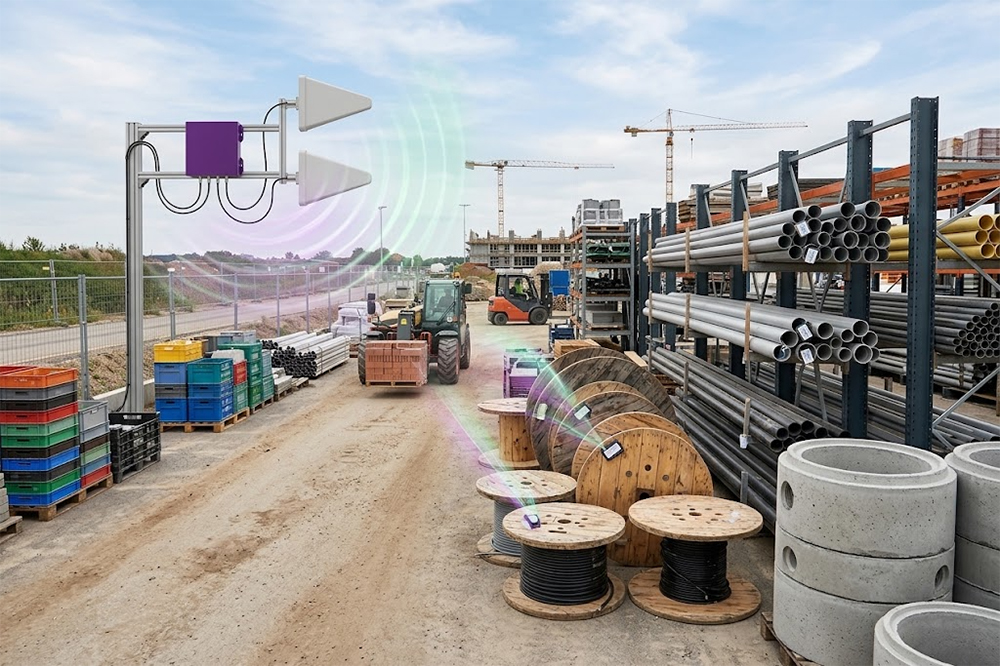
A construction site may have several nearby areas that should not be mixed together.
For example, a reader at the equipment room should identify tools entering or leaving that room. It should not continuously detect every tagged item several meters away in an adjacent work area.
This is why a controlled reading zone is important.
A directional antenna can focus the RFID signal toward a doorway, gate, storage lane, or equipment passage. Reader power can then be adjusted to achieve reliable detection without creating unnecessary coverage.
More power is not always better.
If the reading zone is too large, the system may detect equipment that has not actually passed through the intended checkpoint. This can create incorrect inventory or movement records.
The practical goal is to identify the correct asset at the correct location.
Large contractors may operate several construction sites at the same time. Equipment often moves between projects, rental yards, maintenance workshops, and central warehouses.
RFID can support this movement by placing readers at selected transfer points.
For example:
Central Warehouse → Transport Yard → Project Site A → Maintenance Workshop
Each checkpoint can update the equipment’s movement history.
This can be especially useful for shared tools, reusable containers, temporary machinery, and equipment that must be returned after a project ends.
For vehicles and heavy machinery, RFID should not be confused with GPS. RFID can confirm that a tagged asset passed a particular gate or checkpoint. GPS may still be needed for continuous outdoor location tracking.
In some projects, RFID and GPS can work together.
UHF RFID readers can detect multiple tags within their reading zone. This is useful when several tools, containers, or material packages pass through an entrance together.
However, multiple-tag reading still requires careful testing.
A group of metal tools may behave differently from a group of plastic containers. Closely stacked materials may block or weaken the signal. Tags may also face different directions.
Software may need to apply filtering and event logic to avoid recording the same asset repeatedly.
For example, if a tagged tool remains near the antenna for several seconds, the system should not create dozens of separate movement events. It may need to combine repeated reads into one entry or exit event.
The RFID reader produces tag identification data. Construction software must convert that data into useful asset or material information.
Depending on the reader and system architecture, integration may use:
The RFID system may connect with:
For example, when a tagged generator passes through a maintenance checkpoint, the software may update its status to “returned for inspection.”
When a material container passes through a project entrance, the system may associate the event with a specific project number or work order.
The exact workflow depends on the customer’s software and operational rules.
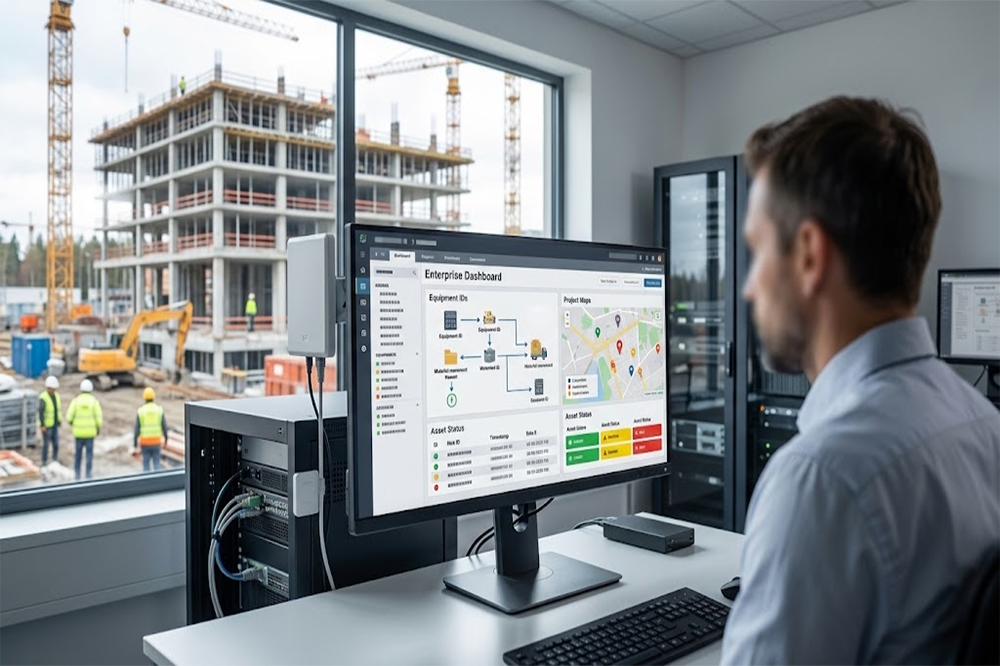
Imagine a contractor managing several projects and a central equipment warehouse.
The company frequently loses track of shared tools and reusable material containers. Workers record equipment movements manually, but the records are not always updated.
The integrator installs fixed RFID readers at the warehouse entrance, maintenance workshop, and project transfer gate.
Each tool cart and material container receives a suitable RFID tag.
When equipment leaves the warehouse, the reader records the EPC and sends the event to the asset management system. When the equipment returns, another checkpoint records the return.
During testing, the team discovers that some metal tools are not read consistently. The solution is not simply to increase power. The team changes the tag type, adjusts the mounting position, and modifies the antenna angle.
The final system produces more consistent movement records and reduces manual checking.
A construction RFID project should be tested with actual site conditions.
Important test factors include:
The test should include the real tools, containers, equipment, and materials that the customer intends to track.
A single tag tested on a clean desk cannot represent a construction site filled with metal, machinery, dust, and moving assets.
For RFID distributors and system integrators, a construction project may require more than a long range reader.
The purchasing checklist should include:
It is also useful to confirm whether the supplier can provide matching RFID tags and antennas for different construction materials.
A long range RFID scanner can help construction companies track tools, equipment, material containers, and reusable assets at selected checkpoints.
The most useful system does not necessarily read across the entire construction site. Instead, it creates reliable identification zones at equipment rooms, storage areas, project gates, maintenance workshops, and transfer points.
Metal surfaces, outdoor conditions, tag placement, antenna direction, and software filtering all influence performance.
For this reason, the reader should be evaluated together with the tag, antenna, installation environment, and management software.
For distributors and system integrators, construction RFID projects can create opportunities to supply complete solutions, including readers, antennas, tags, testing support, OEM customization, and long-term bulk supply.

SSD-A06 UHF RFID antenna with circular polarization, adjustable 840–960 MHz frequency, ≥4.5 dBi gain, and a compact directional design for RFID systems.
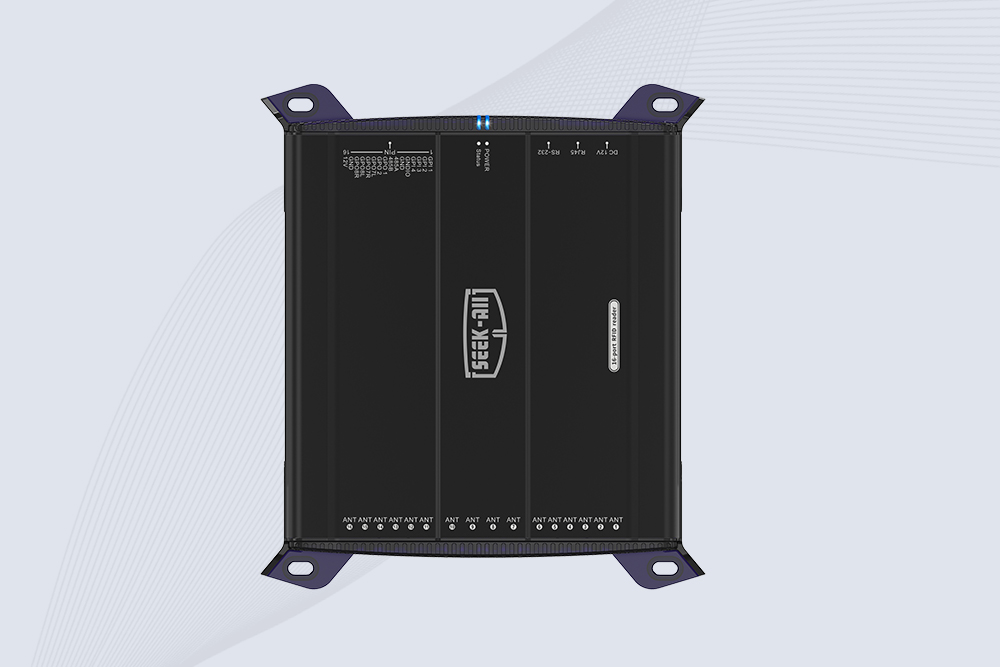
SSD-R16L Multi-Channel RFID Infrastructure for Automated Inventory Management ✔️ 16-Port High-Density RFID Reading Equipped with 16 SMA antenna ports, SSD-R16L supports multi-antenna deployment for warehouses, retail stores, logistics, production lines, and large-area RFID identification. ✔️ High-Speed & Long-Range Performance With up to 33…
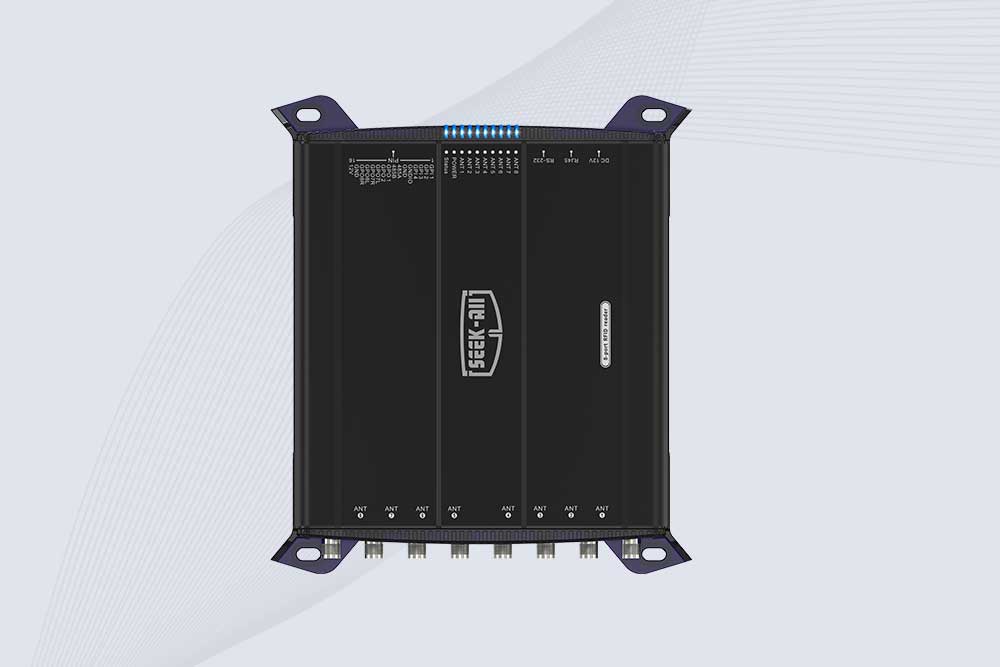
SSD-R8L 8-port UHF RFID reader with 33dBm output, up to 20m reading range and 600+ tags/s recognition. Ideal for warehouse, logistics, retail and asset tracking.
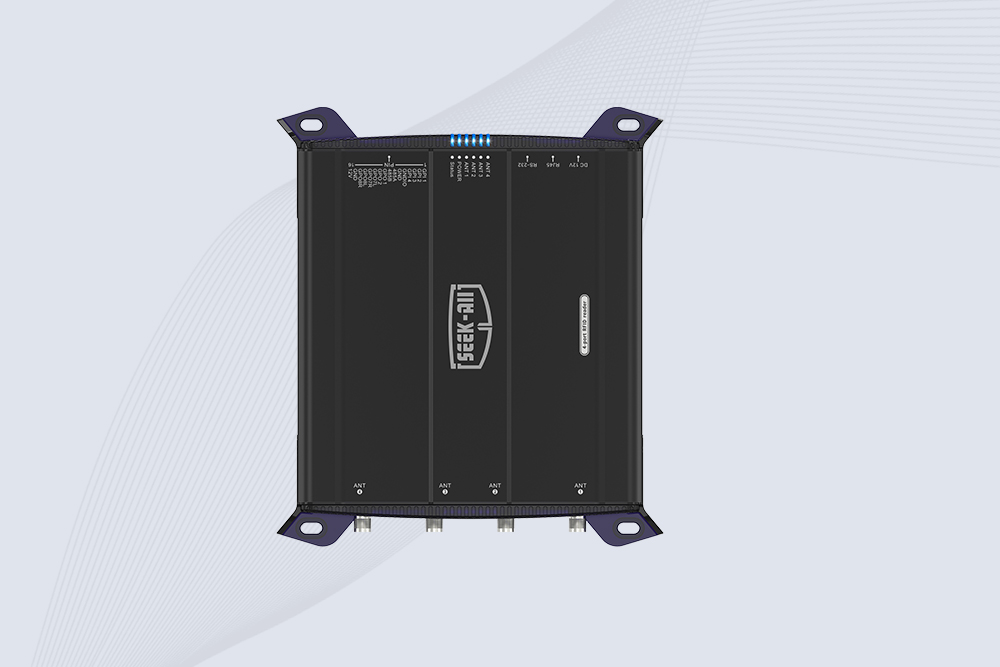
SSD-R4L is a 4-port UHF RFID fixed reader with 33dBm output power, up to 20m reading range, EPC C1G2 support and 600+ tags/s reading speed.
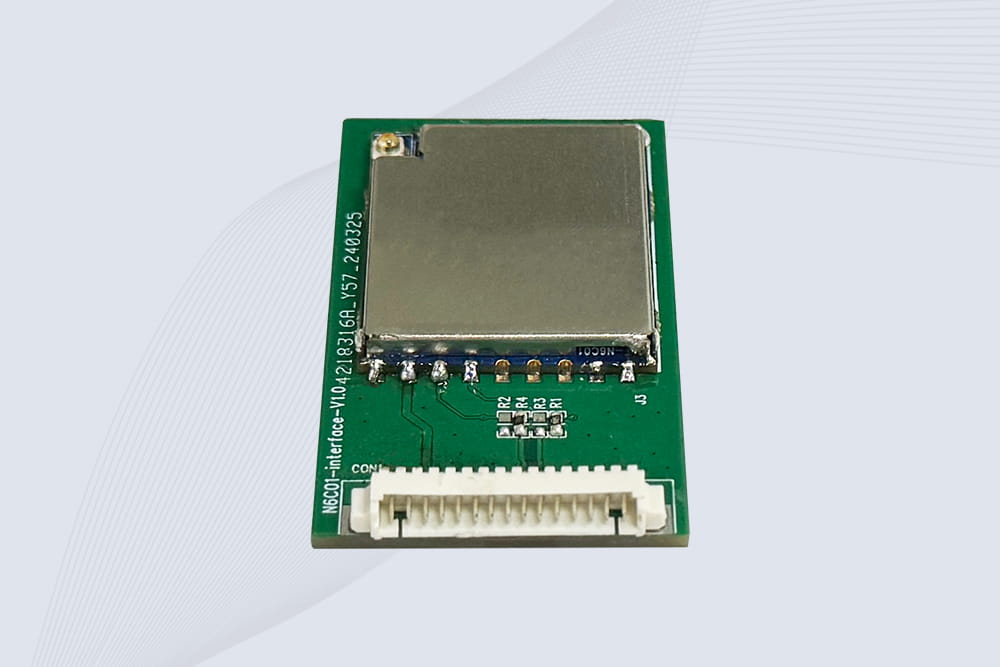
CYKEO Embedded RFID Modules are designed for compact industrial and IoT devices that require stable UHF performance. These UHF RFID Modules support global protocols, flexible power control, and reliable multi-tag reading for smart cabinets, production lines, and asset tracking systems.
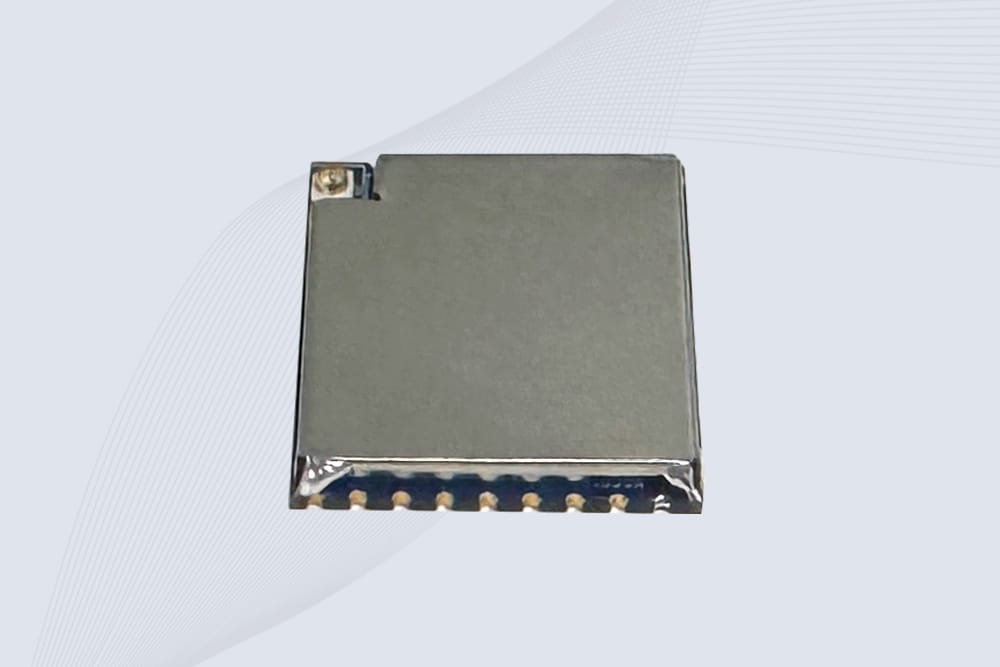
CYKEO Embedded RFID Module is built for compact IoT and industrial devices that need stable UHF performance. This UHF module supports global protocols, low power operation, and reliable multi-tag reading for smart lockers, production lines, and always-on RFID systems.
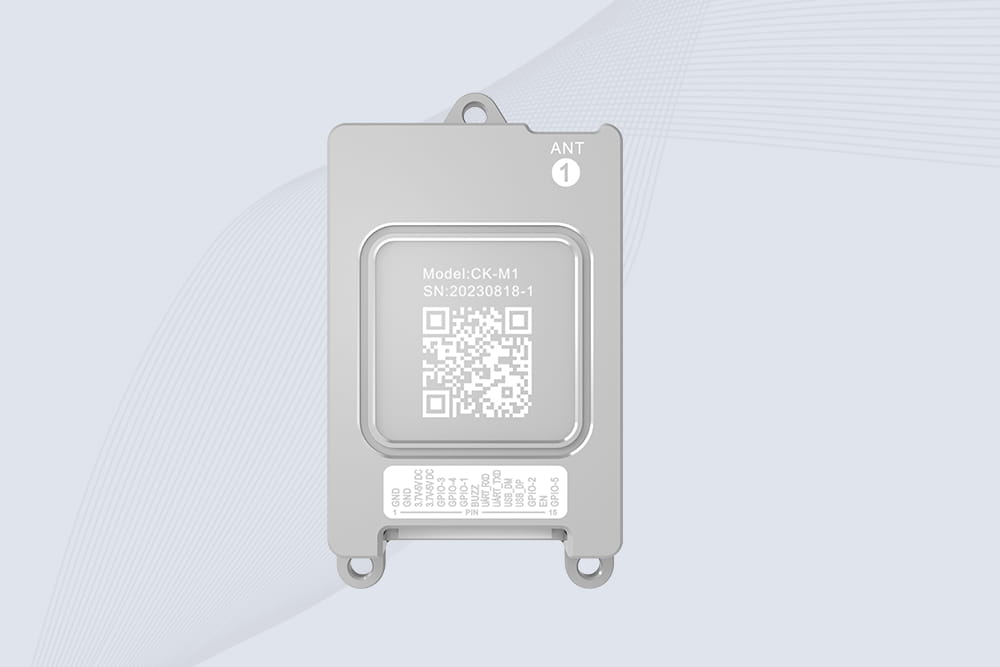
CYKEO CYKEO-M1 drone rfid module is a compact UHF RFID reader module designed for drones and UAV platforms. It supports long-range aerial scanning, fast multi-tag reading, and stable performance in wind, vibration, and outdoor environments.
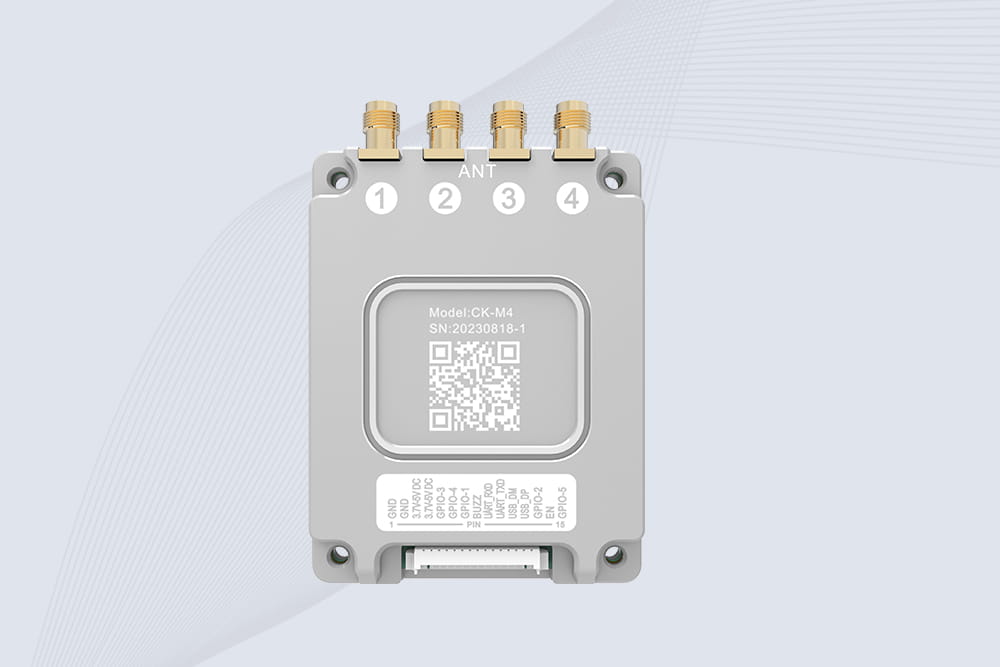
CYKEO CYKEO-M4 RC522 RFID Module is an industrial-grade UHF RFID reader with 4 ports, supporting ISO, EPC, and GB protocols. High-speed, accurate reading for IoT, automation, and warehouse applications.
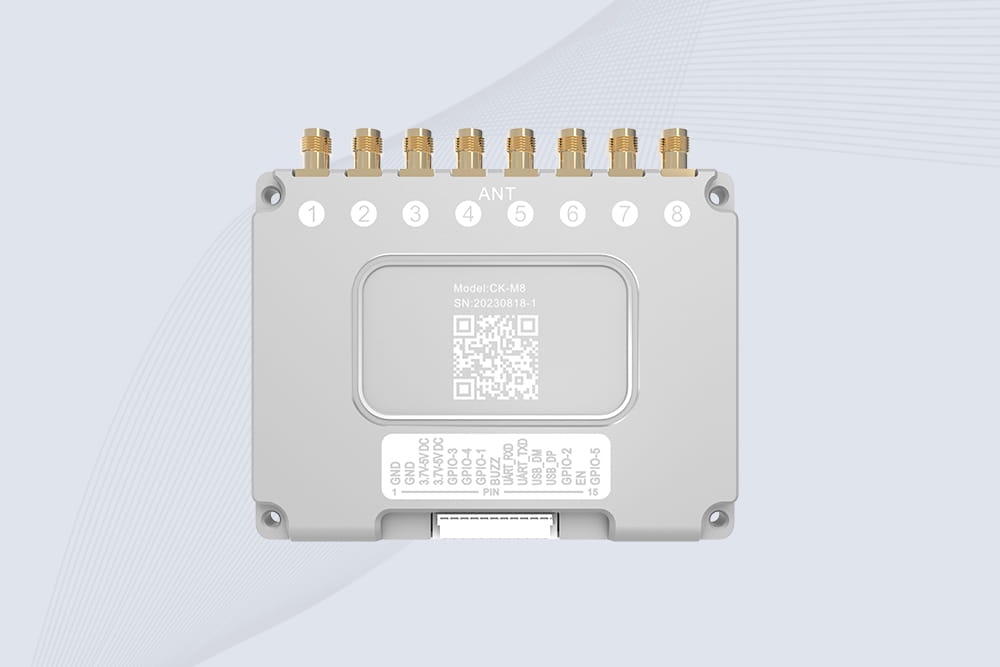
CYKEO CYKEO-M8 Module RFID is an 8-port UHF R2000 RFID Module designed for high-density, multi-tag environments. Stable 33dBm output, ISO & GB protocol support, ideal for warehouses, factories, and automated systems.
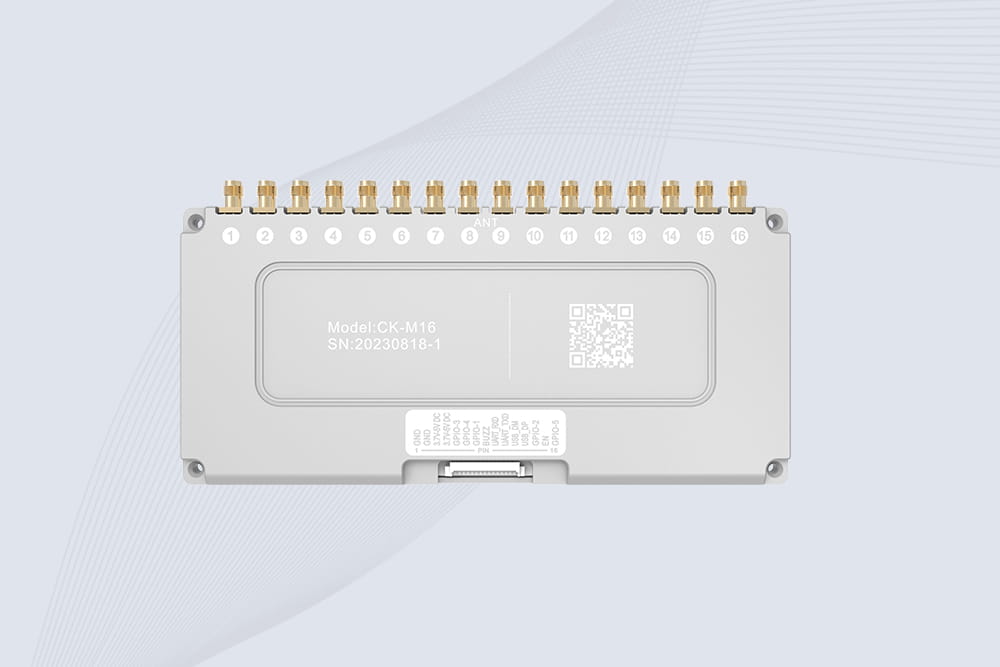
CYKEO CYKEO-M16 RFID Module is a 16-port UHF RFID reader module based on the R2000 chipset. Designed for dense tag environments, it supports ISO and GB standards and delivers stable multi-antenna control for industrial automation.
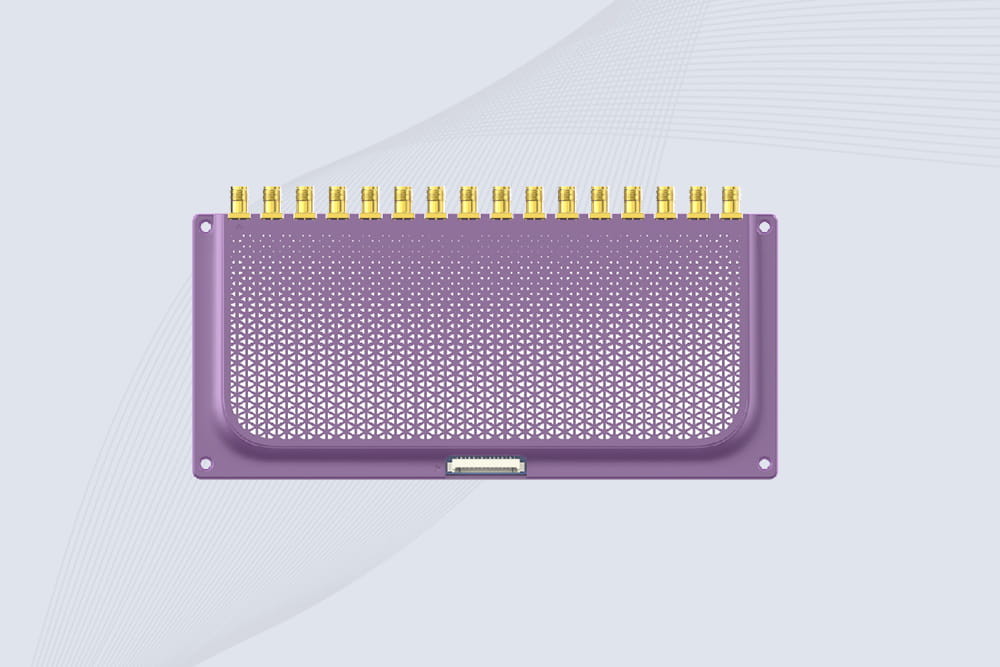
The CYKEO CYKEO-M16L RFID Reader Module is a 16-channel UHF RFID core designed for dense tag environments. With adjustable 33dBm output, multi-protocol support, and stable multi-antenna control, this RFID Tag Reader Module fits industrial automation, warehouse systems, and large-scale IoT deployments.
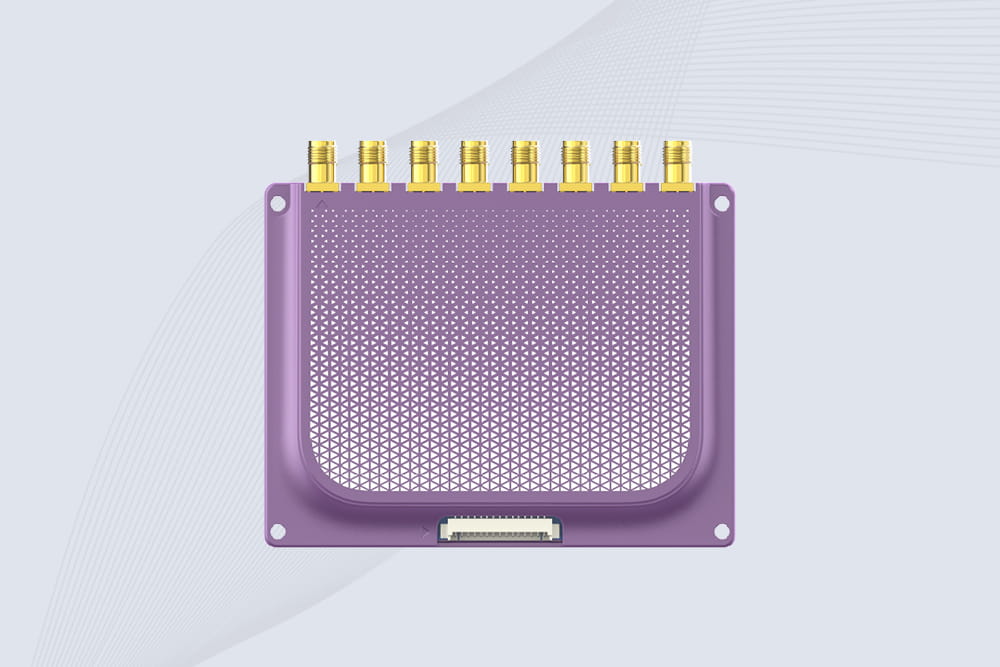
CYKEO CYKEO-M8L module RFID is a compact industrial UHF module built for dense tag and multi-antenna environments. With 8 RF ports, adjustable 33 dBm output, and ISO & GB protocol support, it is widely used in factories, warehouses, and automated tracking systems.
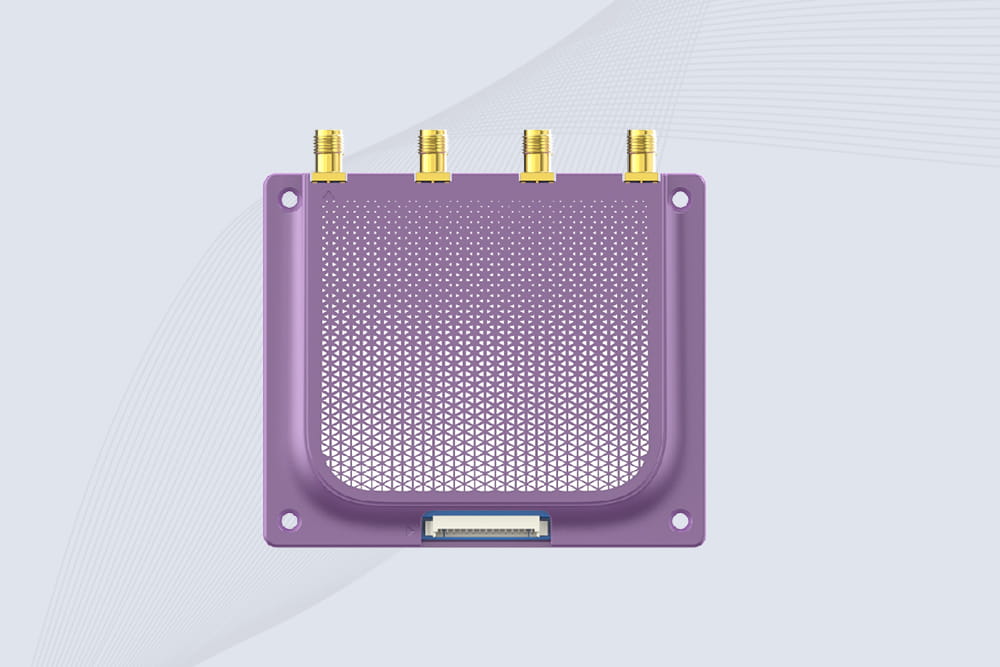
CYKEOCYKEO-M4L UHF RFID Module is a compact 4-channel RFID tag reader module designed for dense tag environments. Supporting ISO and GB protocols, it delivers stable reads up to 10 meters for industrial and IoT systems.
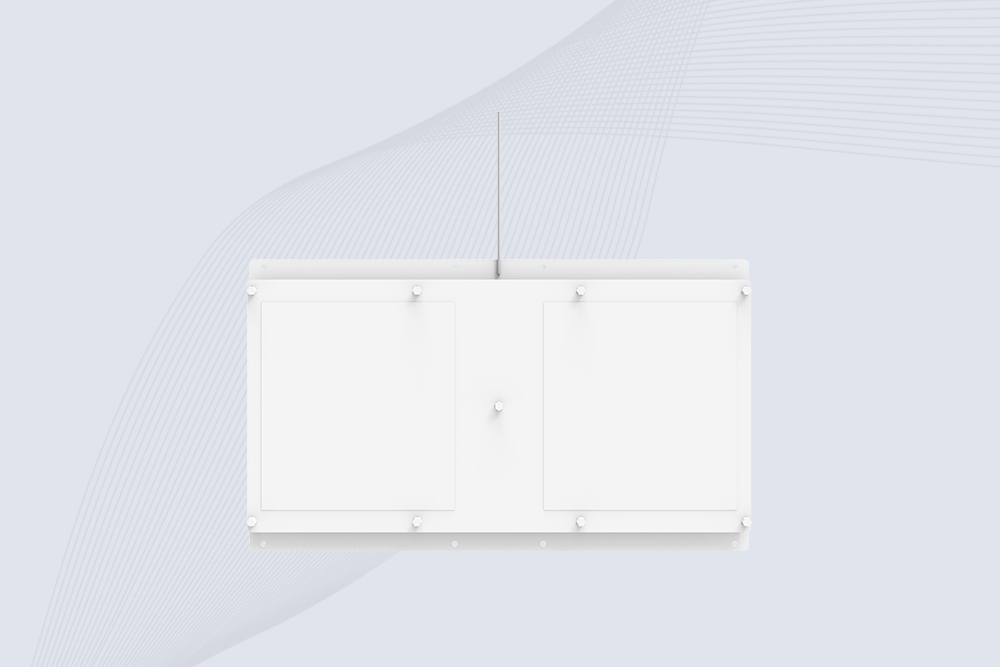
Cykeo CYKEO-A11 UHF RFID reader antenna delivers 11dBi gain, 840-960MHz frequency range, and IP65 ruggedness for retail, logistics, and industrial RFID systems. Features low VSWR and easy installation.

CYKEO Antenna RFID Reader delivers stable long-range UHF performance with a 10.5dBi directional design, built for warehouses, conveyor portals, and industrial RFID systems. This rfid reader antenna provides 20m+ read distance and rugged IP67 protection.

Cykeo CYKEO-PHF3 industrial HF RFID Antenna offers 24-point dynamic tracking, ISO 14443A/15693 protocols, metal-environment stability for archives/libraries/manufacturing.

Cykeo CYKEO-A5B industrial Linear RFID Antenna delivers 5dBi gain, ≤1.5:1 VSWR, and IP65 rugged design for warehouse, production line, and logistics UHF systems.

Cykeo’s CYKEO-B12 Long Range RFID Antenna delivers 15m+ read range with 12dBi gain, IP65 rugged design, and global 840-960MHz UHF support. Ideal for warehouse/logistics asset tracking.
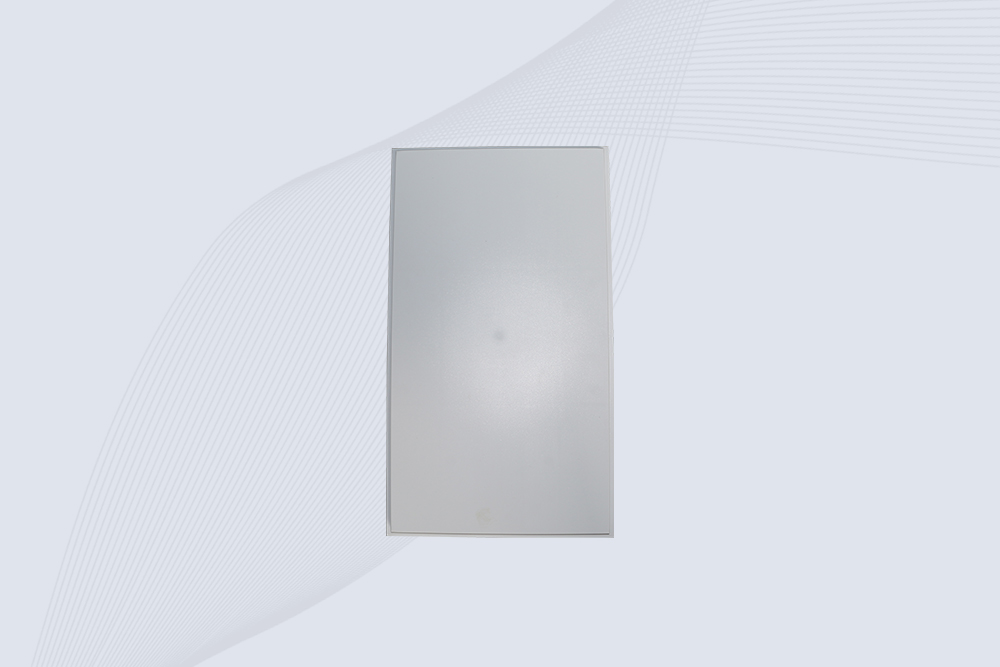
Cykeo CYKEO-B10 Long Distance RFID Antenna offers 10dBi gain, 840-960MHz frequency range, IP65 rating, and 20m+ coverage for logistics/warehousing/ETC systems. Low VSWR ensures stable signal transmission.
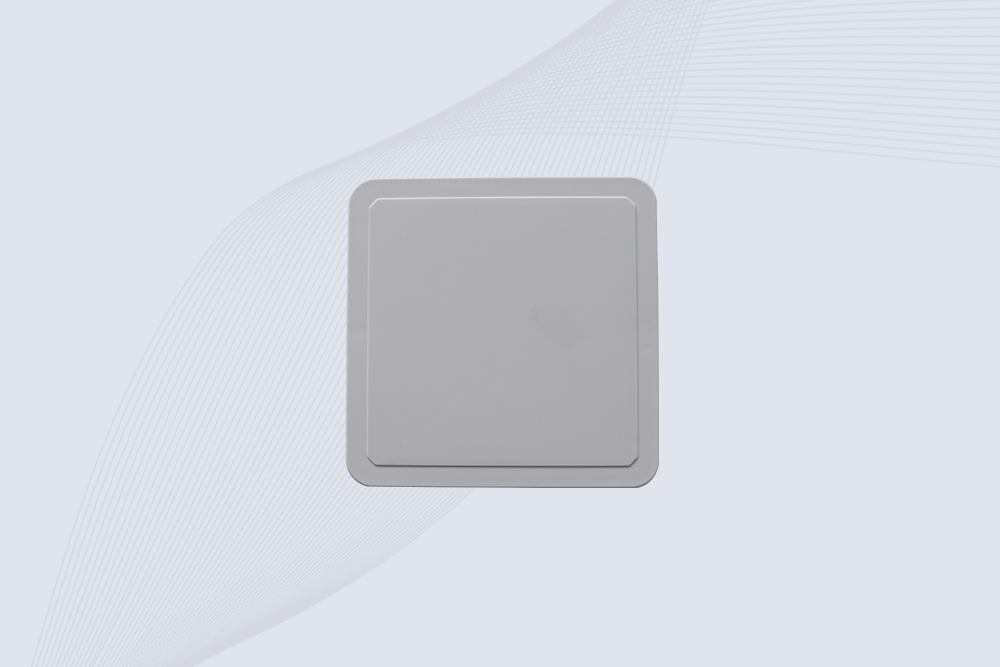
Cykeo CYKEO-A6 UHF RFID panel antenna features 6dBi gain, 840-960MHz broadband, IP65 metal-ready housing for logistics/smart retail. 18mm ultra-thin design with tool-free mounting.

Cykeo CK-A3 industrial antenna RFID UHF offers 5m+ tag detection, ≤1.3:1 VSWR, IP65 rugged design, and global UHF spectrum compatibility (840-960MHz) for warehouses, factories, and retail.
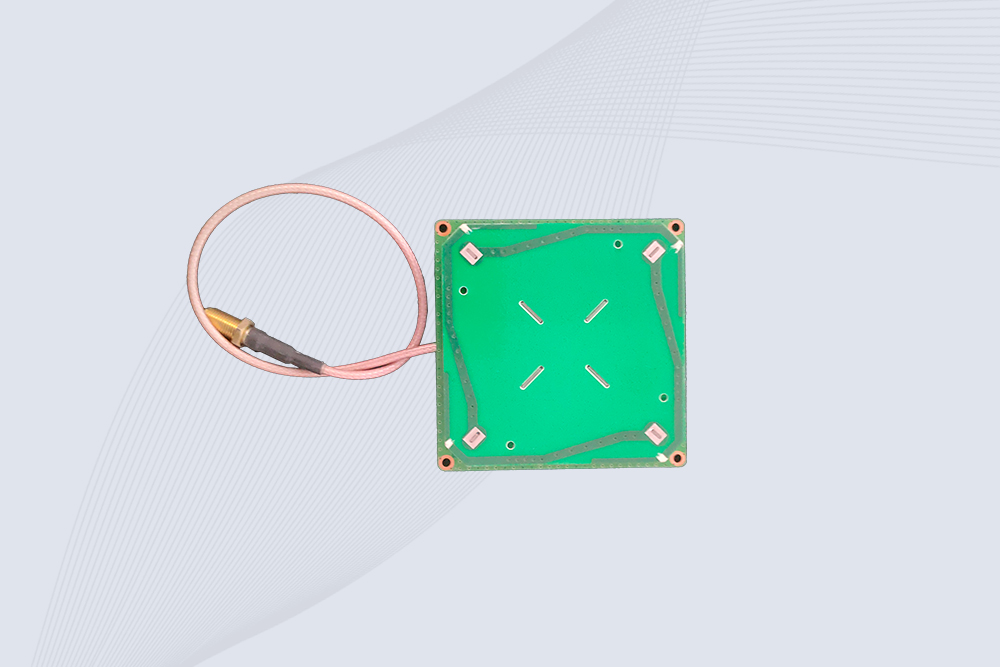
Cykeo CYKEO-B5 directional RFID antenna provides 5dBi gain with 60° narrow beamwidth for precise inventory tracking. IP65-rated, global UHF frequency support, and low VSWR.
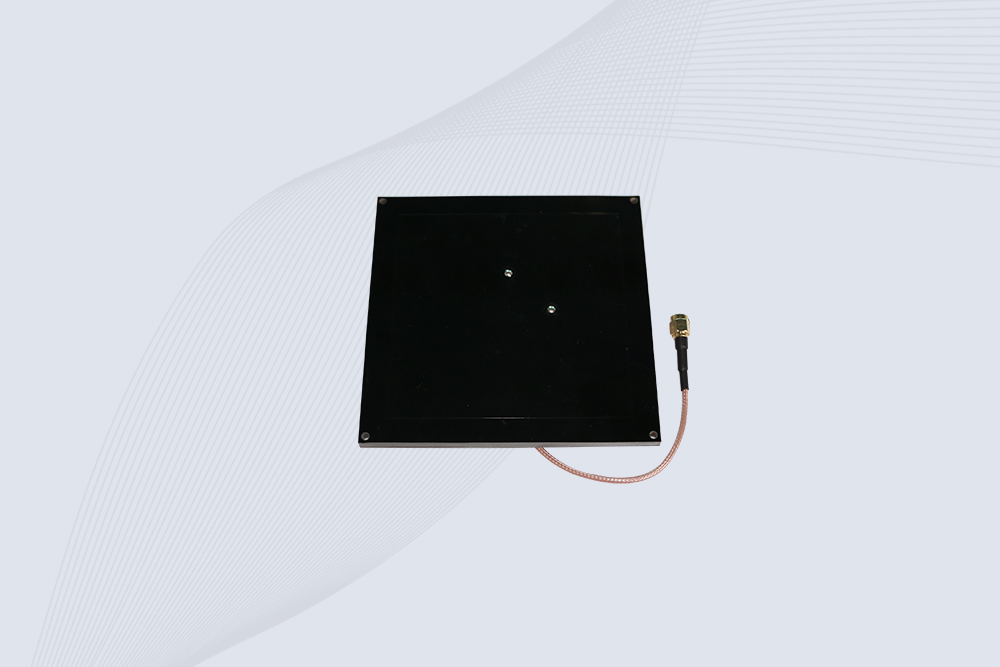
Create your own high-performance DIY RFID antenna! 5dBi gain, 840-960MHz tunable, step-by-step guides. Compatible with Arduino, Raspberry Pi, and commercial UHF readers.
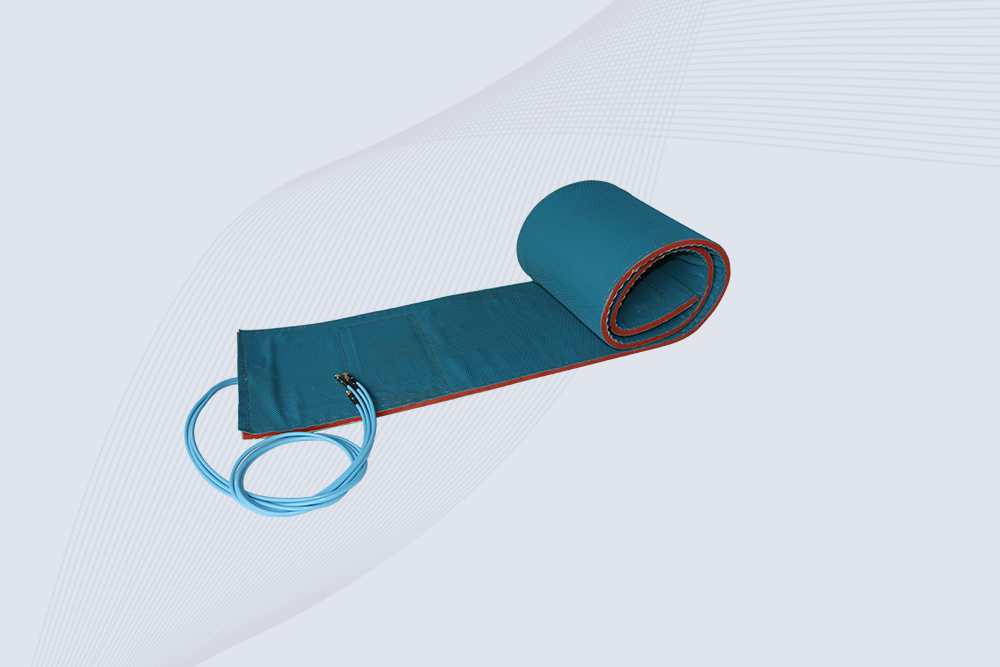
Cykeo CYKEO-A7 Flexible RFID Antenna features 840-960MHz wideband tuning, 7dBi gain, and IP68 rating for medical/retail/industrial curved surface deployments. 98% read accuracy with peel-and-stick installation.

Cykeo CYKEO-B5A industrial Passive RFID Antenna delivers 5dBi gain, 70° beamwidth, and -40°C~55°C operation for warehouses/smart cabinets. Compatible with Zebra/Impinj readers.
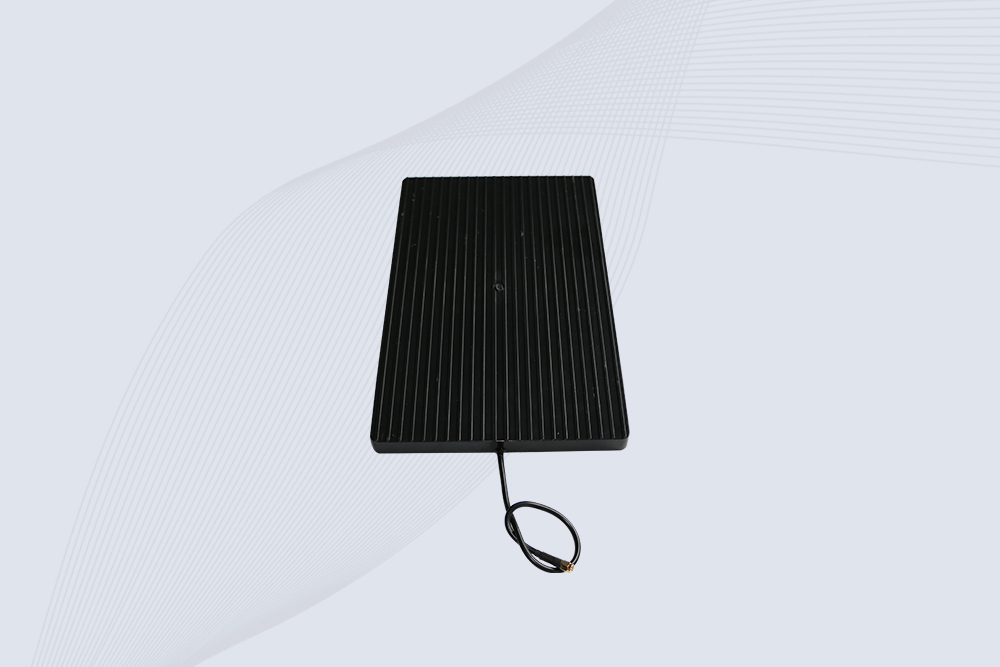
Cykeo’s CYKEO-A9B High Gain RFID Antenna delivers 15m+ read range with 9dBi amplification. Features IP54 rugged design, 840-960MHz bandwidth, and 80° beamwidth for warehouse/manufacturing RFID systems.

Cykeo’s enterprise-grade 8dbi Impinj RFID Antenna 10m+ read range with 840-960MHz tuning. Features IP65 housing, 1.4 VSWR, 35° beamwidth for retail/warehouse RFID systems.
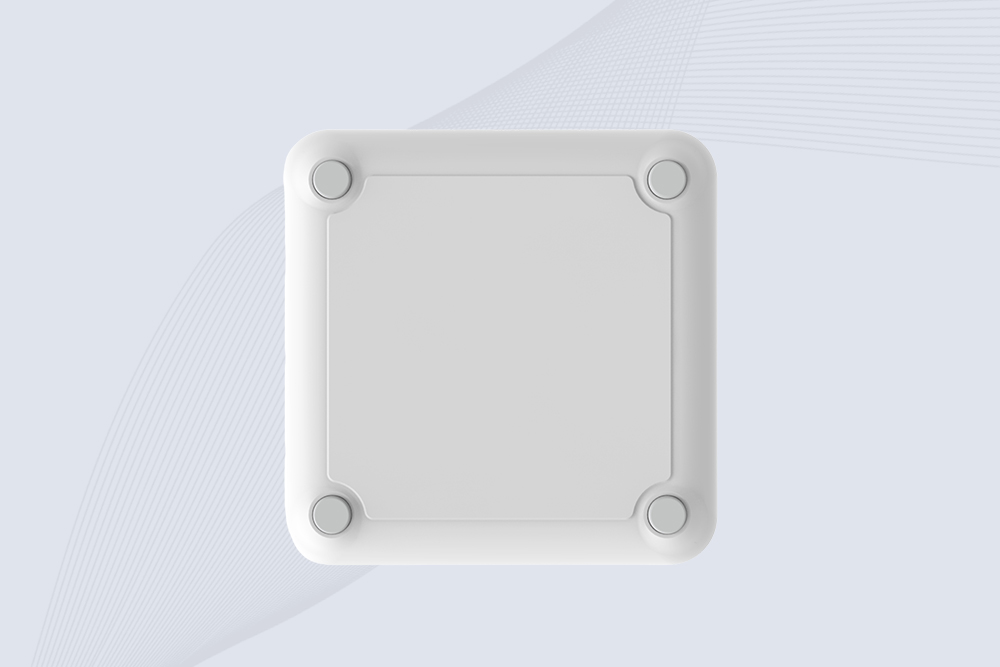
Cykeo CYKEO-A9 industrial UHF RFID antenna delivers 9dBi gain, 840-960MHz frequency range, and IP65 protection for warehouse/logistics/retail RFID systems. Features N-type connector and ≤1.3:1 VSWR.
CYKEO UHF RFID Antenna built for long-distance and industrial applications. This antenna rfid uhf delivers strong gain, outdoor durability, and reliable tag performance in warehouses, yards, and vehicle ID systems.
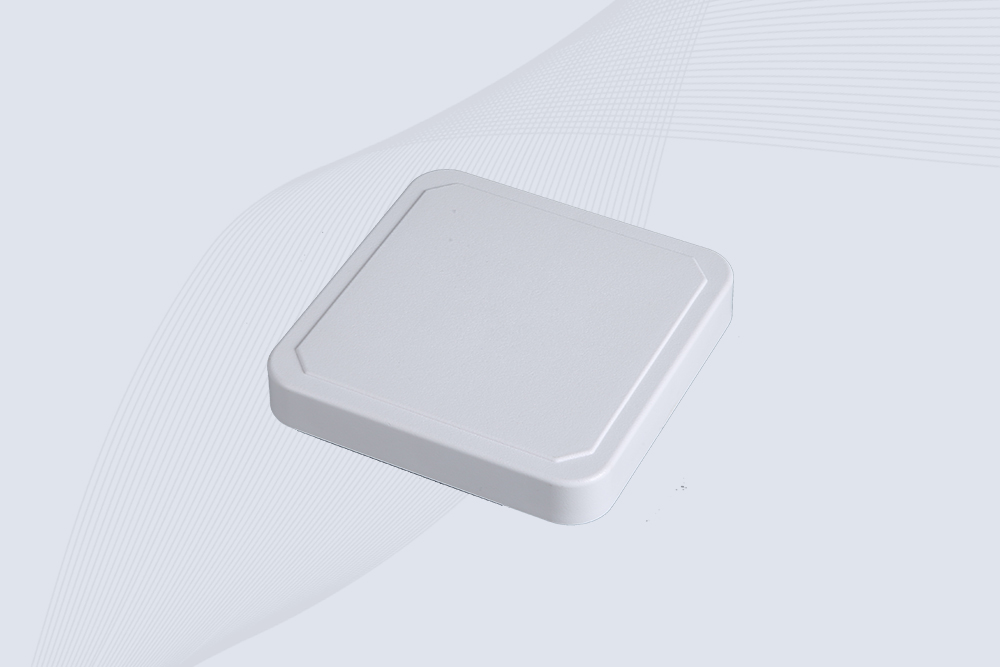
CYKEO Antenna RFID delivers reliable long-range UHF performance in warehouses, retail shelves, and cold-chain environments. This compact uhf rfid antenna provides stable reads with circular polarization and ultra-wide 840–960 MHz support, ideal for industrial tracking, smart shelves, and asset monitoring.
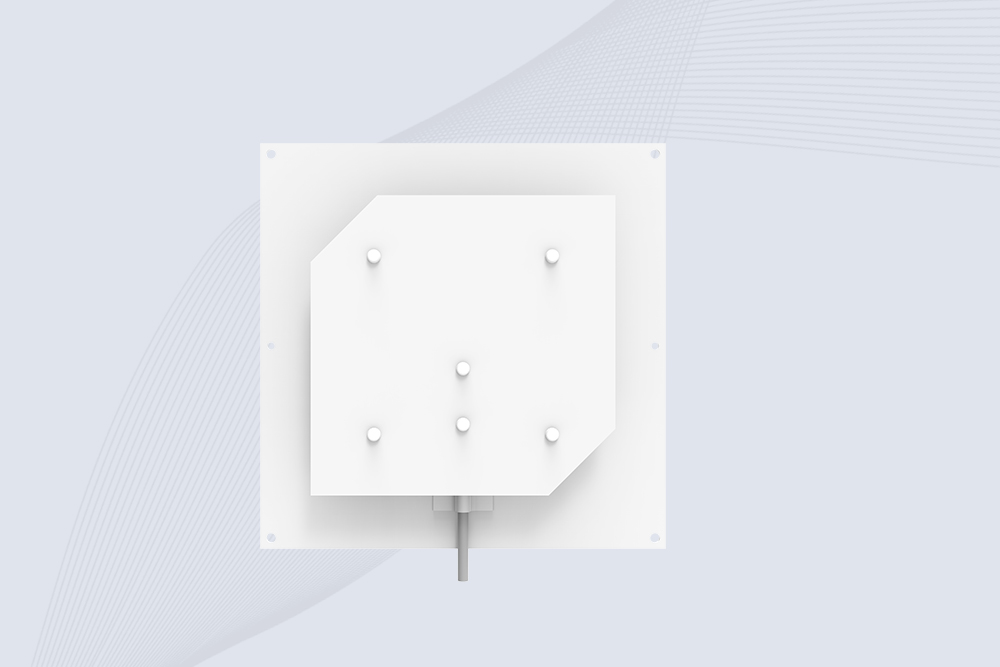
Cykeo’s CYKEO-C8 UHF RFID antennas delivers 8dBi gain, 840-960MHz full-band coverage, and IP65 ruggedness for manufacturing/warehouse RFID systems. Industrial RFID Antennas Features
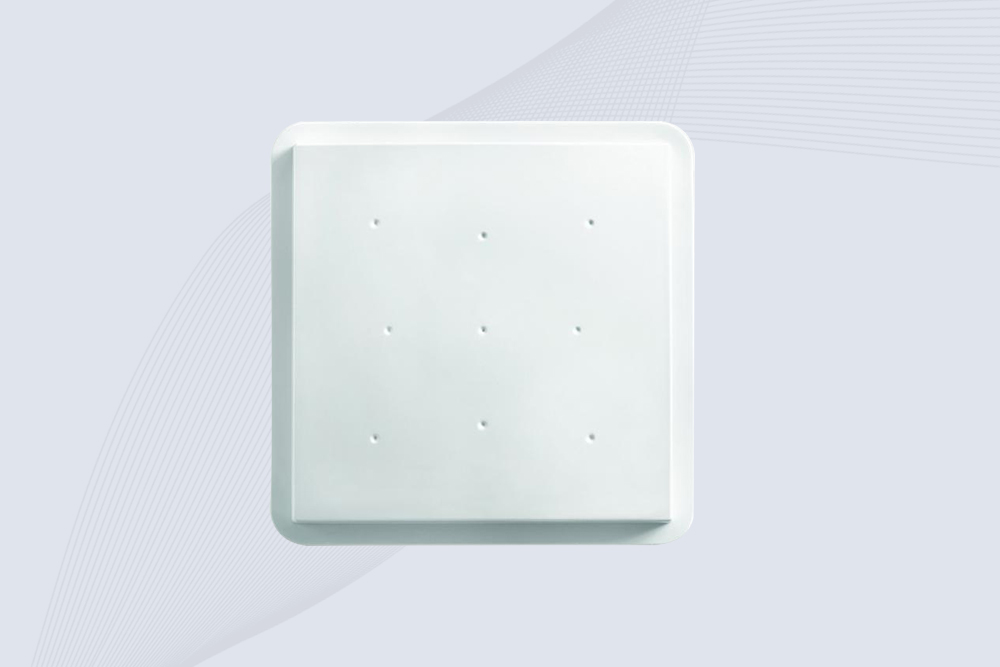
Cykeo’s 8dBi UHF RFID antenna and reader kit delivers 10m+ range, 840-960MHz broadband, and IP65 ruggedness for factories, warehouses, and logistics. ISO 18000-6C & EPC Gen2 certified.
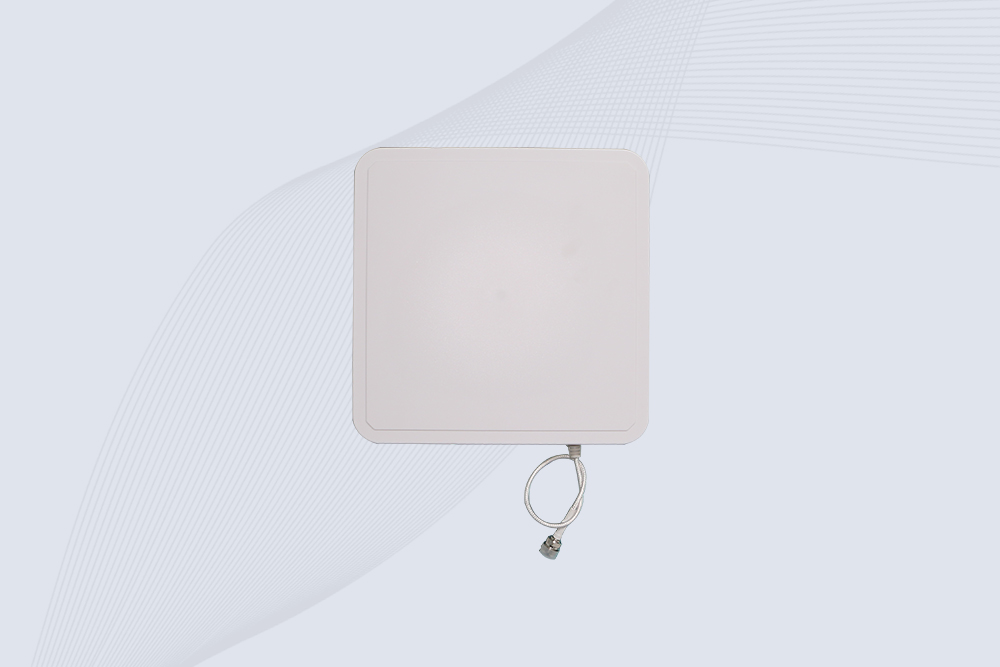
Cykeo CYKEO-A9A industrial UHF RFID reader and antenna kit delivers 10m range, 500 tags/sec, IP65 ruggedness for manufacturing/logistics. Supports EPC Gen2, ISO18000-6C.
Cykeo’s CYKEO-A12C UHF Large RFID Antenna delivers 12dBi gain, 840-960MHz global frequency, IP65 ruggedness for logistics/warehousing/automotive. 40° beamwidth ensures stable 15m+ tag reads.

CYKEO Near Field RFID Antenna provides precise 5–30 cm reading for shelves, cabinets, and workstations. This compact rfid shelf antenna delivers stable short-range performance around metal and clutter, ideal for pharmacies, libraries, and electronics sorting.
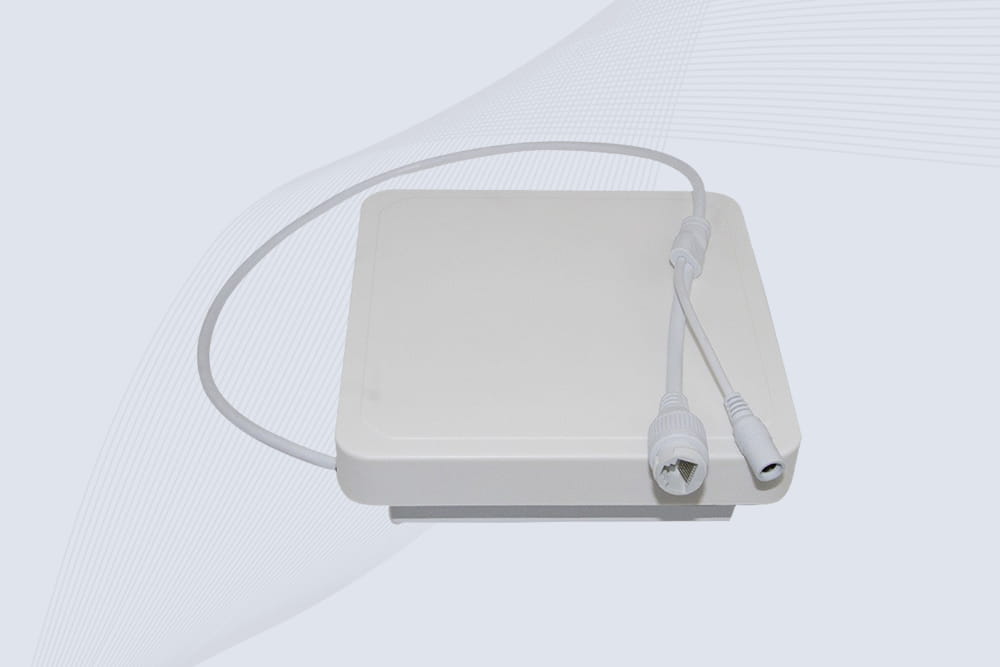
Cykeo’s industrial long range RFID reader delivers 20-meter scanning, 500+ tags/sec speed, and IP67 waterproof design for automated warehouses, logistics, and harsh environment applications.
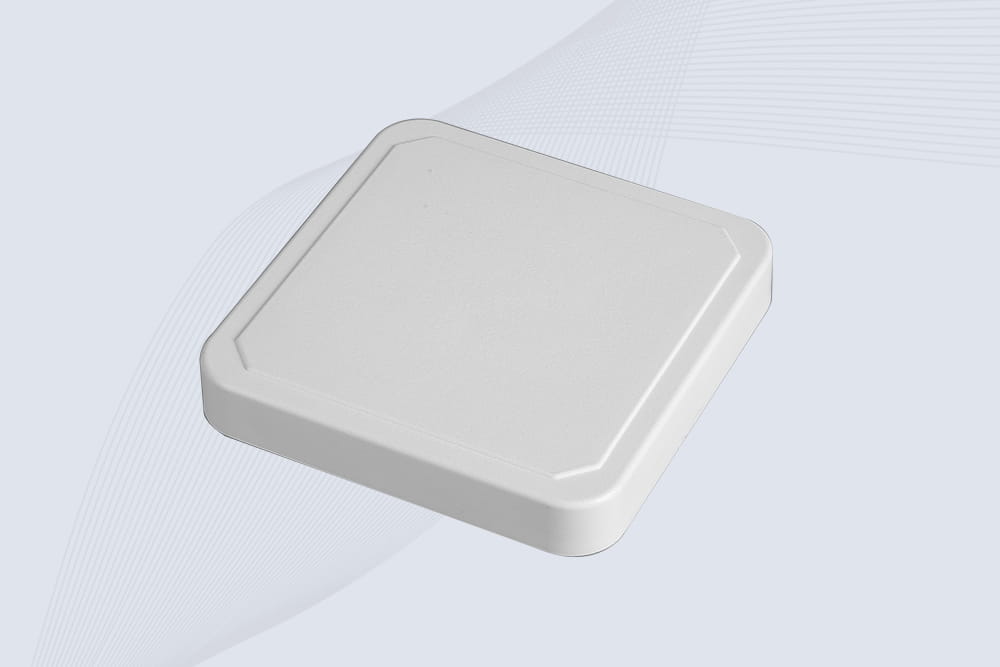
Cykeo’s CYKEO-RA6L industrial RFID long range reader features 20m read distance, 500 tags/sec speed, and IP67 protection. Ideal for warehouse automation, manufacturing WIP tracking, and smart logistics. Supports ISO 18000-6C/6B protocols.
CYKEO Long Range RFID Tag Reader built for outdoor and industrial operations. This Outdoor RFID Reader delivers 20m read distance, fast tag processing, and IP67 durability for wide-area tracking.
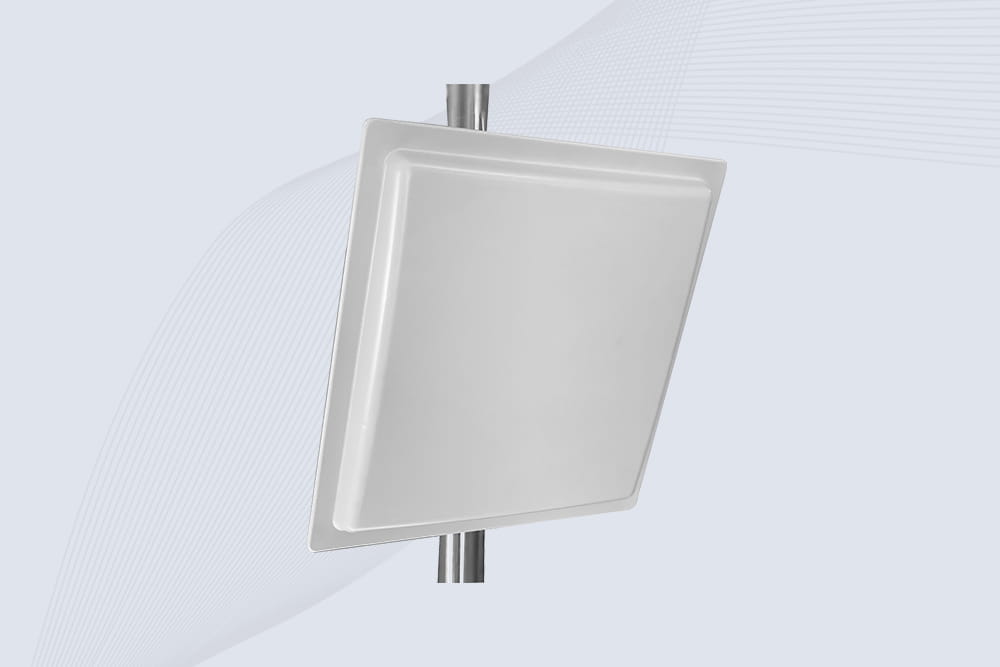
Cykeo CYKEO-RA12L industrial Long Range RFID Reader delivers 20m read range, 200+ tags/sec scanning, and IP67 protection for manufacturing/logistics applications. Supports ISO 18000-6C/GB protocols.
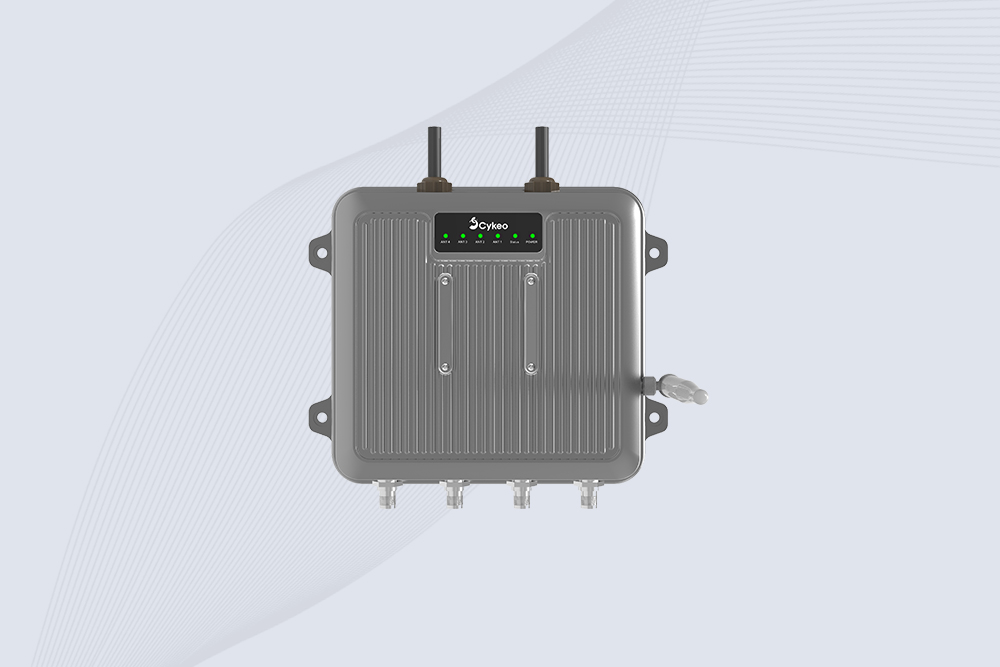
Cykeo CYKEO-C1 industrial Forklift RFID Reader features 20m read range, 600 tags/sec scanning, Impinj R2000 chipset, and IP67 rugged design. Ideal for warehouse logistics and manufacturing. Supports ISO 18000-6C/6B protocols.
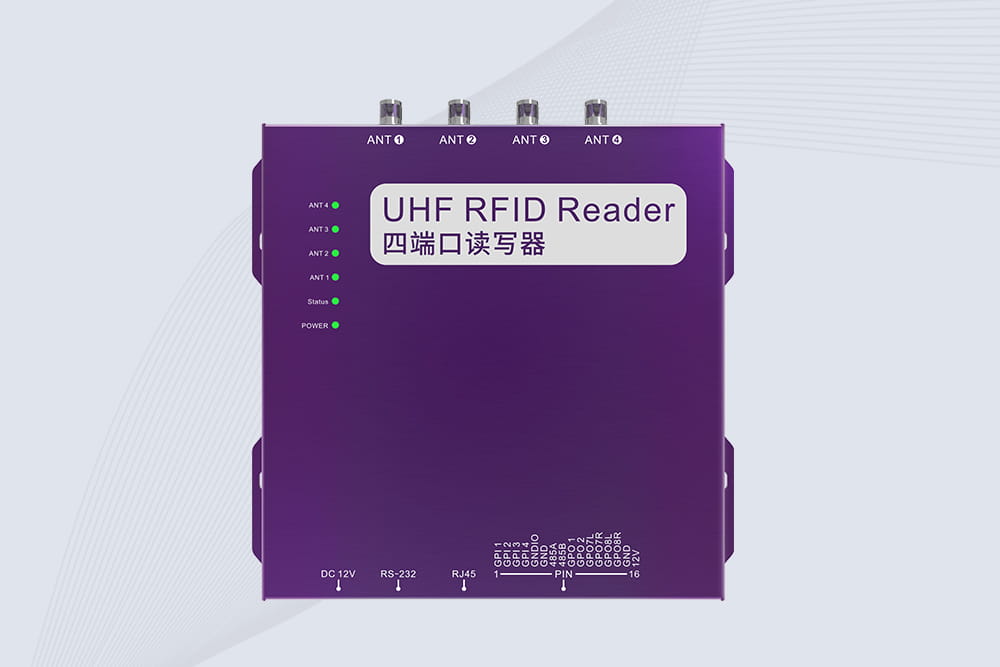
Cykeo CYKEO-R4 industrial UHF RFID Fixed Reader features 4 TNC ports, 400+ tags/sec speed, IP67 housing, and global frequency compliance for vehicle inspection, smart warehouse, and asset management systems.
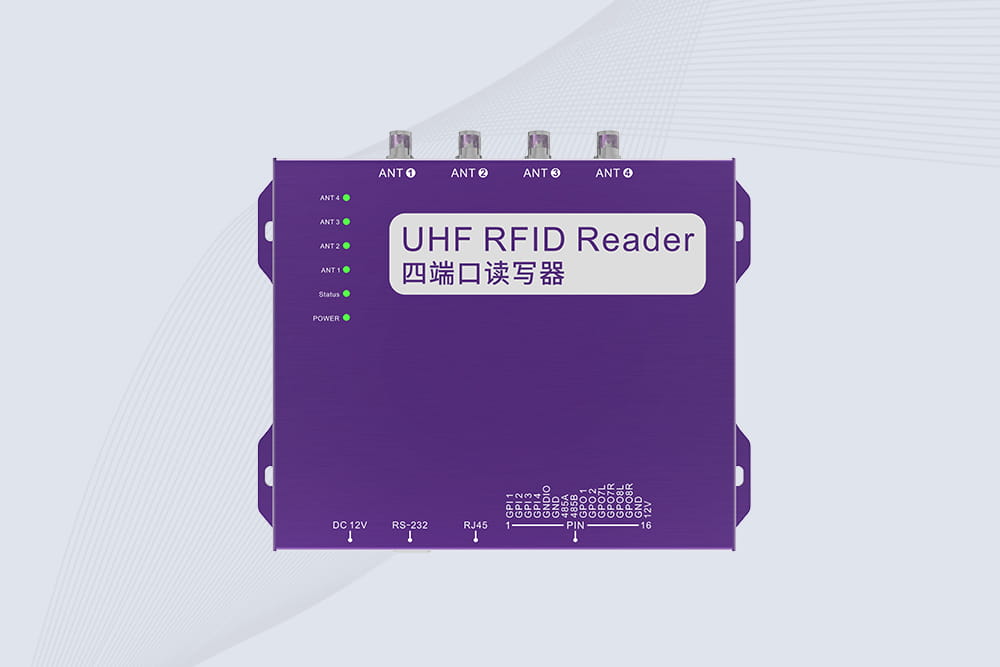
Cykeo’s CYKEO-R4L 4-port Fixed UHF RFID Reader delivers 400 tags/sec scanning, ISO 18000-6C compliance, and IP65 protection. Ideal for warehouse automation, manufacturing WIP tracking, and logistics management.
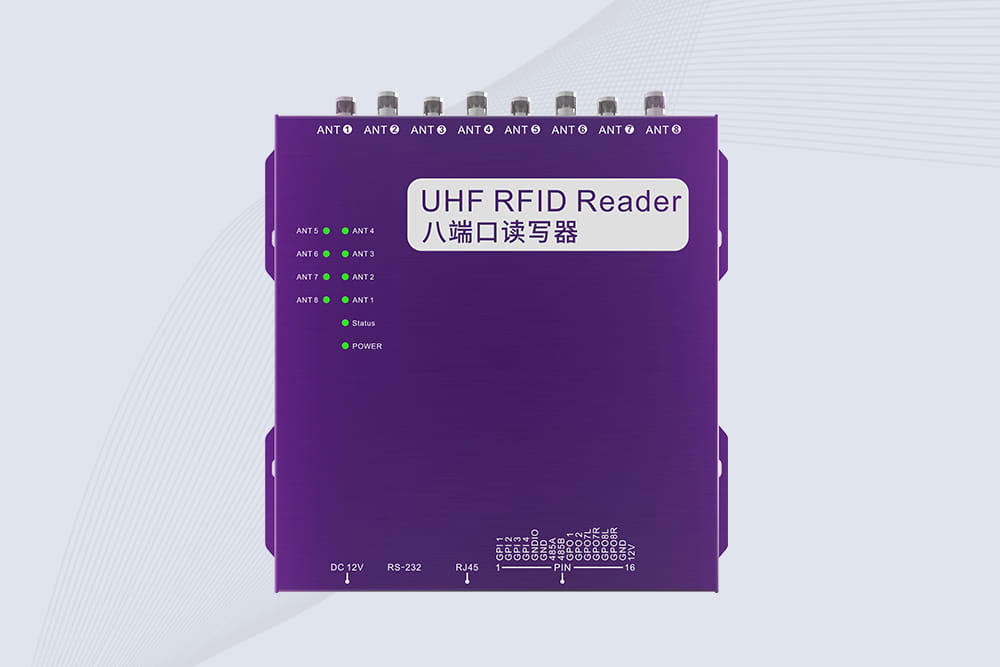
CYKEO CYKEO-R8L Fixed RFID Reader with 8-port UHF design, Impinj-based RF core and up to 20m read range. An industrial Fixed RFID Reader for vehicle inspection, warehouse portals, smart manufacturing lines and secure access checkpoints.
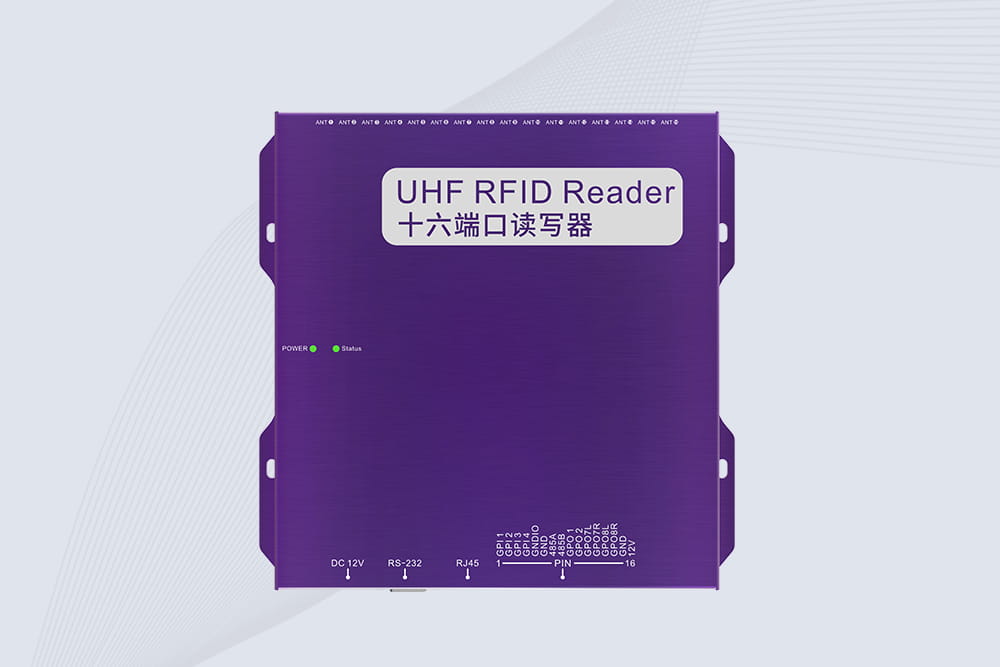
RFID Fixed Reader from CYKEO – the CYKEO-R16L 16-port UHF fixed reader for warehouses, smart cabinets, and production lines. Long-range, multi-tag reading, stable performance for 24/7 industrial use.
RFID Industry Writer | IoT & Asset Tracking Analyst
James writes about RFID technology, asset tracking, and the practical challenges of digital transformation across warehousing, retail, manufacturing, and logistics.
His work focuses on how RFID is applied in real-world operations—improving inventory visibility, automating workflows, and helping businesses manage assets with greater accuracy and efficiency.
He regularly covers topics including UHF RFID, smart cabinets, RFID portals, tool tracking, warehouse automation, and industrial IoT trends..

Learn how to link RFID tag IDs to data in a MySQL database for asset tracking, inventory management, and more. Follow step-by-step integration tips with Cykeo’s solutions.
More
Discover how fixed rfid reader systems enable automated tracking, real-time visibility, and high-efficiency asset management in warehouses and logistics.
More
how RFID vehicle entry systems improve efficiency, security, and control. Learn tag types, system architecture, and how software services add value.
More
RFID handheld terminals deliver mobile inventory control with real-time scanning. Discover applications, key features, and how they reduce operational costs.
More