 Cykeo RFID IoT Solution Products R&D Manufacturer
Can RFID Tags Work Inside Metal?
140Can RFID tags work inside metal? Learn why metal blocks RFID signals, when it still works, and how on-metal RFID tags solve industrial tracking challenges. OEM and wholesale guide included.
MoreAll RFID Product
Yes, many RFID tags can be reprogrammed, but only writable memory can be changed. For UHF RAIN RFID, EPC and User memory may be rewritten when unlocked and supported by the chip. Locked or permanently locked memory cannot normally be changed, so tag type, memory design, passwords, and reader capability matter.
In practical RFID work, reprogramming usually means writing new information into an existing tag rather than changing the physical RFID chip.
A typical UHF tag contains several logical memory areas. GS1 describes four main memory banks in RAIN RFID:
| Memory area | Typical purpose | Can it be rewritten? |
|---|---|---|
| Reserved | Access and kill passwords | Protected by security controls |
| EPC | Product or item identifier | Often writable before locking |
| TID | Chip/manufacturer identification | Generally not user-reprogrammable |
| User | Application-specific information | Writable on supported chips |
The distinction matters.
A retailer may encode a serialized EPC when merchandise enters inventory. A manufacturer may use User memory for additional production information. Once the EPC has been permanently locked, however, treating that tag as a reusable blank label is a mistake. GS1’s current Gen2 standard explicitly defines reversible locking and permanent locking mechanisms.
GS1 also notes that many simple RAIN RFID tags use only a 96-bit or 128-bit EPC, while higher-memory tags can provide substantially more storage, with some passive UHF tags supporting up to 8 KB.
That difference shows up immediately during deployment.
A low-cost garment label intended to identify one item may only need its EPC. An aerospace component, reusable container, or industrial asset can require considerably more application data.
A compatible RFID reader sends a write command through its RF interface. The tag receives the command, validates the required access conditions, and stores the new data in the selected writable memory location.
This is different from simply “scanning” a tag.
For EPC Gen2 RFID, the standard specifies a controlled write process. GS1’s Gen2 documentation requires the reader to obtain an RN16 before a write operation, and the tag will reject writes that do not meet the protocol conditions.
In a working environment, the process generally looks like this:
That final verification step is easy to overlook.
When we evaluate RFID encoding equipment, a successful “write” response from software is not enough by itself. The important check is whether the tag can be read again with the expected value immediately afterward. Antenna position, RF power, tag orientation, material interference, and reader configuration can all affect the field result.
The phrase “reprogrammable RFID tag” can be misleading.
An RFID tag may technically support rewriting while still being unusable for rewriting in a particular deployment because its memory has been locked.
GS1 explains that Gen2V2 tags support password-protected memory locking. EPC memory, for example, can be locked against overwriting while remaining readable. Permanent locking, or permalock, goes further: once asserted, the relevant memory cannot be unlocked.
Unlocked memory
New data can normally be written when the tag and reader support the required command.
Password-protected memory
Writing may still be possible, but the authorized access password is required.
Permanently locked memory
The protected memory cannot be returned to a writable state.
This is why a reader’s advertised write capability does not automatically mean every RFID tag can be reprogrammed.
Consider a reusable plastic tote moving between a warehouse and manufacturing plant.
The first deployment may encode:
When the tote returns, the application could update selected User-memory fields or assign another operational value—provided the relevant memory remains writable.
By contrast, a disposable retail tag attached to a sold garment may have its EPC permanently locked as part of the supply-chain process. Reprogramming it after sale is not necessarily part of the intended workflow.
RFID Journal similarly distinguishes writable EPC/User memory from TID information and explains that EPC or User memory may be left unlocked, temporarily locked, or permanently locked depending on the tag and application.
That is one of the practical lessons often missed in laboratory demonstrations: tag programmability is an application decision as much as a chip specification.

For an engineering team, the more useful question is not simply “Can this RFID tag be rewritten?”
It is:
“Which memory can be rewritten, under what security condition, and how will the system verify the result?”
Before selecting tags, check:
For Cykeo-type UHF deployment scenarios, this last point is particularly relevant when the reader is used as a desktop issuing or encoding station. A compact reader with controlled near-field coverage can make tag writing much more predictable than using a long-range reader in an open workspace.
The goal is not maximum RF range. For tag encoding, excessive read range can actually create operational problems by bringing unintended tags into the write field.
No. The answer depends heavily on the tag architecture.
Some RFID tags are designed for repeated writing. Others are intended to receive an identifier once and then be locked. TID information is normally associated with the chip itself rather than application data, while EPC and User memory are the areas most commonly considered for operational encoding.
| Question | Practical answer |
|---|---|
| Can an RFID tag store new data? | Yes, if the relevant memory is writable |
| Can EPC data be changed? | Often yes, before it is locked |
| Can User memory be changed? | Yes, on tags that provide writable User memory |
| Can TID normally be rewritten? | No; it is associated with the tag IC |
| Can a locked EPC be rewritten? | Only if the lock is reversible and authorized |
| Can permalocked memory be rewritten? | No |
| Does every RFID reader support writing? | No; reader and software capabilities vary |
The safest workflow is to treat tag encoding as a controlled manufacturing or inventory operation, not as an ordinary read operation.
For new tags, encode the identifier, verify it, then apply the appropriate security policy. For reusable assets, leave only the required operational memory writable and define who is allowed to change it.
GS1’s standards make this separation explicit: EPC identifies the tagged object, while User memory can hold additional application information, and memory-control mechanisms determine whether those values remain writable.
For Cykeo RFID applications, this distinction is particularly useful in tag issuing, garment labeling, reusable asset management, warehouse operations, and desktop RFID encoding. A controlled writing zone, appropriate reader power, software-side filtering, and read-after-write verification usually matter more than simply choosing a reader with the highest advertised RF output.
So, can you reprogram RFID tags? Yes—but only when the tag’s memory architecture, lock state, protocol, reader, and application permissions all allow it.
For applications that repeatedly issue, update, or verify RFID tags, the reader is not simply a device that “writes data.” The useful combination is controlled RF energy + reliable tag selection + writing + filtering + verification.
This is where a desktop RFID encoder such as the Cykeo platform becomes practical.
A long-range UHF reader is excellent when the objective is inventory or asset identification across a large area. It is not automatically the best choice for desktop encoding.
When an operator places one tag beside a computer, the writing field should be controlled.
Cykeo’s desktop RFID writing platform uses a near-field antenna, with the working range designed around:
That shorter write zone is important. If ten tags are sitting on the desk and only one should be rewritten, uncontrolled RF coverage can create a very unpleasant problem: the wrong tag may receive the new EPC.
A practical RFID encoding workstation can be divided into five layers.
RFID Tag ↓Near-Field Antenna ↓RFID Reader / Writer ↓SDK / API / Encoding Software ↓ERP / WMS / POS / Asset Database
The reader handles the RF transaction.
The application decides what should be written.
That distinction is critical.
For example, a garment POS system might receive an item number from the sales application, retrieve the corresponding RFID record, encode the EPC, read it back, and then associate the tag with the transaction.
| Stage | System action |
|---|---|
| 1 | Operator places RFID tag in writing area |
| 2 | Reader detects tag |
| 3 | Software reads EPC/TID |
| 4 | Application validates tag identity |
| 5 | New EPC/User data is generated |
| 6 | Reader writes selected memory |
| 7 | Reader reads the tag again |
| 8 | Software compares expected and actual data |
| 9 | Tag is marked successful or failed |
| 10 | Result is stored in business system |
GS1 describes User Memory as an area for application-specific information, while EPC memory is generally used for the identifier associated with the tagged object.
That separation makes the software layer just as important as the RF hardware.
One of the easiest mistakes in RFID deployment is treating a software acknowledgment as proof that the tag was correctly programmed.
It is not enough.
A better sequence is:
Write → Read → Compare → Record
If the expected EPC is:
3034257A89001234
the system should immediately read the tag and confirm that the returned value is exactly the same.
For high-volume issuing, the application can also compare:
GS1’s current Gen2 documentation defines explicit write commands and memory addressing, while the GS1 User Memory Encoder converts application data into a format suitable for programming into RFID User Memory.
The practical difference becomes obvious when an organization needs to change information after deployment.
GS1 notes that some RAIN RFID User Memory can be rewritten in the field, whereas a barcode generally has to be replaced when its encoded value changes.
| Feature | Reprogrammable RFID | Barcode |
|---|---|---|
| Change stored identifier | Possible on writable tags | Requires new label |
| Contact required | No | No |
| Line of sight | Usually not required | Required |
| Batch identification | Yes | Usually individual scanning |
| User-memory storage | Available on suitable tags | Not equivalent |
| Password protection | Supported by suitable Gen2 tags | Not inherent |
| Physical replacement after data change | Often unnecessary | Usually required |
This does not mean RFID is automatically better.
For a simple carton that only needs a printed SKU, a barcode can remain the cheaper and simpler choice.
RFID becomes more interesting when the business needs repeated identification, automated capture, serialized identity, or writable data.
A garment manufacturer may encode tags before products enter distribution.
At the store, the same RFID identity can support:
For a reusable tag or returnable packaging workflow, writable memory can also support changing operational information without physically replacing the tag.
GS1 specifically identifies retail, manufacturing and supply-chain applications for RAIN RFID, while its current EPC Tag Data Standard supports EPC and additional AIDC data structures.
The encoding station should not behave like a warehouse reader.
A warehouse reader needs coverage.
A desktop encoder needs precision.
That is why a controlled near-field antenna can be more useful than simply increasing RF output.
Consider a reusable transport container.
The physical container remains the same for years, but its operational information changes:
A writable RFID tag can carry selected application information while the enterprise database remains the primary system of record.
GS1 notes that RAIN RFID User Memory can hold information such as location, production information, batch information and traceability data.
This is a much better fit for reprogramming than a disposable product label.
In manufacturing, RFID tags may be attached to:
A tag can begin with an initial identity and later receive application-specific information.
For high-value assets, however, I would not recommend putting the entire business history onto the tag.
Keep the authoritative history in the database.
Use RFID memory for the information that genuinely benefits from being physically carried with the asset.
That reduces memory requirements and makes system migration easier.
Reprogramming without access control is a bad deployment model.
RAIN RFID Gen2 supports password-based memory protection. GS1 explains that EPC memory can be locked against overwriting while remaining readable, and permanent locking can make the setting irreversible.
Before deployment
During operation
When permanent identification is required
This last step deserves caution.
Permalock is not an “undo later” feature.
GS1’s Gen2 specification states that once permalock is asserted, the corresponding permalock bit cannot be deasserted.

A reliable deployment normally starts with the tag, not the reader.
Decide whether the application requires:
GS1 states that simple RAIN RFID tags commonly use a 96-bit or 128-bit EPC, while some higher-memory passive UHF tags can provide up to 8 KB.
Do not buy high-memory tags simply because the specification looks impressive.
Buy enough memory for the actual application.
Determine:
The application should not stop at “Write Successful.”
Use:
Write → Read Back → Compare → Log
Test the tag on the actual:
RFID performance can change dramatically when the tag is attached to the final material rather than sitting loose on a laboratory desk.
Yes. Compatible RFID tags can be rewritten when the relevant memory is still writable and not permanently locked.
Often yes. EPC memory can be rewritten on suitable tags before it is locked or permalocked.
Yes, when the tag provides User Memory and that memory remains writable. GS1 specifically provides tools for encoding Gen2 User Memory.
Generally no. TID identifies characteristics of the RFID chip and may contain a manufacturer-programmed serial number. GS1 states that TID memory is generally not intended to be written after manufacture.
It requires a reader/writer that supports the appropriate RFID protocol and write commands. A read-only RFID reader cannot perform normal tag programming.
No. Once the relevant memory has been permanently locked, it cannot normally be returned to a writable state.
Yes, particularly for tag issuing, reusable assets, product identification, controlled encoding, and applications where selected tag data needs to change without replacing the physical label.
Cykeo’s desktop RFID writing approach is suited to situations where controlled encoding matters more than maximum reading distance.
The combination of:
makes the platform appropriate for RFID tag issuing, desktop encoding, garment operations, reusable asset identification and small-scale RFID settlement workflows.
The engineering priority is straightforward: write the intended tag, verify it immediately, and keep the security policy consistent with the business process.
That is the difference between an RFID reader that can technically write data and an RFID encoding system that can be trusted in daily operation.
Can you reprogram RFID tags? Yes—but successful reprogramming depends on writable memory, lock status, reader capability, RF control, and verification. For applications built around those requirements, Cykeo provides a practical foundation for controlled RFID tag encoding.
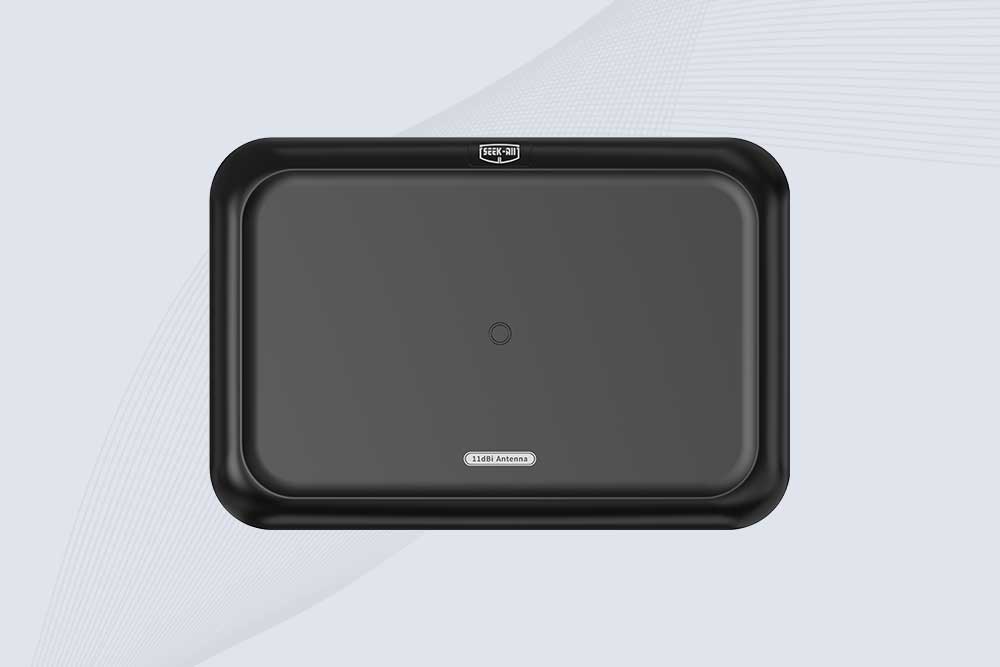
SSD-A11 UHF RFID antenna features 840–960 MHz adjustable frequency, ≥10.5 dBi gain, circular polarization and 50Ω impedance for fixed RFID systems.
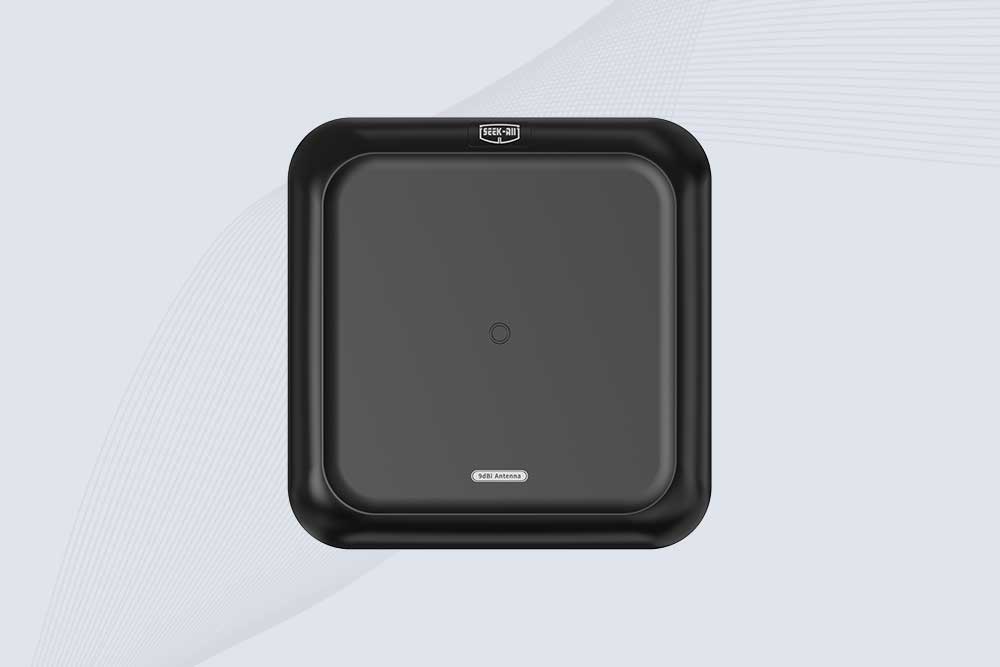
SSD-A09 is a 9 dBi UHF RFID antenna with 840–960 MHz adjustable frequency, circular polarization, 50Ω impedance and directional 60° × 60° coverage.
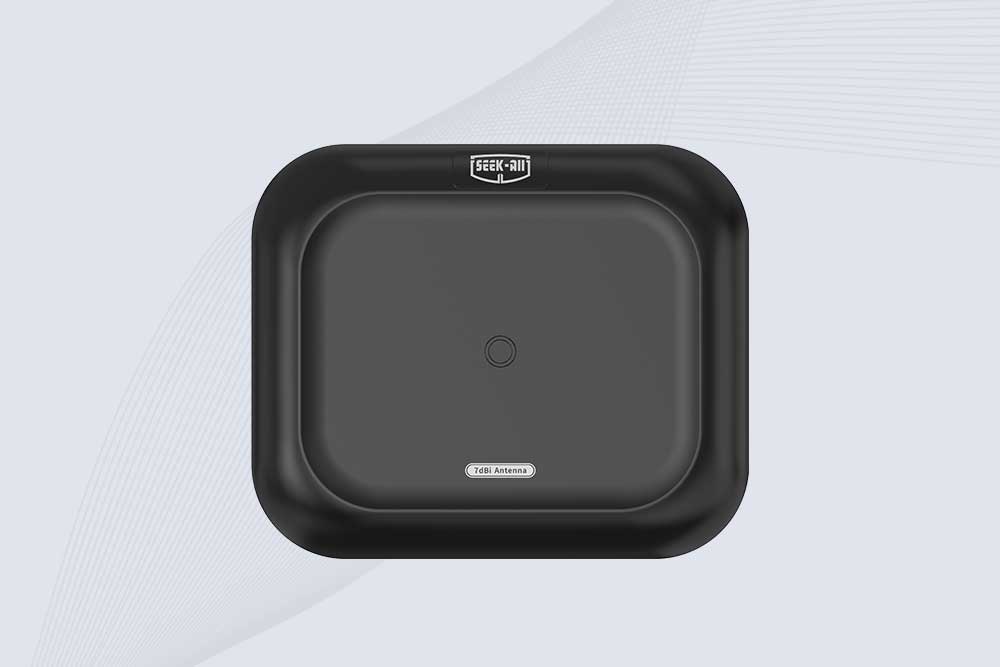
Explore the SSD-A07 UHF RFID antenna with 7 dBi gain, circular polarization, adjustable 840–960 MHz frequency, and 60°/75° beamwidth for stable RFID read/write performance.

SSD-A06 UHF RFID antenna with circular polarization, adjustable 840–960 MHz frequency, ≥4.5 dBi gain, and a compact directional design for RFID systems.

Discover SSD-D4AL, a USB-HID UHF RFID reader with 4/8/16 antenna options, Impinj E710/X3M1 chipset, plug-and-play USB power, and OEM customization.
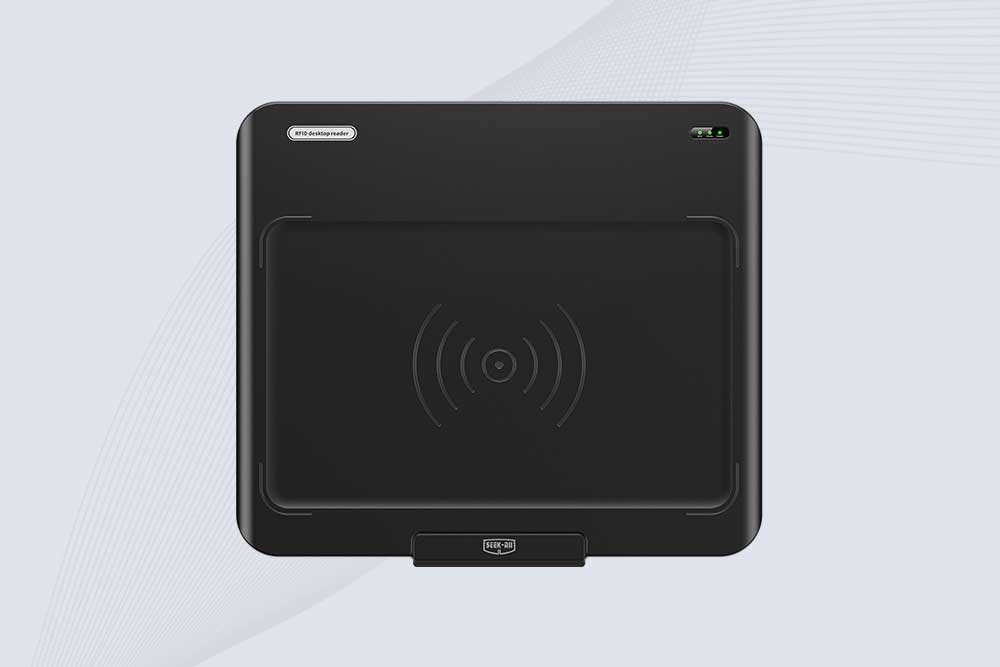
SSD-D3AL is a USB-HID UHF RFID reader with 0–30 cm reading, 0–15 cm writing, over 600 tags/s recognition, USB plug-and-play operation and OEM Logo customization.
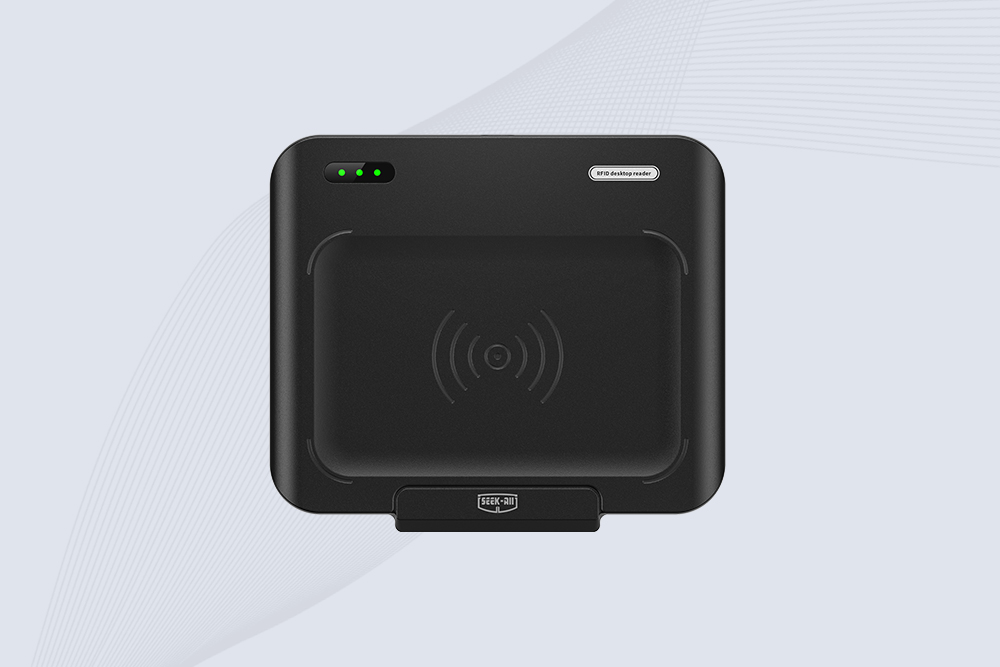
SSD-D1AL is a compact USB UHF RFID reader with Impinj E710/X3M1 chipset, USB-HID, 600+ tags/s recognition, 4/8/16 antenna support and plug-and-play USB power.
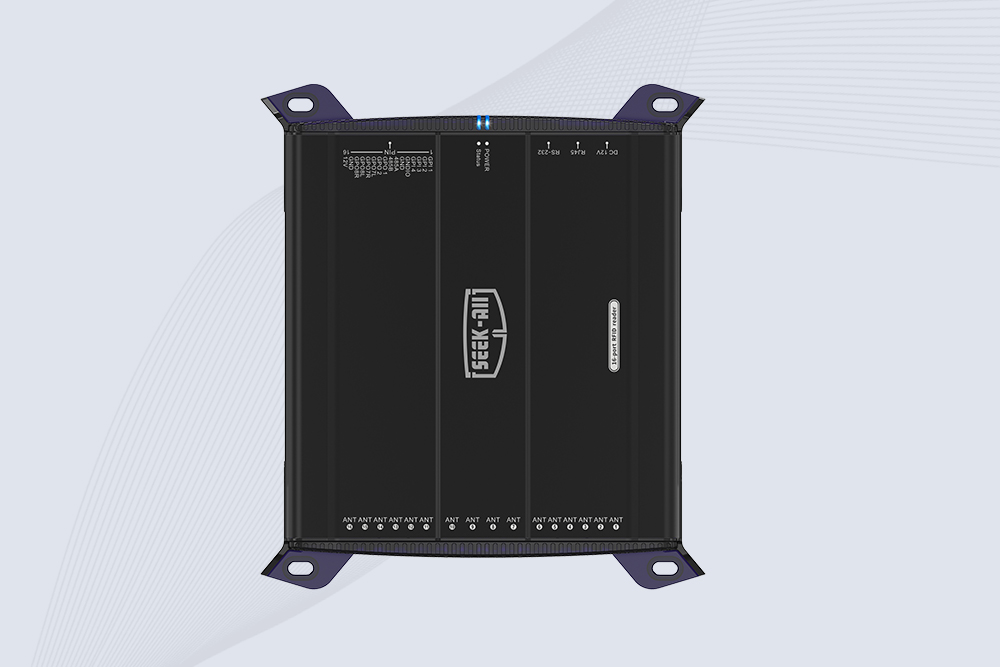
SSD-R16L Multi-Channel RFID Infrastructure for Automated Inventory Management ✔️ 16-Port High-Density RFID Reading Equipped with 16 SMA antenna ports, SSD-R16L supports multi-antenna deployment for warehouses, retail stores, logistics, production lines, and large-area RFID identification. ✔️ High-Speed & Long-Range Performance With up to 33…
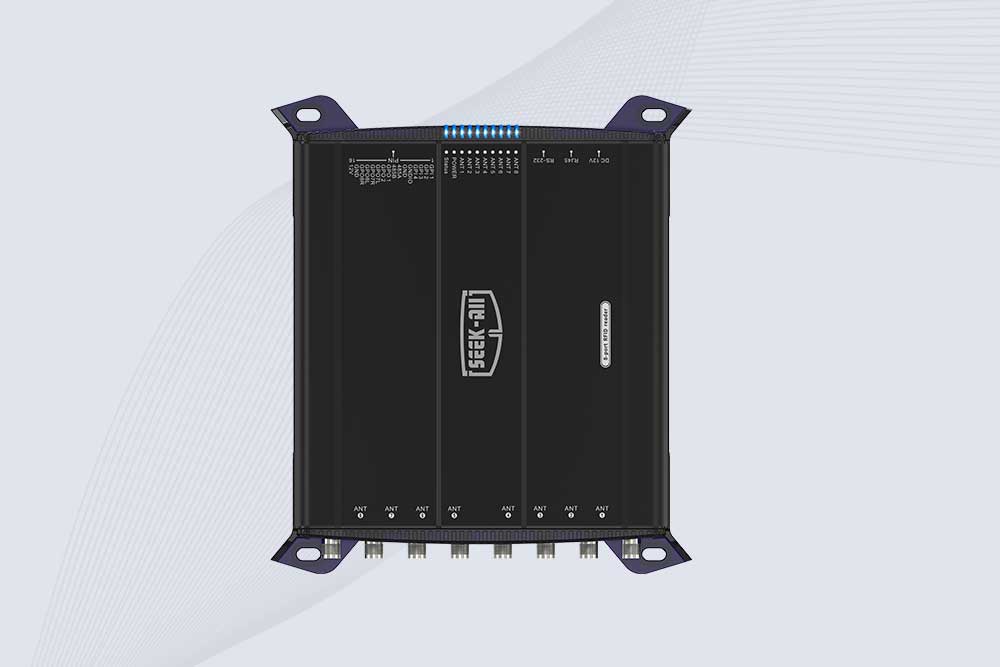
SSD-R8L 8-port UHF RFID reader with 33dBm output, up to 20m reading range and 600+ tags/s recognition. Ideal for warehouse, logistics, retail and asset tracking.
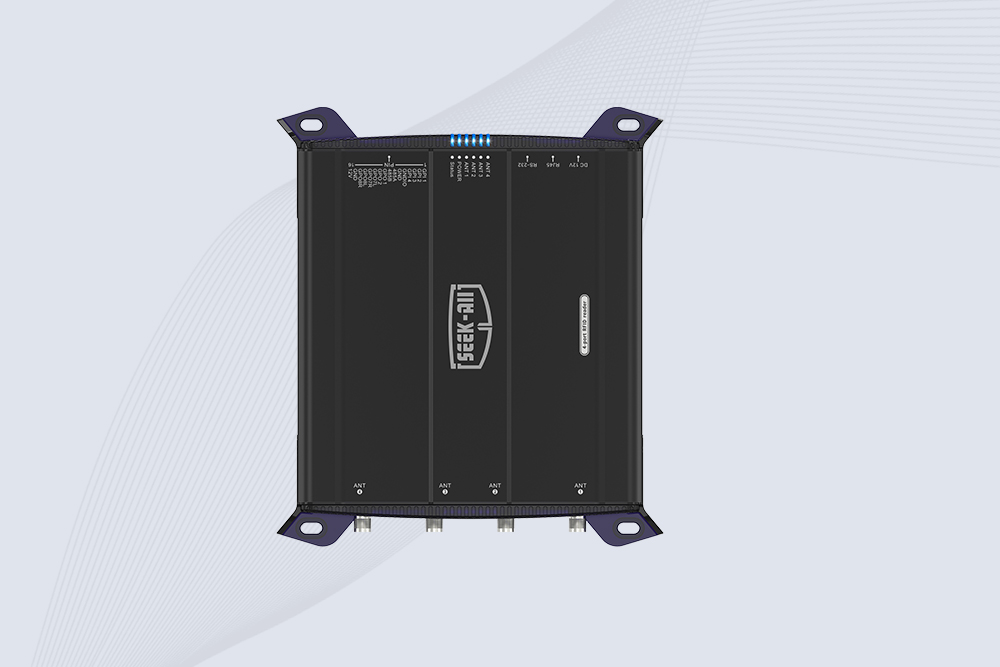
SSD-R4L is a 4-port UHF RFID fixed reader with 33dBm output power, up to 20m reading range, EPC C1G2 support and 600+ tags/s reading speed.

CYKEO CYKEO-D1LA USB RFID Reader is a compact desktop solution with near-field control for precise tag reading and encoding. Powered by USB, supporting ISO 18000-6C, and built for stable batch writing, this usb rfid tag reader fits retail, libraries, offices, and controlled RFID encoding tasks.
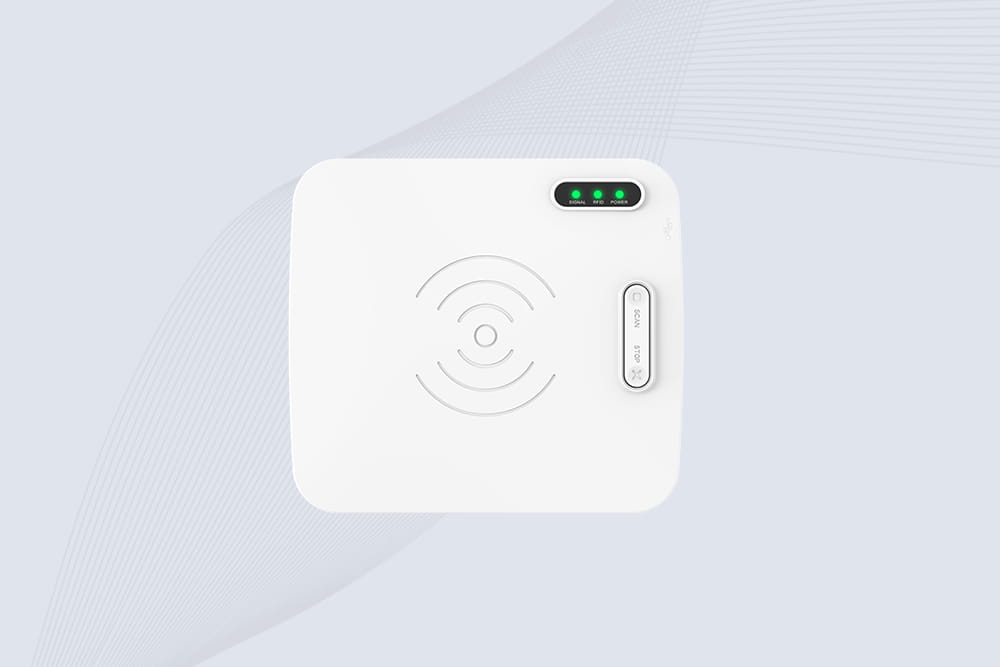
CYKEO CYKEO-D1L RFID scanner USB is a compact desktop UHF RFID scanner designed for short-range tag writing and verification. This usb rfid scanner supports batch encoding, stable 0–26 dBm output, and works across Windows, Linux, and Android systems.
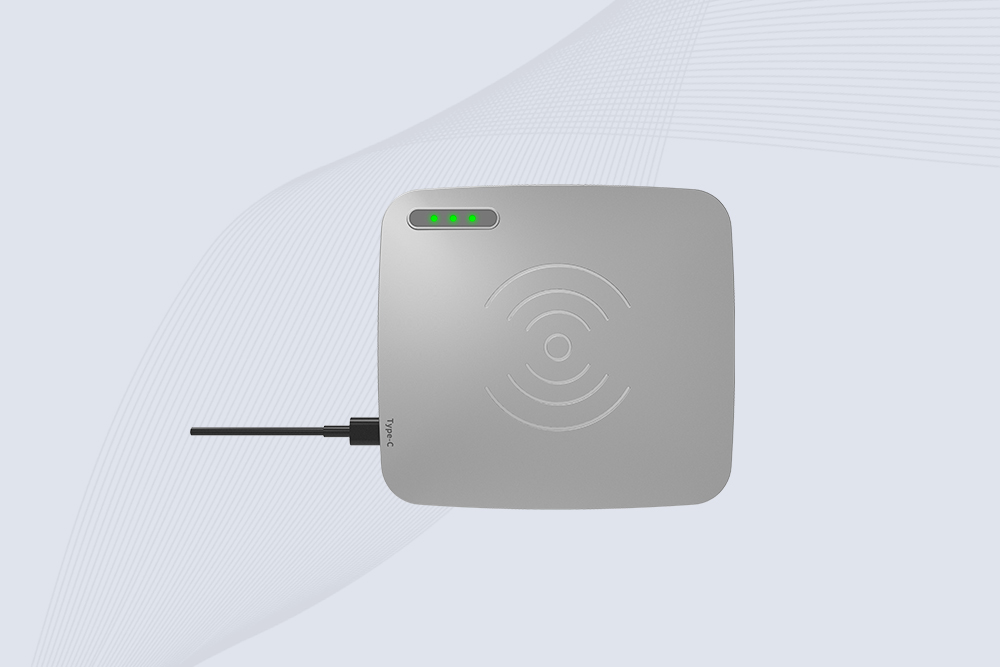
CYKEO CYKEO-D1C USB RFID Card Reader is a near-field UHF desktop writer designed for secure, short-range tag encoding. With USB-C connectivity and stable 26 dBm output, this rfid reader usb c is ideal for badge issuance, label encoding, and controlled desktop RFID workflows.
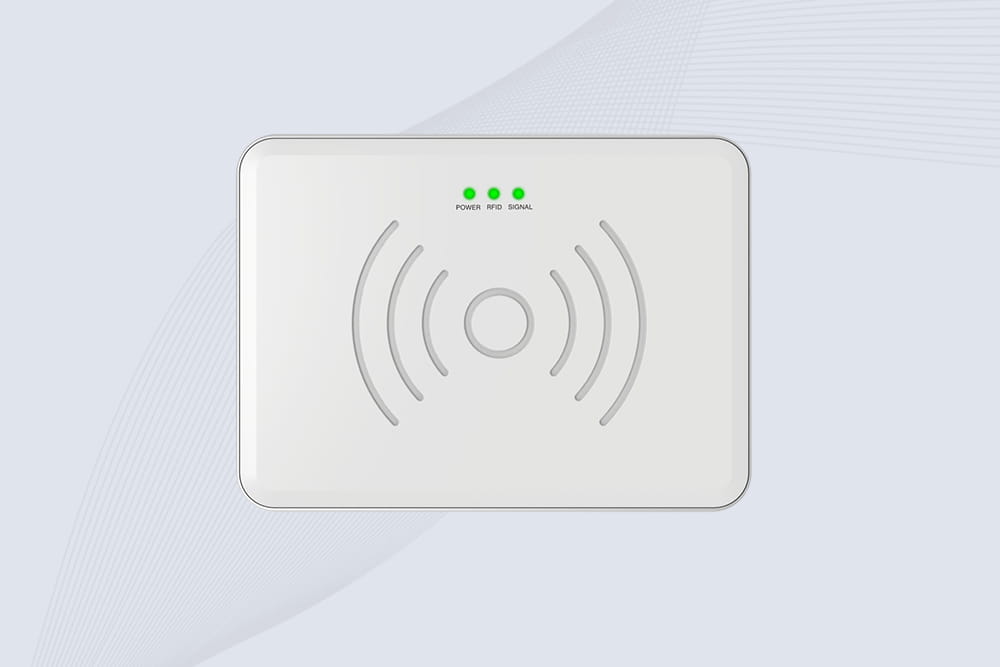
CYKEO CYKEO-D2L RFID Reader USB is a compact desktop encoder built on the Impinj R500 chip. With near-field control and stable USB power, this usb rfid card reader delivers precise tag writing for offices, retail counters, and small-scale logistics encoding tasks.
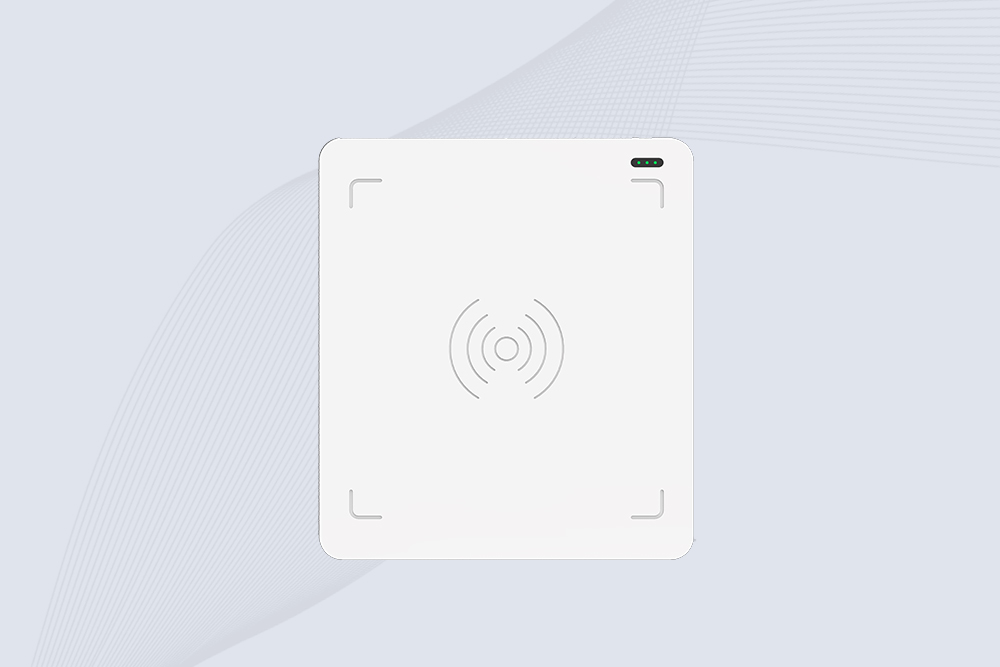
CYKEO CYKEO-D3L USB RFID Tag Reader delivers stable UHF tag reading and writing for daily desktop and light industrial tasks. Designed for controlled short-range operation, this USB RFID Tag Reader works reliably with rfid tag and reader systems in libraries, tool tracking, and inventory registration.
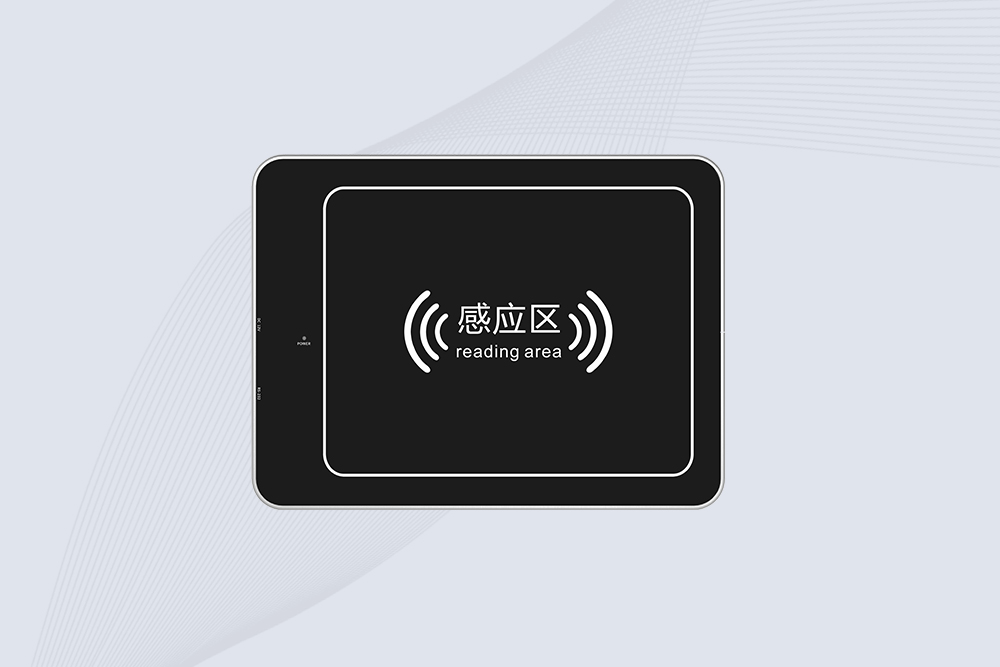
The CYKEO CYKEO-D4L UHF RFID Tag Reader is a stable Desktop RFID Reader designed for accurate tag registration, borrowing, and return workflows. Built with the Impinj R2000 chip, this UHF RFID Tag Reader delivers controlled short-range reads for libraries, asset tracking, and inventory management environments.
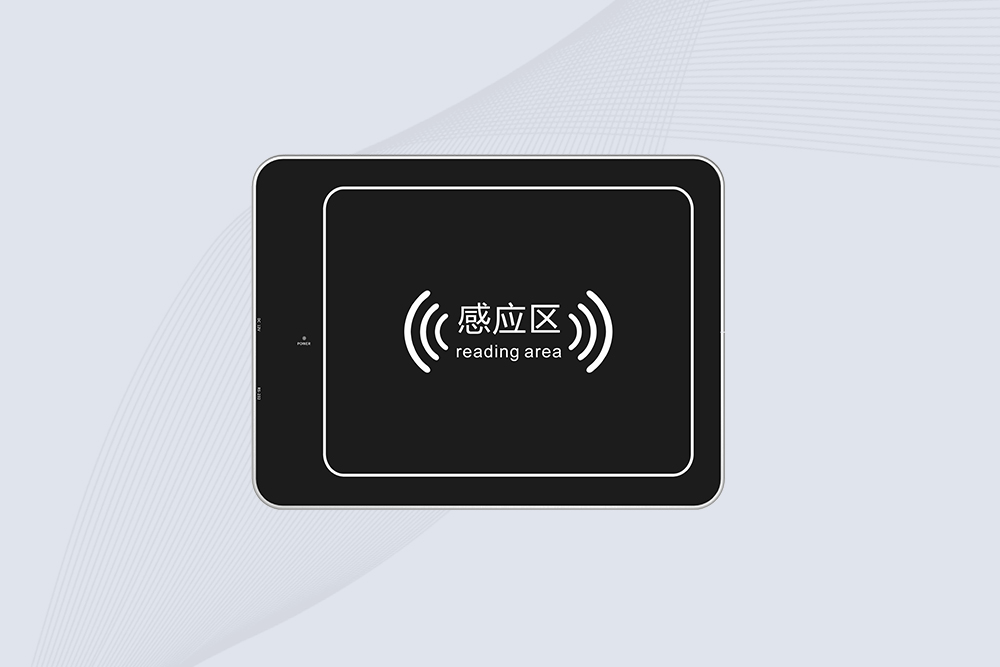
The CYKEO CYKEO-D5L Desktop RFID Card Reader is a stable UHF RFID Card Reader designed for controlled short-range reading and writing. Built for libraries, tool rooms, and asset desks, this UHF RFID Card Reader supports dense tag handling, secure data processing, and easy USB integration.
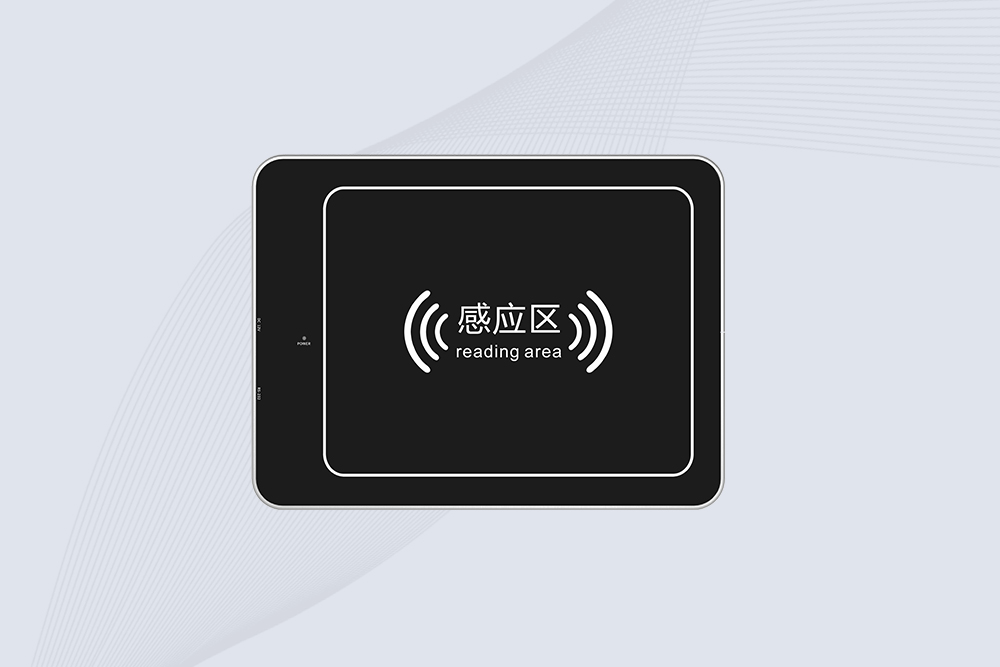
The CYKEO CYKEO-D6L RFID Reader Writer is a heavy-duty Desktop RFID Reader designed for short-range, high-accuracy tag programming. Built for libraries, labs, and asset desks, this RFID Reader Writer supports batch processing, stable 33dBm output, and seamless integration with existing management systems.
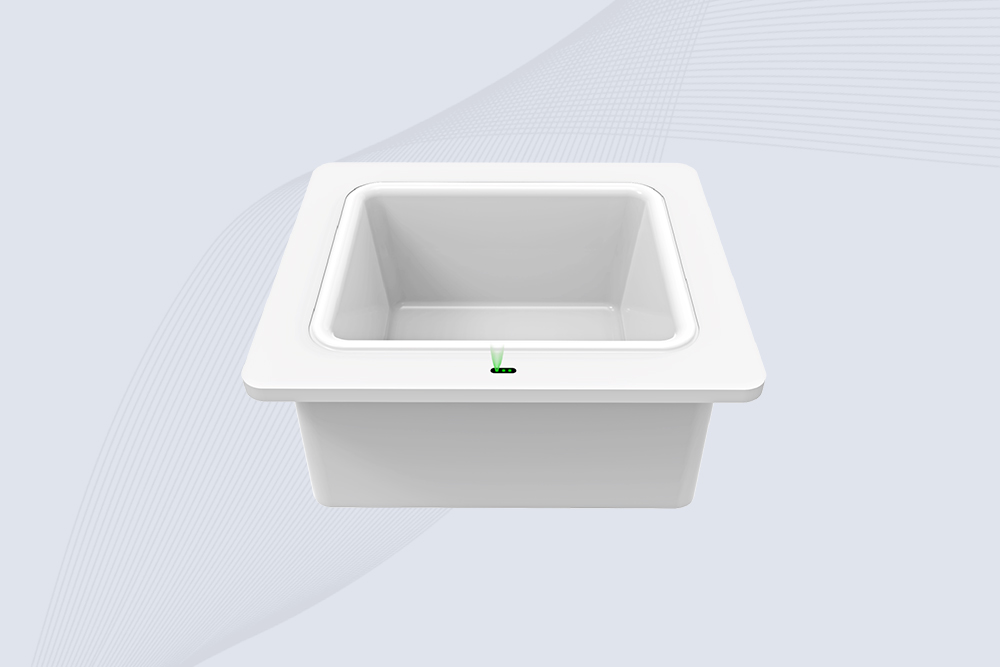
Cykeo CYKEO-D8B UHF RFID tunnel and RFID Desktop Reader features 30+ items batch reading,
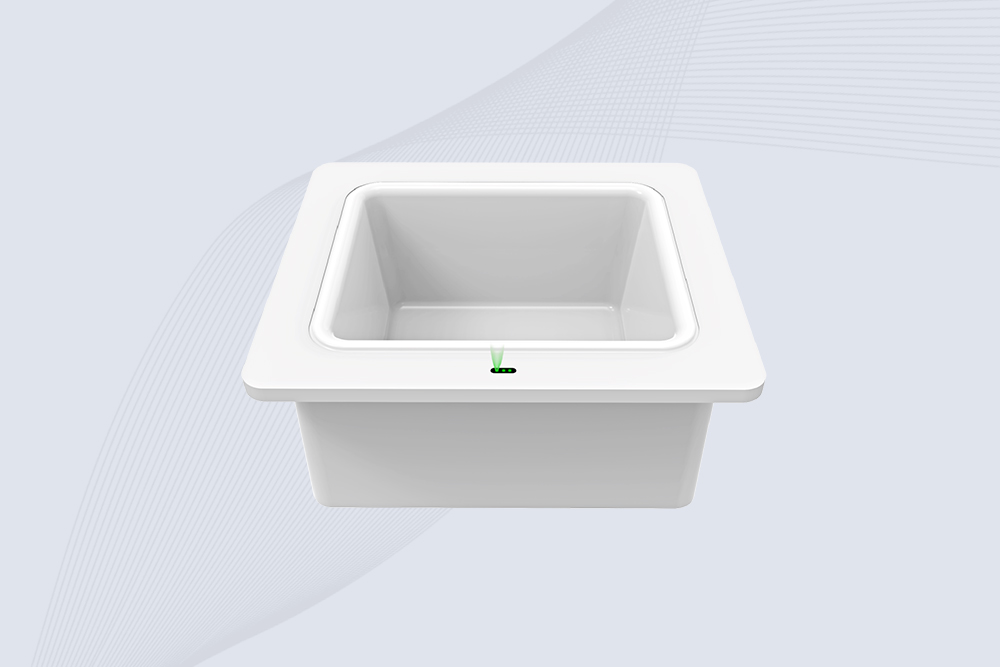
Cykeo CYKEO-D8A embedded RFID badge reader offers 30+ tags/sec scanning, 20cm anti-crosstalk precision, and DC 12V power for unmanned stores, warehouses, and smart inventory systems.
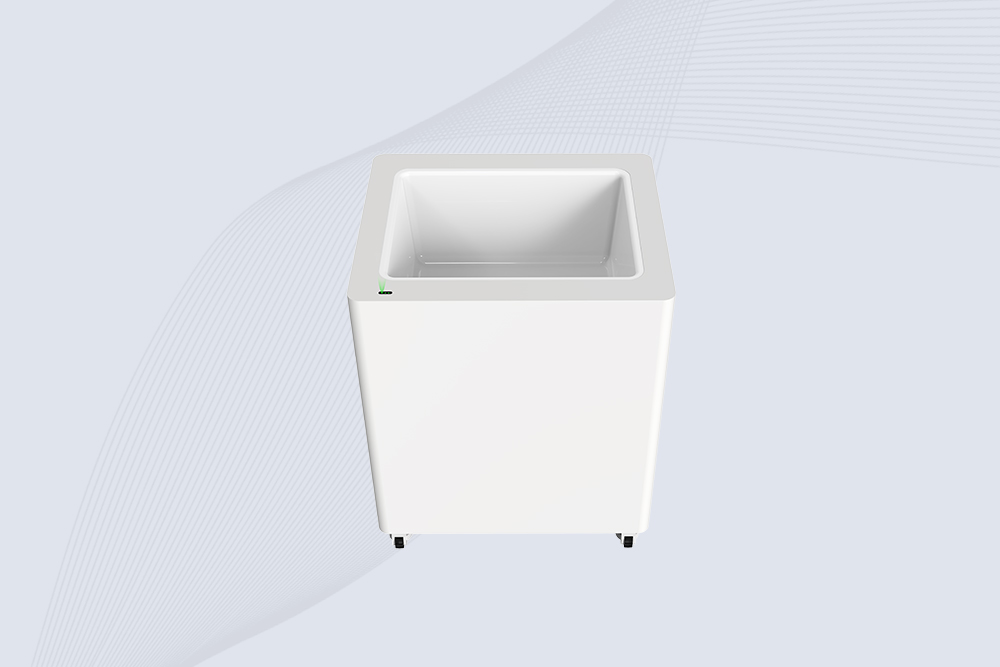
Cykeo’s CYKEO-D8C UHF RFID gate reader achieves 200-tag/batch scanning with adjustable power control, ideal for retail inventory and smart warehouse management.
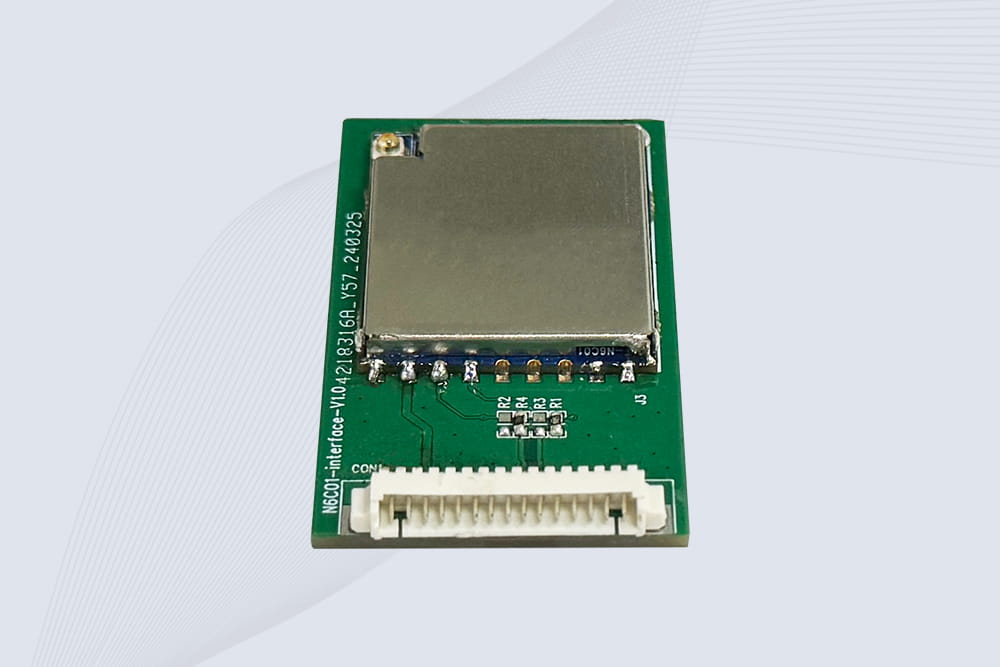
CYKEO Embedded RFID Modules are designed for compact industrial and IoT devices that require stable UHF performance. These UHF RFID Modules support global protocols, flexible power control, and reliable multi-tag reading for smart cabinets, production lines, and asset tracking systems.
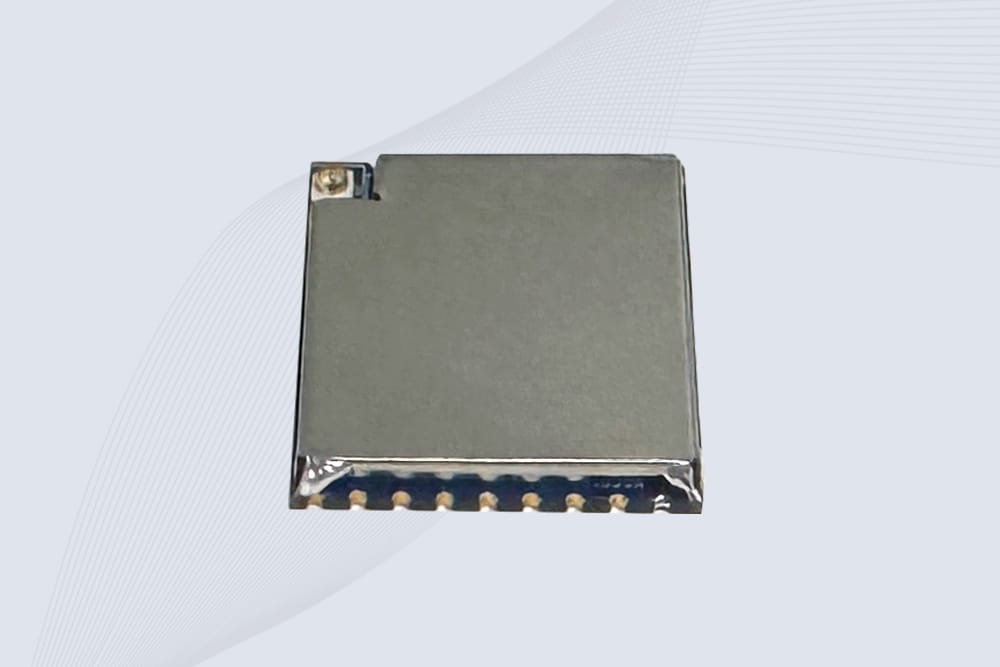
CYKEO Embedded RFID Module is built for compact IoT and industrial devices that need stable UHF performance. This UHF module supports global protocols, low power operation, and reliable multi-tag reading for smart lockers, production lines, and always-on RFID systems.
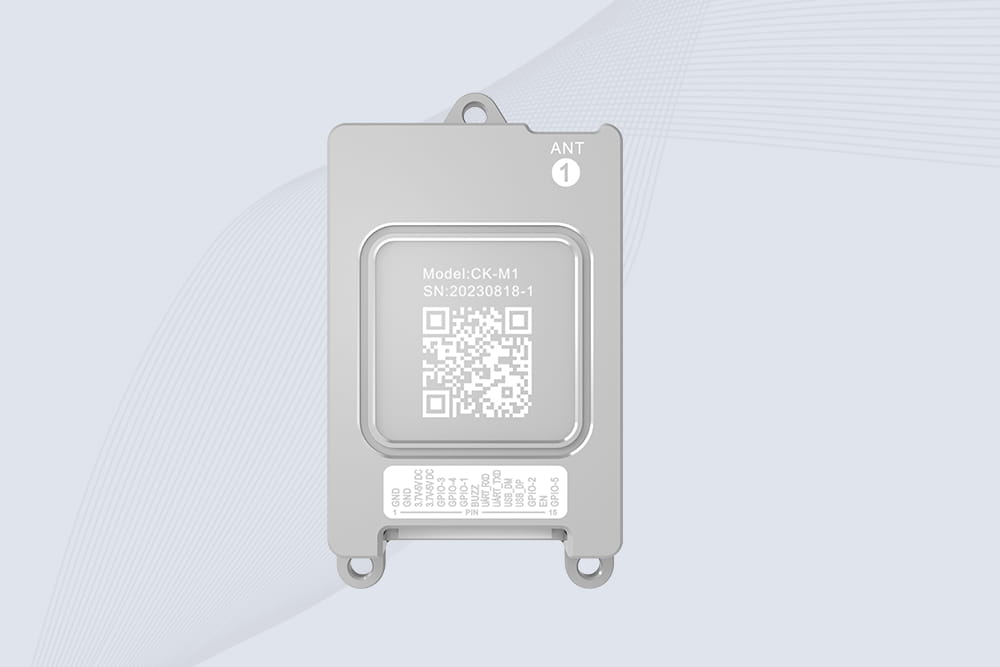
CYKEO CYKEO-M1 drone rfid module is a compact UHF RFID reader module designed for drones and UAV platforms. It supports long-range aerial scanning, fast multi-tag reading, and stable performance in wind, vibration, and outdoor environments.
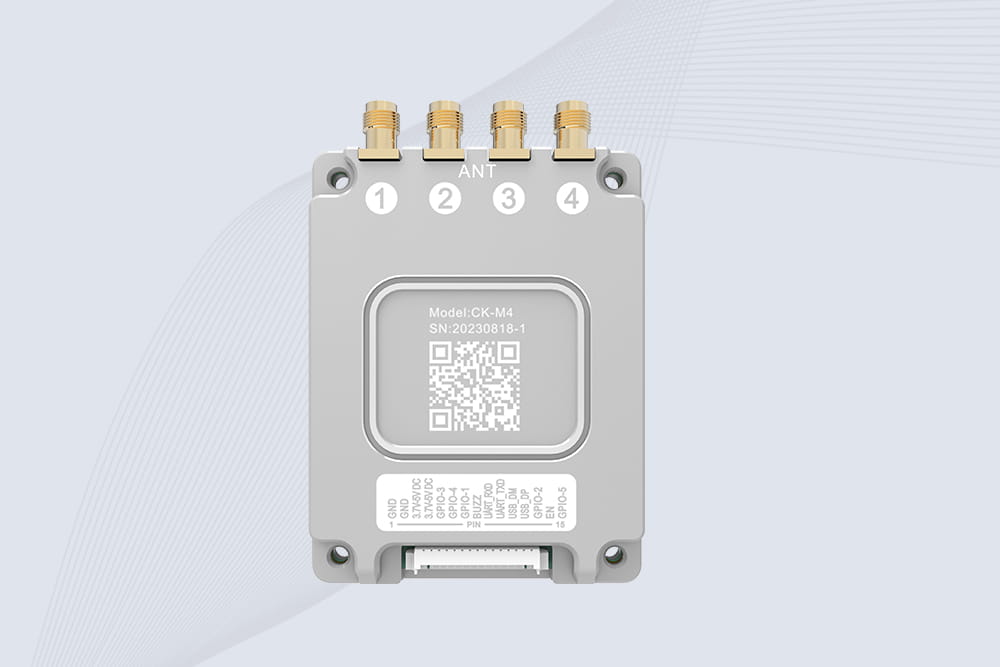
CYKEO CYKEO-M4 RC522 RFID Module is an industrial-grade UHF RFID reader with 4 ports, supporting ISO, EPC, and GB protocols. High-speed, accurate reading for IoT, automation, and warehouse applications.
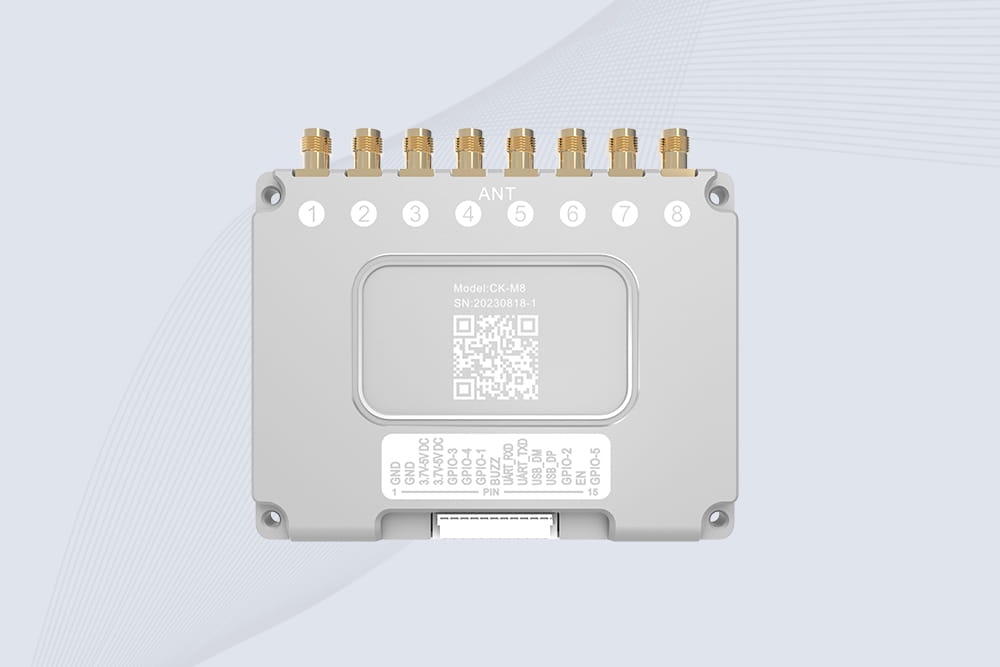
CYKEO CYKEO-M8 Module RFID is an 8-port UHF R2000 RFID Module designed for high-density, multi-tag environments. Stable 33dBm output, ISO & GB protocol support, ideal for warehouses, factories, and automated systems.
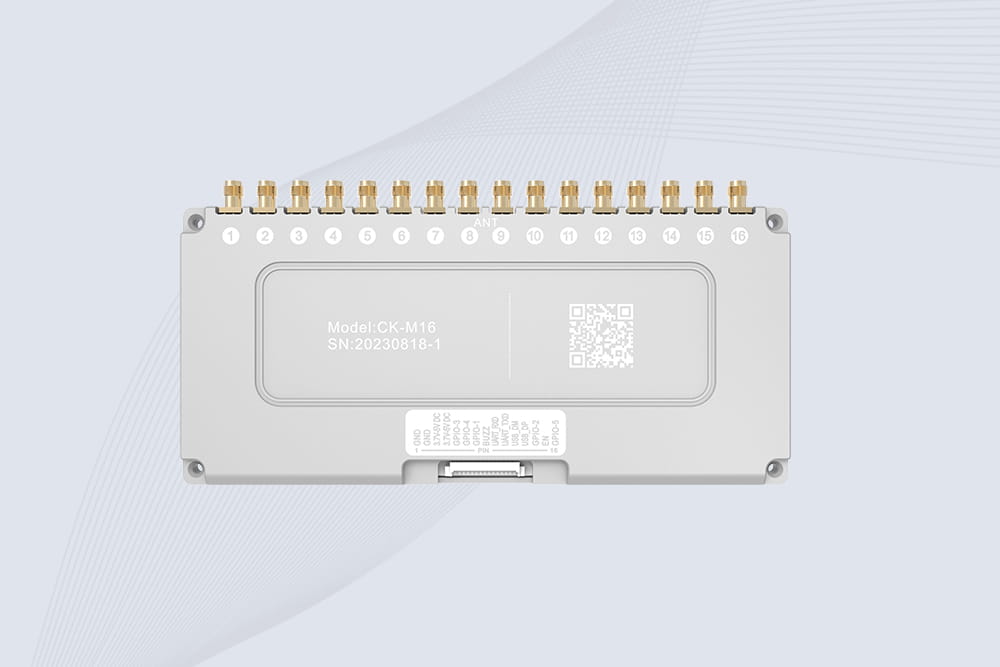
CYKEO CYKEO-M16 RFID Module is a 16-port UHF RFID reader module based on the R2000 chipset. Designed for dense tag environments, it supports ISO and GB standards and delivers stable multi-antenna control for industrial automation.
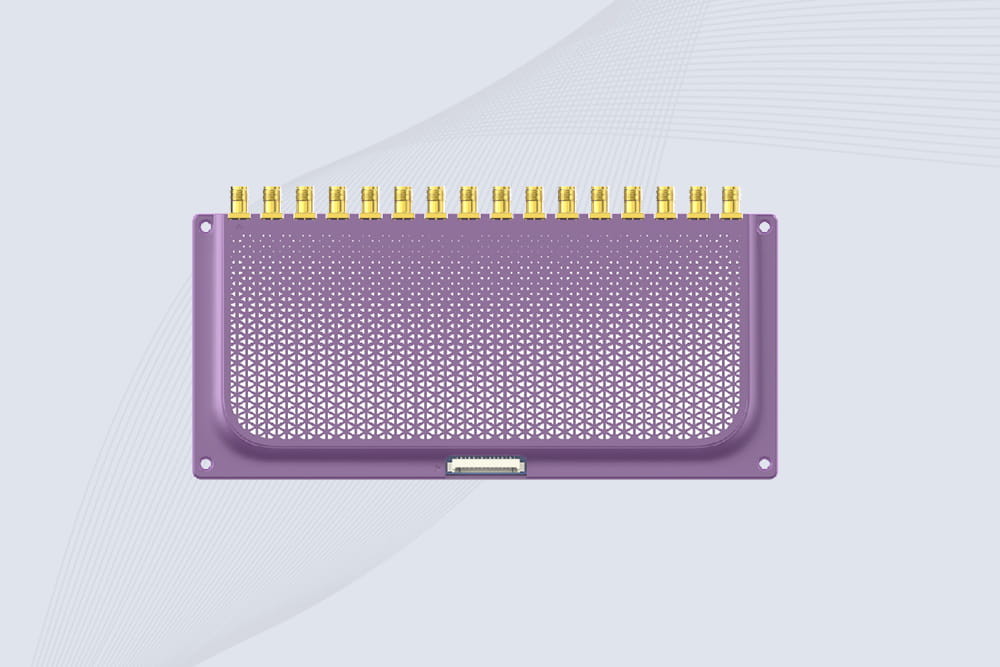
The CYKEO CYKEO-M16L RFID Reader Module is a 16-channel UHF RFID core designed for dense tag environments. With adjustable 33dBm output, multi-protocol support, and stable multi-antenna control, this RFID Tag Reader Module fits industrial automation, warehouse systems, and large-scale IoT deployments.
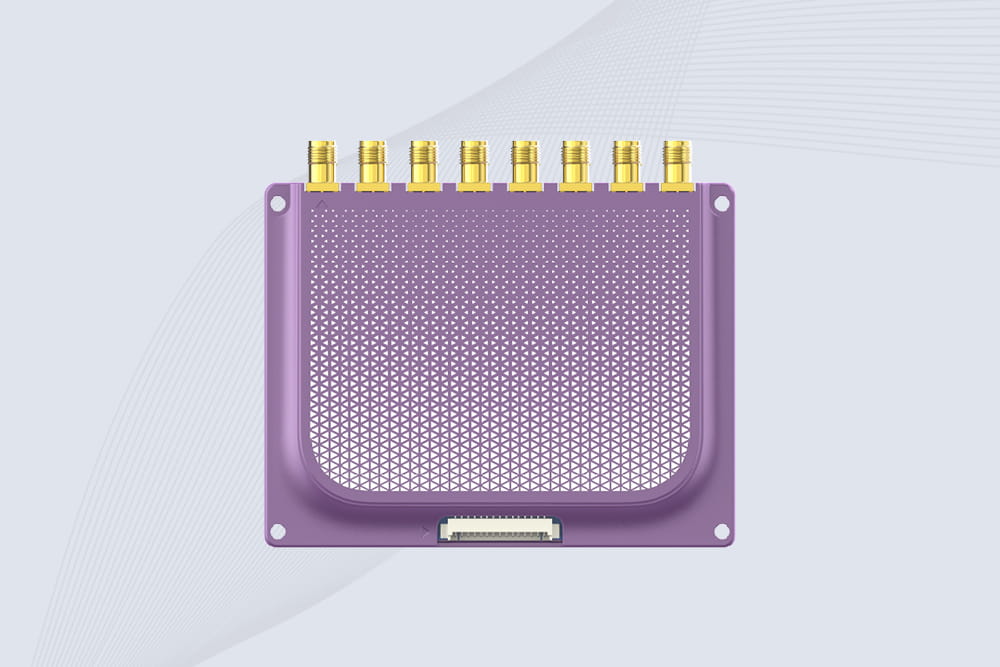
CYKEO CYKEO-M8L module RFID is a compact industrial UHF module built for dense tag and multi-antenna environments. With 8 RF ports, adjustable 33 dBm output, and ISO & GB protocol support, it is widely used in factories, warehouses, and automated tracking systems.
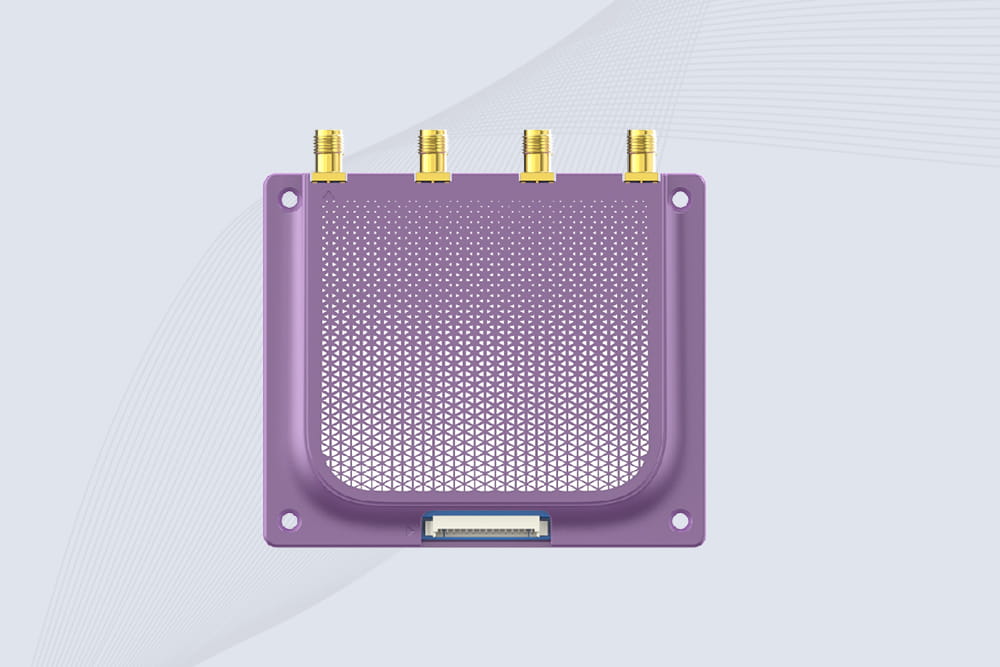
CYKEOCYKEO-M4L UHF RFID Module is a compact 4-channel RFID tag reader module designed for dense tag environments. Supporting ISO and GB protocols, it delivers stable reads up to 10 meters for industrial and IoT systems.
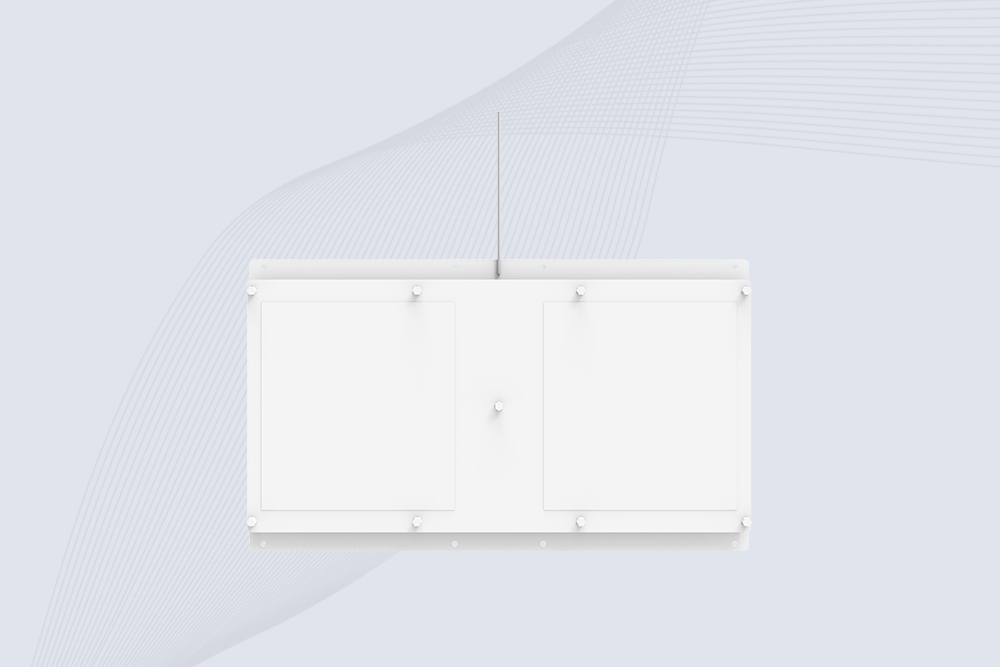
Cykeo CYKEO-A11 UHF RFID reader antenna delivers 11dBi gain, 840-960MHz frequency range, and IP65 ruggedness for retail, logistics, and industrial RFID systems. Features low VSWR and easy installation.

CYKEO Antenna RFID Reader delivers stable long-range UHF performance with a 10.5dBi directional design, built for warehouses, conveyor portals, and industrial RFID systems. This rfid reader antenna provides 20m+ read distance and rugged IP67 protection.

Cykeo CYKEO-PHF3 industrial HF RFID Antenna offers 24-point dynamic tracking, ISO 14443A/15693 protocols, metal-environment stability for archives/libraries/manufacturing.

Cykeo CYKEO-A5B industrial Linear RFID Antenna delivers 5dBi gain, ≤1.5:1 VSWR, and IP65 rugged design for warehouse, production line, and logistics UHF systems.

Cykeo’s CYKEO-B12 Long Range RFID Antenna delivers 15m+ read range with 12dBi gain, IP65 rugged design, and global 840-960MHz UHF support. Ideal for warehouse/logistics asset tracking.
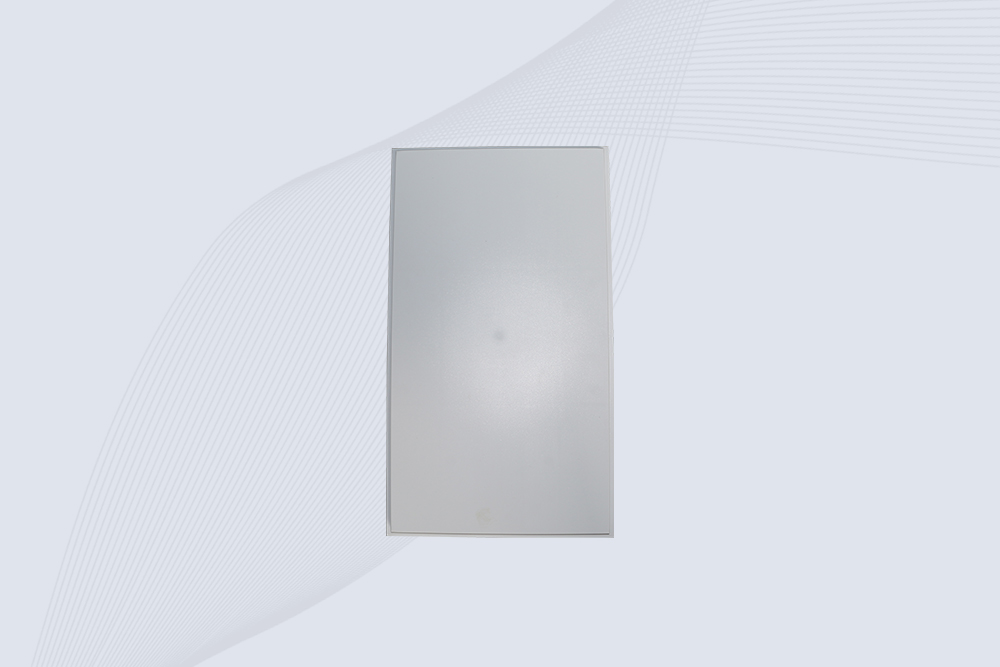
Cykeo CYKEO-B10 Long Distance RFID Antenna offers 10dBi gain, 840-960MHz frequency range, IP65 rating, and 20m+ coverage for logistics/warehousing/ETC systems. Low VSWR ensures stable signal transmission.
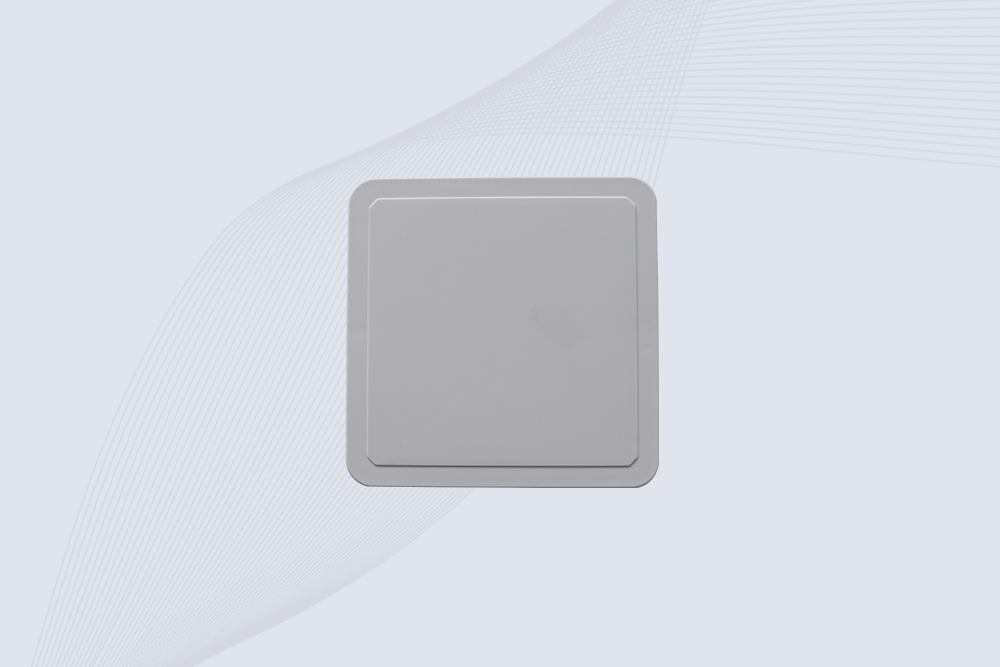
Cykeo CYKEO-A6 UHF RFID panel antenna features 6dBi gain, 840-960MHz broadband, IP65 metal-ready housing for logistics/smart retail. 18mm ultra-thin design with tool-free mounting.

Cykeo CK-A3 industrial antenna RFID UHF offers 5m+ tag detection, ≤1.3:1 VSWR, IP65 rugged design, and global UHF spectrum compatibility (840-960MHz) for warehouses, factories, and retail.
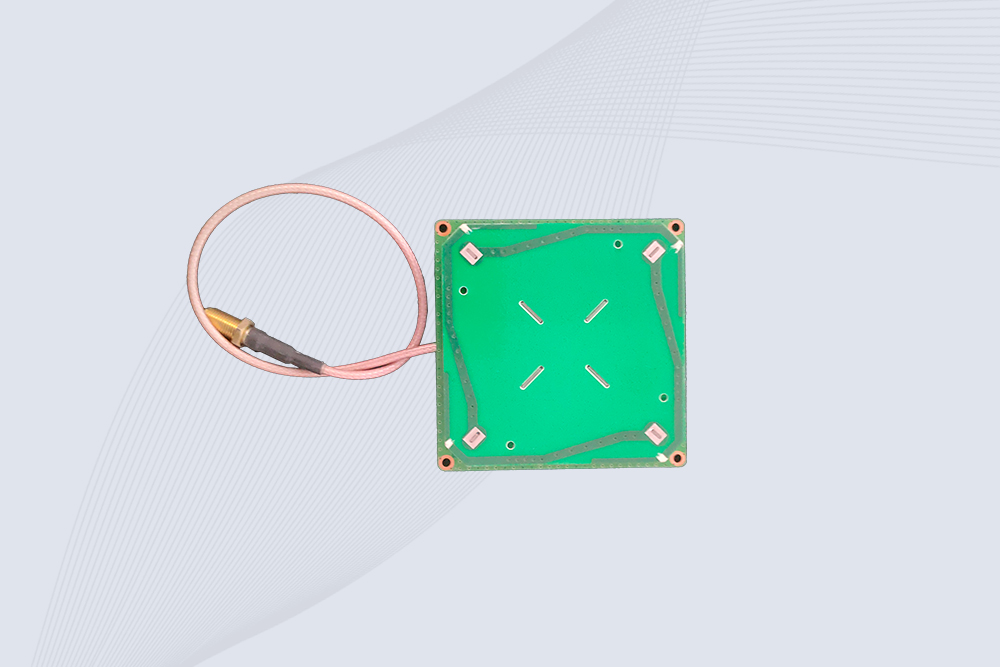
Cykeo CYKEO-B5 directional RFID antenna provides 5dBi gain with 60° narrow beamwidth for precise inventory tracking. IP65-rated, global UHF frequency support, and low VSWR.
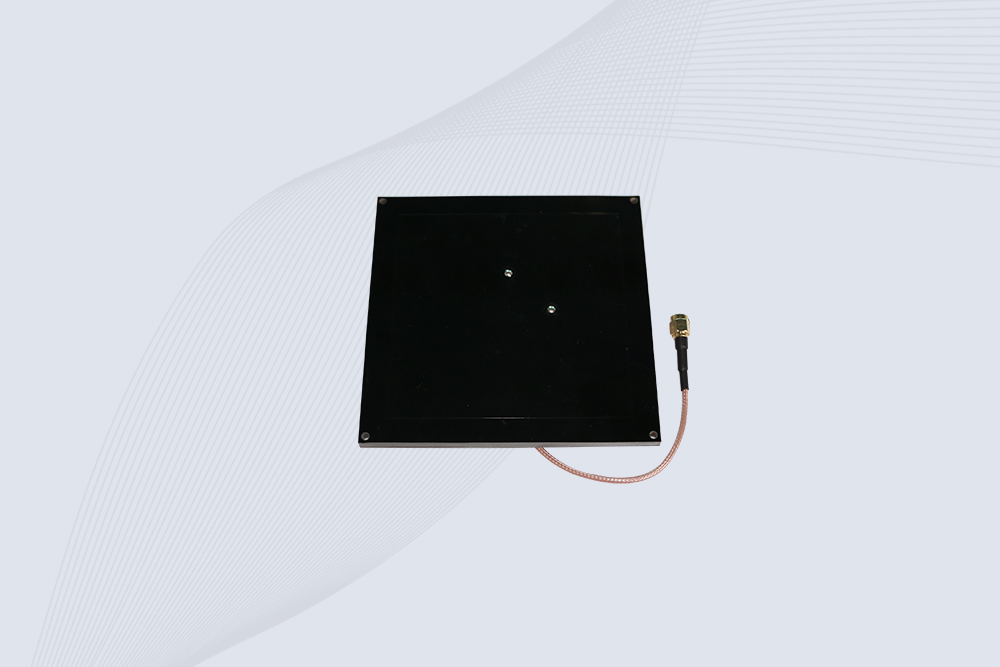
Create your own high-performance DIY RFID antenna! 5dBi gain, 840-960MHz tunable, step-by-step guides. Compatible with Arduino, Raspberry Pi, and commercial UHF readers.
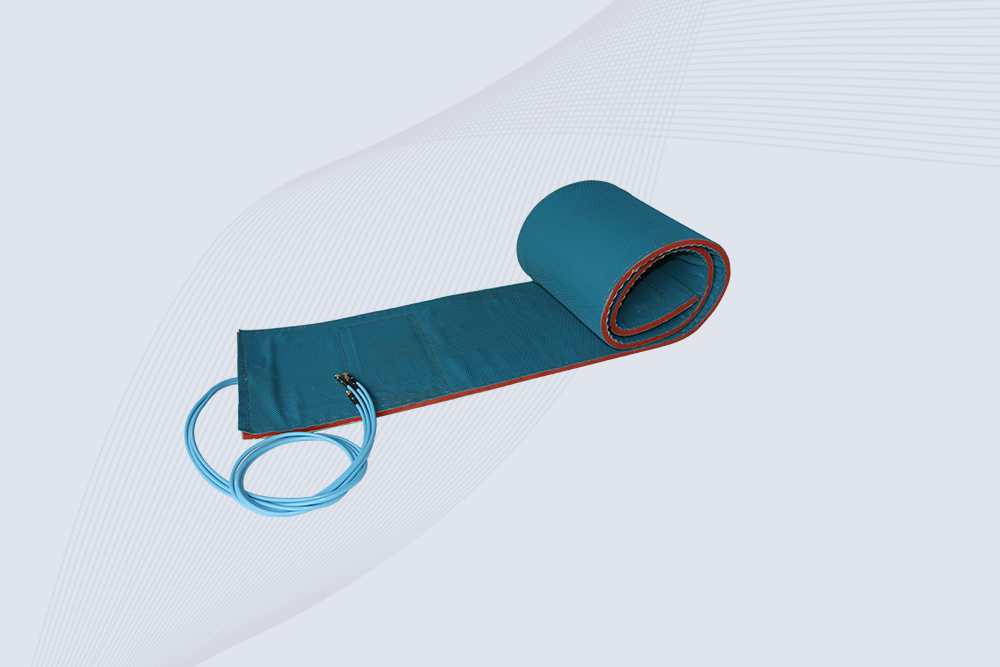
Cykeo CYKEO-A7 Flexible RFID Antenna features 840-960MHz wideband tuning, 7dBi gain, and IP68 rating for medical/retail/industrial curved surface deployments. 98% read accuracy with peel-and-stick installation.

Cykeo CYKEO-B5A industrial Passive RFID Antenna delivers 5dBi gain, 70° beamwidth, and -40°C~55°C operation for warehouses/smart cabinets. Compatible with Zebra/Impinj readers.
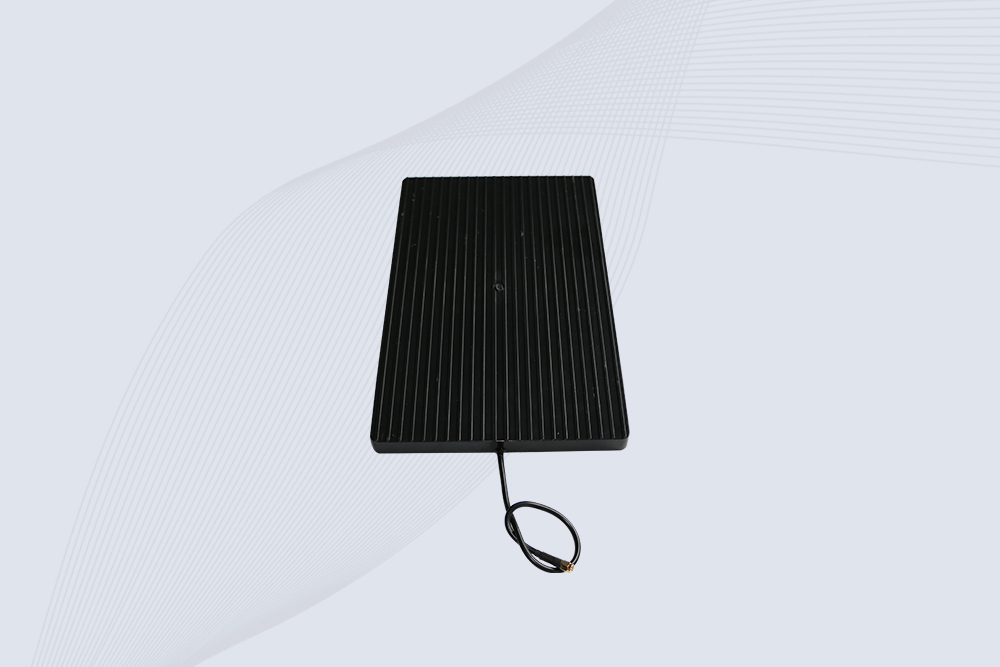
Cykeo’s CYKEO-A9B High Gain RFID Antenna delivers 15m+ read range with 9dBi amplification. Features IP54 rugged design, 840-960MHz bandwidth, and 80° beamwidth for warehouse/manufacturing RFID systems.

Cykeo’s enterprise-grade 8dbi Impinj RFID Antenna 10m+ read range with 840-960MHz tuning. Features IP65 housing, 1.4 VSWR, 35° beamwidth for retail/warehouse RFID systems.
Cykeo CYKEO-A9 industrial UHF RFID antenna delivers 9dBi gain, 840-960MHz frequency range, and IP65 protection for warehouse/logistics/retail RFID systems. Features N-type connector and ≤1.3:1 VSWR.
CYKEO UHF RFID Antenna built for long-distance and industrial applications. This antenna rfid uhf delivers strong gain, outdoor durability, and reliable tag performance in warehouses, yards, and vehicle ID systems.
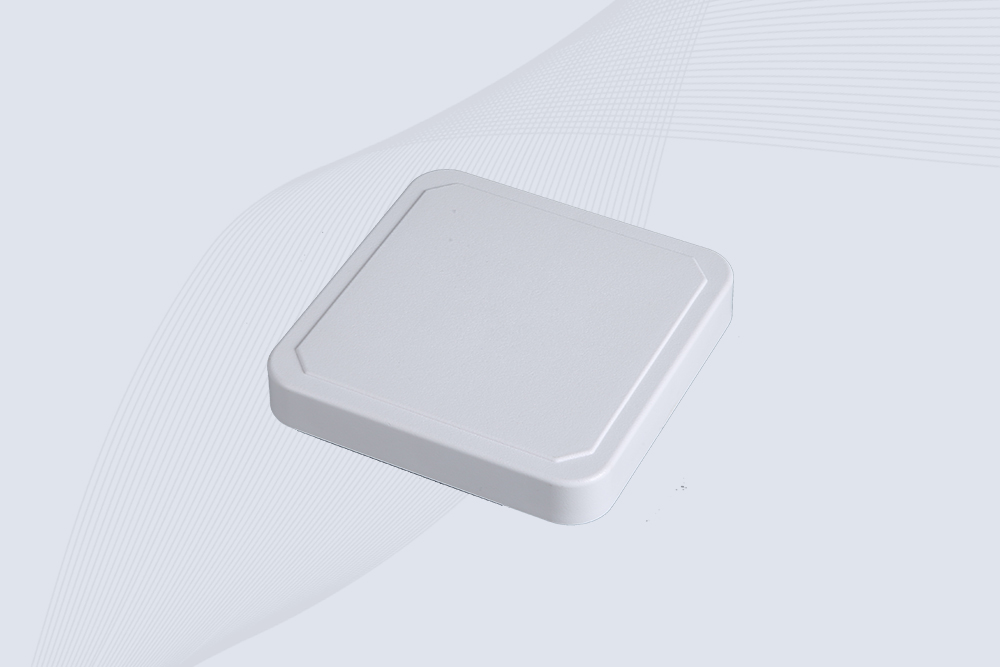
CYKEO Antenna RFID delivers reliable long-range UHF performance in warehouses, retail shelves, and cold-chain environments. This compact uhf rfid antenna provides stable reads with circular polarization and ultra-wide 840–960 MHz support, ideal for industrial tracking, smart shelves, and asset monitoring.
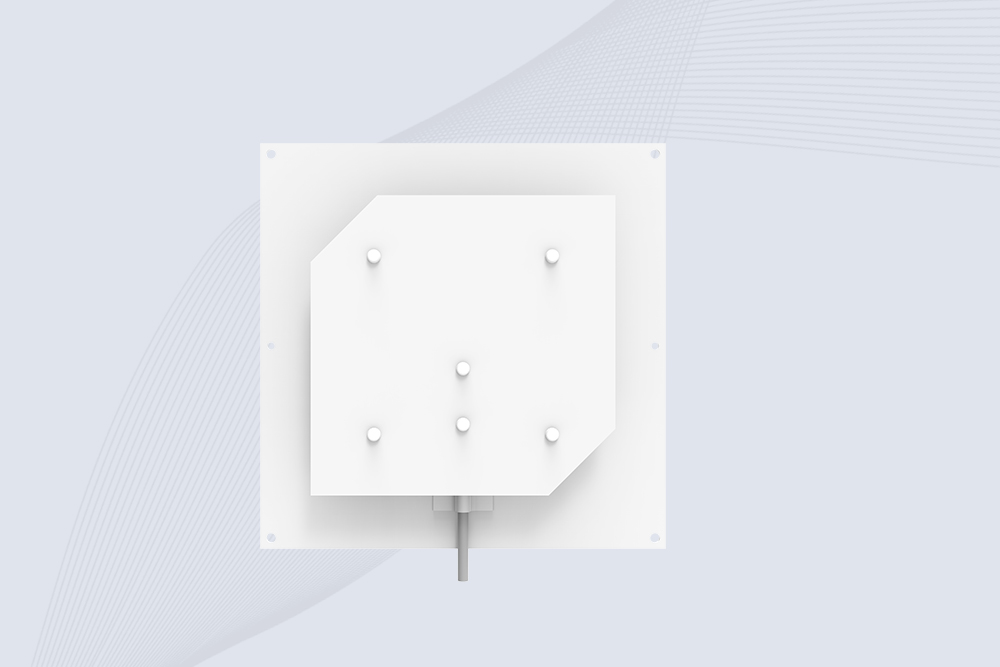
Cykeo’s CYKEO-C8 UHF RFID antennas delivers 8dBi gain, 840-960MHz full-band coverage, and IP65 ruggedness for manufacturing/warehouse RFID systems. Industrial RFID Antennas Features
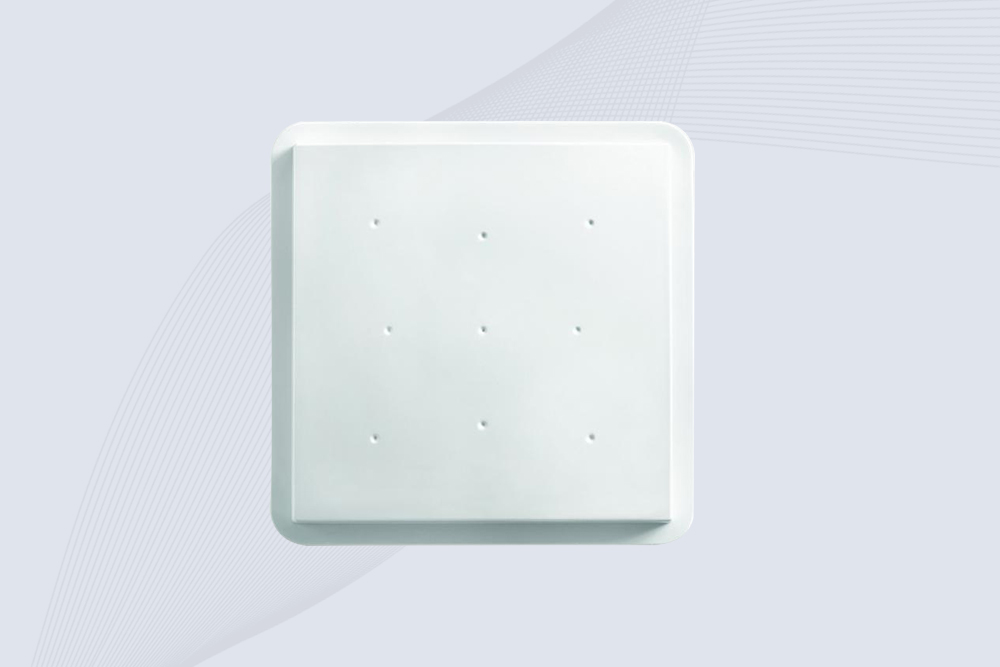
Cykeo’s 8dBi UHF RFID antenna and reader kit delivers 10m+ range, 840-960MHz broadband, and IP65 ruggedness for factories, warehouses, and logistics. ISO 18000-6C & EPC Gen2 certified.
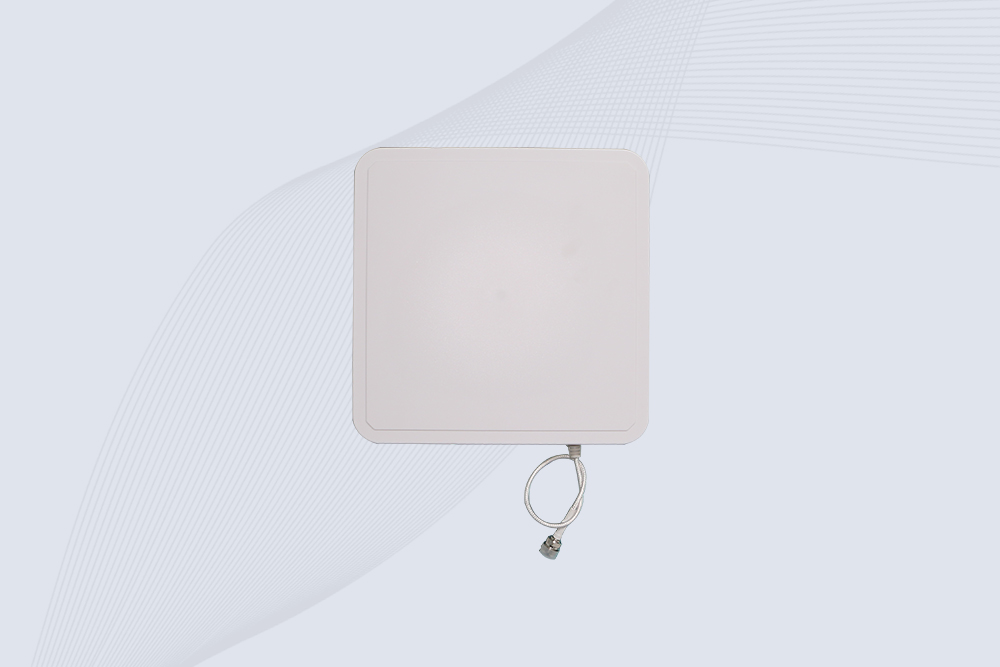
Cykeo CYKEO-A9A industrial UHF RFID reader and antenna kit delivers 10m range, 500 tags/sec, IP65 ruggedness for manufacturing/logistics. Supports EPC Gen2, ISO18000-6C.

Can RFID tags work inside metal? Learn why metal blocks RFID signals, when it still works, and how on-metal RFID tags solve industrial tracking challenges. OEM and wholesale guide included.
More
RFID improves inventory management by identifying multiple tagged items without line-of-sight scanning, enabling faster receiving, counting, shipment verific...
More
Can RFID tags work inside metal containers or on metal equipment? Learn why metal interferes with RFID signals, how on-metal tags solve the problem, and what factors affect read performance.
More
Can a smartphone read RFID tags? Yes, but only NFC at 1cm. For UHF inventory or LF access cards? No. Here's exactly what works and what doesn't.
More