 Cykeo RFID IoT Solution Products R&D Manufacturer

What’s the Difference Between Handheld RFID Scanners and Fixed Readers?
1000Explore the differences between handheld RFID scanners and fixed readers. Learn how Cykeo’s solutions optimize inventory tracking for mobility or automation.
MoreAll RFID Product
If you’re ready to buy a cheap RFID reader, the decision has already been made — what’s left is making sure the unit you order actually reads your tags, works with your software, and survives its first month on your desk or shop floor. That’s where most purchases go wrong, not at the price comparison stage.
This guide is the purchasing checklist: which channel to buy from, the seven specifications to verify before checkout, what a realistic landed cost looks like (reader + tags + shipping), how to order a single sample instead of gambling on a bulk order, and what to do in the first 48 hours after delivery. If you’re still deciding whether a low-cost reader is the right choice at all, start with our breakdown of what a cheap RFID reader really costs — then come back here to buy.
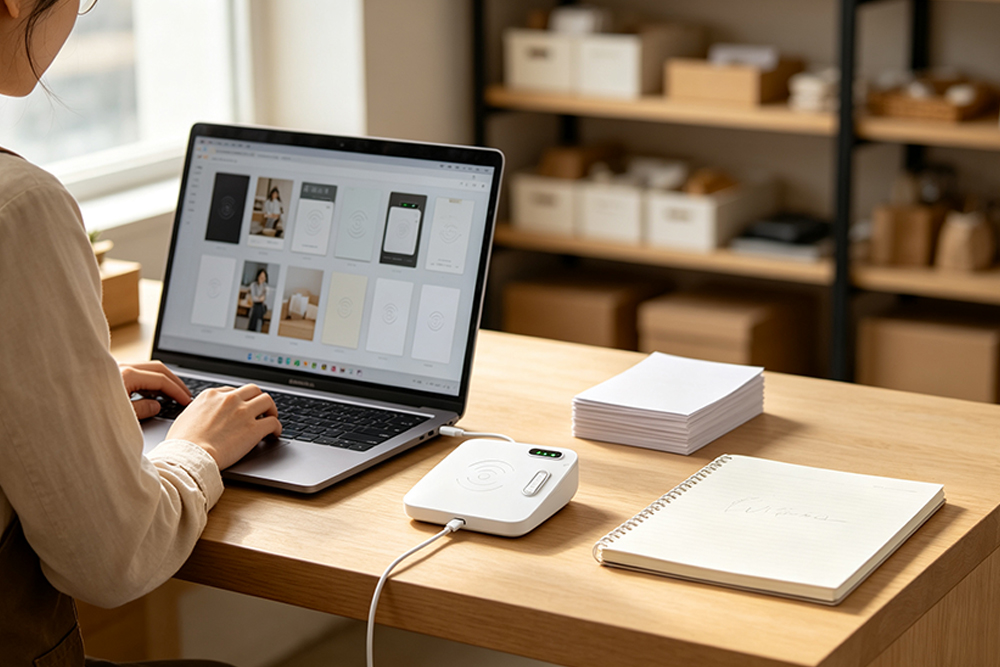
Price is only one column in this decision. The channel you buy from determines what happens when something doesn’t work in week three.
| Channel | Typical Price | Lead Time | Support & Returns | Main Risk |
| Online marketplaces (Amazon, AliExpress) | Lowest (25–80) | 2 days–4 weeks | 30-day returns, little technical help | No SDK support, no firmware updates, wrong frequency shipped |
| Regional distributors | Mid (80–200) | 3–10 days | Local returns, limited technical depth | Markup on the same OEM hardware, stock models only |
| Manufacturer direct (Cykeo and similar) | 50–300 depending on model | 3–15 days + shipping | SDK, demo software, engineering support, sample orders | You must specify frequency and interface correctly |
A marketplace listing is fine when you need a reader for a one-off desk task and can afford to lose $40. It stops being fine the moment the reader has to feed data into inventory software, because that’s when SDK documentation, protocol support, and firmware updates decide whether the project ships or stalls.
Buying manufacturer-direct is usually the cheapest route to a reader you can actually integrate — not because the unit price is lower, but because you get the SDK, the demo software, and a person who can answer “will this read our metal-mounted tags?” before you pay. You can see the full desktop range on the USB RFID reader category page.
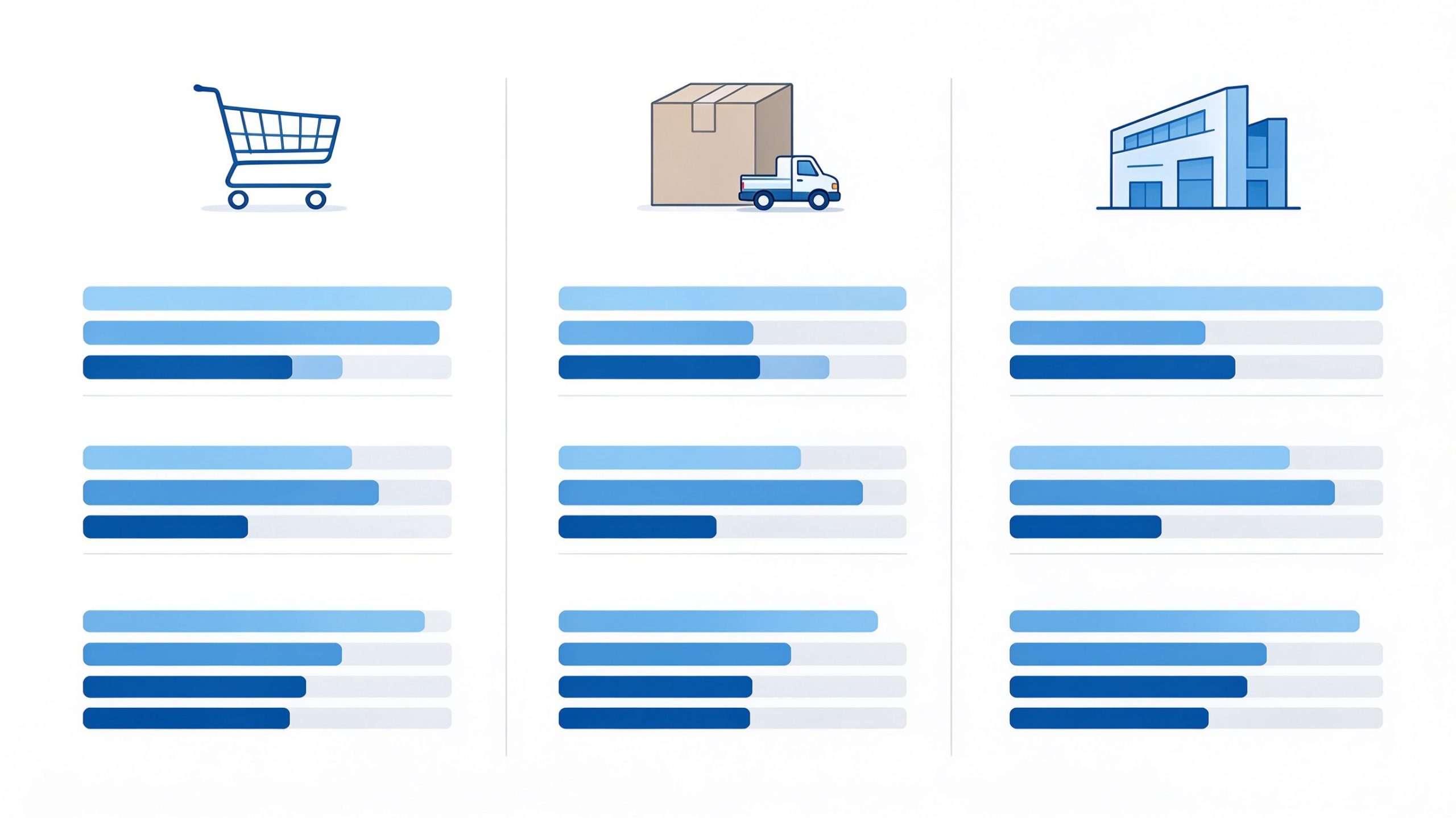
Every one of these has caused a failed RFID purchase somewhere. Check them in this order:
For a deeper look at how these specifications map to real workflows, see our guide on how to choose the right RFID reader for your application.
Prices below are typical for single-unit purchases in 2026. Treat them as a sanity check, not a quote.
| What You’re Buying | Realistic Price | Notes |
| Entry USB desktop reader (single tag, no SDK) | 25–60 | Fine for one-off desk reads; rarely integrable |
| USB desktop reader with SDK (UHF, near-field) | 60–200 | The sweet spot for encoding, registration, check-in |
| Portable Bluetooth reader (phone as terminal) | 150–400 | Mobile scanning without buying a handheld |
| Budget handheld with screen | 400–900 | Real stocktaking range and battery life |
| 500 paper UHF tags | ~$50 | From about $0.10/tag in bulk |
Landed cost matters more than unit price. A $70 reader plus 500 tags plus shipping and duties typically lands between $150 and $250 — which is still less than a single week of manual stocktaking for a small shop. Factor in software (often free with the reader) and one to two hours of staff training, and you have the full picture.
One warning worth repeating from our test roundup of budget USB readers under $100: the failure mode isn’t usually the reader dying — it’s a reader that technically works but drops tags at an angle, or in sunlight, or on metal shelving. Buy for your worst-case tag placement, not your demo table.
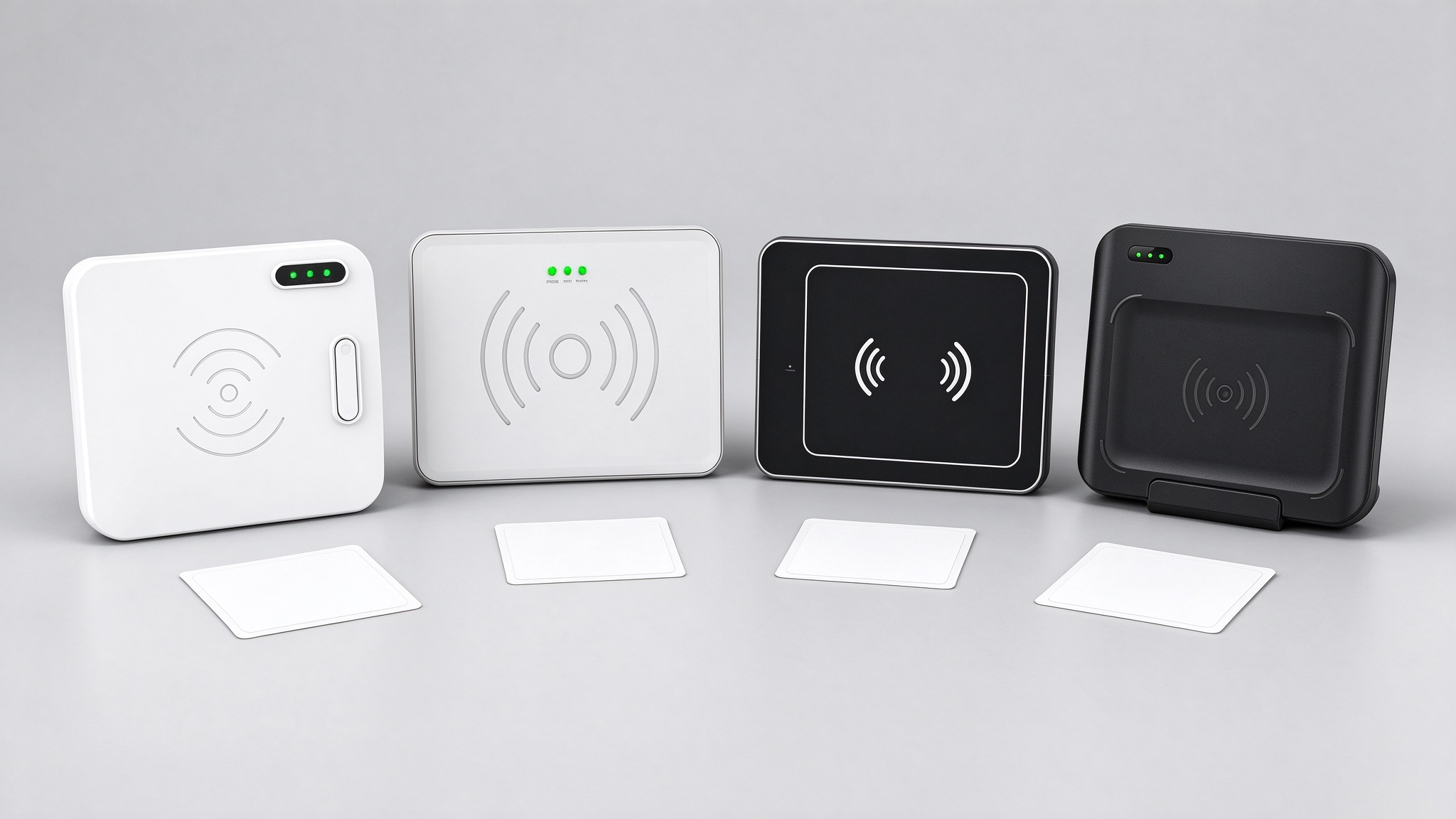
These are desktop and budget models from the current Cykeo line, matched to what people actually buy them for.
USB-HID plug-and-play with 0–30 cm reading and 0–15 cm writing, over 600 tags/s recognition, Impinj E710/X3M1 chipset, and three enclosure sizes for OEM projects. It’s the model to buy when you need desktop speed plus SDK access — see the full spec on the SSD-D3AL product page.
A near-field reader built for accuracy rather than distance: 0–30 cm read, 0–10 cm write, adjustable 1–26 dBm output, C#/Python SDK, and demo software with auto-encoding, batch writing and tag filtering. Best for library labels, event badges, and retail shelf tags where the wrong tag getting written is the real risk. Details on the CYKEO-D1LA page.
USB-C near-field writer with stable 26 dBm output, designed for badge issuance and label encoding at reception desks and membership counters.
Reads 40+ tags per second in dense environments with a deliberately limited ~30 cm range that prevents cross-reading neighbouring tags — a practical choice for libraries, tool rooms and relabeling stations.
If stocktaking happens on the shop floor, no desktop reader will do the job. Compare budget handheld options in our guide to the best handheld RFID readers for small business inventory, or review reader types (fixed, handheld, USB and portable) first if you’re unsure which category fits.
Most suppliers will sell a single unit before you commit to volume. Do it in this order:
If tags are part of the purchase, our guide to affordable RFID solutions for small business inventory tracking covers tag selection and the hidden costs to budget for.
Unbox, plug in, and prove the data path before anything else:
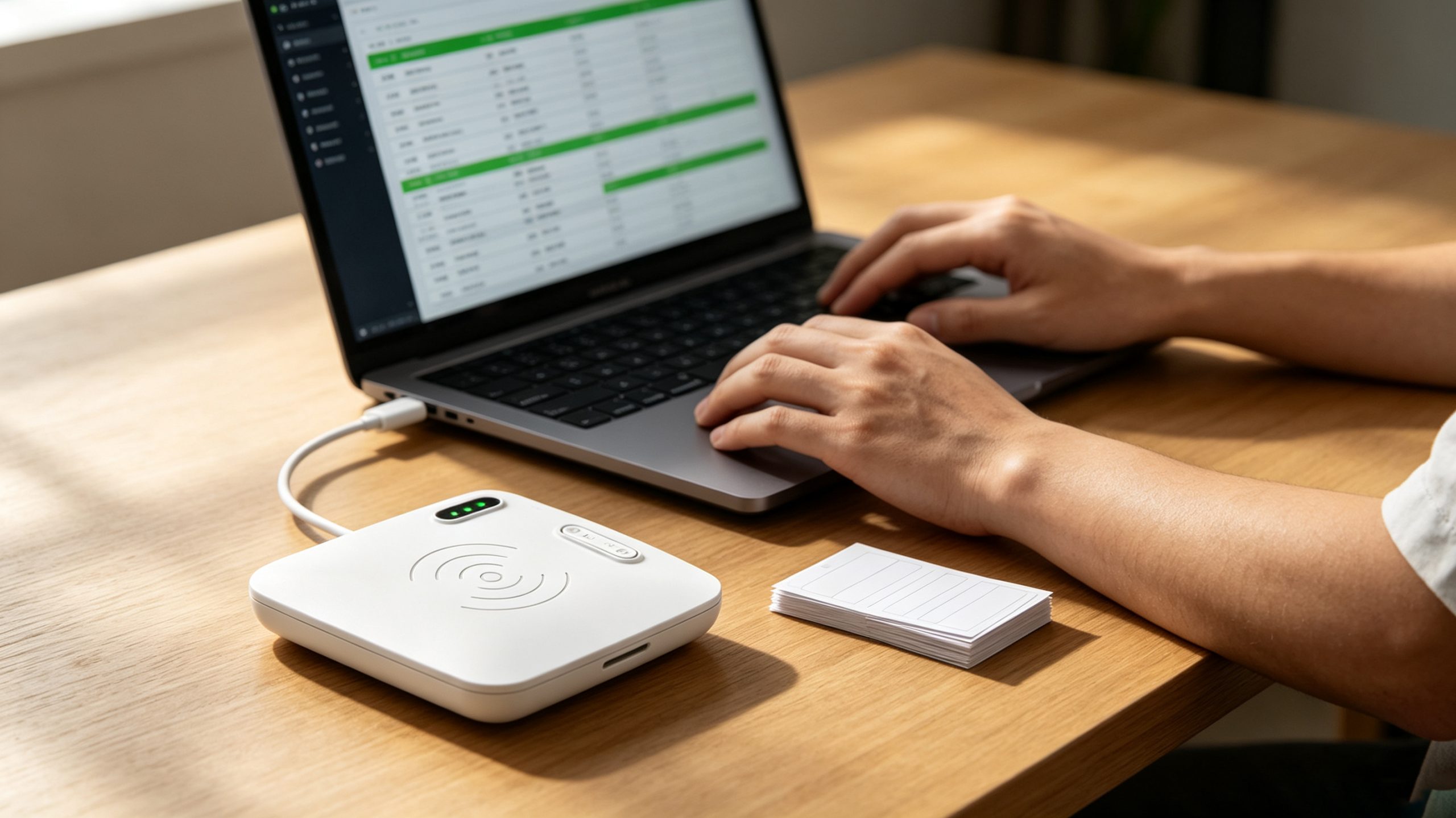
For a one-off desk read, a marketplace is fine. For anything that connects to software, buy from a manufacturer or an authorized distributor that provides an SDK, demo software, and sample orders — the unit price is similar, the support is not.
60–200 buys a UHF USB desktop reader with SDK support and near-field read/write. Under $60 usually means no SDK or a single-tag reader. Expect $150–$400 if you need Bluetooth mobility.
Yes — manufacturers routinely sell single samples. Always test with your own tags and your own software before ordering volume.
Most reputable models include free demo software and an SDK (C#, Java, or Python). Confirm this before purchase; “software sold separately” is a common hidden cost on budget listings.
Frequency and protocol compatibility, then tag orientation and distance, then output power settings. Nine times out of ten it’s a mismatch between reader band and tag type, not a faulty unit.
Buying a cheap RFID reader is a five-minute transaction and a five-week decision. Verify frequency, regional compliance, SDK, write distance, and warranty before checkout; buy one unit and test it with your own tags; then scale. That sequence costs a little more patience and saves a lot of returned hardware.
Ready to compare models? Browse Cykeo’s USB RFID reader range — USB-HID plug-and-play desktop readers with free SDK, demo software, and regional frequency options, from entry encoding units to 600+ tags/s batch readers. Send us your tag details and we’ll confirm compatibility before you order.

Discover SSD-D4AL, a USB-HID UHF RFID reader with 4/8/16 antenna options, Impinj E710/X3M1 chipset, plug-and-play USB power, and OEM customization.
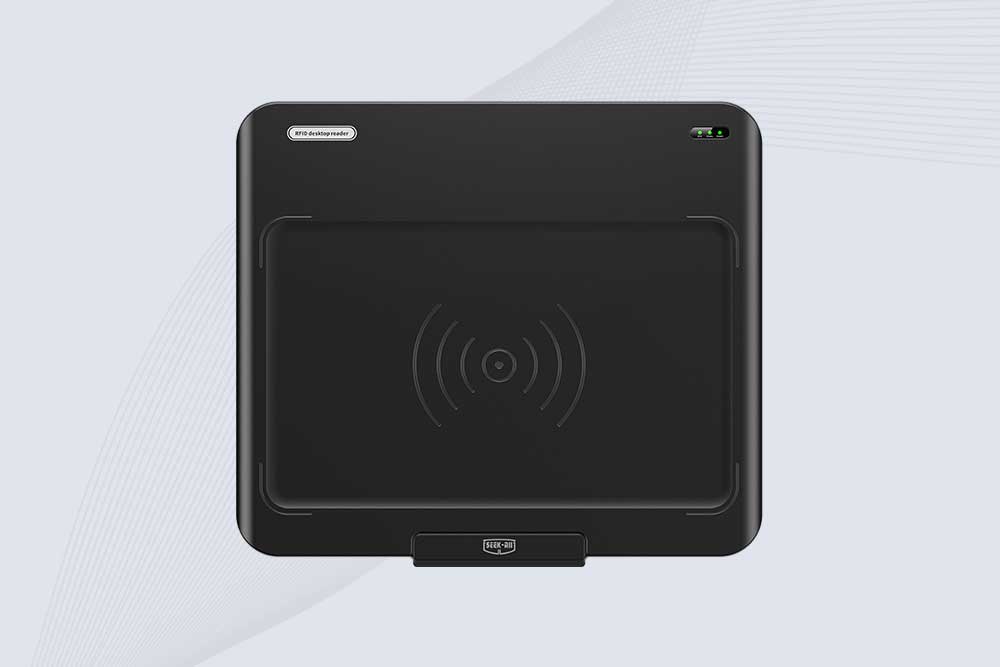
SSD-D3AL is a USB-HID UHF RFID reader with 0–30 cm reading, 0–15 cm writing, over 600 tags/s recognition, USB plug-and-play operation and OEM Logo customization.
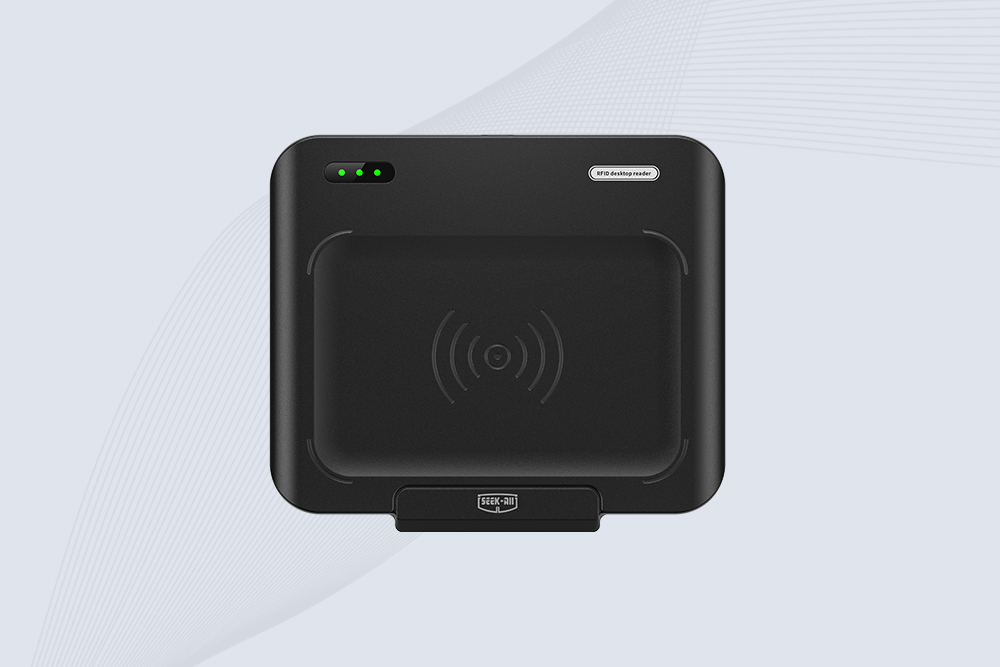
SSD-D1AL is a compact USB UHF RFID reader with Impinj E710/X3M1 chipset, USB-HID, 600+ tags/s recognition, 4/8/16 antenna support and plug-and-play USB power.
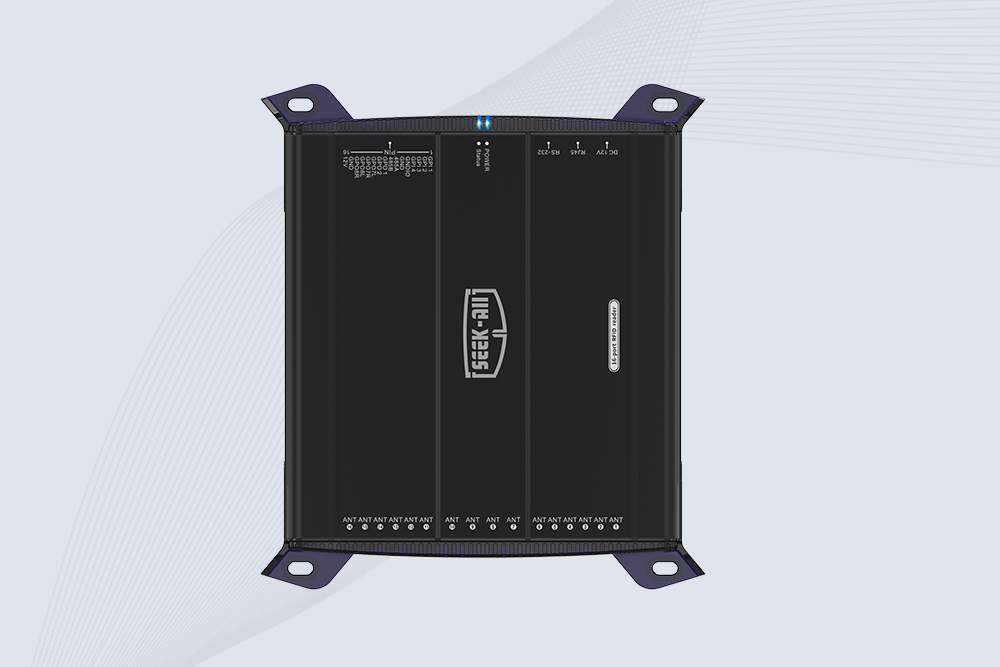
SSD-R16L Multi-Channel RFID Infrastructure for Automated Inventory Management ✔️ 16-Port High-Density RFID Reading Equipped with 16 SMA antenna ports, SSD-R16L supports multi-antenna deployment for warehouses, retail stores, logistics, production lines, and large-area RFID identification. ✔️ High-Speed & Long-Range Performance With up to 33…
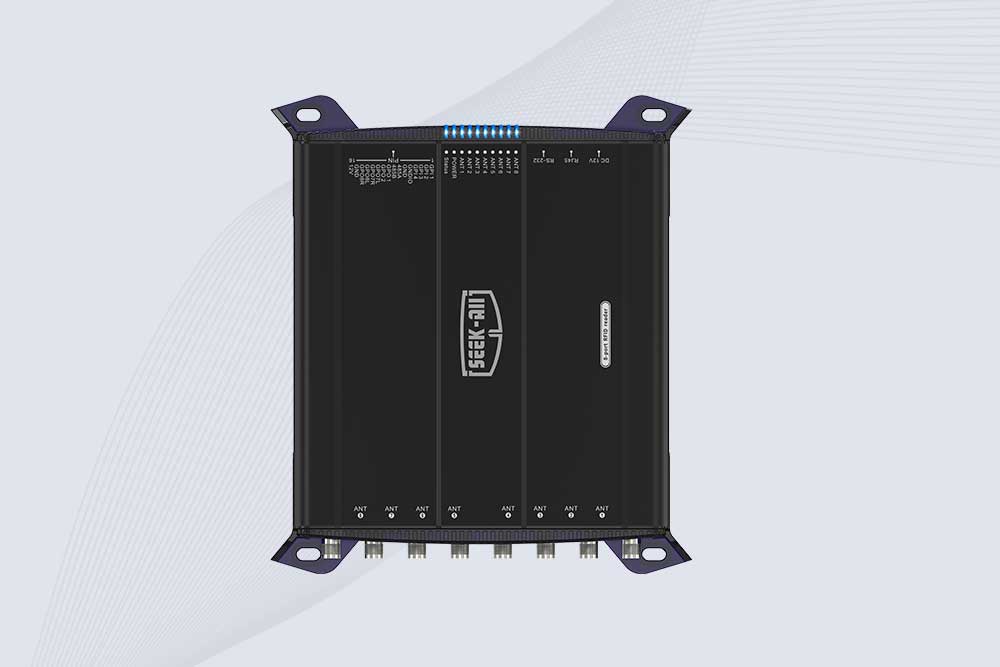
SSD-R8L 8-port UHF RFID reader with 33dBm output, up to 20m reading range and 600+ tags/s recognition. Ideal for warehouse, logistics, retail and asset tracking.
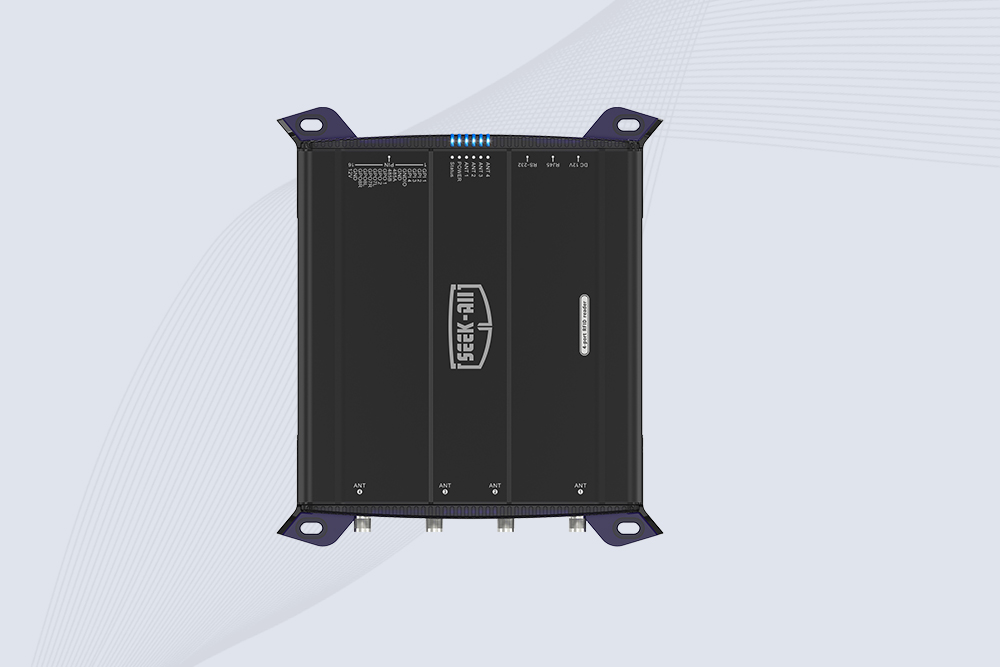
SSD-R4L is a 4-port UHF RFID fixed reader with 33dBm output power, up to 20m reading range, EPC C1G2 support and 600+ tags/s reading speed.

CYKEO CYKEO-D1LA USB RFID Reader is a compact desktop solution with near-field control for precise tag reading and encoding. Powered by USB, supporting ISO 18000-6C, and built for stable batch writing, this usb rfid tag reader fits retail, libraries, offices, and controlled RFID encoding tasks.
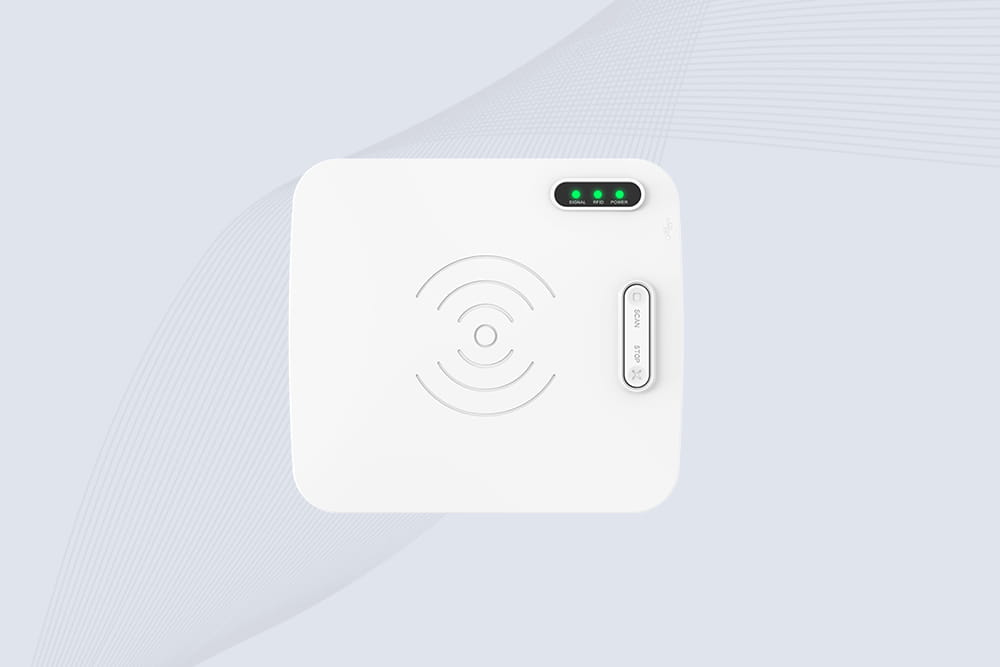
CYKEO CYKEO-D1L RFID scanner USB is a compact desktop UHF RFID scanner designed for short-range tag writing and verification. This usb rfid scanner supports batch encoding, stable 0–26 dBm output, and works across Windows, Linux, and Android systems.
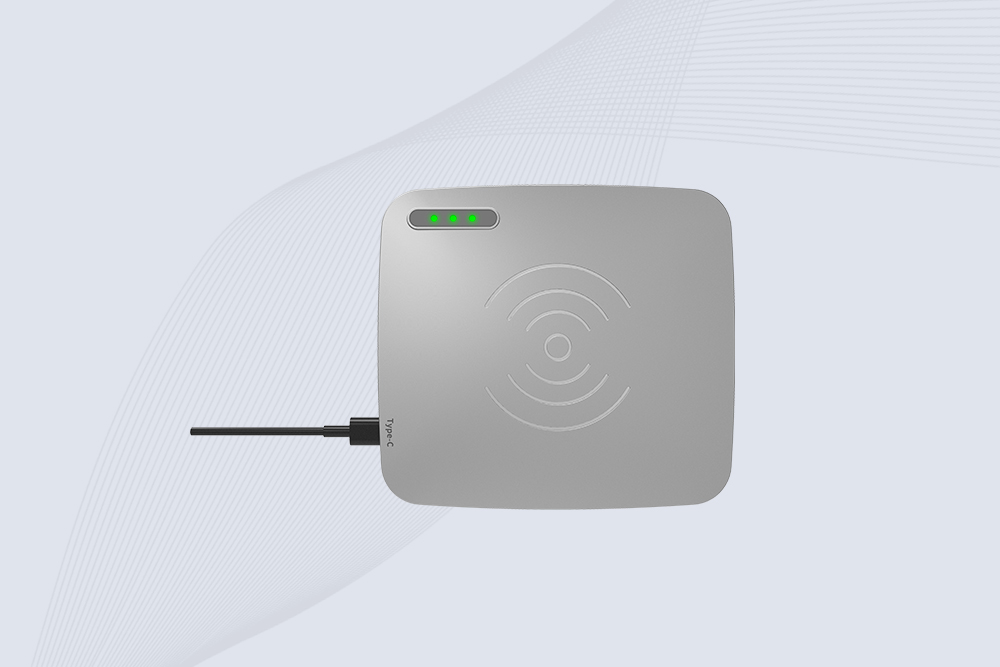
CYKEO CYKEO-D1C USB RFID Card Reader is a near-field UHF desktop writer designed for secure, short-range tag encoding. With USB-C connectivity and stable 26 dBm output, this rfid reader usb c is ideal for badge issuance, label encoding, and controlled desktop RFID workflows.
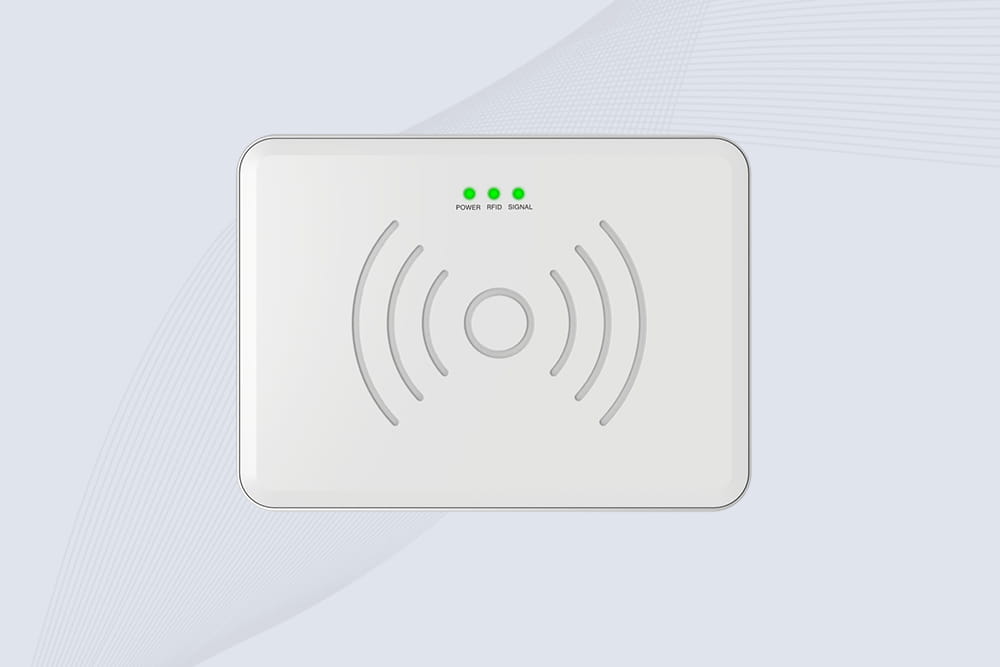
CYKEO CYKEO-D2L RFID Reader USB is a compact desktop encoder built on the Impinj R500 chip. With near-field control and stable USB power, this usb rfid card reader delivers precise tag writing for offices, retail counters, and small-scale logistics encoding tasks.
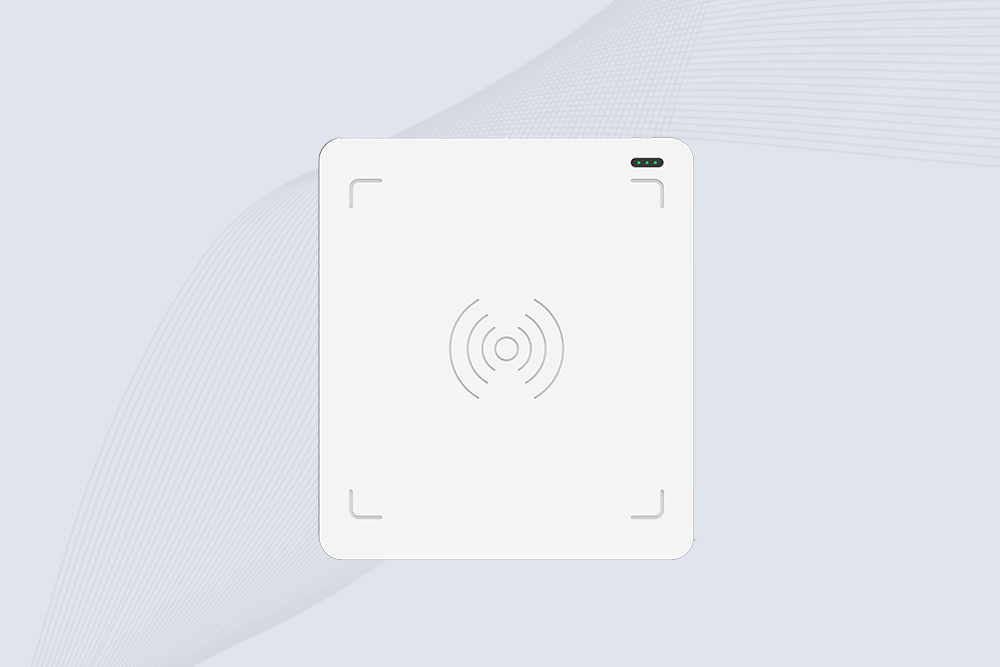
CYKEO CYKEO-D3L USB RFID Tag Reader delivers stable UHF tag reading and writing for daily desktop and light industrial tasks. Designed for controlled short-range operation, this USB RFID Tag Reader works reliably with rfid tag and reader systems in libraries, tool tracking, and inventory registration.
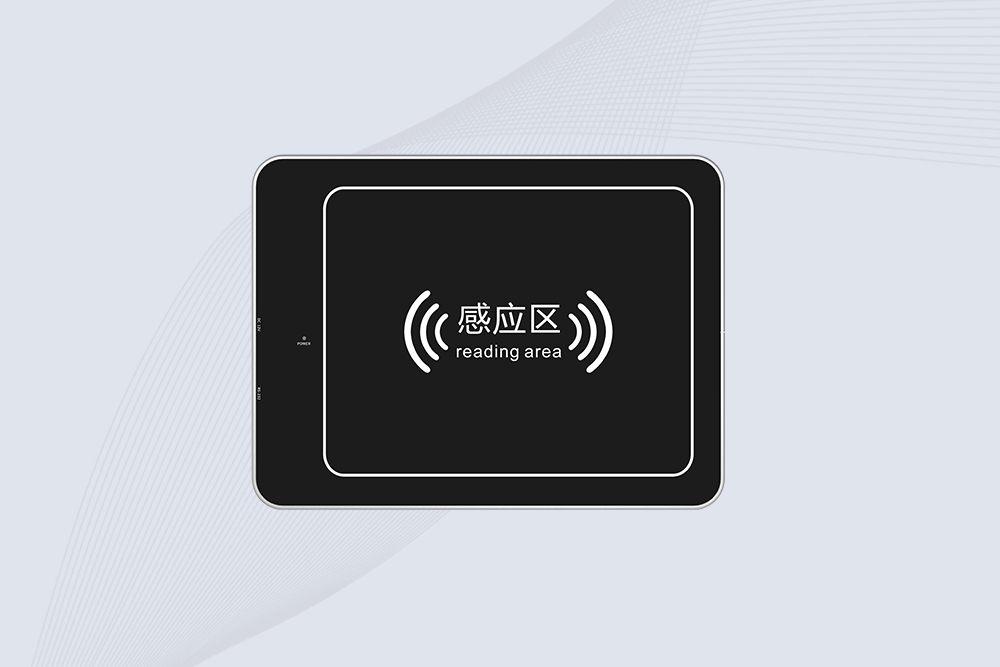
The CYKEO CYKEO-D4L UHF RFID Tag Reader is a stable Desktop RFID Reader designed for accurate tag registration, borrowing, and return workflows. Built with the Impinj R2000 chip, this UHF RFID Tag Reader delivers controlled short-range reads for libraries, asset tracking, and inventory management environments.
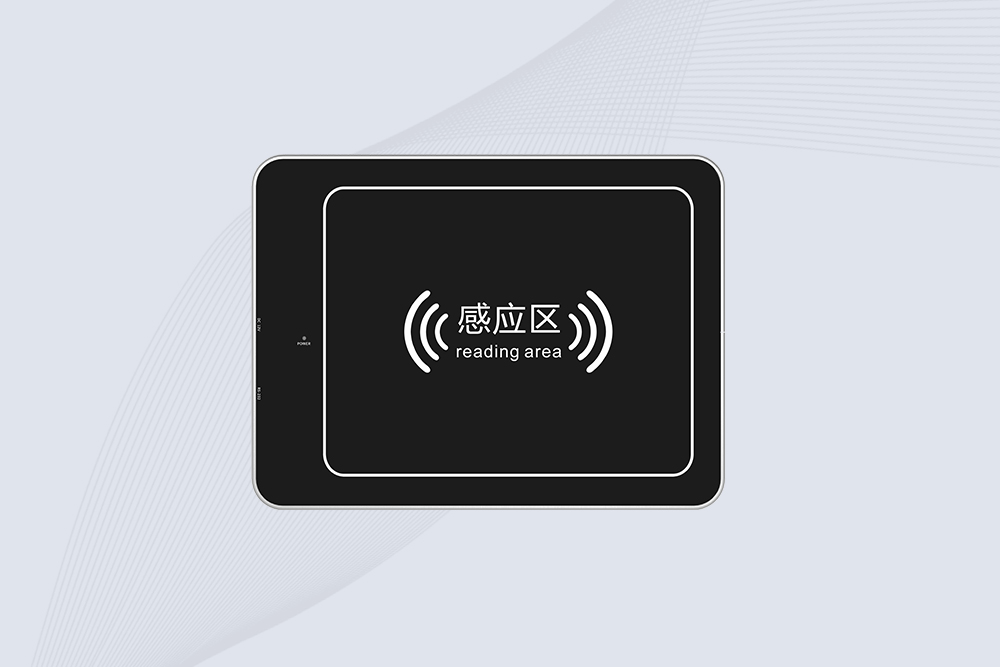
The CYKEO CYKEO-D5L Desktop RFID Card Reader is a stable UHF RFID Card Reader designed for controlled short-range reading and writing. Built for libraries, tool rooms, and asset desks, this UHF RFID Card Reader supports dense tag handling, secure data processing, and easy USB integration.
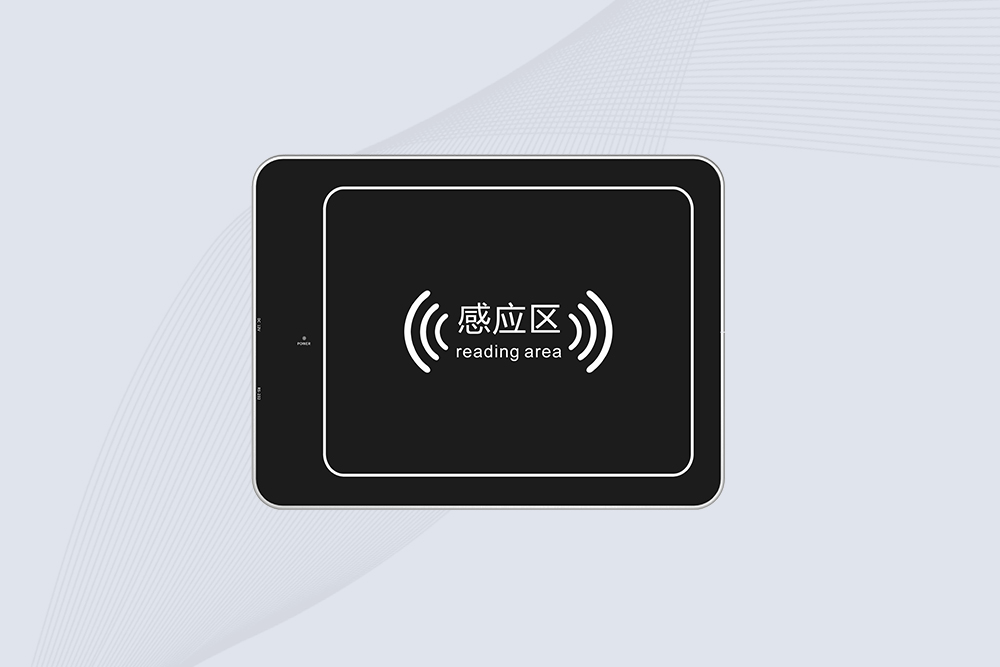
The CYKEO CYKEO-D6L RFID Reader Writer is a heavy-duty Desktop RFID Reader designed for short-range, high-accuracy tag programming. Built for libraries, labs, and asset desks, this RFID Reader Writer supports batch processing, stable 33dBm output, and seamless integration with existing management systems.
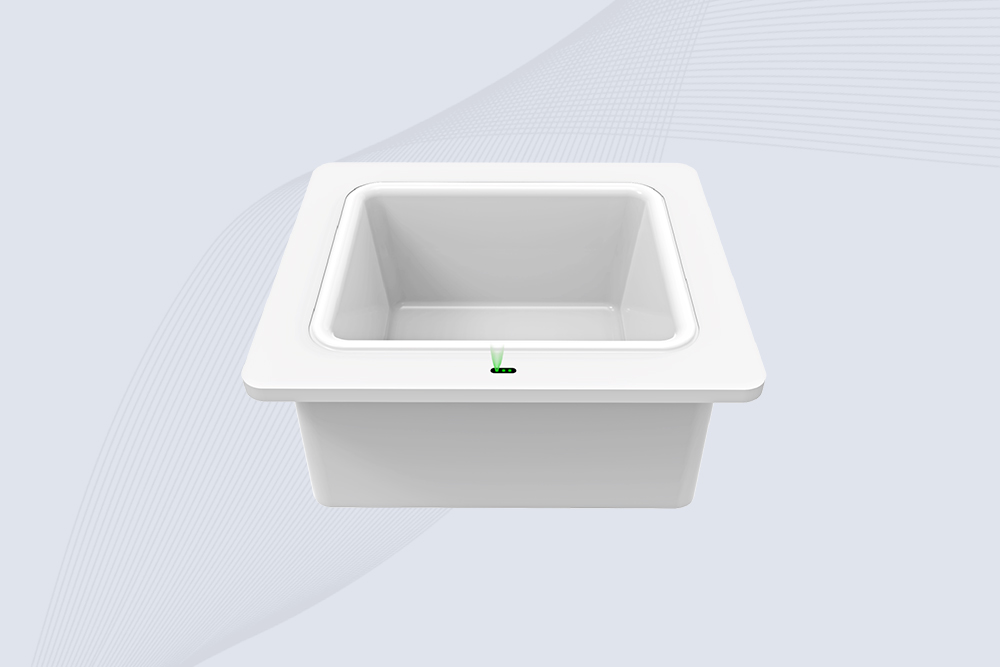
Cykeo CYKEO-D8B UHF RFID tunnel and RFID Desktop Reader features 30+ items batch reading,
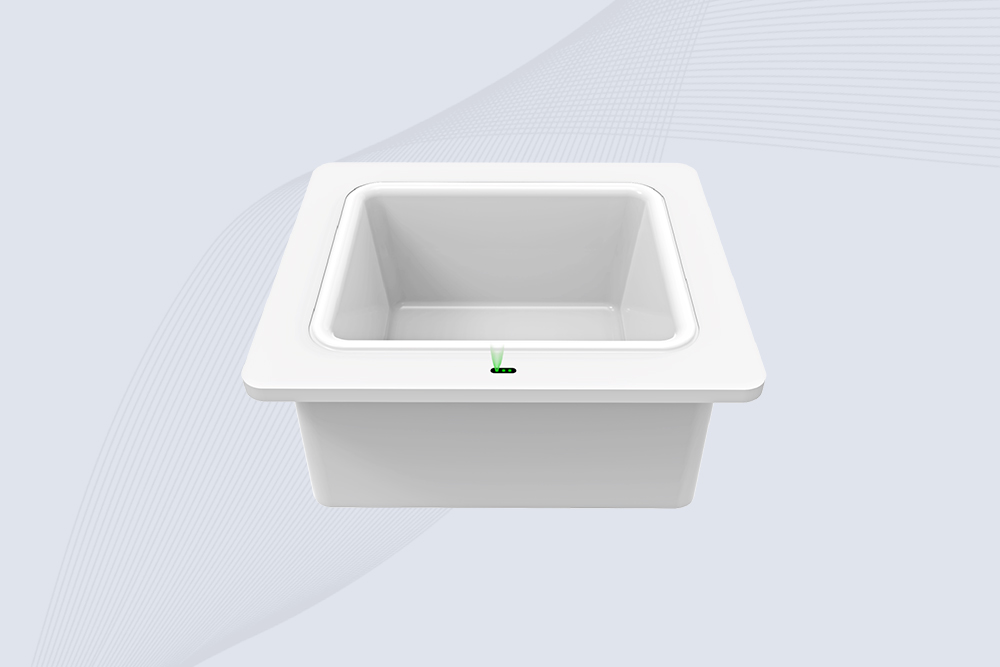
Cykeo CYKEO-D8A embedded RFID badge reader offers 30+ tags/sec scanning, 20cm anti-crosstalk precision, and DC 12V power for unmanned stores, warehouses, and smart inventory systems.
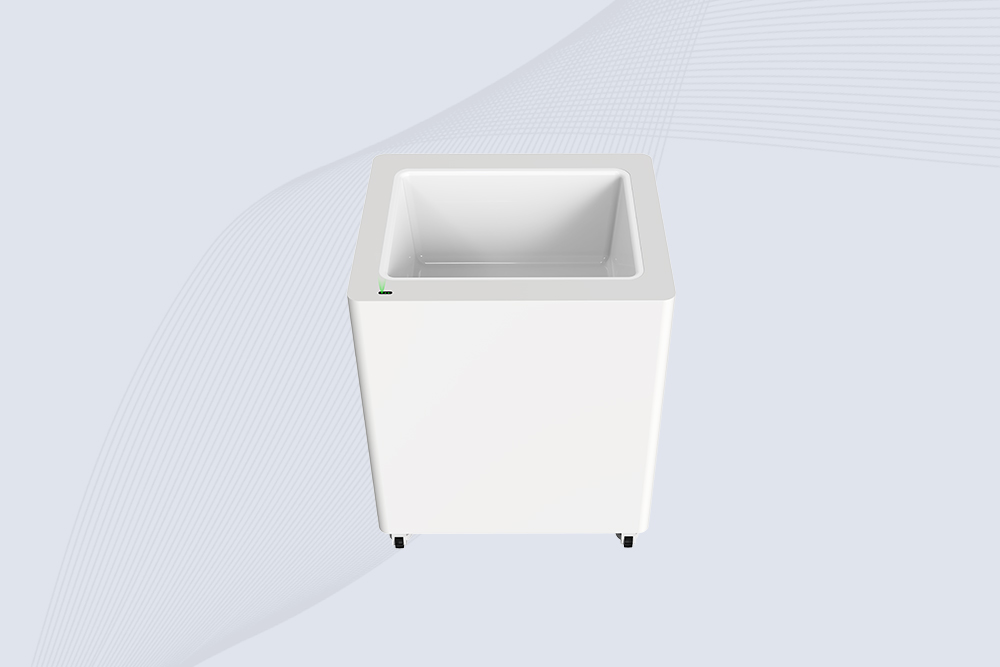
Cykeo’s CYKEO-D8C UHF RFID gate reader achieves 200-tag/batch scanning with adjustable power control, ideal for retail inventory and smart warehouse management.
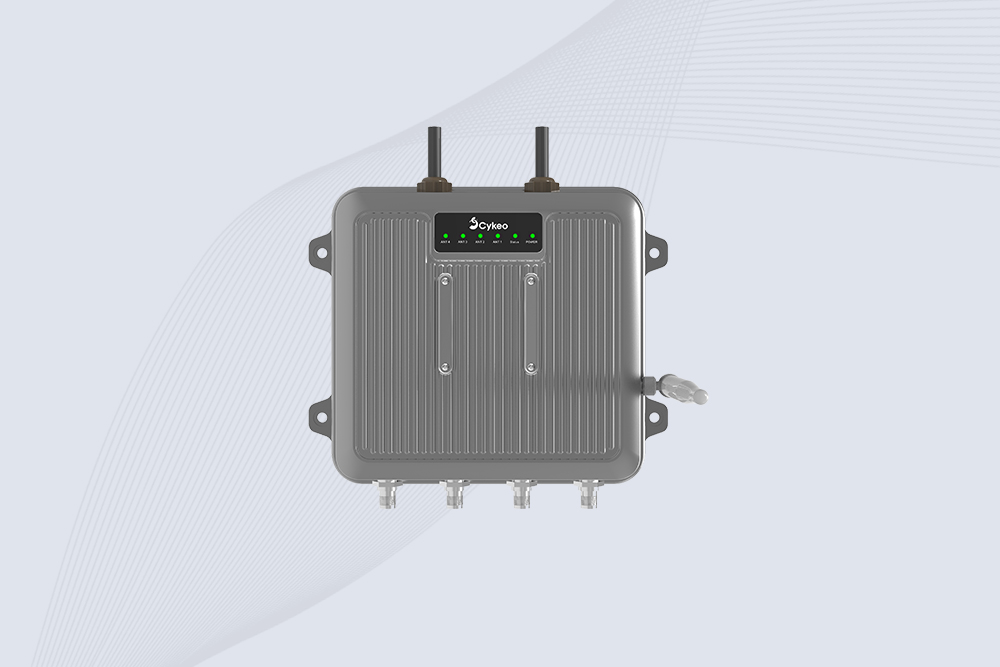
Cykeo CYKEO-C1 industrial Forklift RFID Reader features 20m read range, 600 tags/sec scanning, Impinj R2000 chipset, and IP67 rugged design. Ideal for warehouse logistics and manufacturing. Supports ISO 18000-6C/6B protocols.
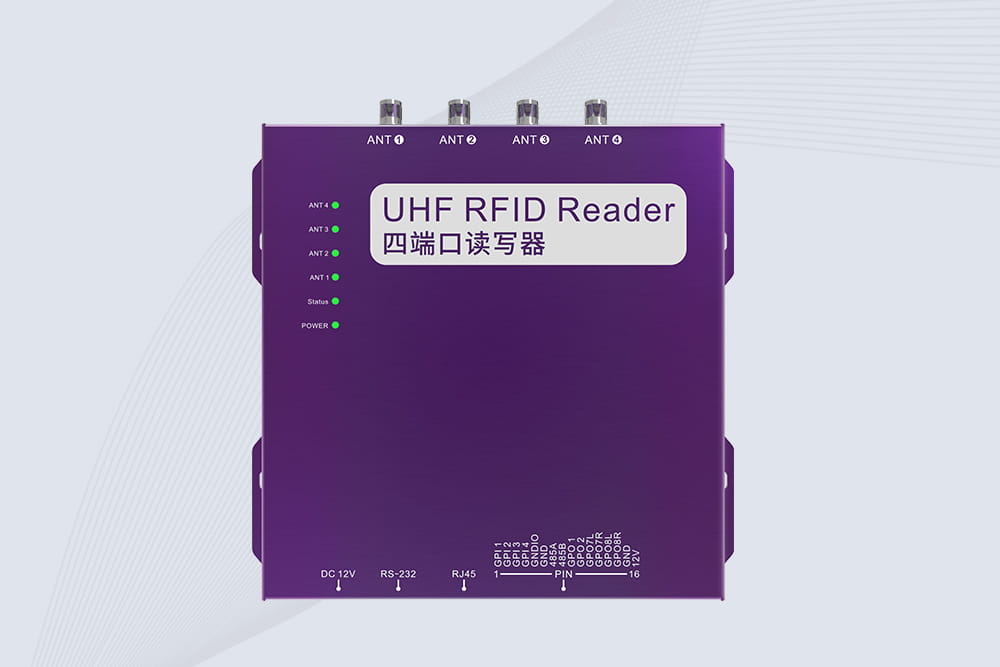
Cykeo CYKEO-R4 industrial UHF RFID Fixed Reader features 4 TNC ports, 400+ tags/sec speed, IP67 housing, and global frequency compliance for vehicle inspection, smart warehouse, and asset management systems.
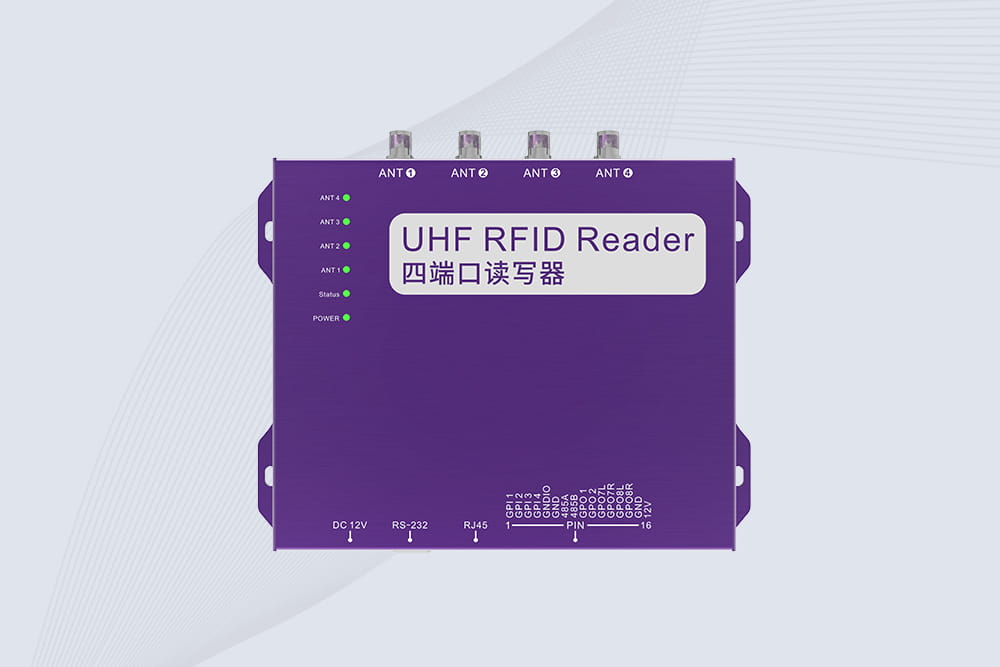
Cykeo’s CYKEO-R4L 4-port Fixed UHF RFID Reader delivers 400 tags/sec scanning, ISO 18000-6C compliance, and IP65 protection. Ideal for warehouse automation, manufacturing WIP tracking, and logistics management.
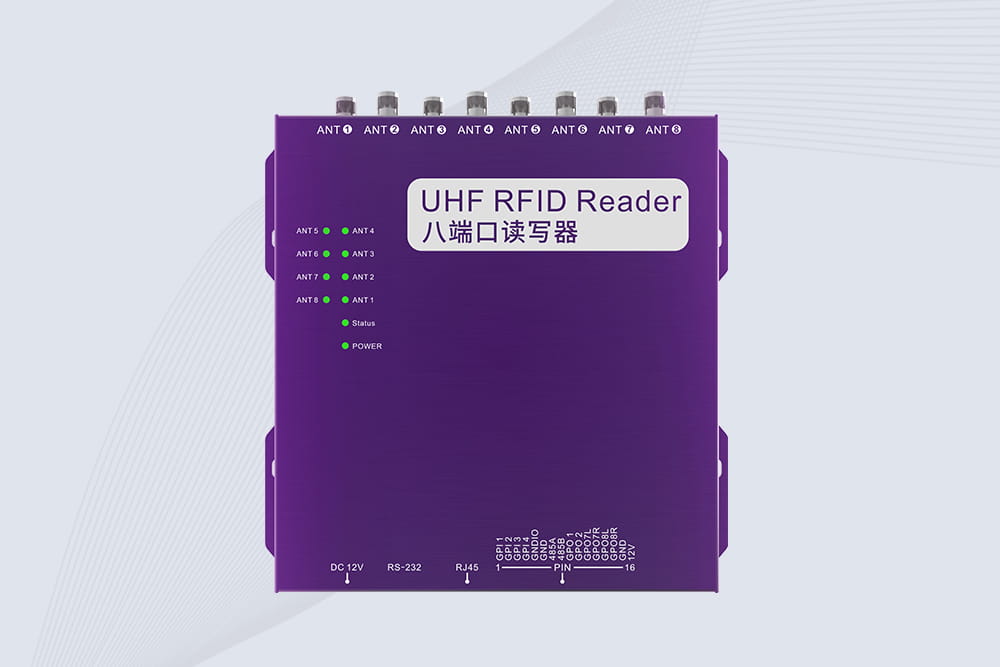
CYKEO CYKEO-R8L Fixed RFID Reader with 8-port UHF design, Impinj-based RF core and up to 20m read range. An industrial Fixed RFID Reader for vehicle inspection, warehouse portals, smart manufacturing lines and secure access checkpoints.
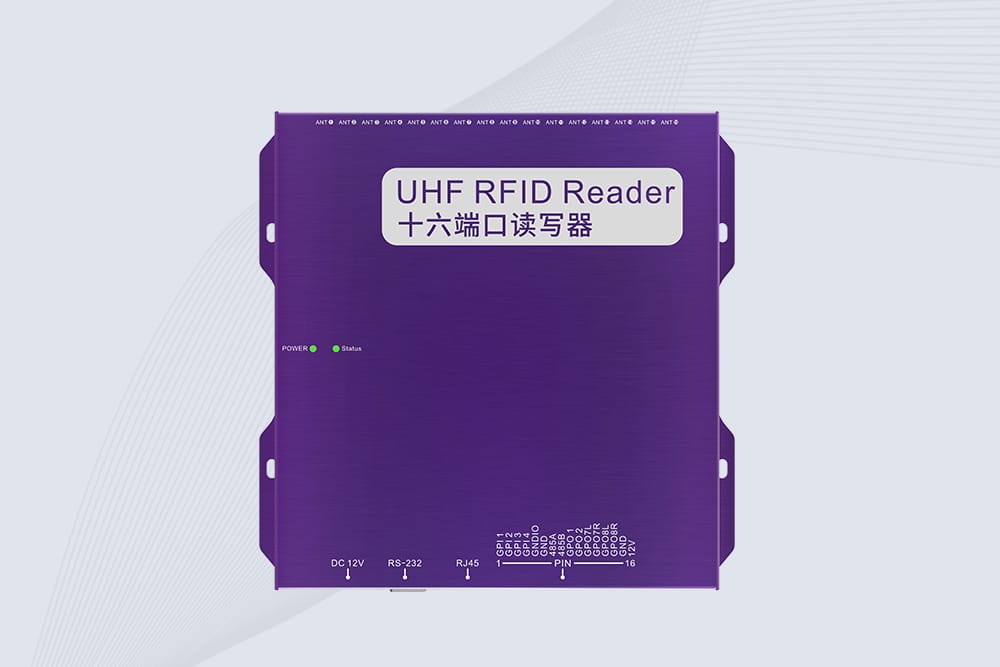
RFID Fixed Reader from CYKEO – the CYKEO-R16L 16-port UHF fixed reader for warehouses, smart cabinets, and production lines. Long-range, multi-tag reading, stable performance for 24/7 industrial use.

Explore the differences between handheld RFID scanners and fixed readers. Learn how Cykeo’s solutions optimize inventory tracking for mobility or automation.
More
Discover how RFID tag transponder technology improves asset tracking, inventory accuracy, and operational visibility. Learn real-world RFID applications from Cykeo.
More
An RFID transponder is an electronic identification component that communicates with RFID readers through radio waves to identify, track, and manage physical...
More
radio frequency identification tags rfid enable fast, contactless tracking for logistics, retail, and manufacturing. Learn real deployment insights, data, and use cases with Cykeo.
More