 Cykeo RFID IoT Solution Products R&D Manufacturer
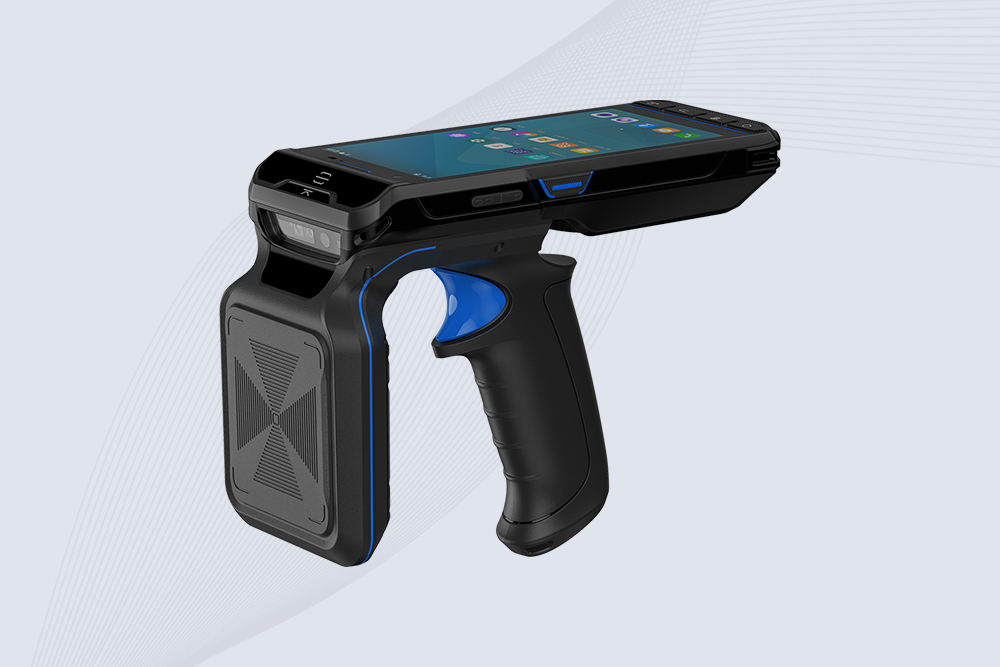
What is Asset tracking RFID system?
107Asset tracking RFID system solutions help organizations monitor assets in real time, reduce losses, automate audits, and improve operational efficiency with accurate RFID technology from Cykeo.
MoreAll RFID Product
Choosing between handheld RFID scanners and fixed readers depends on your business’s workflow, budget, and tracking needs. While both technologies use radio waves to capture tag data, their design and use cases vary significantly. Here’s a breakdown to help you decide which solution delivers the best ROI.
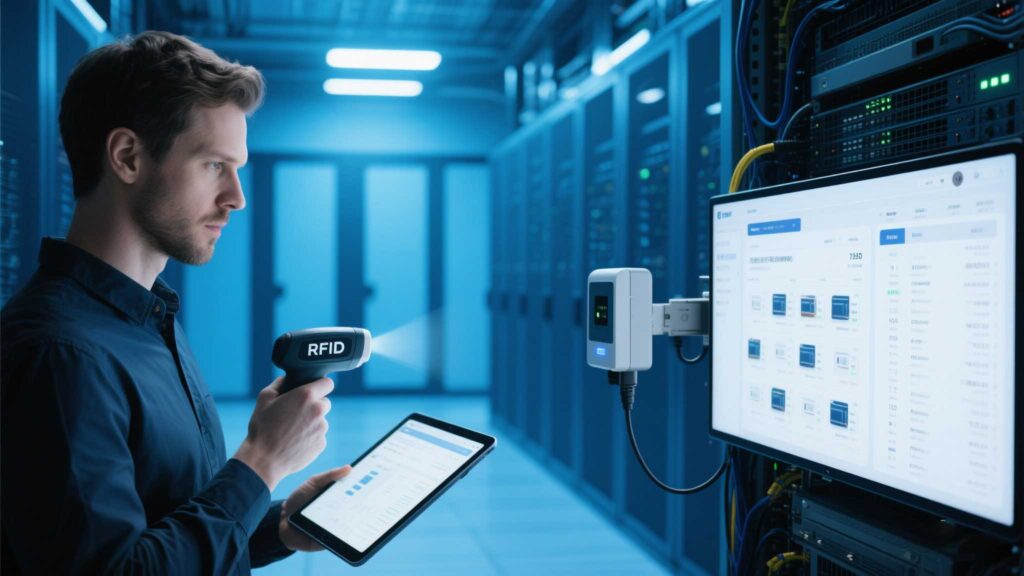
A mid-sized logistics company deployed Cykeo’s fixed readers at loading docks to automate inbound/outbound tracking, reducing shipping errors by 45%. Meanwhile, their warehouse team uses handheld scanners for daily stock audits, cutting audit time by 60%.
Asset tracking RFID system solutions help organizations monitor assets in real time, reduce losses, automate audits, and improve operational efficiency with accurate RFID technology from Cykeo.
More
Compare USB RFID readers and handheld scanners for inventory, retail, and logistics. Learn which suits your workflow: portability vs fixed setup.
More
Explore RFID Anti-Metal Tags—their principles, types, and applications—from factories to data centers, with real-world lessons and pitfalls.
More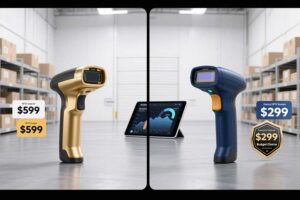
Discover affordable alternatives to high-end handheld RFID scanners without sacrificing performance. Learn how Cykeo’s budget-friendly options deliver reliability for small businesses and startups.
More