 Cykeo RFID IoT Solution Products R&D Manufacturer

How to Code RFID Tags: Complete RFID Tag Programming Guide
309Learn how to code rfid tags with professional RFID writers, software tools, and practical methods. Cykeo explains RFID programming for reliable tag management.
MoreAll RFID Product
Searching for RFID for tracking usually ends the same way: you learn that RFID tags and readers can record item movements, and then you’re left wondering what hardware to actually buy for your situation. A tool crib, a dock door, a laundry, and a production line need completely different setups — same technology, different combinations of tags, readers, and read points.
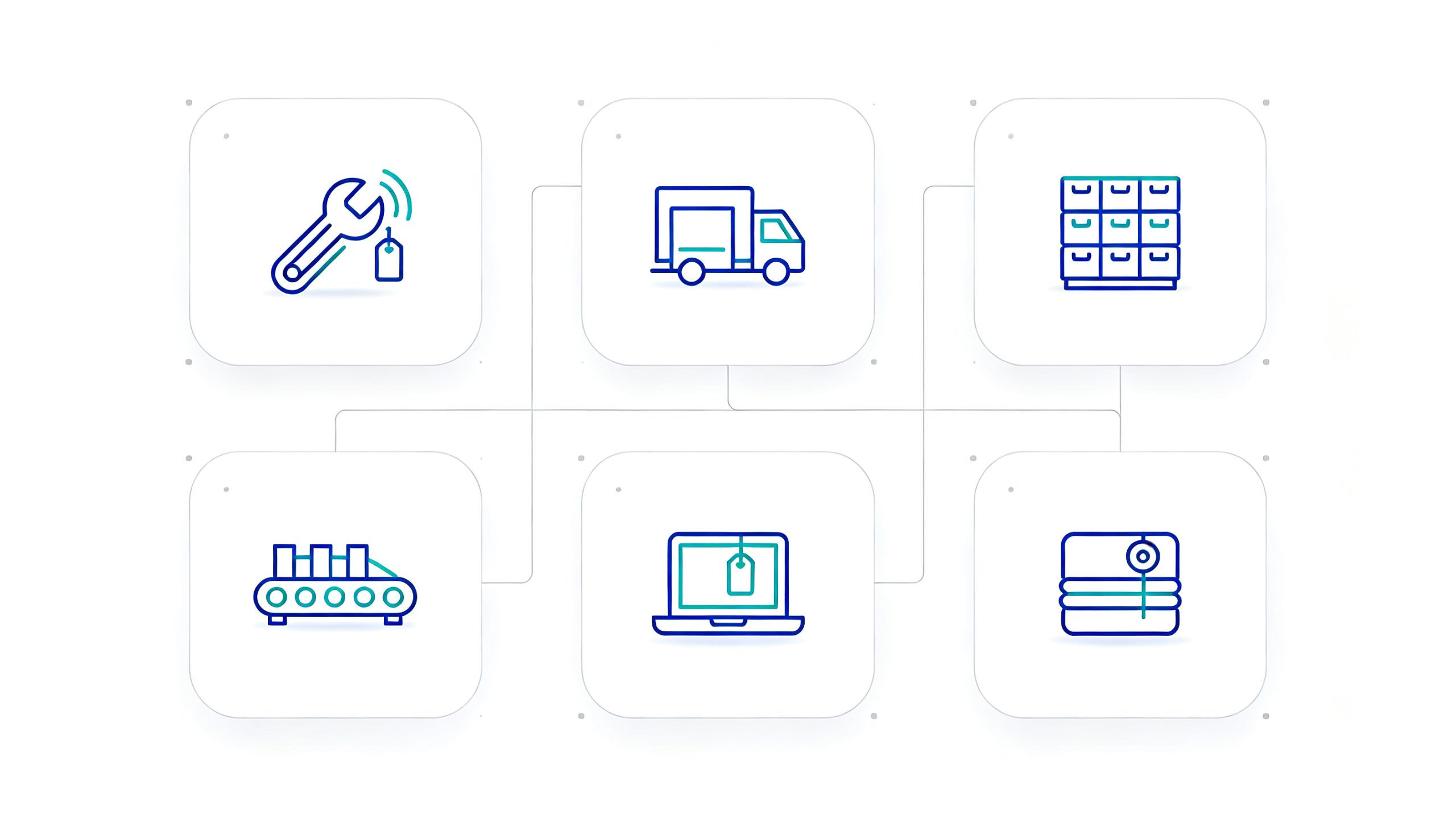
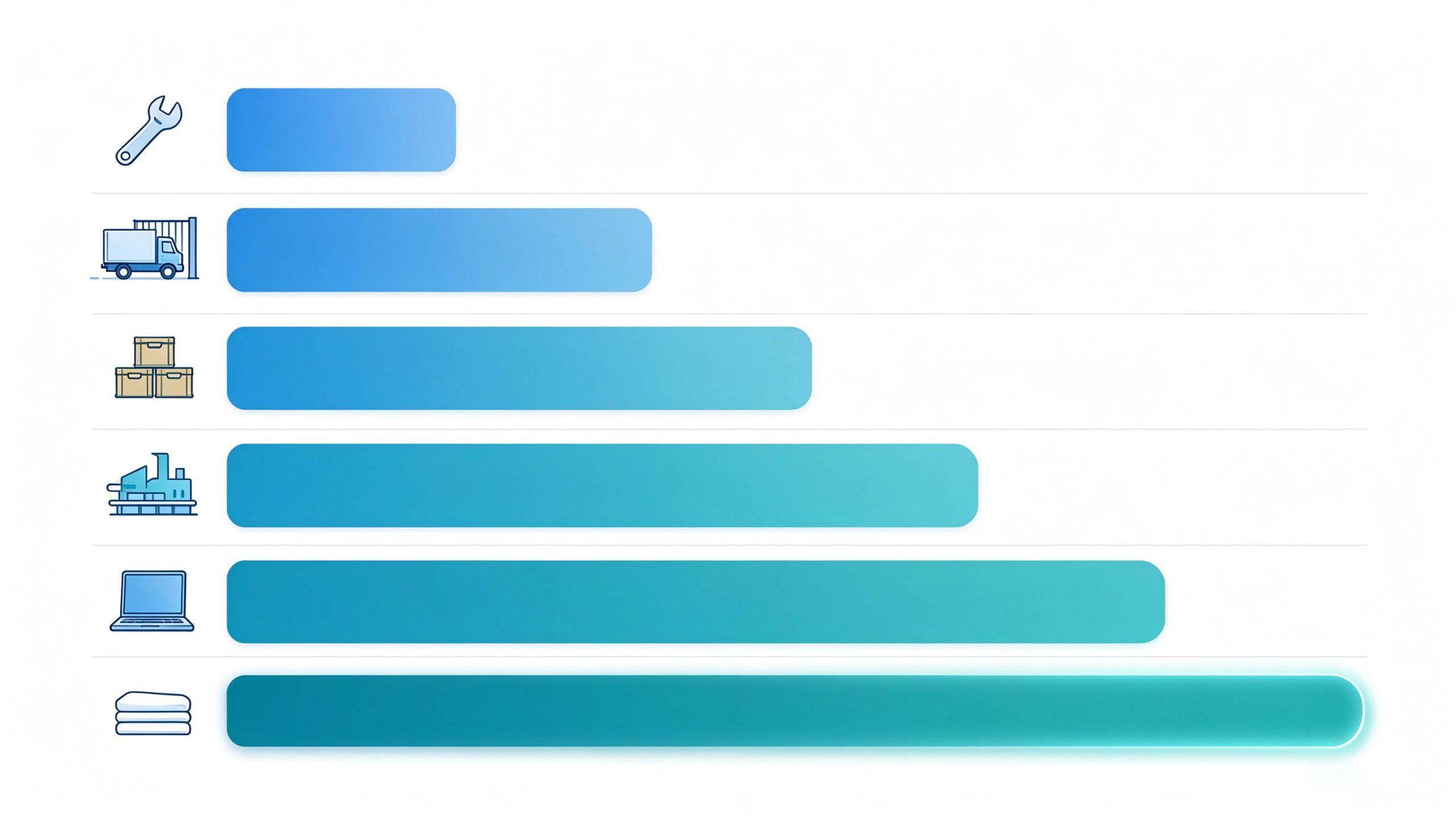
This article skips the theory (our guide on whether RFID can be used to track covers that) and lays out six proven tracking setups: what hardware each one uses, where the read points go, what data you get, and what a realistic budget looks like.
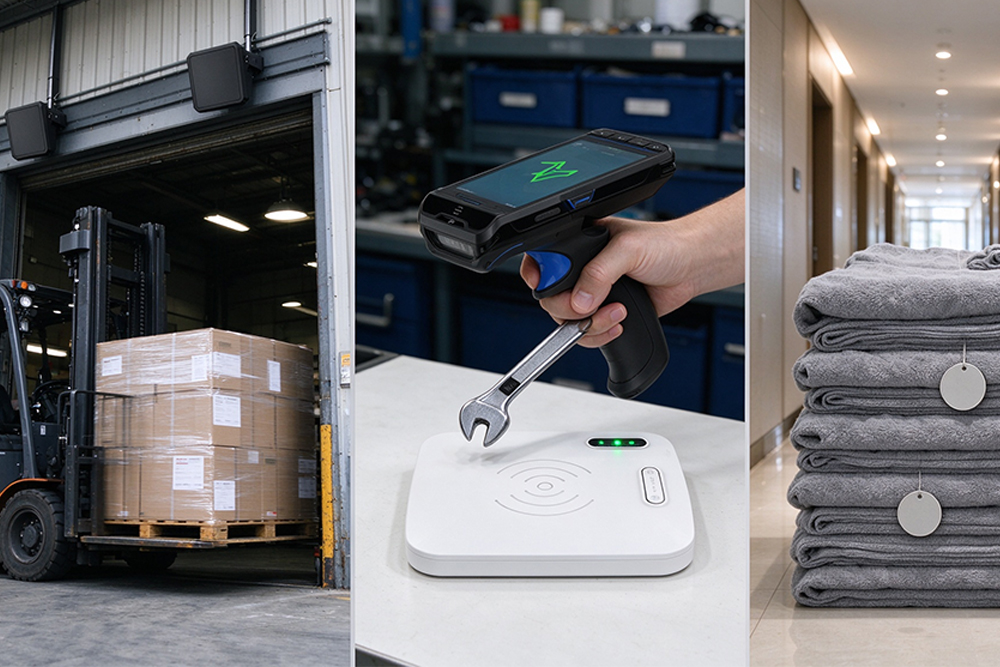
RFID tracking records checkpoint events: a tagged item passes a reader, the reader logs the tag ID, time, and location, and software stitches those events into a movement history. Three capability levels exist:
Checkpoint tracking answers the questions that actually cost money: did it leave, did it arrive, who took it, is it missing? For the deeper mechanics of how readers and software turn detections into history, see how RFID product tracking works.
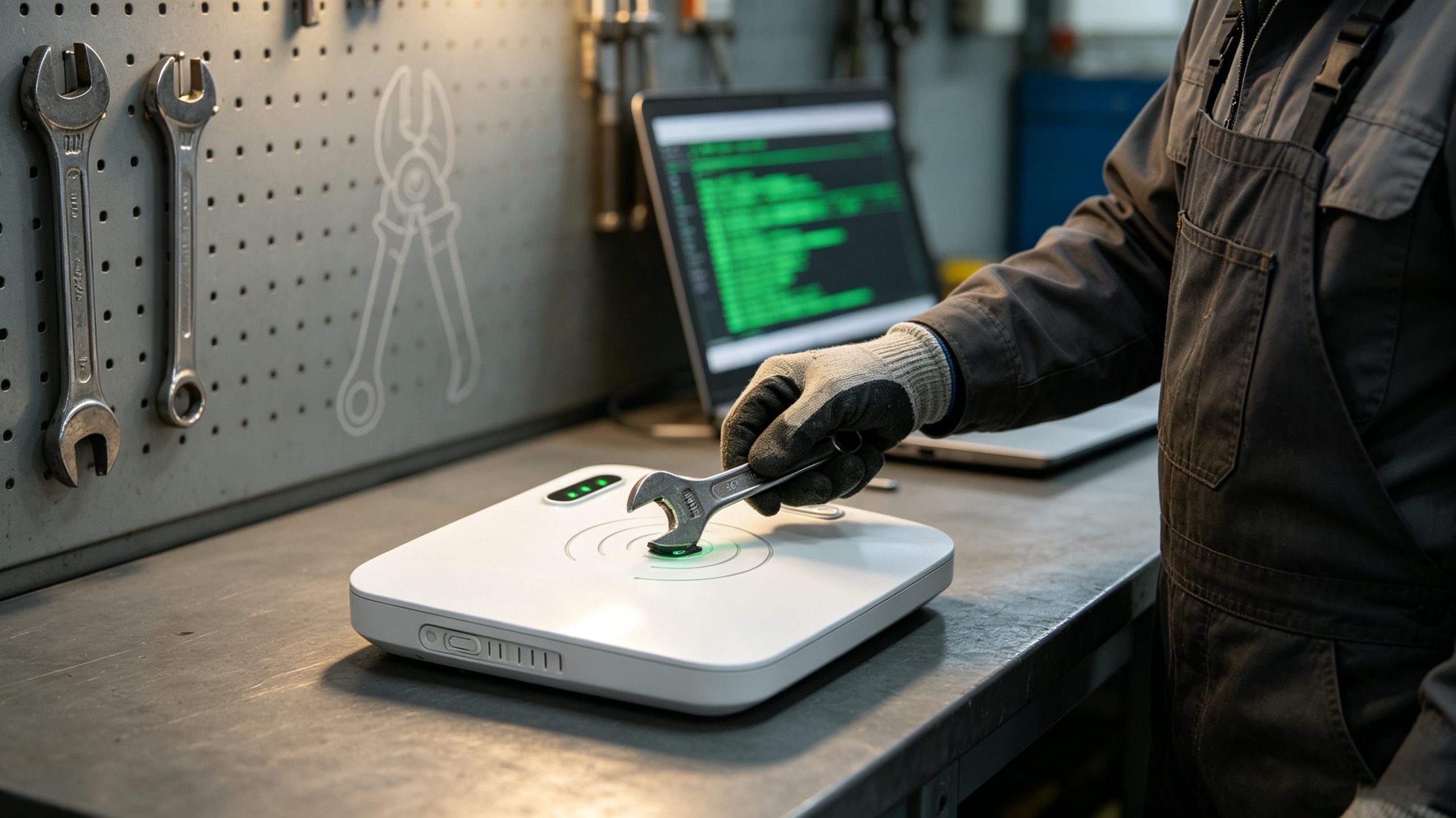
The problem: Tools wander. Nobody signs them out, nobody knows where the torque wrench is, and audits take hours.
Hardware combination:
Read points: the crib window (issue/return) is the only mandatory one. Add a reader at the workshop entrance if tools leak out of the department.
Data you get: who took which tool, when it came back, and a searchable “last seen” for everything else.
Typical budget: 1,500–4,000 (200 on-metal tags, one desktop reader, one handheld, light integration into a spreadsheet or CMMS).
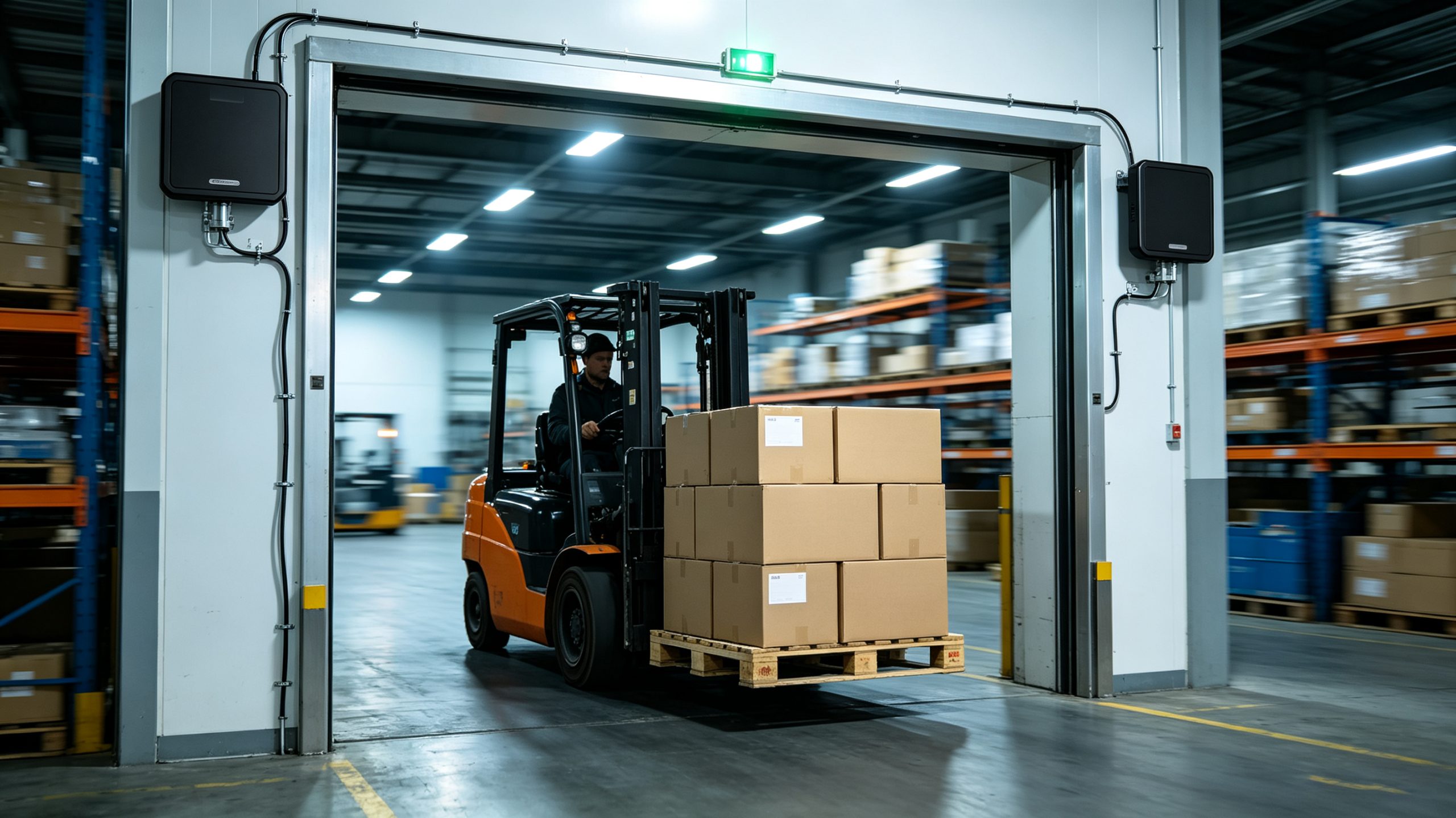
The problem: Receiving verification takes hours; outbound shipments occasionally contain the wrong pallets, and nobody notices until the customer calls.
Hardware combination:
Read points: every dock door that handles traffic you want verified automatically. Tuning antenna angle and power to prevent reading the neighbouring lane is the critical step.
Data you get: automatic receive events, automatic ship verification, discrepancy alerts before the truck leaves.
Typical budget: 3,000–8,000 per portal including antennas, cabling, mounting and integration. The full cost breakdown — including the items buyers forget — is in our fixed-mount reader cost and deployment guide.
The problem: Reusable containers drift between plants, suppliers and logistics providers. Nobody knows the real fleet size, and losses are written off as shrinkage.
Hardware combination:
Read points: dock doors at each location in the loop. The value comes from partners installing readers too; start with your own two busiest gates and negotiate partner adoption with the data you generate.
Data you get: fleet counts per location, dwell time at each site, and evidence for loss claims.
Typical budget: 2,500–6,000 per site for the first two gates; tag cost depends on fleet size (hundreds to thousands of units at 1–3 each).
The problem: Paper travelers and barcode scans slow the line, and supervisors reconstruct progress from whiteboards.
Hardware combination:
Read points: one per process boundary you care about. Start with two — before and after the slowest or highest-defect stage — and expand once the data proves itself.
Data you get: automatic stage timestamps, cycle time per unit, WIP count per stage, and instant recall scoping (which units passed through the faulty station).
Typical budget: 4,000–12,000 per line for two to four checkpoints, tags, and MES integration.
The problem: Spreadsheets say laptop #47 is in rack 3, but it’s been in a drawer since March.
Hardware combination:
Read points: the IT desk and, optionally, the server room door.
Data you get: audit-ready asset register, check-out history, and a sweep that finds unregistered or misplaced devices in minutes.
Typical budget: 1,000–2,500 — the cheapest of the six setups, and the best first project if you’ve never run RFID before.
The problem: Hotels and hospitals lose 10–20% of linen inventory per year and can’t prove where losses happen.
Hardware combination:
Read points: soiled-linen intake and clean-linen dispatch. Hotel-side, a handheld per floor covers room collection.
Data you get: wash-count history per item (garments retire on data, not on guesswork), loss location by floor or client, and accurate client billing by piece.
Typical budget: 2,000–5,000 for reader hardware; tag cost dominates and depends on garment fleet size.
| Setup | Tag Family | Reader Type | Key Read Point | Budget Range |
| Tool tracking | On-metal hard tags | Desktop + handheld | Tool crib window | 1,500–4,000 |
| Dock doors | Paper labels + pallet tags | 4/8-port fixed + portal antennas | Every dock door | 3,000–8,000 per portal |
| RTI / returnable containers | Cable-tie / epoxy tags | Fixed at gates + handheld | Entry and exit points | 2,500–6,000 per site |
| WIP production | Labels + on-metal for trolleys | Fixed readers per checkpoint | Process boundaries | 4,000–12,000 per line |
| IT assets | Small anti-metal tags | Desktop + handheld | IT desk, server room door | 1,000–2,500 |
| Laundry / linen | Washable silicone tags | Tunnel/portal + handheld | Soiled intake, clean dispatch | 2,000–5,000 + tags |
Every setup follows the same two rules: tag the object for the surface it lives on, and place readers where a decision is made — issue, receive, ship, dispatch — not where it’s merely convenient to mount hardware. For help matching reader types to read zones, see how to choose the right RFID reader for your application, and browse the full hardware range on the Cykeo RFID readers page.
Whatever the setup, each read should land in software as a complete event — the pattern the GS1 EPCIS standard formalizes:
Tags store identity only; the movement history lives in your system. That separation is what lets you change tags, readers, or software later without losing history.
All three are caught by the same discipline: run a 30-day pilot with real items, real speeds, and real surfaces before bulk orders.
Three things: a tag on each item, at least one reader at a meaningful checkpoint, and software that logs events into a movement history. The tag must match the item’s surface and your reader’s frequency.
Yes, but plan for it: use IP65+ rated tags and readers, and expect shorter effective read range around metal vehicles and rain. Forklift-mounted readers are a common outdoor pattern.
Usually one to three. Start at the single highest-traffic decision point — the busiest dock door, the tool crib window, the linen intake — prove the data value, then expand.
Partially. A desktop reader writing to a spreadsheet tracks check-outs for a small tool crib, but automated portals need real integration to be useful. Budget integration time from day one.
IT asset tracking: roughly 1,000–2,500 for a desktop reader, a handheld, and anti-metal tags — and it produces an audit-ready asset register within a week.
RFID tracking succeeds or fails on scenario fit, not technology choice. Pick the setup that matches your objects and traffic, tag for the real surface, put readers where decisions happen, and pilot for 30 days before scaling.
Which setup fits your situation? Explore Cykeo’s RFID reader range — desktop, handheld, fixed and forklift readers with free SDK and demo software — and tell us your tracking scenario: what you’re tracking, on what surface, through which checkpoints. We’ll map it to a hardware list and a pilot plan.

Discover SSD-D4AL, a USB-HID UHF RFID reader with 4/8/16 antenna options, Impinj E710/X3M1 chipset, plug-and-play USB power, and OEM customization.
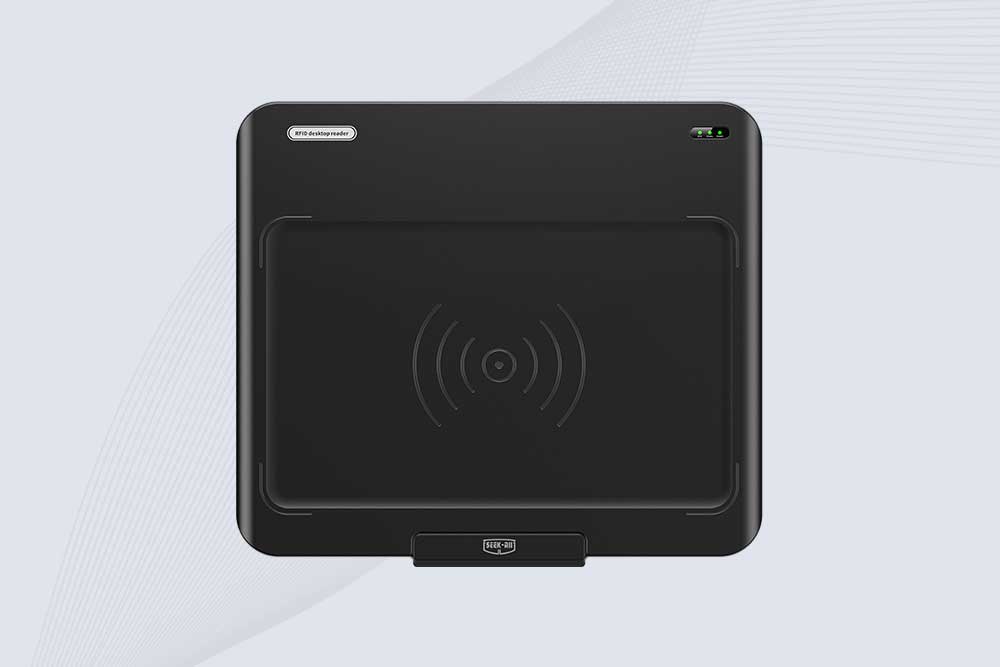
SSD-D3AL is a USB-HID UHF RFID reader with 0–30 cm reading, 0–15 cm writing, over 600 tags/s recognition, USB plug-and-play operation and OEM Logo customization.
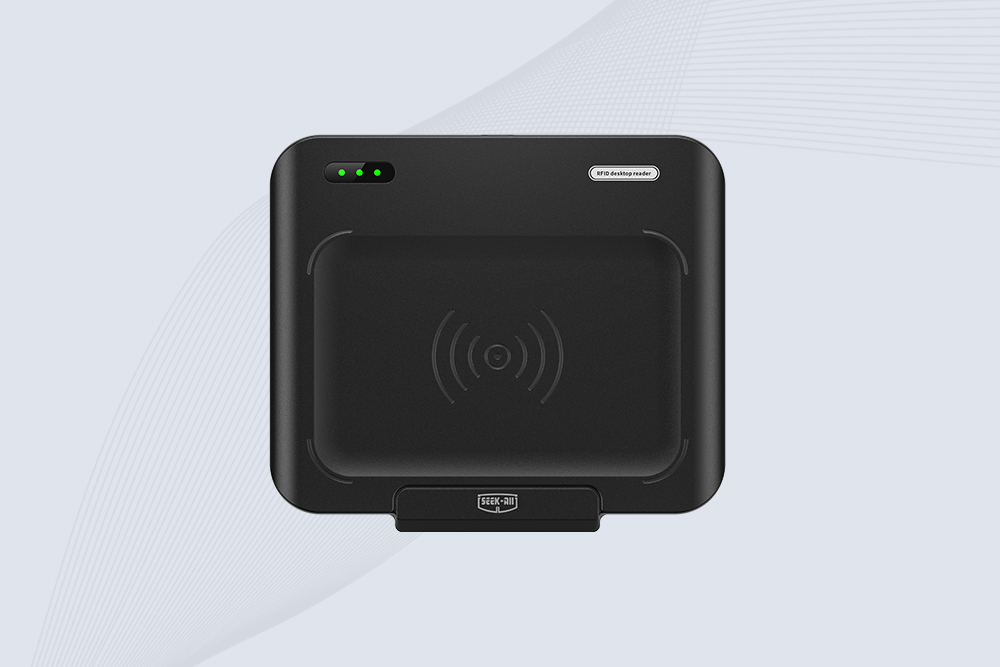
SSD-D1AL is a compact USB UHF RFID reader with Impinj E710/X3M1 chipset, USB-HID, 600+ tags/s recognition, 4/8/16 antenna support and plug-and-play USB power.
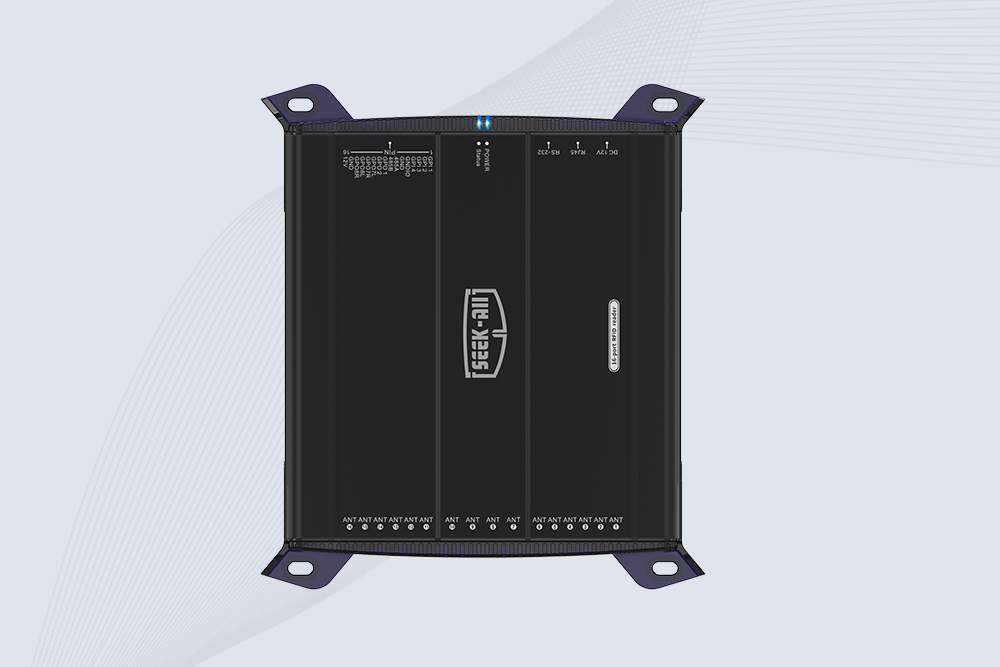
SSD-R16L Multi-Channel RFID Infrastructure for Automated Inventory Management ✔️ 16-Port High-Density RFID Reading Equipped with 16 SMA antenna ports, SSD-R16L supports multi-antenna deployment for warehouses, retail stores, logistics, production lines, and large-area RFID identification. ✔️ High-Speed & Long-Range Performance With up to 33…
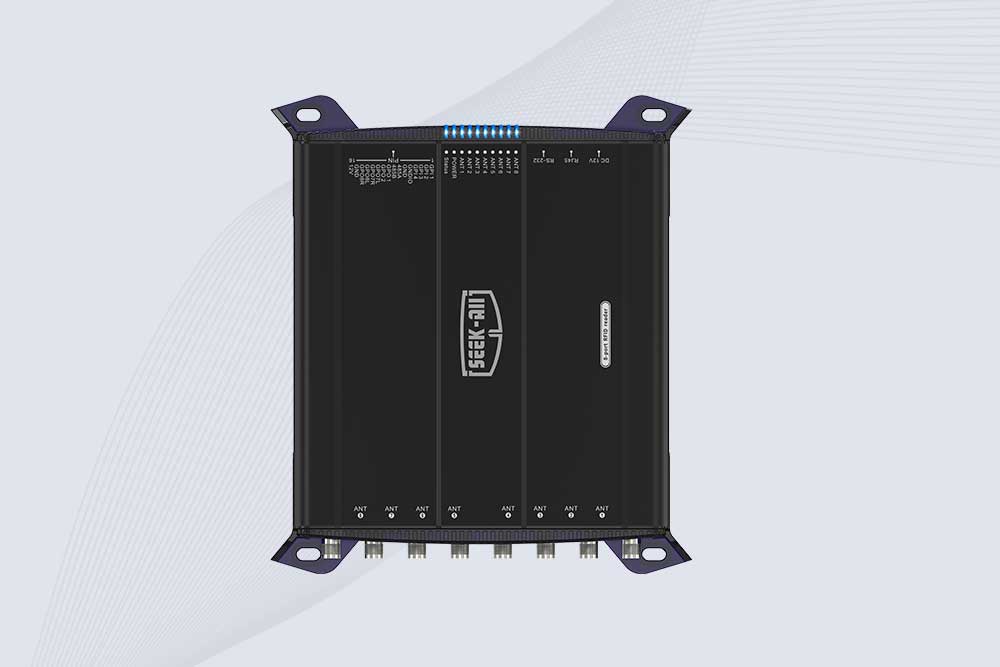
SSD-R8L 8-port UHF RFID reader with 33dBm output, up to 20m reading range and 600+ tags/s recognition. Ideal for warehouse, logistics, retail and asset tracking.
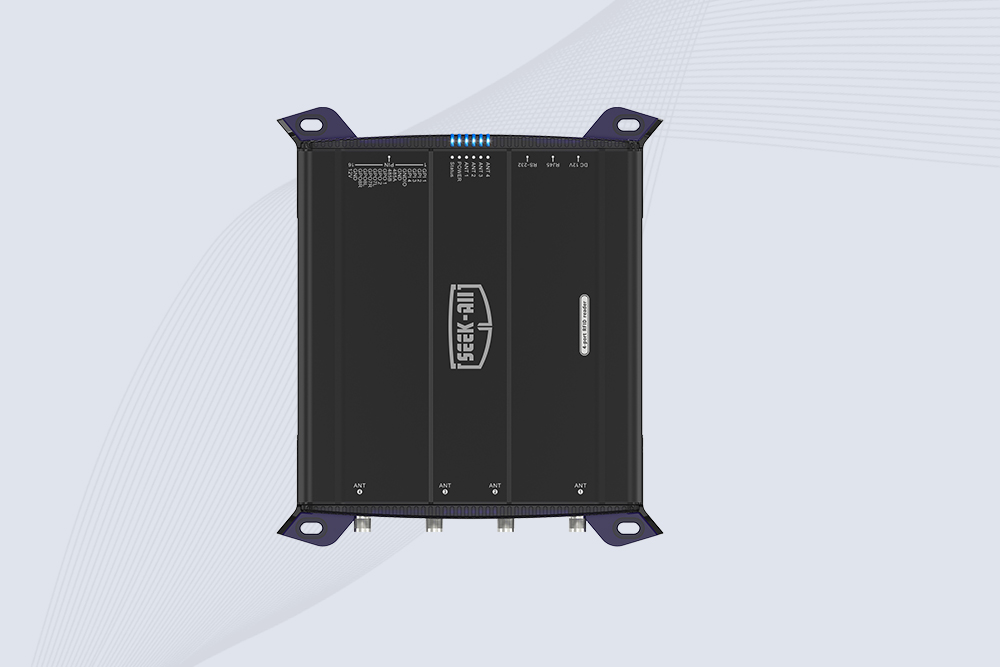
SSD-R4L is a 4-port UHF RFID fixed reader with 33dBm output power, up to 20m reading range, EPC C1G2 support and 600+ tags/s reading speed.

CYKEO CYKEO-D1LA USB RFID Reader is a compact desktop solution with near-field control for precise tag reading and encoding. Powered by USB, supporting ISO 18000-6C, and built for stable batch writing, this usb rfid tag reader fits retail, libraries, offices, and controlled RFID encoding tasks.
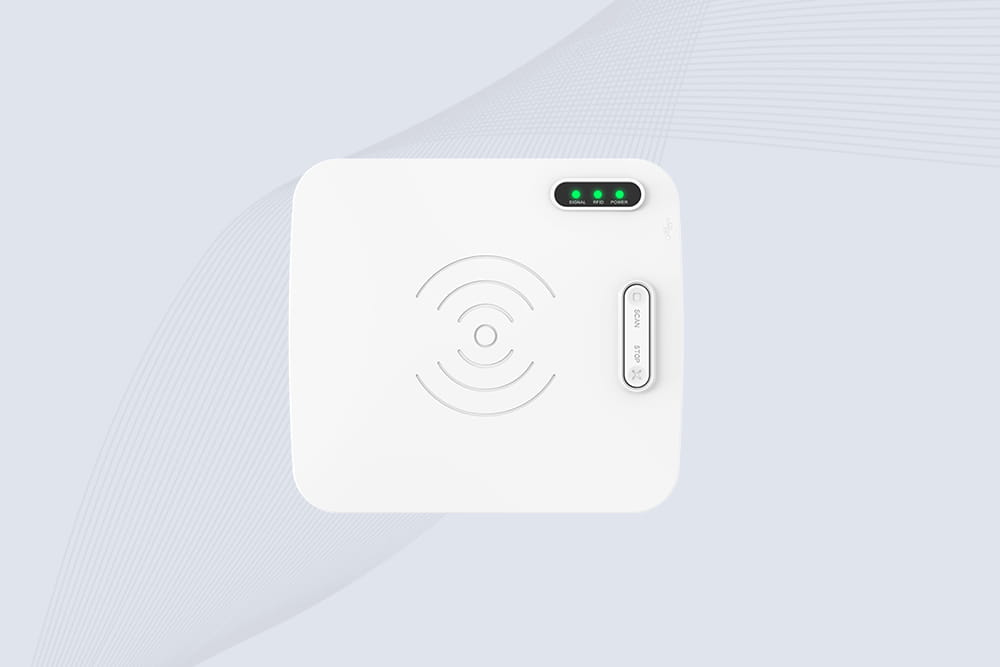
CYKEO CYKEO-D1L RFID scanner USB is a compact desktop UHF RFID scanner designed for short-range tag writing and verification. This usb rfid scanner supports batch encoding, stable 0–26 dBm output, and works across Windows, Linux, and Android systems.
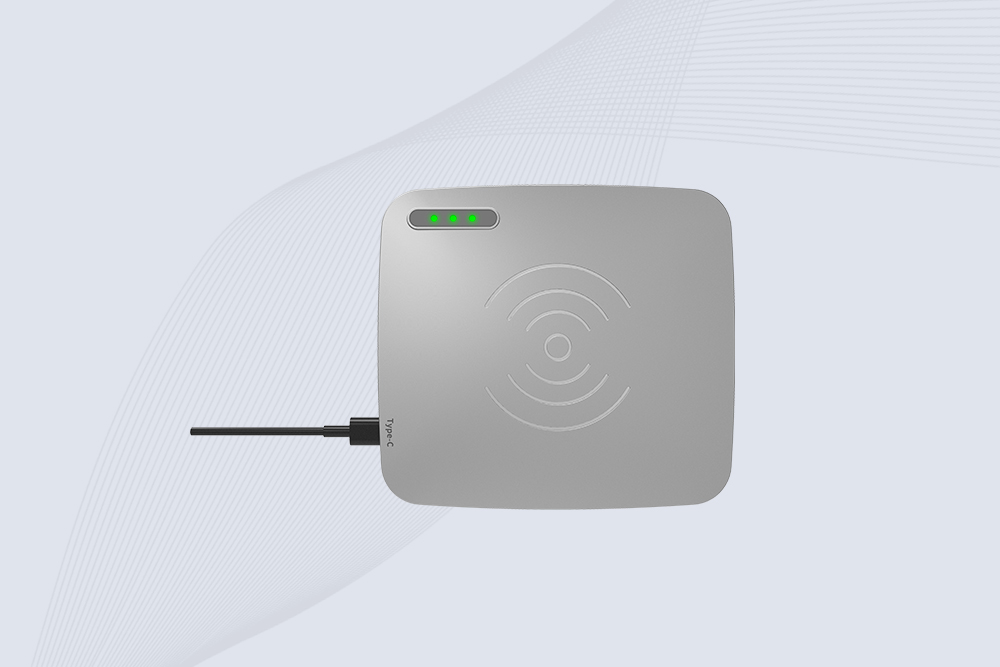
CYKEO CYKEO-D1C USB RFID Card Reader is a near-field UHF desktop writer designed for secure, short-range tag encoding. With USB-C connectivity and stable 26 dBm output, this rfid reader usb c is ideal for badge issuance, label encoding, and controlled desktop RFID workflows.
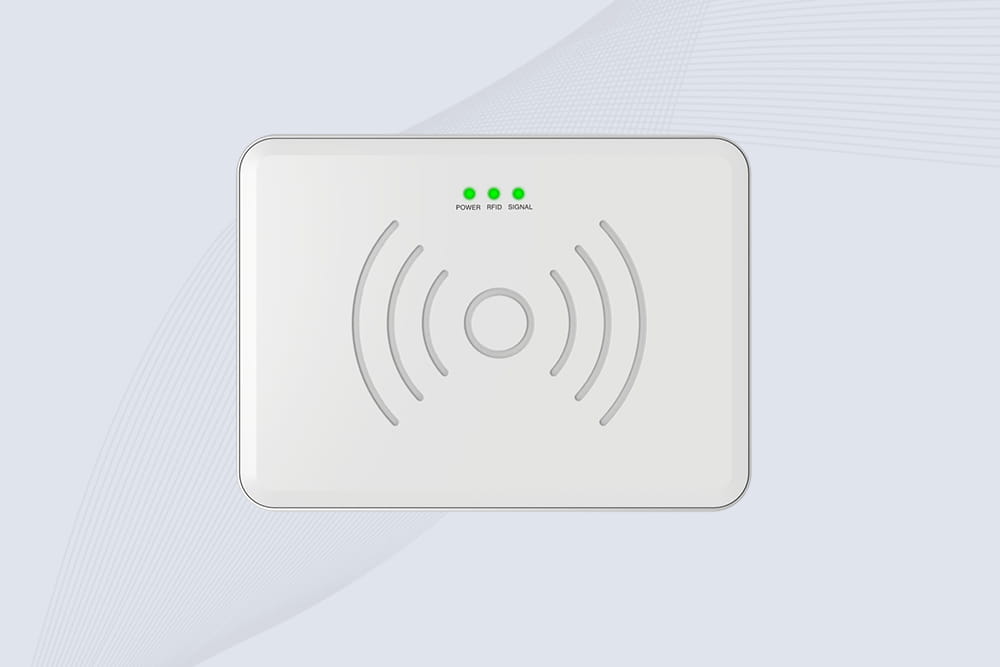
CYKEO CYKEO-D2L RFID Reader USB is a compact desktop encoder built on the Impinj R500 chip. With near-field control and stable USB power, this usb rfid card reader delivers precise tag writing for offices, retail counters, and small-scale logistics encoding tasks.
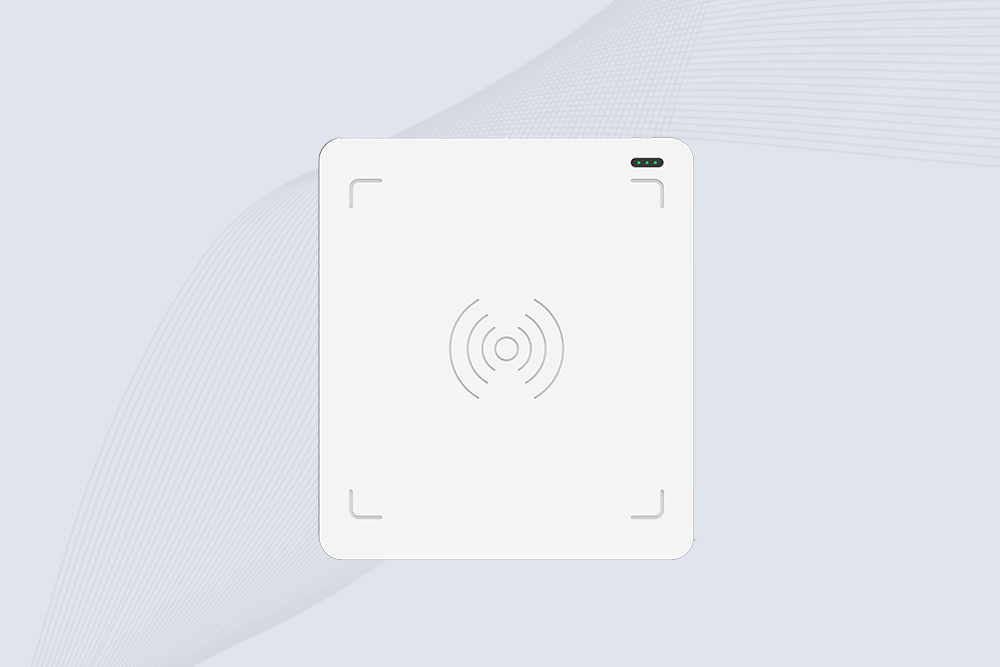
CYKEO CYKEO-D3L USB RFID Tag Reader delivers stable UHF tag reading and writing for daily desktop and light industrial tasks. Designed for controlled short-range operation, this USB RFID Tag Reader works reliably with rfid tag and reader systems in libraries, tool tracking, and inventory registration.
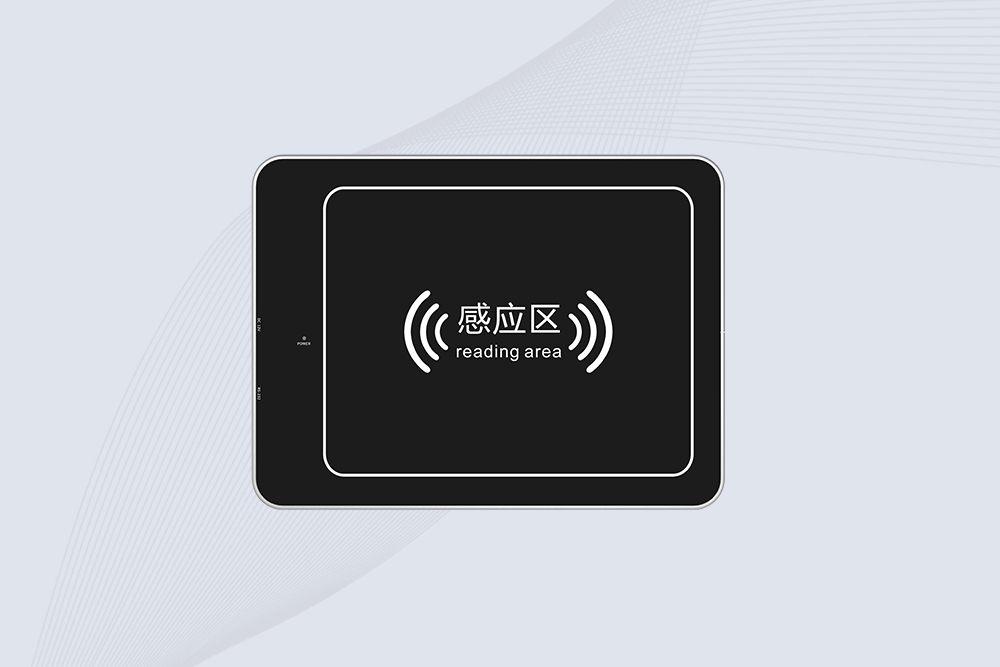
The CYKEO CYKEO-D4L UHF RFID Tag Reader is a stable Desktop RFID Reader designed for accurate tag registration, borrowing, and return workflows. Built with the Impinj R2000 chip, this UHF RFID Tag Reader delivers controlled short-range reads for libraries, asset tracking, and inventory management environments.
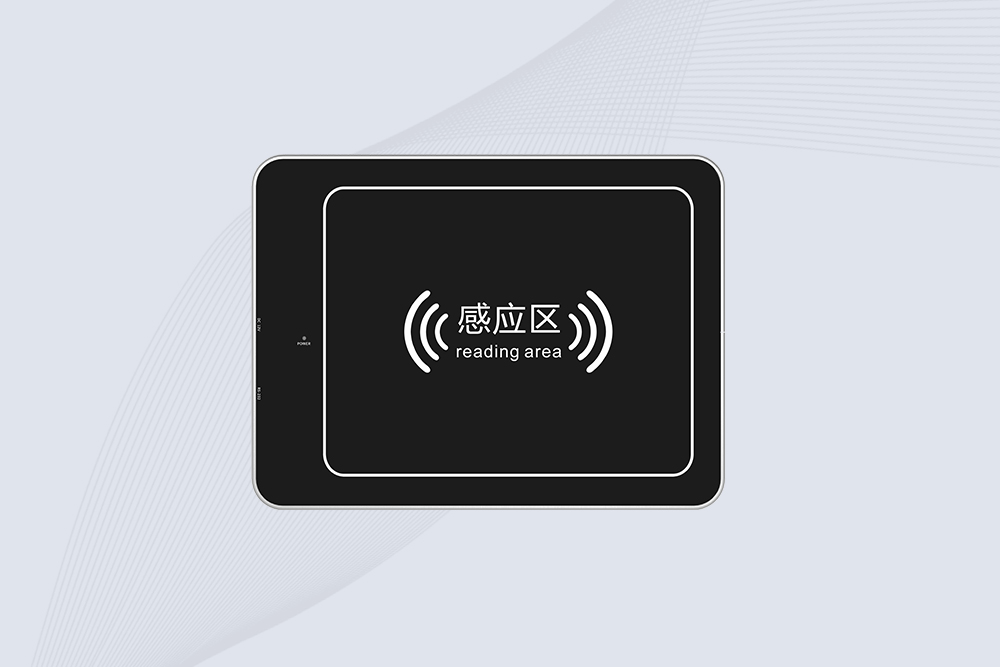
The CYKEO CYKEO-D5L Desktop RFID Card Reader is a stable UHF RFID Card Reader designed for controlled short-range reading and writing. Built for libraries, tool rooms, and asset desks, this UHF RFID Card Reader supports dense tag handling, secure data processing, and easy USB integration.
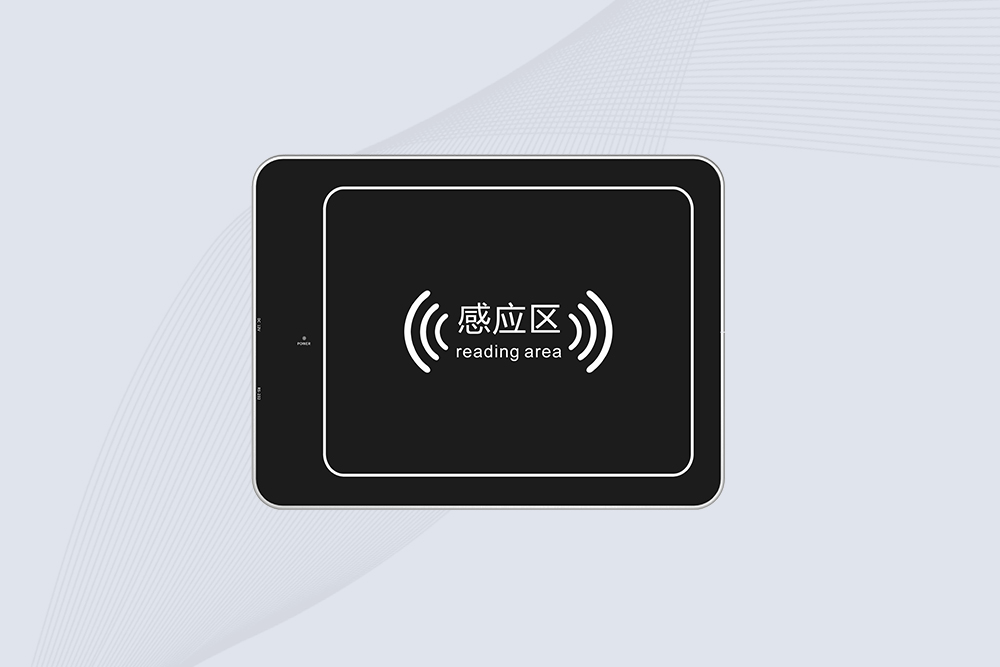
The CYKEO CYKEO-D6L RFID Reader Writer is a heavy-duty Desktop RFID Reader designed for short-range, high-accuracy tag programming. Built for libraries, labs, and asset desks, this RFID Reader Writer supports batch processing, stable 33dBm output, and seamless integration with existing management systems.
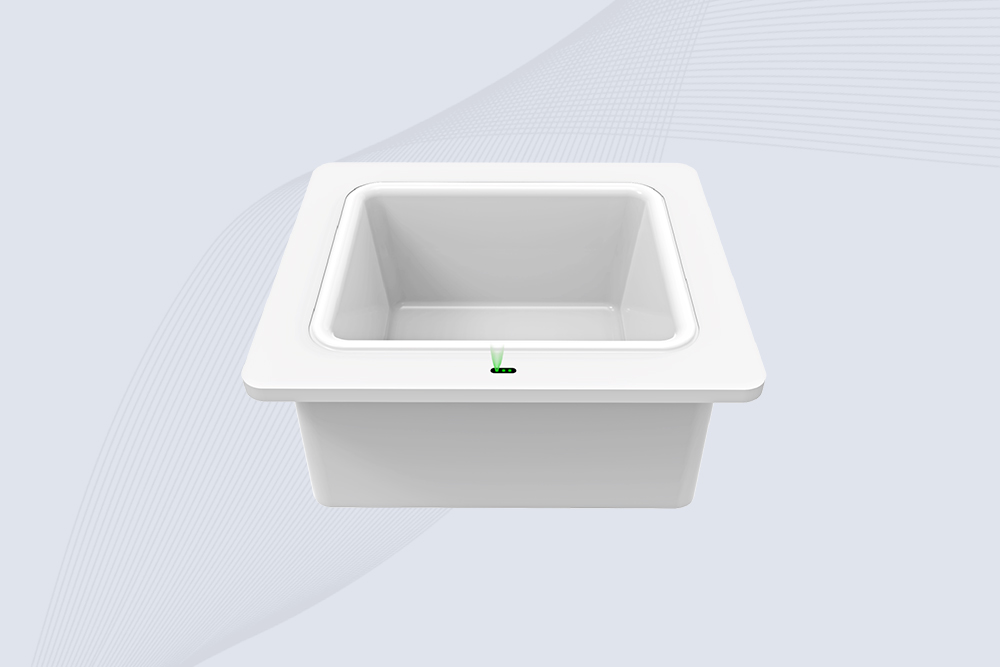
Cykeo CYKEO-D8B UHF RFID tunnel and RFID Desktop Reader features 30+ items batch reading,
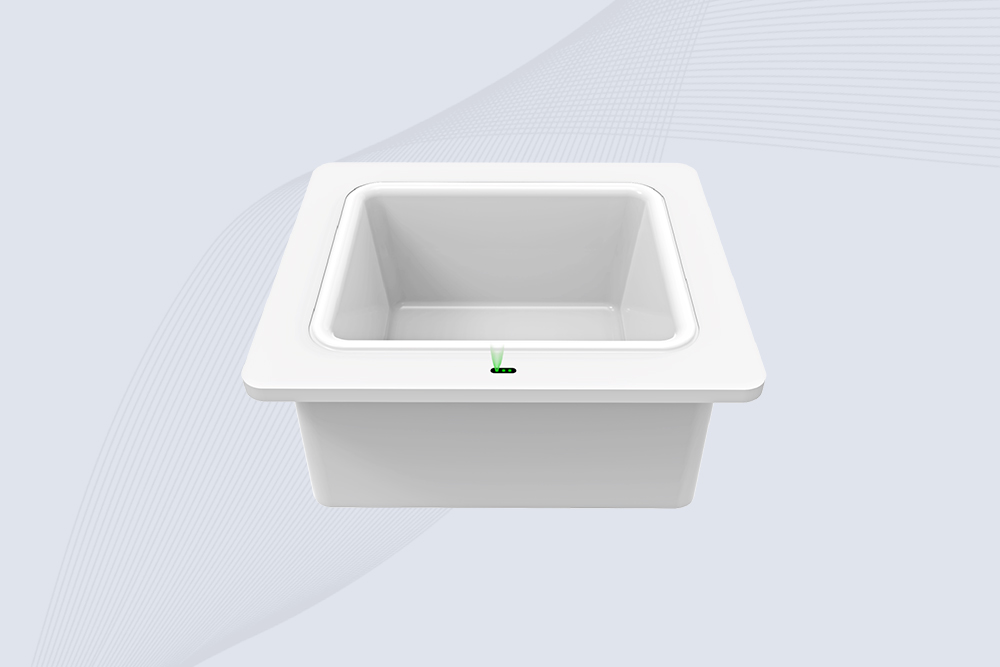
Cykeo CYKEO-D8A embedded RFID badge reader offers 30+ tags/sec scanning, 20cm anti-crosstalk precision, and DC 12V power for unmanned stores, warehouses, and smart inventory systems.
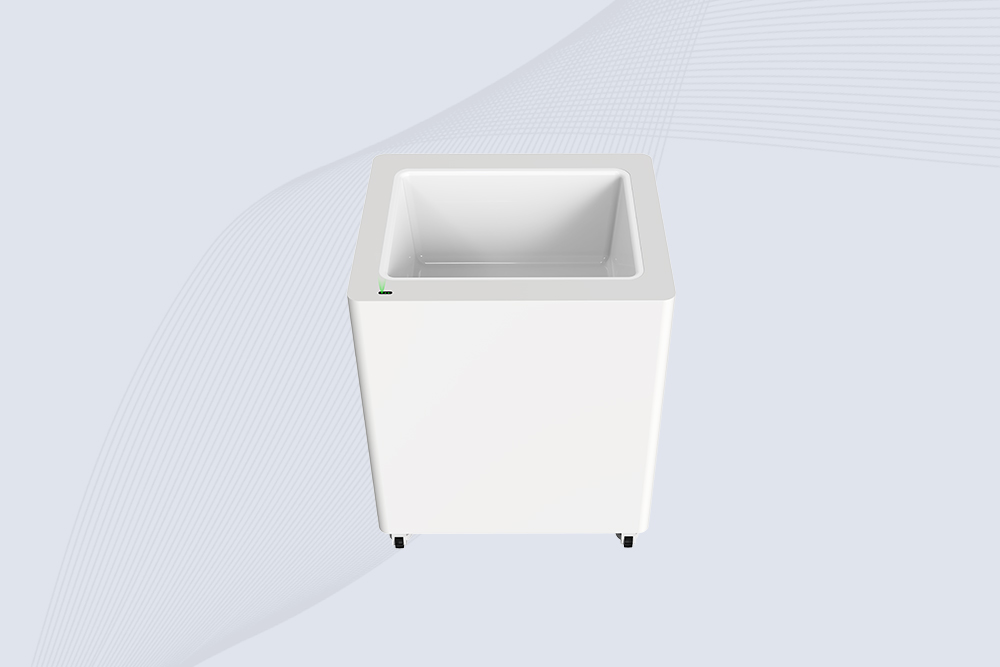
Cykeo’s CYKEO-D8C UHF RFID gate reader achieves 200-tag/batch scanning with adjustable power control, ideal for retail inventory and smart warehouse management.
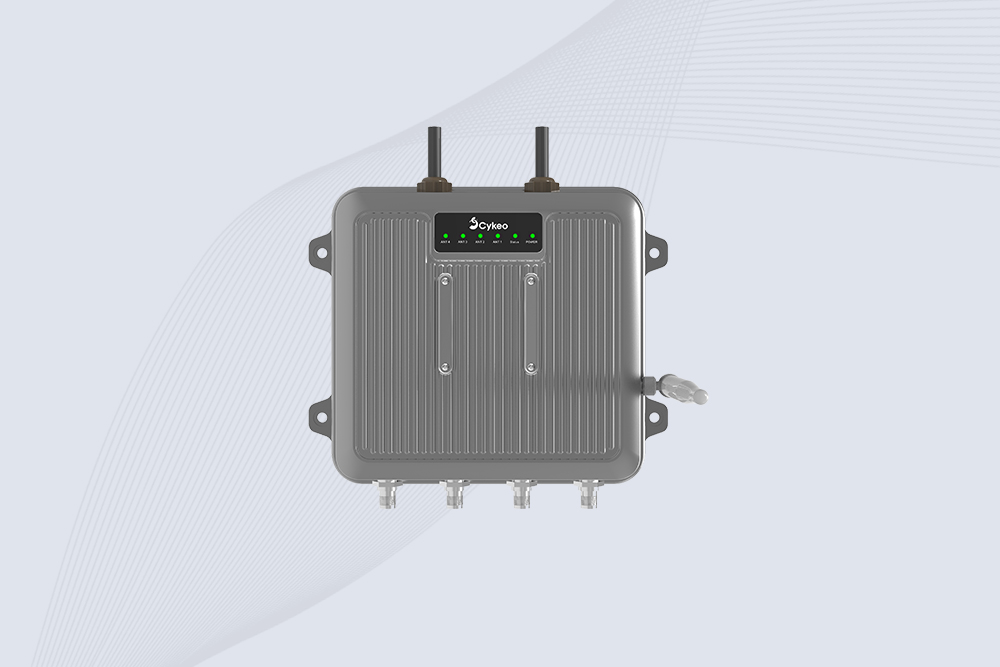
Cykeo CYKEO-C1 industrial Forklift RFID Reader features 20m read range, 600 tags/sec scanning, Impinj R2000 chipset, and IP67 rugged design. Ideal for warehouse logistics and manufacturing. Supports ISO 18000-6C/6B protocols.
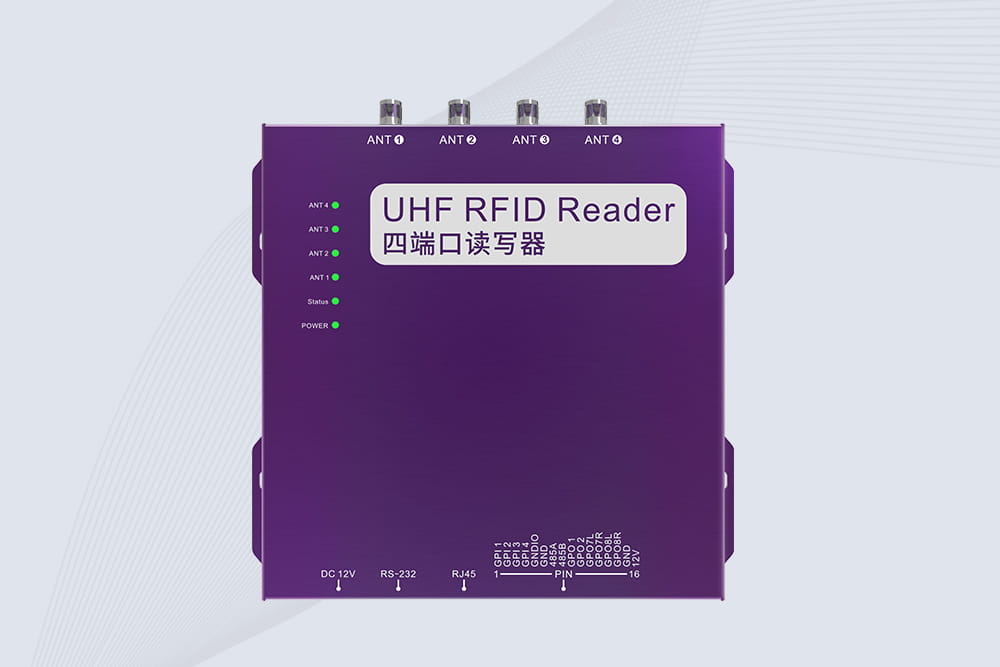
Cykeo CYKEO-R4 industrial UHF RFID Fixed Reader features 4 TNC ports, 400+ tags/sec speed, IP67 housing, and global frequency compliance for vehicle inspection, smart warehouse, and asset management systems.
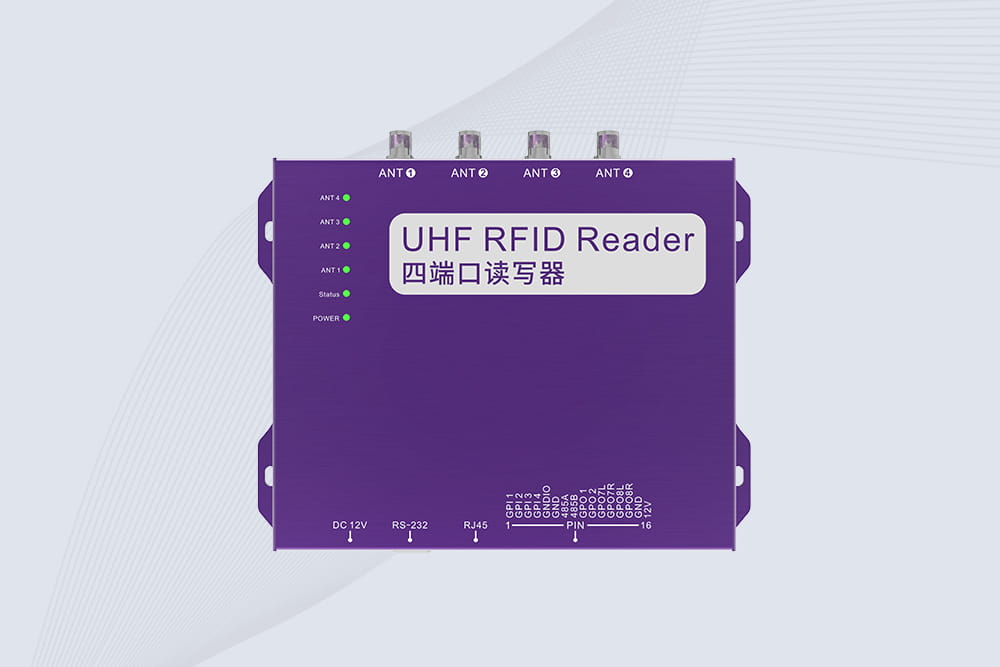
Cykeo’s CYKEO-R4L 4-port Fixed UHF RFID Reader delivers 400 tags/sec scanning, ISO 18000-6C compliance, and IP65 protection. Ideal for warehouse automation, manufacturing WIP tracking, and logistics management.
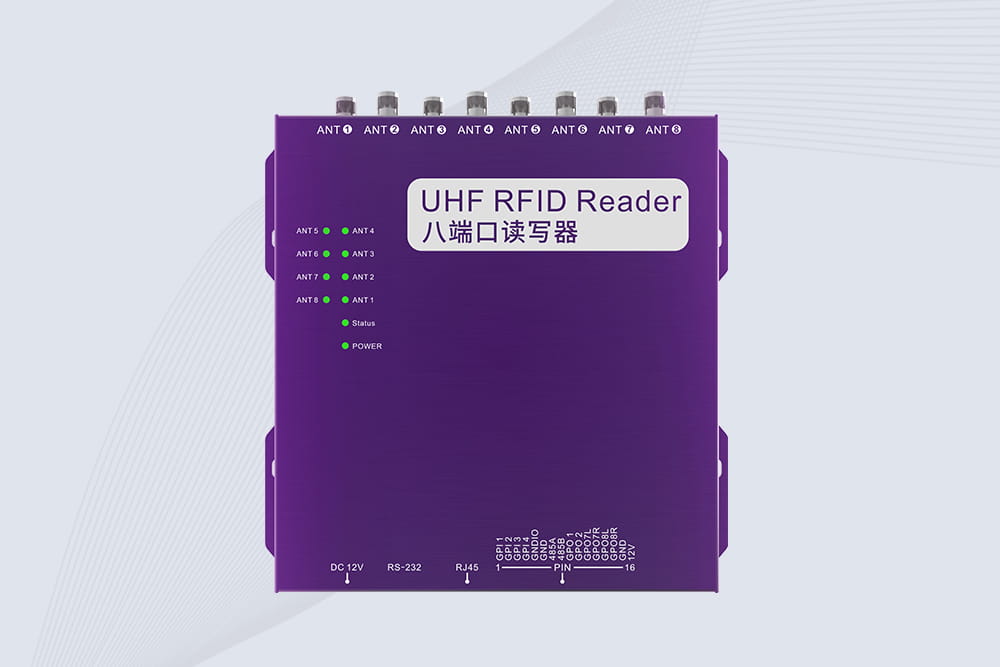
CYKEO CYKEO-R8L Fixed RFID Reader with 8-port UHF design, Impinj-based RF core and up to 20m read range. An industrial Fixed RFID Reader for vehicle inspection, warehouse portals, smart manufacturing lines and secure access checkpoints.
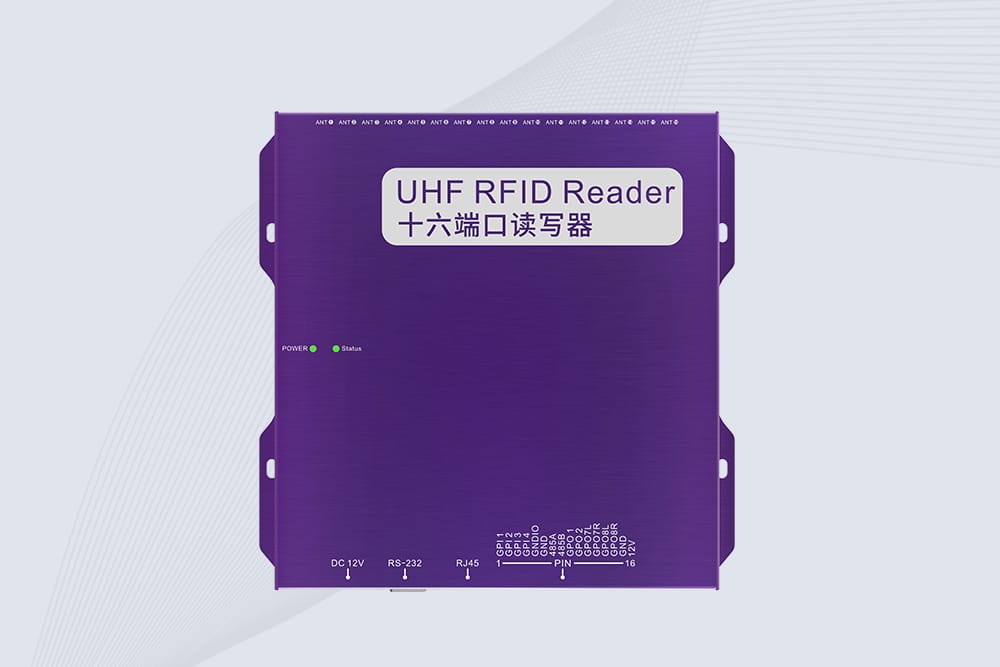
RFID Fixed Reader from CYKEO – the CYKEO-R16L 16-port UHF fixed reader for warehouses, smart cabinets, and production lines. Long-range, multi-tag reading, stable performance for 24/7 industrial use.
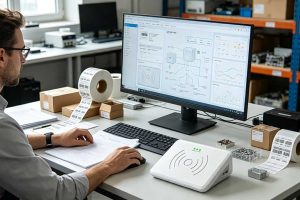
Learn how to code rfid tags with professional RFID writers, software tools, and practical methods. Cykeo explains RFID programming for reliable tag management.
More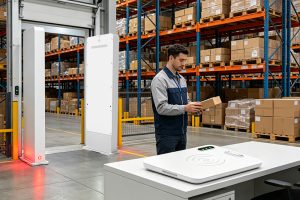
Discover how near field communication rfid integrates with UHF systems for fast, accurate asset tracking. Improve efficiency, reduce errors, and enable smart automation with Cykeo solutions.
More
RFID Tunnel With its efficient and accurate capabilities in item identification and data collection, it overcomes the limitations of traditional recognition methods
More
Learn how to design and deploy multi-reader RFID systems for full warehouse coverage. Optimize placement, avoid interference, and integrate with inventory software.
More