 Cykeo RFID IoT Solution Products R&D Manufacturer

How RFID Scanners Work: UHF RFID Identification in Real Operations
186RFID scanners use RF energy and backscatter to identify multiple tags and transmit digital data to connected systems.
MoreAll RFID Product
Can RFID be used to track people, products, equipment, and inventory? Yes, RFID can track tagged items by identifying them as they pass readers or enter defined detection zones. When connected to tracking software, multiple readers can record movement between locations and update inventory records. However, ordinary RFID does not automatically provide GPS-style coordinates or continuous location updates everywhere.
That distinction matters in a warehouse. A reader installed at a loading-bay entrance may register a tagged container as it passes through, while a reader at a storage area can record its subsequent arrival. The software connects these events to build a movement history. If neither reader detects the container, the system cannot simply assume where it is.
RFID tracking is therefore best understood as a combination of radio-frequency identification, reader placement, tagged assets, and software that interprets detection events.
For businesses considering industrial RFID, the practical question is not only whether a tag can be read. It is whether the system can reliably capture the movements that matter to the operation.
RFID stands for Radio Frequency Identification. An RFID system uses radio signals to communicate between a reader and an electronic tag attached to an object, product, container, or other item.
A typical passive UHF RFID tracking system contains four main elements:
According to GS1’s EPC UHF Gen2 Air Interface Protocol, the standard defines communication between readers and passive UHF RFID tags operating in the 860–930 MHz range. The exact operating frequency used by a deployment depends on regional regulations and equipment configuration.
Passive UHF tags do not require an onboard battery to communicate with a reader. The reader supplies energy through its radio signal, and the tag responds by backscattering information. This makes passive RFID suitable for many applications involving large numbers of relatively inexpensive tagged items.
Imagine a distribution center receiving a pallet of packaged products.
The pallet or individual products carry RFID tags. As the shipment passes an RFID reading point, the reader detects the tags and sends their identifiers to the host application. The software checks the expected shipment information and records the receiving event.
Later, another reader may record the pallet leaving a storage zone or passing through a dispatch portal.
The application can then show:
This is the foundation of RFID asset tracking. The system records observations and turns them into a usable history; it does not necessarily know the item’s exact physical position at every moment.
RFID tracking can support several different business processes. The most suitable setup depends on whether a company needs item identification, movement history, location-zone awareness, or more detailed localization.
RFID can help warehouses identify tagged cartons, pallets, bins, and individual products without requiring staff to scan each barcode separately.
At receiving, a reader can detect multiple compatible tags within its reading zone. At dispatch, the system can compare detected items with shipment records. During cycle counting, RFID can help reconcile physical stock with the inventory database.
The main operational advantage is reduced dependence on manually scanning every item one at a time. However, the actual result depends on tag placement, packaging materials, reader configuration, and the inventory process.
A useful real-world example comes from research by Auburn University’s RFID Lab. A 2013 field study examined RFID-enabled inventory visibility across 13 stores over 23 weeks. The researchers reported an approximately 26% reduction in inventory record inaccuracy in the first study. A second study involving 62 stores found that the effect varied by product category, ranging from no statistically significant improvement to 81%.
These results are evidence that RFID can improve inventory visibility under suitable conditions, not a guarantee that every implementation will deliver the same improvement.
Businesses can attach RFID tags to tools, reusable containers, maintenance equipment, and other assets that frequently move between departments or work areas.
Readers installed at entrances, issue counters, or designated storage locations can record when tagged items are detected. The software can associate those events with an asset register and help staff investigate missing equipment or overdue returns.
For example, if a tagged tool leaves a controlled tool room, a reader can record its detection at the exit. A corresponding return event can be recorded when it re-enters the reading zone.
The system’s value depends on the workflow. If the tool can leave through an unmonitored doorway, the software may not capture the departure. RFID improves the visibility of observed events; it does not eliminate every possible blind spot.
In manufacturing, RFID can help associate materials, work-in-progress containers, and finished goods with production stages.
A reader at a workstation may confirm that a tagged component has arrived. Another reading point farther down the line may record its movement to the next process. When the identifiers are linked to production orders, the software can build a record of where and when items were detected.
This approach is especially useful when the physical workflow is repetitive and reading points can be installed at predictable locations.
Metal machinery, liquid-filled containers, densely packed products, and closely spaced tags can affect read performance. Tag selection and antenna positioning should therefore be tested with the actual products rather than decided from a reader’s maximum advertised range alone.
Reusable pallets, totes, bins, and containers can circulate between factories, distribution centers, transport providers, and customers. RFID can help record their movement at participating facilities.
If each asset has an identifier linked to a shared or synchronized database, a company can review its latest recorded detection and movement history. This can make it easier to investigate unreturned containers, reconcile transfers, and understand how reusable assets circulate.
There is an important limitation: RFID tracking is only as complete as the reading infrastructure and data-sharing process. A container passing through a location without a compatible reader may not generate an event.
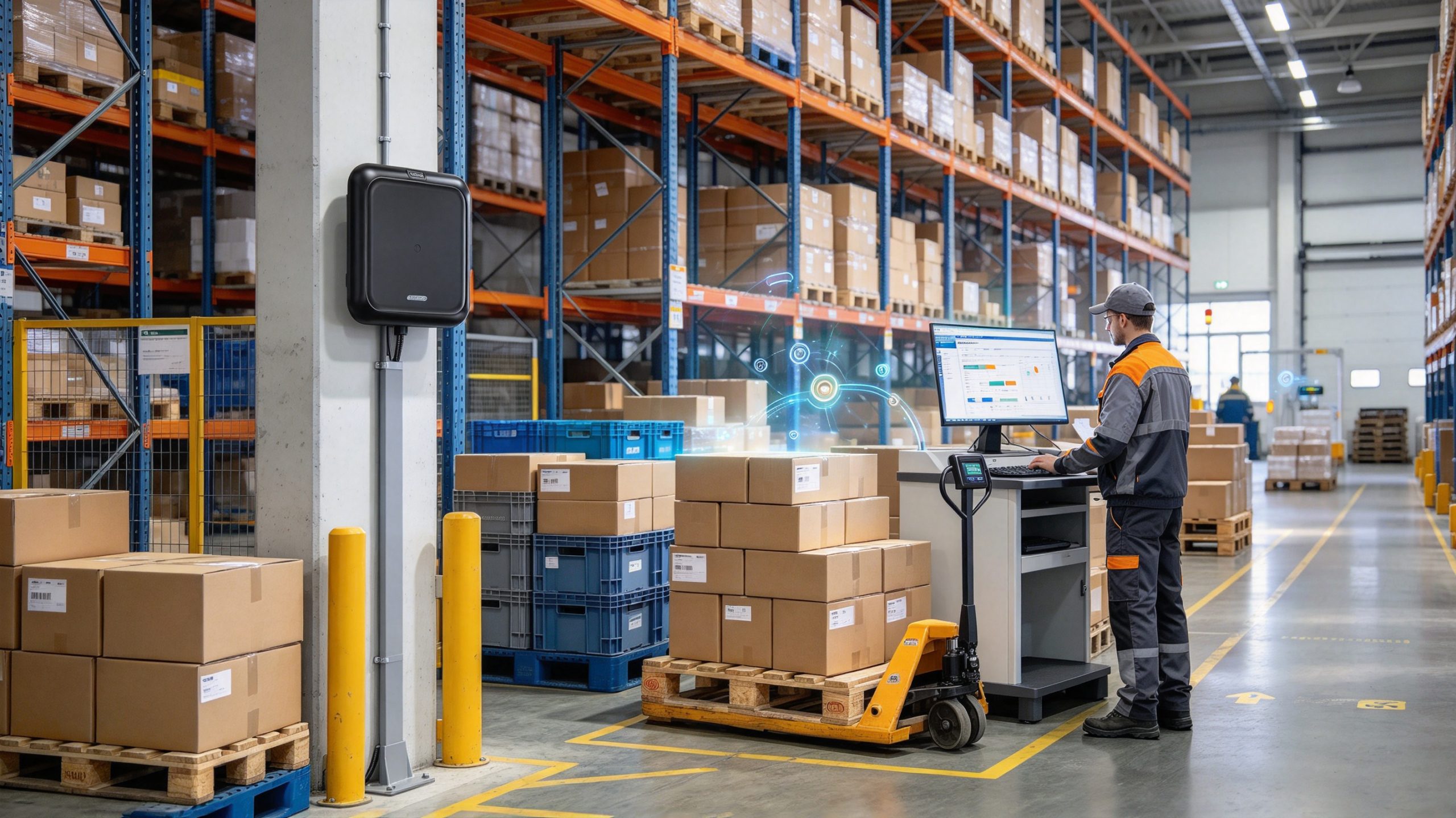
RFID can help determine where an item was detected, but the level of location detail depends on the system design. A fixed reader usually identifies tags within its effective reading zone. A network of readers can provide more detailed movement records, while specialized RFID localization systems may estimate position using additional measurements.
For most warehouse applications, it is important to distinguish three levels of tracking.
| Tracking method | What the system can tell you | Typical application |
|---|---|---|
| Single fixed RFID reader | A tag was detected within the reader’s effective zone | Inventory stations and tool rooms |
| Multiple fixed readers | A tag was detected at different monitored points | Warehouse movement and shipping verification |
| Specialized RFID localization | An estimated position based on the system’s measurement method | Selected indoor tracking applications |
| GPS-based tracking | Geographic position calculated using satellite positioning | Vehicles and outdoor logistics |
A fixed RFID reader does not automatically calculate the exact coordinates of every tag it detects. The reader’s antenna pattern, mounting position, radio environment, and tag response determine which tags can be observed. Software may associate a detection with a predefined zone, but that zone is not necessarily the object’s precise position.
GPS and RFID solve different problems.
GPS-enabled devices can calculate geographic positions using satellite signals. RFID systems identify tagged objects when they interact with readers. A passive UHF tag generally does not contain a GPS receiver or independently transmit continuous location updates.
For example, a company transporting equipment between cities may use GPS tracking on a vehicle and RFID to identify the tagged tools or containers loaded onto it. GPS helps locate the vehicle, while RFID helps establish which assets were recorded at a loading or unloading point.
The technologies can complement each other. Neither should be treated as a universal replacement for the other.
Yes, RFID can support near-real-time tracking when readers continuously or frequently monitor relevant areas and the software processes detection events promptly.
However, real-time performance depends on the installation. A reader that only operates when a pallet passes through a receiving portal will not continuously report the pallet’s location while it sits in an unmonitored storage aisle.
A useful design question is: How quickly must the system know that an item has moved, and where must that movement be detected?
A tool checkout counter may only need to record each issue and return. A conveyor line may require repeated reads as products move between stations. An application requiring continuous indoor positioning needs a different architecture from a basic inventory portal.
The quality of an RFID tracking system is not determined by the reader alone. Tag selection, reader placement, event processing, and the way staff handle exceptions all influence the result.
An RFID tag that works well on a cardboard carton may perform differently when attached to a metal tool or a liquid-filled container.
Before selecting tags, consider:
On a busy conveyor, a tag that reads reliably when stationary may become difficult to detect if it passes through the reading zone at an unfavorable angle. Test the tag on the actual product and at the intended speed rather than relying exclusively on a laboratory demonstration.
Reader placement should follow the physical workflow.
For example, a distribution center might install reading points at receiving, selected storage entrances, and dispatch. Each reader is associated with a defined location in the software. When a tag is detected, the application records the event and determines what it means for the item’s workflow.
This arrangement creates a sequence of observations.
If a container is recorded at receiving and later at dispatch, the system has evidence of those two events. It should not automatically claim that the container was continuously monitored between them.
A good implementation also considers unintended reads. If a reader detects a tag from an adjacent aisle, the application may incorrectly associate the item with the wrong zone. Antenna direction, reader power, physical layout, and software filtering should be tested together.
The reader identifies tags, but the business application must interpret their identifiers.
A tracking record should typically associate an asset identifier with the event time, reading location, event type, and relevant business context. Additional information can include a shipment reference, work order, operator, or expected destination.
GS1’s EPCIS standard provides a framework for capturing and sharing supply-chain visibility events. It supports information about what was involved, where and when an event occurred, and why it occurred in a business process.
For instance, a reader detection at a dispatch door becomes more useful when the software can distinguish a planned shipment from an unexpected movement. The same tag identifier can participate in receiving, storage, transfer, and shipping records without requiring the RFID chip itself to store the entire movement history.
That is an important design principle: store the item’s identity on the tag and maintain the evolving movement history in the tracking system.
No RFID deployment should assume every read will be perfect.
A tag may be missed because of its orientation or surrounding material. A stationary tag may be read multiple times. Several nearby tags may respond during the same inventory cycle.
These are different problems and need different responses.
| Observed issue | Possible response |
|---|---|
| Expected tag not detected | Check tag orientation, antenna placement, power settings, and read-zone coverage |
| Same item recorded repeatedly | Apply suitable event filtering and duplicate-handling rules |
| Item assigned to the wrong zone | Review reader coverage, adjacent-zone interference, and location mapping |
| Inventory differs from system records | Run a verification count and investigate missing or unexpected events |
| Reader detects tags but software shows no movement | Check communication, event-processing logic, and database integration |
The objective is not to eliminate every repeated radio response. It is to ensure that repeated reads do not become misleading business transactions.
Cykeo’s CK-D9L is an industrial integrated UHF RFID reader with a built-in 9 dBi antenna. It is designed for fixed RFID identification applications where tagged items must be detected and the resulting data sent to a host system.
The documented hardware features include:
The product is designed for industrial and outdoor applications, with dust- and water-resistant construction. Actual environmental suitability should be confirmed against the requirements of the installation.
Warehouse receiving and dispatch: A fixed reader can detect tagged goods passing through a designated reading point. The application can compare the detected identifiers with expected shipment records.
Industrial asset monitoring: Readers positioned at selected entrances or work areas can record when tagged equipment is detected. The asset-management software can use these events to support movement records and exception reporting.
Production and material handling: A reader can identify tagged components or containers at a defined production stage. When integrated with the manufacturing application, the detection can become part of the item’s process history.
Outdoor identification points: Its industrial enclosure and communication options make the CK-D9L a potential choice for suitable outdoor installations. Site testing remains necessary to establish reliable performance under the actual environmental and RF conditions.
The CK-D9L should not be described as a standalone GPS tracker or a device that guarantees exact real-time coordinates. It is an RFID reader; tracking functions depend on the complete installation and the software connected to it.
Before installing readers throughout a facility, test a representative selection of tagged assets under real operating conditions.
Record whether the expected tags are detected, whether neighboring tags are unintentionally included, and whether the software assigns events to the correct locations. Repeat the test with realistic item orientation, packaging, and movement speed.
For applications involving high-value equipment, also test what happens when an item moves through an unmonitored route, when the network connection is interrupted, or when a reader reports the same tag repeatedly.
These tests reveal whether the system’s tracking logic matches the real workflow, not simply whether the hardware can read a tag.
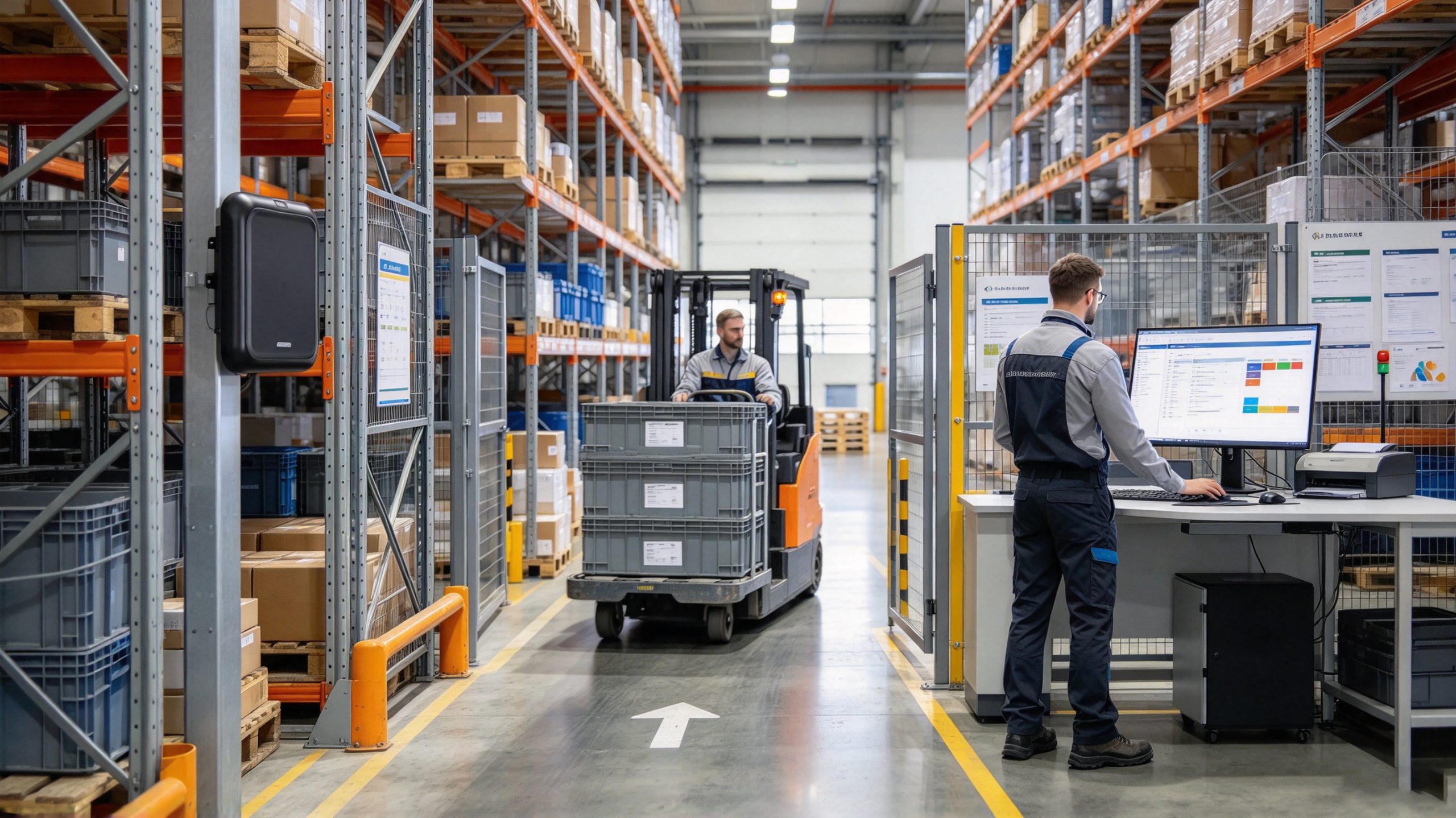
Yes. RFID can identify tagged items as readers detect them. When connected to tracking software, the system can record inventory movements, monitor entry and exit points, and maintain an item’s detection history. The level of tracking detail depends on reader coverage and system design.
RFID can support near-real-time event tracking when readers monitor the relevant areas and the software processes data promptly. A fixed reader does not automatically provide continuous updates for an item outside its reading zone.
A basic RFID reader usually identifies tags within its effective reading zone rather than calculating exact coordinates. More detailed positioning may be possible with specialized RFID localization systems, multiple measurements, and suitable software.
Neither technology is universally better. RFID is useful for identifying tagged objects at monitored points and managing inventory, while GPS is useful for geographic positioning outdoors. Businesses can combine them when they need both vehicle location and confirmation of the assets being transported.
RFID can track tagged products, cartons, pallets, reusable containers, tools, and equipment. Fixed readers can record detection events at receiving areas, storage zones, production stations, and dispatch points when those locations are covered by the system.
The effective reading distance depends on the RFID frequency, tag design, antenna characteristics, reader settings, mounting materials, and surrounding environment. A reader’s antenna gain alone does not establish a guaranteed tracking distance. The intended tag and installation should be tested together.
The CK-D9L can support fixed UHF RFID identification and asset-tracking applications when integrated with compatible tags and host software. Its 9 dBi integrated antenna, communication options, and documented protocol support make it suitable for evaluating applications such as warehouse entry monitoring and industrial item identification. Exact positioning and tracking behavior depend on the complete system.

Discover SSD-D4AL, a USB-HID UHF RFID reader with 4/8/16 antenna options, Impinj E710/X3M1 chipset, plug-and-play USB power, and OEM customization.
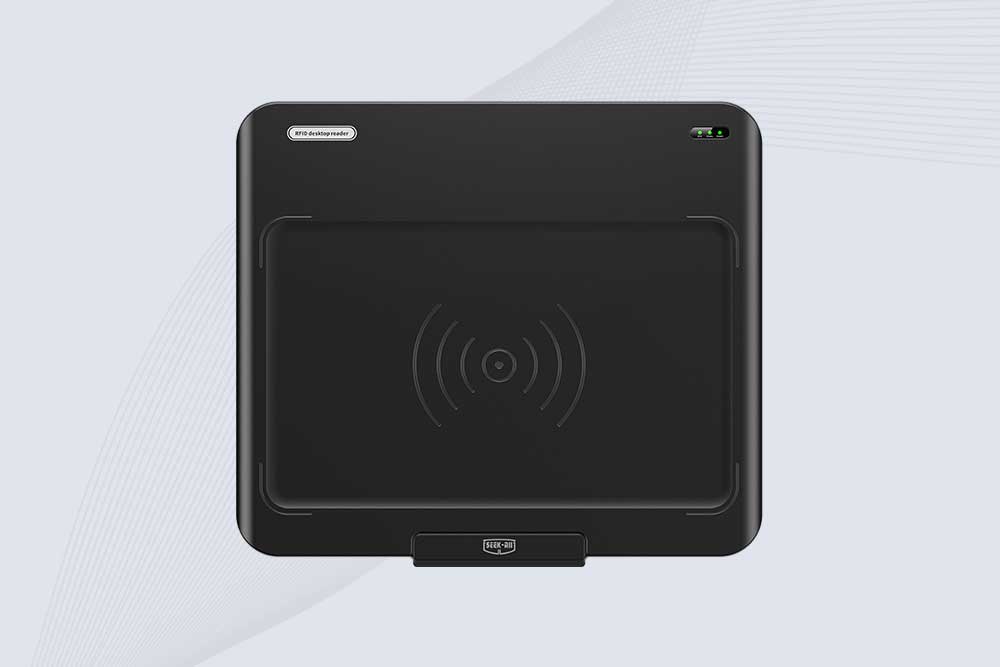
SSD-D3AL is a USB-HID UHF RFID reader with 0–30 cm reading, 0–15 cm writing, over 600 tags/s recognition, USB plug-and-play operation and OEM Logo customization.
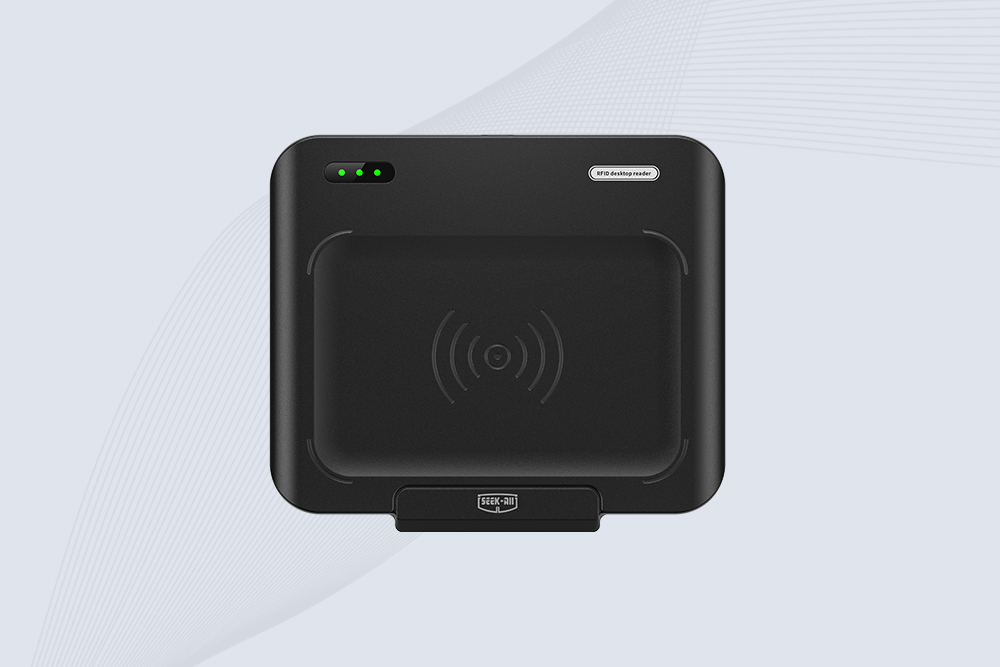
SSD-D1AL is a compact USB UHF RFID reader with Impinj E710/X3M1 chipset, USB-HID, 600+ tags/s recognition, 4/8/16 antenna support and plug-and-play USB power.

SSD-R16L Multi-Channel RFID Infrastructure for Automated Inventory Management ✔️ 16-Port High-Density RFID Reading Equipped with 16 SMA antenna ports, SSD-R16L supports multi-antenna deployment for warehouses, retail stores, logistics, production lines, and large-area RFID identification. ✔️ High-Speed & Long-Range Performance With up to 33…

SSD-R8L 8-port UHF RFID reader with 33dBm output, up to 20m reading range and 600+ tags/s recognition. Ideal for warehouse, logistics, retail and asset tracking.

SSD-R4L is a 4-port UHF RFID fixed reader with 33dBm output power, up to 20m reading range, EPC C1G2 support and 600+ tags/s reading speed.

CYKEO CYKEO-D1LA USB RFID Reader is a compact desktop solution with near-field control for precise tag reading and encoding. Powered by USB, supporting ISO 18000-6C, and built for stable batch writing, this usb rfid tag reader fits retail, libraries, offices, and controlled RFID encoding tasks.
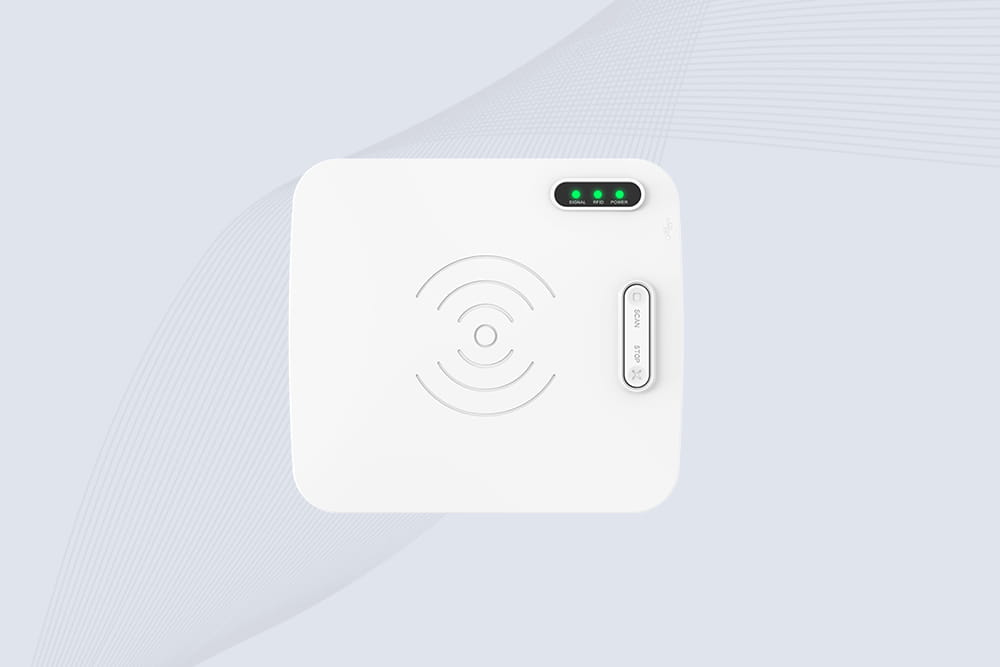
CYKEO CYKEO-D1L RFID scanner USB is a compact desktop UHF RFID scanner designed for short-range tag writing and verification. This usb rfid scanner supports batch encoding, stable 0–26 dBm output, and works across Windows, Linux, and Android systems.
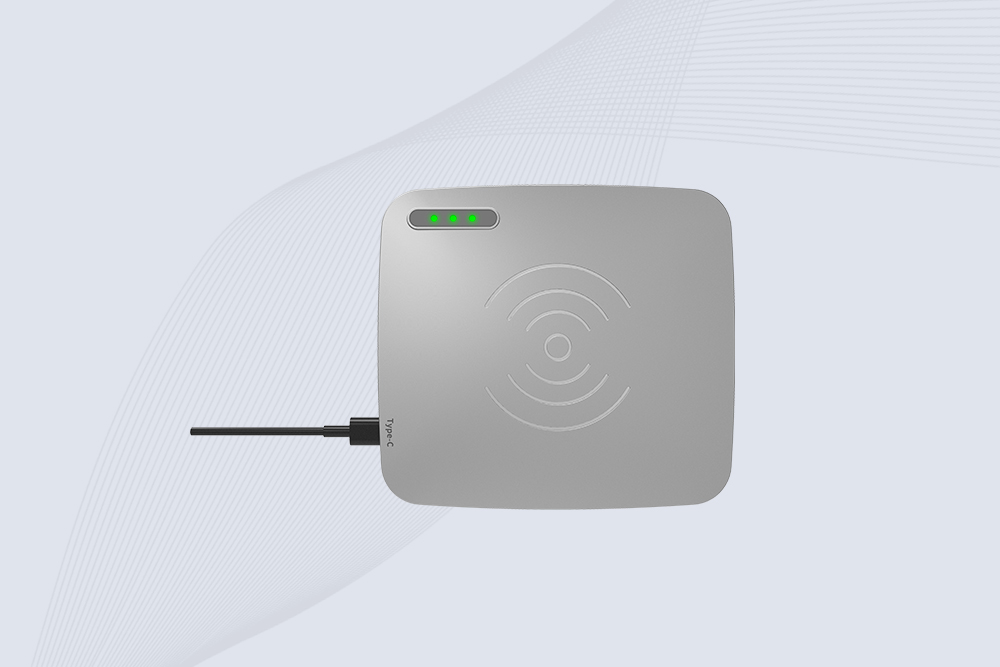
CYKEO CYKEO-D1C USB RFID Card Reader is a near-field UHF desktop writer designed for secure, short-range tag encoding. With USB-C connectivity and stable 26 dBm output, this rfid reader usb c is ideal for badge issuance, label encoding, and controlled desktop RFID workflows.
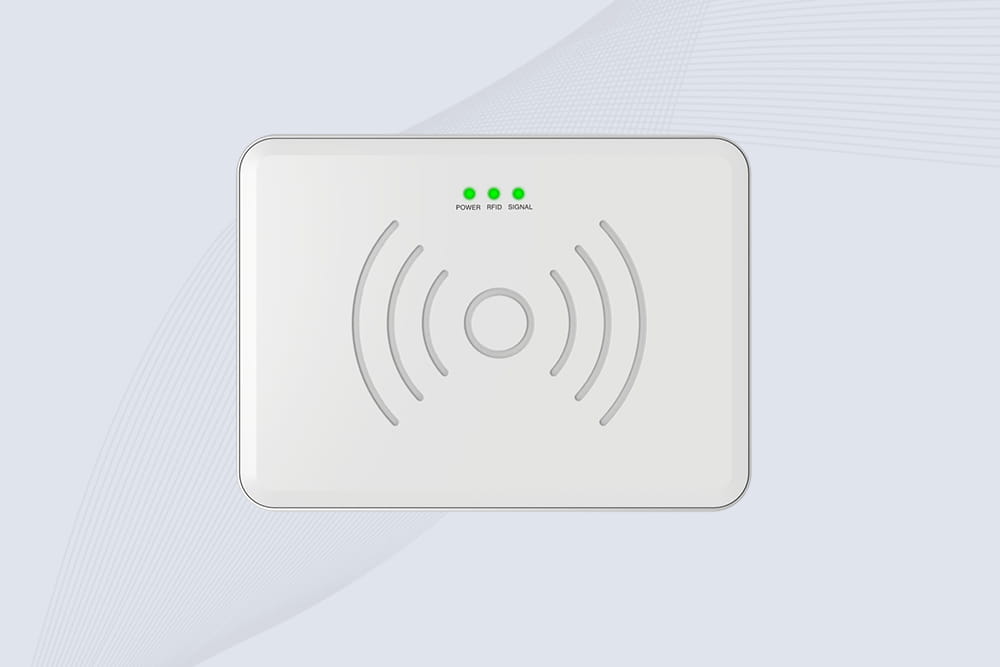
CYKEO CYKEO-D2L RFID Reader USB is a compact desktop encoder built on the Impinj R500 chip. With near-field control and stable USB power, this usb rfid card reader delivers precise tag writing for offices, retail counters, and small-scale logistics encoding tasks.
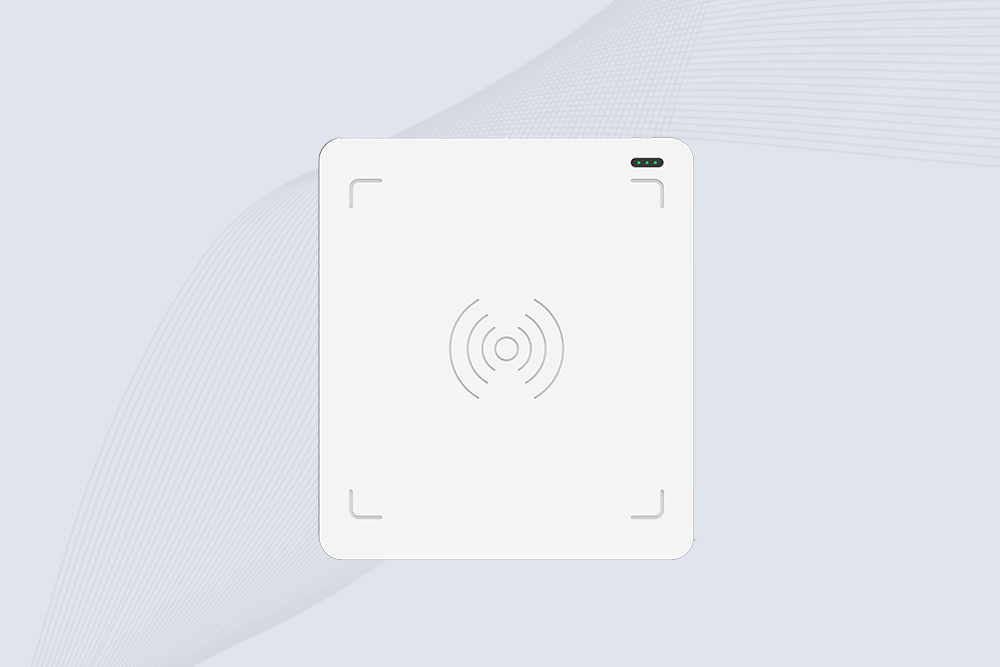
CYKEO CYKEO-D3L USB RFID Tag Reader delivers stable UHF tag reading and writing for daily desktop and light industrial tasks. Designed for controlled short-range operation, this USB RFID Tag Reader works reliably with rfid tag and reader systems in libraries, tool tracking, and inventory registration.
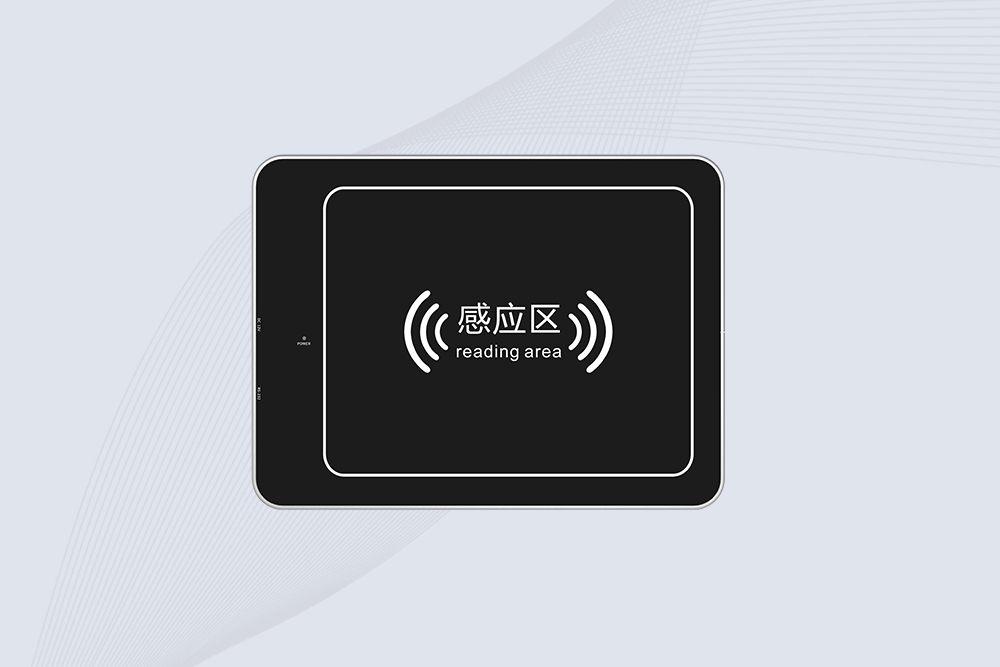
The CYKEO CYKEO-D4L UHF RFID Tag Reader is a stable Desktop RFID Reader designed for accurate tag registration, borrowing, and return workflows. Built with the Impinj R2000 chip, this UHF RFID Tag Reader delivers controlled short-range reads for libraries, asset tracking, and inventory management environments.
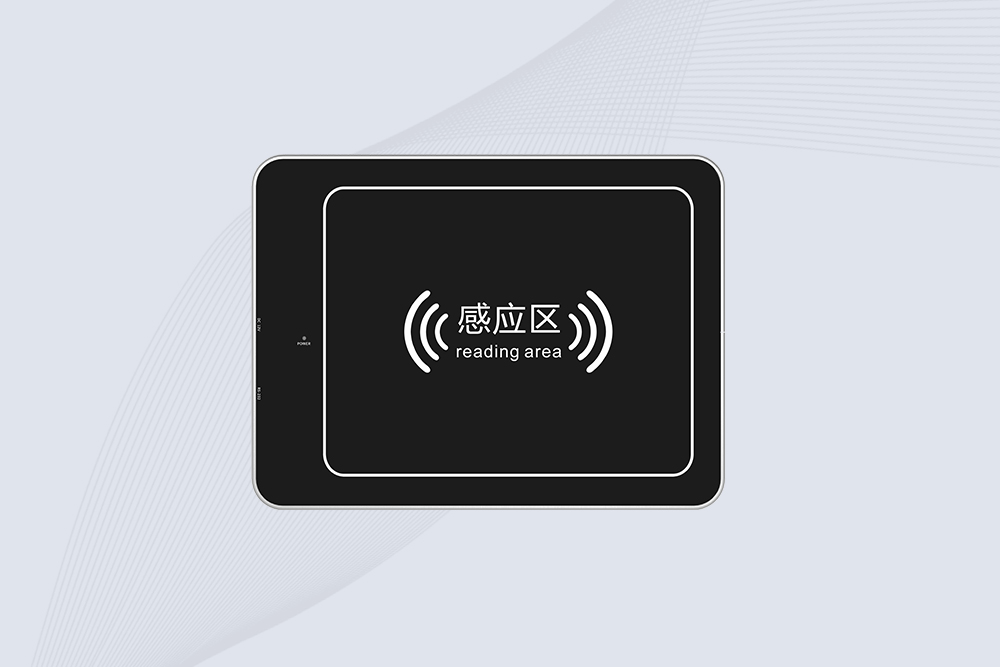
The CYKEO CYKEO-D5L Desktop RFID Card Reader is a stable UHF RFID Card Reader designed for controlled short-range reading and writing. Built for libraries, tool rooms, and asset desks, this UHF RFID Card Reader supports dense tag handling, secure data processing, and easy USB integration.
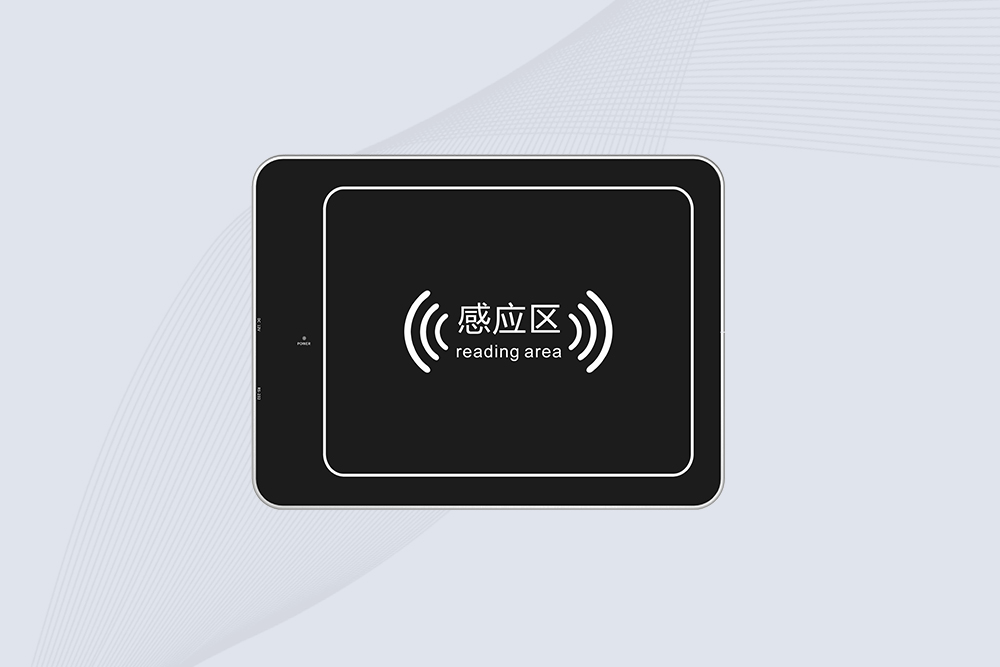
The CYKEO CYKEO-D6L RFID Reader Writer is a heavy-duty Desktop RFID Reader designed for short-range, high-accuracy tag programming. Built for libraries, labs, and asset desks, this RFID Reader Writer supports batch processing, stable 33dBm output, and seamless integration with existing management systems.
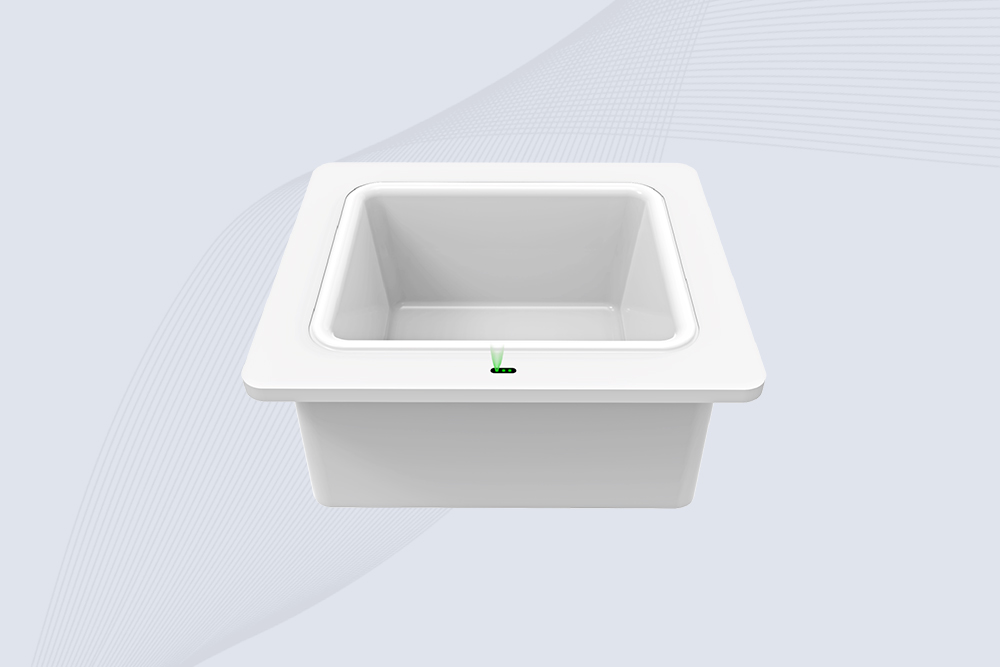
Cykeo CYKEO-D8B UHF RFID tunnel and RFID Desktop Reader features 30+ items batch reading,
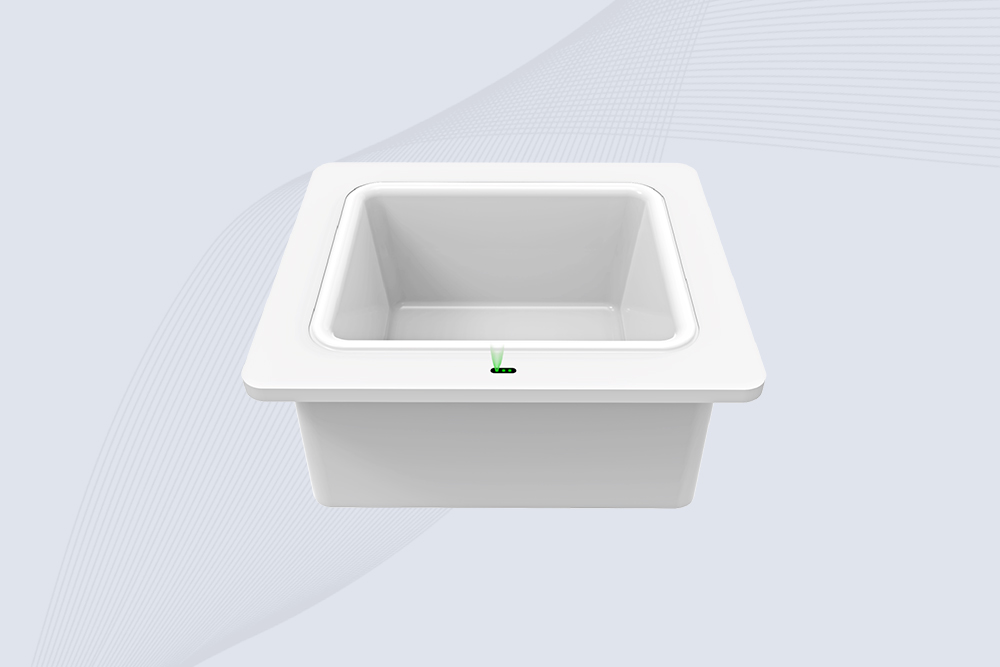
Cykeo CYKEO-D8A embedded RFID badge reader offers 30+ tags/sec scanning, 20cm anti-crosstalk precision, and DC 12V power for unmanned stores, warehouses, and smart inventory systems.
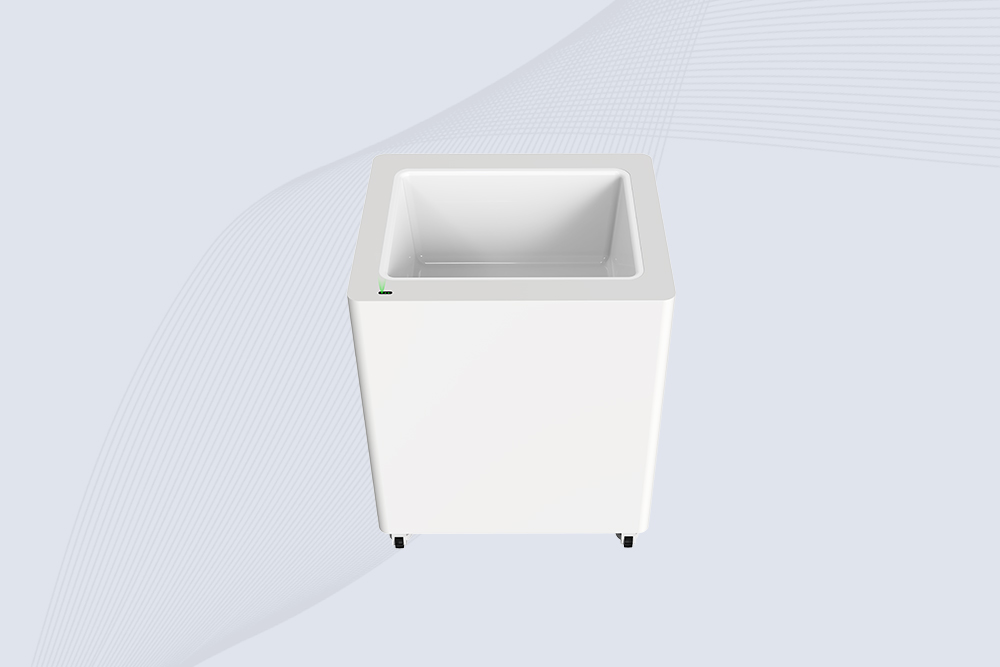
Cykeo’s CYKEO-D8C UHF RFID gate reader achieves 200-tag/batch scanning with adjustable power control, ideal for retail inventory and smart warehouse management.
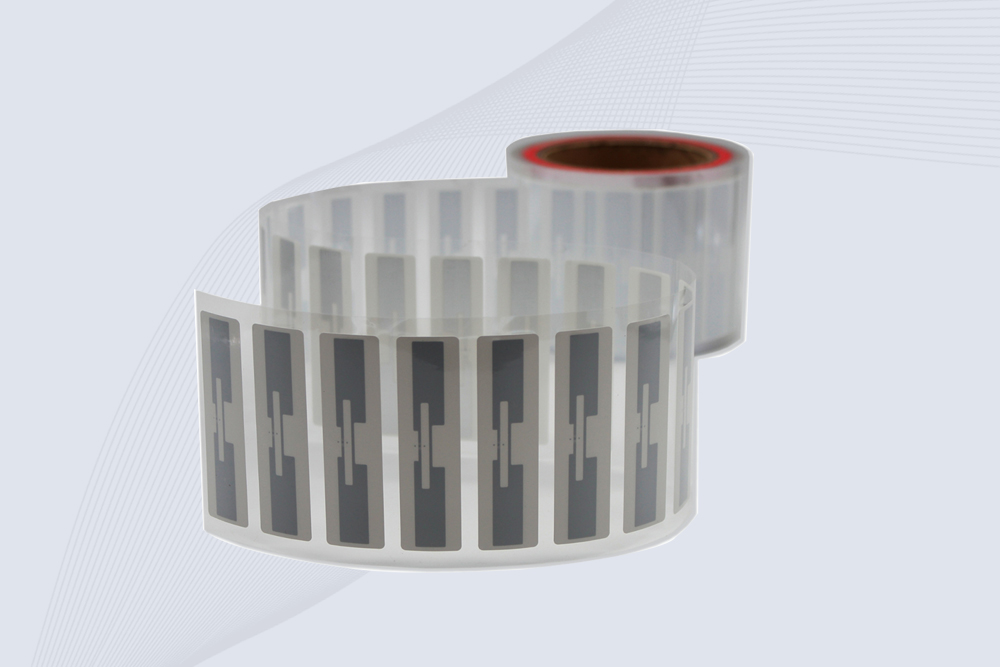
CYKEO Passive RFID Tags are made for wet and high-humidity environments where standard labels do not last. This rfid passive tag is often used around liquids, chemicals and temperature changes, providing stable reading distance and long data life for industrial tracking.
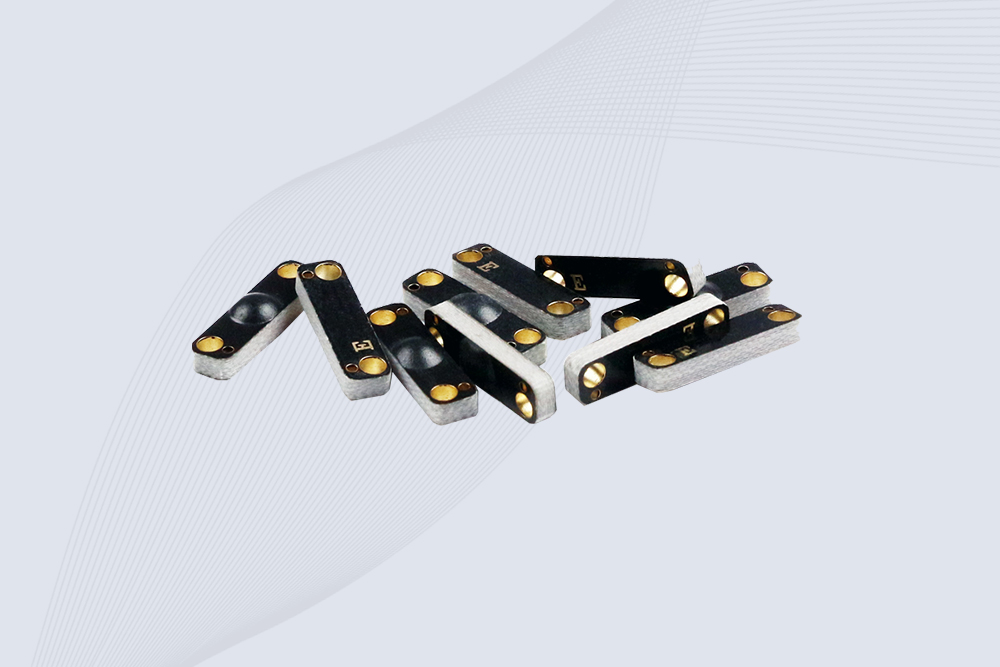
CYKEO CYKEO-PCB1504 Metal RFID Tags is a compact anti-metal UHF RFID solution built for direct mounting on metal surfaces. With stable 8-meter read range, Ucode-8 chip, and long data retention, this rfid metal tag fits tools, containers, automotive parts, and industrial asset tracking.
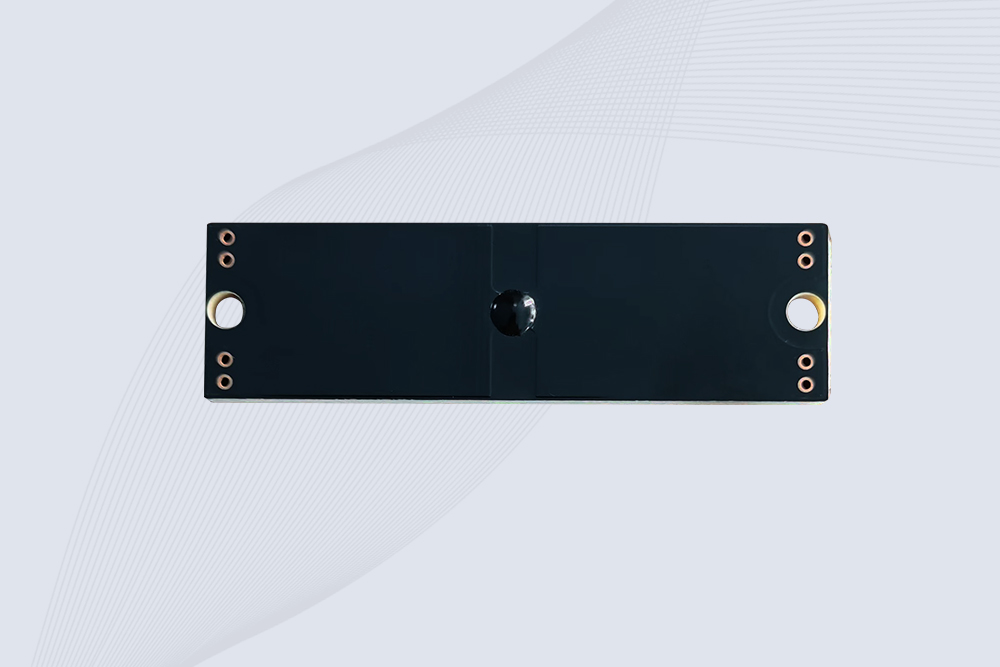
CYKEO CYKEO-PCB7020 On-Metal RFID Tags are designed for reliable tracking on steel and metal surfaces. Built with an FR4 epoxy body and industrial-grade chips, these On-Metal RFID Tags deliver stable performance, long data life, and chemical resistance, making them a dependable RFID anti-metal tag for harsh environments.
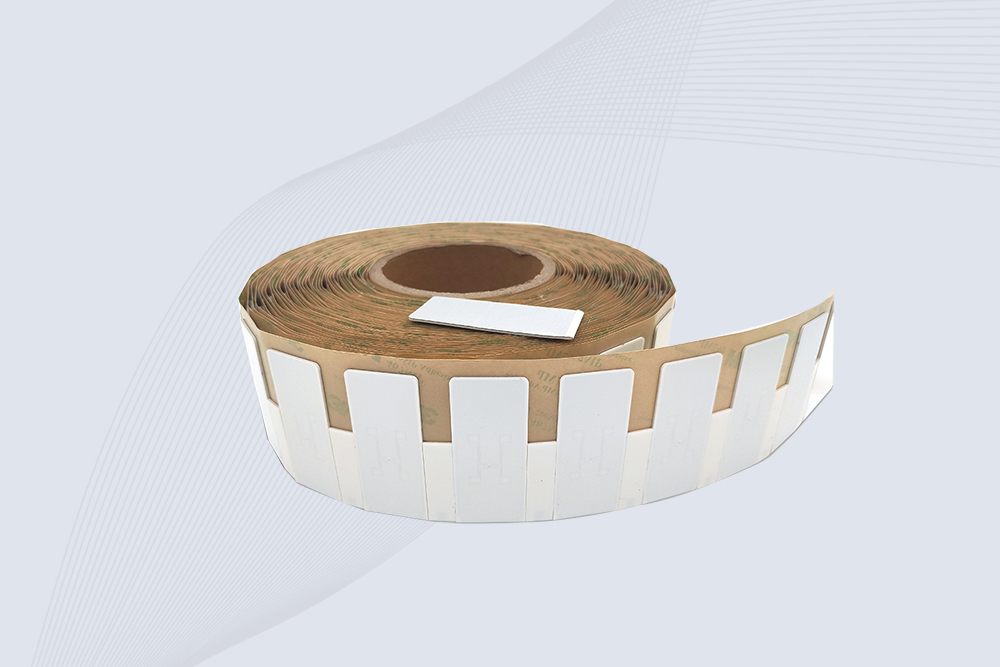
The CYKEO CYKEO-60-25 Anti-Metal RFID Tag is built for metal surfaces where standard tags fail. Designed for long-range performance, harsh environments, and stable data retention, this Anti-Metal RFID Tag is ideal for industrial assets, containers, and equipment tracking using on metal RFID tags.
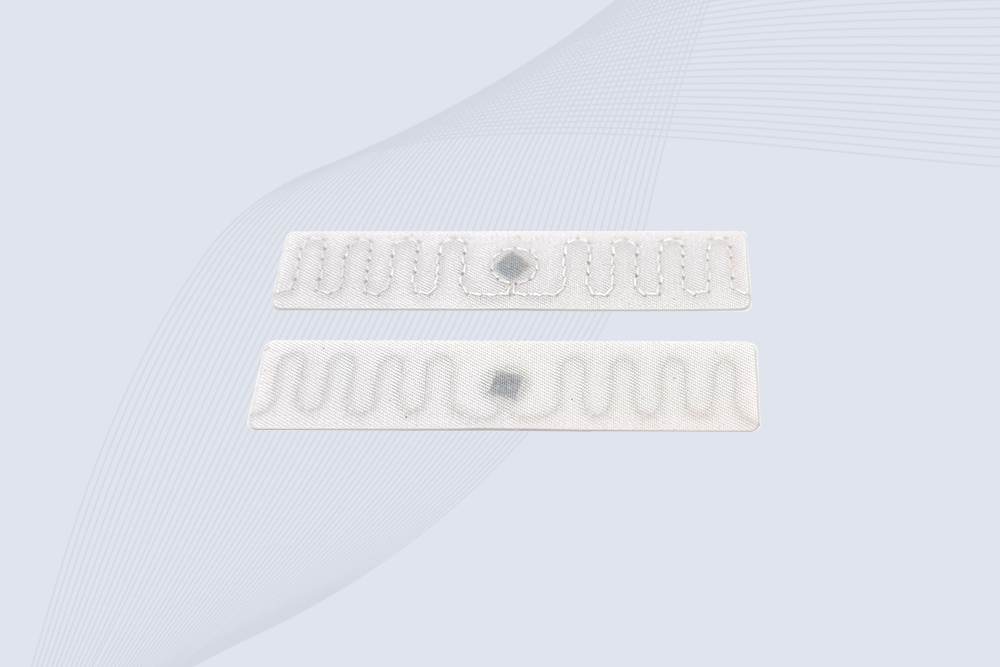
The CYKEO RFID Laundry Tag is designed for long-term textile identification in harsh laundry environments. Built to withstand high heat, chemicals, and repeated washing, this RFID Laundry Tag delivers stable performance for hotels, hospitals, and industrial laundry operations using laundry rfid tags at scale.
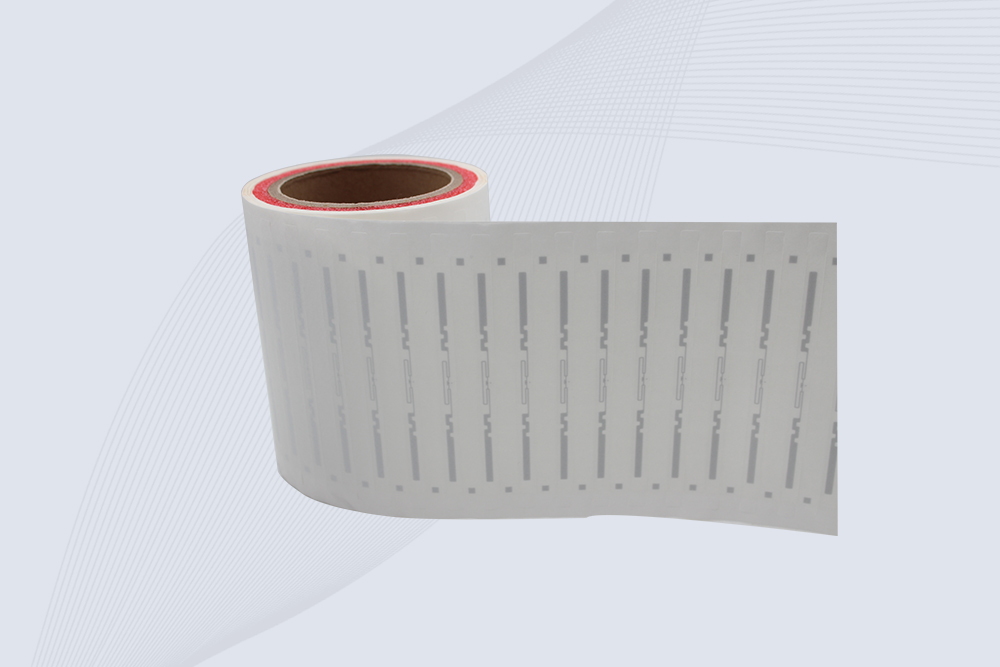
The CYKEO CYKEO-125-7 RFID Book Tag is designed for reliable book and document tracking in libraries and archives. This RFID Book Tag delivers long read range, dense placement support, and stable performance on shelves, making it a practical rfid tag on books for library automation, file management, and archival systems.
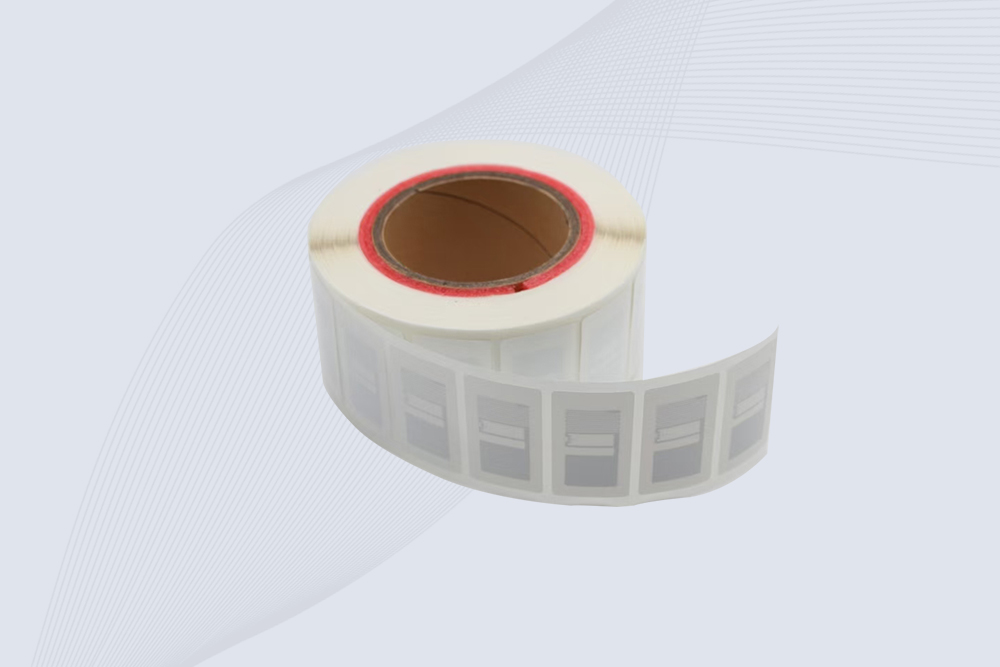
CYKEO RFID tags in hospitals are designed for sterile environments where accuracy matters. These autoclavable RFID tags support long-term tracking of surgical tools, implants, and medications, helping hospitals improve visibility, compliance, and patient safety.

CYKEO RFID Cable Tie Tag is built for reliable identification on metal surfaces. This UHF RFID Cable Tie Tag is widely used in rfid tags for inventory systems, industrial asset management and Hospital RFID Tags, offering stable read performance, long service life and global EPC Gen2 compatibility.
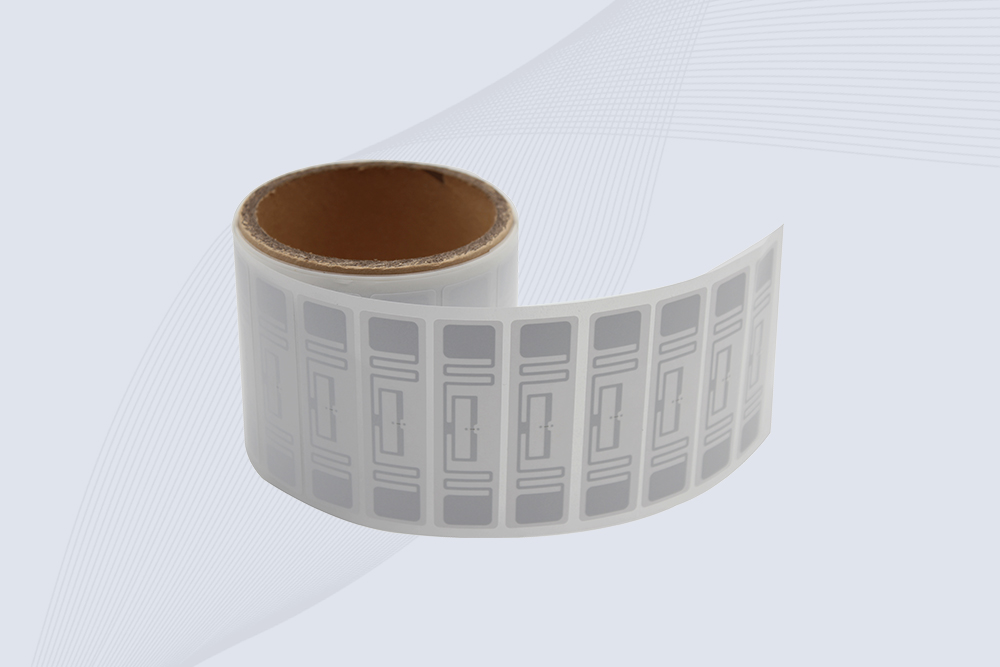
CYKEO RFID Asset Tag is designed for stable identification of metal assets in industrial environments. This UHF RFID Asset Tag is commonly used for rfid tag asset tracking on equipment, tools and containers, providing reliable reads, long service life and ISO/IEC 18000-6C support.

CYKEO UHF RFID Card is designed for fast identification and long-term use in industrial and commercial systems. Supporting ISO 18000-6C, this UHF RFID Card works at 860–960 MHz and is suitable for custom RFID cards used in asset tracking, access control and inventory management.
CYKEO HF RFID Cards are designed for secure and stable access control systems. These 13.56 MHz RFID key cards support ISO 14443-A, reliable rewriting and long service life, making HF RFID Cards suitable for offices, campuses, events and membership management.
CYKEO UHF RFID Tag is designed for reliable tracking of metal jewelry and high-value items. This Jewelry RFID Tag supports long-range reading up to 8 meters, anti-counterfeit protection and stable performance on metal, making it suitable for retail, inventory control and asset management.
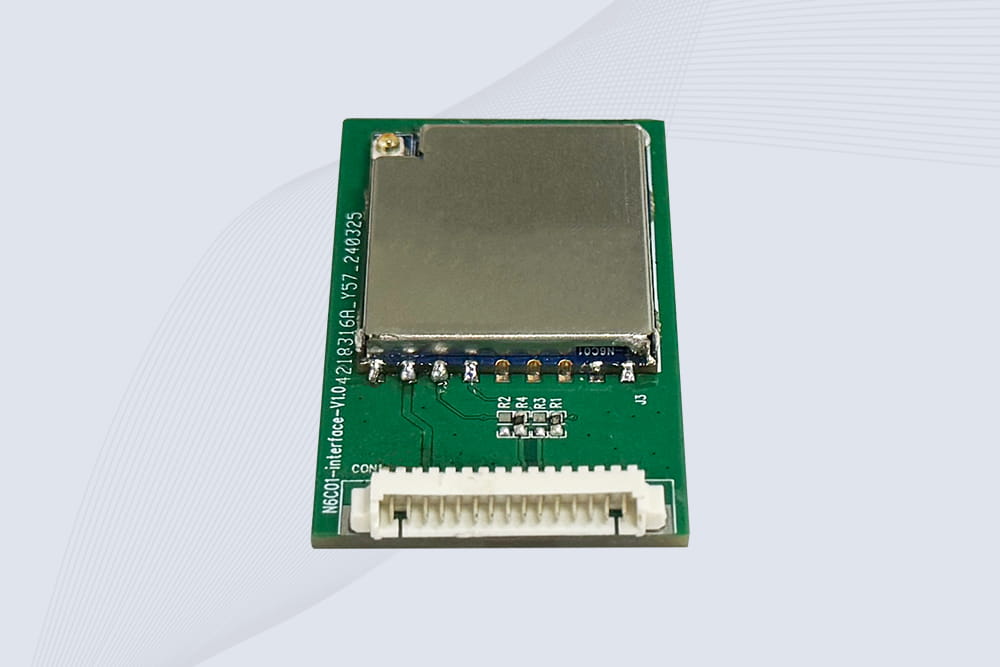
CYKEO Embedded RFID Modules are designed for compact industrial and IoT devices that require stable UHF performance. These UHF RFID Modules support global protocols, flexible power control, and reliable multi-tag reading for smart cabinets, production lines, and asset tracking systems.
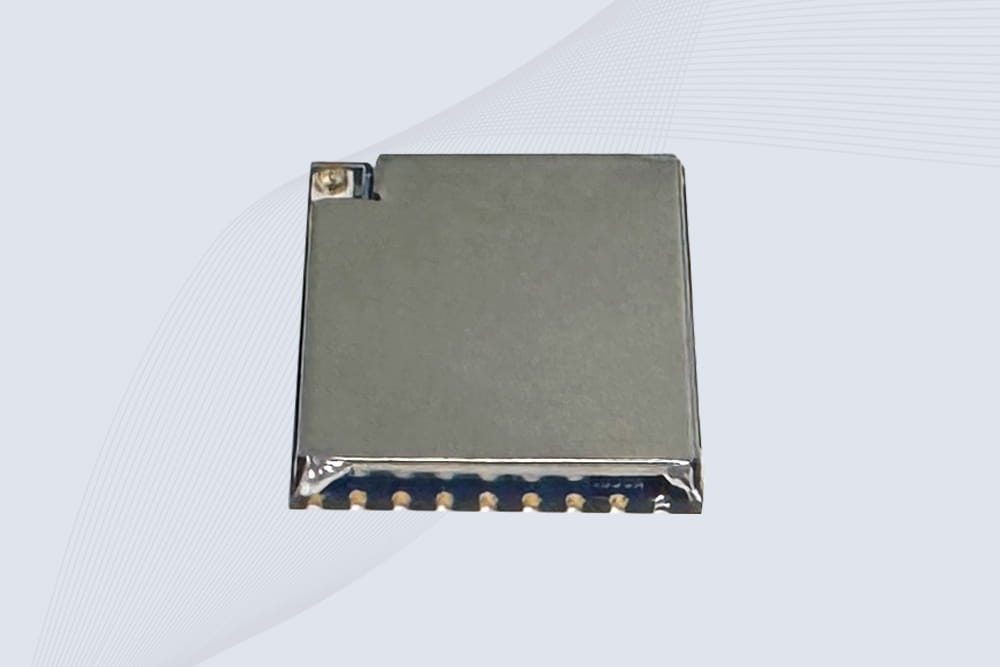
CYKEO Embedded RFID Module is built for compact IoT and industrial devices that need stable UHF performance. This UHF module supports global protocols, low power operation, and reliable multi-tag reading for smart lockers, production lines, and always-on RFID systems.
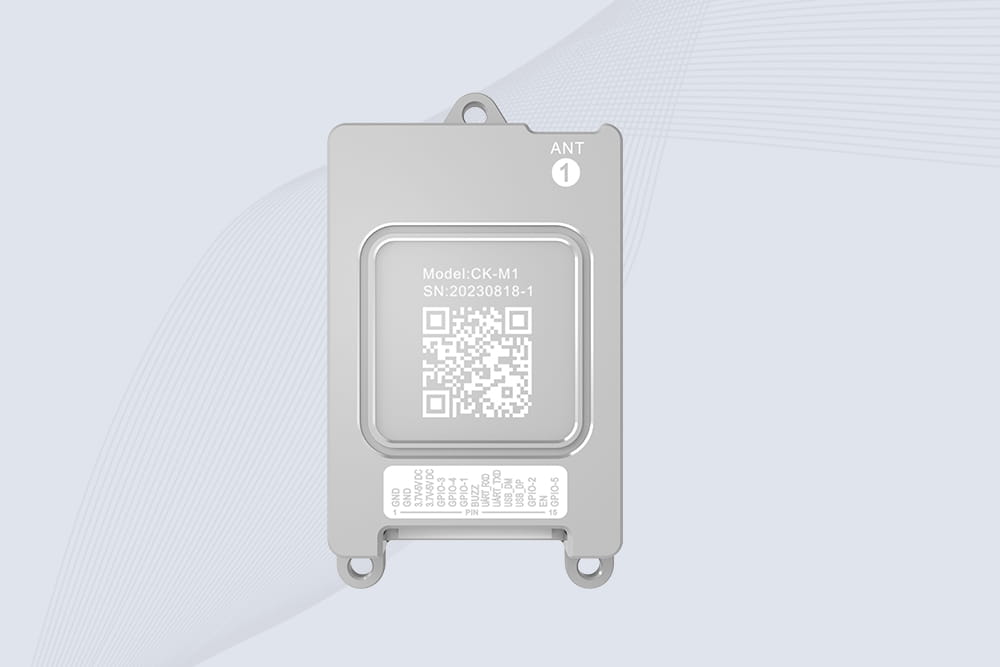
CYKEO CYKEO-M1 drone rfid module is a compact UHF RFID reader module designed for drones and UAV platforms. It supports long-range aerial scanning, fast multi-tag reading, and stable performance in wind, vibration, and outdoor environments.
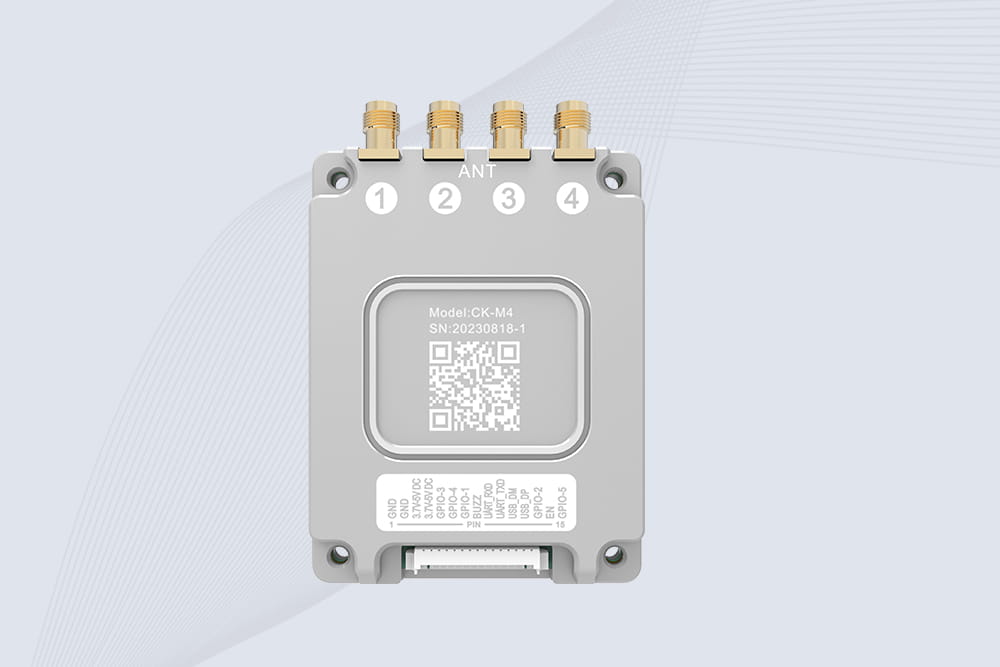
CYKEO CYKEO-M4 RC522 RFID Module is an industrial-grade UHF RFID reader with 4 ports, supporting ISO, EPC, and GB protocols. High-speed, accurate reading for IoT, automation, and warehouse applications.
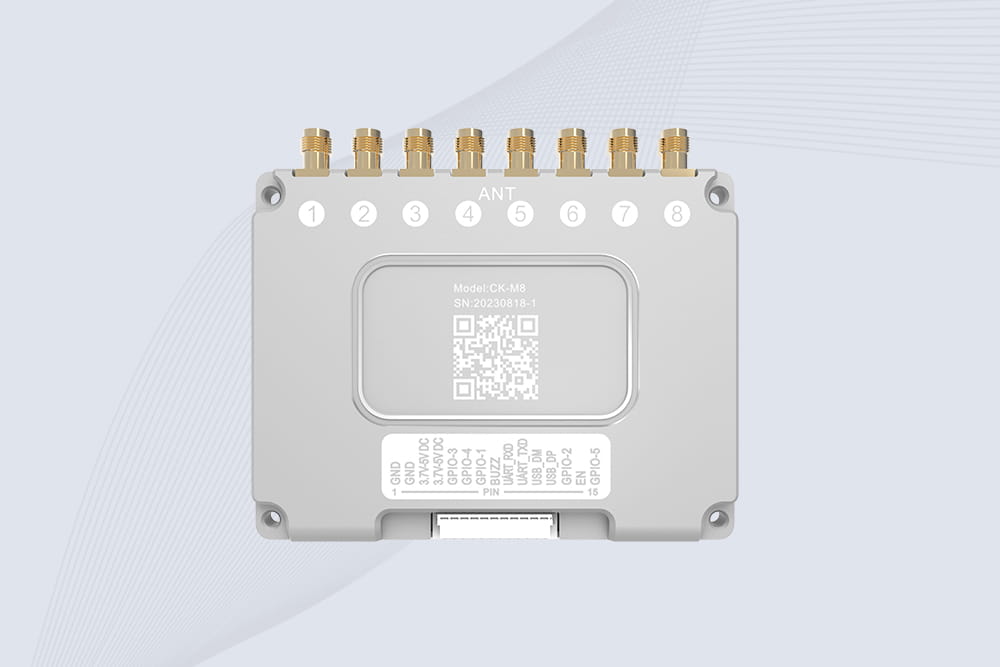
CYKEO CYKEO-M8 Module RFID is an 8-port UHF R2000 RFID Module designed for high-density, multi-tag environments. Stable 33dBm output, ISO & GB protocol support, ideal for warehouses, factories, and automated systems.
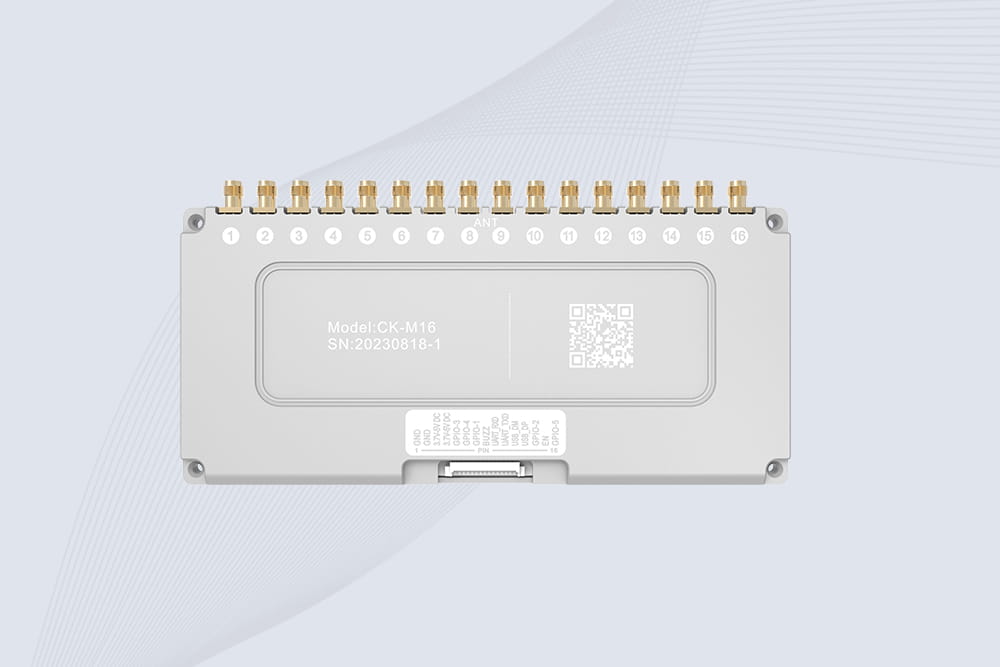
CYKEO CYKEO-M16 RFID Module is a 16-port UHF RFID reader module based on the R2000 chipset. Designed for dense tag environments, it supports ISO and GB standards and delivers stable multi-antenna control for industrial automation.
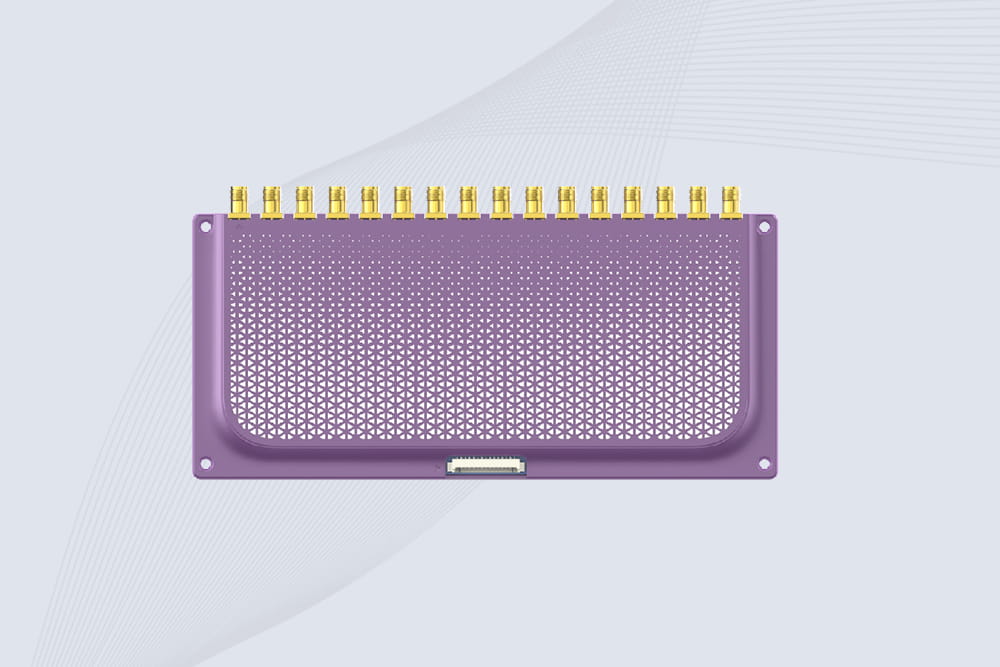
The CYKEO CYKEO-M16L RFID Reader Module is a 16-channel UHF RFID core designed for dense tag environments. With adjustable 33dBm output, multi-protocol support, and stable multi-antenna control, this RFID Tag Reader Module fits industrial automation, warehouse systems, and large-scale IoT deployments.
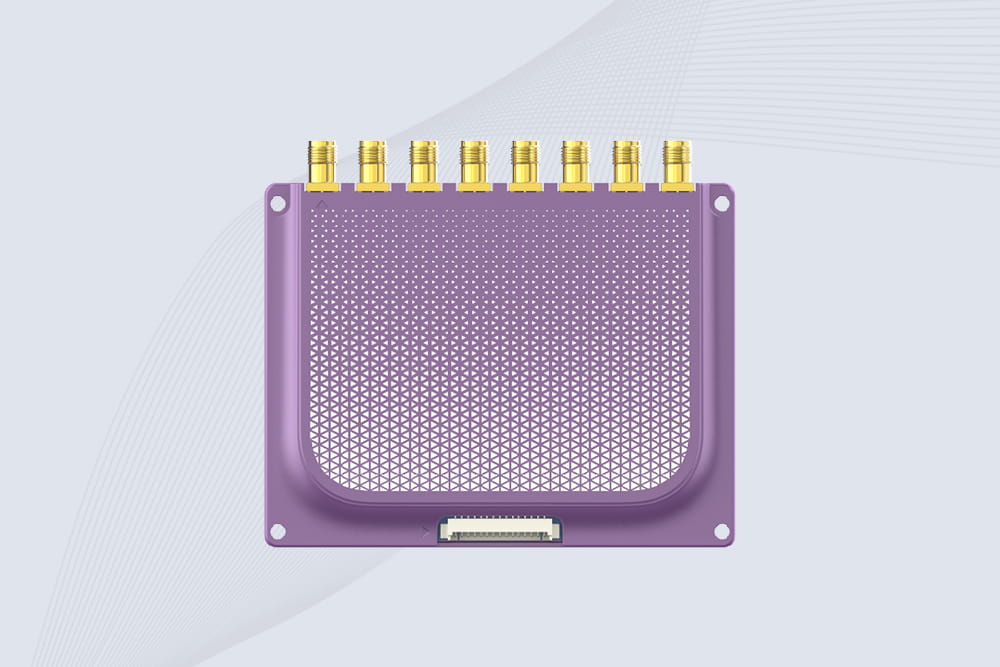
CYKEO CYKEO-M8L module RFID is a compact industrial UHF module built for dense tag and multi-antenna environments. With 8 RF ports, adjustable 33 dBm output, and ISO & GB protocol support, it is widely used in factories, warehouses, and automated tracking systems.
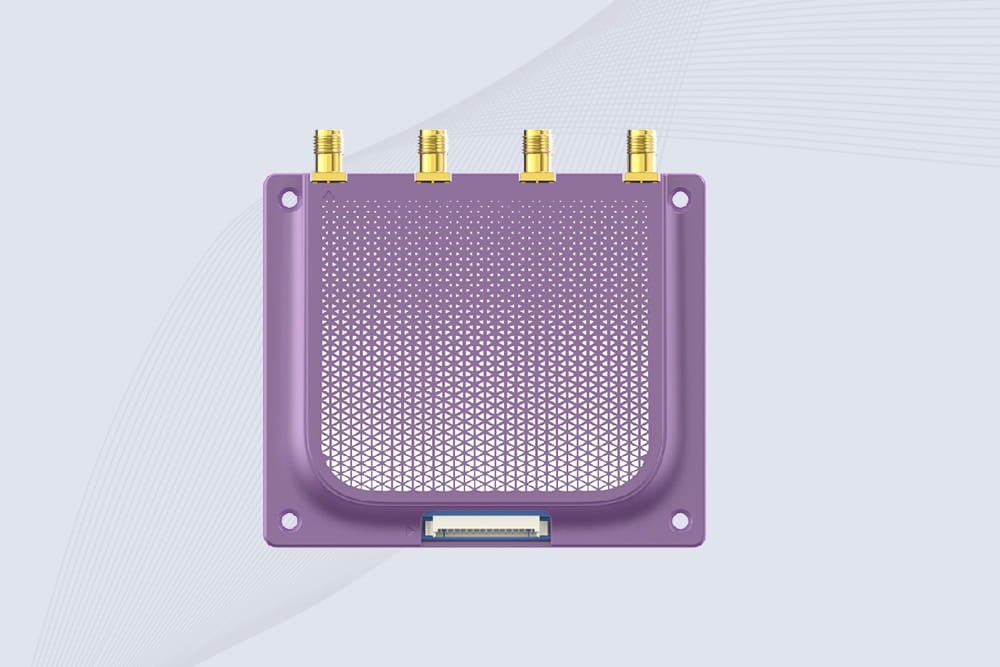
CYKEOCYKEO-M4L UHF RFID Module is a compact 4-channel RFID tag reader module designed for dense tag environments. Supporting ISO and GB protocols, it delivers stable reads up to 10 meters for industrial and IoT systems.
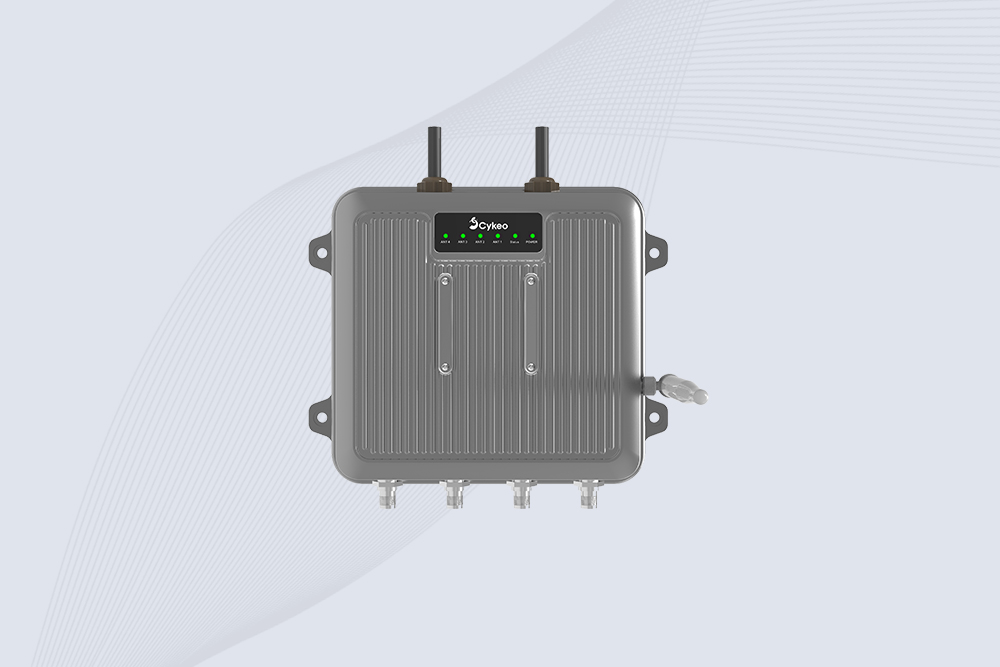
Cykeo CYKEO-C1 industrial Forklift RFID Reader features 20m read range, 600 tags/sec scanning, Impinj R2000 chipset, and IP67 rugged design. Ideal for warehouse logistics and manufacturing. Supports ISO 18000-6C/6B protocols.
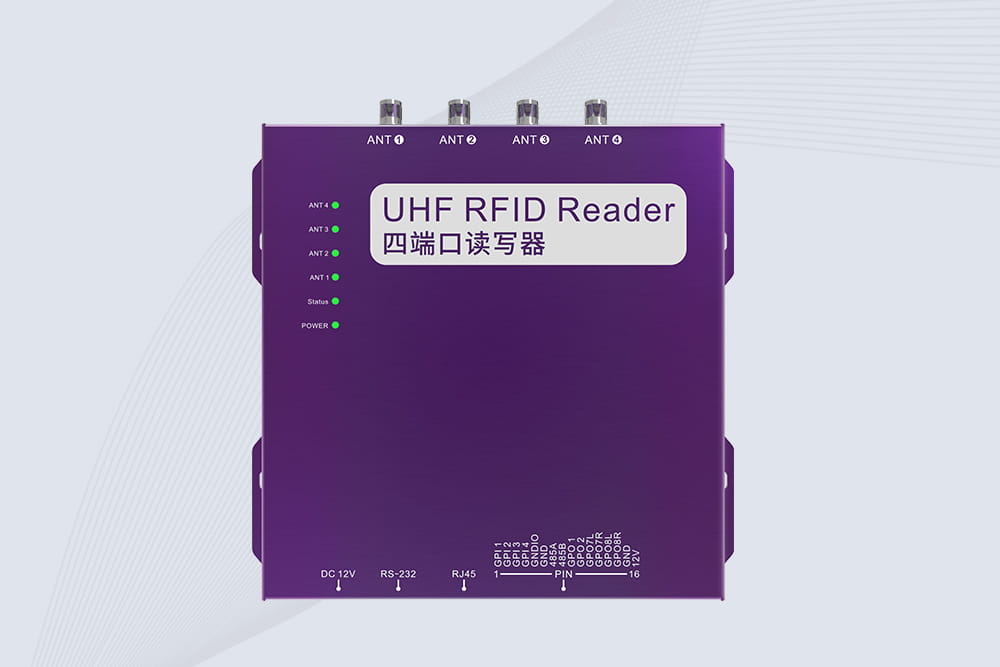
Cykeo CYKEO-R4 industrial UHF RFID Fixed Reader features 4 TNC ports, 400+ tags/sec speed, IP67 housing, and global frequency compliance for vehicle inspection, smart warehouse, and asset management systems.
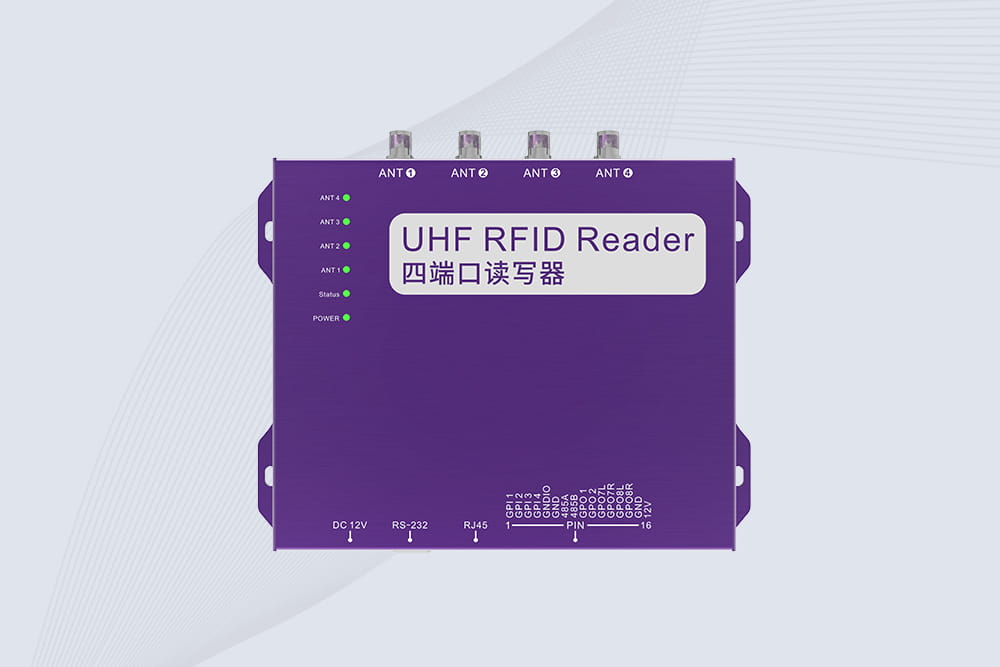
Cykeo’s CYKEO-R4L 4-port Fixed UHF RFID Reader delivers 400 tags/sec scanning, ISO 18000-6C compliance, and IP65 protection. Ideal for warehouse automation, manufacturing WIP tracking, and logistics management.
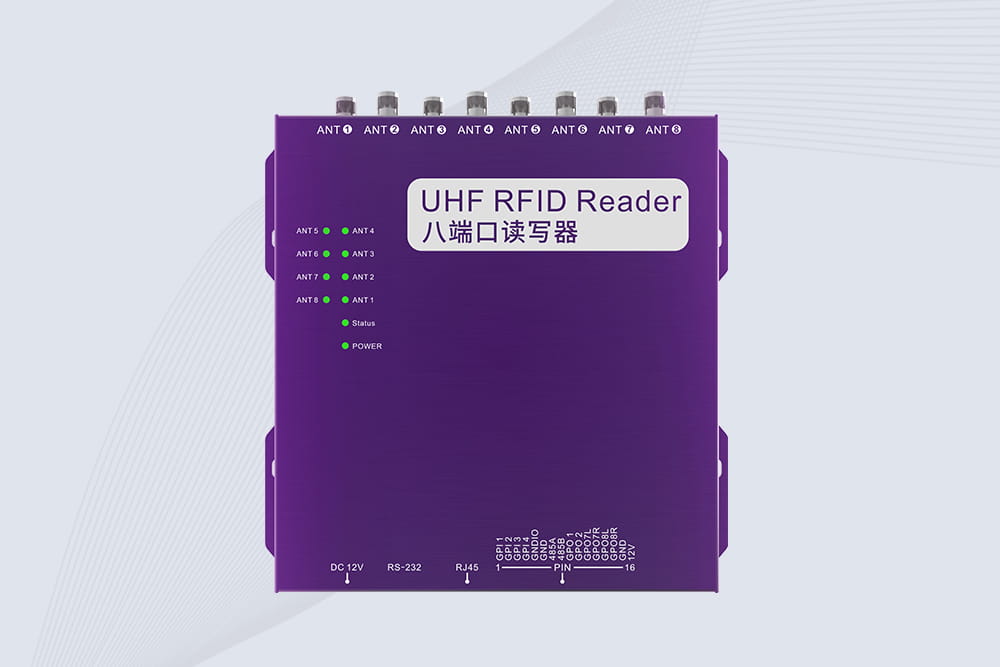
CYKEO CYKEO-R8L Fixed RFID Reader with 8-port UHF design, Impinj-based RF core and up to 20m read range. An industrial Fixed RFID Reader for vehicle inspection, warehouse portals, smart manufacturing lines and secure access checkpoints.
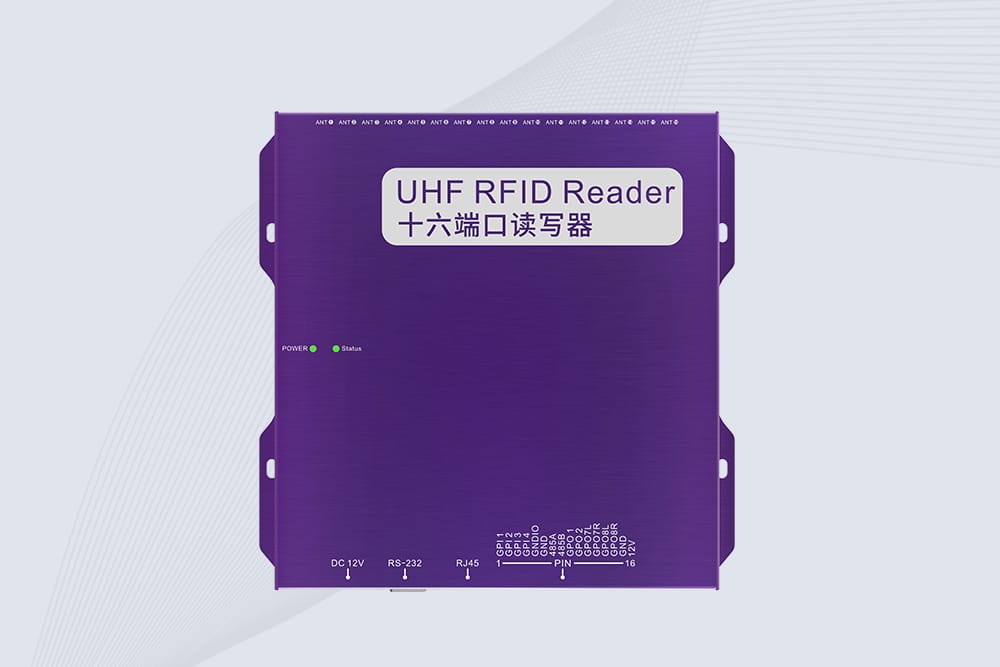
RFID Fixed Reader from CYKEO – the CYKEO-R16L 16-port UHF fixed reader for warehouses, smart cabinets, and production lines. Long-range, multi-tag reading, stable performance for 24/7 industrial use.

RFID scanners use RF energy and backscatter to identify multiple tags and transmit digital data to connected systems.
More
Learn what is a rfid scanner and how Cykeo RFID scanners improve asset tracking, inventory management, and automated identification with reliable performance.
More
Discover printable RFID tags from Cykeo for asset tracking, warehouse management, retail, and logistics. Print, encode, and identify items with greater speed and accuracy.
More
Can RFID tags be tracked? Learn how RFID tracking works, read ranges, real-world applications, and expert insights from Cykeo RFID engineers.
More