 Cykeo RFID IoT Solution Products R&D Manufacturer
What Is a RFID Antenna? (It’s Not the Whole Reader)
309Get a clear answer to what is a RFID antenna. Learn how this hardware enables wireless communication in RFID systems for access control, tracking, and inventory.
MoreAll RFID Product
radio frequency identification tags rfid are small wireless chips used to identify and track objects without contact. They work through radio waves, enabling fast, accurate data capture in logistics, manufacturing, and retail operations. In real deployments, they replace barcode scanning in high-volume environments where speed and visibility matter most.
In Cykeo field projects, RFID tags are often the “quiet layer” inside warehouses—barely visible, but responsible for thousands of real-time asset updates every minute.
RFID tags are not just labels. Each tag carries a microchip and antenna that responds to a reader signal. Depending on frequency (LF, HF, UHF), the read range can vary from a few centimeters to over 10 meters.
According to GS1 standards, UHF RFID (EPC Gen2 / ISO 18000-6C) is now the dominant format in supply chain applications because it supports bulk reading and fast throughput.
In a Cykeo warehouse integration project, we once replaced a manual barcode checkpoint with UHF RFID gates. The change didn’t feel dramatic at first—until we saw the scan time drop from ~3–5 seconds per item to near-instant batch reads.
f=λc
That simple frequency relationship is why rfid antenna design matters so much in real deployments. Small changes in wavelength directly affect read stability in warehouses full of metal racks and liquid products.
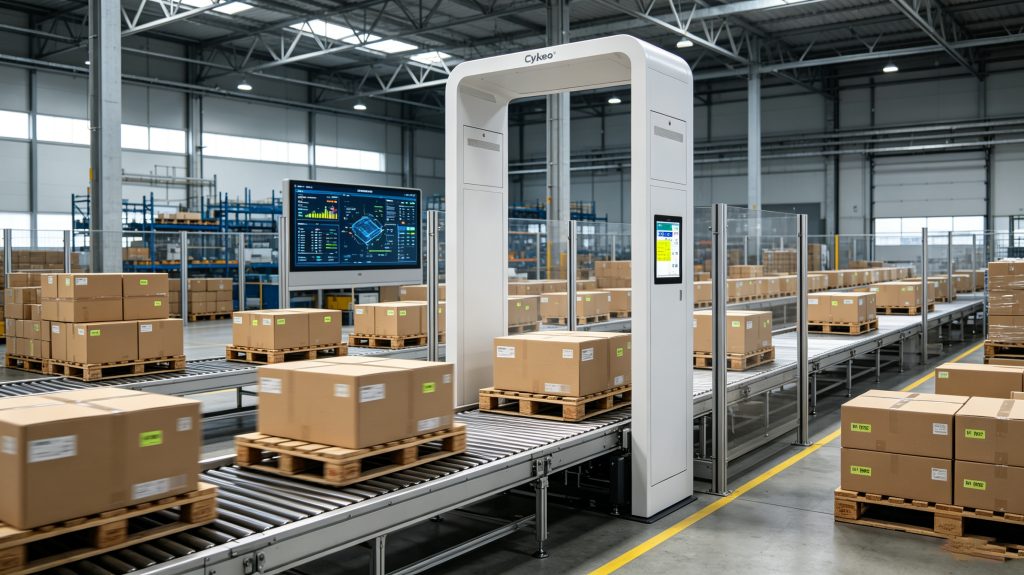
In industrial environments, performance is rarely “lab perfect.”
During a Cykeo deployment in a European logistics hub, we observed:
These are not textbook issues—they appear only when systems go live.
A research study from Auburn University RFID Lab shows RFID-enabled retail systems can reduce inventory errors by up to 25–65% depending on deployment maturity.
That gap—between “installed” and “optimized”—is where most real-world RFID projects succeed or fail.
In Cykeo deployments, manufacturing lines often show the fastest ROI because RFID removes manual scan delays entirely from production flow.
Many first-time users expect RFID to behave like “invisible barcode scanning everywhere.” In reality:
ISO defines performance frameworks for RFID interoperability in ISO/IEC 18000-6 standards.
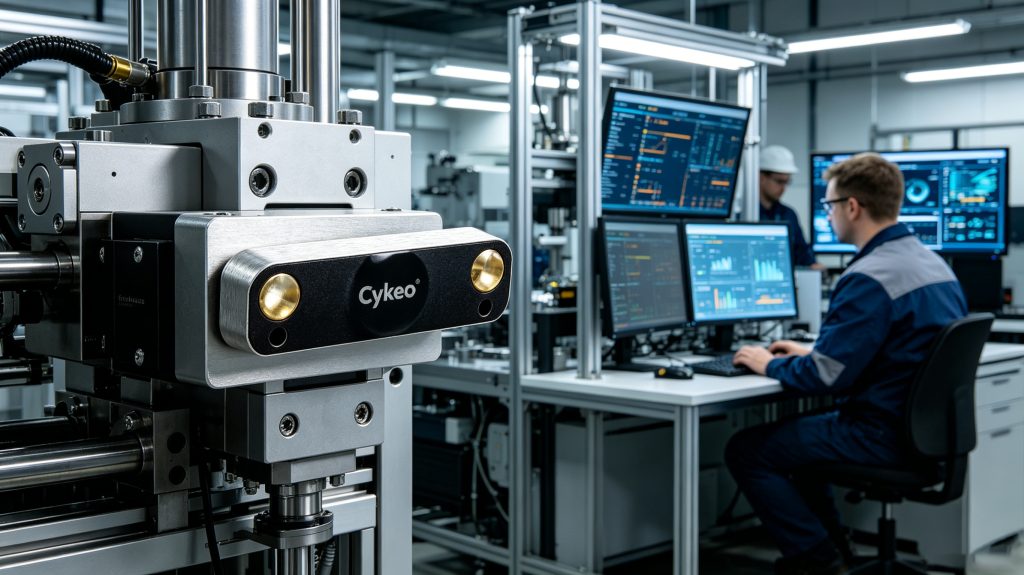
The shift is no longer about replacing barcodes. It’s about building visibility layers.
GS1 estimates that RFID adoption can improve inventory accuracy in retail environments to over 95% when fully implemented.
Yes, in high-volume environments. RFID supports batch reading without line-of-sight scanning.
Passive RFID tags do not. Only active tags require batteries.
Tag placement, material interference, and reader tuning.
Get a clear answer to what is a RFID antenna. Learn how this hardware enables wireless communication in RFID systems for access control, tracking, and inventory.
More
Embedded RFID tags are built directly into assets for maximum durability and tamper resistance. Learn how embedded RFID works and explore industrial solutions for metal, laundry, and liquid environments.
More
Learn how to connect RFID reader modules with ERP systems like SAP or Oracle. Explore middleware solutions, API compatibility, and real-time data synchronization.
More
Need to know: is RFID module field install ZT510 possible? Yes. Learn the prerequisites, step-by-step process, and essential tools for a successful on-site upgrade of your Zebra printer.
More