 Cykeo RFID IoT Solution Products R&D Manufacturer

RFID Building Security: Not Just Swiping a Card
864A comprehensive guide to RFID building security, sharing practical experiences, challenges, and best practices for modern access control systems in real-world environments.
MoreAll RFID Product
One of the shortest RFQs we’ve ever received simply said:
“We need a 12dBi antenna.”
No application.
No warehouse layout.
No reader model.
No explanation of what they were trying to solve.
It happens more often than people think.
Many buyers assume the antenna with the highest gain must also deliver the best performance. It sounds logical. Bigger number, longer range, better result.
After working with warehouse projects, manufacturing lines and logistics systems, I’d probably answer that email with another question instead.
“What are you trying to read?”
Because that answer usually decides everything.
When comparing RFID antennas, gain is normally the first specification people notice.
6dBi.
9dBi.
12dBi.
Those numbers are useful, but they don’t tell the whole story.
Higher gain doesn’t create more RF power out of nowhere.
It concentrates the available energy into a narrower area.
Think about standing on a dark road with two different flashlights.
One produces a wide beam that lights up everything nearby.
The other creates a narrow spotlight reaching much farther ahead.
Neither flashlight is objectively better.
It depends entirely on where you’re standing and what you’re trying to see.
RFID antennas behave in a surprisingly similar way.
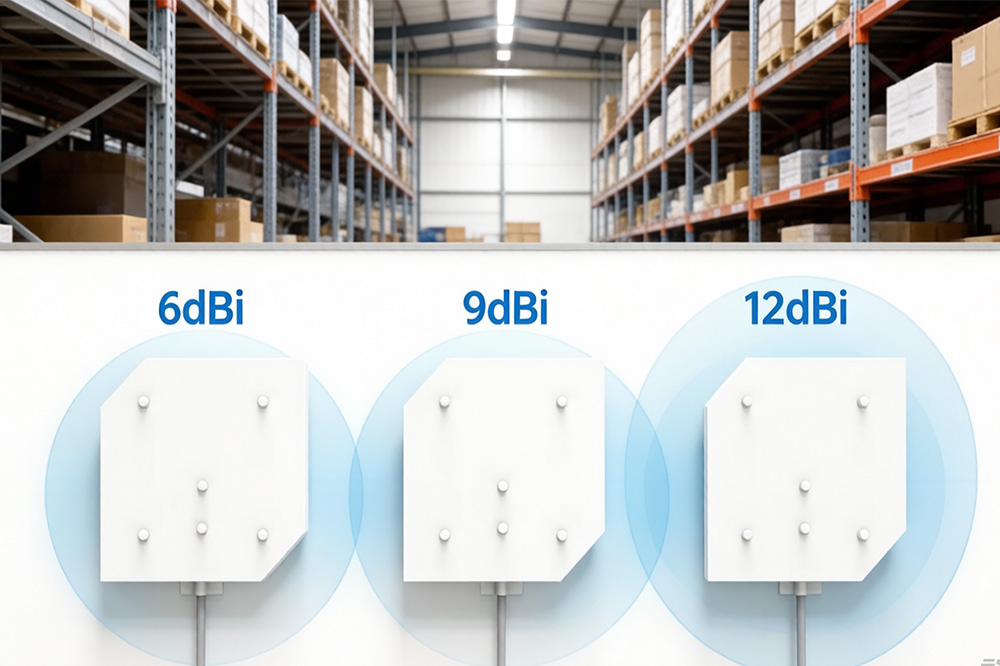
A 6dBi antenna generally provides a broader reading area.
That makes it useful when tagged items approach from different directions or when precise alignment isn’t practical.
Typical applications include:
The reading distance is usually shorter than higher-gain models, but that’s often intentional.
Sometimes reading less is actually reading better.
If there is one antenna that appears again and again in warehouse projects, it’s probably the 9dBi model.
Not because it’s perfect.
Because it sits comfortably between coverage and distance.
You’ll often see it used for:
Quite a few system integrators begin testing with a 9dBi antenna and fine-tune the installation from there rather than immediately choosing the highest gain available.
A 12dBi antenna pushes energy into a more concentrated beam.
That can increase reading distance.
It also makes installation a little less forgiving.
If pallets don’t pass through the intended read zone, or if the antenna angle is slightly off, performance may become inconsistent.
Projects where 12dBi antennas often perform well include:
Higher gain can solve one problem while quietly creating another.
That’s something datasheets don’t always show.
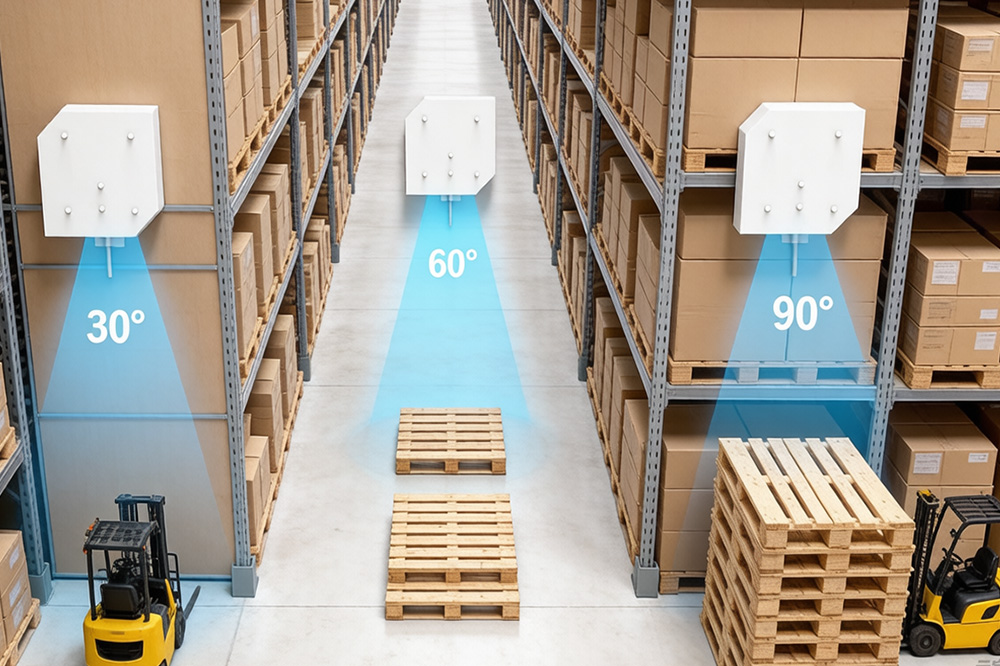
Manufacturers usually specify beam widths such as:
On paper, the difference seems straightforward.
Real warehouses are rarely that predictable.
A 30° beam creates a tight reading corridor.
Useful when only one lane should be monitored.
A 90° beam covers a much larger area.
That sounds attractive until tags sitting beside the lane begin appearing in your data.
Many projects eventually settle somewhere in between.
A 60° beam often offers enough coverage without creating excessive spillover.
Still, nearby metal racks, forklifts and stacked pallets can reshape the RF field in ways no specification sheet can fully describe.
The beam you see in the catalogue is measured under controlled conditions.
The beam inside your warehouse has to negotiate with the environment.
This question probably appears in almost every purchasing discussion.
Should we choose circular polarization or linear polarization?
The answer usually depends less on the antenna and more on the RFID tag.
Circularly polarized antennas transmit RF energy in multiple orientations.
That makes them more tolerant of tags positioned at different angles.
In warehouses, cartons rarely face exactly the same direction.
Pallets rotate.
Boxes tilt.
Workers restack products.
Circular polarization keeps reading performance relatively stable despite those changes.
That’s why it has become the default option for many logistics and inventory projects.
Linear antennas work best when tags maintain a consistent orientation.
When alignment stays predictable, linear polarization can provide excellent performance and efficient energy use.
Typical examples include:
The trade-off is obvious.
Rotate the tag ninety degrees and reading performance may decrease noticeably.
Interestingly, once procurement teams gain some RFID experience, the conversation shifts.
Instead of asking only about gain, they begin asking questions like:
Those questions usually lead to much better antenna recommendations than simply asking for the highest-gain model.
One thing that becomes obvious after several deployments is that buyers are rarely purchasing an antenna because of the antenna itself.
They’re buying predictable read performance.
The antenna is simply the tool that shapes that performance.
A narrow beam might be ideal for one logistics project and completely unsuitable for another.
A circularly polarized antenna may outperform a linear model in one warehouse, yet the opposite could happen on a production line where every tag faces exactly the same direction.
That’s why experienced RFID suppliers usually begin with the application rather than the specification sheet.
Manufacturers offering complete RFID infrastructure, including directional antennas, readers and deployment support, often spend as much time discussing warehouse layouts and traffic flow as they do antenna specifications.
In many projects, that’s where successful deployments actually begin.
Not with 6dBi or 12dBi.
With understanding what the customer is trying to achieve.
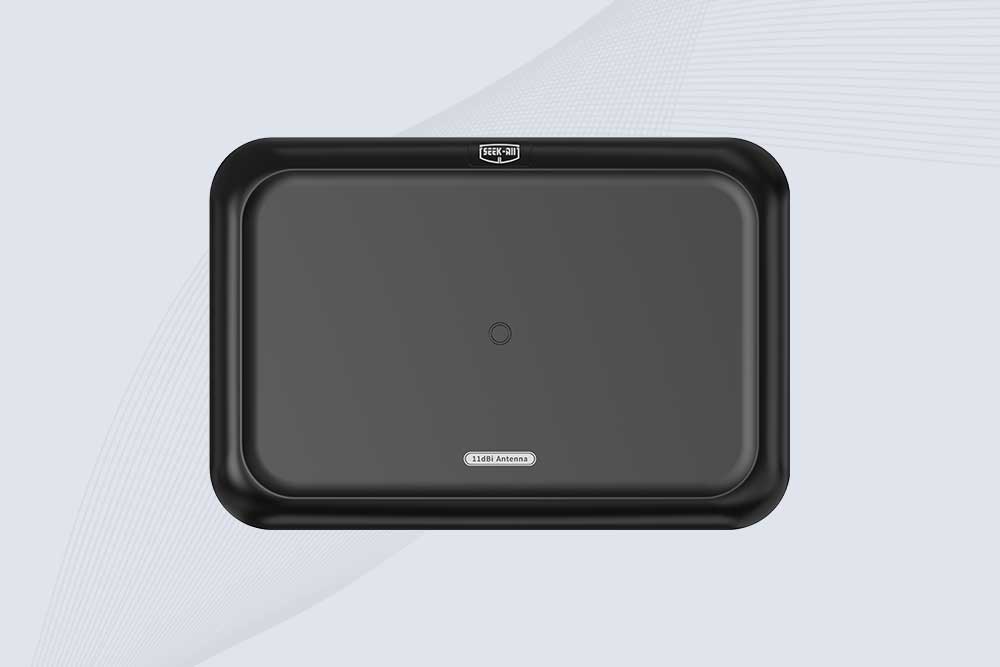
SSD-A11 UHF RFID antenna features 840–960 MHz adjustable frequency, ≥10.5 dBi gain, circular polarization and 50Ω impedance for fixed RFID systems.
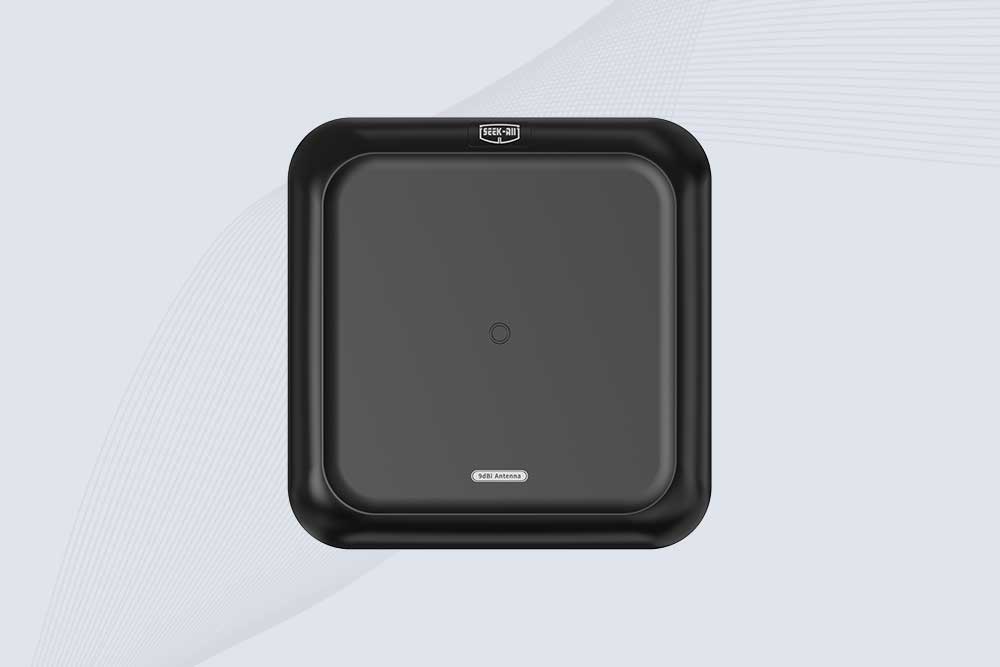
SSD-A09 is a 9 dBi UHF RFID antenna with 840–960 MHz adjustable frequency, circular polarization, 50Ω impedance and directional 60° × 60° coverage.
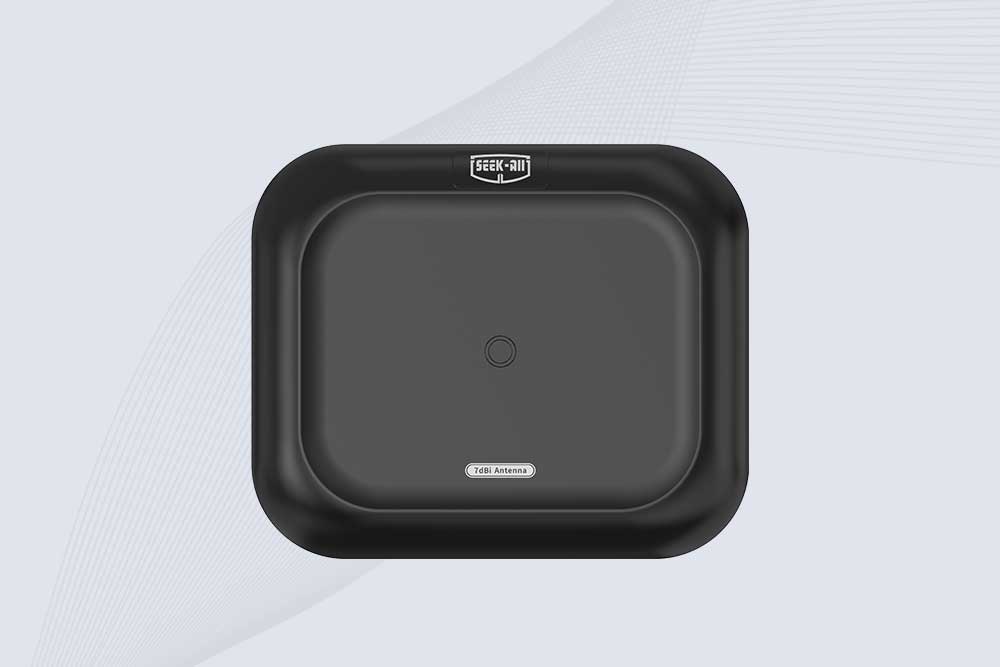
Explore the SSD-A07 UHF RFID antenna with 7 dBi gain, circular polarization, adjustable 840–960 MHz frequency, and 60°/75° beamwidth for stable RFID read/write performance.

SSD-A06 UHF RFID antenna with circular polarization, adjustable 840–960 MHz frequency, ≥4.5 dBi gain, and a compact directional design for RFID systems.
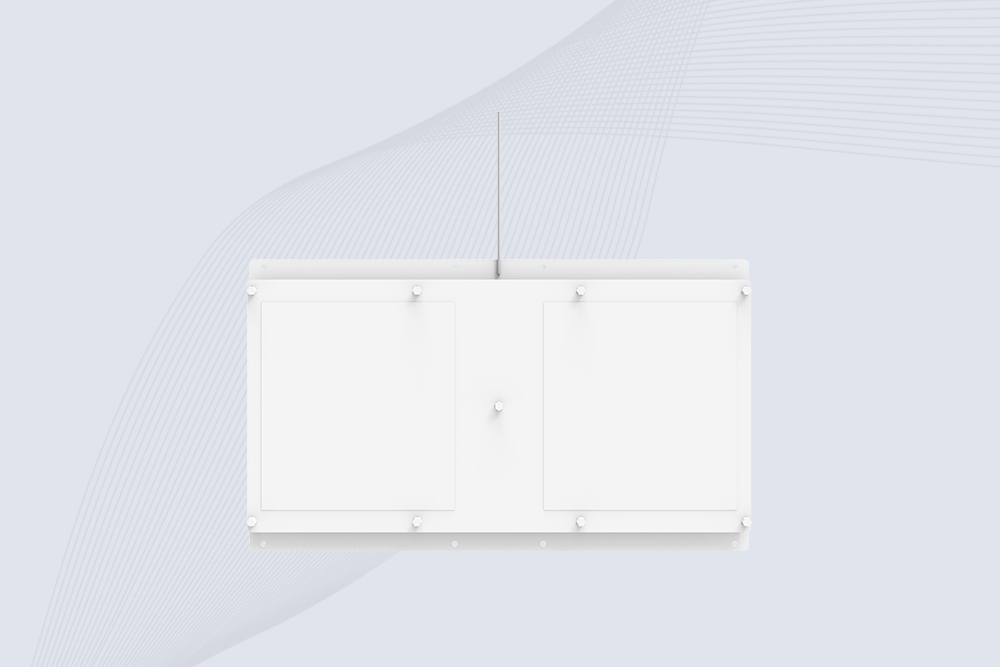
Cykeo CYKEO-A11 UHF RFID reader antenna delivers 11dBi gain, 840-960MHz frequency range, and IP65 ruggedness for retail, logistics, and industrial RFID systems. Features low VSWR and easy installation.

CYKEO Antenna RFID Reader delivers stable long-range UHF performance with a 10.5dBi directional design, built for warehouses, conveyor portals, and industrial RFID systems. This rfid reader antenna provides 20m+ read distance and rugged IP67 protection.

Cykeo CYKEO-PHF3 industrial HF RFID Antenna offers 24-point dynamic tracking, ISO 14443A/15693 protocols, metal-environment stability for archives/libraries/manufacturing.

Cykeo CYKEO-A5B industrial Linear RFID Antenna delivers 5dBi gain, ≤1.5:1 VSWR, and IP65 rugged design for warehouse, production line, and logistics UHF systems.

Cykeo’s CYKEO-B12 Long Range RFID Antenna delivers 15m+ read range with 12dBi gain, IP65 rugged design, and global 840-960MHz UHF support. Ideal for warehouse/logistics asset tracking.
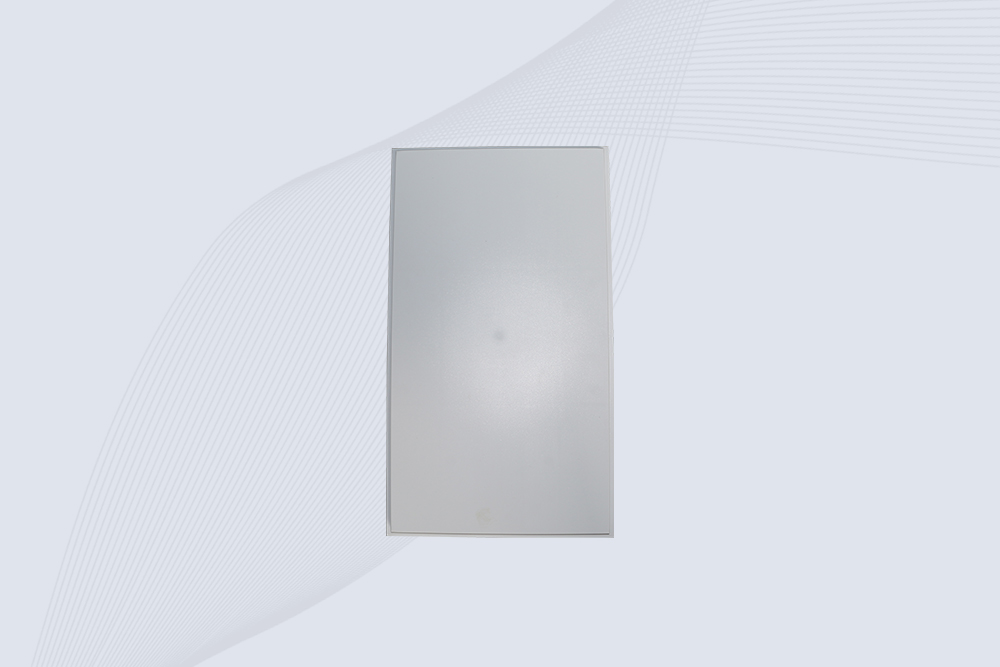
Cykeo CYKEO-B10 Long Distance RFID Antenna offers 10dBi gain, 840-960MHz frequency range, IP65 rating, and 20m+ coverage for logistics/warehousing/ETC systems. Low VSWR ensures stable signal transmission.
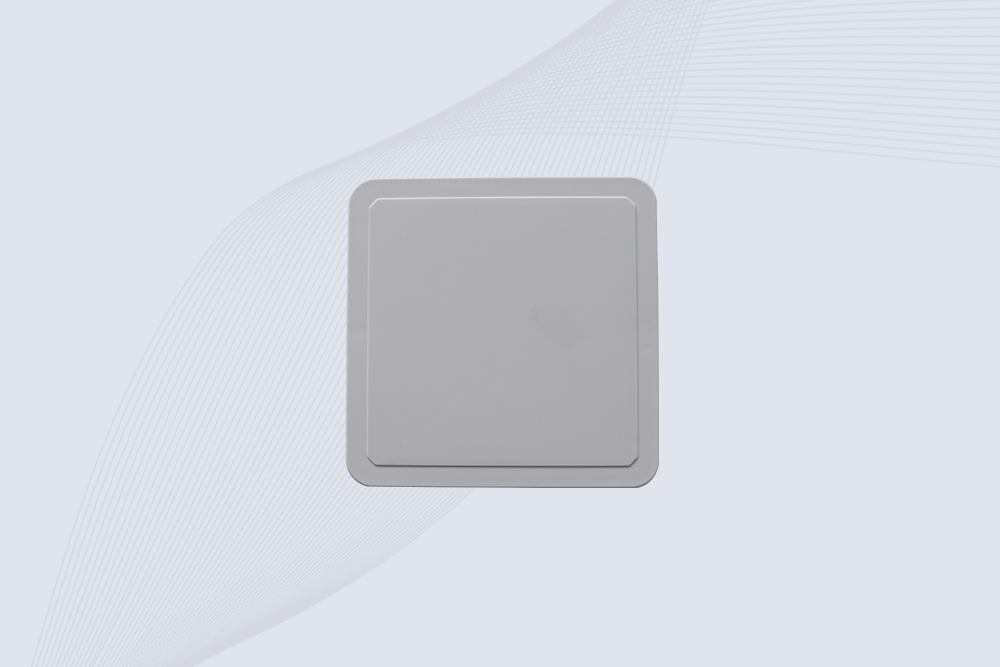
Cykeo CYKEO-A6 UHF RFID panel antenna features 6dBi gain, 840-960MHz broadband, IP65 metal-ready housing for logistics/smart retail. 18mm ultra-thin design with tool-free mounting.

Cykeo CK-A3 industrial antenna RFID UHF offers 5m+ tag detection, ≤1.3:1 VSWR, IP65 rugged design, and global UHF spectrum compatibility (840-960MHz) for warehouses, factories, and retail.
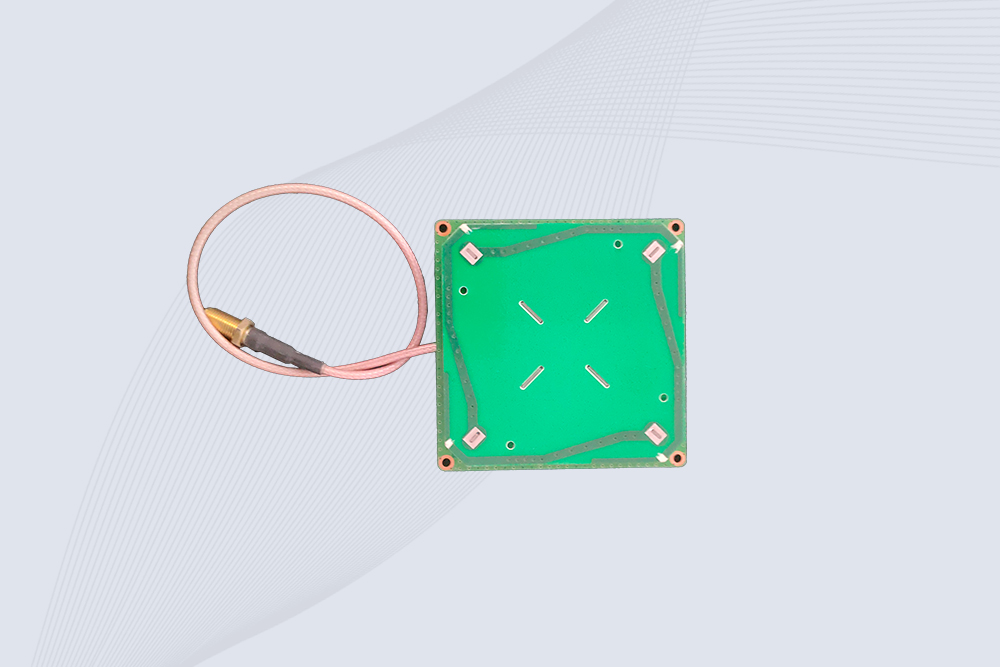
Cykeo CYKEO-B5 directional RFID antenna provides 5dBi gain with 60° narrow beamwidth for precise inventory tracking. IP65-rated, global UHF frequency support, and low VSWR.
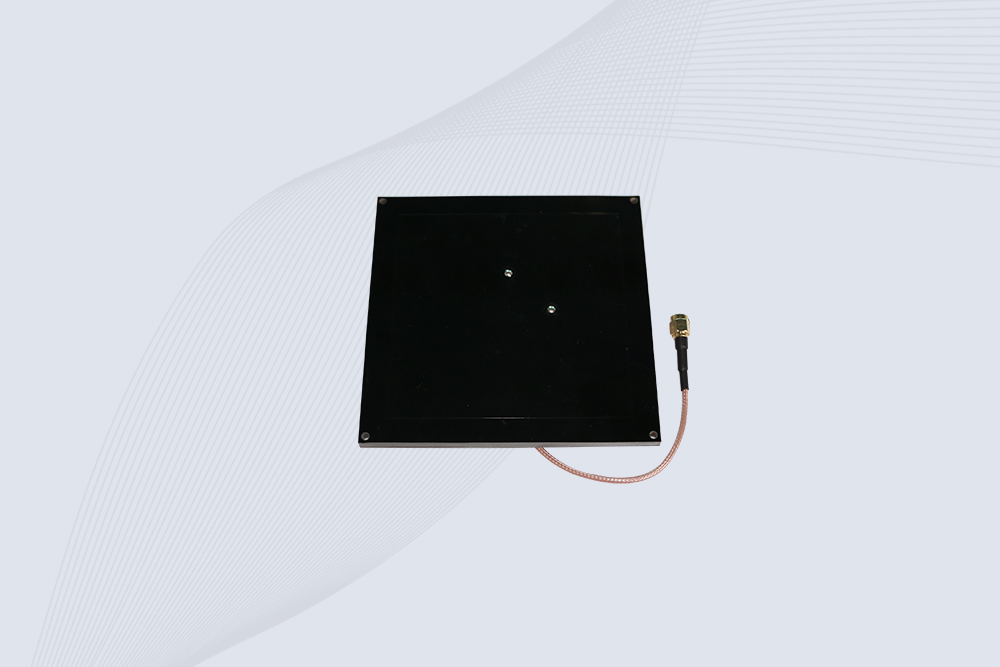
Create your own high-performance DIY RFID antenna! 5dBi gain, 840-960MHz tunable, step-by-step guides. Compatible with Arduino, Raspberry Pi, and commercial UHF readers.
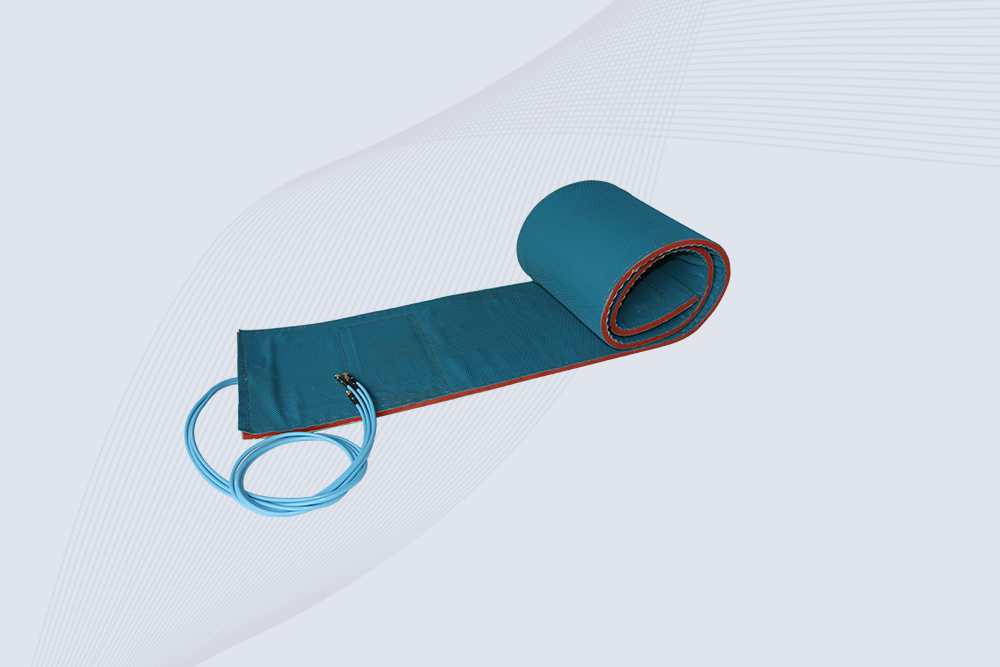
Cykeo CYKEO-A7 Flexible RFID Antenna features 840-960MHz wideband tuning, 7dBi gain, and IP68 rating for medical/retail/industrial curved surface deployments. 98% read accuracy with peel-and-stick installation.

Cykeo CYKEO-B5A industrial Passive RFID Antenna delivers 5dBi gain, 70° beamwidth, and -40°C~55°C operation for warehouses/smart cabinets. Compatible with Zebra/Impinj readers.
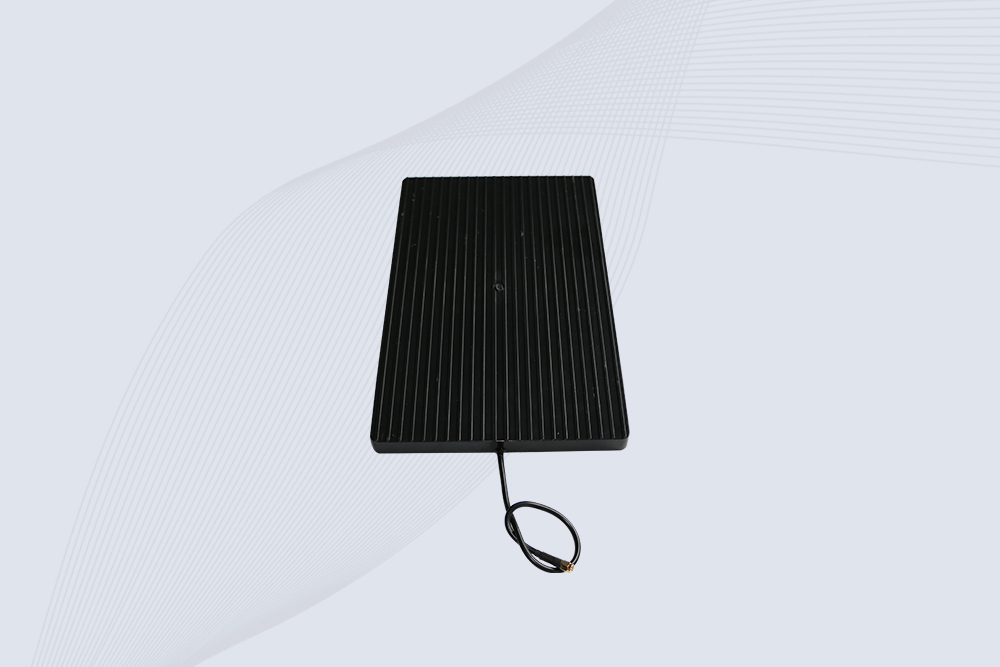
Cykeo’s CYKEO-A9B High Gain RFID Antenna delivers 15m+ read range with 9dBi amplification. Features IP54 rugged design, 840-960MHz bandwidth, and 80° beamwidth for warehouse/manufacturing RFID systems.

Cykeo’s enterprise-grade 8dbi Impinj RFID Antenna 10m+ read range with 840-960MHz tuning. Features IP65 housing, 1.4 VSWR, 35° beamwidth for retail/warehouse RFID systems.
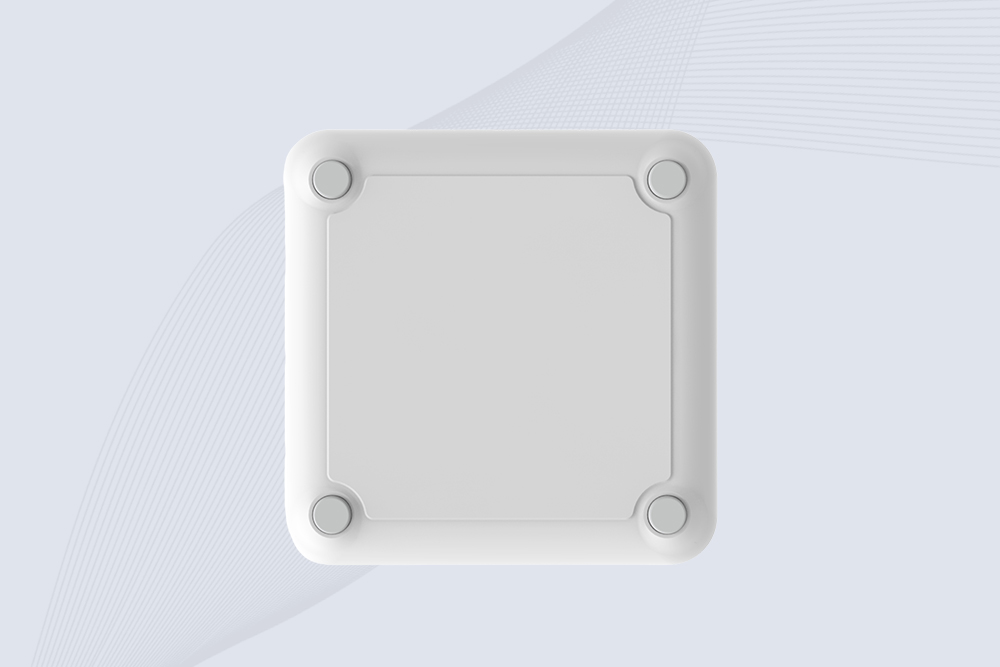
Cykeo CYKEO-A9 industrial UHF RFID antenna delivers 9dBi gain, 840-960MHz frequency range, and IP65 protection for warehouse/logistics/retail RFID systems. Features N-type connector and ≤1.3:1 VSWR.

CYKEO UHF RFID Antenna built for long-distance and industrial applications. This antenna rfid uhf delivers strong gain, outdoor durability, and reliable tag performance in warehouses, yards, and vehicle ID systems.
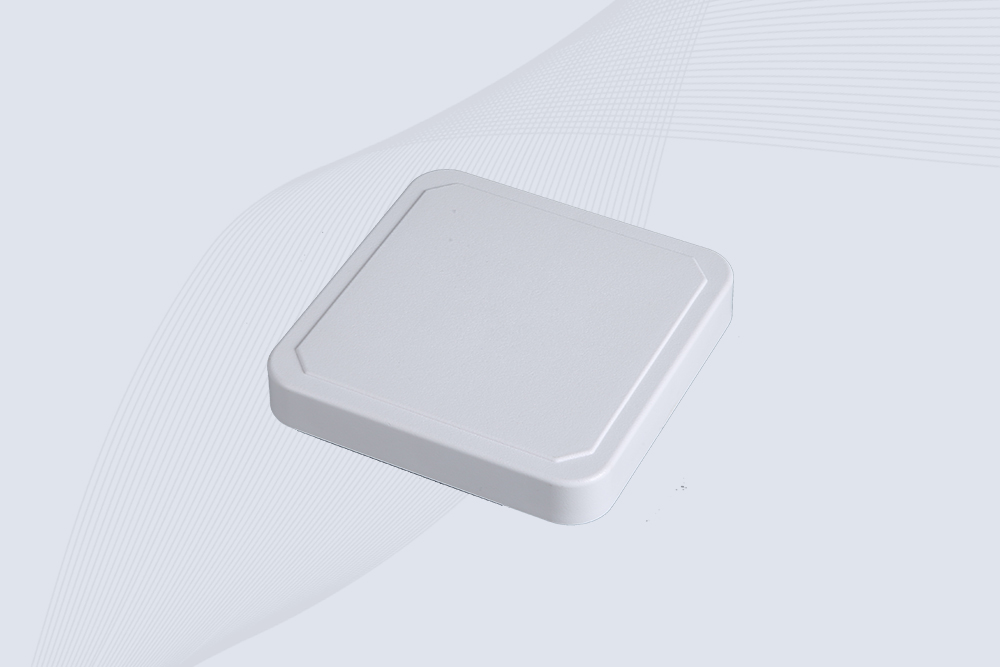
CYKEO Antenna RFID delivers reliable long-range UHF performance in warehouses, retail shelves, and cold-chain environments. This compact uhf rfid antenna provides stable reads with circular polarization and ultra-wide 840–960 MHz support, ideal for industrial tracking, smart shelves, and asset monitoring.
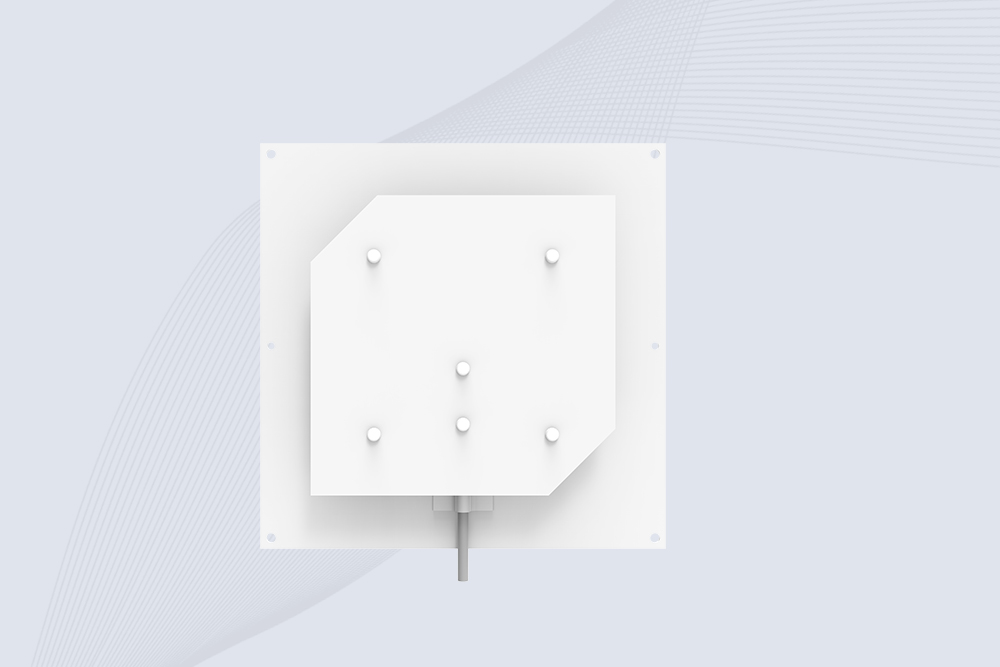
Cykeo’s CYKEO-C8 UHF RFID antennas delivers 8dBi gain, 840-960MHz full-band coverage, and IP65 ruggedness for manufacturing/warehouse RFID systems. Industrial RFID Antennas Features
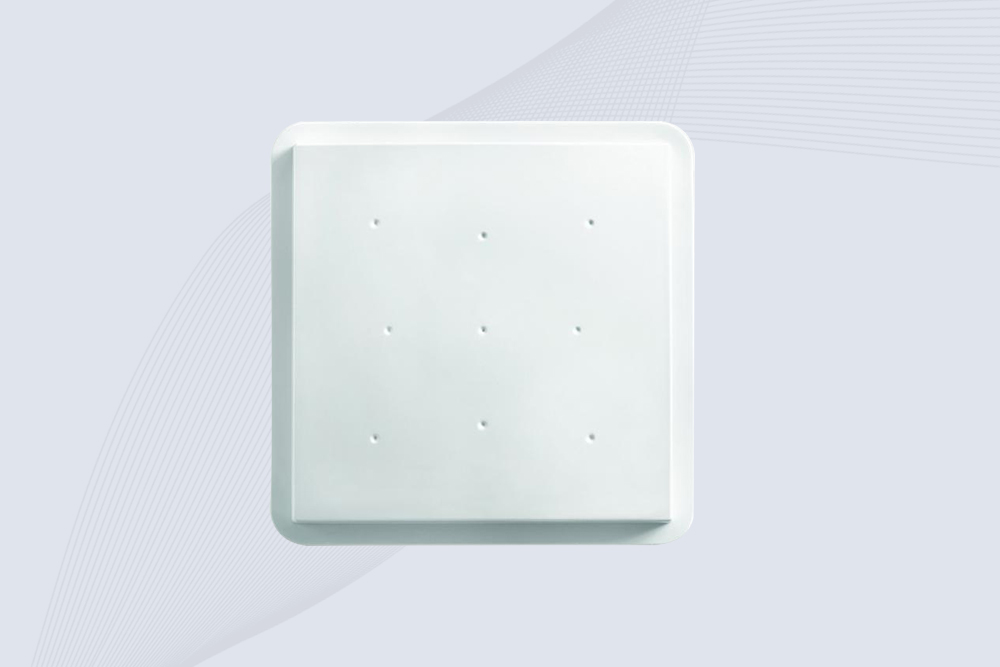
Cykeo’s 8dBi UHF RFID antenna and reader kit delivers 10m+ range, 840-960MHz broadband, and IP65 ruggedness for factories, warehouses, and logistics. ISO 18000-6C & EPC Gen2 certified.
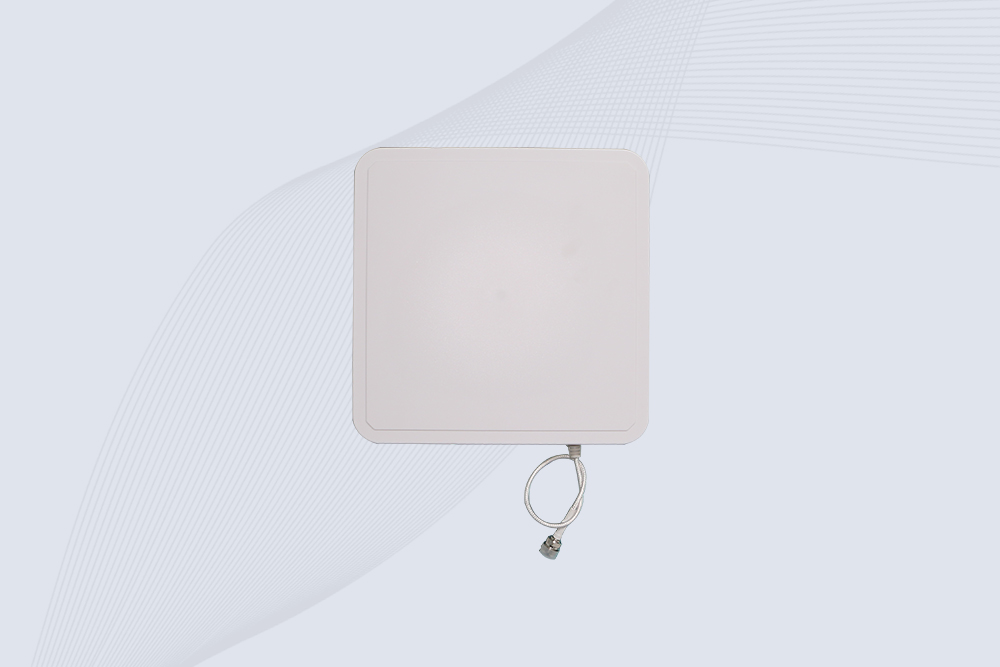
Cykeo CYKEO-A9A industrial UHF RFID reader and antenna kit delivers 10m range, 500 tags/sec, IP65 ruggedness for manufacturing/logistics. Supports EPC Gen2, ISO18000-6C.
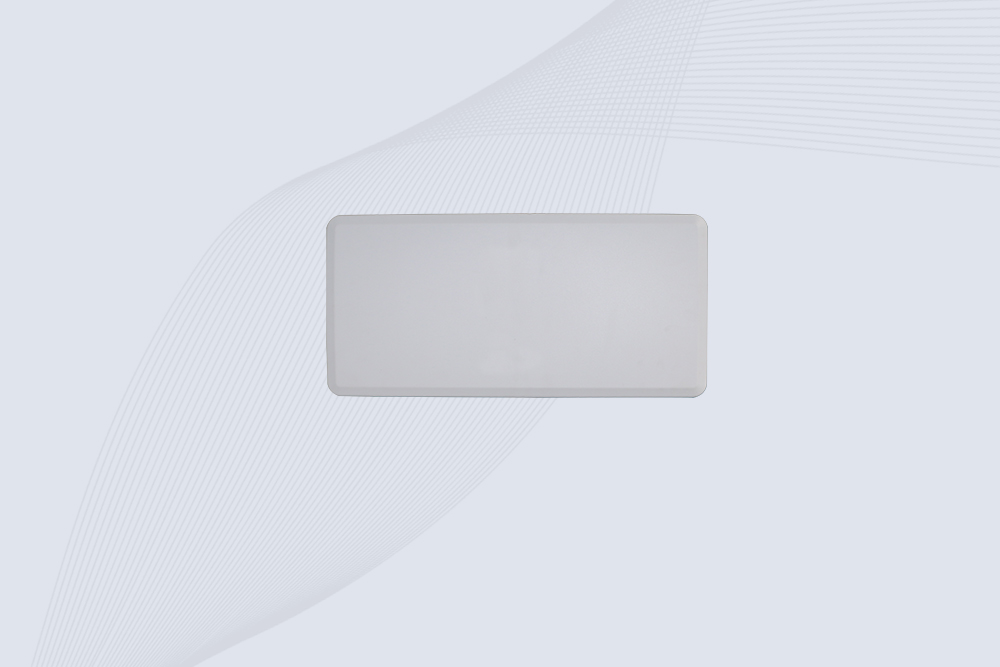
Cykeo’s CYKEO-A12C UHF Large RFID Antenna delivers 12dBi gain, 840-960MHz global frequency, IP65 ruggedness for logistics/warehousing/automotive. 40° beamwidth ensures stable 15m+ tag reads.

CYKEO Near Field RFID Antenna provides precise 5–30 cm reading for shelves, cabinets, and workstations. This compact rfid shelf antenna delivers stable short-range performance around metal and clutter, ideal for pharmacies, libraries, and electronics sorting.
RFID Industry Writer | IoT & Asset Tracking Analyst
James writes about RFID technology, asset tracking, and the practical challenges of digital transformation across warehousing, retail, manufacturing, and logistics.
His work focuses on how RFID is applied in real-world operations—improving inventory visibility, automating workflows, and helping businesses manage assets with greater accuracy and efficiency.
He regularly covers topics including UHF RFID, smart cabinets, RFID portals, tool tracking, warehouse automation, and industrial IoT trends..

A comprehensive guide to RFID building security, sharing practical experiences, challenges, and best practices for modern access control systems in real-world environments.
More
rfid laundry systems improve linen tracking accuracy, reduce labor costs, and speed up hotel and hospital inventory counts with automated UHF RFID management by Cykeo.
More
RFID improves automatic identification, inventory visibility, multi-tag reading, and process automation across warehouses, manufacturing, retail, and logistics.
More
Thinking of buying an Android RFID handheld reader? Here’s a hands-on account of deploying the Cykeo CK-B3L in a working warehouse, covering performance quirks, durability, and hidden operational costs.
More