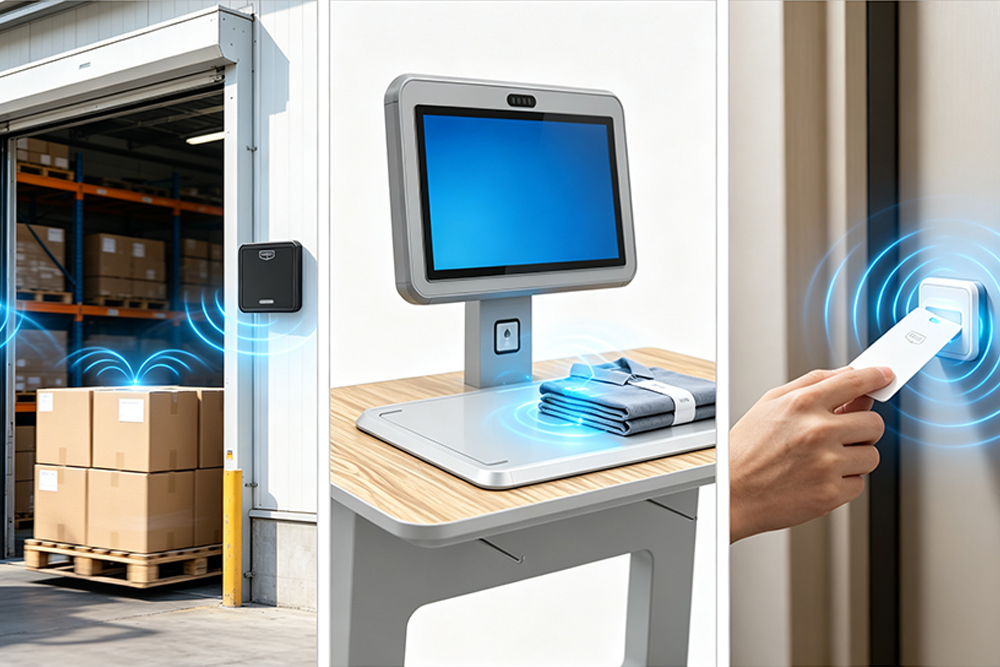
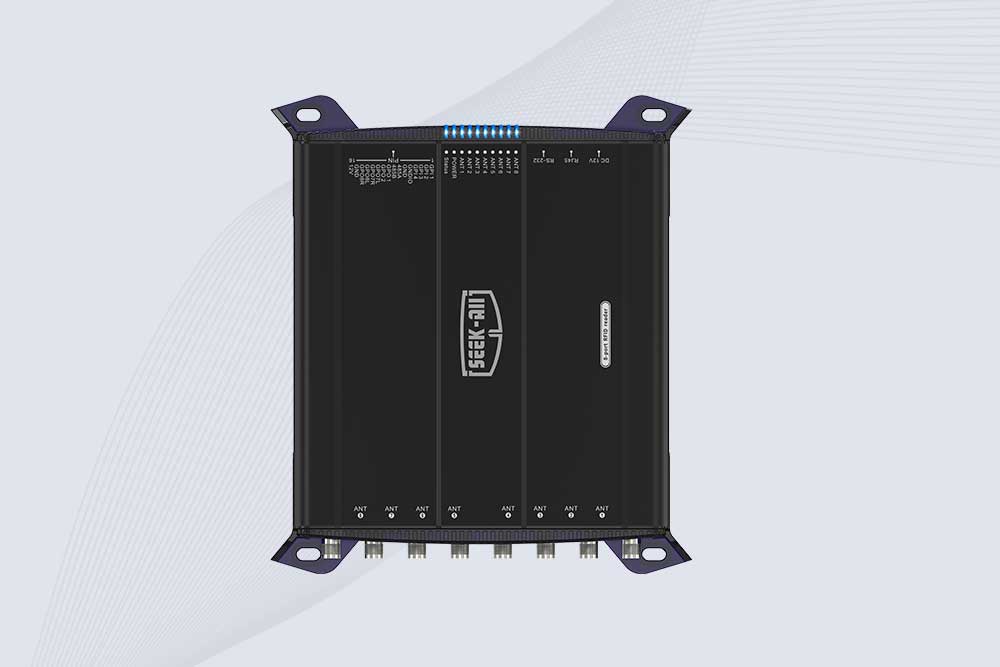
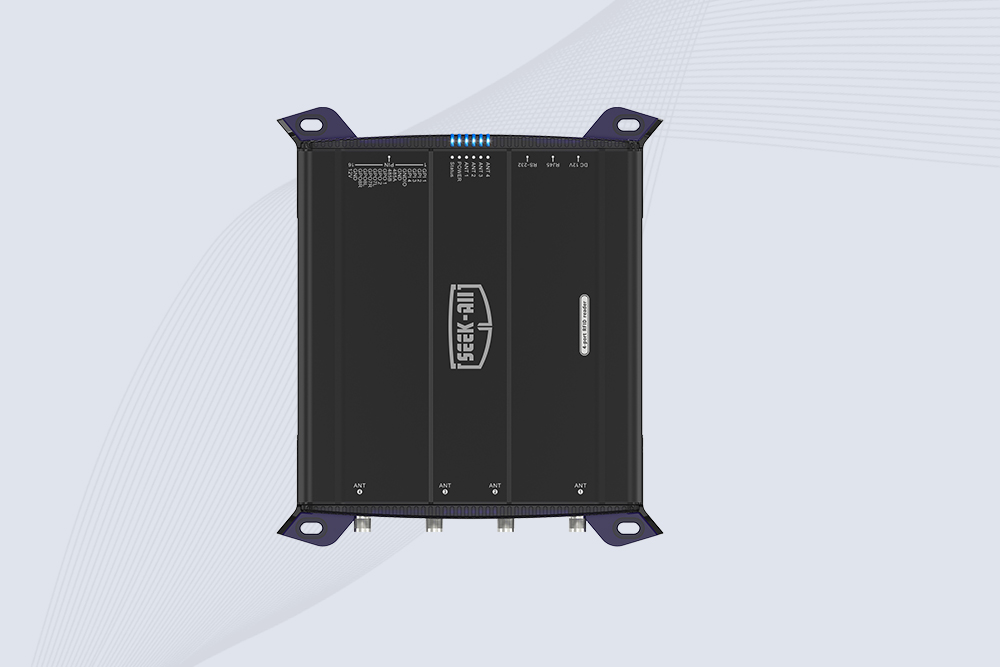
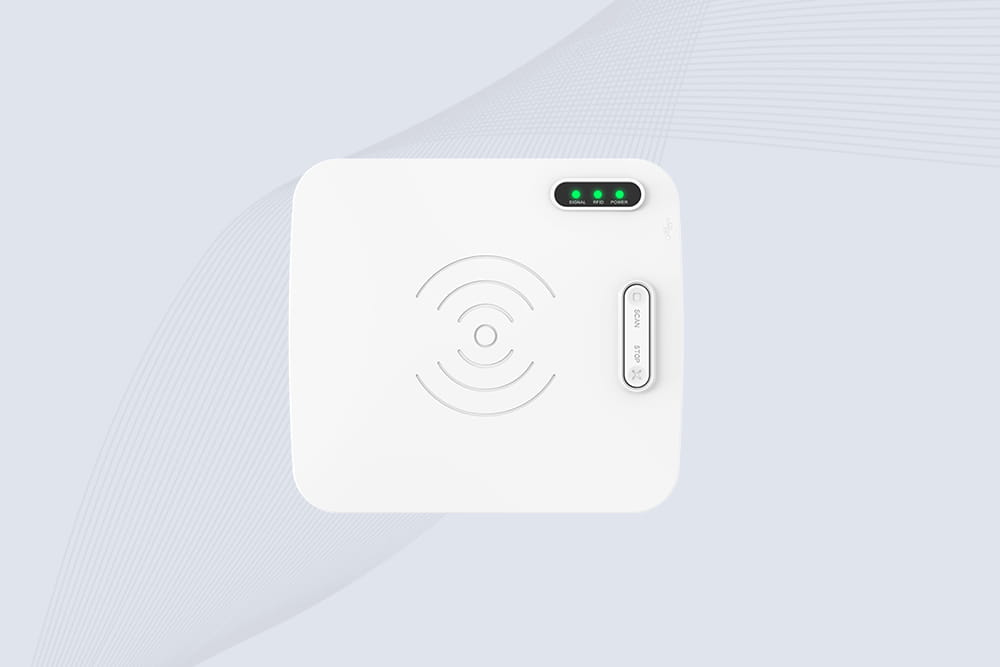
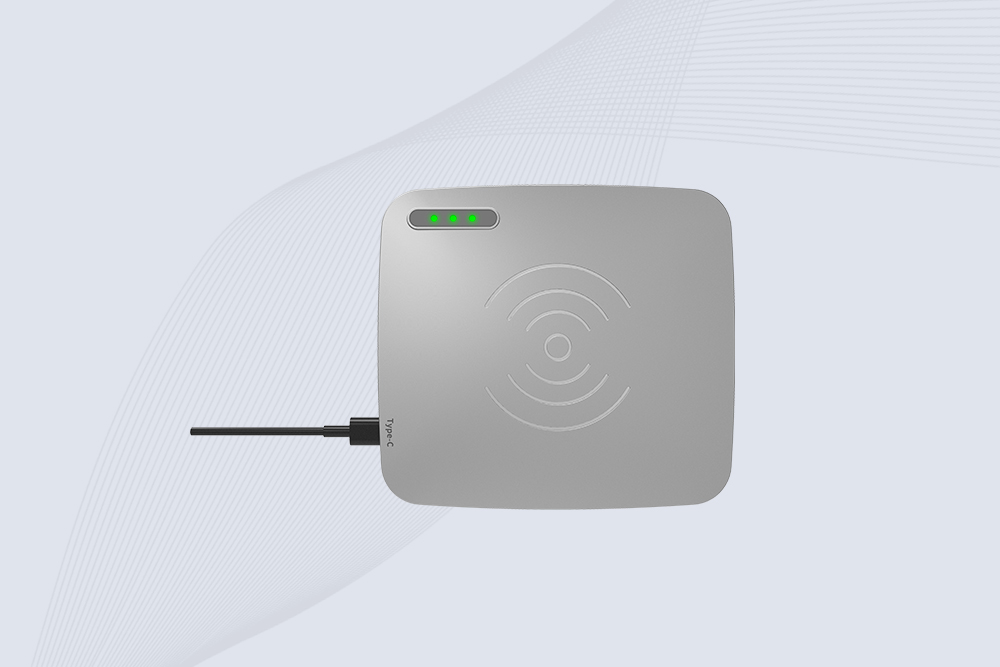
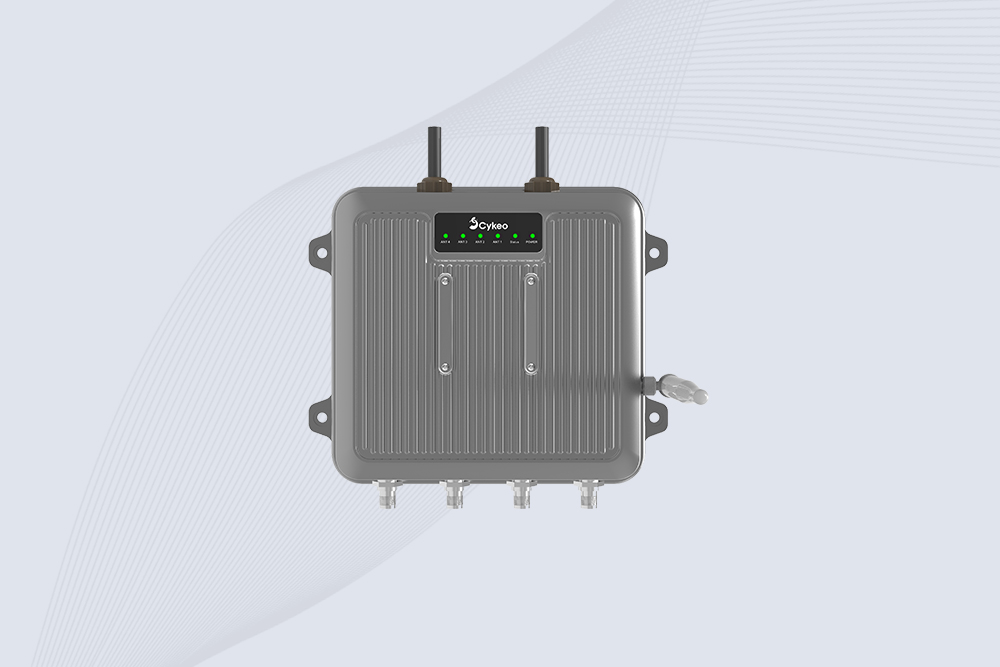
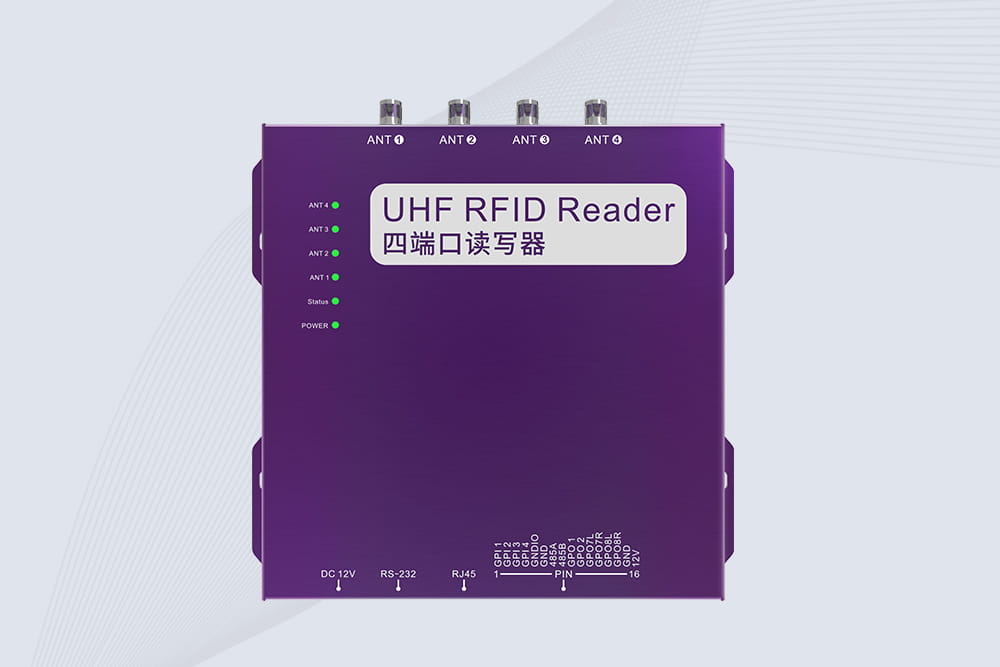
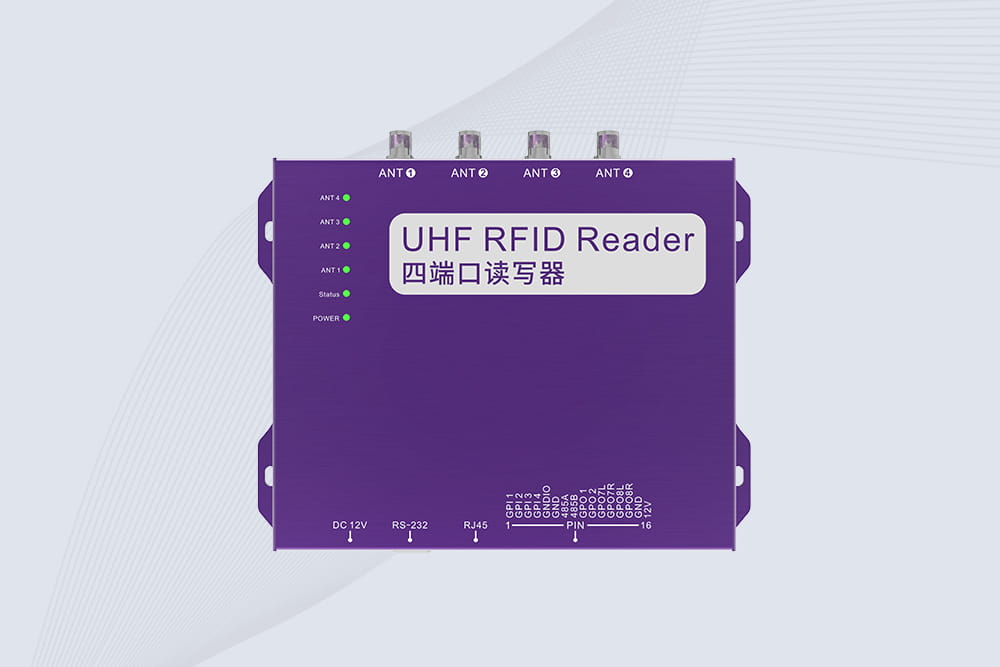
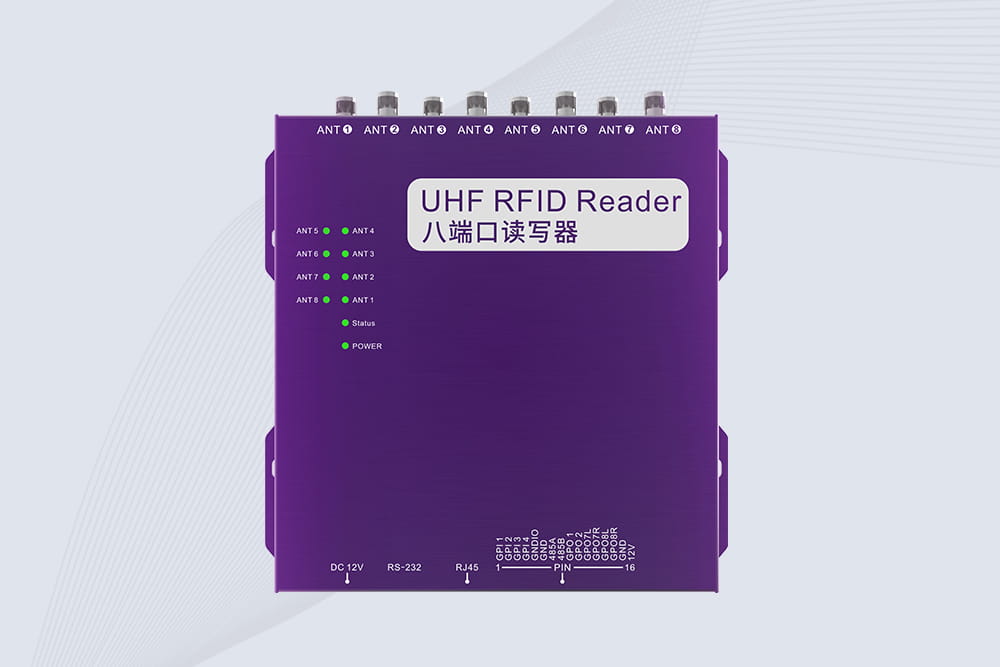
RFID (Radio Frequency Identification) is the technology behind contactless hotel keys, Uniqlo’s self-checkout, library book returns, and the pallet portals that let a warehouse verify 500 cartons in ten seconds. It identifies objects by radio waves instead of sight — no line of sight, no battery in most cases, no one-at-a-time scanning.
This guide is the starting point for everything RFID on this site: how the technology works, the four components of every system, what each frequency type does, what a realistic deployment costs, and the five-step path from “we count things manually” to automated identification. Each section links to a deeper guide when you’re ready for detail.
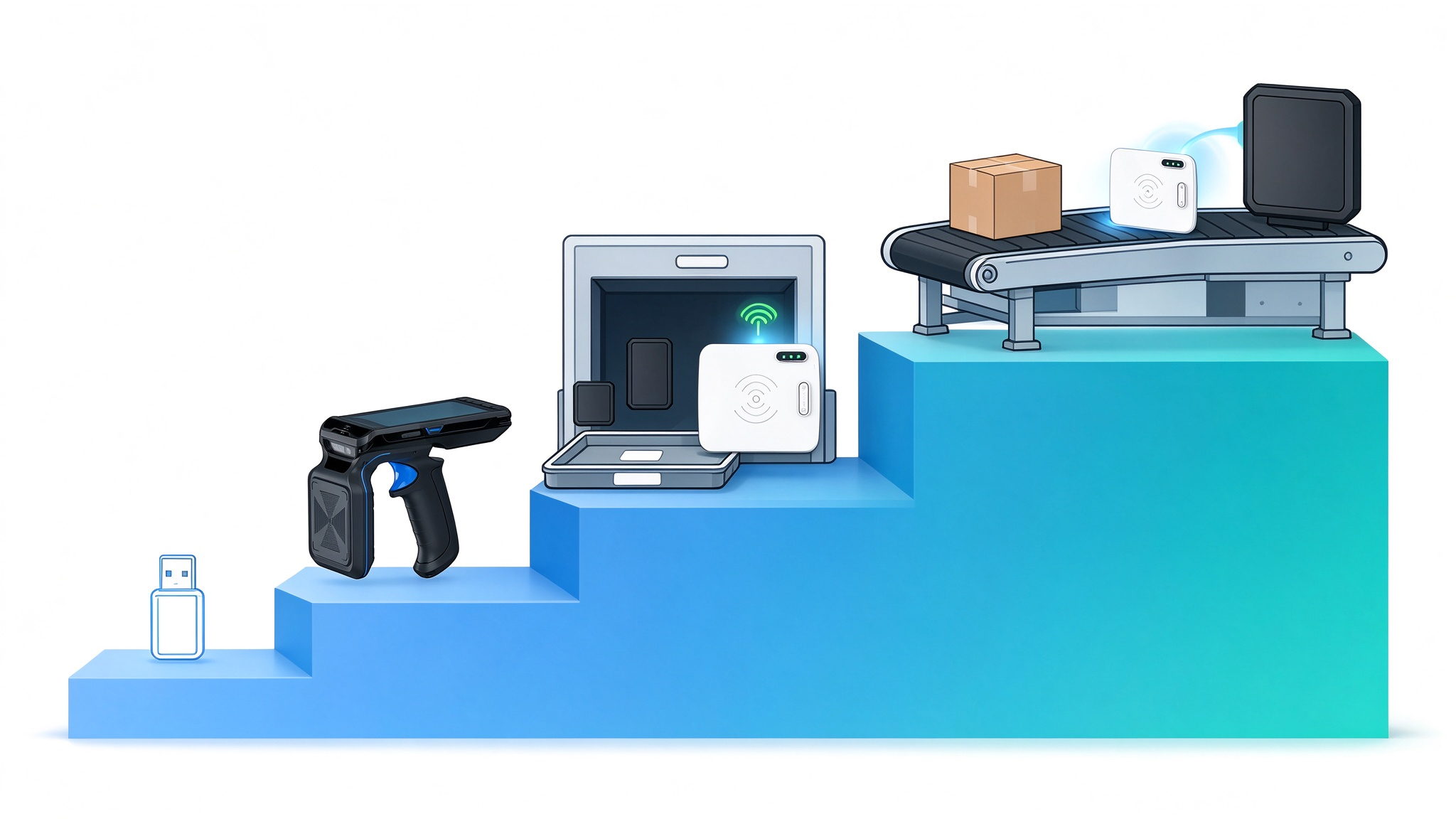
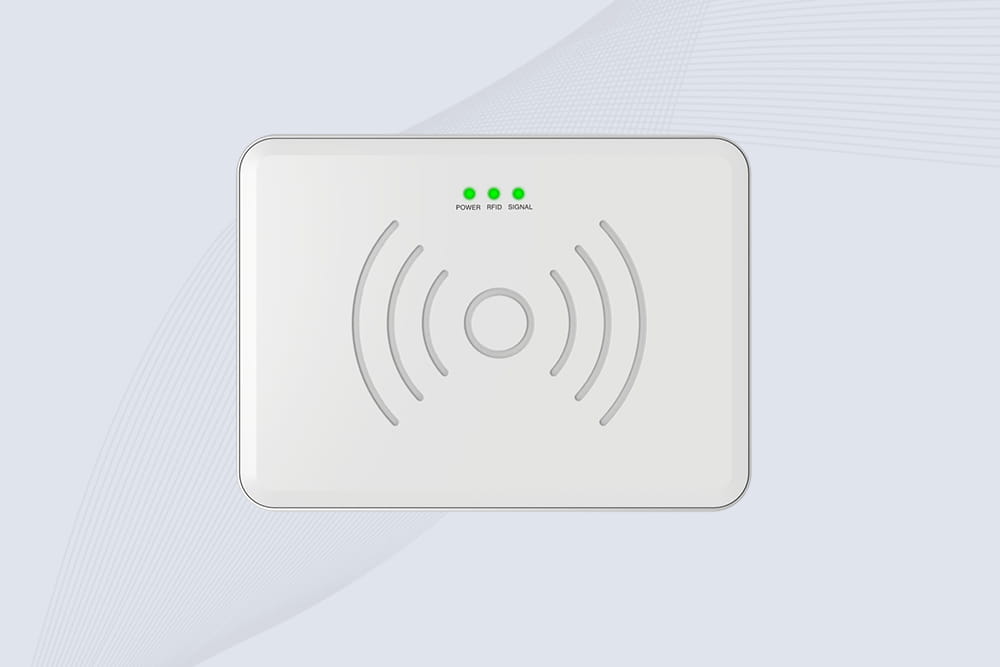
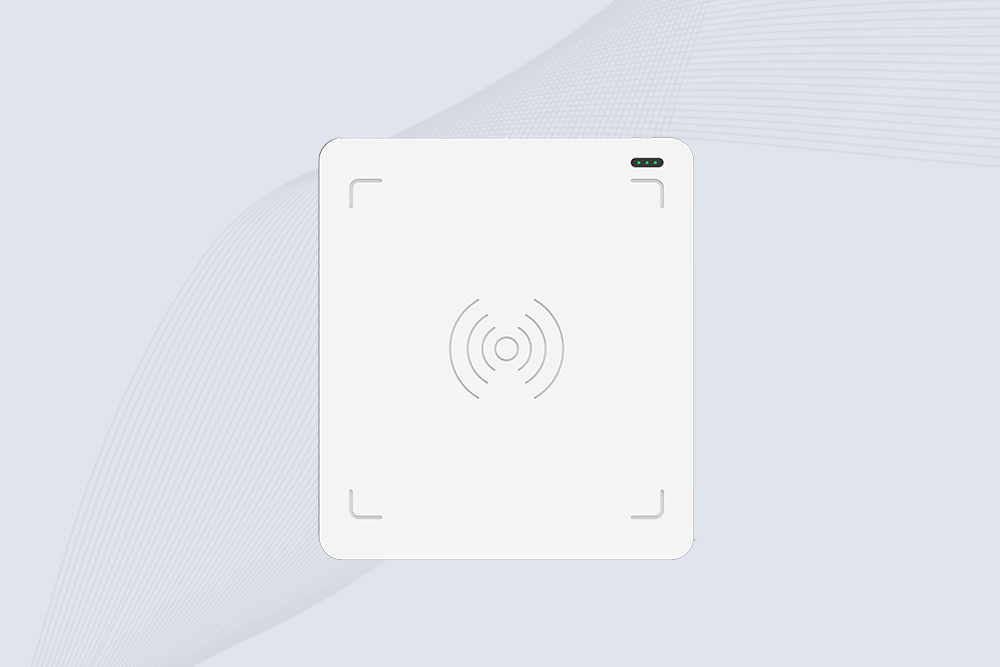
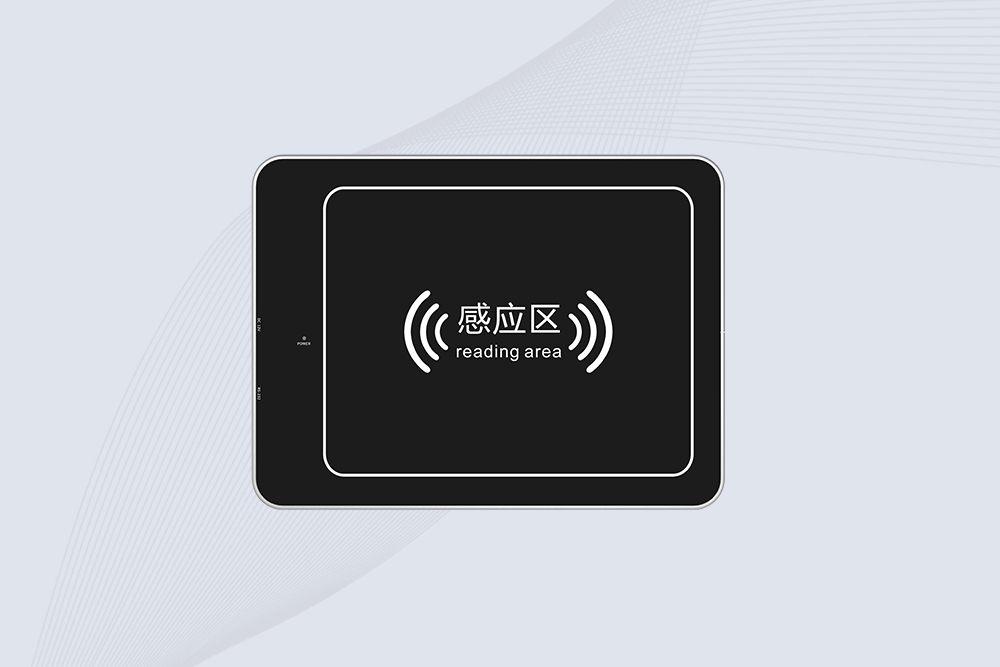
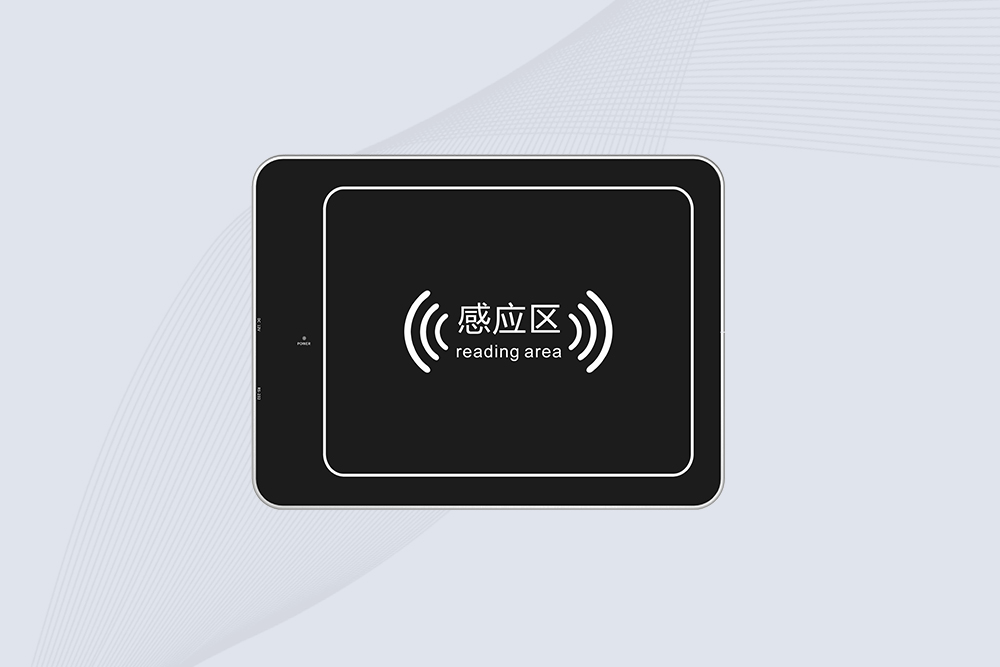
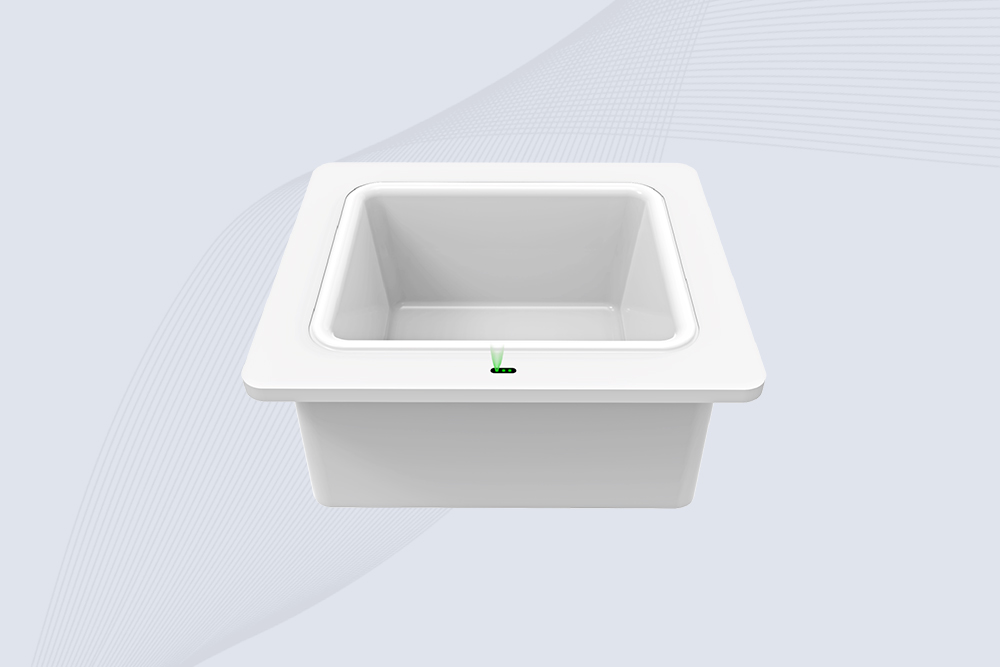
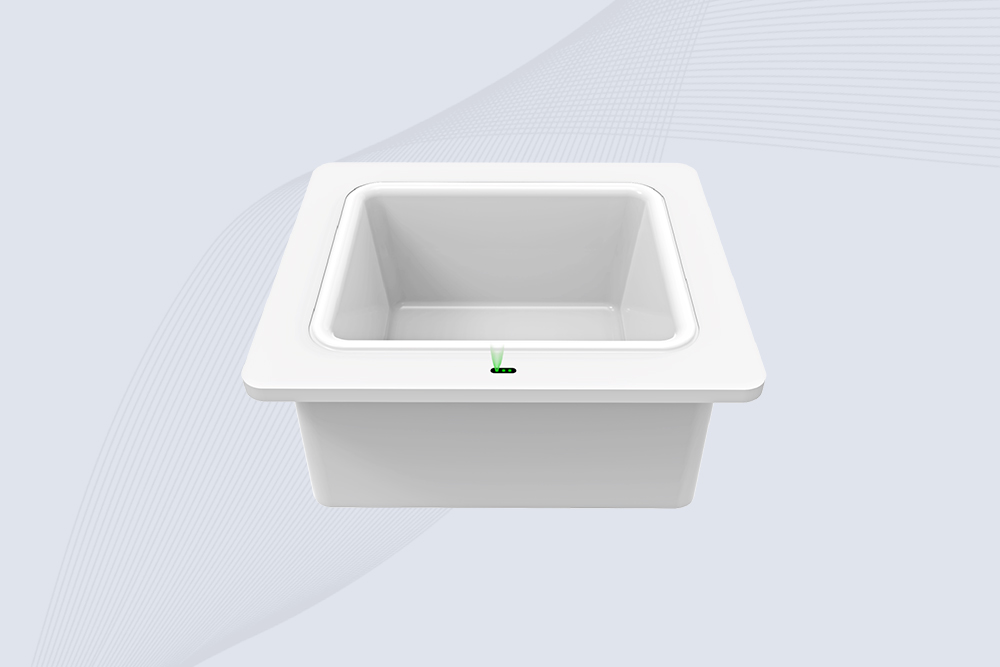
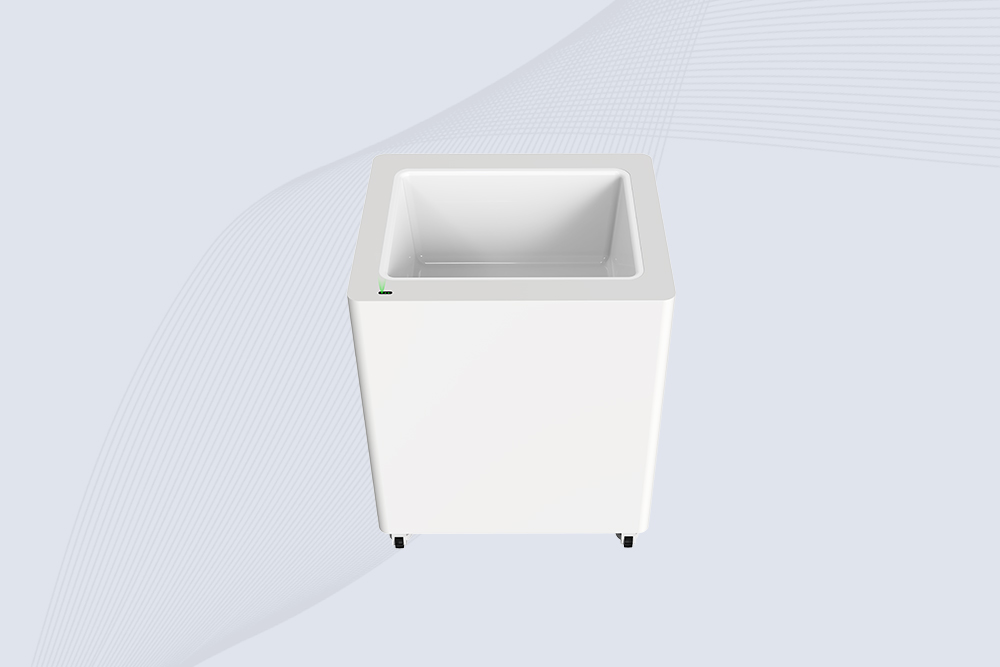
One technology, many forms — from a $0.10 label on a carton to a $2,500 industrial reader.
What Is RFID, Exactly?
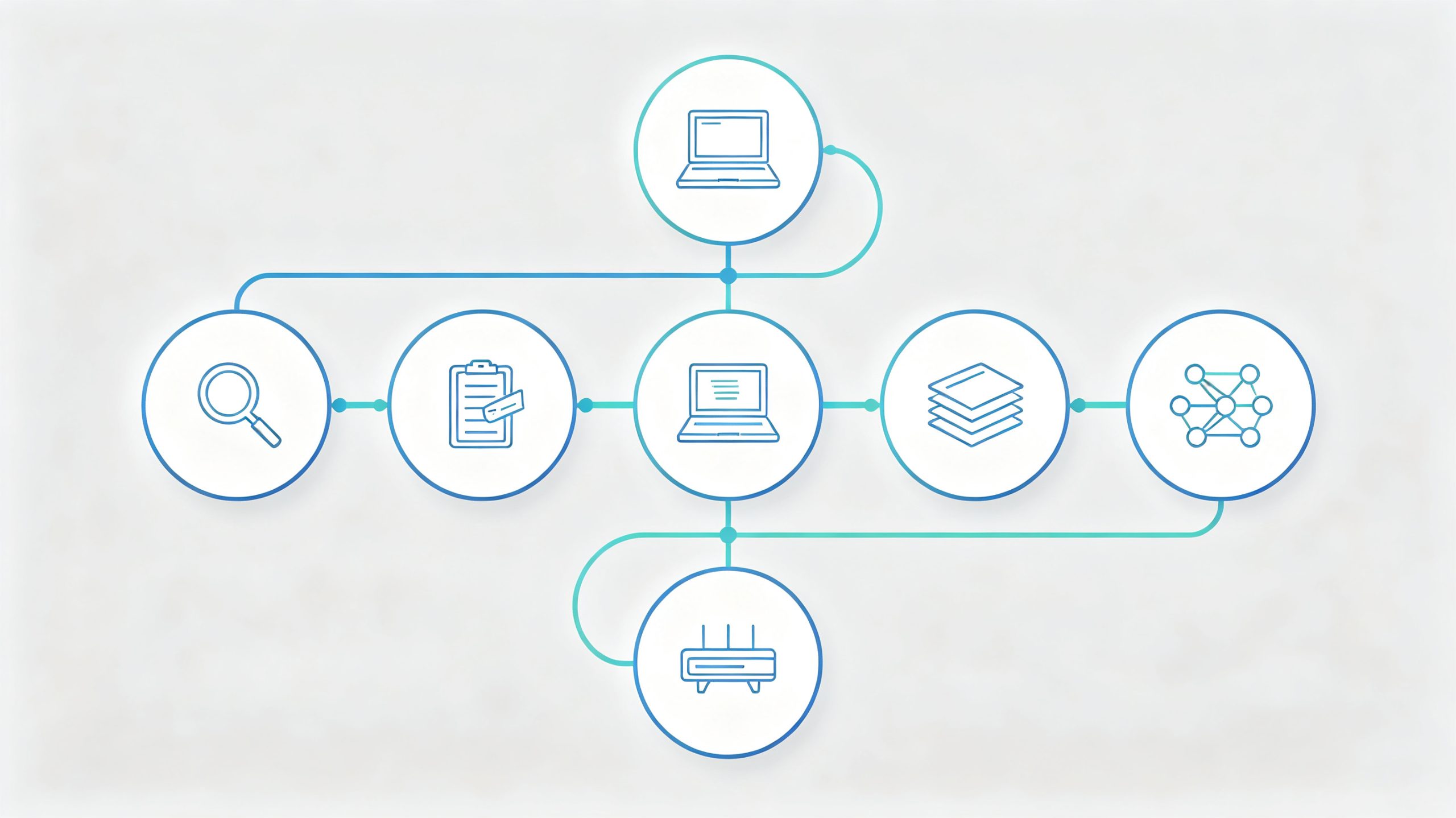
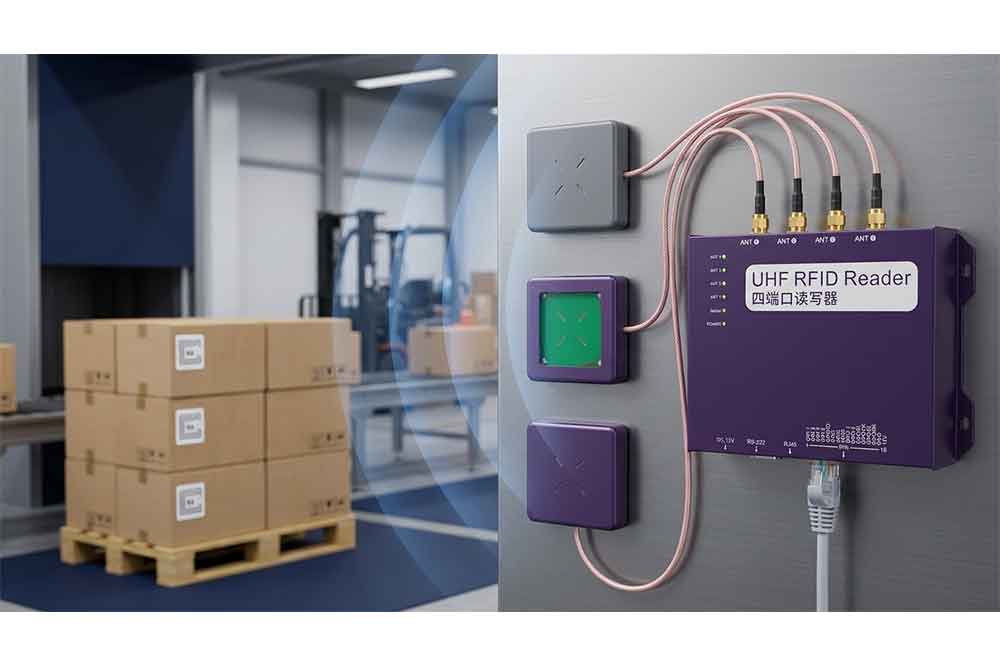
RFID is a wireless identification technology: a reader emits a radio-frequency field through an antenna, a tag attached to an object harvests energy from that field and responds with its stored identity, and software turns each detection into a business event — a pallet received, a tool issued, a garment counted.
The two properties that make it valuable:
No line of sight. Tags read through packaging, stacked in boxes, at any orientation.
Bulk reading. A single reader identifies hundreds of tags per second — barcodes physically cannot do this.
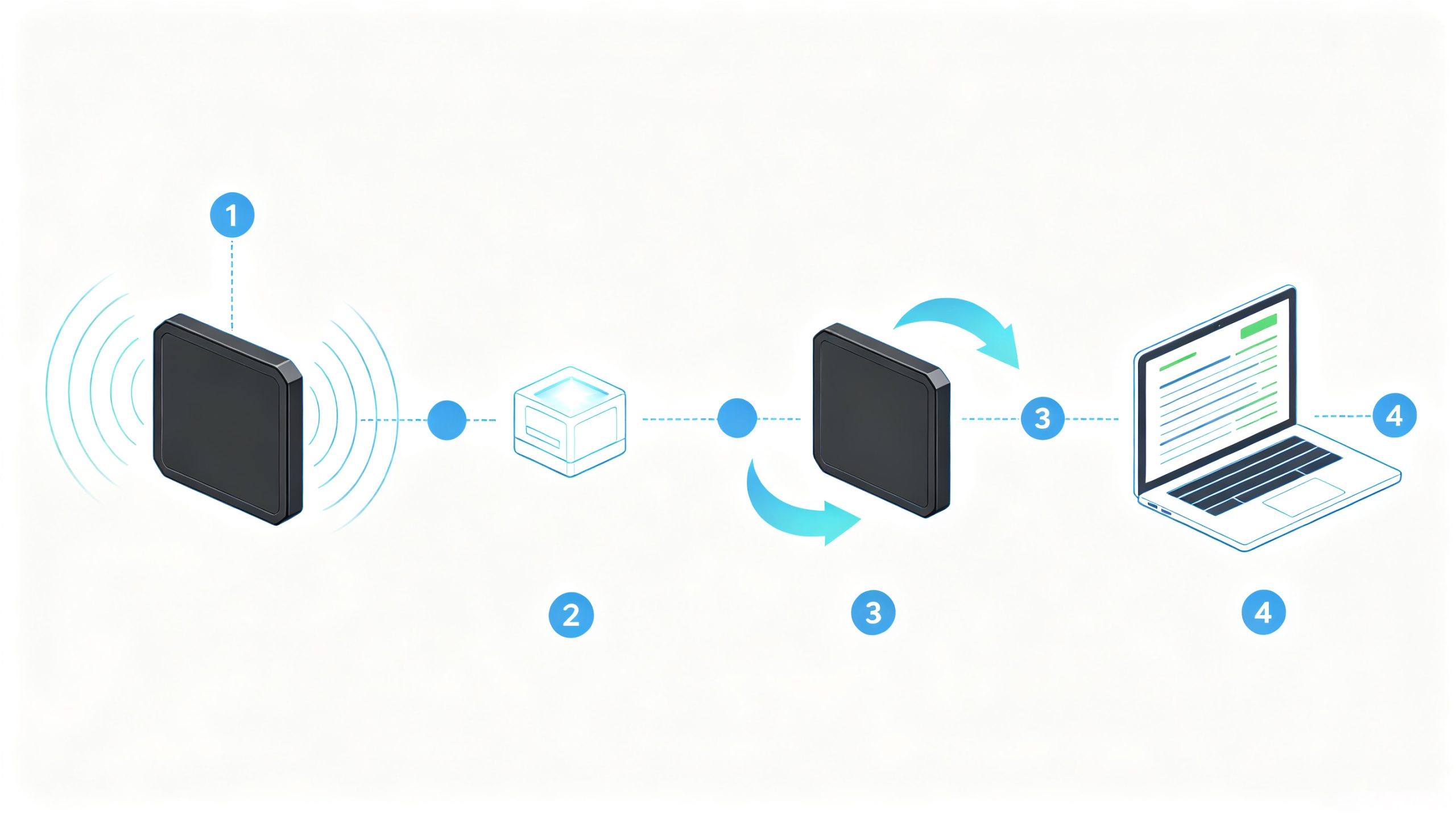
The reader transmits. Radio energy flows through the antenna, creating a communication field — from centimetres (desktop) to metres (portal).
The tag wakes up. A passive tag has no battery; it harvests power from the field and activates its chip.
The tag answers. It sends back its stored identity (typically an EPC code) by modulating the reflected signal — backscatter.
Software acts. The reader passes the ID to your WMS, ERP, or asset database, which logs the event and updates the record.
The whole exchange takes milliseconds. What varies dramatically is step 1’s field design — which is why two systems with identical hardware can perform completely differently.
Reader transmits, tag harvests energy and answers, software turns the detection into a business event.
The commonest beginner mistake is buying the reader first. The correct order is: define the workflow → choose tags for your surfaces → then match a reader. Our guide on choosing the right RFID reader for your application walks through it.
RFID Frequencies: LF, HF and UHF Compared
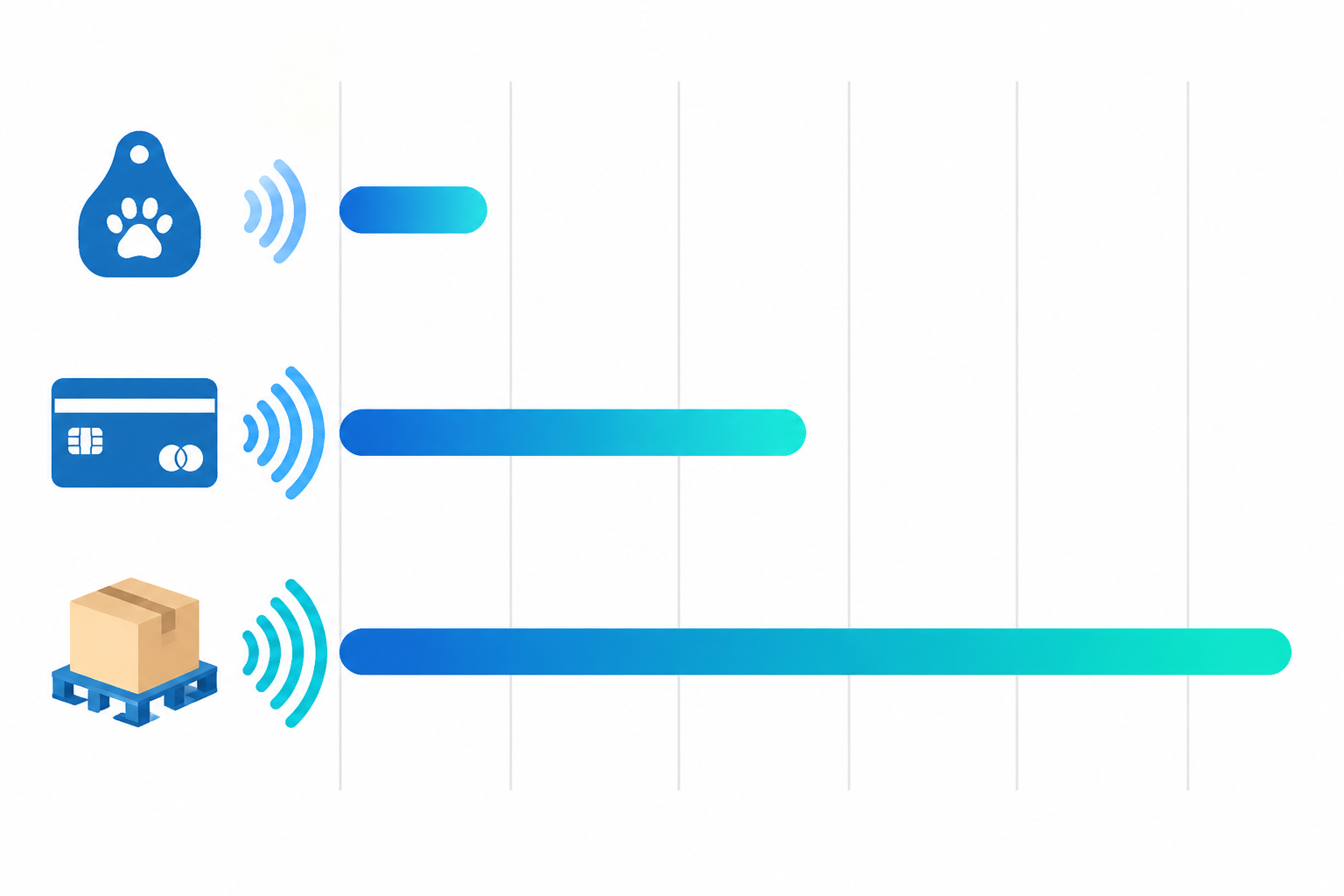
Frequency is the first compatibility gate — a reader and tag must share the band:
Frequency
Read Range
Strengths
Typical Uses
LF — 125–134 kHz
<10 cm
Works near metal and liquids
Animal ID, legacy access control
HF — 13.56 MHz
<30 cm
NFC phone compatible, high security
Payment cards, library, ticketing
UHF — 860–960 MHz
1–10 m+
Long range, bulk reading, cheapest tags
Retail, warehousing, logistics, assets
UHF is the default for supply-chain and asset work — it’s where bulk reading and low tag cost intersect. HF dominates wherever people carry the credential (cards, tickets). LF survives mainly in legacy installations. If you’ve found an unknown tag and need to know its type, start with how to identify an RFID tag.
Frequency is a compatibility gate, not a quality ranking — match reader and tag to the same band.
Passive vs Active RFID
Passive RFID
Battery-Assisted Passive
Active RFID
Power
Harvested from reader field
Battery boosts circuitry, still backscatter
Own transmitter
Range
cm to ~10 m
10–30 m
30–100 m+
Tag cost
0.08–3.50
5–15
15–50
Lifespan
10+ years, no battery
Battery-limited
Battery-limited
Used for
95% of commercial projects
Long-range asset monitoring
Vehicle, container, mining
Practical rule: start passive UHF. Active tags solve a narrow problem (very long range without infrastructure) at 10–50× the tag cost.
RFID vs Barcodes vs NFC
Feature
RFID (UHF)
Barcode
NFC
Line of sight
Not required
Required
Required (tap)
Items per read
Hundreds
One
One
Tag cost
From $0.08
Free (print)
$0.50+
Read range
Metres
Contact–cm
<10 cm
Rewritable
Yes
No
Yes
Best for
Bulk automated identification
Lowest-cost one-off marking
Phone interactions, payments
They’re complements, not substitutes: many operations print barcodes for humans and add RFID for machines. The honest version of “RFID vs barcode” is: RFID wins whenever items move in volume without individual attention from a person.
Define the one workflow that hurts most. Not “inventory everywhere” — one count, one desk, one door. A pilot without a specific pain produces data nobody uses.
Run a desk pilot. USB reader, 500 tags, demo software: prove read rates on your actual products for a few hundred dollars.
Match tags to surfaces. Metal, liquid, fabric — each needs its tag family. Test on your worst-case SKU.
Choose readers for the read zone. Desktop for desks, handheld for sweeps, fixed readers for portals. Browse models on the RFID readers page and request the SDK before buying.
Integrate and scale what worked. Connect reader events to the system your team already uses (spreadsheet → POS → WMS), then expand read points by traffic volume.
One painful workflow, one desk pilot, tags matched to surfaces, readers matched to zones — then scale.
Common RFID Misconceptions, Corrected
“RFID is GPS for products.” No — checkpoint RFID records events at known points, not coordinates. GPS and RFID solve different problems and combine well.
“Longer read range is better.” Range is a budget to spend. Desktop workflows need short range to avoid cross-reading.
“Any tag works anywhere.” Metal kills standard labels; liquid absorbs UHF. Match the tag family to the surface — see the tag selection guide.
“RFID replaces barcodes.” Usually it augments them. Replaces them where items move in bulk without human attention.
FAQ: RFID Basics
What does RFID stand for?
Radio Frequency Identification — wireless identification of objects using radio waves between a tag and a reader.
How far can RFID read?
Passive UHF tags read from centimetres to roughly 10 metres depending on reader power, antenna, tag and environment; HF reads under 30 cm; active tags reach 100 m+. Always validate range with your real items — advertised distances assume ideal conditions.
Do RFID tags need batteries?
Passive tags — the majority in commerce — need none; they harvest energy from the reader’s field. Active and battery-assisted tags exist for long-range niches.
Is RFID secure?
Commercial tags support access passwords and encryption (e.g., AES-256 in industrial readers), but security depends on the whole system design — tag locks, reader configuration, and data handling. For most inventory use cases, the realistic risk is low.
What do I need to try RFID?
A USB desktop reader (50–90), a few hundred tags ($50), and free demo software. That’s a complete first experiment for under $200.
Ready for hardware? Browse Cykeo’s RFID product range — readers, tags, antennas and modules with free SDK and demo software — or tell us your workflow and we’ll map it to a pilot plan before you spend a cent on hardware.
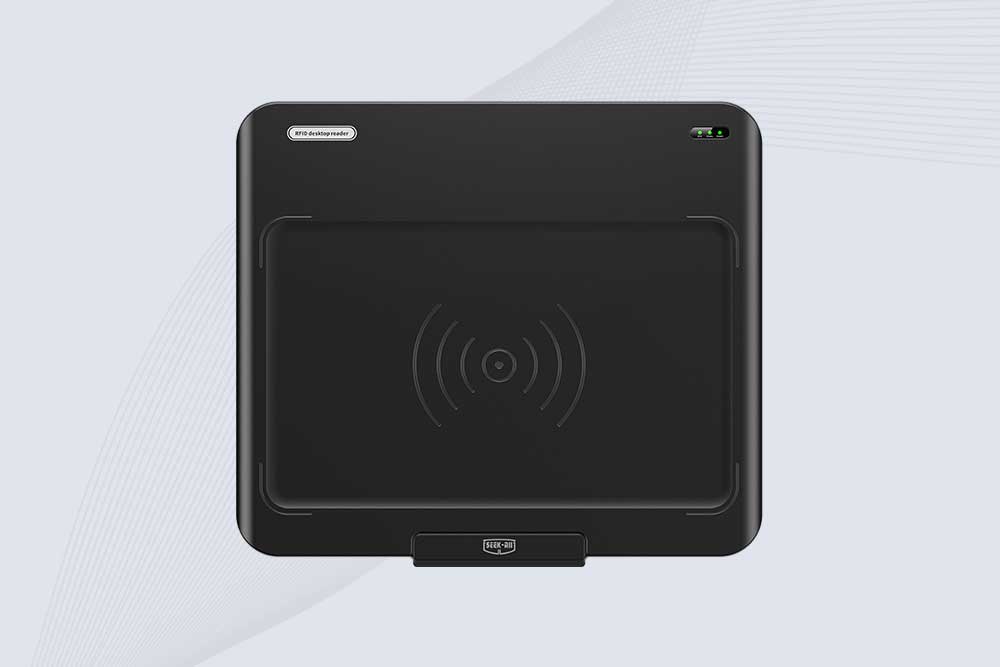
SSD-D3AL is a USB-HID UHF RFID reader with 0–30 cm reading, 0–15 cm writing, over 600 tags/s recognition, USB plug-and-play operation and OEM Logo customization.
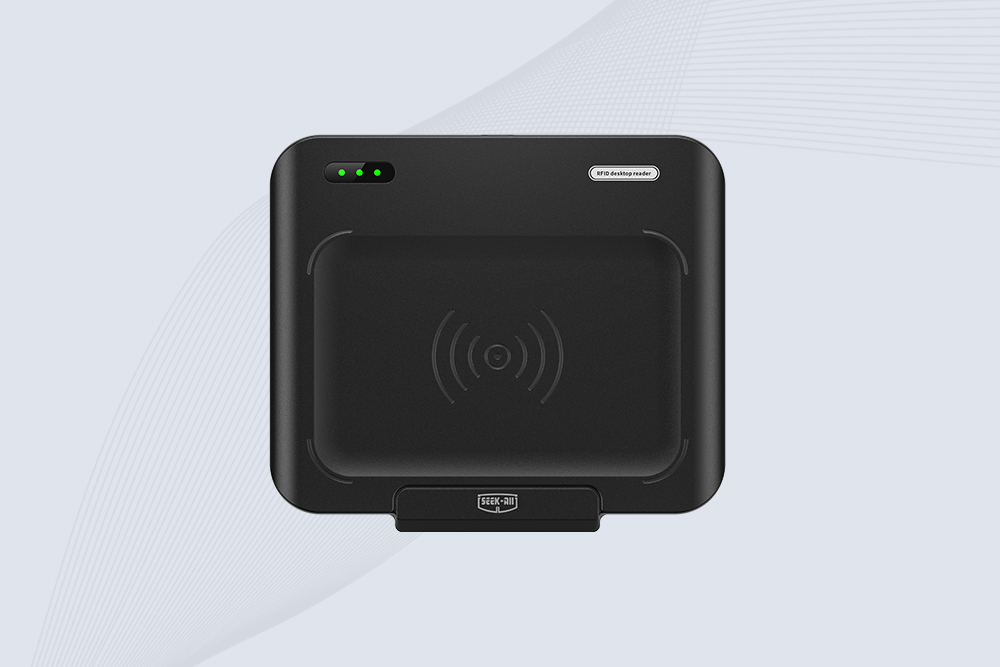
SSD-D1AL is a compact USB UHF RFID reader with Impinj E710/X3M1 chipset, USB-HID, 600+ tags/s recognition, 4/8/16 antenna support and plug-and-play USB power.
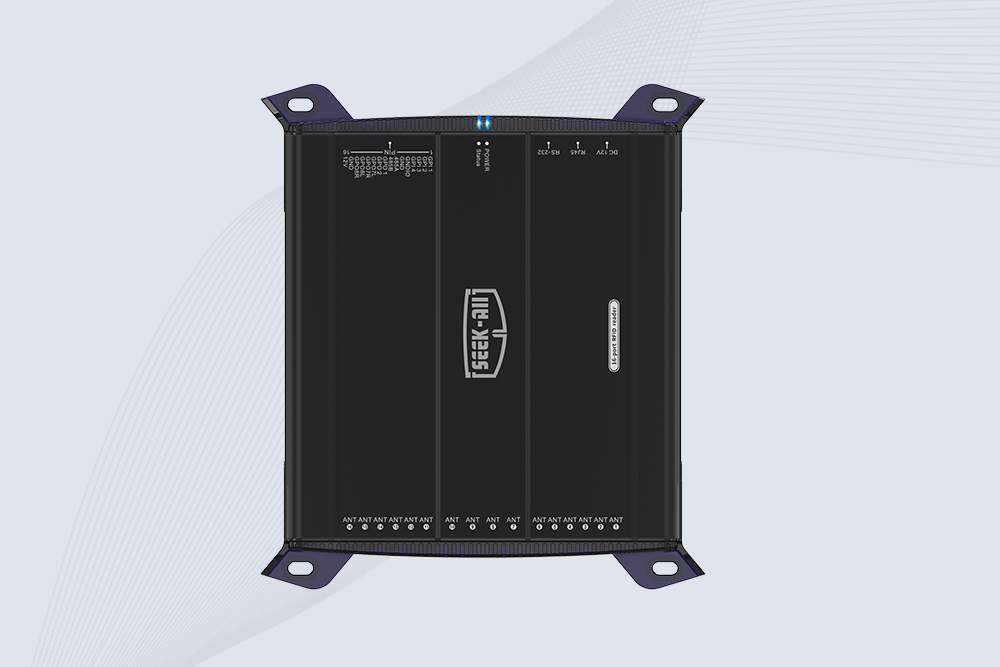
SSD-R16L Multi-Channel RFID Infrastructure for Automated Inventory Management ✔️ 16-Port High-Density RFID Reading Equipped with 16 SMA antenna ports, SSD-R16L supports multi-antenna deployment for warehouses, retail stores, logistics, production lines, and large-area RFID identification. ✔️ High-Speed & Long-Range Performance With up to 33…
SSD-R8L 8-port UHF RFID reader with 33dBm output, up to 20m reading range and 600+ tags/s recognition. Ideal for warehouse, logistics, retail and asset tracking.
CYKEO CYKEO-D1LA USB RFID Reader is a compact desktop solution with near-field control for precise tag reading and encoding. Powered by USB, supporting ISO 18000-6C, and built for stable batch writing, this usb rfid tag reader fits retail, libraries, offices, and controlled RFID encoding tasks.
CYKEO CYKEO-D1L RFID scanner USB is a compact desktop UHF RFID scanner designed for short-range tag writing and verification. This usb rfid scanner supports batch encoding, stable 0–26 dBm output, and works across Windows, Linux, and Android systems.
CYKEO CYKEO-D1C USB RFID Card Reader is a near-field UHF desktop writer designed for secure, short-range tag encoding. With USB-C connectivity and stable 26 dBm output, this rfid reader usb c is ideal for badge issuance, label encoding, and controlled desktop RFID workflows.
CYKEO CYKEO-D2L RFID Reader USB is a compact desktop encoder built on the Impinj R500 chip. With near-field control and stable USB power, this usb rfid card reader delivers precise tag writing for offices, retail counters, and small-scale logistics encoding tasks.
CYKEO CYKEO-D3L USB RFID Tag Reader delivers stable UHF tag reading and writing for daily desktop and light industrial tasks. Designed for controlled short-range operation, this USB RFID Tag Reader works reliably with rfid tag and reader systems in libraries, tool tracking, and inventory registration.
The CYKEO CYKEO-D4L UHF RFID Tag Reader is a stable Desktop RFID Reader designed for accurate tag registration, borrowing, and return workflows. Built with the Impinj R2000 chip, this UHF RFID Tag Reader delivers controlled short-range reads for libraries, asset tracking, and inventory management environments.
The CYKEO CYKEO-D5L Desktop RFID Card Reader is a stable UHF RFID Card Reader designed for controlled short-range reading and writing. Built for libraries, tool rooms, and asset desks, this UHF RFID Card Reader supports dense tag handling, secure data processing, and easy USB integration.
The CYKEO CYKEO-D6L RFID Reader Writer is a heavy-duty Desktop RFID Reader designed for short-range, high-accuracy tag programming. Built for libraries, labs, and asset desks, this RFID Reader Writer supports batch processing, stable 33dBm output, and seamless integration with existing management systems.
Cykeo CYKEO-D8A embedded RFID badge reader offers 30+ tags/sec scanning, 20cm anti-crosstalk precision, and DC 12V power for unmanned stores, warehouses, and smart inventory systems.
Cykeo’s CYKEO-D8C UHF RFID gate reader achieves 200-tag/batch scanning with adjustable power control, ideal for retail inventory and smart warehouse management.
Cykeo CYKEO-C1 industrial Forklift RFID Reader features 20m read range, 600 tags/sec scanning, Impinj R2000 chipset, and IP67 rugged design. Ideal for warehouse logistics and manufacturing. Supports ISO 18000-6C/6B protocols.
Cykeo CYKEO-R4 industrial UHF RFID Fixed Reader features 4 TNC ports, 400+ tags/sec speed, IP67 housing, and global frequency compliance for vehicle inspection, smart warehouse, and asset management systems.
CYKEO CYKEO-R8L Fixed RFID Reader with 8-port UHF design, Impinj-based RF core and up to 20m read range. An industrial Fixed RFID Reader for vehicle inspection, warehouse portals, smart manufacturing lines and secure access checkpoints.
RFID Fixed Reader from CYKEO – the CYKEO-R16L 16-port UHF fixed reader for warehouses, smart cabinets, and production lines. Long-range, multi-tag reading, stable performance for 24/7 industrial use.
Learn how to optimize RFID antenna placement for retail checkout gates to reduce errors and speed up transactions. Discover Cykeo’s solutions for seamless inventory scanning.
This article explains how fixed-mount UHF RFID readers identify tagged items automatically, covering their operating principles, antenna configurations, read...
Upgrade your storage with the CK-G68 RFID Smart Book Inventory Cabinet. Featuring RFID tech, dual-system support, solar power, and an easy upgrade path, it’s perfect for universities, libraries, and archives.
Explore the true cost of RFID systems for small businesses. Learn how SMEs can calculate ROI, reduce operational expenses, and choose budget-friendly solutions like Cykeo.
 Cykeo RFID IoT Solution Products R&D Manufacturer