Every RFID project eventually runs into the same wall: the RFID tags that read perfectly on the demo table fail on the actual product. A label that works on cardboard disappears on a steel toolbox. A tag that survives a warehouse shelf dies in an industrial laundry. The tag, not the reader, is where most systems are won or lost — which is why tag selection deserves more attention than it usually gets.
This guide maps RFID tag types to the surfaces and environments they actually work on, with real product examples, bulk pricing expectations, and the tests to run before ordering thousands of units. If you need the fundamentals first — what a tag is made of, how passive and active tags differ — start with what an RFID tag is and how it works, then come back here to pick hardware.
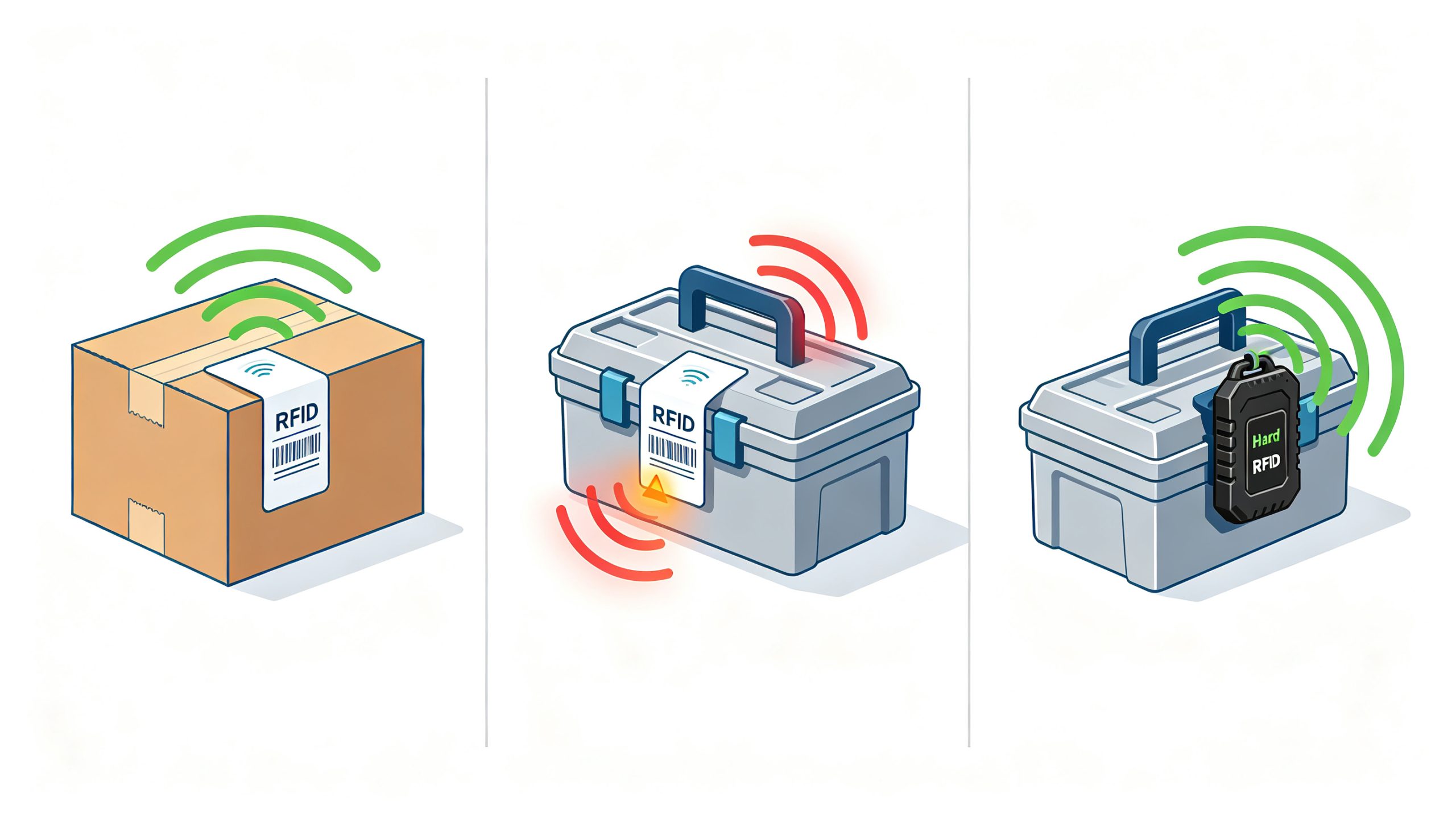
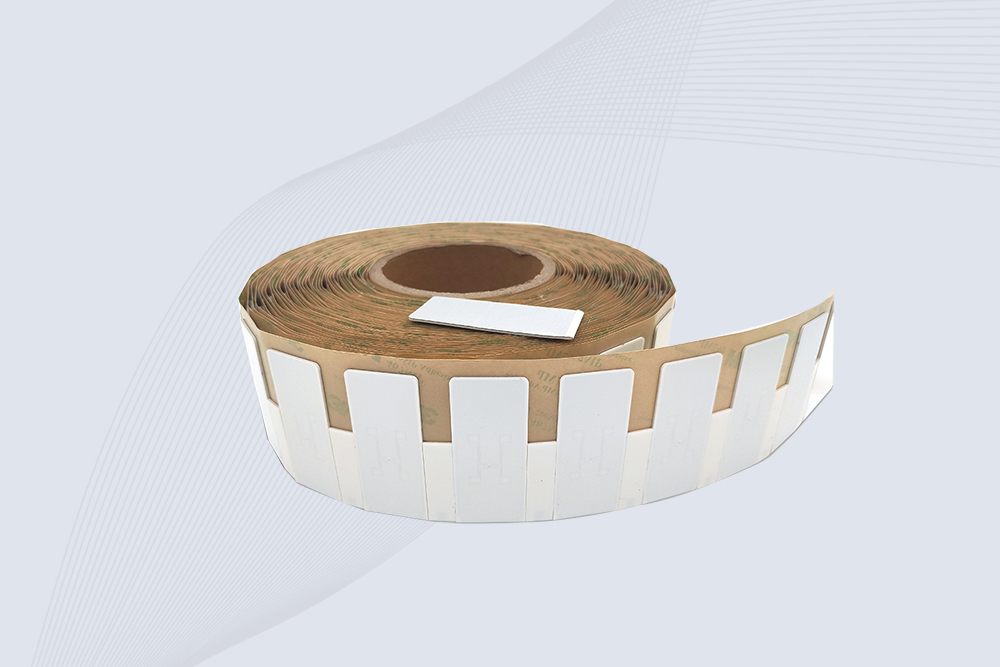
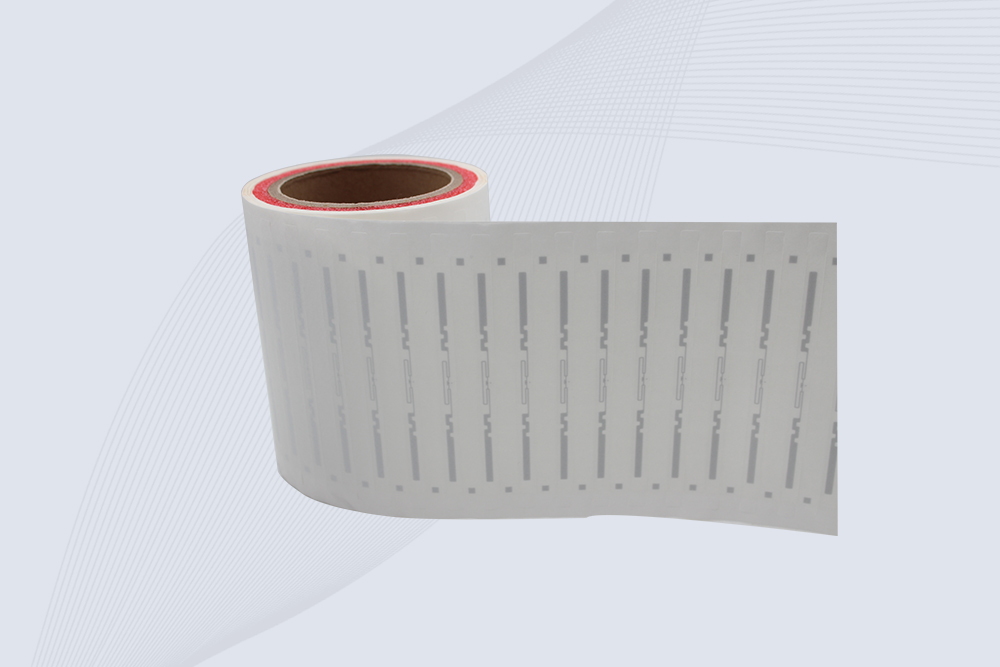
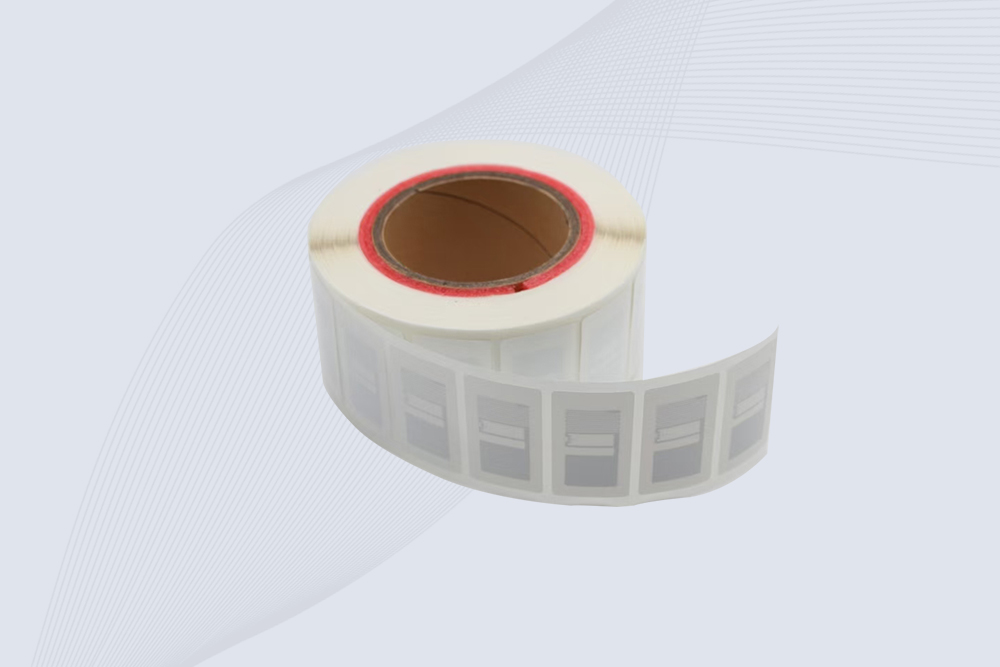
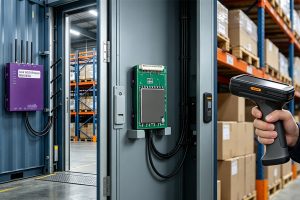
Same technology, very different tags — the surface you attach them to decides which one works.
Why the Same RFID Tag Fails on Different Surfaces
Three physical realities cause most tag failures:
Metal detunes the antenna. A standard UHF label placed directly on steel effectively shorts out its own antenna — read range collapses from metres to centimetres, or to nothing. This is the single most common tag-selection mistake.
Liquid absorbs UHF energy. Water-heavy products (beverages, chemicals, medical fluids) attenuate the signal, so tags sealed inside or behind liquid read unreliably.
Density and stacking cause collisions. Hundreds of tags packed tightly — garments on rails, books on shelves — need tags and settings tuned for dense reading, or the anti-collision protocol chokes.
This is the core decision table. Match your object’s surface to the tag family designed for it:
Surface / Environment
The Problem
Tag Family
Real Example
Cardboard, plastic, wood
None — easiest case
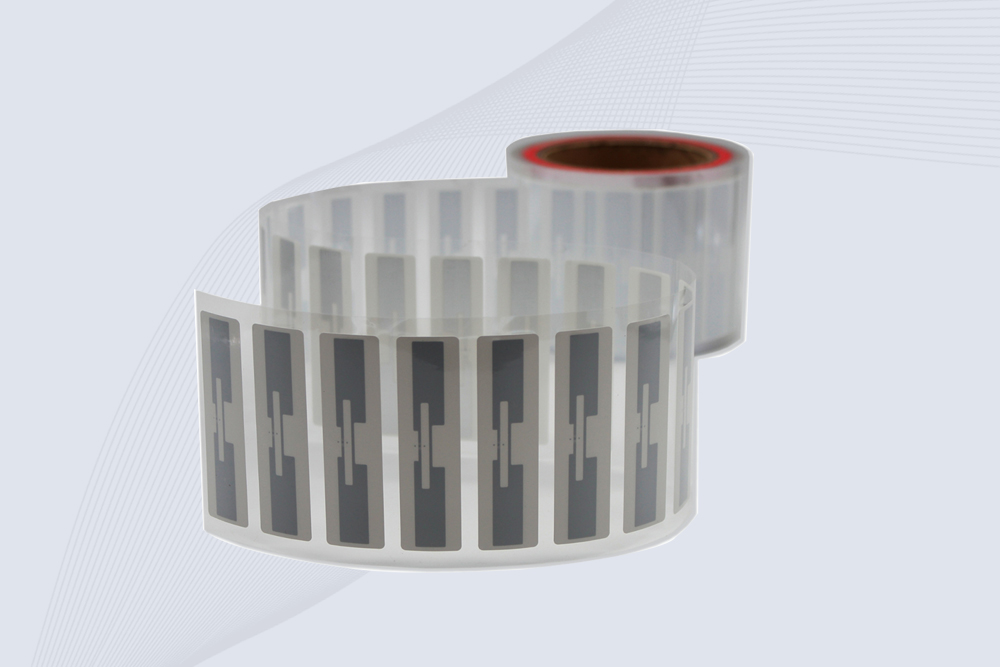
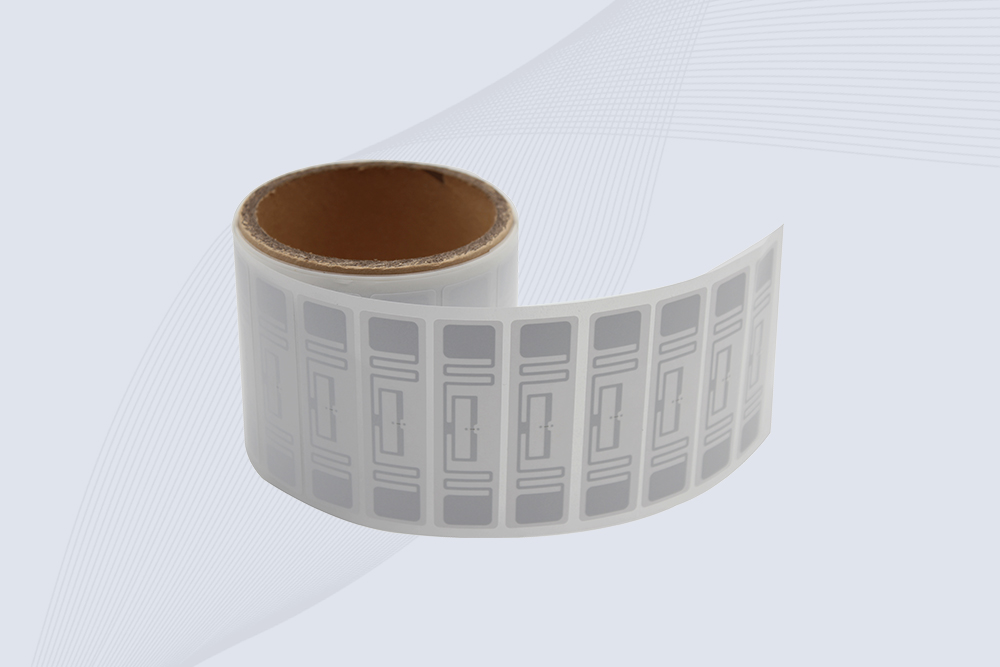
Standard paper UHF label
Carton and pallet labeling from ~$0.10/tag
Metal tools, machine housings
Antenna detuning
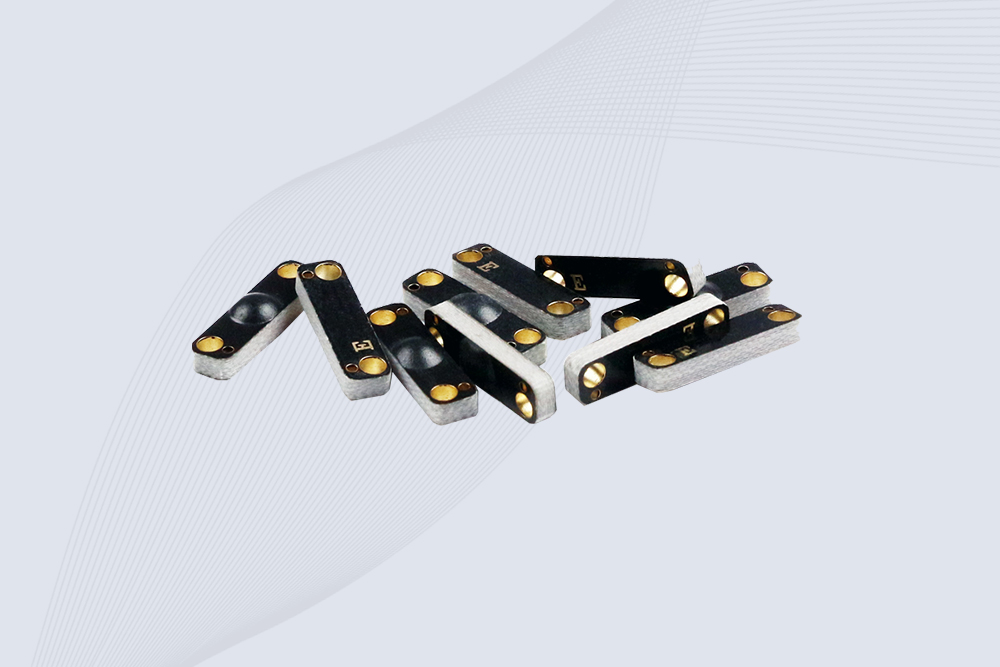
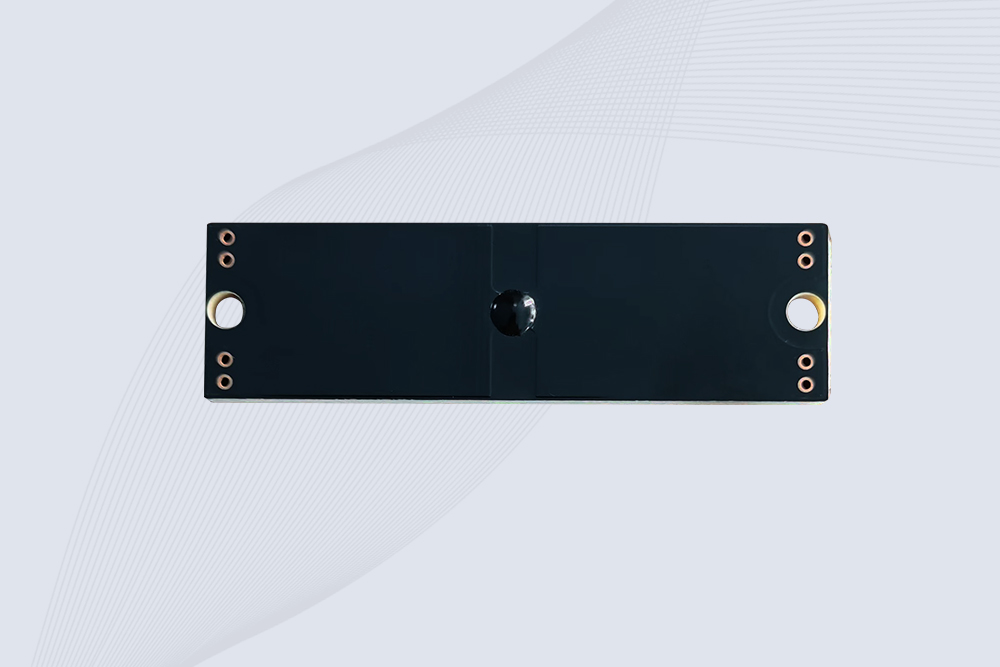
On-metal / anti-metal hard tag
CYKEO-PCB1504 — 8 m read range on steel, Ucode-8 chip
Curved or irregular metal
Rigid tags won’t conform
Flexible anti-metal tag
CYKEO-60-25 — bends around pipes and containers
Steel containers, harsh outdoor
Detuning + corrosion
FR4 epoxy on-metal tag
CYKEO-PCB7020 — chemical resistant, long data life
Liquids, chemicals, humidity
Signal absorption
Anti-liquid passive tag
CYKEO-70-20 — stable reads around wet environments
Textiles, industrial laundry
Heat, chemicals, 100+ wash cycles
Silicone laundry tag
CYKEO-70-15 — built for hotel/hospital laundry at scale
Books, files, dense shelves
Tag collisions in tight rows
Thin book tag
CYKEO-125-7 — dense-placement library tag
Surgical tools, sterile items
Autoclave sterilization
Autoclavable medical label
CYKEO-55-30 — survives repeated sterilization
Cables, bundles, irregular shapes
Adhesive won’t hold
Cable-tie tag
CYKEO-88-28 — zip-tie form, EPC Gen2
High-value metal items (jewelry)
Small surface + metal
Small on-metal UHF tag
CYKEO-68-26 — 8 m range, anti-counterfeit support
General asset tracking on equipment
Mixed surfaces, long service life
Rugged UHF asset tag
CYKEO-73-20 — ISO 18000-6C, industrial housing
Access control, membership
Human-carried, tapped at doors
HF card (13.56 MHz)
CYKEO-85-54 HF card — ISO 14443-A
Two notes on using this table. First, placement consistency matters as much as tag choice — the same tag reads very differently at different spots on the same object, so standardize placement per SKU. Second, if you’re unsure which frequency family (LF, HF, UHF) an existing tag belongs to, our practical guide on how to identify an RFID tag walks through phone, reader, and visual methods. All tags above are cataloged on the Cykeo RFID tags page.
Metal detunes, liquid absorbs, cardboard just works — match the tag family to the surface.
RFID Tag Frequencies at a Glance
Frequency decides which reader a tag works with — it’s a compatibility question, not a quality ranking:
Frequency
Read Range (typical)
Common Uses
LF — 125 kHz
<10 cm
Legacy access control, animal tracking
HF/NFC — 13.56 MHz
<30 cm
Payment cards, transport, library, NFC phones
UHF — 860–960 MHz
1–10 m+
Retail, logistics, warehousing, asset tracking
UHF is the default for supply-chain and inventory work because it combines range with multi-tag bulk reading. HF wins where controlled, close-range, human-carried interaction matters. The deeper technical background — protocols like EPC Gen2 and ISO 18000-6C, and how backscatter communication works — is covered in this complete guide to RFID tags.
What RFID Tags Cost in Bulk
Tag pricing is volume pricing. Indicative 2026 ranges for common categories:
Tag Type
Unit Price (volume)
Typical MOQ
Notes
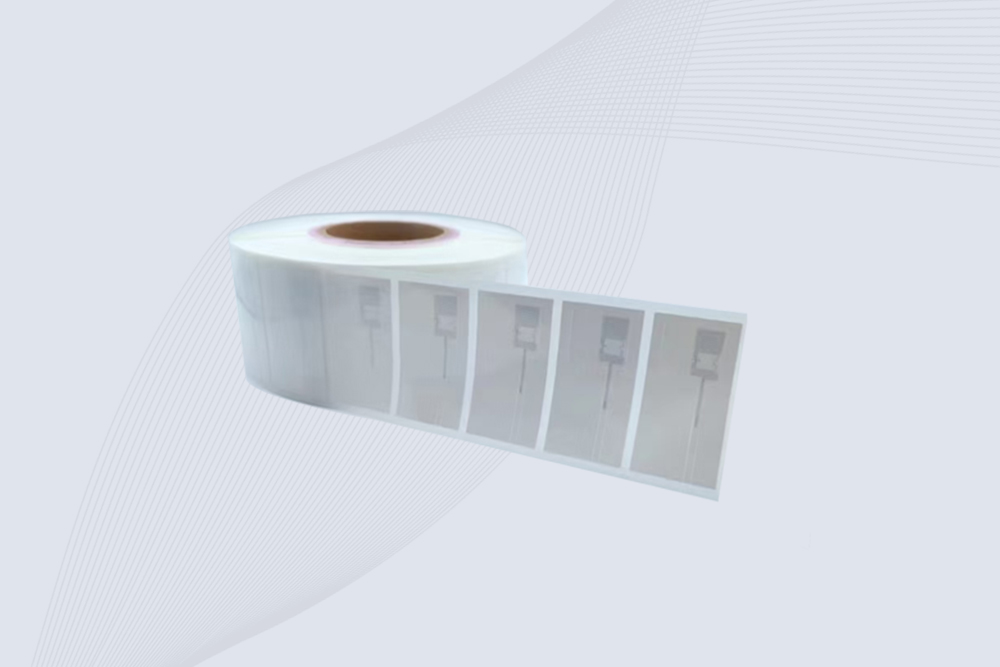
Paper UHF label (dry inlay)
0.08–0.15
500–1,000
Cheapest; cartons, apparel hangtags
On-metal / anti-metal hard tag
0.80–3.00
100–500
PCB or FR4 housing
Flexible anti-metal tag
1.00–2.50
100–500
Curved metal surfaces
Laundry / textile tag
1.50–3.50
500–1,000
Priced per surviving 100+ wash cycles
Library book tag
0.15–0.40
1,000+
Thin, dense-readable
Medical autoclavable label
0.50–2.00
500+
Sterilization-proof adhesive
UHF card / HF card
0.50–1.50
500+
Printable, rewriting supported
Three cost factors beyond the unit price:
Encoding service. Many suppliers pre-encode EPC numbers before shipment — worth requesting, because hand-encoding thousands of labels with a desktop writer costs staff hours. If you encode in-house, a controlled near-field desktop writer avoids cross-writing adjacent tags; the workflow is covered in our guide to RFID identification technology.
Chip tier. Impinj and NXP flagship chips read better in dense or far-field conditions but cost 2–3× economy chips. Match chip tier to your worst-case read scenario, not your best demo.
Data retention and warranty. Industrial tags are rated for 5–10+ years of data life; laundry tags are rated in wash cycles. Cheaper tags that fail mid-year cost more than better tags bought once.
Tags are volume-priced — paper labels from cents, specialty industrial tags from about a dollar.
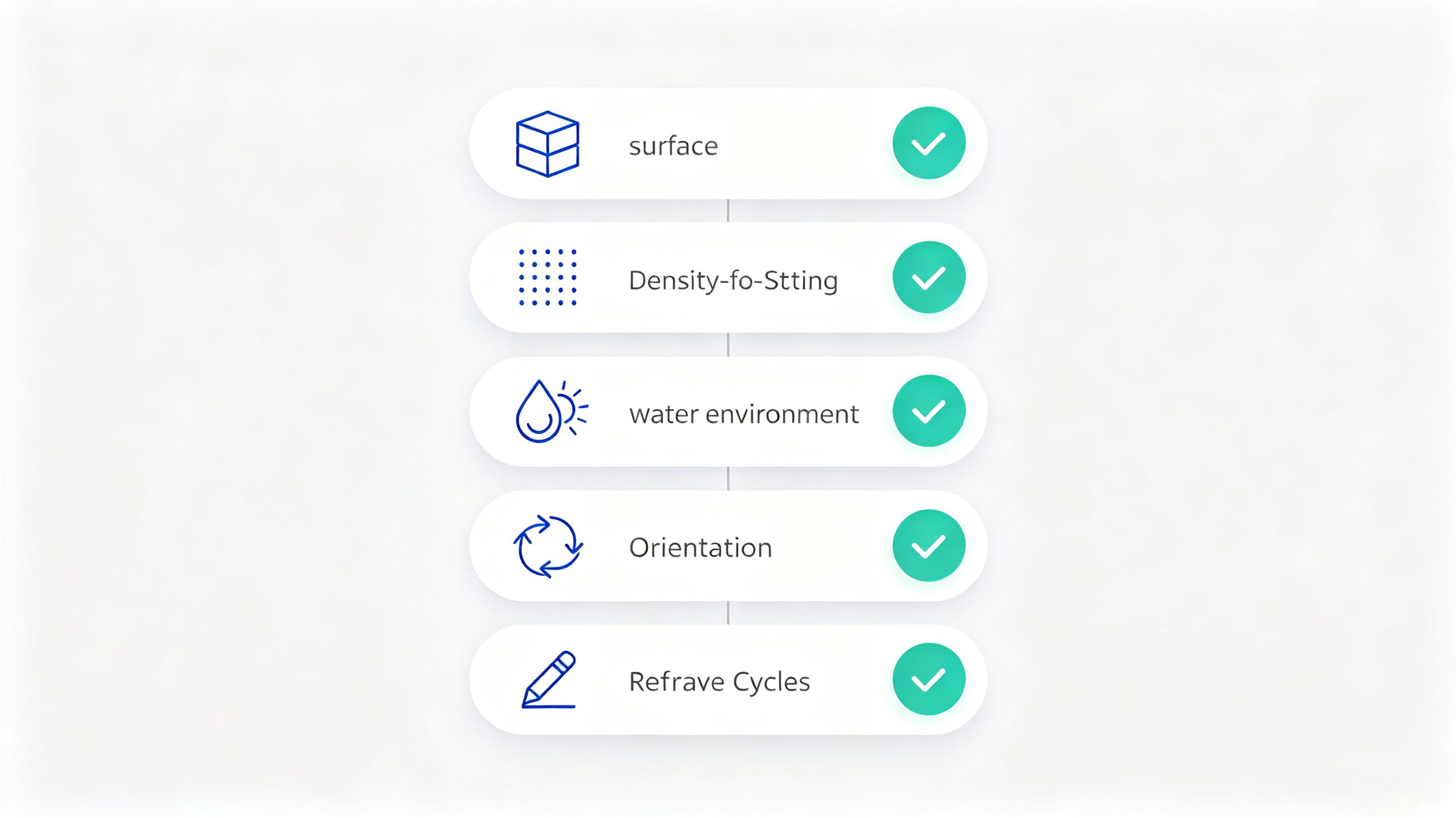
5 Tests Before You Order Thousands
Never buy tags by datasheet alone. Run this pilot on the winning candidate — and one cheaper alternative for comparison:
Real surface test. Attach to 20–50 actual products, exactly where they’ll be tagged in production. Include your worst case: the metal-adjacent SKU, the overstuffed carton.
Density test. Stack tagged items as they’ll actually be stored or transported. Count missed reads and false reads from neighbours.
Environment test. If tags face washing, sterilization, cold, or outdoor sun — simulate it. Laundry tags are bought per wash cycle, not per unit.
Angle and orientation test. Read from the angles your reader will actually see (portal pass-through, handheld sweep). Rotating the tag 90° can change range dramatically.
Write/rewrite cycle test. If you re-encode seasonally, verify the memory survives repeated writes and that access passwords behave as documented.
A batch that reads 100% on a desk but 82% in production is a batch you’ll re-tag at your own cost. This pilot costs a few hundred tags and one afternoon; skipping it costs a re-printing run.
Five tests, one afternoon, a few hundred tags — cheaper than re-printing a failed bulk order.
Common RFID Tag Selection Mistakes
Buying one “universal” tag for everything. A tag that’s acceptable everywhere is optimal nowhere; specialty surfaces (metal, liquid, fabric) always deserve their dedicated tag family.
Ignoring placement standardization. Same tag, different spot on the product, different read rate — and your cycle counts become unreliable for reasons no one can reproduce.
Over-specifying read range. A 10 m tag on a desk workflow causes cross-reading chaos. Range is a budget to spend, not a score to maximize.
Forgetting the ecosystem. The tag must match your reader’s frequency and protocol, and your software’s data format (EPC structure). Order tags only after the reader decision is made — the reverse order is how mismatched batches happen.
Judging by first-week reads. Adhesives fail in humidity, housings crack in cold rooms, laundry tags die at wash 30. Judge tags at day 90.
Surface, density, environment, orientation, rewrite cycles — five checks before any bulk order.
FAQ: Choosing RFID Tags
Which RFID tags work on metal?
Only tags specifically designed as on-metal or anti-metal: they use a ferrite layer, foam spacer, or rigid PCB housing that keeps the antenna away from the metal surface. Standard paper labels on steel will read at near-zero range. See the on-metal comparison in our anti-metal tag explainer.
Can the same RFID tag work on both metal and cardboard?
An on-metal tag works on both — it just costs more than a paper label. The reverse is not true: a paper label will fail on metal. If your fleet is mixed, tag metal items with on-metal tags and everything else with labels, rather than forcing one SKU to do both.
How much do RFID tags cost in bulk?
Paper UHF labels run 0.08–0.15 at volume; specialty tags range from $0.15 (book tags) to $3.50 (laundry tags). Most suppliers offer tiered pricing at 500 / 1,000 / 5,000 units, and pre-encoding is usually available for a small per-tag fee or free at high volumes.
What’s the difference between HF and UHF RFID tags?
HF (13.56 MHz) tags read at centimetre range and suit cards, payments and library desks; UHF (860–960 MHz) tags read at metres and dominate logistics, retail and asset tracking. They are not interchangeable — the reader frequency must match the tag.
Are there washable RFID tags?
Yes — silicone laundry tags survive 100+ industrial wash cycles with high heat and chemicals, used by hotels, hospitals and commercial laundries for linen and uniform tracking.
Bottom Line
RFID tags are commodity-priced but project-critical. Match the tag family to the surface — labels for cardboard, on-metal for steel, anti-liquid for fluids, laundry tags for textiles — test on your worst-case product before ordering, and budget for encoding. Get the tag right and the rest of the system falls into place.
Ready to shortlist? Browse Cykeo’s RFID tag range — UHF and HF tags for metal, liquid, textile, library, medical and asset applications, all matched to Cykeo readers with compatibility guidance included. Send us your surface type and read scenario, and we’ll recommend two or three candidate tags for a pilot before you commit to volume.
CYKEO Passive RFID Tags are made for wet and high-humidity environments where standard labels do not last. This rfid passive tag is often used around liquids, chemicals and temperature changes, providing stable reading distance and long data life for industrial tracking.
CYKEO CYKEO-PCB1504 Metal RFID Tags is a compact anti-metal UHF RFID solution built for direct mounting on metal surfaces. With stable 8-meter read range, Ucode-8 chip, and long data retention, this rfid metal tag fits tools, containers, automotive parts, and industrial asset tracking.
CYKEO CYKEO-PCB7020 On-Metal RFID Tags are designed for reliable tracking on steel and metal surfaces. Built with an FR4 epoxy body and industrial-grade chips, these On-Metal RFID Tags deliver stable performance, long data life, and chemical resistance, making them a dependable RFID anti-metal tag for harsh environments.
The CYKEO CYKEO-60-25 Anti-Metal RFID Tag is built for metal surfaces where standard tags fail. Designed for long-range performance, harsh environments, and stable data retention, this Anti-Metal RFID Tag is ideal for industrial assets, containers, and equipment tracking using on metal RFID tags.
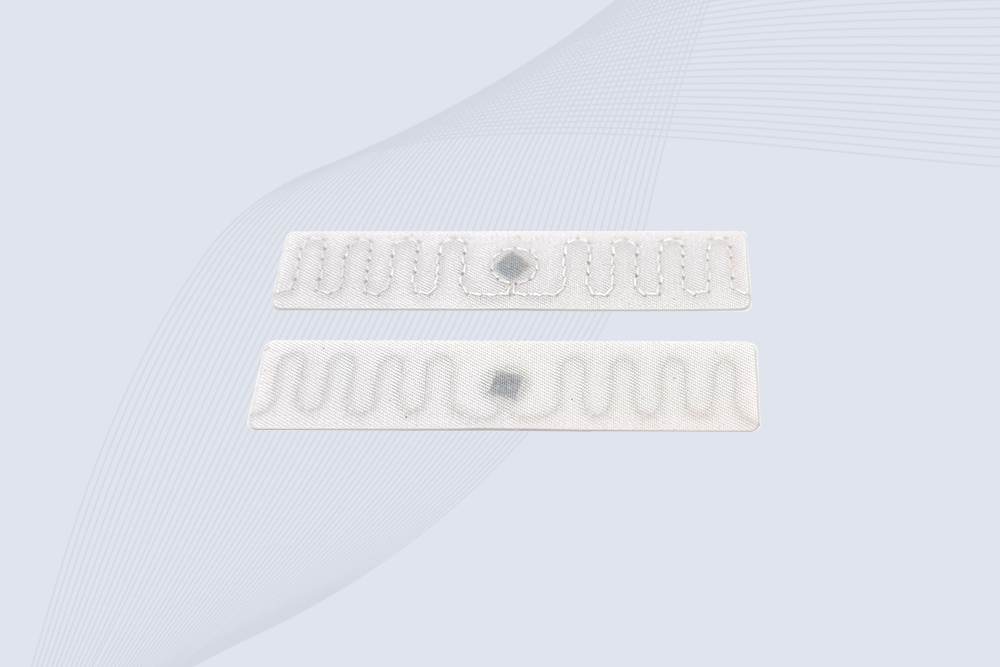
The CYKEO RFID Laundry Tag is designed for long-term textile identification in harsh laundry environments. Built to withstand high heat, chemicals, and repeated washing, this RFID Laundry Tag delivers stable performance for hotels, hospitals, and industrial laundry operations using laundry rfid tags at scale.
The CYKEO CYKEO-125-7 RFID Book Tag is designed for reliable book and document tracking in libraries and archives. This RFID Book Tag delivers long read range, dense placement support, and stable performance on shelves, making it a practical rfid tag on books for library automation, file management, and archival systems.
CYKEO RFID tags in hospitals are designed for sterile environments where accuracy matters. These autoclavable RFID tags support long-term tracking of surgical tools, implants, and medications, helping hospitals improve visibility, compliance, and patient safety.
CYKEO RFID Cable Tie Tag is built for reliable identification on metal surfaces. This UHF RFID Cable Tie Tag is widely used in rfid tags for inventory systems, industrial asset management and Hospital RFID Tags, offering stable read performance, long service life and global EPC Gen2 compatibility.
CYKEO RFID Asset Tag is designed for stable identification of metal assets in industrial environments. This UHF RFID Asset Tag is commonly used for rfid tag asset tracking on equipment, tools and containers, providing reliable reads, long service life and ISO/IEC 18000-6C support.
CYKEO UHF RFID Card is designed for fast identification and long-term use in industrial and commercial systems. Supporting ISO 18000-6C, this UHF RFID Card works at 860–960 MHz and is suitable for custom RFID cards used in asset tracking, access control and inventory management.
CYKEO HF RFID Cards are designed for secure and stable access control systems. These 13.56 MHz RFID key cards support ISO 14443-A, reliable rewriting and long service life, making HF RFID Cards suitable for offices, campuses, events and membership management.
CYKEO UHF RFID Tag is designed for reliable tracking of metal jewelry and high-value items. This Jewelry RFID Tag supports long-range reading up to 8 meters, anti-counterfeit protection and stable performance on metal, making it suitable for retail, inventory control and asset management.
Compare fixed, integrated, and handheld RFID readers in real industrial use cases. Learn which RFID reader type fits warehouse, parking, logistics, and asset tracking projects for system integrators and distributors.
Clothing, sporting goods, department, and general merchandise stores use RFID tags to identify products, improve inventory visibility, and support stocktakin...
Hospital RFID technology helps healthcare facilities automate medical supply tracking, improve inventory accuracy, reduce manual workloads, and ensure full traceability of critical assets with Cykeo RFID solutions.
can you use rfid for forklift tracking? Learn how UHF RFID identifies forklifts, records movement events, improves fleet visibility, and supports smarter warehouse operations with Cykeo.
 Cykeo RFID IoT Solution Products R&D Manufacturer