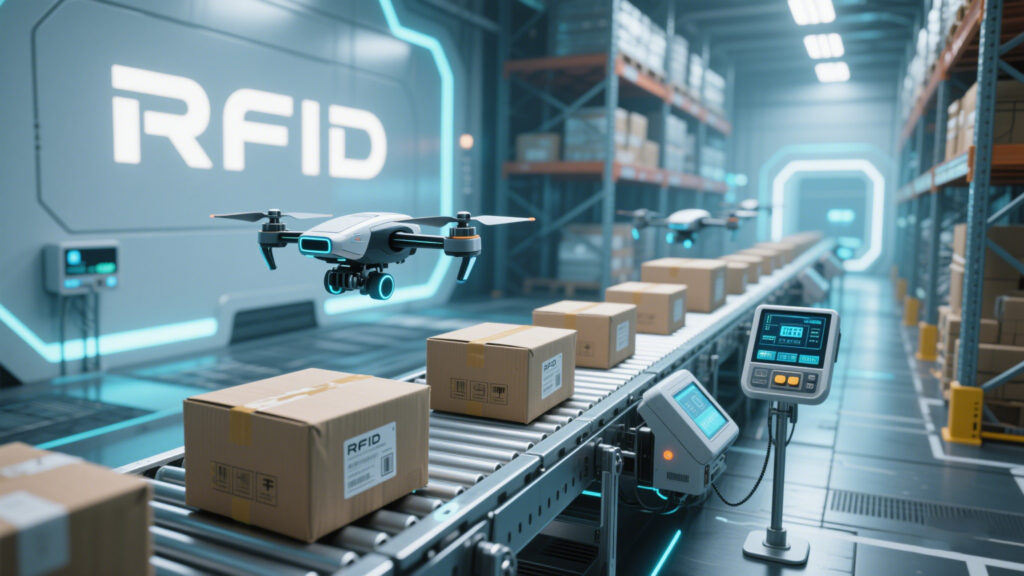
RFID isn’t just about scanning tags anymore. From self-powered sensors to unhackable supply chains, the technology is evolving into a silent revolutionizer of industries. Let’s cut through the hype and explore the breakthroughs that’ll impact businesses within the next 12 months—and how to prepare.
1. Battery-Free Sensor Tags: Powering the Impossible
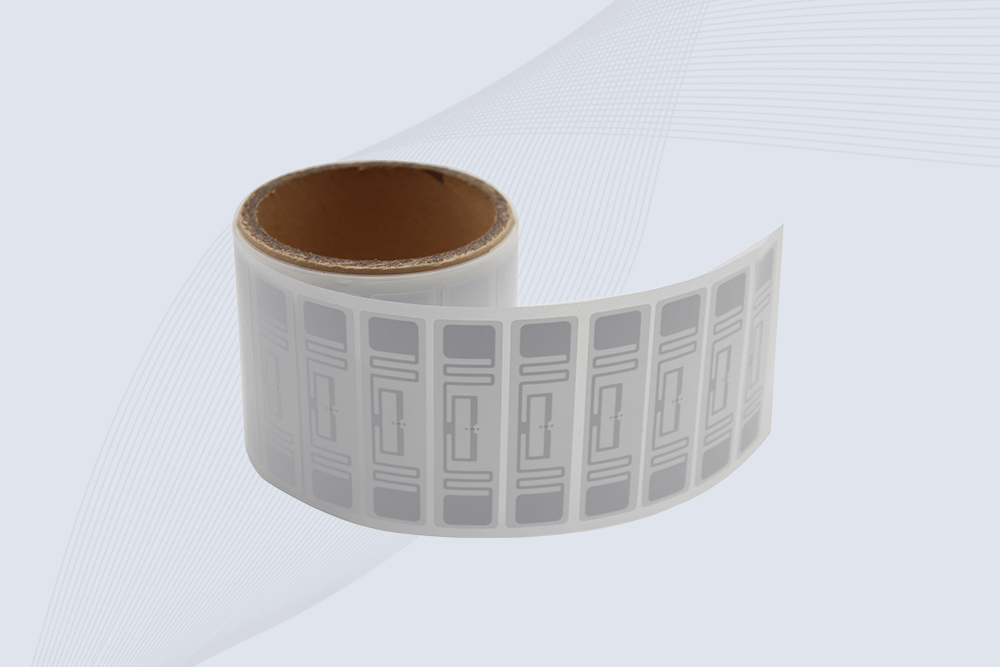
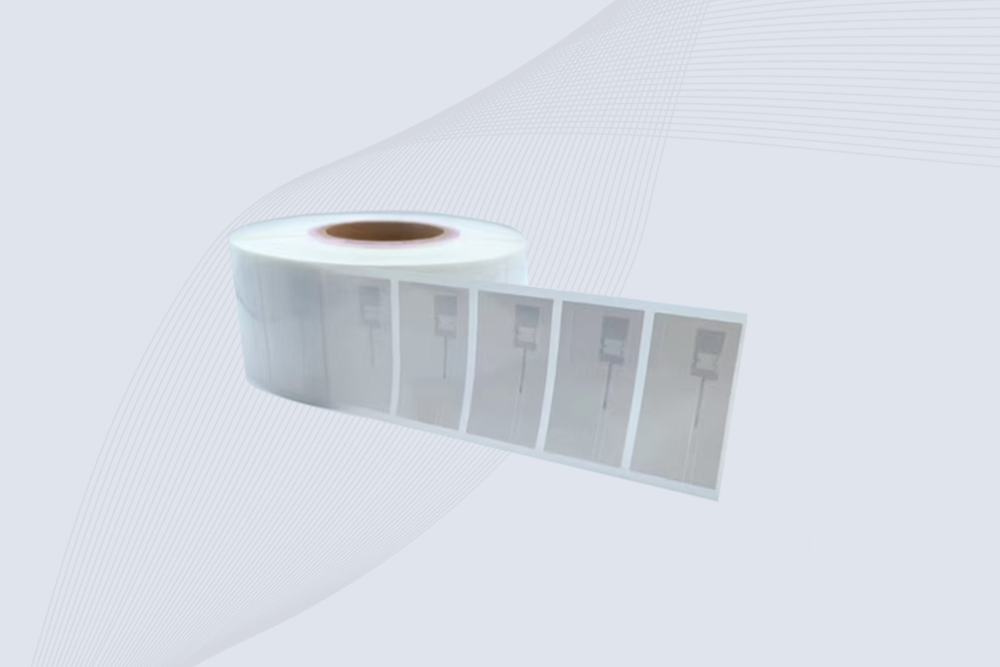
Traditional sensors need batteries, limiting their lifespan and eco-friendliness. Emerging battery-free RFID sensor tags harvest energy from radio waves emitted by readers, enabling:
Condition Monitoring: Track temperature, humidity, or shock during shipments without power constraints.
Decade-Long Lifespan: Ideal for embedding in construction materials or medical implants.
Case Use: A U.S. vineyard uses Cykeo’s solar-powered RFID tags to monitor soil moisture across 500 acres, reducing water waste by 40%.
2. AI-Driven RFID Analytics: From Data to Decisions
Raw RFID data is useless without insights. Machine learning now processes tag reads to:
Predict Stockouts: Analyze retail foot traffic and shelf scans to forecast demand spikes.
Optimize Routes: Warehouses use AI to rearrange inventory based on pickup frequency, cutting retrieval time by 50%.
Spot Anomalies: Detect counterfeit products by comparing tag response patterns against verified benchmarks.
Pairing RFID with blockchain creates tamper-proof records for:
Food Safety: Track salmonella outbreaks to specific farm batches in seconds.
Luxury Authentication: Verify a handbag’s journey from Milanese workshop to store shelf.
Carbon Tracking: Measure emissions at every logistics checkpoint for ESG compliance.
4. Sustainable RFID: Tags That Won’t Cost the Earth
With 12 billion RFID tags discarded yearly, innovators are tackling e-waste:
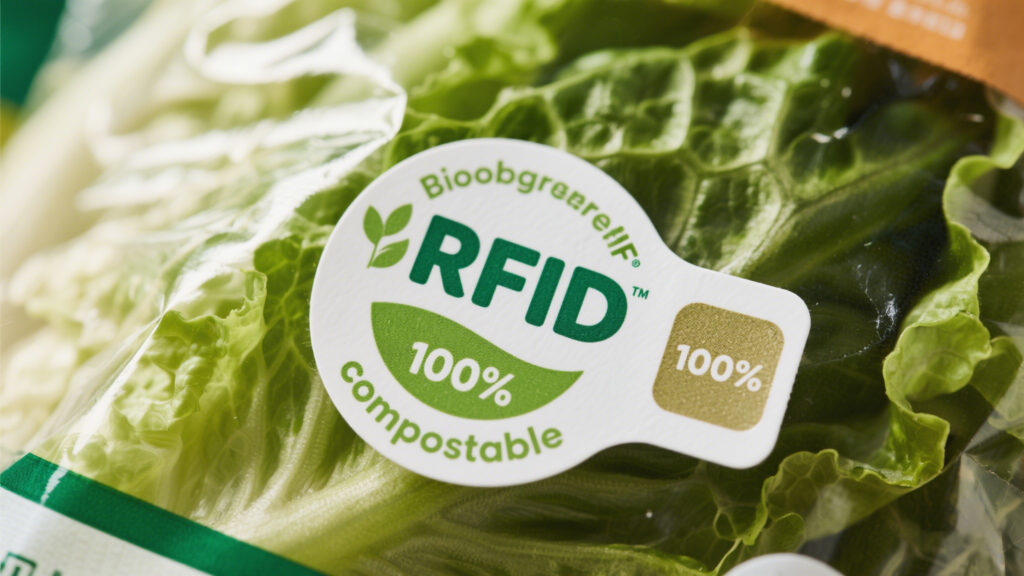
Biodegradable Tags: Made from cellulose or algae, dissolving harmlessly post-use.
Circular Tagging: Refurbish and reprogram tags for reuse in closed-loop systems.
Impact: A UK retailer cut plastic use by 6 tons/year switching to paper-based RFID tags.
5. Ultra-Precise Indoor RFID Tracking (Sub-10cm Accuracy)
Next-gen UWB (Ultra-Wideband) RFID achieves GPS-like precision indoors:
Hospital Asset Tracking: Locate defibrillators to the exact room and cabinet.
Smart Retail: Trigger personalized offers when customers linger near tagged products.
Industrial Safety: Alert workers if they enter hazardous zones with tagged equipment.
Cykeo’s Role in the RFID Revolution
Cykeo’s R&D lab focuses on energy-harvesting RFID tags, enabling sensors that operate without batteries. A European auto manufacturer uses their tags to monitor paint shop humidity, preventing defects in 12,000+ cars monthly.
Challenges Ahead
Cost Barriers: Biodegradable tags currently cost 3x more than plastic. Prices will drop as adoption grows.
Regulatory Hurdles: Unified global standards are needed for blockchain-RFID systems.
Skills Gap: 68% of firms lack staff trained in AI-driven RFID analytics.
Preparing for the RFID Future
Audit Workflows: Identify processes that’ll benefit most from precision tracking or automation.
Partner Strategically: Collaborate with vendors offering modular, upgradable RFID systems.
Test Small: Pilot biodegradable tags or AI analytics on a single product line.
Discover the essential features to prioritize when choosing a handheld RFID scanner for seamless asset tracking. Learn how Cykeo’s solutions deliver reliability and efficiency.
Need high temperature passive RFID tags? Learn what temperatures they really survive, where passive tags fail, and how CYKEO applies them in heat-heavy sites.
 Cykeo RFID IoT Solution Products R&D Manufacturer