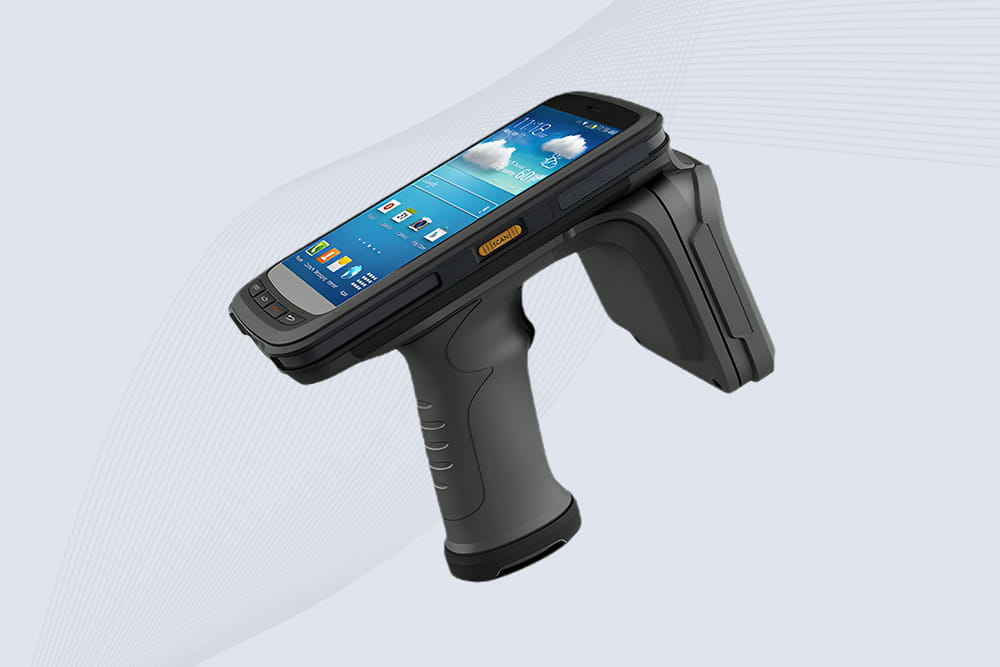
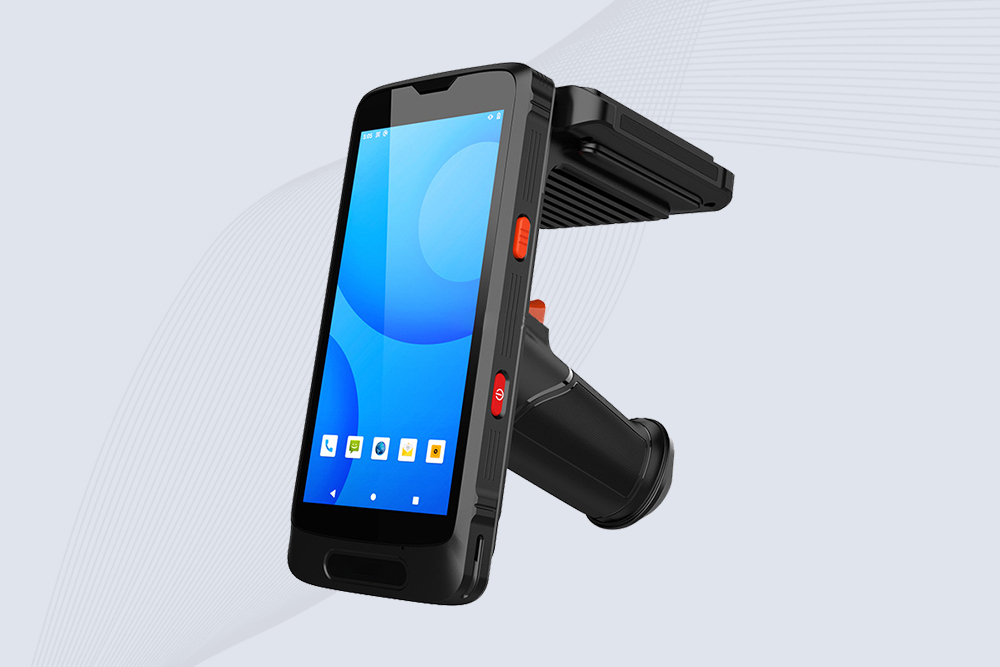
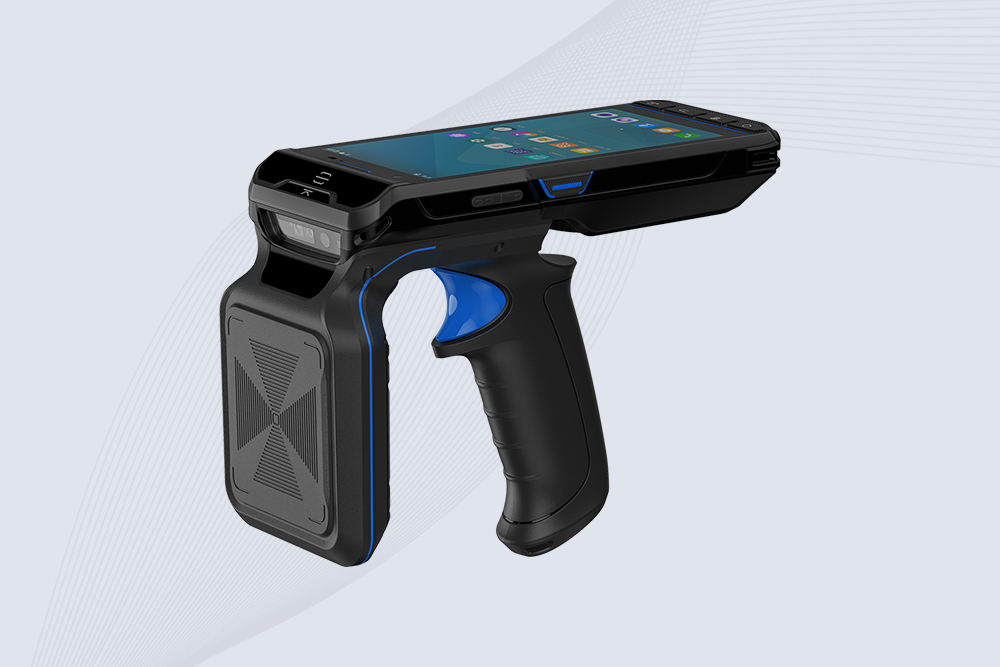
An RFID scanner might seem like a simple handheld gadget, but it’s the linchpin of modern tracking systems. From ensuring your online orders ship on time to safeguarding hospital equipment, these devices turn invisible radio waves into actionable data. But what exactly makes them tick, and why are they indispensable across industries? Let’s demystify RFID scanners and their game-changing capabilities.
1. What Is an RFID Scanner?
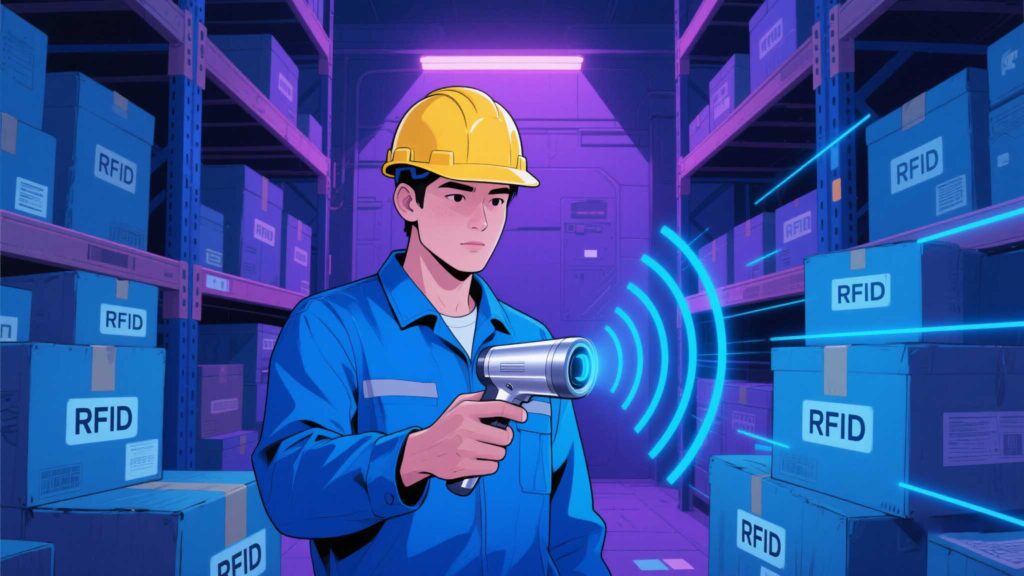
An RFID (Radio-Frequency Identification) scanner is a device that wirelessly communicates with RFID tags to capture and transmit data. Unlike barcode scanners requiring line-of-sight, RFID scanners can read multiple tags simultaneously through obstacles like boxes, fabric, or plastic.
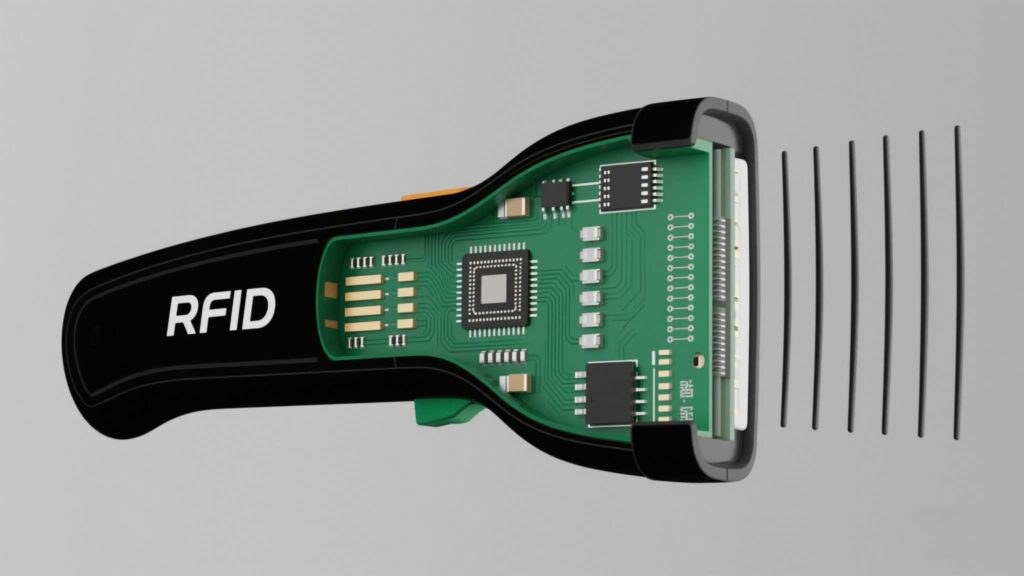
Key Components:
Antenna: Transmits and receives radio signals.
Transceiver: Generates the RF signal and decodes tag responses.
Processor: Manages data filtering and integration with software.
2. How RFID Scanners Work: The Invisible Conversation
Energy Transfer: The scanner’s antenna emits radio waves.
Tag Activation: Passive tags harvest energy from these waves to power their microchips. Active tags use onboard batteries.
Data Exchange: Tags transmit stored data (e.g., serial numbers, location) back to the scanner.
Integration: Scanners relay data to inventory systems, databases, or IoT platforms.
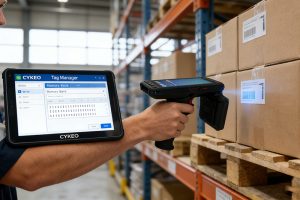
Example: In a Cykeo-equipped warehouse, scanners read tags on pallets 10 meters away, updating stock levels in real time without manual checks.
3. Types of RFID Scanners
A. By Mobility:
Fixed Scanners: Mounted at choke points (e.g., dock doors, conveyor belts).
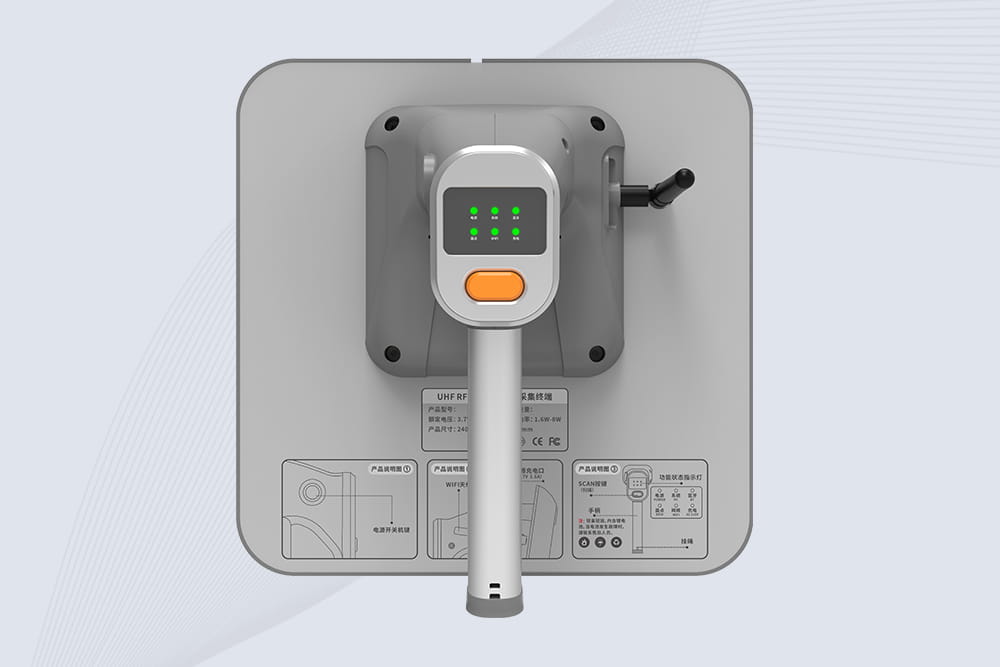
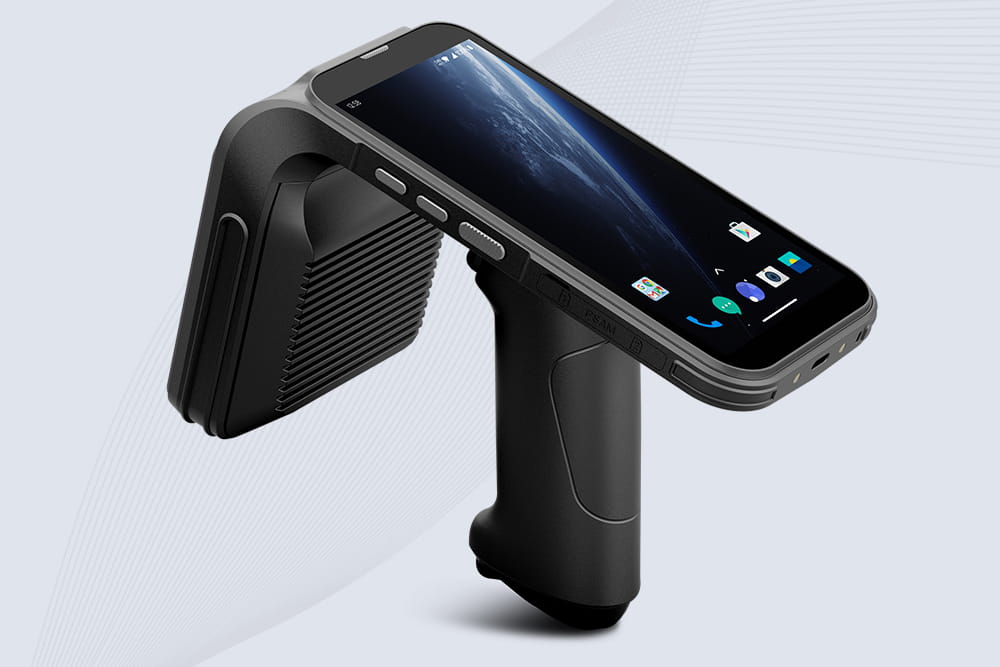
Handheld Scanners: Portable for spot checks in retail or fieldwork.
B. By Frequency:
Type
Range
Use Cases
LF
0–10 cm
Livestock tracking, car keys
HF
10 cm–1 m
Library books, payment cards
UHF
1–15 m
Warehousing, retail inventory
C. By Power Source:
Passive: Relies entirely on scanner-emitted energy.
Active: Battery-powered for long-range tracking (e.g., construction sites).
4. Why Industries Can’t Quit RFID Scanners
Retail: Reduce checkout time by scanning entire carts at once.
Healthcare: Track surgical instruments to prevent losses and ensure sterilization.
Logistics: Automate shipping verification, cutting human error by 80%.
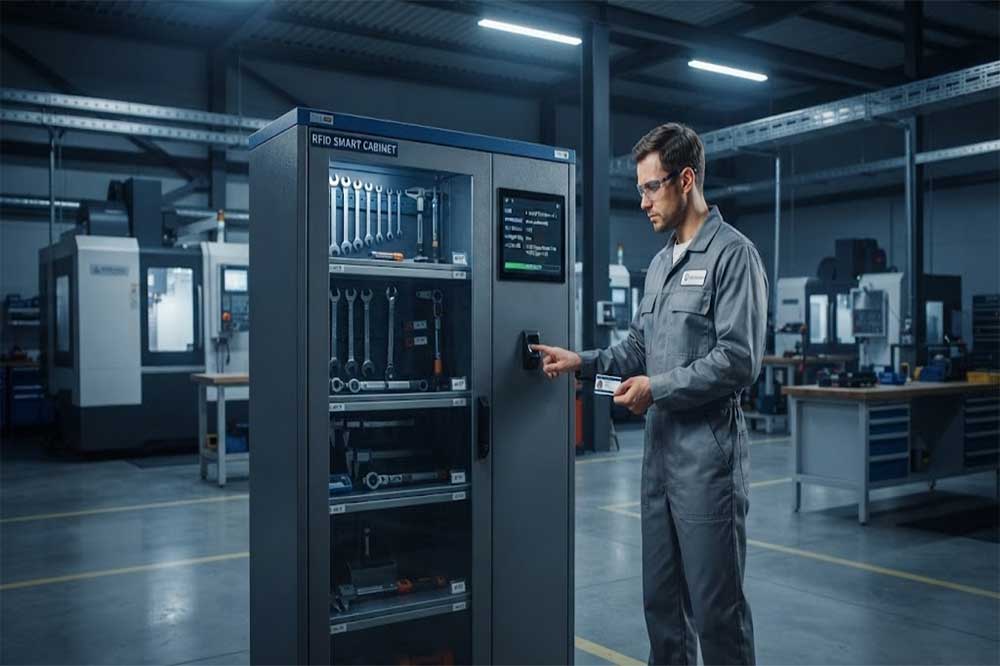
Manufacturing: Monitor tool usage to prevent unauthorized access.
Cykeo’s Edge: Their UHF scanners excel in high-interference areas like metal-heavy factories, achieving 99% read accuracy.
5. Choosing the Right RFID Scanner
Ask These Questions:
Environment: Metal/liquid-heavy? Opt for rugged UHF scanners.
Budget: Active scanners cost 5–10x more than passive but automate labor-heavy tasks.
Pro Tip: For mixed environments, use hybrid scanners that support multiple frequencies.
Myth-Busting
“RFID Scanners Spy on Consumers”: Most retail tags store generic data (e.g., product codes), not personal info.
“They’re Just Fancy Barcode Readers”: Unlike barcodes, RFID works without line-of-sight and updates data dynamically.
The Future: Smarter, Smaller, Safer
AI Integration: Scanners will flag anomalies (e.g., expired medications) in real time.
Miniaturization: Matchstick-sized scanners for embedded use in wearables or drones.
Cybersecurity: Encrypted scanners to combat RFID hacking in sensitive sectors.
Takeaway: RFID scanners are the silent workhorses of automation, bridging the physical and digital worlds. Whether you’re a small retailer or a global manufacturer, understanding their capabilities—and limits—is key to building faster, leaner, and error-proof workflows.
Ultra-Portable UHF Bluetooth Handheld RFID Scanner
This article explores how RFID technology is used in asset management: the benefits, the common challenges, practical lessons learned from real-world projects, and strategies to improve success rates in different environments. Perfect for teams lo...
Learning how to use handheld RFID reader writer? Step-by-step for inventory counting and tag programming. Power on, connect to Android, read EPCs, write user memory. Real field advice from CYKEO engineers.
Need to know how to get data from RFID reader in Java? We provide practical code examples, compare raw socket vs. SDK methods, and share tips for production-ready streams.
Learn how RFID tool cabinet security protects tool access, user permissions, transaction records, system communication, and industrial tool management data.
 Cykeo RFID IoT Solution Products R&D Manufacturer