 Cykeo RFID IoT Solution Products R&D Manufacturer

how to reprogram rfid tag
201RFID tag reprogramming requires a writable RFID chip, compatible reader writer, correct software, and data verification to update tag information safely.
MoreAll RFID Product
The use of RFID (Radio Frequency Identification) is to identify, track, and manage physical objects through radio waves, reducing the need for manual scanning. Businesses use RFID to improve inventory visibility, automate item identification, manage assets, control access, and connect physical products with digital records.
RFID is useful when people need to identify many items quickly or record movement without scanning every barcode individually. A warehouse may use it to identify cartons entering a dispatch area; a library may use tagged books for borrowing and returns; a factory may use it to track tools or work-in-progress.
The technology does not replace every manual check. Its real value depends on the task, the type of tag, the reader’s position, and how the captured information is used by business software.
RFID gives an item a machine-readable identity that can be detected by a compatible reader. Depending on the system, the tag may store an identifier or other data, while connected software links that identifier to a product, asset, shipment, person, or transaction.
Common uses include:
The distinction that matters is between detecting a tag and completing a business task. A RFID reader may detect a carton, but the inventory application still needs to determine whether that carton belongs to the expected shipment. Good RFID deployments connect tag reads to clear operational rules rather than treating every read as a completed transaction.
Inventory is one of the most familiar applications of RFID. Instead of relying exclusively on a worker to locate and scan each barcode, a properly configured RFID system can capture identifiers from multiple compatible tags within its reading zone.
In a warehouse, for example, tags can be attached to cartons, pallets, or reusable transport containers. Fixed rfid readers may be installed at receiving or dispatch points, while handheld rfid readers can support targeted stock checks. The best arrangement depends on how goods move through the facility.
GS1 provides standards for RFID identification and communication, including the EPC UHF Gen2 air-interface protocol. These standards help compatible readers and tags exchange data, but they do not guarantee a particular reading distance or accuracy in every installation.
A common installation mistake is to focus on maximum reading distance before defining the required reading zone. A reader that detects items on the neighbouring shelf may create more work if the system cannot distinguish intended reads from unrelated tags.
RFID also supports visibility beyond the warehouse shelf. When a tagged item passes a defined checkpoint, the system can record an identification event and associate it with a location, time, or business process. If connected systems share these records consistently, organisations can build a clearer picture of where goods have moved.
Research from Auburn University’s RFID Research Center examined RFID-enabled inventory visibility in retail stores. One field experiment covered 13 stores over 23 weeks; the researchers reported that RFID-enabled inventory record adjustments reduced inventory record inaccuracy by approximately 26% in the study setting. This is evidence of a measurable benefit in that context—not a guaranteed result for every RFID deployment.
For asset management, the same principle applies to tools, equipment, reusable containers, and other items that need to be identified as they move between people or locations. A reader at a tool room entrance, for example, can capture tag IDs, while the software checks them against a checkout record or an expected return list.
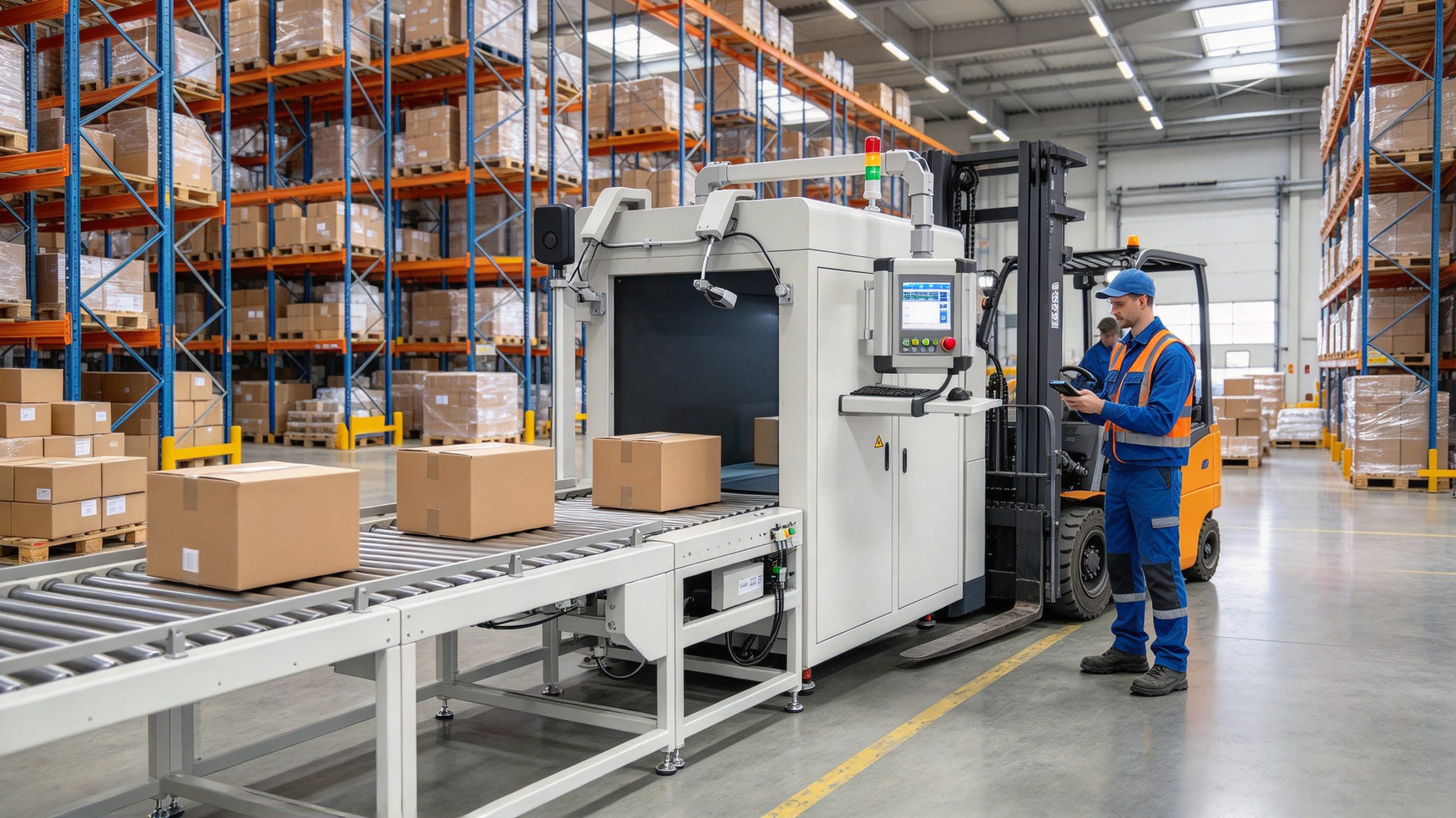
Different industries use RFID for different reasons. Retailers may need faster item-level stock checks, libraries need to associate books with circulation records, and manufacturers may need to track tools or work-in-progress between production stages.
| Industry | RFID use | Operational value |
|---|---|---|
| Retail | Product identification and stock counts | Better visibility of item-level inventory |
| Libraries | Book registration, borrowing, returns, and stocktaking | Less repetitive manual scanning |
| Manufacturing | Tool, component, and work-in-progress identification | Clearer records of item movement |
| Logistics | Carton, pallet, and reusable-container tracking | Automated capture at defined checkpoints |
| Access control | Reading compatible cards or credentials | Supports configured entry permissions |
The equipment should match the job. A handheld reader gives staff flexibility when they need to locate a specific asset. A fixed UHF reader is more suitable for continuous monitoring at a controlled checkpoint. A desktop RFID reader can support tag registration, data writing, or item administration at a workstation.

RFID is not a guarantee that every tagged item will be detected every time. Performance depends on radio conditions and on how the system is installed.
| Challenge | Why it matters | Practical response |
|---|---|---|
| Metal surfaces | Can reflect radio waves and affect conventional tag antennas | Evaluate tags designed for metal-mounted assets |
| Water and liquids | Can absorb RF energy and reduce tag sensitivity | Test suitable tag designs on the actual product |
| Dense item placement | Tags can shield one another or respond inconsistently | Test the real packing arrangement and tag orientation |
| Unwanted reads | Readers may detect nearby items outside the intended workflow | Adjust antenna position, power, and filtering |
| Duplicate read events | A tag may be detected repeatedly while remaining in the field | Use software rules to deduplicate or interpret reads appropriately |
| Poor system integration | A valid tag read may not correspond to the intended transaction | Match reads against orders, asset records, and process rules |
GS1 notes that metal can disrupt conventional RFID tags and that liquids can absorb radio waves, reducing performance. Purpose-designed tags can mitigate these effects, but the final installation still needs validation.
Before committing to a large rollout, test a representative sample of the items and workflows involved.
For Cykeo’s business customers, this evaluation should begin with the intended application rather than a headline read-distance figure. A system for a tool cabinet has different requirements from one installed over a warehouse conveyor.
RFID is used to identify objects, track inventory, record asset movements, manage access credentials, and automate workflows such as library borrowing or warehouse dispatch. Its value is greatest when automatic identification reduces repetitive manual scanning or improves the visibility of physical items.
RFID helps businesses identify tagged products during receiving, stocktaking, replenishment, and dispatch. Compatible readers can capture multiple tag identifiers within a suitable reading zone, and inventory software can compare those identifiers with expected stock records.
RFID can record an item’s presence or movement when it passes a reader or enters a monitored area. Continuous location tracking requires a suitable reader layout and system design; a conventional RFID tag does not automatically provide GPS-style location information everywhere.
Barcode tracking relies on optical scanning, usually with a visible label and scanner alignment. RFID uses radio-frequency communication with compatible tags, allowing identification without direct visual contact and potentially enabling multiple tags to be read in one cycle.
RFID can be applied to cartons, pallets, retail products, books, tools, reusable containers, equipment, and access cards. The appropriate tag depends on the object’s material, available mounting space, required read distance, environmental conditions, and intended use.
It can. A field study published in Production and Operations Management examined RFID-enabled inventory visibility in 13 retail stores over 23 weeks and reported an approximately 26% reduction in inventory record inaccuracy in the first study. Results varied across product categories in the broader research, so businesses should measure outcomes in their own workflows.
The use of RFID is to make physical items easier to identify and manage through radio-frequency communication. From inventory tracking and supply chain visibility to library operations and industrial asset management, the technology can reduce manual scanning and help businesses maintain more useful item records.
Its performance depends on the complete implementation: the tag, reader, antenna, operating environment, and software rules must work together. For organisations evaluating RFID, the best starting point is a specific operational problem and a realistic test—not a promise that every tag will always be read.
What is the use of RFID? It is a practical way to connect tagged objects with digital workflows, helping businesses capture item information and make better use of inventory and asset records.
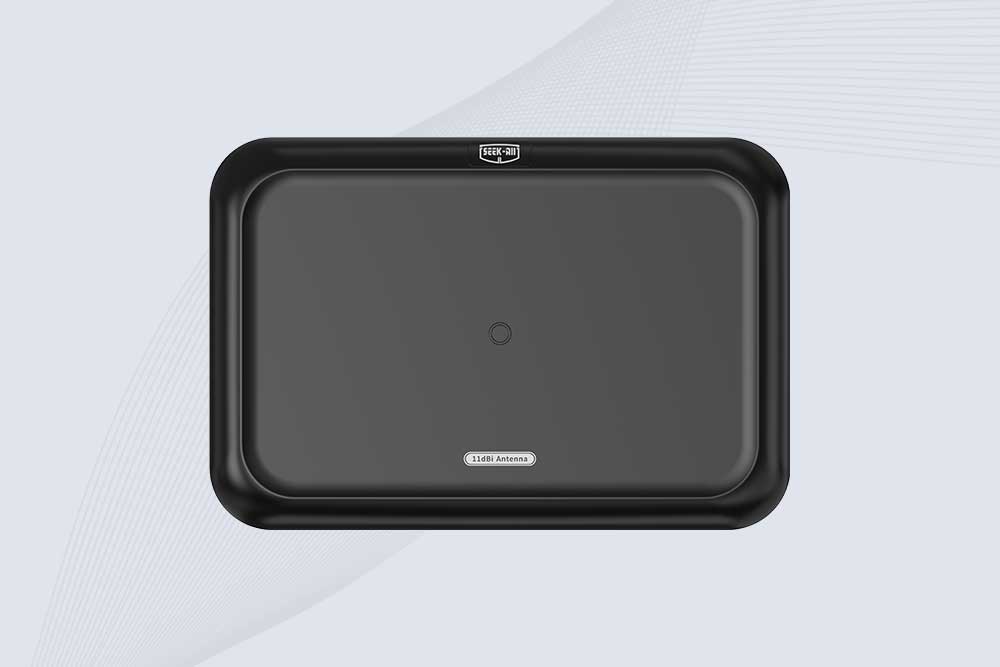
SSD-A11 UHF RFID antenna features 840–960 MHz adjustable frequency, ≥10.5 dBi gain, circular polarization and 50Ω impedance for fixed RFID systems.
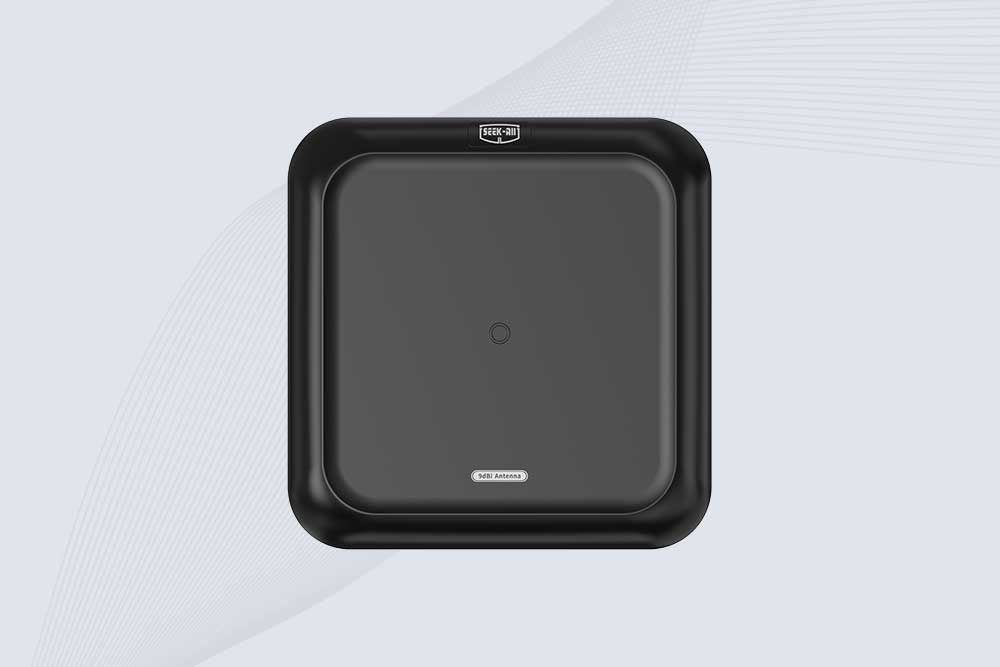
SSD-A09 is a 9 dBi UHF RFID antenna with 840–960 MHz adjustable frequency, circular polarization, 50Ω impedance and directional 60° × 60° coverage.
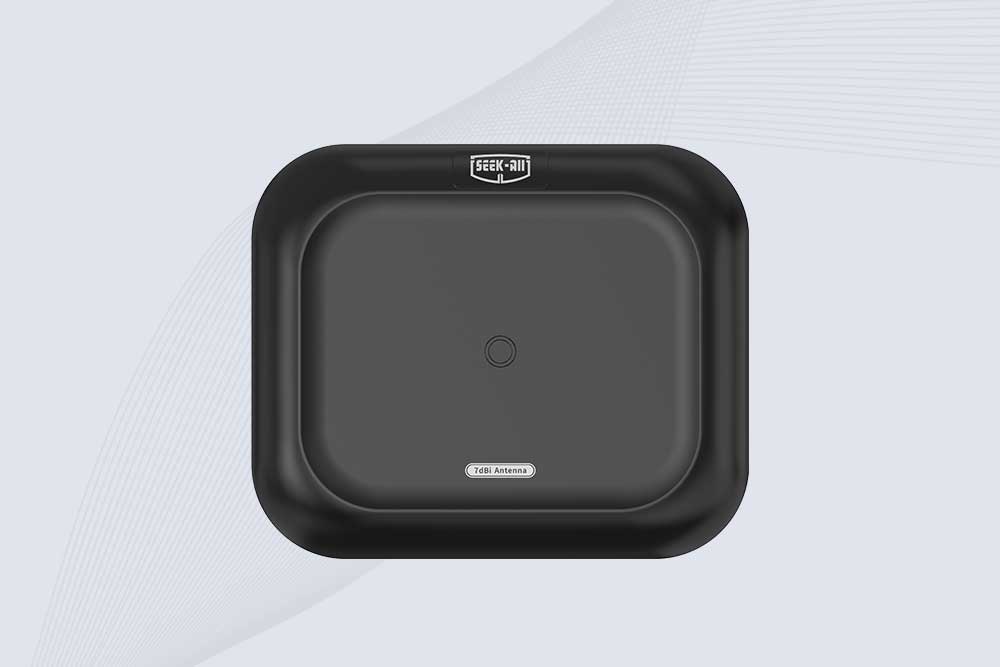
Explore the SSD-A07 UHF RFID antenna with 7 dBi gain, circular polarization, adjustable 840–960 MHz frequency, and 60°/75° beamwidth for stable RFID read/write performance.

SSD-A06 UHF RFID antenna with circular polarization, adjustable 840–960 MHz frequency, ≥4.5 dBi gain, and a compact directional design for RFID systems.

SSD-R16L Multi-Channel RFID Infrastructure for Automated Inventory Management ✔️ 16-Port High-Density RFID Reading Equipped with 16 SMA antenna ports, SSD-R16L supports multi-antenna deployment for warehouses, retail stores, logistics, production lines, and large-area RFID identification. ✔️ High-Speed & Long-Range Performance With up to 33…

SSD-R8L 8-port UHF RFID reader with 33dBm output, up to 20m reading range and 600+ tags/s recognition. Ideal for warehouse, logistics, retail and asset tracking.

SSD-R4L is a 4-port UHF RFID fixed reader with 33dBm output power, up to 20m reading range, EPC C1G2 support and 600+ tags/s reading speed.
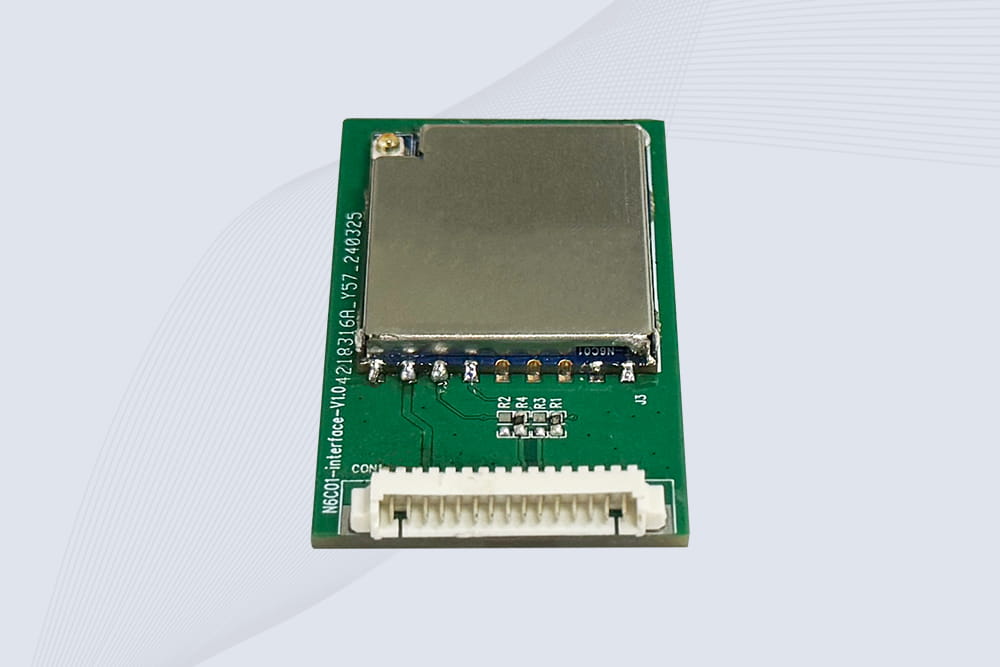
CYKEO Embedded RFID Modules are designed for compact industrial and IoT devices that require stable UHF performance. These UHF RFID Modules support global protocols, flexible power control, and reliable multi-tag reading for smart cabinets, production lines, and asset tracking systems.
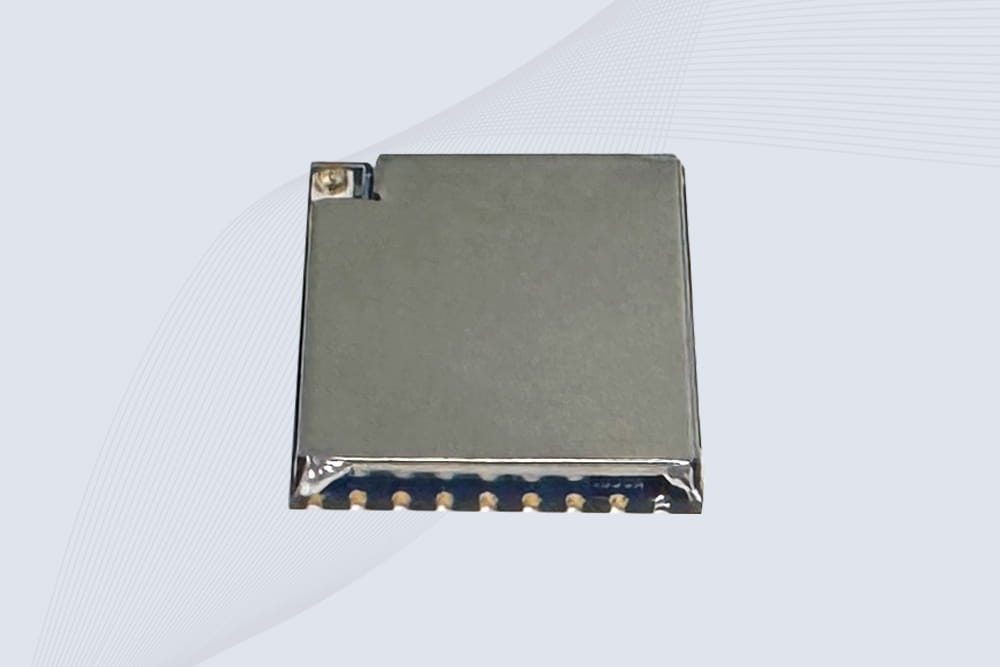
CYKEO Embedded RFID Module is built for compact IoT and industrial devices that need stable UHF performance. This UHF module supports global protocols, low power operation, and reliable multi-tag reading for smart lockers, production lines, and always-on RFID systems.
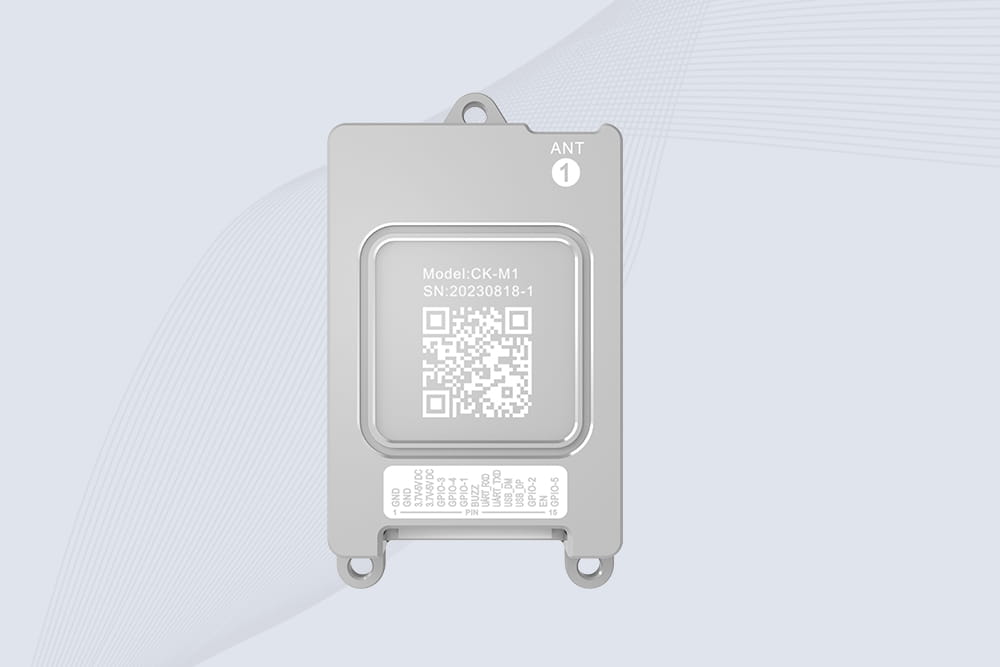
CYKEO CYKEO-M1 drone rfid module is a compact UHF RFID reader module designed for drones and UAV platforms. It supports long-range aerial scanning, fast multi-tag reading, and stable performance in wind, vibration, and outdoor environments.
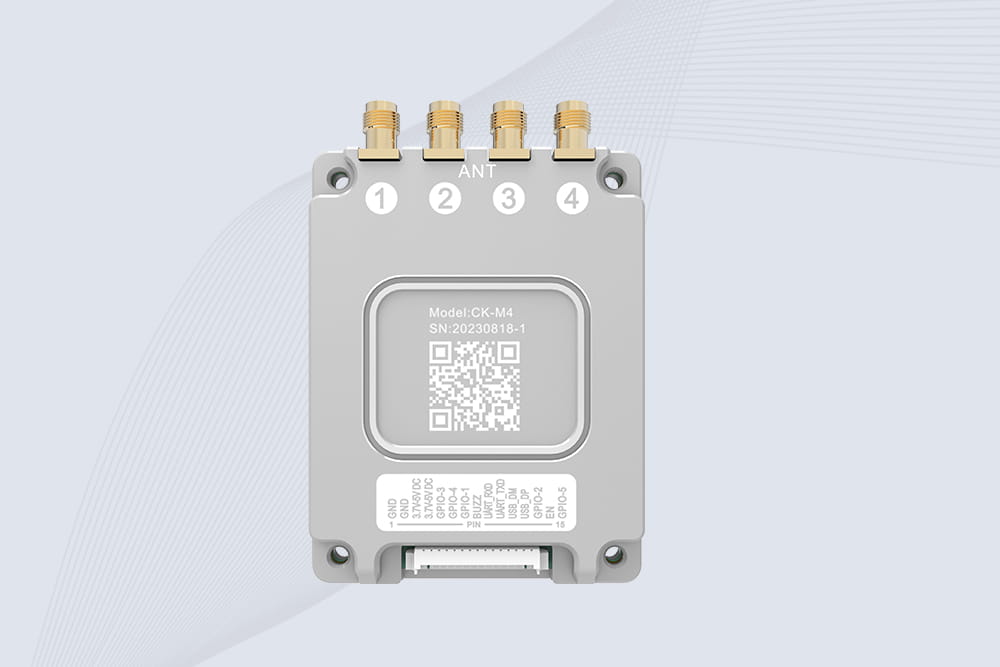
CYKEO CYKEO-M4 RC522 RFID Module is an industrial-grade UHF RFID reader with 4 ports, supporting ISO, EPC, and GB protocols. High-speed, accurate reading for IoT, automation, and warehouse applications.
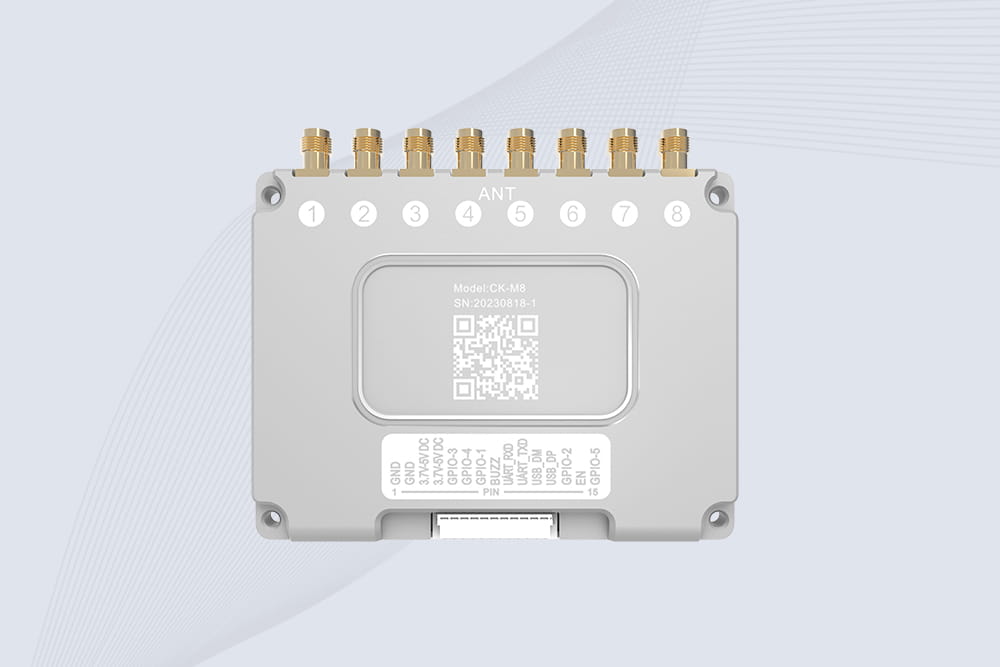
CYKEO CYKEO-M8 Module RFID is an 8-port UHF R2000 RFID Module designed for high-density, multi-tag environments. Stable 33dBm output, ISO & GB protocol support, ideal for warehouses, factories, and automated systems.
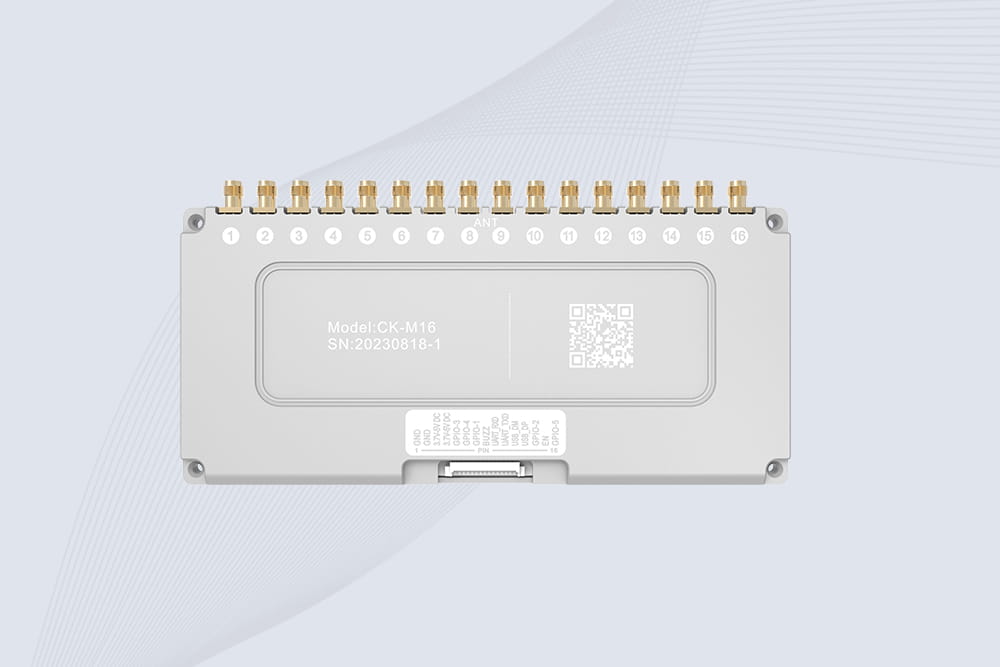
CYKEO CYKEO-M16 RFID Module is a 16-port UHF RFID reader module based on the R2000 chipset. Designed for dense tag environments, it supports ISO and GB standards and delivers stable multi-antenna control for industrial automation.
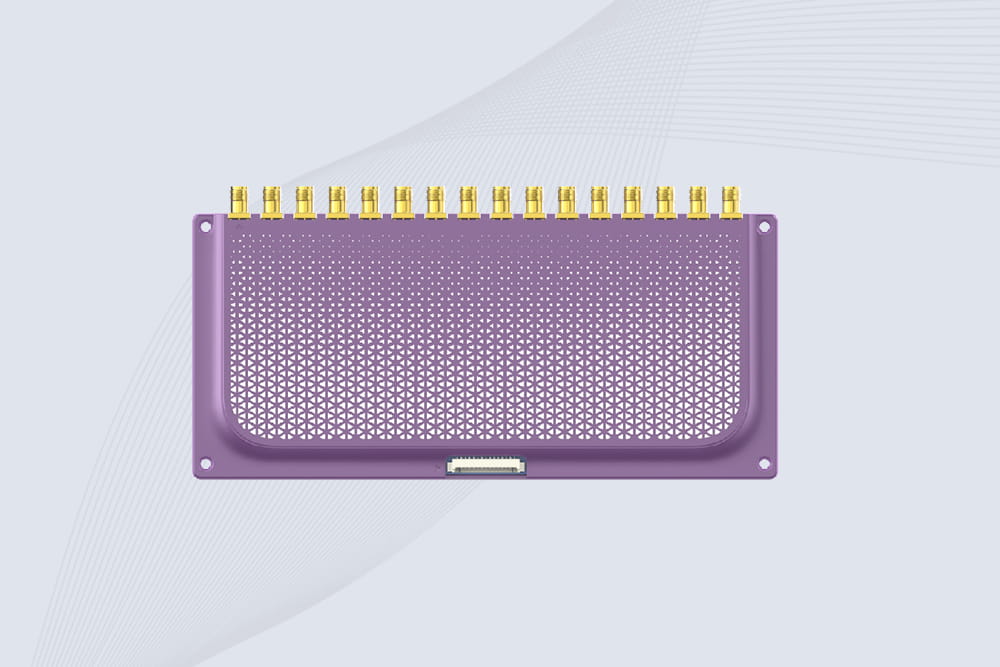
The CYKEO CYKEO-M16L RFID Reader Module is a 16-channel UHF RFID core designed for dense tag environments. With adjustable 33dBm output, multi-protocol support, and stable multi-antenna control, this RFID Tag Reader Module fits industrial automation, warehouse systems, and large-scale IoT deployments.
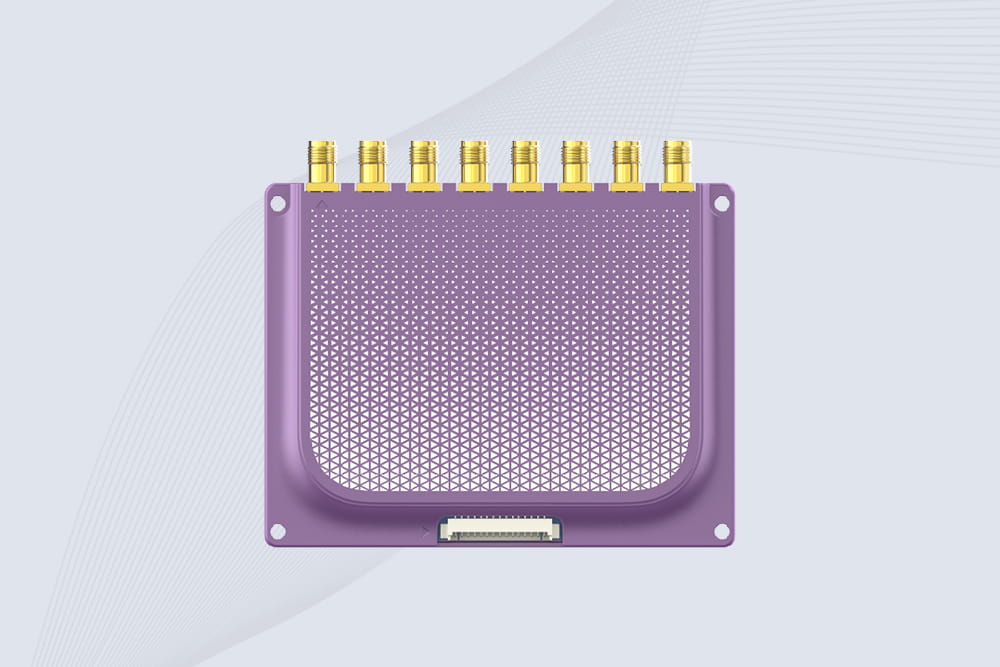
CYKEO CYKEO-M8L module RFID is a compact industrial UHF module built for dense tag and multi-antenna environments. With 8 RF ports, adjustable 33 dBm output, and ISO & GB protocol support, it is widely used in factories, warehouses, and automated tracking systems.
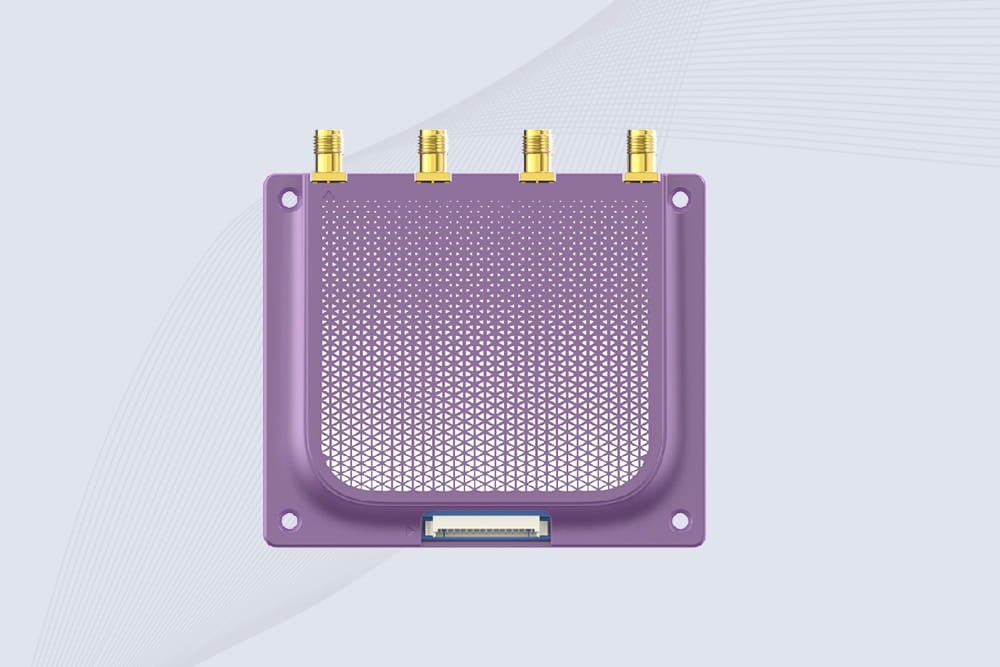
CYKEOCYKEO-M4L UHF RFID Module is a compact 4-channel RFID tag reader module designed for dense tag environments. Supporting ISO and GB protocols, it delivers stable reads up to 10 meters for industrial and IoT systems.
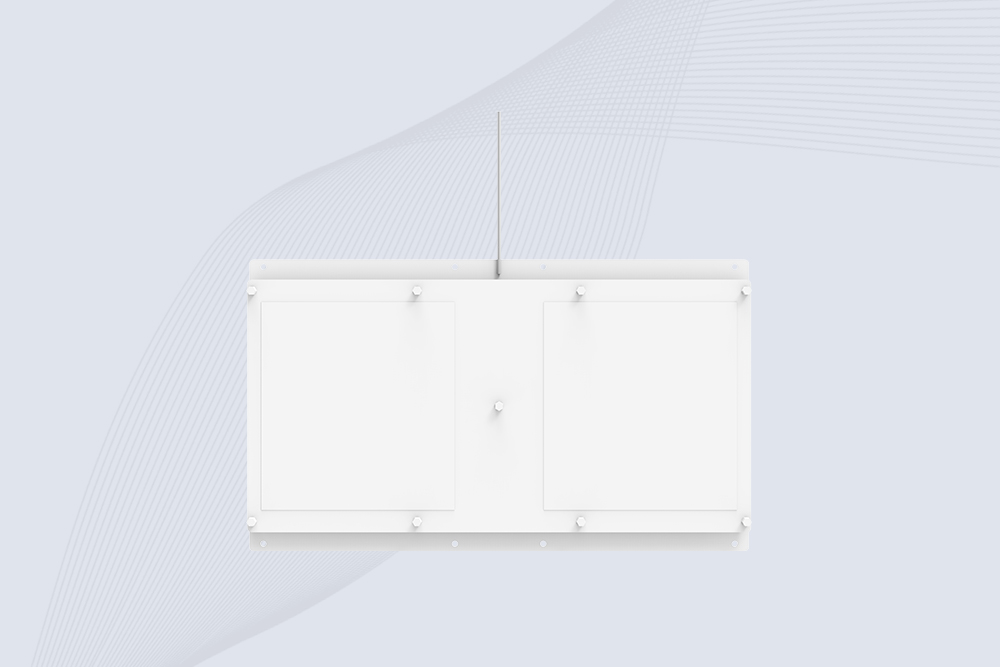
Cykeo CYKEO-A11 UHF RFID reader antenna delivers 11dBi gain, 840-960MHz frequency range, and IP65 ruggedness for retail, logistics, and industrial RFID systems. Features low VSWR and easy installation.

CYKEO Antenna RFID Reader delivers stable long-range UHF performance with a 10.5dBi directional design, built for warehouses, conveyor portals, and industrial RFID systems. This rfid reader antenna provides 20m+ read distance and rugged IP67 protection.

Cykeo CYKEO-PHF3 industrial HF RFID Antenna offers 24-point dynamic tracking, ISO 14443A/15693 protocols, metal-environment stability for archives/libraries/manufacturing.

Cykeo CYKEO-A5B industrial Linear RFID Antenna delivers 5dBi gain, ≤1.5:1 VSWR, and IP65 rugged design for warehouse, production line, and logistics UHF systems.

Cykeo’s CYKEO-B12 Long Range RFID Antenna delivers 15m+ read range with 12dBi gain, IP65 rugged design, and global 840-960MHz UHF support. Ideal for warehouse/logistics asset tracking.
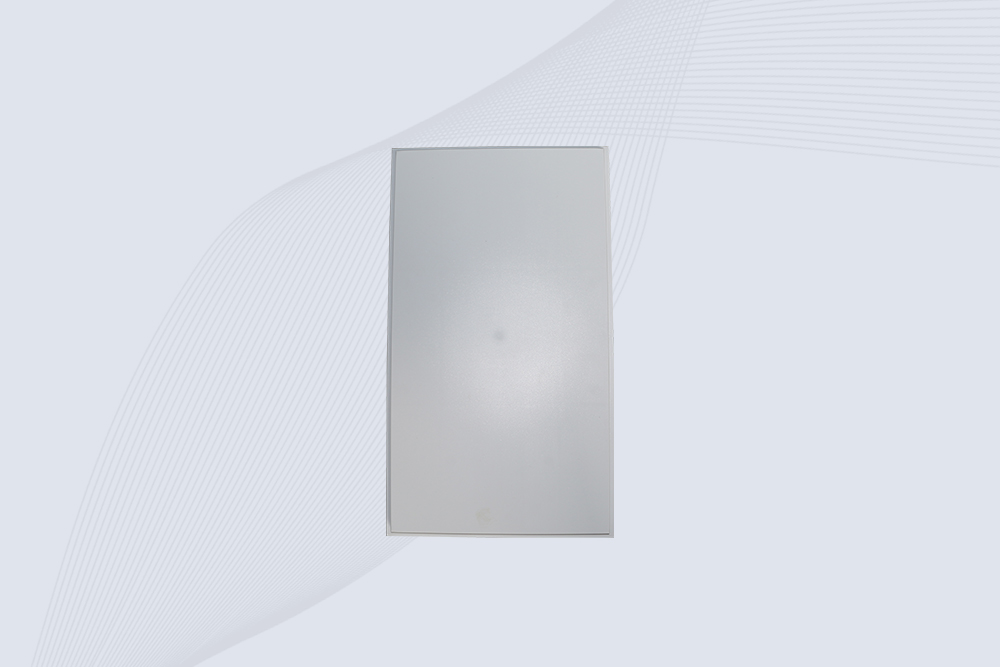
Cykeo CYKEO-B10 Long Distance RFID Antenna offers 10dBi gain, 840-960MHz frequency range, IP65 rating, and 20m+ coverage for logistics/warehousing/ETC systems. Low VSWR ensures stable signal transmission.
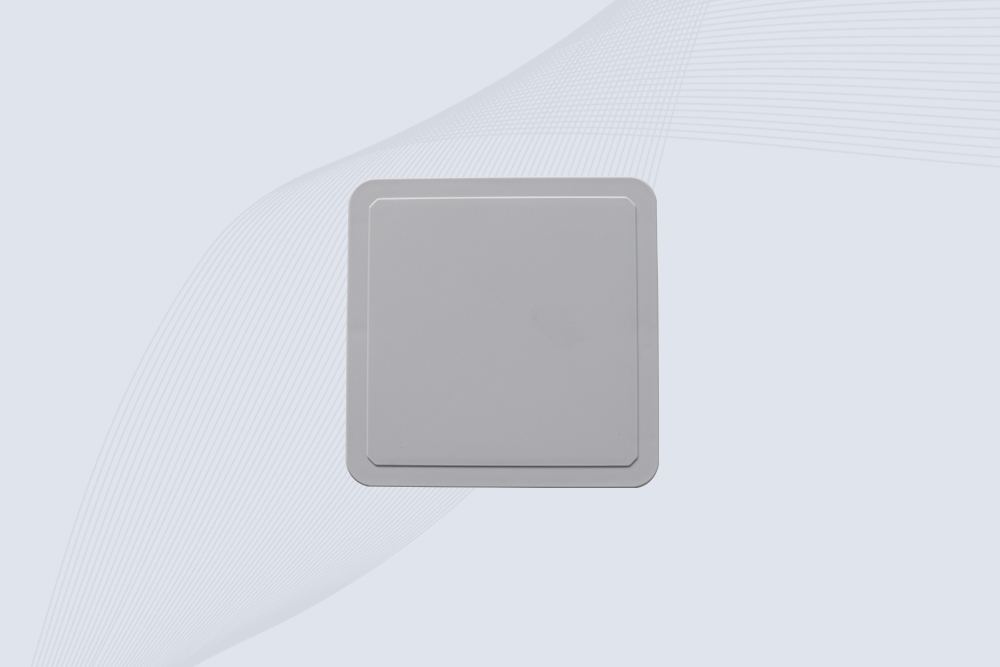
Cykeo CYKEO-A6 UHF RFID panel antenna features 6dBi gain, 840-960MHz broadband, IP65 metal-ready housing for logistics/smart retail. 18mm ultra-thin design with tool-free mounting.

Cykeo CK-A3 industrial antenna RFID UHF offers 5m+ tag detection, ≤1.3:1 VSWR, IP65 rugged design, and global UHF spectrum compatibility (840-960MHz) for warehouses, factories, and retail.
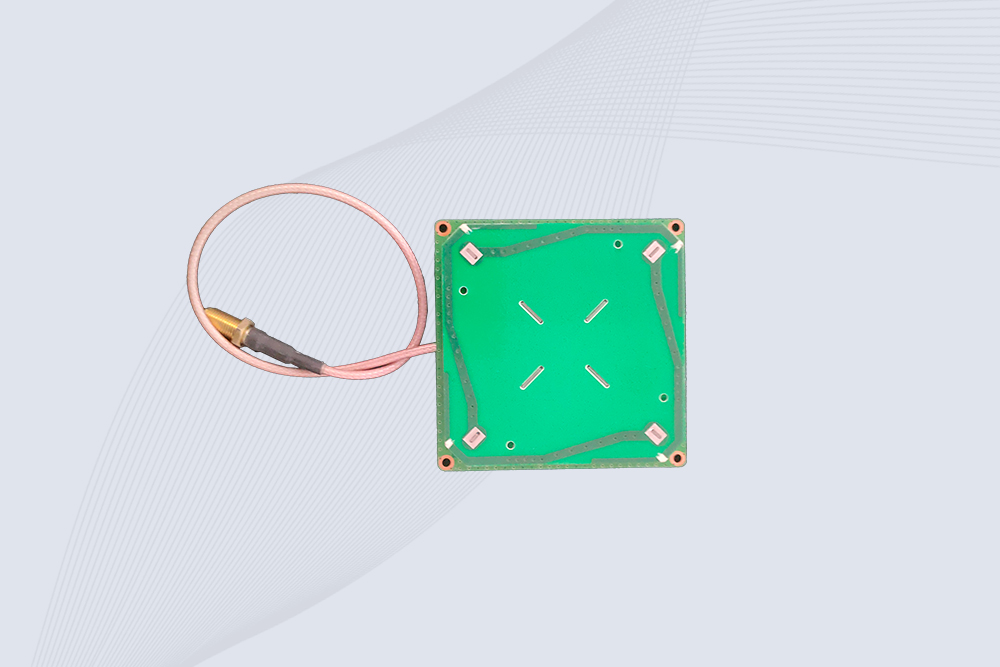
Cykeo CYKEO-B5 directional RFID antenna provides 5dBi gain with 60° narrow beamwidth for precise inventory tracking. IP65-rated, global UHF frequency support, and low VSWR.
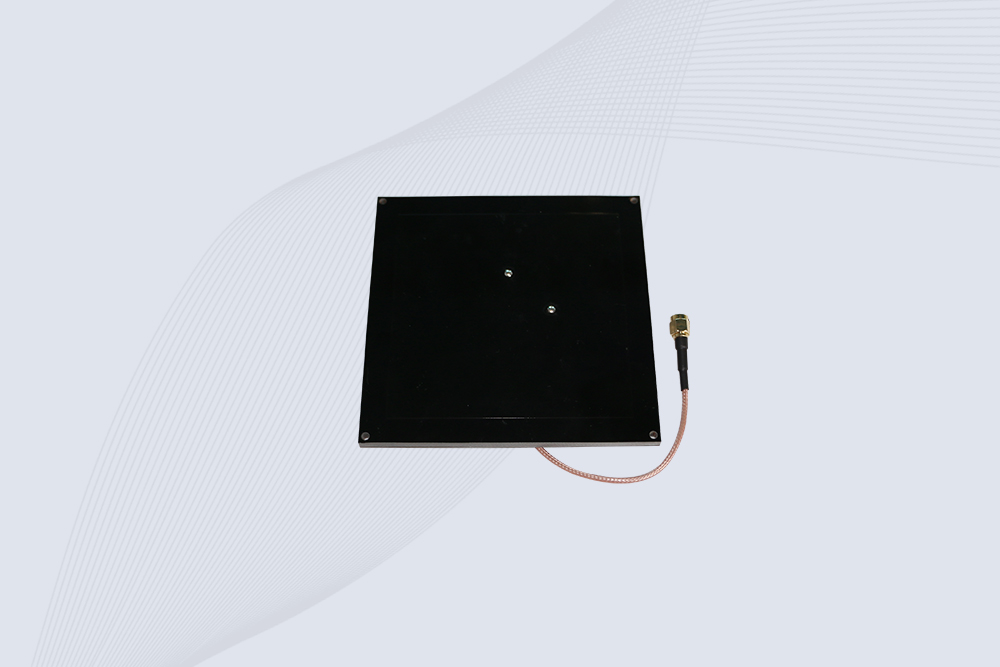
Create your own high-performance DIY RFID antenna! 5dBi gain, 840-960MHz tunable, step-by-step guides. Compatible with Arduino, Raspberry Pi, and commercial UHF readers.
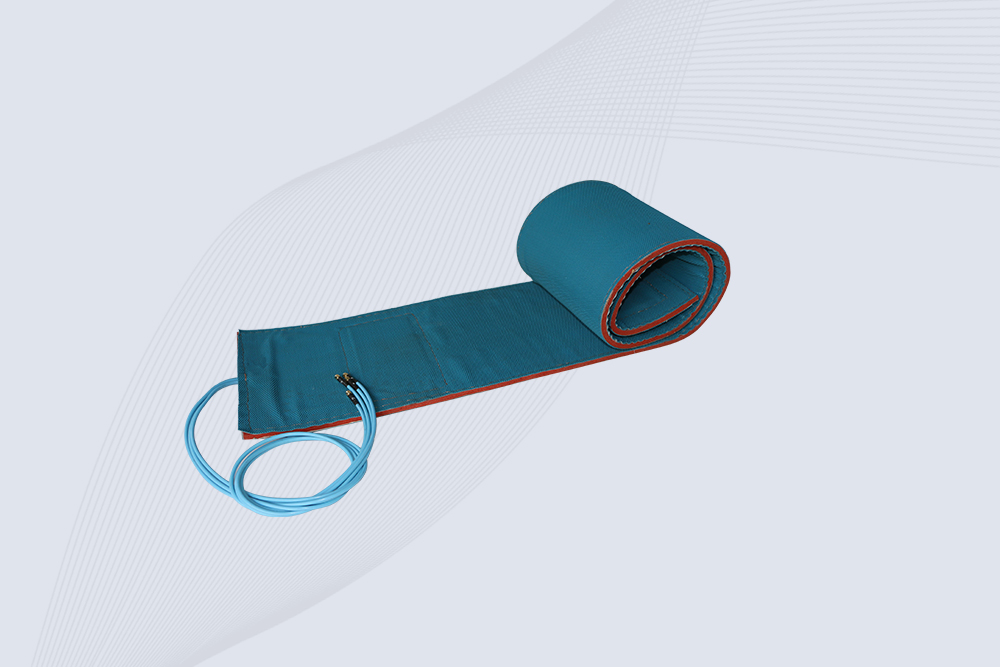
Cykeo CYKEO-A7 Flexible RFID Antenna features 840-960MHz wideband tuning, 7dBi gain, and IP68 rating for medical/retail/industrial curved surface deployments. 98% read accuracy with peel-and-stick installation.

Cykeo CYKEO-B5A industrial Passive RFID Antenna delivers 5dBi gain, 70° beamwidth, and -40°C~55°C operation for warehouses/smart cabinets. Compatible with Zebra/Impinj readers.
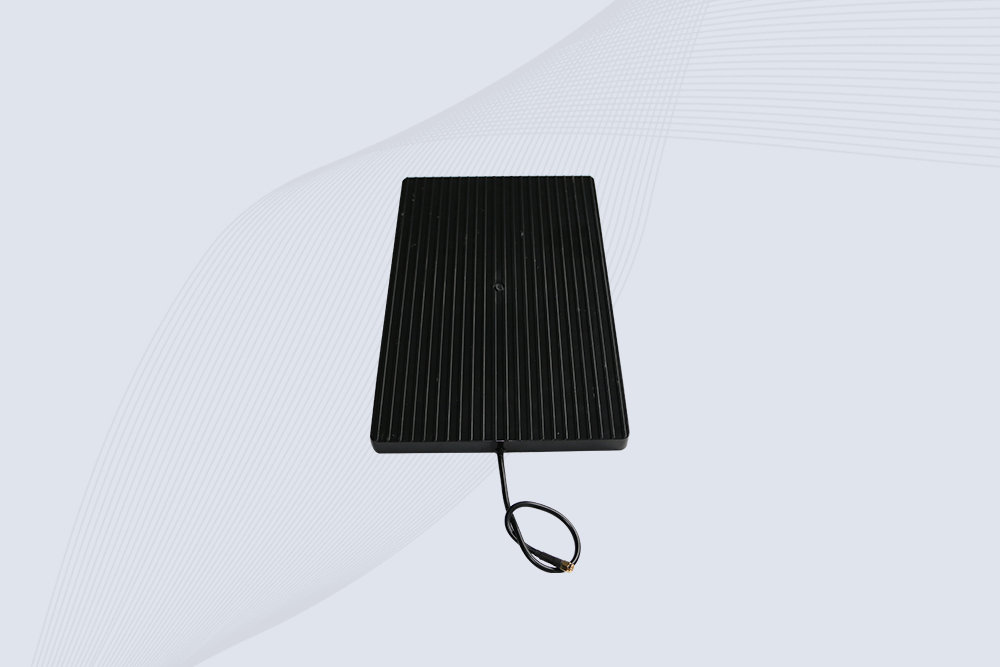
Cykeo’s CYKEO-A9B High Gain RFID Antenna delivers 15m+ read range with 9dBi amplification. Features IP54 rugged design, 840-960MHz bandwidth, and 80° beamwidth for warehouse/manufacturing RFID systems.

Cykeo’s enterprise-grade 8dbi Impinj RFID Antenna 10m+ read range with 840-960MHz tuning. Features IP65 housing, 1.4 VSWR, 35° beamwidth for retail/warehouse RFID systems.
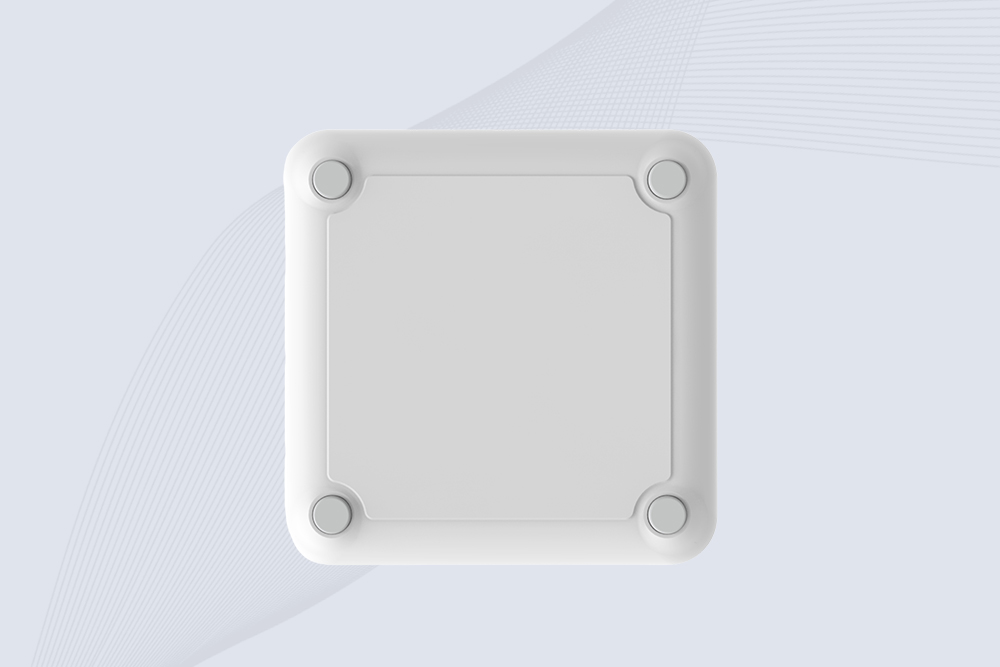
Cykeo CYKEO-A9 industrial UHF RFID antenna delivers 9dBi gain, 840-960MHz frequency range, and IP65 protection for warehouse/logistics/retail RFID systems. Features N-type connector and ≤1.3:1 VSWR.
CYKEO UHF RFID Antenna built for long-distance and industrial applications. This antenna rfid uhf delivers strong gain, outdoor durability, and reliable tag performance in warehouses, yards, and vehicle ID systems.
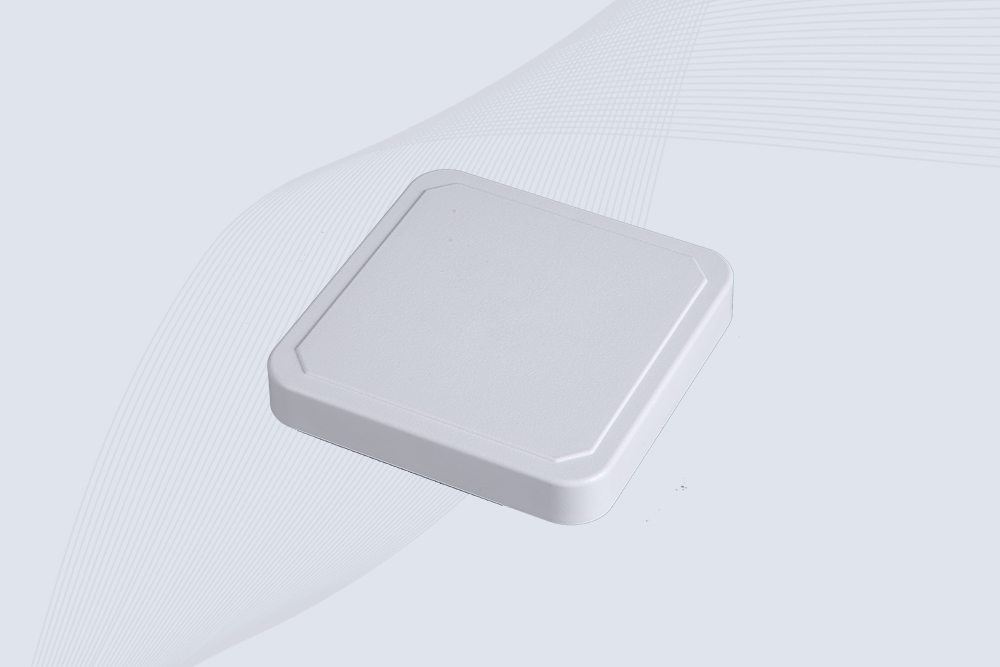
CYKEO Antenna RFID delivers reliable long-range UHF performance in warehouses, retail shelves, and cold-chain environments. This compact uhf rfid antenna provides stable reads with circular polarization and ultra-wide 840–960 MHz support, ideal for industrial tracking, smart shelves, and asset monitoring.
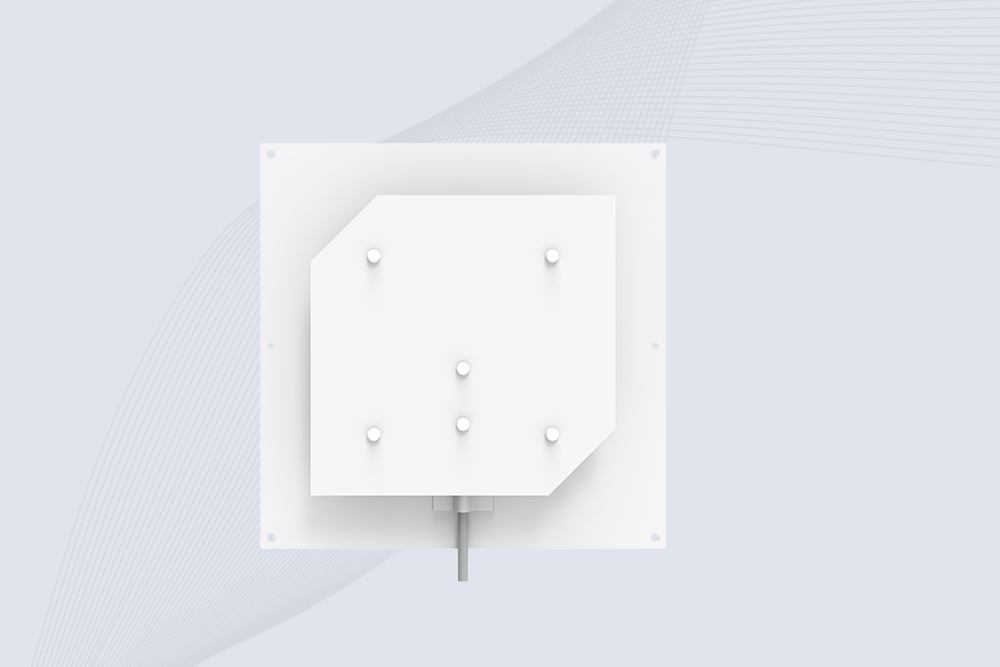
Cykeo’s CYKEO-C8 UHF RFID antennas delivers 8dBi gain, 840-960MHz full-band coverage, and IP65 ruggedness for manufacturing/warehouse RFID systems. Industrial RFID Antennas Features
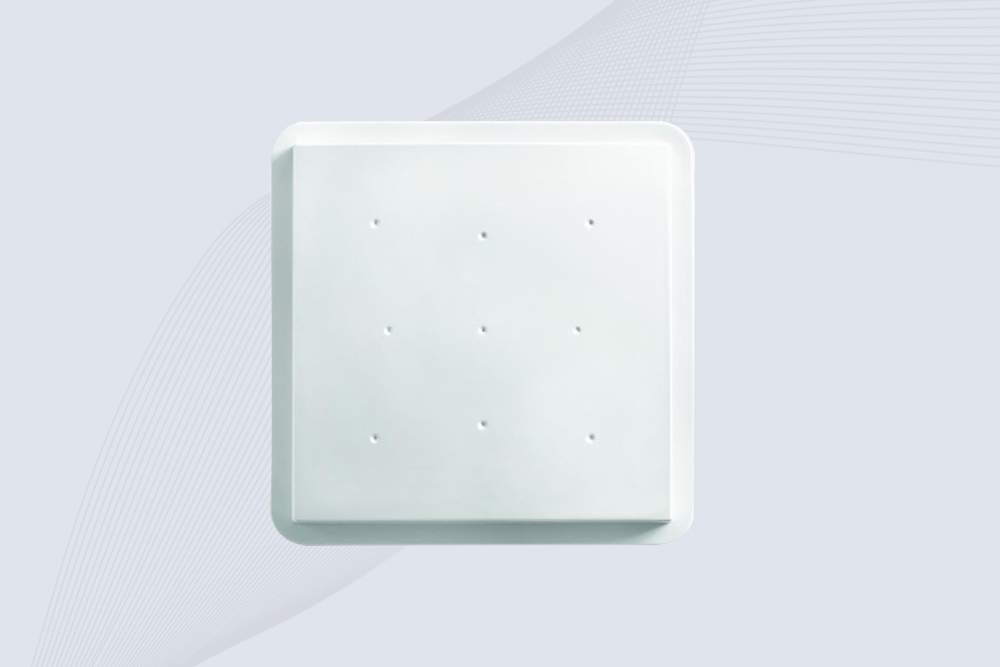
Cykeo’s 8dBi UHF RFID antenna and reader kit delivers 10m+ range, 840-960MHz broadband, and IP65 ruggedness for factories, warehouses, and logistics. ISO 18000-6C & EPC Gen2 certified.
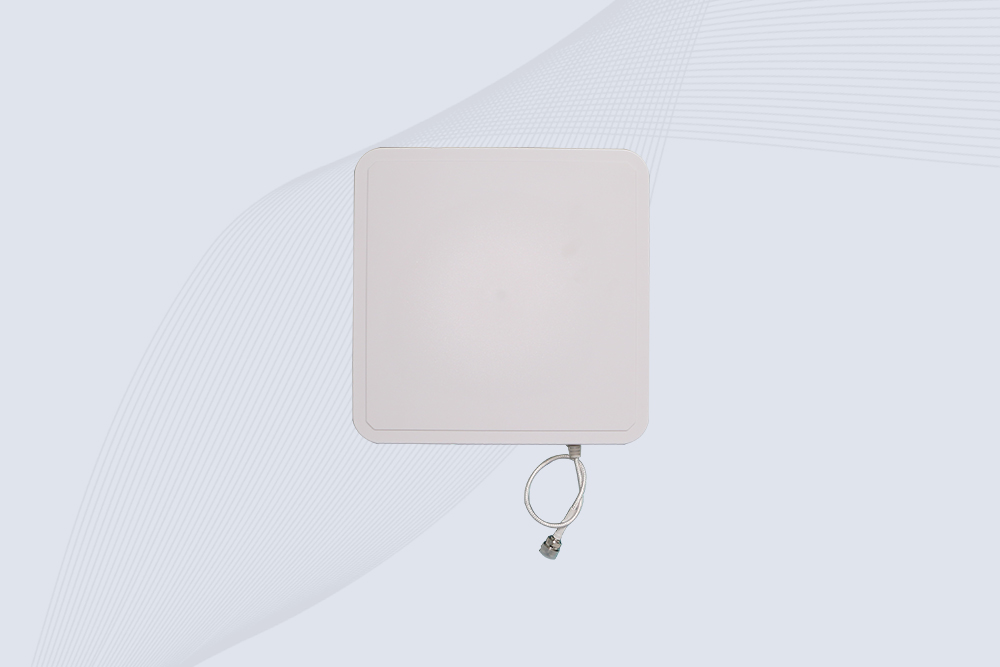
Cykeo CYKEO-A9A industrial UHF RFID reader and antenna kit delivers 10m range, 500 tags/sec, IP65 ruggedness for manufacturing/logistics. Supports EPC Gen2, ISO18000-6C.
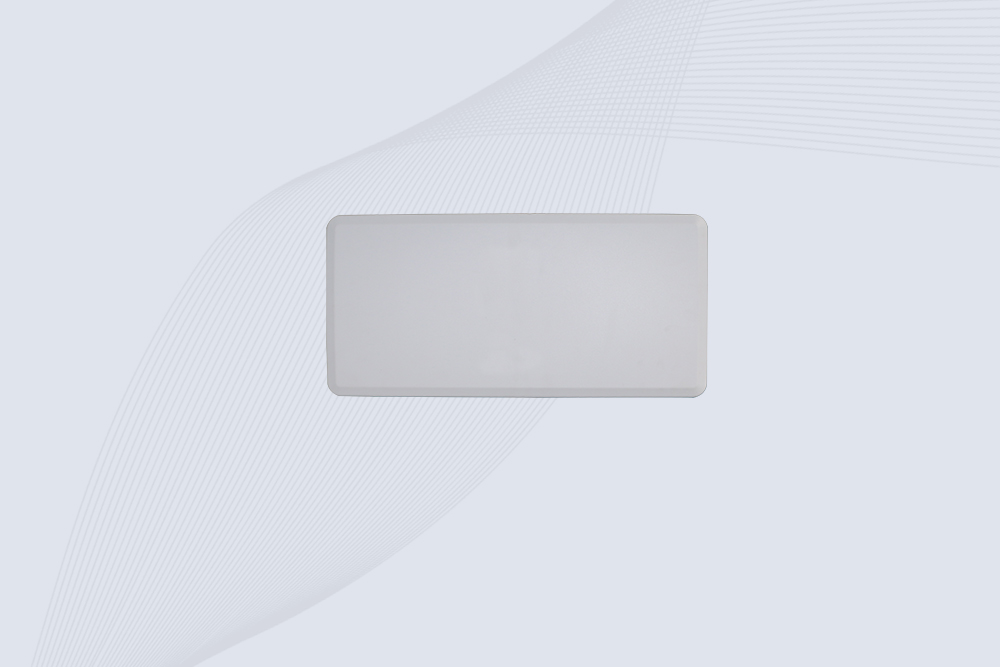
Cykeo’s CYKEO-A12C UHF Large RFID Antenna delivers 12dBi gain, 840-960MHz global frequency, IP65 ruggedness for logistics/warehousing/automotive. 40° beamwidth ensures stable 15m+ tag reads.

CYKEO Near Field RFID Antenna provides precise 5–30 cm reading for shelves, cabinets, and workstations. This compact rfid shelf antenna delivers stable short-range performance around metal and clutter, ideal for pharmacies, libraries, and electronics sorting.
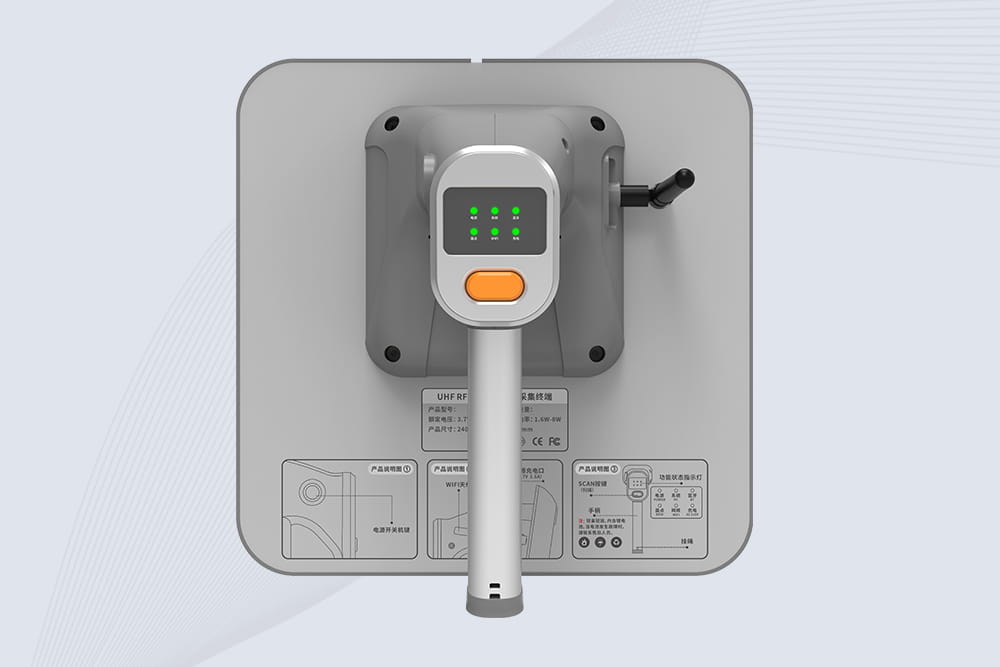
Cykeo CYKEO-B9 UHF Bluetooth handheld RFID scanner features 12m UHF range, 200+ tags/sec scanning, IP67 rugged design for retail/warehouse/pharma. Supports Android SDK & real-time Bluetooth 5.0 transmission.
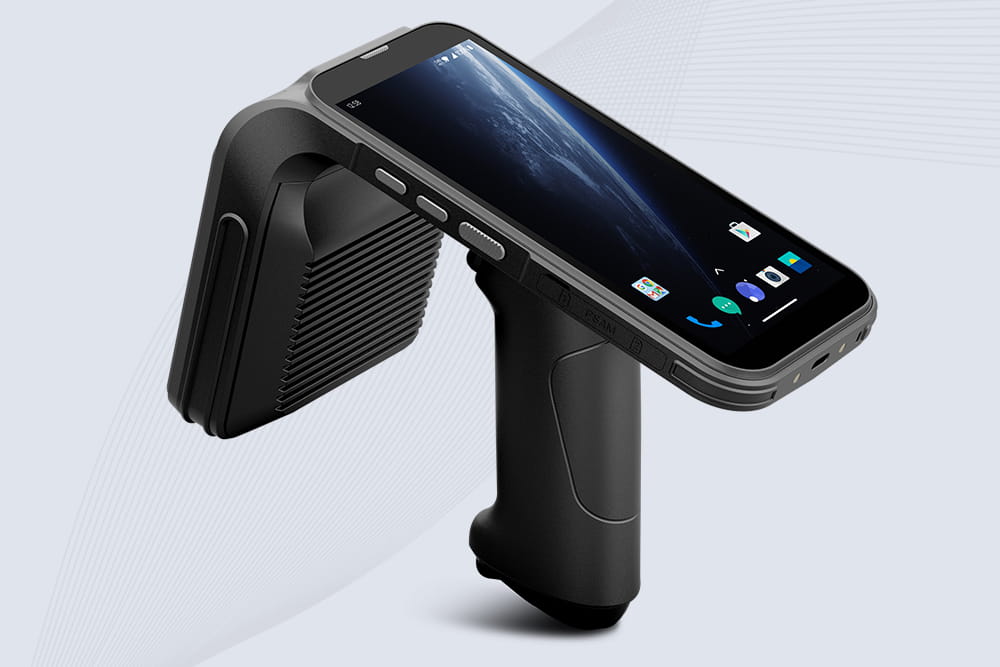
Cykeo CYKEO-B4 UHF Handheld RFID Reader scanner delivers 1300 tags/sec reading, 30m UHF range, and 12-hour battery life. IP65 rugged design with barcode/NFC/ID scanning for retail/manufacturing/logistics.
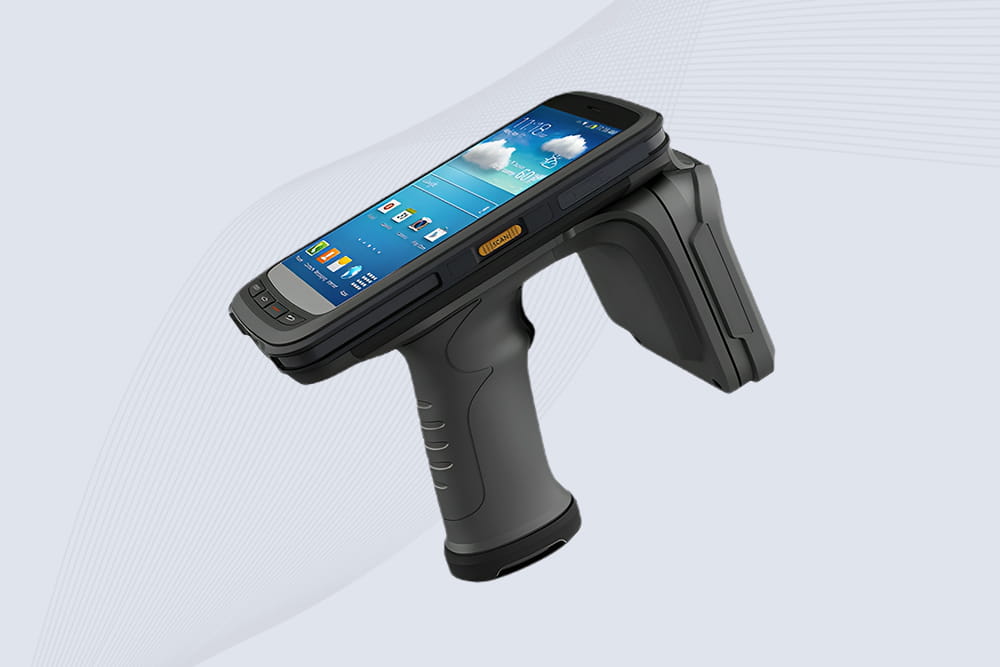
Cykeo CYKEO-B2 industrial UHF RFID handheld Scanner offers 10m range, 500 tags/sec scanning, Android 11 OS, and IP65 rugged design for retail/warehouse/manufacturing.
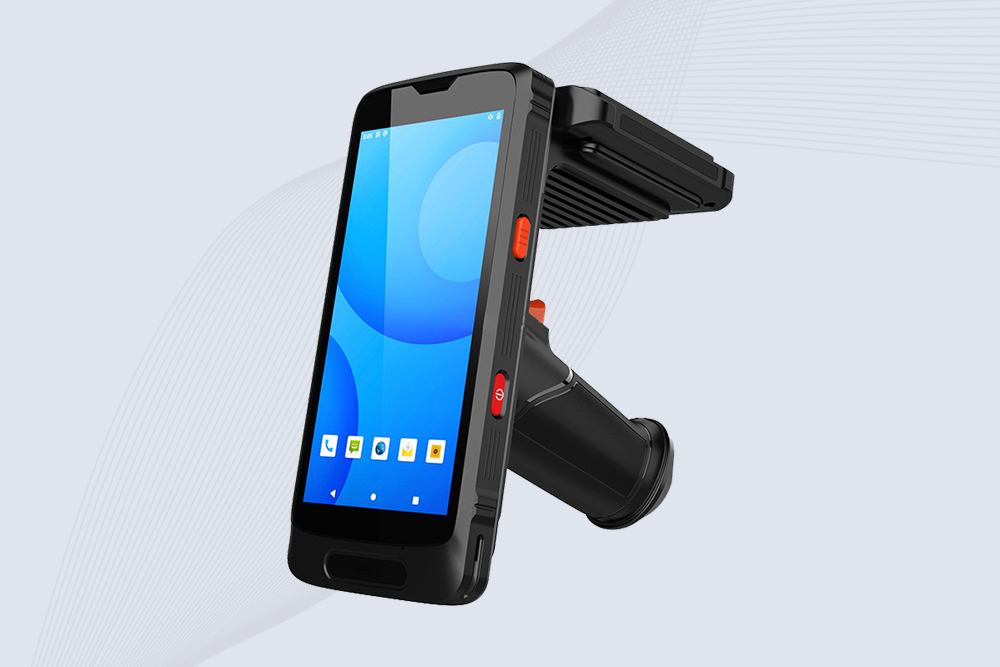
Cykeo CYKEO-B3 industrial RFID Reader Handheld, terminal offers 2m read range, multi-protocol scanning (NFC/barcode/ID), Android 10 OS, and IP65 ruggedness for logistics/retail/manufacturing.
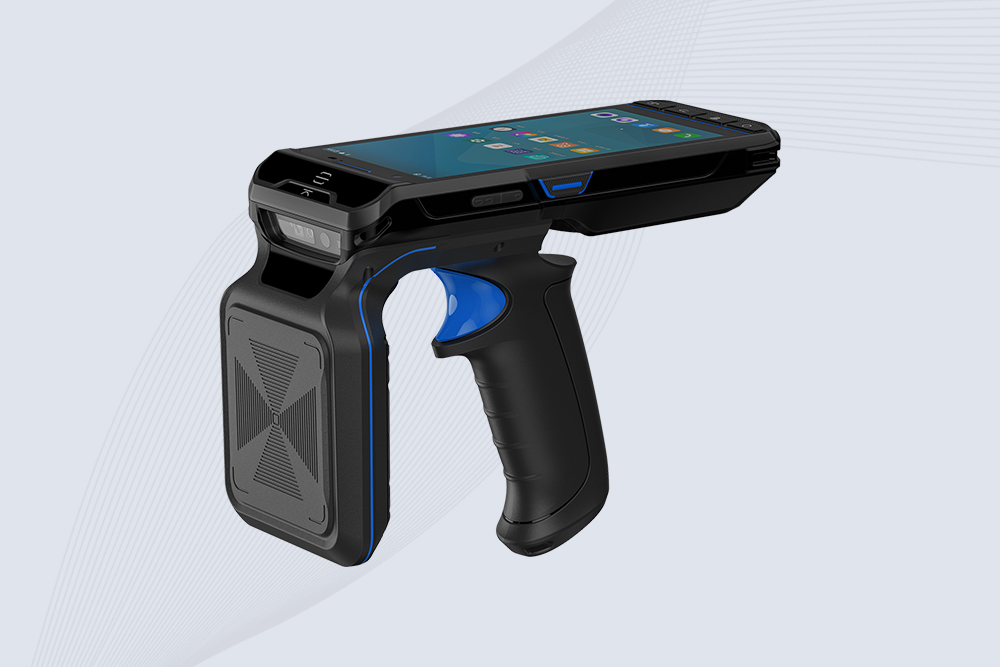
Cykeo CYKEO-B3L industrial handheld UHF RFID Reader terminal features 20m read range, 500 tags/sec scanning, Android 13 OS, 12-hour battery for logistics/retail/manufacturing. Supports barcode/NFC/ID reading.
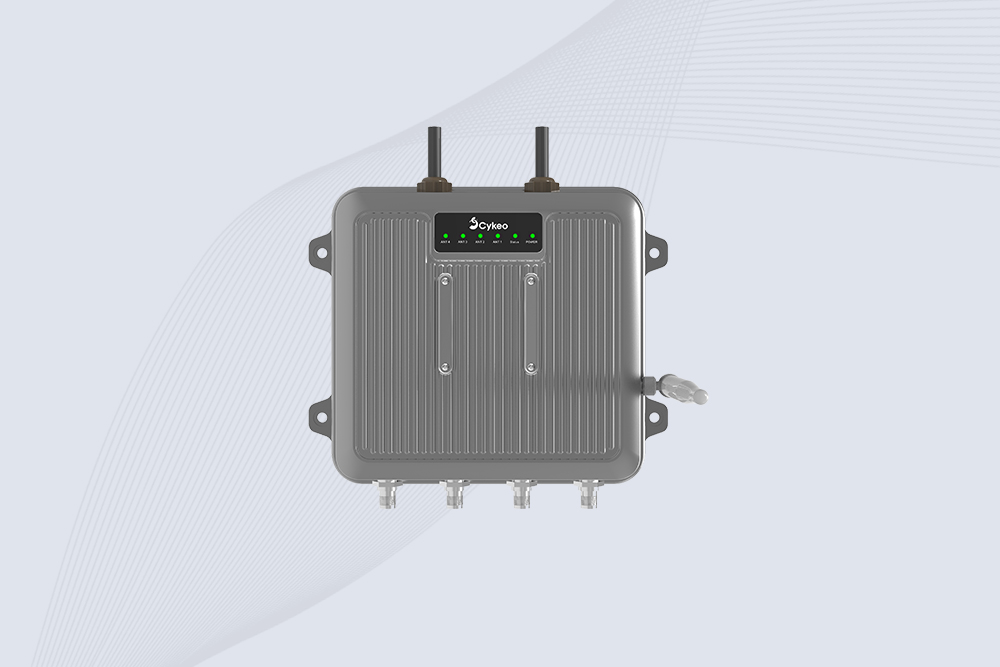
Cykeo CYKEO-C1 industrial Forklift RFID Reader features 20m read range, 600 tags/sec scanning, Impinj R2000 chipset, and IP67 rugged design. Ideal for warehouse logistics and manufacturing. Supports ISO 18000-6C/6B protocols.
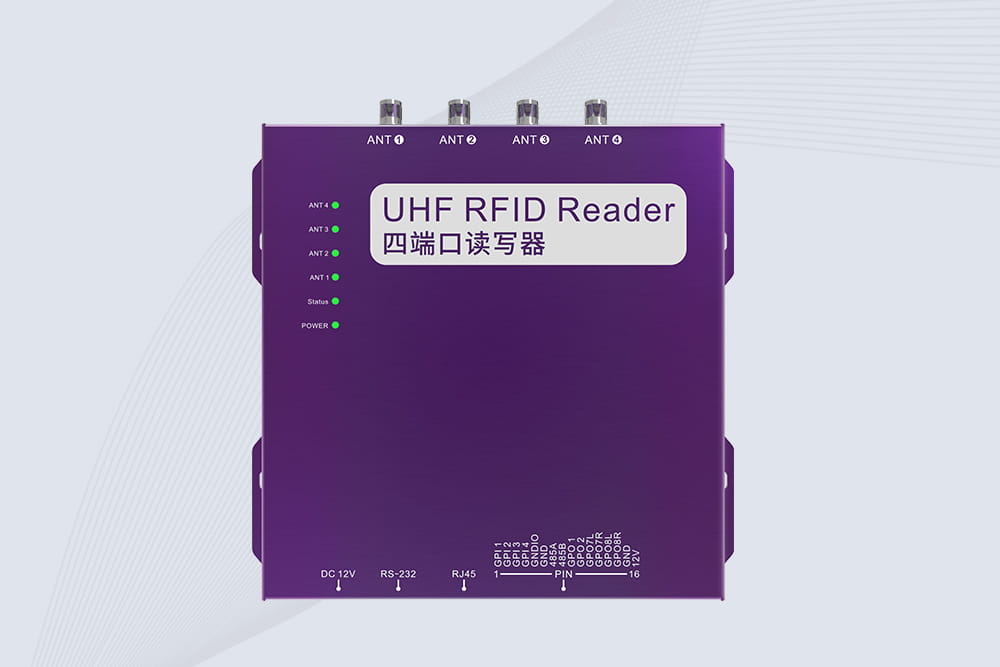
Cykeo CYKEO-R4 industrial UHF RFID Fixed Reader features 4 TNC ports, 400+ tags/sec speed, IP67 housing, and global frequency compliance for vehicle inspection, smart warehouse, and asset management systems.
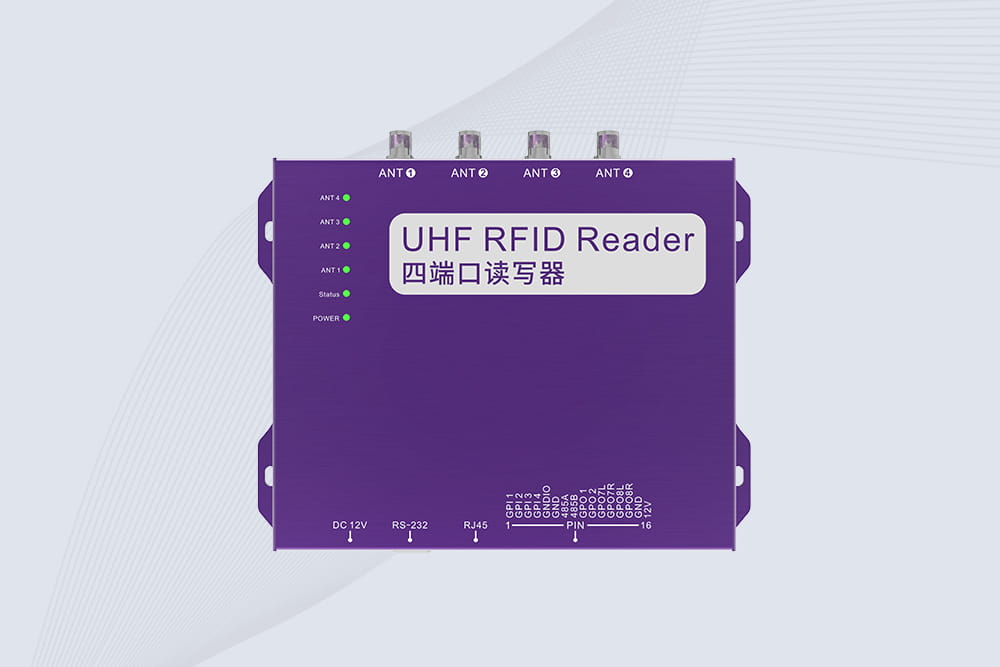
Cykeo’s CYKEO-R4L 4-port Fixed UHF RFID Reader delivers 400 tags/sec scanning, ISO 18000-6C compliance, and IP65 protection. Ideal for warehouse automation, manufacturing WIP tracking, and logistics management.
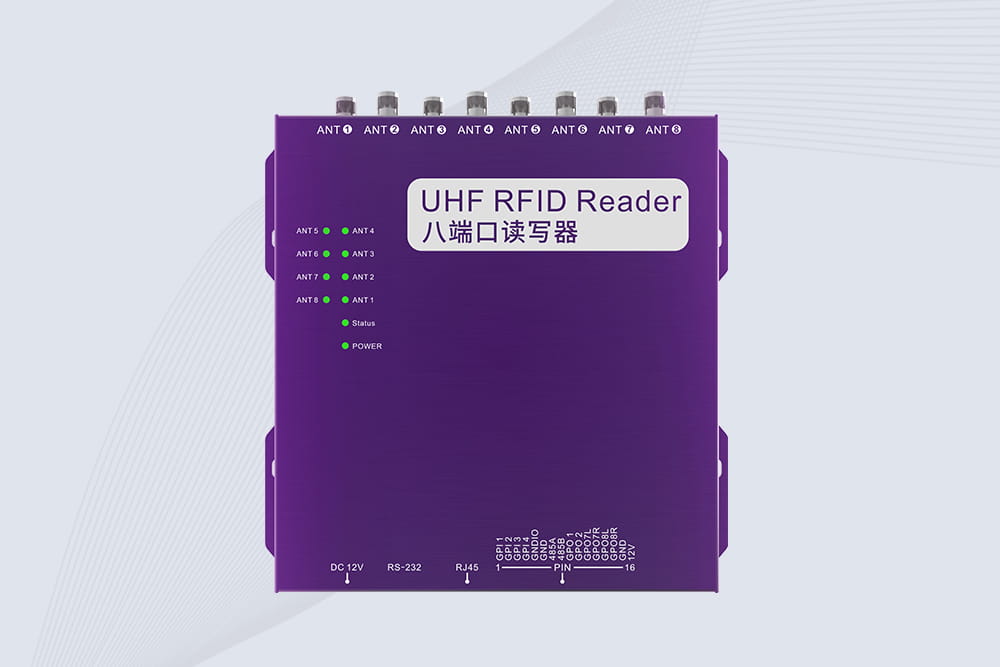
CYKEO CYKEO-R8L Fixed RFID Reader with 8-port UHF design, Impinj-based RF core and up to 20m read range. An industrial Fixed RFID Reader for vehicle inspection, warehouse portals, smart manufacturing lines and secure access checkpoints.
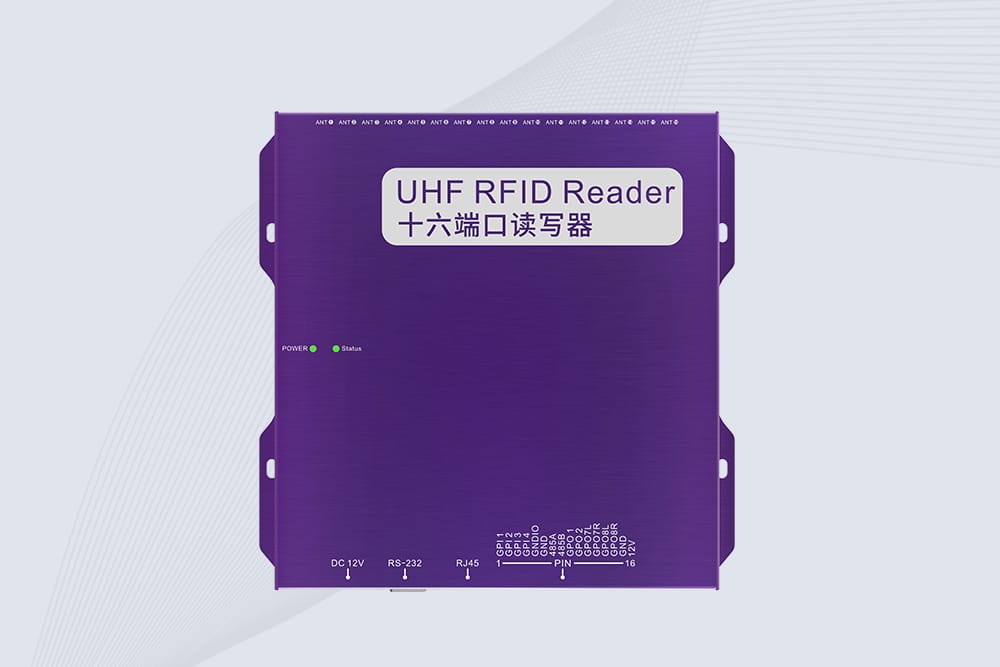
RFID Fixed Reader from CYKEO – the CYKEO-R16L 16-port UHF fixed reader for warehouses, smart cabinets, and production lines. Long-range, multi-tag reading, stable performance for 24/7 industrial use.

RFID tag reprogramming requires a writable RFID chip, compatible reader writer, correct software, and data verification to update tag information safely.
More
Learn proven strategies to improve RFID handheld reader battery life in field operations. Discover power-saving settings, maintenance tips, and Cykeo’s rugged solutions.
More
RFID chip tracking is widely used for assets, tools, and production flow. See where it works, where it fails, and how to deploy it correctly.
More
Learn how RFID readers are used in industrial automation for production lines, conveyors, work-in-process tracking and equipment identification. See what to ...
More