 Cykeo RFID IoT Solution Products R&D Manufacturer

what is a rfid label: A Practical Guide to RFID Labels
107An RFID label combines a printable label with an RFID chip and antenna to identify products, assets, and cartons wirelessly.
MoreAll RFID Product
What means RFID? RFID stands for Radio Frequency Identification. It is a technology that uses radio waves to identify tagged objects and exchange data with compatible readers without requiring direct contact or a visible barcode. Businesses use RFID to identify products, track assets, manage inventory, and automate identification workflows.
The term describes more than a small electronic label. RFID is a system in which a tag, reader, antenna, and software work together to connect a physical object with digital information. A tag might identify a carton in a distribution centre, a book in a library, or a tool in a maintenance room.
Unlike a conventional barcode, an RFID tag can often be read without being positioned directly in front of a scanner. Depending on the technology and installation, a reader may also identify multiple tags within its reading zone. That does not mean every tag can be read through every material or at any distance: frequency, tag design, orientation, and the surrounding environment all matter.
RFID means Radio Frequency Identification. Each part of the name describes a basic feature of the technology:
An RFID tag commonly contains a microchip and antenna. The chip stores an identifier or other supported data, while the antenna enables communication with the reader. The reader sends and receives radio signals, and connected software can associate the tag data with a product record, shipment, asset, or transaction.
In many inventory applications, the tag does not need to store an item’s full product description. It may carry an identifier that software uses to retrieve the relevant record from a database. This distinction matters: the tag provides identification data, while the connected system determines what that identification means for the business.
GS1’s RFID standards overview describes the standards used to identify items and support communication between RFID devices. For UHF applications, the EPC UHF Gen2 air-interface protocol specifies how compatible readers and tags communicate.
RFID works by exchanging data between a compatible tag and a reader through radio-frequency signals. The exact process depends on the tag type, but a typical passive UHF system follows three main stages.
A reader connected to an antenna generates the radio-frequency field used to communicate with tags. When a compatible passive tag enters the effective reading zone, it can use energy from that field to respond.
The tag responds with stored information, often an identifier. In passive UHF RFID, this response commonly uses backscatter: the tag modulates the reflection of the reader’s signal rather than transmitting like a battery-powered radio.
The reader forwards the data to a connected application. The application can compare the identifier with inventory records, update a configured workflow, or flag an unexpected item.
The process is quick, but a reliable installation still needs careful planning. If a reader detects tags from two adjacent storage areas, the software may receive valid identifiers that are irrelevant to the current task. Antenna placement and read-zone configuration therefore matter as much as the reader’s headline specifications.
RFID systems are commonly grouped by frequency and by whether the tag uses a battery. These differences affect reading distance, hardware design, and the applications for which a system is suitable.
| RFID type | Common frequency | Typical applications |
|---|---|---|
| LF (Low Frequency) | 125–134 kHz | Animal identification and selected access-control applications |
| HF (High Frequency) | 13.56 MHz | Contactless cards, document identification, and NFC-related applications |
| UHF (Ultra-High Frequency) | Approximately 860–960 MHz, depending on regional regulations | Warehouse inventory, logistics, and retail stock tracking |
Passive UHF RFID is widely used for supply-chain applications. GS1 explains that RAIN RFID tags can be read at distances well beyond 10 metres in suitable circumstances, although the actual range depends on the equipment, tag, antenna, and environment.
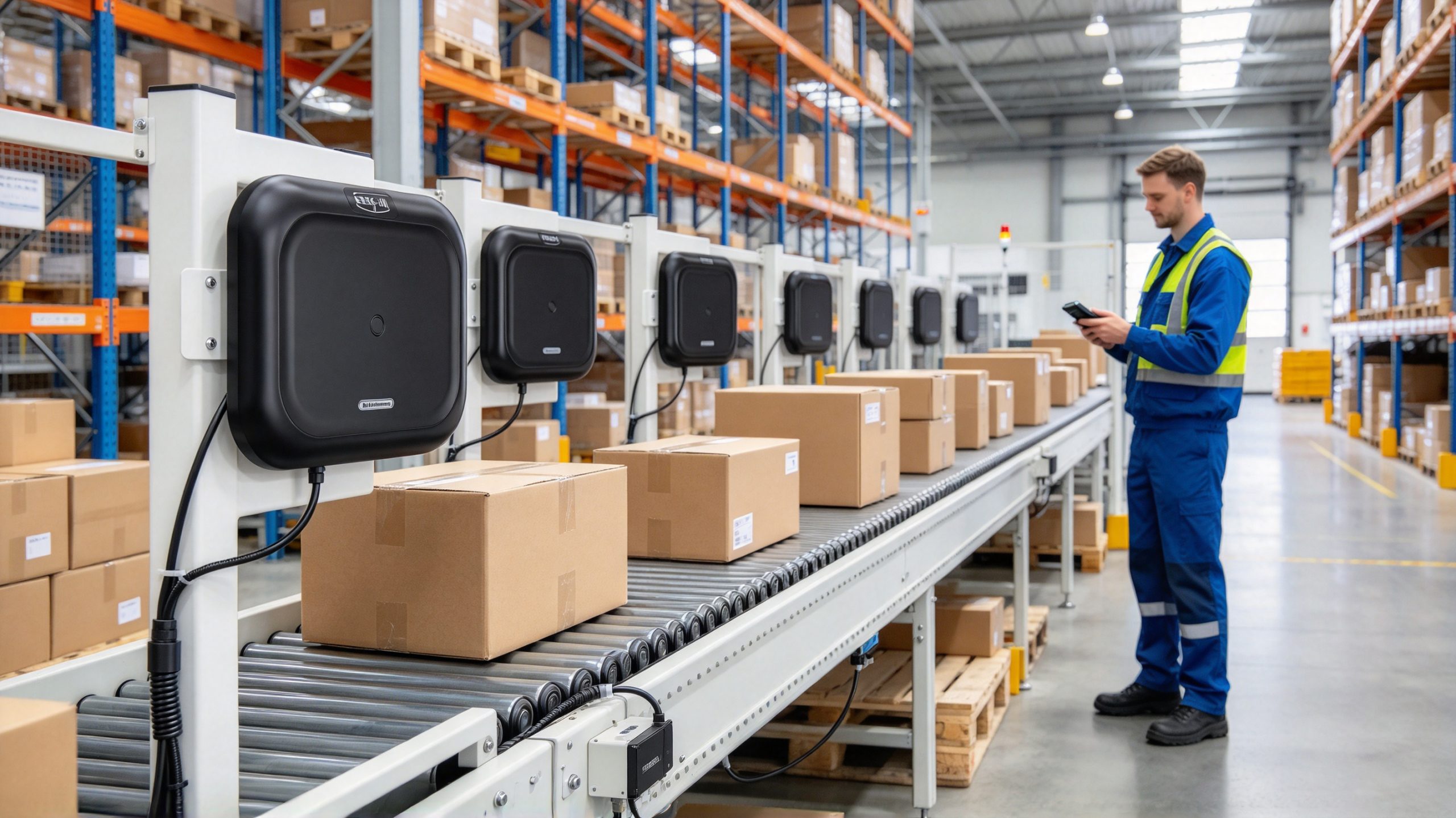
RFID appears in many industries because the same basic principle—identifying an object electronically—can support different workflows.
The useful insight is that RFID does not automatically know what an item is or whether a business action is correct. A tag supplies an identifier; software connects that identifier to the appropriate record and decides what happens next.
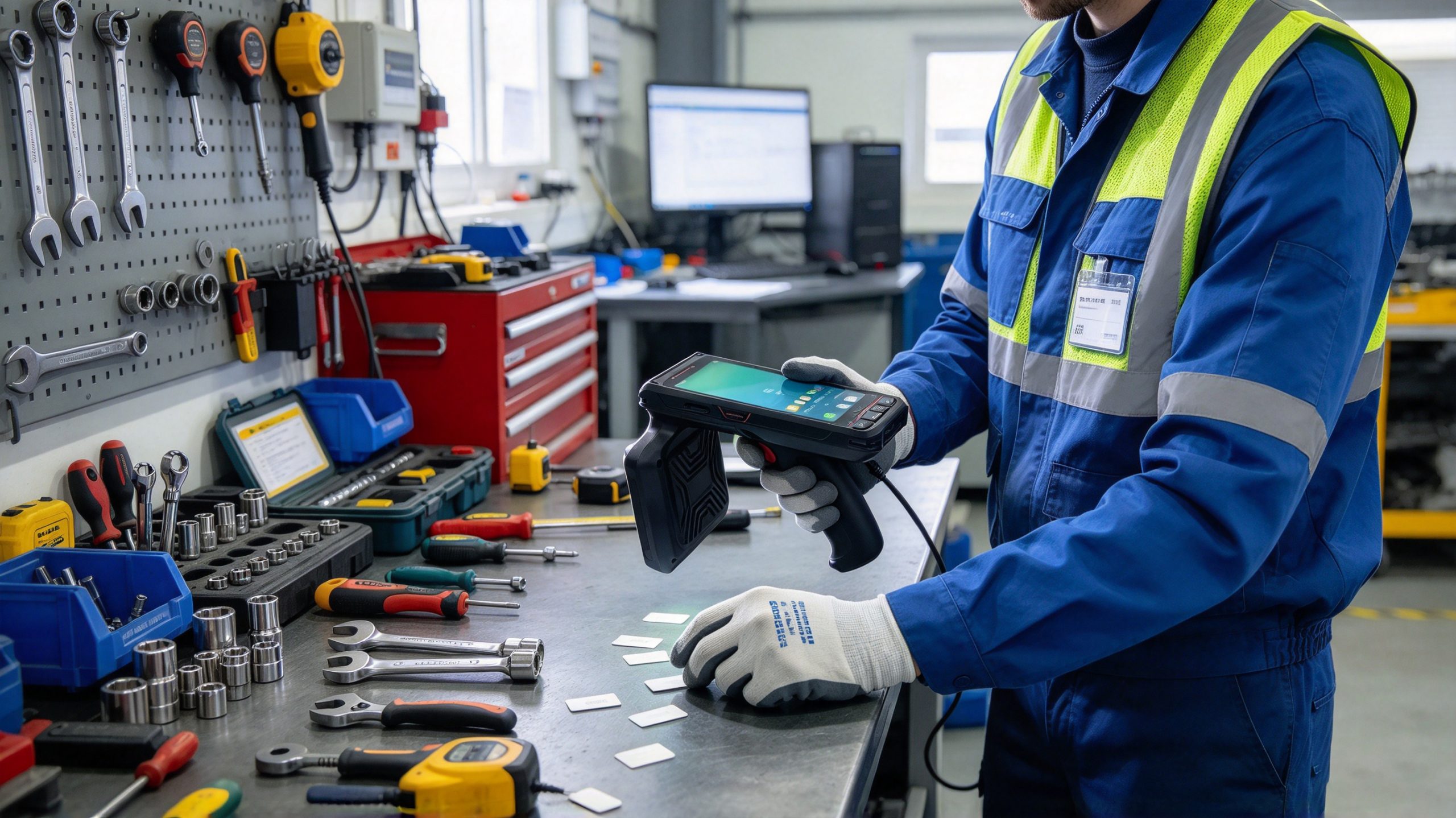
Understanding what means RFID is the first step. Choosing the right system requires matching the technology to the objects, environment, and workflow involved.
GS1’s published guidance notes that passive UHF RFID typically supports reading over several metres, with up to 15 metres possible in special circumstances. Antenna design, tag orientation, reader power, and surrounding materials all influence the result.
A practical example: if a company needs to track metal maintenance tools, a standard label selected only for its low cost may not be appropriate. A tag designed for metal mounting, tested with the intended reader and antenna, is a more reliable starting point.
RFID means Radio Frequency Identification. It is a way to identify tagged objects using radio waves rather than relying solely on visual scanning. A reader captures data from a compatible tag, and software can use that information to identify products, track assets, or update records.
RFID stands for Radio Frequency Identification. The name describes a technology that uses radio-frequency signals to communicate with electronic tags and identify objects.
No. A reader can communicate with a compatible RFID tag without an internet connection. However, access to a network or local computer system may be needed to send captured information to a central database, update inventory, or share records across business locations.
Yes. RFID does not generally require the direct line of sight needed by barcode scanning. However, objects, liquids, metal, tag orientation, and the surrounding radio environment can affect whether a tag is detected successfully.
No. Tags and readers must support compatible frequency bands and communication protocols. A reader designed for UHF RFID will not automatically read every LF or HF tag. Verify the frequency, protocol, and regional operating requirements before selecting equipment.
There is no universal reading distance. LF and HF systems are commonly used at shorter distances, while passive UHF systems can often read tags several metres away. GS1 notes that UHF ranges of up to 15 metres may be possible in special cases, but the actual distance depends on the installation.
What means RFID? It means Radio Frequency Identification: a technology for identifying objects through radio-frequency communication. RFID Tags, RFID readers, RFID antennas, and software work together to connect physical items with digital records.
For businesses, the important decision is not simply whether to use RFID, but which type of RFID fits the application. Frequency, tag construction, reading distance, and software integration all influence system performance. Cykeo’s RFID solutions support applications such as item identification, inventory workflows, and industrial asset management, with equipment selection guided by the requirements of the deployment.
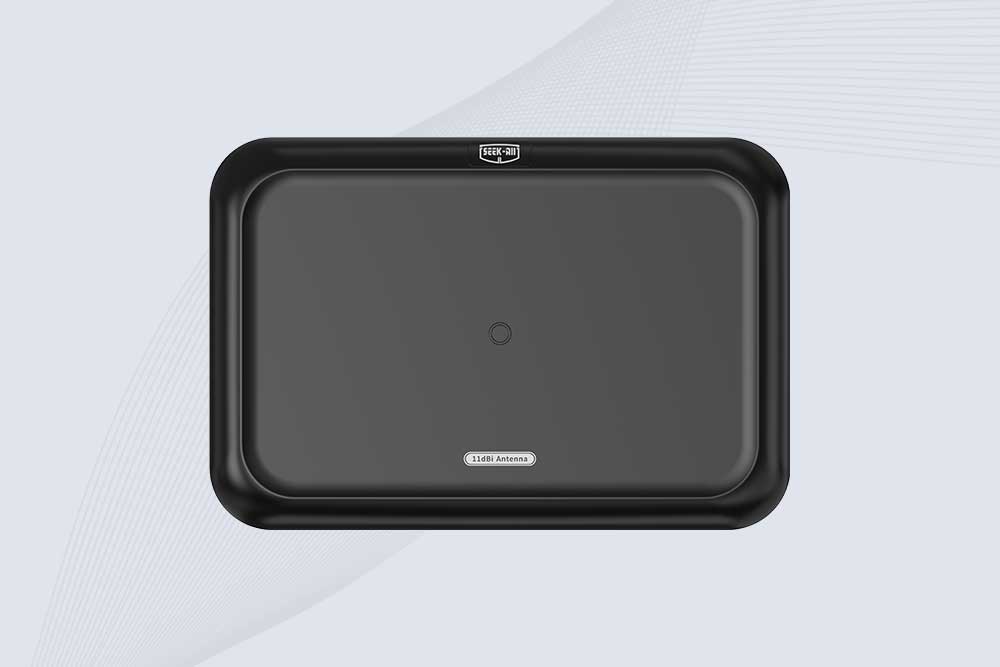
SSD-A11 UHF RFID antenna features 840–960 MHz adjustable frequency, ≥10.5 dBi gain, circular polarization and 50Ω impedance for fixed RFID systems.
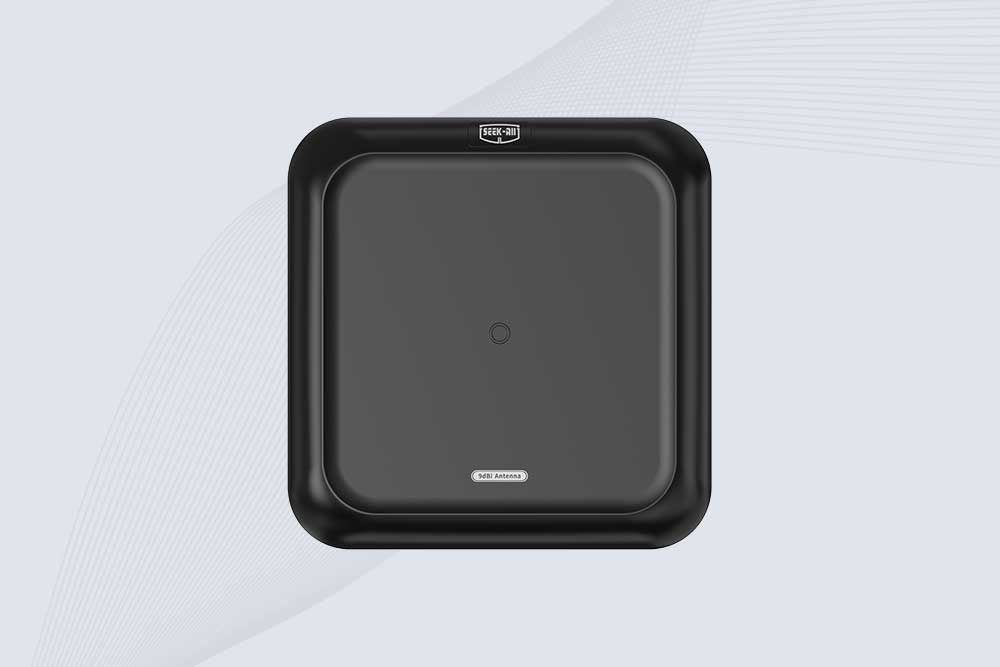
SSD-A09 is a 9 dBi UHF RFID antenna with 840–960 MHz adjustable frequency, circular polarization, 50Ω impedance and directional 60° × 60° coverage.
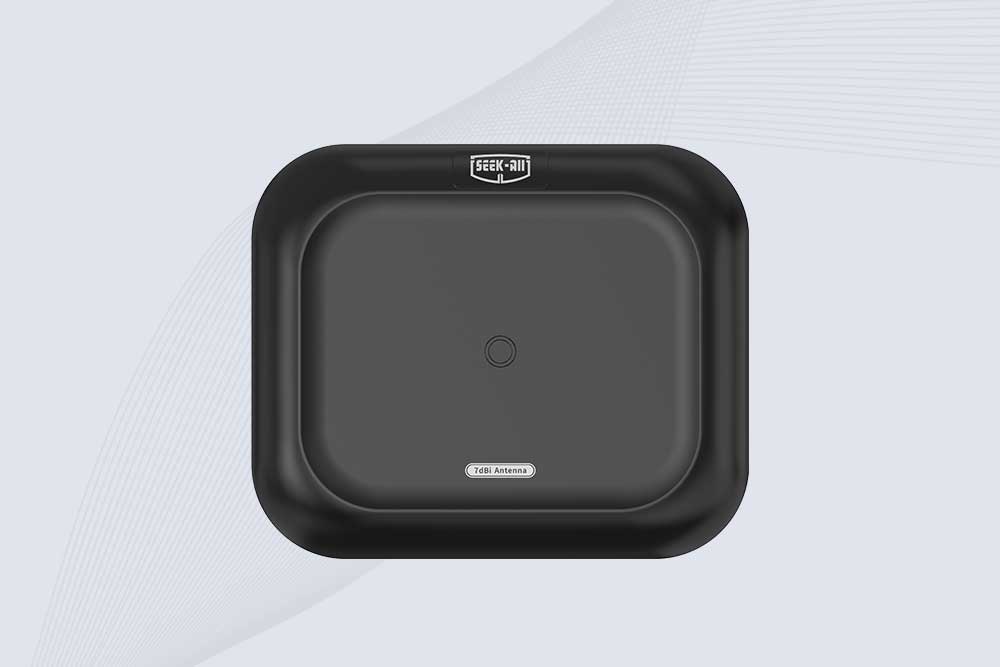
Explore the SSD-A07 UHF RFID antenna with 7 dBi gain, circular polarization, adjustable 840–960 MHz frequency, and 60°/75° beamwidth for stable RFID read/write performance.

SSD-A06 UHF RFID antenna with circular polarization, adjustable 840–960 MHz frequency, ≥4.5 dBi gain, and a compact directional design for RFID systems.

Discover SSD-D4AL, a USB-HID UHF RFID reader with 4/8/16 antenna options, Impinj E710/X3M1 chipset, plug-and-play USB power, and OEM customization.
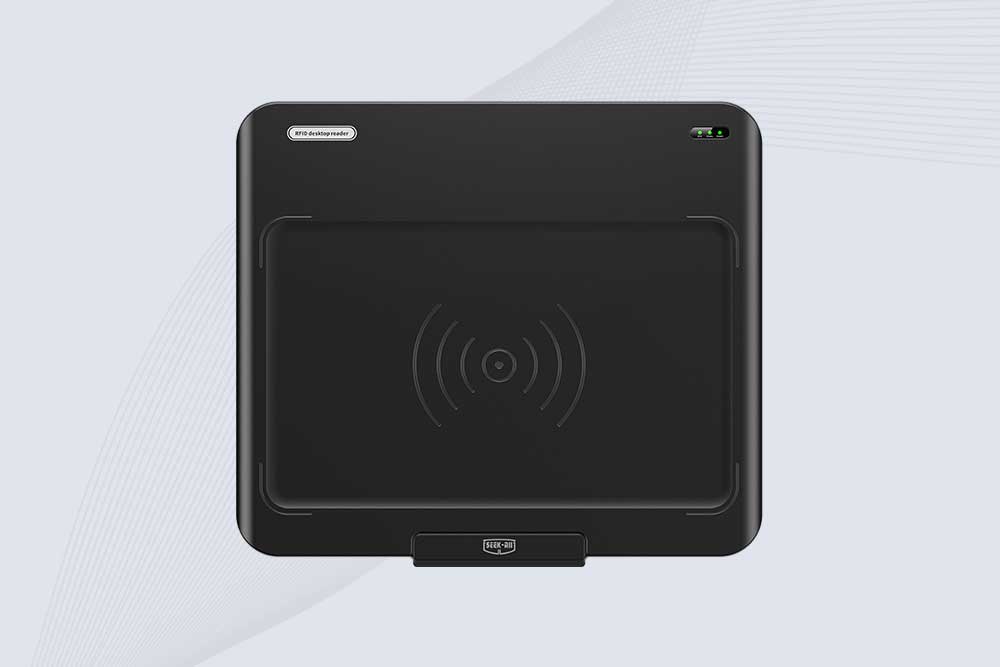
SSD-D3AL is a USB-HID UHF RFID reader with 0–30 cm reading, 0–15 cm writing, over 600 tags/s recognition, USB plug-and-play operation and OEM Logo customization.
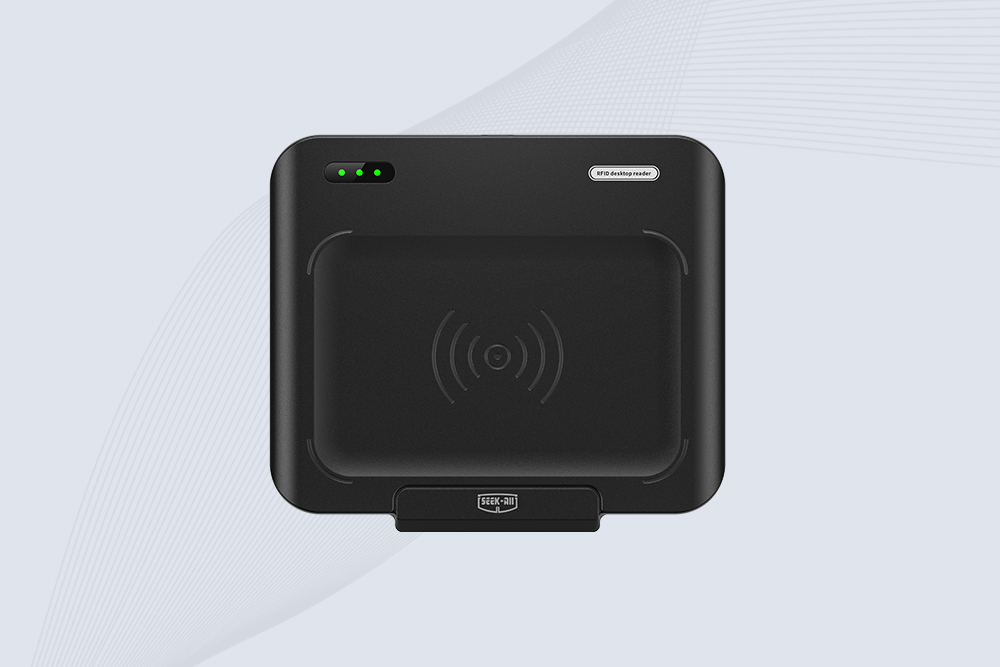
SSD-D1AL is a compact USB UHF RFID reader with Impinj E710/X3M1 chipset, USB-HID, 600+ tags/s recognition, 4/8/16 antenna support and plug-and-play USB power.

SSD-R16L Multi-Channel RFID Infrastructure for Automated Inventory Management ✔️ 16-Port High-Density RFID Reading Equipped with 16 SMA antenna ports, SSD-R16L supports multi-antenna deployment for warehouses, retail stores, logistics, production lines, and large-area RFID identification. ✔️ High-Speed & Long-Range Performance With up to 33…

SSD-R8L 8-port UHF RFID reader with 33dBm output, up to 20m reading range and 600+ tags/s recognition. Ideal for warehouse, logistics, retail and asset tracking.

SSD-R4L is a 4-port UHF RFID fixed reader with 33dBm output power, up to 20m reading range, EPC C1G2 support and 600+ tags/s reading speed.

CYKEO CYKEO-D1LA USB RFID Reader is a compact desktop solution with near-field control for precise tag reading and encoding. Powered by USB, supporting ISO 18000-6C, and built for stable batch writing, this usb rfid tag reader fits retail, libraries, offices, and controlled RFID encoding tasks.
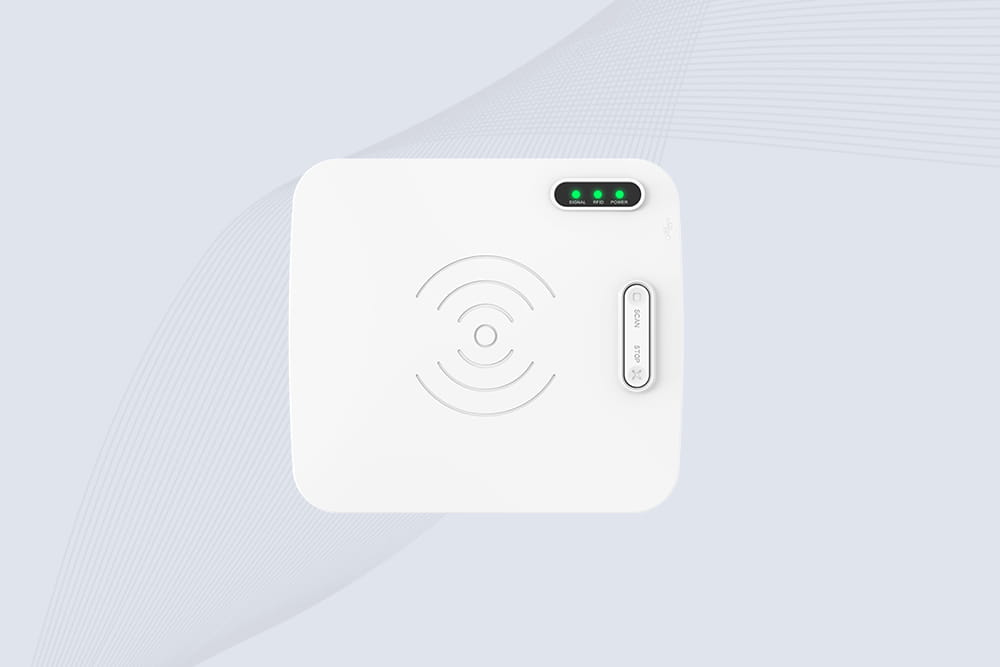
CYKEO CYKEO-D1L RFID scanner USB is a compact desktop UHF RFID scanner designed for short-range tag writing and verification. This usb rfid scanner supports batch encoding, stable 0–26 dBm output, and works across Windows, Linux, and Android systems.
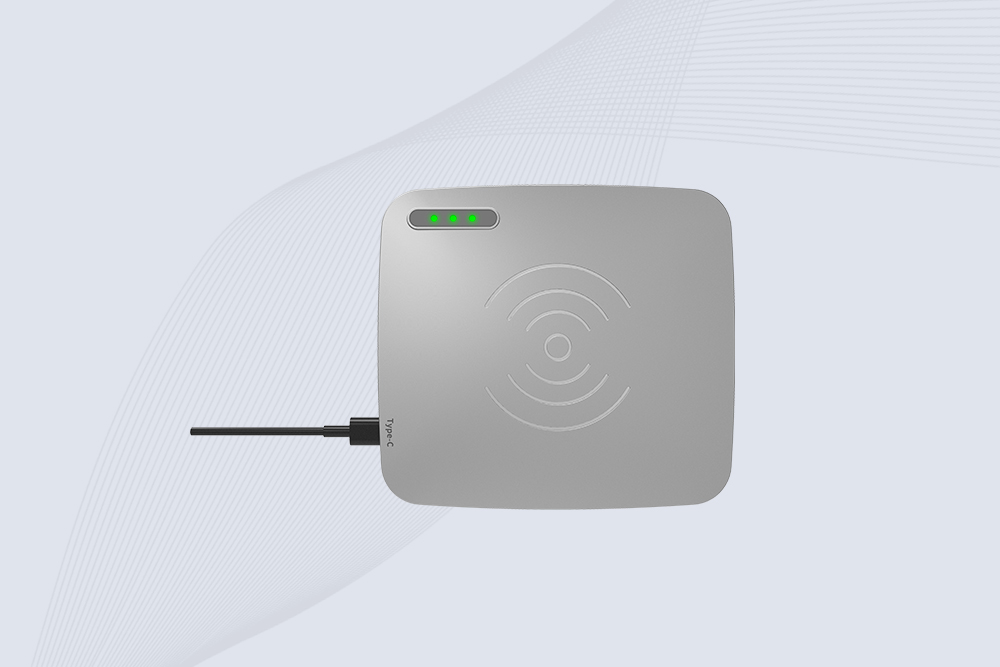
CYKEO CYKEO-D1C USB RFID Card Reader is a near-field UHF desktop writer designed for secure, short-range tag encoding. With USB-C connectivity and stable 26 dBm output, this rfid reader usb c is ideal for badge issuance, label encoding, and controlled desktop RFID workflows.
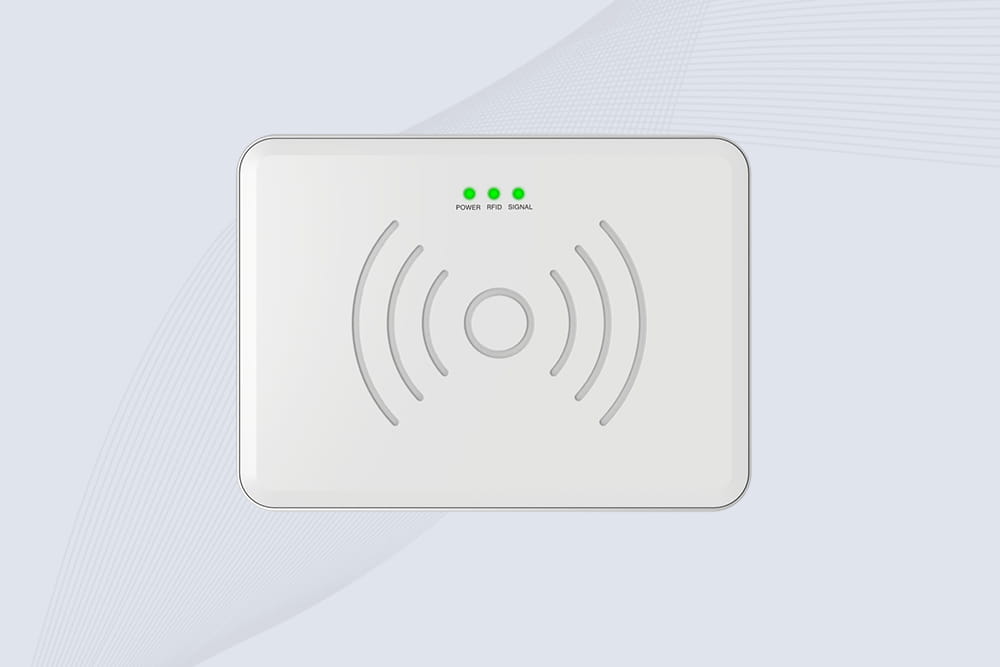
CYKEO CYKEO-D2L RFID Reader USB is a compact desktop encoder built on the Impinj R500 chip. With near-field control and stable USB power, this usb rfid card reader delivers precise tag writing for offices, retail counters, and small-scale logistics encoding tasks.
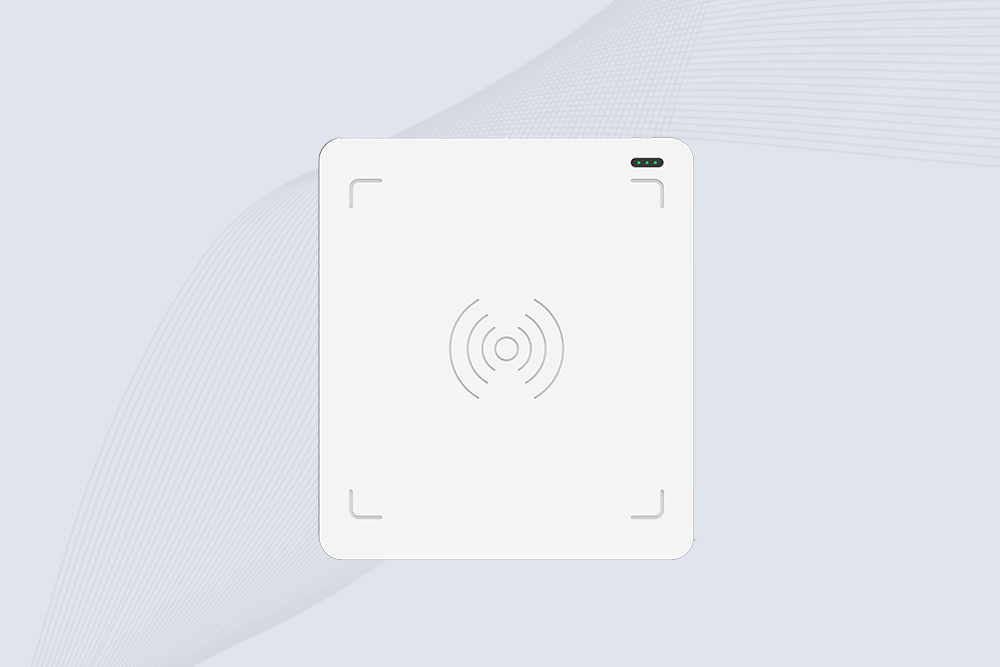
CYKEO CYKEO-D3L USB RFID Tag Reader delivers stable UHF tag reading and writing for daily desktop and light industrial tasks. Designed for controlled short-range operation, this USB RFID Tag Reader works reliably with rfid tag and reader systems in libraries, tool tracking, and inventory registration.
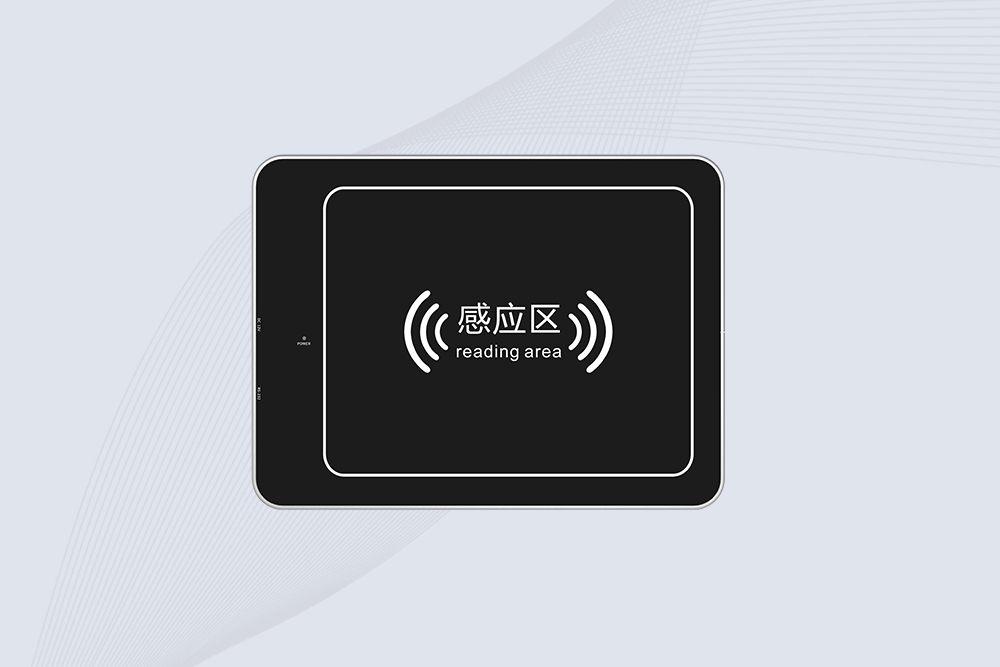
The CYKEO CYKEO-D4L UHF RFID Tag Reader is a stable Desktop RFID Reader designed for accurate tag registration, borrowing, and return workflows. Built with the Impinj R2000 chip, this UHF RFID Tag Reader delivers controlled short-range reads for libraries, asset tracking, and inventory management environments.
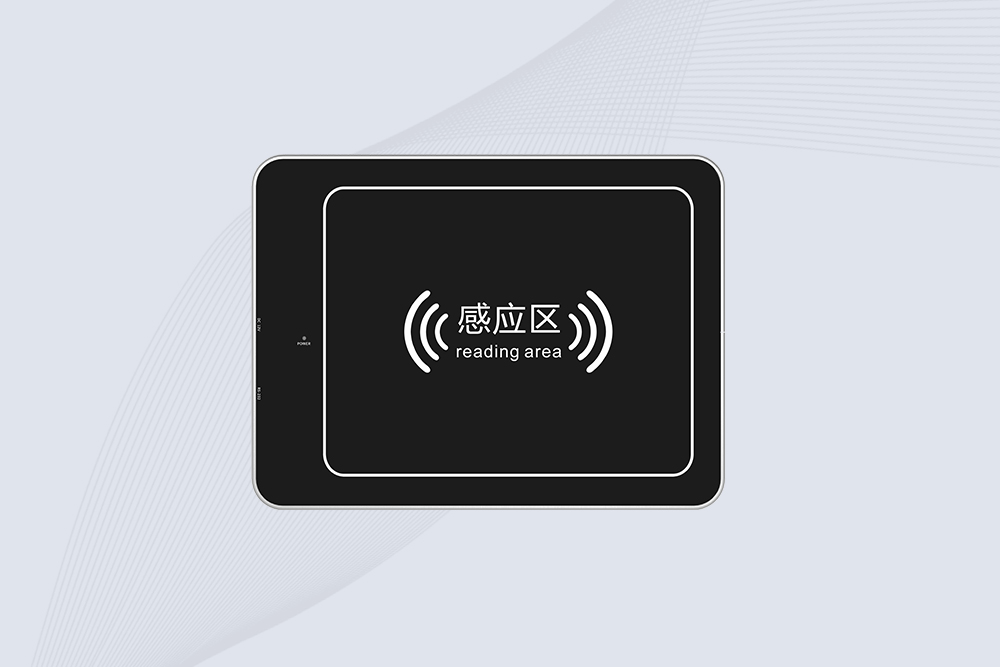
The CYKEO CYKEO-D5L Desktop RFID Card Reader is a stable UHF RFID Card Reader designed for controlled short-range reading and writing. Built for libraries, tool rooms, and asset desks, this UHF RFID Card Reader supports dense tag handling, secure data processing, and easy USB integration.
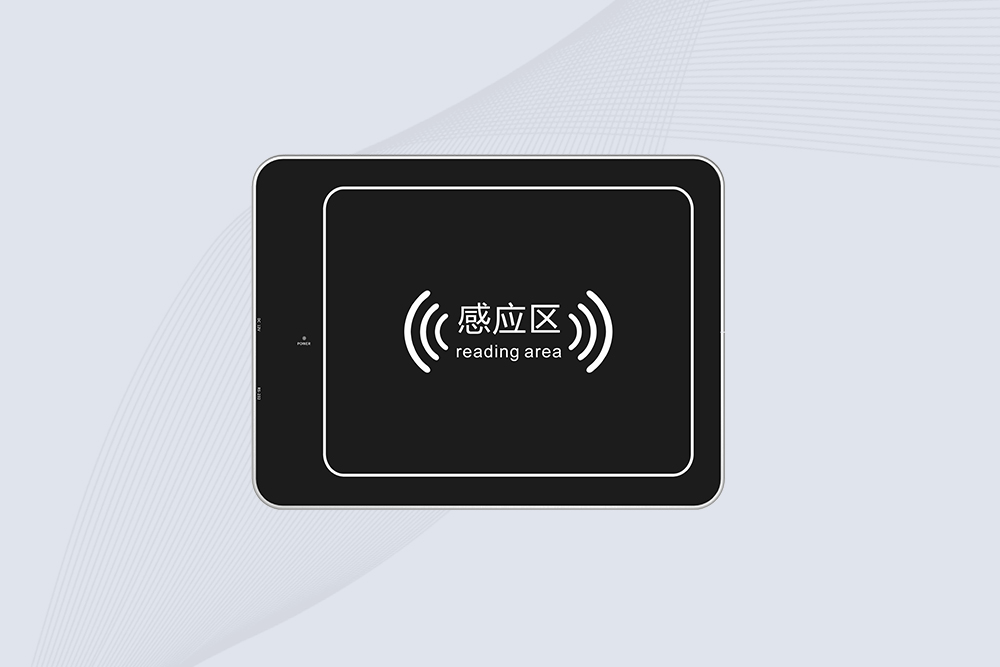
The CYKEO CYKEO-D6L RFID Reader Writer is a heavy-duty Desktop RFID Reader designed for short-range, high-accuracy tag programming. Built for libraries, labs, and asset desks, this RFID Reader Writer supports batch processing, stable 33dBm output, and seamless integration with existing management systems.
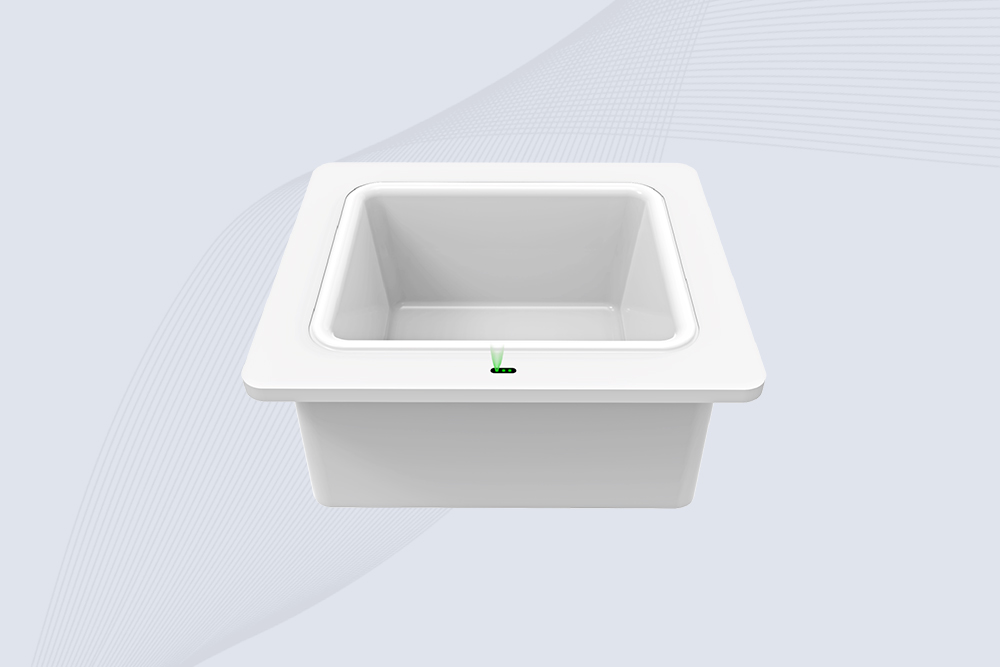
Cykeo CYKEO-D8B UHF RFID tunnel and RFID Desktop Reader features 30+ items batch reading,
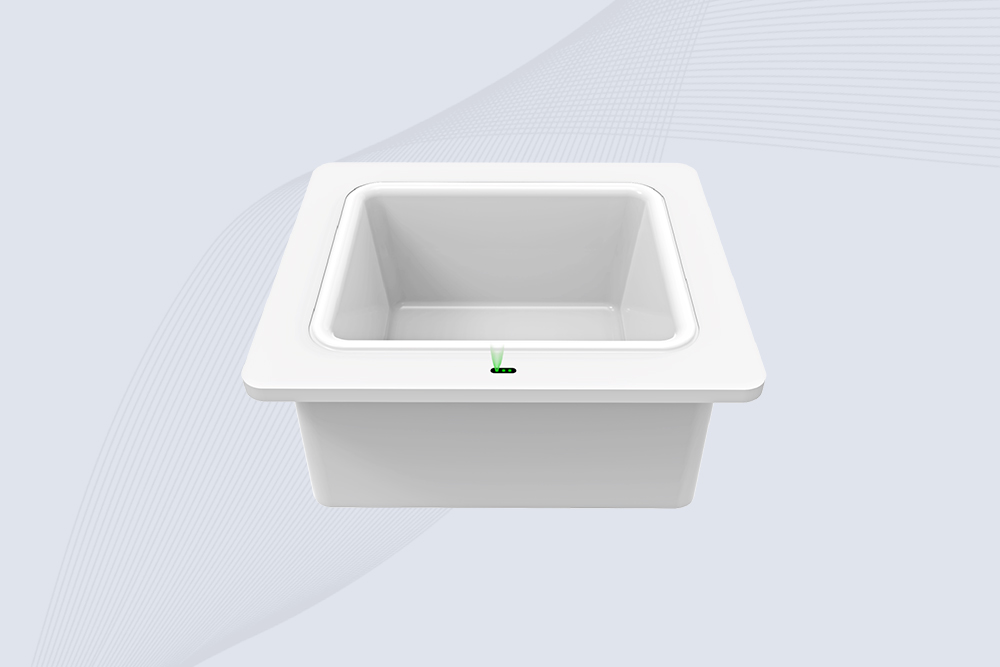
Cykeo CYKEO-D8A embedded RFID badge reader offers 30+ tags/sec scanning, 20cm anti-crosstalk precision, and DC 12V power for unmanned stores, warehouses, and smart inventory systems.
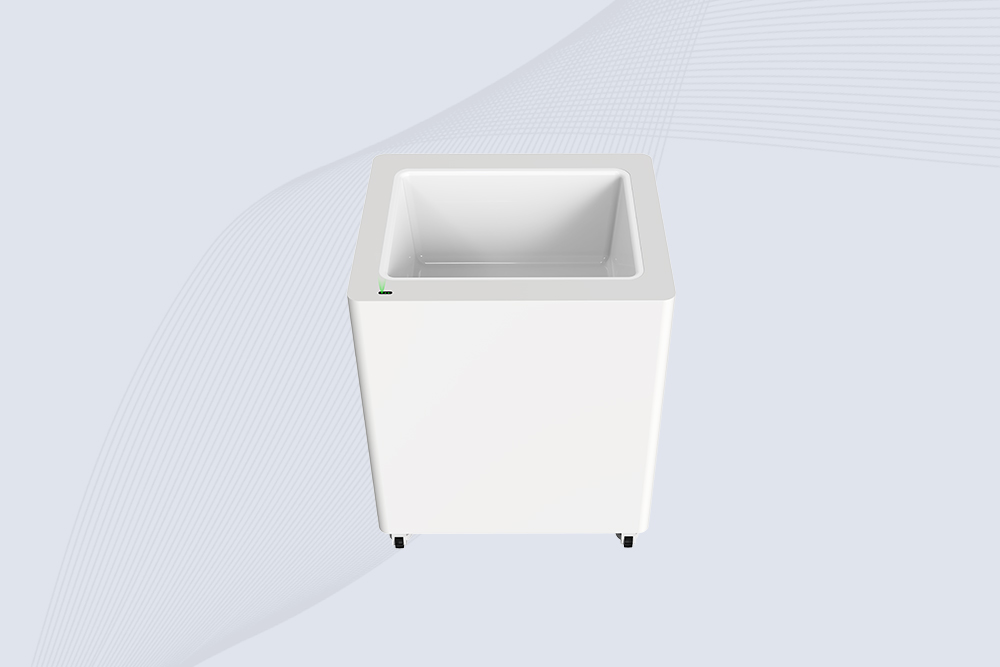
Cykeo’s CYKEO-D8C UHF RFID gate reader achieves 200-tag/batch scanning with adjustable power control, ideal for retail inventory and smart warehouse management.
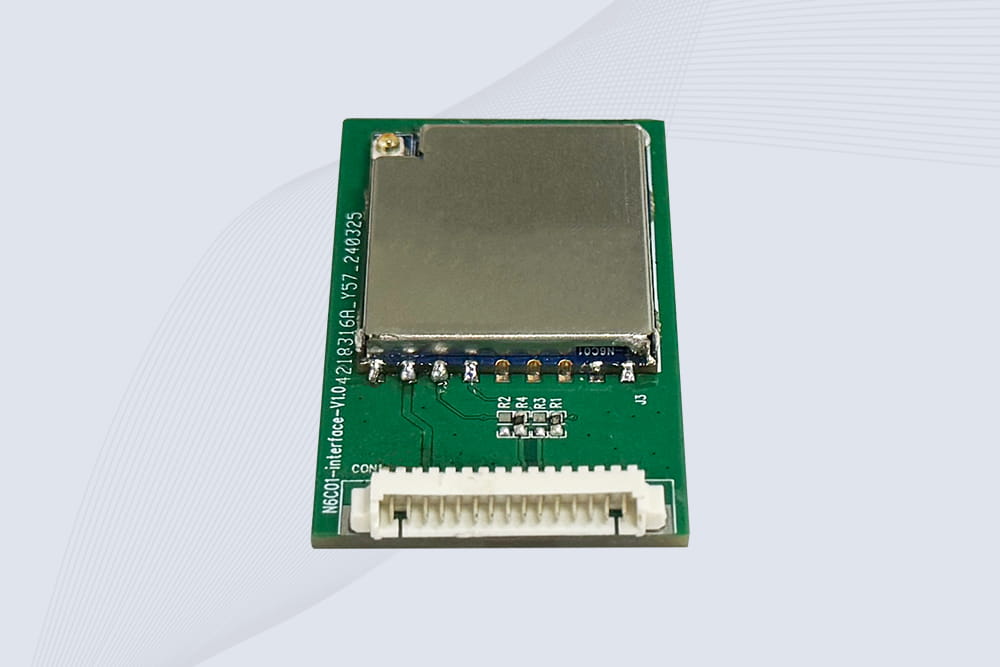
CYKEO Embedded RFID Modules are designed for compact industrial and IoT devices that require stable UHF performance. These UHF RFID Modules support global protocols, flexible power control, and reliable multi-tag reading for smart cabinets, production lines, and asset tracking systems.
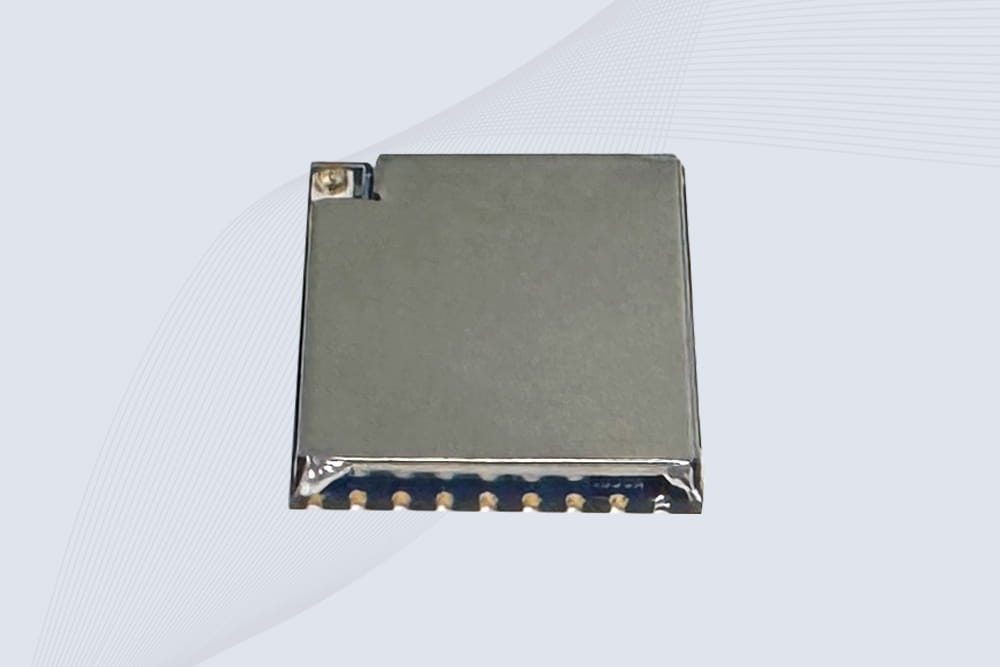
CYKEO Embedded RFID Module is built for compact IoT and industrial devices that need stable UHF performance. This UHF module supports global protocols, low power operation, and reliable multi-tag reading for smart lockers, production lines, and always-on RFID systems.
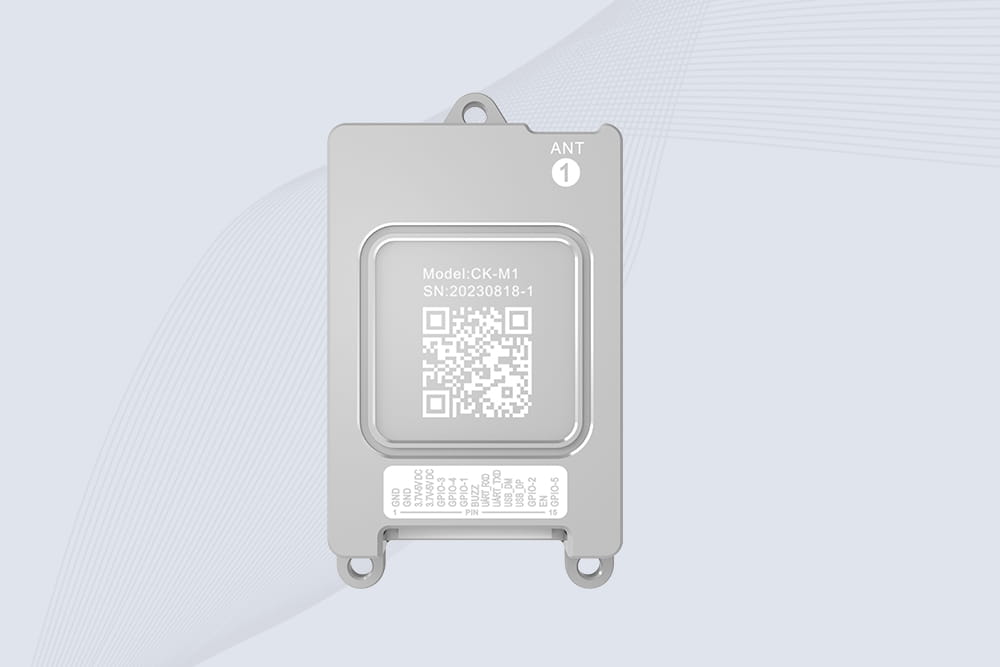
CYKEO CYKEO-M1 drone rfid module is a compact UHF RFID reader module designed for drones and UAV platforms. It supports long-range aerial scanning, fast multi-tag reading, and stable performance in wind, vibration, and outdoor environments.
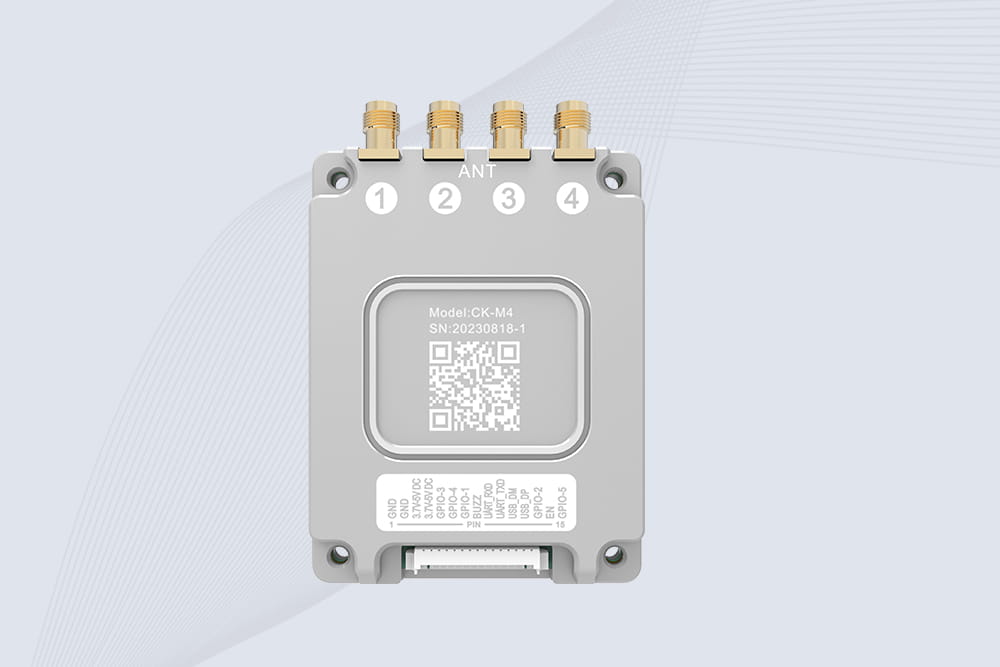
CYKEO CYKEO-M4 RC522 RFID Module is an industrial-grade UHF RFID reader with 4 ports, supporting ISO, EPC, and GB protocols. High-speed, accurate reading for IoT, automation, and warehouse applications.
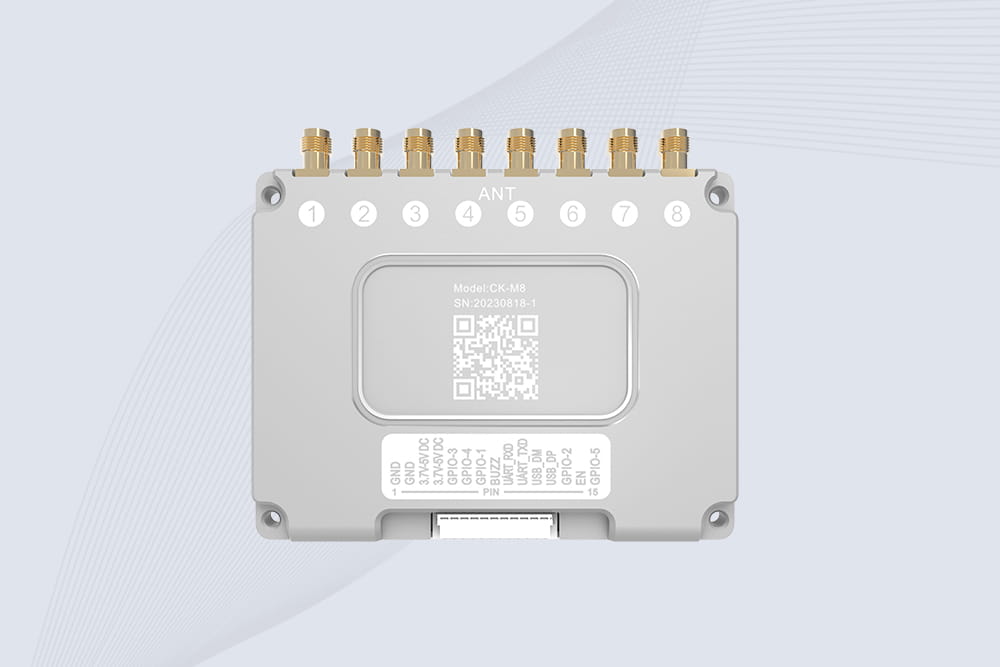
CYKEO CYKEO-M8 Module RFID is an 8-port UHF R2000 RFID Module designed for high-density, multi-tag environments. Stable 33dBm output, ISO & GB protocol support, ideal for warehouses, factories, and automated systems.
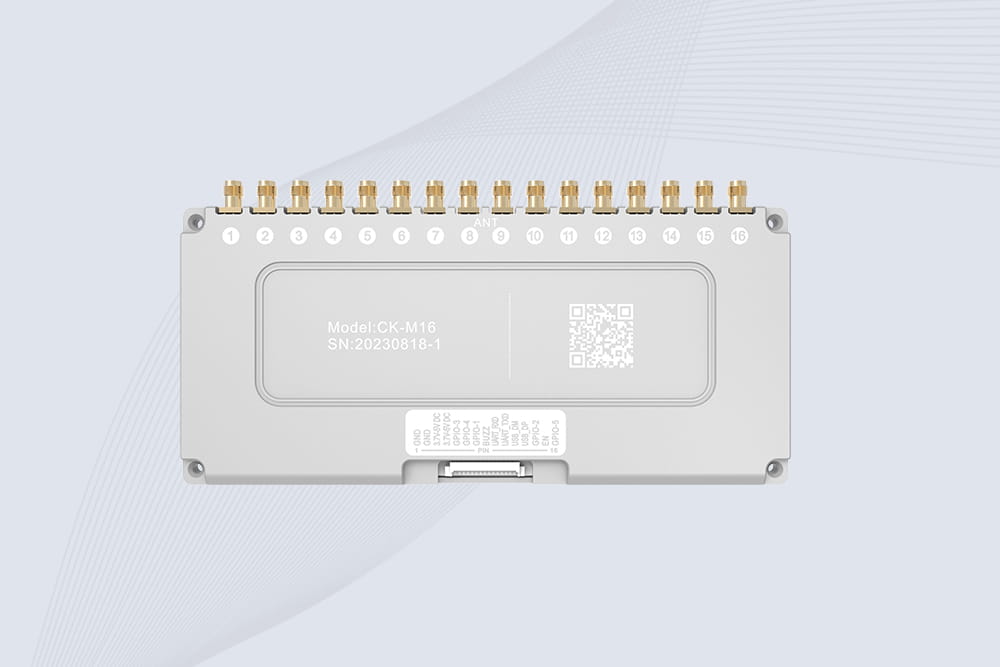
CYKEO CYKEO-M16 RFID Module is a 16-port UHF RFID reader module based on the R2000 chipset. Designed for dense tag environments, it supports ISO and GB standards and delivers stable multi-antenna control for industrial automation.
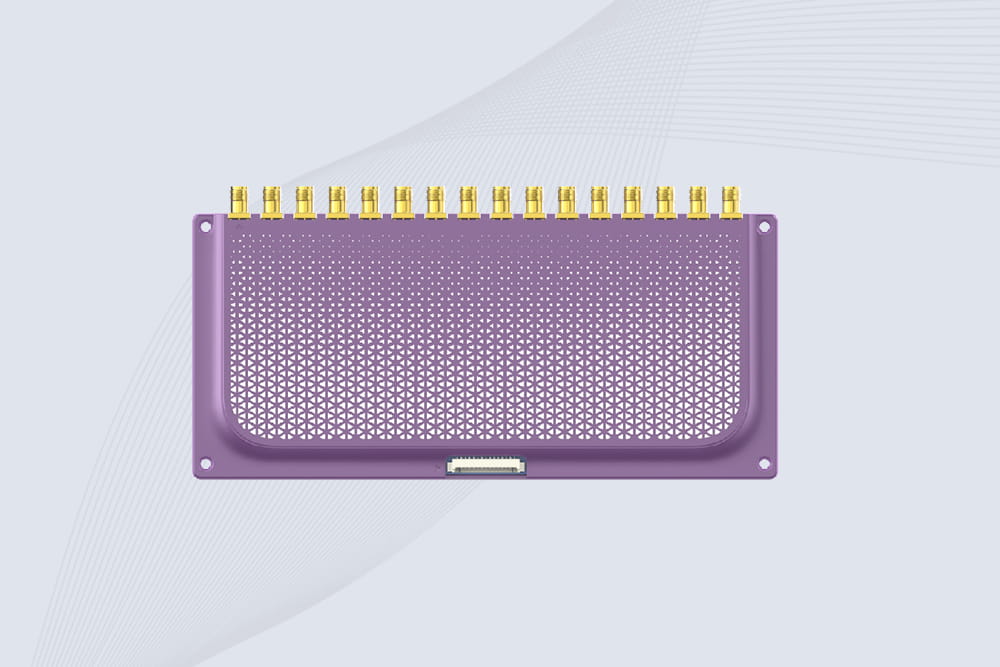
The CYKEO CYKEO-M16L RFID Reader Module is a 16-channel UHF RFID core designed for dense tag environments. With adjustable 33dBm output, multi-protocol support, and stable multi-antenna control, this RFID Tag Reader Module fits industrial automation, warehouse systems, and large-scale IoT deployments.
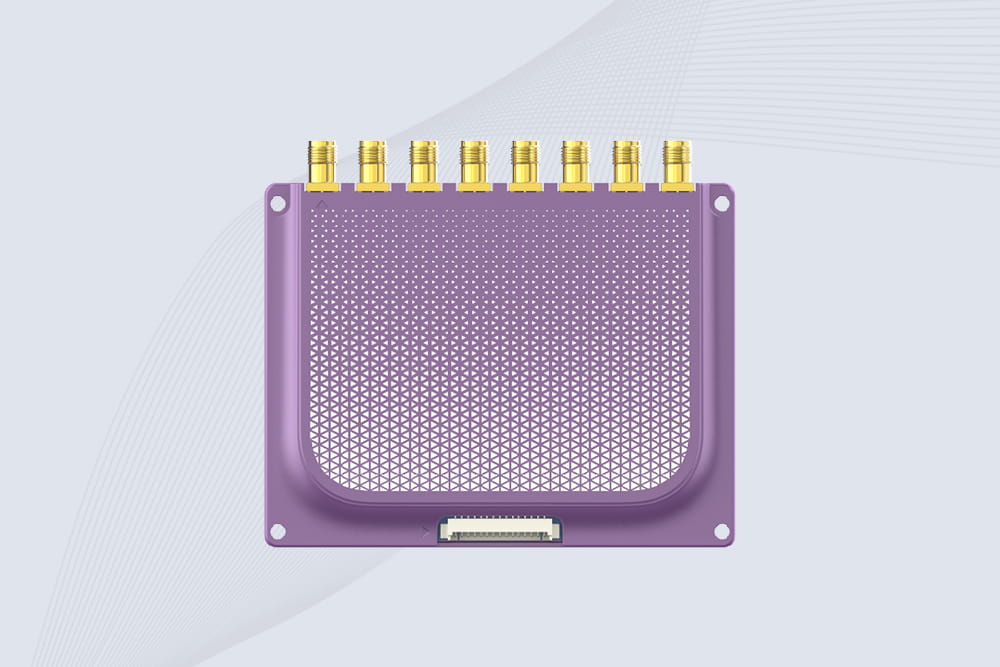
CYKEO CYKEO-M8L module RFID is a compact industrial UHF module built for dense tag and multi-antenna environments. With 8 RF ports, adjustable 33 dBm output, and ISO & GB protocol support, it is widely used in factories, warehouses, and automated tracking systems.
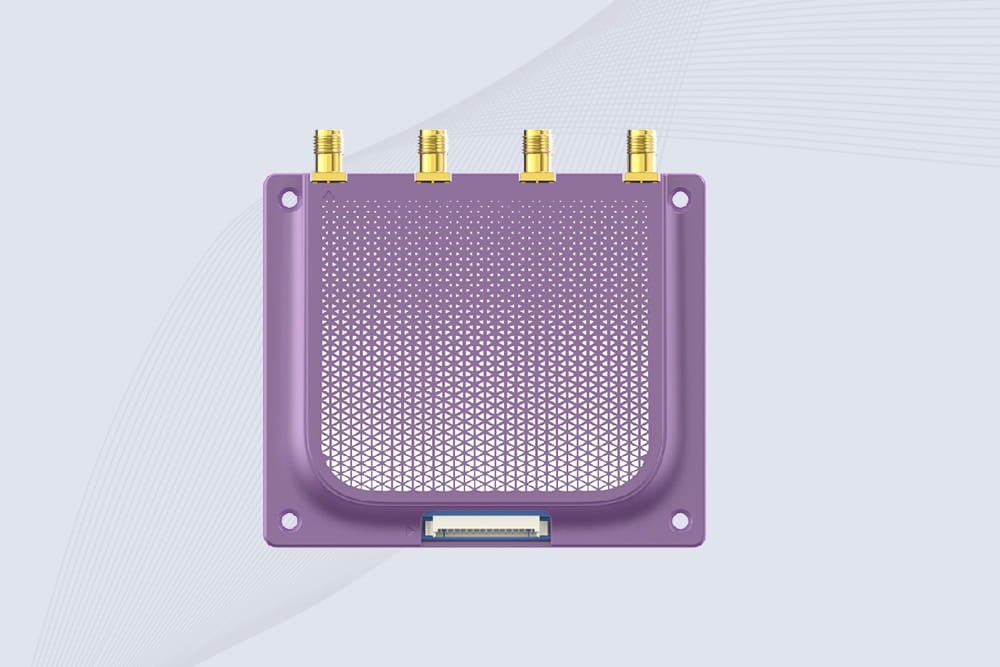
CYKEOCYKEO-M4L UHF RFID Module is a compact 4-channel RFID tag reader module designed for dense tag environments. Supporting ISO and GB protocols, it delivers stable reads up to 10 meters for industrial and IoT systems.
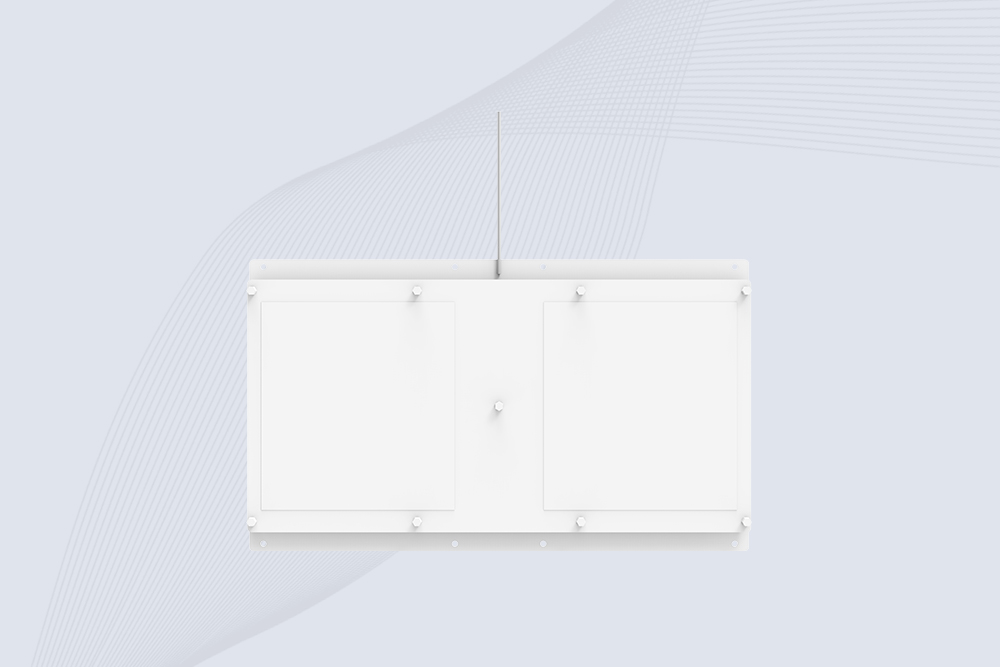
Cykeo CYKEO-A11 UHF RFID reader antenna delivers 11dBi gain, 840-960MHz frequency range, and IP65 ruggedness for retail, logistics, and industrial RFID systems. Features low VSWR and easy installation.
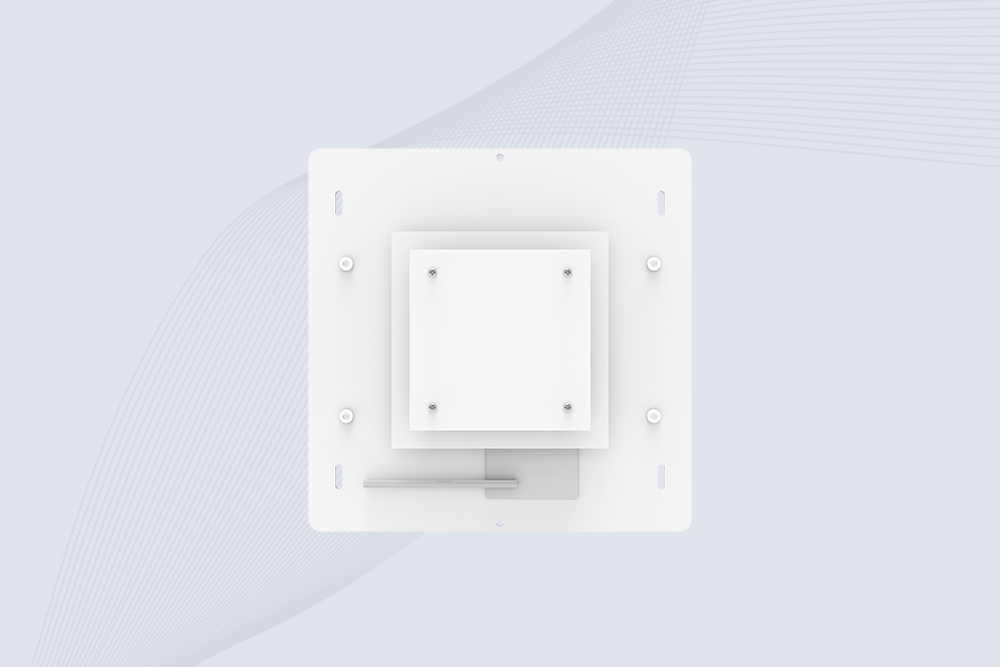
CYKEO Antenna RFID Reader delivers stable long-range UHF performance with a 10.5dBi directional design, built for warehouses, conveyor portals, and industrial RFID systems. This rfid reader antenna provides 20m+ read distance and rugged IP67 protection.

Cykeo CYKEO-PHF3 industrial HF RFID Antenna offers 24-point dynamic tracking, ISO 14443A/15693 protocols, metal-environment stability for archives/libraries/manufacturing.

Cykeo CYKEO-A5B industrial Linear RFID Antenna delivers 5dBi gain, ≤1.5:1 VSWR, and IP65 rugged design for warehouse, production line, and logistics UHF systems.

Cykeo’s CYKEO-B12 Long Range RFID Antenna delivers 15m+ read range with 12dBi gain, IP65 rugged design, and global 840-960MHz UHF support. Ideal for warehouse/logistics asset tracking.
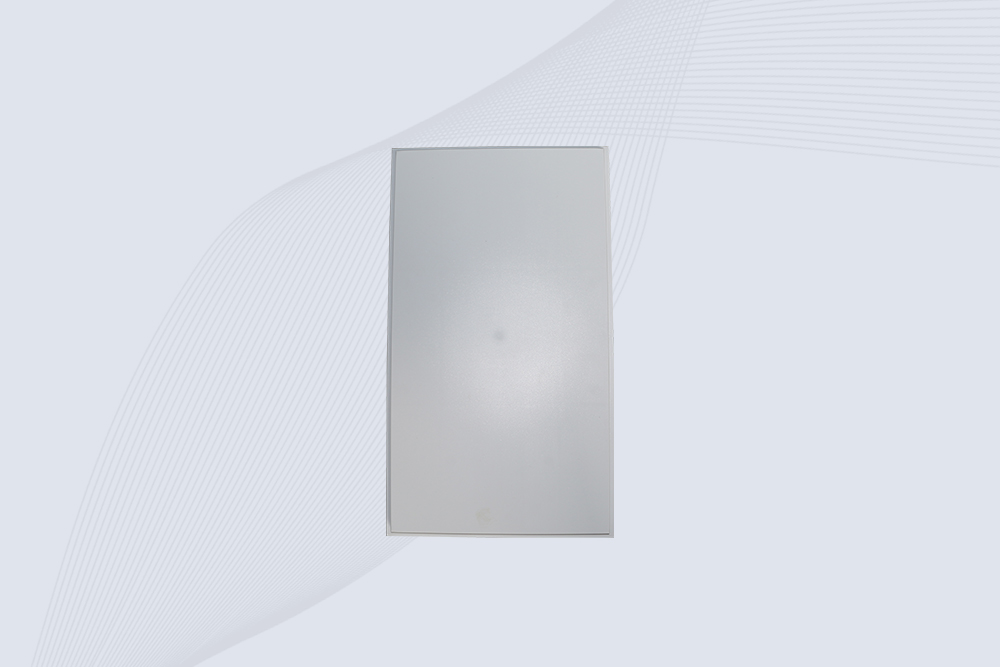
Cykeo CYKEO-B10 Long Distance RFID Antenna offers 10dBi gain, 840-960MHz frequency range, IP65 rating, and 20m+ coverage for logistics/warehousing/ETC systems. Low VSWR ensures stable signal transmission.
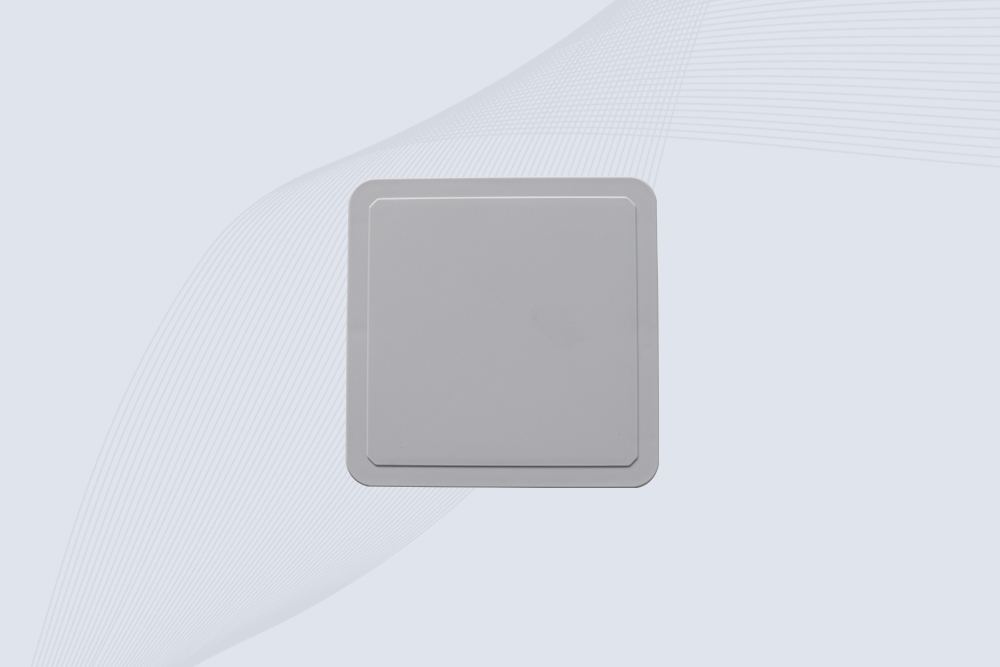
Cykeo CYKEO-A6 UHF RFID panel antenna features 6dBi gain, 840-960MHz broadband, IP65 metal-ready housing for logistics/smart retail. 18mm ultra-thin design with tool-free mounting.

Cykeo CK-A3 industrial antenna RFID UHF offers 5m+ tag detection, ≤1.3:1 VSWR, IP65 rugged design, and global UHF spectrum compatibility (840-960MHz) for warehouses, factories, and retail.
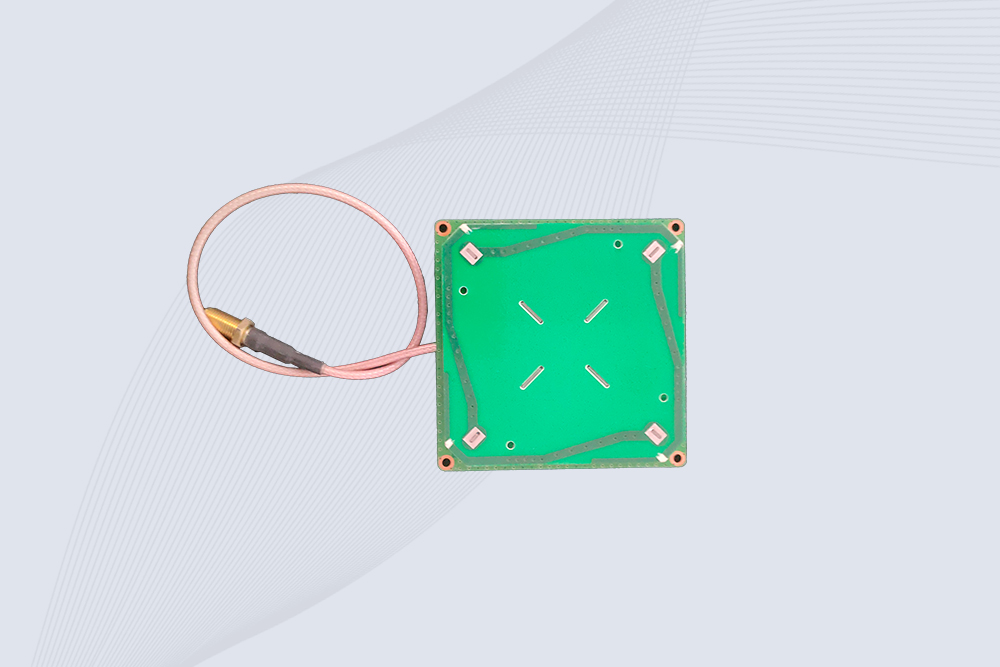
Cykeo CYKEO-B5 directional RFID antenna provides 5dBi gain with 60° narrow beamwidth for precise inventory tracking. IP65-rated, global UHF frequency support, and low VSWR.
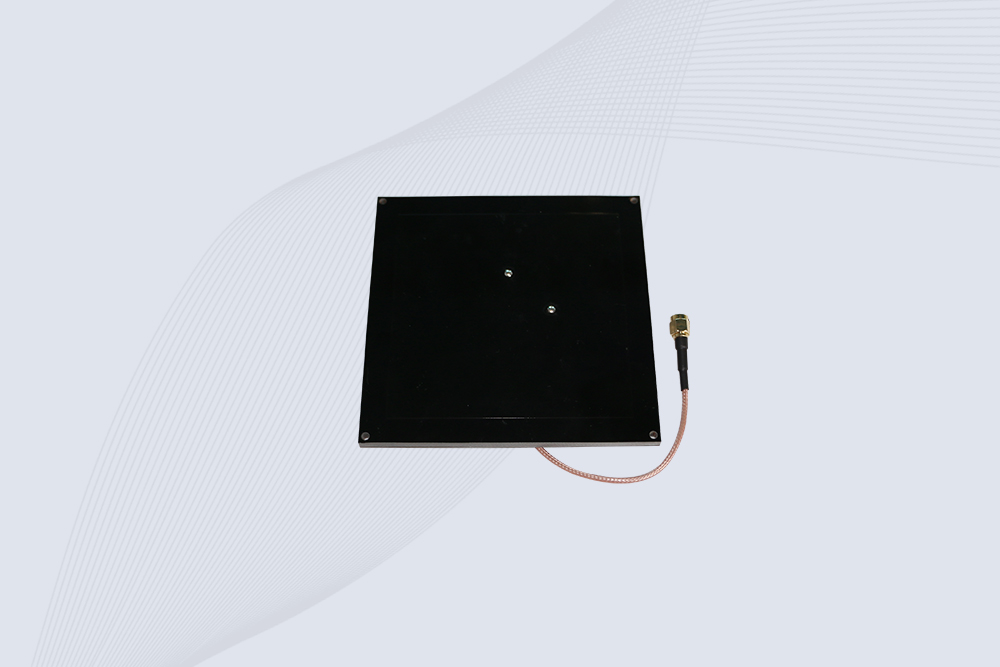
Create your own high-performance DIY RFID antenna! 5dBi gain, 840-960MHz tunable, step-by-step guides. Compatible with Arduino, Raspberry Pi, and commercial UHF readers.
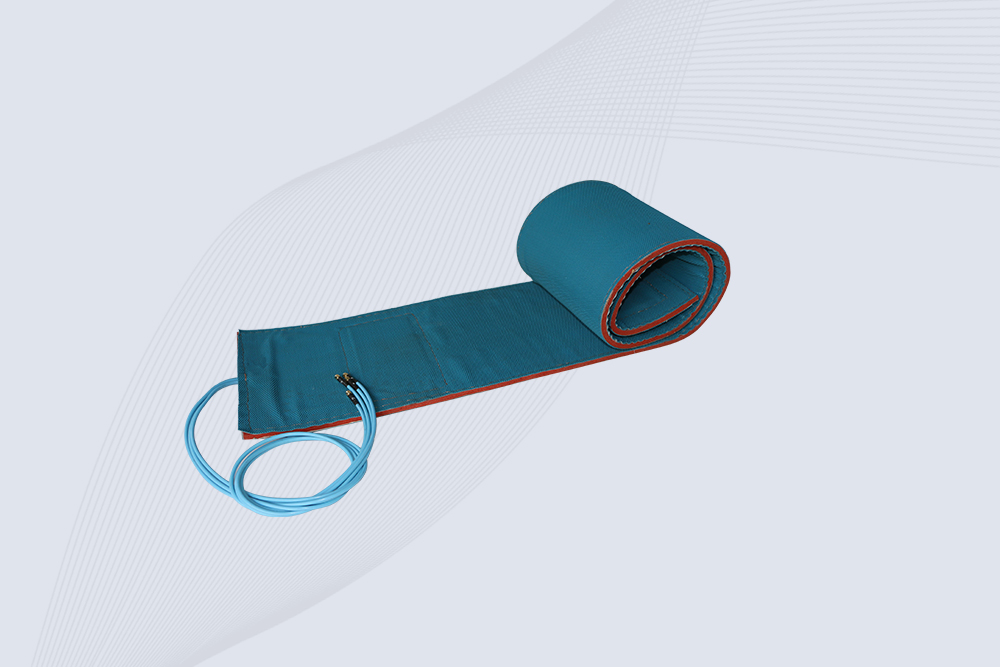
Cykeo CYKEO-A7 Flexible RFID Antenna features 840-960MHz wideband tuning, 7dBi gain, and IP68 rating for medical/retail/industrial curved surface deployments. 98% read accuracy with peel-and-stick installation.
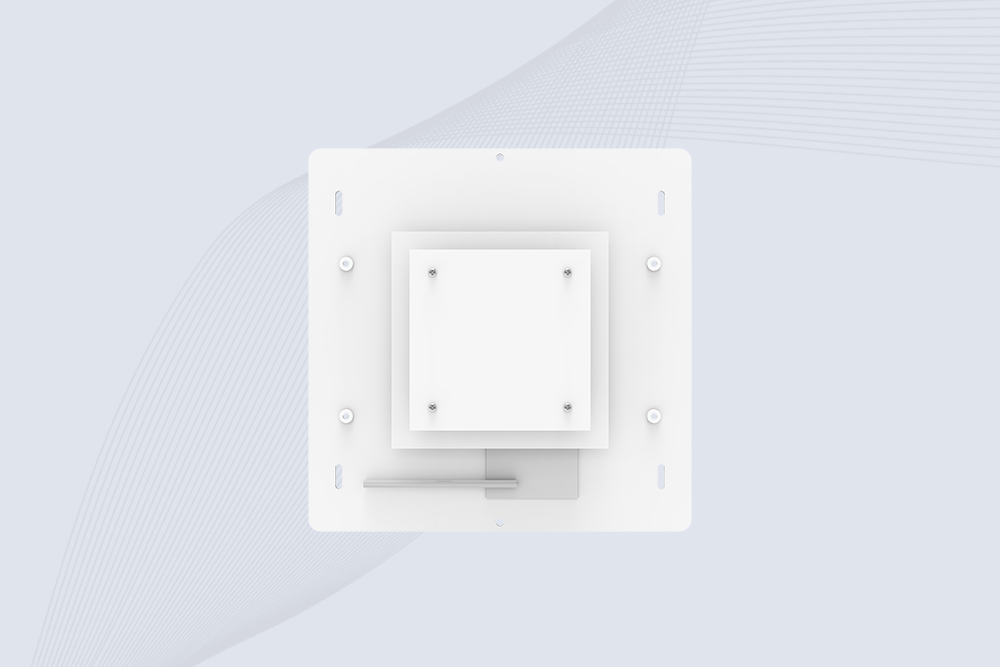
Cykeo CYKEO-B5A industrial Passive RFID Antenna delivers 5dBi gain, 70° beamwidth, and -40°C~55°C operation for warehouses/smart cabinets. Compatible with Zebra/Impinj readers.
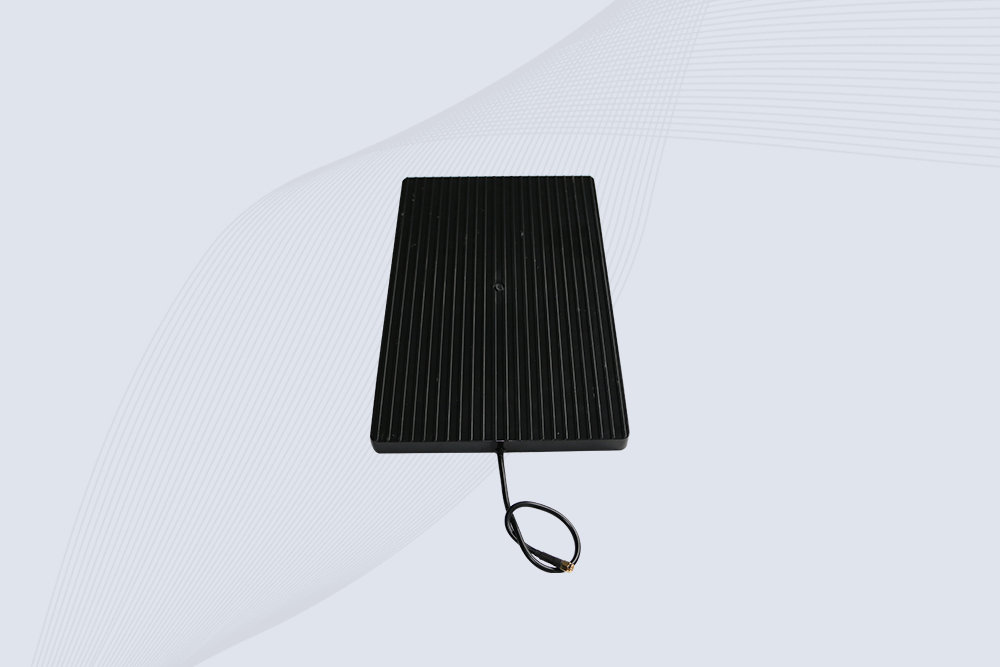
Cykeo’s CYKEO-A9B High Gain RFID Antenna delivers 15m+ read range with 9dBi amplification. Features IP54 rugged design, 840-960MHz bandwidth, and 80° beamwidth for warehouse/manufacturing RFID systems.

Cykeo’s enterprise-grade 8dbi Impinj RFID Antenna 10m+ read range with 840-960MHz tuning. Features IP65 housing, 1.4 VSWR, 35° beamwidth for retail/warehouse RFID systems.
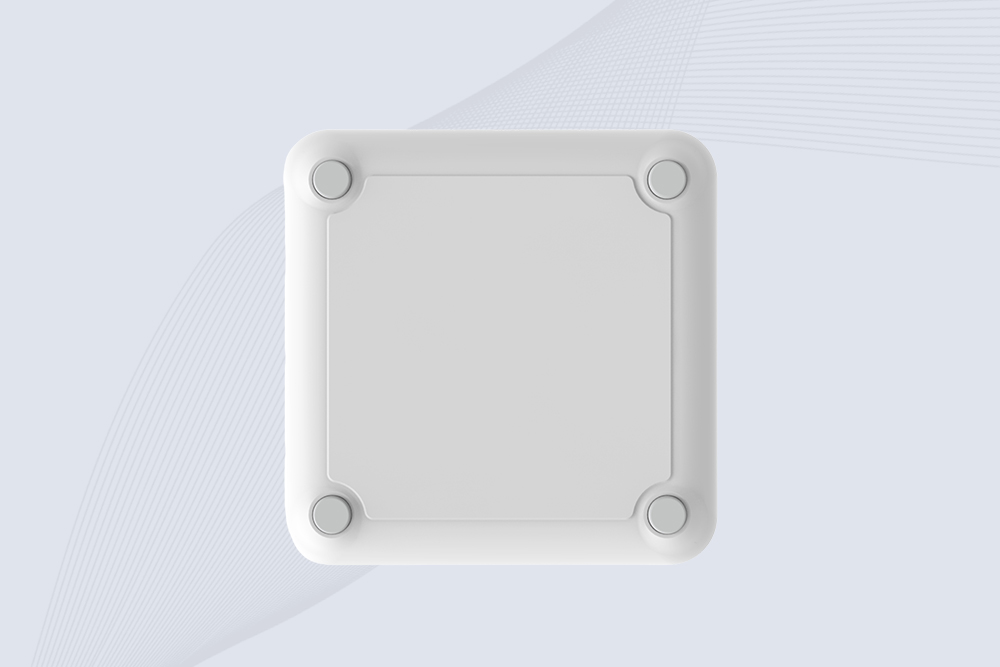
Cykeo CYKEO-A9 industrial UHF RFID antenna delivers 9dBi gain, 840-960MHz frequency range, and IP65 protection for warehouse/logistics/retail RFID systems. Features N-type connector and ≤1.3:1 VSWR.
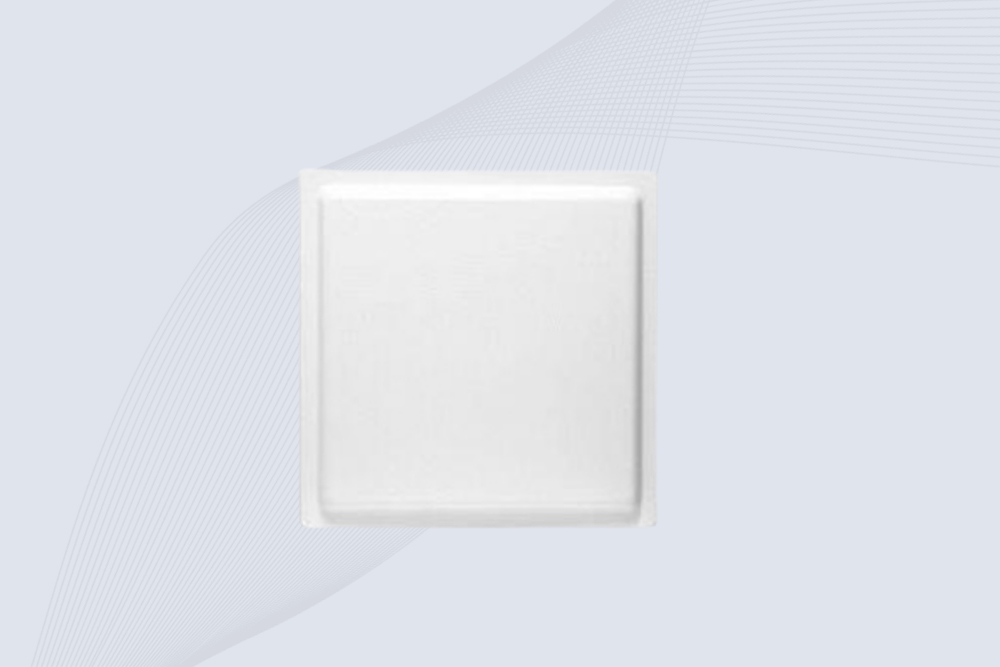
CYKEO UHF RFID Antenna built for long-distance and industrial applications. This antenna rfid uhf delivers strong gain, outdoor durability, and reliable tag performance in warehouses, yards, and vehicle ID systems.
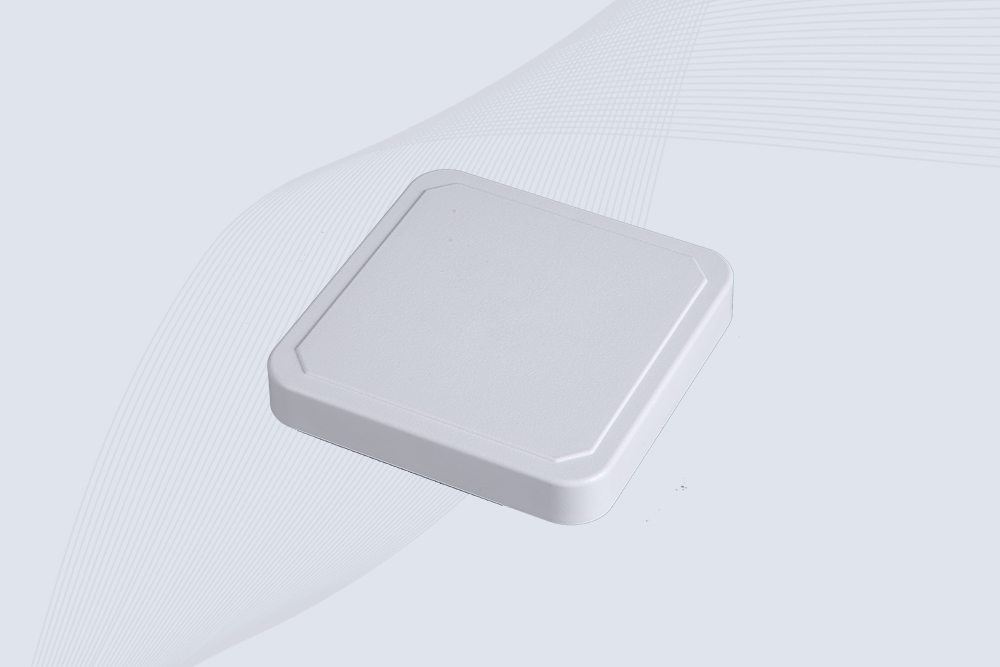
CYKEO Antenna RFID delivers reliable long-range UHF performance in warehouses, retail shelves, and cold-chain environments. This compact uhf rfid antenna provides stable reads with circular polarization and ultra-wide 840–960 MHz support, ideal for industrial tracking, smart shelves, and asset monitoring.
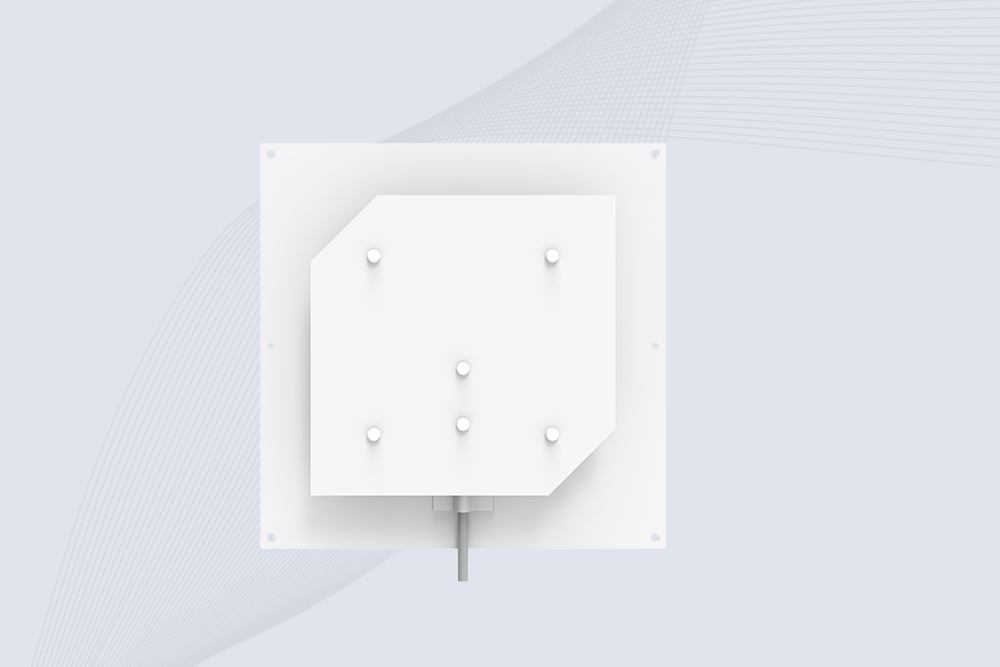
Cykeo’s CYKEO-C8 UHF RFID antennas delivers 8dBi gain, 840-960MHz full-band coverage, and IP65 ruggedness for manufacturing/warehouse RFID systems. Industrial RFID Antennas Features
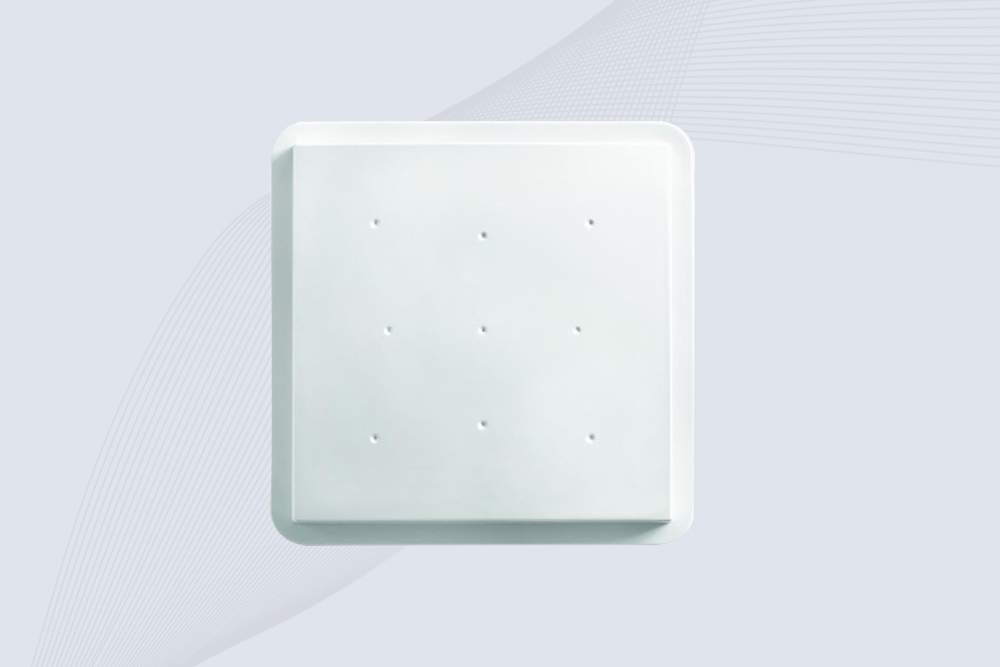
Cykeo’s 8dBi UHF RFID antenna and reader kit delivers 10m+ range, 840-960MHz broadband, and IP65 ruggedness for factories, warehouses, and logistics. ISO 18000-6C & EPC Gen2 certified.
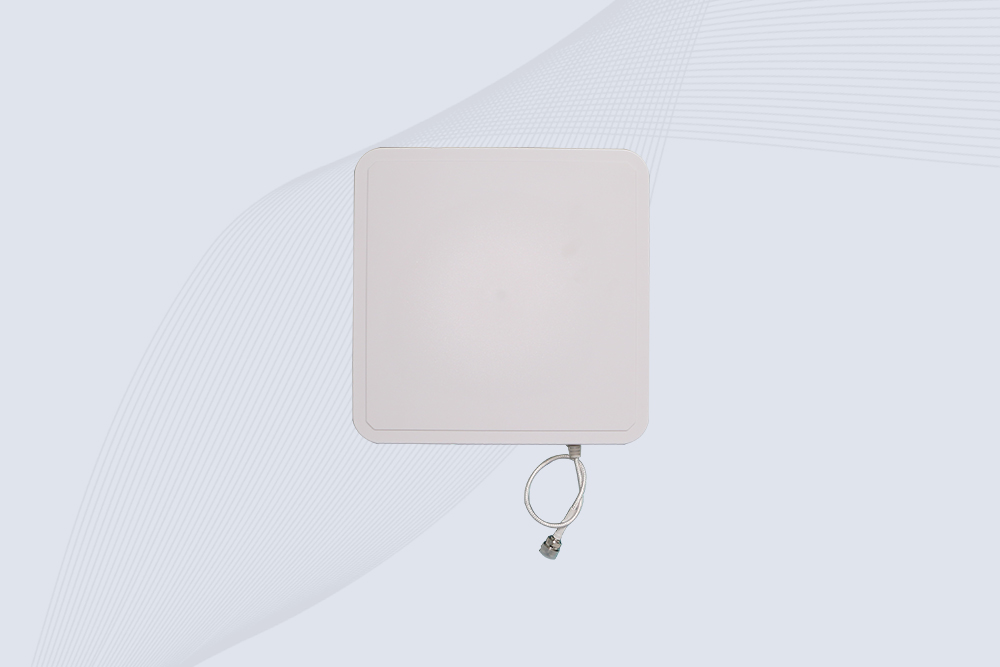
Cykeo CYKEO-A9A industrial UHF RFID reader and antenna kit delivers 10m range, 500 tags/sec, IP65 ruggedness for manufacturing/logistics. Supports EPC Gen2, ISO18000-6C.

An RFID label combines a printable label with an RFID chip and antenna to identify products, assets, and cartons wirelessly.
More
Learn how to implement RFID for contactless access control in offices. Enhance security and hygiene with Cykeo’s compliant, easy-to-integrate systems.
More
Discover how rfid shipment tracking improves shipment visibility, warehouse accuracy, and delivery efficiency with real-time RFID identification and industrial-grade Cykeo RFID solutions.
More
Learn how RFID cow tags help farmers track, identify, and manage cattle more efficiently. Discover how these tags work, their types, and the real benefits they bring to modern livestock farming.
More