what are the benefits of rfid? RFID improves identification speed, inventory visibility, data accuracy, and process efficiency by capturing tagged items without requiring direct line of sight. In practical UHF RFID deployments, multiple items can be identified together, reducing repetitive scanning and creating more timely data for inventory, logistics, manufacturing, and asset-tracking operations.
The important part is what happens after the reader sees a tag. RFID becomes valuable when that read is tied to a real business event: goods arriving at a dock, a pallet entering storage, a tool returning to a cabinet, or a carton passing a shipping checkpoint.
That distinction is easy to miss when comparing reader specifications.
What are the benefits of RFID for inventory management?
One of the clearest RFID inventory management benefits is the ability to identify multiple tagged items without individually positioning a scanner at every label.
GS1 explains that RAIN RFID can capture tag data without line-of-sight contact and that multiple items can be inventoried together. This is particularly relevant in large warehouses, where conventional barcode counting requires an operator to physically position the scanner toward each item.
In an actual warehouse, the difference can be quite physical.
A worker standing beside a pallet does not necessarily need to open every carton or locate every printed barcode. With an appropriately designed UHF RFID read zone, the system can capture the electronic identities of tagged items as they pass through the area.
The main benefits include:
Faster inventory counting
Less repetitive manual scanning
Better inventory visibility
More frequent cycle counting
Reduced manual data entry
Automated identification at defined checkpoints
Improved connection between physical goods and digital records
But RFID should not be treated as a magic accuracy button.
Reader position, antenna coverage, tag orientation, product material, reader power, interference, and software filtering all influence the final result. A poorly designed read zone can create just as much cleanup work as it removes.
RFID inventory accuracy: what field research shows
There is useful field evidence behind the inventory argument.
Auburn University researchers conducted a 23-week field experiment involving 13 stores, with eight treatment stores and five control stores. Their research reported that RFID-enabled automatic inventory adjustment reduced inventory record inaccuracy by approximately 26%. A second study expanded the research to 62 stores and five product categories, showing that the effect varied according to product category.
That qualification is important.
The result should not be presented as “RFID improves inventory accuracy by 26% everywhere.” The study demonstrates a measured result under a specific retail deployment, not a universal performance guarantee.
For an RFID engineering team, that leads to a more useful question:
What inventory problem is the RFID system actually being installed to solve?
If the answer is simply “we want longer read distance,” the project probably needs more process definition first.
RFID benefits compared with traditional barcode scanning
RFID and barcodes solve similar identification problems, but they behave differently in the field.
Factor
Barcode
UHF RFID
Direct line of sight
Usually required
Not normally required
Individual scanning
Common
Multiple tags can be read
Operator activation
Usually required
Can be automated
Read through sealed packaging
Limited
Possible depending on tag/application
Automated read point
More difficult
Strong application fit
Item-level identification
Yes
Yes
Data changes
Reprint label
Some tags support writable memory
Deployment complexity
Generally lower
Requires RF engineering
GS1 explicitly describes RAIN RFID as an alternative to optical data carriers rather than a universal replacement for barcodes. It also recommends evaluating the specific use case before implementation.
That is a practical point worth keeping.
A barcode may still be the sensible choice for a low-volume process where an employee already handles every item. RFID becomes more interesting when the business is dealing with large item volumes, repeated counting, non-line-of-sight identification, automated checkpoints, or frequent movement.
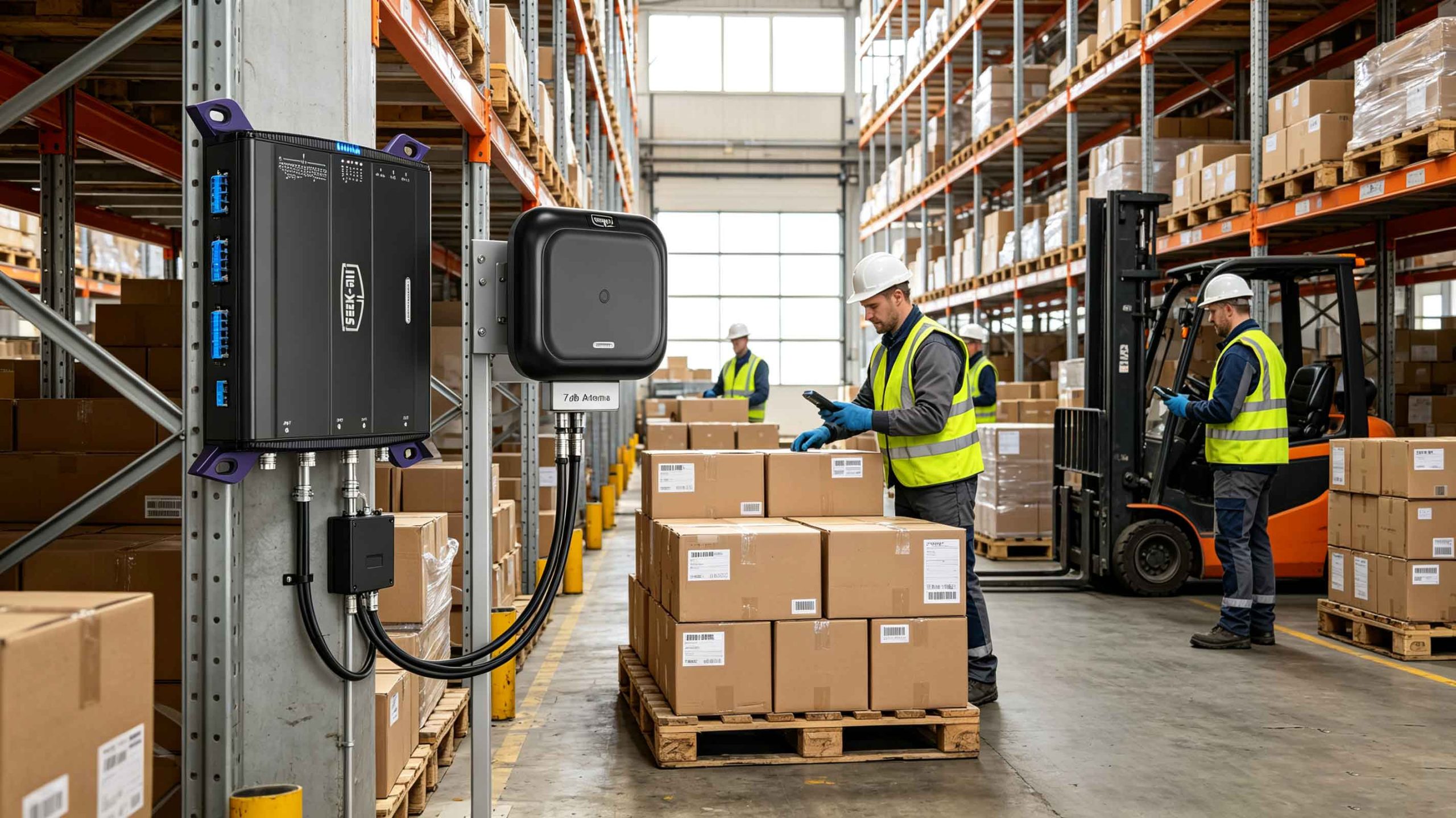
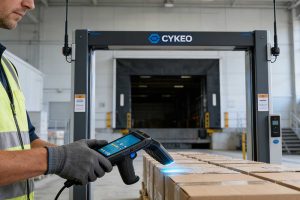
A fixed UHF RFID reader captures tagged cartons as they move through a controlled inventory area.
How RFID improves supply chain visibility
The next major benefit is RFID supply chain visibility.
RFID tag can provide a unique electronic identity that is captured at different points in a physical process. GS1 describes EPC/RFID as a way to identify physical objects and connect those identifiers with enterprise information systems.
At each point, the system can potentially record that a particular tagged item was detected.
GS1’s EPCIS standard is designed to capture and share information about the what, when, where, why, and how of products and assets, supporting visibility across organizations and supply chains.
This is where RFID moves beyond inventory counting.
A warehouse manager may not simply want to know, “How many cartons do we have?”
The more valuable questions can be:
Which cartons arrived?
When did they arrive?
Which cartons were picked?
Which shipment did they enter?
Which items passed the shipping checkpoint?
Which expected items were not detected?
The reader supplies the identification event. The business application gives that event meaning.
RFID benefits for labor efficiency
RFID can also reduce the amount of human interaction required for repetitive identification.
GS1 states that RAIN RFID systems can reduce labor, improve accuracy, increase production throughput, and operate without user interaction or line-of-sight scanning.
Consider a cycle-counting operation with hundreds of tagged items.
With barcode scanning, the operator repeatedly:
Locates the item.
Finds the barcode.
Positions the scanner.
Captures the code.
Moves to the next item.
With RFID, the operator can potentially move through the inventory area while a handheld reader captures nearby tags, or a fixed reader can collect tags automatically at a defined location.
The human task changes.
Instead of spending the shift proving that every expected item exists, the operator can spend more time investigating exceptions.
That is a much more useful way to describe labor reduction than simply saying RFID “replaces scanning.”
What are the benefits of RFID in real warehouse operations?
From an RFID deployment perspective, the strongest benefit is often not the reader itself. It is the reduction of unnecessary physical interaction with inventory.
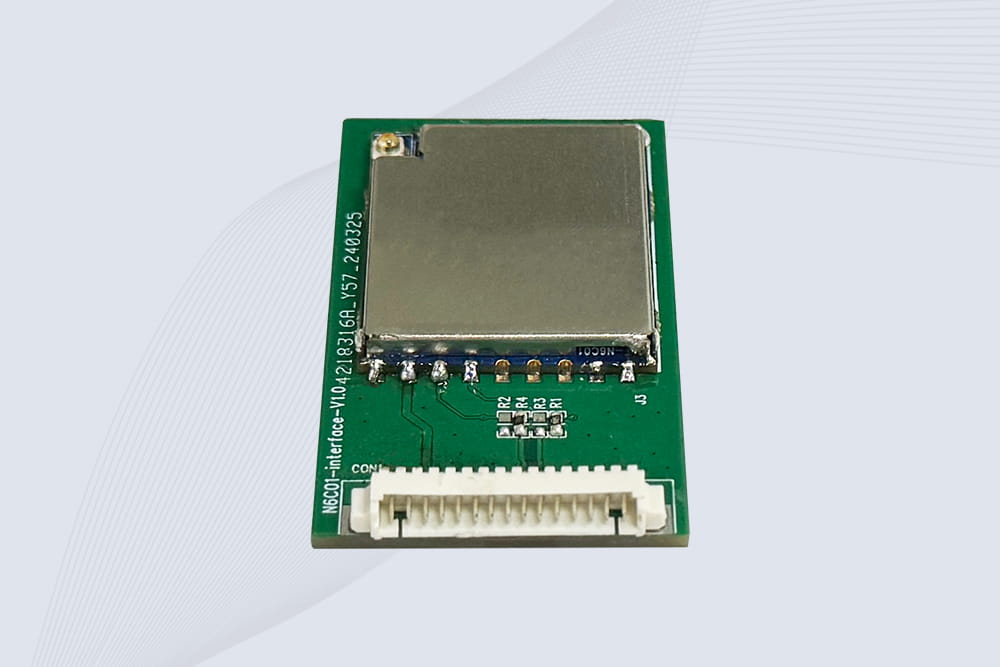
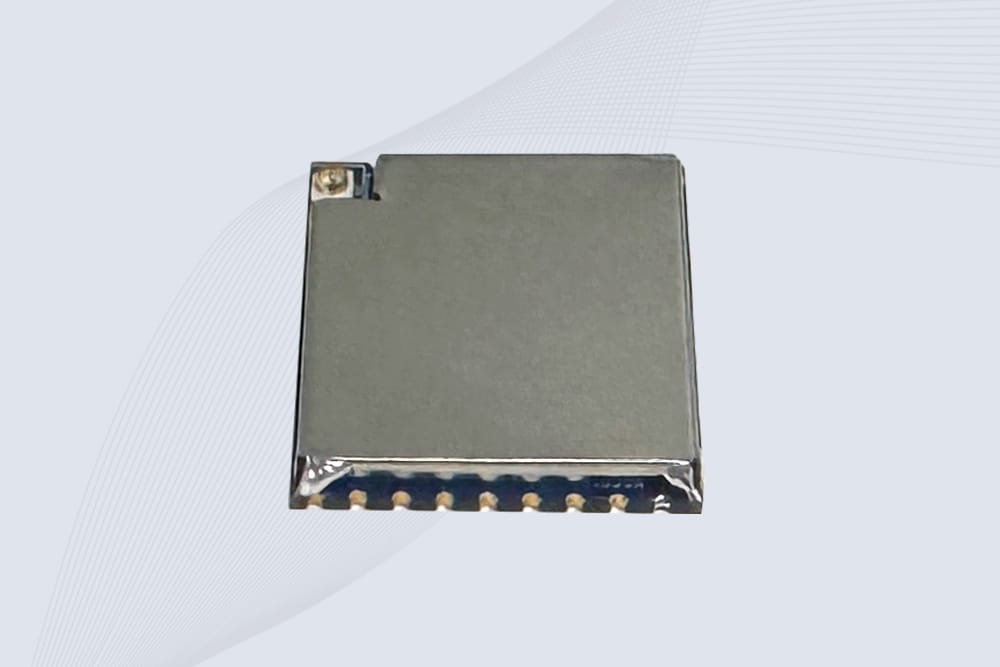
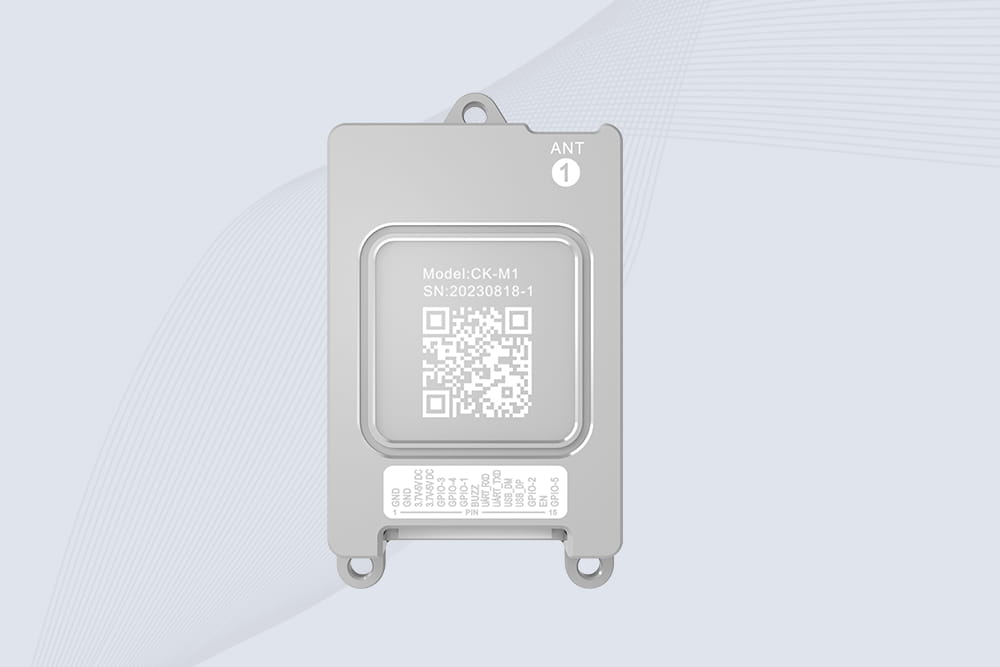
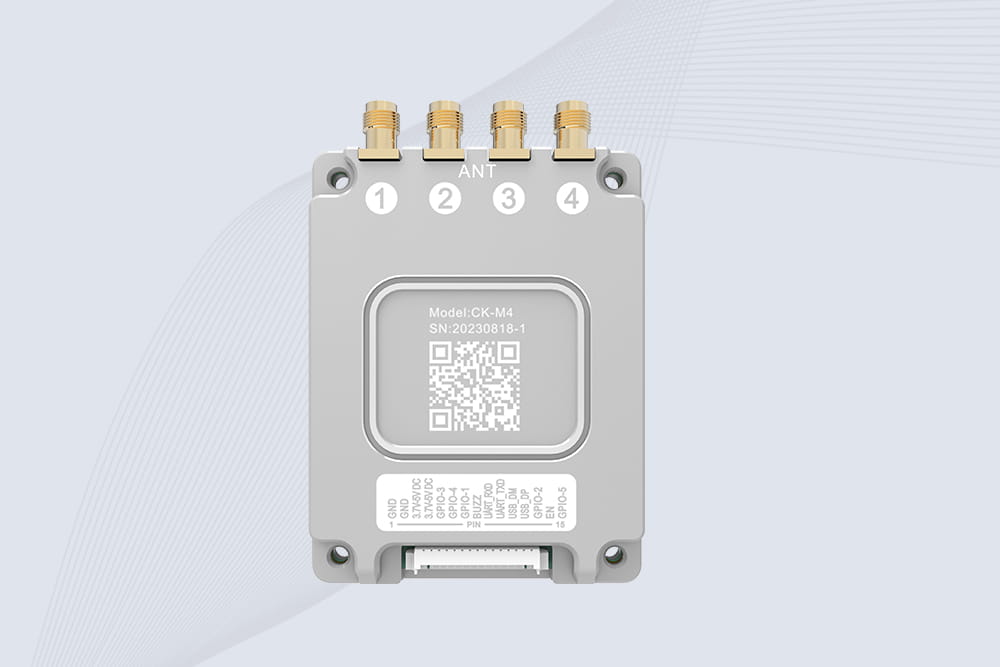
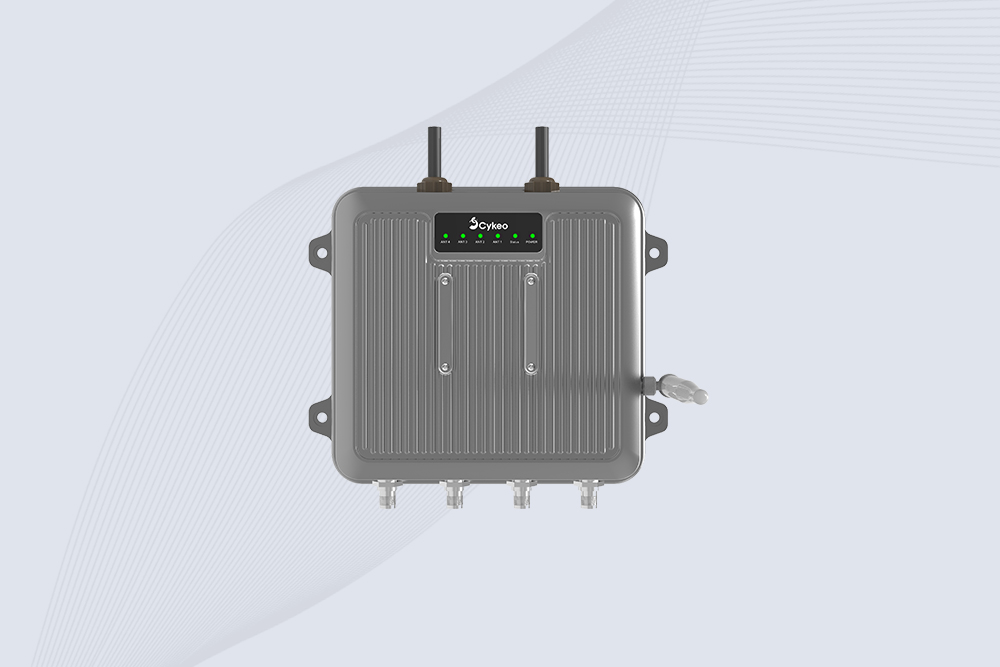
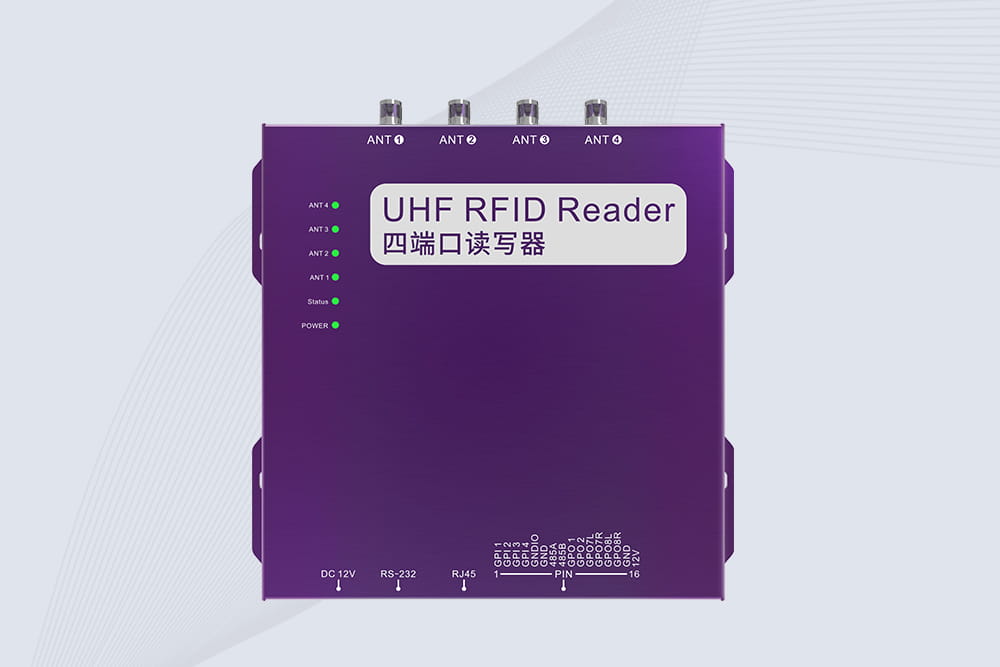
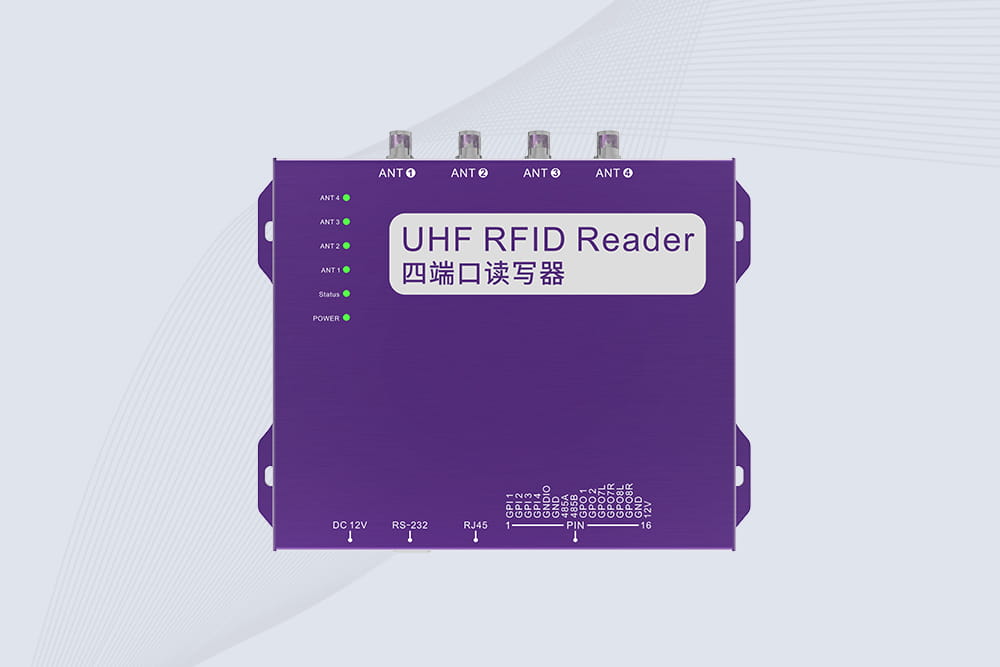
At Cykeo, the same principle applies when selecting equipment for an application. A fixed UHF reader such as the CYKEO-RA9L / CK-D9L can be integrated into controlled read points using Ethernet or RS-232, while theCYKEO-M4L provides an OEM-oriented RFID module for equipment and system integration.
The engineering questions come first:
Where should the read zone begin and end?
How quickly are items moving?
Are products made from metal, liquid, cardboard, or mixed materials?
How are tags oriented?
How many tags may appear simultaneously?
Which reads should the software ignore?
What system receives the RFID event?
What constitutes a successful business transaction?
This approach avoids one of the most common RFID deployment mistakes: selecting equipment based on maximum theoretical range before understanding the physical process.
A reader that detects an unwanted tag ten metres away may look impressive in a specification sheet. At a warehouse doorway, however, that extra range can create false events from the adjacent aisle.
The useful RFID system is the one that reads the right item at the right moment.
RFID benefits for receiving and shipping
Receiving and shipping are where the benefits of RFID become particularly visible because identification happens while goods are already moving.
At a receiving dock, a fixed UHF RFID reader can capture tagged cartons or pallets as they pass a defined read point. Instead of requiring an operator to stop and scan every label, the system can compare detected tag IDs with an expected shipment list.
The same principle works in reverse at dispatch.
A shipment can be checked before it leaves the building, allowing the software to identify missing or unexpected tagged items. GS1 US describes RFID as a technology that can support tracking of products, cartons, cases, and physical assets through supply-chain operations.
The operational benefits include:
Faster receiving verification
Automated shipping checks
Reduced repetitive barcode scanning
Better shipment visibility
Fewer manual identification steps
More consistent event records
The reader does not make the business decision. It supplies the tag event; the warehouse or enterprise system determines what that event means.
Why read-zone control matters
A warehouse door is not automatically a good RFID read zone simply because a reader can detect tags at long distance.
Suppose a shipping door sits beside two storage aisles. If the antenna captures tags from both the doorway and the neighboring shelves, the software may receive perfectly valid tag IDs—but the resulting business event can still be wrong.
This is why experienced RFID installation work focuses on:
antenna positioning;
output power;
tag orientation;
reader sensitivity;
physical shielding where appropriate;
read-zone boundaries;
duplicate-read filtering;
movement direction;
software event logic.
In practice, controlled coverage is often more useful than maximum coverage.
RFID benefits for asset tracking and traceability
RFID is also useful when the objective is to track reusable assets rather than sellable inventory.
Examples include:
Returnable transport containers
Manufacturing tools
Equipment
Work-in-process items
Medical supplies
Library materials
Warehouse handling assets
The advantage is the ability to give each physical object an electronic identity and capture that identity at defined locations.
GS1’s EPCIS framework is designed to communicate supply-chain event information around objects, including what happened, when it happened, where it happened, and why.
That creates a different type of visibility.
A conventional inventory report might say:
420 units are currently recorded.
An RFID-enabled event system can potentially provide more operational context:
Item A was detected at receiving, moved through storage, and later appeared at the shipping checkpoint.
That distinction becomes important when organizations need traceability rather than a simple stock total.
RFID benefits for manufacturing workflows
Manufacturing environments introduce another advantage: RFID can connect physical production movement with digital records.
A tagged component, container, or work-in-process unit can be identified at different workstations. The reader can pass the identifier to production software, where the system determines whether the item belongs to the expected production order or process step.
For example:
Production point
Possible RFID event
Material receiving
Component arrives
Line-side storage
Component enters production area
Workstation
Component reaches processing station
Assembly
Tagged unit is identified
Quality inspection
Unit enters inspection
Finished goods
Completed product is registered
Dispatch
Product leaves production facility
The exact architecture depends on the application, but the underlying principle remains consistent: physical movement creates machine-readable events.
This can be particularly useful where operators currently record movement manually.
Can RFID store information as well as identify items?
Yes. Some RAIN RFID tags can contain memory beyond the identifier used to distinguish one tag from another.
GS1 notes that RAIN RFID tags can carry additional information, depending on the tag’s memory architecture and application.
However, not every deployment needs writable tag memory.
In many systems, the RFID tag primarily carries an identifier while the business database stores the detailed product information. This architecture can make centralized data management easier.
A typical structure is:
RFID Tag → EPC/Identifier → Database Record → Business Information
The tag does not necessarily need to contain the entire product record.
That is another practical distinction that should be established before selecting tags or readers.
How Cykeo applies RFID benefits in practical systems
At Cykeo, RFID equipment is designed around applications where the identification event has a defined operational purpose.
The CYKEO-RA9L / CK-D9L fixed UHF RFID reader, for example, supports Ethernet and RS-232 communication and can be incorporated into fixed identification points. The CYKEO-M4L module is intended for OEM integration and supports UHF RFID protocols including ISO18000-6C/EPC C1G2.
The hardware is only one part of the deployment.
During system design, the following details deserve attention:
Tag selection — the tag must match the material and mounting surface.
Antenna positioning — coverage should correspond to the actual movement path.
Reader configuration — output power should suit the required read zone.
Anti-collision behavior — multiple tags need to be handled reliably.
Filtering — repeated or unwanted reads need to be controlled.
Communication — RFID events need to reach the host application.
Verification — the finished system should be tested under real operating conditions.
This is where laboratory demonstrations and production deployments can diverge.
A tag that reads perfectly on a workbench may behave differently when attached to a liquid container, placed against metal, rotated on a pallet, or surrounded by dozens of neighboring tags.
A serious RFID deployment therefore tests the complete operating scenario, not only the reader.
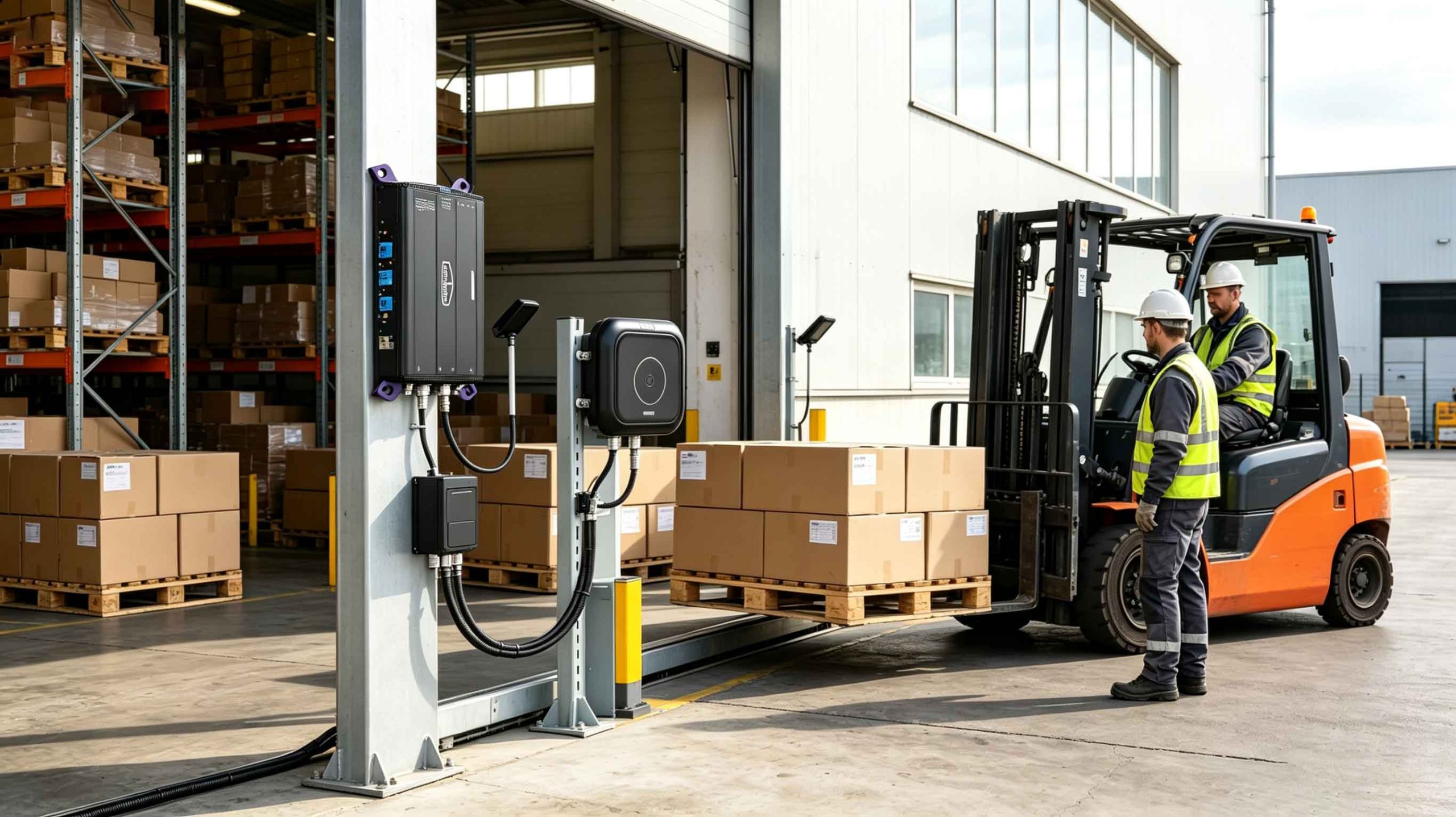
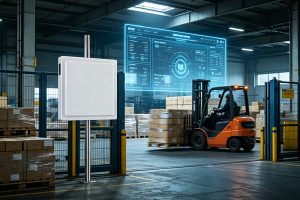
A fixed UHF RFID read point automatically identifies tagged pallets and cartons during warehouse shipping operations.
What are the benefits of RFID? Practical FAQs
1. What are the benefits of RFID for inventory?
RFID can accelerate inventory identification, reduce manual scanning, support more frequent stock checks, and provide better visibility of tagged items. Its effectiveness depends on tag selection, reader placement, operating environment, and software configuration.
2. Does RFID improve inventory accuracy?
It can. An Auburn University field study involving 13 stores over 23 weeks reported approximately a 26% reduction in inventory record inaccuracy after RFID-enabled inventory visibility was introduced. Results from later research varied by product category, so the figure should not be treated as a universal RFID performance guarantee.
3. What are the benefits of UHF RFID?
UHF RFID supports non-line-of-sight identification and can capture multiple tags within a suitable read zone. These characteristics make it useful for warehouse inventory, logistics, manufacturing, asset tracking, and automated checkpoints.
4. Can RFID reduce manual labor?
RFID can reduce repetitive identification work by automating tag capture. Instead of manually scanning every item, workers can focus more on exceptions, verification, and physical handling. The actual labor effect depends on the process being automated.
5. Can RFID replace barcodes?
Not necessarily. GS1 describes RAIN RFID as an alternative to optical data carriers and recognizes situations where RFID and barcodes can operate together. The appropriate choice depends on the process, environment, required automation, and business objectives.
6. Is RFID suitable for supply-chain tracking?
Yes. RFID can create identification events at receiving, storage, picking, packing, and shipping points. When connected to enterprise systems, those events can support broader supply-chain visibility and traceability.
What are the benefits of RFID in the long run?
The long-term value of RFID is not simply faster tag reading.
It is the ability to turn physical movement into structured data.
When a carton passes through receiving, when a tool enters a workstation, when a pallet reaches shipping, or when an asset returns to storage, the RFID system can capture an electronic identity at that moment.
That creates opportunities for better inventory visibility, automated verification, traceability, and less repetitive identification work.
The strongest implementations are not necessarily those with the longest reading distance. They are the ones where the tag, reader, antenna, software, and physical workflow have been engineered together.
For businesses evaluating UHF RFID, Cykeo provides fixed readers, OEM RFID modules, and application-oriented RFID hardware that can be integrated into warehouse, manufacturing, logistics, asset-tracking, and other identification systems.
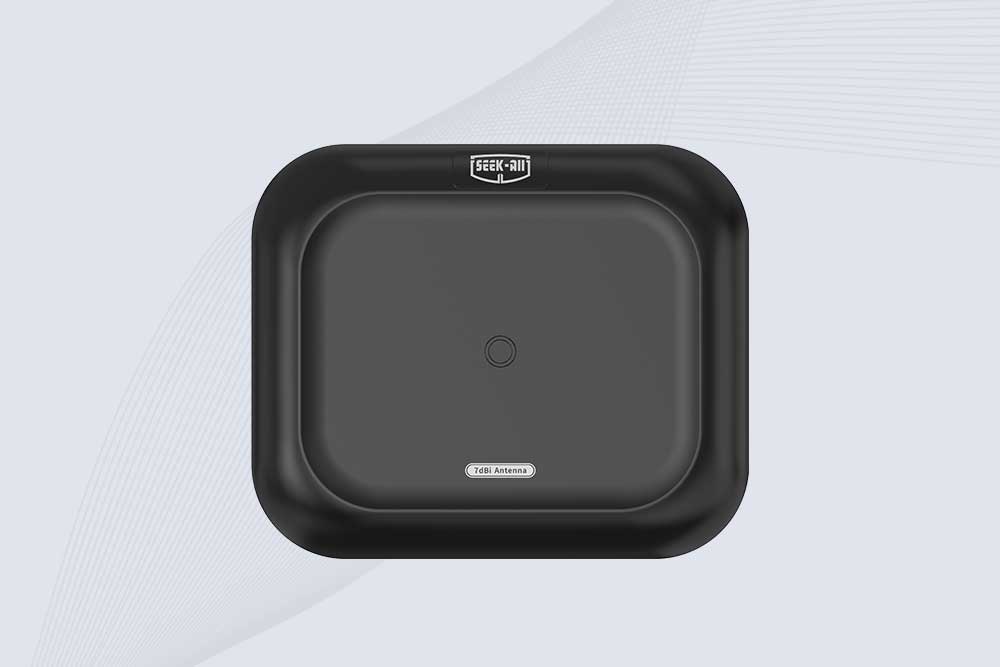
Explore the SSD-A07 UHF RFID antenna with 7 dBi gain, circular polarization, adjustable 840–960 MHz frequency, and 60°/75° beamwidth for stable RFID read/write performance.
SSD-A06 UHF RFID antenna with circular polarization, adjustable 840–960 MHz frequency, ≥4.5 dBi gain, and a compact directional design for RFID systems.
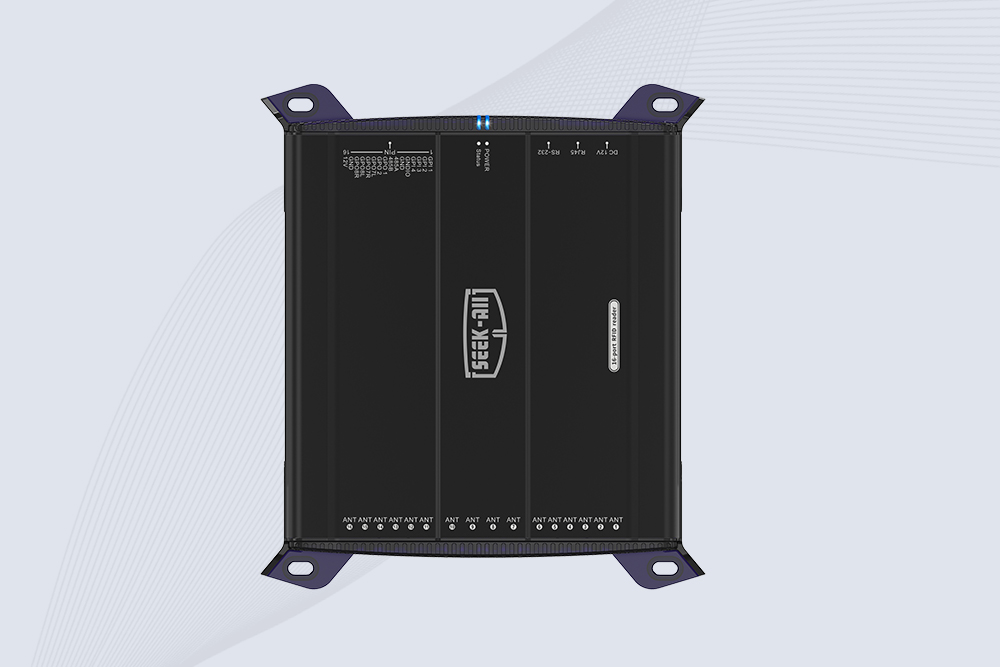
SSD-R16L Multi-Channel RFID Infrastructure for Automated Inventory Management ✔️ 16-Port High-Density RFID Reading Equipped with 16 SMA antenna ports, SSD-R16L supports multi-antenna deployment for warehouses, retail stores, logistics, production lines, and large-area RFID identification. ✔️ High-Speed & Long-Range Performance With up to 33…
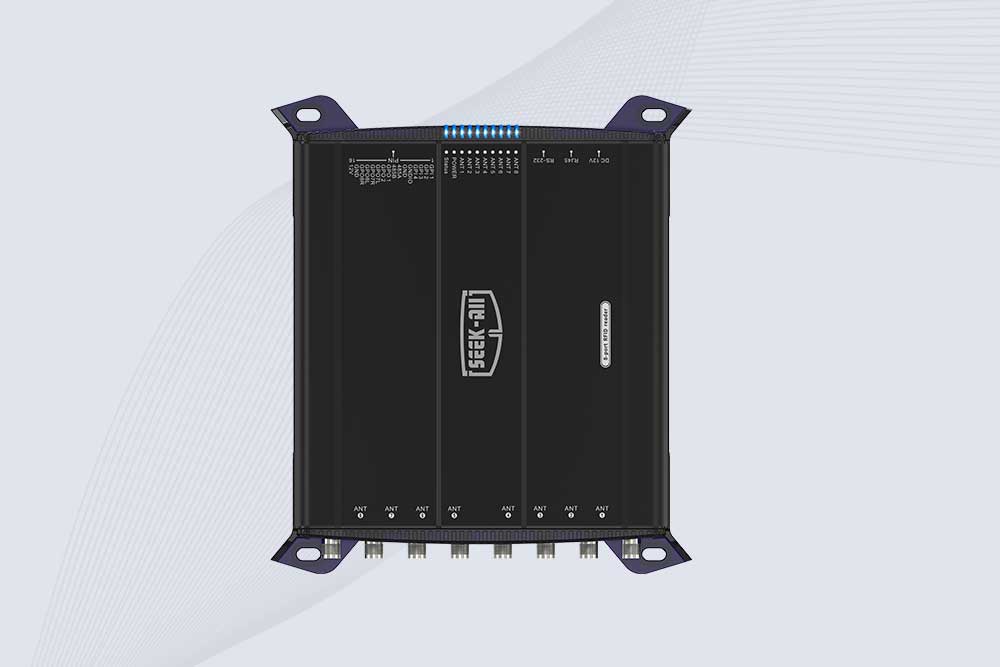
SSD-R8L 8-port UHF RFID reader with 33dBm output, up to 20m reading range and 600+ tags/s recognition. Ideal for warehouse, logistics, retail and asset tracking.
CYKEO Embedded RFID Modules are designed for compact industrial and IoT devices that require stable UHF performance. These UHF RFID Modules support global protocols, flexible power control, and reliable multi-tag reading for smart cabinets, production lines, and asset tracking systems.
CYKEO Embedded RFID Module is built for compact IoT and industrial devices that need stable UHF performance. This UHF module supports global protocols, low power operation, and reliable multi-tag reading for smart lockers, production lines, and always-on RFID systems.
CYKEO CYKEO-M1 drone rfid module is a compact UHF RFID reader module designed for drones and UAV platforms. It supports long-range aerial scanning, fast multi-tag reading, and stable performance in wind, vibration, and outdoor environments.
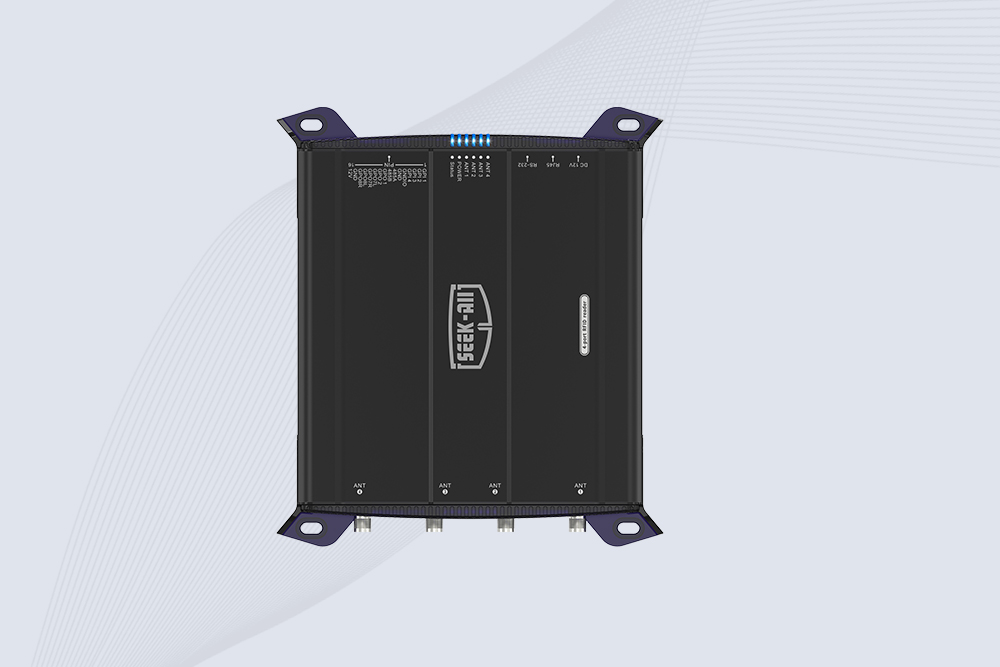
CYKEO CYKEO-M4 RC522 RFID Module is an industrial-grade UHF RFID reader with 4 ports, supporting ISO, EPC, and GB protocols. High-speed, accurate reading for IoT, automation, and warehouse applications.
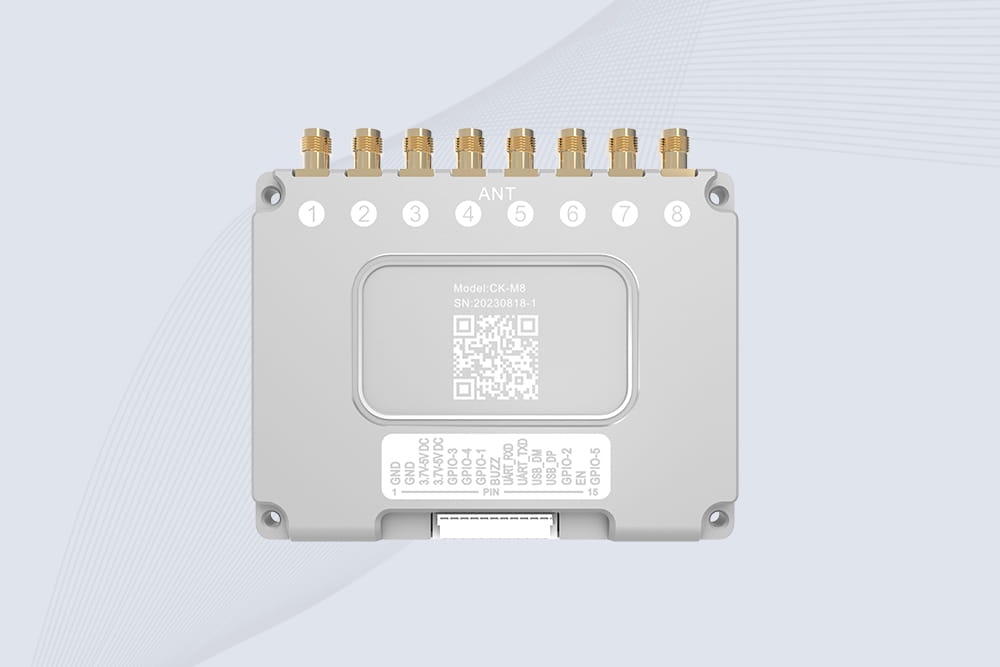
CYKEO CYKEO-M8 Module RFID is an 8-port UHF R2000 RFID Module designed for high-density, multi-tag environments. Stable 33dBm output, ISO & GB protocol support, ideal for warehouses, factories, and automated systems.
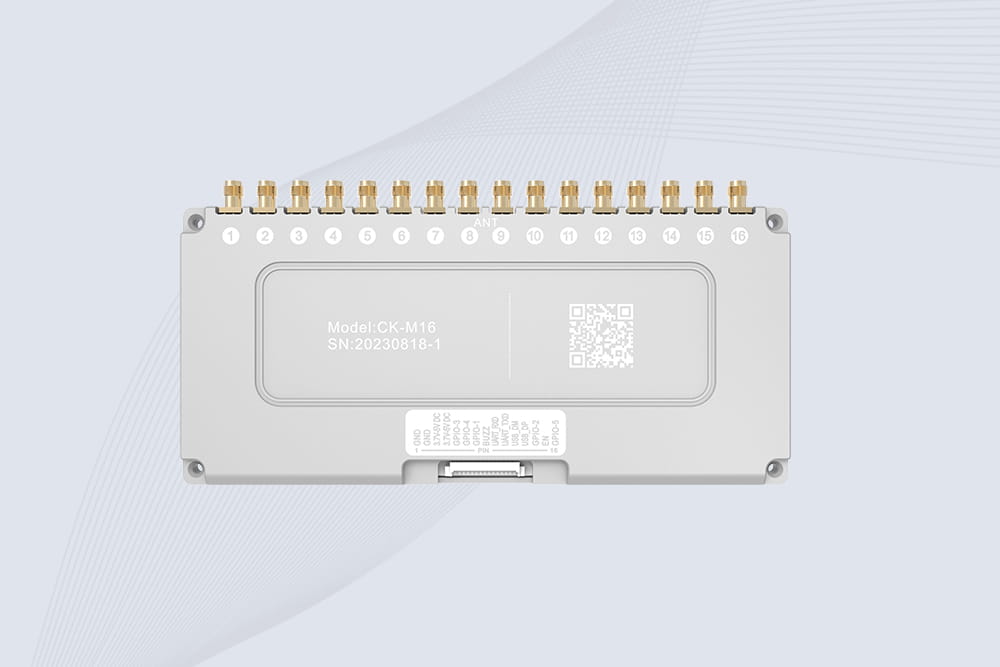
CYKEO CYKEO-M16 RFID Module is a 16-port UHF RFID reader module based on the R2000 chipset. Designed for dense tag environments, it supports ISO and GB standards and delivers stable multi-antenna control for industrial automation.
The CYKEO CYKEO-M16L RFID Reader Module is a 16-channel UHF RFID core designed for dense tag environments. With adjustable 33dBm output, multi-protocol support, and stable multi-antenna control, this RFID Tag Reader Module fits industrial automation, warehouse systems, and large-scale IoT deployments.
CYKEO CYKEO-M8L module RFID is a compact industrial UHF module built for dense tag and multi-antenna environments. With 8 RF ports, adjustable 33 dBm output, and ISO & GB protocol support, it is widely used in factories, warehouses, and automated tracking systems.
CYKEOCYKEO-M4L UHF RFID Module is a compact 4-channel RFID tag reader module designed for dense tag environments. Supporting ISO and GB protocols, it delivers stable reads up to 10 meters for industrial and IoT systems.
Cykeo CYKEO-A11 UHF RFID reader antenna delivers 11dBi gain, 840-960MHz frequency range, and IP65 ruggedness for retail, logistics, and industrial RFID systems. Features low VSWR and easy installation.
CYKEO Antenna RFID Reader delivers stable long-range UHF performance with a 10.5dBi directional design, built for warehouses, conveyor portals, and industrial RFID systems. This rfid reader antenna provides 20m+ read distance and rugged IP67 protection.
Cykeo CYKEO-A5B industrial Linear RFID Antenna delivers 5dBi gain, ≤1.5:1 VSWR, and IP65 rugged design for warehouse, production line, and logistics UHF systems.
Cykeo’s CYKEO-B12 Long Range RFID Antenna delivers 15m+ read range with 12dBi gain, IP65 rugged design, and global 840-960MHz UHF support. Ideal for warehouse/logistics asset tracking.
Cykeo CYKEO-B10 Long Distance RFID Antenna offers 10dBi gain, 840-960MHz frequency range, IP65 rating, and 20m+ coverage for logistics/warehousing/ETC systems. Low VSWR ensures stable signal transmission.
Cykeo CYKEO-A6 UHF RFID panel antenna features 6dBi gain, 840-960MHz broadband, IP65 metal-ready housing for logistics/smart retail. 18mm ultra-thin design with tool-free mounting.
Cykeo CK-A3 industrial antenna RFID UHF offers 5m+ tag detection, ≤1.3:1 VSWR, IP65 rugged design, and global UHF spectrum compatibility (840-960MHz) for warehouses, factories, and retail.
Cykeo CYKEO-B5 directional RFID antenna provides 5dBi gain with 60° narrow beamwidth for precise inventory tracking. IP65-rated, global UHF frequency support, and low VSWR.
Create your own high-performance DIY RFID antenna! 5dBi gain, 840-960MHz tunable, step-by-step guides. Compatible with Arduino, Raspberry Pi, and commercial UHF readers.
Cykeo CYKEO-A7 Flexible RFID Antenna features 840-960MHz wideband tuning, 7dBi gain, and IP68 rating for medical/retail/industrial curved surface deployments. 98% read accuracy with peel-and-stick installation.
Cykeo CYKEO-B5A industrial Passive RFID Antenna delivers 5dBi gain, 70° beamwidth, and -40°C~55°C operation for warehouses/smart cabinets. Compatible with Zebra/Impinj readers.
Cykeo’s CYKEO-A9B High Gain RFID Antenna delivers 15m+ read range with 9dBi amplification. Features IP54 rugged design, 840-960MHz bandwidth, and 80° beamwidth for warehouse/manufacturing RFID systems.
Cykeo’s enterprise-grade 8dbi Impinj RFID Antenna 10m+ read range with 840-960MHz tuning. Features IP65 housing, 1.4 VSWR, 35° beamwidth for retail/warehouse RFID systems.
Cykeo CYKEO-A9 industrial UHF RFID antenna delivers 9dBi gain, 840-960MHz frequency range, and IP65 protection for warehouse/logistics/retail RFID systems. Features N-type connector and ≤1.3:1 VSWR.
CYKEO UHF RFID Antenna built for long-distance and industrial applications. This antenna rfid uhf delivers strong gain, outdoor durability, and reliable tag performance in warehouses, yards, and vehicle ID systems.
CYKEO Antenna RFID delivers reliable long-range UHF performance in warehouses, retail shelves, and cold-chain environments. This compact uhf rfid antenna provides stable reads with circular polarization and ultra-wide 840–960 MHz support, ideal for industrial tracking, smart shelves, and asset monitoring.
Cykeo’s CYKEO-C8 UHF RFID antennas delivers 8dBi gain, 840-960MHz full-band coverage, and IP65 ruggedness for manufacturing/warehouse RFID systems. Industrial RFID Antennas Features
Cykeo’s 8dBi UHF RFID antenna and reader kit delivers 10m+ range, 840-960MHz broadband, and IP65 ruggedness for factories, warehouses, and logistics. ISO 18000-6C & EPC Gen2 certified.
Cykeo’s CYKEO-A12C UHF Large RFID Antenna delivers 12dBi gain, 840-960MHz global frequency, IP65 ruggedness for logistics/warehousing/automotive. 40° beamwidth ensures stable 15m+ tag reads.
CYKEO Near Field RFID Antenna provides precise 5–30 cm reading for shelves, cabinets, and workstations. This compact rfid shelf antenna delivers stable short-range performance around metal and clutter, ideal for pharmacies, libraries, and electronics sorting.
Cykeo CYKEO-C1 industrial Forklift RFID Reader features 20m read range, 600 tags/sec scanning, Impinj R2000 chipset, and IP67 rugged design. Ideal for warehouse logistics and manufacturing. Supports ISO 18000-6C/6B protocols.
Cykeo CYKEO-R4 industrial UHF RFID Fixed Reader features 4 TNC ports, 400+ tags/sec speed, IP67 housing, and global frequency compliance for vehicle inspection, smart warehouse, and asset management systems.
CYKEO CYKEO-R8L Fixed RFID Reader with 8-port UHF design, Impinj-based RF core and up to 20m read range. An industrial Fixed RFID Reader for vehicle inspection, warehouse portals, smart manufacturing lines and secure access checkpoints.
RFID Fixed Reader from CYKEO – the CYKEO-R16L 16-port UHF fixed reader for warehouses, smart cabinets, and production lines. Long-range, multi-tag reading, stable performance for 24/7 industrial use.
Discover how an rfid scanner phone works in real projects. Learn mobile scanning methods, compatibility tips, and field usage advice with CYKEO RFID solutions.
RFID UHF reader delivers fast multi-tag capture and long-range identification for logistics and industry. Learn real deployment insights, standards, and Cykeo use cases today.
Discover what an RFID reader is. This guide explains how readers power tags, capture data, and drive real-world applications from logistics to access control.
Learn how to write to RFID tag with a desktop RFID writer. Achieve high accuracy, batch encoding efficiency, and stable performance using Cykeo solutions.
 Cykeo RFID IoT Solution Products R&D Manufacturer