was ist ein rfid? RFID stands for Radio Frequency Identification. It is a technology that uses radio waves to identify objects through electronic tags and readers. Unlike barcode systems, RFID can identify multiple tagged items without requiring a scanner to point directly at each label.
The term appears frequently in logistics, retail, manufacturing, access control, and asset management. Yet RFID is not one single device or a universal tracking solution. It is a system made up of tags, antennas, readers, software, and the processes that connect identification data to business operations.
For a company considering RFID, the important question is not simply whether a reader can detect a tag. It is whether the complete system can identify the right item, at the right location, with enough consistency to support a real business process.
What Does RFID Mean?
RFID is short for Radio Frequency Identification. The technology transfers information between an electronic tag and an RFID reader through radio-frequency communication.
An RFID tag usually contains a microchip and an antenna. The chip stores identification data, while the antenna enables communication with a reader. Depending on the tag type and frequency, the system may identify products from a short distance or detect tagged objects across a larger controlled area.
A basic RFID system has three essential functions:
Identification: A tag carries an identifier associated with an object, product, or asset.
Communication: An RFID reader sends and receives radio-frequency signals through its antenna.
Data processing: Software interprets the captured identifier and connects it to a database, inventory record, or business application.
This distinction matters. An RFID tag does not automatically know where an object is, and a reader does not independently understand the commercial meaning of every tag number. The application software must connect the identifier to a product record, equipment profile, or other relevant information.
For example, a warehouse may attach an RFID label to each carton. When cartons pass a reading point, the reader captures their tag identifiers. The warehouse management system then matches those identifiers with shipment records. The useful result is not merely a list of electronic numbers; it is an updated view of which goods have passed through a particular process.
How Does RFID Technology Work?
RFID works through radio communication between a reader and an electronic tag. The exact communication method depends on whether the tag is passive, active, or battery-assisted.
In a common passive UHF system, the reader transmits radio-frequency energy through its antenna. A passive tag in the reader’s field uses energy from that signal to power its chip and respond by modulating or reflecting the incoming signal. The reader receives the response and decodes the tag’s stored identification data.
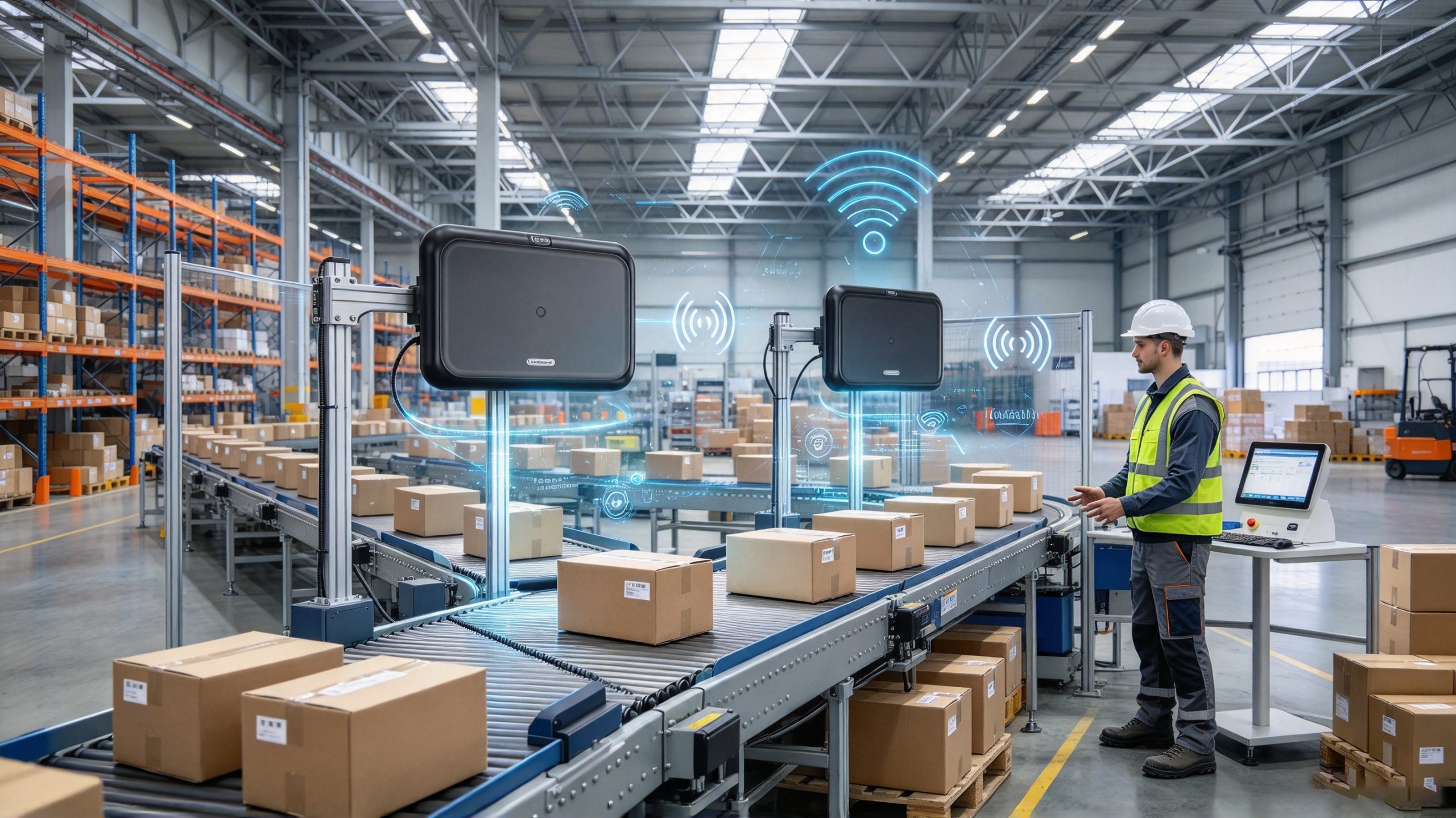
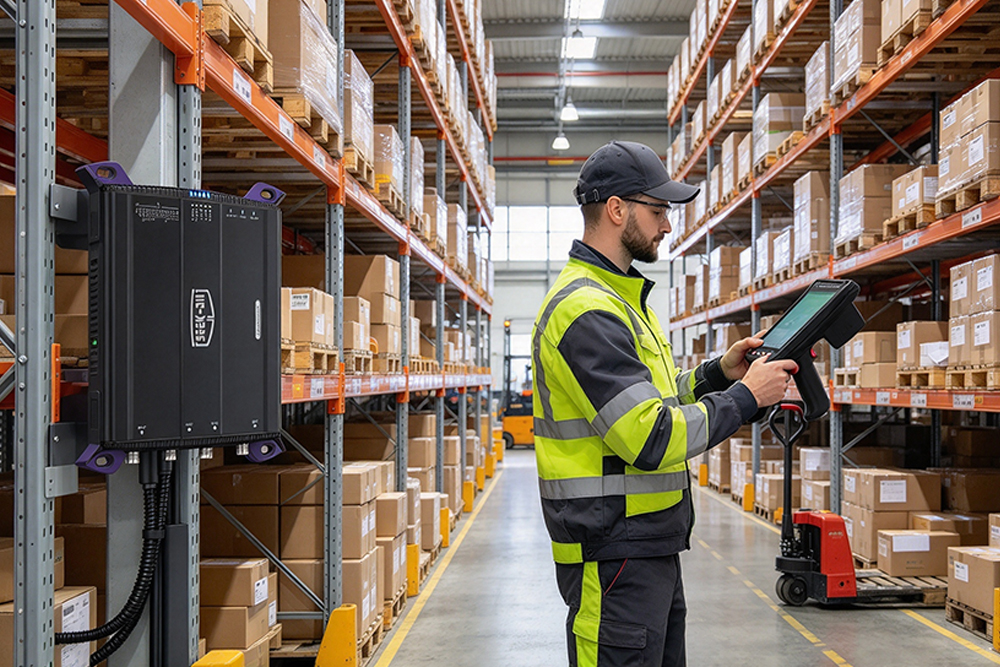
RFID readers capture electronic tag identifiers as goods move through a defined warehouse reading zone.
The RFID Identification Process
A typical passive UHF RFID reading process can be understood in several stages:
The reader activates the reading zone. The reader sends radio-frequency energy through one or more antennas.
The tag receives the signal. A passive tag within a suitable communication range receives enough energy to respond.
The tag sends its response. Its chip communicates stored information using the tag’s radio-frequency response.
The reader decodes the identifier. The reader processes the response and reports the captured data to a host system.
The application uses the data. Software matches the identifier with a product, shipment, asset, or other business record.
In practice, the sequence is less tidy than a diagram suggests. A tag may be turned away from the antenna. Several tags may respond in the same reading area. Metal shelving, liquid-filled containers, or nearby equipment may change the radio-frequency environment.
That is why RFID system design involves more than selecting a reader with a high output power. Antenna placement, tag selection, reading-zone geometry, reader configuration, and software filtering all affect the result.
What Are the Main Components of an RFID System?
An RFID installation is a connected identification system. Each component has a different responsibility, and a weakness in one part can affect the performance of the whole installation.
An RFID tag is attached to or embedded in the object that needs to be identified. It generally consists of a microchip and an antenna.
The chip stores data, often including a unique identifier. Some tags also provide user memory for additional information, depending on their design and protocol.
Common tag formats include:
RFID labels: Thin adhesive labels used on cartons, products, and packages.
Hard tags: More durable housings for reusable assets or industrial applications.
RFID cards: Cards used for identification, access control, and related applications.
Special-purpose tags: Tags designed for challenging conditions, including exposure to moisture, temperature changes, or metal surfaces.
A frequent selection mistake is choosing a tag based only on its size or price. A label that performs well on a cardboard carton may behave differently when attached directly to a metal tool or a liquid container. The mounting surface and operating environment need to be considered before a tag is approved.
2. RFID Readers
The RFID reader sends and receives radio-frequency signals. It communicates with tags and forwards captured information to a host device or software platform.
Different reader designs serve different purposes:
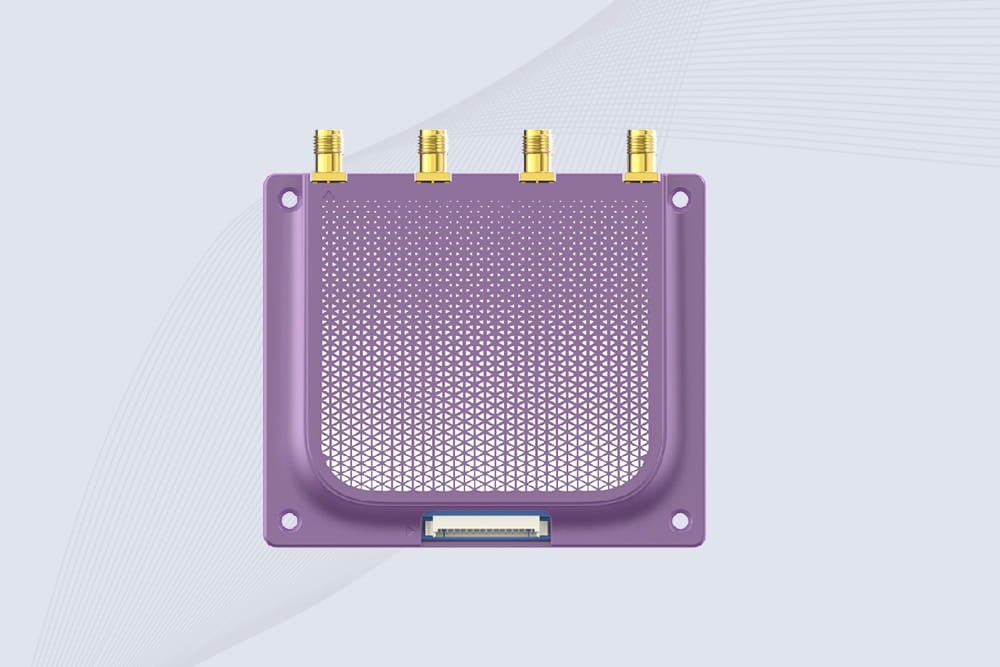
Allows RFID functionality to be integrated into another device
A fixed reader is often selected for a defined reading point, such as a conveyor or warehouse entrance. A handheld reader is more appropriate when employees need to move between shelves or inspect equipment in different locations.
A desktop reader has a different role. It may be used to register or encode tags before products enter a warehouse or production process.
3. RFID Antennas
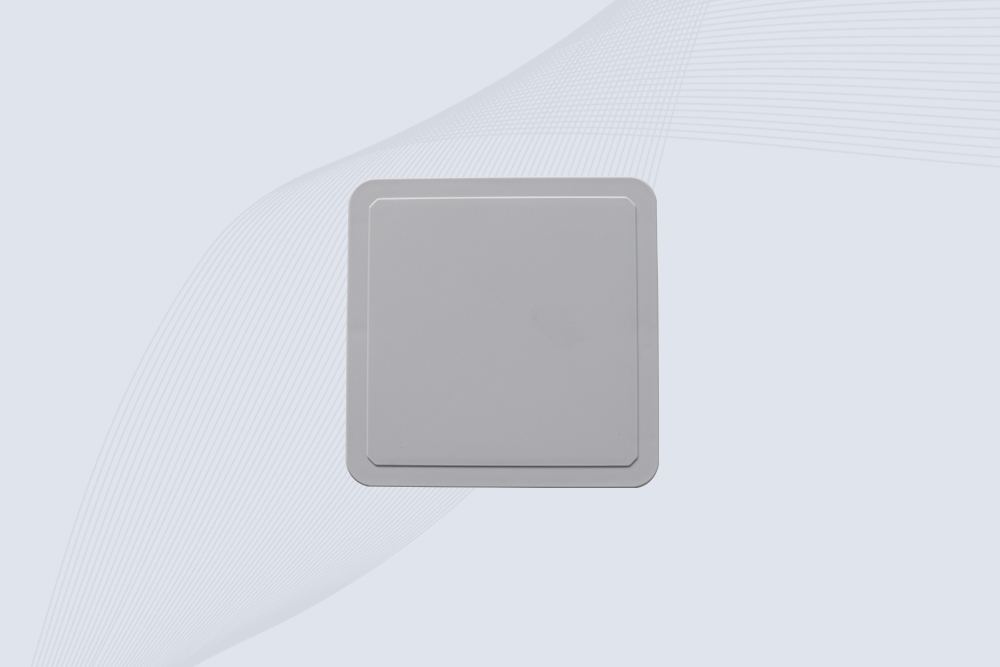
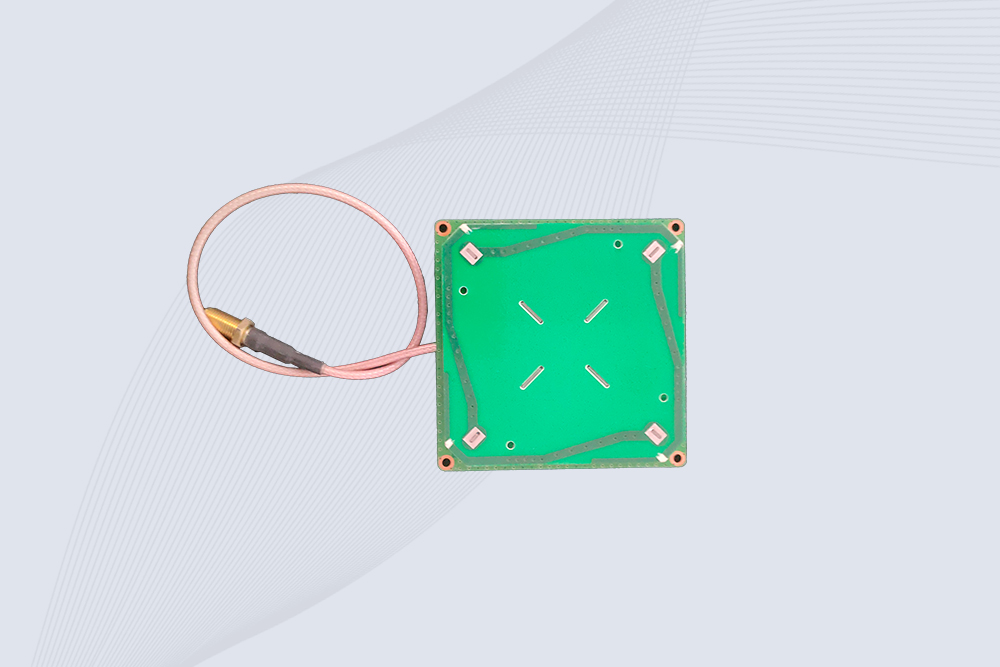
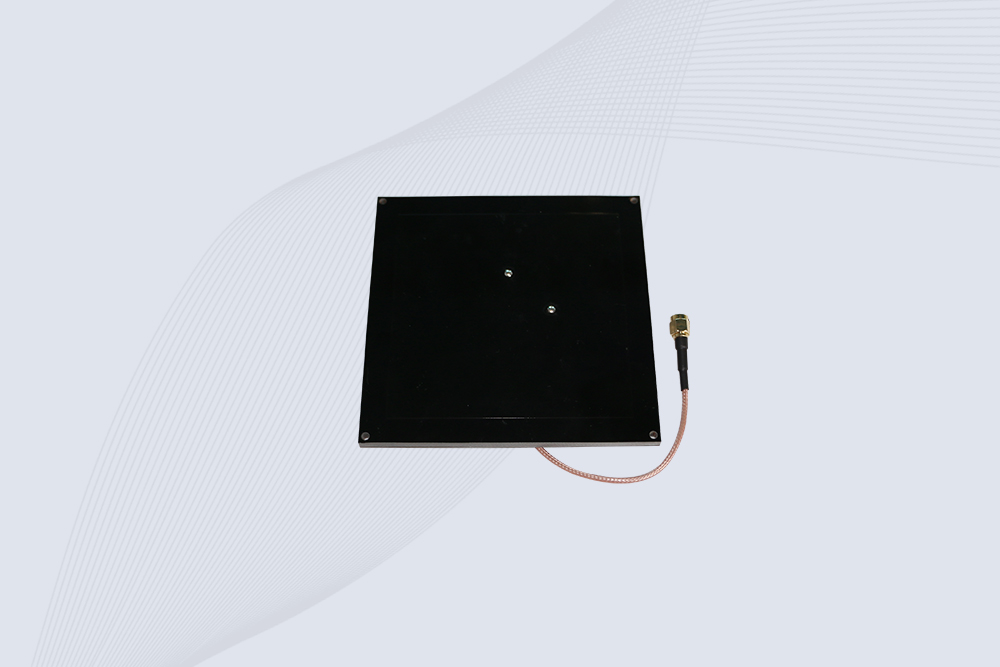
The antenna transmits and receives radio-frequency signals. Its design and position influence the shape and coverage of the reading zone.
A system may use one antenna or several antennas, depending on the application. Antenna orientation, polarization, distance, mounting height, and surrounding materials all influence tag detection.
In a conveyor application, for example, antennas may be installed at different angles to improve the chance of reading tags on cartons with different orientations. Simply increasing reader power may not solve a poor antenna arrangement. It can also increase unwanted reads outside the intended zone.
4. RFID Software and Database
The software layer turns tag reads into useful business information.
A reader may report an EPC or another tag identifier, but the application must determine what that identifier represents. It may correspond to a product SKU, carton, shipment, tool, library item, or reusable asset.
Software can also handle:
Duplicate-read filtering
Tag-to-product data matching
Inventory updates
Event and movement records
User permissions
Reporting and exception handling
Communication with ERP or warehouse management systems
Without this layer, an RFID reader may collect identifiers without delivering the operational result that the business expects.
What Are the Different Types of RFID?
RFID systems are commonly classified by their power source and operating frequency. These categories are important because they affect communication range, tag size, application suitability, and system design.
Passive RFID
Passive RFID tags do not contain their own battery for normal communication. They obtain the energy needed to respond from the reader’s transmitted radio-frequency field.
They are widely used for product identification, retail inventory, warehouse operations, and logistics because passive tags can be relatively small and economical.
Active RFID
Active RFID tags contain an internal power source, usually a battery. This allows them to transmit signals independently of the reader’s energizing field.
Active systems are used in applications such as certain types of vehicle tracking, equipment monitoring, and location systems where longer communication distances or periodic tag transmissions are required.
Battery-Assisted Passive RFID
Battery-assisted passive tags contain a battery to power the chip or support particular functions, but they still communicate with a reader using a backscatter-based response. Their operation differs from both conventional passive and fully active tags.
RFID Frequency Bands
RFID systems also operate across different frequency bands. The main categories are low frequency (LF), high frequency (HF), and ultra-high frequency (UHF).
RFID frequency
Common frequency range
Typical characteristics
Example applications
LF
125–134 kHz
Short-range communication; often tolerant of some challenging environments
Short-range communication; widely used in cards and NFC-related applications
Smart cards, ticketing, library systems
UHF
Commonly 860–960 MHz globally, depending on regional regulations
Supports longer-range identification and multi-tag reading
Warehouses, retail, logistics, manufacturing
The frequency ranges above are broad industry categories, not permission to operate at every frequency in every country. UHF RFID equipment must be configured for the radio regulations of the market where it is installed.
For passive UHF applications, the GS1 EPC Gen2 air-interface standard is widely used. It defines how compatible readers and tags communicate. GS1’s current standards repository lists EPC Gen2 version 3.0.1, published in February 2026.
Where Is RFID Used?
RFID is used wherever organizations need to identify individual items, record movement, or collect information without manually scanning every object. The business value varies by industry. In one setting, RFID may reduce the time spent counting stock. In another, it may help establish whether a tool has been returned or whether a shipment has passed a dispatch point.
RFID in Warehousing and Inventory Management
Warehouses use RFID to identify products, cartons, pallets, and reusable containers during receiving, storage, picking, and shipping.
A fixed UHF reader can be installed at a receiving doorway or conveyor checkpoint. When tagged goods pass through the defined reading area, the system captures their identifiers and sends the data to warehouse software.
Typical applications include:
Receiving goods and checking deliveries against purchase orders
Conducting inventory counts without scanning every barcode individually
Recording stock movement between storage areas
Verifying cartons or pallets before dispatch
Tracking reusable containers and returnable transport items
RFID can also support cycle counting. Instead of waiting for a full manual stocktake, employees can use handheld readers to collect tag data from selected shelves or storage zones.
There is research behind the inventory-accuracy discussion, although results should not be treated as universal promises. A field study published in Production and Operations Management examined RFID-enabled inventory visibility in retail. Its first experiment covered 13 stores over 23 weeks and reported an approximately 26% reduction in inventory record inaccuracy. A second experiment involved 62 stores and found that the impact varied by product category.
The useful lesson is not that every RFID installation will improve inventory accuracy by 26%. The study shows that results depend on the product categories, operating conditions, and the way RFID visibility is integrated into inventory processes.
RFID in Retail
Retailers use RFID to identify individual products, check stock availability, support replenishment, and improve visibility between shop floors and stockrooms.
For example, a clothing retailer may attach an RFID label to each garment. Staff can use handheld readers to count items on a rail or check whether a particular size is available in the stockroom. A fixed reader may also be installed at a controlled point to record tagged goods moving through a process.
Item-level identification is particularly useful in apparel because several products can share the same model, colour, and size. A serialized identifier can distinguish one physical item from another, rather than identifying only the general product type.
GS1 explains how EPC-based identification can combine a product identifier with a serial number, allowing individual instances of the same product to be distinguished.
RFID in Manufacturing
Manufacturers can use RFID to identify components, work-in-process items, production containers, and finished goods.
A tag attached to a component or carrier can be read at different production stations. The manufacturing system can then associate the identification event with a particular process step.
Practical examples include:
Identifying components before assembly
Recording which production station handled a workpiece
Tracking reusable fixtures and containers
Associating finished products with production records
Supporting traceability and quality-control workflows
The physical installation needs attention. Metal machinery, moving parts, and dense production layouts can influence radio-frequency performance. A tag selected for a cardboard box may not be suitable for a metal component. Testing the actual tag on the actual product is more reliable than choosing from a catalogue description alone.
RFID in Libraries and Asset Management
Libraries use RFID labels to identify books and other media. Depending on the system design, RFID can support circulation, self-service borrowing and returns, stocktaking, and item identification at security gates.
Businesses also use RFID to manage tools, IT equipment, maintenance assets, and reusable instruments. A tag provides an electronic identifier that can be associated with an asset record, allowing staff to check an item’s identity or record its movement.
RFID helps organizations identify equipment and maintain digital records of tools and reusable assets.
What Can RFID Do That a Barcode Cannot?
RFID and barcodes both support automatic identification, but they work differently.
A barcode scanner normally needs to see the printed code. The operator or automated scanning equipment must position the code within the scanner’s field of view. RFID uses radio communication, so a reader can identify compatible tags without directly seeing the printed label.
Feature
RFID
Barcode
Identification method
Radio-frequency communication
Optical scanning
Direct line of sight
Usually not required
Normally required
Multiple-item reading
Possible with suitable RFID systems
Usually scanned one code at a time
Data storage
Depends on tag chip and memory
Usually stores a printed identifier
Read distance
Depends on frequency, tag, reader, and environment
Depends on barcode type and scanner
Typical consumable
RFID tag or label
Printed barcode label
Environmental sensitivity
Can be affected by metal, liquids, orientation, and interference
Can be affected by dirt, damage, poor contrast, and obstruction
RFID is not automatically better in every situation. Barcodes remain inexpensive, familiar, and effective for many products and workflows. Some operations use both: barcodes for visible identification and RFID for automated bulk reading or movement recording.
The choice should be based on the process. If employees only need to scan a few clearly presented items, barcode technology may be sufficient. If the operation involves frequent stock counts, large batches, or automated identification at multiple checkpoints, RFID may offer a stronger operational case.
How Far Can an RFID Reader Read a Tag?
RFID reading distance depends on the frequency band, tag design, reader output power, antenna gain, tag orientation, and surrounding materials. There is no single reading distance that applies to every RFID system.
LF RFID: Generally used for close-range identification, often within a few centimetres.
HF RFID: Commonly used for short-range applications such as cards, ticketing, and library systems.
UHF RFID: Can support reading over distances of several metres in suitable conditions, making it useful for warehouse and logistics applications.
Some passive UHF installations can achieve longer distances under favourable conditions, but advertised maximum range should not be treated as a guaranteed operating distance.
For example, a warehouse may need to identify cartons passing through a doorway. A long reading distance is not necessarily desirable if the reader also detects products on nearby shelves. The objective is to create a controlled reading zone that captures the intended goods and avoids unrelated tags.
This is an important difference between a laboratory demonstration and a production installation. In a real facility, the system must work around people, metal racks, forklifts, packaging, and changing tag orientations.
What Affects RFID Reading Performance?
Several factors influence whether an RFID reader detects a tag consistently.
Tag Position and Orientation
The tag antenna needs to interact effectively with the reader’s RF field. If a tag is rotated or mounted in an unsuitable position, its response may become weaker.
For a conveyor application, cartons may travel in different orientations. Testing only one carton position can give an unrealistic impression of system performance. The test should include the range of orientations expected during normal operation.
Metal and Liquid
Metal surfaces can detune or interfere with conventional RFID tag antennas. Liquids can absorb or alter UHF radio-frequency energy, affecting communication.
Special-purpose tags are available for metal-mounted objects and challenging environments. However, selecting a tag labelled “on-metal” does not eliminate the need for testing. The mounting surface, spacing, and actual operating conditions still matter.
Reader Power and Antenna Placement
Increasing reader output power may improve detection in some circumstances, but it can also enlarge the reading zone and increase unwanted reads.
A more reliable approach is to evaluate:
Reader output power
Antenna gain and orientation
Antenna-to-tag distance
Number and position of antennas
Tag type and mounting location
Reading-zone boundaries
Local radio regulations
Tag Density and Anti-Collision
When many RFID tags are within the reading area, the reader needs to manage their responses. UHF RFID systems use anti-collision procedures to identify multiple tags efficiently.
The actual throughput depends on the reader, protocol settings, tag population, RF conditions, and host communication. A manufacturer’s maximum tags-per-second figure should therefore be verified under a representative test setup before being used as a project performance target.
How to Choose the Right RFID System
Choosing an RFID system should begin with the task, not the reader model. A system designed for encoding individual tags at a desk is not automatically suitable for identifying hundreds of cartons on a moving conveyor.
Business requirement
Potential RFID solution
Important selection factor
Product inventory
Handheld or fixed UHF reader
Tag readability across product positions
Warehouse receiving
Fixed UHF reader with antennas
Controlled reading zone
Tag encoding
Desktop RFID reader-writer
Write compatibility and software support
Industrial equipment tracking
Industrial reader and suitable tags
Environmental protection and mounting
Library circulation
HF RFID equipment
Compatibility with the library’s tag and data standard
OEM equipment integration
RFID module
Interface, SDK, protocol, and antenna integration
Questions to Ask Before Purchasing
A practical assessment should establish:
What objects need identification? Products, cartons, tools, pallets, or reusable containers may require different tags.
Where will the tags be mounted? Cardboard, plastic, metal, and liquid-containing products create different RF conditions.
How many tags need to be read at once? A single-tag workstation has different requirements from a high-density reading point.
How quickly do objects move? A conveyor checkpoint needs to complete identification within the time goods remain in the reading zone.
How will data reach the application? Check the reader’s communication interfaces and available SDK or API.
Which radio regulations apply? Confirm the permitted frequency range and power settings for the installation country.
A proof-of-concept test is usually more useful than comparing maximum-range figures alone. Use the actual tags, representative products, intended mounting positions, and the reader configuration planned for deployment.
How Is an RFID System Installed?
An RFID installation involves more than connecting a reader to a computer. The reading area, tag placement, communication interface, and application logic must work together.
Step 1: Define the Identification Point
Choose where identification should occur. Examples include a receiving doorway, conveyor, workstation, storage shelf, or equipment cabinet.
Be precise about what should be detected. If the requirement is to record goods leaving a warehouse, the system should distinguish items crossing the dispatch point from stock remaining nearby.
Step 2: Select and Test RFID Tags
Test candidate tags on the actual products. Check whether the tags can be read when attached to the expected surfaces and placed in realistic orientations.
For metal assets, evaluate tags designed for metal mounting. For cartons containing liquid products, test the full packaging configuration rather than relying on an empty carton.
Step 3: Position the Reader and Antennas
Install the reader and antennas according to the intended reading-zone design. Adjust antenna direction and output power to balance reliable detection with unwanted reads.
A multi-antenna arrangement may be useful where goods pass through a larger reading area or where tag orientation varies.
Step 4: Connect the Reader to Software
Depending on the equipment, communication may use Ethernet, RS-232, USB, or another supported interface. Confirm the protocol, data format, SDK, and API before integration.
The application should be able to:
Receive tag identifiers
Filter repeated reads
Match identifiers to database records
Record time and location events
Handle communication errors
Report exceptions to operators
Step 5: Test Under Normal Operating Conditions
Run tests with representative tag quantities, realistic movement speeds, and the normal surrounding equipment in operation.
Measure the results that matter to the process: successful identification rate, missed reads, unwanted reads, duplicate events, and data-transfer reliability. A reader that detects every tag in a stationary bench test may behave differently when cartons move through a busy warehouse.
Cykeo RFID Equipment for Different Applications
Cykeo provides RFID equipment for fixed-reader installations, desktop tag operations, and system integration. The appropriate product depends on the reading environment and the required workflow.
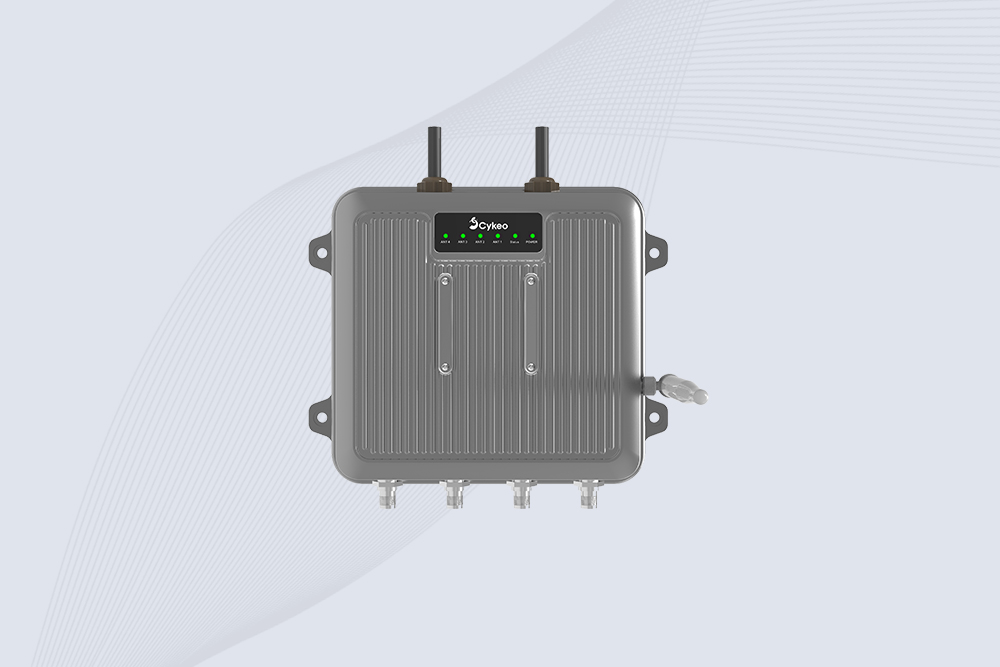
The CYKEO-RA9L / CK-D9L is an industrial integrated UHF fixed-reader option for applications such as warehouse checkpoints and equipment identification.
According to the supplied product specifications, the reader features a 9 dBi integrated antenna, an ABS antenna structure, and an aluminium rear shell. Communication options include RS-232 and Ethernet, depending on configuration. The product supports ISO 18000-6C/6B and includes anti-collision and carrier-cancellation functions.
A 12 dBi variant is also available in an all-in-one industrial configuration with an aluminium rear cavity.
Before specifying a model, confirm the required interface, antenna configuration, operating environment, and permitted RF settings. The final installation should be tested with the intended tags and products.
RFID OEM Modules
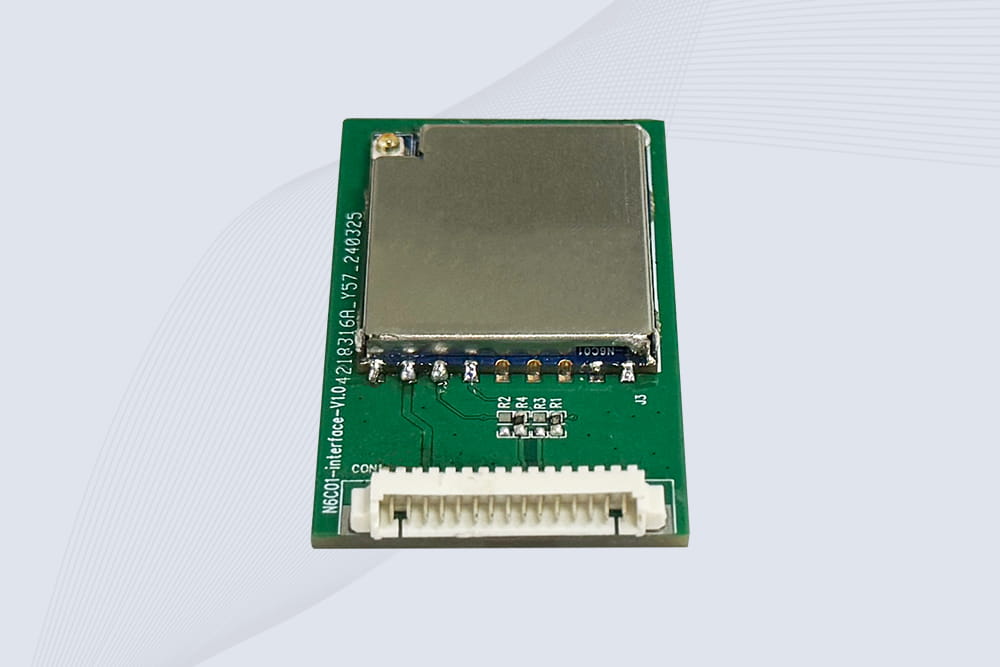
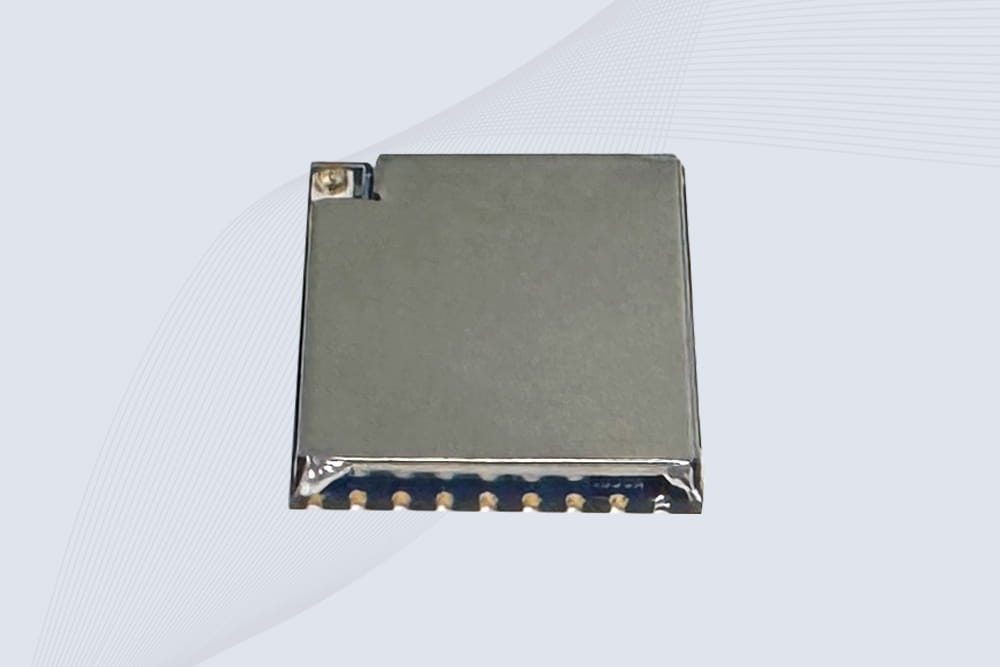
The CYKEO-M4L UHF OEM module is designed for integration into equipment that requires RFID functionality.
Its supplied specifications include support for ISO 18000-6C/EPC C1G2 and ISO 18000-6B, with GB/T 29768-2013 support also specified. The module provides an API library and adjustable output power up to 33 dBm, subject to applicable configuration and regional regulations.
This type of module can be considered when a manufacturer wants to integrate RFID into a custom terminal, machine, or automated identification device rather than use a standalone reader.
Desktop RFID Reader-Writers
The SSD-D1AL desktop RFID reader-writer is intended for short-range tag operations such as registration, encoding, and small-scale checkout workflows.
The supplied product information specifies an Impinj R500-based design, a near-field antenna, reading distance of up to 30 cm, and writing distance of up to 10 cm. It also supports batch writing, tag filtering, demonstration software, and C# and Java development materials.
These figures are product specifications, not guaranteed distances for every tag. Actual performance depends on tag design, placement, and operating conditions.
How to Calculate the Potential Value of RFID
RFID should be evaluated against measurable operating costs, not just the price of tags and readers. A useful business case considers labour, stock accuracy, throughput, shrinkage, traceability requirements, and the cost of integrating the system.
For example, imagine a warehouse spends 15 hours each week on a particular manual stock-checking task. If a pilot installation reduces that task to 7 hours, the potential saving is 8 hours per week.
This is an illustrative calculation, not a promised RFID result. The actual saving must be measured during a pilot, and the calculation should account for system maintenance, tag costs, integration, training, and exception handling.
A sensible evaluation compares the current process with the RFID-assisted process:
Measurement
What to record
Labour time
Hours spent receiving, counting, searching, and dispatching
Identification accuracy
Correctly identified items compared with the physical count
Missed reads
Tags that should have been detected but were not
Unwanted reads
Tags detected outside the intended process
Processing time
Time required to complete a defined operation
Total cost
Hardware, tags, software, installation, and ongoing support
The most valuable pilot is not necessarily the one with the largest number of tags. It is the one that tests the most important business problem under realistic operating conditions.
RFID Implementation: Common Mistakes to Avoid
Some RFID projects struggle even when the selected reader and tags are technically compatible. The problem is often the gap between the test environment and the actual workflow.
Choosing tags without testing the mounting surface. A tag that works on a cardboard sample may perform poorly on a metal asset or a liquid-filled product. Test the tag after it has been attached to the real object.
Using maximum reader power as the only solution. Higher power can increase the reading area, but it may also capture tags that are not part of the intended transaction. Antenna positioning and zone design are equally important.
Ignoring duplicate reads. A stationary tag may be detected repeatedly. The application needs suitable filtering and event logic so that repeated observations do not become duplicate inventory transactions.
Testing only a few tags. A reader that performs well with five tags may behave differently with a dense population. Test realistic tag quantities and movement speeds.
Treating a tag read as proof of a completed business event. A tag detected near a dispatch door has not necessarily been shipped. The application must use the location, direction, process state, and other relevant rules before updating business records.
Leaving regional radio configuration until installation. UHF RFID frequency and power requirements vary by market. Equipment must be configured and operated in accordance with local regulations.
Frequently Asked Questions About RFID
1. What does RFID stand for?
RFID stands for Radio Frequency Identification. It is a wireless identification technology that uses radio waves to exchange information between electronic tags and readers. Businesses use RFID to identify products, equipment, packages, and other objects in applications such as inventory management, logistics, access control, and asset tracking.
2. How does an RFID system work?
An RFID reader sends a radio-frequency signal through its antenna. A compatible tag responds to that signal, and the reader captures its identification data. The reader then sends the information to software, which matches the identifier with a product, asset, or other database record.
3. Is RFID better than a barcode?
Neither technology is universally better. RFID can identify multiple compatible tags without direct visual contact, making it useful for automated inventory and logistics processes. Barcodes are often less expensive and work well when items can be presented individually to a scanner. The right choice depends on reading volume, operating conditions, accuracy requirements, and total implementation cost.
4. Can RFID read multiple tags at the same time?
Yes. Compatible UHF RFID systems can identify multiple tags within a reading zone using anti-collision procedures. The number of tags successfully identified depends on reader capability, tag population, RF conditions, tag orientation, and configuration. A high-density application should be tested with the expected number of tags and actual product packaging.
5. Does RFID require an internet connection?
No. An RFID reader can communicate with tags without an internet connection. However, a connected application is normally needed if the business wants to store reading records, update inventory, synchronize data between locations, or integrate RFID events with an ERP or warehouse management system. Local network or offline processing options depend on the system architecture.
6. Can RFID tags be reused?
Some RFID tags are designed for repeated use, while others are intended for one-time product or packaging identification. Reusable hard tags are common in asset tracking, industrial equipment management, and returnable-container applications. Whether a tag can be reused also depends on its physical durability, memory design, and whether its stored data can be rewritten.
7. What should a business consider before installing RFID?
A business should define the identification task, select tags suitable for the objects being tracked, assess reader and antenna placement, and confirm software compatibility. It should also test reading performance under realistic operating conditions and check local radio-frequency regulations. A pilot project helps identify technical problems before full deployment.
Explore the SSD-A07 UHF RFID antenna with 7 dBi gain, circular polarization, adjustable 840–960 MHz frequency, and 60°/75° beamwidth for stable RFID read/write performance.
SSD-A06 UHF RFID antenna with circular polarization, adjustable 840–960 MHz frequency, ≥4.5 dBi gain, and a compact directional design for RFID systems.
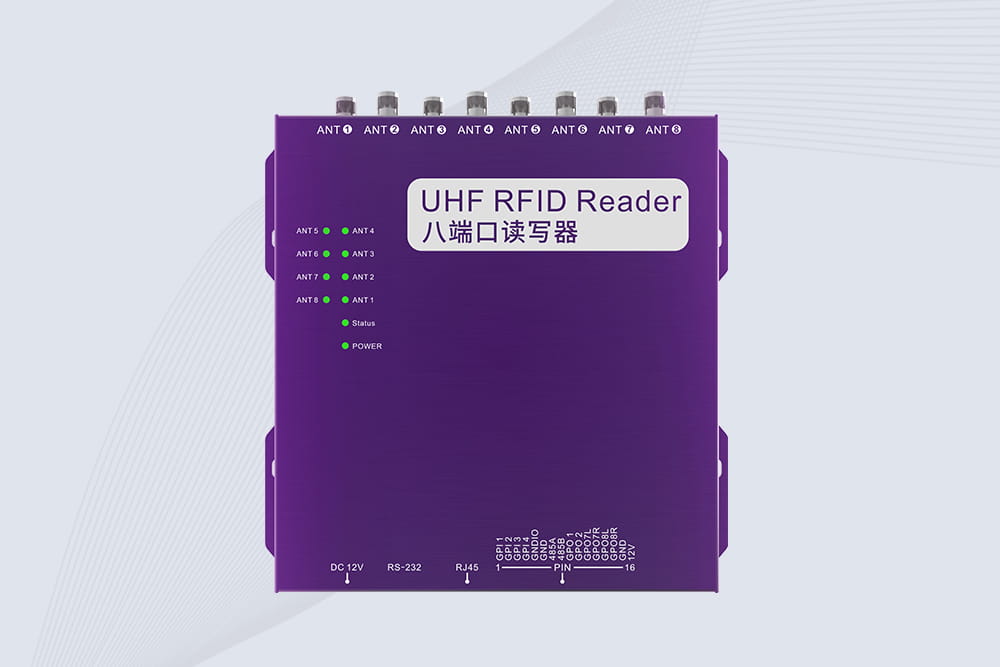
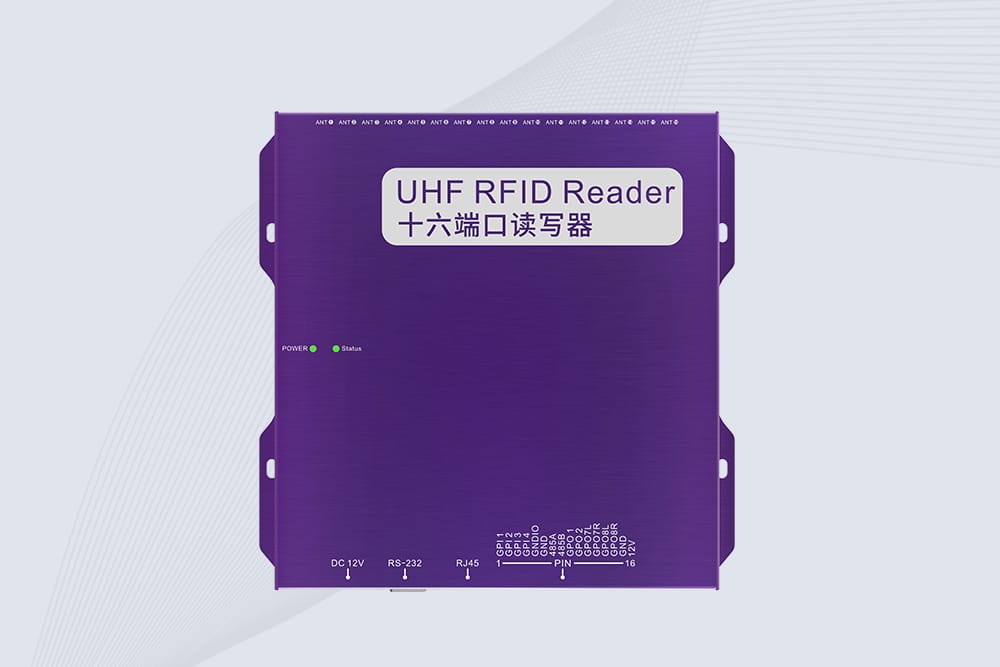
SSD-R16L Multi-Channel RFID Infrastructure for Automated Inventory Management ✔️ 16-Port High-Density RFID Reading Equipped with 16 SMA antenna ports, SSD-R16L supports multi-antenna deployment for warehouses, retail stores, logistics, production lines, and large-area RFID identification. ✔️ High-Speed & Long-Range Performance With up to 33…
SSD-R8L 8-port UHF RFID reader with 33dBm output, up to 20m reading range and 600+ tags/s recognition. Ideal for warehouse, logistics, retail and asset tracking.
CYKEO Embedded RFID Modules are designed for compact industrial and IoT devices that require stable UHF performance. These UHF RFID Modules support global protocols, flexible power control, and reliable multi-tag reading for smart cabinets, production lines, and asset tracking systems.
CYKEO Embedded RFID Module is built for compact IoT and industrial devices that need stable UHF performance. This UHF module supports global protocols, low power operation, and reliable multi-tag reading for smart lockers, production lines, and always-on RFID systems.
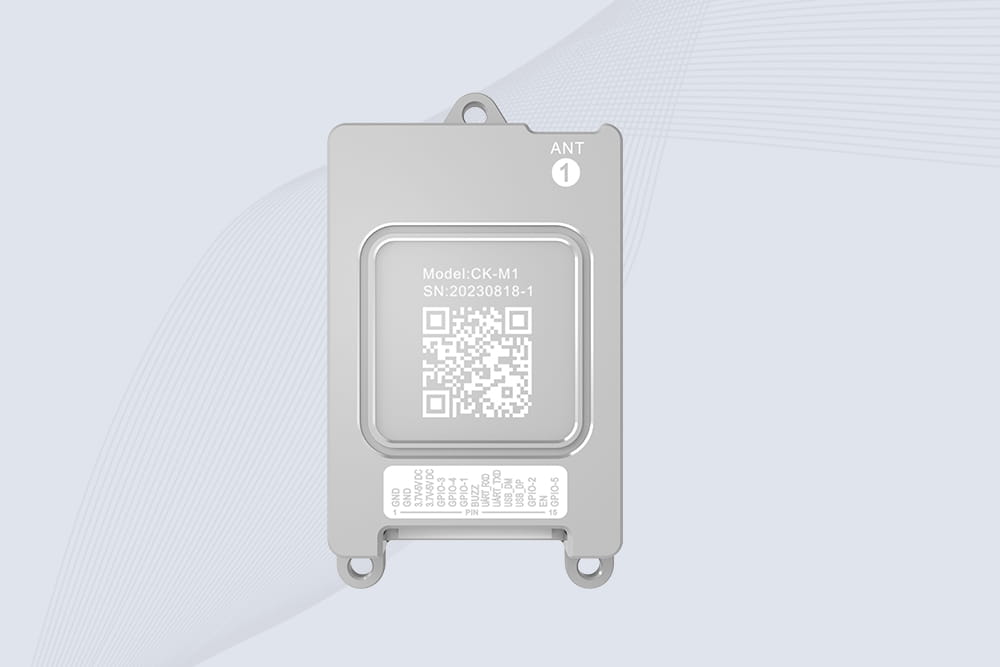
CYKEO CYKEO-M1 drone rfid module is a compact UHF RFID reader module designed for drones and UAV platforms. It supports long-range aerial scanning, fast multi-tag reading, and stable performance in wind, vibration, and outdoor environments.
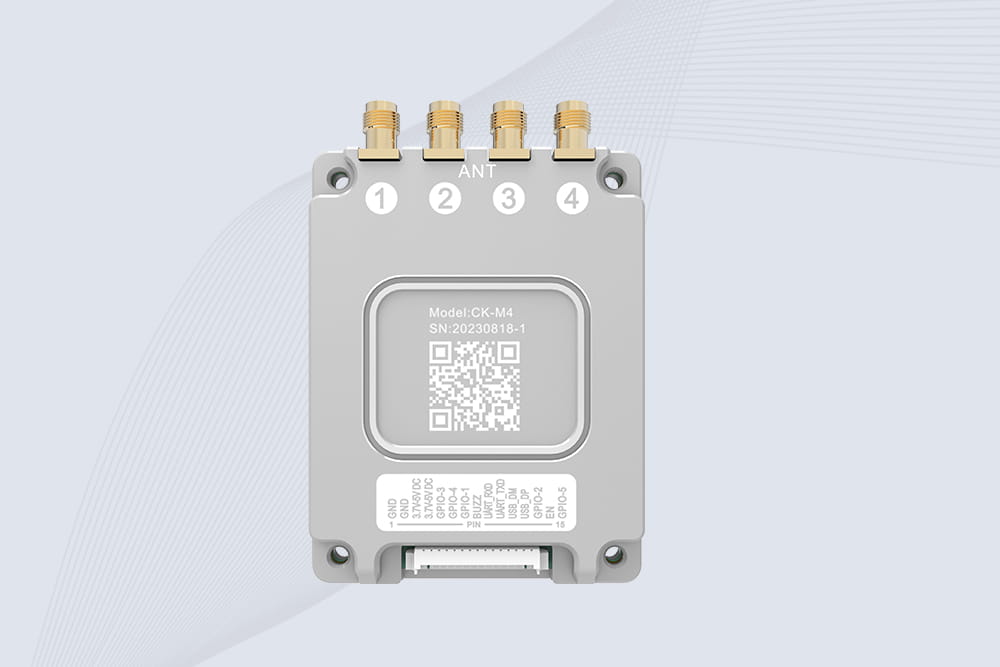
CYKEO CYKEO-M4 RC522 RFID Module is an industrial-grade UHF RFID reader with 4 ports, supporting ISO, EPC, and GB protocols. High-speed, accurate reading for IoT, automation, and warehouse applications.
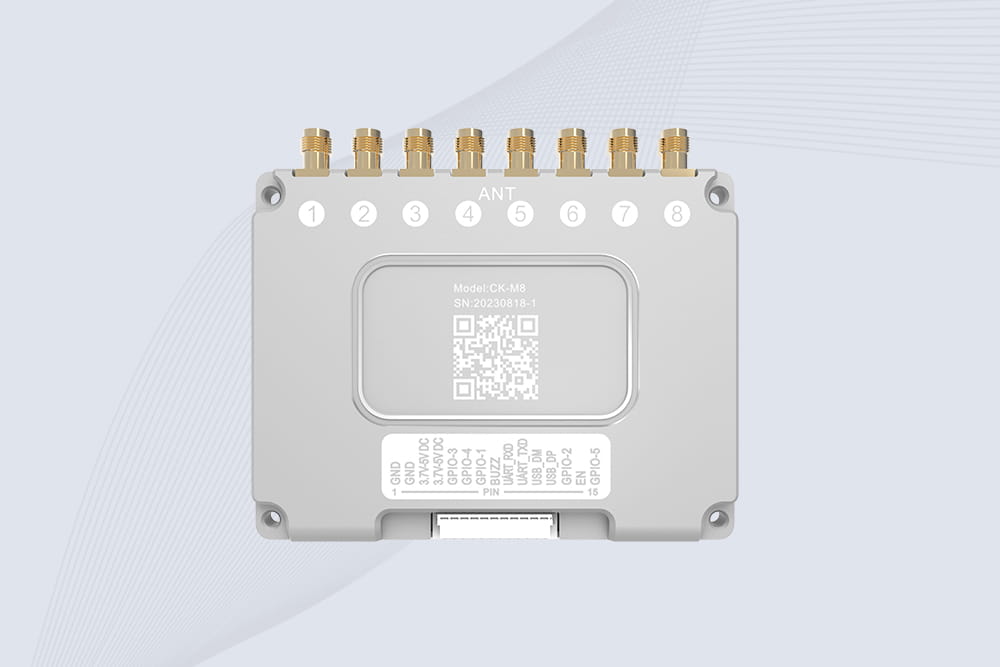
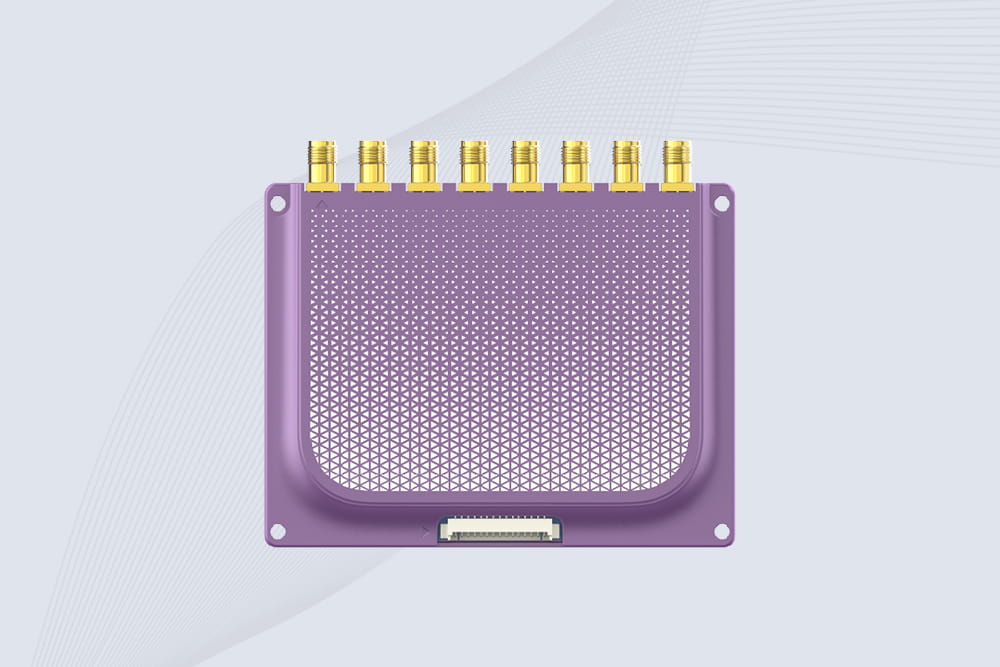
CYKEO CYKEO-M8 Module RFID is an 8-port UHF R2000 RFID Module designed for high-density, multi-tag environments. Stable 33dBm output, ISO & GB protocol support, ideal for warehouses, factories, and automated systems.
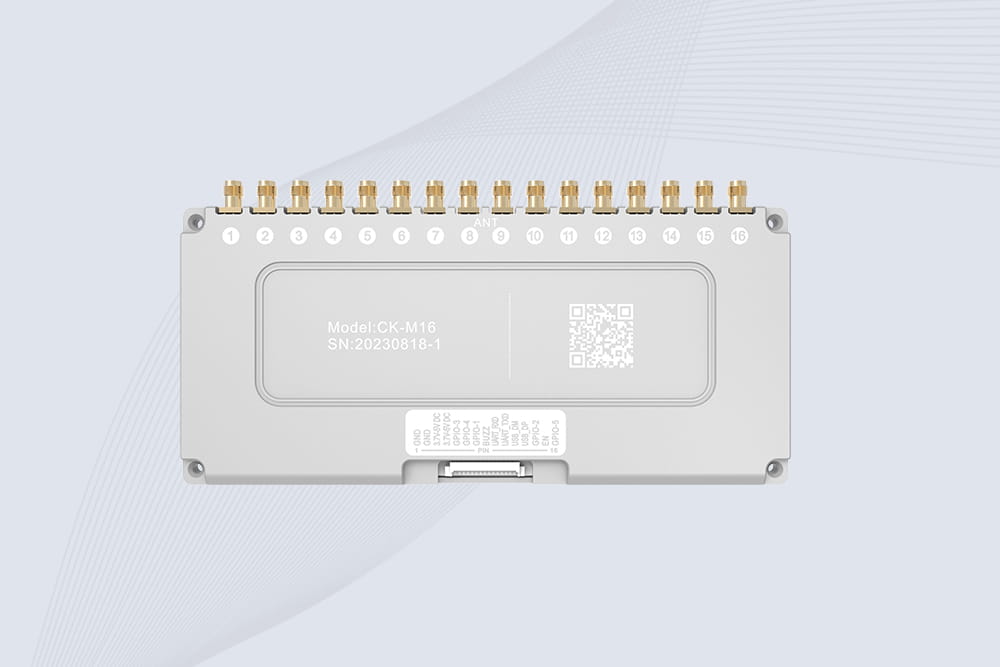
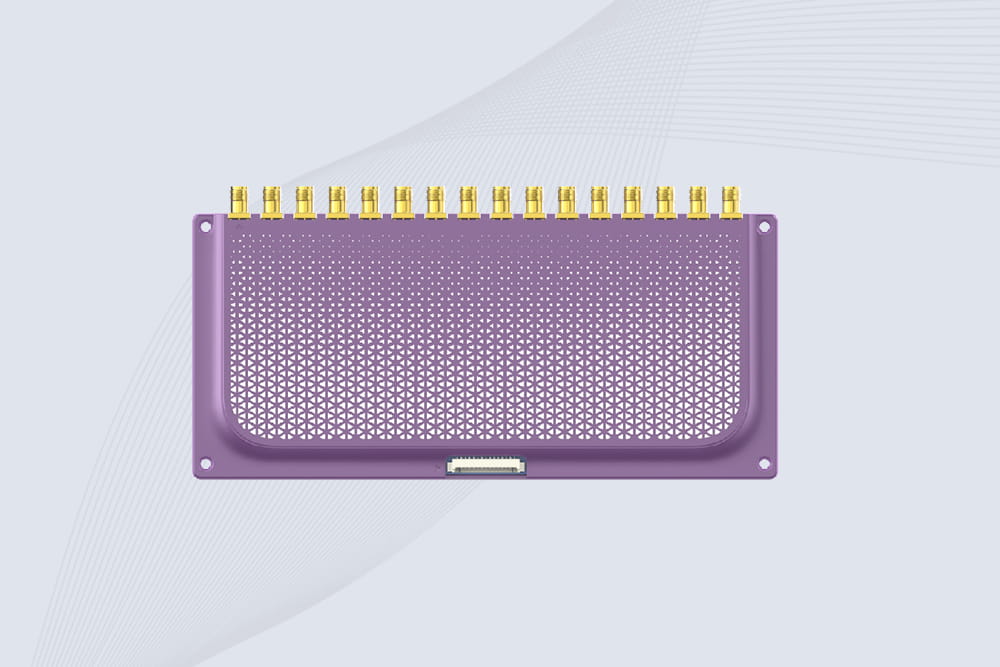
CYKEO CYKEO-M16 RFID Module is a 16-port UHF RFID reader module based on the R2000 chipset. Designed for dense tag environments, it supports ISO and GB standards and delivers stable multi-antenna control for industrial automation.
The CYKEO CYKEO-M16L RFID Reader Module is a 16-channel UHF RFID core designed for dense tag environments. With adjustable 33dBm output, multi-protocol support, and stable multi-antenna control, this RFID Tag Reader Module fits industrial automation, warehouse systems, and large-scale IoT deployments.
CYKEO CYKEO-M8L module RFID is a compact industrial UHF module built for dense tag and multi-antenna environments. With 8 RF ports, adjustable 33 dBm output, and ISO & GB protocol support, it is widely used in factories, warehouses, and automated tracking systems.
CYKEOCYKEO-M4L UHF RFID Module is a compact 4-channel RFID tag reader module designed for dense tag environments. Supporting ISO and GB protocols, it delivers stable reads up to 10 meters for industrial and IoT systems.
Cykeo CYKEO-A11 UHF RFID reader antenna delivers 11dBi gain, 840-960MHz frequency range, and IP65 ruggedness for retail, logistics, and industrial RFID systems. Features low VSWR and easy installation.
CYKEO Antenna RFID Reader delivers stable long-range UHF performance with a 10.5dBi directional design, built for warehouses, conveyor portals, and industrial RFID systems. This rfid reader antenna provides 20m+ read distance and rugged IP67 protection.
Cykeo CYKEO-A5B industrial Linear RFID Antenna delivers 5dBi gain, ≤1.5:1 VSWR, and IP65 rugged design for warehouse, production line, and logistics UHF systems.
Cykeo’s CYKEO-B12 Long Range RFID Antenna delivers 15m+ read range with 12dBi gain, IP65 rugged design, and global 840-960MHz UHF support. Ideal for warehouse/logistics asset tracking.
Cykeo CYKEO-B10 Long Distance RFID Antenna offers 10dBi gain, 840-960MHz frequency range, IP65 rating, and 20m+ coverage for logistics/warehousing/ETC systems. Low VSWR ensures stable signal transmission.
Cykeo CYKEO-A6 UHF RFID panel antenna features 6dBi gain, 840-960MHz broadband, IP65 metal-ready housing for logistics/smart retail. 18mm ultra-thin design with tool-free mounting.
Cykeo CK-A3 industrial antenna RFID UHF offers 5m+ tag detection, ≤1.3:1 VSWR, IP65 rugged design, and global UHF spectrum compatibility (840-960MHz) for warehouses, factories, and retail.
Cykeo CYKEO-B5 directional RFID antenna provides 5dBi gain with 60° narrow beamwidth for precise inventory tracking. IP65-rated, global UHF frequency support, and low VSWR.
Create your own high-performance DIY RFID antenna! 5dBi gain, 840-960MHz tunable, step-by-step guides. Compatible with Arduino, Raspberry Pi, and commercial UHF readers.
Cykeo CYKEO-A7 Flexible RFID Antenna features 840-960MHz wideband tuning, 7dBi gain, and IP68 rating for medical/retail/industrial curved surface deployments. 98% read accuracy with peel-and-stick installation.
Cykeo CYKEO-B5A industrial Passive RFID Antenna delivers 5dBi gain, 70° beamwidth, and -40°C~55°C operation for warehouses/smart cabinets. Compatible with Zebra/Impinj readers.
Cykeo’s CYKEO-A9B High Gain RFID Antenna delivers 15m+ read range with 9dBi amplification. Features IP54 rugged design, 840-960MHz bandwidth, and 80° beamwidth for warehouse/manufacturing RFID systems.
Cykeo’s enterprise-grade 8dbi Impinj RFID Antenna 10m+ read range with 840-960MHz tuning. Features IP65 housing, 1.4 VSWR, 35° beamwidth for retail/warehouse RFID systems.
Cykeo CYKEO-A9 industrial UHF RFID antenna delivers 9dBi gain, 840-960MHz frequency range, and IP65 protection for warehouse/logistics/retail RFID systems. Features N-type connector and ≤1.3:1 VSWR.
CYKEO UHF RFID Antenna built for long-distance and industrial applications. This antenna rfid uhf delivers strong gain, outdoor durability, and reliable tag performance in warehouses, yards, and vehicle ID systems.
CYKEO Antenna RFID delivers reliable long-range UHF performance in warehouses, retail shelves, and cold-chain environments. This compact uhf rfid antenna provides stable reads with circular polarization and ultra-wide 840–960 MHz support, ideal for industrial tracking, smart shelves, and asset monitoring.
Cykeo’s CYKEO-C8 UHF RFID antennas delivers 8dBi gain, 840-960MHz full-band coverage, and IP65 ruggedness for manufacturing/warehouse RFID systems. Industrial RFID Antennas Features
Cykeo’s 8dBi UHF RFID antenna and reader kit delivers 10m+ range, 840-960MHz broadband, and IP65 ruggedness for factories, warehouses, and logistics. ISO 18000-6C & EPC Gen2 certified.
Cykeo’s CYKEO-A12C UHF Large RFID Antenna delivers 12dBi gain, 840-960MHz global frequency, IP65 ruggedness for logistics/warehousing/automotive. 40° beamwidth ensures stable 15m+ tag reads.
CYKEO Near Field RFID Antenna provides precise 5–30 cm reading for shelves, cabinets, and workstations. This compact rfid shelf antenna delivers stable short-range performance around metal and clutter, ideal for pharmacies, libraries, and electronics sorting.
Cykeo CYKEO-C1 industrial Forklift RFID Reader features 20m read range, 600 tags/sec scanning, Impinj R2000 chipset, and IP67 rugged design. Ideal for warehouse logistics and manufacturing. Supports ISO 18000-6C/6B protocols.
Cykeo CYKEO-R4 industrial UHF RFID Fixed Reader features 4 TNC ports, 400+ tags/sec speed, IP67 housing, and global frequency compliance for vehicle inspection, smart warehouse, and asset management systems.
CYKEO CYKEO-R8L Fixed RFID Reader with 8-port UHF design, Impinj-based RF core and up to 20m read range. An industrial Fixed RFID Reader for vehicle inspection, warehouse portals, smart manufacturing lines and secure access checkpoints.
RFID Fixed Reader from CYKEO – the CYKEO-R16L 16-port UHF fixed reader for warehouses, smart cabinets, and production lines. Long-range, multi-tag reading, stable performance for 24/7 industrial use.
Learn how RFID antenna testing works, including signal testing, range testing, environmental testing, and quality checks used for industrial RFID applications and bulk orders.
UHF USB RFID reader uses UHF radio communication to identify compatible RFID tags over a longer range and can support multiple-tag reading for inventory and ...
RFID tracking uses radio waves to identify tagged items and send data from readers to software. It supports inventory management, asset tracking, and movemen...
Wondering, "Do all state ID have RFID antenna?" We clarify the common confusion between RFID, contactless chips, and barcodes used in modern driver's licenses.
 Cykeo RFID IoT Solution Products R&D Manufacturer