 Cykeo RFID IoT Solution Products R&D Manufacturer


How to Troubleshoot Fixed RFID Reader Connectivity Issues?
1140Struggling with fixed RFID reader connectivity? Follow Cykeo’s step-by-step guide to diagnose and resolve network, power, and signal issues quickly.
MoreAll RFID Product
Type “RFID reader” into any marketplace and you’ll find a $40 dongle sitting two scroll-lengths away from an $800 industrial unit. Both say UHF. Both claim ISO 18000-6C. Both promise “long read range.” So what exactly are you paying for?
The honest answer: it depends on what the reader has to do all day, every day, without you standing next to it. This guide walks through the eight differences that actually show up in deployments — and helps you figure out which side of the price line your project belongs on.
Reader pricing is driven by a short list of components, and the RF chipset dominates the bill. Industrial readers built on Impinj silicon — the E710, R500, and R2000 families — cost more per unit than generic RF front-ends, but they hold read rates and accuracy under tag density, temperature swings, and RF noise. Beyond the chipset, the price reflects aluminum vs. plastic housings, power regulation for external antennas, regulatory certification for multiple regions, and the engineering behind the SDK you’ll integrate against.
None of that matters on a spec sheet. All of it matters on a warehouse floor.
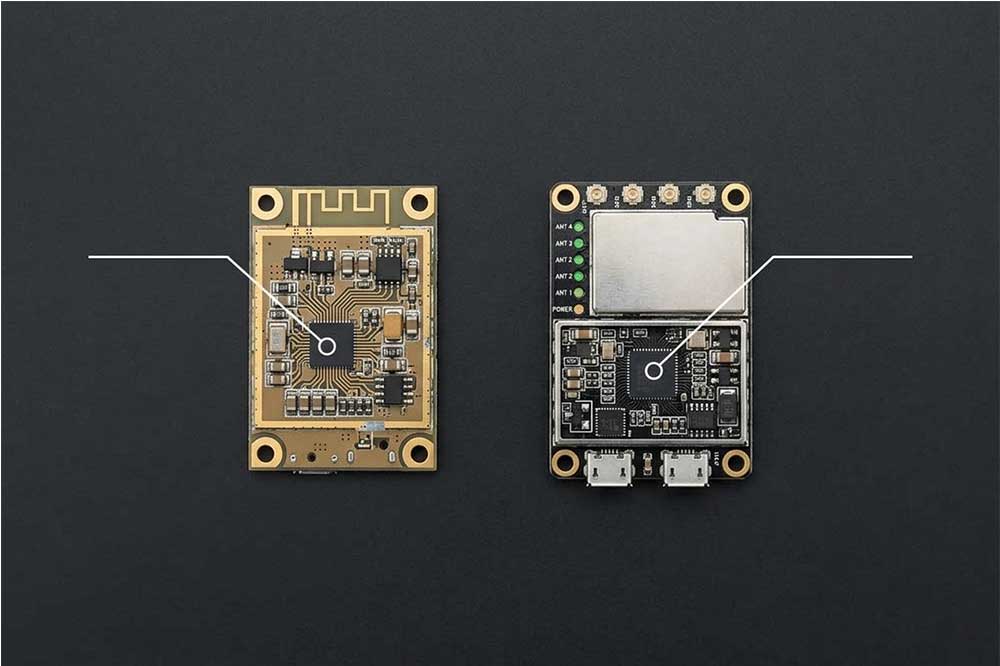
A budget desktop reader typically delivers 10–30 cm of controlled read range — which, for desk-side tag encoding, is a feature, not a flaw. Industrial fixed readers push 15–20 meters reliably, and multi-antenna portal configurations reach further with proper tuning. The bigger difference isn’t the maximum range; it’s consistency. Cheap hardware tends to overstate its typical range while underdelivering on its stated one, especially near the edge of its coverage. A rated “5 meter” budget reader that only reads at 3 meters in practice will break a workflow designed around the spec.
Reading one tag is easy. Reading 200 tags passing a portal at walking speed is engineering. Industrial units handle 400–600+ tags per second with anti-collision logic that keeps performance stable as tag density rises. Budget readers often quote a peak rate achieved with a handful of tags — then choke in dense environments where tags reflect and shield each other. If your use case involves shelves, pallets, or conveyor lines, throughput under load is the single number that matters most.
Desktop readers live indoors at room temperature, handled by people. Fixed readers live on forklifts, dock doors, and production lines — dust, vibration, washdowns, and 24/7 duty cycles. That’s why industrial units carry IP65–IP67 enclosures and extended temperature ratings while a $40 dongle would fail within weeks in the same conditions. Budget hardware isn’t badly made; it’s made for a different life.
Impinj-class chipsets bring better receiver sensitivity, denser anti-collision algorithms, and features like sleep/awake tuning for portals. Generic chips cut costs but often lag on protocol edge cases — locked memory handling, EPC Gen2v2, or unusual tag populations. For a project you’ll maintain for years, chipset pedigree is worth checking before price is worth comparing.
Here’s the hidden cost line. A cheap reader with no documented SDK, no API examples, and no firmware updates can consume weeks of developer time — which quietly erases the money you saved. Manufacturers that sell to integrators, like Cykeo, ship open SDKs with C# and Java examples, REST-style APIs, and demo software precisely because integration time is the real price of RFID hardware. When comparing quotes, price the integration, not just the box.
Budget readers are almost always self-contained: USB power, built-in antenna, fixed output. Industrial readers expose 4, 8, or 16 SMA/TNC antenna ports with adjustable output power — up to 33 dBm on higher-end models — letting you shape coverage around racks, doorways, or vehicle paths. That flexibility is what makes portal deployments, tunnel readers, and multi-zone monitoring possible at all.
Certified manufacturers tune hardware for regional UHF bands (ETSI in Europe, FCC in North America, and so on) and keep that certification current. Low-cost clones frequently ship with a single firmware band or, worse, out-of-spec emissions that create interference problems for the whole site. If your deployment crosses borders or sits near other RF equipment, this difference can shut a project down.
Industrial suppliers stand behind units with firmware updates, configuration help, and OEM customization — the kind of relationship that gets a read-rate problem solved in a day. Budget marketplace purchases end at the shipping notification. Over a five-year deployment, support responsiveness often matters more than the original spec sheet.
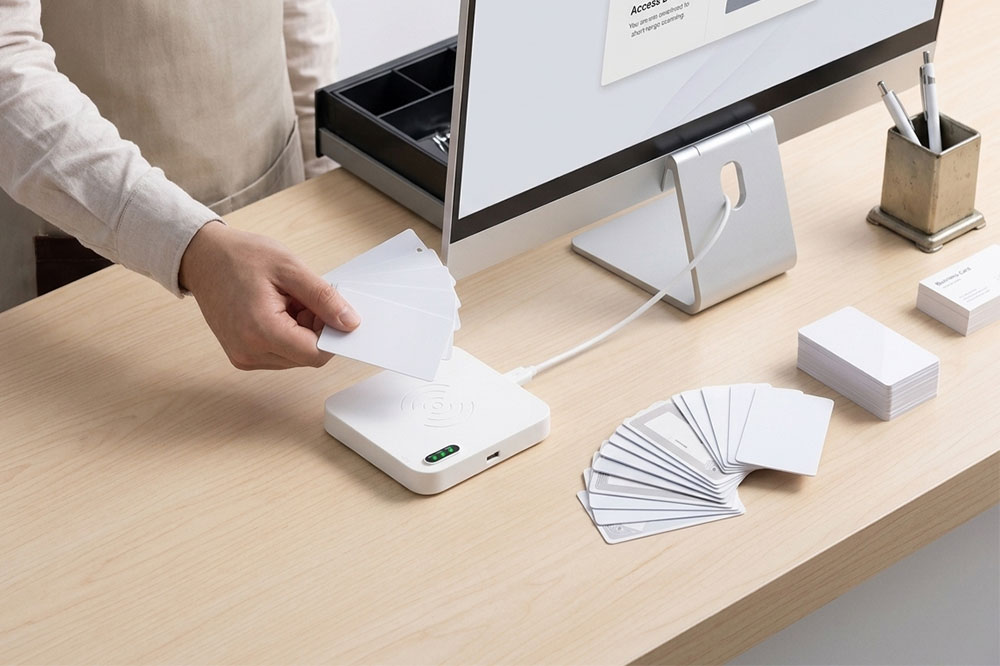
Low-cost USB readers are the right answer more often than industry snobbery admits:
For exactly these scenarios, Cykeo’s USB RFID reader lineup covers the full desktop range — from the compact CYKEO-D1LA for near-field badge issuance to the Impinj E710-based SSD-D4AL with up to 16 antenna options, plus USB-C models like the CYKEO-D1C for bulk tag writing at 26 dBm. These are priced like desktop tools because they’re built like desktop tools: plug-and-play, USB-powered, no external antenna infrastructure needed.
If you’re unsure which tier fits your application, the RFID readers category lets you compare both classes side by side — USB desktop units and fixed industrial readers in one place.
The economics flip the moment the reader must work unattended or at volume:
A useful way to frame the decision: a failed $40 reader at a desk annoys one person. A failed portal reader at a dock door stops a shift. Cykeo’s fixed RFID reader range — including 4-port models rated IP65–IP67 and 16-port units for warehouse-scale coverage — is priced for that second scenario, where uptime is the product you’re actually buying.
Not sure whether your workload needs portal-grade throughput? Cykeo’s team offers free selection guidance on reader count, antenna ports, and placement before you commit — reach out through either product page above.

Ask these five questions before buying anything:
Q1: Is an expensive RFID reader always better? No. An industrial reader used for desk-side encoding wastes money and can even perform worse at short range — some are tuned for portal density, not single-tag precision. Expensive is only “better” when your workload demands range, throughput, or durability. For desktop tasks, a purpose-built USB reader is the better tool at a fraction of the price.
Q2: Why do cheap readers often have shorter real-world range than advertised? Peak range is measured in open air with a single tag and no interference. Walls, metal racks, and dense tag populations cut effective range sharply, and lower-sensitivity chipsets in budget units suffer the biggest drop. If range is critical to your workflow, test hardware in your actual environment before scaling the deployment.
Q3: Can I mix cheap USB readers with industrial fixed readers in one system? Yes — and it’s often the smart architecture. Many integrators use USB desktop readers for tag encoding and issuance stations while deploying fixed readers at portals and checkpoints, all feeding the same software platform. Consistent SDK and protocol support across both tiers makes this straightforward; that’s one reason to buy both classes from a single manufacturer.
Q4: Does a better chipset really make that much difference? For dense-tag scenarios, yes — measurably. Impinj-class chips like the R2000 and E710 sustain hundreds of tags per second with stable anti-collision behavior, while generic front-ends slow down as populations grow. For single-tag desk work, the difference is marginal. Match chipset class to workload, not to prestige.
Q5: How do I avoid overbuying when my budget is tight? Phase the deployment. Start with a USB reader to build and validate your software — the integration work is identical regardless of hardware tier. Then scale into fixed readers only at the checkpoints where unattended, high-volume reading is genuinely required. You’ll spend where the workload demands it, not where fear suggests it.

Discover SSD-D4AL, a USB-HID UHF RFID reader with 4/8/16 antenna options, Impinj E710/X3M1 chipset, plug-and-play USB power, and OEM customization.
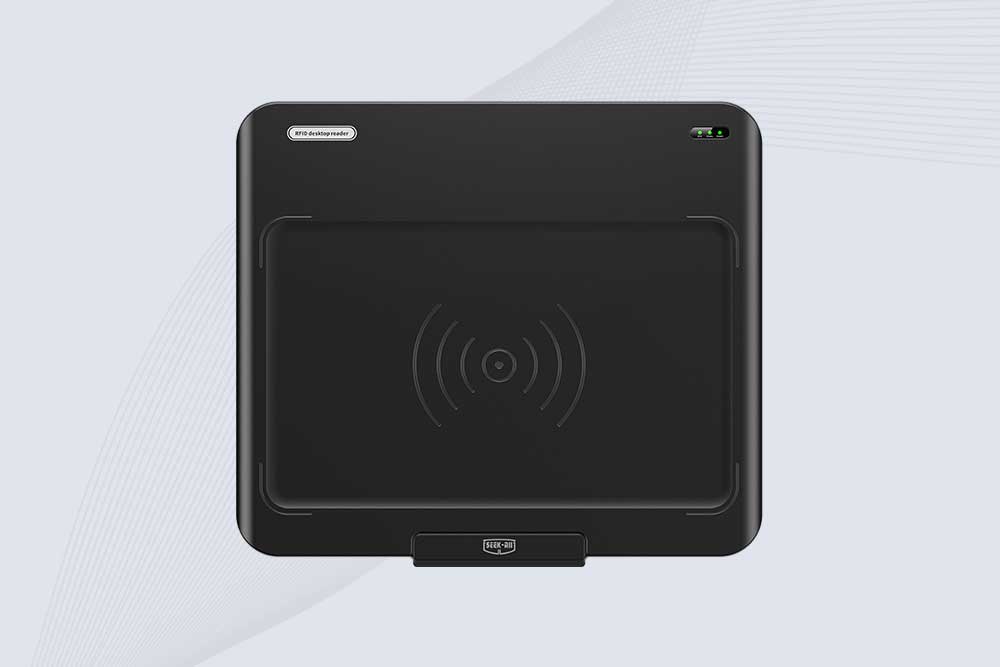
SSD-D3AL is a USB-HID UHF RFID reader with 0–30 cm reading, 0–15 cm writing, over 600 tags/s recognition, USB plug-and-play operation and OEM Logo customization.
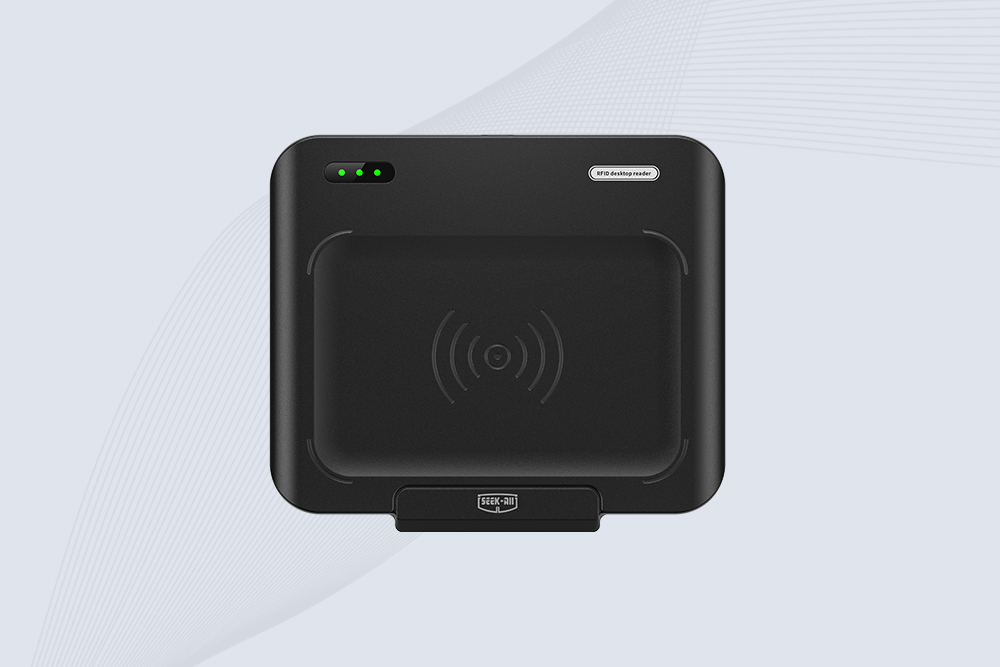
SSD-D1AL is a compact USB UHF RFID reader with Impinj E710/X3M1 chipset, USB-HID, 600+ tags/s recognition, 4/8/16 antenna support and plug-and-play USB power.
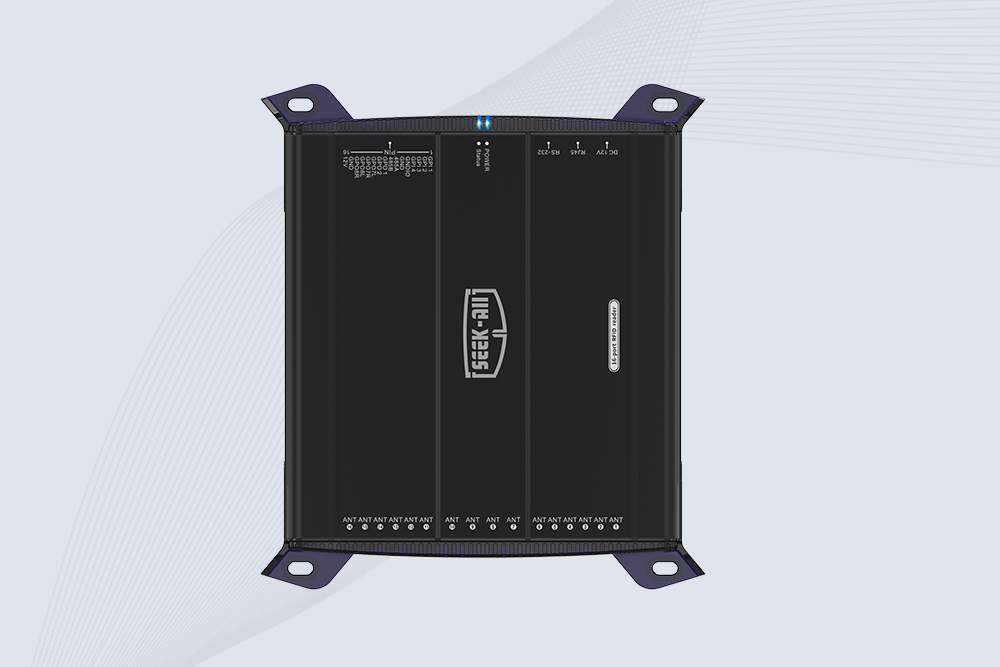
SSD-R16L Multi-Channel RFID Infrastructure for Automated Inventory Management ✔️ 16-Port High-Density RFID Reading Equipped with 16 SMA antenna ports, SSD-R16L supports multi-antenna deployment for warehouses, retail stores, logistics, production lines, and large-area RFID identification. ✔️ High-Speed & Long-Range Performance With up to 33…
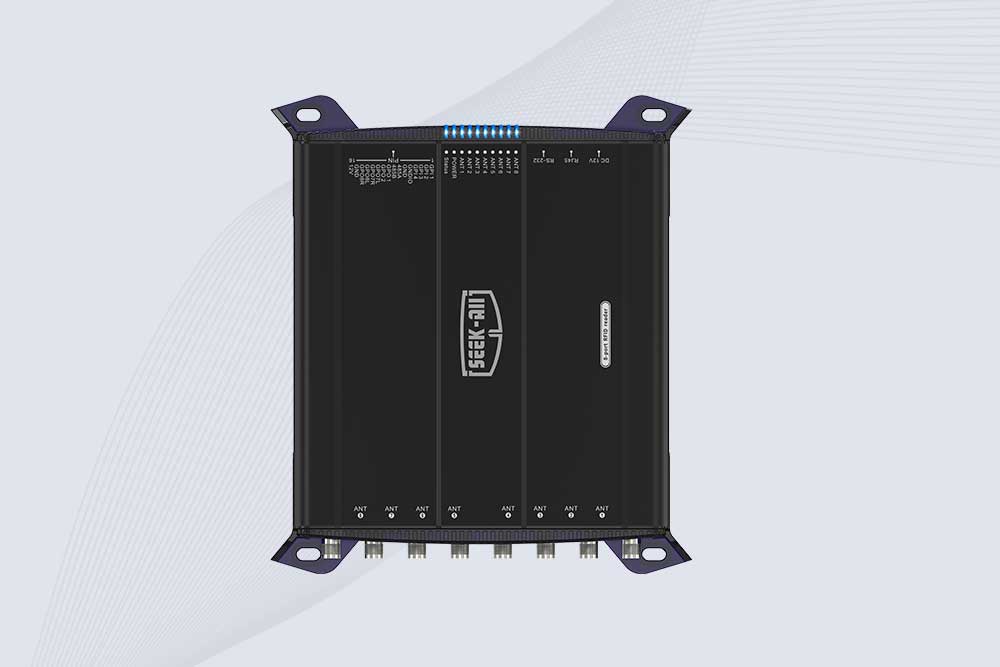
SSD-R8L 8-port UHF RFID reader with 33dBm output, up to 20m reading range and 600+ tags/s recognition. Ideal for warehouse, logistics, retail and asset tracking.
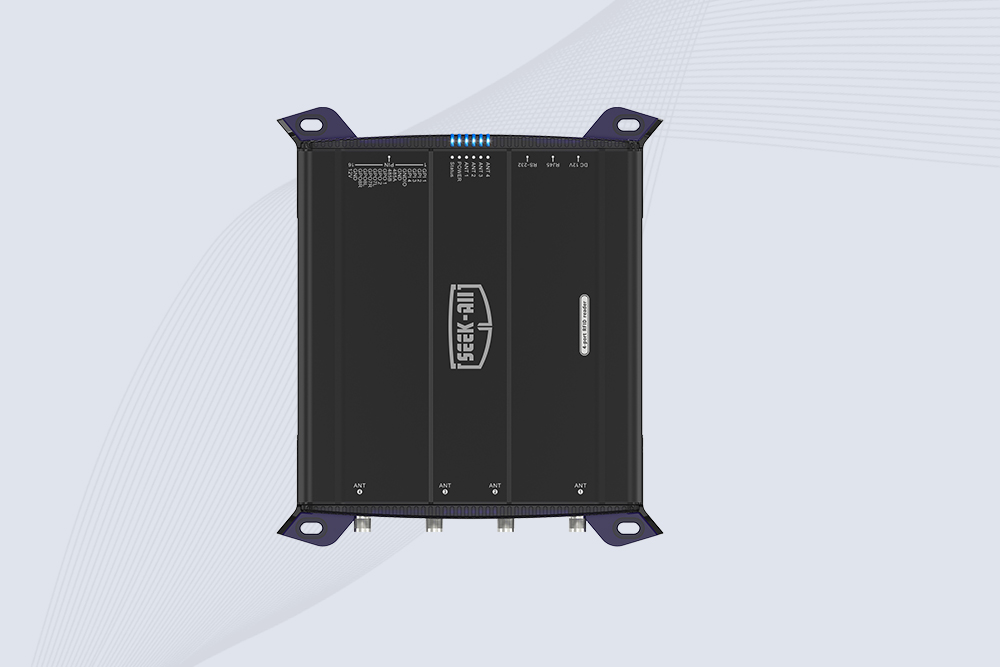
SSD-R4L is a 4-port UHF RFID fixed reader with 33dBm output power, up to 20m reading range, EPC C1G2 support and 600+ tags/s reading speed.

CYKEO CYKEO-D1LA USB RFID Reader is a compact desktop solution with near-field control for precise tag reading and encoding. Powered by USB, supporting ISO 18000-6C, and built for stable batch writing, this usb rfid tag reader fits retail, libraries, offices, and controlled RFID encoding tasks.
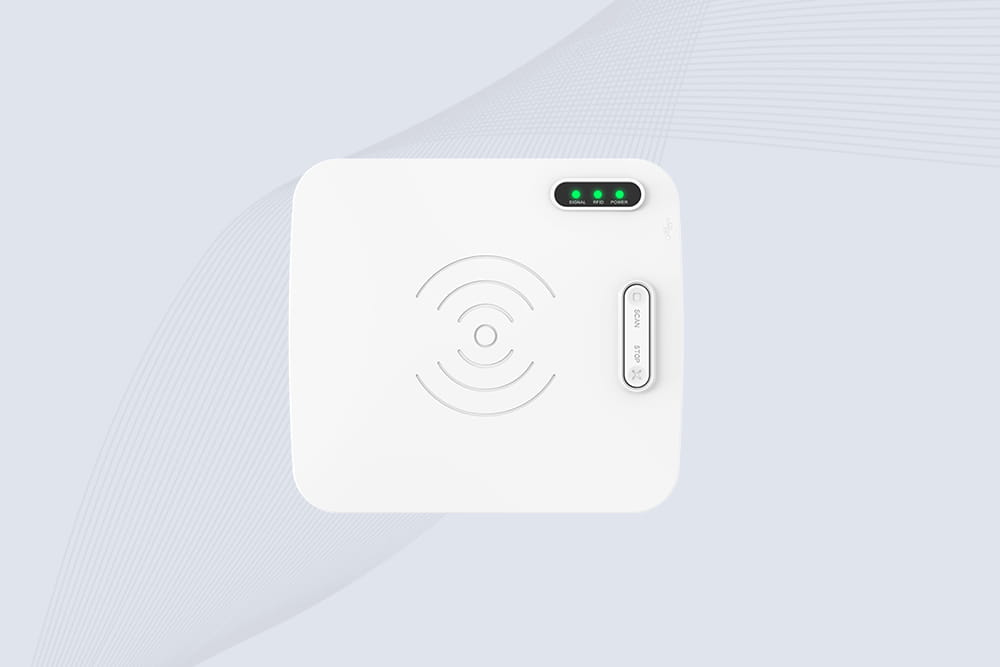
CYKEO CYKEO-D1L RFID scanner USB is a compact desktop UHF RFID scanner designed for short-range tag writing and verification. This usb rfid scanner supports batch encoding, stable 0–26 dBm output, and works across Windows, Linux, and Android systems.
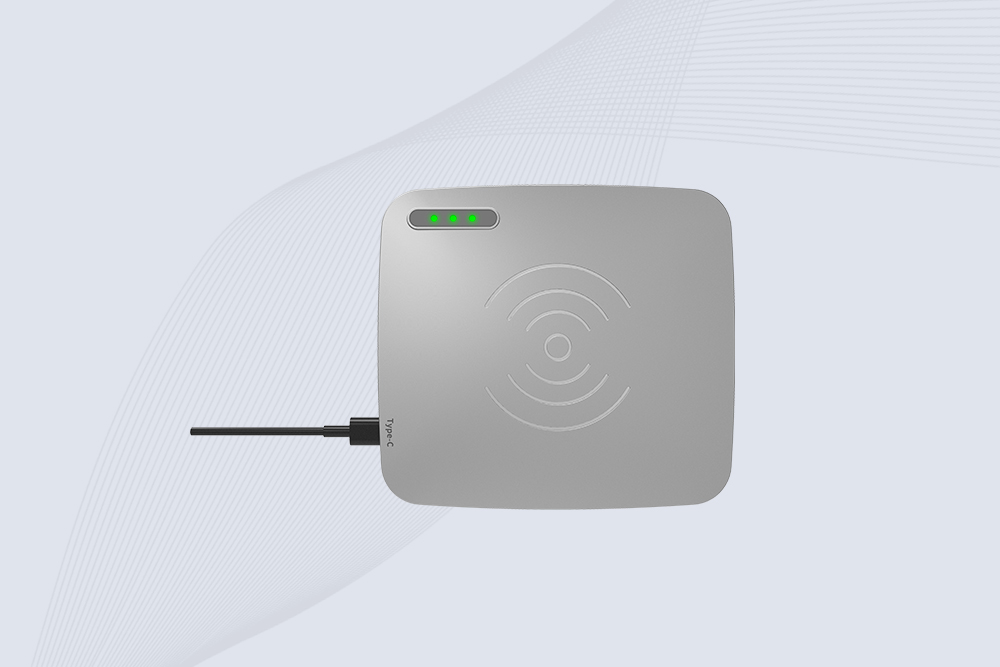
CYKEO CYKEO-D1C USB RFID Card Reader is a near-field UHF desktop writer designed for secure, short-range tag encoding. With USB-C connectivity and stable 26 dBm output, this rfid reader usb c is ideal for badge issuance, label encoding, and controlled desktop RFID workflows.
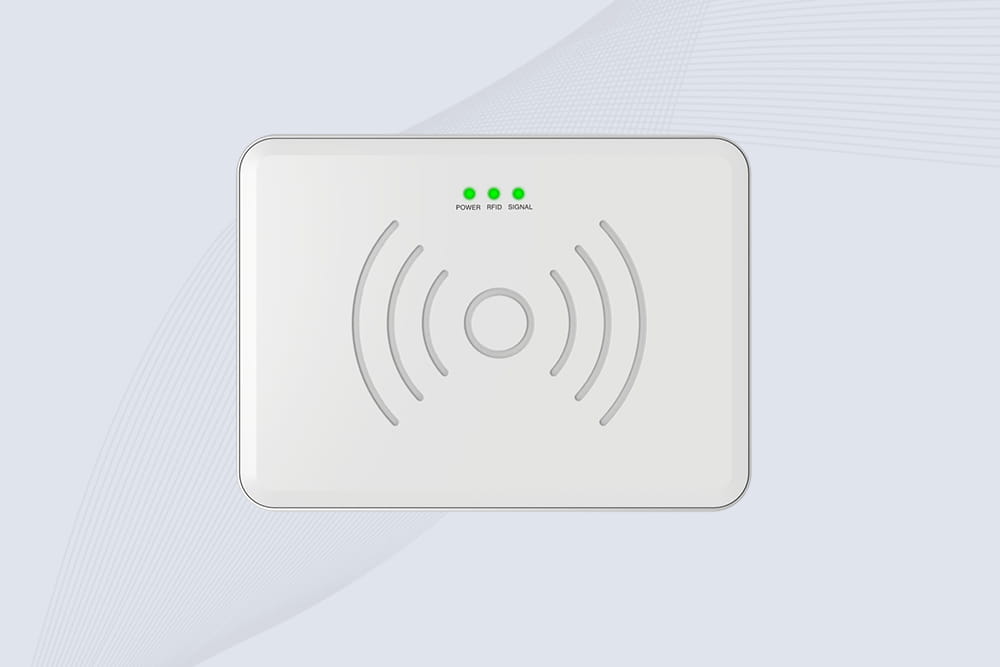
CYKEO CYKEO-D2L RFID Reader USB is a compact desktop encoder built on the Impinj R500 chip. With near-field control and stable USB power, this usb rfid card reader delivers precise tag writing for offices, retail counters, and small-scale logistics encoding tasks.
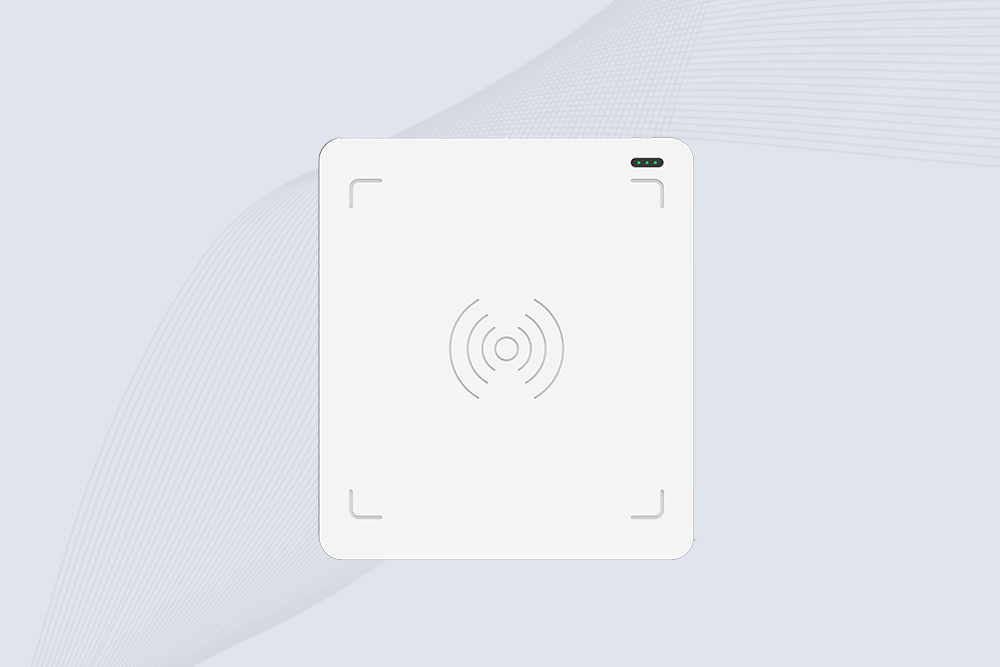
CYKEO CYKEO-D3L USB RFID Tag Reader delivers stable UHF tag reading and writing for daily desktop and light industrial tasks. Designed for controlled short-range operation, this USB RFID Tag Reader works reliably with rfid tag and reader systems in libraries, tool tracking, and inventory registration.
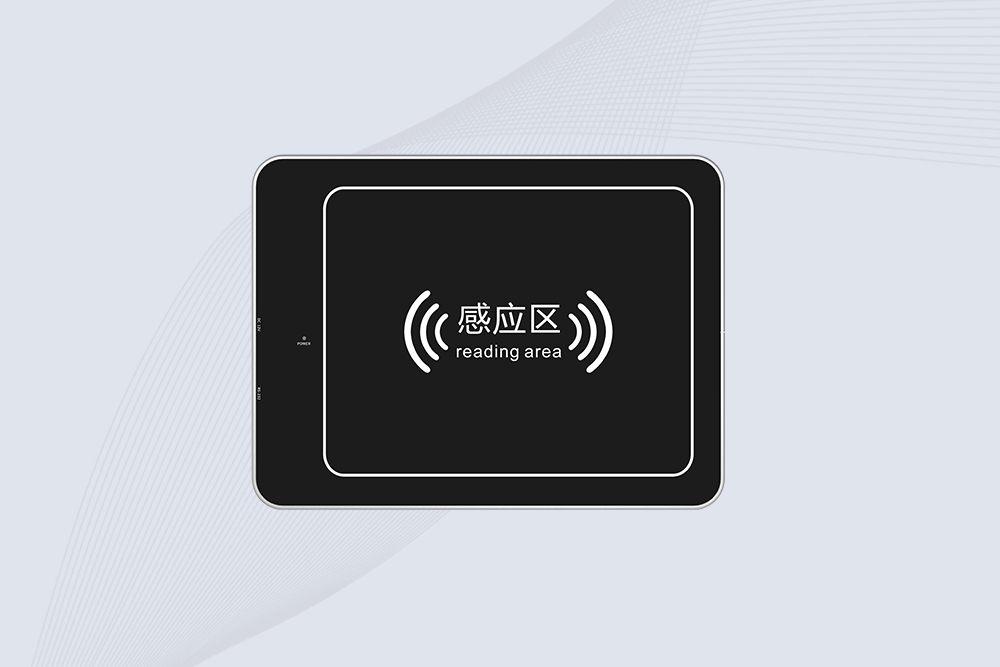
The CYKEO CYKEO-D4L UHF RFID Tag Reader is a stable Desktop RFID Reader designed for accurate tag registration, borrowing, and return workflows. Built with the Impinj R2000 chip, this UHF RFID Tag Reader delivers controlled short-range reads for libraries, asset tracking, and inventory management environments.
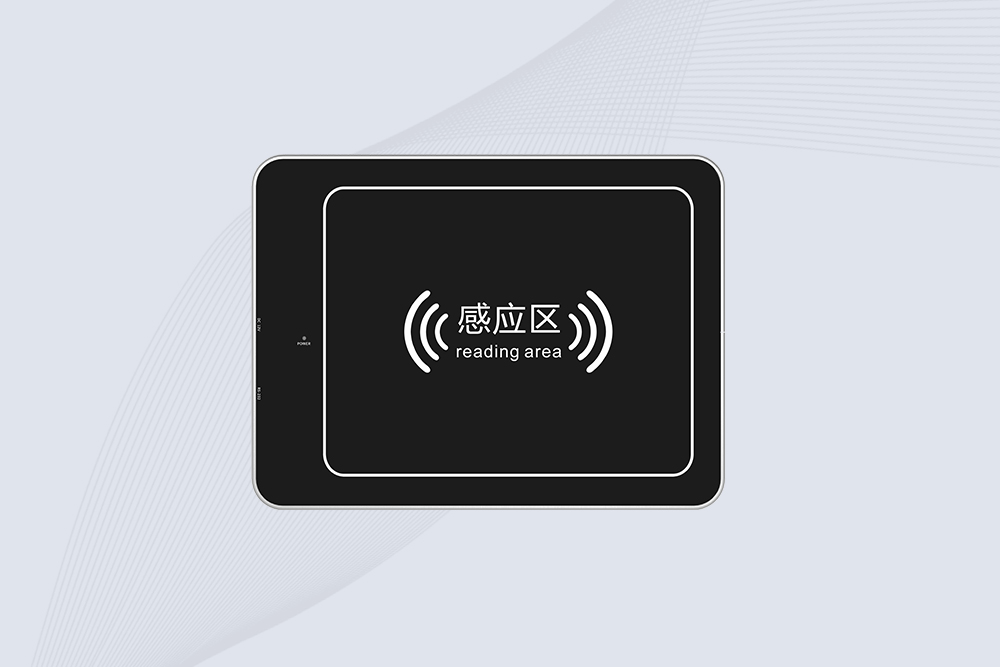
The CYKEO CYKEO-D5L Desktop RFID Card Reader is a stable UHF RFID Card Reader designed for controlled short-range reading and writing. Built for libraries, tool rooms, and asset desks, this UHF RFID Card Reader supports dense tag handling, secure data processing, and easy USB integration.
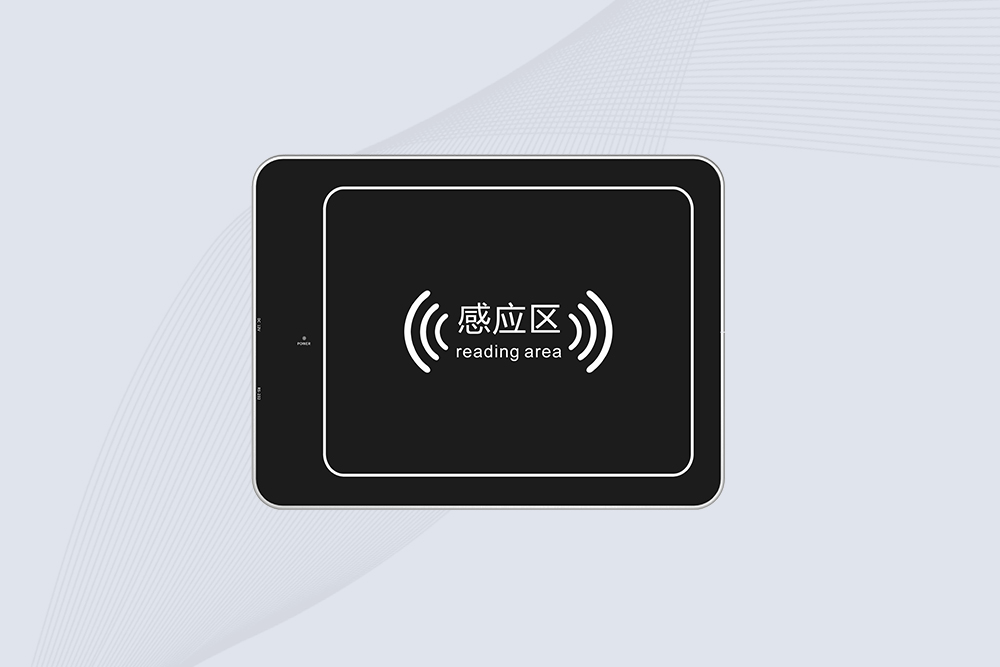
The CYKEO CYKEO-D6L RFID Reader Writer is a heavy-duty Desktop RFID Reader designed for short-range, high-accuracy tag programming. Built for libraries, labs, and asset desks, this RFID Reader Writer supports batch processing, stable 33dBm output, and seamless integration with existing management systems.
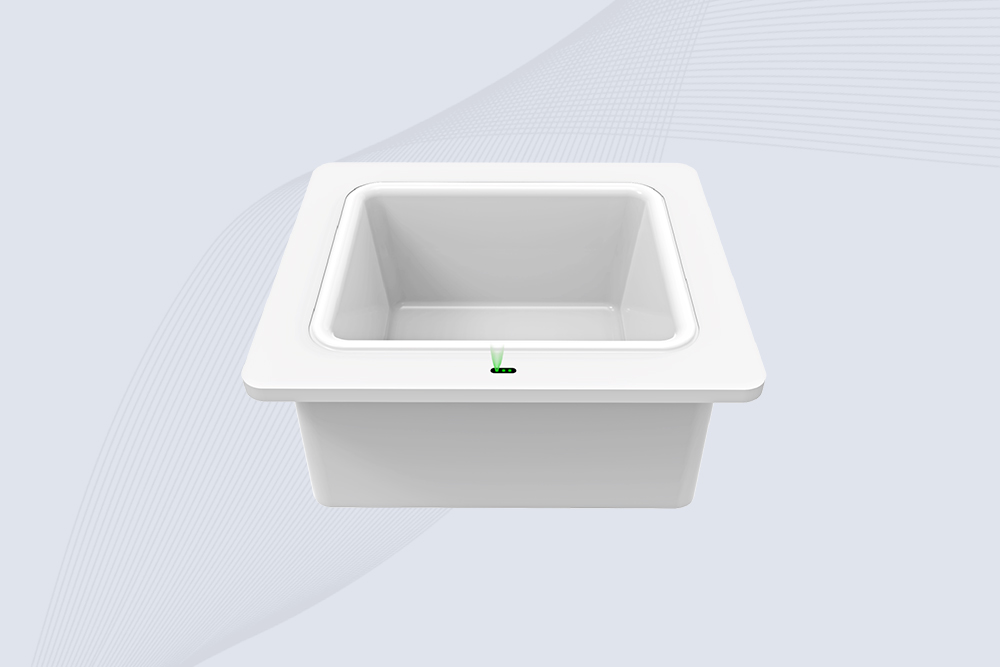
Cykeo CYKEO-D8B UHF RFID tunnel and RFID Desktop Reader features 30+ items batch reading,
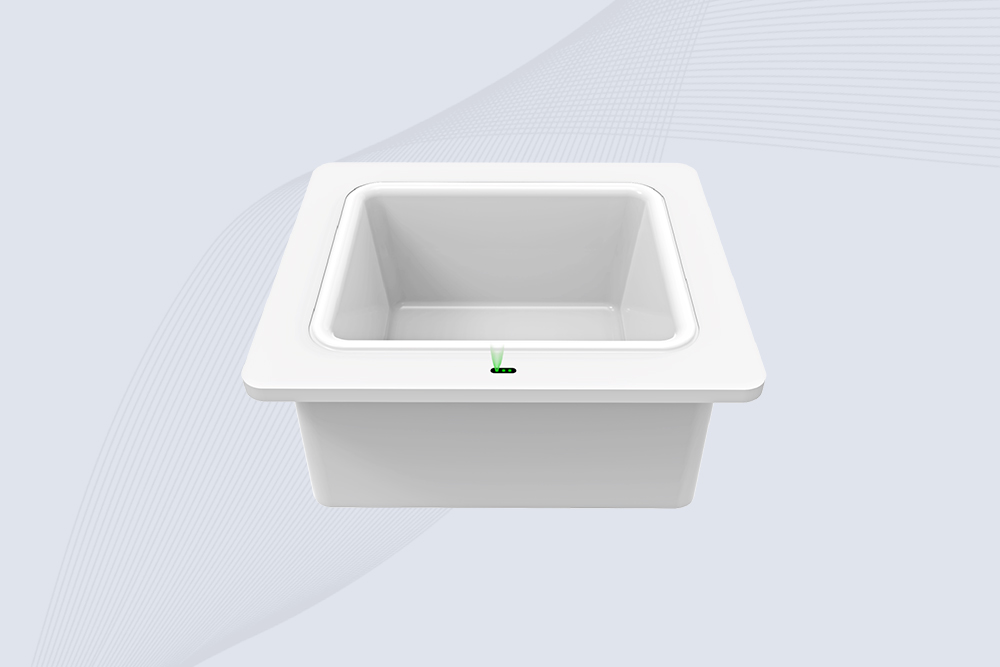
Cykeo CYKEO-D8A embedded RFID badge reader offers 30+ tags/sec scanning, 20cm anti-crosstalk precision, and DC 12V power for unmanned stores, warehouses, and smart inventory systems.
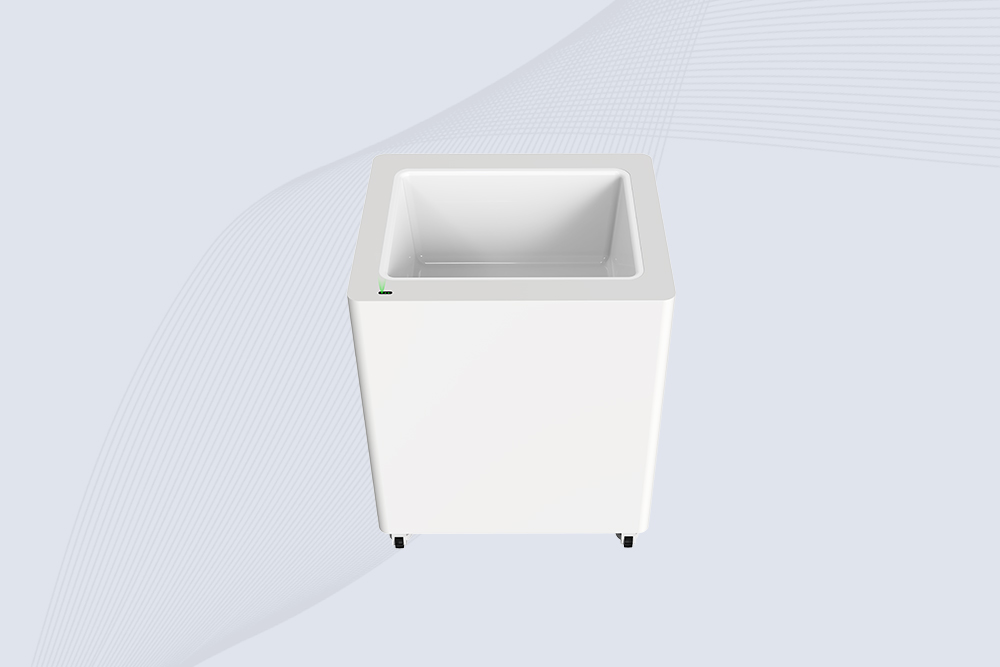
Cykeo’s CYKEO-D8C UHF RFID gate reader achieves 200-tag/batch scanning with adjustable power control, ideal for retail inventory and smart warehouse management.
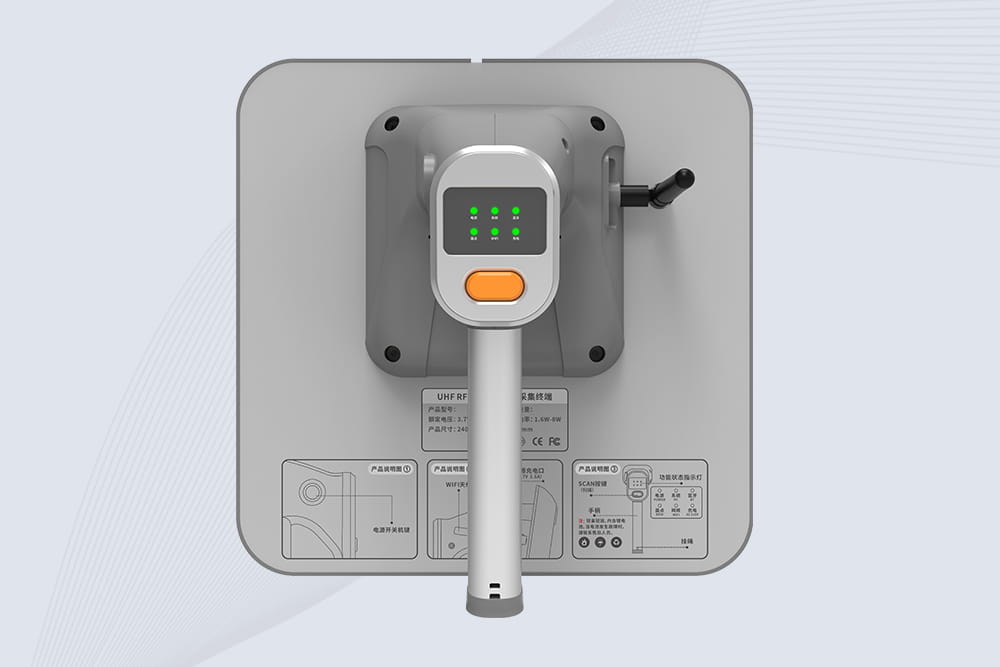
Cykeo CYKEO-B9 UHF Bluetooth handheld RFID scanner features 12m UHF range, 200+ tags/sec scanning, IP67 rugged design for retail/warehouse/pharma. Supports Android SDK & real-time Bluetooth 5.0 transmission.
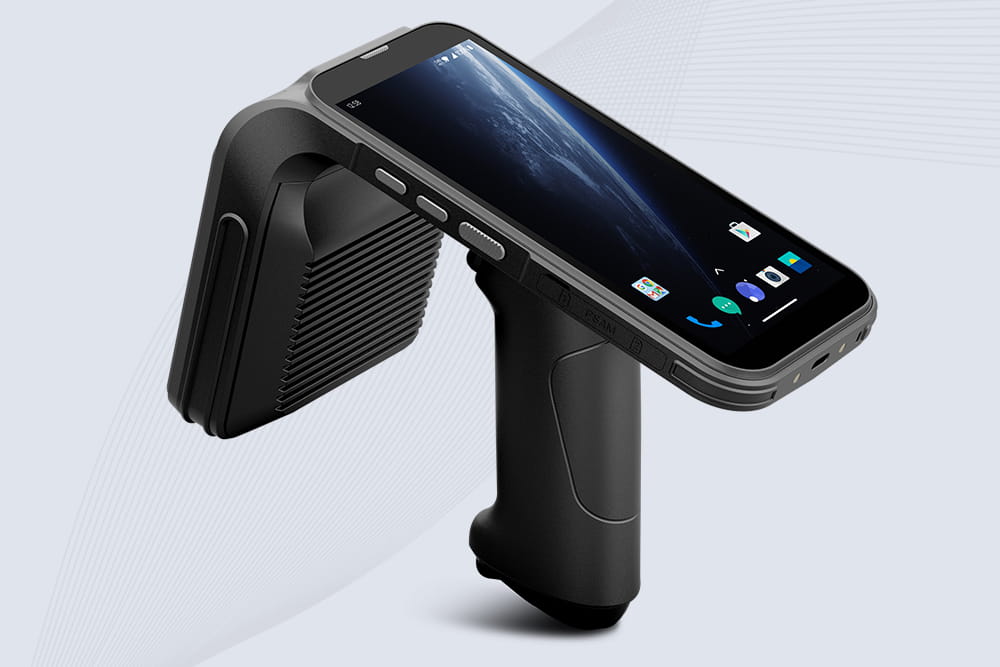
Cykeo CYKEO-B4 UHF Handheld RFID Reader scanner delivers 1300 tags/sec reading, 30m UHF range, and 12-hour battery life. IP65 rugged design with barcode/NFC/ID scanning for retail/manufacturing/logistics.
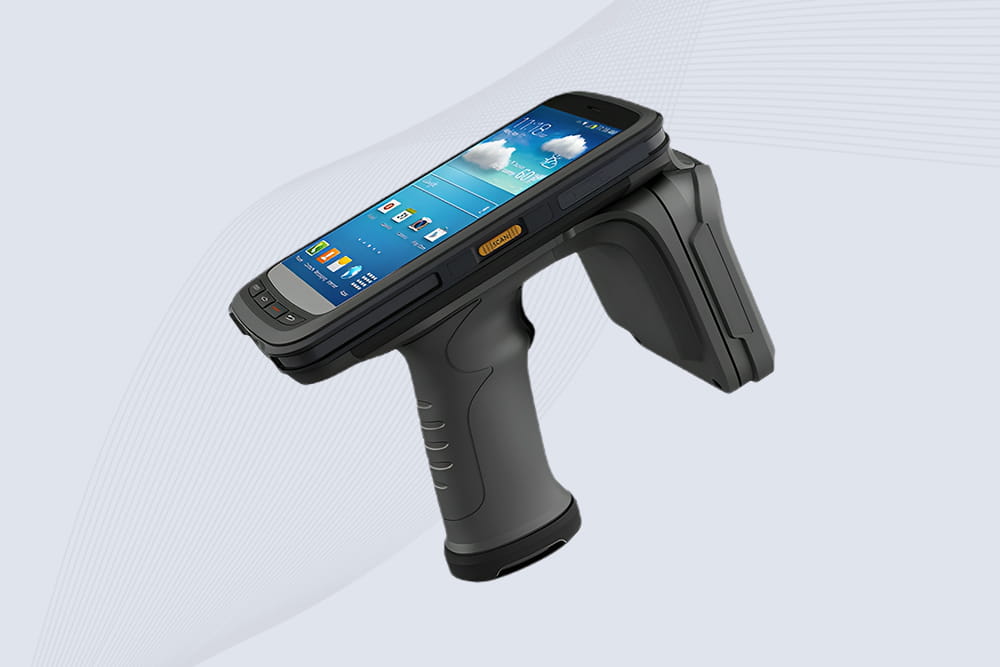
Cykeo CYKEO-B2 industrial UHF RFID handheld Scanner offers 10m range, 500 tags/sec scanning, Android 11 OS, and IP65 rugged design for retail/warehouse/manufacturing.
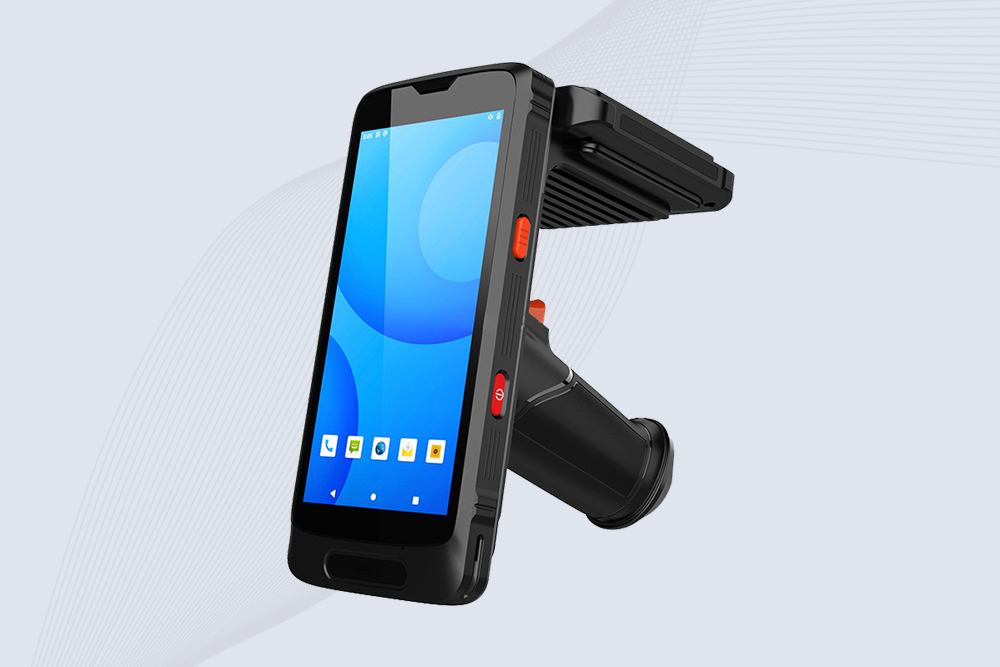
Cykeo CYKEO-B3 industrial RFID Reader Handheld, terminal offers 2m read range, multi-protocol scanning (NFC/barcode/ID), Android 10 OS, and IP65 ruggedness for logistics/retail/manufacturing.
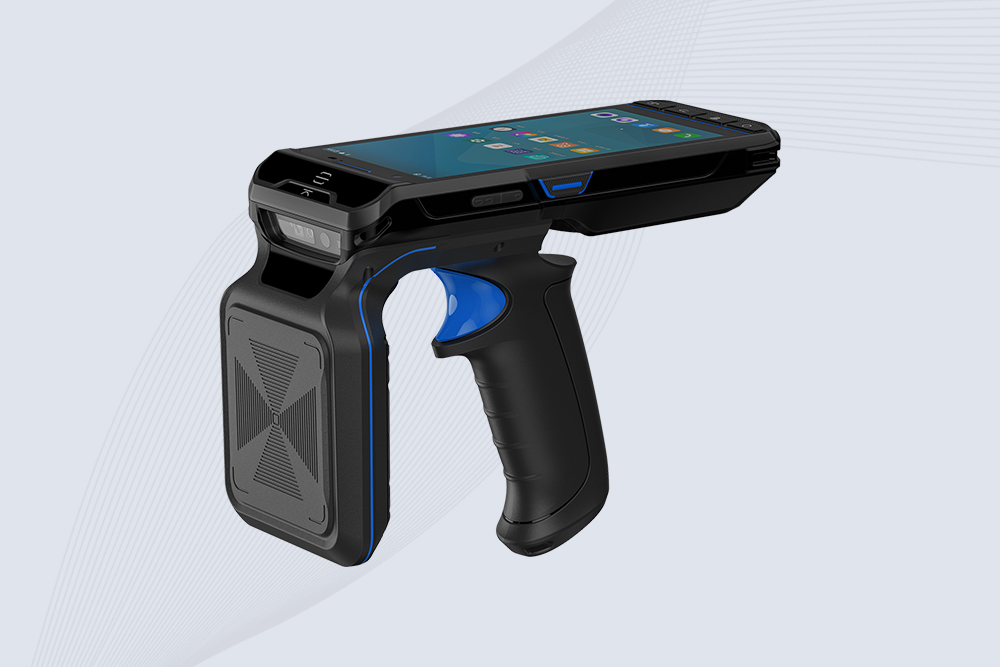
Cykeo CYKEO-B3L industrial handheld UHF RFID Reader terminal features 20m read range, 500 tags/sec scanning, Android 13 OS, 12-hour battery for logistics/retail/manufacturing. Supports barcode/NFC/ID reading.
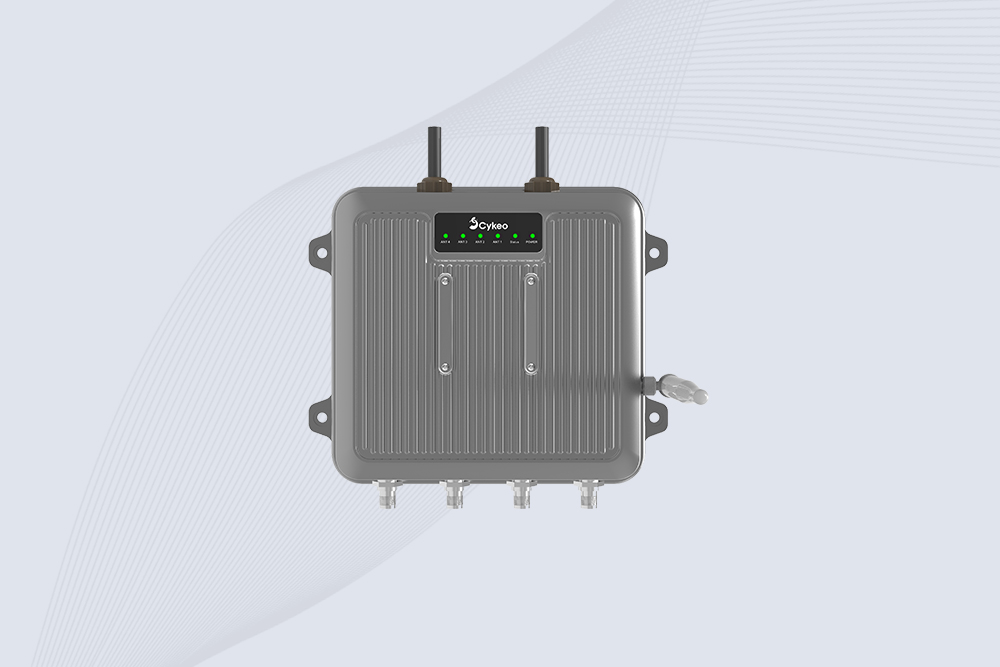
Cykeo CYKEO-C1 industrial Forklift RFID Reader features 20m read range, 600 tags/sec scanning, Impinj R2000 chipset, and IP67 rugged design. Ideal for warehouse logistics and manufacturing. Supports ISO 18000-6C/6B protocols.
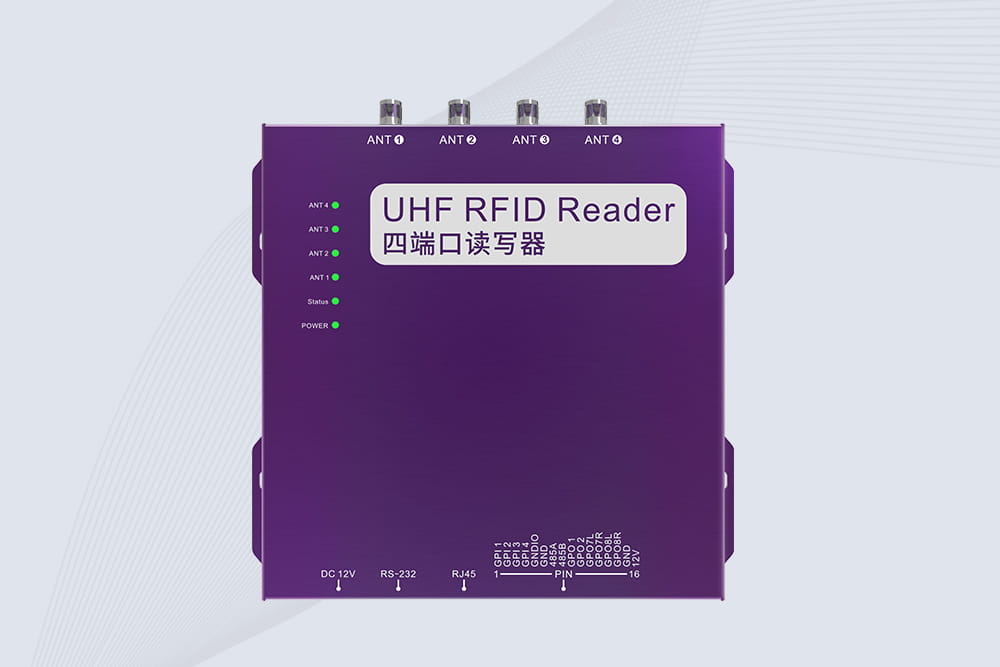
Cykeo CYKEO-R4 industrial UHF RFID Fixed Reader features 4 TNC ports, 400+ tags/sec speed, IP67 housing, and global frequency compliance for vehicle inspection, smart warehouse, and asset management systems.
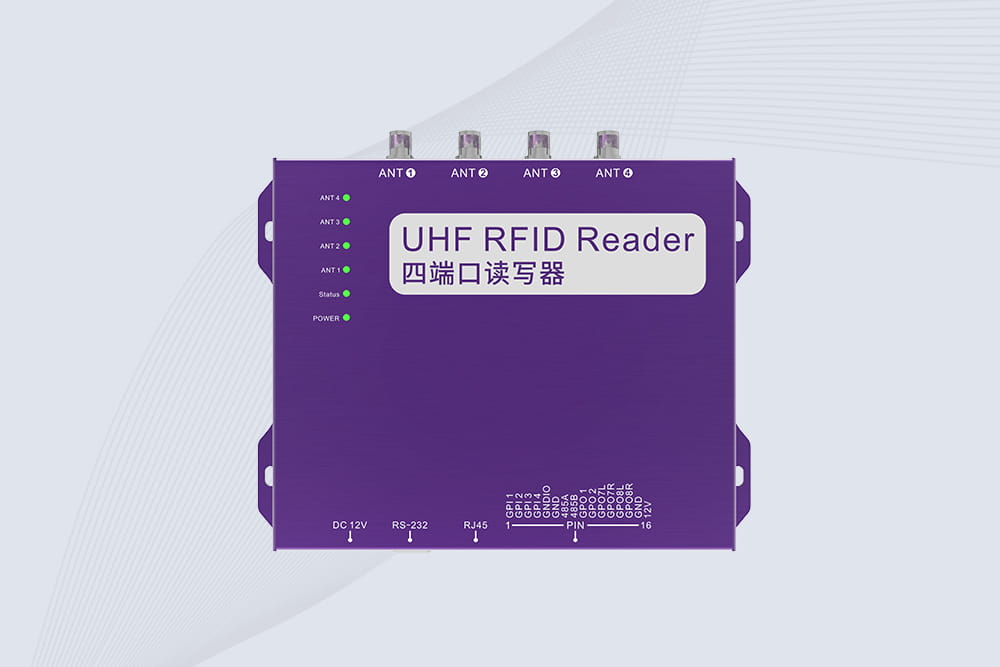
Cykeo’s CYKEO-R4L 4-port Fixed UHF RFID Reader delivers 400 tags/sec scanning, ISO 18000-6C compliance, and IP65 protection. Ideal for warehouse automation, manufacturing WIP tracking, and logistics management.
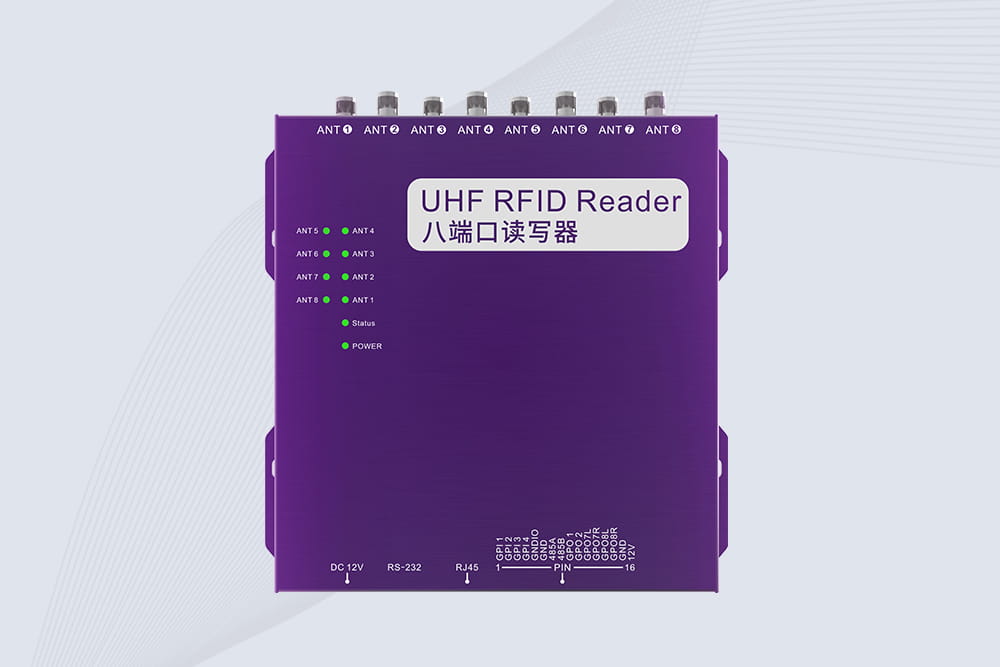
CYKEO CYKEO-R8L Fixed RFID Reader with 8-port UHF design, Impinj-based RF core and up to 20m read range. An industrial Fixed RFID Reader for vehicle inspection, warehouse portals, smart manufacturing lines and secure access checkpoints.
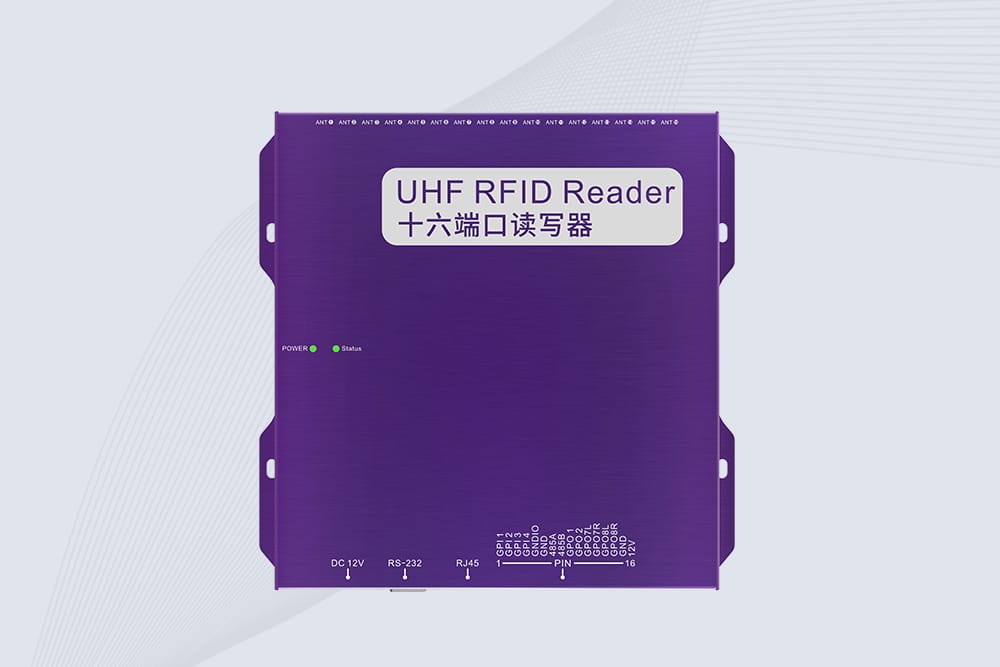
RFID Fixed Reader from CYKEO – the CYKEO-R16L 16-port UHF fixed reader for warehouses, smart cabinets, and production lines. Long-range, multi-tag reading, stable performance for 24/7 industrial use.
RFID Industry Writer | IoT & Asset Tracking Analyst
James writes about RFID technology, asset tracking, and the practical challenges of digital transformation across warehousing, retail, manufacturing, and logistics.
His work focuses on how RFID is applied in real-world operations—improving inventory visibility, automating workflows, and helping businesses manage assets with greater accuracy and efficiency.
He regularly covers topics including UHF RFID, smart cabinets, RFID portals, tool tracking, warehouse automation, and industrial IoT trends..
Struggling with fixed RFID reader connectivity? Follow Cykeo’s step-by-step guide to diagnose and resolve network, power, and signal issues quickly.
More
Discover the best waterproof RFID devices for harsh marine and port environments. Compare IP68 ratings, saltwater resistance, and rugged UHF performance for logistics efficiency.
More
Confused about RC522? We explain what is RC522 RFID module, its common uses for access control and learning, and how it differs from industrial systems.
More
Discover how handheld RFID scanners combat security risks like data theft, counterfeiting, and unauthorized access. Learn best practices for secure RFID use.
More