 Cykeo RFID IoT Solution Products R&D Manufacturer


what rfid: Understanding RFID Technology and Smart Identification Systems
152Discover what rfid means and how RFID technology enables automatic identification, smart inventory, and real-time tracking with Cykeo industrial RFID solutions.
MoreAll RFID Product
Keeping track of company assets sounds simple until equipment starts moving between departments, storage rooms, production areas, and customer sites. A spreadsheet may show where a device was last recorded, but it does not necessarily tell staff where the device is now.
This is one reason businesses consider RFID asset tracking. By attaching RFID tags to equipment and using a suitable reader to identify them, staff can collect asset information without typing every serial number manually.
A USB RFID reader is one option for this work. It connects directly to a computer or compatible terminal and can send tag data to an application for checking, recording, or updating asset information. For organizations that already use desktop software, it can be a straightforward starting point for improving equipment management.
However, the right reader depends on the type of RFID tag, the working distance, the number of assets being checked, and the software that will receive the data.
RFID asset tracking uses radio frequency identification technology to identify and manage physical items. Each tagged asset carries an RFID tag with an identifier that a compatible reader can detect.
The asset management system connects that identifier with useful information, such as:
For example, a company may attach RFID tags to laptops, measuring instruments, maintenance tools, or electronic components. When staff scan the tags, the software can compare the collected identifiers with its existing asset register.
The reader does not automatically know the item’s owner, value, or location. Those details come from the database and the tracking process. This distinction matters when planning an RFID system because reliable identification is only one part of asset management.
A typical USB RFID asset tracking workflow contains four main parts: RFID tags, a reader, an application, and an asset database.
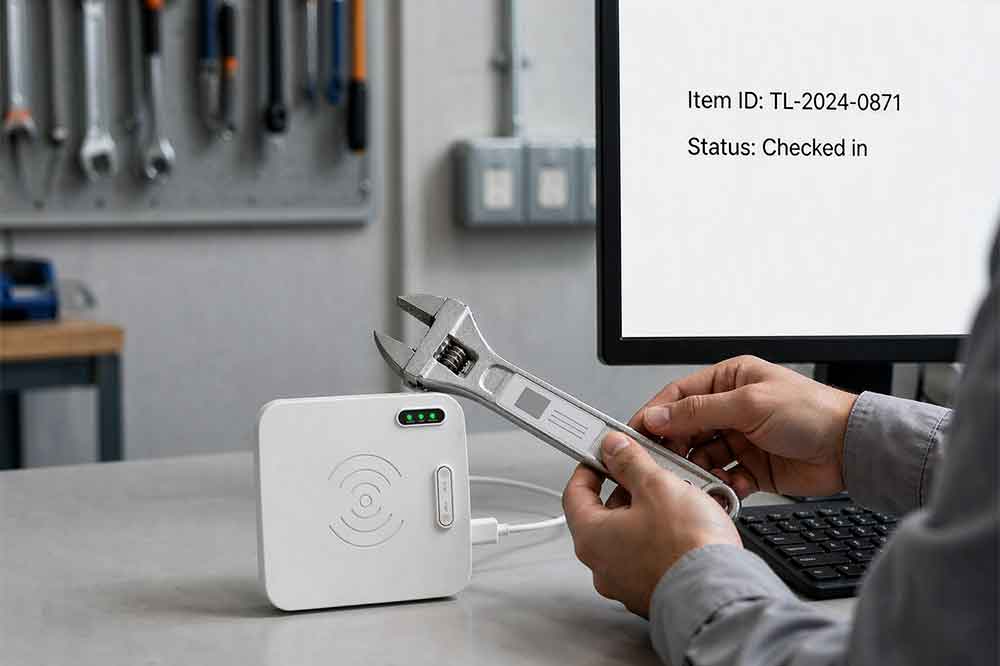
Each asset receives a compatible RFID tag. The tag type should match the reader’s supported frequency and protocol.
HF and UHF RFID technologies serve different purposes. HF readers are commonly used for close-range identification, while UHF systems can support longer reading distances and faster multi-tag identification under suitable conditions.
Metal equipment, liquid containers, and compact devices may require specially designed tags. A standard label tag may not perform as expected when mounted directly on metal.
The USB reader connects to a PC, workstation, or supported embedded system. Depending on the model, it may communicate through USB HID keyboard emulation, a virtual serial port, or a manufacturer-provided SDK.
With keyboard emulation, scanned tag data can appear in a focused text field. This is convenient for basic workflows, but more advanced applications may need serial communication or an SDK to control reading parameters and handle device events.
Before selecting a reader, confirm which interface and operating systems the target application supports.
When a tag is read, the application receives its identifier and searches the asset database for a matching record.
The interface may then display the asset name, assigned department, expected status, or previous inspection date. If the tag is not registered, the system can flag it for review rather than silently adding an unknown item to the inventory.
A USB reader provides the identification input. The application handles business rules, database updates, permissions, and reporting.
After scanning, staff can confirm that an asset is present, assign it to a location, record a handover, or mark it for maintenance.
The exact workflow depends on the application. A basic implementation may record a timestamp and tag ID, while a more advanced system can connect the scan to an employee account, work order, or inventory transaction.
For accurate reporting, the process should distinguish between an asset being detected by a reader and an asset being formally checked in or assigned to a person.
Companies often need to track laptops, monitors, docking stations, tablets, and other shared equipment. A USB RFID reader at an IT desk can help staff verify returned devices and compare physical inventory with the asset register.
For example, when an employee returns a laptop, the operator can scan its RFID tag and open the corresponding record. The system can then guide the operator through checking accessories, recording the return, and updating the device’s status.
The reader helps reduce manual entry, but the application still needs to manage employee assignments and return procedures.
Tools and instruments are frequently transferred between technicians, storage areas, and production lines. Missing equipment can delay maintenance work or create unnecessary replacement costs.
A USB RFID reader connected to a workstation can support tool checkout, return confirmation, and scheduled inventory checks. Staff can identify tagged tools and compare the scan results against the expected list.
For larger tool inventories, UHF readers that support multi-tag reading may reduce the need to scan each item individually. Actual performance depends on tag placement, reader settings, nearby materials, and the physical layout.
Production teams may need to track gauges, fixtures, test equipment, spare parts, and reusable components.
At a workstation, the reader can identify an item before the operator opens a maintenance record or records a production transaction. The software can check whether the equipment is assigned to the correct process or requires inspection.
Where assets move through multiple stations, a USB reader may work well at individual desktop checkpoints. If automatic identification is required while equipment passes through a doorway or conveyor, a fixed reader or portal may be more appropriate.
Laboratories often manage calibrated instruments, test accessories, and portable measurement devices. Their records may include calibration dates, responsible personnel, and usage restrictions.
An RFID-enabled workstation can help staff identify an instrument and retrieve its maintenance history before use. The application can also flag overdue calibration or missing documentation.
RFID identification does not replace calibration procedures or quality checks. It helps connect the physical instrument with the correct record.
A USB RFID reader can offer several practical advantages.
Less manual data entry: Operators can capture tag identifiers without typing every asset code.
Faster routine checks: Compatible multi-tag readers can identify several assets in one reading session, depending on the technology and environment.
Simpler workstation integration: USB connectivity can make installation easier when a PC-based workflow already exists.
More consistent records: Software can validate scanned identifiers and reduce mistakes caused by manually entering asset numbers.
There are also limitations to consider.
A USB reader usually operates at a workstation or within its supported reading area. It does not automatically provide continuous location tracking across an entire building. If a business needs real-time location visibility, it must consider reader coverage, fixed infrastructure, sensor placement, or other positioning technologies.
Read performance is another concern. Metal surfaces, liquids, tag orientation, nearby RFID equipment, and interference can affect results. A successful demonstration with one tag does not guarantee the same performance across a full inventory.
For this reason, test the proposed tag and reader combination using real assets before committing to a large deployment.
Start by identifying the tags already in use or the tags planned for the project. Check frequency, protocol, memory requirements, and any security or data-access needs.
A reader cannot reliably identify an incompatible tag simply because both products are described as RFID devices.
A close-range workflow for scanning one tool at a desk has different requirements from checking dozens of tagged assets in a container.
Consider the distance between the reader and the tag, the number of tags expected per operation, and whether the application needs individual scans or multi-tag inventory.
Do not select a reader based on its advertised maximum range alone. The installed environment and tag design can make a substantial difference.
Ask how the reader sends data to the computer. Keyboard emulation can suit simple data-entry tasks, while virtual serial communication or an SDK may be necessary for customized applications.
For system integration, check the available programming documentation, sample code, supported operating systems, and whether the application needs to control reader functions programmatically.
A reader that identifies tags correctly but cannot communicate with the existing software may create additional development work.
If assets include metal tools, liquid containers, or compact electronic devices, test the tags on those actual surfaces.
Also consider whether users will scan one asset at a time, work with multiple tags, or use the reader at a fixed workstation. These details influence antenna design, reader configuration, and tag selection.
A small office may begin with one USB reader and a desktop application. A larger project may eventually require multiple workstations, shared asset records, user permissions, and integration with ERP or maintenance software.
Choosing a reader with suitable documentation and a clear integration path can reduce future redevelopment.
The software workflow deserves as much attention as the hardware.
A typical integration starts by capturing the RFID tag ID and passing it to an application. The application validates the identifier, retrieves the corresponding asset record, and presents the next available action to the user.
For a custom implementation, developers should consider duplicate reads, disconnected devices, invalid identifiers, access permissions, and failed database requests. The interface should also give users clear feedback when a tag is unknown or an operation has not been saved.
If a reader uses keyboard emulation, the application needs to ensure that scanned data goes into the correct field. With a serial interface or SDK, developers may have more control over read commands and device responses, depending on the model.
For multi-user deployments, asset records should be stored centrally rather than maintained separately on individual workstations. This helps staff work with consistent information and makes audit reporting easier.
A pilot test should cover the entire process, from reading a physical tag to saving and retrieving the updated asset record.
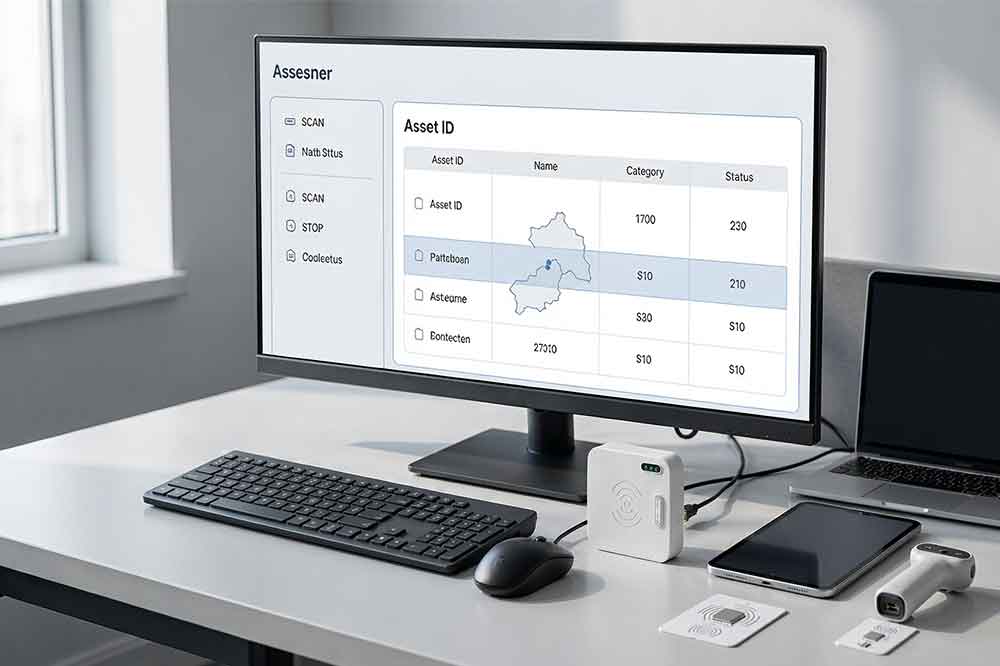
A USB RFID reader is a sensible option when asset identification takes place at a computer, a service desk, an inventory workstation, or a controlled handover point.
It is less suitable as a standalone solution when the main requirement is continuous location tracking, unattended doorway monitoring, or automatic detection across a large area. Those applications may need fixed RFID readers, antennas, portals, or a broader tracking system.
The best choice comes from the actual workflow rather than the reader specification alone. Start with the assets, tags, reading conditions, and software requirements. Then test the complete process with representative equipment.
For businesses developing their own RFID asset management solution, a compatible USB reader can provide a practical connection between tagged equipment and the software that manages it.
RFID asset tracking works best when the reader, tags, software, and daily operating procedures are designed together. A USB RFID reader can simplify equipment identification at a workstation and reduce repetitive data entry, while the asset management application maintains ownership, status, and maintenance records.
Before purchasing, verify tag compatibility, reading performance, USB communication, and software integration. These checks help ensure that the solution fits the actual asset management process rather than just working in a product demonstration.
It reads compatible RFID tags attached to equipment and sends their identifiers to a connected computer or application. The software uses those identifiers to retrieve and update asset records.
Not by itself. A USB reader can identify assets within its reading area when used. Continuous location tracking usually requires additional readers, infrastructure, software, or positioning technology.
Some readers support multi-tag identification, particularly compatible UHF models. The number of tags detected depends on the reader, tags, settings, and operating environment.
Yes, if the reader provides a suitable communication interface, such as keyboard emulation, virtual serial communication, or an SDK. Confirm compatibility with the intended application and operating system.
Standard tags may perform poorly when mounted directly on metal. On-metal RFID tags are designed for these conditions, but their performance should still be tested on the actual equipment.
usinesses evaluating different reader types can explore our USB RFID reader solutions to compare devices for desktop inventory, equipment identification, and software integration.
The same identification process can be applied to library collections, where USB RFID readers for library book management help staff identify tagged books and maintain more consistent collection records.
Asset identification requirements vary by industry. In jewelry retail, USB RFID readers for jewelry inventory management support item identification and inventory checks for tagged products.
For businesses managing products rather than reusable equipment, RFID readers for retail inventory management provide a related approach to identifying tagged items and checking stock records.
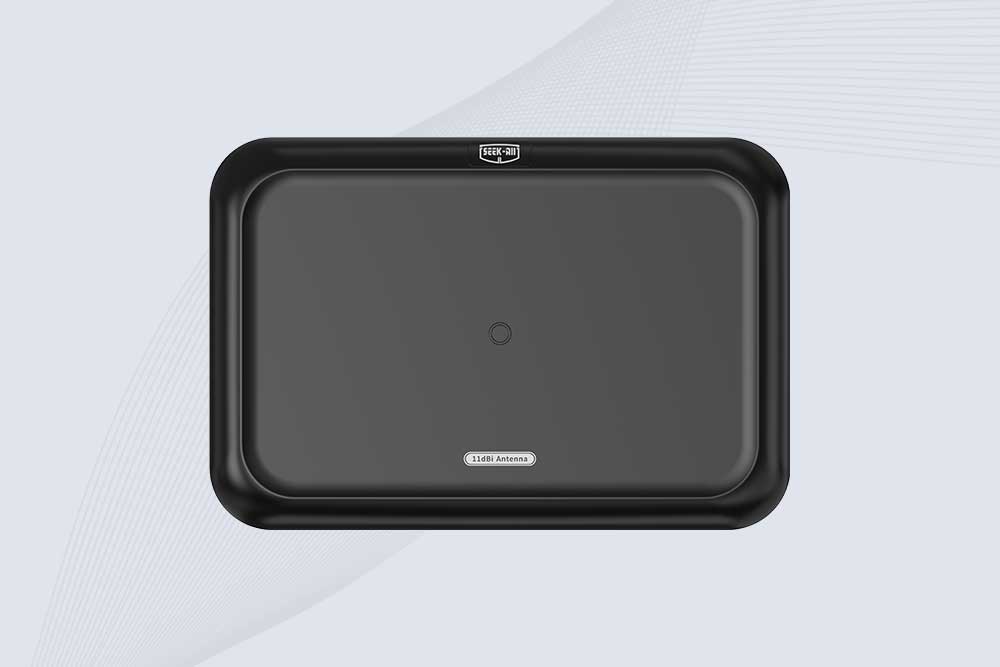
SSD-A11 UHF RFID antenna features 840–960 MHz adjustable frequency, ≥10.5 dBi gain, circular polarization and 50Ω impedance for fixed RFID systems.
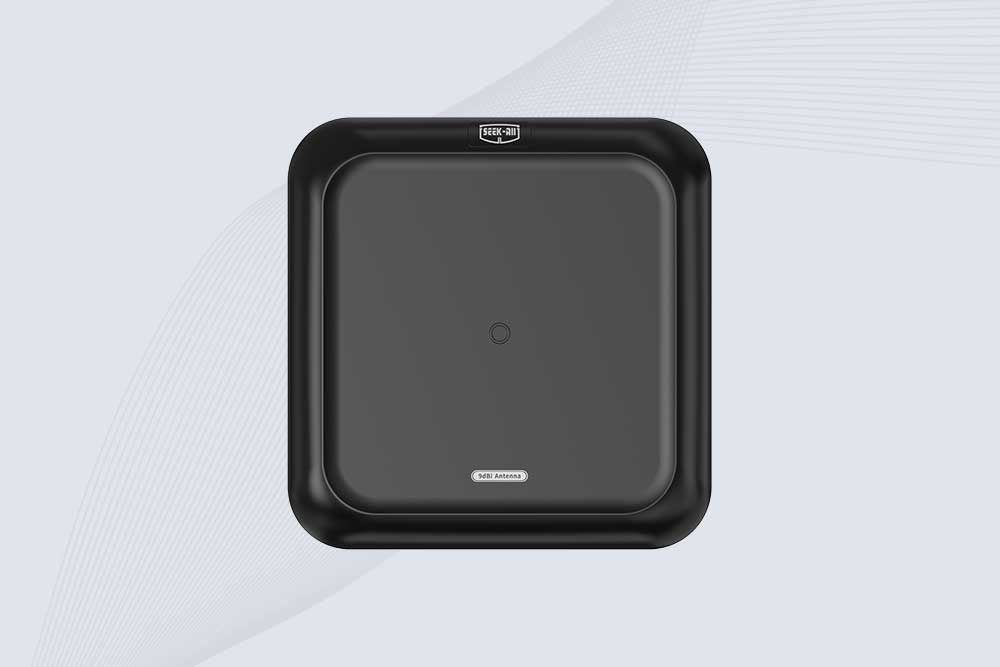
SSD-A09 is a 9 dBi UHF RFID antenna with 840–960 MHz adjustable frequency, circular polarization, 50Ω impedance and directional 60° × 60° coverage.
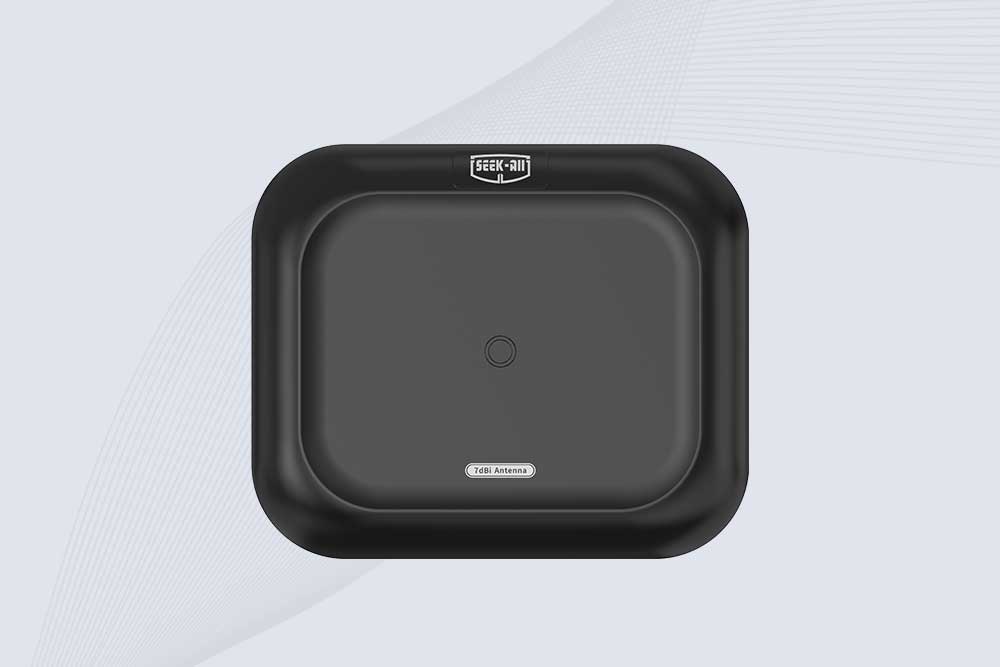
Explore the SSD-A07 UHF RFID antenna with 7 dBi gain, circular polarization, adjustable 840–960 MHz frequency, and 60°/75° beamwidth for stable RFID read/write performance.

SSD-A06 UHF RFID antenna with circular polarization, adjustable 840–960 MHz frequency, ≥4.5 dBi gain, and a compact directional design for RFID systems.

Discover SSD-D4AL, a USB-HID UHF RFID reader with 4/8/16 antenna options, Impinj E710/X3M1 chipset, plug-and-play USB power, and OEM customization.
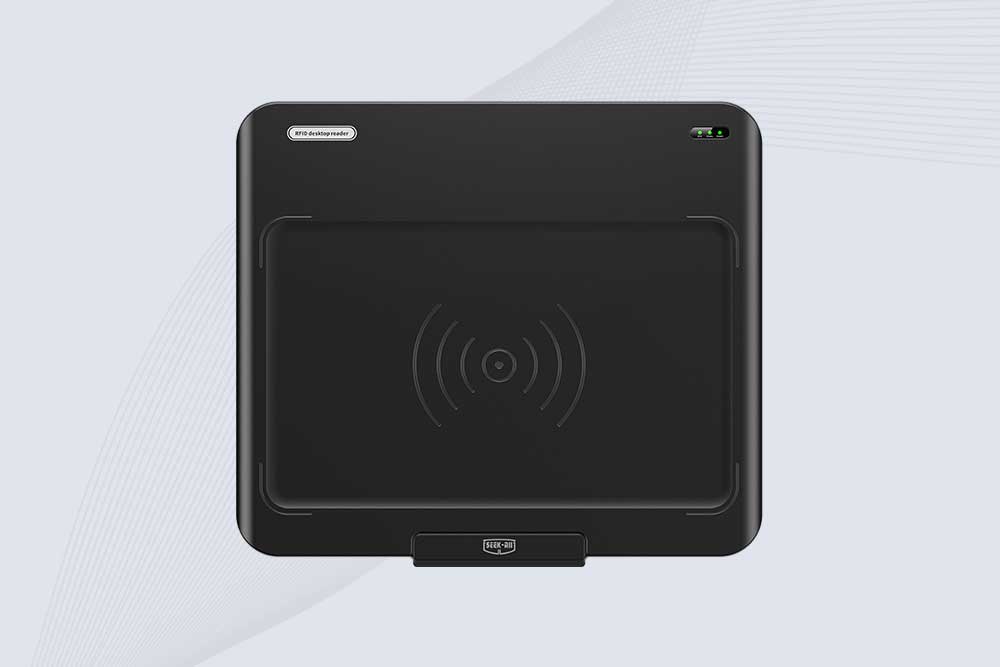
SSD-D3AL is a USB-HID UHF RFID reader with 0–30 cm reading, 0–15 cm writing, over 600 tags/s recognition, USB plug-and-play operation and OEM Logo customization.
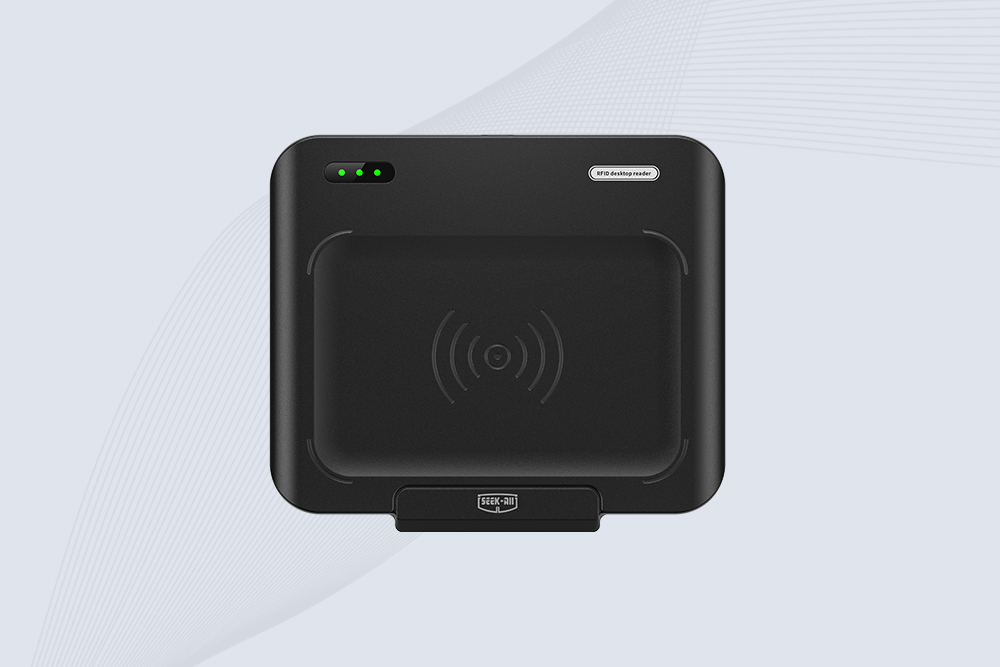
SSD-D1AL is a compact USB UHF RFID reader with Impinj E710/X3M1 chipset, USB-HID, 600+ tags/s recognition, 4/8/16 antenna support and plug-and-play USB power.

SSD-R16L Multi-Channel RFID Infrastructure for Automated Inventory Management ✔️ 16-Port High-Density RFID Reading Equipped with 16 SMA antenna ports, SSD-R16L supports multi-antenna deployment for warehouses, retail stores, logistics, production lines, and large-area RFID identification. ✔️ High-Speed & Long-Range Performance With up to 33…

SSD-R8L 8-port UHF RFID reader with 33dBm output, up to 20m reading range and 600+ tags/s recognition. Ideal for warehouse, logistics, retail and asset tracking.

SSD-R4L is a 4-port UHF RFID fixed reader with 33dBm output power, up to 20m reading range, EPC C1G2 support and 600+ tags/s reading speed.

CYKEO CYKEO-D1LA USB RFID Reader is a compact desktop solution with near-field control for precise tag reading and encoding. Powered by USB, supporting ISO 18000-6C, and built for stable batch writing, this usb rfid tag reader fits retail, libraries, offices, and controlled RFID encoding tasks.
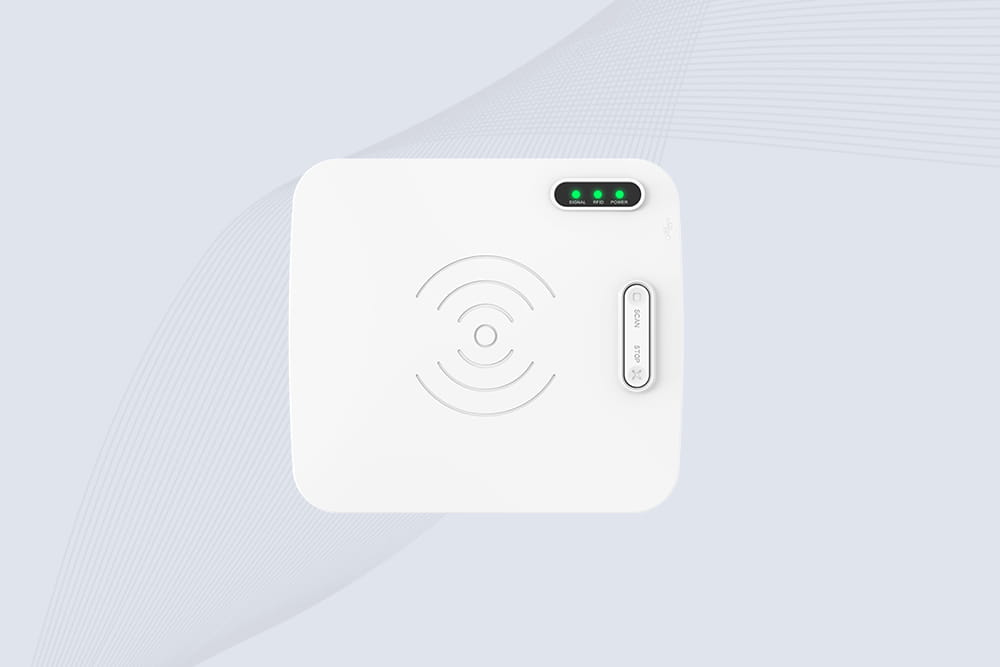
CYKEO CYKEO-D1L RFID scanner USB is a compact desktop UHF RFID scanner designed for short-range tag writing and verification. This usb rfid scanner supports batch encoding, stable 0–26 dBm output, and works across Windows, Linux, and Android systems.
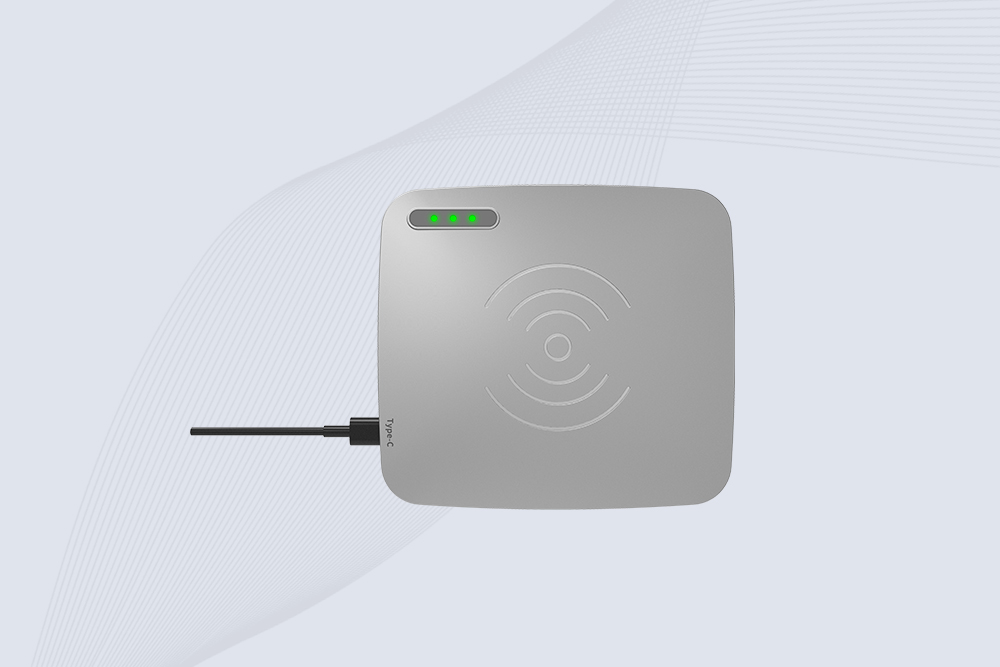
CYKEO CYKEO-D1C USB RFID Card Reader is a near-field UHF desktop writer designed for secure, short-range tag encoding. With USB-C connectivity and stable 26 dBm output, this rfid reader usb c is ideal for badge issuance, label encoding, and controlled desktop RFID workflows.
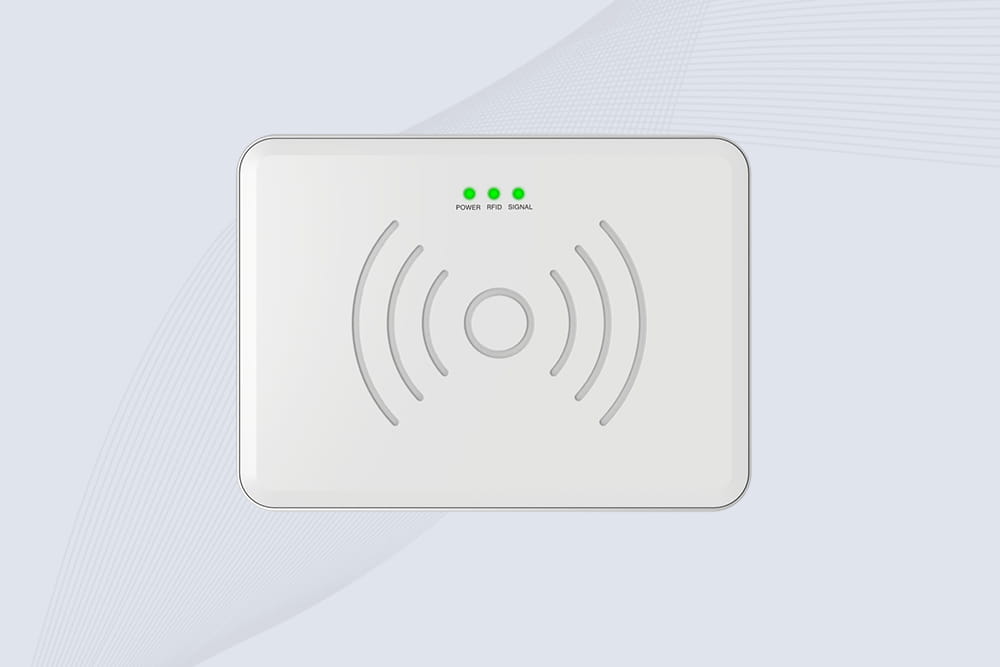
CYKEO CYKEO-D2L RFID Reader USB is a compact desktop encoder built on the Impinj R500 chip. With near-field control and stable USB power, this usb rfid card reader delivers precise tag writing for offices, retail counters, and small-scale logistics encoding tasks.
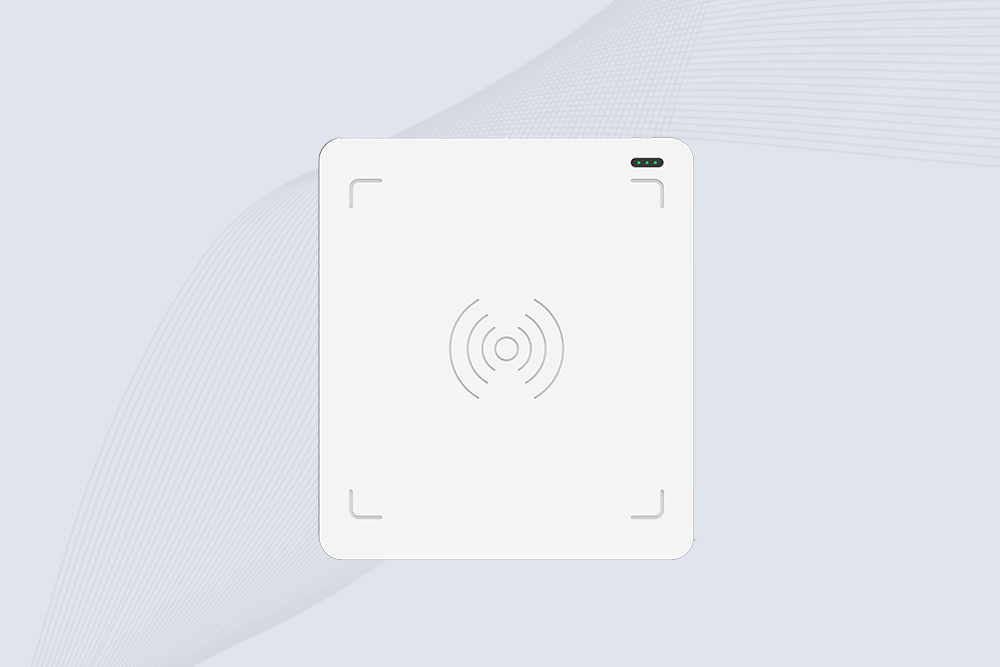
CYKEO CYKEO-D3L USB RFID Tag Reader delivers stable UHF tag reading and writing for daily desktop and light industrial tasks. Designed for controlled short-range operation, this USB RFID Tag Reader works reliably with rfid tag and reader systems in libraries, tool tracking, and inventory registration.
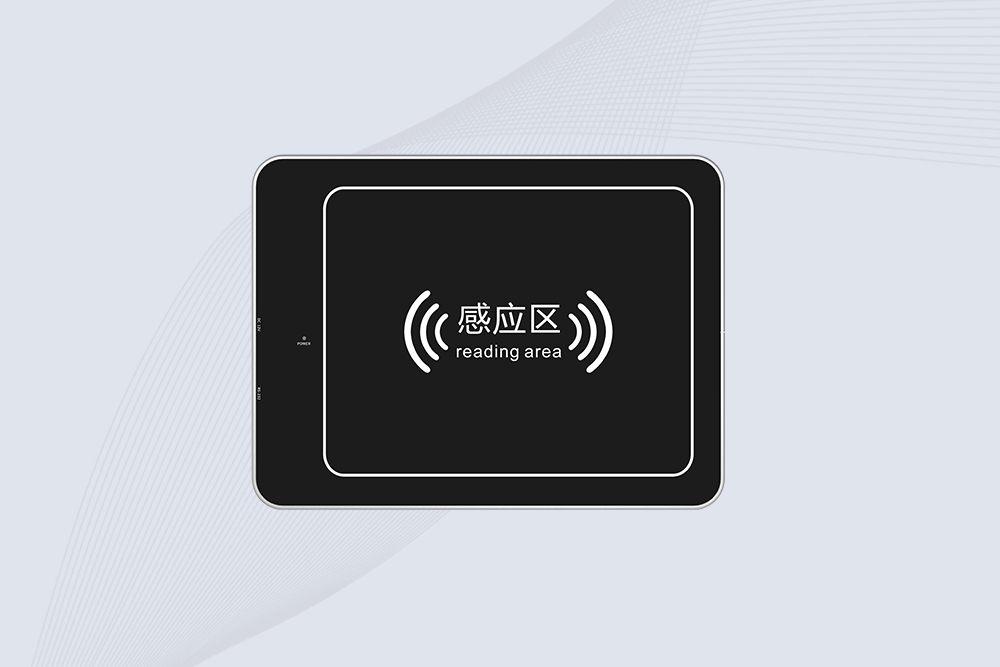
The CYKEO CYKEO-D4L UHF RFID Tag Reader is a stable Desktop RFID Reader designed for accurate tag registration, borrowing, and return workflows. Built with the Impinj R2000 chip, this UHF RFID Tag Reader delivers controlled short-range reads for libraries, asset tracking, and inventory management environments.
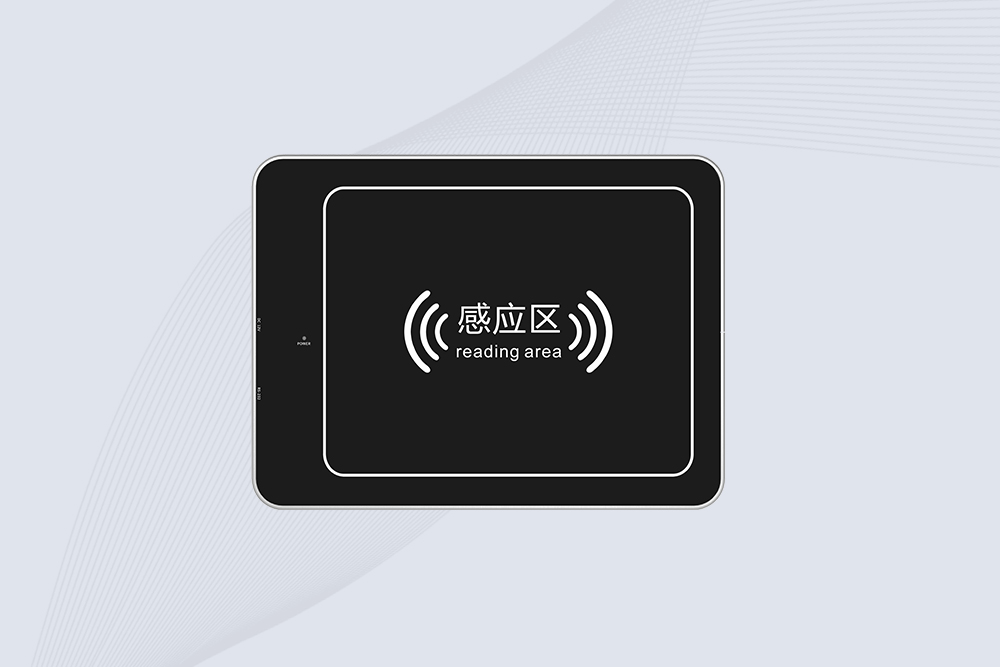
The CYKEO CYKEO-D5L Desktop RFID Card Reader is a stable UHF RFID Card Reader designed for controlled short-range reading and writing. Built for libraries, tool rooms, and asset desks, this UHF RFID Card Reader supports dense tag handling, secure data processing, and easy USB integration.
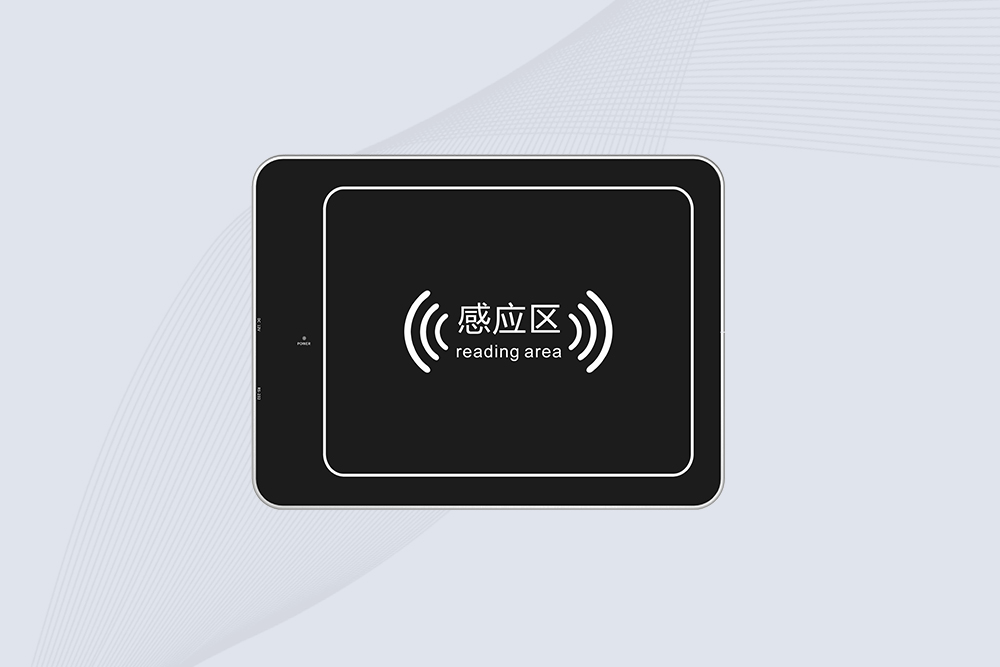
The CYKEO CYKEO-D6L RFID Reader Writer is a heavy-duty Desktop RFID Reader designed for short-range, high-accuracy tag programming. Built for libraries, labs, and asset desks, this RFID Reader Writer supports batch processing, stable 33dBm output, and seamless integration with existing management systems.
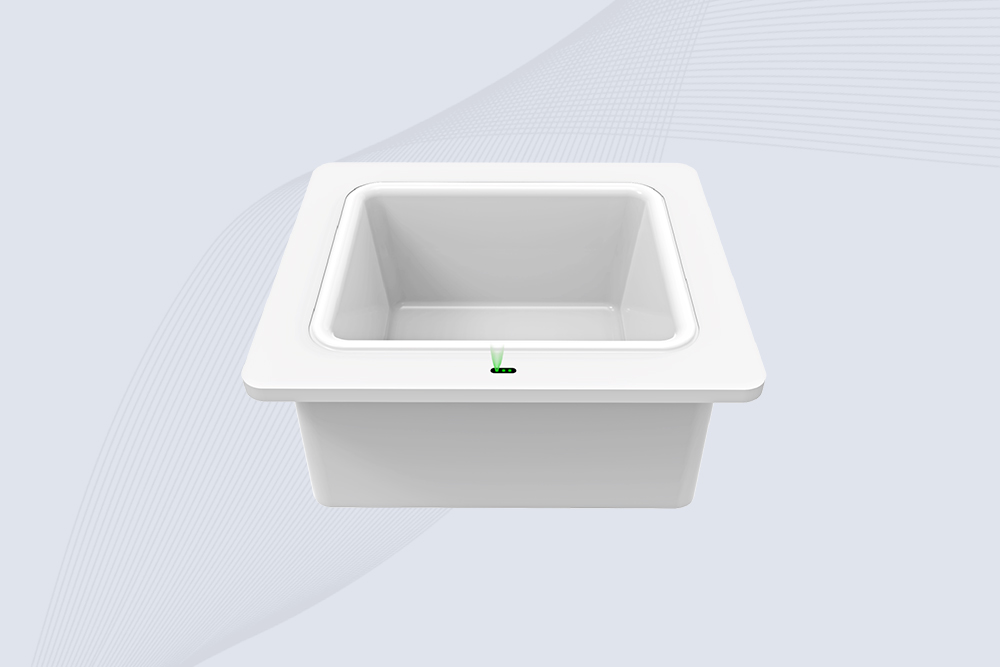
Cykeo CYKEO-D8B UHF RFID tunnel and RFID Desktop Reader features 30+ items batch reading,
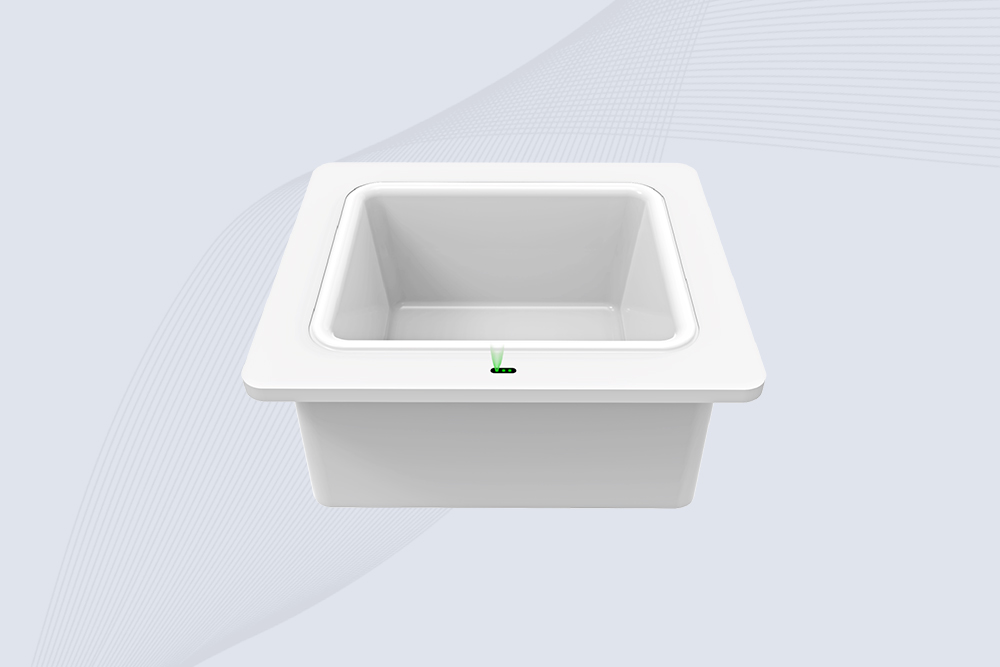
Cykeo CYKEO-D8A embedded RFID badge reader offers 30+ tags/sec scanning, 20cm anti-crosstalk precision, and DC 12V power for unmanned stores, warehouses, and smart inventory systems.
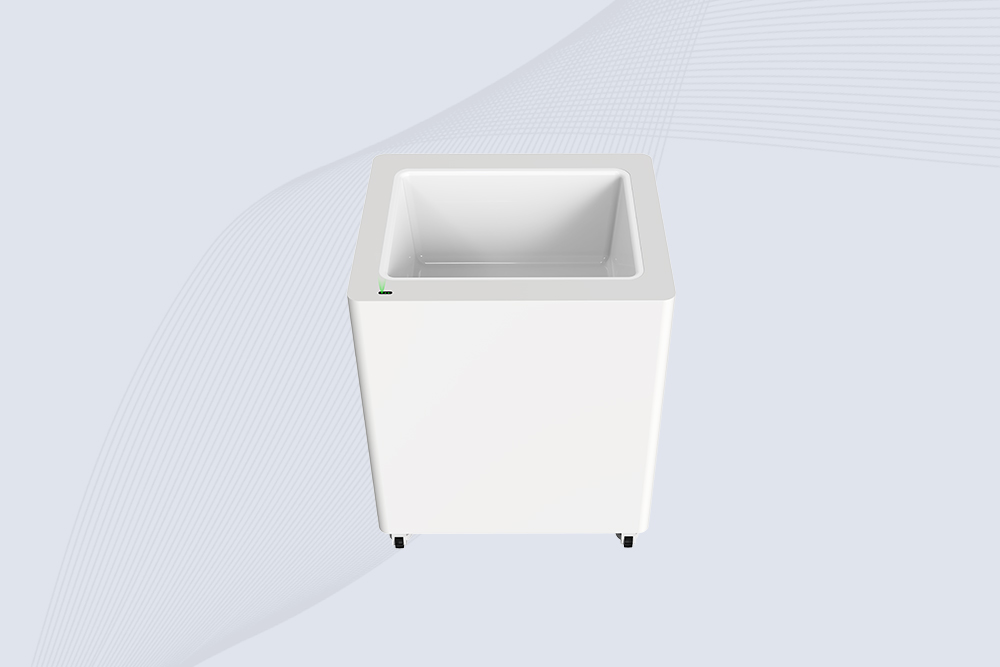
Cykeo’s CYKEO-D8C UHF RFID gate reader achieves 200-tag/batch scanning with adjustable power control, ideal for retail inventory and smart warehouse management.
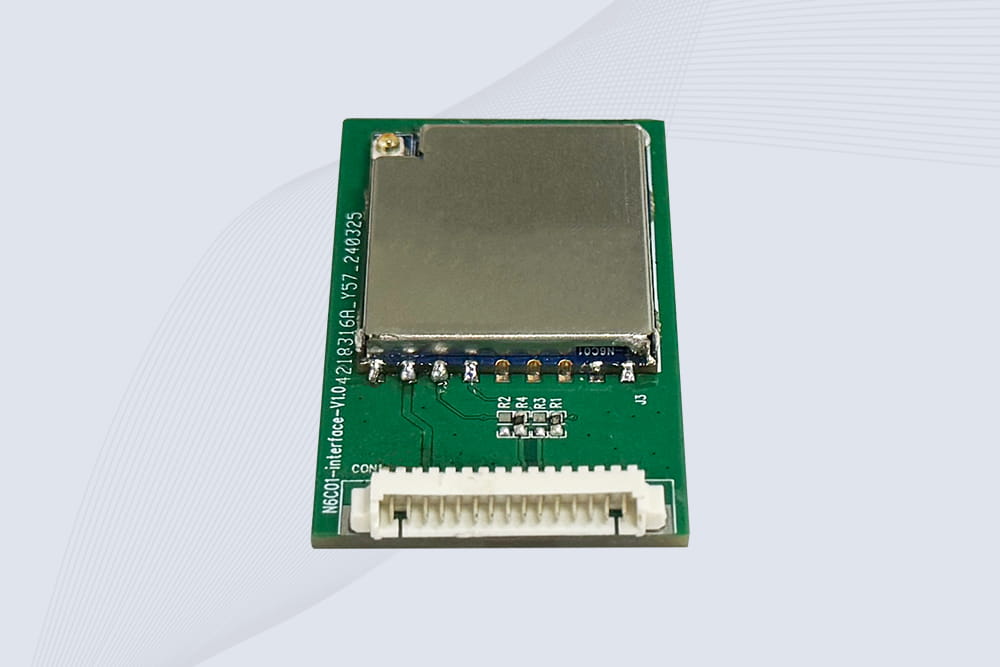
CYKEO Embedded RFID Modules are designed for compact industrial and IoT devices that require stable UHF performance. These UHF RFID Modules support global protocols, flexible power control, and reliable multi-tag reading for smart cabinets, production lines, and asset tracking systems.
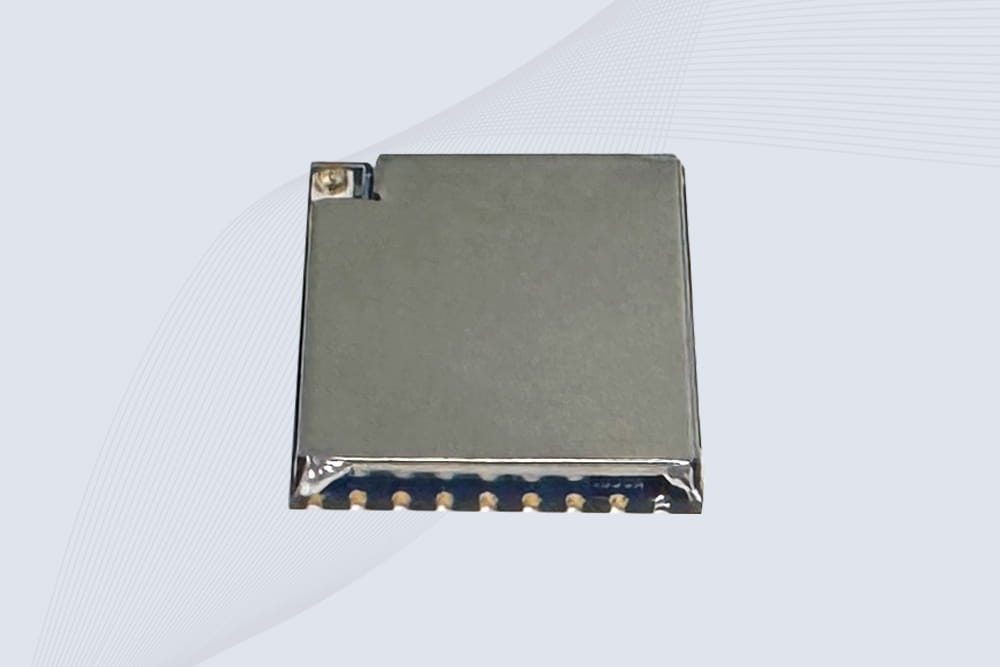
CYKEO Embedded RFID Module is built for compact IoT and industrial devices that need stable UHF performance. This UHF module supports global protocols, low power operation, and reliable multi-tag reading for smart lockers, production lines, and always-on RFID systems.
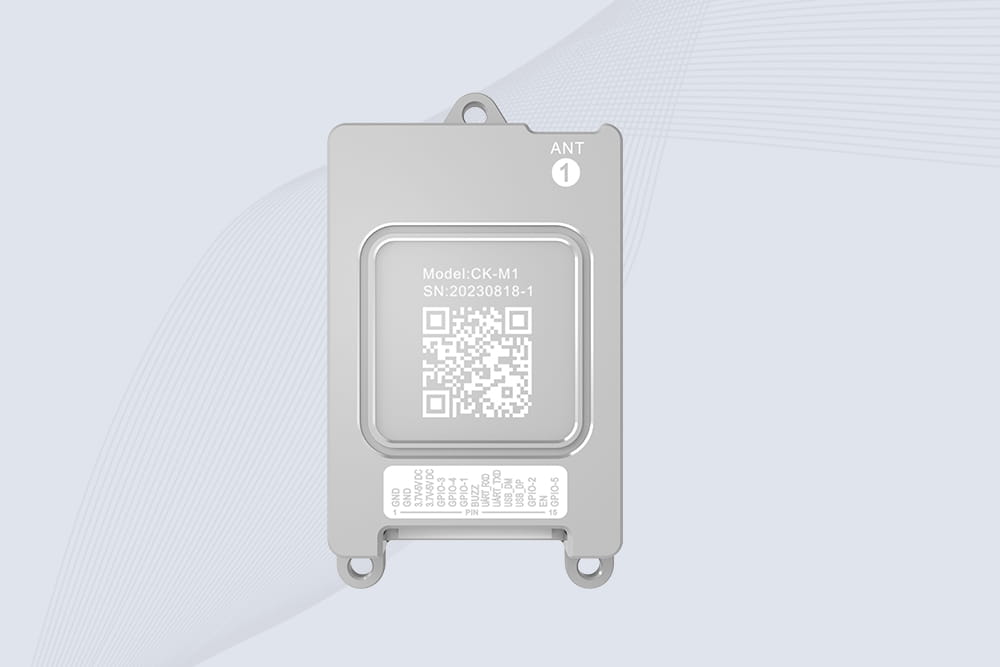
CYKEO CYKEO-M1 drone rfid module is a compact UHF RFID reader module designed for drones and UAV platforms. It supports long-range aerial scanning, fast multi-tag reading, and stable performance in wind, vibration, and outdoor environments.
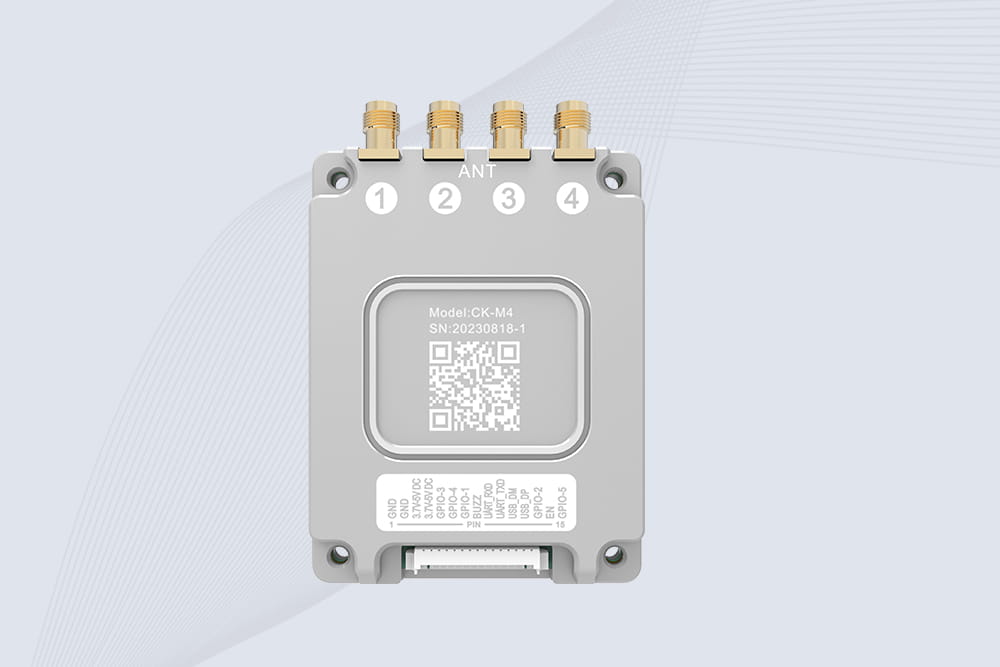
CYKEO CYKEO-M4 RC522 RFID Module is an industrial-grade UHF RFID reader with 4 ports, supporting ISO, EPC, and GB protocols. High-speed, accurate reading for IoT, automation, and warehouse applications.
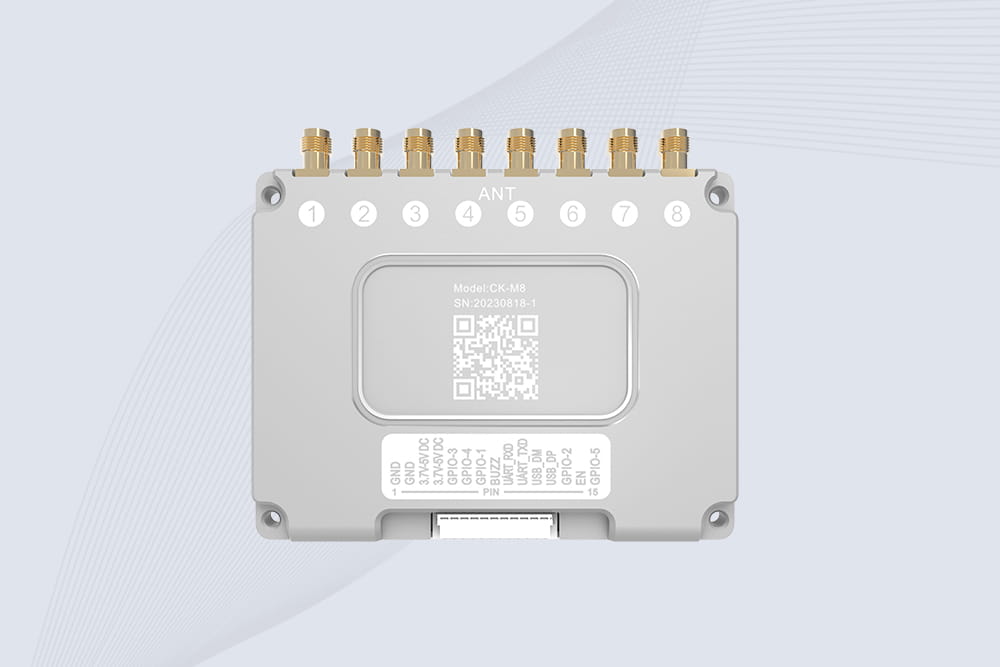
CYKEO CYKEO-M8 Module RFID is an 8-port UHF R2000 RFID Module designed for high-density, multi-tag environments. Stable 33dBm output, ISO & GB protocol support, ideal for warehouses, factories, and automated systems.
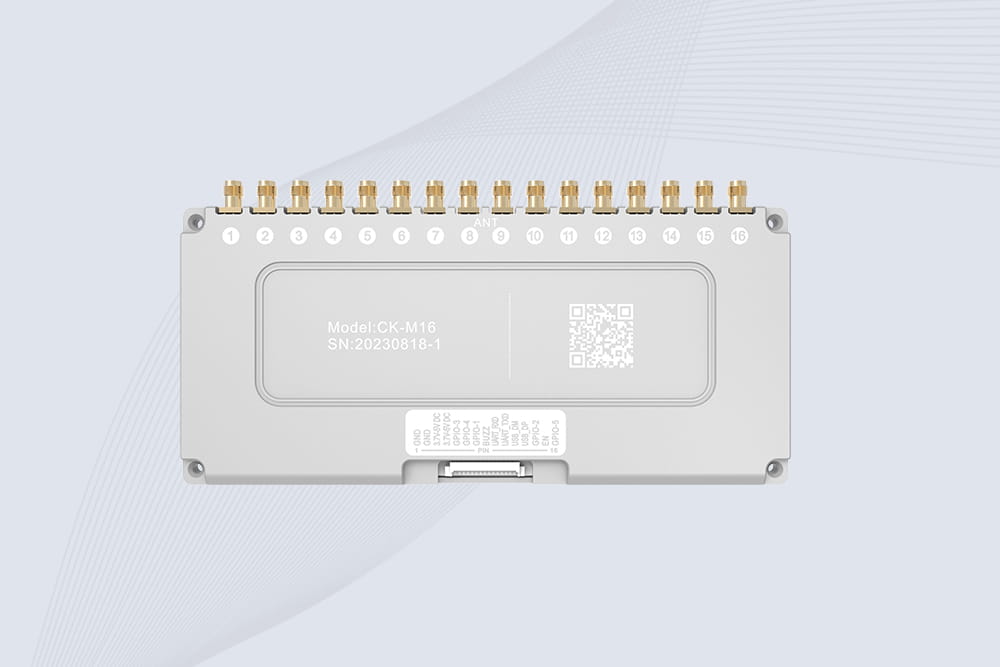
CYKEO CYKEO-M16 RFID Module is a 16-port UHF RFID reader module based on the R2000 chipset. Designed for dense tag environments, it supports ISO and GB standards and delivers stable multi-antenna control for industrial automation.
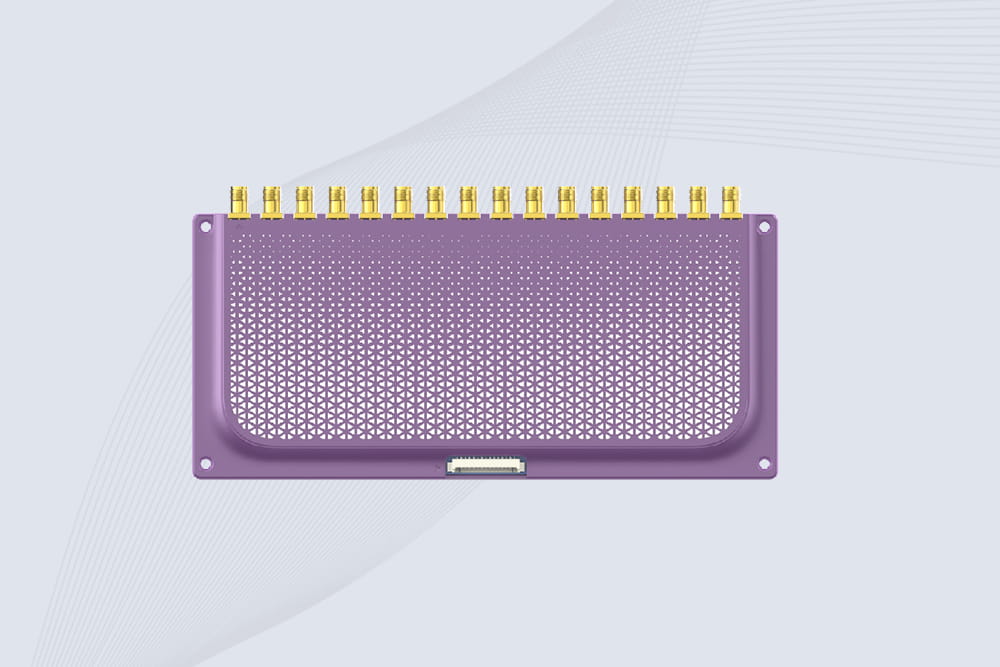
The CYKEO CYKEO-M16L RFID Reader Module is a 16-channel UHF RFID core designed for dense tag environments. With adjustable 33dBm output, multi-protocol support, and stable multi-antenna control, this RFID Tag Reader Module fits industrial automation, warehouse systems, and large-scale IoT deployments.
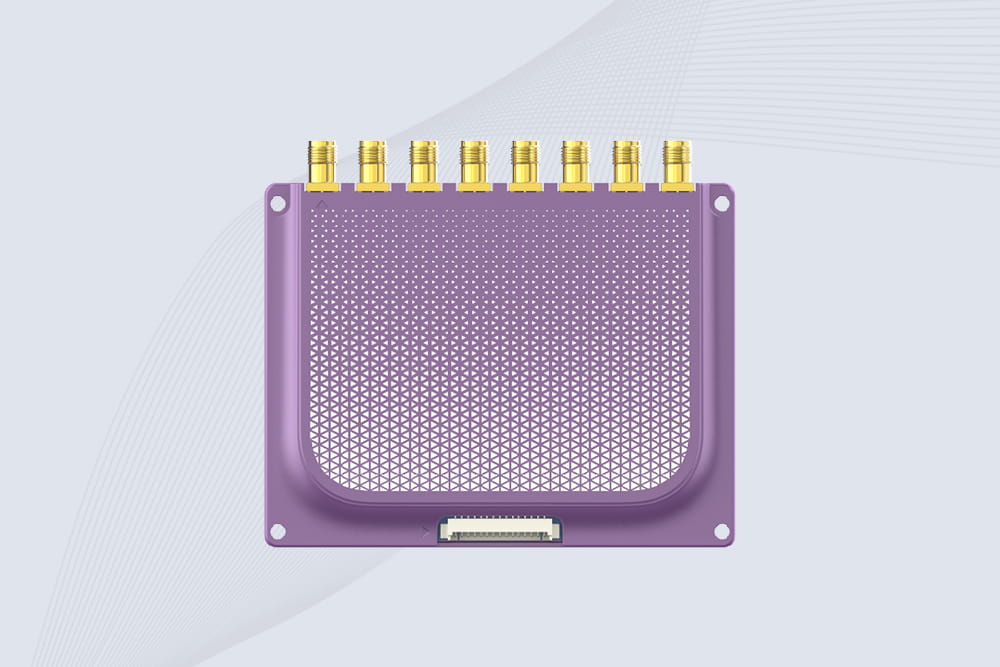
CYKEO CYKEO-M8L module RFID is a compact industrial UHF module built for dense tag and multi-antenna environments. With 8 RF ports, adjustable 33 dBm output, and ISO & GB protocol support, it is widely used in factories, warehouses, and automated tracking systems.
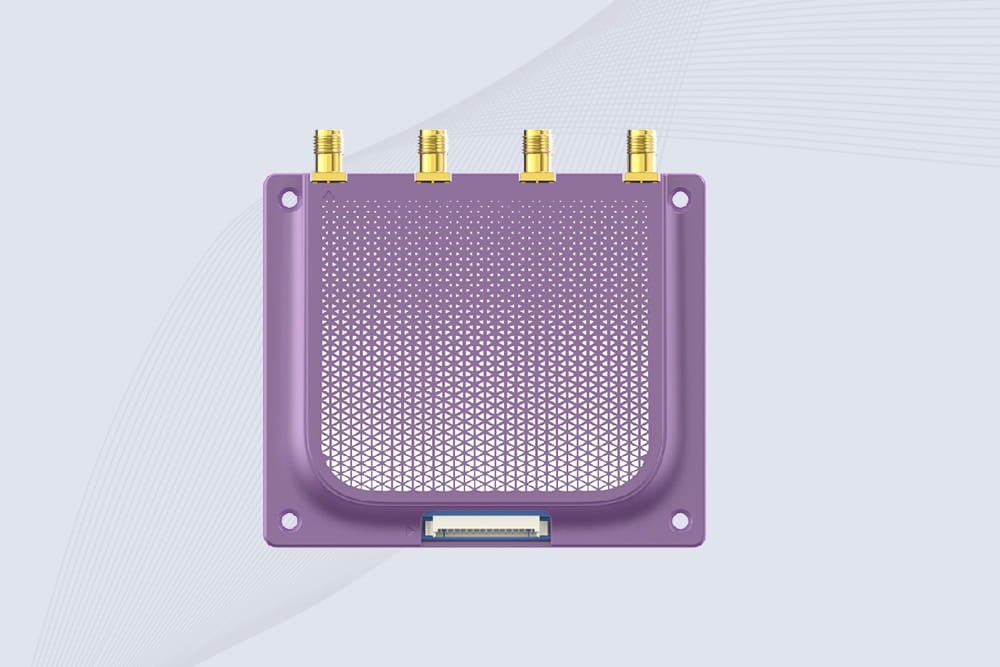
CYKEOCYKEO-M4L UHF RFID Module is a compact 4-channel RFID tag reader module designed for dense tag environments. Supporting ISO and GB protocols, it delivers stable reads up to 10 meters for industrial and IoT systems.
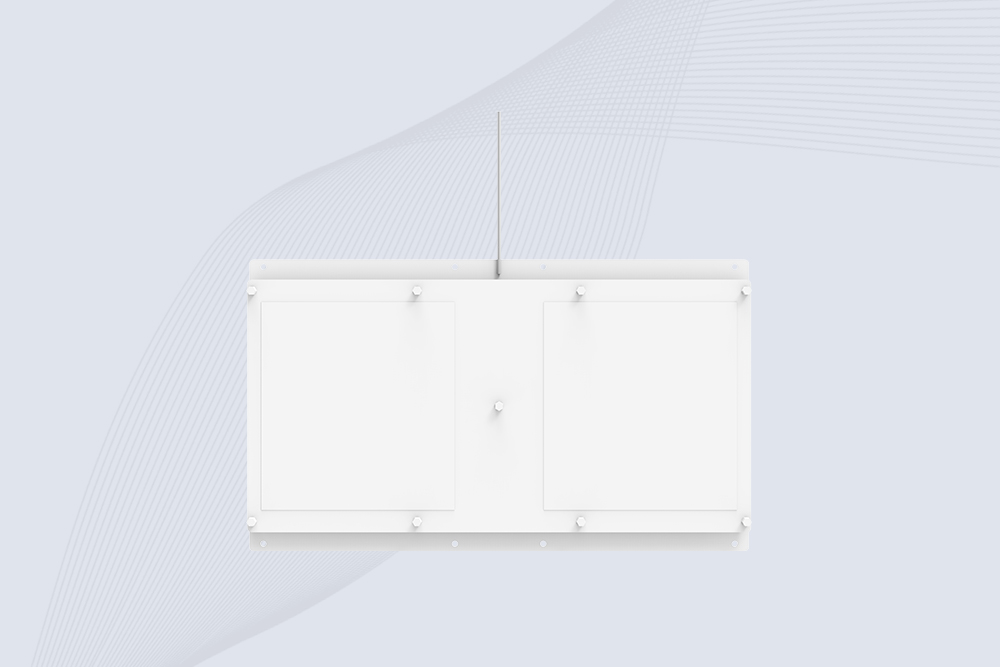
Cykeo CYKEO-A11 UHF RFID reader antenna delivers 11dBi gain, 840-960MHz frequency range, and IP65 ruggedness for retail, logistics, and industrial RFID systems. Features low VSWR and easy installation.

CYKEO Antenna RFID Reader delivers stable long-range UHF performance with a 10.5dBi directional design, built for warehouses, conveyor portals, and industrial RFID systems. This rfid reader antenna provides 20m+ read distance and rugged IP67 protection.

Cykeo CYKEO-PHF3 industrial HF RFID Antenna offers 24-point dynamic tracking, ISO 14443A/15693 protocols, metal-environment stability for archives/libraries/manufacturing.

Cykeo CYKEO-A5B industrial Linear RFID Antenna delivers 5dBi gain, ≤1.5:1 VSWR, and IP65 rugged design for warehouse, production line, and logistics UHF systems.

Cykeo’s CYKEO-B12 Long Range RFID Antenna delivers 15m+ read range with 12dBi gain, IP65 rugged design, and global 840-960MHz UHF support. Ideal for warehouse/logistics asset tracking.
Cykeo CYKEO-B10 Long Distance RFID Antenna offers 10dBi gain, 840-960MHz frequency range, IP65 rating, and 20m+ coverage for logistics/warehousing/ETC systems. Low VSWR ensures stable signal transmission.
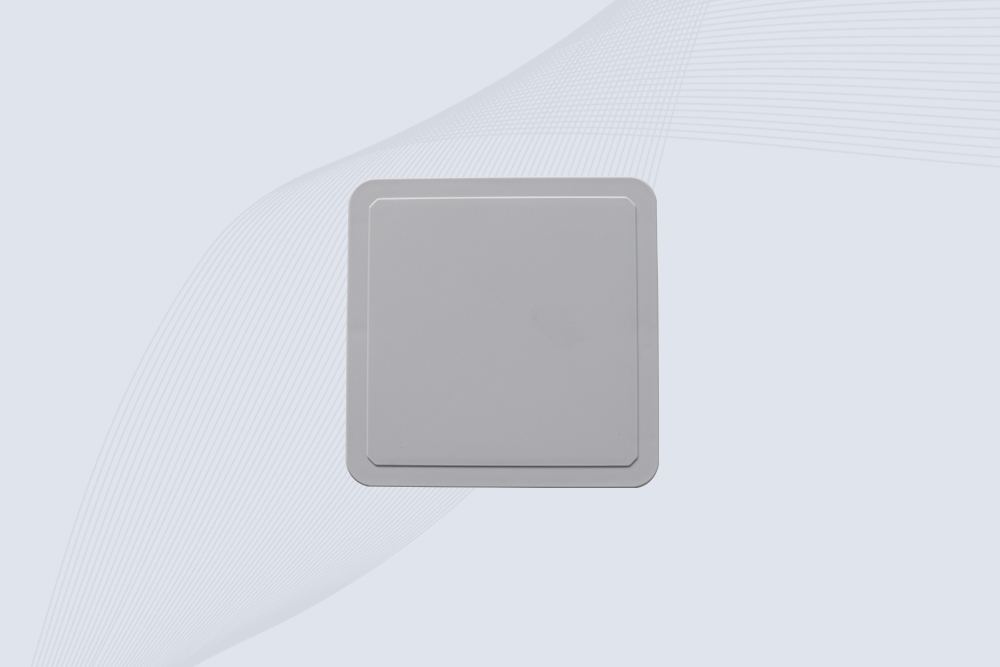
Cykeo CYKEO-A6 UHF RFID panel antenna features 6dBi gain, 840-960MHz broadband, IP65 metal-ready housing for logistics/smart retail. 18mm ultra-thin design with tool-free mounting.

Cykeo CK-A3 industrial antenna RFID UHF offers 5m+ tag detection, ≤1.3:1 VSWR, IP65 rugged design, and global UHF spectrum compatibility (840-960MHz) for warehouses, factories, and retail.
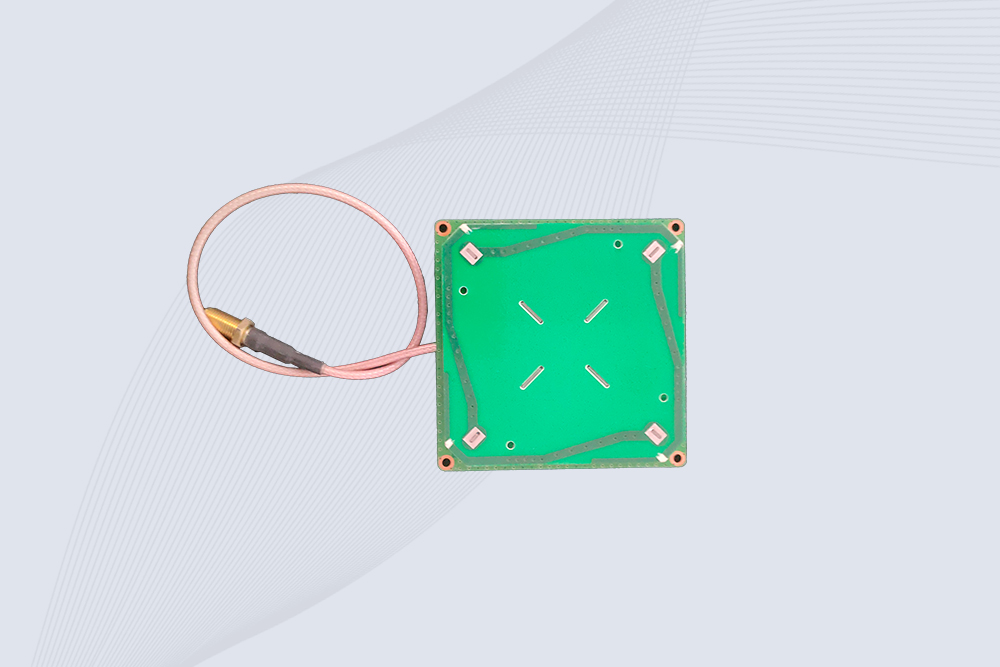
Cykeo CYKEO-B5 directional RFID antenna provides 5dBi gain with 60° narrow beamwidth for precise inventory tracking. IP65-rated, global UHF frequency support, and low VSWR.
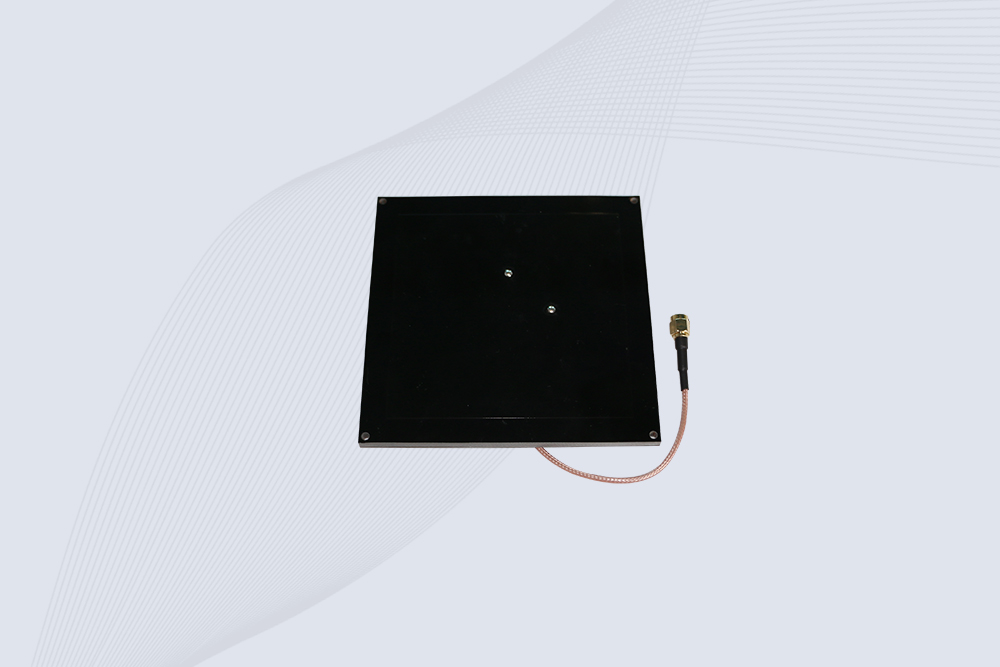
Create your own high-performance DIY RFID antenna! 5dBi gain, 840-960MHz tunable, step-by-step guides. Compatible with Arduino, Raspberry Pi, and commercial UHF readers.
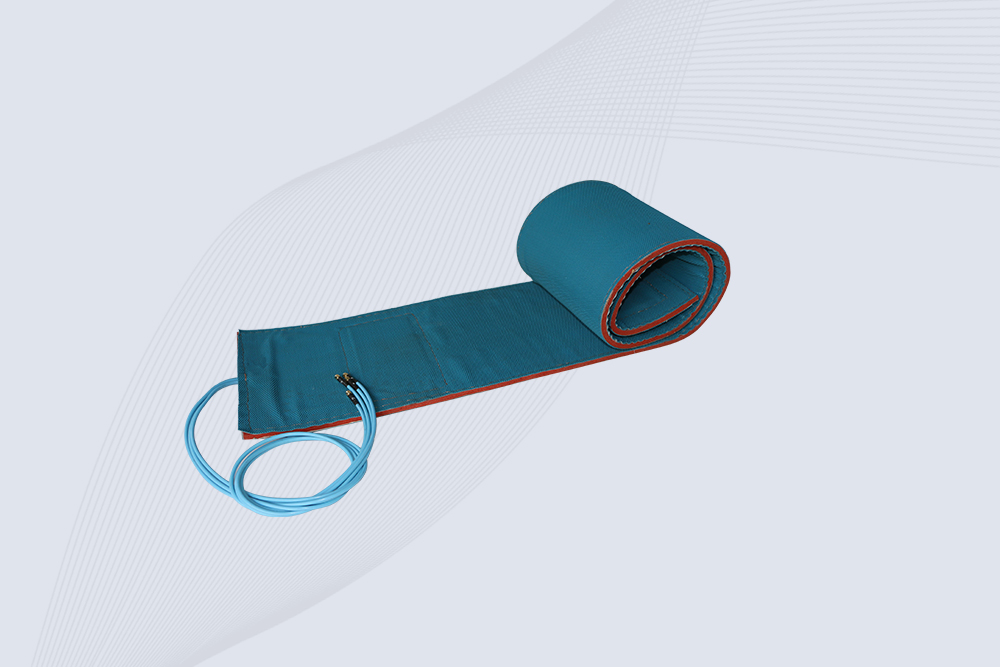
Cykeo CYKEO-A7 Flexible RFID Antenna features 840-960MHz wideband tuning, 7dBi gain, and IP68 rating for medical/retail/industrial curved surface deployments. 98% read accuracy with peel-and-stick installation.

Cykeo CYKEO-B5A industrial Passive RFID Antenna delivers 5dBi gain, 70° beamwidth, and -40°C~55°C operation for warehouses/smart cabinets. Compatible with Zebra/Impinj readers.
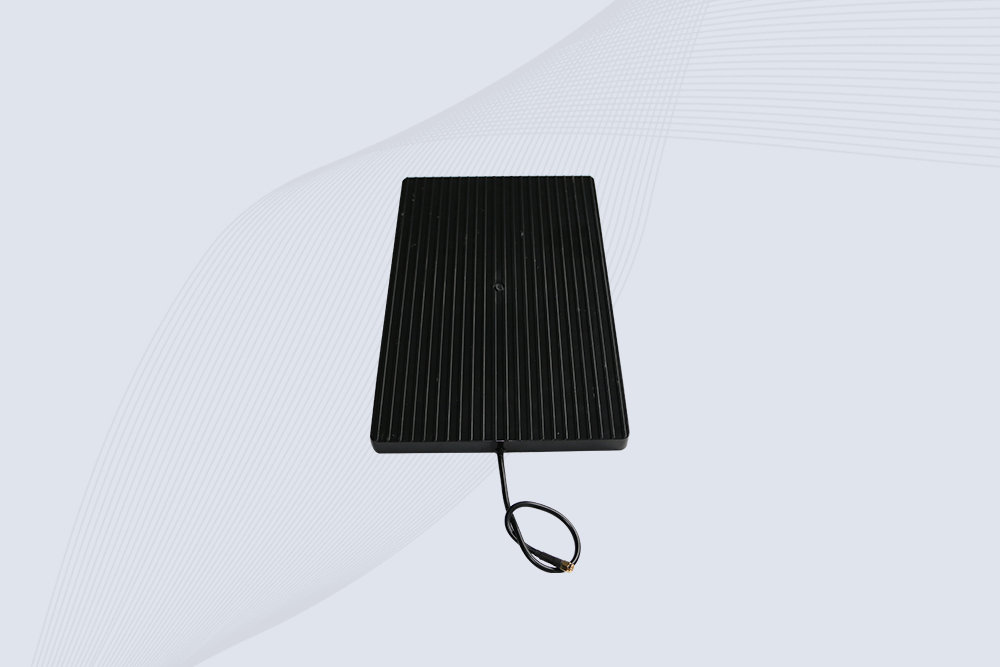
Cykeo’s CYKEO-A9B High Gain RFID Antenna delivers 15m+ read range with 9dBi amplification. Features IP54 rugged design, 840-960MHz bandwidth, and 80° beamwidth for warehouse/manufacturing RFID systems.

Cykeo’s enterprise-grade 8dbi Impinj RFID Antenna 10m+ read range with 840-960MHz tuning. Features IP65 housing, 1.4 VSWR, 35° beamwidth for retail/warehouse RFID systems.
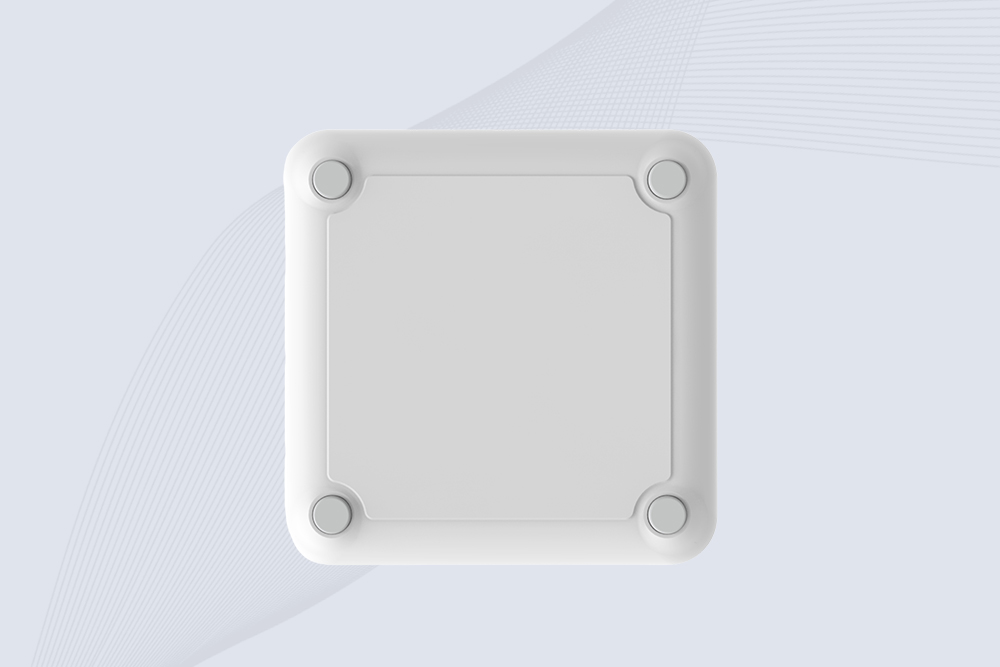
Cykeo CYKEO-A9 industrial UHF RFID antenna delivers 9dBi gain, 840-960MHz frequency range, and IP65 protection for warehouse/logistics/retail RFID systems. Features N-type connector and ≤1.3:1 VSWR.
CYKEO UHF RFID Antenna built for long-distance and industrial applications. This antenna rfid uhf delivers strong gain, outdoor durability, and reliable tag performance in warehouses, yards, and vehicle ID systems.
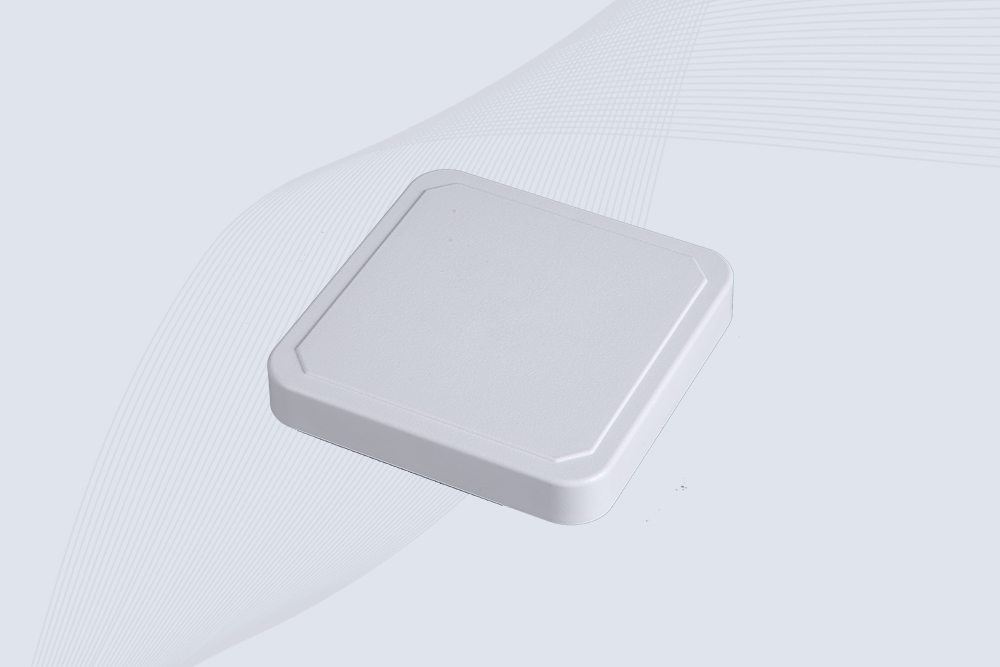
CYKEO Antenna RFID delivers reliable long-range UHF performance in warehouses, retail shelves, and cold-chain environments. This compact uhf rfid antenna provides stable reads with circular polarization and ultra-wide 840–960 MHz support, ideal for industrial tracking, smart shelves, and asset monitoring.
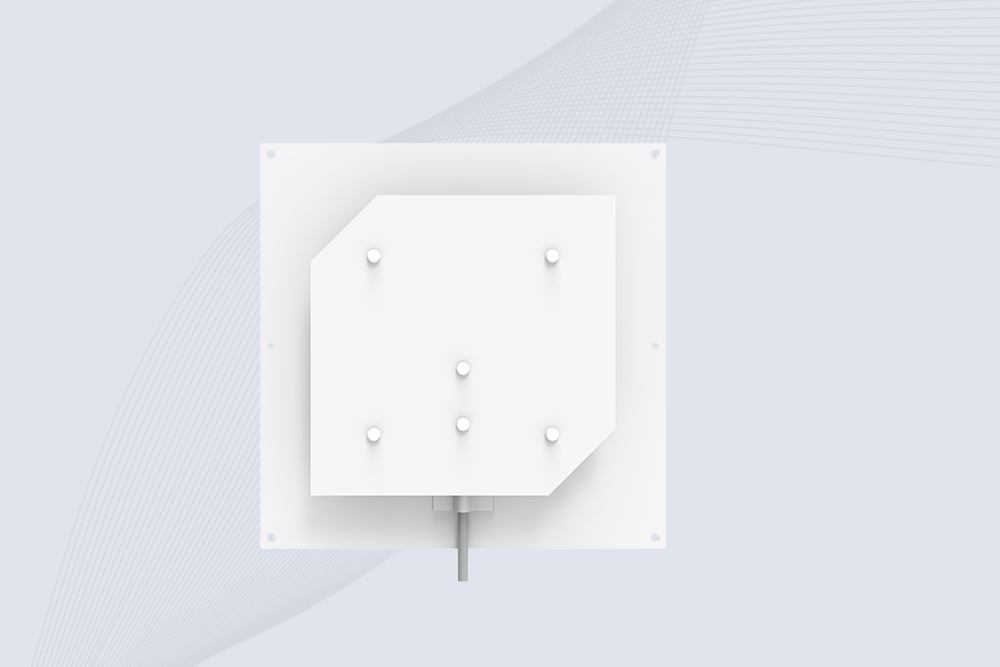
Cykeo’s CYKEO-C8 UHF RFID antennas delivers 8dBi gain, 840-960MHz full-band coverage, and IP65 ruggedness for manufacturing/warehouse RFID systems. Industrial RFID Antennas Features
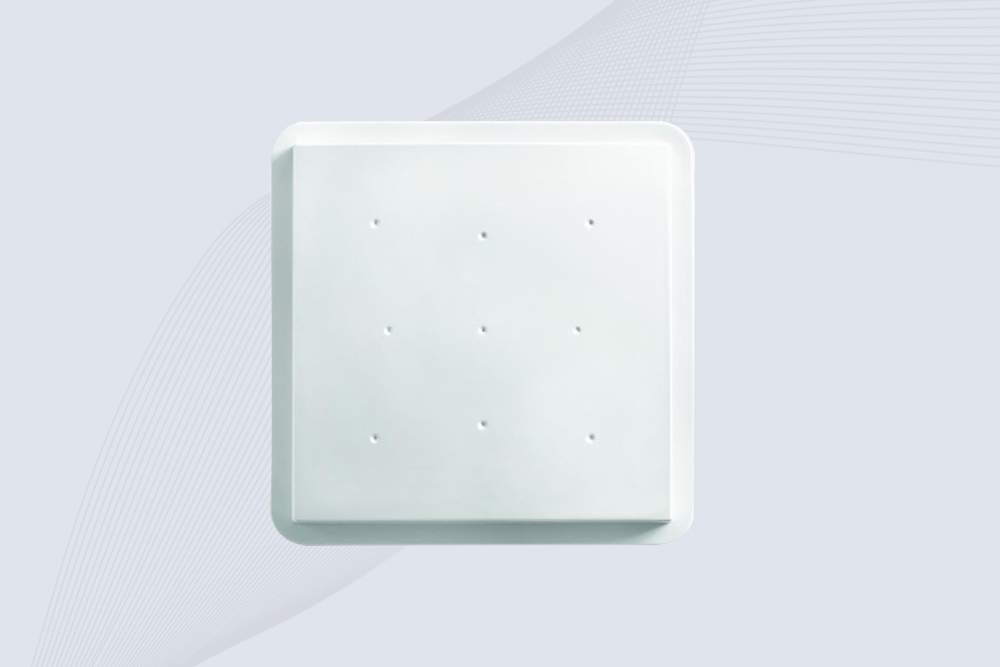
Cykeo’s 8dBi UHF RFID antenna and reader kit delivers 10m+ range, 840-960MHz broadband, and IP65 ruggedness for factories, warehouses, and logistics. ISO 18000-6C & EPC Gen2 certified.
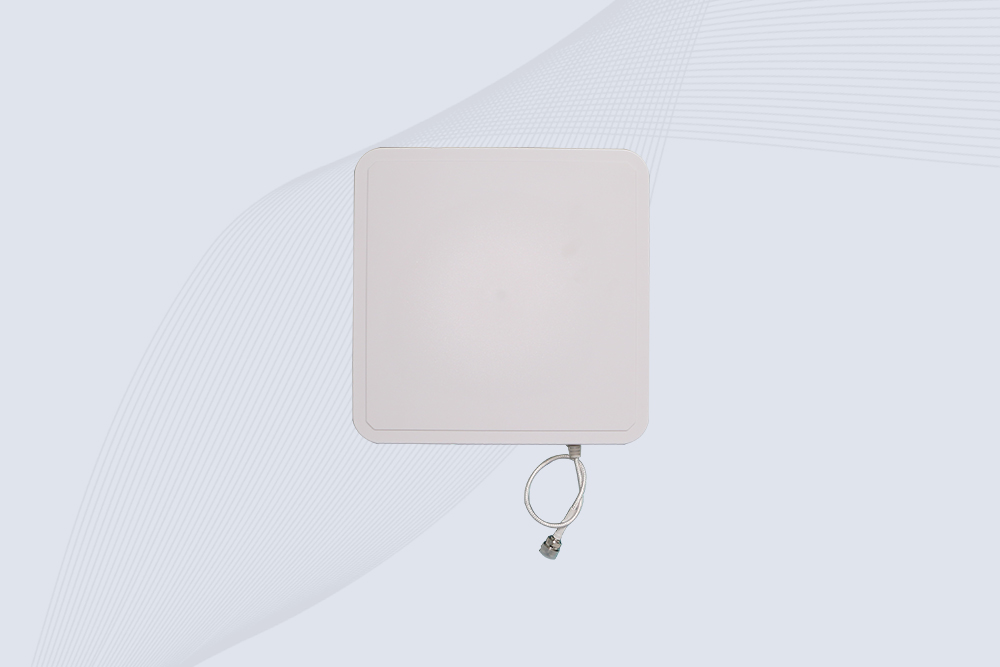
Cykeo CYKEO-A9A industrial UHF RFID reader and antenna kit delivers 10m range, 500 tags/sec, IP65 ruggedness for manufacturing/logistics. Supports EPC Gen2, ISO18000-6C.
RFID Industry Writer | IoT & Asset Tracking Analyst
James writes about RFID technology, asset tracking, and the practical challenges of digital transformation across warehousing, retail, manufacturing, and logistics.
His work focuses on how RFID is applied in real-world operations—improving inventory visibility, automating workflows, and helping businesses manage assets with greater accuracy and efficiency.
He regularly covers topics including UHF RFID, smart cabinets, RFID portals, tool tracking, warehouse automation, and industrial IoT trends..

Discover what rfid means and how RFID technology enables automatic identification, smart inventory, and real-time tracking with Cykeo industrial RFID solutions.
More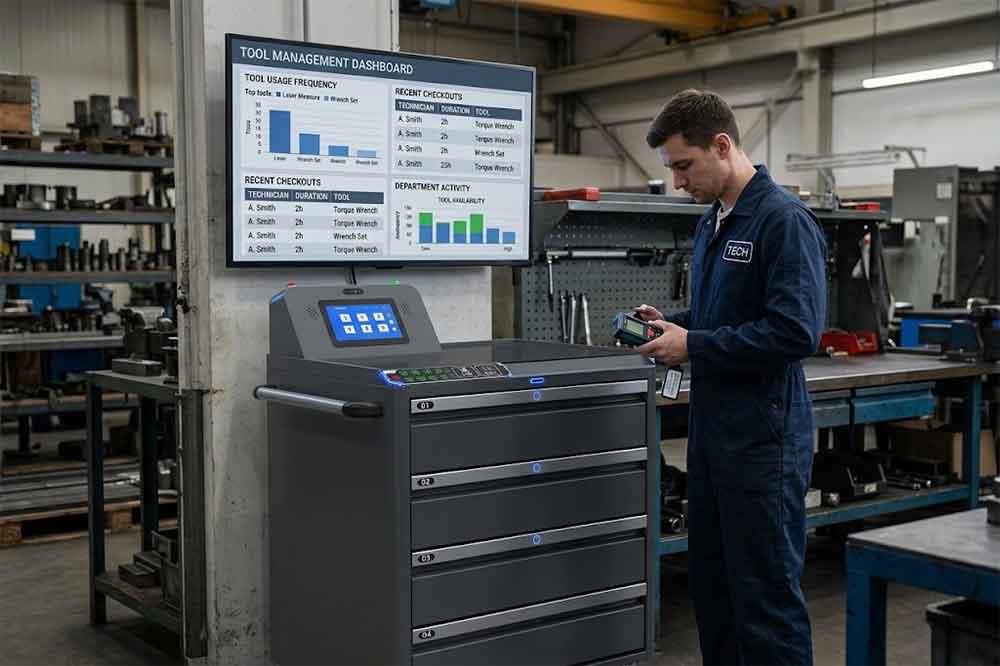
RFID tool cabinet can help industrial teams monitor how often tools are checked out, which departments use them, and how tool usage changes over time. Usage ...
More
Find out if you can use your Android's NFC to read RFID tags. We explain the compatibility, major limitations, and why it's not a business solution.
More
What is rfid antenna? Learn how RFID antennas transmit signals, improve tag reading performance, and support smart retail, logistics, and industrial RFID systems.
More