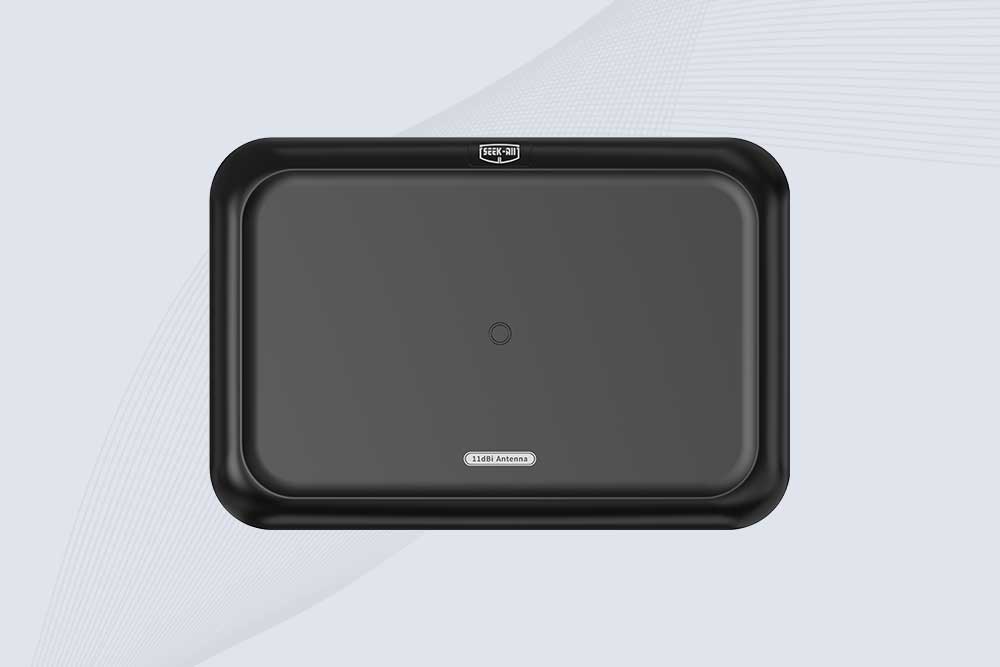
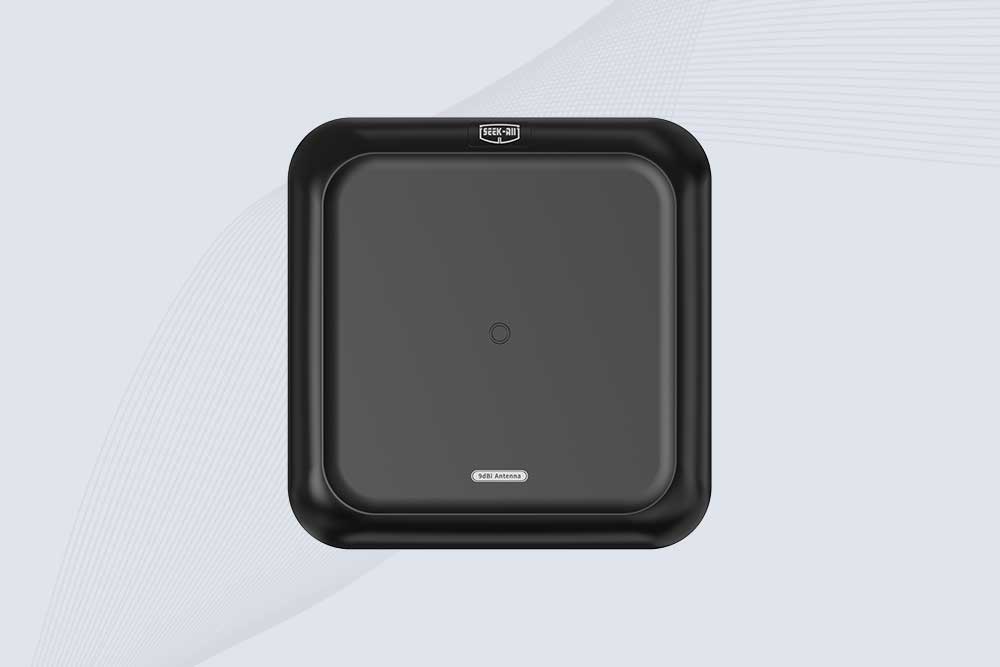
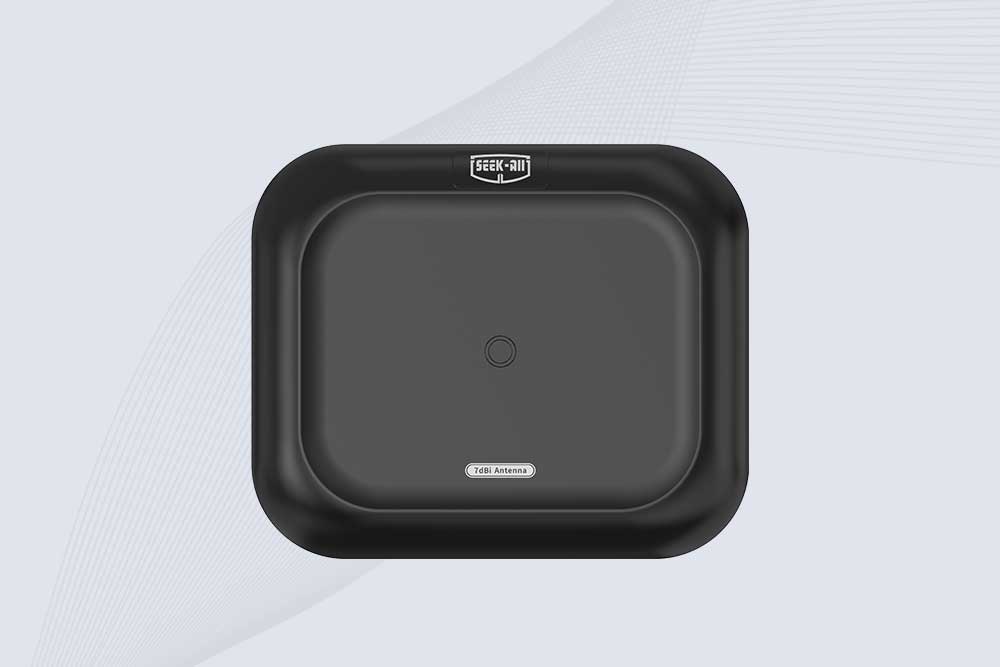
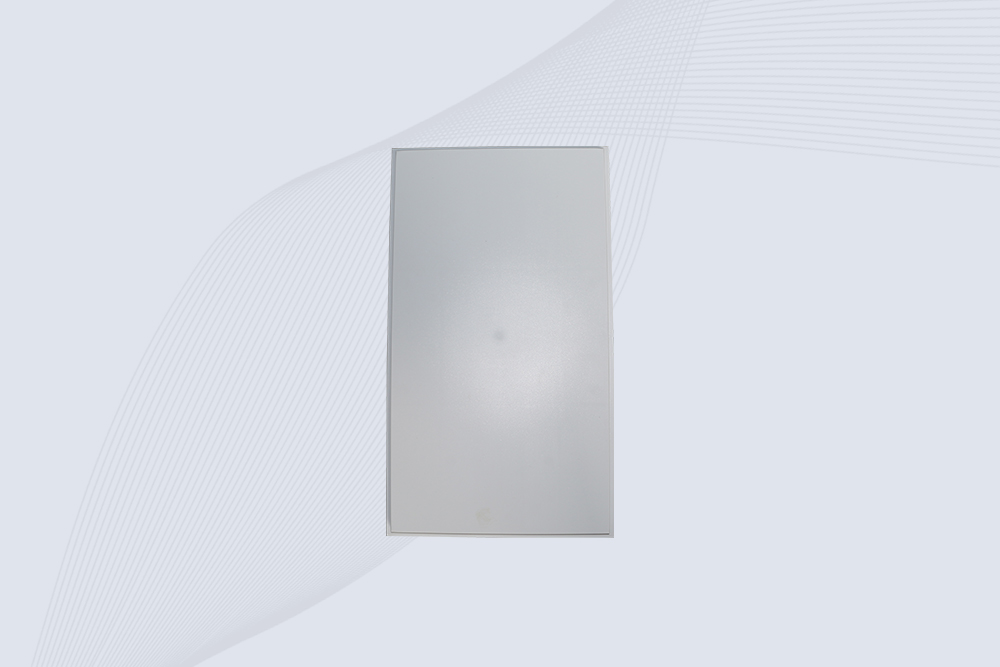
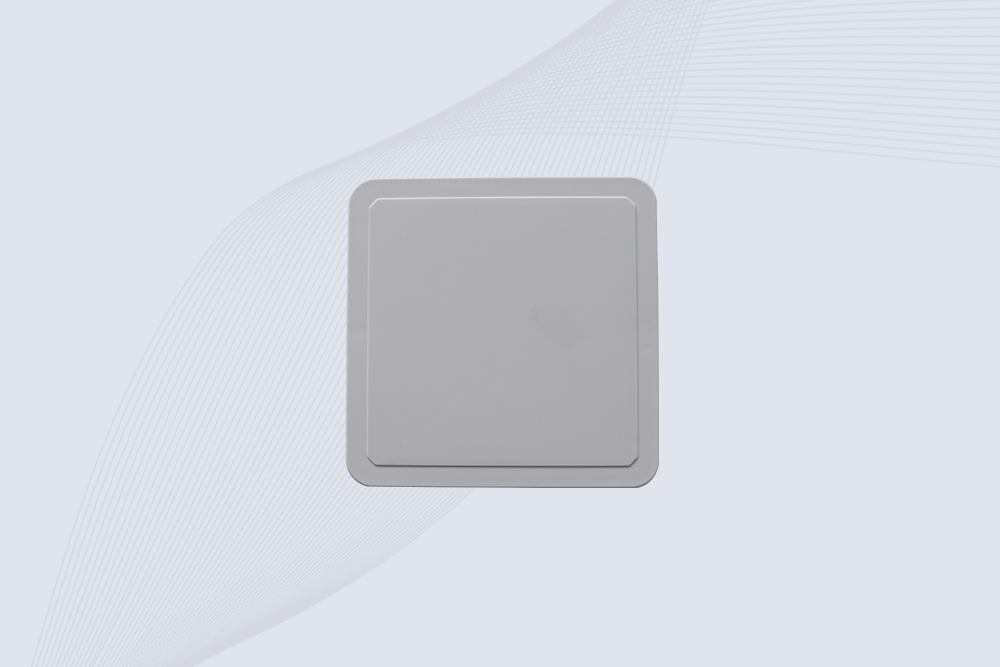
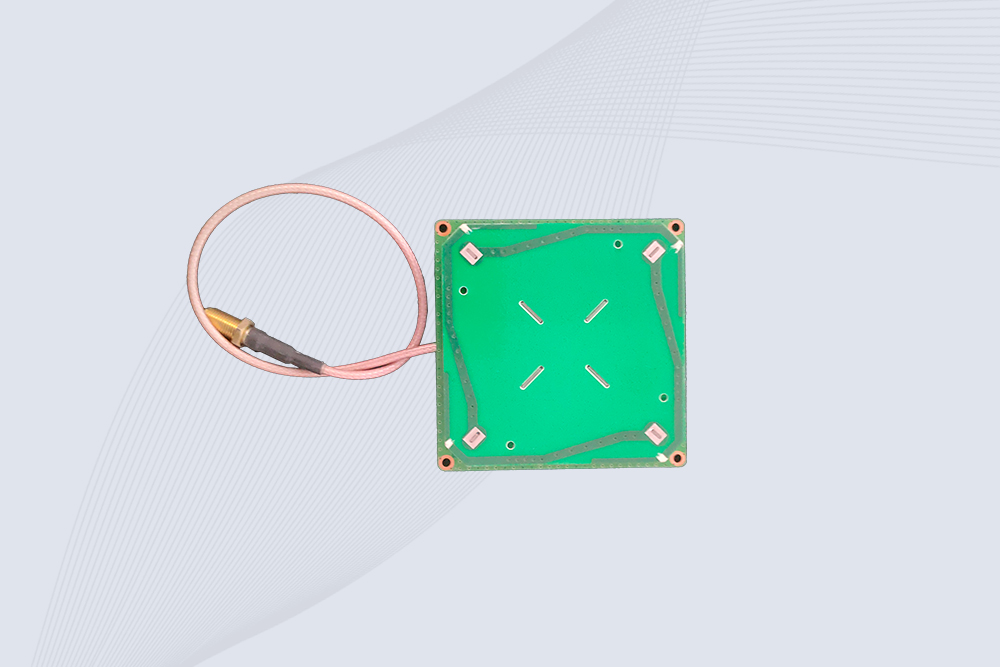
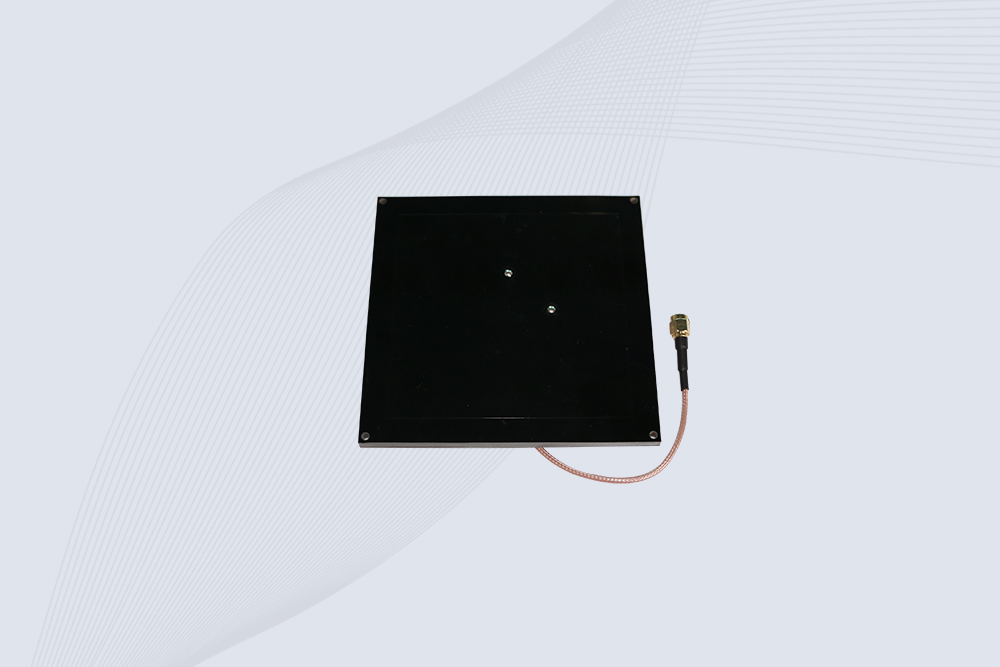
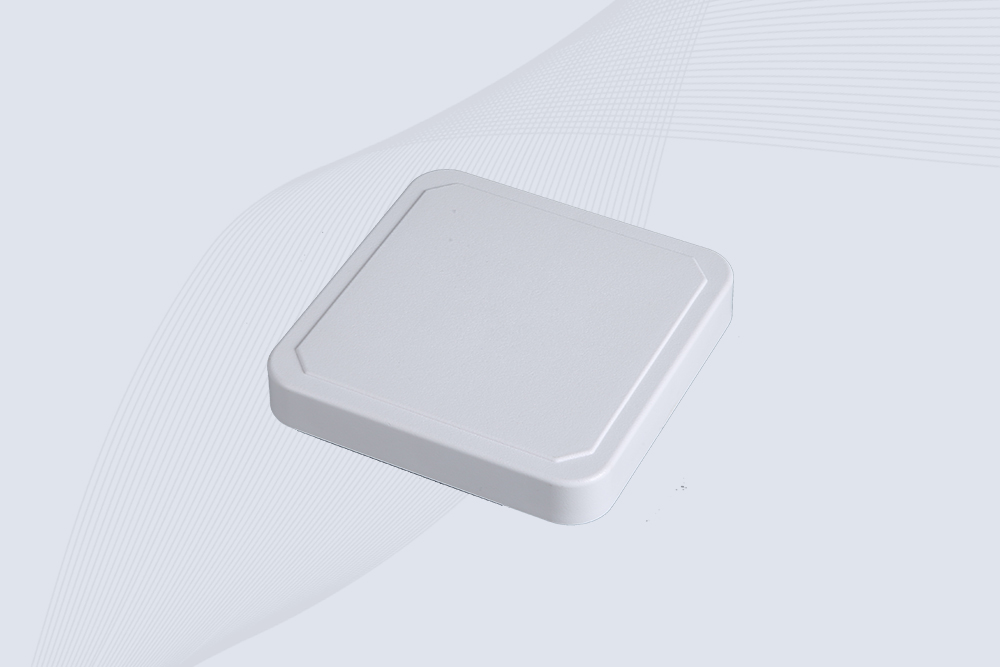
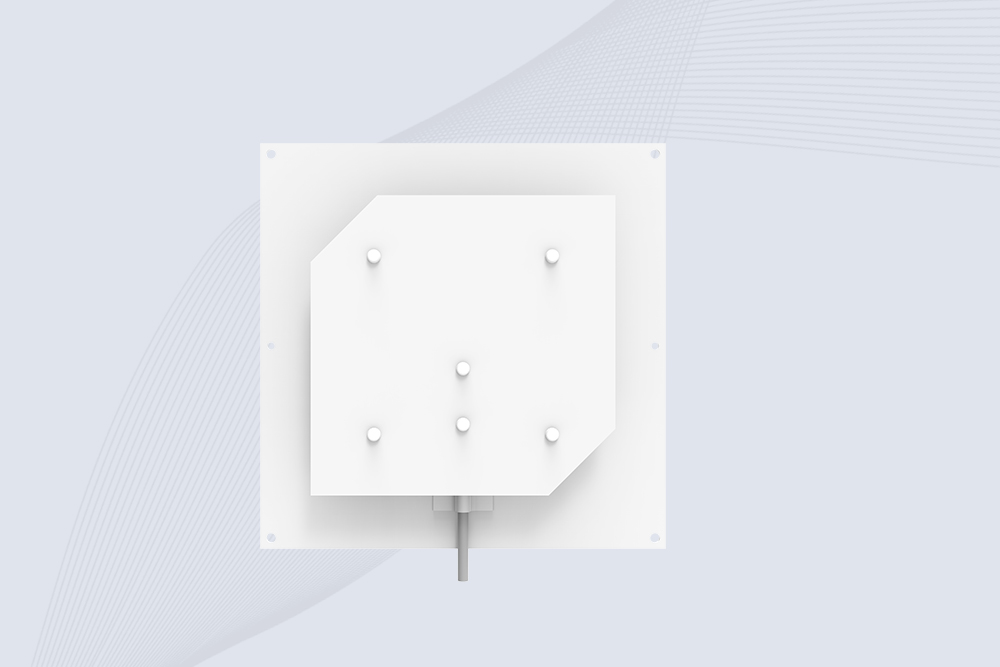
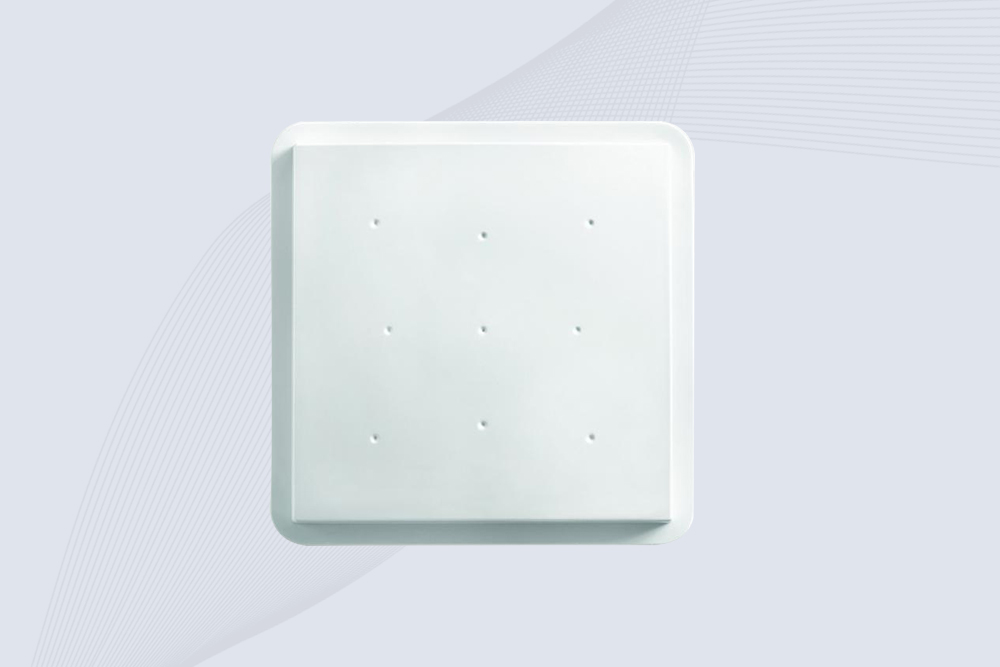
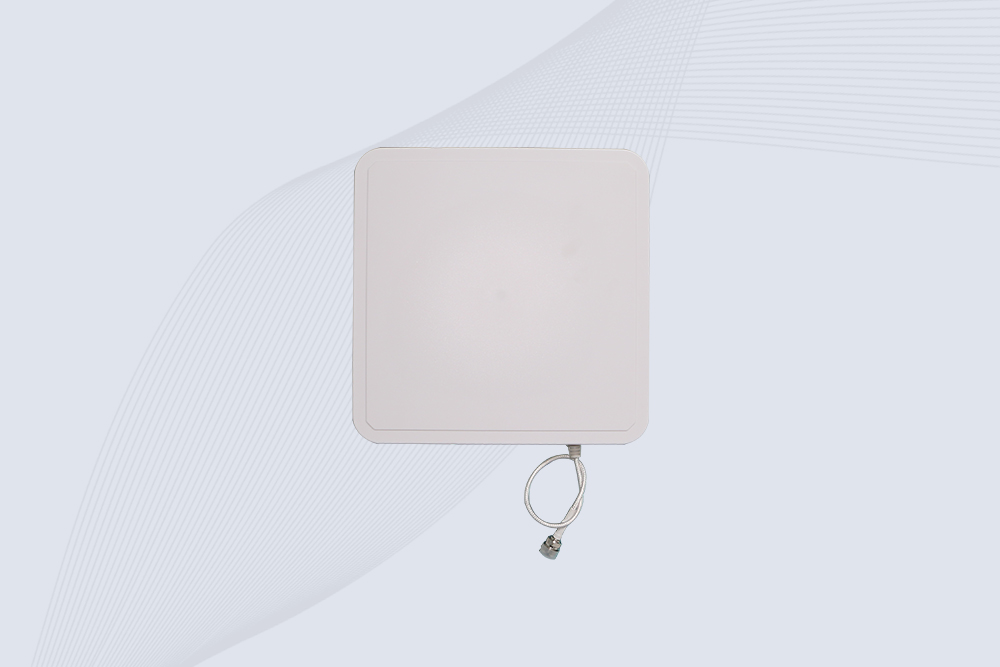
What is rfid antenna refers to a component that transmits and receives radio frequency signals between RFID readers and tags, enabling wireless identification, data exchange, and reliable tag communication.
An RFID system is often described through tags and readers, but the antenna determines whether communication actually succeeds.
During Cykeo RFID system deployments, engineers frequently find that antenna selection affects real-world performance more than many customers expect.
A powerful RFID reader with an unsuitable antenna may still produce unstable results.
In warehouses, retail stores, and factories, antenna position, radiation pattern, frequency range, and installation environment directly influence:
Reading distance
Tag recognition rate
Coverage area
System stability
The antenna is the bridge connecting digital information with physical objects.
What Is an RFID Antenna?
RFID antenna definition and basic function
An RFID antenna is a device that converts electrical energy into radio frequency waves and receives signals transmitted from RFID tags.
In an RFID system, the antenna performs two essential tasks:
Transmitting RF energy from the reader.
Receiving response signals from RFID tags.
Without an antenna, an RFID reader cannot communicate with tags.
The antenna works together with:
RFID reader module
RFID tag antenna
RFID software system
to complete automatic identification.
RFID Antenna Working Principle: How Does an RFID Antenna Work?
Signal transmission process
The RFID communication process follows several steps:
Step 1: Reader generates RF energy
The RFID reader creates a radio frequency signal.
The signal travels through the antenna.
Step 2: Antenna radiates electromagnetic waves
The antenna converts electrical signals into electromagnetic waves.
These waves create an RF field around the antenna area.
When an RFID tag enters this field, it can respond.
Step 3: Tag sends information back
The RFID tag receives the signal and reflects or transmits stored information back to the antenna.
The antenna captures the response and sends the data to the reader.
Step 4: System processes identification data
The RFID software receives information such as:
Product ID
Asset number
Location data
Inventory information
This creates a complete RFID identification process.
RFID Antenna Types and Applications
1. UHF RFID Antenna
UHF RFID antennas are widely used in industrial and commercial RFID systems.
Operating frequency:
Approximately 860–960 MHz
Common applications:
Warehouse inventory
Retail checkout
Asset tracking
Manufacturing automation
Advantages:
Long reading distance
Wide coverage area
Fast multi-tag identification
2. Circular Polarized RFID Antenna
Circular polarized antennas transmit signals in multiple directions.
They are suitable for applications where tag orientation changes.
Examples:
Retail shelves
Logistics conveyors
Warehouse gates
Benefits:
Better tag reading flexibility
Reduced orientation sensitivity
3. Linear Polarized RFID Antenna
Linear polarized antennas concentrate energy in one direction.
They are suitable when:
Tag direction is controlled
Longer reading distance is required
Common uses:
Industrial production lines
Fixed asset checkpoints
4. Near-Field RFID Antenna
Near-field antennas are designed for short-range applications.
Applications include:
Desktop RFID readers
Library systems
Item registration stations
RFID Antenna Parameters That Affect Performance
Antenna Gain
Antenna gain determines how effectively RF energy is focused.
Higher gain can improve reading distance but may reduce coverage angle.
Radiation Pattern
The radiation pattern describes how signals spread.
Different environments require different patterns.
Environment
Suitable Antenna Type
Warehouse entrance
Wide coverage antenna
Conveyor system
Directional antenna
Smart shelf
Near-field antenna
Industrial equipment
Focused antenna
Frequency Compatibility
The antenna must match the RFID system frequency.
Common RFID frequency bands:
RFID Type
Frequency
LF RFID
125–134 kHz
HF RFID
13.56 MHz
UHF RFID
860–960 MHz
Why RFID Antenna Design Matters
Poor antenna selection creates real problems
In practical RFID projects, many reading issues are not caused by tags.
Common causes include:
Incorrect antenna position
Poor signal coverage
Metal interference
Wrong polarization selection
A warehouse gate and a retail shelf require completely different antenna solutions.
Cykeo RFID Antenna Engineering Experience
Cykeo engineers evaluate RFID antenna performance based on real application conditions.
The design process considers:
Installation environment
Reader power
Tag characteristics
Required reading range
Interference conditions
For example:
A clothing store requires wide-area identification for many tagged products.
A manufacturing line may require precise reading at a fixed location.
The antenna design must match the workflow.
RFID antennas provide wireless communication between readers and tagged products in automated environments.
RFID Antenna Selection Guide
Choose according to application
Before selecting an RFID antenna, companies should evaluate:
Reading distance
Short-range applications require different antennas from large warehouse systems.
Tag orientation
If products move randomly, circular polarization may provide better performance.
Installation environment
Consider:
Metal surfaces
Equipment structure
Human movement
Signal interference
RFID Antenna Applications Across Industries
Retail
RFID antennas support:
Smart checkout
Inventory counting
Loss prevention
Product tracking
Manufacturing
Applications include:
Production tracking
Tool identification
Equipment monitoring
Logistics
RFID antennas enable:
Warehouse automation
Shipment verification
Pallet tracking
Technical Standards Behind RFID Antenna Systems
RFID systems commonly follow international standards including EPC Class 1 Gen2 / ISO 18000-6C for UHF RFID communication.
The standard is maintained by GS1 and supports global RFID interoperability.
RFID Antenna Technical Validation Data: Measuring Signal Performance and Reliability
RFID Antenna Performance Testing in Real Environments
An RFID antenna is not evaluated only by its physical design. In commercial RFID deployments, antenna performance is measured by how consistently it communicates with tags under actual operating conditions.
During Cykeo RFID system projects, engineers typically test antenna performance inside warehouses, retail stores, and manufacturing facilities because the surrounding environment changes RF behavior.
Common validation items include:
Signal coverage area
Reading distance
Tag recognition rate
Interference resistance
Multi-tag reading capability
A warehouse filled with metal racks behaves differently from an open retail environment.
The antenna must match the application.
RFID Antenna Technical Parameters
1. Frequency Range Validation
RFID antennas are designed according to different frequency standards.
RFID Type
Frequency Range
Common Applications
LF RFID Antenna
125–134 kHz
Animal identification, access systems
HF RFID Antenna
13.56 MHz
Smart cards, libraries, payment systems
UHF RFID Antenna
860–960 MHz
Retail, logistics, industrial tracking
UHF RFID antennas are widely used for large-scale identification because they support longer reading distances and faster inventory operations.
2. Antenna Gain and Coverage Testing
Antenna gain influences how RF energy is distributed.
Higher gain antennas can provide stronger directional coverage, while lower gain antennas may provide wider coverage.
Engineers evaluate:
Parameter
Purpose
Antenna gain
Measures signal concentration
Radiation pattern
Determines coverage direction
Polarization
Improves tag communication
Return loss
Checks RF efficiency
Antenna selection should be based on the physical environment, not only the maximum specification.
3. Reading Distance Verification
RFID antenna reading distance depends on:
Reader output power
Antenna gain
Tag sensitivity
Installation height
Surrounding materials
For example:
A warehouse portal may require several-meter coverage.
A smart retail checkout device may require controlled short-range reading.
The correct antenna design prevents:
Missing reads
Unwanted reads
Signal overlap
4. Multi-Tag Recognition Testing
One major RFID advantage is the ability to identify multiple objects quickly.
A well-designed antenna system supports:
Batch inventory counting
Automated receiving
Smart checkout
Production tracking
For fashion retail, this means dozens or hundreds of tagged items can be identified without individual barcode scanning.
RFID Antenna System Reliability Factors
Metal interference control
Metal surfaces can affect RF performance.
Common solutions include:
Proper antenna placement
Specialized antenna design
Power adjustment
Polarization optimization
This is especially important in:
Manufacturing plants
Tool management systems
Industrial warehouses
Environmental adaptation
Professional RFID antenna systems consider:
Temperature changes
Dust exposure
Equipment vibration
Human movement
Industrial applications require stable performance over long operating periods.
Cykeo RFID Antenna Advantages
1. Application-Focused Antenna Design
Cykeo RFID antenna solutions are developed around real deployment requirements.
The design process considers:
Reading environment
Tag movement pattern
Installation location
Required identification accuracy
A retail store and a factory production line do not need the same antenna configuration.
2. Strong Compatibility with UHF RFID Readers
Cykeo antenna systems support integration with UHF RFID readers for:
Inventory management
Asset tracking
Smart retail
Industrial automation
Advantages include:
Stable RF communication
Flexible installation options
Efficient tag identification
3. Optimized RFID System Integration
An RFID antenna cannot work independently.
Cykeo combines:
RFID antennas
RFID readers
RFID tags
Software platforms
to create complete identification solutions.
This reduces compatibility issues during deployment.
4. Designed for Complex Industrial Environments
Industrial environments create challenges:
Dense metal structures
Multiple RF reflections
High-speed operations
Cykeo RFID solutions are designed for these conditions with practical engineering considerations.
RFID Antenna Industry Application Cases
1. Smart Retail Store RFID Systems
Retail stores use RFID antennas for:
Smart checkout
Inventory management
Product identification
Anti-loss systems
Example:
A customer places several garments on an RFID checkout platform.
The antenna captures tag information simultaneously.
The system calculates:
Product quantity
Item information
Total price
This eliminates manual barcode scanning.
2. Manufacturing Production Tracking
Factories use RFID antennas to track:
Components
Workpieces
Tools
Production stations
RFID antennas installed near production lines collect information automatically.
This improves:
Production visibility
Process control
Asset management
3. Warehouse RFID Gate Systems
Warehouse entrances often use RFID antenna arrays.
Applications include:
Receiving inspection
Shipment confirmation
Pallet tracking
When tagged goods pass through the gate, the system automatically records movement.
4. Healthcare Asset Management
Hospitals use RFID antenna systems for:
Medical equipment tracking
Supply management
Asset location
This reduces time spent searching for critical equipment.
RFID antennas enable automatic identification across retail and industrial environments.
Frequently Asked Questions About RFID Antennas
FAQ 1: What is RFID antenna?
An RFID antenna is a component that sends and receives radio frequency signals between RFID readers and tags, allowing wireless identification and data communication.
FAQ 2: What does an RFID antenna do?
An RFID antenna transfers RF energy from the reader to the tag and receives the tag response containing identification information.
FAQ 3: What types of RFID antennas are available?
Common RFID antenna types include:
UHF RFID antennas
HF RFID antennas
Circular polarized antennas
Linear polarized antennas
Near-field antennas
FAQ 4: How far can an RFID antenna read?
Reading distance depends on antenna design, reader power, tag type, and environment. UHF RFID antenna systems can achieve meter-level reading distances in suitable conditions.
FAQ 5: Why is RFID antenna placement important?
Incorrect placement can create signal gaps, interference, or missed reads. Professional installation ensures better coverage and accuracy.
FAQ 6: Can RFID antennas work near metal?
Yes. RFID antenna systems can be designed for metal environments by using appropriate antenna selection, installation methods, and RFID configuration.
FAQ 7: How do I choose the right RFID antenna?
Consider:
Application environment
Required reading range
Tag direction
Installation space
Reader compatibility
RFID Antenna Connects Physical Objects With Digital Systems
Understanding what is rfid antenna is essential for designing reliable RFID identification systems.
The antenna is the communication bridge between RFID readers and tags. Its design directly affects reading accuracy, coverage, and system stability.
From smart retail checkout to industrial automation, RFID antennas help organizations collect real-time information from physical assets.
Cykeo combines RFID engineering experience with practical application knowledge to develop complete RFID identification solutions.
By selecting the right antenna technology, companies can improve inventory visibility, automate workflows, and build smarter operational systems.
Explore the SSD-A07 UHF RFID antenna with 7 dBi gain, circular polarization, adjustable 840–960 MHz frequency, and 60°/75° beamwidth for stable RFID read/write performance.
SSD-A06 UHF RFID antenna with circular polarization, adjustable 840–960 MHz frequency, ≥4.5 dBi gain, and a compact directional design for RFID systems.
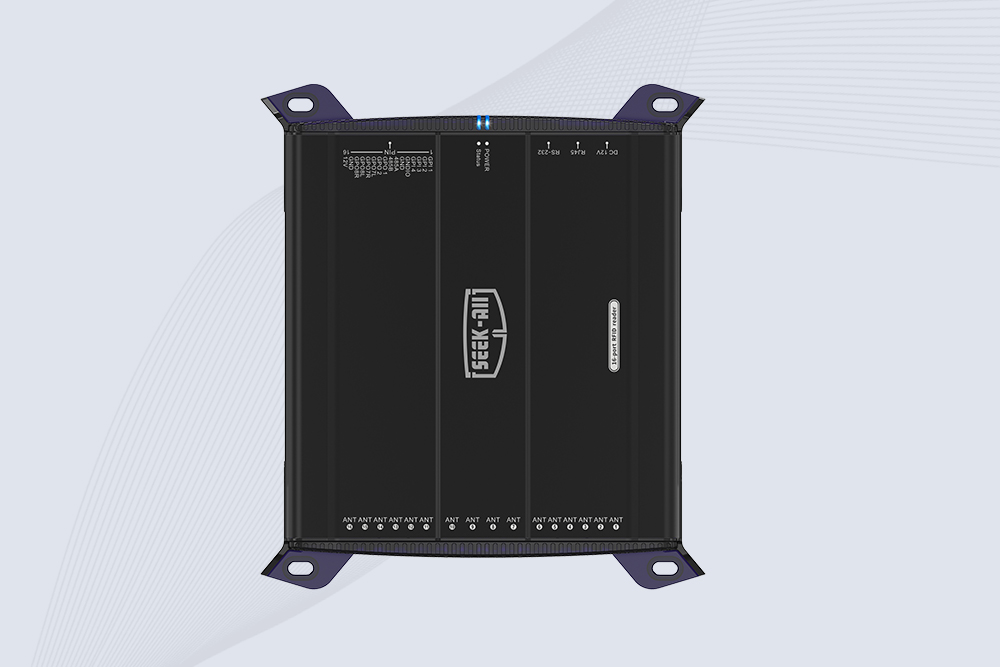
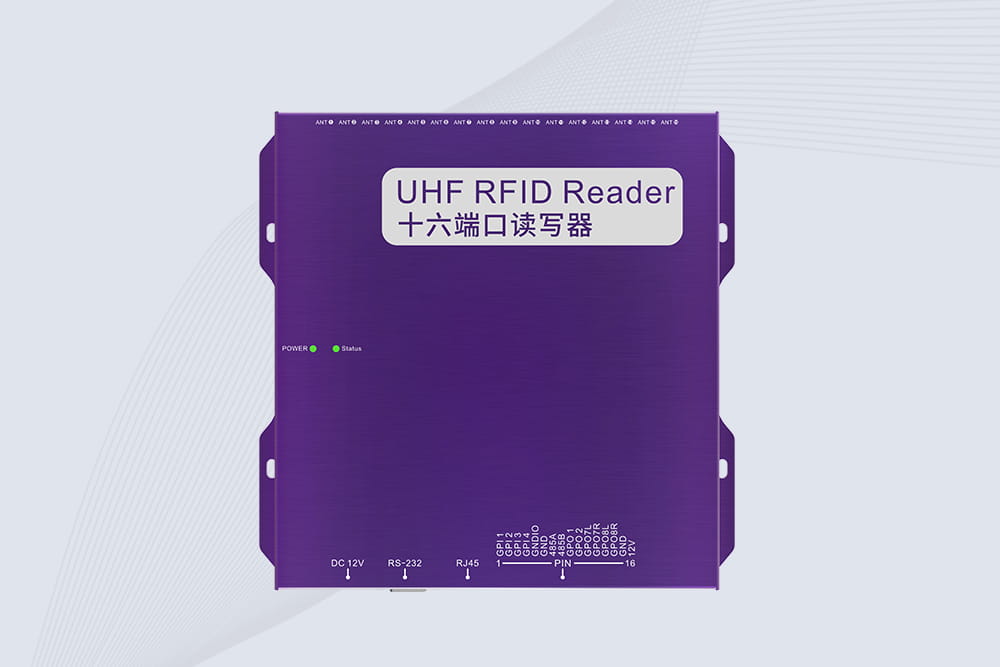
SSD-R16L Multi-Channel RFID Infrastructure for Automated Inventory Management ✔️ 16-Port High-Density RFID Reading Equipped with 16 SMA antenna ports, SSD-R16L supports multi-antenna deployment for warehouses, retail stores, logistics, production lines, and large-area RFID identification. ✔️ High-Speed & Long-Range Performance With up to 33…
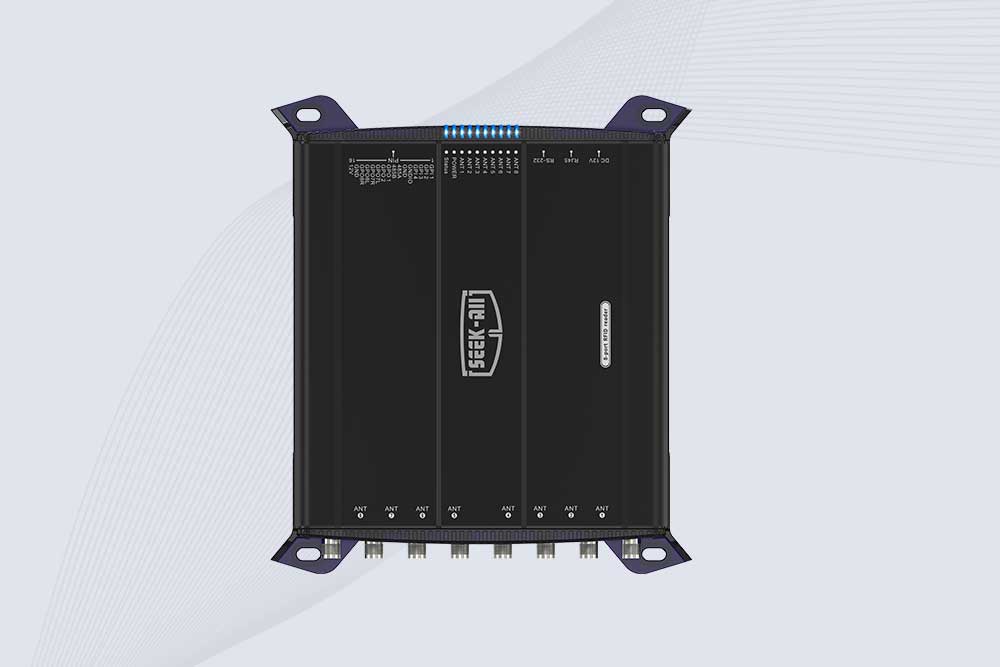
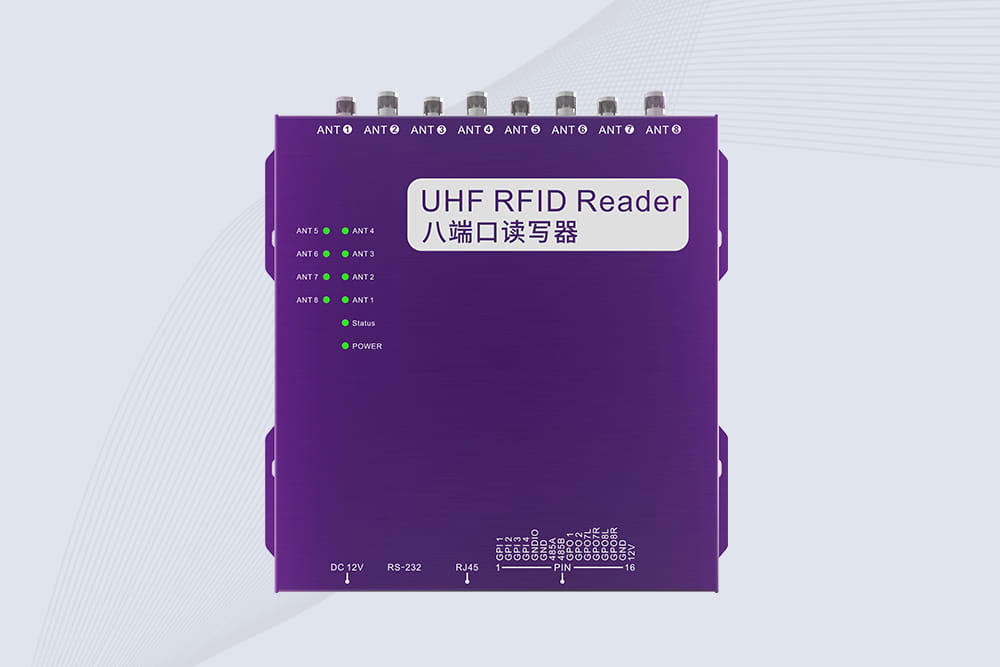
SSD-R8L 8-port UHF RFID reader with 33dBm output, up to 20m reading range and 600+ tags/s recognition. Ideal for warehouse, logistics, retail and asset tracking.
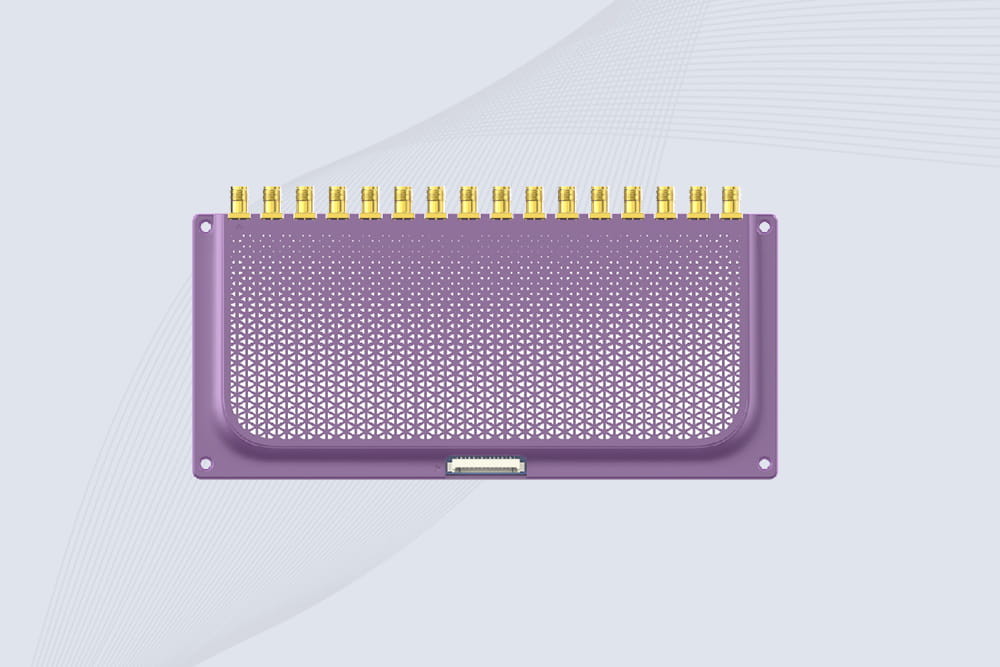
CYKEO Embedded RFID Modules are designed for compact industrial and IoT devices that require stable UHF performance. These UHF RFID Modules support global protocols, flexible power control, and reliable multi-tag reading for smart cabinets, production lines, and asset tracking systems.
CYKEO Embedded RFID Module is built for compact IoT and industrial devices that need stable UHF performance. This UHF module supports global protocols, low power operation, and reliable multi-tag reading for smart lockers, production lines, and always-on RFID systems.
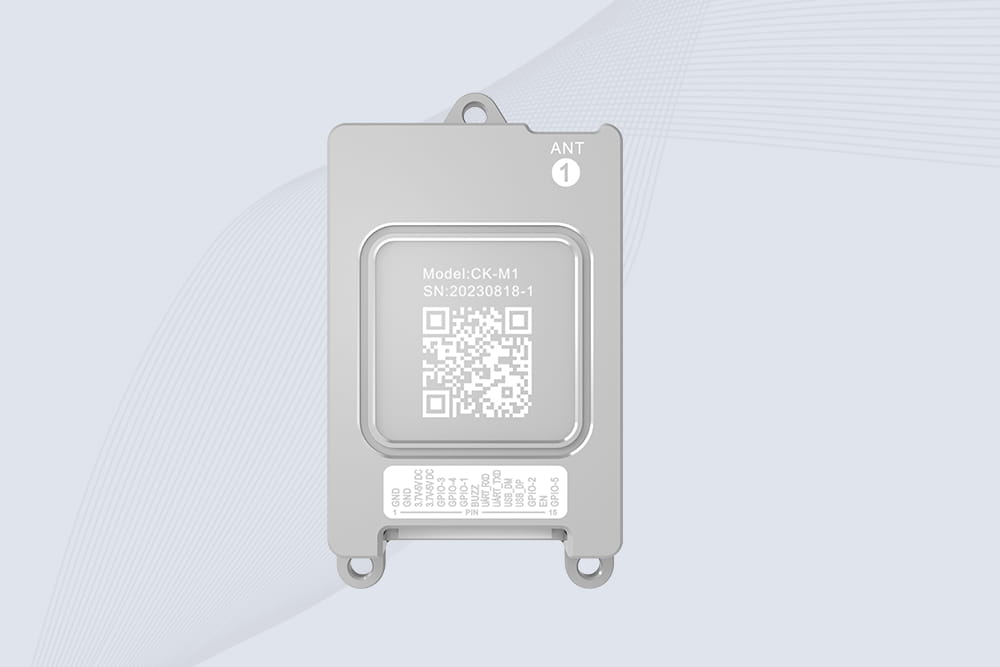
CYKEO CYKEO-M1 drone rfid module is a compact UHF RFID reader module designed for drones and UAV platforms. It supports long-range aerial scanning, fast multi-tag reading, and stable performance in wind, vibration, and outdoor environments.
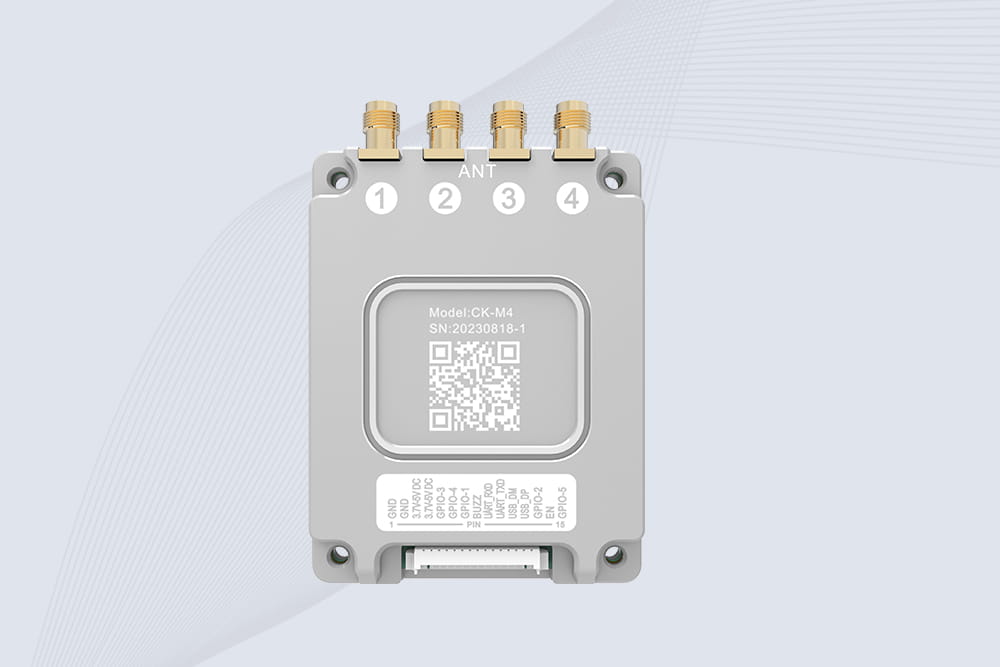
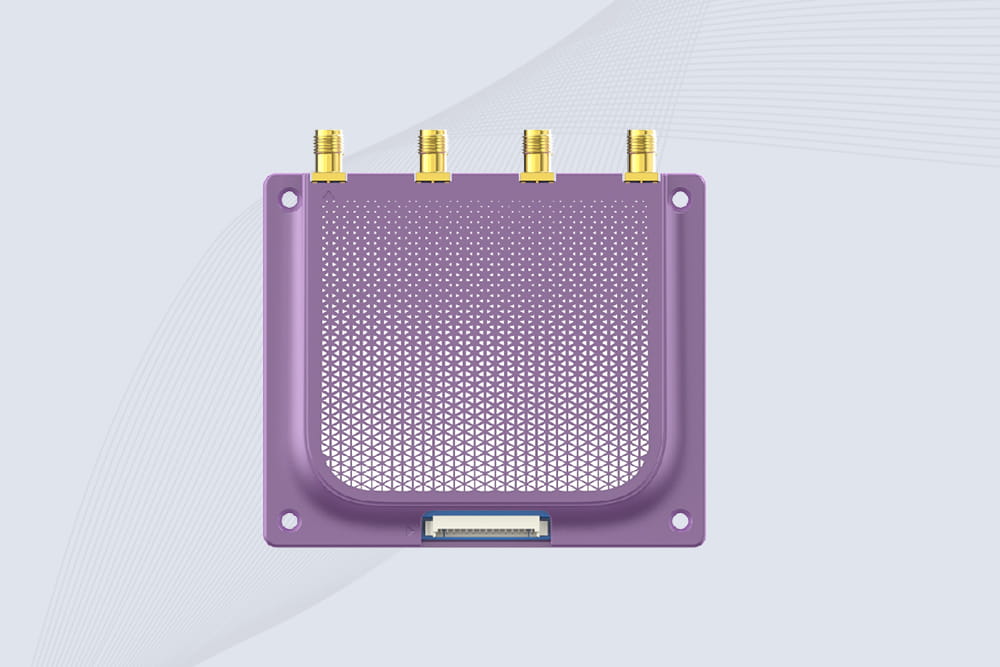
CYKEO CYKEO-M4 RC522 RFID Module is an industrial-grade UHF RFID reader with 4 ports, supporting ISO, EPC, and GB protocols. High-speed, accurate reading for IoT, automation, and warehouse applications.
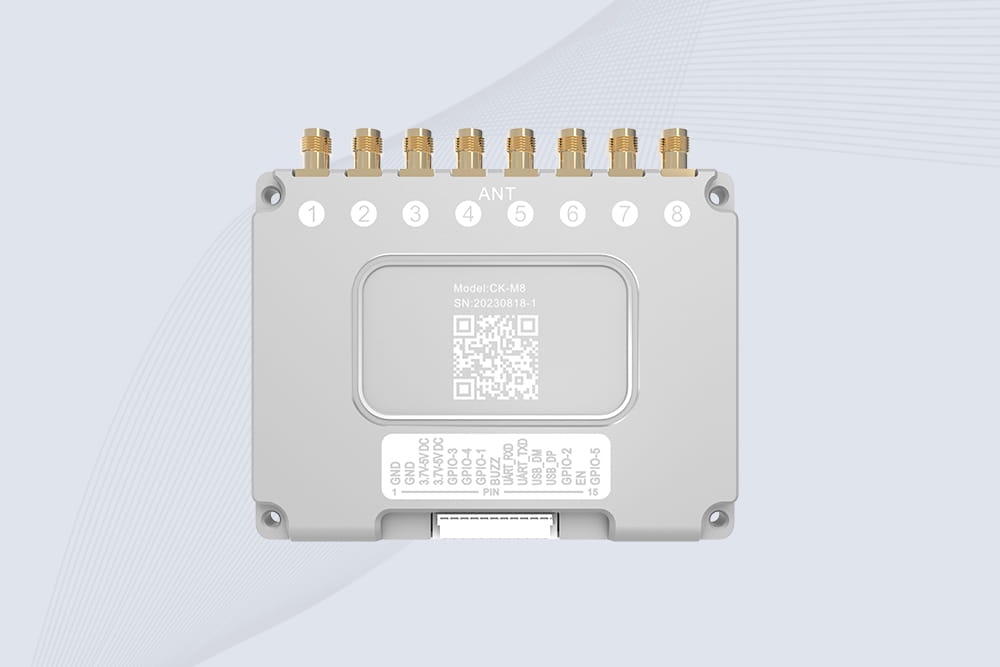
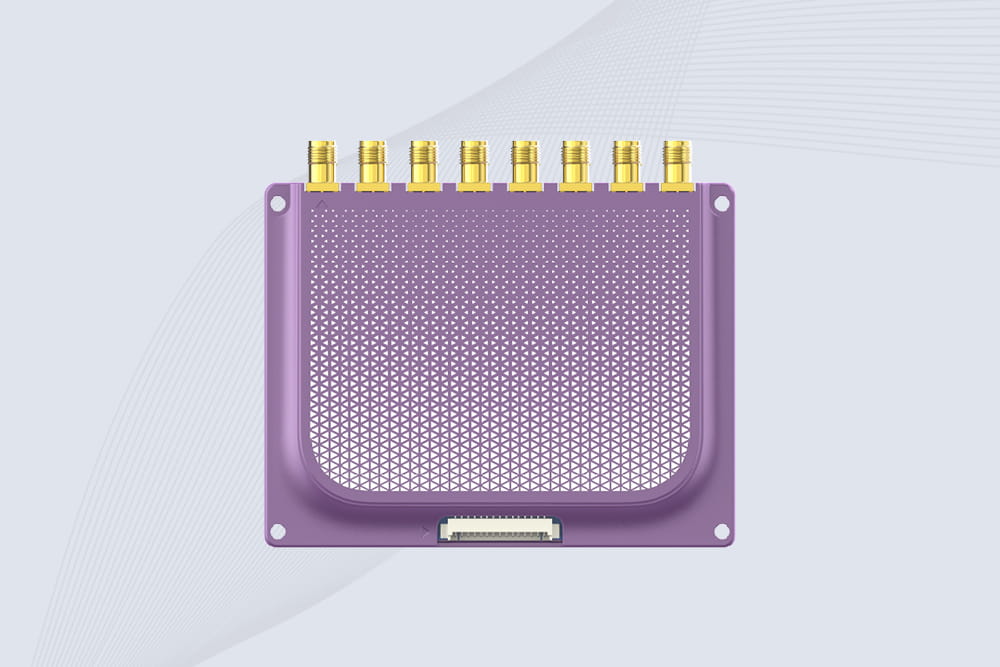
CYKEO CYKEO-M8 Module RFID is an 8-port UHF R2000 RFID Module designed for high-density, multi-tag environments. Stable 33dBm output, ISO & GB protocol support, ideal for warehouses, factories, and automated systems.
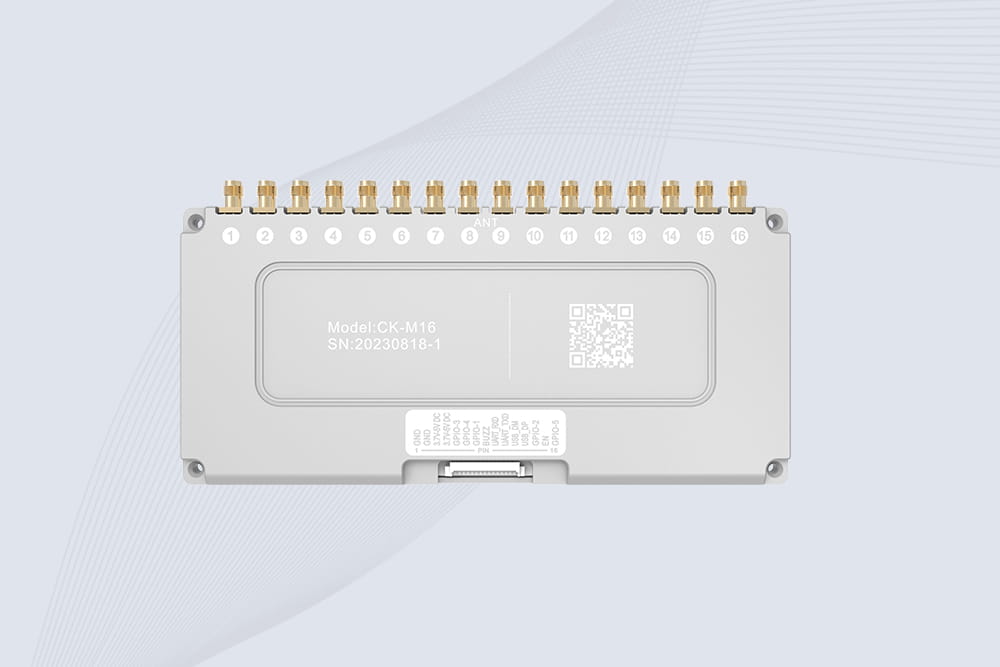
CYKEO CYKEO-M16 RFID Module is a 16-port UHF RFID reader module based on the R2000 chipset. Designed for dense tag environments, it supports ISO and GB standards and delivers stable multi-antenna control for industrial automation.
The CYKEO CYKEO-M16L RFID Reader Module is a 16-channel UHF RFID core designed for dense tag environments. With adjustable 33dBm output, multi-protocol support, and stable multi-antenna control, this RFID Tag Reader Module fits industrial automation, warehouse systems, and large-scale IoT deployments.
CYKEO CYKEO-M8L module RFID is a compact industrial UHF module built for dense tag and multi-antenna environments. With 8 RF ports, adjustable 33 dBm output, and ISO & GB protocol support, it is widely used in factories, warehouses, and automated tracking systems.
CYKEOCYKEO-M4L UHF RFID Module is a compact 4-channel RFID tag reader module designed for dense tag environments. Supporting ISO and GB protocols, it delivers stable reads up to 10 meters for industrial and IoT systems.
Cykeo CYKEO-A11 UHF RFID reader antenna delivers 11dBi gain, 840-960MHz frequency range, and IP65 ruggedness for retail, logistics, and industrial RFID systems. Features low VSWR and easy installation.
CYKEO Antenna RFID Reader delivers stable long-range UHF performance with a 10.5dBi directional design, built for warehouses, conveyor portals, and industrial RFID systems. This rfid reader antenna provides 20m+ read distance and rugged IP67 protection.
Cykeo CYKEO-A5B industrial Linear RFID Antenna delivers 5dBi gain, ≤1.5:1 VSWR, and IP65 rugged design for warehouse, production line, and logistics UHF systems.
Cykeo’s CYKEO-B12 Long Range RFID Antenna delivers 15m+ read range with 12dBi gain, IP65 rugged design, and global 840-960MHz UHF support. Ideal for warehouse/logistics asset tracking.
Cykeo CYKEO-B10 Long Distance RFID Antenna offers 10dBi gain, 840-960MHz frequency range, IP65 rating, and 20m+ coverage for logistics/warehousing/ETC systems. Low VSWR ensures stable signal transmission.
Cykeo CYKEO-A6 UHF RFID panel antenna features 6dBi gain, 840-960MHz broadband, IP65 metal-ready housing for logistics/smart retail. 18mm ultra-thin design with tool-free mounting.
Cykeo CK-A3 industrial antenna RFID UHF offers 5m+ tag detection, ≤1.3:1 VSWR, IP65 rugged design, and global UHF spectrum compatibility (840-960MHz) for warehouses, factories, and retail.
Cykeo CYKEO-B5 directional RFID antenna provides 5dBi gain with 60° narrow beamwidth for precise inventory tracking. IP65-rated, global UHF frequency support, and low VSWR.
Create your own high-performance DIY RFID antenna! 5dBi gain, 840-960MHz tunable, step-by-step guides. Compatible with Arduino, Raspberry Pi, and commercial UHF readers.
Cykeo CYKEO-A7 Flexible RFID Antenna features 840-960MHz wideband tuning, 7dBi gain, and IP68 rating for medical/retail/industrial curved surface deployments. 98% read accuracy with peel-and-stick installation.
Cykeo CYKEO-B5A industrial Passive RFID Antenna delivers 5dBi gain, 70° beamwidth, and -40°C~55°C operation for warehouses/smart cabinets. Compatible with Zebra/Impinj readers.
Cykeo’s CYKEO-A9B High Gain RFID Antenna delivers 15m+ read range with 9dBi amplification. Features IP54 rugged design, 840-960MHz bandwidth, and 80° beamwidth for warehouse/manufacturing RFID systems.
Cykeo’s enterprise-grade 8dbi Impinj RFID Antenna 10m+ read range with 840-960MHz tuning. Features IP65 housing, 1.4 VSWR, 35° beamwidth for retail/warehouse RFID systems.
Cykeo CYKEO-A9 industrial UHF RFID antenna delivers 9dBi gain, 840-960MHz frequency range, and IP65 protection for warehouse/logistics/retail RFID systems. Features N-type connector and ≤1.3:1 VSWR.
CYKEO UHF RFID Antenna built for long-distance and industrial applications. This antenna rfid uhf delivers strong gain, outdoor durability, and reliable tag performance in warehouses, yards, and vehicle ID systems.
CYKEO Antenna RFID delivers reliable long-range UHF performance in warehouses, retail shelves, and cold-chain environments. This compact uhf rfid antenna provides stable reads with circular polarization and ultra-wide 840–960 MHz support, ideal for industrial tracking, smart shelves, and asset monitoring.
Cykeo’s CYKEO-C8 UHF RFID antennas delivers 8dBi gain, 840-960MHz full-band coverage, and IP65 ruggedness for manufacturing/warehouse RFID systems. Industrial RFID Antennas Features
Cykeo’s 8dBi UHF RFID antenna and reader kit delivers 10m+ range, 840-960MHz broadband, and IP65 ruggedness for factories, warehouses, and logistics. ISO 18000-6C & EPC Gen2 certified.
Cykeo’s CYKEO-A12C UHF Large RFID Antenna delivers 12dBi gain, 840-960MHz global frequency, IP65 ruggedness for logistics/warehousing/automotive. 40° beamwidth ensures stable 15m+ tag reads.
CYKEO Near Field RFID Antenna provides precise 5–30 cm reading for shelves, cabinets, and workstations. This compact rfid shelf antenna delivers stable short-range performance around metal and clutter, ideal for pharmacies, libraries, and electronics sorting.
Cykeo CYKEO-C1 industrial Forklift RFID Reader features 20m read range, 600 tags/sec scanning, Impinj R2000 chipset, and IP67 rugged design. Ideal for warehouse logistics and manufacturing. Supports ISO 18000-6C/6B protocols.
Cykeo CYKEO-R4 industrial UHF RFID Fixed Reader features 4 TNC ports, 400+ tags/sec speed, IP67 housing, and global frequency compliance for vehicle inspection, smart warehouse, and asset management systems.
CYKEO CYKEO-R8L Fixed RFID Reader with 8-port UHF design, Impinj-based RF core and up to 20m read range. An industrial Fixed RFID Reader for vehicle inspection, warehouse portals, smart manufacturing lines and secure access checkpoints.
RFID Fixed Reader from CYKEO – the CYKEO-R16L 16-port UHF fixed reader for warehouses, smart cabinets, and production lines. Long-range, multi-tag reading, stable performance for 24/7 industrial use.
A warehouse RFID project usually starts with a simple goal: “Know where our inventory is.” But after talking with warehouse operators and system integrators, the real requirement is usually more specific. They want to know: The long range RFID rea...
Discover how RFID tag transponder technology improves asset tracking, inventory accuracy, and operational visibility. Learn real-world RFID applications from Cykeo.
Looking for the best long range RFID scanner for warehouse applications? Learn how UHF RFID readers improve inventory accuracy, pallet tracking, and warehouse automation for logistics companies and system integrators.
Construction site RFID asset management leverages real-time location tracking and automatic identification technologies to significantly improve the management efficiency of tools, equipment, and materials. It reduces asset loss and idle time, off...
 Cykeo RFID IoT Solution Products R&D Manufacturer