 Cykeo RFID IoT Solution Products R&D Manufacturer


RFID Privacy Risks: How to Secure Your Data in 2025
1569Protect your business from RFID data breaches in 2025. Cykeo reveals top risks, encryption strategies, and compliant solutions for secure RFID tagging.
MoreAll RFID Product
A pallet in a busy warehouse yard gets touched six or eight times between the truck and the rack. Under barcode-only workflows, every one of those touches needs line of sight, a deliberate scan, and someone typing or confirming data on a handheld. Miss one scan and the inventory record quietly drifts away from what is actually sitting on the floor. RFID pallet tracking closes that gap by letting fixed readers identify tagged pallets automatically at the checkpoints where they already have to pass — the receiving door, the staging lanes, and the dispatch gate. This guide breaks down how that flow works checkpoint by checkpoint, and what wholesale buyers should compare when quoting hardware for the project.
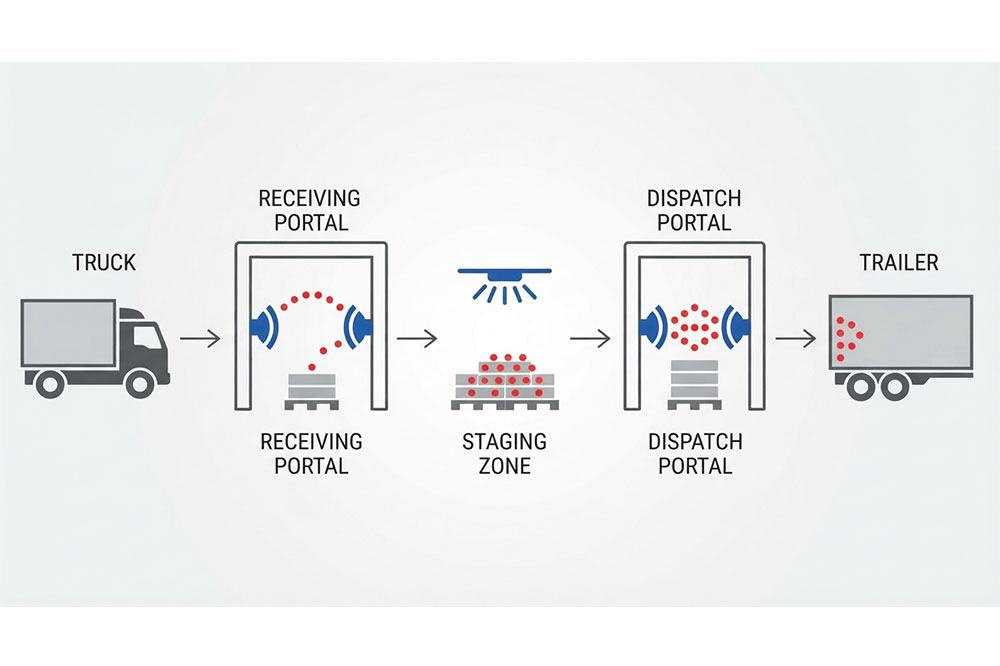
Barcodes identify one item per scan, one scan per person. A trailer unload with forty tagged pallets becomes forty manual scans at a dock where the driver is waiting on detention clock. A UHF RFID portal flips that: a fixed RFID reader wired to antennas on both sides of the doorway reads all forty pallets as the forklift crosses the threshold, usually inside two or three seconds per pass.
Three properties make UHF the right fit for pallets specifically:
None of this eliminates the WMS, the procedures, or the barcode fallback for mixed SKU cartons. What it does is remove the manual scan step from every pallet-level movement, which is where the errors and the labor hours actually concentrate.
Receiving is where rfid pallet tracking pays for itself first, because it is the highest-volume, most time-pressured movement in the yard.
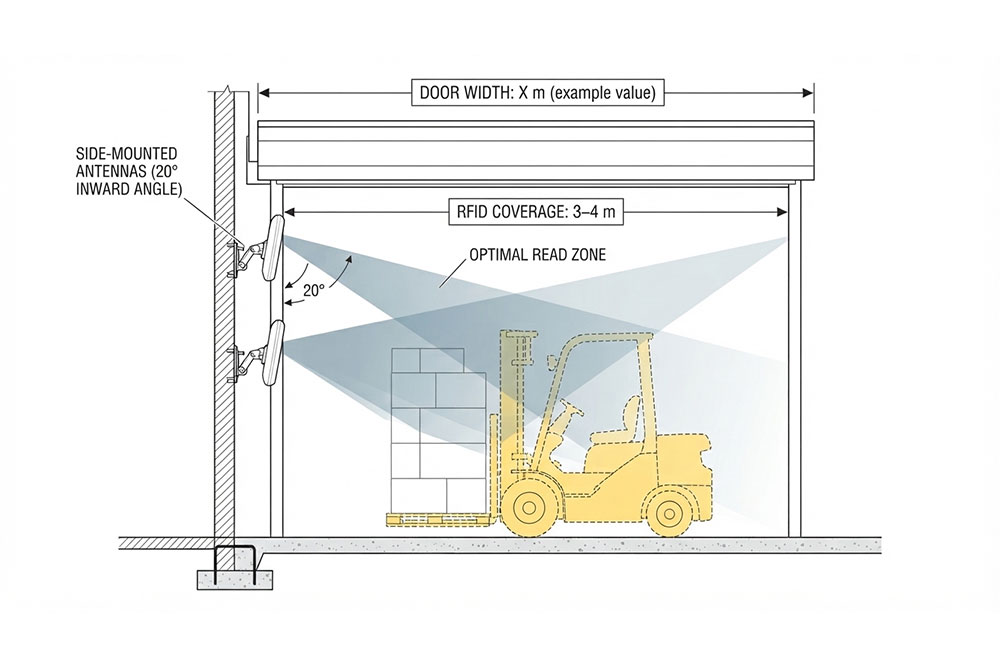
A typical inbound setup places a multi-port fixed reader with a pair of circular-polarized antennas flanking the door — one high on each side, angled slightly inward so the read zone covers the full width and height of a forklift-plus-pallet envelope. As the operator drives through, the reader captures every tag, timestamps the event, and hands the ID list to middleware. The software compares that list against the ASN or purchase order and reports matches, shortages, and unexpected pallets on the dock screen before the load ever reaches a staging lane.
For a single-door deployment, a 4-port reader is usually enough: two antennas for the portal and two spare ports for a future staging-lane read point. Sites that process several adjacent doors or want shared antenna infrastructure should look at 8-port and 16-port fixed readers instead — one box can serve two or three doors, which cuts cabling, network drops, and per-door hardware cost in volume deployments. Cykeo’s UHF RFID reader range covers those configurations, and our RFID warehousing solution page shows how the same infrastructure extends into full 3D inventory tracking with 99.6% stock accuracy.
Portal design notes that decide success:

Between receiving and putaway, and again between picking and dispatch, pallets sit in staging lanes where their status is “somewhere, probably over there.” This is the blind spot in most warehouse records.
The realistic approach for staging is zone-level tracking, not shelf-level. You install read points at the transitions — the receiving exit, the staging lane entrance, the pick-area gate — so every time a pallet crosses between zones, the system logs the move. The WMS then answers “which zone is pallet X in” with certainty, even if it cannot yet answer “which shelf slot.”
Hardware-wise, staging read points are simpler than portals: a single antenna pair on a narrower passage, or a multi-frequency gate reader where pedestrian and forklift traffic share an aisle. For zone verification and exception hunts — finding the pallet that never triggered the lane reader — operators carry a Bluetooth handheld RFID reader with IP65 protection, sweeping the lane in seconds and reconciling the physical floor against the WMS record.
If you want a deeper treatment of where fixed readers belong inside broader warehouse automation — conveyor integration, picking checkpoints, multi-zone layouts — our guide on fixed-mount readers for warehouse automation and inventory tracking walks through the same checkpoint logic in more depth.
Outbound is where rfid pallet tracking prevents its most expensive errors: the pallet that shipped on the wrong truck, the missing pallet nobody noticed until the customer called.
A dispatch portal mirrors the receiving layout at the exit door. As the loader drives each pallet into the trailer, the reader captures its tag. Middleware holds the shipment manifest, compares captured IDs against it in real time, and flags three conditions on the dock display:
The reader only reports what it saw; the application decides what is correct. That division is why SDK and API quality should sit near the top of every wholesale buyer’s evaluation list — a reader with clean documentation and open interfaces integrates into existing WMS logic in days, while a locked-down device turns a two-week install into a two-month software project. For yard-side doors exposed to weather, also weigh long-range UHF readers with IP67 enclosures and lightning protection, which tolerate the temperature swings and condensation that kill consumer-grade equipment within a year.
Our companion article on fixed-mount readers for dock doors and shipping checkpoints covers the outbound verification logic, antenna counts per door type, and metal-frame interference in greater detail — worth reading before finalizing a dispatch-side bill of materials.
When you are quoting dozens or hundreds of doors rather than one, three specification clusters drive total deployment cost more than headline read range:
Reader port count and infrastructure sharing. A 16-port reader serving three adjacent doors costs less per door than three 4-port boxes — fewer power drops, fewer network connections, fewer spares in your support inventory. Match the port count to your door clustering before comparing RF specs.
Antenna selection. Portal doors almost always want circular-polarized antennas, roughly 8–9 dBi, because pallet tag orientation on a moving forklift is unpredictable. Browse the UHF antenna lineup for coverage-pattern options across door widths. Linear antennas suit conveyor lanes where tag orientation is controlled.
Tag choice for pallets. Passive UHF tags rated for wood and plastic surfaces handle most dry-goods pallets. Pallets carrying liquids or metal goods need tags rated for on-metal/on-liquid mounting — a $0.30 tag on a beverage pallet reads poorly; a $2 on-metal tag reads reliably. Budget this difference into the wholesale quote rather than discovering it during commissioning.
Integration surface. Confirm SDK, API, and protocol support (MQTT, TCP/IP, RS-232/485, webhooks) against your customer’s middleware stack before committing. Cykeo supplies SDKs and integration support to B2B customers as standard — see about Cykeo for the OEM/ODM background, FCC/CE/ISO 9001 certifications, and the 200+ patents behind the hardware line.
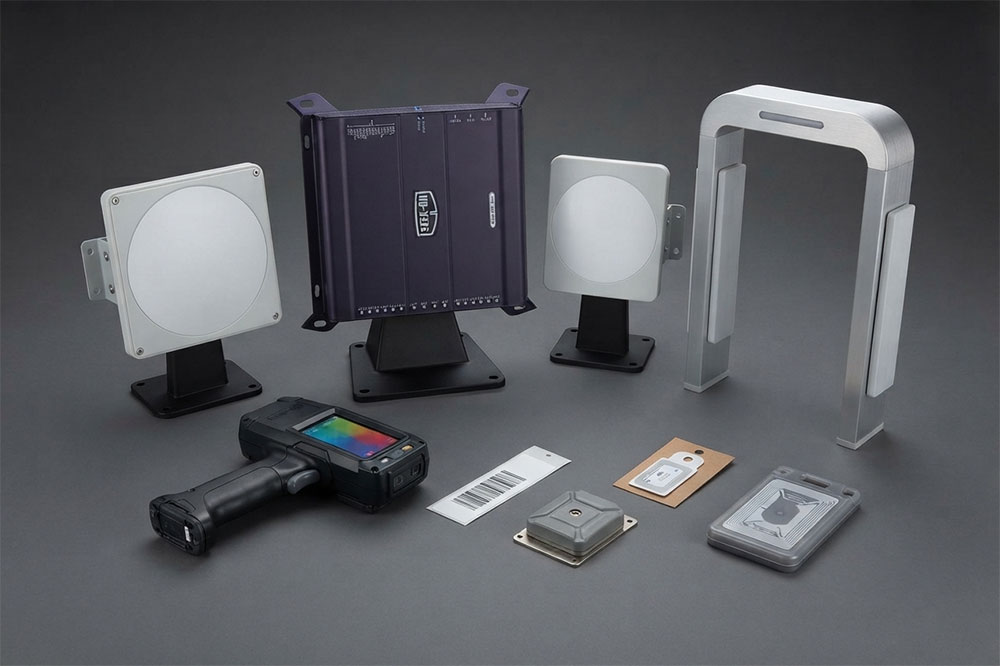
Two circular-polarized antennas (one per side, mounted high and angled inward) cover a standard 3–4 meter commercial door. Wide doors, mixed pedestrian/forklift traffic, or metal door frames may justify a third or fourth antenna — which is exactly when an 8-port reader earns its keep.
Through stretch wrap and shrink film, yes — UHF passes through non-conductive materials easily. Through full metal trailer walls, no. Reading inside trailers requires either door-open passes or dedicated trailer tagging workflows.
Usually yes, at the carton/SKU level. RFID pallet tracking removes the pallet-level scan burden; item-level identification inside mixed cartons remains a barcode job unless you tag at item level too.
A properly tuned receiving or dispatch portal on wood/plastic pallets typically exceeds 99.5% first-pass accuracy. Beverage, metal-heavy, or foil-wrapped loads run lower unless on-metal tags and extra antennas are specified.
Through the reader’s SDK/API layer or middleware. The reader emits tag-read events over TCP/IP, MQTT, or serial links; middleware or the WMS converts events into inventory movements. Confirm the interface list against your software architecture during vendor selection, not after.
The receiving-to-dispatch flow above is deliberately minimal: two portals, two or three staging read points, handhelds for exceptions. That footprint is where most yards should start, and it scales — the same 8-port and 16-port readers that serve one pilot door serve a forty-door site. If you are building a quote and need configuration help on port counts, antenna pairing, or tag selection for specific load types, browse the full RFID product catalog or contact the Cykeo team for volume pricing and OEM options.
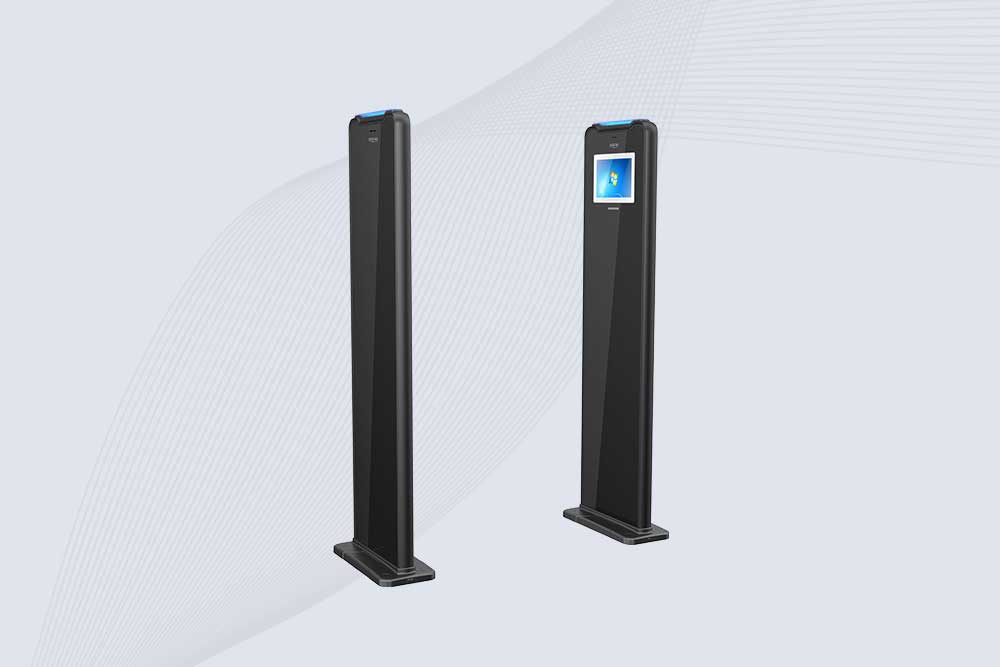
SSD-T4A-P Smart access control with real-time crowd tracking ✔️ AI Tag Filtering for Reduced Misreads SSD-T4A-P supports AI-based tag filtering and up to 6 EPC filtering sets, helping reduce unwanted reads and improve identification accuracy in busy entrances, exits, and retail environments. ✔️ Fast In & Out Detection with Visual & Audio…
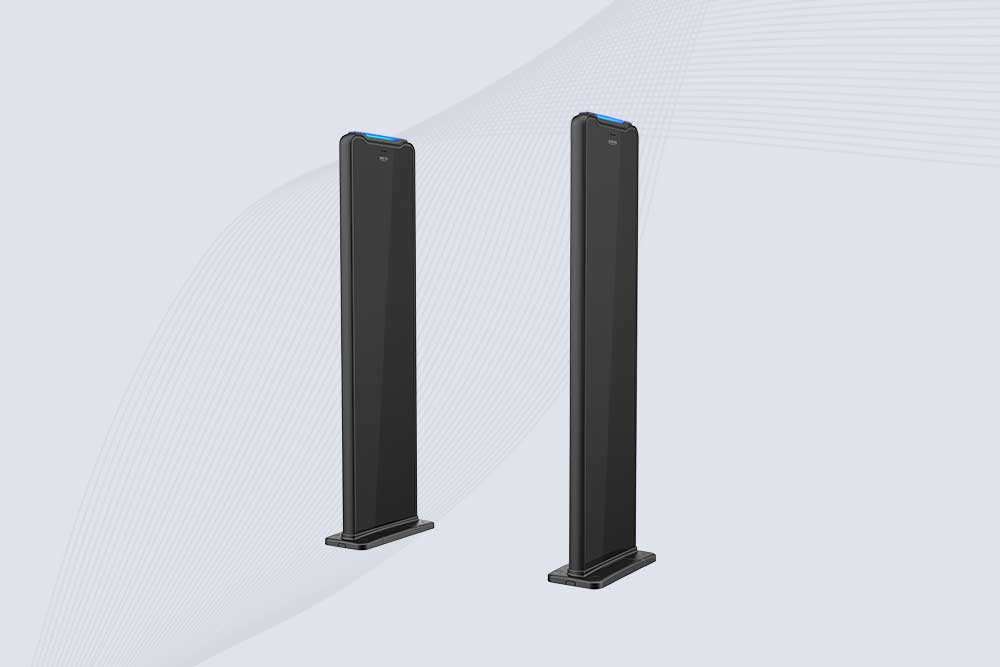
SSD-T4A UHF RFID Gate Reader with 11 dBi antenna, up to 10 m reading distance, AI tag filtering, in/out detection, 300,000 data storage, and TCP/HTTP/MQTT support.
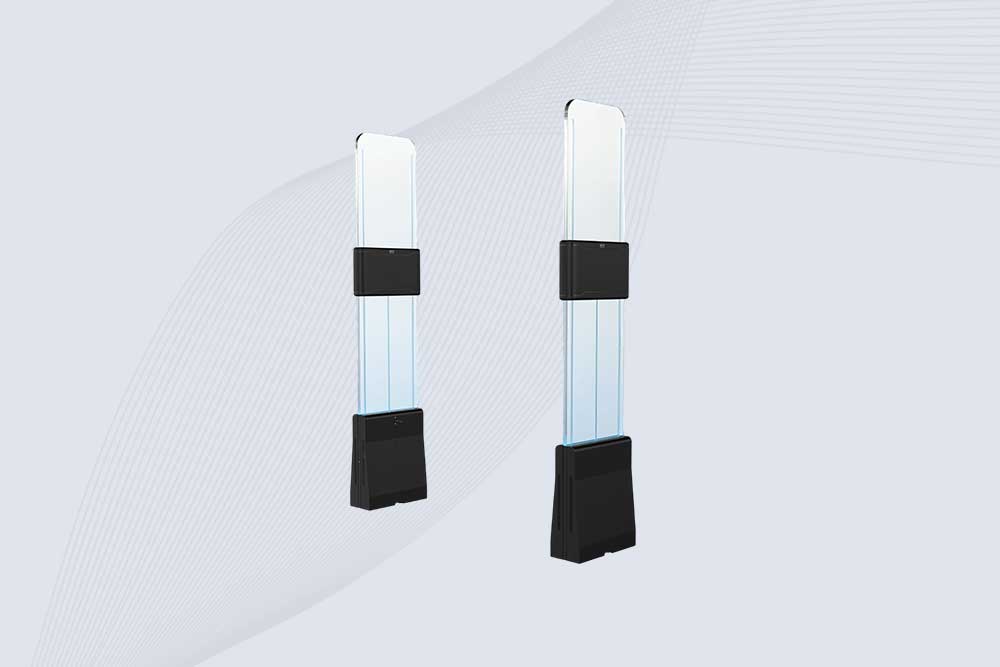
SSD-T2D UHF RFID Gate Reader with 11dBi circular antenna, Impinj E710/X3M1 chipset, up to 10m reading distance, AI tag filtering, in/out detection, and audio-visual alarms.
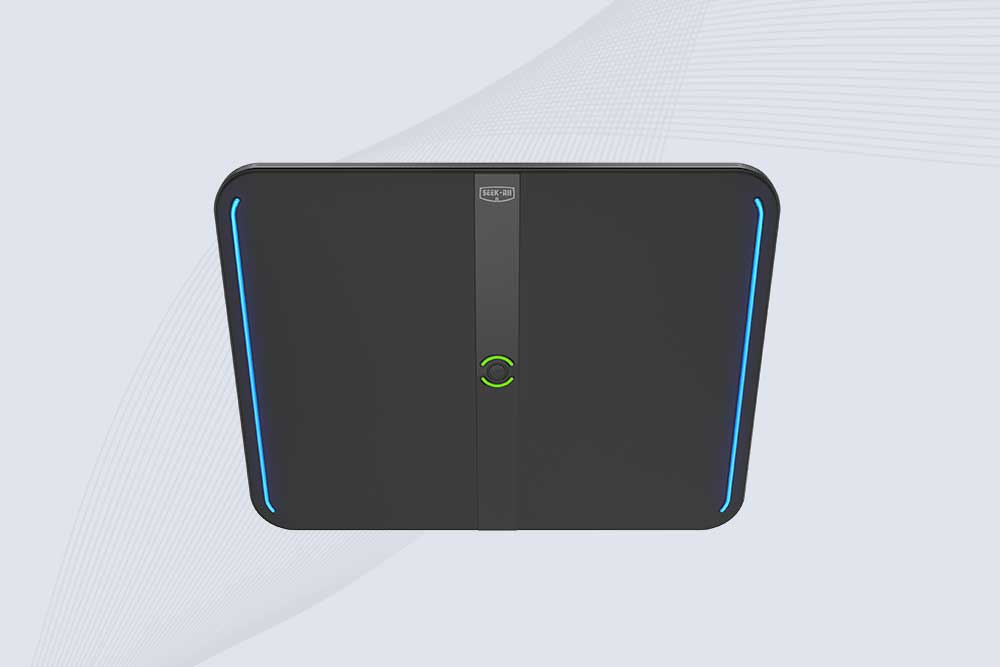
SSD-T1 ✔️ AI-Powered Tag Filtering SSD-T1 supports AI-based tag filtering with up to 6 EPC filtering sets, helping reduce unwanted tag reads and improve identification accuracy in busy retail and access-control environments. ✔️ Reliable In & Out Detection With a 7dBi antenna and a reading range of up to 2.5 meters, SSD-T1 can detect tagged i…
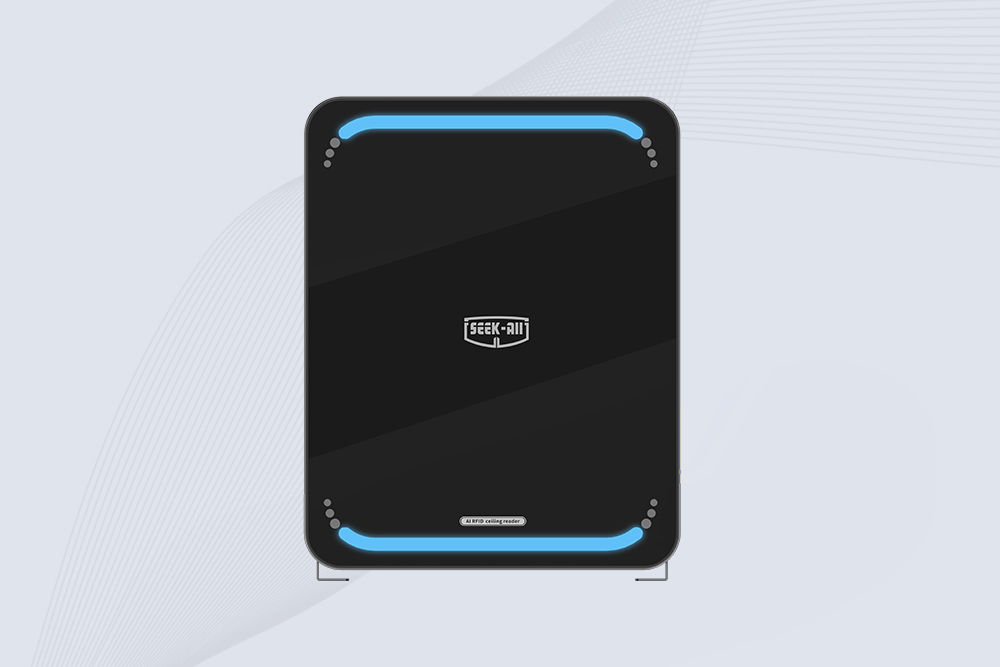
SSD-T1G is a 12 dBi AI RFID ceiling-mounted reader with 10m reading range, In/Out detection, AI tag filtering, 300,000-record storage, and TCP/HTTP/MQTT support.
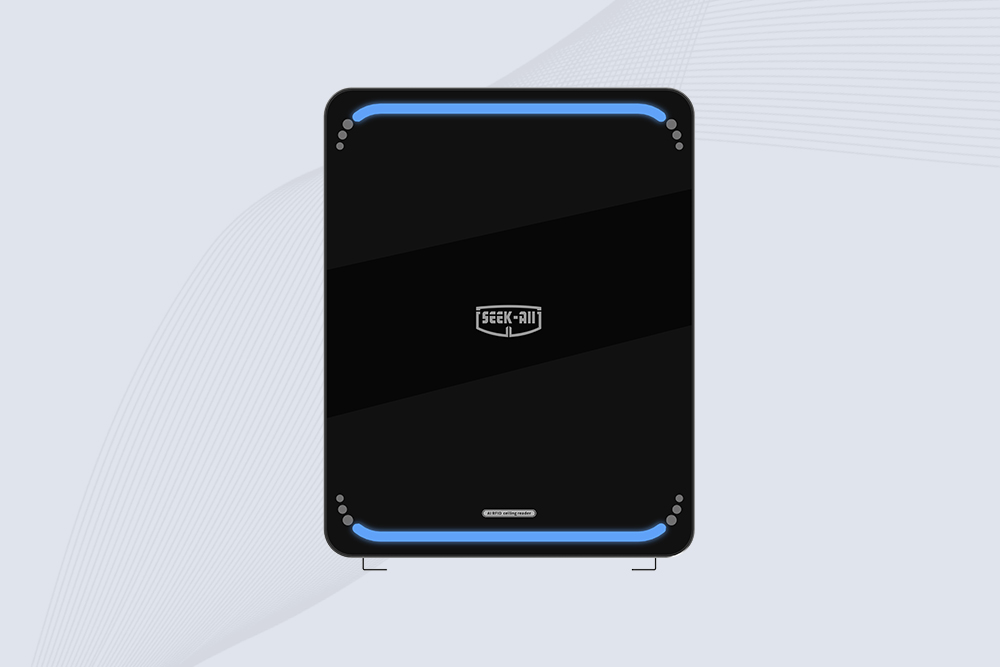
SSD-T1H 9dBi AI ceiling-mounted UHF RFID reader with up to 10m reading range, AI tag filtering, 300,000 data storage, and TCP/HTTP/MQTT support.
Cykeo’s CYKEO-T1D industrial RFID ceiling reader features 500 tags/sec scanning, IP54 protection, and -20℃~60℃ operation for retail/warehouse security. Supports ISO18000-6C and GB/T29768 protocols.
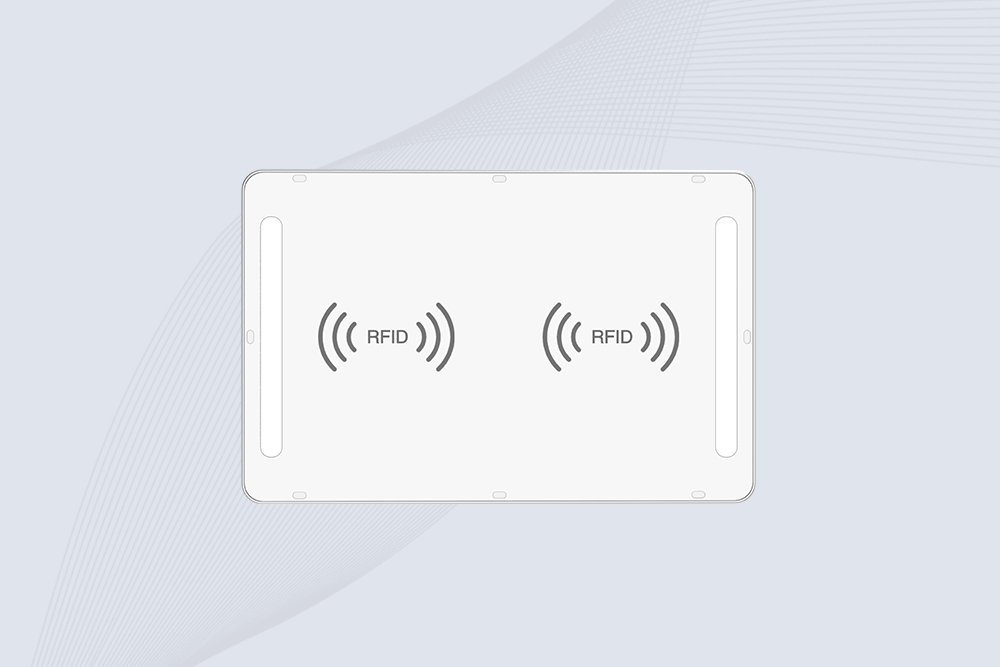
Cykeo’s ceiling-mounted RFID reader enables hands-free 5m inventory tracking with 500 tags/min speed. Features dual alerts, ERP integration, and IP54 rating for warehouse security.
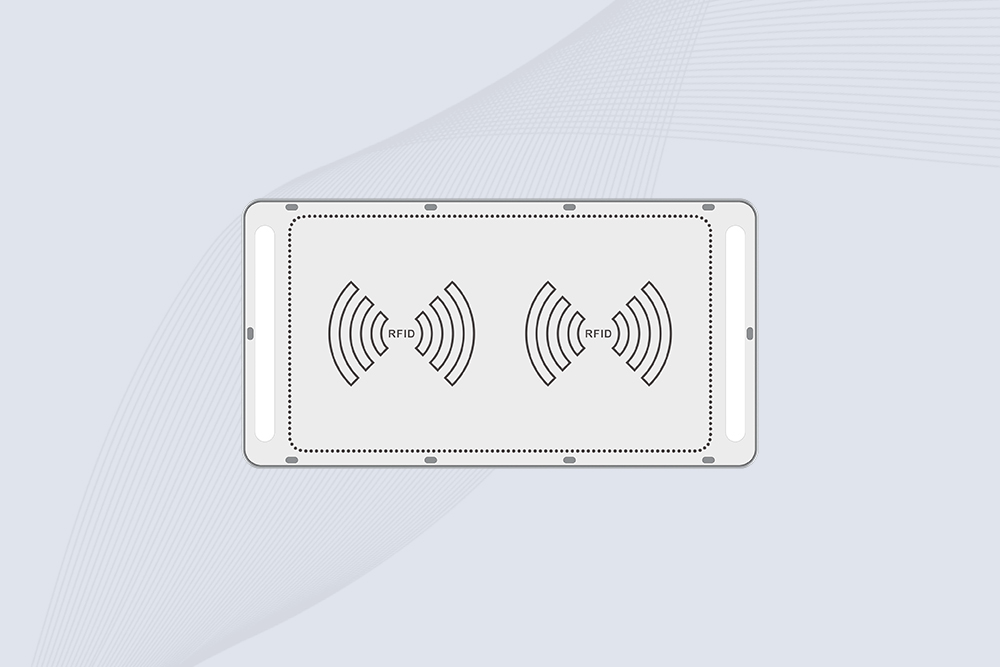
Cykeo CK-T1E RFID gate system features 120° coverage, AI motion filtering, and 5m detection for retail/warehouse security. IP67 rugged design with ERP integration.
Cykeo CYKEO-T1A industrial ceiling RFID system offers 10-20m read range, 500+ tags/sec speed, and IP65 protection for smart warehousing. Supports multi-protocol integration and real-time inventory alerts.
Cykeo’s CYKEO-T1 ceiling-mounted UHF RFID reader offers 500tags/sec scanning, ISO18000-6C compliance, and -20℃~60℃ operation for smart retail/warehouse management. Supports TCP/IP & Android integration.
Cykeo CYKEO-T1B ceiling-mounted RFID system delivers 10-20m reading range, 500+ tags/sec processing, and integrated security alarms. Ideal for warehouse/logistics automation with Android-compatible SDK.
Cykeo’s industrial ceiling-mounted RFID reader offers 10m+ automated inventory tracking, ISO-18000 compliance, and anti-theft alarms. Designed for retail/warehouse/logistics facilities.
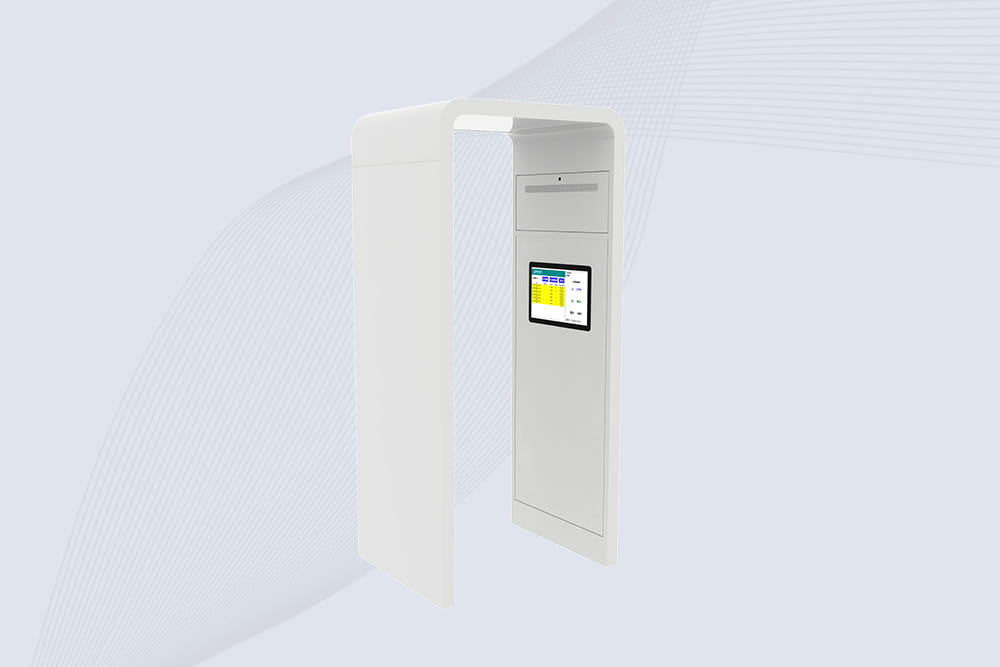
Cykeo CYKEO-T8 industrial arch gate RFID reader delivers 800+ tags/min scanning, 4m detection range, and Android touchscreen for libraries/retail stores. Supports SAP integration & dual EAS alarms.
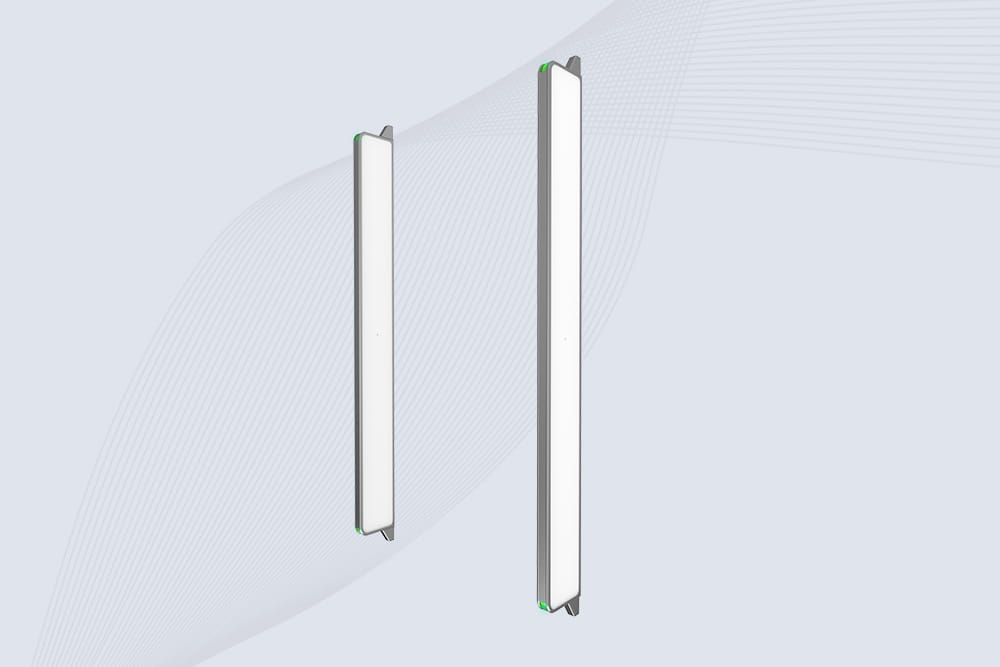
Cykeo CYKEO-T3 industrial RFID gate reader features 200cm detection, infrared triggering, and dual alarm modes for warehouses/libraries. Supports WiFi/4G and Java/C# SDK integration.
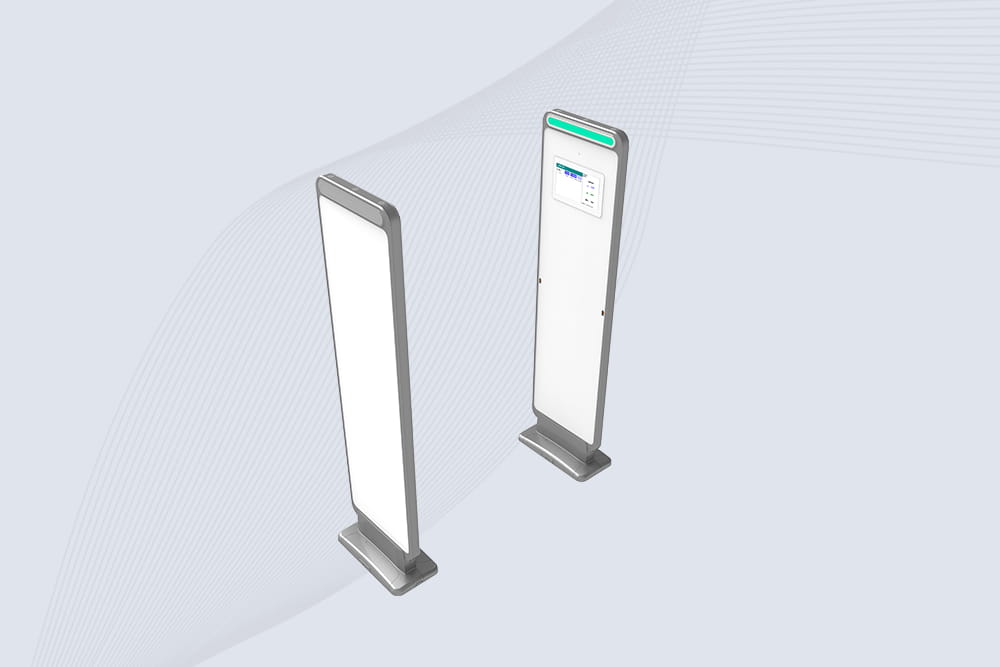
Cykeo CYKEO-T4 industrial RFID gate system features 4-antenna array, 99.9% detection accuracy, dual EAS alarms, and WiFi/4G connectivity for library/warehouse/retail security. ISO 18000-6C compliant.

Cykeo’s CYKEO-T5 UHF RFID gate reader features 600cm detection, infrared tracking, and dual-mode alarms for retail/library security. Supports crowd counting and multi-protocol integration.
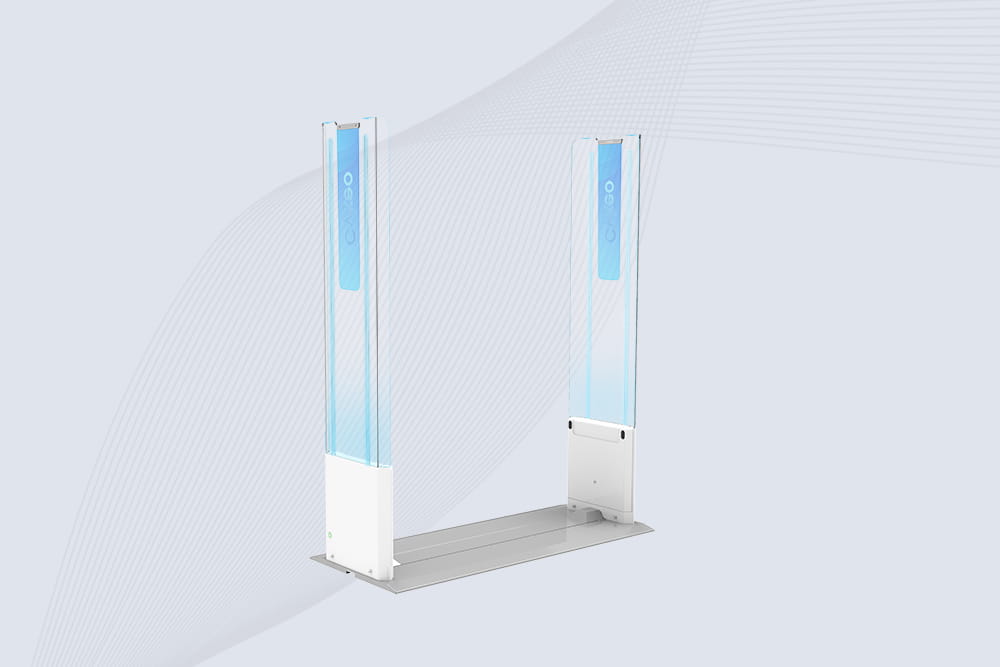
Cykeo CYKEO-T2A industrial Gate Barrier RFID Reader system features 6m detection, 200 tags/sec scanning, IP54 durability. Perfect for retail security, warehouse access control. Supports EPC C1G2, WiFi/4G, ERP integration.
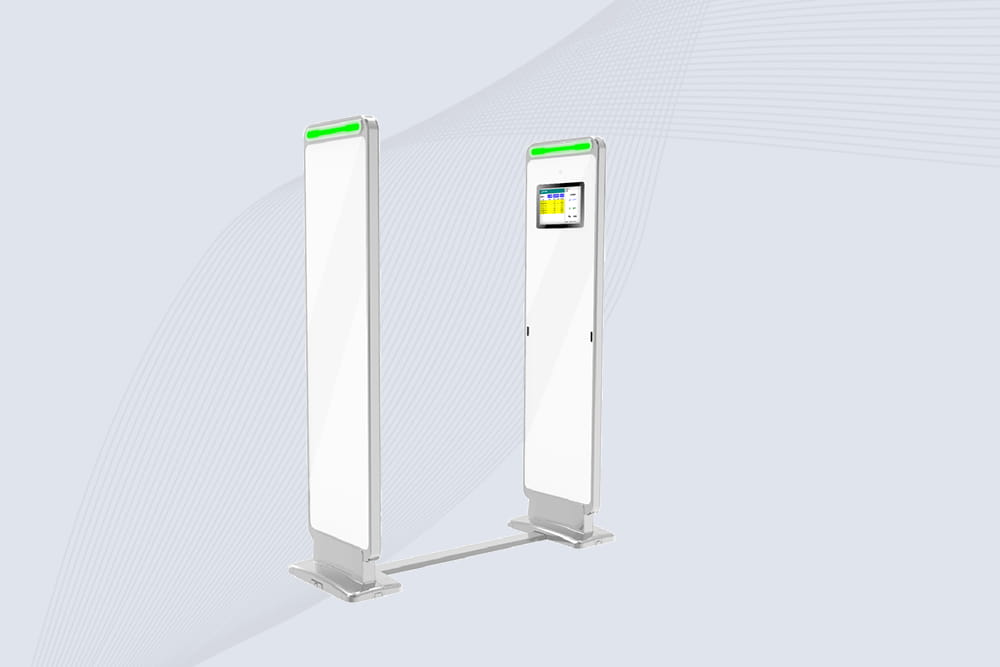
Cykeo’s CYKEO-T4 RFID Gate Reader system offers 200+ tags/sec scanning, EAS alarms, and rugged design for libraries/warehouses. Supports WiFi/4G and Windows/Android OS.

Cykeo HF RFID gate reader offers 90cm detection range, ISO15693/18000-6C compliance, and industrial-grade durability for libraries/retail. Features EAS alarms, infrared traffic analysis, and 3D omni-directional scanning.
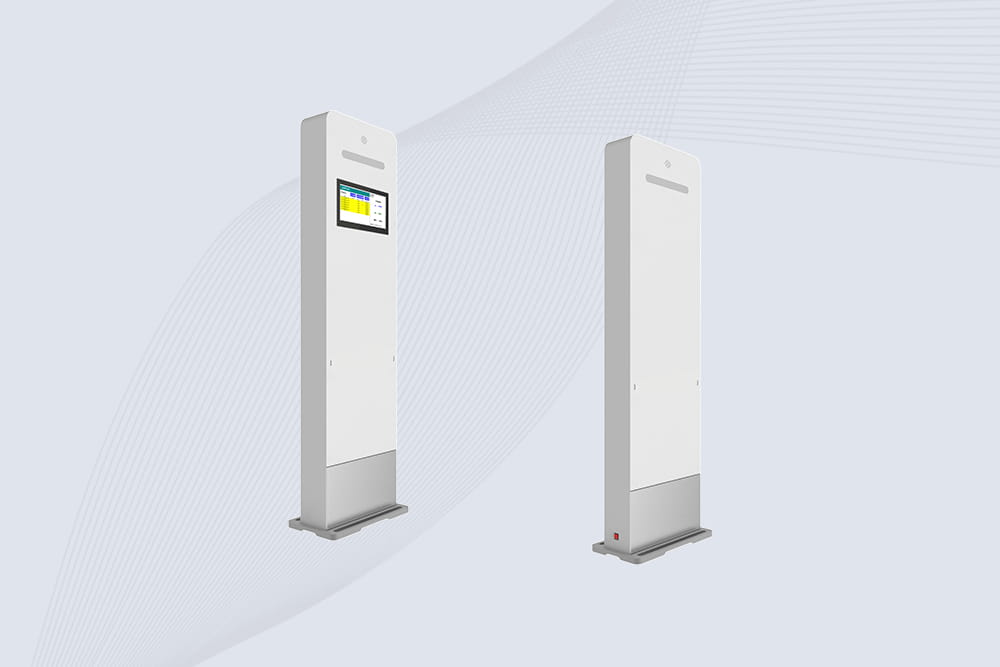
Cykeo CYKEO-T7 UHF RFID Gate Reader system delivers 600cm read range, 99.9% tag accuracy, real-time personnel counting, and SAP integration for logistics/warehouse/manufacturing. Supports dual OS & offline alarms.
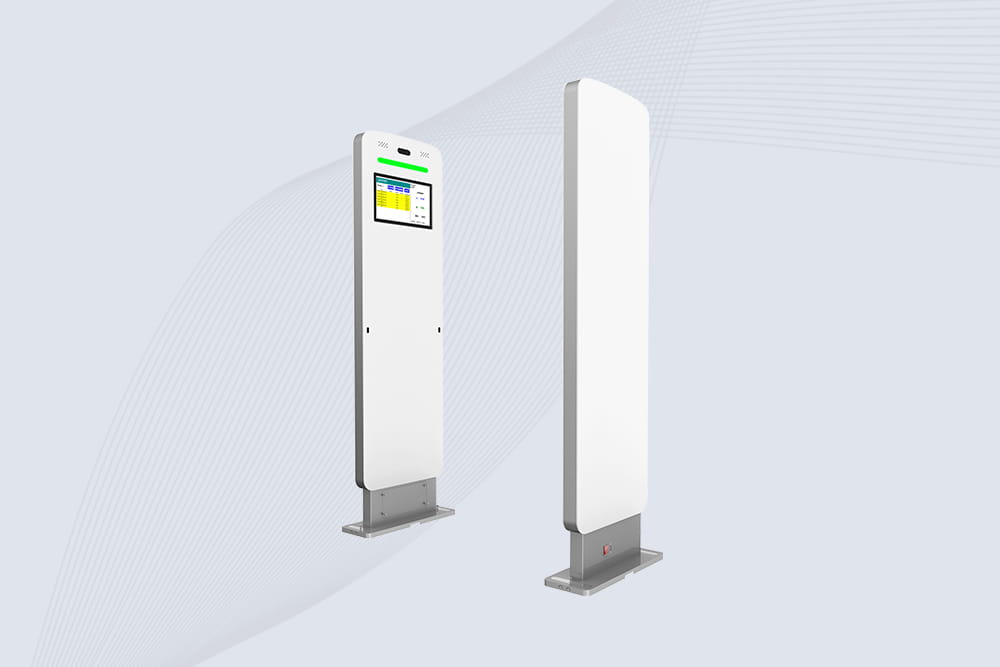
Cykeo CYKEO-T6 gate RFID reader features 1,200+ tags/min scanning, 6m detection range, and industrial-grade durability for libraries/stores/warehouses. Supports ISO 18000-6C and waterproof installations.

Cykeo CYKEO-T9HA industrial HF RFID gate reader offers 100cm range, 100+ tags/sec scanning, ISO 15693/14443A protocols, and IP66 durability for libraries, archives, and retail. Supports offline alarms and SAP integration.
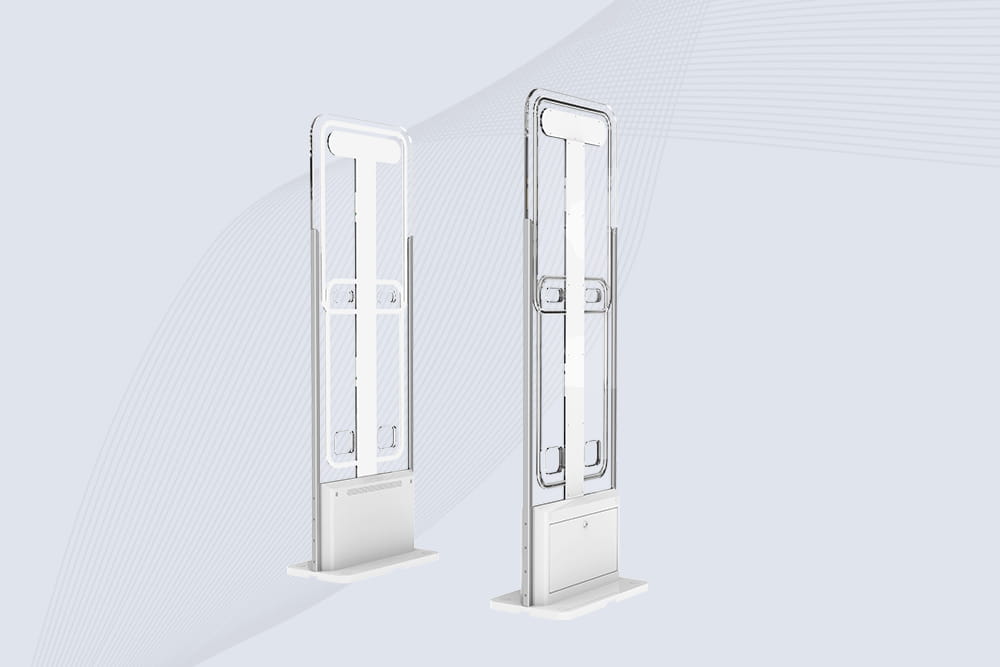
Cykeo CYKEO-T9UH UHF RFID gate reader offers 90cm detection width, EAS/AFI anti-theft alerts, IP54 rugged design, and multi-protocol support for libraries, retail, and logistics.
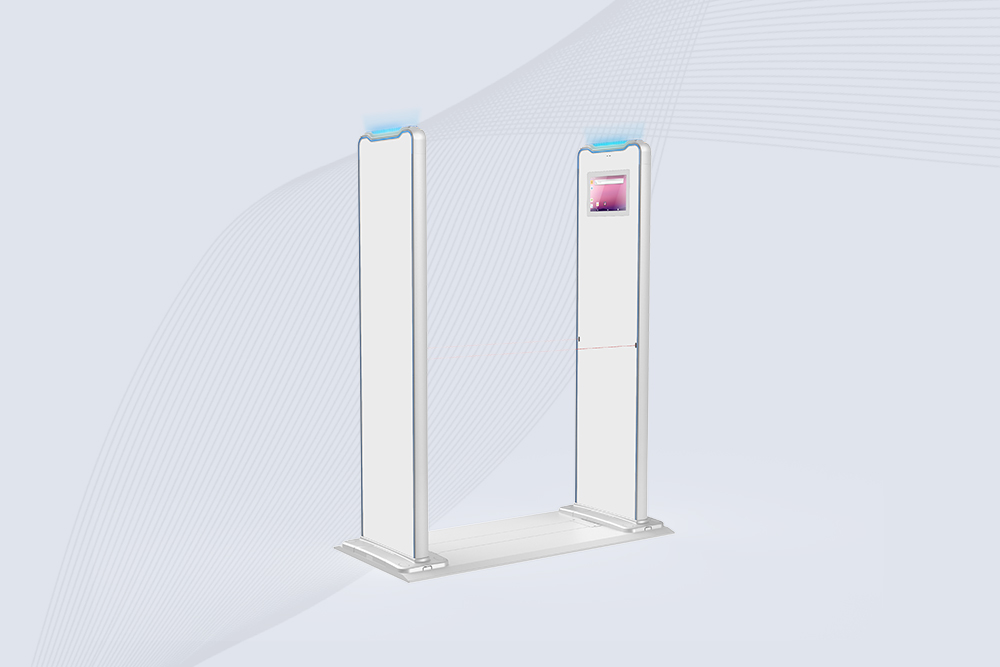
Cykeo’s Fixed RFID Gate Reader features 60 tags/sec scanning, IP54 rugged design, and dual-mode EAS alarm. Ideal for library/warehouse/event access control with real-time crowd analytics.
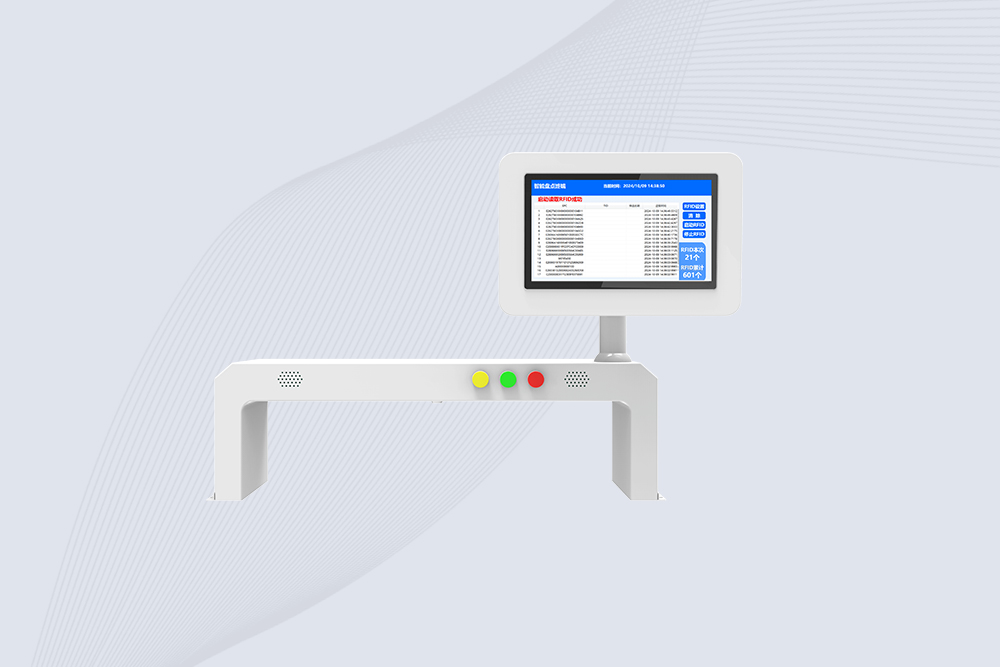
Cykeo CYKEO-T8A rfid gate access control system features IP68 enclosure, 400 tags/sec scanning, and 6-antenna array for warehouse/manufacturing security.
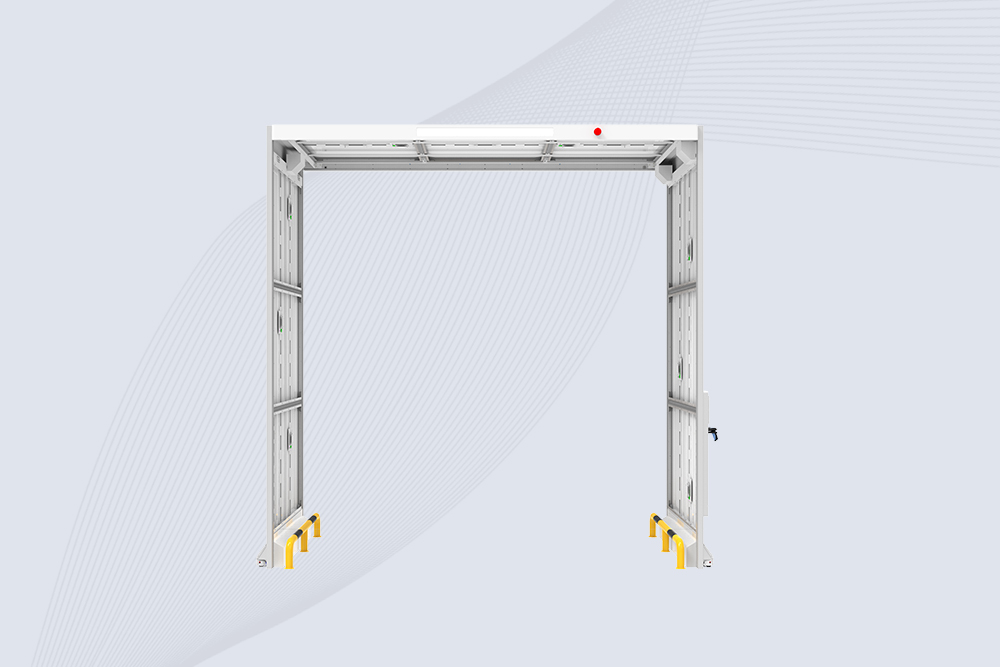
Cykeo CYKEO-T8F RFID gate entry systems deliver 200+ tags/sec scanning, EPC C1G2 compliance, and EAS alarms for warehouse/production gates. Supports Windows/Android OS.
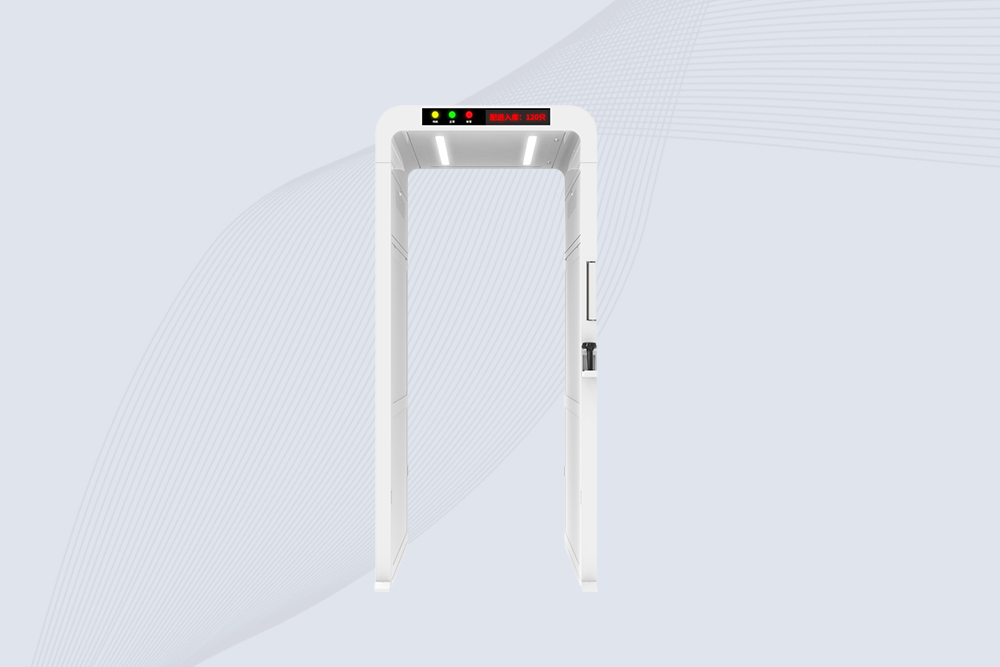
Cykeo CYKEO-T8C RFID gate opener delivers 200+ tags/sec scanning, ISO 18000-6C compliance, and facial recognition for logistics/secure facilities. Supports Windows/Android OS.
Cykeo CYKEO-T8D RFID gate access control system features 4-antenna 99.98% accuracy, ISO 18000-6C compliance, and real-time theft prevention for libraries/warehouses. Supports Windows/Android OS.
Cykeo CYKEO-T2 industrial RFID gate features 500+ tags/sec scanning, 0-3m vertical detection, and cloud management for warehouse automation and inventory control.
RFID Industry Writer | IoT & Asset Tracking Analyst
James writes about RFID technology, asset tracking, and the practical challenges of digital transformation across warehousing, retail, manufacturing, and logistics.
His work focuses on how RFID is applied in real-world operations—improving inventory visibility, automating workflows, and helping businesses manage assets with greater accuracy and efficiency.
He regularly covers topics including UHF RFID, smart cabinets, RFID portals, tool tracking, warehouse automation, and industrial IoT trends..

Protect your business from RFID data breaches in 2025. Cykeo reveals top risks, encryption strategies, and compliant solutions for secure RFID tagging.
More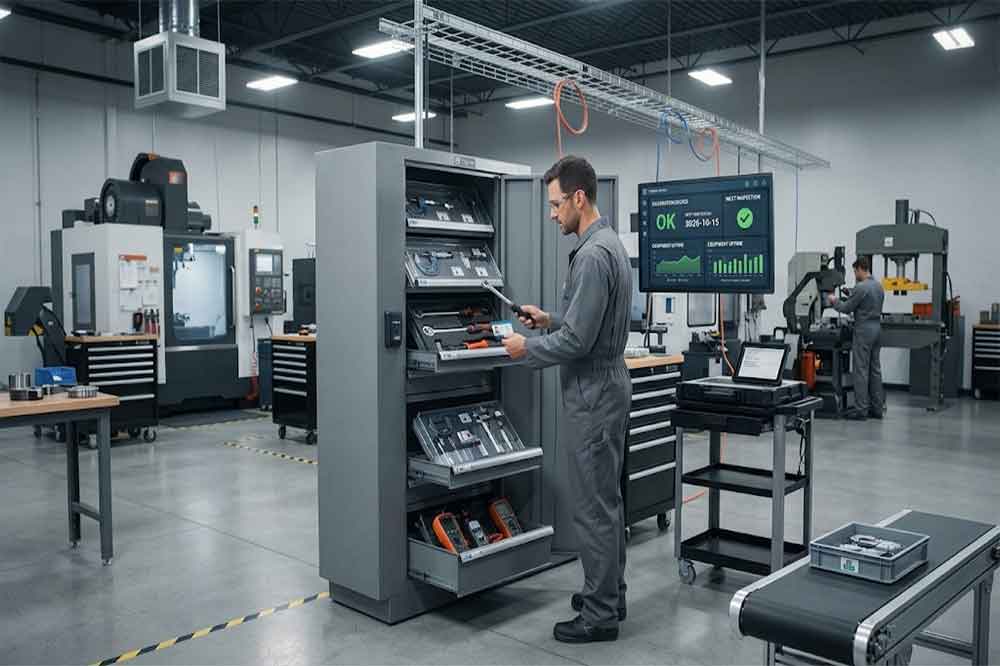
RFID tool cabinet can connect tool identification with calibration, inspection, maintenance status, and availability records. This helps maintenance and qual...
More
A reliable RFID reader test verifies communication, tag detection, range, multi-tag performance, stability, and accuracy under real operating conditions.
More
Learn how long range RFID readers are used in parking systems, including barrier gates, windshield tags, license plate tags, vehicle detection, installation layout, and common deployment issues.
More