 Cykeo RFID IoT Solution Products R&D Manufacturer


How to Choose UHF RFID Long Range Reader for Warehouse Systems
227A practical guide for choosing RFID long range readers for warehouse systems. Learn how to design read zones, select antennas, and ensure stable integration.
MoreAll RFID Product
Most warehouses can tell you what is on a shelf. Ask where a specific pallet is right now — halfway between the staging lane and Dock 7, or sitting on a truck that has not checked in yet — and the answer usually involves a radio call and a guess. The yard is where visibility breaks down first, because barcodes need line of sight and drivers rarely stop to scan. RFID forklift tracking solves this by moving the scanner onto the vehicle itself, so location data is collected as a byproduct of normal work.
A typical distribution yard runs on sequence, not systems. Drivers report arrivals by phone, yard jockeys park trailers wherever there is space, and the WMS only learns the truth when someone keys in a putaway confirmation. Three problems follow from that gap:
Barcode-based fixes struggle here because scanning demands stopping, aiming and waiting. In a yard, that cost gets skipped. UHF RFID reads at distances of up to 20 meters and handles hundreds of tags per second, which means tracking happens while the forklift is moving — the only mode of operation a yard really has.
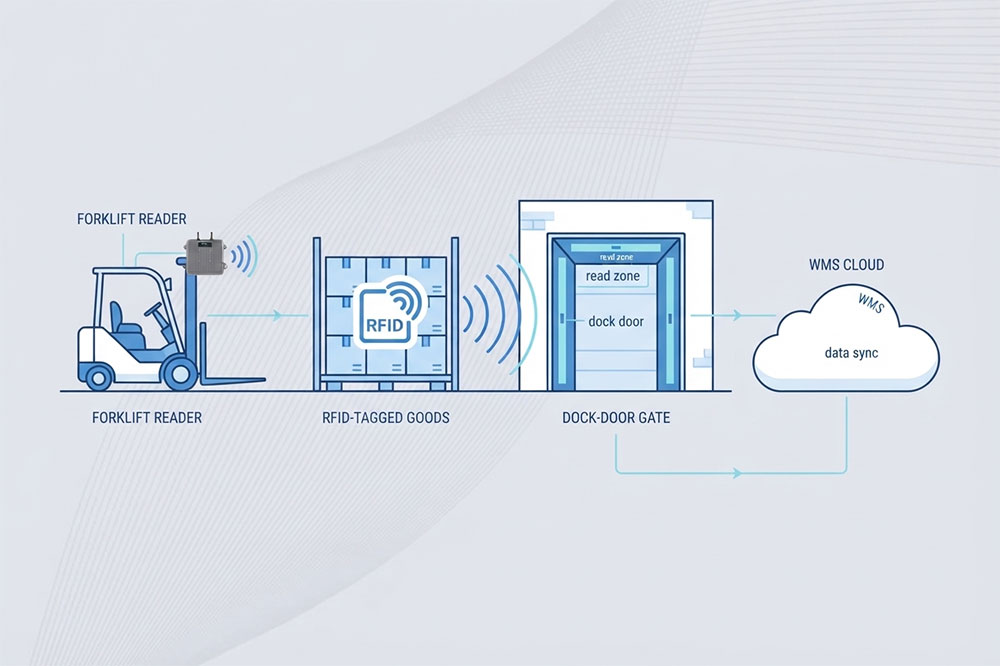
The architecture is simple enough to sketch on a napkin:
The driver does nothing new. The forklift logs putaway, retrieval and transfer events as it works, and the yard map updates itself.
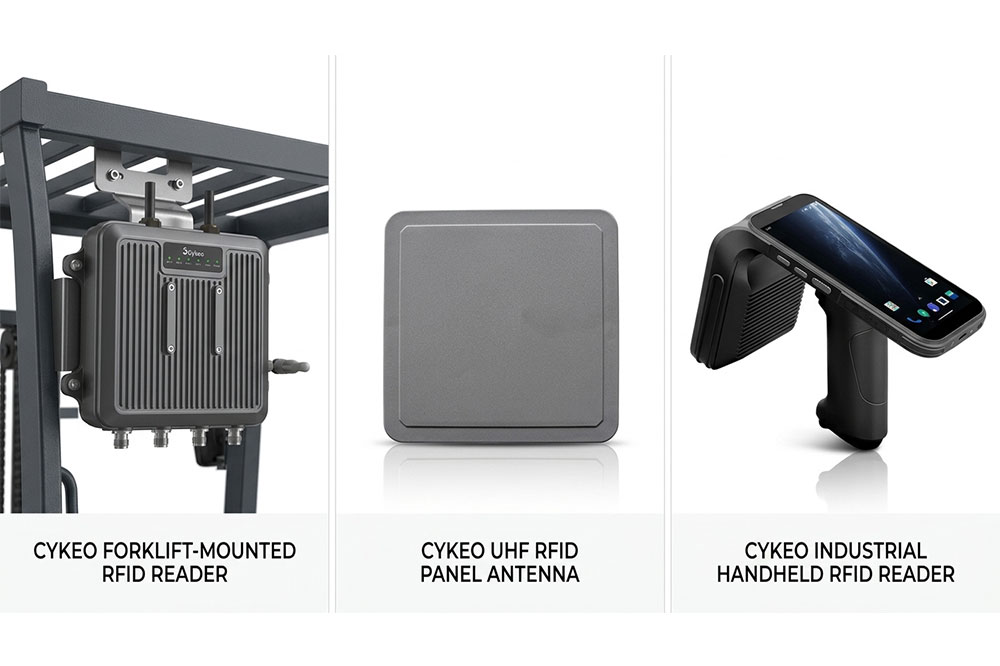
This is the core purchase. Look for multi-antenna support (so reads can cover both fork direction and cab direction), 33 dBm output power, and PoE or wide-voltage vehicle power input. Vibration tolerance matters more than buyers expect — a consumer-grade reader will shake loose connectors within months. Cykeo’s fixed and vehicle-mounted lines in the industrial RFID reader category are built around Impinj R2000 silicon and ship with Java/C# SDKs, which is what integrators actually need for WMS middleware work.
A single antenna rarely covers both warehouse racking and open yard. Panel antennas handle dock-door corridors; circular-polarized yard antennas keep read rates stable on pallets that arrive at odd angles. The UHF RFID antenna range covers 0–20 m adjustable configurations, letting you tune forklift read zones so the reader captures the load on the forks without drowning in every tag in the aisle.
Tags fail more often than readers. For metal racking and freezer zones, specify on-metal and wide-temperature tags (−40°C to 85°C, IP68). At these conditions Cykeo’s warehousing deployments hold a 99.7% read rate even at −30°C, which is the difference between a system operators trust and one they work around.
No tracking system eliminates exceptions — a mislabeled pallet, a tag that took damage, a trailer audit. Bluetooth handheld readers let supervisors resolve those on the spot without pulling a forklift out of rotation. The handheld RFID reader category covers IP65 units that pair with the same middleware, so exception scans land in the same data stream.
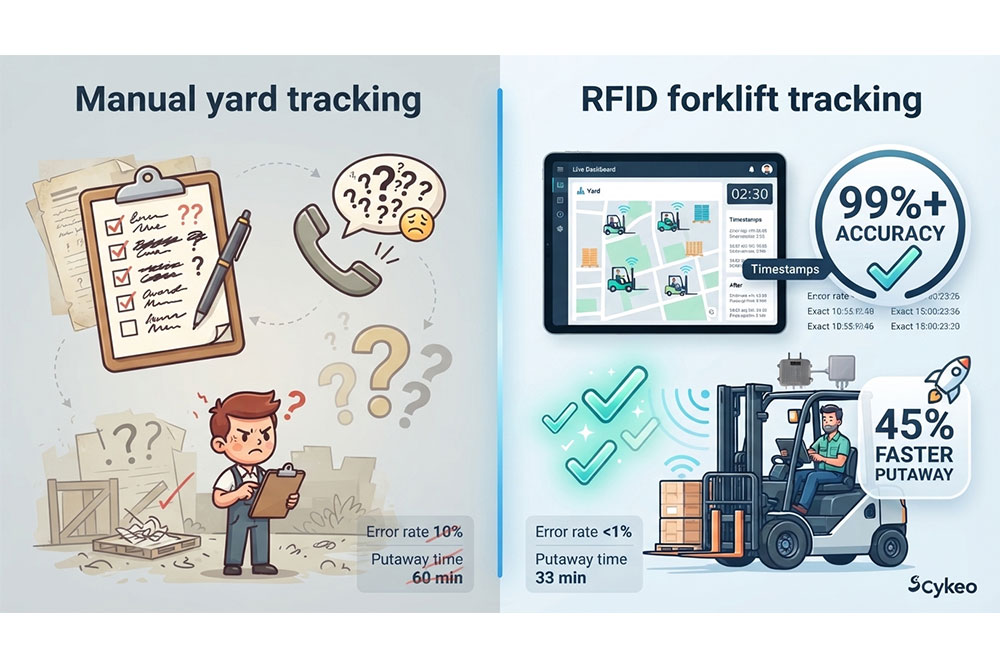
Once rfid forklift tracking is live, the improvements show up in specific, measurable places:
Across Cykeo’s warehouse RFID deployments, customers report inventory accuracy moving from the usual 80–85% toward 99%+, with forklift-guided putaway cutting restocking time by roughly 45%.
If you buy readers in volume — as a distributor, integrator or reseller — the hardware spec sheet is half the decision. The other half is commercial and integration fit:
For teams planning a first deployment, pair this article with two practical companions: our breakdown of long-range RFID scanning for warehouse inventory covers high-density read tuning, and the warehouse solution team can model ROI per dock door before you commit to volume. If you are sourcing for a multi-site rollout, request a quote with your forklift count, dock-door count and target regions — that is enough for a per-site bill of materials and MOQ pricing in one response.
A properly tuned forklift reader with location tags achieves read rates above 99% on pallets it handles, and because it captures events continuously, location records stay current within seconds of the physical move. Manual scanning depends on driver discipline, so its real-world accuracy degrades precisely when the yard is busiest.
Yes, provided the unit is rated IP65 or better and the antenna is specified for outdoor temperature range. The CYKEO-C1, for example, runs at IP67 with a 20 m read range, which covers trailer-adjacent yard zones in rain and cold.
No. The reader and antenna are mounted on the vehicle and read automatically while the forklift moves. Drivers never scan, tap or confirm — which is exactly why adoption failure, the usual killer of tracking projects, is not a factor here.
Readers push EPC and location-tag events over Wi-Fi or Ethernet to middleware, which maps them to WMS transactions through the vendor SDK or REST APIs. With prebuilt connectors, SAP EWM and Oracle SCM integrations are typically completed in two to four weeks.
A single-site pilot usually needs two to four forklift readers, one or two gate readers and antennas in the low hundreds of units. Fleet-scale volume orders of readers and tags are standard for Cykeo’s OEM/ODM program; lead times and MOQ pricing are confirmed at quotation based on region-certified variants.
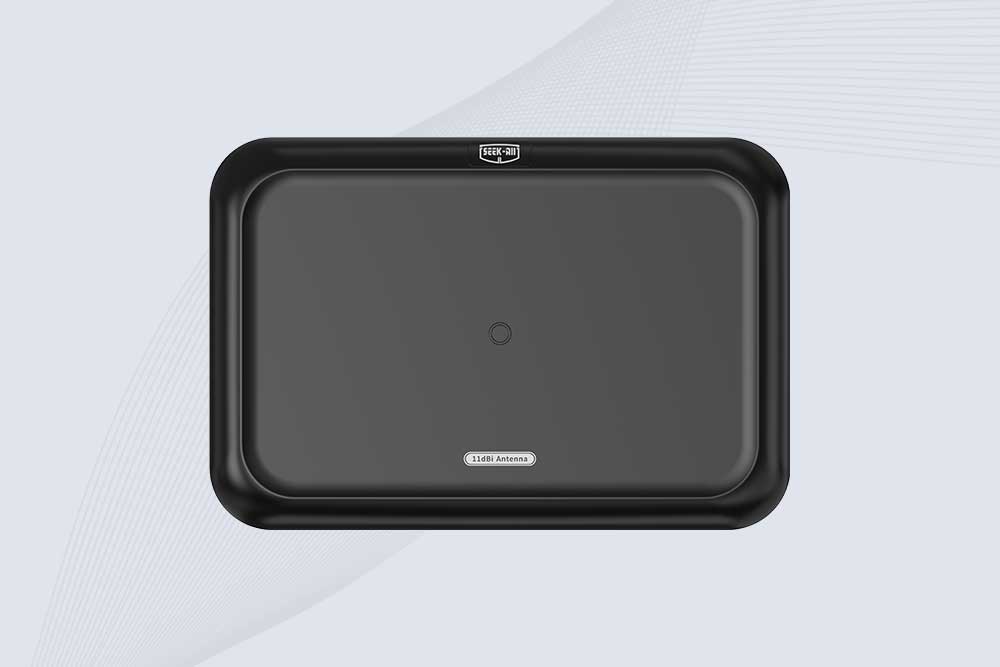
SSD-A11 UHF RFID antenna features 840–960 MHz adjustable frequency, ≥10.5 dBi gain, circular polarization and 50Ω impedance for fixed RFID systems.
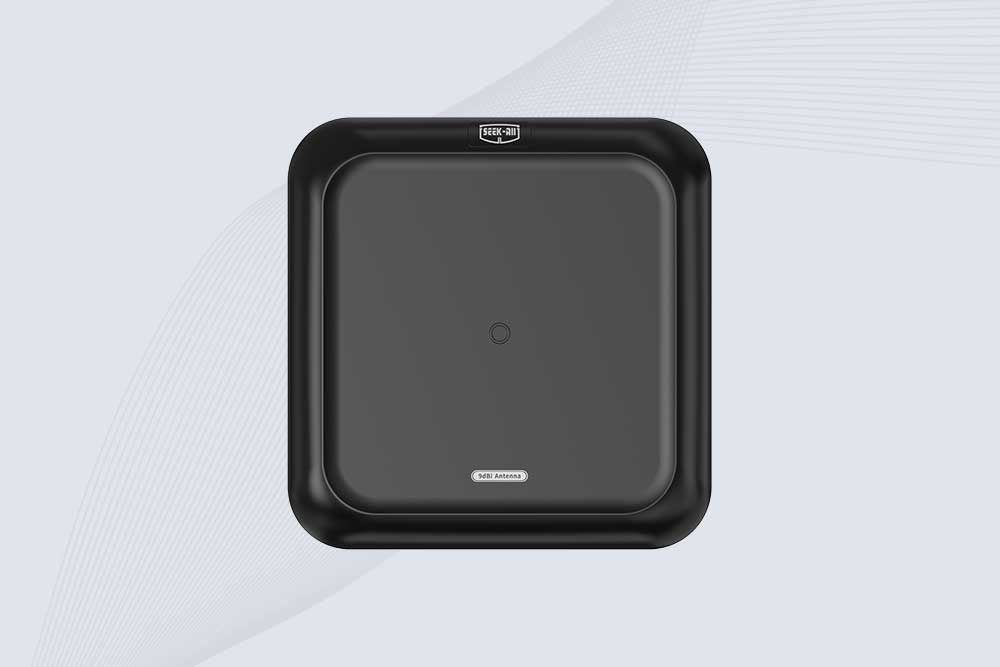
SSD-A09 is a 9 dBi UHF RFID antenna with 840–960 MHz adjustable frequency, circular polarization, 50Ω impedance and directional 60° × 60° coverage.
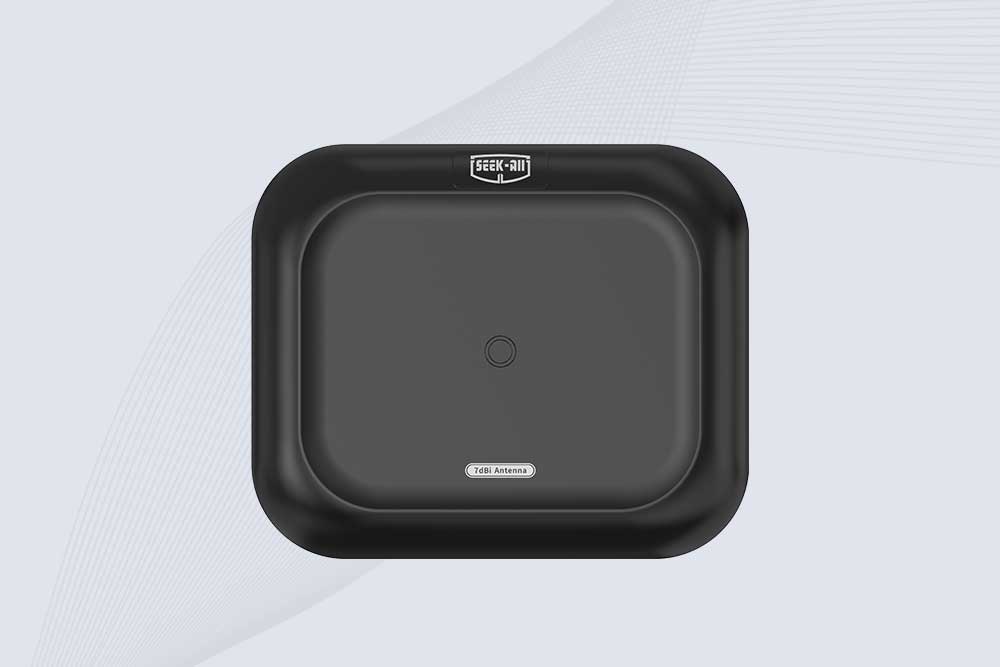
Explore the SSD-A07 UHF RFID antenna with 7 dBi gain, circular polarization, adjustable 840–960 MHz frequency, and 60°/75° beamwidth for stable RFID read/write performance.

SSD-A06 UHF RFID antenna with circular polarization, adjustable 840–960 MHz frequency, ≥4.5 dBi gain, and a compact directional design for RFID systems.
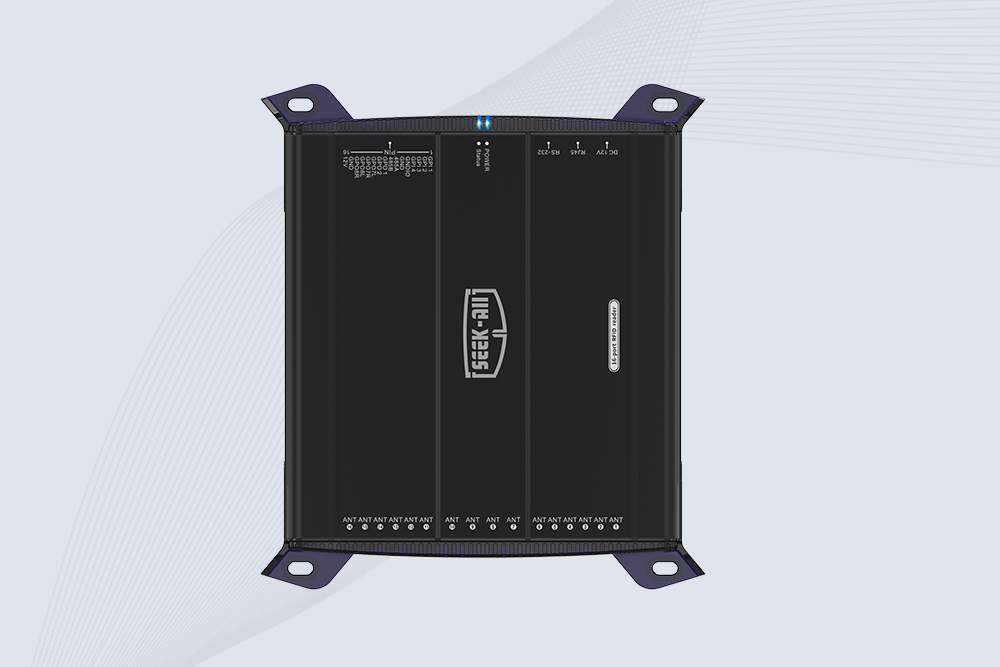
SSD-R16L Multi-Channel RFID Infrastructure for Automated Inventory Management ✔️ 16-Port High-Density RFID Reading Equipped with 16 SMA antenna ports, SSD-R16L supports multi-antenna deployment for warehouses, retail stores, logistics, production lines, and large-area RFID identification. ✔️ High-Speed & Long-Range Performance With up to 33…
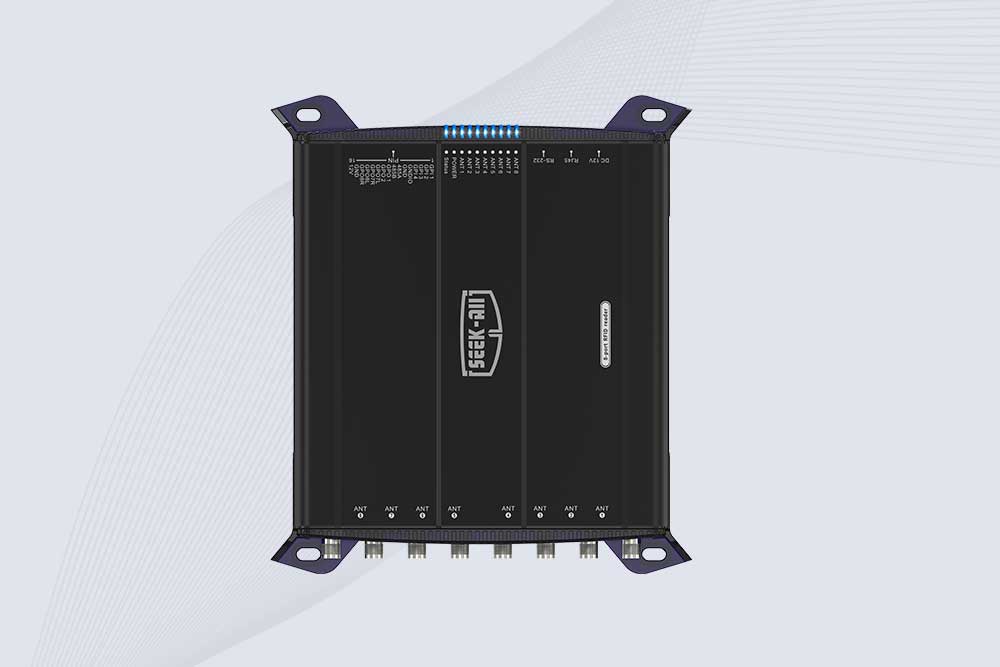
SSD-R8L 8-port UHF RFID reader with 33dBm output, up to 20m reading range and 600+ tags/s recognition. Ideal for warehouse, logistics, retail and asset tracking.
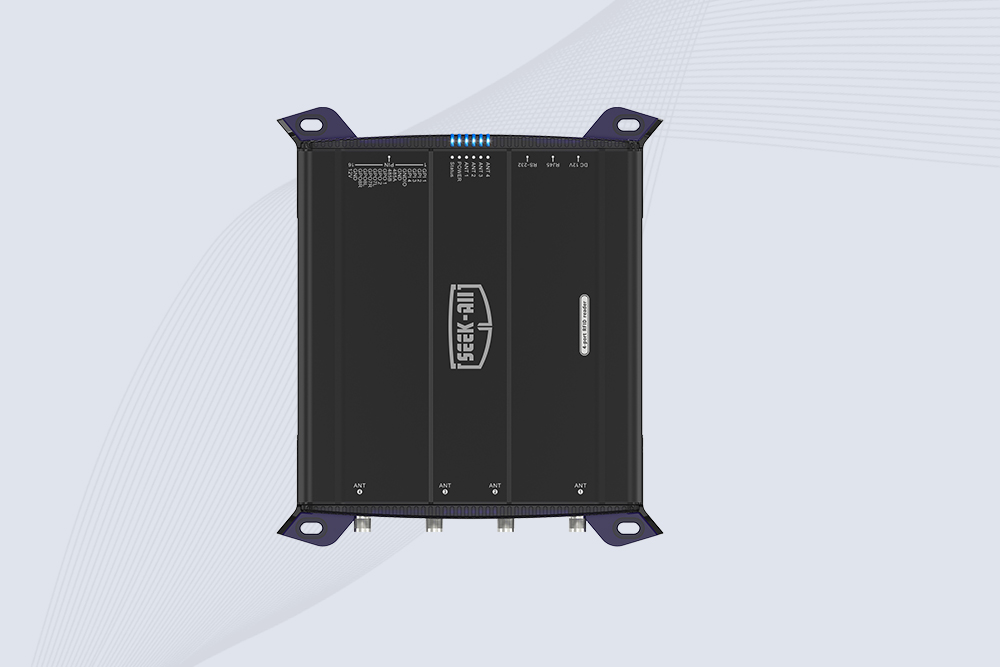
SSD-R4L is a 4-port UHF RFID fixed reader with 33dBm output power, up to 20m reading range, EPC C1G2 support and 600+ tags/s reading speed.
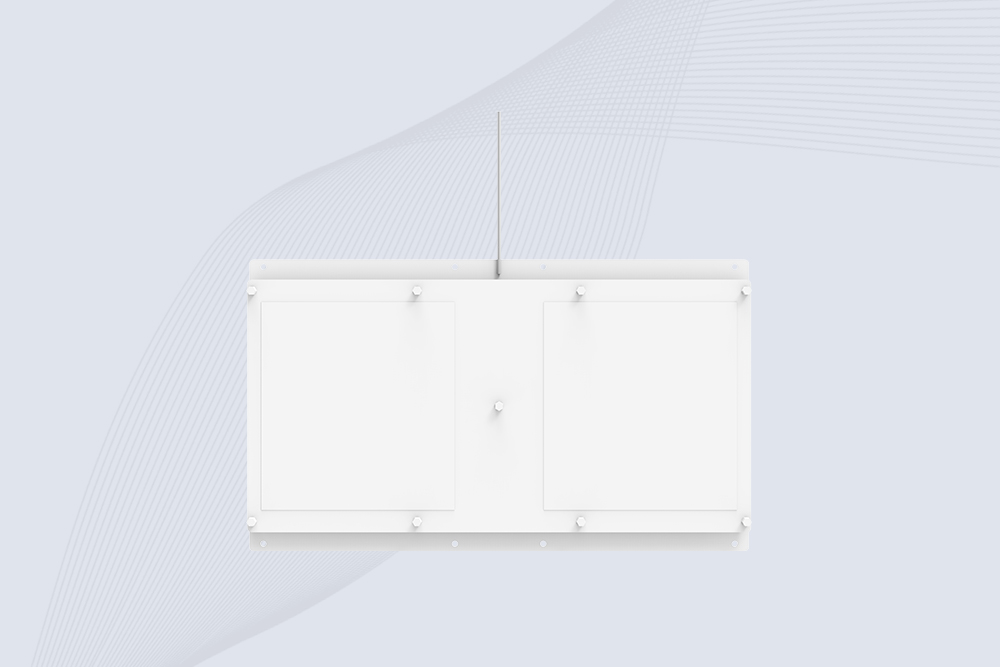
Cykeo CYKEO-A11 UHF RFID reader antenna delivers 11dBi gain, 840-960MHz frequency range, and IP65 ruggedness for retail, logistics, and industrial RFID systems. Features low VSWR and easy installation.

CYKEO Antenna RFID Reader delivers stable long-range UHF performance with a 10.5dBi directional design, built for warehouses, conveyor portals, and industrial RFID systems. This rfid reader antenna provides 20m+ read distance and rugged IP67 protection.

Cykeo CYKEO-PHF3 industrial HF RFID Antenna offers 24-point dynamic tracking, ISO 14443A/15693 protocols, metal-environment stability for archives/libraries/manufacturing.

Cykeo CYKEO-A5B industrial Linear RFID Antenna delivers 5dBi gain, ≤1.5:1 VSWR, and IP65 rugged design for warehouse, production line, and logistics UHF systems.

Cykeo’s CYKEO-B12 Long Range RFID Antenna delivers 15m+ read range with 12dBi gain, IP65 rugged design, and global 840-960MHz UHF support. Ideal for warehouse/logistics asset tracking.
Cykeo CYKEO-B10 Long Distance RFID Antenna offers 10dBi gain, 840-960MHz frequency range, IP65 rating, and 20m+ coverage for logistics/warehousing/ETC systems. Low VSWR ensures stable signal transmission.
Cykeo CYKEO-A6 UHF RFID panel antenna features 6dBi gain, 840-960MHz broadband, IP65 metal-ready housing for logistics/smart retail. 18mm ultra-thin design with tool-free mounting.

Cykeo CK-A3 industrial antenna RFID UHF offers 5m+ tag detection, ≤1.3:1 VSWR, IP65 rugged design, and global UHF spectrum compatibility (840-960MHz) for warehouses, factories, and retail.
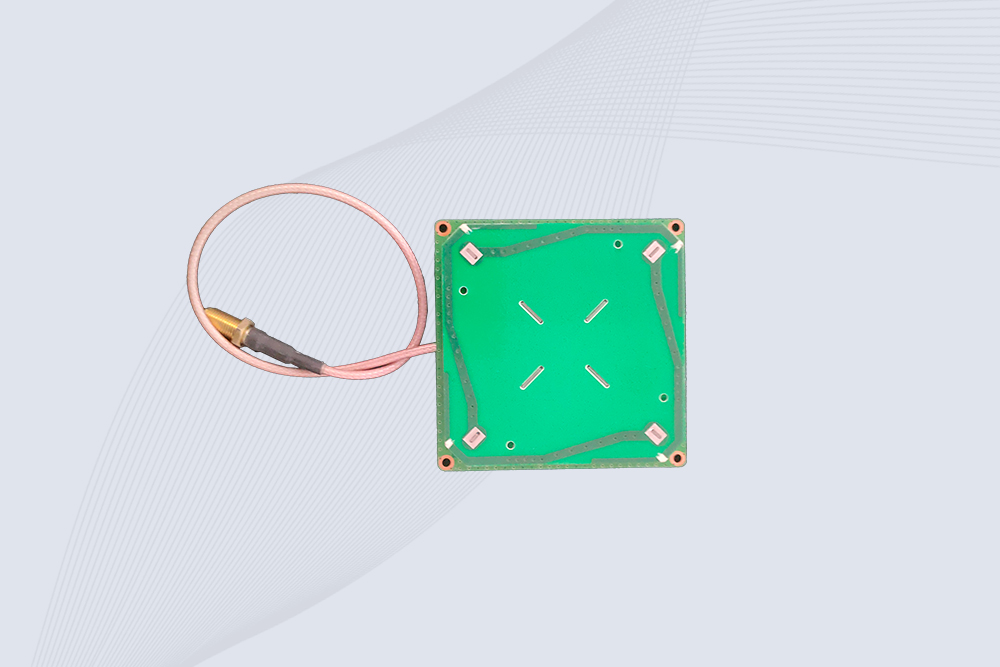
Cykeo CYKEO-B5 directional RFID antenna provides 5dBi gain with 60° narrow beamwidth for precise inventory tracking. IP65-rated, global UHF frequency support, and low VSWR.
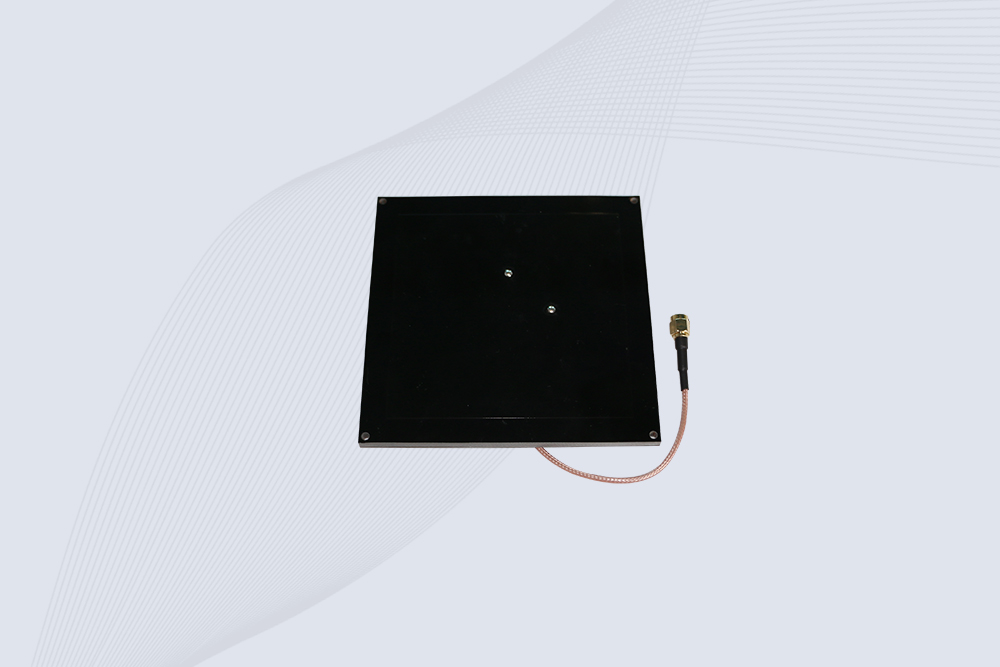
Create your own high-performance DIY RFID antenna! 5dBi gain, 840-960MHz tunable, step-by-step guides. Compatible with Arduino, Raspberry Pi, and commercial UHF readers.
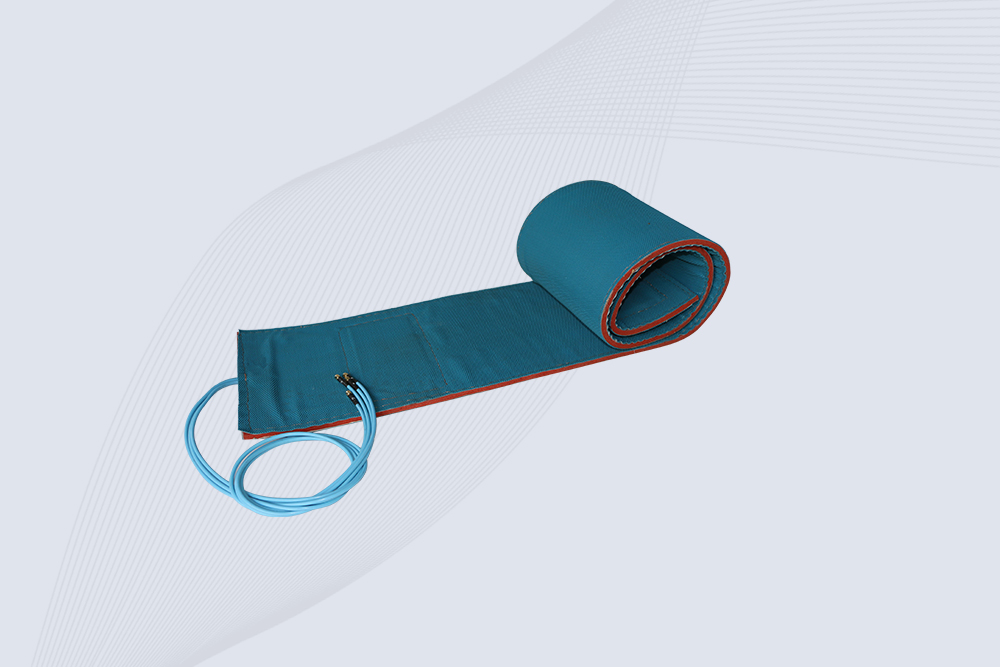
Cykeo CYKEO-A7 Flexible RFID Antenna features 840-960MHz wideband tuning, 7dBi gain, and IP68 rating for medical/retail/industrial curved surface deployments. 98% read accuracy with peel-and-stick installation.

Cykeo CYKEO-B5A industrial Passive RFID Antenna delivers 5dBi gain, 70° beamwidth, and -40°C~55°C operation for warehouses/smart cabinets. Compatible with Zebra/Impinj readers.
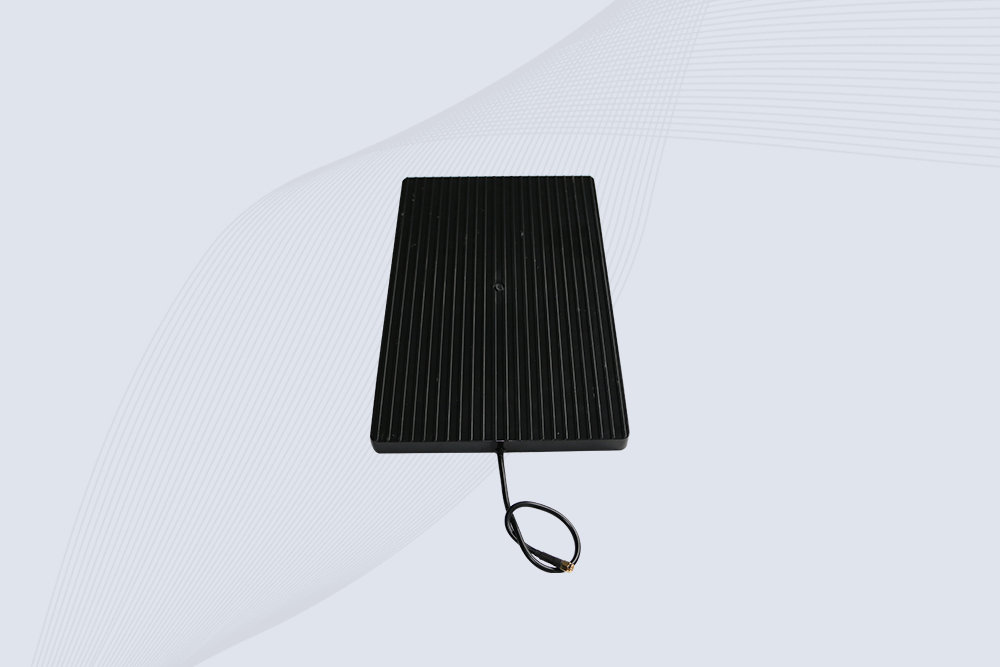
Cykeo’s CYKEO-A9B High Gain RFID Antenna delivers 15m+ read range with 9dBi amplification. Features IP54 rugged design, 840-960MHz bandwidth, and 80° beamwidth for warehouse/manufacturing RFID systems.

Cykeo’s enterprise-grade 8dbi Impinj RFID Antenna 10m+ read range with 840-960MHz tuning. Features IP65 housing, 1.4 VSWR, 35° beamwidth for retail/warehouse RFID systems.
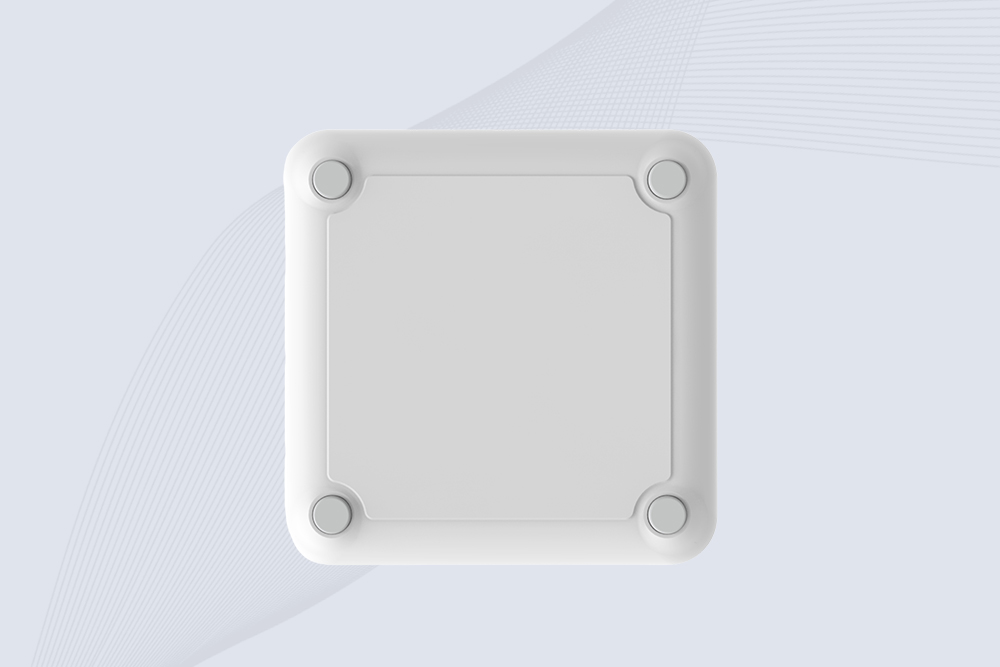
Cykeo CYKEO-A9 industrial UHF RFID antenna delivers 9dBi gain, 840-960MHz frequency range, and IP65 protection for warehouse/logistics/retail RFID systems. Features N-type connector and ≤1.3:1 VSWR.
CYKEO UHF RFID Antenna built for long-distance and industrial applications. This antenna rfid uhf delivers strong gain, outdoor durability, and reliable tag performance in warehouses, yards, and vehicle ID systems.
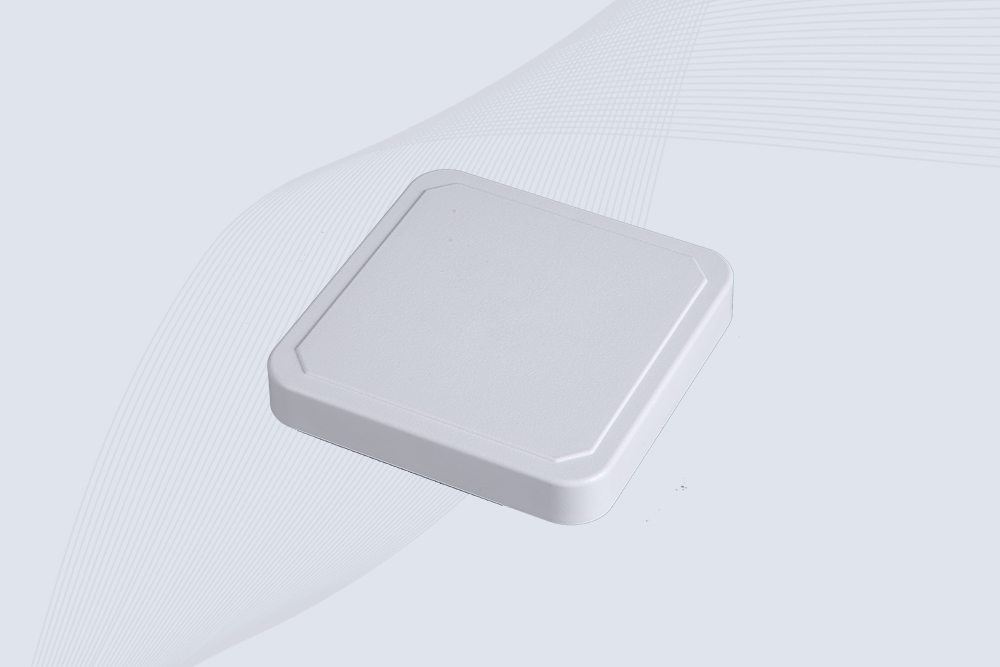
CYKEO Antenna RFID delivers reliable long-range UHF performance in warehouses, retail shelves, and cold-chain environments. This compact uhf rfid antenna provides stable reads with circular polarization and ultra-wide 840–960 MHz support, ideal for industrial tracking, smart shelves, and asset monitoring.
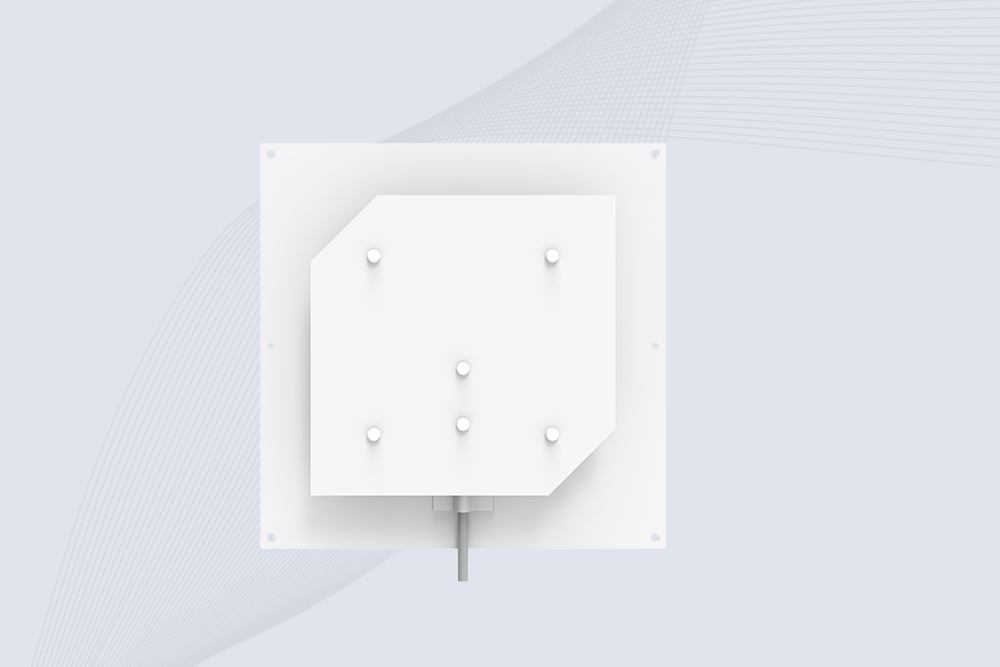
Cykeo’s CYKEO-C8 UHF RFID antennas delivers 8dBi gain, 840-960MHz full-band coverage, and IP65 ruggedness for manufacturing/warehouse RFID systems. Industrial RFID Antennas Features
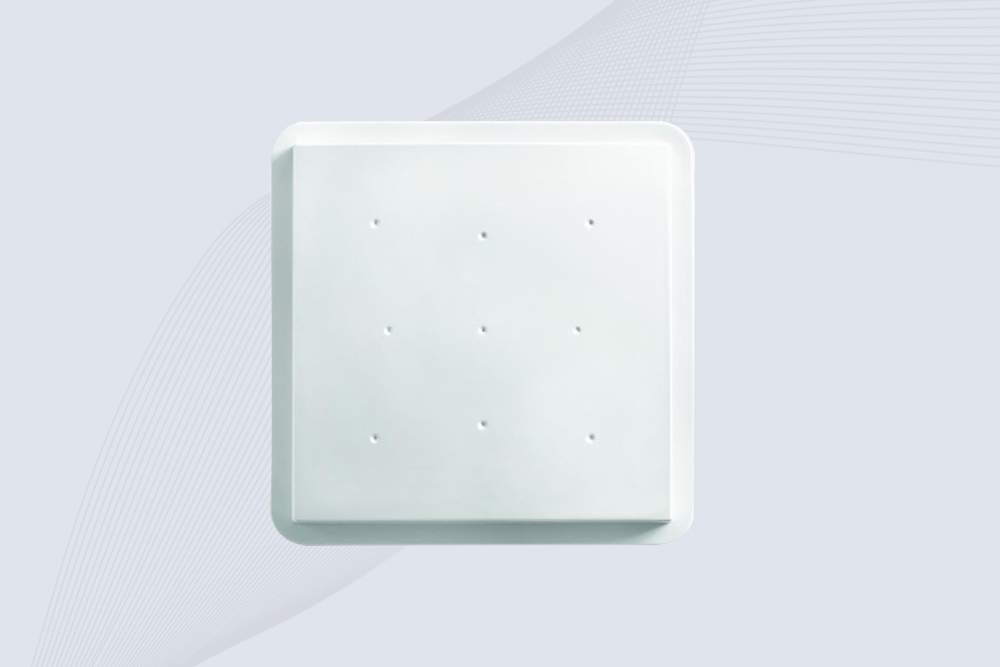
Cykeo’s 8dBi UHF RFID antenna and reader kit delivers 10m+ range, 840-960MHz broadband, and IP65 ruggedness for factories, warehouses, and logistics. ISO 18000-6C & EPC Gen2 certified.
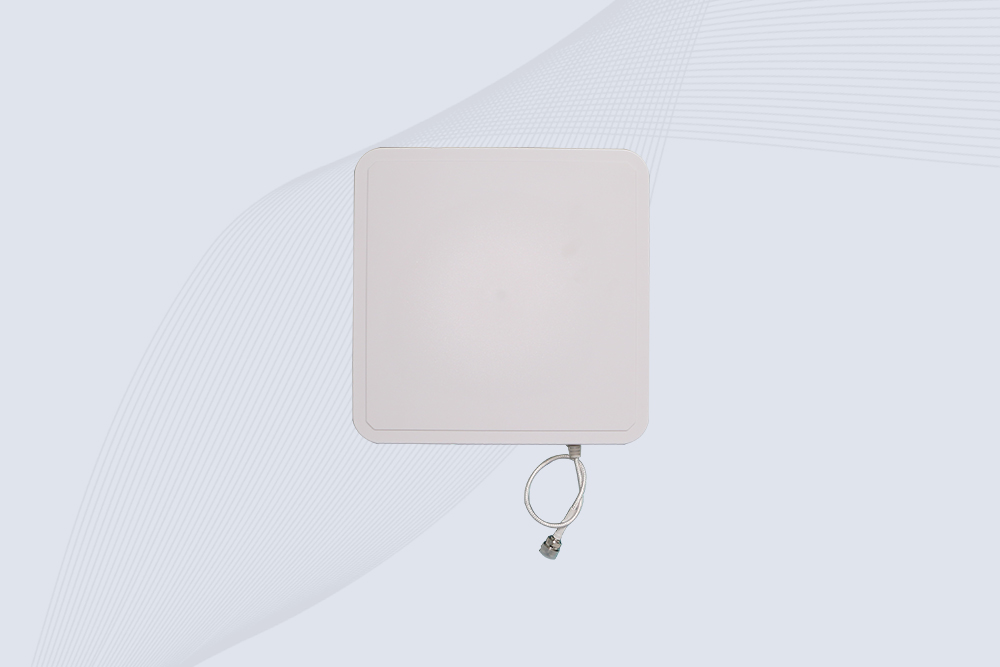
Cykeo CYKEO-A9A industrial UHF RFID reader and antenna kit delivers 10m range, 500 tags/sec, IP65 ruggedness for manufacturing/logistics. Supports EPC Gen2, ISO18000-6C.
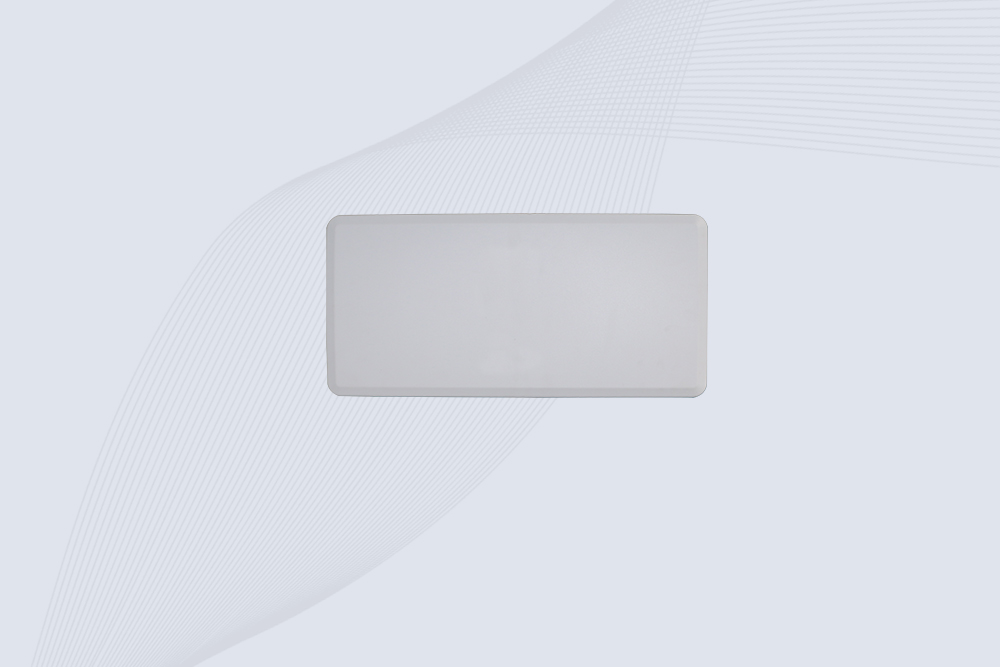
Cykeo’s CYKEO-A12C UHF Large RFID Antenna delivers 12dBi gain, 840-960MHz global frequency, IP65 ruggedness for logistics/warehousing/automotive. 40° beamwidth ensures stable 15m+ tag reads.

CYKEO Near Field RFID Antenna provides precise 5–30 cm reading for shelves, cabinets, and workstations. This compact rfid shelf antenna delivers stable short-range performance around metal and clutter, ideal for pharmacies, libraries, and electronics sorting.
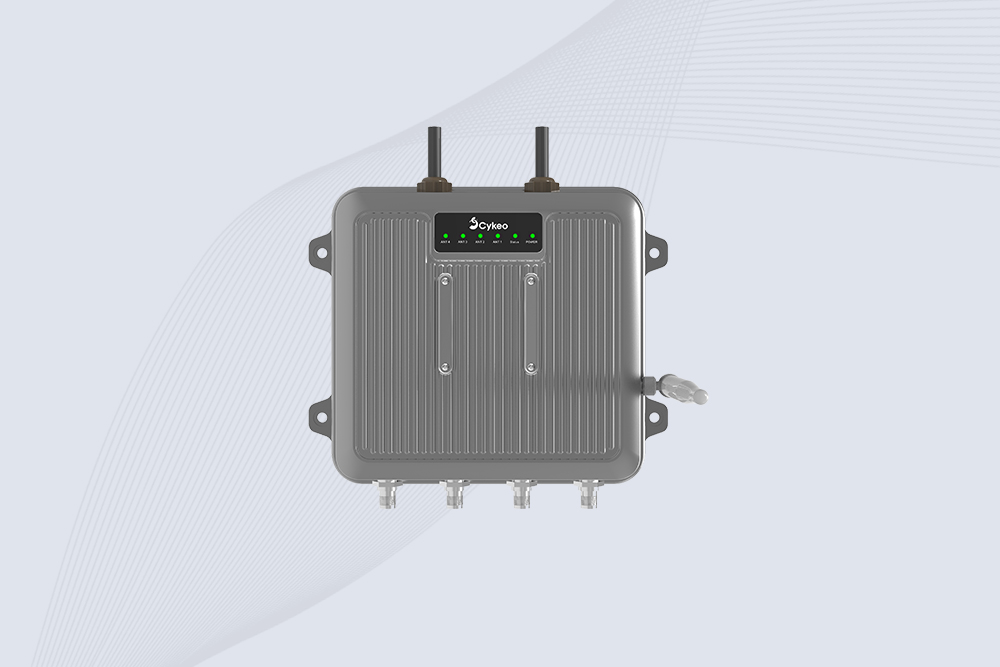
Cykeo CYKEO-C1 industrial Forklift RFID Reader features 20m read range, 600 tags/sec scanning, Impinj R2000 chipset, and IP67 rugged design. Ideal for warehouse logistics and manufacturing. Supports ISO 18000-6C/6B protocols.
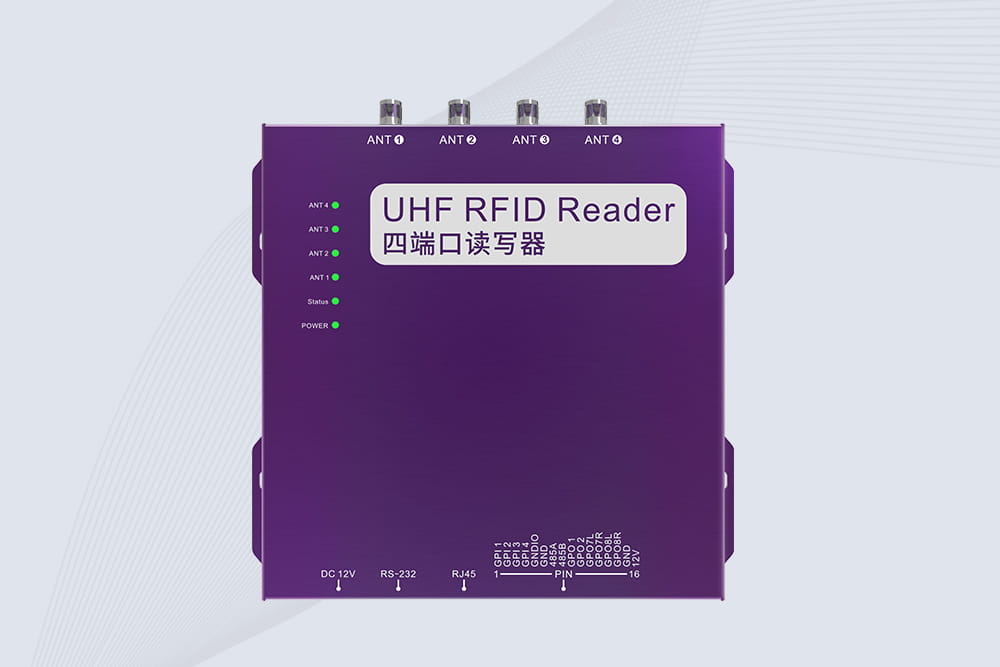
Cykeo CYKEO-R4 industrial UHF RFID Fixed Reader features 4 TNC ports, 400+ tags/sec speed, IP67 housing, and global frequency compliance for vehicle inspection, smart warehouse, and asset management systems.
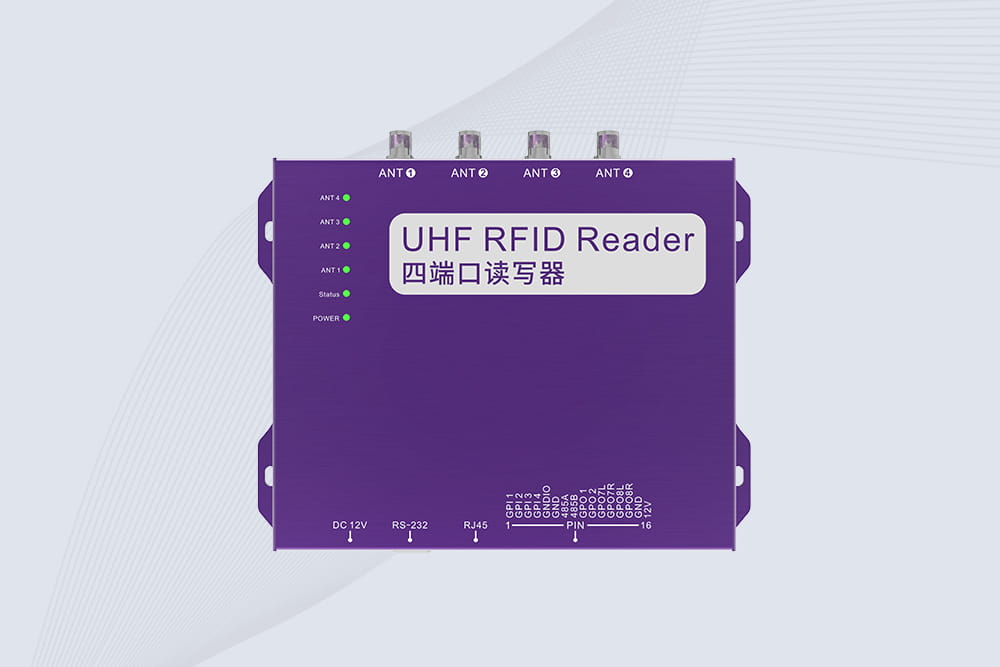
Cykeo’s CYKEO-R4L 4-port Fixed UHF RFID Reader delivers 400 tags/sec scanning, ISO 18000-6C compliance, and IP65 protection. Ideal for warehouse automation, manufacturing WIP tracking, and logistics management.
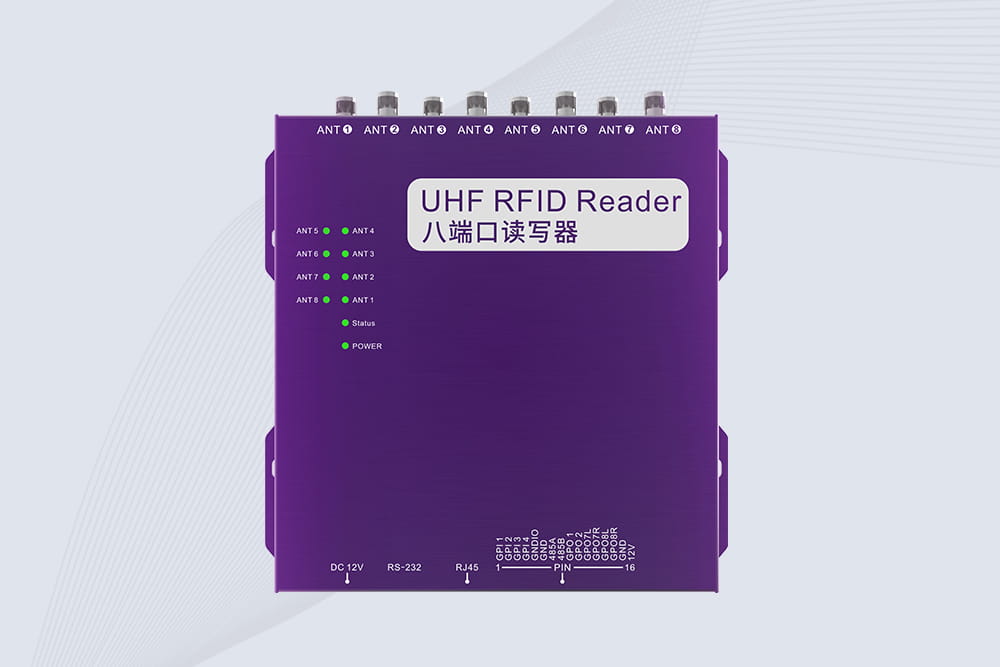
CYKEO CYKEO-R8L Fixed RFID Reader with 8-port UHF design, Impinj-based RF core and up to 20m read range. An industrial Fixed RFID Reader for vehicle inspection, warehouse portals, smart manufacturing lines and secure access checkpoints.
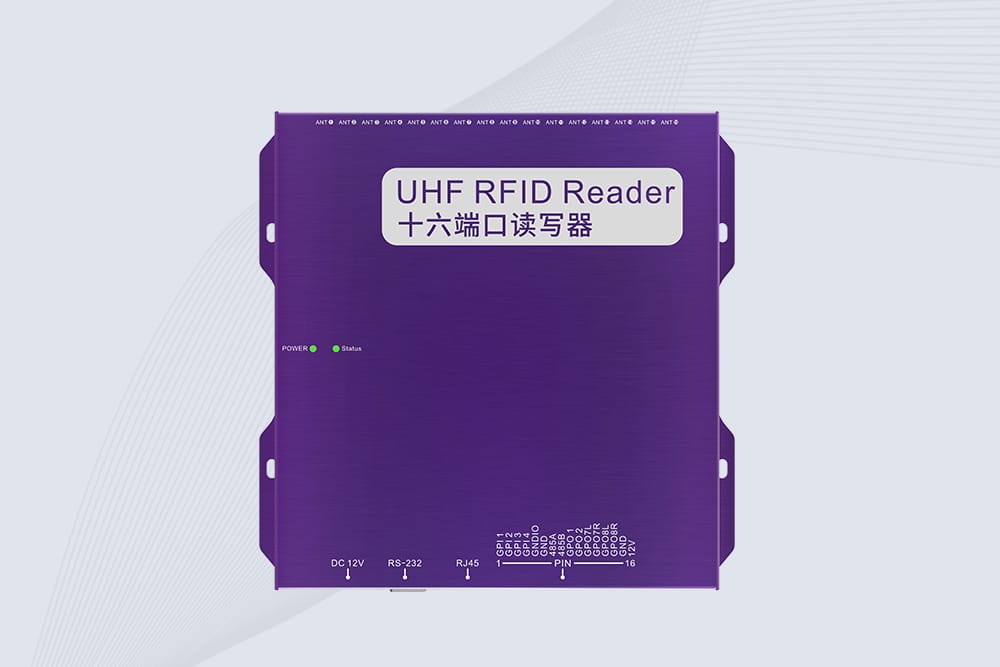
RFID Fixed Reader from CYKEO – the CYKEO-R16L 16-port UHF fixed reader for warehouses, smart cabinets, and production lines. Long-range, multi-tag reading, stable performance for 24/7 industrial use.
RFID Industry Writer | IoT & Asset Tracking Analyst
James writes about RFID technology, asset tracking, and the practical challenges of digital transformation across warehousing, retail, manufacturing, and logistics.
His work focuses on how RFID is applied in real-world operations—improving inventory visibility, automating workflows, and helping businesses manage assets with greater accuracy and efficiency.
He regularly covers topics including UHF RFID, smart cabinets, RFID portals, tool tracking, warehouse automation, and industrial IoT trends..

A practical guide for choosing RFID long range readers for warehouse systems. Learn how to design read zones, select antennas, and ensure stable integration.
More
Need a robust UHF near-field RFID reader antenna? See how its focused field enables precise item-level tracking in metal-rich, dense, or sensitive environments where others fail.
More
Discover retail RFID technology from Cykeo for self-checkout, inventory visibility, and smart retail. Improve checkout speed, reduce shrinkage, and enhance customer experience.
More
Cykeo UHF RFID Solution Helps Warehouse Management Boost Efficiency
More