 Cykeo RFID IoT Solution Products R&D Manufacturer

radio frequency identification in retail: How Does It Transform Store Operations?
217Discover radio frequency identification in retail for real-time inventory, loss prevention, and smarter store operations with RFID-driven visibility.
MoreAll RFID Product
Every “how RFID tags work” explanation stops at the same two words: backscatter and radio waves. Correct, and somehow completely opaque. You still don’t know what the tag is actually doing in the moment it gets read.
So here’s the full account. A UHF tag read is not a mysterious hum of radio — it is a conversation of four messages, completed in about a millisecond and a half, following a public protocol (EPC Gen2 / ISO 18000-63) that every compliant tag and reader on earth speaks. We’ll walk through all four messages from the tag’s point of view, see how thousands of tags share one channel without drowning each other, and finish with what the tag cannot do — because the limits explain deployments better than the capabilities do.
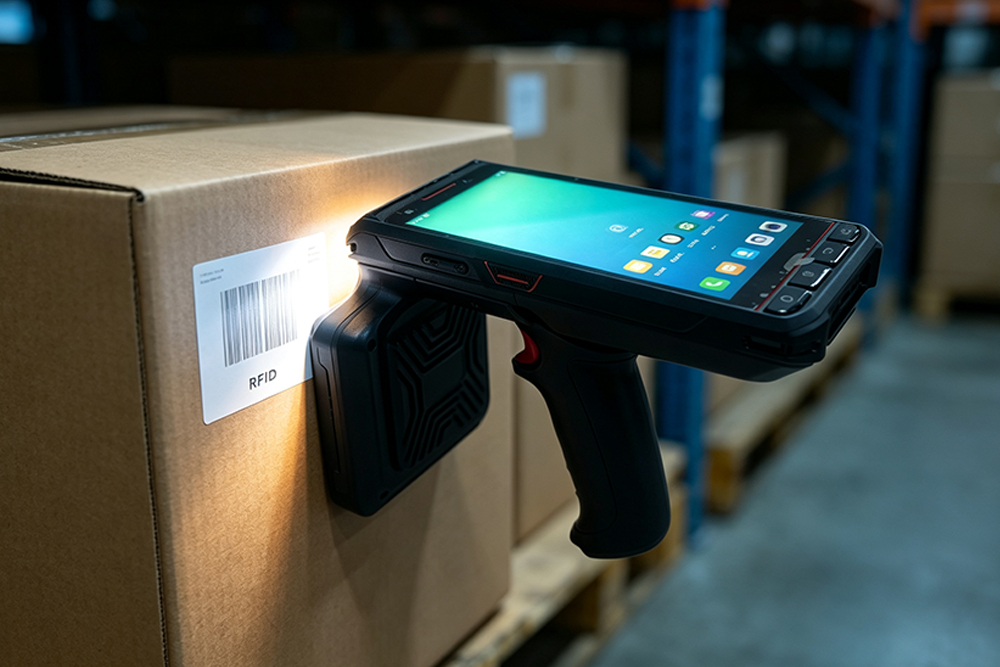
A passive UHF tag has three working parts, and each part has exactly one job:
That’s the whole machine. No battery, no clock, no processor in any familiar sense — the chip’s “logic” is a few thousand logic gates that implement one protocol and nothing else. If you want the physical construction layer by layer, our guide on what’s an RFID tag dissects the five-layer build; this article stays on the conversation.
Everything begins with the reader broadcasting a continuous radio wave — not data yet, just raw energy filling the read zone.
At the tag, three things happen in quick succession:
Worth pausing on that last point: the tag is a follower. The reader directs every step of the conversation, and the tag only ever answers what it’s asked, when it’s asked. This one-way discipline is what allows thousands of cheap chips to coexist on one channel — and it’s also why a reader misconfigured with too much power creates chaos (tags answering from outside the intended zone), while a tag can never cause interference by itself.
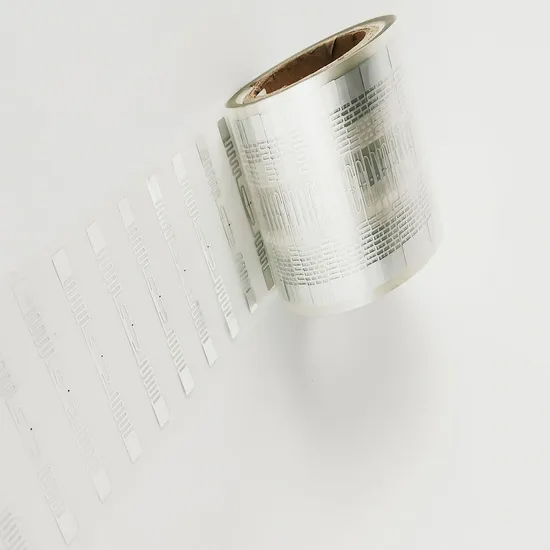
The reader’s first real command is essentially a roll call: any tag in this zone, prepare to identify yourselves.
If exactly one tag were present, the exchange would be trivial. But real read zones hold dozens or hundreds of tags at once — a pallet through a portal, a shelf sweep in a store room. If all of them answered simultaneously, their reflections would overlap into unintelligible noise.
The Gen2 protocol solves this with slots:
Two tags choosing the same slot collide; the reader hears the mess and simply skips them — they’ll get their chance in the next round. The randomness is the whole trick: no coordination, no priority list, just probability sorting the crowd. A competent UHF reader resolves hundreds of tag conversations per second this way, which is the single property that makes batch counting — RFID’s entire commercial advantage — physically possible.
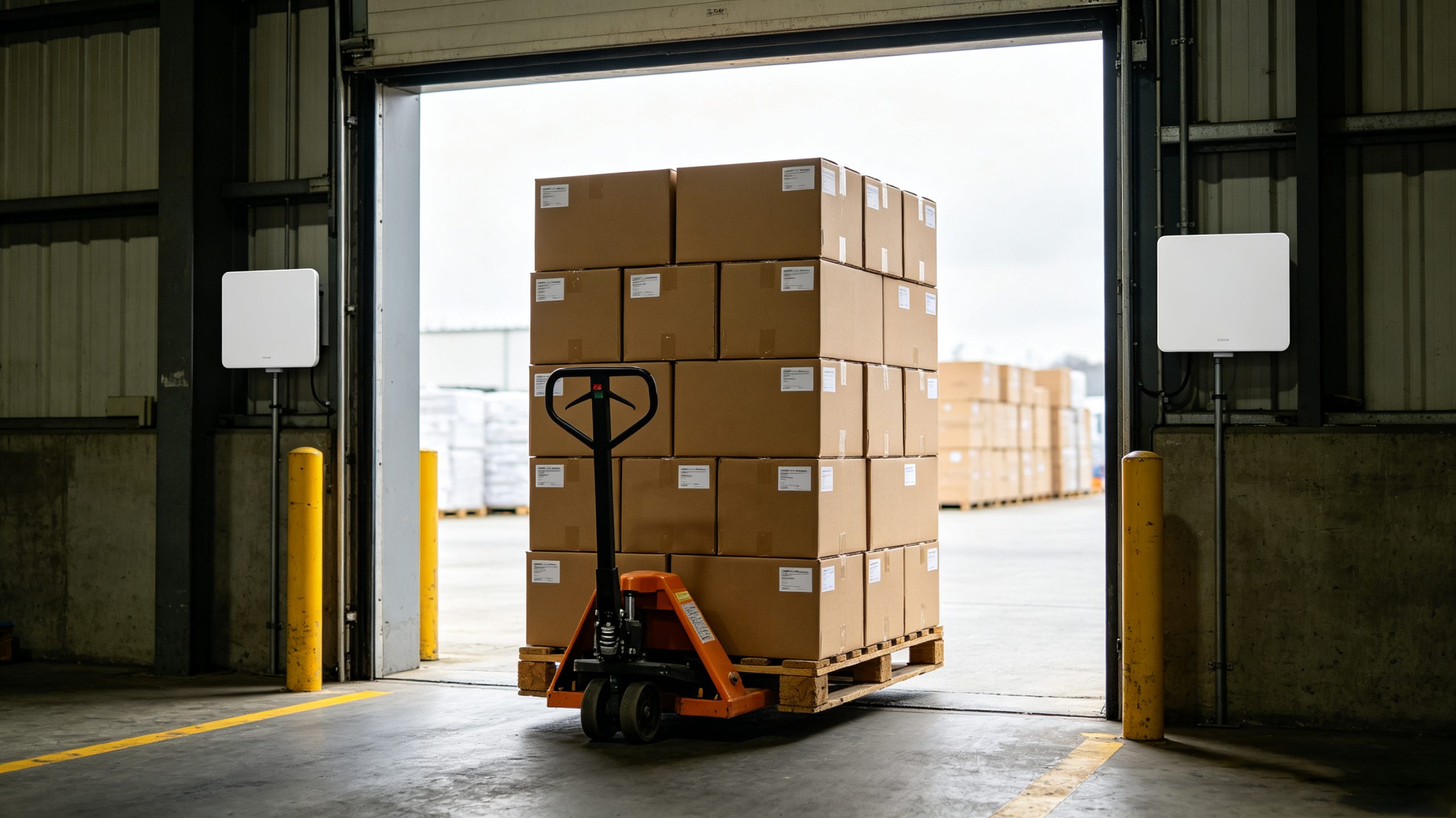
The reader takes the RN16 it just heard and echoes it back: slot 7, credential confirmed, you may speak.
Now the tag does the only thing it was born to do. It modulates its reflection: switching its antenna between two reflective states, it encodes its stored identity onto the returning echo of the reader’s own carrier wave. The reader listens to its own signal coming back, slightly altered, and decodes the payload:
That’s the moment of the read: the reader now holds an ID, the software will turn it into a record, and the tag has said everything it has to say. The whole exchange — energy up, roll call, slot, credential, identity — has taken roughly a millisecond and a half.
Identification is the default conversation, but the reader can continue it. A tag’s chip has four memory banks, and the protocol can address each one:
| Bank | What it holds | Who writes it |
| Reserved | Access and kill passwords | Factory / administrator |
| EPC | The tag’s identity code | The encoding station, once |
| TID | Unique chip serial number | The factory, permanently — cannot be changed |
| User | Optional application data | Your system, as needed |
Two of these matter beyond the basics:
The TID is the tag’s fingerprint. Every chip leaves the factory with a permanently burned-in unique serial. Two tags can be mis-encoded with the same EPC by accident or by fraud — but they can never share a TID. That’s why serious deployments verify TIDs: it’s the anti-clone check built into every chip at zero marginal cost.
User memory is only worth paying for if you write to it. Storing a batch number or inspection date on the tag itself sounds attractive until you count the trade-offs: more expensive chips, slower reads, and data that goes stale the moment the physical item changes state. Most operations are better served by storing everything in software and keeping the tag a pure license plate.
Writing works by the same conversation, reversed in emphasis: the reader must energize the chip harder (write power thresholds are always worse than read thresholds), command it, and receive confirmation. This is why encoding stations sit close to the tag while portals read from metres away — writing is simply a more demanding radio conversation.
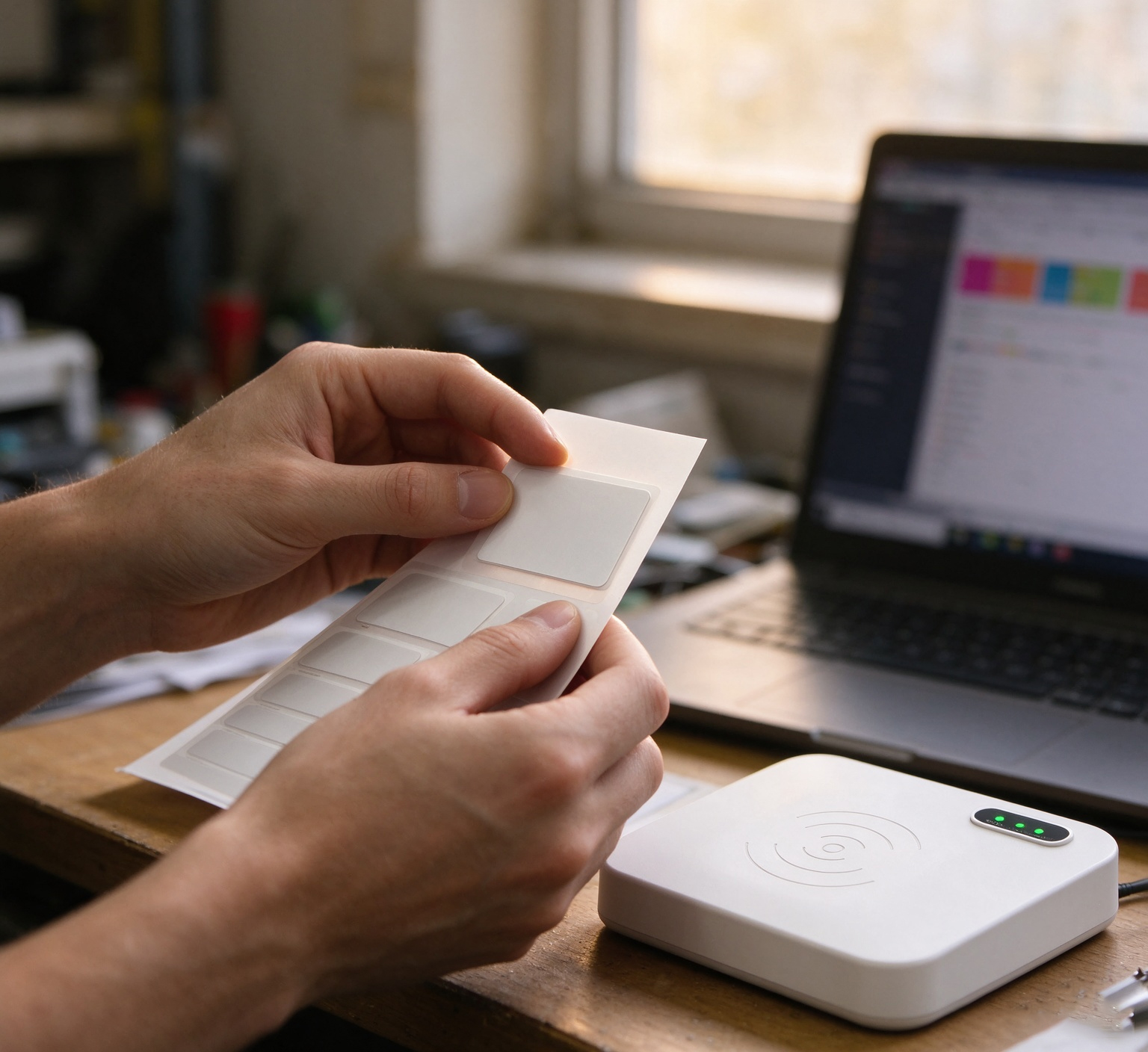
The limits are as instructive as the capabilities:
If you remember one line: the tag is the dumbest, cheapest, most reliable part of the system — and everything interesting that goes wrong happens around it, not inside it.
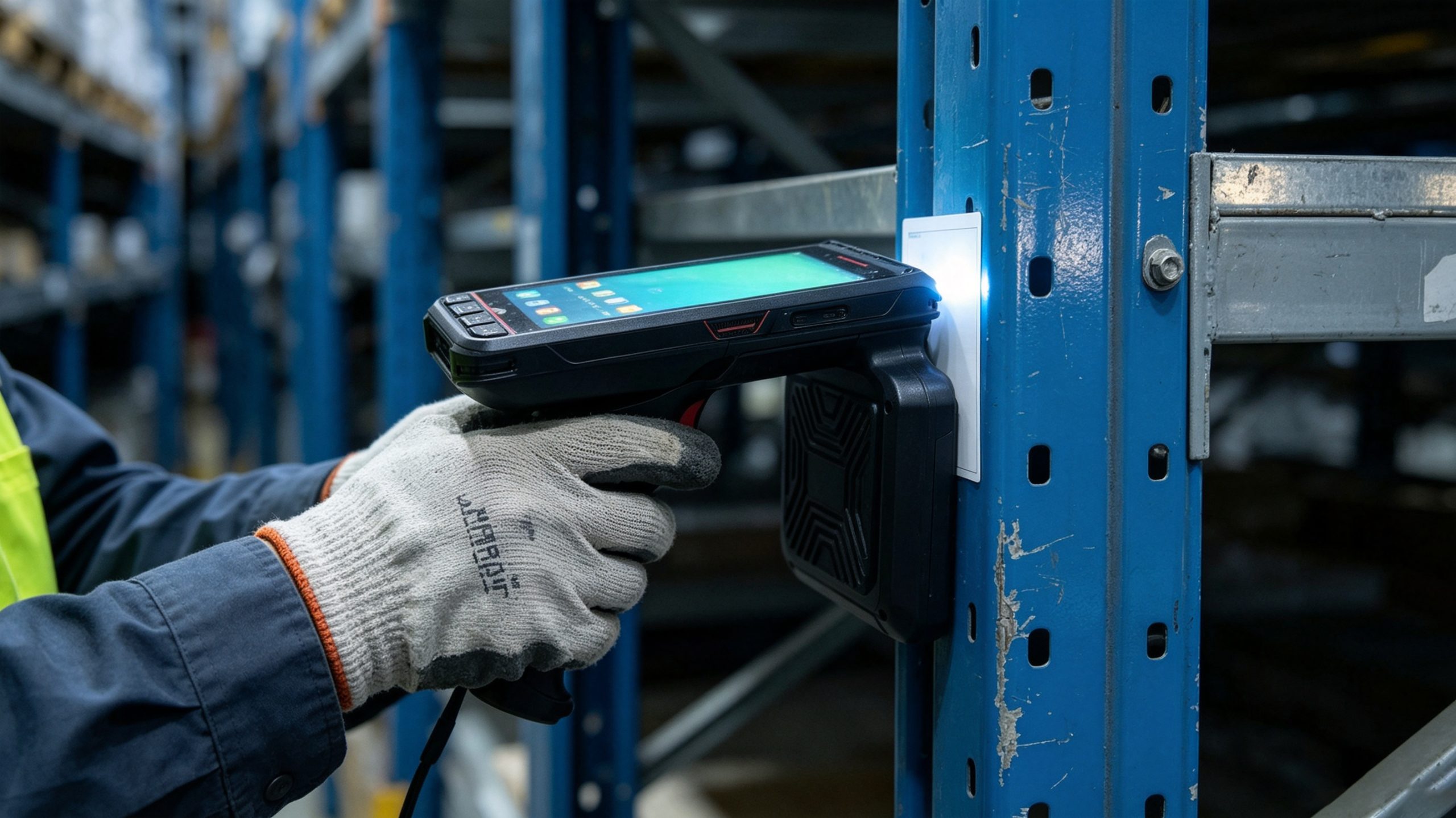
Buyers see this constantly and assume a defect: two tags from the same roll, one reads at four metres, one struggles at two. Nothing is broken — the conversation above is sensitive to context:
So when a datasheet promises ten metres, understand what it’s promising: that figure was measured with one tag in free space, ideal orientation, maximum permitted power. Your warehouse will be different, and the gap is where all pilot-testing advice comes from.
Putting the whole conversation on one line, with typical UHF timings:
| Moment | What happens | Who acts |
| 0 ms | Continuous wave fills the zone | Reader |
| ~0.1 ms | Tag harvests power, wakes, listens | Tag |
| ~0.3 ms | Roll call; slots assigned; RN16 sent | Reader → Tag |
| ~0.6 ms | Credential echoed back | Reader |
| ~0.7–1.2 ms | Tag modulates its EPC onto the reflection | Tag |
| ~1.5 ms | Reader decodes ID; software creates a record | Reader → Software |
One conversation, about a millisecond and a half. A portal repeating it hundreds of times per second as a pallet rolls through. A handheld repeating it continuously along a shelf. That’s all a read ever is — the engineering is in making it reliable at zone scale, which is exactly where the physics of read range ⚠️ comes in.
From the reader itself. The tag’s antenna harvests a few microwatts from the reader’s continuous radio wave, the chip rectifies it into operating power, and the tag uses that harvested energy only while the conversation lasts.
Its identity — typically a 96-bit EPC code — encoded as changes in how its antenna reflects the reader’s own signal (backscatter). It sends nothing until the reader’s roll call gives it a slot and confirms it.
Slot-based anti-collision: each tag randomly picks a time slot to answer in, colliding tags retry in later rounds, and the reader resolves all IDs within a few hundred milliseconds. No coordination is needed — just probability.
The EPC (the identity) can be copied onto another tag, yes. But every chip also carries a factory-permanent TID serial that cannot be changed — reading and verifying TIDs is the standard anti-clone defense.
Yes, if the chip has user memory: batch numbers, dates, small records. But most deployments keep the tag as a pure ID and store everything in software — cheaper tags, faster reads, and correctable data.
Orientation, surrounding material (metal and liquid detune the antenna), nearby tags, and the reader’s settings all change the conversation. The datasheet range is a best-case bench figure, not a warehouse figure.
Ready to test the conversation on your own items? Browse our RFID tag range and UHF reader range — or contact us and we’ll help you run a real tag test before you order in bulk.
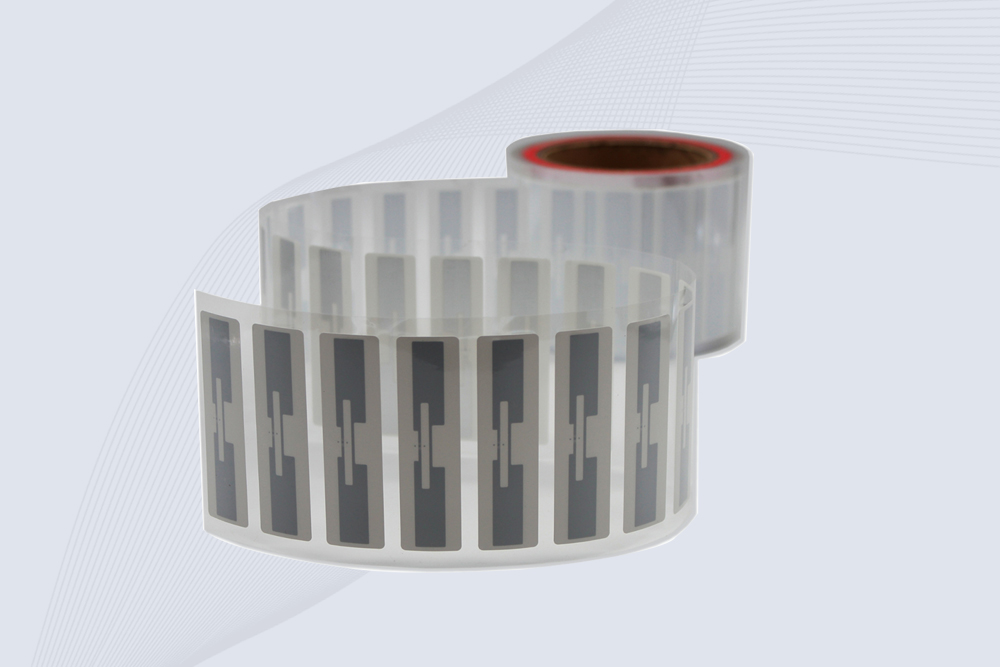
CYKEO Passive RFID Tags are made for wet and high-humidity environments where standard labels do not last. This rfid passive tag is often used around liquids, chemicals and temperature changes, providing stable reading distance and long data life for industrial tracking.
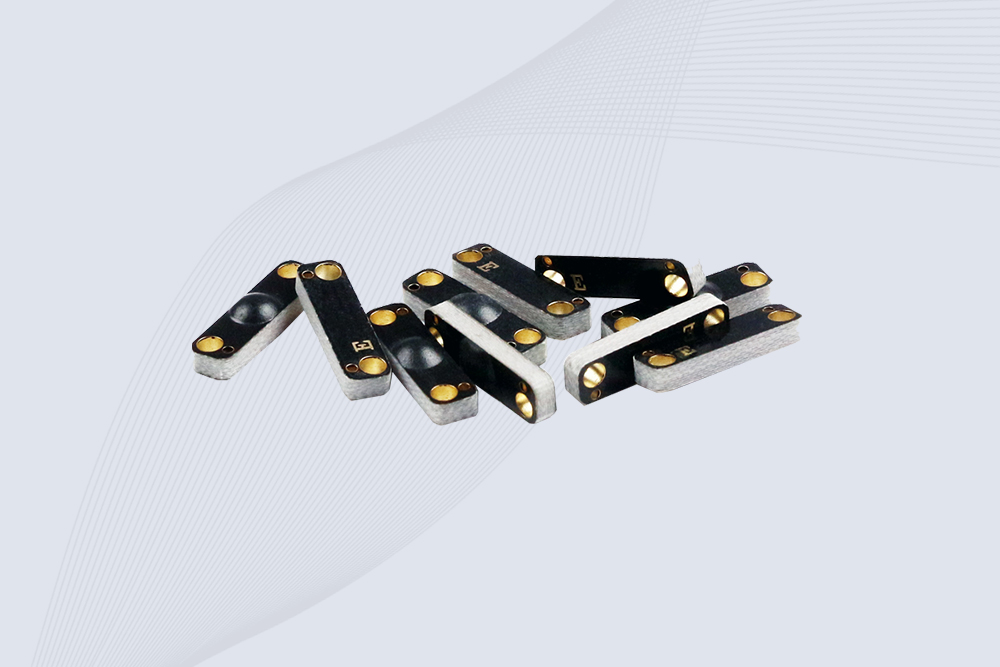
CYKEO CYKEO-PCB1504 Metal RFID Tags is a compact anti-metal UHF RFID solution built for direct mounting on metal surfaces. With stable 8-meter read range, Ucode-8 chip, and long data retention, this rfid metal tag fits tools, containers, automotive parts, and industrial asset tracking.
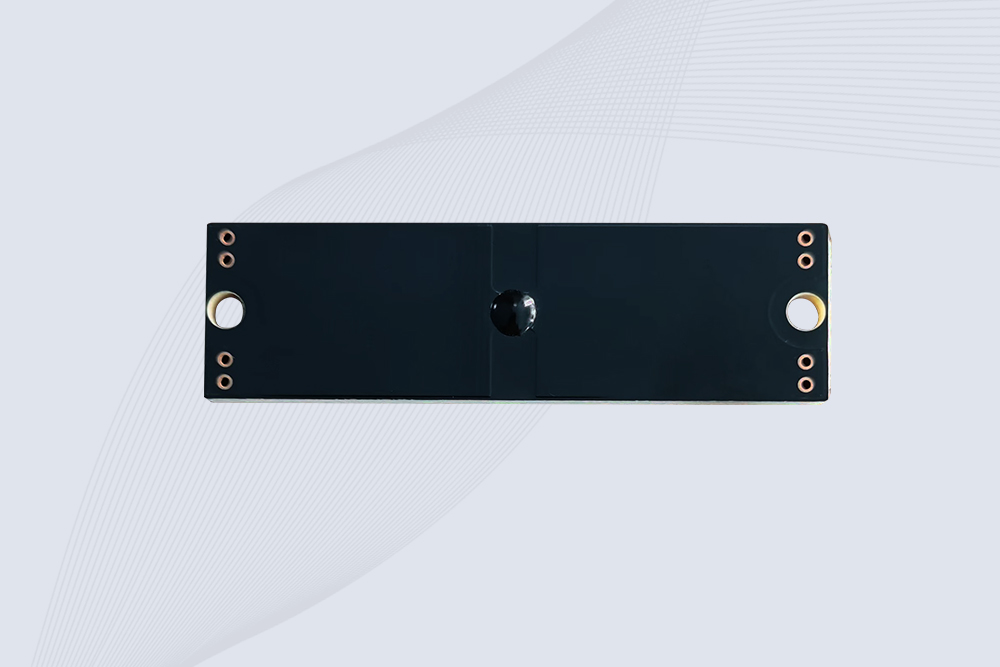
CYKEO CYKEO-PCB7020 On-Metal RFID Tags are designed for reliable tracking on steel and metal surfaces. Built with an FR4 epoxy body and industrial-grade chips, these On-Metal RFID Tags deliver stable performance, long data life, and chemical resistance, making them a dependable RFID anti-metal tag for harsh environments.
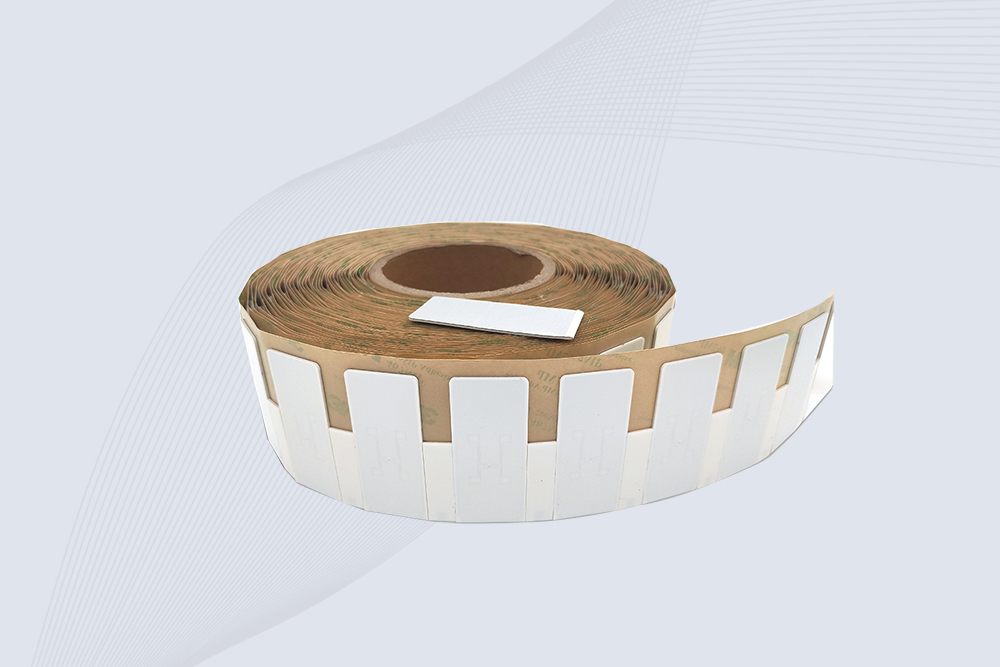
The CYKEO CYKEO-60-25 Anti-Metal RFID Tag is built for metal surfaces where standard tags fail. Designed for long-range performance, harsh environments, and stable data retention, this Anti-Metal RFID Tag is ideal for industrial assets, containers, and equipment tracking using on metal RFID tags.
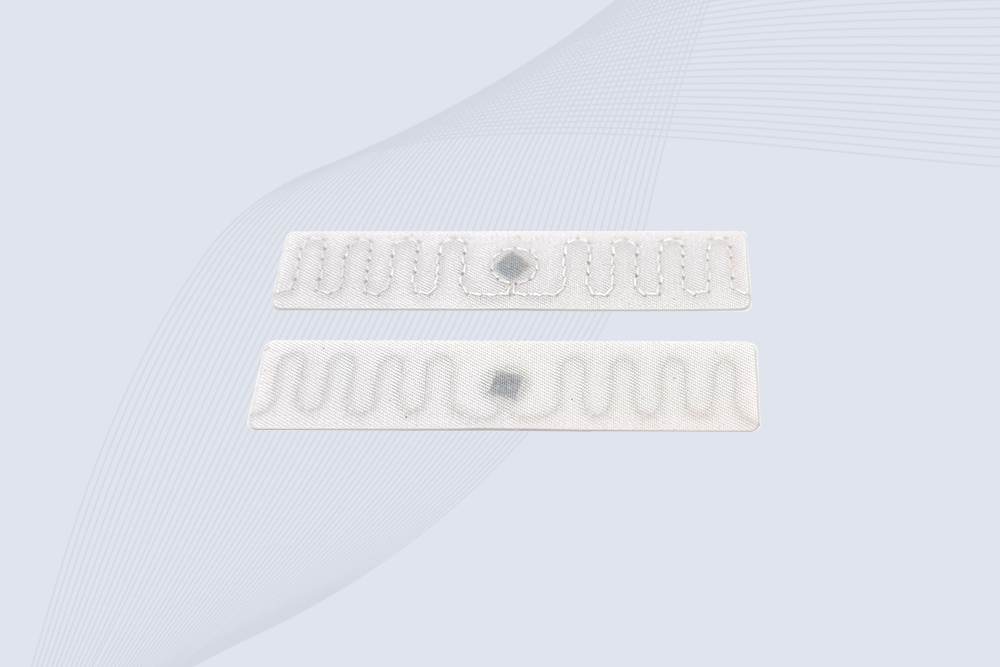
The CYKEO RFID Laundry Tag is designed for long-term textile identification in harsh laundry environments. Built to withstand high heat, chemicals, and repeated washing, this RFID Laundry Tag delivers stable performance for hotels, hospitals, and industrial laundry operations using laundry rfid tags at scale.
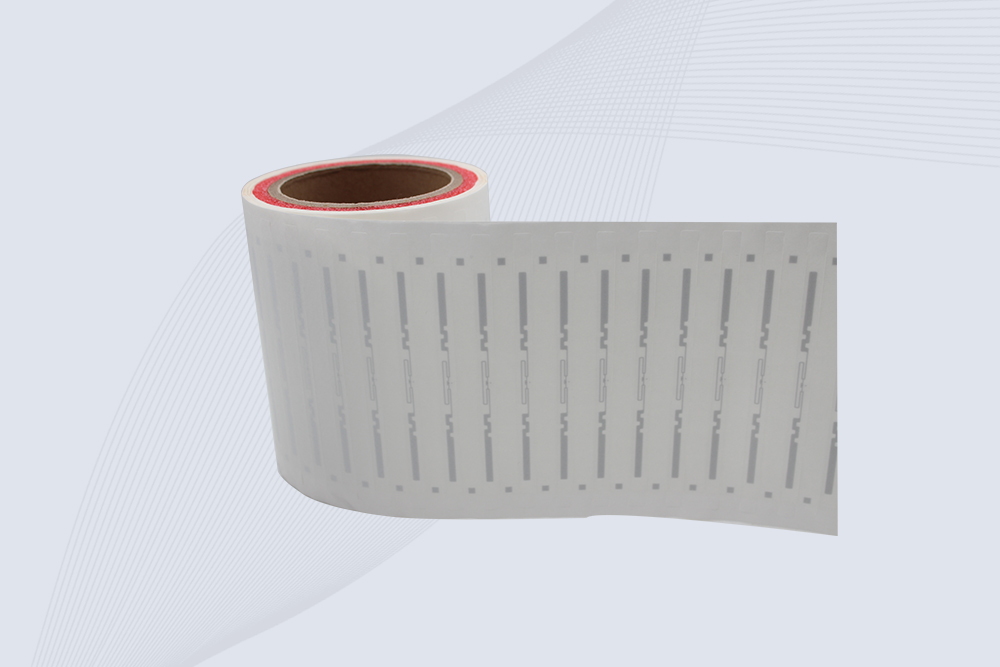
The CYKEO CYKEO-125-7 RFID Book Tag is designed for reliable book and document tracking in libraries and archives. This RFID Book Tag delivers long read range, dense placement support, and stable performance on shelves, making it a practical rfid tag on books for library automation, file management, and archival systems.
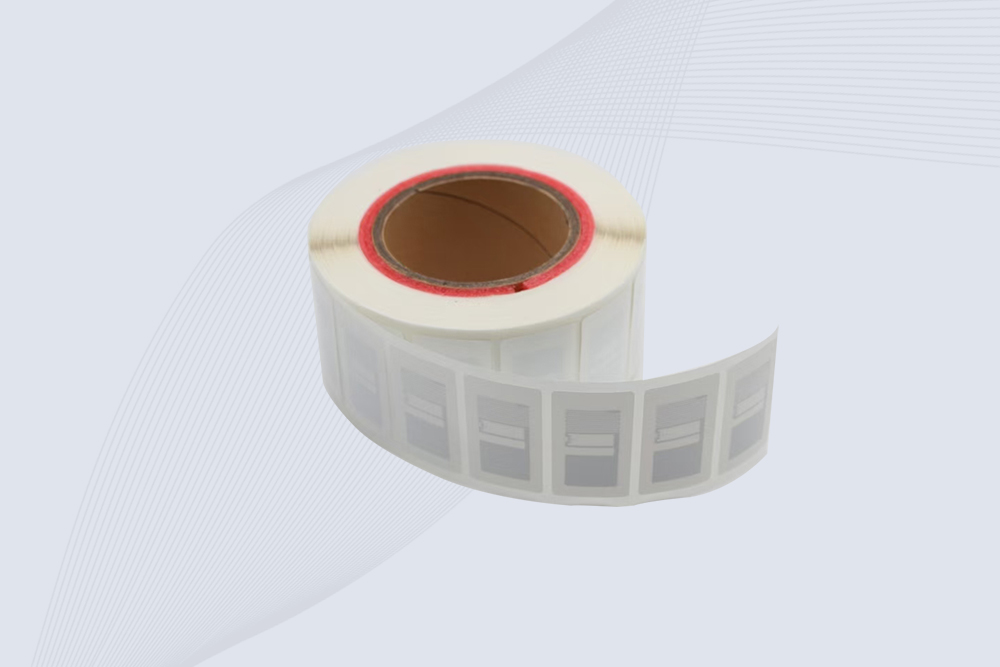
CYKEO RFID tags in hospitals are designed for sterile environments where accuracy matters. These autoclavable RFID tags support long-term tracking of surgical tools, implants, and medications, helping hospitals improve visibility, compliance, and patient safety.

CYKEO RFID Cable Tie Tag is built for reliable identification on metal surfaces. This UHF RFID Cable Tie Tag is widely used in rfid tags for inventory systems, industrial asset management and Hospital RFID Tags, offering stable read performance, long service life and global EPC Gen2 compatibility.
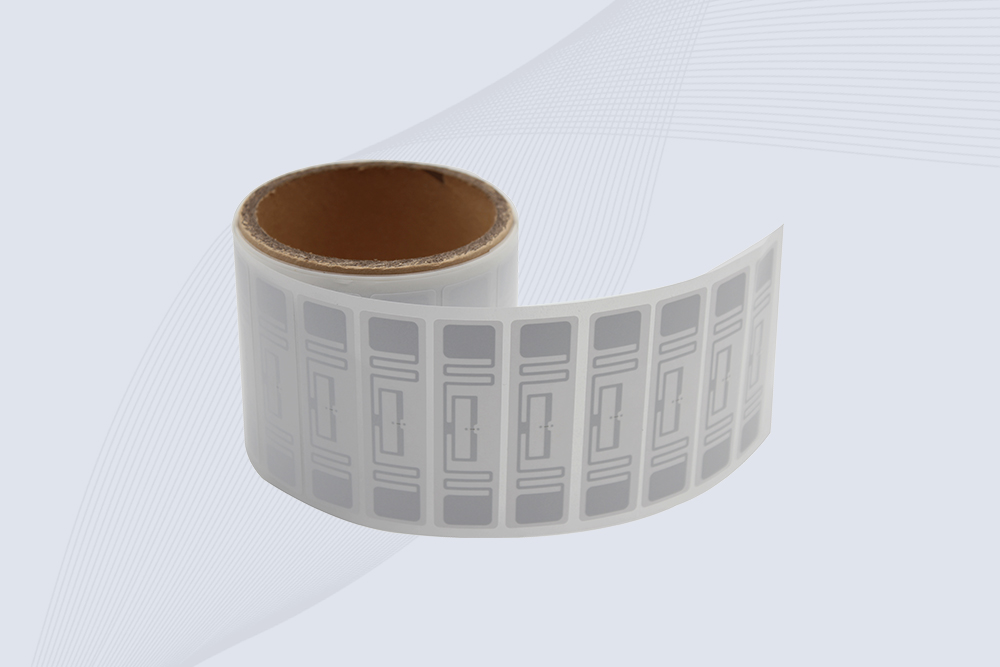
CYKEO RFID Asset Tag is designed for stable identification of metal assets in industrial environments. This UHF RFID Asset Tag is commonly used for rfid tag asset tracking on equipment, tools and containers, providing reliable reads, long service life and ISO/IEC 18000-6C support.
CYKEO UHF RFID Card is designed for fast identification and long-term use in industrial and commercial systems. Supporting ISO 18000-6C, this UHF RFID Card works at 860–960 MHz and is suitable for custom RFID cards used in asset tracking, access control and inventory management.
CYKEO HF RFID Cards are designed for secure and stable access control systems. These 13.56 MHz RFID key cards support ISO 14443-A, reliable rewriting and long service life, making HF RFID Cards suitable for offices, campuses, events and membership management.
CYKEO UHF RFID Tag is designed for reliable tracking of metal jewelry and high-value items. This Jewelry RFID Tag supports long-range reading up to 8 meters, anti-counterfeit protection and stable performance on metal, making it suitable for retail, inventory control and asset management.
Discover radio frequency identification in retail for real-time inventory, loss prevention, and smarter store operations with RFID-driven visibility.
More
Can I make my own RFID reader? Yes, with Arduino or Raspberry Pi for HF tags. But UHF is harder, and commercial deployment is a different game. Here's what to expect.
More
Struggling with HF RFID interference in your library? Learn how to reduce signal issues, improve scan accuracy, and keep your inventory system running smoothly.
More
Protect your RFID systems from cyber threats with encryption, access controls, and compliance tactics. Learn how Cykeo’s solutions safeguard sensitive data in critical industries.
More