 Cykeo RFID IoT Solution Products R&D Manufacturer

How RFID Tags Work: A Complete Guide to RFID Identification Technology
372How rfid tags work explained with real RFID engineering insights. Learn how RFID chips, readers, EPC codes and smart workstations create accurate identification systems.
MoreAll RFID Product
The search “online rfid reader” usually comes from one of two hopes: maybe my phone or browser can already read these tags, or maybe there’s a reader I can just start using from a web page without buying hardware. Both hopes are worth addressing honestly — because the answer is no, a browser alone can’t do it, and yes, there’s a realistic “online” reading setup that costs less than a dinner for two.
This article sorts the term into what people actually mean, explains why pure-online reading is physically impossible, shows what works today — phone rigs, vendor demo software, cloud-connected readers — and finishes with a buying checklist, because half the searchers are really shopping.
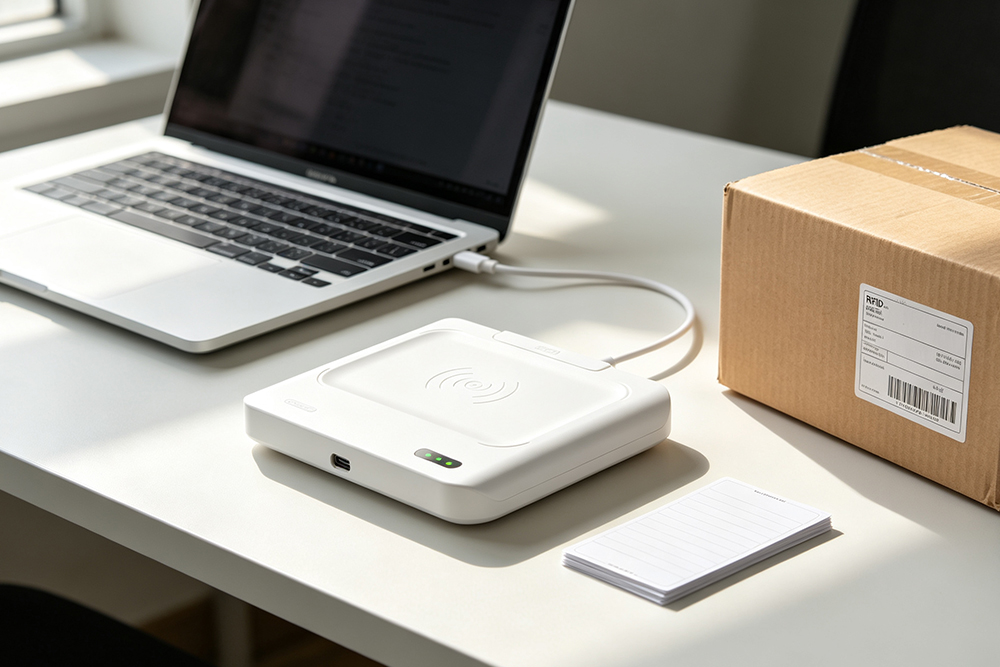
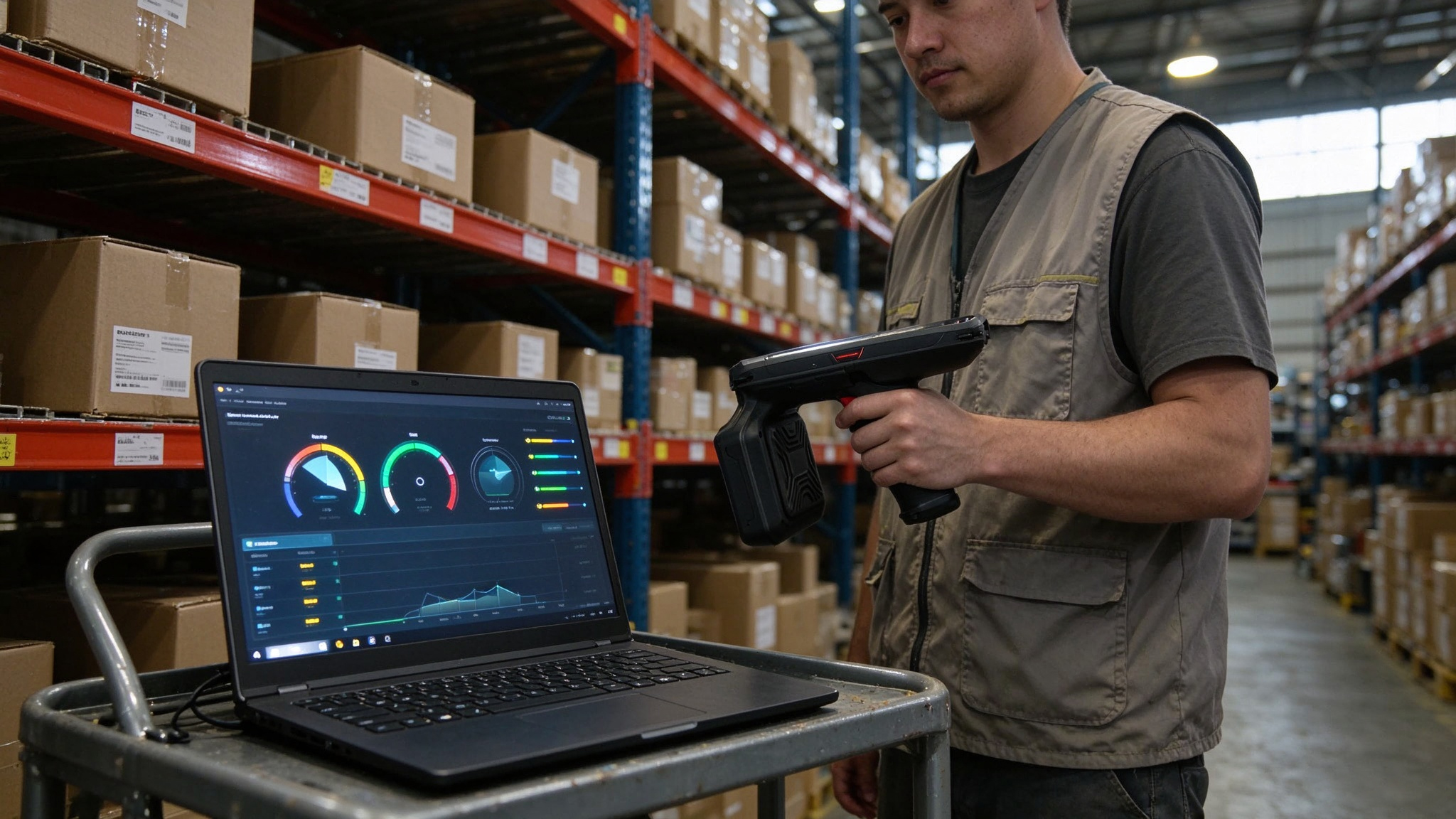
An RFID reader is a radio transmitter and receiver with an antenna tuned to the tag’s frequency. Radio needs physical hardware at the location of the tags. A website has no antenna, no transmitter, and no way to reach a tag on a shelf — so there is no true “online RFID reader” and never will be. What “online” can legitimately mean is the software layer: a reader does the radio work, and a browser page, app, or cloud dashboard handles everything after the read.
So the practical question isn’t “is there an online reader?” but “what’s the cheapest hardware that turns my computer or phone into one?” The rest of this article answers that, layer by layer.
The same phrase covers three very different intents. Sorting yours first saves hours:
| What you typed | What you want | What actually exists |
| “Online reader” = read tags from my browser/phone, no hardware | A zero-hardware reading tool | Doesn’t exist for UHF — physics forbids it (next section). Closest real option: a $150+ USB reader + free demo software |
| “Online reader” = reader that sends data to the cloud/web | Networked reading workflow | Fully real: Bluetooth/USB/Wi-Fi readers → app or desktop demo → cloud dashboard is the standard stack |
| “Online reader” = a reader I can buy online | Shopping | Real — but listings hide the details that decide success; checklist below |
All three intents are legitimate. But they lead to different purchases, and confusing the first with the second is how people end up with hardware that can’t do what they pictured.
It’s worth one short section on the physics, because it ends the search cleanly:
Reading a UHF tag requires transmitting radio energy in the 860–960 MHz band, through an antenna sized for that wavelength, then detecting a reflection microscopically fainter than the signal you sent. A laptop, phone, or browser page has none of that — the device’s antennas are built for phone networks and wireless data, not for energizing passive tags. And “online” describes where software runs, not what hardware does; the web page is the same distance from the physical tag whether it’s on your screen or in a data center.
One nuance people trip over: phones do contain a short-range card-reading radio (the one behind contactless payments, operating at 13.56 MHz over a few centimetres). That hardware is a different frequency, a different protocol, and centimetres of range — it cannot read the UHF tags used in logistics, retail and asset tracking, which live at 860–960 MHz. Different band, different antenna, different tags entirely. That mismatch — not an app limitation — is why “just scan it with my phone” fails, and it’s exactly what our guide on testing RFID tags with your smartphone works around.
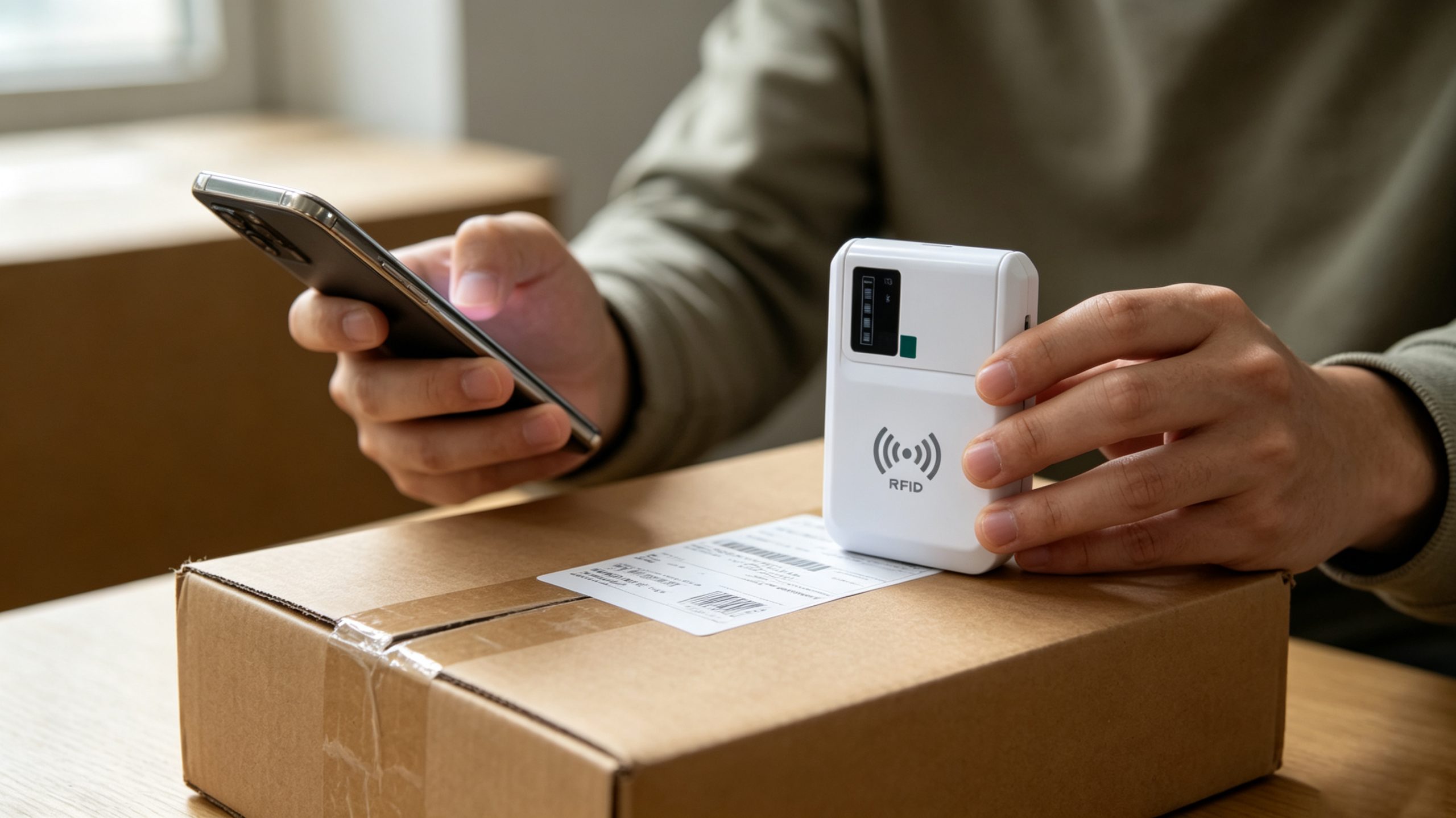
Option 1: phone as the screen, pocket reader as the radio. A palm-sized Bluetooth UHF reader pairs with your phone; the reader does the radio work, your phone runs the app, and tag data flows straight into it — or onward to the cloud. This is the setup that makes “reading tags with my phone” true. Range runs from centimetres to several metres depending on the model, tags appear on your screen with names and signal strength, and the whole rig weighs about as much as the phone itself. Our walkthrough of testing tags with a smartphone covers this setup step by step, and if you’re on iOS specifically, our article on testing tags with just an iPhone shows the five-minute version.
Option 2: phone as display, built-in Android reader. Rugged Android handhelds put the UHF engine and a screen in one device — no pairing, longer battery, built for all-day inventory work. More capability than you need for occasional testing, and it’s what most operations graduate to. Our handheld reader range shows both connection styles side by side.
What the phone can never do, in either option: replace the radio. The tag conversation needs an antenna tuned to 860–960 MHz and real transmit power — physics no software can route around. If you want the read itself explained, our article on how RFID tags work walks the four-message exchange.
Here’s what the “online” part genuinely looks like in practice, from the reader outward:
Layer 1 — the reader connects to your computer or phone. Desktop and handheld readers support several connection methods: USB (appearing as a serial or HID device), Bluetooth to phone or tablet, or network (the reader joins your LAN and software connects to it over TCP). Each has a place: USB for desk work, Bluetooth for mobile, network for fixed portals. Our tech notes page documents each connection type and its troubleshooting in detail.
Layer 2 — demo software turns the reader into a working tool. This is the part most people are actually searching for. Every reputable vendor ships free demo/test software that connects to the reader and gives you: real-time tag reads with RSSI (signal strength), EPC and TID display, write/lock/kill operations on the memory banks, and power tuning. Download it, plug in the reader, and you’re reading and writing tags within minutes — this is the closest thing to an “online RFID reader” that exists, and it’s free. (Connection hiccup? The most common causes — port conflicts, two programs fighting over one device — are on the tech notes page too.)
Layer 3 — your own system takes the data. Demo software proves the hardware works; real operations need the IDs in your inventory app, ERP, or a simple cloud sheet. Every serious reader exposes an SDK (C#, Java, Android) so your developer can pipe reads wherever they belong. Keep the reader dumb and the backend smart — that split survives every workflow change you’ll ever make.
If your goal is “read some tags today and see if this works for my items,” the honest path costs almost nothing:
Total: under $300, one afternoon, and you’ll know whether RFID works for your operation before spending anything further. That’s the legitimate version of what “online rfid reader” searchers are really after.
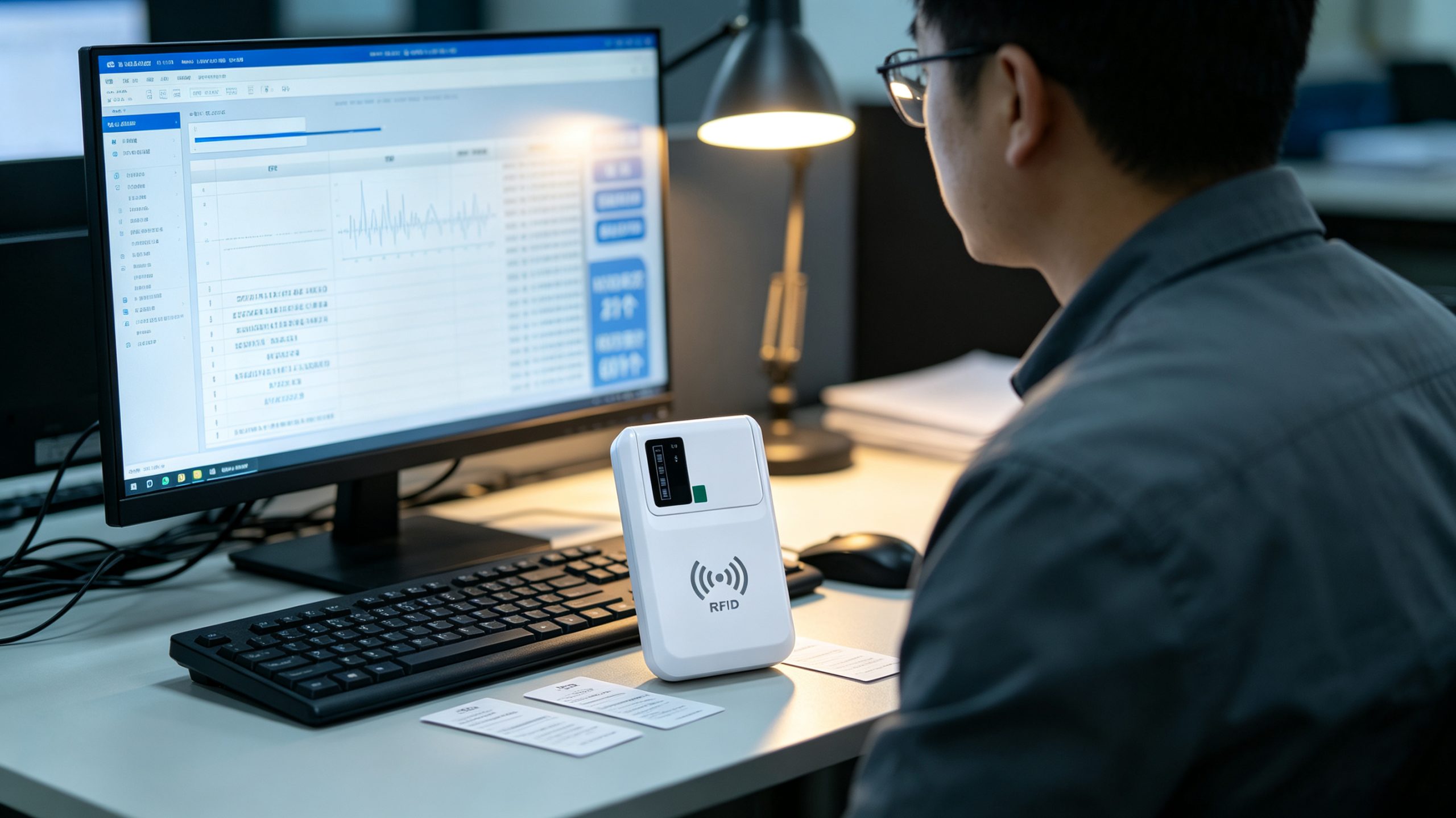
If shopping is the intent, marketplace listings are engineered to hide exactly what you need to know. Six checks, in order:
What these six checks filter out: the listings that look identical to real readers, ship fixed to one region, offer no software, and leave you debugging radio silence alone. That’s the actual cost of the cheapest listing, not the price tag.
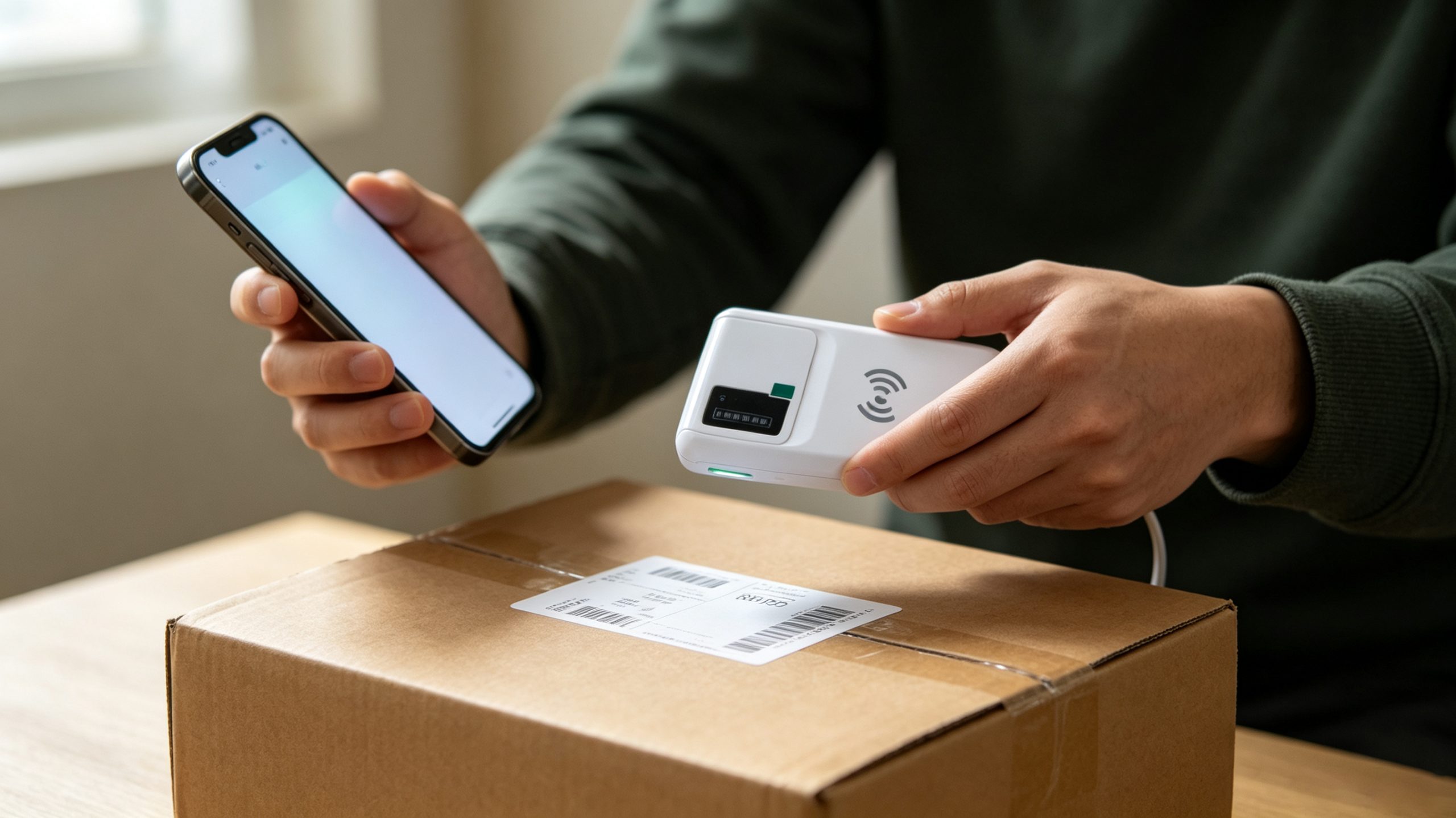
Realistic tiers for turning “online rfid reader” from a search into a working rig:
| Tier | Components | Budget |
| Desk test | USB desktop reader + free demo software + 50 sample tags | 150–300 |
| Phone rig | Pocket Bluetooth UHF reader + phone app | 250–600 |
| Mobile inventory | Rugged Android handheld + tags | 1,400–4,000 |
| Fixed monitoring | Portal reader + antennas + network + software | 3,500–8,000 per door |
The consistent pattern: the “online” software layer is cheap or free — the hardware layer is where money goes, and the smallest honest hardware layer is a desktop USB reader. Start there unless your workflow is genuinely mobile from day one. For the wider picture of what each tier buys operationally, our RFID guide hub ⚠️ links every topic from tag selection to payback math.
No. Reading a passive UHF tag requires transmitting radio energy through a tuned antenna at the tag’s location — a browser or website has neither. “Online” can only describe the software layer above real hardware.
Not directly. A phone’s built-in short-range card reader operates at 13.56 MHz over a few centimetres and cannot reach UHF tags at 860–960 MHz. With a pocket Bluetooth UHF reader paired to the phone, the phone becomes the display and data terminal for real UHF reads.
Free sample tags from a tag supplier plus a $150–300 desktop USB reader with the vendor’s free demo software. Read, write, and tune on your actual items in one afternoon before committing to anything larger.
Start with the vendor’s free demo software — it connects over USB, Bluetooth or TCP and handles reading, writing, RSSI and power settings. For production, use the SDK (C#, Java, Android) to pipe tag IDs into your inventory system, ERP or a cloud dashboard.
Yes — that’s standard. Bluetooth readers stream to a phone app that syncs upward; network readers connect over TCP to server software; many deployments land reads in a cloud dashboard where the “online” layer actually lives.
Usually one of three reasons: fixed to the wrong regional frequency, missing the antenna or cables from the kit, or no demo software or SDK so problems can’t be diagnosed. All three are catchable with the six-point checklist above.
Ready to turn the search into a working rig? Browse our USB desktop RFID readers for the desk-test tier, handheld readers for mobile work — or contact us with your items and we’ll recommend the smallest hardware that answers your question.

Discover SSD-D4AL, a USB-HID UHF RFID reader with 4/8/16 antenna options, Impinj E710/X3M1 chipset, plug-and-play USB power, and OEM customization.
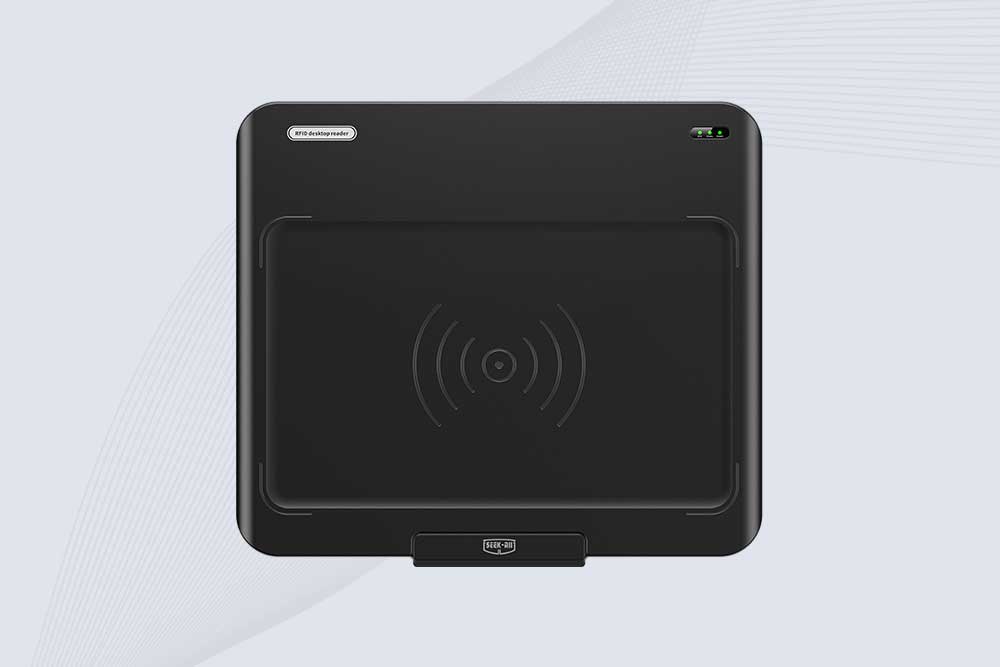
SSD-D3AL is a USB-HID UHF RFID reader with 0–30 cm reading, 0–15 cm writing, over 600 tags/s recognition, USB plug-and-play operation and OEM Logo customization.
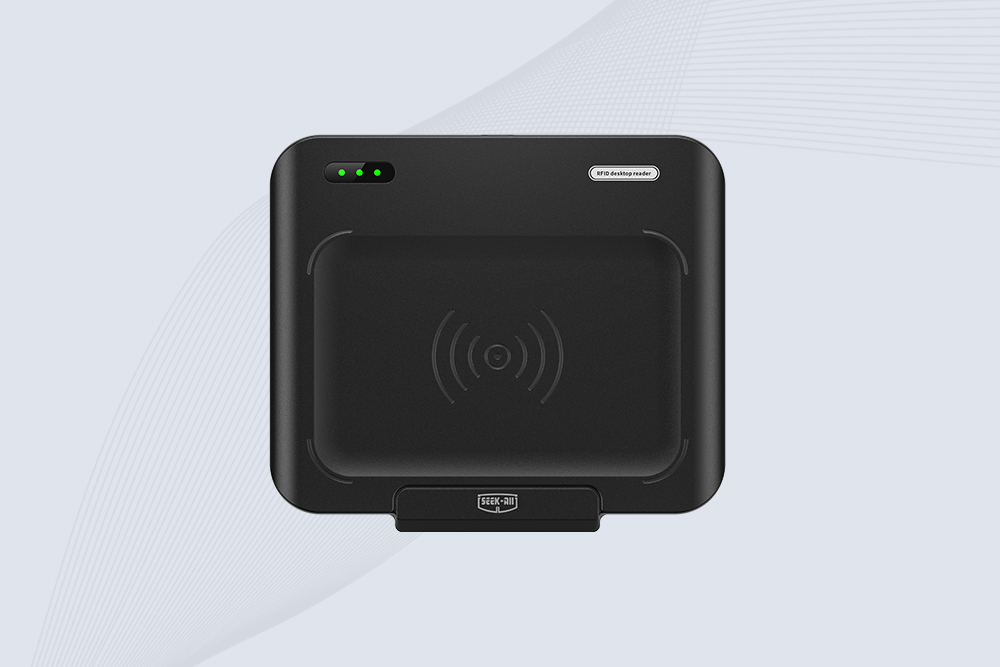
SSD-D1AL is a compact USB UHF RFID reader with Impinj E710/X3M1 chipset, USB-HID, 600+ tags/s recognition, 4/8/16 antenna support and plug-and-play USB power.
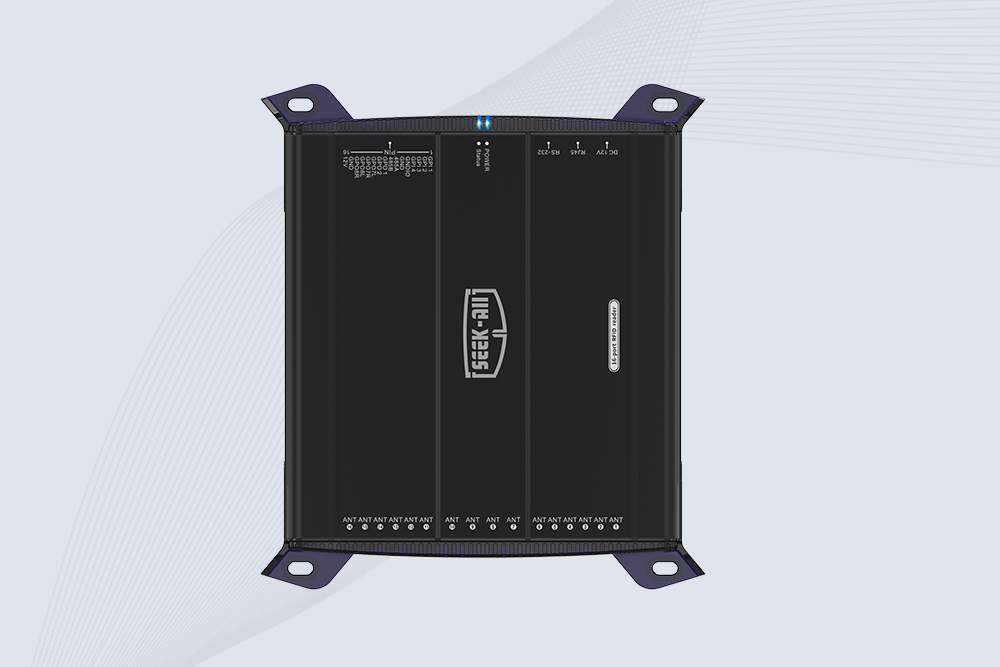
SSD-R16L Multi-Channel RFID Infrastructure for Automated Inventory Management ✔️ 16-Port High-Density RFID Reading Equipped with 16 SMA antenna ports, SSD-R16L supports multi-antenna deployment for warehouses, retail stores, logistics, production lines, and large-area RFID identification. ✔️ High-Speed & Long-Range Performance With up to 33…
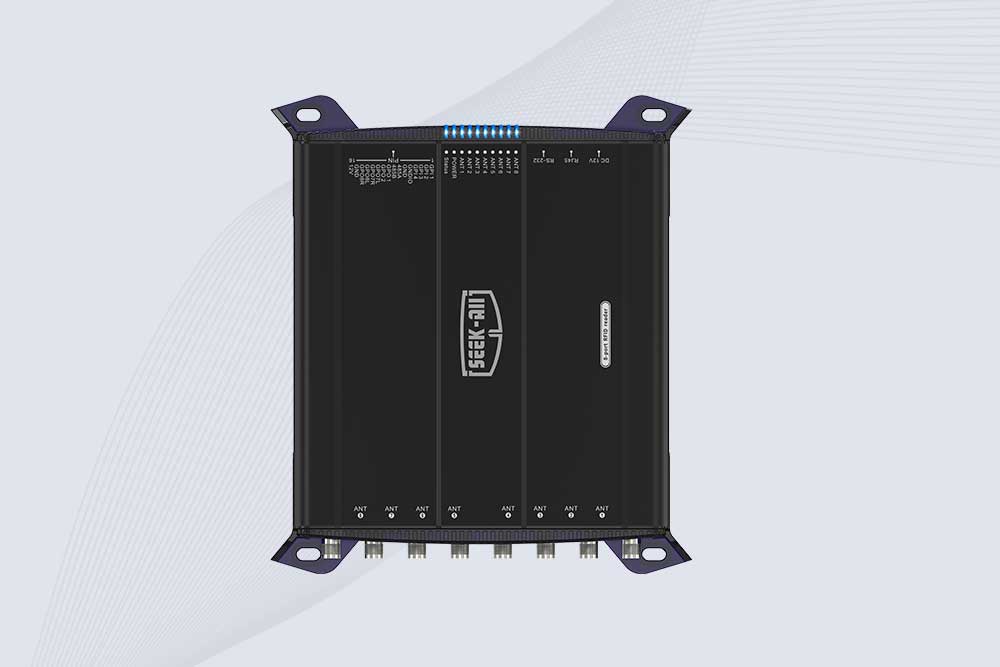
SSD-R8L 8-port UHF RFID reader with 33dBm output, up to 20m reading range and 600+ tags/s recognition. Ideal for warehouse, logistics, retail and asset tracking.
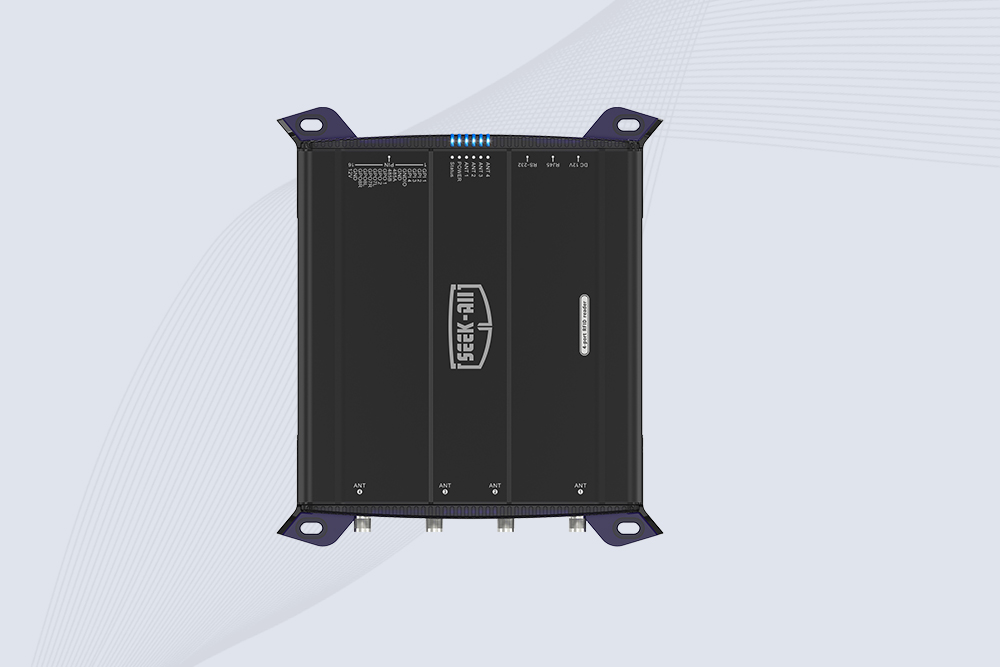
SSD-R4L is a 4-port UHF RFID fixed reader with 33dBm output power, up to 20m reading range, EPC C1G2 support and 600+ tags/s reading speed.

CYKEO CYKEO-D1LA USB RFID Reader is a compact desktop solution with near-field control for precise tag reading and encoding. Powered by USB, supporting ISO 18000-6C, and built for stable batch writing, this usb rfid tag reader fits retail, libraries, offices, and controlled RFID encoding tasks.
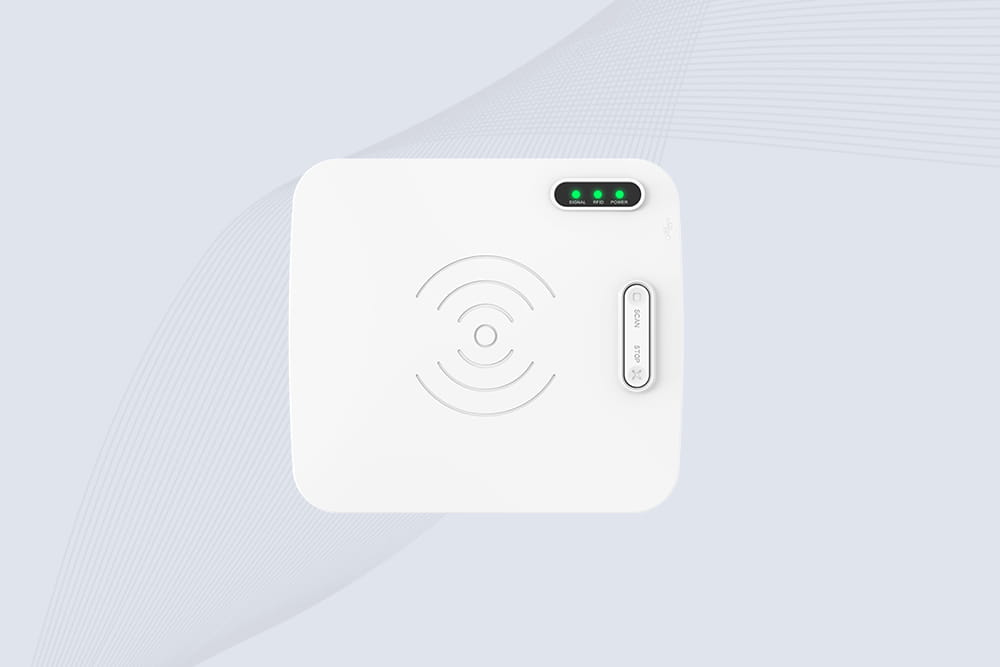
CYKEO CYKEO-D1L RFID scanner USB is a compact desktop UHF RFID scanner designed for short-range tag writing and verification. This usb rfid scanner supports batch encoding, stable 0–26 dBm output, and works across Windows, Linux, and Android systems.
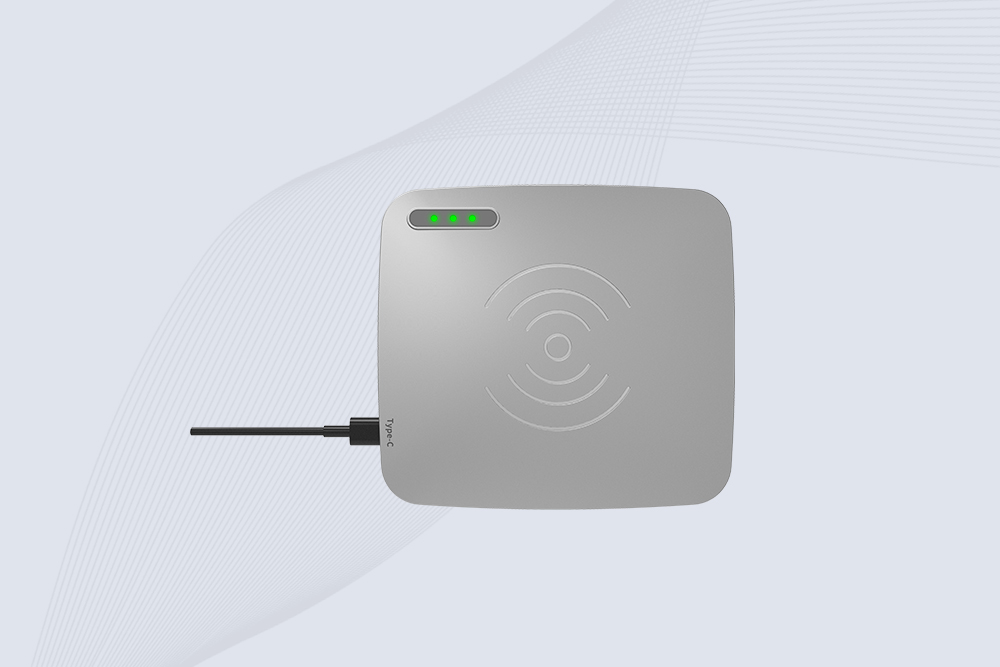
CYKEO CYKEO-D1C USB RFID Card Reader is a near-field UHF desktop writer designed for secure, short-range tag encoding. With USB-C connectivity and stable 26 dBm output, this rfid reader usb c is ideal for badge issuance, label encoding, and controlled desktop RFID workflows.
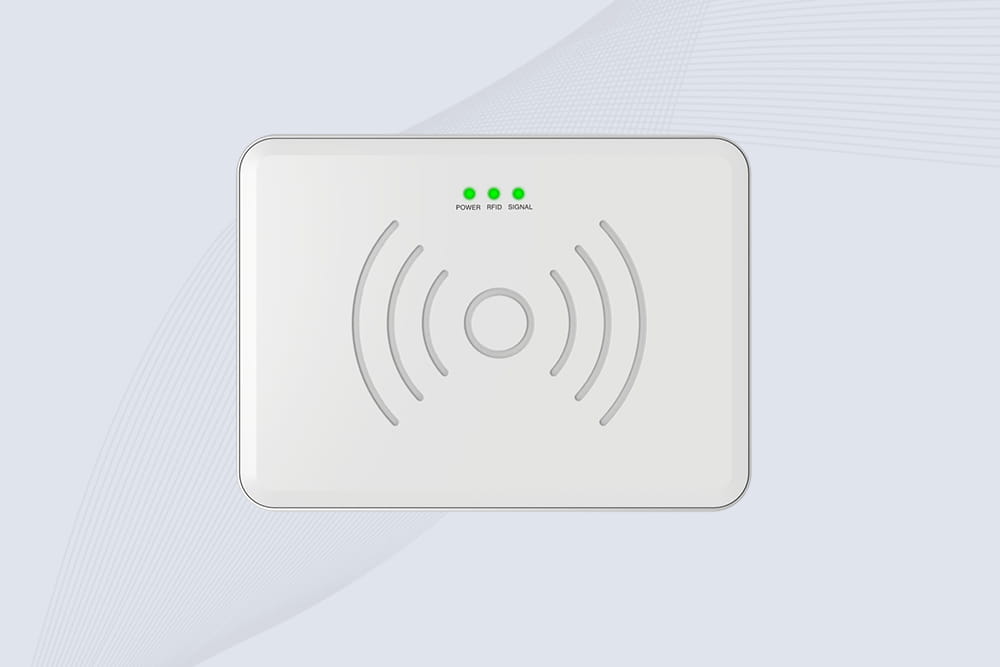
CYKEO CYKEO-D2L RFID Reader USB is a compact desktop encoder built on the Impinj R500 chip. With near-field control and stable USB power, this usb rfid card reader delivers precise tag writing for offices, retail counters, and small-scale logistics encoding tasks.
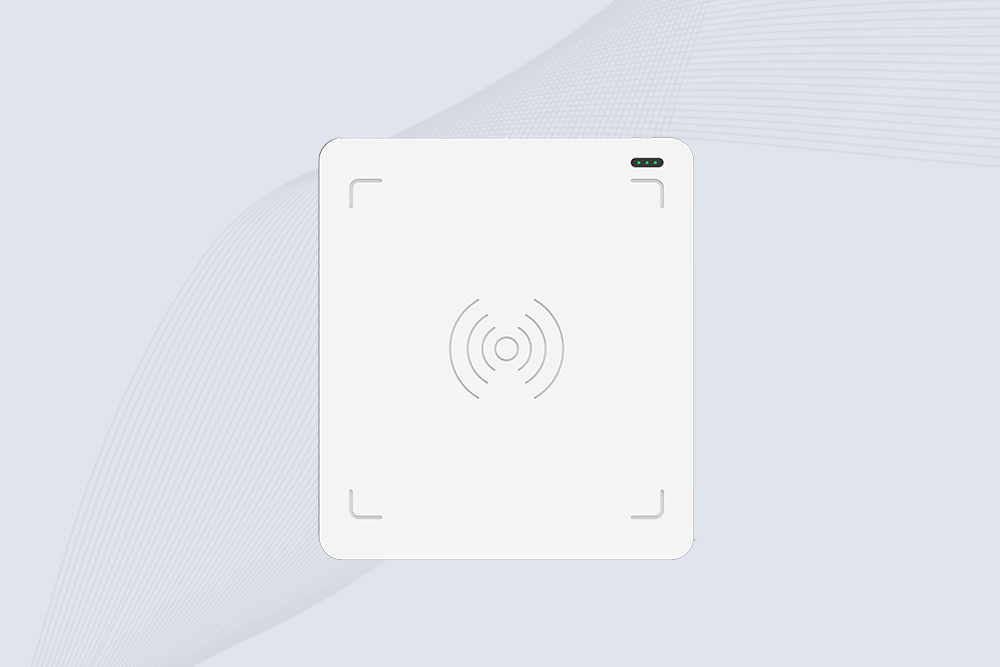
CYKEO CYKEO-D3L USB RFID Tag Reader delivers stable UHF tag reading and writing for daily desktop and light industrial tasks. Designed for controlled short-range operation, this USB RFID Tag Reader works reliably with rfid tag and reader systems in libraries, tool tracking, and inventory registration.
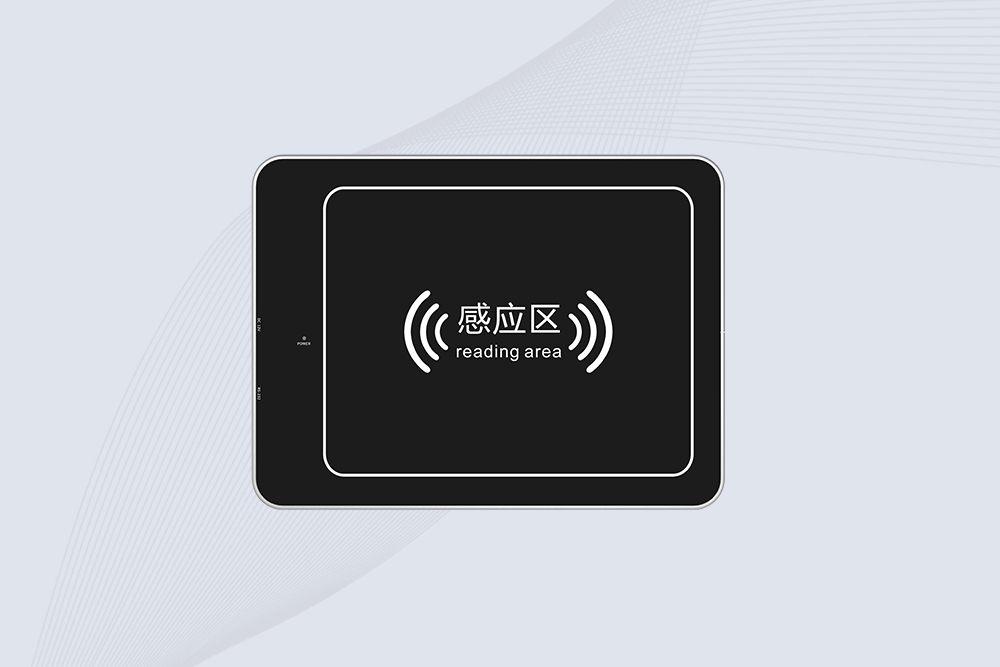
The CYKEO CYKEO-D4L UHF RFID Tag Reader is a stable Desktop RFID Reader designed for accurate tag registration, borrowing, and return workflows. Built with the Impinj R2000 chip, this UHF RFID Tag Reader delivers controlled short-range reads for libraries, asset tracking, and inventory management environments.
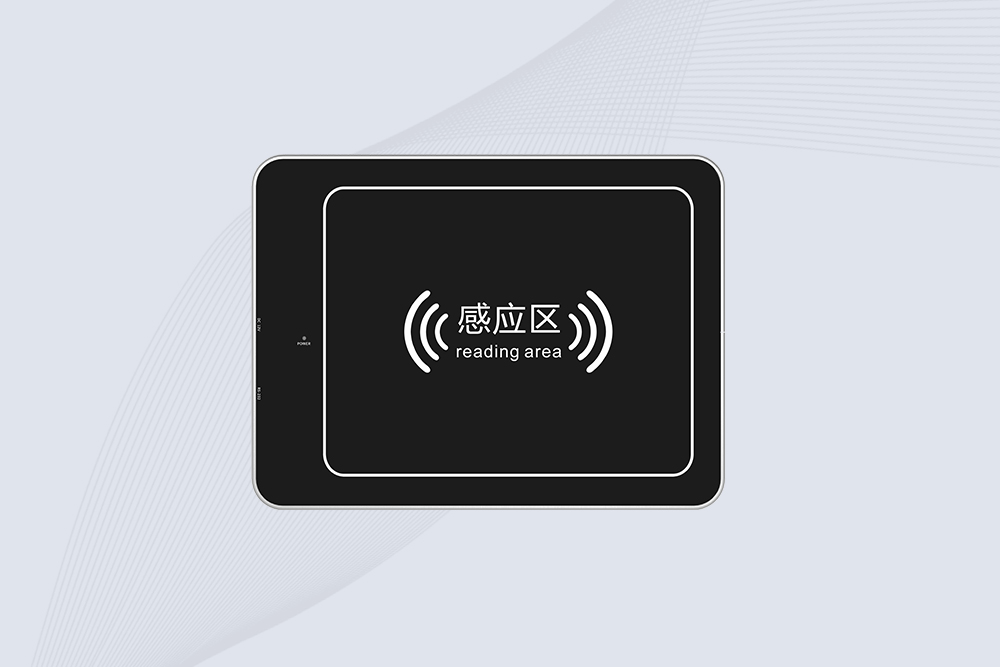
The CYKEO CYKEO-D5L Desktop RFID Card Reader is a stable UHF RFID Card Reader designed for controlled short-range reading and writing. Built for libraries, tool rooms, and asset desks, this UHF RFID Card Reader supports dense tag handling, secure data processing, and easy USB integration.
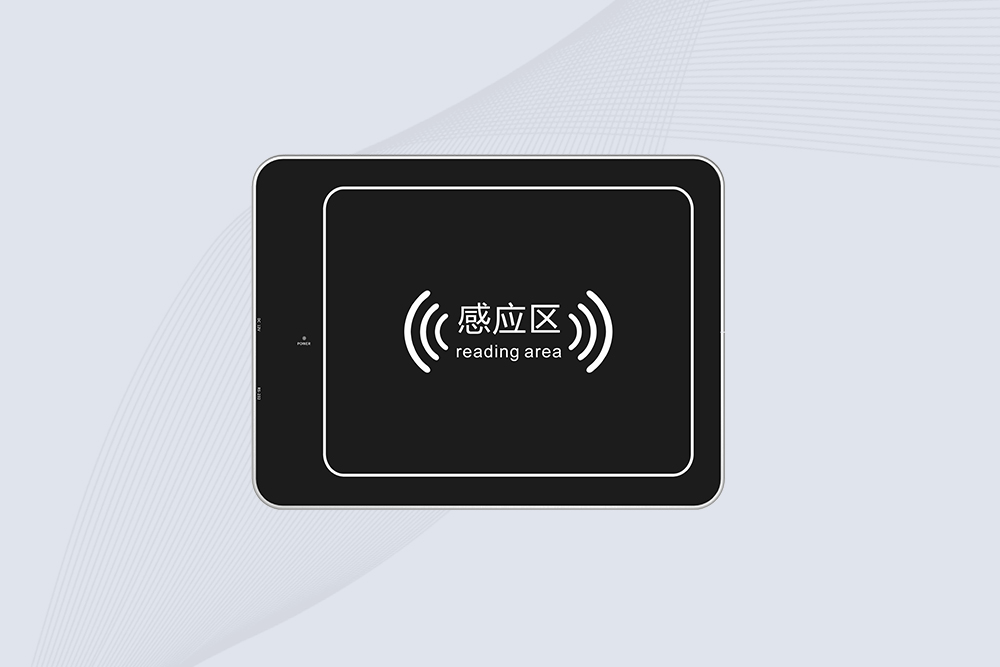
The CYKEO CYKEO-D6L RFID Reader Writer is a heavy-duty Desktop RFID Reader designed for short-range, high-accuracy tag programming. Built for libraries, labs, and asset desks, this RFID Reader Writer supports batch processing, stable 33dBm output, and seamless integration with existing management systems.
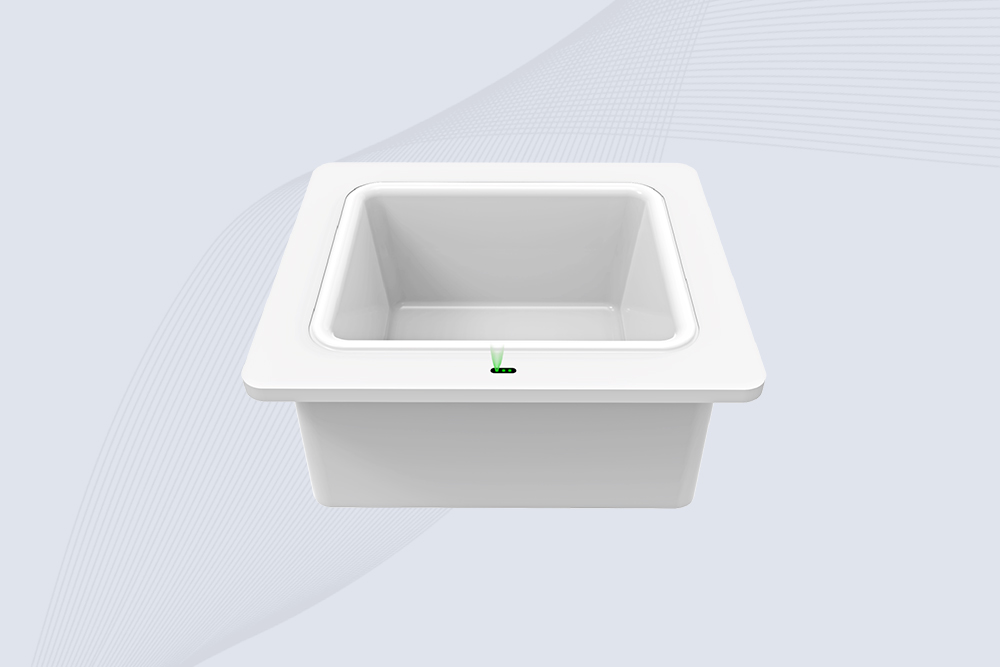
Cykeo CYKEO-D8B UHF RFID tunnel and RFID Desktop Reader features 30+ items batch reading,
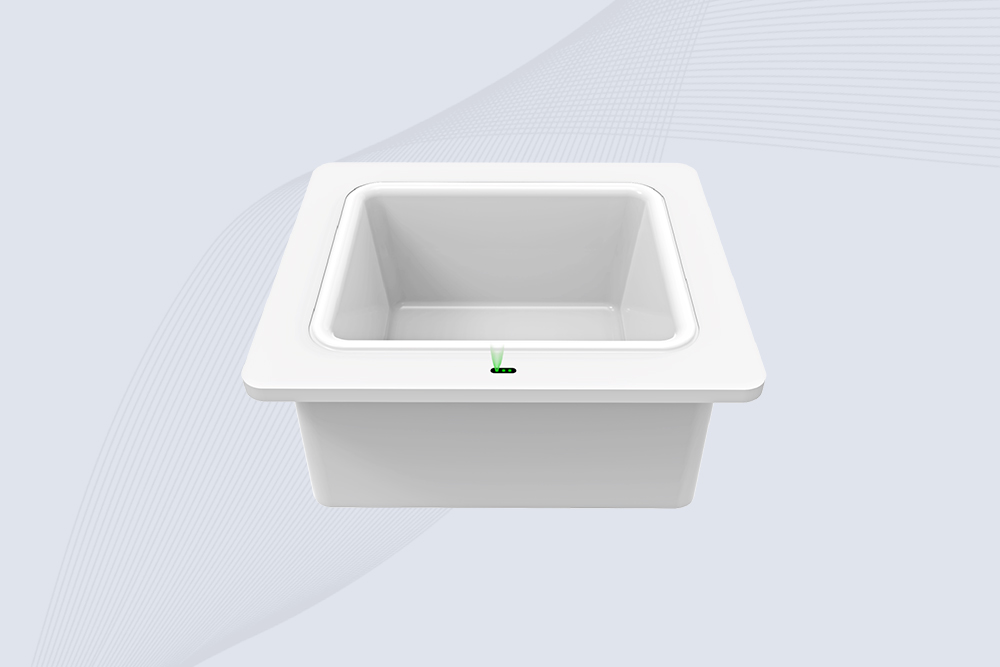
Cykeo CYKEO-D8A embedded RFID badge reader offers 30+ tags/sec scanning, 20cm anti-crosstalk precision, and DC 12V power for unmanned stores, warehouses, and smart inventory systems.
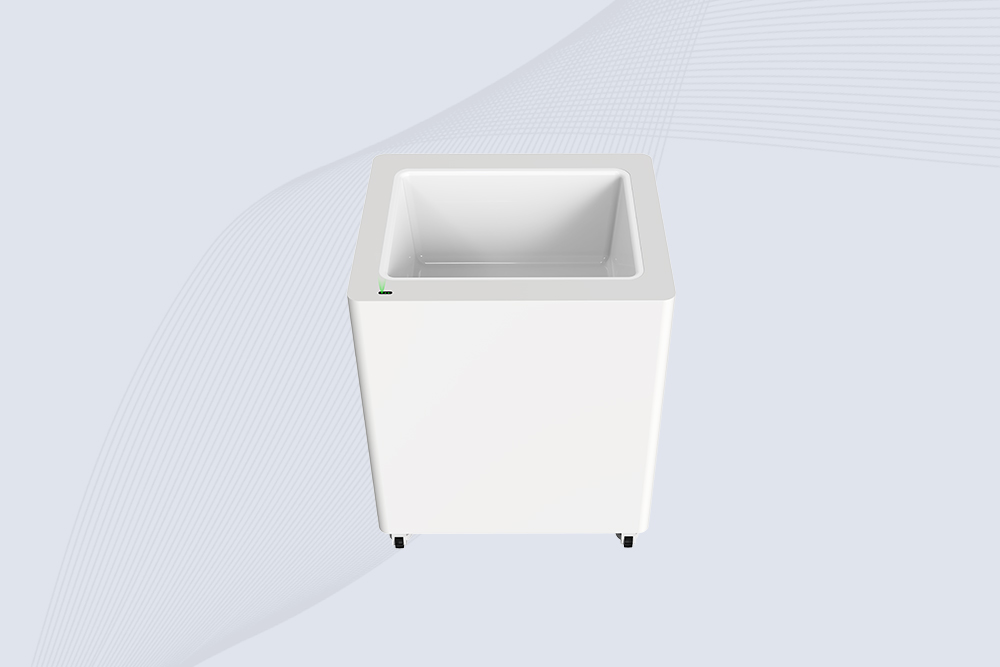
Cykeo’s CYKEO-D8C UHF RFID gate reader achieves 200-tag/batch scanning with adjustable power control, ideal for retail inventory and smart warehouse management.
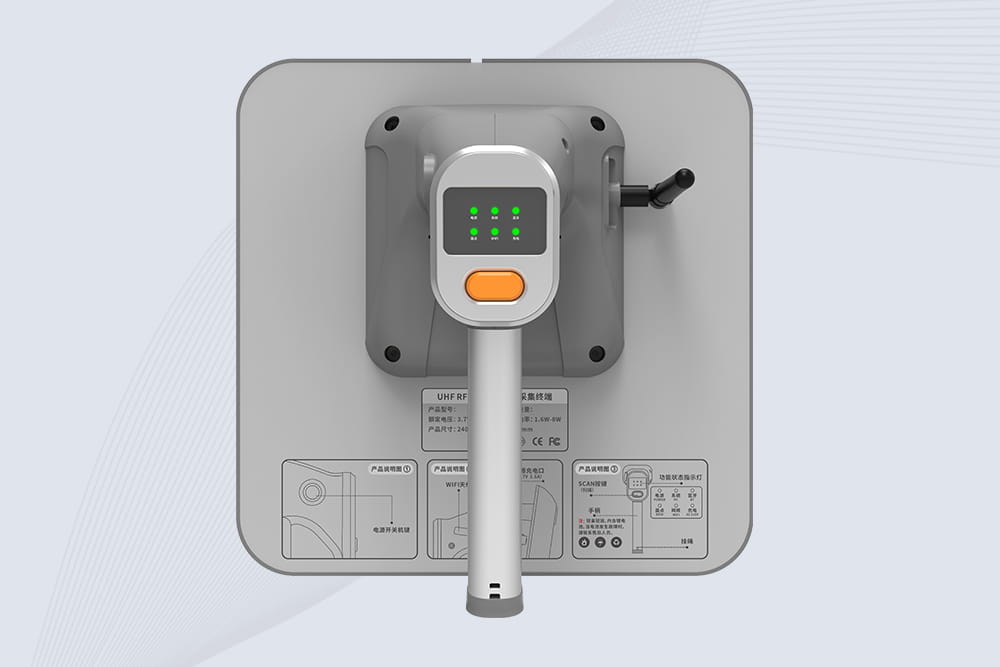
Cykeo CYKEO-B9 UHF Bluetooth handheld RFID scanner features 12m UHF range, 200+ tags/sec scanning, IP67 rugged design for retail/warehouse/pharma. Supports Android SDK & real-time Bluetooth 5.0 transmission.
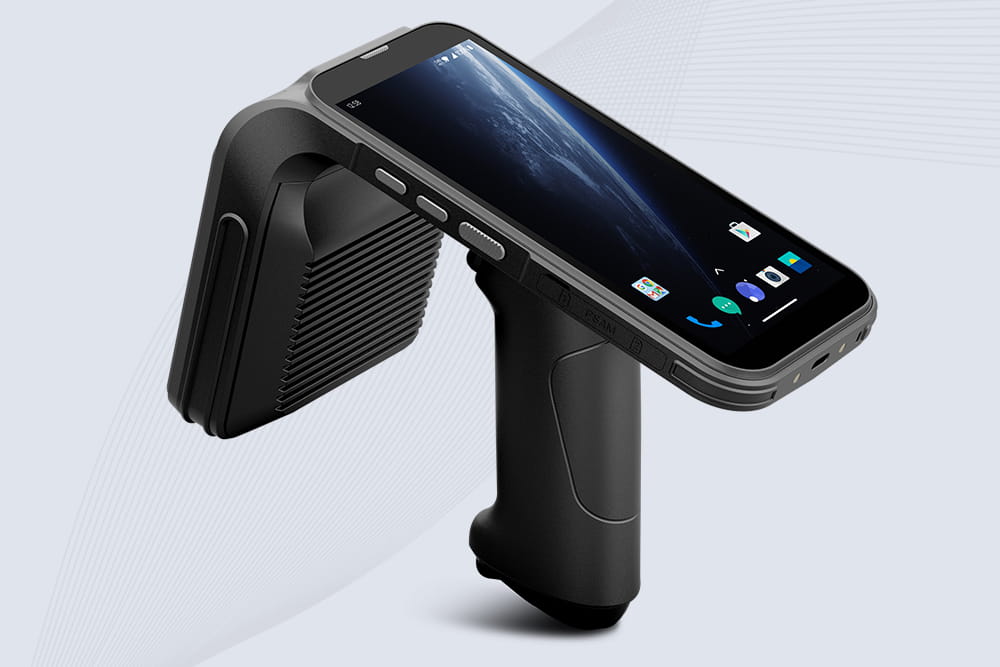
Cykeo CYKEO-B4 UHF Handheld RFID Reader scanner delivers 1300 tags/sec reading, 30m UHF range, and 12-hour battery life. IP65 rugged design with barcode/NFC/ID scanning for retail/manufacturing/logistics.
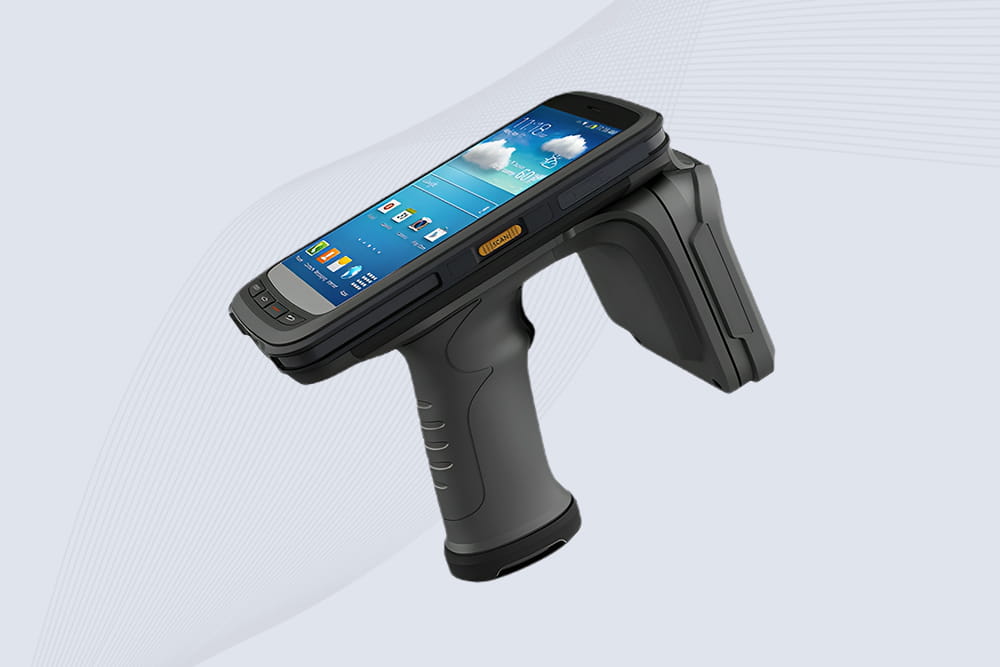
Cykeo CYKEO-B2 industrial UHF RFID handheld Scanner offers 10m range, 500 tags/sec scanning, Android 11 OS, and IP65 rugged design for retail/warehouse/manufacturing.
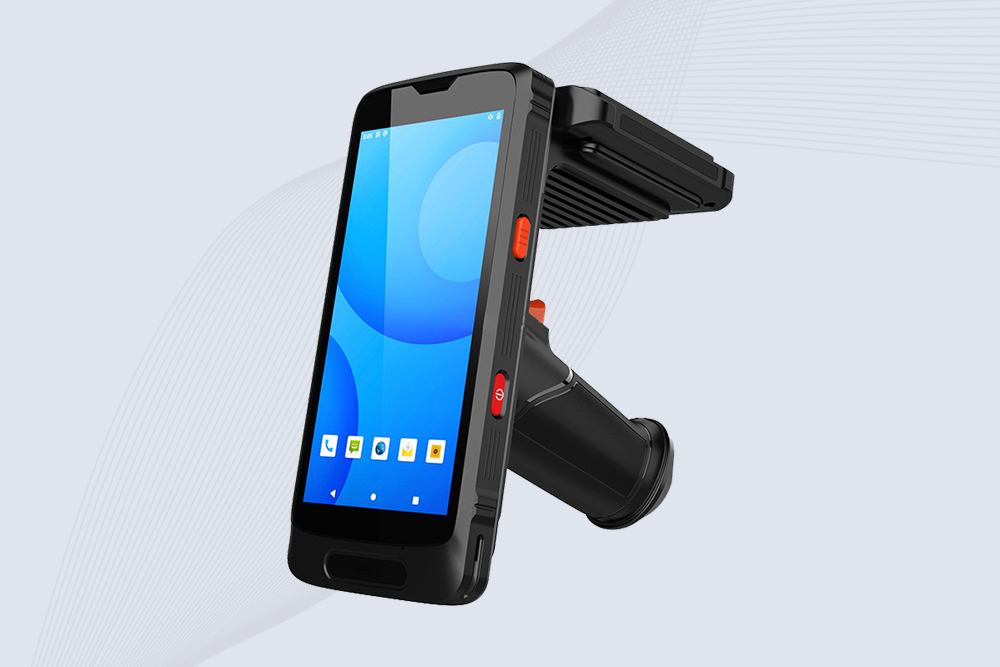
Cykeo CYKEO-B3 industrial RFID Reader Handheld, terminal offers 2m read range, multi-protocol scanning (NFC/barcode/ID), Android 10 OS, and IP65 ruggedness for logistics/retail/manufacturing.
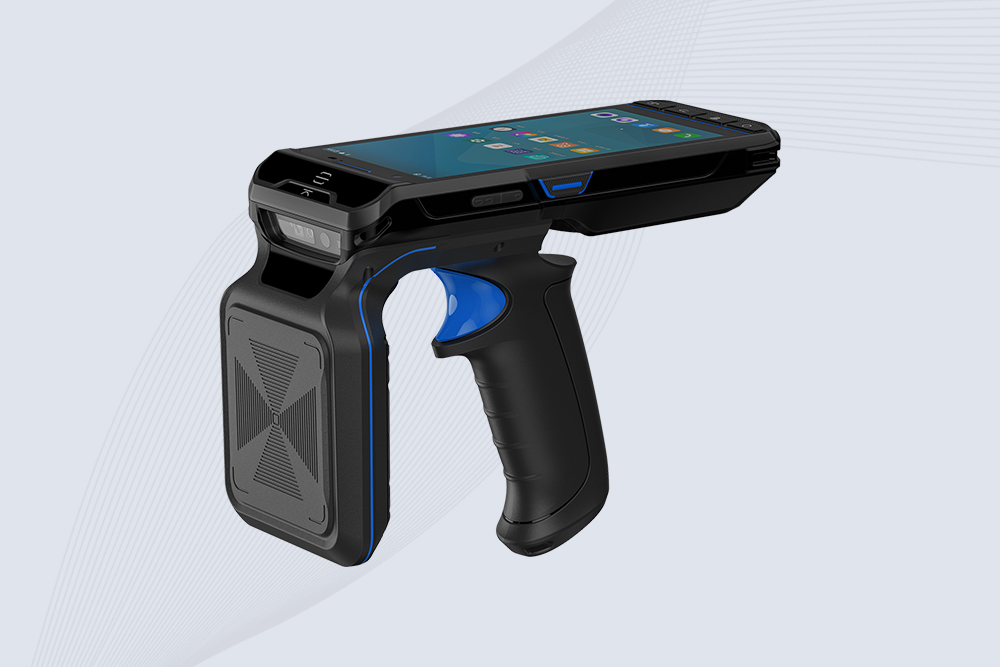
Cykeo CYKEO-B3L industrial handheld UHF RFID Reader terminal features 20m read range, 500 tags/sec scanning, Android 13 OS, 12-hour battery for logistics/retail/manufacturing. Supports barcode/NFC/ID reading.
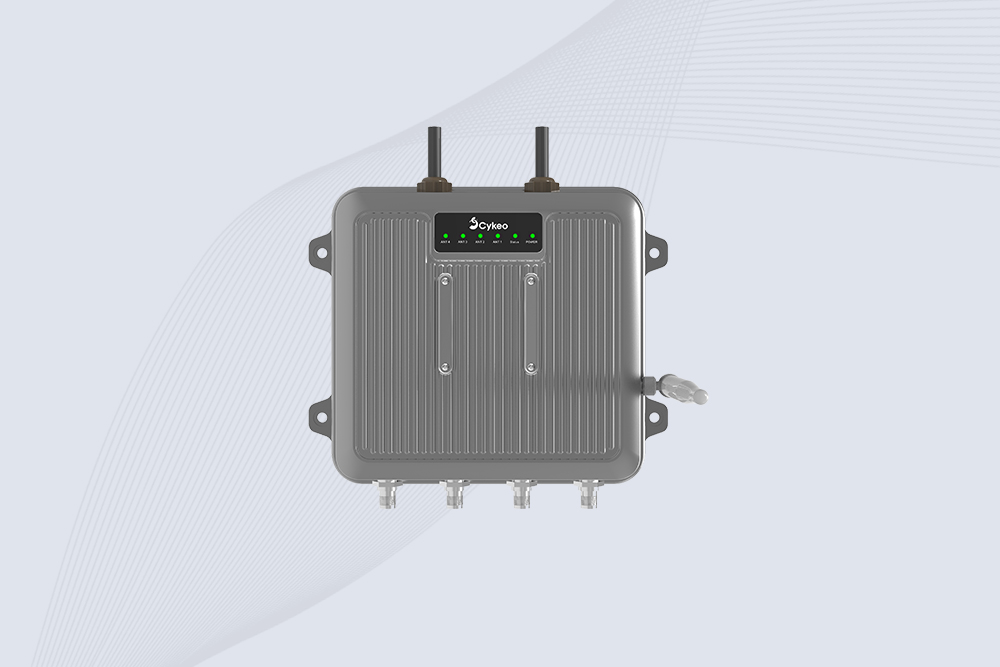
Cykeo CYKEO-C1 industrial Forklift RFID Reader features 20m read range, 600 tags/sec scanning, Impinj R2000 chipset, and IP67 rugged design. Ideal for warehouse logistics and manufacturing. Supports ISO 18000-6C/6B protocols.
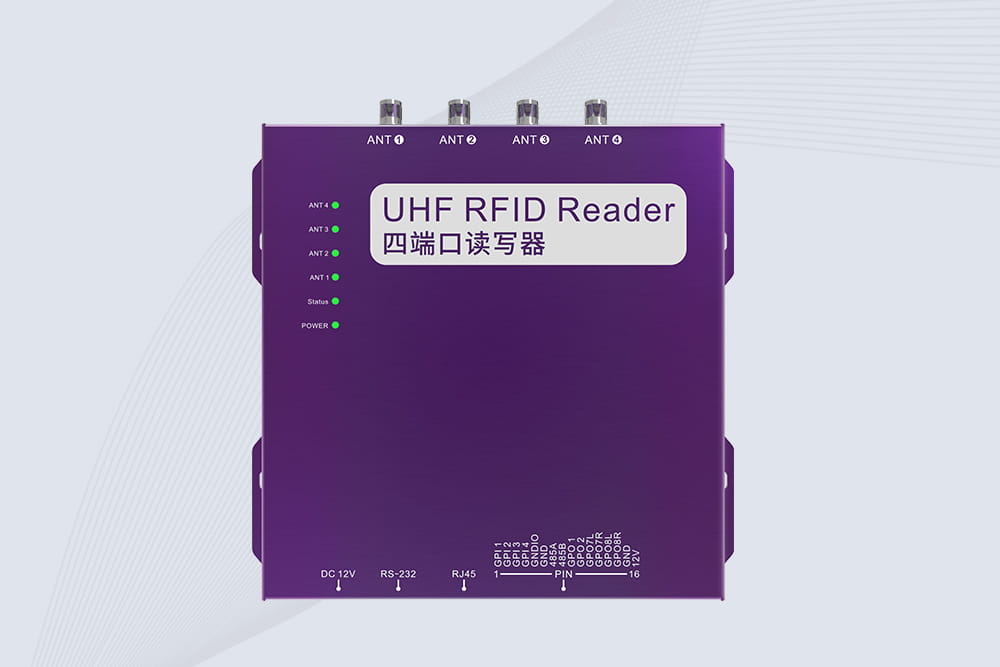
Cykeo CYKEO-R4 industrial UHF RFID Fixed Reader features 4 TNC ports, 400+ tags/sec speed, IP67 housing, and global frequency compliance for vehicle inspection, smart warehouse, and asset management systems.
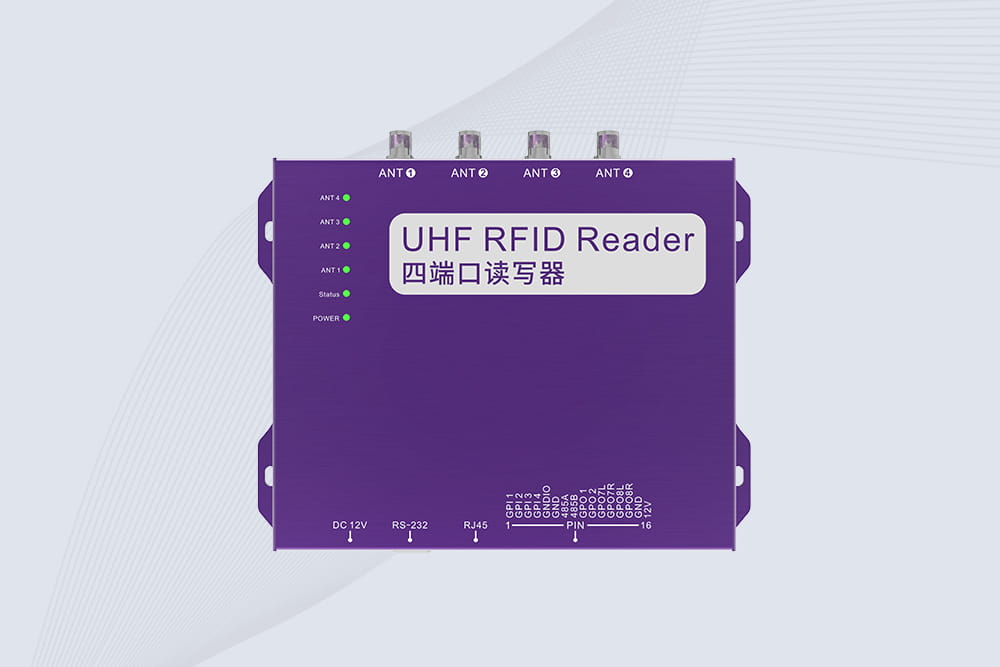
Cykeo’s CYKEO-R4L 4-port Fixed UHF RFID Reader delivers 400 tags/sec scanning, ISO 18000-6C compliance, and IP65 protection. Ideal for warehouse automation, manufacturing WIP tracking, and logistics management.
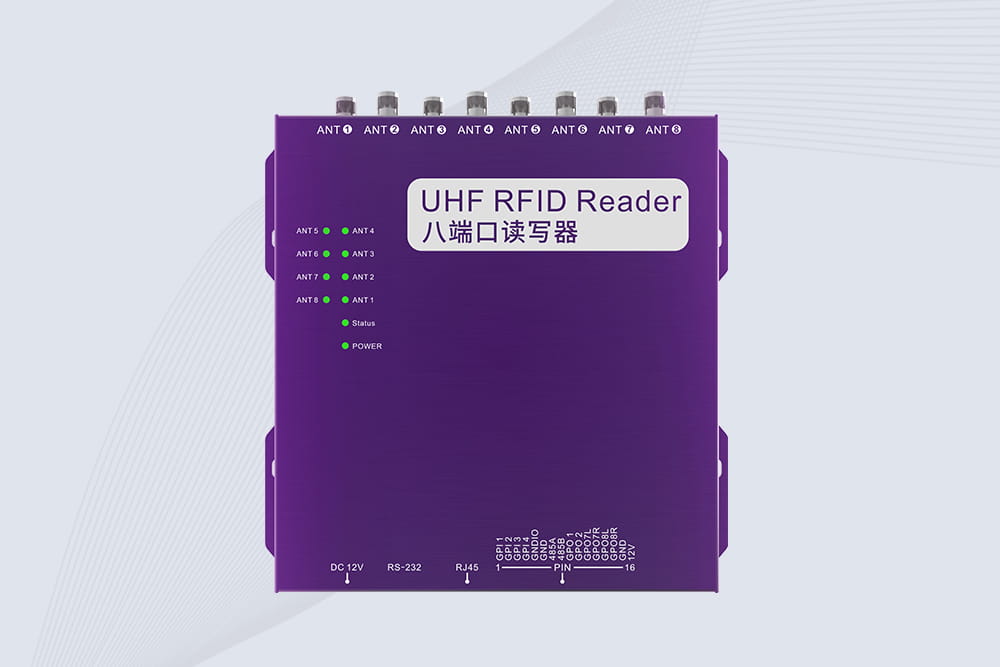
CYKEO CYKEO-R8L Fixed RFID Reader with 8-port UHF design, Impinj-based RF core and up to 20m read range. An industrial Fixed RFID Reader for vehicle inspection, warehouse portals, smart manufacturing lines and secure access checkpoints.
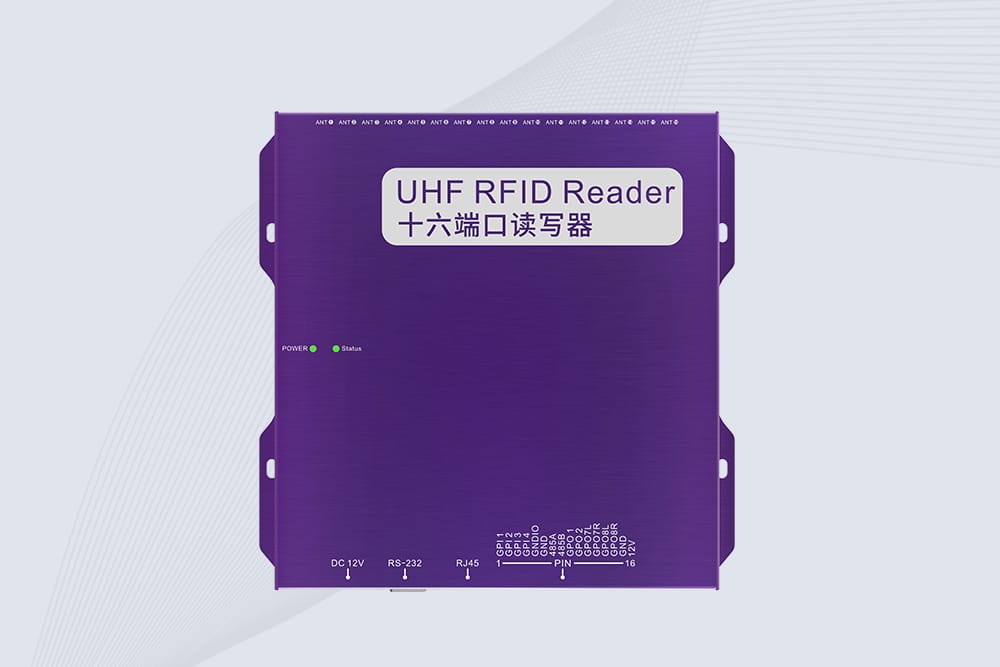
RFID Fixed Reader from CYKEO – the CYKEO-R16L 16-port UHF fixed reader for warehouses, smart cabinets, and production lines. Long-range, multi-tag reading, stable performance for 24/7 industrial use.
How rfid tags work explained with real RFID engineering insights. Learn how RFID chips, readers, EPC codes and smart workstations create accurate identification systems.
More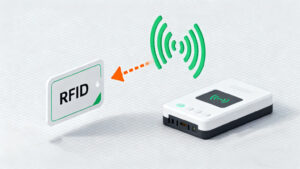
Learn how to identify RFID tags by frequency, appearance, and behavior. Understand the differences between LF, HF/NFC, and UHF RFID in everyday use.
More
How much do RFID cable tags cost? Learn pricing factors, bulk discounts, chip options, and how to reduce total cost for industrial RFID projects.
More
RFID tags are electronic identification devices that use radio waves to communicate with compatible readers. They help businesses identify products, track as...
More