 Cykeo RFID IoT Solution Products R&D Manufacturer

How to Program RFID Tags: Complete Guide for Accurate RFID Tag Writing
175Learn how to program rfid tags with professional RFID writing methods, EPC encoding, software tools, and Cykeo solutions for fast, accurate tag management.
MoreAll RFID Product
The meaning of RFID tags is Radio Frequency Identification tags: electronic devices that use radio waves to identify and exchange data with a compatible reader. They help businesses identify products, track assets, record inventory movements, and automate data collection without requiring every tag to be scanned individually by sight.
RFID tags are used in warehouses, retail stores, libraries, manufacturing facilities, logistics operations, and equipment-management systems. Their practical value is straightforward: a physical item can carry an electronic identity that a connected system can read and process.
RFID stands for Radio Frequency Identification. An RFID tag is attached to, embedded in, or otherwise associated with an object. Depending on the tag design, it may contain a chip and antenna, a power source, or both.
The tag communicates with an RFID reader using radio-frequency signals. The reader captures the tag’s response and sends the resulting data to software, where it can be matched with a product record, asset number, library entry, or other information.
An important distinction: an RFID tag is not necessarily a GPS tracker. Most passive RFID tags do not calculate their own geographic position. They identify themselves when a compatible reader comes within effective reading range. A business can then use the reader location and timestamp to infer where an item was observed.
That difference matters when selecting equipment. A warehouse that needs to record cartons passing through a doorway has a different requirement from a company that needs to locate a vehicle over a wide geographic area.
An RFID system generally includes three elements: a tag, a reader with an antenna, and software that interprets the captured data.
In a warehouse, for example, several tagged cartons may pass through a reading zone together. Instead of pointing a handheld barcode scanner at every label, an appropriately configured RFID system can identify multiple tags during one pass. The actual result depends on tag orientation, reader settings, packaging, nearby materials, and the layout of the read zone.
An RFID tag does not automatically store a complete product record. Many applications use a unique identifier to link the physical item to information held in business software.
Depending on the tag and application, its data may include:
This approach lets the organization maintain detailed descriptions, ownership records, transaction histories, and other business information in a database rather than trying to fit everything into the tag itself.

RFID tags are commonly distinguished by their power source and operating frequency. The right option depends on the read distance, object being tagged, environment, and reader compatibility.
| RFID tag type | Typical characteristics | Common applications |
|---|---|---|
| Passive RFID | No onboard battery; receives energy from the reader’s radio field | Product identification, inventory, library books, access cards |
| Active RFID | Uses an internal power source to support its operation | Selected asset-tracking and monitoring systems |
| Low-frequency (LF) RFID | Commonly operates around 125–134 kHz | Certain identification and access applications |
| High-frequency (HF) RFID | Commonly operates at 13.56 MHz | Contactless cards, selected library and item-identification systems |
| Ultra-high-frequency (UHF) RFID | Commonly operates within regional bands around 860–960 MHz | Supply-chain tracking, warehouse inventory, and bulk item identification |
These categories describe different characteristics rather than five mutually exclusive tag designs. For example, passive UHF is a combination of power type and frequency band.
For UHF applications, GS1’s EPC UHF Gen2 air-interface standard defines communication between compatible readers and tags. It is widely used in supply-chain and item-identification deployments. Frequency regulations vary by country, so equipment must be configured for the intended operating region.
There is no single reading distance that applies to every RFID tag. A compact HF tag used for close-range interaction behaves differently from a passive UHF label designed for warehouse operations. Reader output power, antenna gain, tag sensitivity, mounting surface, and the surrounding environment all affect performance.
Metal can detune an ordinary tag antenna, while liquids can absorb or alter radio-frequency energy. Specially designed on-metal tags and suitable antenna placement may help, but the result should be tested on the actual item rather than assumed from a specification sheet.
For a practical deployment, test tags on representative products and packaging. Check the farthest required reading point, the direction items will face, and whether nearby tagged objects are also being read. A reliable, controlled reading zone is often more useful than the maximum distance quoted in a catalogue.
GS1 explains that passive UHF RAIN RFID tags can typically be read over several metres, with ranges of up to 15 metres possible in special cases. Its guidance also highlights antenna characteristics and tag orientation as important factors. These are conditional capabilities, not guarantees for every installation.
For Cykeo customers evaluating RFID tags, the useful question is not simply, “How far can this tag be read?” It is whether the tag can be read consistently on the actual product, in the intended location, with the selected reader and antenna.
RFID tags are useful whenever a business needs to associate a physical object with a digital record and capture that object’s identity efficiently. The specific workflow depends on the operation: a retailer may count products, a library may manage loans, and a factory may record the movement of tools or components.
In a warehouse, RFID tags can identify cartons, pallets, reusable containers, and individual products. Readers installed at receiving points, packing stations, or dispatch lanes can capture tag data as items move through defined reading zones.
This can reduce reliance on individual line-of-sight barcode scans. However, RFID does not automatically guarantee a correct inventory count. Tags must be associated with the correct product records, and reader coverage must be tested to avoid missed reads or unintended reads from nearby stock.
Retailers can use RFID to help reconcile stock on shelves and in storage areas. Across a supply chain, tag readings can support receiving, shipment verification, and movement records between participating locations.
GS1’s Electronic Product Code (EPC) standards provide a common framework for identifying products and exchanging supply-chain information. RFID is the data-capture method; the identifier and connected software help turn a reading into useful business information.
Libraries can use RFID tags to associate books and other media with catalogue records, support circulation workflows, and assist with inventory checks. Businesses may also tag tools, test equipment, or reusable assets to make check-in, check-out, and accountability procedures easier to manage.
For these applications, tag placement matters. A tag that is folded, damaged, shielded by metal, or poorly positioned may not perform as expected. Testing the tag on the actual object is more reliable than choosing one based on its label alone.
Choosing a tag should start with the object and the task, not simply the advertised reading distance. A label that works well on a cardboard carton may perform poorly when attached directly to a metal tool case.
Before selecting an RFID tag, consider these factors:
A practical pilot is worth the effort. Apply sample tags to representative items, test them in their real positions, and record missed reads and unwanted reads. If several item types are involved, test each separately rather than assuming that one tag will behave identically across the entire inventory.

RFID tags should be considered part of an information system, not just labels attached to products. The tag identifier may connect to records containing stock levels, asset ownership, transaction histories, or other operational data. Appropriate access controls and database protection are therefore important.
The US National Institute of Standards and Technology (NIST) published SP 800-98, Guidelines for Securing Radio Frequency Identification (RFID) Systems, covering RFID security risks and measures for designing and operating systems. Although published in 2007, it remains a useful foundational reference for understanding the security considerations involved. Organizations should also assess current requirements and the controls available in their particular system.
For consumer products, businesses should also consider transparency and privacy. GS1’s guidance addresses consumer notice, choice, and responsible handling of information associated with EPC/RFID applications.
RFID tags are Radio Frequency Identification tags. They use radio waves to communicate identifying data to compatible readers, allowing physical items to be identified and associated with records in inventory, asset-management, retail, and other business systems.
RFID tags are used to identify and track products, cartons, pallets, library materials, tools, reusable containers, and other assets. Their usefulness depends on the tag type, reader configuration, and software workflow.
Not always. Passive RFID tags do not contain an onboard battery; they obtain the energy needed to respond from the reader’s radio-frequency field. Active RFID tags use an internal power source.
Yes. Many RFID systems can read compatible tags without a direct visual line of sight. However, reading reliability depends on frequency, tag orientation, surrounding materials, antenna placement, and the configuration of the reading zone.
Not necessarily. Many product-identification tags store an identifier that links to a database rather than personal information. The information held by the tag and the associated software depends on how the system is designed.
No. Compatibility depends on factors such as frequency, communication protocol, and supported tag types. Confirm the reader and tag specifications before purchasing equipment or deploying a system.
Start with the items being tagged, the required read distance, the material of the item, the operating environment, and the reader being used. Test representative products under real operating conditions before selecting tags for large-scale deployment.
The meaning of RFID tags goes beyond a small electronic label. An RFID tag gives a physical item an identity that compatible readers and software can use to support inventory visibility, asset identification, and automated data collection.
For a successful deployment, select tags based on the real application, verify compatibility, and test performance on actual products. Understanding what is the meaning of rfid tags is the starting point; matching the tag to the job is what makes the technology useful.

SSD-R16L Multi-Channel RFID Infrastructure for Automated Inventory Management ✔️ 16-Port High-Density RFID Reading Equipped with 16 SMA antenna ports, SSD-R16L supports multi-antenna deployment for warehouses, retail stores, logistics, production lines, and large-area RFID identification. ✔️ High-Speed & Long-Range Performance With up to 33…

SSD-R8L 8-port UHF RFID reader with 33dBm output, up to 20m reading range and 600+ tags/s recognition. Ideal for warehouse, logistics, retail and asset tracking.

SSD-R4L is a 4-port UHF RFID fixed reader with 33dBm output power, up to 20m reading range, EPC C1G2 support and 600+ tags/s reading speed.
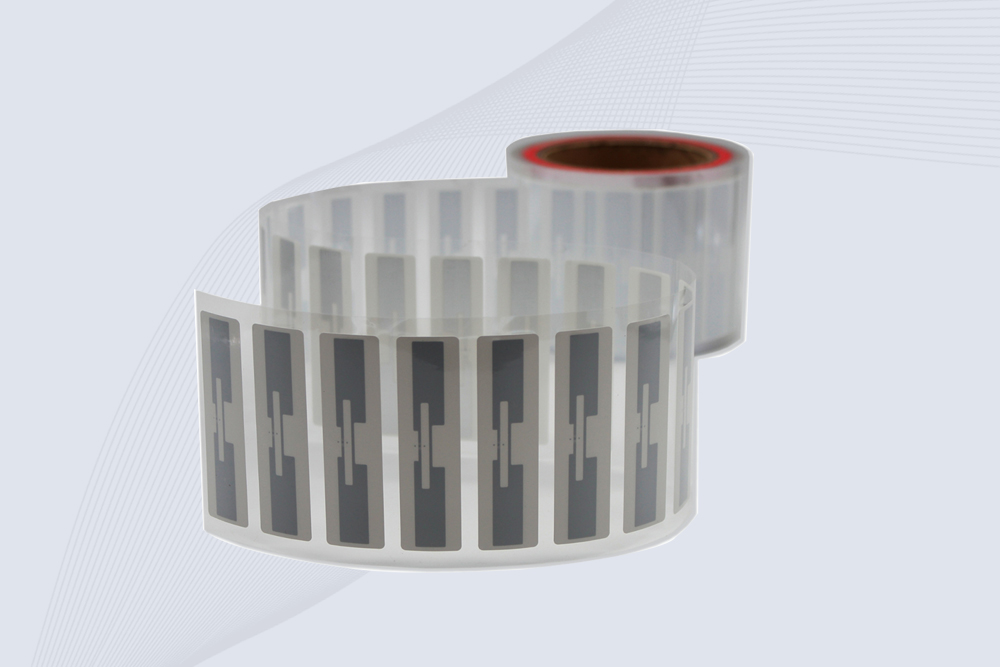
CYKEO Passive RFID Tags are made for wet and high-humidity environments where standard labels do not last. This rfid passive tag is often used around liquids, chemicals and temperature changes, providing stable reading distance and long data life for industrial tracking.
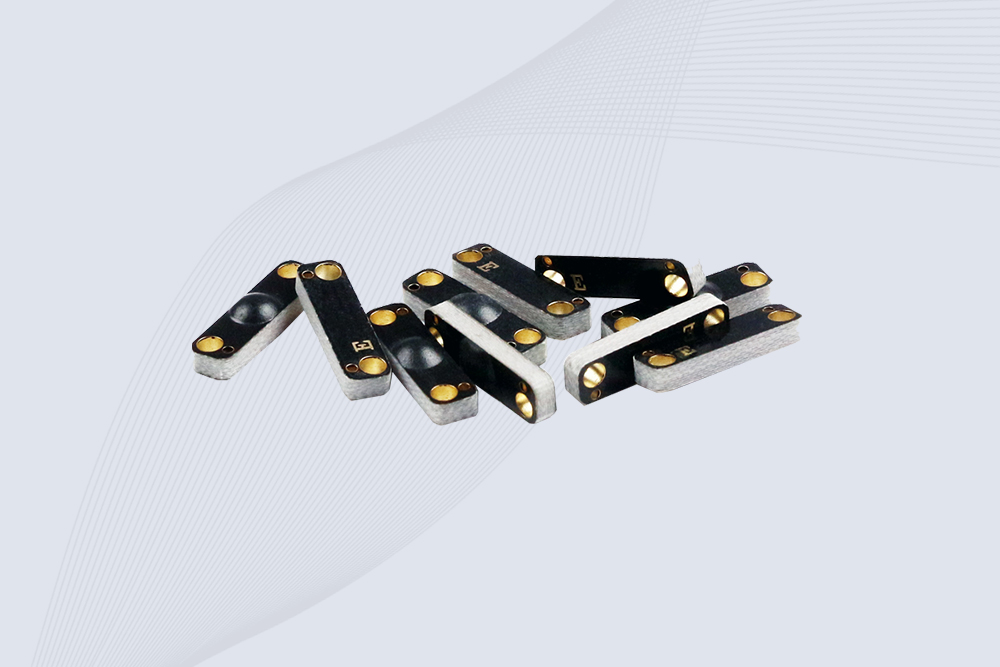
CYKEO CYKEO-PCB1504 Metal RFID Tags is a compact anti-metal UHF RFID solution built for direct mounting on metal surfaces. With stable 8-meter read range, Ucode-8 chip, and long data retention, this rfid metal tag fits tools, containers, automotive parts, and industrial asset tracking.
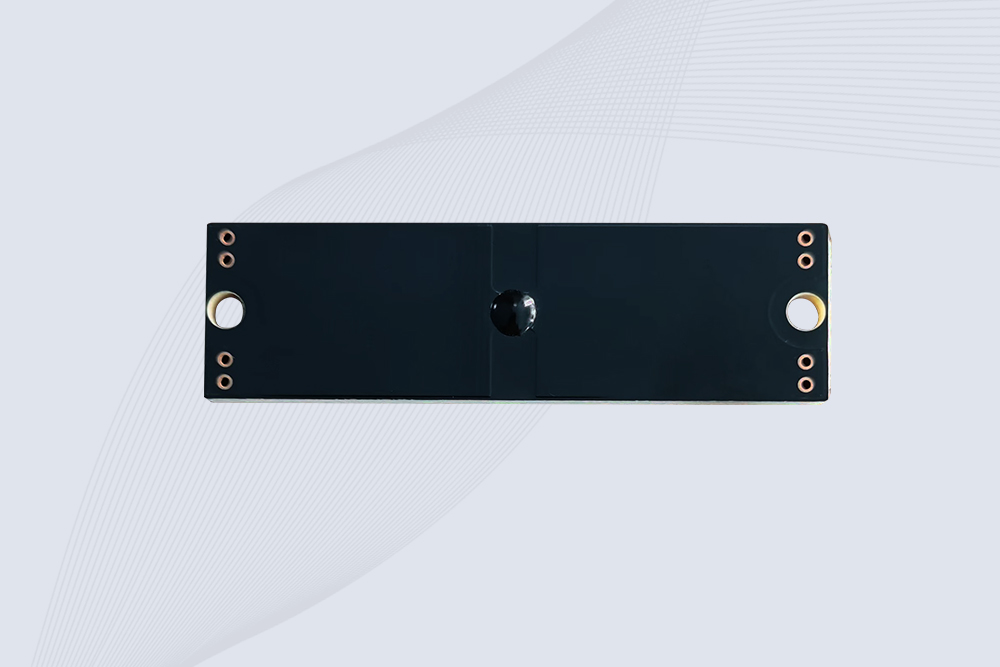
CYKEO CYKEO-PCB7020 On-Metal RFID Tags are designed for reliable tracking on steel and metal surfaces. Built with an FR4 epoxy body and industrial-grade chips, these On-Metal RFID Tags deliver stable performance, long data life, and chemical resistance, making them a dependable RFID anti-metal tag for harsh environments.
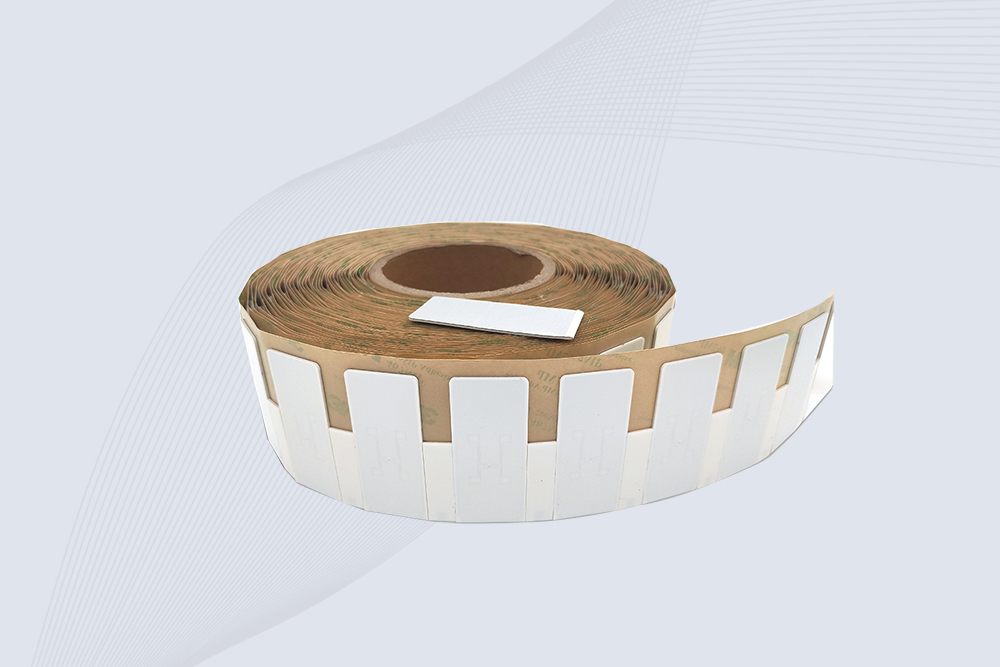
The CYKEO CYKEO-60-25 Anti-Metal RFID Tag is built for metal surfaces where standard tags fail. Designed for long-range performance, harsh environments, and stable data retention, this Anti-Metal RFID Tag is ideal for industrial assets, containers, and equipment tracking using on metal RFID tags.
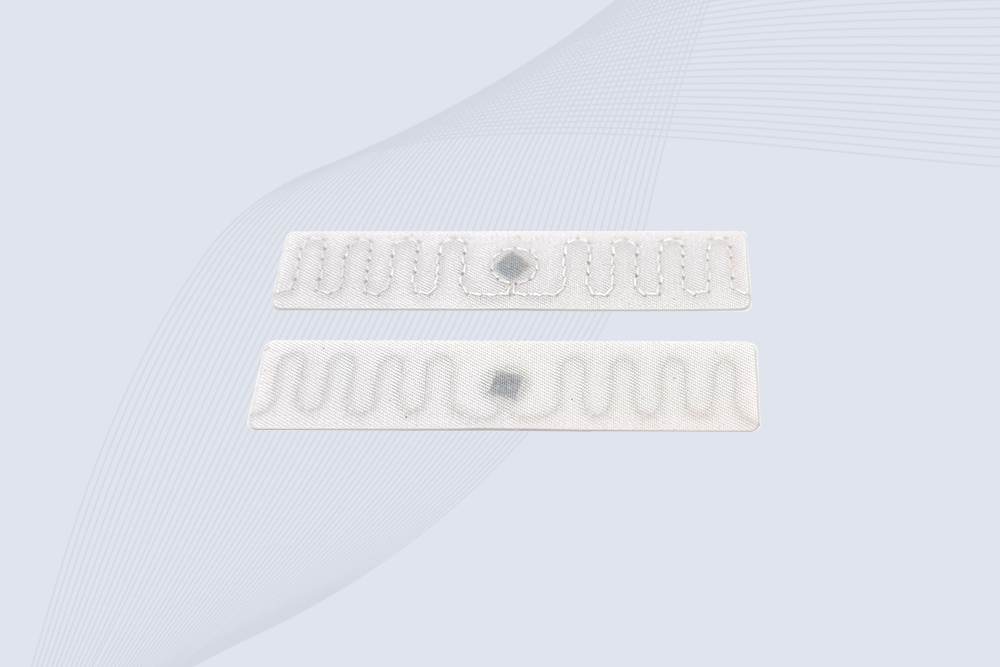
The CYKEO RFID Laundry Tag is designed for long-term textile identification in harsh laundry environments. Built to withstand high heat, chemicals, and repeated washing, this RFID Laundry Tag delivers stable performance for hotels, hospitals, and industrial laundry operations using laundry rfid tags at scale.
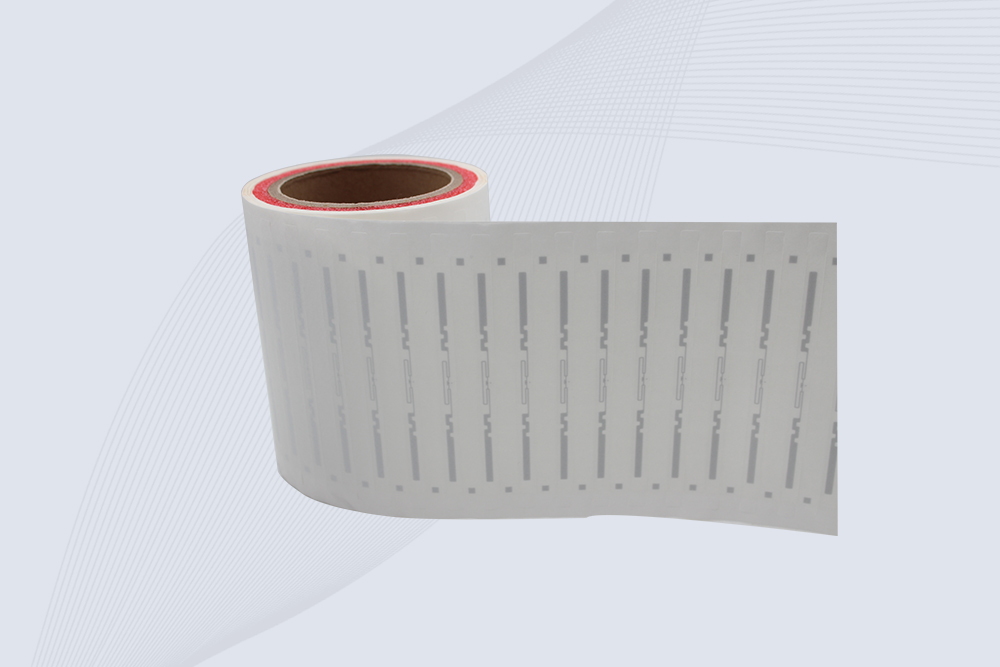
The CYKEO CYKEO-125-7 RFID Book Tag is designed for reliable book and document tracking in libraries and archives. This RFID Book Tag delivers long read range, dense placement support, and stable performance on shelves, making it a practical rfid tag on books for library automation, file management, and archival systems.
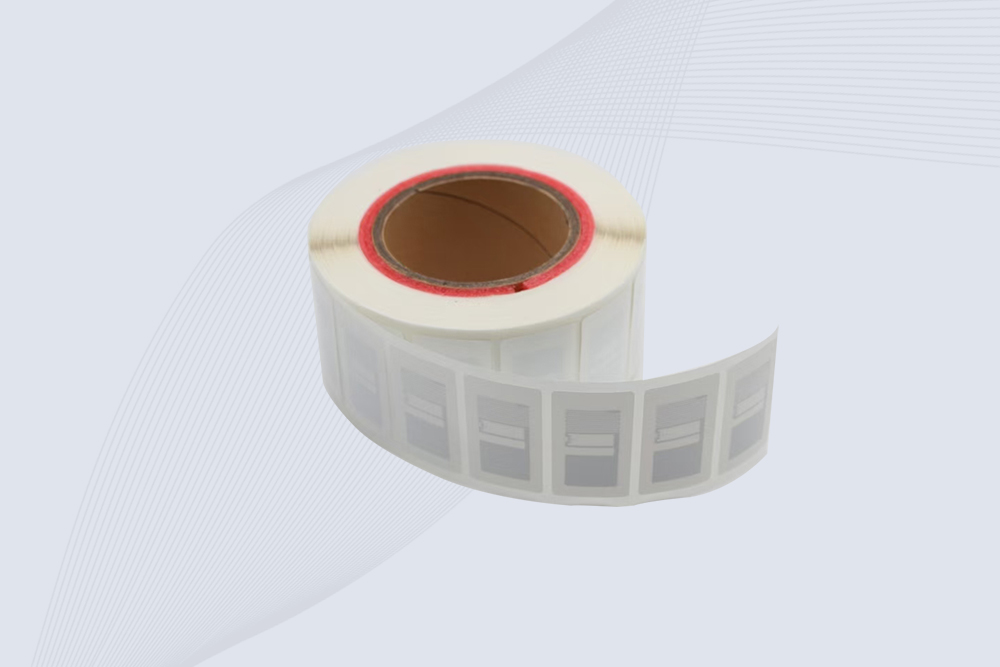
CYKEO RFID tags in hospitals are designed for sterile environments where accuracy matters. These autoclavable RFID tags support long-term tracking of surgical tools, implants, and medications, helping hospitals improve visibility, compliance, and patient safety.

CYKEO RFID Cable Tie Tag is built for reliable identification on metal surfaces. This UHF RFID Cable Tie Tag is widely used in rfid tags for inventory systems, industrial asset management and Hospital RFID Tags, offering stable read performance, long service life and global EPC Gen2 compatibility.
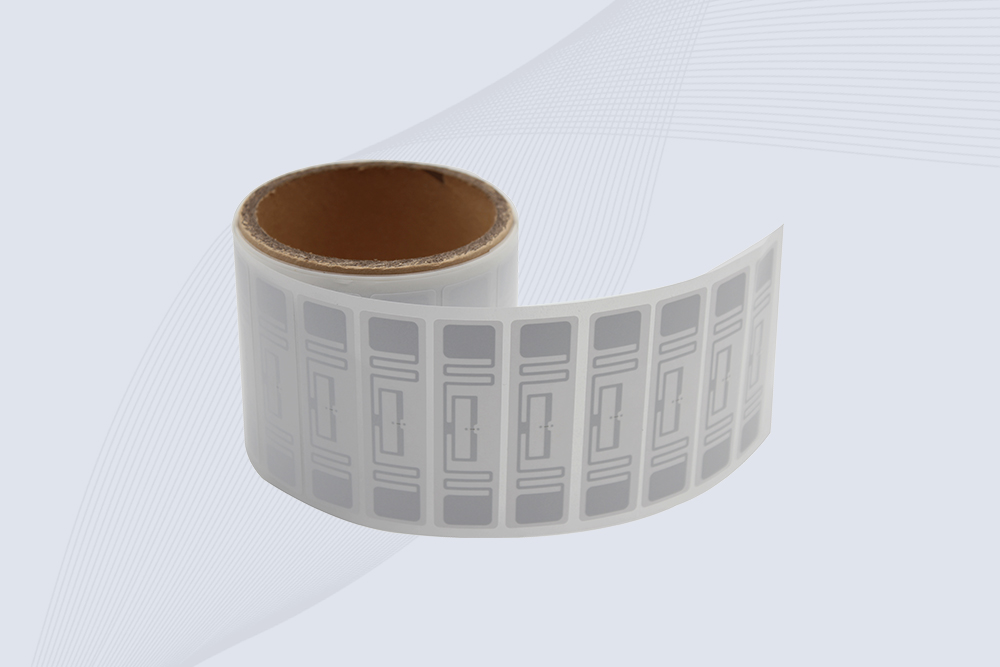
CYKEO RFID Asset Tag is designed for stable identification of metal assets in industrial environments. This UHF RFID Asset Tag is commonly used for rfid tag asset tracking on equipment, tools and containers, providing reliable reads, long service life and ISO/IEC 18000-6C support.

CYKEO UHF RFID Card is designed for fast identification and long-term use in industrial and commercial systems. Supporting ISO 18000-6C, this UHF RFID Card works at 860–960 MHz and is suitable for custom RFID cards used in asset tracking, access control and inventory management.
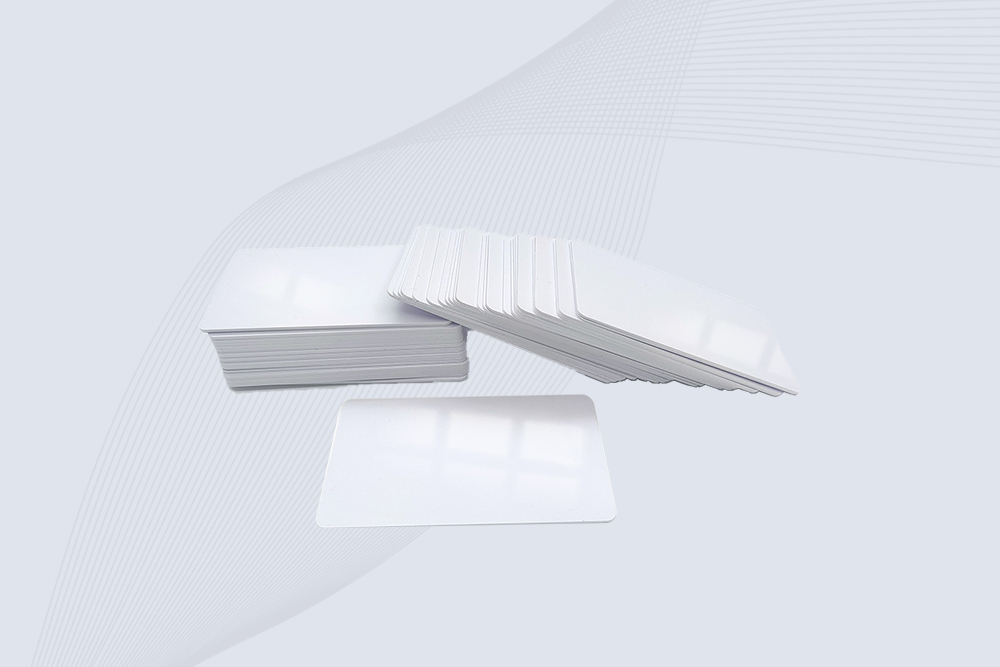
CYKEO HF RFID Cards are designed for secure and stable access control systems. These 13.56 MHz RFID key cards support ISO 14443-A, reliable rewriting and long service life, making HF RFID Cards suitable for offices, campuses, events and membership management.
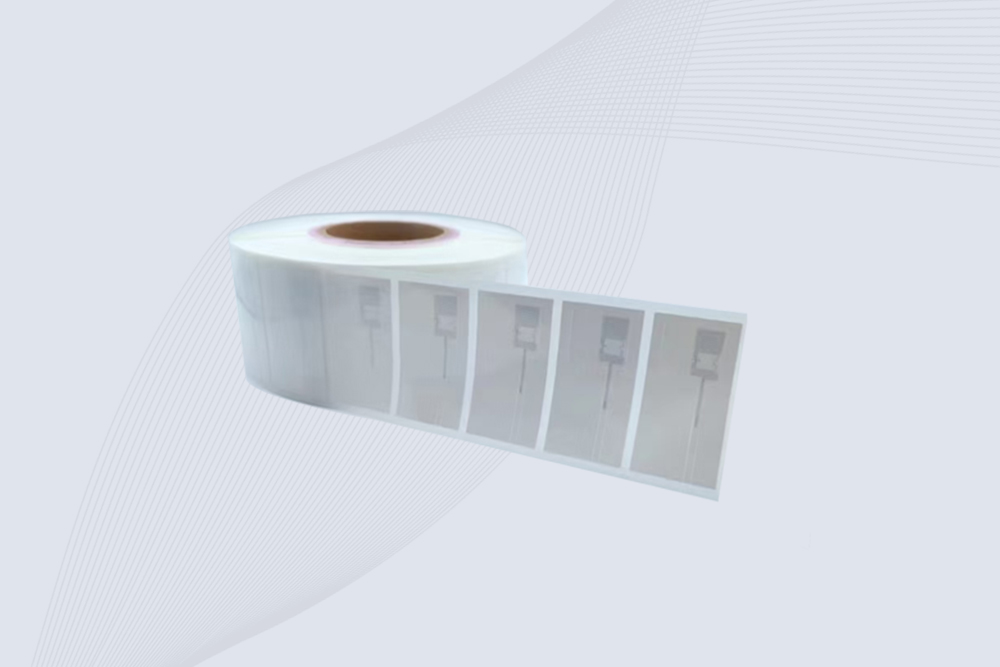
CYKEO UHF RFID Tag is designed for reliable tracking of metal jewelry and high-value items. This Jewelry RFID Tag supports long-range reading up to 8 meters, anti-counterfeit protection and stable performance on metal, making it suitable for retail, inventory control and asset management.
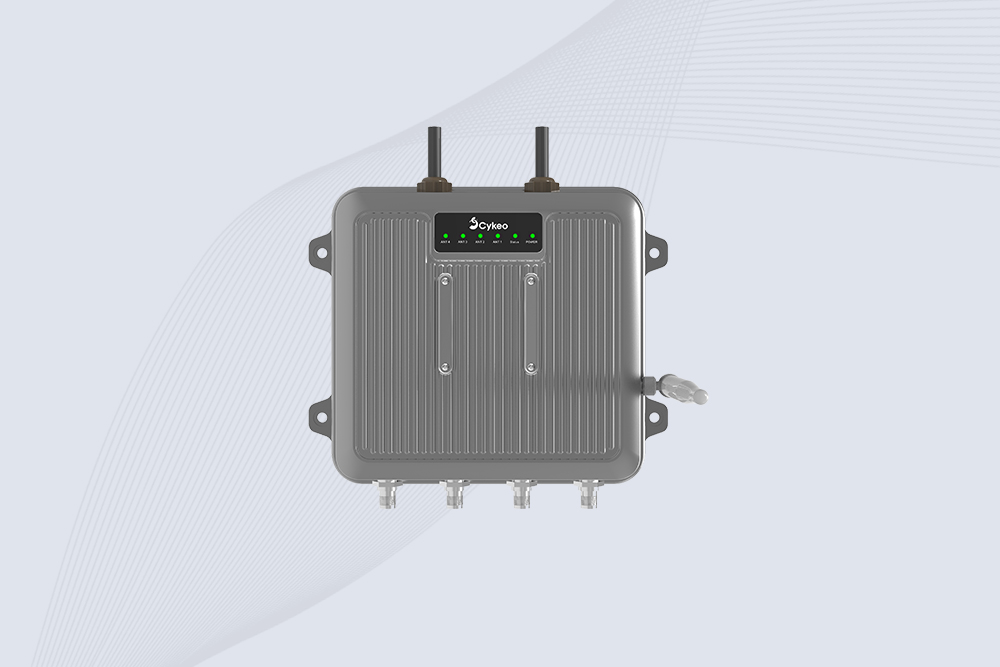
Cykeo CYKEO-C1 industrial Forklift RFID Reader features 20m read range, 600 tags/sec scanning, Impinj R2000 chipset, and IP67 rugged design. Ideal for warehouse logistics and manufacturing. Supports ISO 18000-6C/6B protocols.
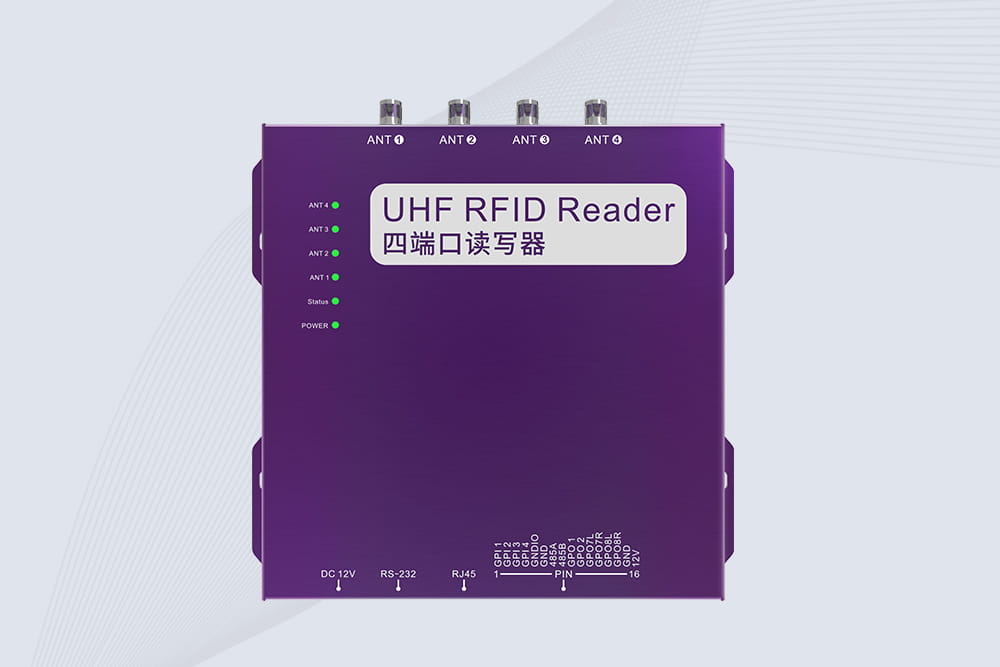
Cykeo CYKEO-R4 industrial UHF RFID Fixed Reader features 4 TNC ports, 400+ tags/sec speed, IP67 housing, and global frequency compliance for vehicle inspection, smart warehouse, and asset management systems.
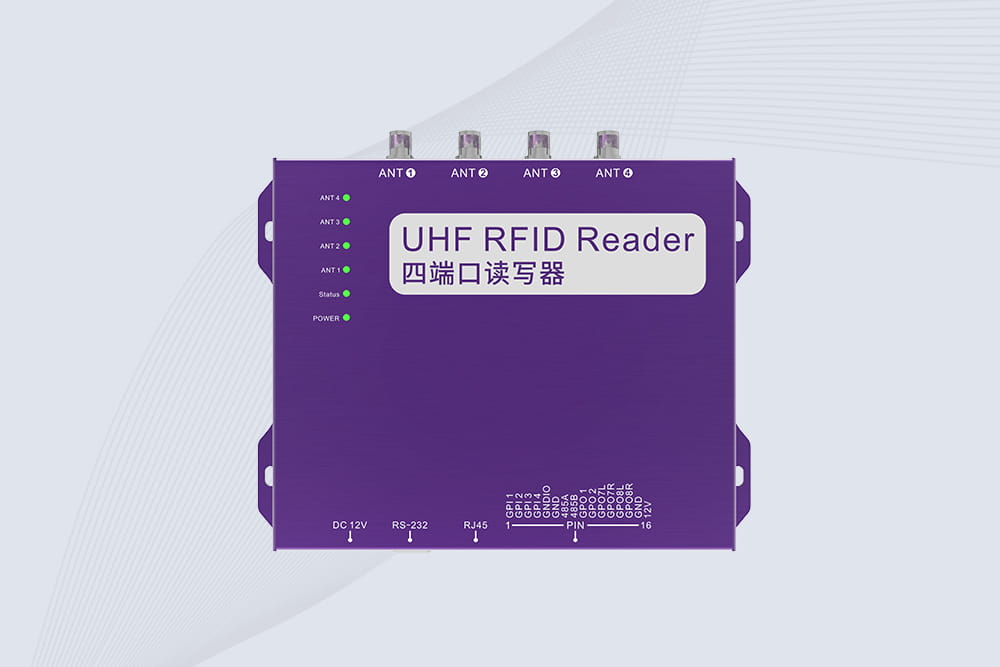
Cykeo’s CYKEO-R4L 4-port Fixed UHF RFID Reader delivers 400 tags/sec scanning, ISO 18000-6C compliance, and IP65 protection. Ideal for warehouse automation, manufacturing WIP tracking, and logistics management.
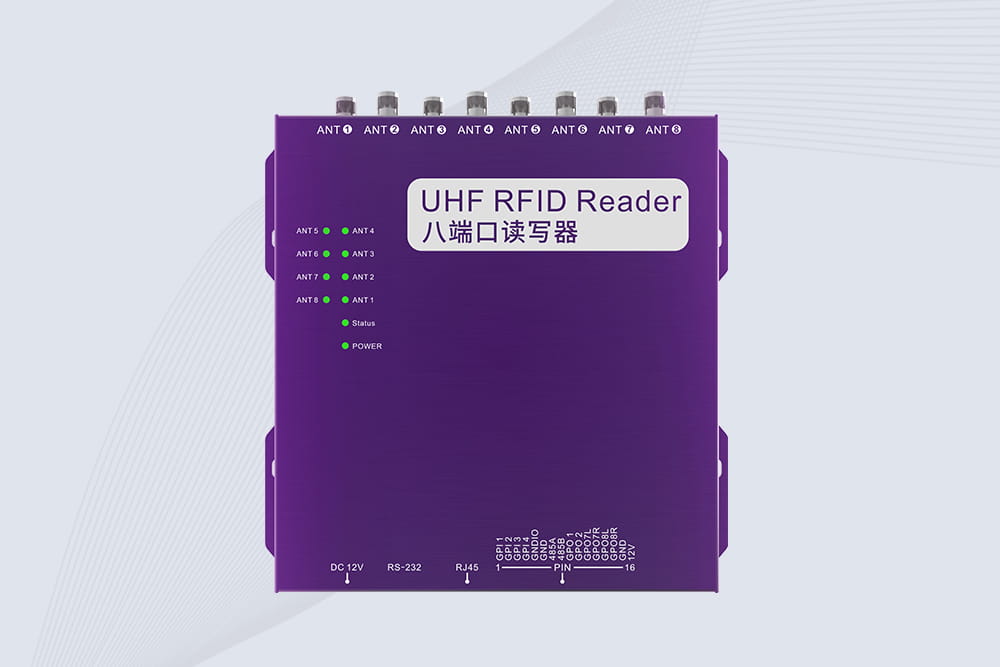
CYKEO CYKEO-R8L Fixed RFID Reader with 8-port UHF design, Impinj-based RF core and up to 20m read range. An industrial Fixed RFID Reader for vehicle inspection, warehouse portals, smart manufacturing lines and secure access checkpoints.
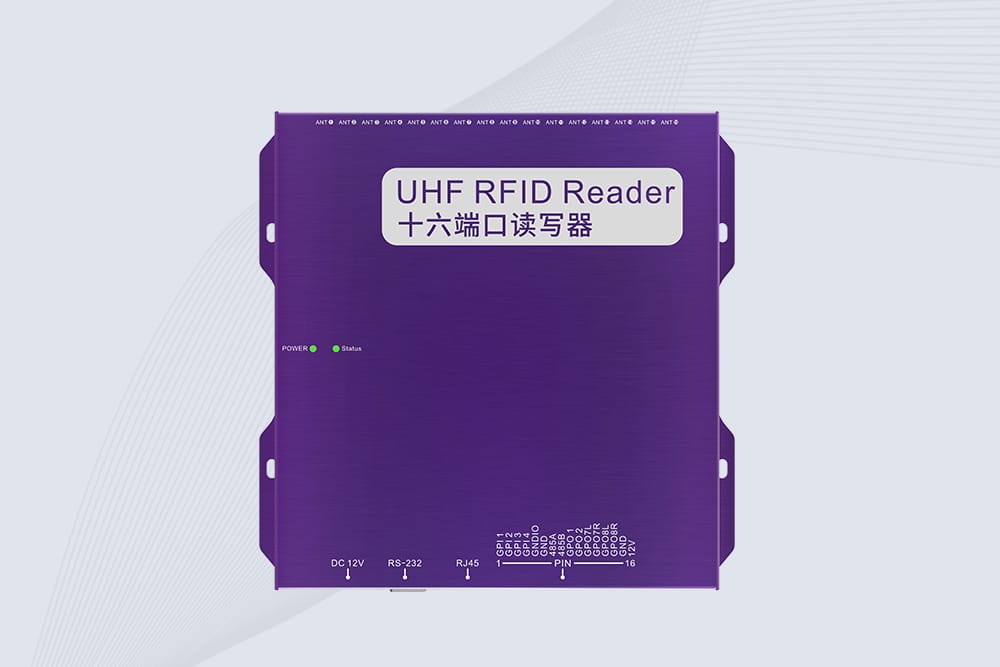
RFID Fixed Reader from CYKEO – the CYKEO-R16L 16-port UHF fixed reader for warehouses, smart cabinets, and production lines. Long-range, multi-tag reading, stable performance for 24/7 industrial use.

Learn how to program rfid tags with professional RFID writing methods, EPC encoding, software tools, and Cykeo solutions for fast, accurate tag management.
More
Cut through the jargon. An engineer's plain-English guide to how the Electronic Product Code (EPC) acts as the brain of RFID, enabling true item intelligence beyond simple tracking.
More
tools tracking system enables smart RFID tool carts for aviation and industry, improving tool control, FOD safety, and real-time accountability across operations.
More
Considering an RFID solution medical? Learn how healthcare systems use RFID to track equipment, ensure compliance, and reduce operational costs.
More