You have seen them everywhere—on retail merchandise, inside library books, embedded in vehicle toll passes, even in your pet’s neck. These tiny devices store information and communicate wirelessly with readers. But what are they actually made of? How do they work without batteries? And why are there so many different kinds?
Here is the thing. When people search radio frequency identification tags, they usually want to understand the technology behind those small labels that make modern inventory, access control, and asset tracking possible.
Let me explain what RFID tags are, how they work, and how to choose the right one for your application.
The Simple Definition
Radio frequency identification tags (RFID tags) are small electronic devices that store data and communicate with RFID readers using radio waves . Each tag contains a microchip for storing information and an antenna for receiving and transmitting radio signals .
Think of an RFID tag as a smart barcode that does not need to be seen to be read. Unlike a barcode that must be visible and scanned one at a time, an RFID tag can be read through cardboard, plastic, and other materials, and hundreds can be read simultaneously in seconds .
RFID tags go by many names—transponders, smart labels, RFID inlays, or simply “tags.” Whatever you call them, they all do the same job: store a unique identifier and sometimes additional data that can be read wirelessly .
How Radio Frequency Identification Tags Work
The technology is elegant in its simplicity. Here is what happens when an RFID tag enters a reader’s field:
The reader emits radio waves. The RFID reader sends out a continuous radio frequency signal through its antenna. For passive tags (the most common type), this signal does double duty—it carries commands and provides power .
The tag harvests energy. Passive RFID tags have no battery. Their antenna captures energy from the reader’s radio waves through a process called electromagnetic induction (for LF/HF) or backscatter coupling (for UHF) . This captured energy powers up the tiny microchip inside the tag .
The tag responds. Once powered, the tag’s chip modulates the reflected signal to send its stored data back to the reader. For UHF tags, this is called backscatter modulation—the tag essentially flickers the reflection of the reader’s signal in a pattern that encodes its unique ID .
The reader decodes. The reader captures these faint reflected signals, amplifies them, and decodes the digital data .
The data is delivered. The reader sends the tag data to a host system for processing.
The entire process happens in milliseconds. And because passive tags have no battery, they can last for decades—outlasting the items they are attached to.
Passive vs. Active RFID Tags
Not all RFID tags are the same. The most important distinction is whether they have their own power source :
Feature
Passive RFID Tags
Active RFID Tags
Power source
No battery—harvests energy from reader
Built-in battery
Read range
Up to 12+ meters (UHF)
Up to 100+ meters
Lifespan
Virtually unlimited (decades)
3-5 years (battery limited)
Size
Very small (can be paper-thin)
Larger (battery adds bulk)
Cost
Low ($0.05 – $5)
Higher ($10 – $50+)
Data storage
Typically limited (up to a few KB)
Larger (more memory available)
Typical use
Supply chain, retail, access control
Vehicle tracking, container monitoring
Passive tags dominate the market because they are cheap, small, and maintenance-free. They are what you find on retail items, in library books, and in access cards.
Active tags are used when you need longer range or more frequent reporting—like tracking shipping containers across a yard or monitoring the temperature of pharmaceutical shipments in real time .
Types by Frequency: LF, HF, and UHF
RFID tags operate at different frequencies, each suited to different applications :
Low Frequency (LF) Tags (125-134 kHz)
Read range: Up to 10 cm (4 inches)
Characteristics: Works well near metal and liquids; very short range; simple data
Applications: Animal identification, vehicle immobilizers, older access control systems
Tag examples: Pet microchips, car key transponders, livestock ear tags
High Frequency (HF) Tags (13.56 MHz)
Read range: Up to 30 cm (1 foot), sometimes 1 meter
Characteristics: Better data capacity, supports encryption, globally standardized
Applications: Access control cards, library books, NFC payments, contactless payments
Tag examples: Mifare Classic, Mifare DESFire, NTAG, ICODE
Ultra High Frequency (UHF) Tags (860-960 MHz)
Read range: 3-12+ meters (10-40 feet)
Characteristics: Longest range, fastest read speed, bulk reading, no line of sight
Tag examples: RAIN RFID tags, EPC Gen2 inlays, on-metal tags
Physical Forms of RFID Tags
RFID tags come in countless physical forms because they are embedded into so many different products :
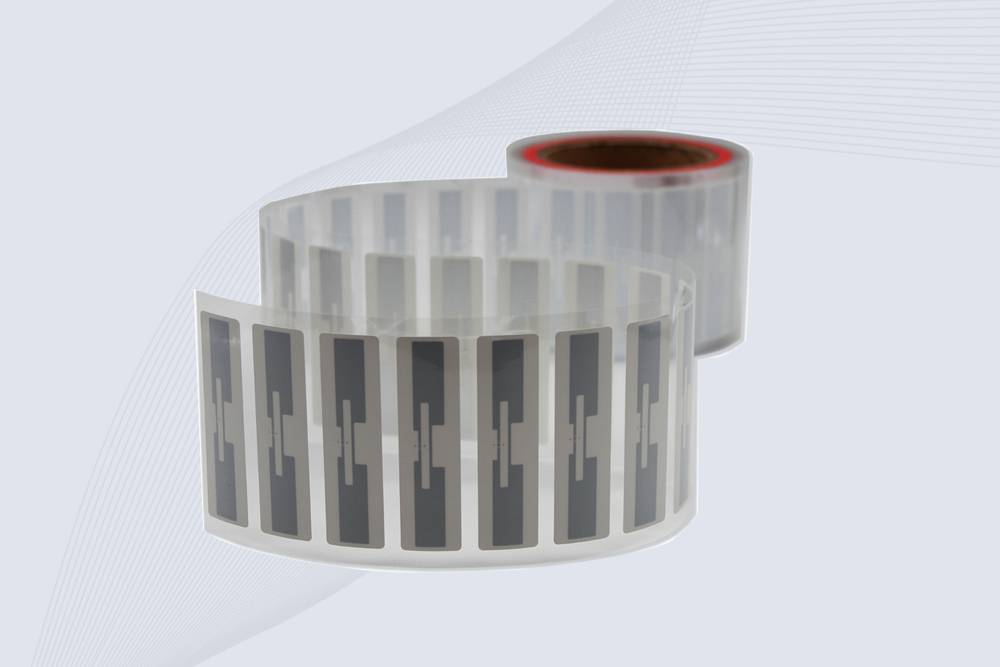
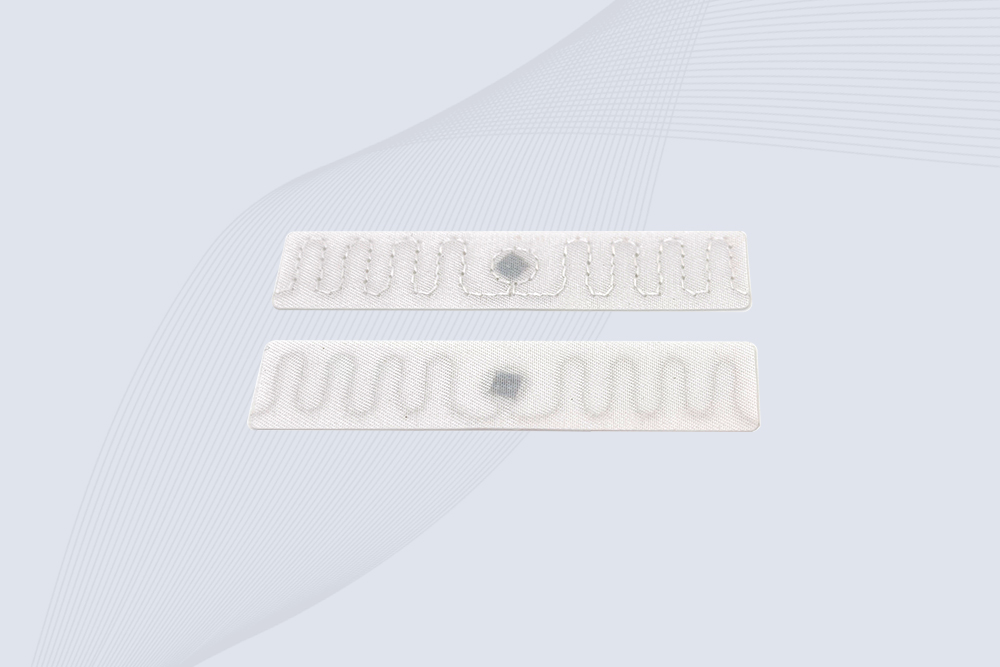
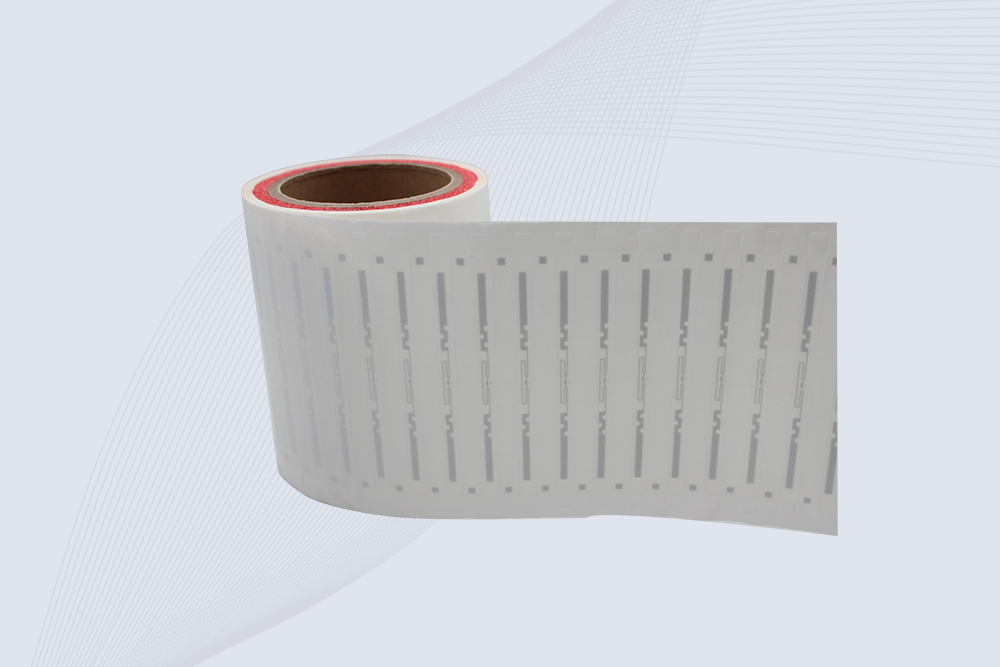
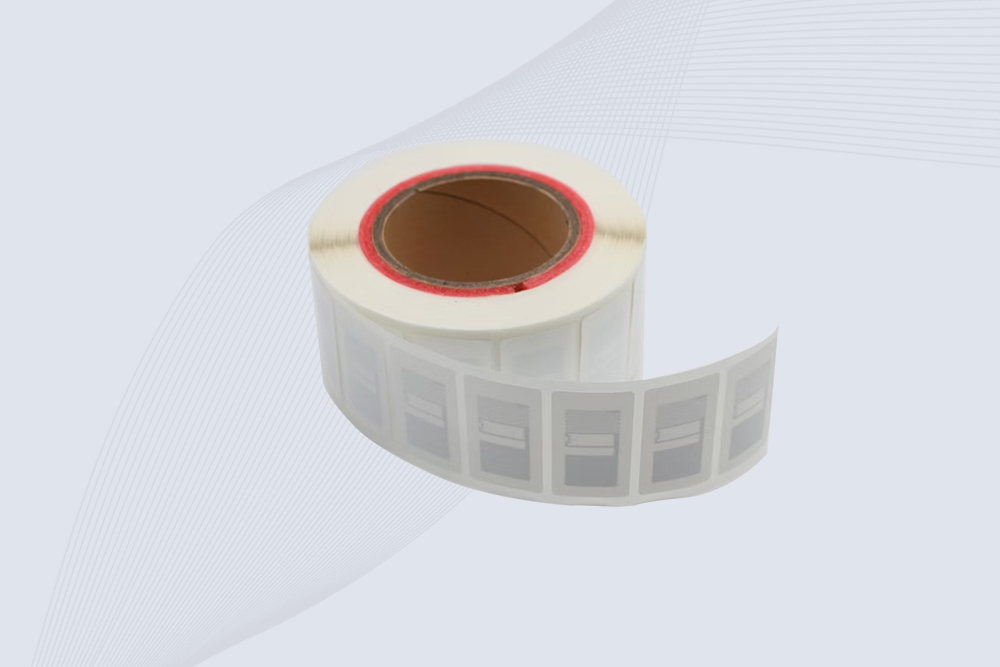
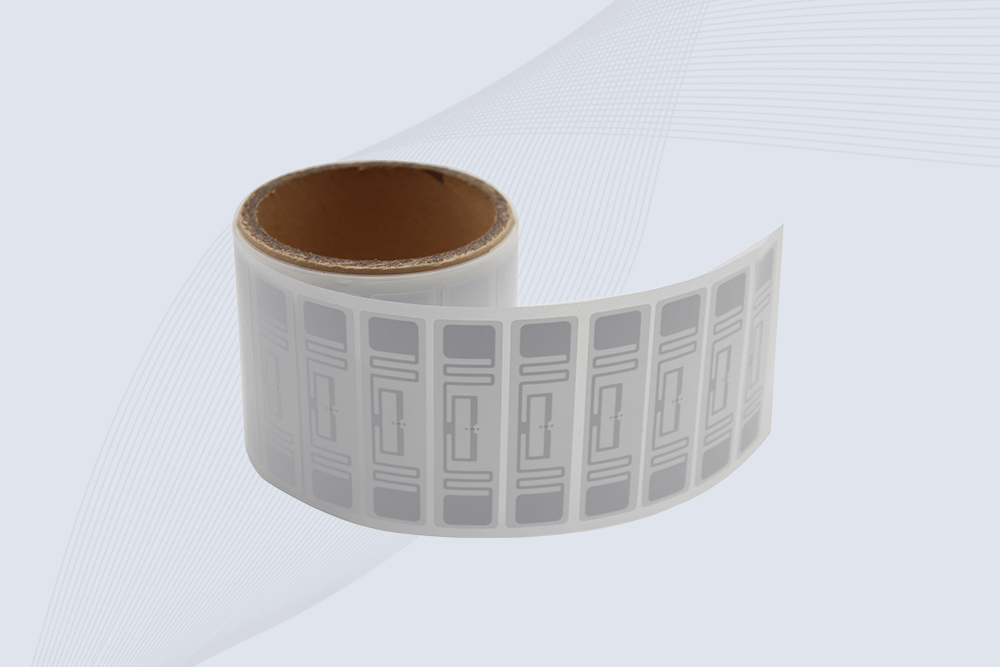
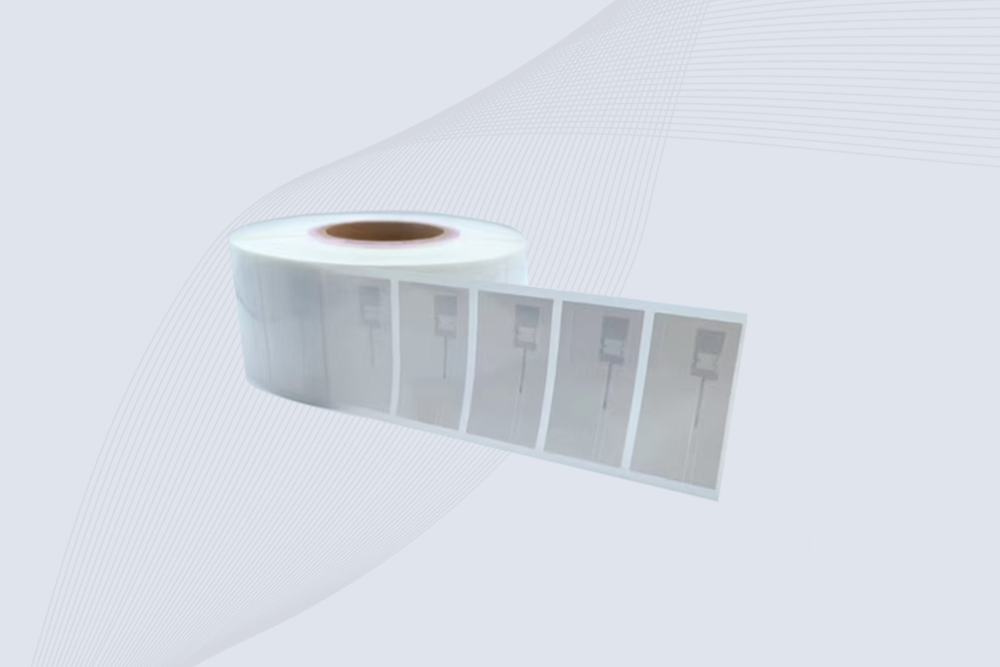
Inlays are the basic building block—a chip and antenna mounted on a flexible substrate (usually PET). Inlays are what get converted into finished labels .
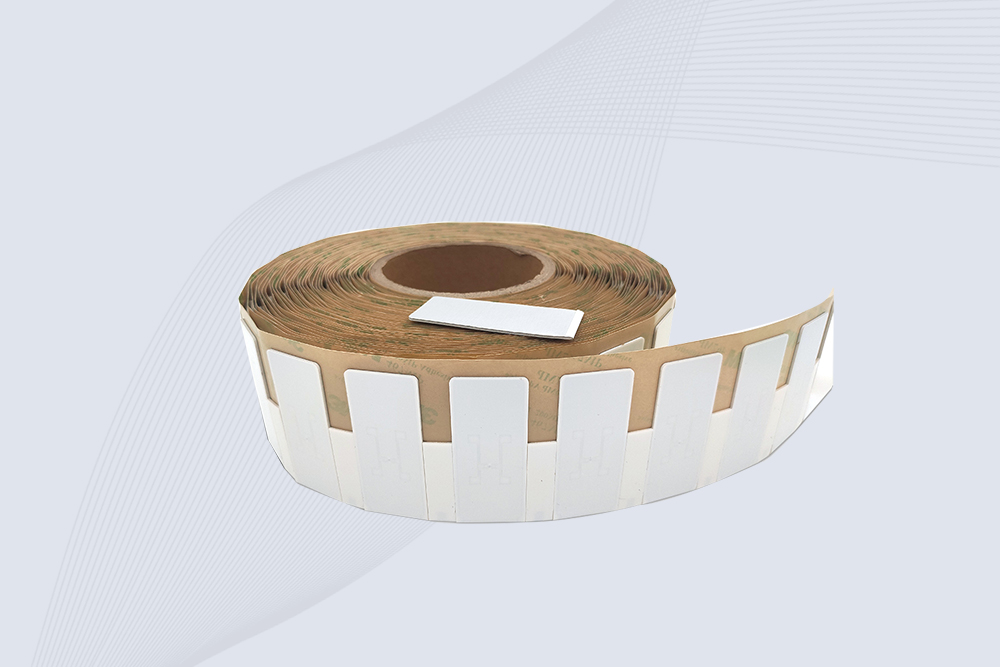
Wet inlays have adhesive backing ready to apply. They are the most common choice for retail inventory and supply chain applications—peel and stick on products or packaging .
Dry inlays have no adhesive and are used in manufacturing processes where the tag will be embedded or laminated into another product .
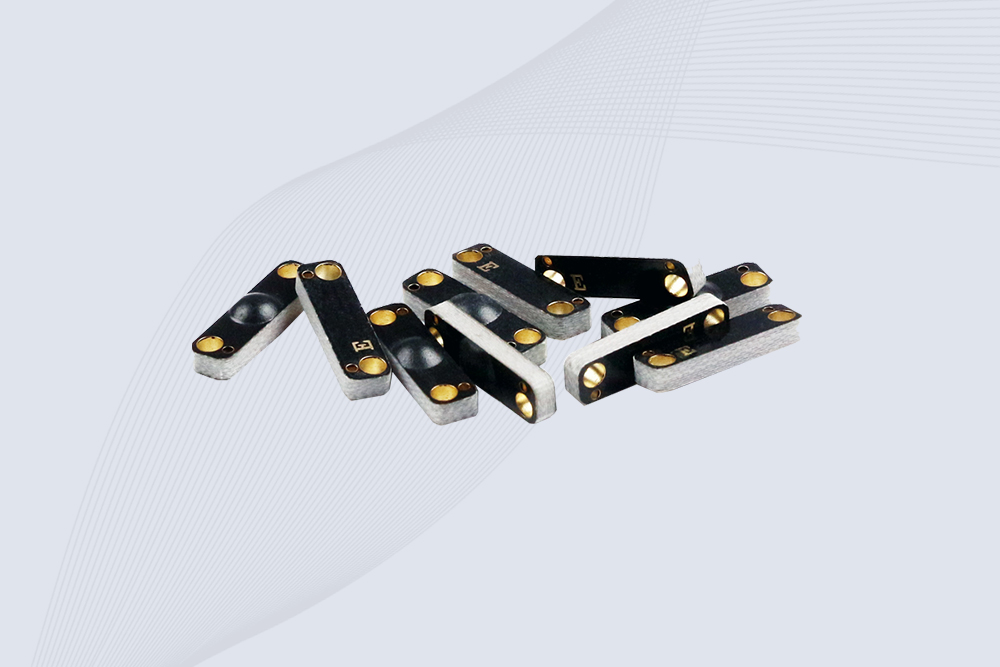
Hard tags (also called rugged tags) are enclosed in durable plastic, epoxy, or ceramic housings. These are used for industrial applications, vehicle tracking, and returnable containers where tags face harsh conditions—dirt, moisture, impact .
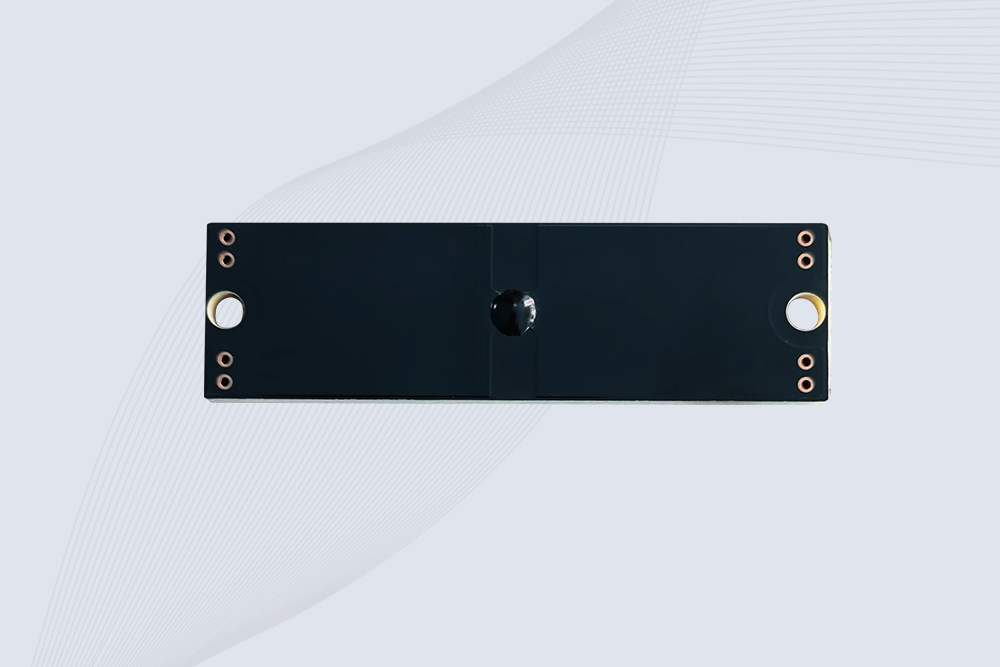
On-metal tags are specially designed to work when mounted directly on metal surfaces. Standard UHF tags fail on metal because the metal reflects signals and detunes the antenna. On-metal tags incorporate materials like ferrite or foam that isolate the antenna from the metal surface .
Wristbands are RFID tags embedded in comfortable bands for patient identification in hospitals or event access control .
Key fobs are small, durable tags attached to keychains for access control or asset tracking .
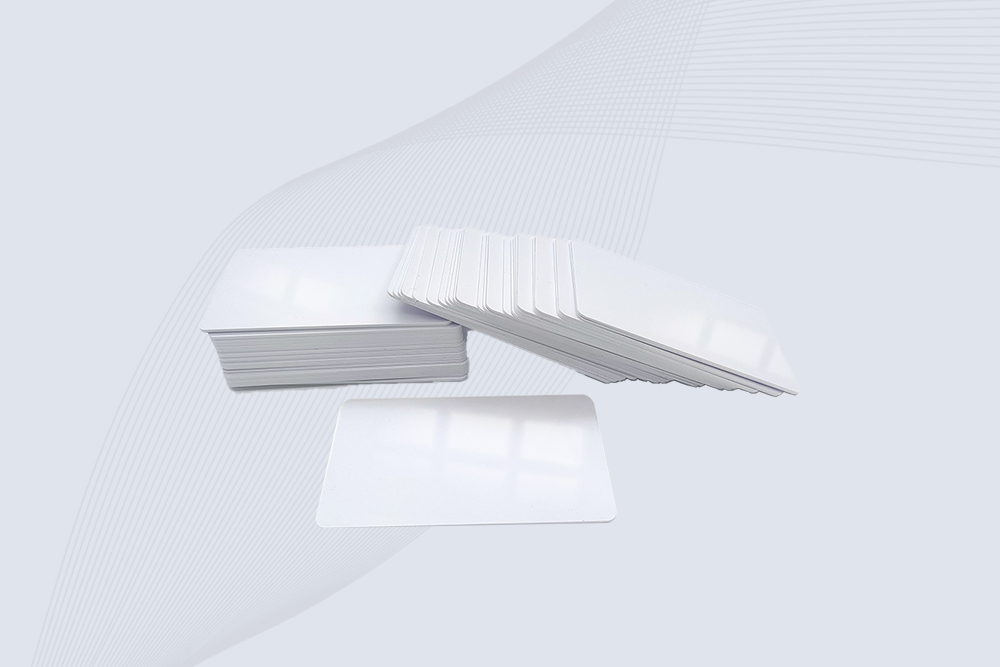
Cards are credit-card-sized RFID tags, common in access control and payment systems .
What’s Inside an RFID Tag?
Every RFID tag contains three essential components :
The microchip (integrated circuit) is the brain. It stores data, manages communication protocols, and controls the modulation of the reflected signal. The chip’s memory is divided into banks for different purposes—the unique ID (UID or TID), user memory for custom data, and reserved memory for passwords .
The antenna is the tag’s voice. It captures energy from the reader’s signal and uses that energy to power the chip. It also modulates the reflected signal to transmit data back to the reader . The antenna design determines the tag’s read range and performance on different surfaces.
The substrate is the physical base that holds the chip and antenna together. For inlays, this is typically a thin, flexible PET film. For hard tags, it is a rigid housing .
Tag Memory and Data Storage
RFID tags store data in structured memory banks. For UHF RAIN tags (ISO 18000-6C), there are four banks :
Bank
Name
What It Stores
00
Reserved
Kill password and access password
01
EPC
Electronic Product Code—the main identifier
10
TID
Tag Identifier—factory programmed, globally unique
11
User
User memory—custom data like serial numbers, dates
For HF tags like Mifare Classic, memory is organized into sectors and blocks, each protected by authentication keys.
The EPC (Electronic Product Code) is standardized by GS1 and adopted into ISO 18000-6C . This ensures interoperability between different manufacturers’ tags and readers. An EPC can encode a company prefix, product identifier, and unique serial number .
Standardization: Why It Matters
RFID tags follow international standards that ensure they work with readers from any manufacturer :
ISO 18000-6C (EPC Gen2): The global standard for UHF RFID tags. This ensures tags from one vendor work with readers from another .
ISO 14443: Standard for HF tags used in access control and payments (Mifare, NFC) .
ISO 15693: Standard for HF tags used in libraries and asset tracking (longer read range than ISO 14443) .
GS1 EPC Global: The organization that manages EPC standards, ensuring interoperability across the supply chain .
Applications Across Industries
Radio frequency identification tags have transformed how industries operate :
Retail: Every item in a store gets a UHF RFID tag. Inventory counts that took days now take hours. Out-of-stocks are identified immediately. Customers experience faster checkout and buy-online-pickup-in-store services .
Warehousing and logistics: Tags on cases and pallets are read automatically at dock doors. Handheld readers count entire aisles in minutes. Shipment accuracy approaches 100% .
Manufacturing: Tags on work-in-progress track items through production. Each station reads the tag, capturing timestamps and quality data. Traceability for recalls happens in minutes, not weeks .
Healthcare: Wristbands identify patients, ensuring the right medication goes to the right person. Tags on equipment like infusion pumps and wheelchairs mean nurses spend less time searching. Pharmaceutical tags verify authenticity throughout the supply chain .
Access control: HF tags in employee badges control access to buildings, floors, and secure areas. Keys can be added or revoked without reissuing physical keys .
Library: Tags in books enable self-checkout, automated returns, and fast inventory. Staff walk shelves with handheld readers to locate misplaced items .
Asset tracking: Expensive equipment, tools, and IT assets are tagged so their location is always known. Search time drops dramatically, and loss is prevented .
The Bottom Line
Radio frequency identification tags are small electronic devices that store data and communicate wirelessly with readers. They come in many forms—passive and active, LF, HF, and UHF—each suited to different applications.
Passive tags have no battery and last for decades. They are cheap, small, and perfect for high-volume applications like retail inventory and supply chain.
Active tags have batteries and longer range. They are used for real-time location tracking of high-value assets.
The right tag for your application depends on the frequency, read range, environment, and data needs. A tag that works great on a cardboard box will fail on a metal surface. A tag that works in a warehouse may not work in a hospital.
CYKEO offers a complete range of RFID tags for every application—UHF tags for warehouse inventory, HF tags for access control, on-metal tags for industrial use, and rugged tags for harsh environments. Our engineers can help you select the right tag and reader for your specific needs.
When you are ready to move from barcode scanning to the speed and visibility of RFID, tags are where it all starts. Choose the right one, and your system will work. Choose the wrong one, and nothing works. CYKEO can help you get it right.
Need RFID tags for your application? CYKEO offers a wide selection of passive and active tags in all frequencies. Contact our team for recommendations based on your specific items and environment.
CYKEO Passive RFID Tags are made for wet and high-humidity environments where standard labels do not last. This rfid passive tag is often used around liquids, chemicals and temperature changes, providing stable reading distance and long data life for industrial tracking.
CYKEO CYKEO-PCB1504 Metal RFID Tags is a compact anti-metal UHF RFID solution built for direct mounting on metal surfaces. With stable 8-meter read range, Ucode-8 chip, and long data retention, this rfid metal tag fits tools, containers, automotive parts, and industrial asset tracking.
CYKEO CYKEO-PCB7020 On-Metal RFID Tags are designed for reliable tracking on steel and metal surfaces. Built with an FR4 epoxy body and industrial-grade chips, these On-Metal RFID Tags deliver stable performance, long data life, and chemical resistance, making them a dependable RFID anti-metal tag for harsh environments.
The CYKEO CYKEO-60-25 Anti-Metal RFID Tag is built for metal surfaces where standard tags fail. Designed for long-range performance, harsh environments, and stable data retention, this Anti-Metal RFID Tag is ideal for industrial assets, containers, and equipment tracking using on metal RFID tags.
The CYKEO RFID Laundry Tag is designed for long-term textile identification in harsh laundry environments. Built to withstand high heat, chemicals, and repeated washing, this RFID Laundry Tag delivers stable performance for hotels, hospitals, and industrial laundry operations using laundry rfid tags at scale.
The CYKEO CYKEO-125-7 RFID Book Tag is designed for reliable book and document tracking in libraries and archives. This RFID Book Tag delivers long read range, dense placement support, and stable performance on shelves, making it a practical rfid tag on books for library automation, file management, and archival systems.
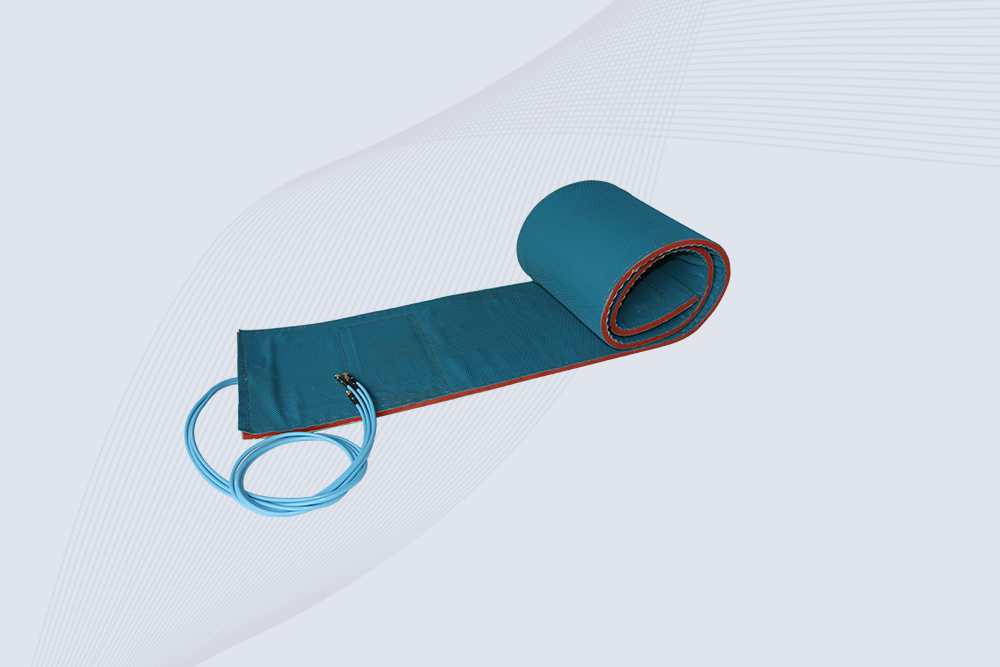
CYKEO RFID tags in hospitals are designed for sterile environments where accuracy matters. These autoclavable RFID tags support long-term tracking of surgical tools, implants, and medications, helping hospitals improve visibility, compliance, and patient safety.
CYKEO RFID Cable Tie Tag is built for reliable identification on metal surfaces. This UHF RFID Cable Tie Tag is widely used in rfid tags for inventory systems, industrial asset management and Hospital RFID Tags, offering stable read performance, long service life and global EPC Gen2 compatibility.
CYKEO RFID Asset Tag is designed for stable identification of metal assets in industrial environments. This UHF RFID Asset Tag is commonly used for rfid tag asset tracking on equipment, tools and containers, providing reliable reads, long service life and ISO/IEC 18000-6C support.
CYKEO UHF RFID Card is designed for fast identification and long-term use in industrial and commercial systems. Supporting ISO 18000-6C, this UHF RFID Card works at 860–960 MHz and is suitable for custom RFID cards used in asset tracking, access control and inventory management.
CYKEO HF RFID Cards are designed for secure and stable access control systems. These 13.56 MHz RFID key cards support ISO 14443-A, reliable rewriting and long service life, making HF RFID Cards suitable for offices, campuses, events and membership management.
CYKEO UHF RFID Tag is designed for reliable tracking of metal jewelry and high-value items. This Jewelry RFID Tag supports long-range reading up to 8 meters, anti-counterfeit protection and stable performance on metal, making it suitable for retail, inventory control and asset management.
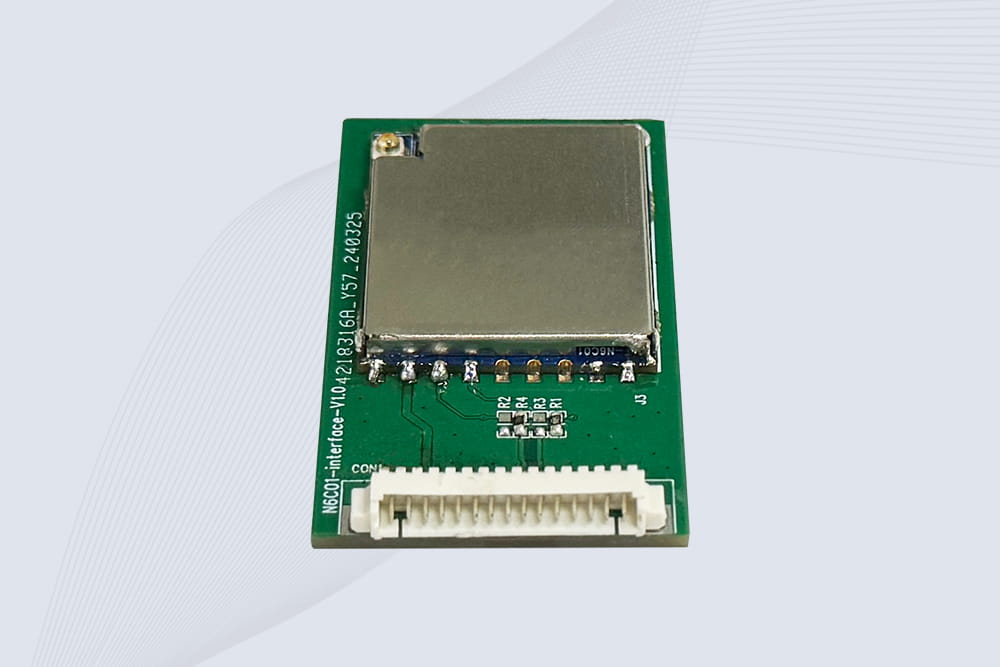
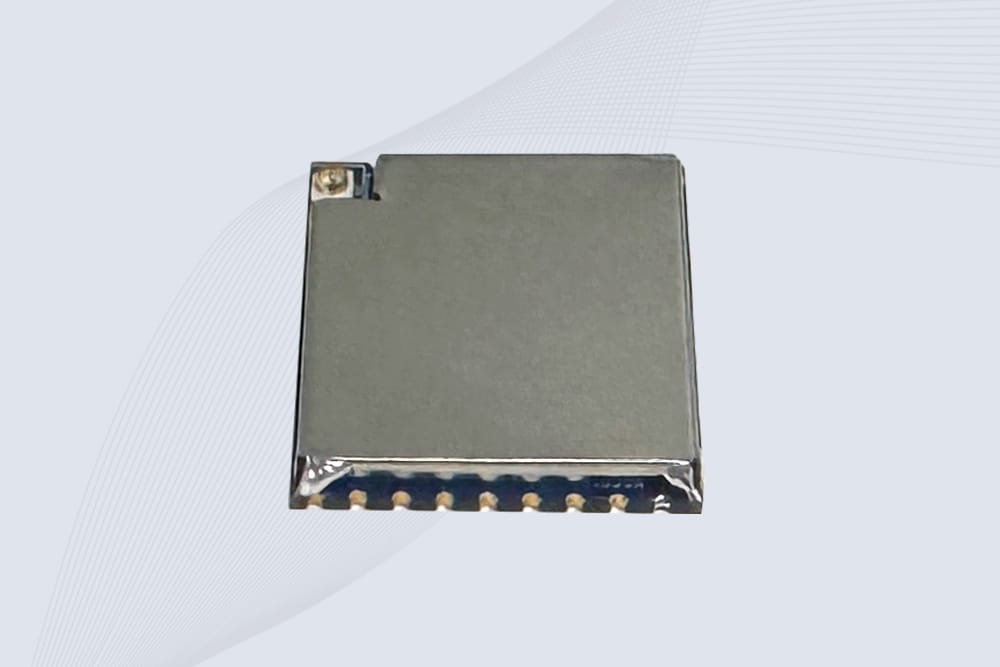
CYKEO Embedded RFID Modules are designed for compact industrial and IoT devices that require stable UHF performance. These UHF RFID Modules support global protocols, flexible power control, and reliable multi-tag reading for smart cabinets, production lines, and asset tracking systems.
CYKEO Embedded RFID Module is built for compact IoT and industrial devices that need stable UHF performance. This UHF module supports global protocols, low power operation, and reliable multi-tag reading for smart lockers, production lines, and always-on RFID systems.
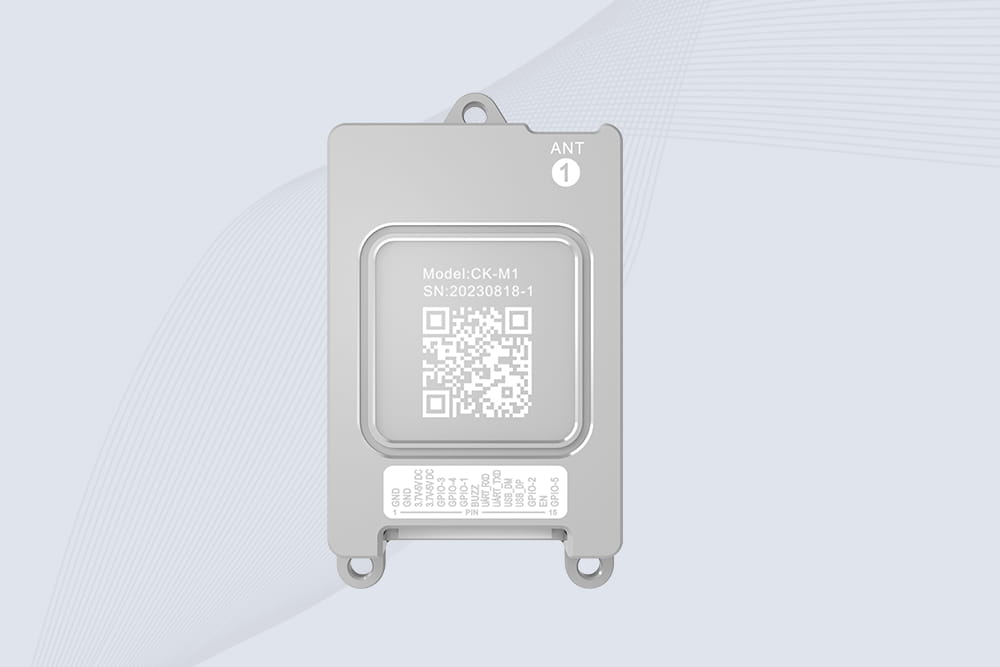
CYKEO CYKEO-M1 drone rfid module is a compact UHF RFID reader module designed for drones and UAV platforms. It supports long-range aerial scanning, fast multi-tag reading, and stable performance in wind, vibration, and outdoor environments.
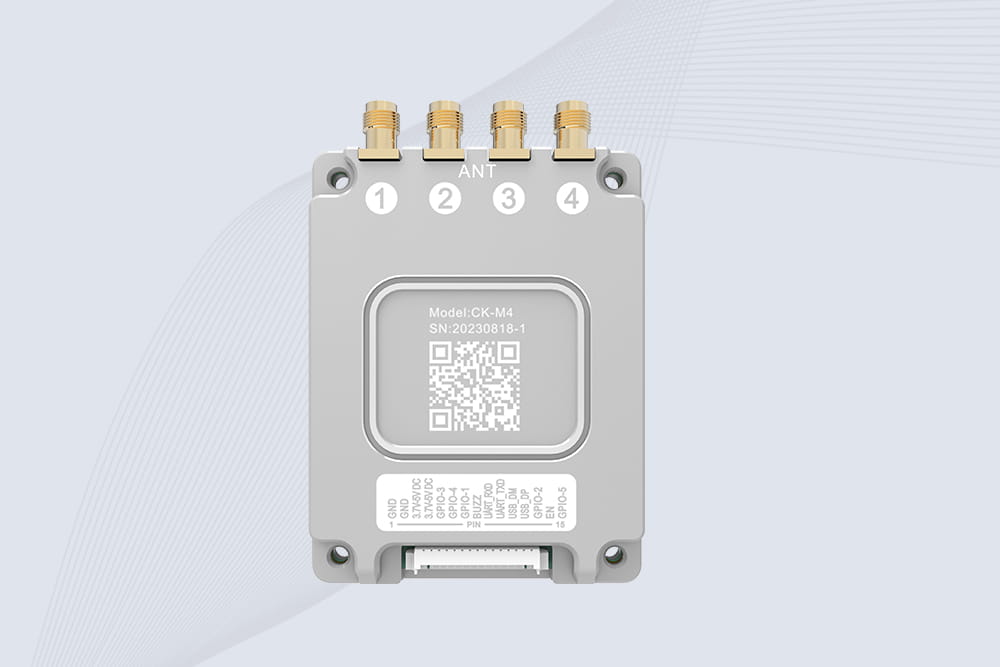
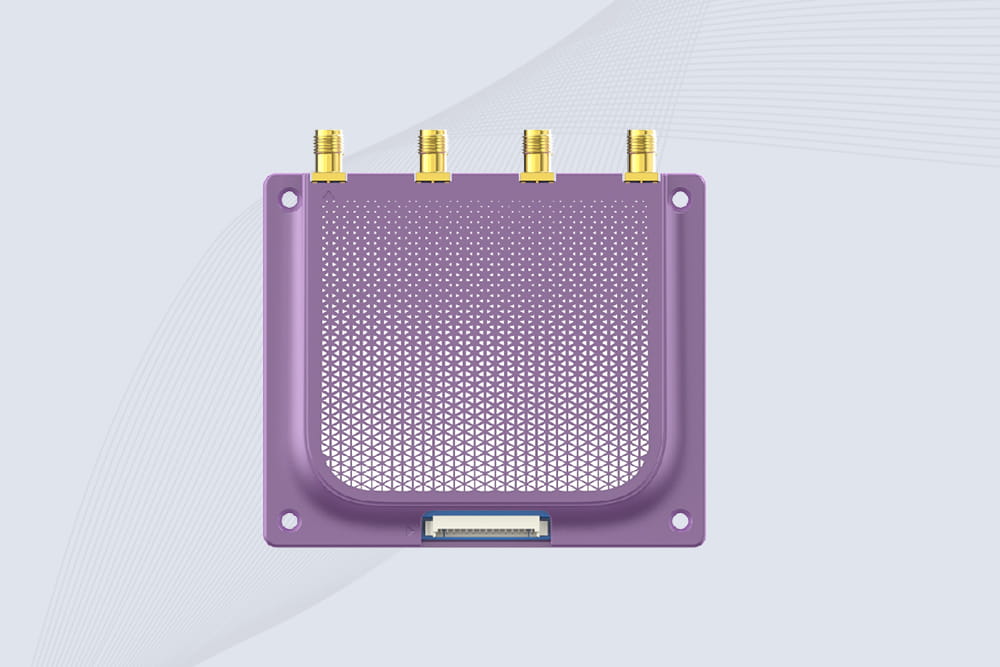
CYKEO CYKEO-M4 RC522 RFID Module is an industrial-grade UHF RFID reader with 4 ports, supporting ISO, EPC, and GB protocols. High-speed, accurate reading for IoT, automation, and warehouse applications.
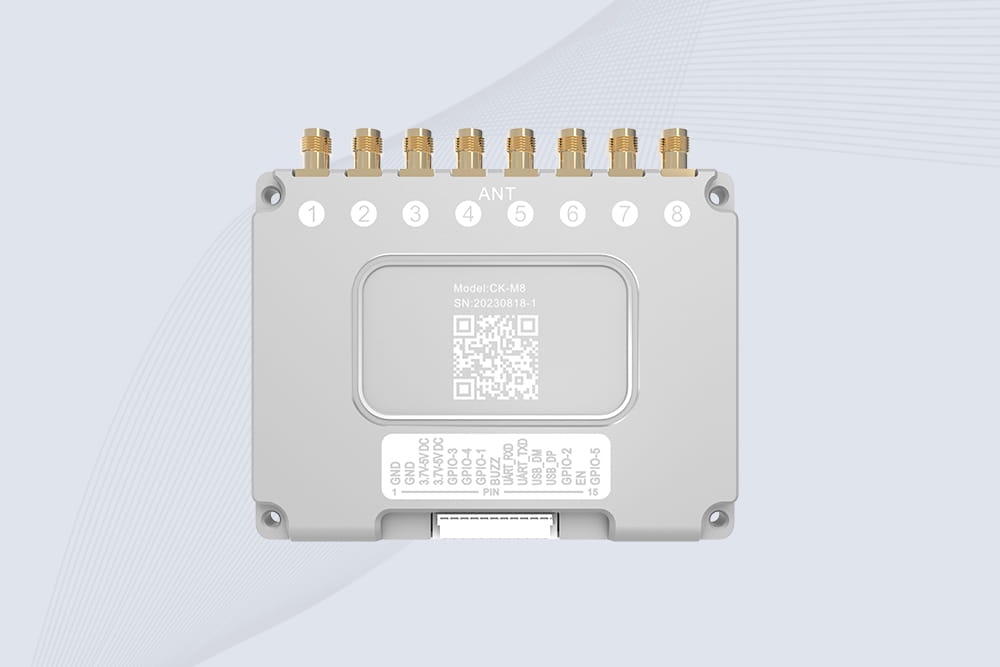
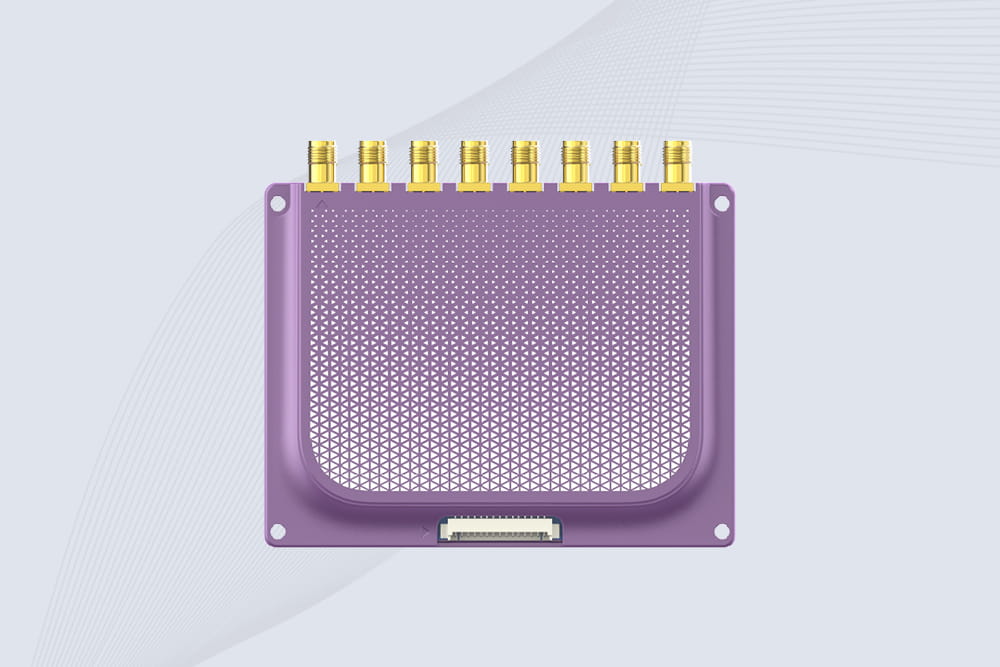
CYKEO CYKEO-M8 Module RFID is an 8-port UHF R2000 RFID Module designed for high-density, multi-tag environments. Stable 33dBm output, ISO & GB protocol support, ideal for warehouses, factories, and automated systems.
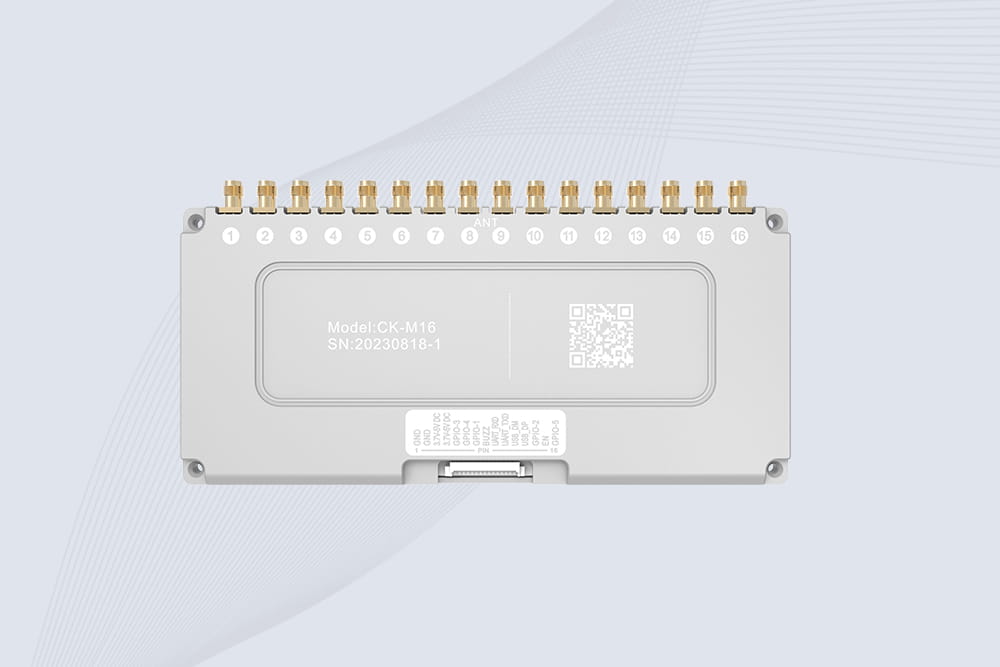
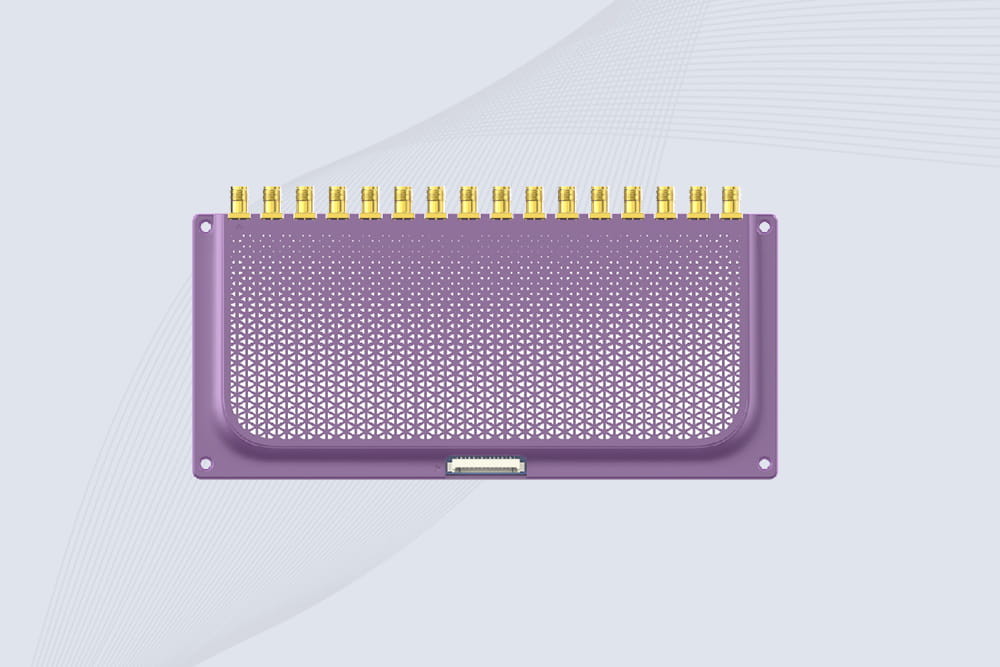
CYKEO CYKEO-M16 RFID Module is a 16-port UHF RFID reader module based on the R2000 chipset. Designed for dense tag environments, it supports ISO and GB standards and delivers stable multi-antenna control for industrial automation.
The CYKEO CYKEO-M16L RFID Reader Module is a 16-channel UHF RFID core designed for dense tag environments. With adjustable 33dBm output, multi-protocol support, and stable multi-antenna control, this RFID Tag Reader Module fits industrial automation, warehouse systems, and large-scale IoT deployments.
CYKEO CYKEO-M8L module RFID is a compact industrial UHF module built for dense tag and multi-antenna environments. With 8 RF ports, adjustable 33 dBm output, and ISO & GB protocol support, it is widely used in factories, warehouses, and automated tracking systems.
CYKEOCYKEO-M4L UHF RFID Module is a compact 4-channel RFID tag reader module designed for dense tag environments. Supporting ISO and GB protocols, it delivers stable reads up to 10 meters for industrial and IoT systems.
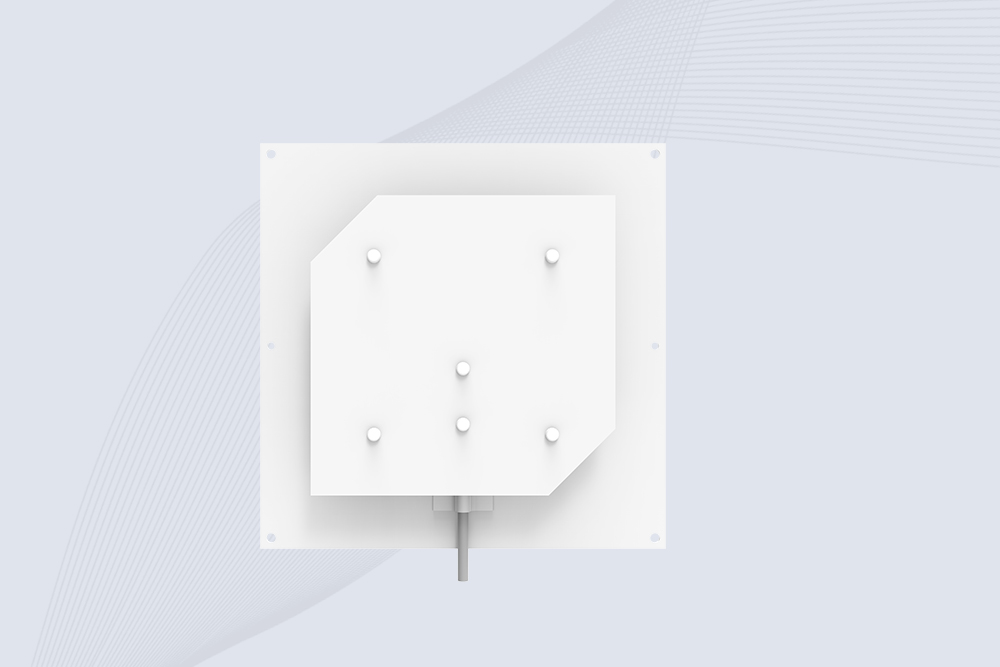
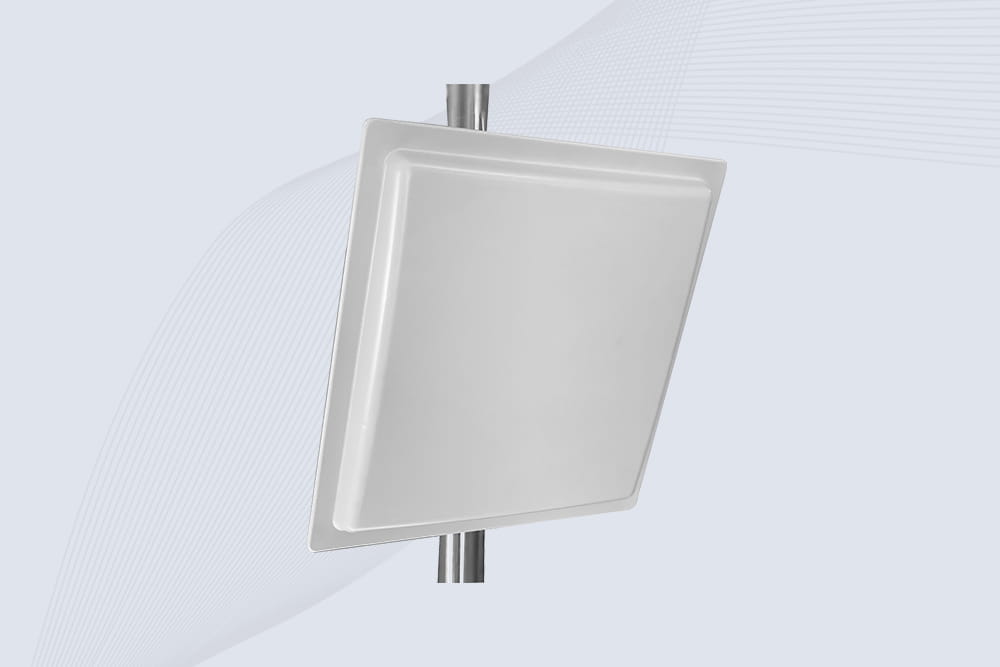
Cykeo CYKEO-A11 UHF RFID reader antenna delivers 11dBi gain, 840-960MHz frequency range, and IP65 ruggedness for retail, logistics, and industrial RFID systems. Features low VSWR and easy installation.
CYKEO Antenna RFID Reader delivers stable long-range UHF performance with a 10.5dBi directional design, built for warehouses, conveyor portals, and industrial RFID systems. This rfid reader antenna provides 20m+ read distance and rugged IP67 protection.
Cykeo CYKEO-A5B industrial Linear RFID Antenna delivers 5dBi gain, ≤1.5:1 VSWR, and IP65 rugged design for warehouse, production line, and logistics UHF systems.
Cykeo’s CYKEO-B12 Long Range RFID Antenna delivers 15m+ read range with 12dBi gain, IP65 rugged design, and global 840-960MHz UHF support. Ideal for warehouse/logistics asset tracking.
Cykeo CYKEO-B10 Long Distance RFID Antenna offers 10dBi gain, 840-960MHz frequency range, IP65 rating, and 20m+ coverage for logistics/warehousing/ETC systems. Low VSWR ensures stable signal transmission.
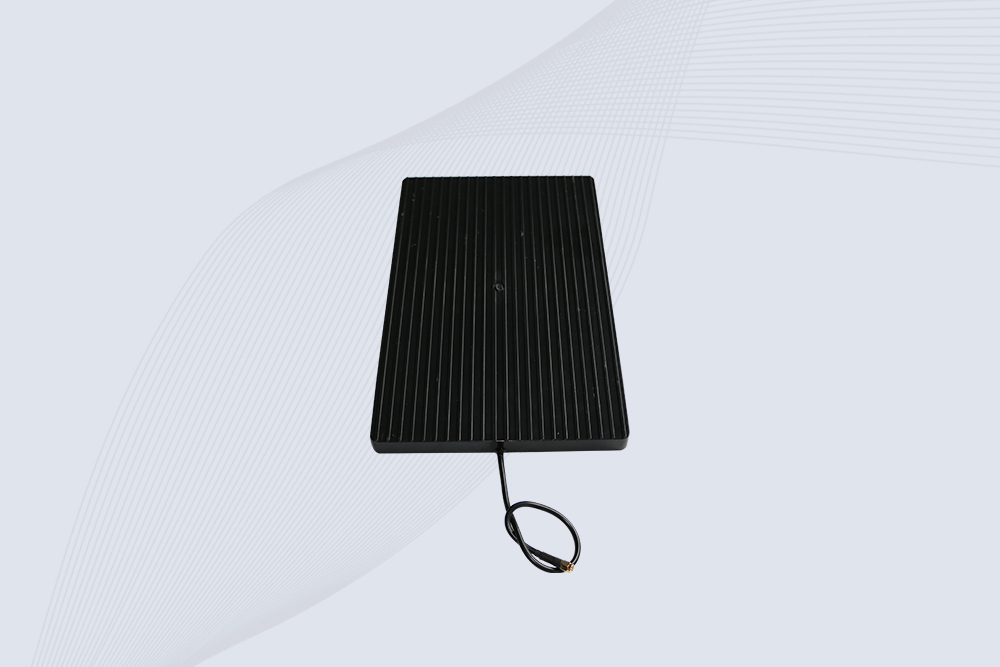
Cykeo CYKEO-A6 UHF RFID panel antenna features 6dBi gain, 840-960MHz broadband, IP65 metal-ready housing for logistics/smart retail. 18mm ultra-thin design with tool-free mounting.
Cykeo CK-A3 industrial antenna RFID UHF offers 5m+ tag detection, ≤1.3:1 VSWR, IP65 rugged design, and global UHF spectrum compatibility (840-960MHz) for warehouses, factories, and retail.
Cykeo CYKEO-B5 directional RFID antenna provides 5dBi gain with 60° narrow beamwidth for precise inventory tracking. IP65-rated, global UHF frequency support, and low VSWR.
Create your own high-performance DIY RFID antenna! 5dBi gain, 840-960MHz tunable, step-by-step guides. Compatible with Arduino, Raspberry Pi, and commercial UHF readers.
Cykeo CYKEO-A7 Flexible RFID Antenna features 840-960MHz wideband tuning, 7dBi gain, and IP68 rating for medical/retail/industrial curved surface deployments. 98% read accuracy with peel-and-stick installation.
Cykeo CYKEO-B5A industrial Passive RFID Antenna delivers 5dBi gain, 70° beamwidth, and -40°C~55°C operation for warehouses/smart cabinets. Compatible with Zebra/Impinj readers.
Cykeo’s CYKEO-A9B High Gain RFID Antenna delivers 15m+ read range with 9dBi amplification. Features IP54 rugged design, 840-960MHz bandwidth, and 80° beamwidth for warehouse/manufacturing RFID systems.
Cykeo’s enterprise-grade 8dbi Impinj RFID Antenna 10m+ read range with 840-960MHz tuning. Features IP65 housing, 1.4 VSWR, 35° beamwidth for retail/warehouse RFID systems.
Cykeo CYKEO-A9 industrial UHF RFID antenna delivers 9dBi gain, 840-960MHz frequency range, and IP65 protection for warehouse/logistics/retail RFID systems. Features N-type connector and ≤1.3:1 VSWR.
CYKEO UHF RFID Antenna built for long-distance and industrial applications. This antenna rfid uhf delivers strong gain, outdoor durability, and reliable tag performance in warehouses, yards, and vehicle ID systems.
CYKEO Antenna RFID delivers reliable long-range UHF performance in warehouses, retail shelves, and cold-chain environments. This compact uhf rfid antenna provides stable reads with circular polarization and ultra-wide 840–960 MHz support, ideal for industrial tracking, smart shelves, and asset monitoring.
Cykeo’s CYKEO-C8 UHF RFID antennas delivers 8dBi gain, 840-960MHz full-band coverage, and IP65 ruggedness for manufacturing/warehouse RFID systems. Industrial RFID Antennas Features
Cykeo’s 8dBi UHF RFID antenna and reader kit delivers 10m+ range, 840-960MHz broadband, and IP65 ruggedness for factories, warehouses, and logistics. ISO 18000-6C & EPC Gen2 certified.
Cykeo’s CYKEO-A12C UHF Large RFID Antenna delivers 12dBi gain, 840-960MHz global frequency, IP65 ruggedness for logistics/warehousing/automotive. 40° beamwidth ensures stable 15m+ tag reads.
CYKEO Near Field RFID Antenna provides precise 5–30 cm reading for shelves, cabinets, and workstations. This compact rfid shelf antenna delivers stable short-range performance around metal and clutter, ideal for pharmacies, libraries, and electronics sorting.
Cykeo’s industrial long range RFID reader delivers 20-meter scanning, 500+ tags/sec speed, and IP67 waterproof design for automated warehouses, logistics, and harsh environment applications.
Cykeo’s CYKEO-RA6L industrial RFID long range reader features 20m read distance, 500 tags/sec speed, and IP67 protection. Ideal for warehouse automation, manufacturing WIP tracking, and smart logistics. Supports ISO 18000-6C/6B protocols.
CYKEO Long Range RFID Tag Reader built for outdoor and industrial operations. This Outdoor RFID Reader delivers 20m read distance, fast tag processing, and IP67 durability for wide-area tracking.
Cykeo CYKEO-RA12L industrial Long Range RFID Reader delivers 20m read range, 200+ tags/sec scanning, and IP67 protection for manufacturing/logistics applications. Supports ISO 18000-6C/GB protocols.
Learn how library RFID tags transform library operations—from speeding up checkouts and returns to improving inventory management, privacy protection, and security. Includes examples of tag types, Tattle-Tape strips, and everyday supplies used in ...
Chipless RFID is considered the next-generation RFID technology due to its low cost and environmental advantages. But can it truly replace traditional RFID? This article analyzes its potential and limitations from aspects like reading distance, da...
Discover the critical differences between passive and active RFID tags. Learn how Cykeo’s solutions optimize inventory tracking, security, and cost-efficiency.
RFID drone system enables fast, efficient, and low-error warehouse inventory by autonomously flying and reading RFID tags. This article explores its working principles, advantages, use cases, and future trends, helping businesses upgrade to intell...
 Cykeo RFID IoT Solution Products R&D Manufacturer