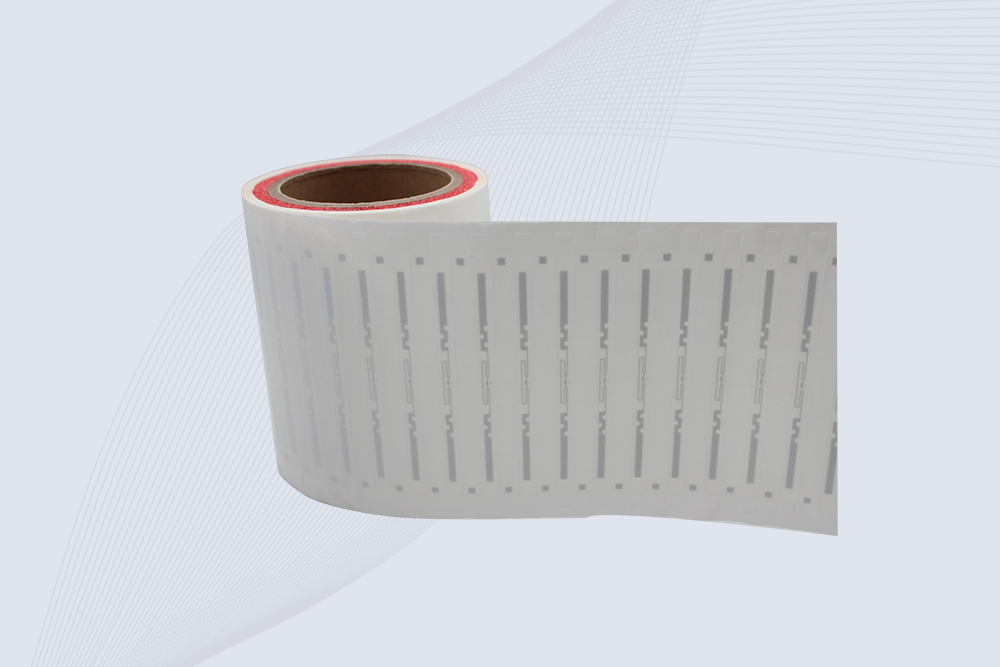
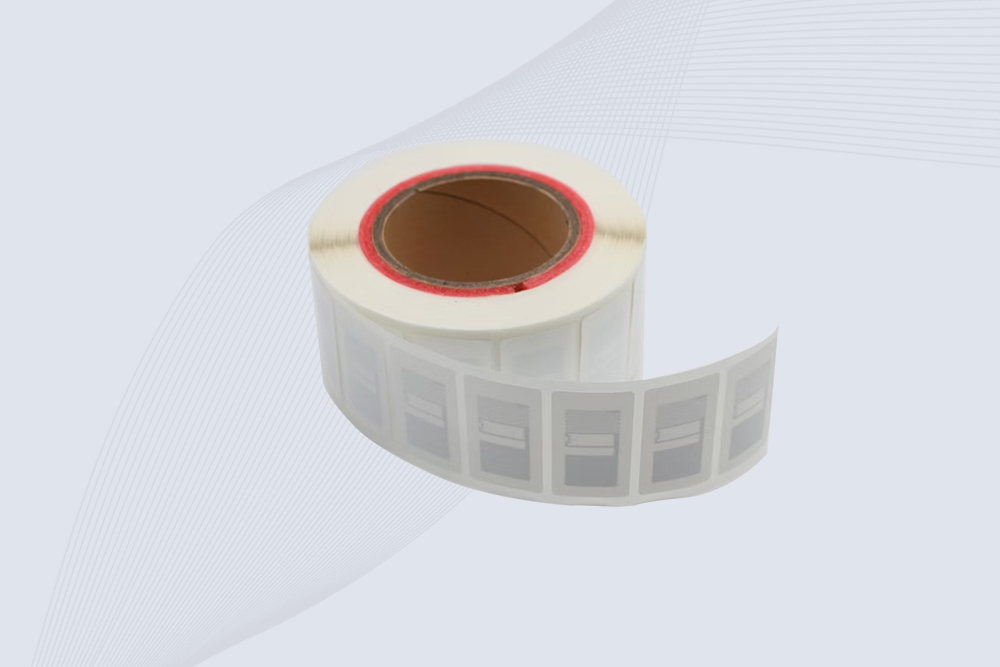
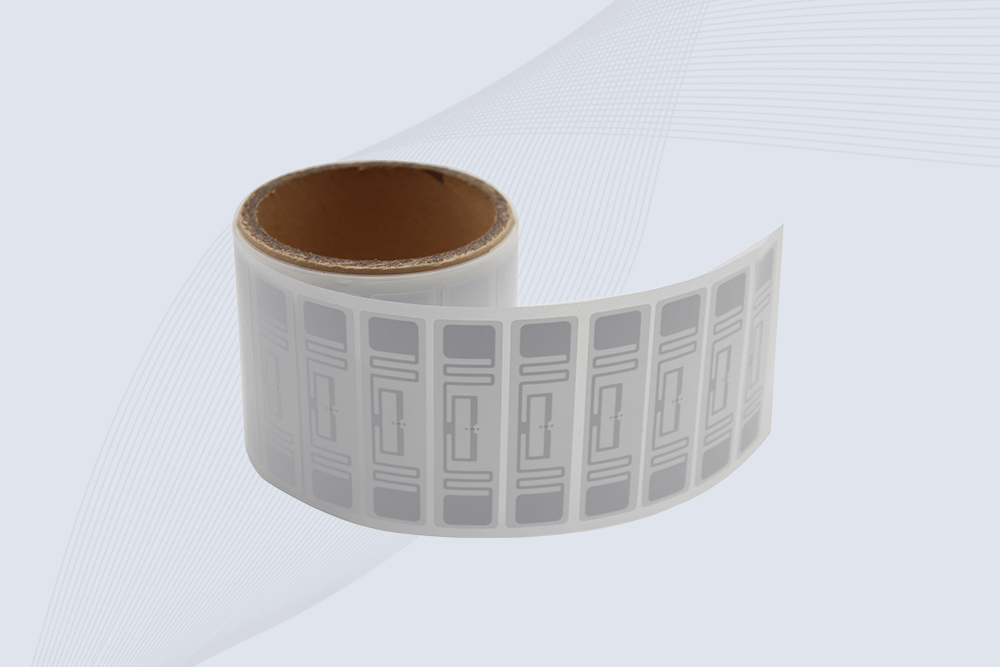
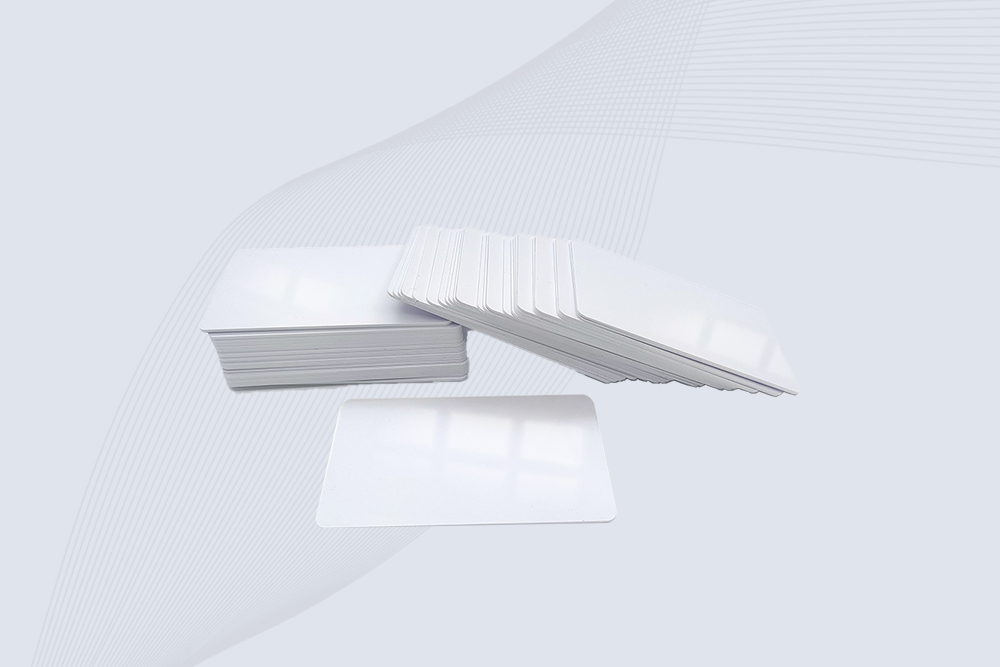
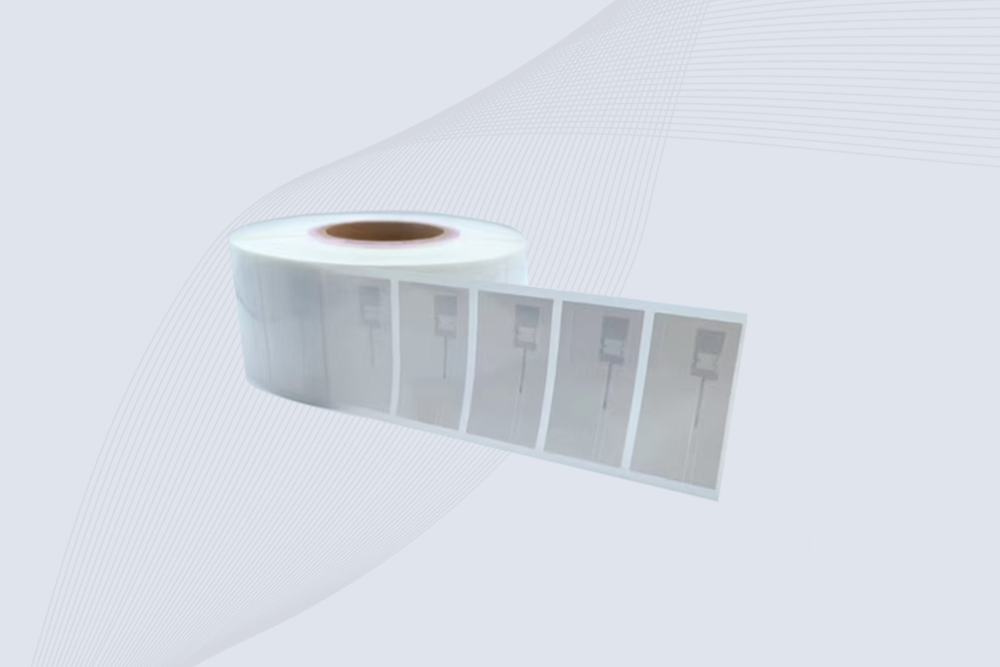
RFID tags work by exchanging wireless signals with RFID readers through radio frequency communication. The reader sends energy to activate the tag, and the embedded chip returns stored identification data. This process enables automatic tracking, inventory control, and asset management without direct scanning or physical contact.
Understanding the Basic Principle Behind RFID Tags
how to rfid tags work starts with understanding the relationship between the RFID tag and the reader. An RFID tag is not simply a sticker with information printed on it. Inside the tag is a small electronic circuit containing a chip and antenna that allows wireless communication.
In practical deployments, I have tested RFID systems in warehouse inventory, manufacturing tracking, retail management, and equipment identification environments. One thing becomes clear during installation: the tag itself is only one part of the system. Reader configuration, antenna position, surrounding materials, and software processing often determine the final performance.
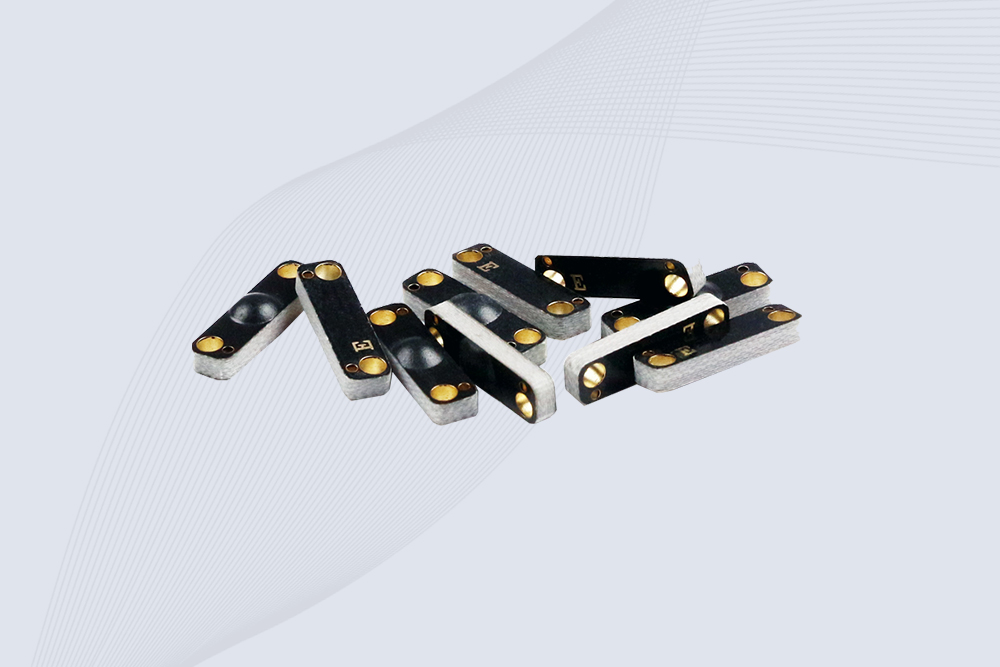
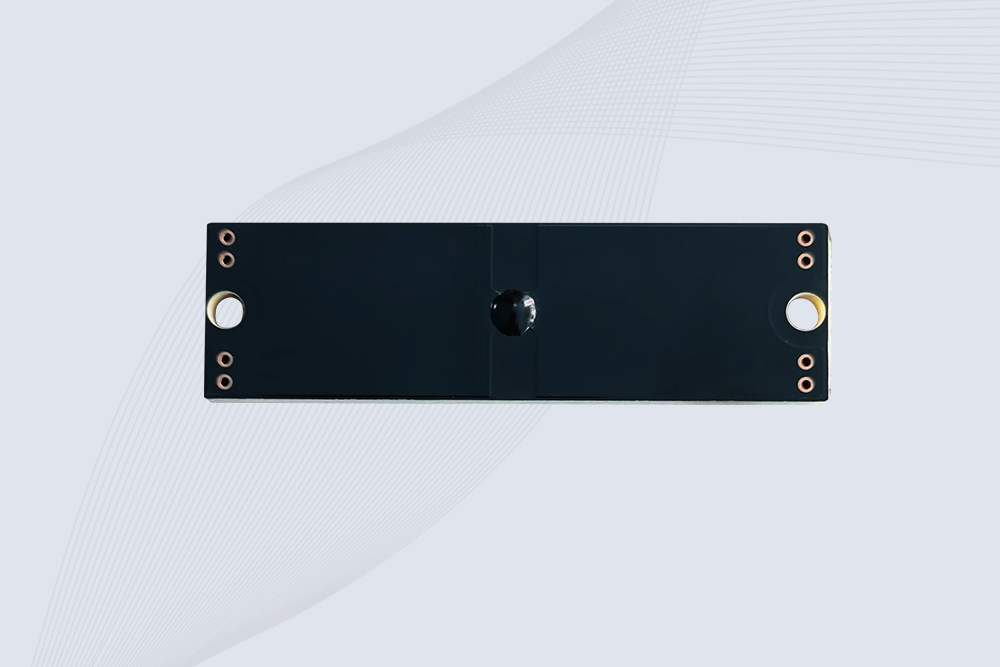
A common mistake during RFID projects is focusing only on tag selection while ignoring the reading environment. A tag that performs well on cardboard packaging may behave differently when attached to metal equipment or liquid containers. Field testing before large-scale deployment remains one of the most important steps.
According to GS1, RFID technology supports automatic identification and data capture by using radio waves to exchange information between tags and readers. EPC-based RFID systems are widely used for product identification and supply chain visibility.
How RFID Tags Communicate With RFID Readers
The communication process between an RFID tag and reader happens through electromagnetic waves. Unlike barcode systems, RFID does not require a direct visual connection between the reader and the tagged object.
The basic workflow includes:
Step
Process
1
RFID reader sends radio frequency signals through an antenna
2
RFID tag receives energy from the reader signal
3
RFID chip processes stored identification information
4
Tag sends data back to the reader
5
Software system collects and manages the information
Passive RFID tags, which are widely used in logistics and retail, do not contain their own battery. They receive power from the reader signal and respond by reflecting a modified radio frequency signal.
Active RFID tags work differently because they contain an internal power source. They can provide longer communication distances but are usually used for specialized tracking scenarios.
How RFID Tags Store Information
Inside an RFID tag, the microchip stores digital information that identifies an item. The amount and type of stored data depend on the tag standard and application requirements.
A typical UHF RFID tag structure includes several memory areas:
Memory Area
Purpose
EPC Memory
Stores unique identification numbers
TID Memory
Stores chip-related information
User Memory
Stores additional application data
Reserved Memory
Handles security functions
Most enterprise RFID systems do not store complete product records directly on the tag. Instead, the RFID number acts as a digital key connected to a database.
For example, in a warehouse environment, a pallet tag may only contain a unique EPC number. When the reader captures this number, the warehouse management system retrieves product details, location information, receiving status, or shipping records.
This design allows companies to update inventory information without rewriting every physical RFID tag.
RFID Frequency Determines How Tags Work
RFID technology operates across different frequency ranges. The frequency affects reading distance, application environment, and system design.
Frequency
Range
Typical Applications
LF (125–134 kHz)
Short distance
Animal tracking, access systems
HF (13.56 MHz)
Medium distance
Smart cards, NFC, libraries
UHF (860–960 MHz)
Longer distance
Warehouses, retail, logistics
For industrial applications, UHF RFID is commonly selected because it supports fast identification of multiple items.
The Auburn University RFID Lab has conducted RFID research focused on inventory accuracy and retail applications. One widely referenced study involving retail stores showed RFID could significantly improve inventory record accuracy when properly implemented. The research highlighted that RFID performance depends on complete system deployment rather than simply attaching tags to products.
RFID readers capture wireless tag information to improve inventory visibility and automated identification.
What Happens Inside an RFID System During Real Deployment?
When an RFID project moves from testing into daily operation, several technical details become important.
Key factors include:
Reader output power adjustment
Antenna installation angle
Tag placement direction
Environmental interference
Data filtering configuration
Software integration
During warehouse deployments, engineers often discover unexpected issues after installation. Metal racks may reflect radio signals. Closely packed products may create multiple tag reads. A reader may capture hundreds of responses per second but still require software filtering to provide accurate business data.
This is where industrial RFID systems differ from simple demonstrations. A successful solution must combine reliable hardware, optimized communication settings, and practical application software.
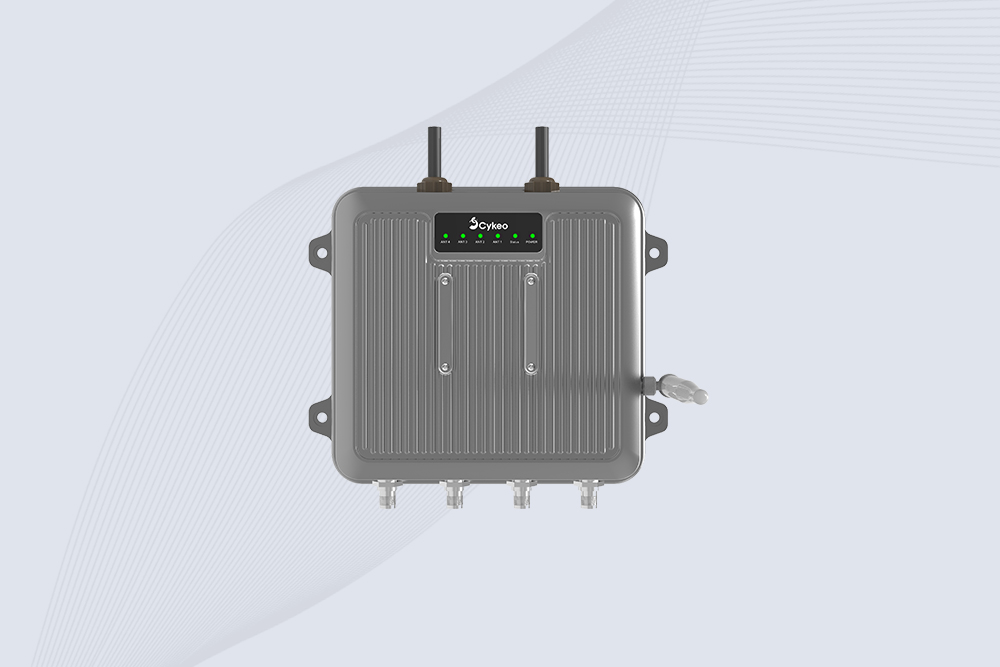
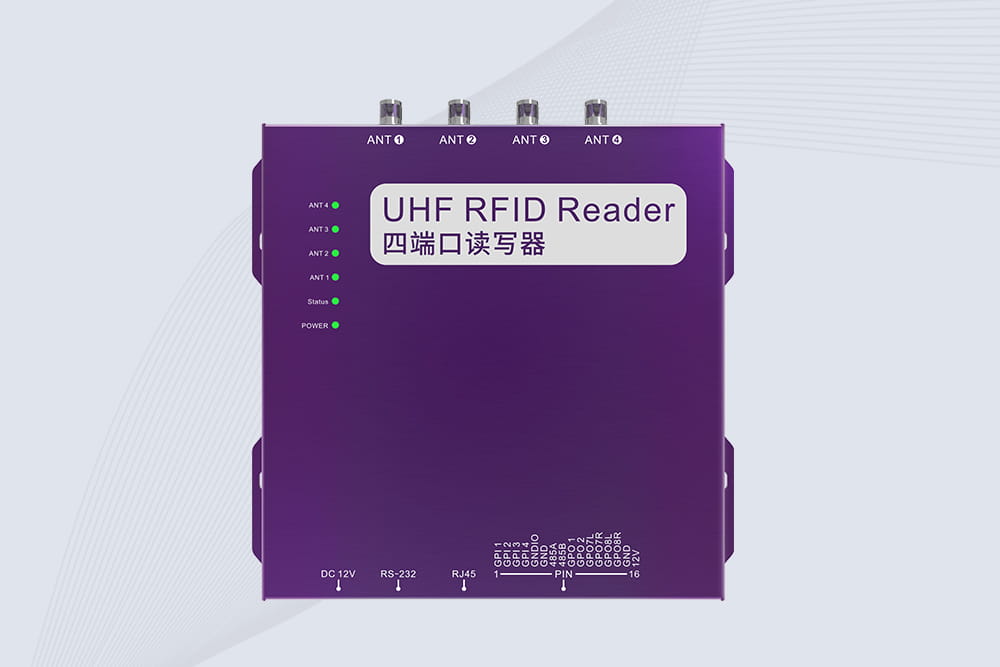
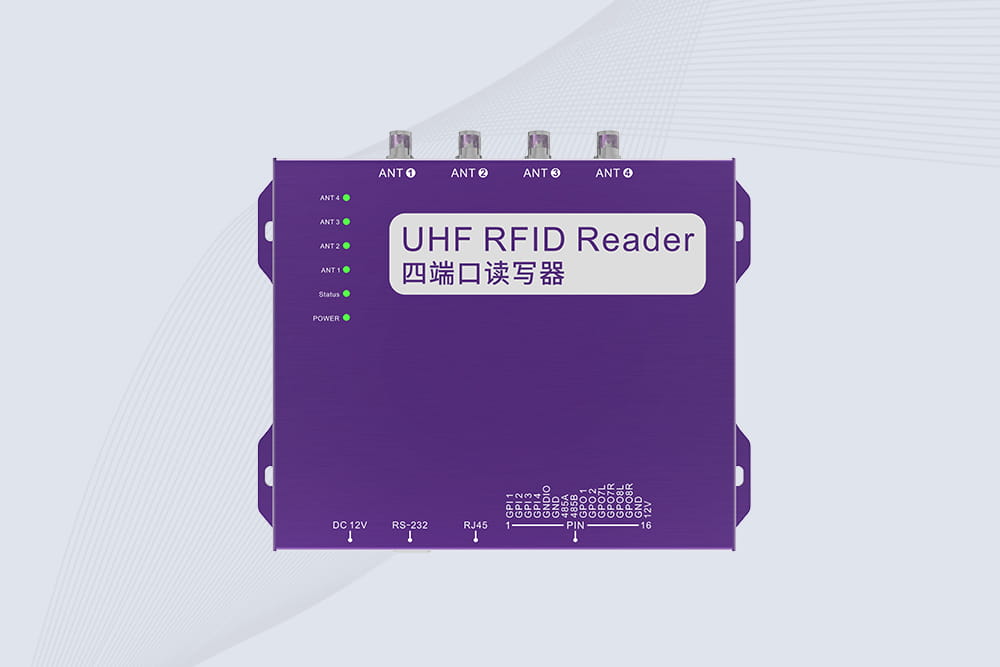
Cykeo develops RFID hardware solutions designed for industrial environments, including UHF fixed rfid readers, RFID reader modules, desktop RFID writers, and integrated identification systems. These solutions support functions such as multi-tag reading, adjustable power control, filtering algorithms, and SDK/API integration for customized applications.
How RFID Tags Work in Real Business Applications
Understanding how to rfid tags work becomes more valuable when looking at real deployment environments. RFID technology is not only used for identifying products; it creates a continuous connection between physical objects and digital management systems.
In warehouse operations, RFID tags can be attached to cartons, pallets, tools, or individual products. When items pass through an RFID reading zone, the system automatically captures identification information and updates inventory records.
A typical industrial RFID workflow includes:
Application Stage
RFID Function
Receiving
Automatically identifies incoming goods
Storage
Records item location and inventory status
Picking
Confirms selected products and reduces errors
Shipping
Verifies outgoing shipments
Asset Management
Tracks equipment movement and usage
For example, in a European distribution warehouse project, fixed RFID readers were installed at receiving and shipping points. The challenge was not simply reading tags. The engineering team had to adjust antenna direction, output power, and filtering rules because nearby metal structures created signal reflections.
This experience shows an important point: RFID is a communication system, not just a labeling method.
Why RFID Anti-Collision Technology Matters
One of the major advantages of RFID compared with traditional identification methods is the ability to handle multiple tags.
When dozens or hundreds of RFID tags enter a reader area at the same time, the reader needs to separate their responses. This process is called anti-collision technology.
Modern UHF RFID systems use communication protocols designed for multiple-tag environments. The GS1 EPC Gen2 standard defines the interaction between RFID interrogators and tags, including inventory operations, tag selection, and access commands.
This capability is especially important in:
Warehouse pallet identification
Retail inventory counting
Manufacturing line tracking
Medical supply management
Tool tracking systems
Without efficient anti-collision processing, companies may experience missed reads, duplicate records, or slow inventory operations.
How RFID Readers Capture Tag Information
The RFID reader is the active part of the system. It generates radio signals, provides energy to passive tags, receives responses, and sends collected data to software.
The reading process involves several technical layers:
1. Signal Transmission
The reader sends radio frequency energy through its antenna. Passive RFID tags receive this energy and use it to activate their internal chip.
2. Data Response
After activation, the RFID chip sends stored information back through backscatter communication.
3. Data Processing
The reader filters and transfers tag information to enterprise software platforms.
According to GS1 documentation, passive UHF RFID tags receive operating energy from reader signals and communicate by changing the reflection characteristics of their antenna, allowing information to return to the reader.
This technical principle allows RFID systems to operate without batteries inside many industrial tags.
RFID technology connects physical inventory with digital management systems for accurate tracking.
Cykeo RFID Solutions for Practical Deployment
In commercial RFID projects, hardware selection directly affects system reliability. Cykeo focuses on industrial RFID solutions designed for applications requiring stable identification, integration flexibility, and long-term operation.
Cykeo RFID products support:
UHF RFID communication based on ISO 18000-6C / EPC C1G2 standards
Multi-tag identification for warehouse environments
Adjustable reader power settings
Anti-collision algorithms
Tag filtering functions
SDK and API integration
For example, Cykeo fixed RFID readers can be integrated into warehouse gates, production lines, and asset tracking systems. Desktop RFID writers are designed for controlled tag programming environments, allowing users to encode and verify RFID labels before deployment.
A practical RFID system normally combines:
Layer
Cykeo Solution Role
RFID Tag
Stores unique identification data
Reader Hardware
Captures wireless information
Communication Interface
Transfers data through USB, Ethernet, or serial connection
Software Platform
Processes business information
The final result is not simply “reading tags.” It is creating reliable data flow between physical items and business systems.
Frequently Asked Questions About How RFID Tags Work
1. Do RFID tags need batteries to work?
Most RFID tags used in logistics are passive tags and do not require batteries. They receive energy from RFID readers through radio frequency signals and respond by transmitting stored information.
2. How far can RFID tags be read?
The reading distance depends on frequency, tag design, reader power, antenna configuration, and environment. UHF RFID systems can achieve longer distances than LF or HF systems when properly installed.
3. Can RFID readers scan multiple tags at once?
Yes. RFID systems are designed for multiple-tag identification. Anti-collision technology allows readers to process many tag responses in a short period.
4. Can RFID tags store product information?
Yes. RFID tags contain memory areas for identification data and optional user information. However, most enterprise systems store detailed product records in databases linked to the tag ID.
5. Why do RFID tags sometimes fail to read?
Common causes include incorrect tag selection, metal interference, liquid materials, poor antenna positioning, or unsuitable reader configuration.
6. What RFID standard is commonly used in warehouses?
UHF RFID systems commonly use EPC Gen2 / ISO 18000-63 standards for supply chain and inventory applications.
Final Thoughts: Understanding How RFID Tags Work
Learning how to rfid tags work is the first step toward designing a reliable identification system. RFID combines electronic tags, radio communication, readers, and software into one connected technology platform.
From warehouse inventory to industrial asset tracking, successful RFID deployment depends on more than attaching tags to objects. Proper hardware selection, environment testing, and system integration determine whether RFID delivers accurate and valuable data.
Cykeo continues developing RFID solutions that help companies improve visibility, automation, and operational efficiency through practical identification technology.
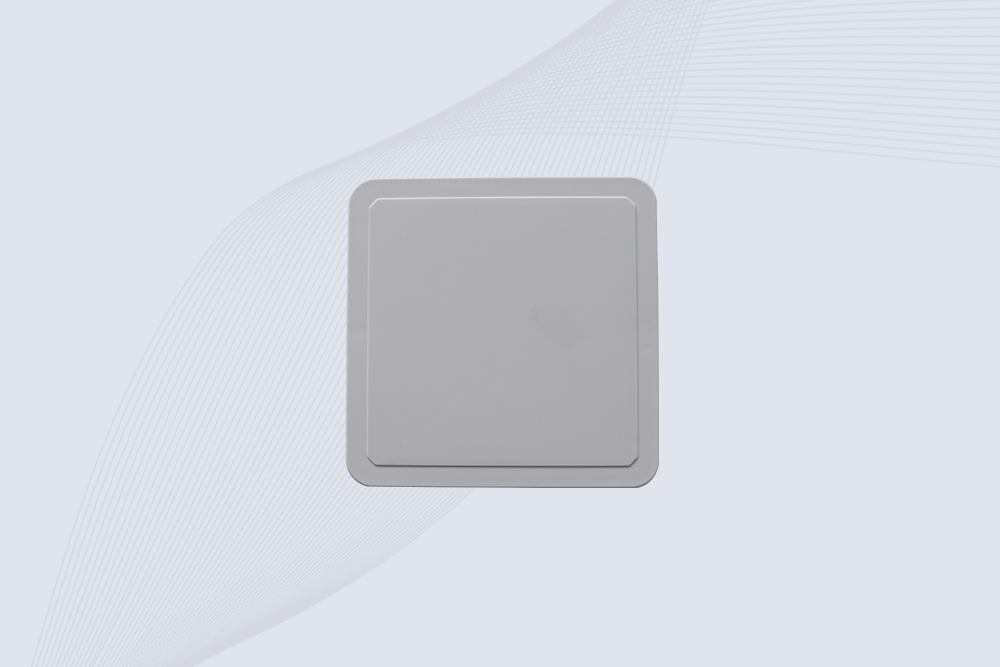
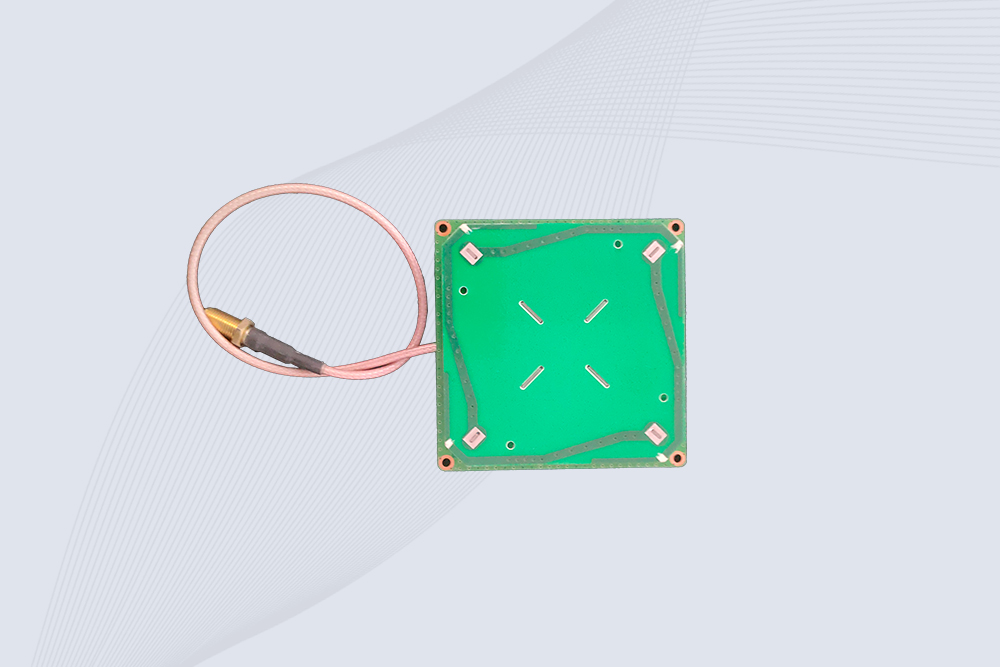
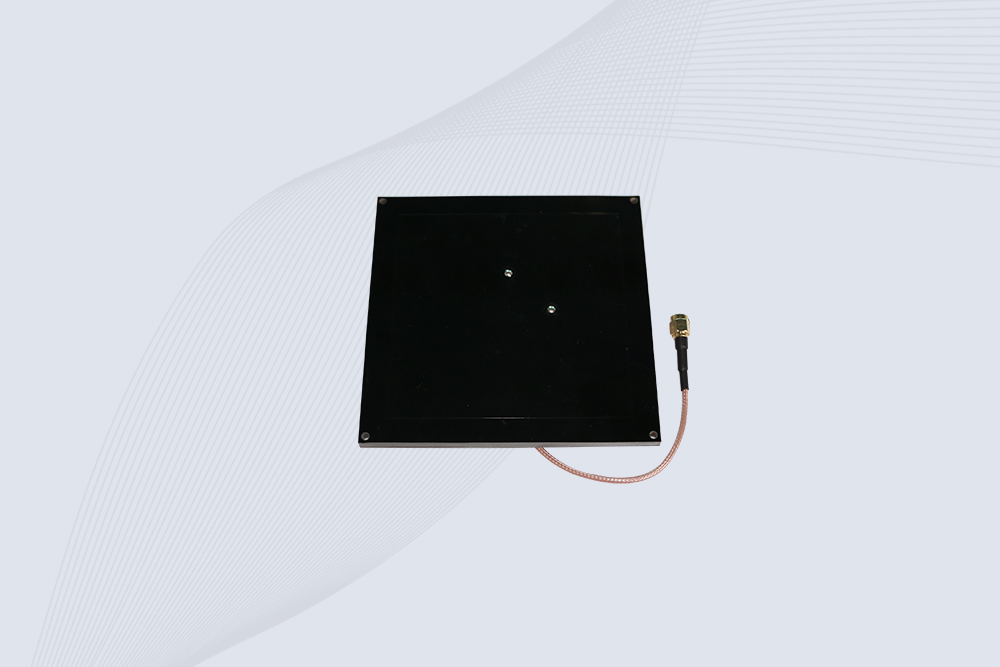
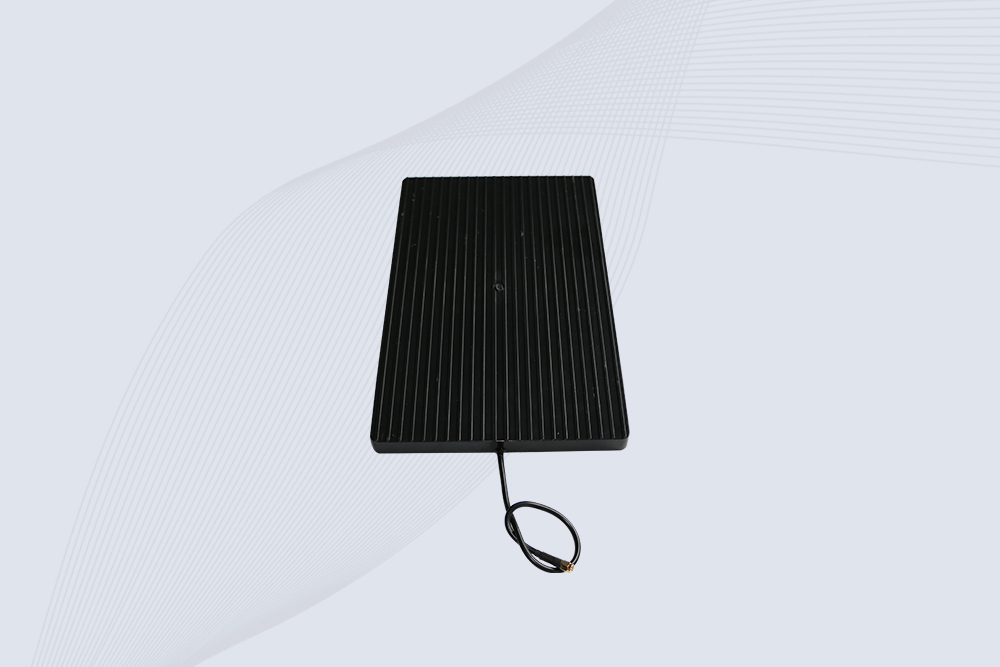
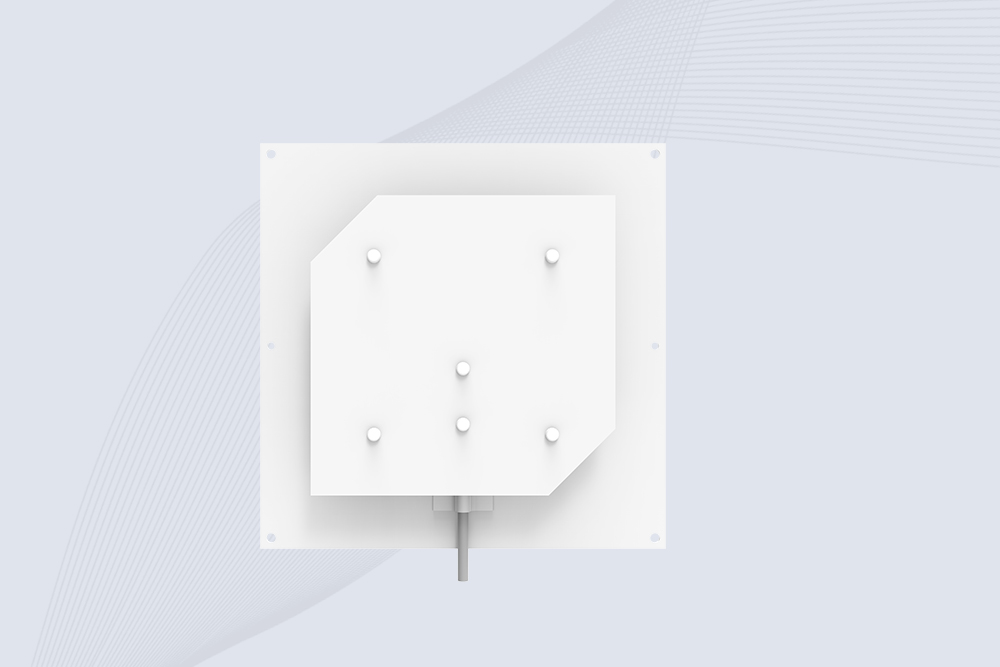
SSD-A06 UHF RFID antenna with circular polarization, adjustable 840–960 MHz frequency, ≥4.5 dBi gain, and a compact directional design for RFID systems.
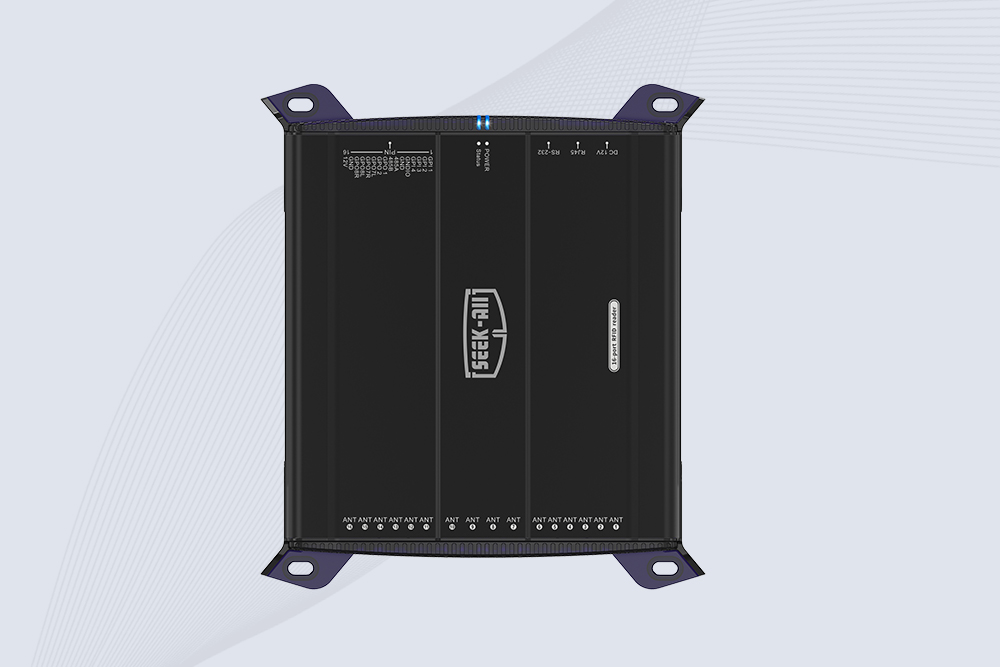
SSD-R16L Multi-Channel RFID Infrastructure for Automated Inventory Management ✔️ 16-Port High-Density RFID Reading Equipped with 16 SMA antenna ports, SSD-R16L supports multi-antenna deployment for warehouses, retail stores, logistics, production lines, and large-area RFID identification. ✔️ High-Speed & Long-Range Performance With up to 33…
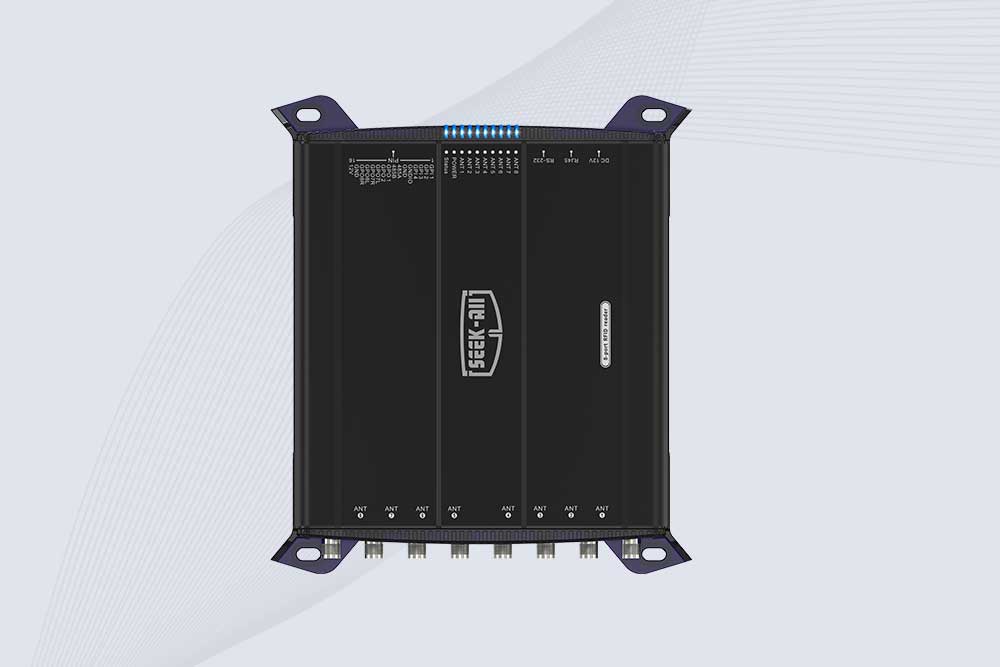
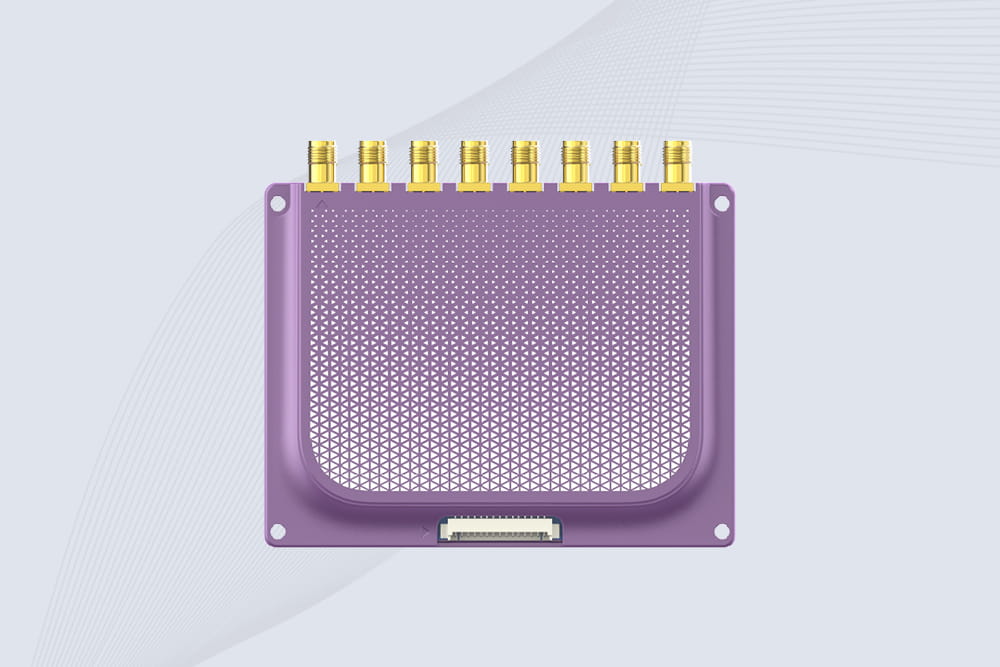
SSD-R8L 8-port UHF RFID reader with 33dBm output, up to 20m reading range and 600+ tags/s recognition. Ideal for warehouse, logistics, retail and asset tracking.
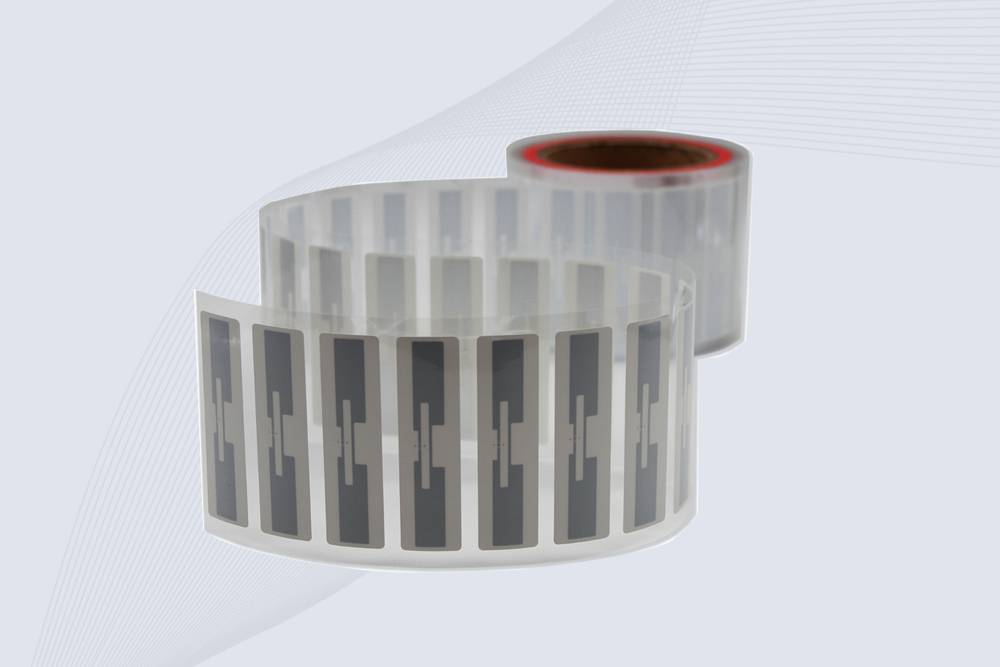
CYKEO Passive RFID Tags are made for wet and high-humidity environments where standard labels do not last. This rfid passive tag is often used around liquids, chemicals and temperature changes, providing stable reading distance and long data life for industrial tracking.
CYKEO CYKEO-PCB1504 Metal RFID Tags is a compact anti-metal UHF RFID solution built for direct mounting on metal surfaces. With stable 8-meter read range, Ucode-8 chip, and long data retention, this rfid metal tag fits tools, containers, automotive parts, and industrial asset tracking.
CYKEO CYKEO-PCB7020 On-Metal RFID Tags are designed for reliable tracking on steel and metal surfaces. Built with an FR4 epoxy body and industrial-grade chips, these On-Metal RFID Tags deliver stable performance, long data life, and chemical resistance, making them a dependable RFID anti-metal tag for harsh environments.
The CYKEO CYKEO-60-25 Anti-Metal RFID Tag is built for metal surfaces where standard tags fail. Designed for long-range performance, harsh environments, and stable data retention, this Anti-Metal RFID Tag is ideal for industrial assets, containers, and equipment tracking using on metal RFID tags.
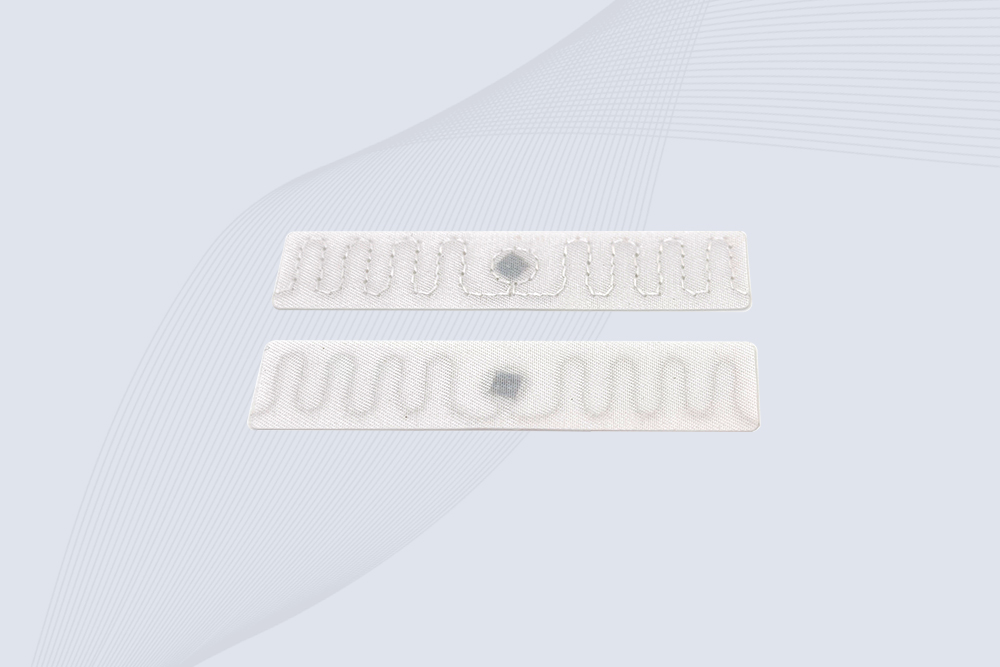
The CYKEO RFID Laundry Tag is designed for long-term textile identification in harsh laundry environments. Built to withstand high heat, chemicals, and repeated washing, this RFID Laundry Tag delivers stable performance for hotels, hospitals, and industrial laundry operations using laundry rfid tags at scale.
The CYKEO CYKEO-125-7 RFID Book Tag is designed for reliable book and document tracking in libraries and archives. This RFID Book Tag delivers long read range, dense placement support, and stable performance on shelves, making it a practical rfid tag on books for library automation, file management, and archival systems.
CYKEO RFID tags in hospitals are designed for sterile environments where accuracy matters. These autoclavable RFID tags support long-term tracking of surgical tools, implants, and medications, helping hospitals improve visibility, compliance, and patient safety.
CYKEO RFID Cable Tie Tag is built for reliable identification on metal surfaces. This UHF RFID Cable Tie Tag is widely used in rfid tags for inventory systems, industrial asset management and Hospital RFID Tags, offering stable read performance, long service life and global EPC Gen2 compatibility.
CYKEO RFID Asset Tag is designed for stable identification of metal assets in industrial environments. This UHF RFID Asset Tag is commonly used for rfid tag asset tracking on equipment, tools and containers, providing reliable reads, long service life and ISO/IEC 18000-6C support.
CYKEO UHF RFID Card is designed for fast identification and long-term use in industrial and commercial systems. Supporting ISO 18000-6C, this UHF RFID Card works at 860–960 MHz and is suitable for custom RFID cards used in asset tracking, access control and inventory management.
CYKEO HF RFID Cards are designed for secure and stable access control systems. These 13.56 MHz RFID key cards support ISO 14443-A, reliable rewriting and long service life, making HF RFID Cards suitable for offices, campuses, events and membership management.
CYKEO UHF RFID Tag is designed for reliable tracking of metal jewelry and high-value items. This Jewelry RFID Tag supports long-range reading up to 8 meters, anti-counterfeit protection and stable performance on metal, making it suitable for retail, inventory control and asset management.
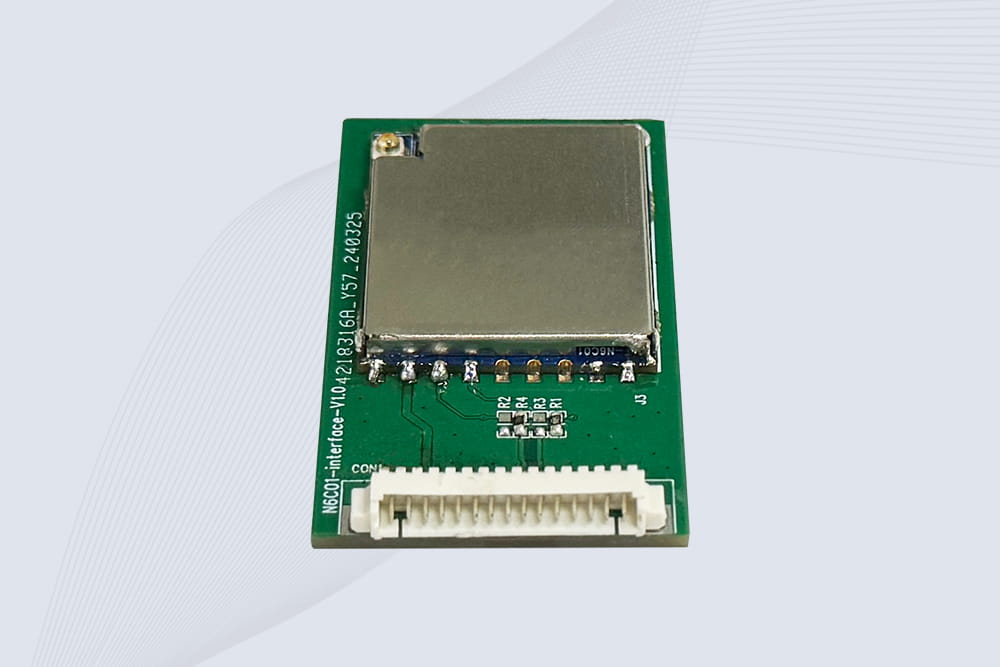
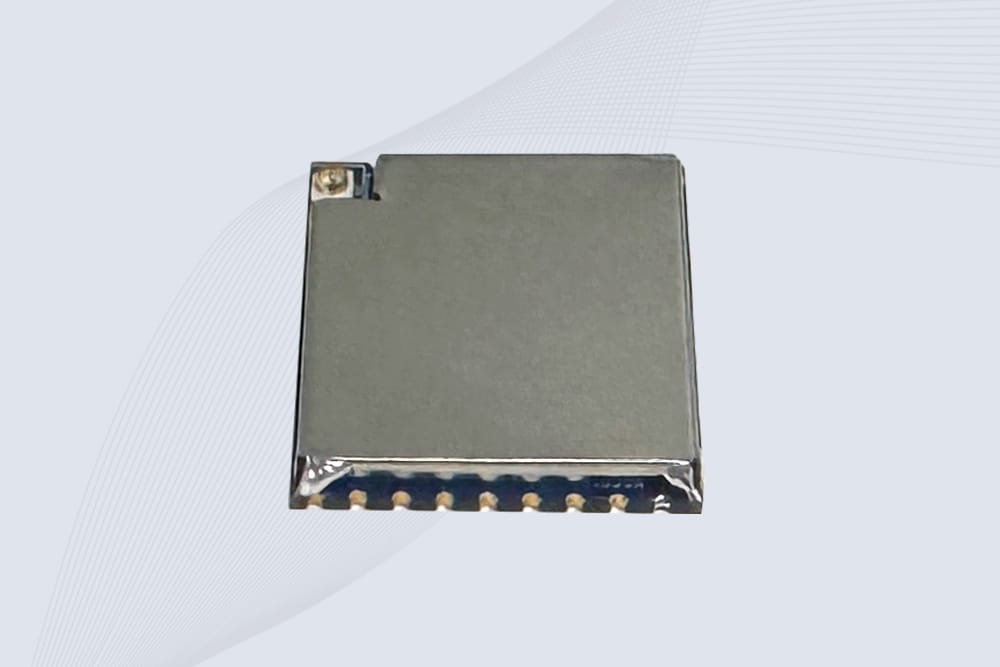
CYKEO Embedded RFID Modules are designed for compact industrial and IoT devices that require stable UHF performance. These UHF RFID Modules support global protocols, flexible power control, and reliable multi-tag reading for smart cabinets, production lines, and asset tracking systems.
CYKEO Embedded RFID Module is built for compact IoT and industrial devices that need stable UHF performance. This UHF module supports global protocols, low power operation, and reliable multi-tag reading for smart lockers, production lines, and always-on RFID systems.
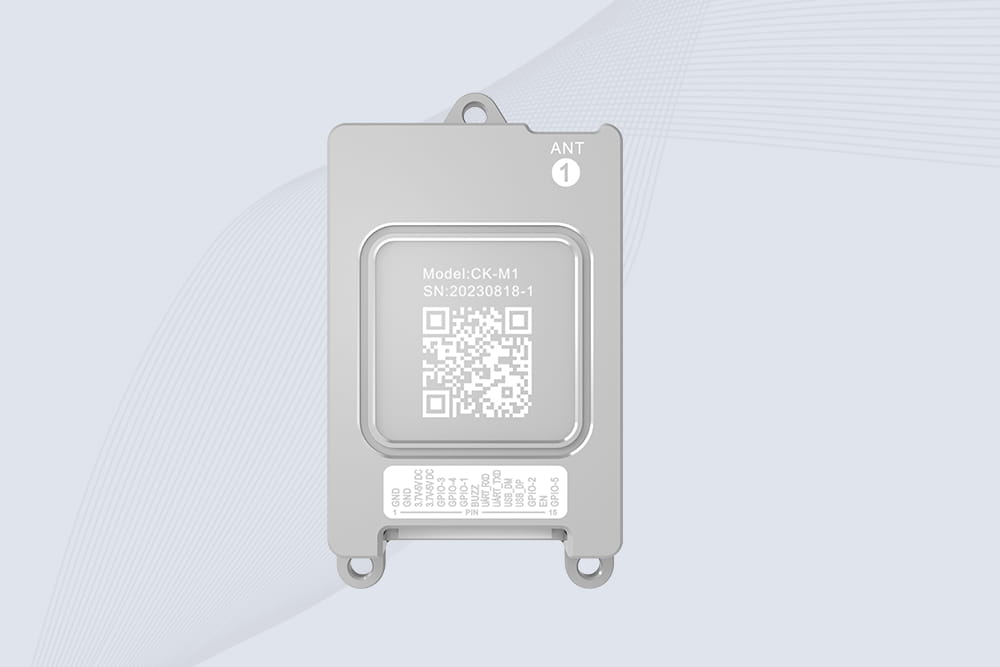
CYKEO CYKEO-M1 drone rfid module is a compact UHF RFID reader module designed for drones and UAV platforms. It supports long-range aerial scanning, fast multi-tag reading, and stable performance in wind, vibration, and outdoor environments.
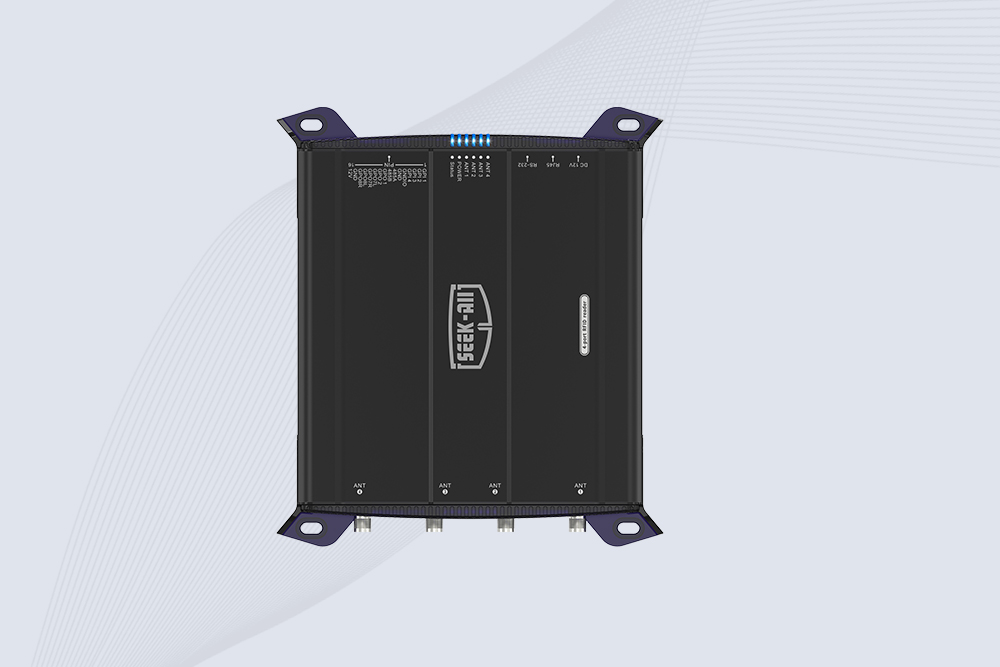
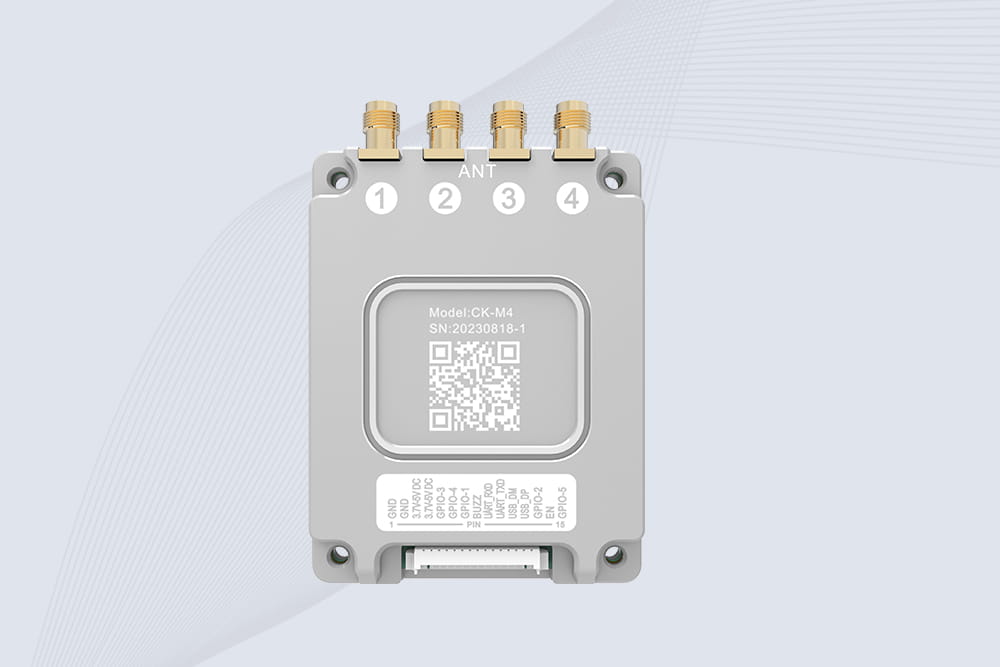
CYKEO CYKEO-M4 RC522 RFID Module is an industrial-grade UHF RFID reader with 4 ports, supporting ISO, EPC, and GB protocols. High-speed, accurate reading for IoT, automation, and warehouse applications.
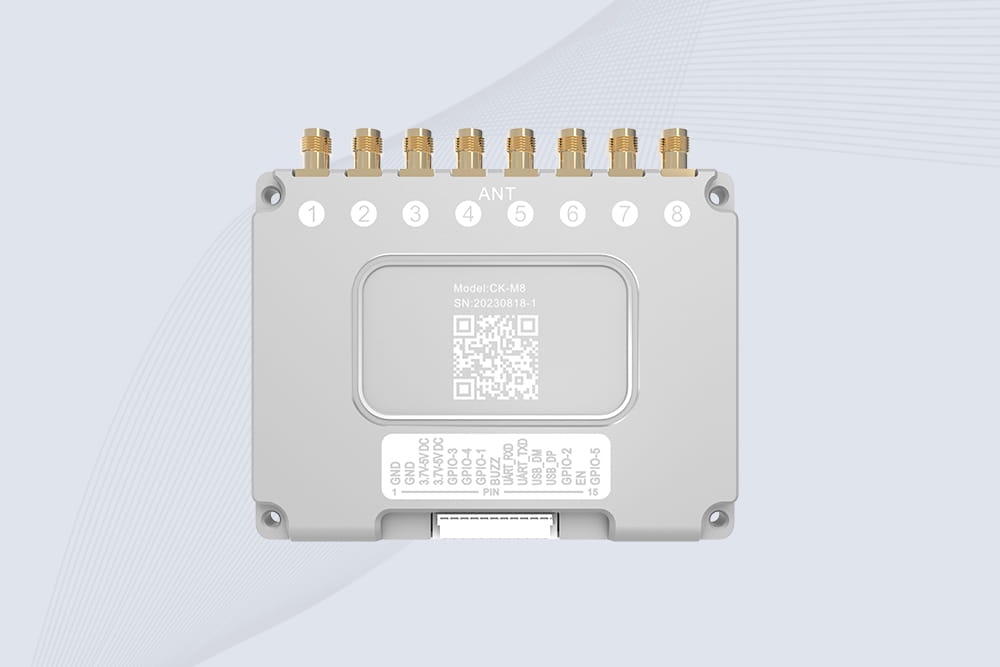
CYKEO CYKEO-M8 Module RFID is an 8-port UHF R2000 RFID Module designed for high-density, multi-tag environments. Stable 33dBm output, ISO & GB protocol support, ideal for warehouses, factories, and automated systems.
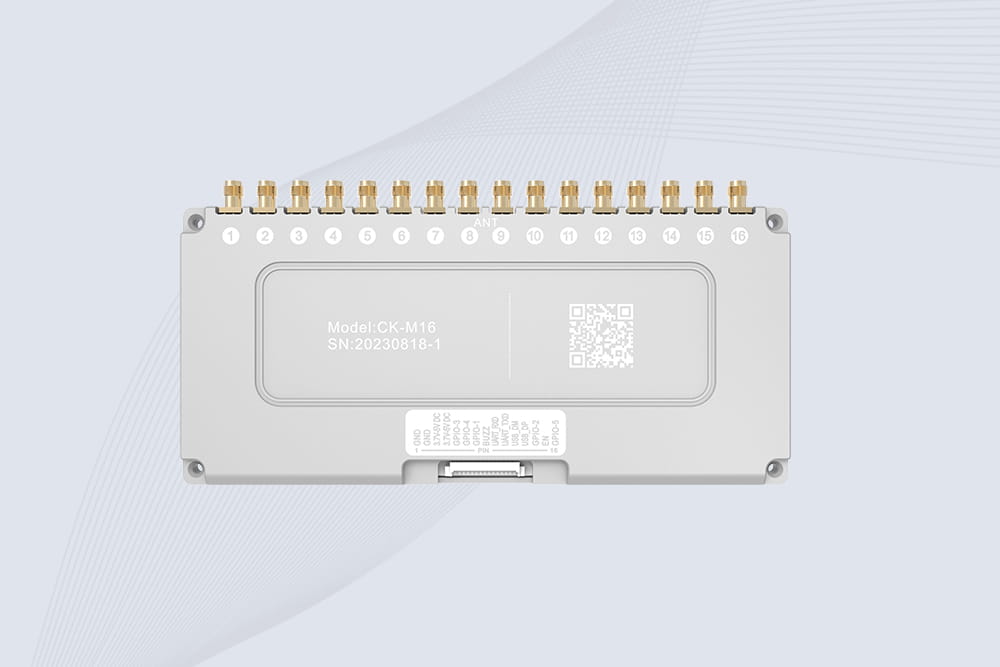
CYKEO CYKEO-M16 RFID Module is a 16-port UHF RFID reader module based on the R2000 chipset. Designed for dense tag environments, it supports ISO and GB standards and delivers stable multi-antenna control for industrial automation.
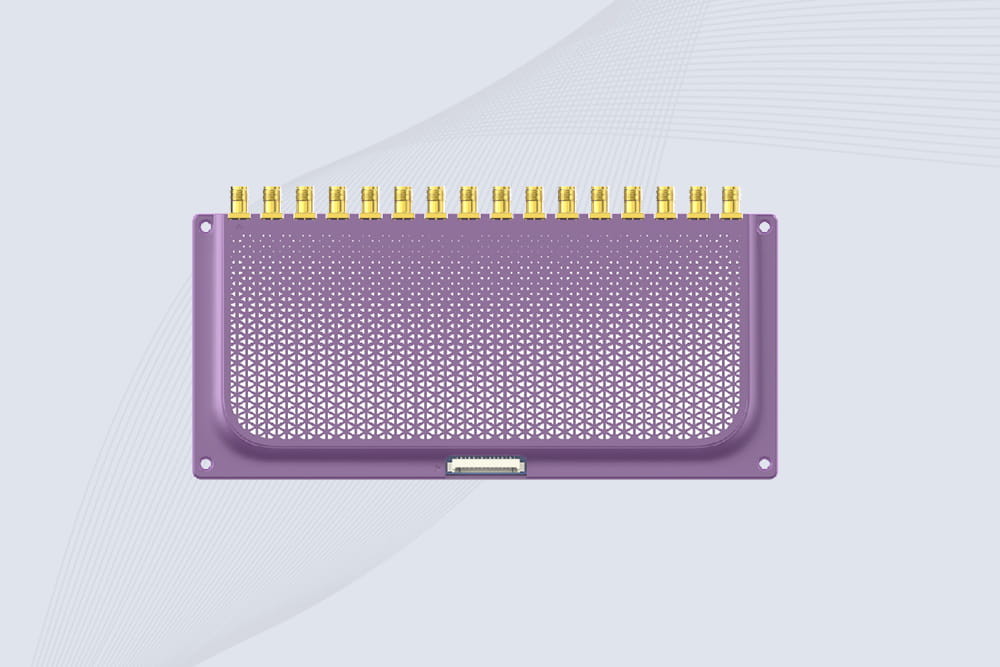
The CYKEO CYKEO-M16L RFID Reader Module is a 16-channel UHF RFID core designed for dense tag environments. With adjustable 33dBm output, multi-protocol support, and stable multi-antenna control, this RFID Tag Reader Module fits industrial automation, warehouse systems, and large-scale IoT deployments.
CYKEO CYKEO-M8L module RFID is a compact industrial UHF module built for dense tag and multi-antenna environments. With 8 RF ports, adjustable 33 dBm output, and ISO & GB protocol support, it is widely used in factories, warehouses, and automated tracking systems.
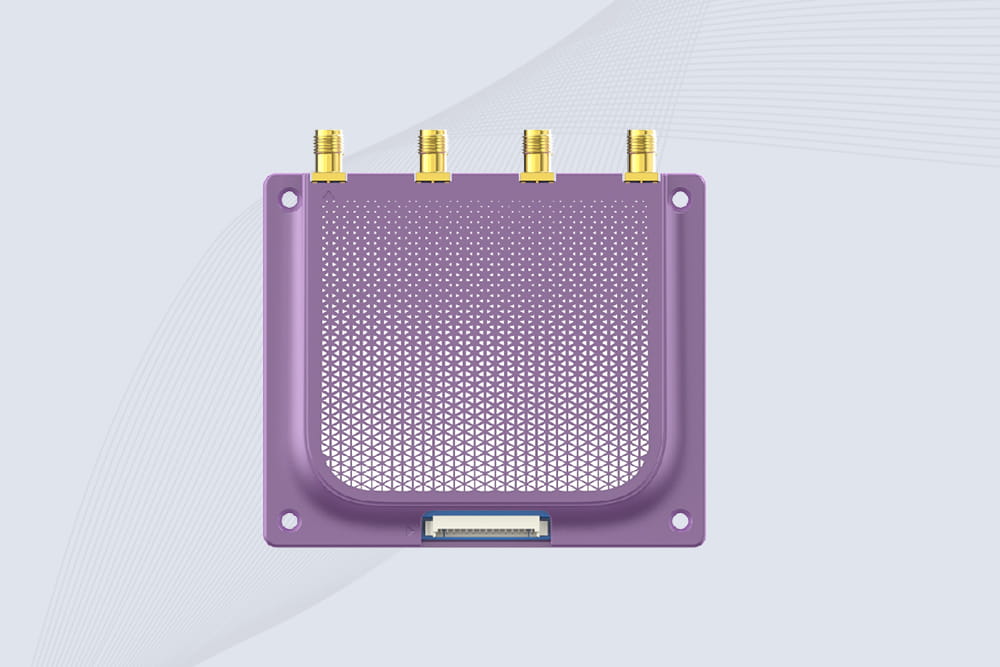
CYKEOCYKEO-M4L UHF RFID Module is a compact 4-channel RFID tag reader module designed for dense tag environments. Supporting ISO and GB protocols, it delivers stable reads up to 10 meters for industrial and IoT systems.
Cykeo CYKEO-A11 UHF RFID reader antenna delivers 11dBi gain, 840-960MHz frequency range, and IP65 ruggedness for retail, logistics, and industrial RFID systems. Features low VSWR and easy installation.
CYKEO Antenna RFID Reader delivers stable long-range UHF performance with a 10.5dBi directional design, built for warehouses, conveyor portals, and industrial RFID systems. This rfid reader antenna provides 20m+ read distance and rugged IP67 protection.
Cykeo CYKEO-A5B industrial Linear RFID Antenna delivers 5dBi gain, ≤1.5:1 VSWR, and IP65 rugged design for warehouse, production line, and logistics UHF systems.
Cykeo’s CYKEO-B12 Long Range RFID Antenna delivers 15m+ read range with 12dBi gain, IP65 rugged design, and global 840-960MHz UHF support. Ideal for warehouse/logistics asset tracking.
Cykeo CYKEO-B10 Long Distance RFID Antenna offers 10dBi gain, 840-960MHz frequency range, IP65 rating, and 20m+ coverage for logistics/warehousing/ETC systems. Low VSWR ensures stable signal transmission.
Cykeo CYKEO-A6 UHF RFID panel antenna features 6dBi gain, 840-960MHz broadband, IP65 metal-ready housing for logistics/smart retail. 18mm ultra-thin design with tool-free mounting.
Cykeo CK-A3 industrial antenna RFID UHF offers 5m+ tag detection, ≤1.3:1 VSWR, IP65 rugged design, and global UHF spectrum compatibility (840-960MHz) for warehouses, factories, and retail.
Cykeo CYKEO-B5 directional RFID antenna provides 5dBi gain with 60° narrow beamwidth for precise inventory tracking. IP65-rated, global UHF frequency support, and low VSWR.
Create your own high-performance DIY RFID antenna! 5dBi gain, 840-960MHz tunable, step-by-step guides. Compatible with Arduino, Raspberry Pi, and commercial UHF readers.
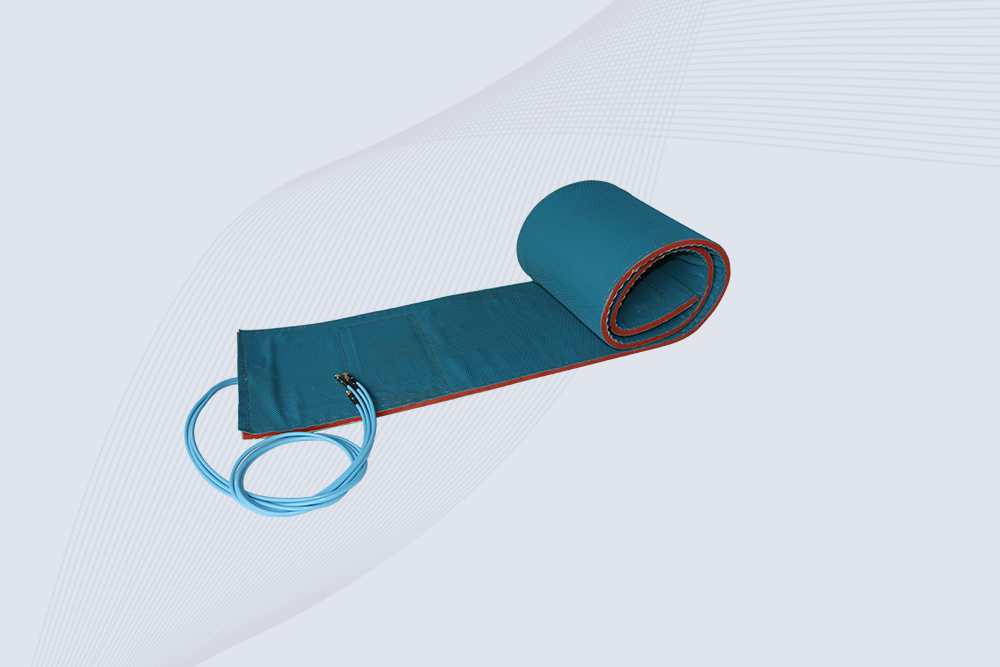
Cykeo CYKEO-A7 Flexible RFID Antenna features 840-960MHz wideband tuning, 7dBi gain, and IP68 rating for medical/retail/industrial curved surface deployments. 98% read accuracy with peel-and-stick installation.
Cykeo CYKEO-B5A industrial Passive RFID Antenna delivers 5dBi gain, 70° beamwidth, and -40°C~55°C operation for warehouses/smart cabinets. Compatible with Zebra/Impinj readers.
Cykeo’s CYKEO-A9B High Gain RFID Antenna delivers 15m+ read range with 9dBi amplification. Features IP54 rugged design, 840-960MHz bandwidth, and 80° beamwidth for warehouse/manufacturing RFID systems.
Cykeo’s enterprise-grade 8dbi Impinj RFID Antenna 10m+ read range with 840-960MHz tuning. Features IP65 housing, 1.4 VSWR, 35° beamwidth for retail/warehouse RFID systems.
Cykeo CYKEO-A9 industrial UHF RFID antenna delivers 9dBi gain, 840-960MHz frequency range, and IP65 protection for warehouse/logistics/retail RFID systems. Features N-type connector and ≤1.3:1 VSWR.
CYKEO UHF RFID Antenna built for long-distance and industrial applications. This antenna rfid uhf delivers strong gain, outdoor durability, and reliable tag performance in warehouses, yards, and vehicle ID systems.
CYKEO Antenna RFID delivers reliable long-range UHF performance in warehouses, retail shelves, and cold-chain environments. This compact uhf rfid antenna provides stable reads with circular polarization and ultra-wide 840–960 MHz support, ideal for industrial tracking, smart shelves, and asset monitoring.
Cykeo’s CYKEO-C8 UHF RFID antennas delivers 8dBi gain, 840-960MHz full-band coverage, and IP65 ruggedness for manufacturing/warehouse RFID systems. Industrial RFID Antennas Features
Cykeo’s 8dBi UHF RFID antenna and reader kit delivers 10m+ range, 840-960MHz broadband, and IP65 ruggedness for factories, warehouses, and logistics. ISO 18000-6C & EPC Gen2 certified.
Cykeo’s CYKEO-A12C UHF Large RFID Antenna delivers 12dBi gain, 840-960MHz global frequency, IP65 ruggedness for logistics/warehousing/automotive. 40° beamwidth ensures stable 15m+ tag reads.
CYKEO Near Field RFID Antenna provides precise 5–30 cm reading for shelves, cabinets, and workstations. This compact rfid shelf antenna delivers stable short-range performance around metal and clutter, ideal for pharmacies, libraries, and electronics sorting.
Cykeo CYKEO-C1 industrial Forklift RFID Reader features 20m read range, 600 tags/sec scanning, Impinj R2000 chipset, and IP67 rugged design. Ideal for warehouse logistics and manufacturing. Supports ISO 18000-6C/6B protocols.
Cykeo CYKEO-R4 industrial UHF RFID Fixed Reader features 4 TNC ports, 400+ tags/sec speed, IP67 housing, and global frequency compliance for vehicle inspection, smart warehouse, and asset management systems.
Learn how to protect data in long-range RFID networks from interception or tampering. Discover Cykeo’s encryption, authentication, and compliance strategies for secure operations.
Can RFID tags be reprogrammed? Learn how EPC and user memory can be rewritten, what lock settings allow, and how Cykeo desktop RFID readers support reliable tag encoding.
Discover Cykeo system rfid solutions for automated identification, asset tracking, inventory visibility, and industrial management with reliable RFID technology.
 Cykeo RFID IoT Solution Products R&D Manufacturer