 Cykeo RFID IoT Solution Products R&D Manufacturer
uhf rfid label: How It Works in Real Tracking Environments
125Discover how uhf rfid label technology enables fast, long-range tracking up to 10m with high accuracy for logistics, retail, and automated inventory systems.
MoreAll RFID Product
How do RFID security tags work? RFID security tags work by giving individual products a machine-readable identity that RFID readers can detect at controlled points such as store entrances, exits, receiving areas, and checkout. When a tagged item leaves without the required transaction status, the system can trigger an alarm or security event.
An RFID security system is not simply a tag that “sets off an alarm.”
The tag carries an electronic identity. RFID readers capture that identity, while software determines what the item is doing in the store.
GS1 documents an EPC/RFID-based Electronic Article Surveillance (EAS) workflow in which item-level RFID tags are read at goods receiving, associated with inventory, and later checked at store exits against items that have not been marked as sold.
That last part matters.
The reader does not need to know that a product is “valuable” or “stolen.” It receives an RFID identifier. The retail system decides whether the item’s current status is acceptable.
A simplified event might look like:
| Event | RFID system action |
|---|---|
| Goods received | Read EPC and add item to inventory |
| Item moves to sales floor | Update item visibility/location |
| Item sold | Mark EPC as sold |
| Item approaches exit | Read EPC |
| EPC remains unsold | Trigger security event |
| EPC is sold | No theft alarm required |
This creates a much richer security model than a conventional alarm label.
Traditional retail security systems often focus on whether a physical security device has passed through an exit.
RFID adds identity.
That means the system can potentially answer:
GS1’s system architecture gives a direct example of this approach: RFID readers at the store exit capture EPCs and application software checks them against merchandise that has not been recorded as sold.
That is one of the most important differences between RFID-based security and simple presence detection.
The tag is not merely saying “something passed here.”
It can say “this specific serialized item passed here.”
For many retail deployments, the RFID tag carries an EPC rather than a large product database.
GS1’s EPC Tag Data Standard defines structures for Electronic Product Codes and the data carried on EPC/RFID tags.
A practical item-level configuration may associate:
| RFID element | Retail meaning |
|---|---|
| EPC | Unique electronic item identity |
| GTIN relationship | Product identification |
| Serial number | Individual item identification |
| TID | Chip-related identification |
| User Memory | Optional application information |
The business system can then associate that EPC with the product record.
For example:
EPC → SKU → Product → Store → Transaction status
This is why RFID security can become part of the broader inventory system instead of operating as a completely isolated anti-theft technology.
The strongest retail implementations do not treat security and inventory as two unrelated projects.
The same RFID read can support both.
Auburn University’s RFID Lab has documented field research showing that RFID can improve inventory accuracy. In one study covering 23 weeks and 13 retail stores, RFID-enabled automatic inventory adjustments reduced inventory record inaccuracy by approximately 26%.
Another Auburn RFID Lab deployment guide provides a more operational perspective: in apparel, it describes approximately 95% inventory accuracy as a realistic target and identifies missing tags, poor-performing tags, double tagging, dead tags, incorrectly encoded tags, and stray tags among the causes of residual errors.
That is useful because it changes how I evaluate an RFID security project.
A reader that performs perfectly in a laboratory is not enough.
The tag must remain attached.
The EPC must be encoded correctly.
The inventory record must be updated.
The exit reader must receive a usable read.
And the software must interpret the event correctly.
A conventional security device can primarily answer whether an alarm condition exists.
An RFID security system can connect the security event to an item record.
That opens additional operational uses:
Auburn’s research on item-level RFID in retail has specifically examined inventory accuracy, loss prevention, and cycle counting. Its Dillard’s research found that RFID could provide information about what was stolen and where the merchandise was located, while also improving inventory-related processes.
This is where RFID becomes more interesting than simply replacing an existing security label.
The same tag can participate in the item’s operational history.
Not every RFID technology behaves the same way.
Retail item-level security deployments commonly use UHF/RAIN RFID, particularly where many tagged products must be identified quickly at portals or controlled areas.
GS1 identifies RAIN RFID as a technology supporting supply-chain visibility and inventory accuracy, and its RFID standards cover the UHF Gen2 air interface alongside HF RFID technologies.
The choice of tag therefore depends on:
A tag that performs well on a hanging garment may behave differently when compressed against another tag or placed near metal.
That is why a real deployment should be tested using the actual merchandise, actual tag construction, and actual reader installation.

A passive UHF RFID tag generally does not need its own battery.
The reader transmits RF energy.
The tag responds.
The reader receives the response and obtains the tag’s identifier.
The application layer then decides what that identifier means.
GS1 describes this architecture clearly: RFID readers capture EPC data, while application-level software can filter and translate the captured information and connect it with EPCIS event data.
This division is important.
RFID hardware detects.
Software interprets.
The retail transaction system determines status.
That is why an RFID security installation should be designed as an integrated system rather than judged solely by the reader’s nominal read distance.
In actual retail environments, failure is rarely caused by one dramatic technical problem.
More often it is a small mismatch.
RFID antennas have polarization characteristics. The tag’s orientation relative to the reader can influence performance.
Several tags positioned tightly together can affect read performance. Auburn’s RFID Lab specifically identifies tag shadowing as a condition in which tightly compressed RFID tags can become difficult to read.
Metal and liquid-rich products can alter RFID performance substantially. Specialized tag constructions may be required.
A theoretically long read range is not automatically desirable at a store exit. Excessive coverage can increase unwanted reads from nearby merchandise.
Even when the reader captures an EPC correctly, the security application must correctly determine whether that item should trigger an event.
One common misunderstanding is that an RFID security tag continuously reports the location of an item.
Passive RFID does not work that way.
The tag generally becomes visible when it enters the radio-frequency field of a compatible reader.
Therefore, RFID security is usually based on controlled read points, such as:
If there is no reader covering an area, the system does not automatically know where the passive tag is.
That distinction is critical when designing a loss-prevention system.
Cykeo’s RFID technology portfolio can support retail environments where item-level identification, controlled detection, and inventory visibility need to work together.
For smart retail security, the system architecture can combine:
For clothing and merchandise, Cykeo’s UHF RFID phased-array smart access-control approach is particularly relevant where the system needs to intelligently detect and determine RFID-tagged merchandise moving through a controlled doorway.
The engineering objective should not simply be maximum read distance.
At a retail exit, the better objective is:
Read the intended merchandise reliably while limiting unwanted reads outside the security zone.
That is a very different optimization problem.
Before moving from a pilot to a store-wide installation, verify:
Auburn’s RFID Lab specifically recommends auditing RFID read rates during pilots and investigating errors such as bad, weak, or missing tags instead of assuming that every RFID read point will operate at 100%.
That is a useful deployment discipline.
They can. In an RFID-based EAS system, readers capture the tag’s EPC and software checks whether the item has an appropriate transaction status. An unsold item detected at a controlled exit can generate an alarm or security notification.
Yes. With item-level serialization, an RFID tag can provide a unique electronic identity for an individual product rather than only identifying a product category.
They can be physically similar or even the same type of item-level RFID tag. The difference is often in how the retail system uses the tag. One EPC can support inventory visibility, checkout processes, and electronic article surveillance.
Many retail UHF RFID security applications use passive RFID tags, which communicate using energy supplied by the reader’s RF field rather than relying on an internal battery.
They can improve alarm decision-making because the system can evaluate the identity and transaction status of an individual item rather than relying only on the presence of a generic security device. Actual false-alarm performance depends heavily on reader placement, tag performance, software rules, and store execution.
Yes. UHF RFID is widely used for apparel and other retail merchandise. However, tag orientation, tag density, product construction, and reader antenna configuration still affect read performance. Auburn field research has demonstrated the feasibility of item-level RFID in apparel and footwear environments.
RFID can identify a tagged item when it passes a reader-equipped detection point. It does not provide continuous GPS-style tracking. Auburn research has documented RFID’s ability to provide information about specific merchandise involved in loss-prevention events.
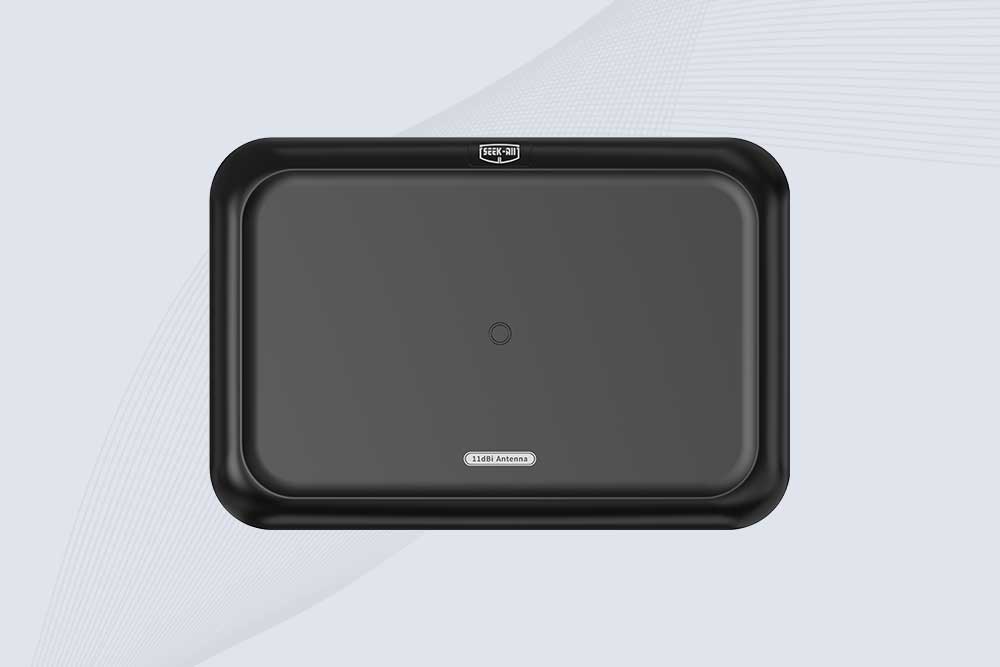
SSD-A11 UHF RFID antenna features 840–960 MHz adjustable frequency, ≥10.5 dBi gain, circular polarization and 50Ω impedance for fixed RFID systems.
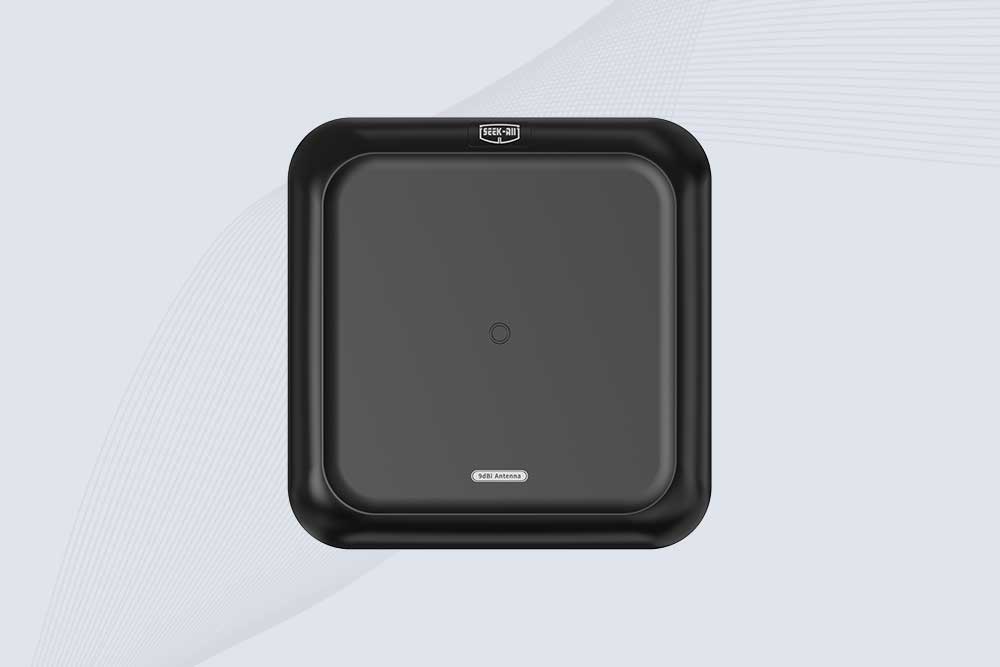
SSD-A09 is a 9 dBi UHF RFID antenna with 840–960 MHz adjustable frequency, circular polarization, 50Ω impedance and directional 60° × 60° coverage.
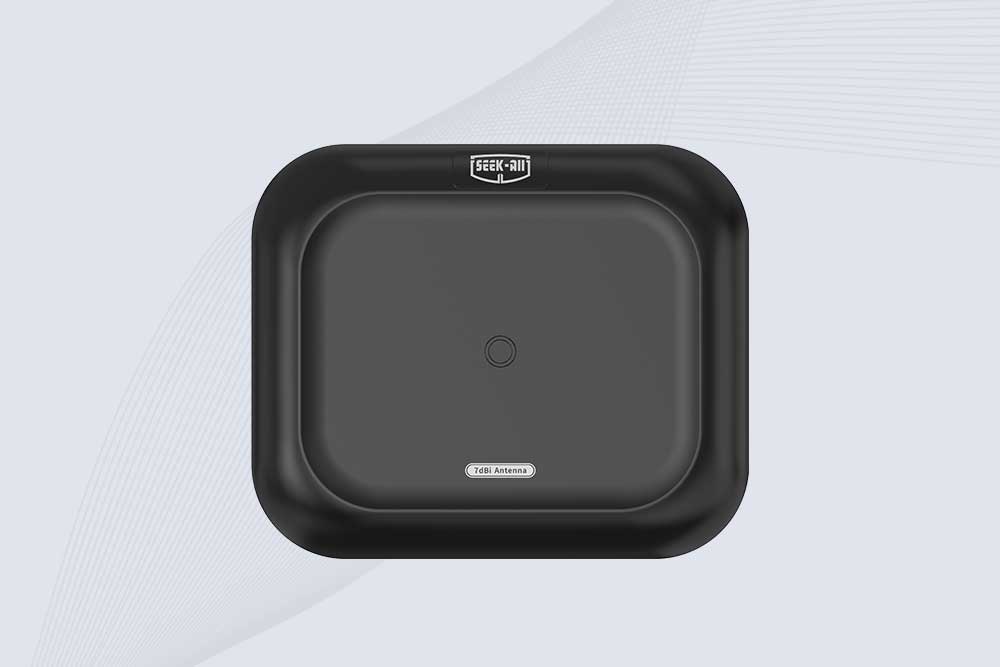
Explore the SSD-A07 UHF RFID antenna with 7 dBi gain, circular polarization, adjustable 840–960 MHz frequency, and 60°/75° beamwidth for stable RFID read/write performance.

SSD-A06 UHF RFID antenna with circular polarization, adjustable 840–960 MHz frequency, ≥4.5 dBi gain, and a compact directional design for RFID systems.
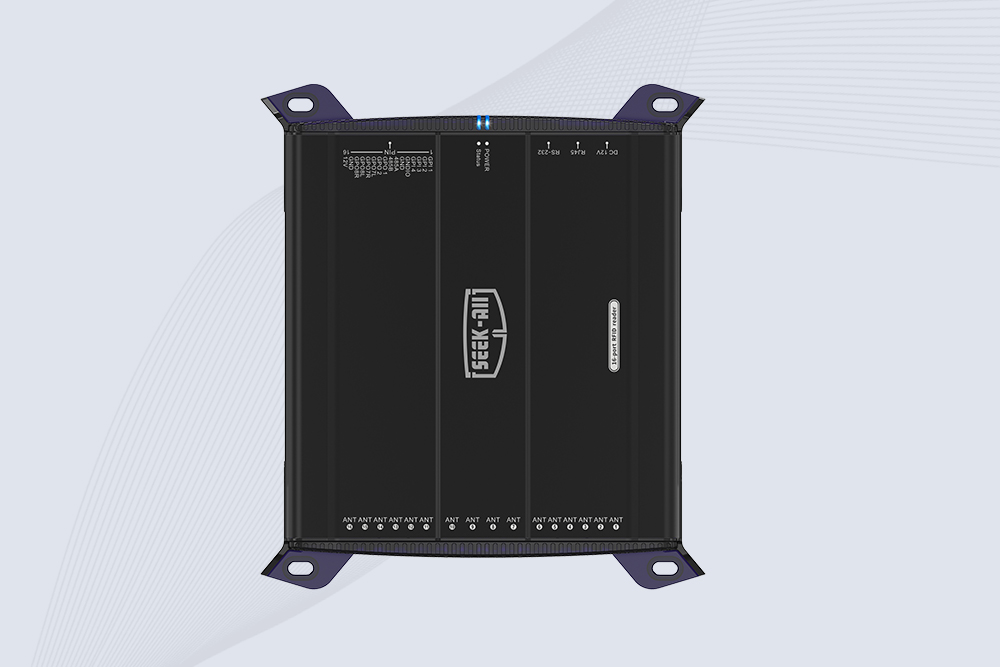
SSD-R16L Multi-Channel RFID Infrastructure for Automated Inventory Management ✔️ 16-Port High-Density RFID Reading Equipped with 16 SMA antenna ports, SSD-R16L supports multi-antenna deployment for warehouses, retail stores, logistics, production lines, and large-area RFID identification. ✔️ High-Speed & Long-Range Performance With up to 33…
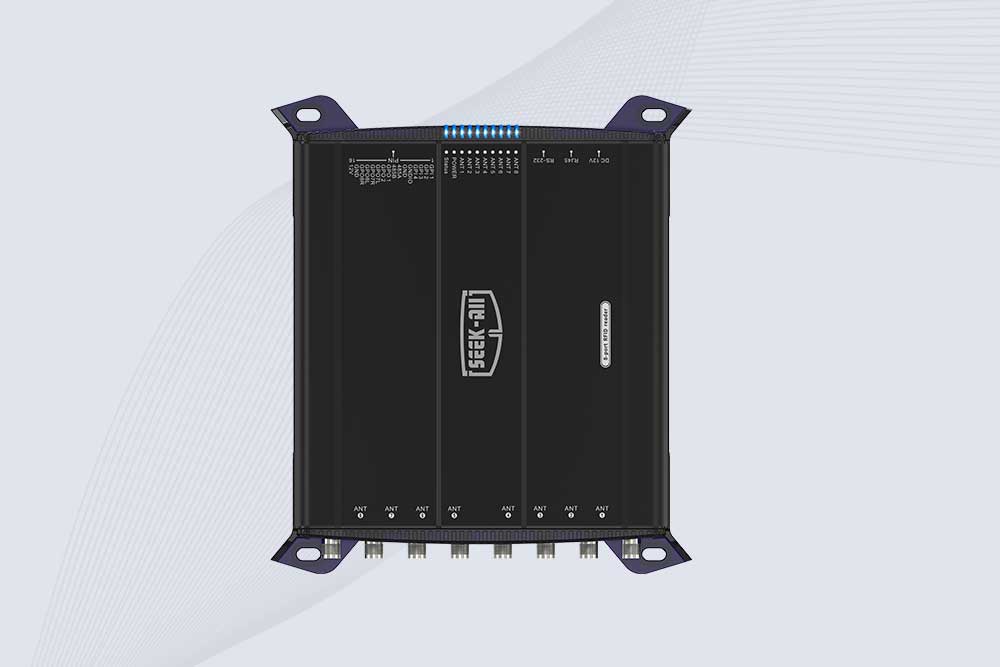
SSD-R8L 8-port UHF RFID reader with 33dBm output, up to 20m reading range and 600+ tags/s recognition. Ideal for warehouse, logistics, retail and asset tracking.
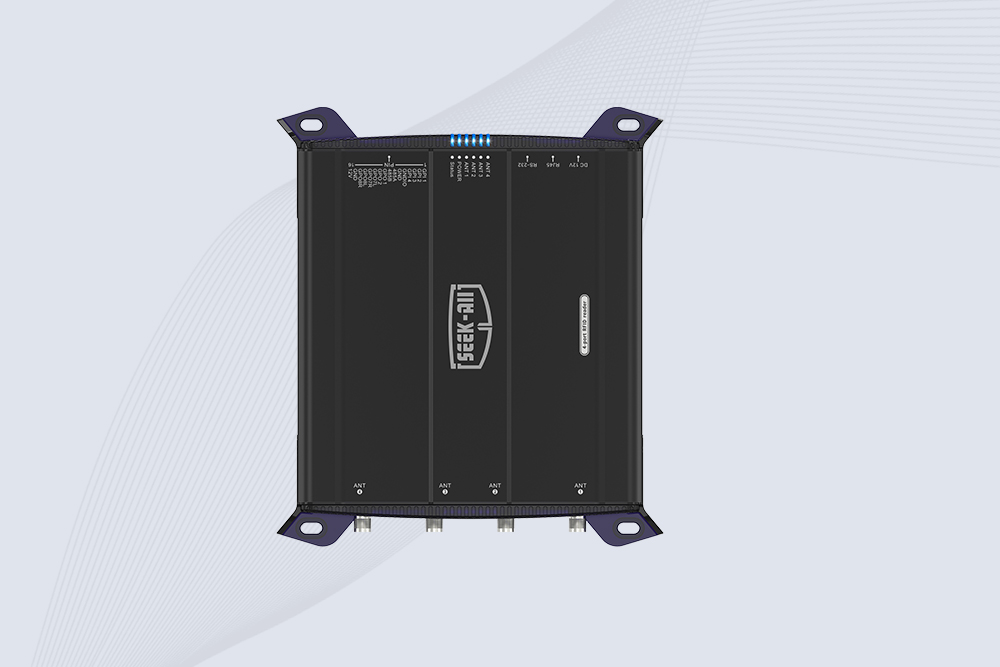
SSD-R4L is a 4-port UHF RFID fixed reader with 33dBm output power, up to 20m reading range, EPC C1G2 support and 600+ tags/s reading speed.
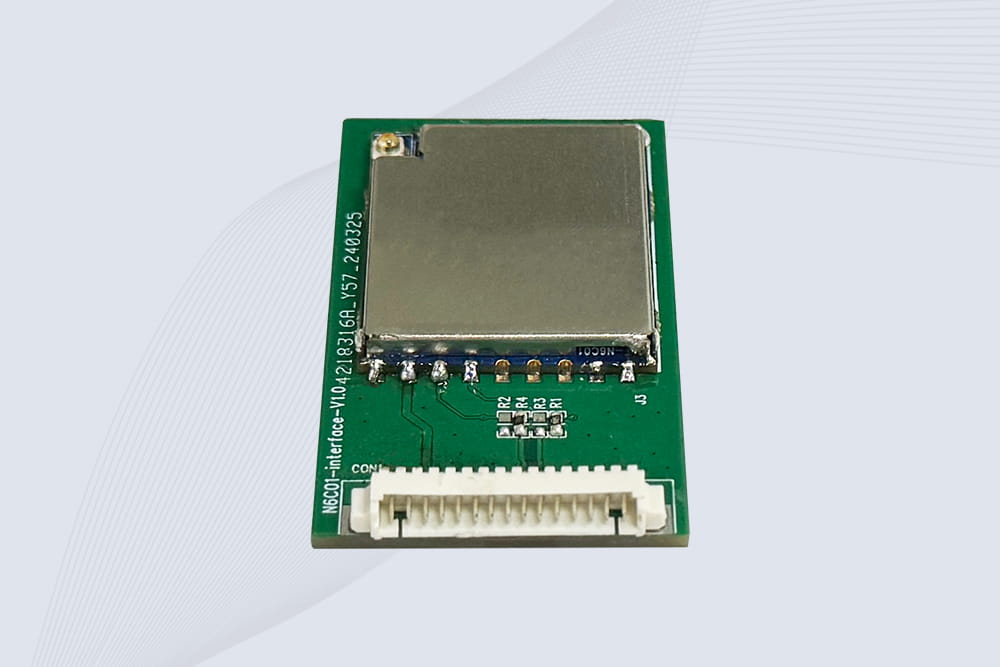
CYKEO Embedded RFID Modules are designed for compact industrial and IoT devices that require stable UHF performance. These UHF RFID Modules support global protocols, flexible power control, and reliable multi-tag reading for smart cabinets, production lines, and asset tracking systems.
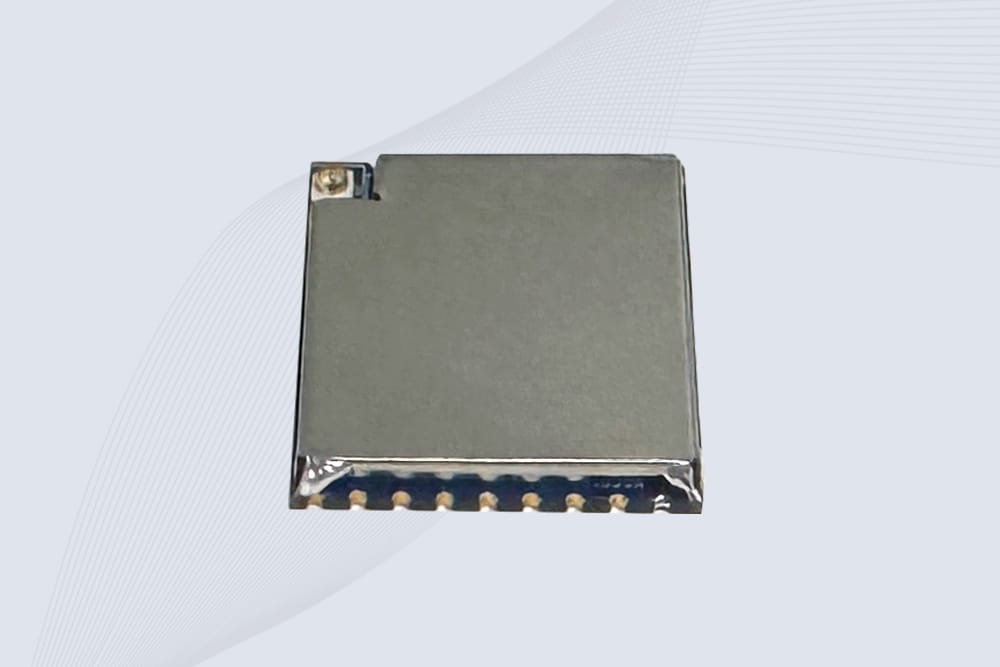
CYKEO Embedded RFID Module is built for compact IoT and industrial devices that need stable UHF performance. This UHF module supports global protocols, low power operation, and reliable multi-tag reading for smart lockers, production lines, and always-on RFID systems.
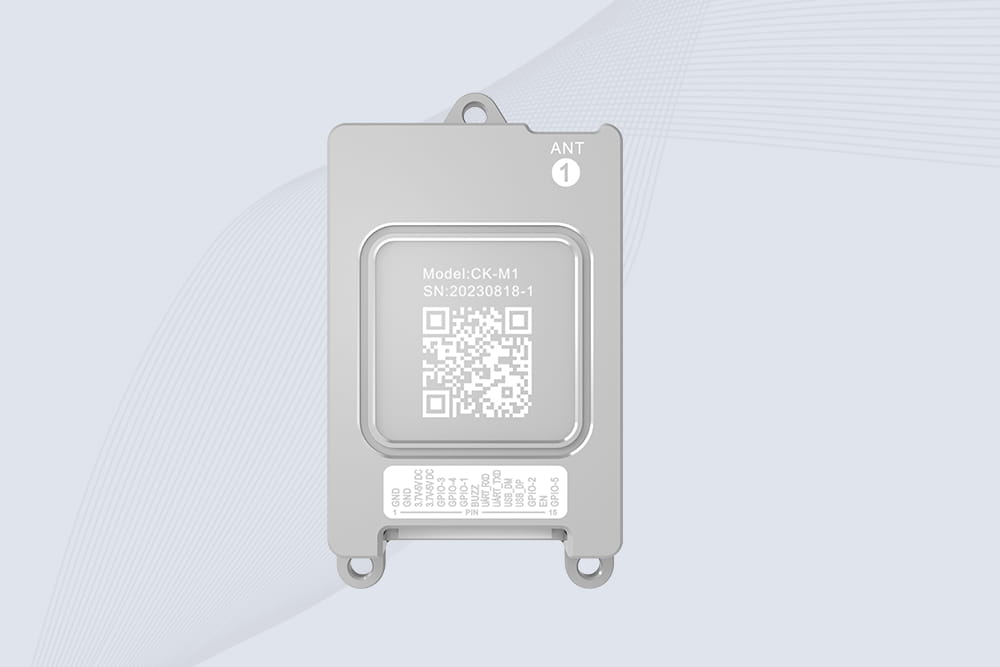
CYKEO CYKEO-M1 drone rfid module is a compact UHF RFID reader module designed for drones and UAV platforms. It supports long-range aerial scanning, fast multi-tag reading, and stable performance in wind, vibration, and outdoor environments.
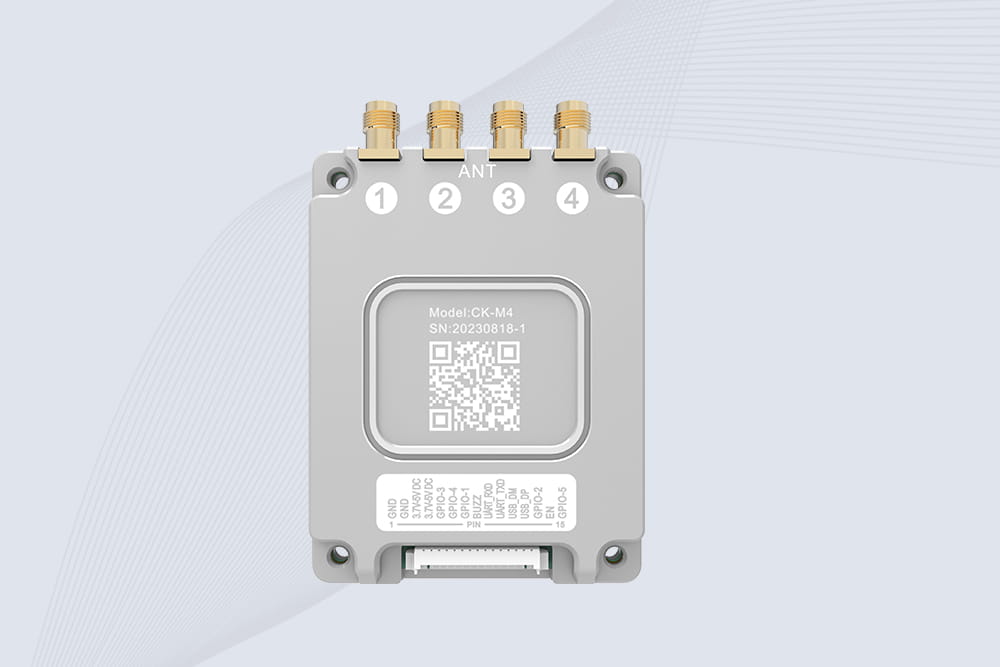
CYKEO CYKEO-M4 RC522 RFID Module is an industrial-grade UHF RFID reader with 4 ports, supporting ISO, EPC, and GB protocols. High-speed, accurate reading for IoT, automation, and warehouse applications.
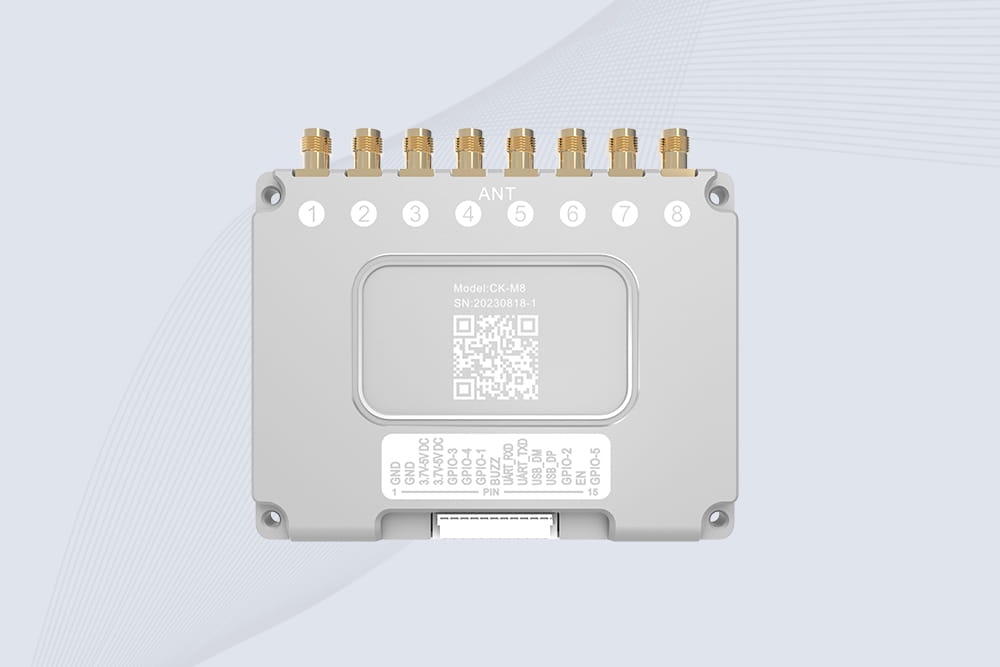
CYKEO CYKEO-M8 Module RFID is an 8-port UHF R2000 RFID Module designed for high-density, multi-tag environments. Stable 33dBm output, ISO & GB protocol support, ideal for warehouses, factories, and automated systems.
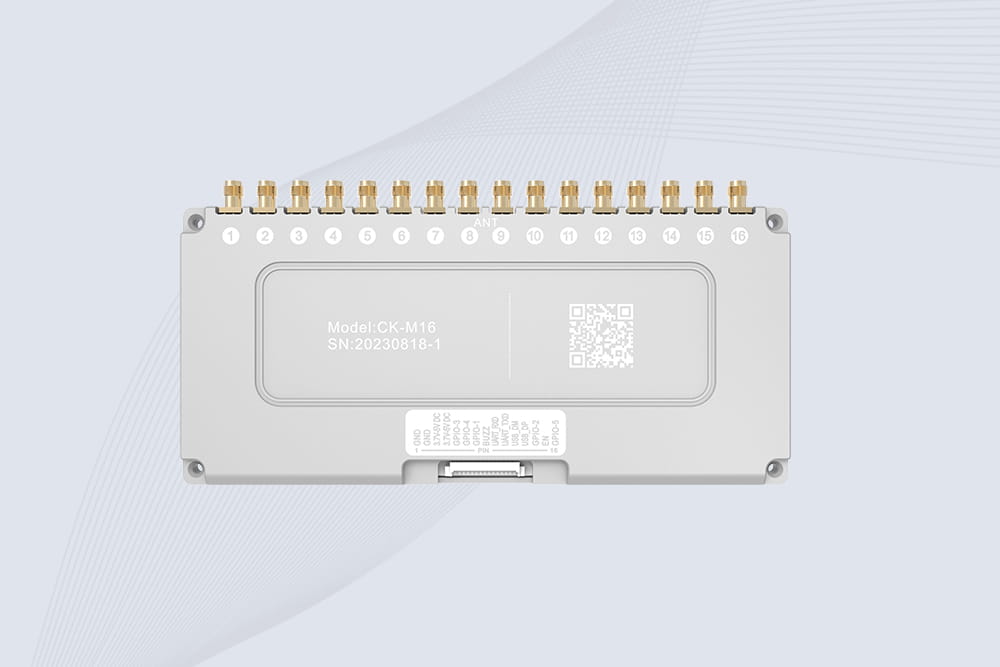
CYKEO CYKEO-M16 RFID Module is a 16-port UHF RFID reader module based on the R2000 chipset. Designed for dense tag environments, it supports ISO and GB standards and delivers stable multi-antenna control for industrial automation.
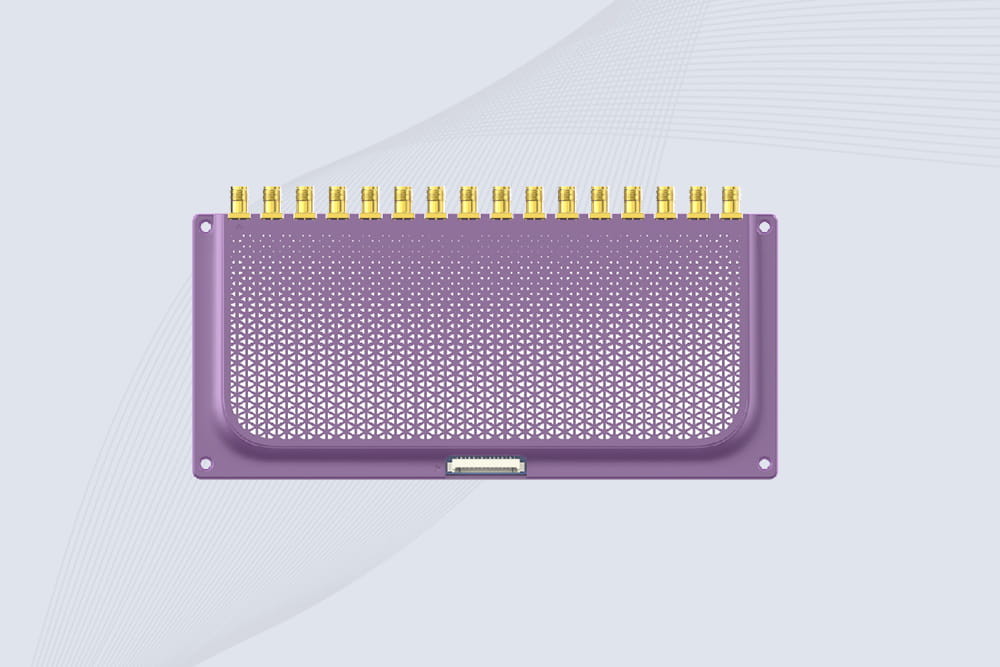
The CYKEO CYKEO-M16L RFID Reader Module is a 16-channel UHF RFID core designed for dense tag environments. With adjustable 33dBm output, multi-protocol support, and stable multi-antenna control, this RFID Tag Reader Module fits industrial automation, warehouse systems, and large-scale IoT deployments.
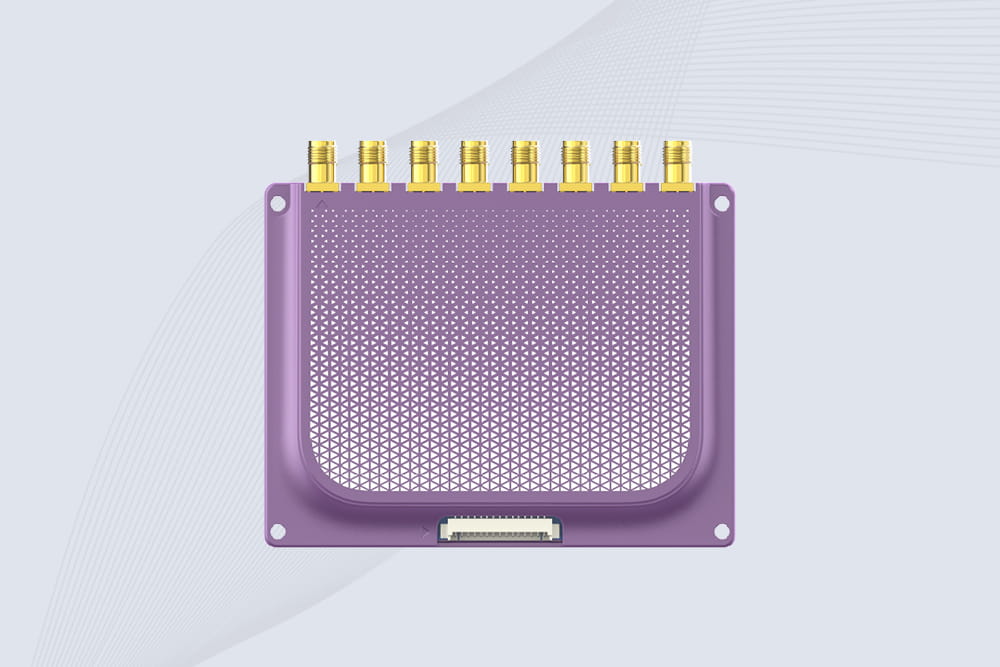
CYKEO CYKEO-M8L module RFID is a compact industrial UHF module built for dense tag and multi-antenna environments. With 8 RF ports, adjustable 33 dBm output, and ISO & GB protocol support, it is widely used in factories, warehouses, and automated tracking systems.
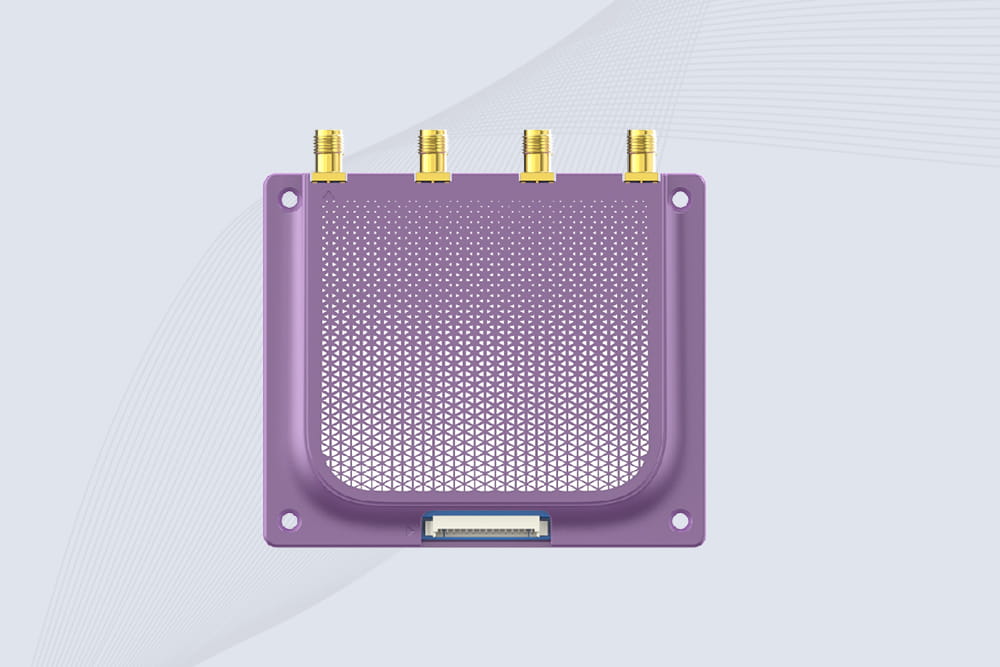
CYKEOCYKEO-M4L UHF RFID Module is a compact 4-channel RFID tag reader module designed for dense tag environments. Supporting ISO and GB protocols, it delivers stable reads up to 10 meters for industrial and IoT systems.

Cykeo CYKEO-A11 UHF RFID reader antenna delivers 11dBi gain, 840-960MHz frequency range, and IP65 ruggedness for retail, logistics, and industrial RFID systems. Features low VSWR and easy installation.

CYKEO Antenna RFID Reader delivers stable long-range UHF performance with a 10.5dBi directional design, built for warehouses, conveyor portals, and industrial RFID systems. This rfid reader antenna provides 20m+ read distance and rugged IP67 protection.

Cykeo CYKEO-PHF3 industrial HF RFID Antenna offers 24-point dynamic tracking, ISO 14443A/15693 protocols, metal-environment stability for archives/libraries/manufacturing.

Cykeo CYKEO-A5B industrial Linear RFID Antenna delivers 5dBi gain, ≤1.5:1 VSWR, and IP65 rugged design for warehouse, production line, and logistics UHF systems.

Cykeo’s CYKEO-B12 Long Range RFID Antenna delivers 15m+ read range with 12dBi gain, IP65 rugged design, and global 840-960MHz UHF support. Ideal for warehouse/logistics asset tracking.
Cykeo CYKEO-B10 Long Distance RFID Antenna offers 10dBi gain, 840-960MHz frequency range, IP65 rating, and 20m+ coverage for logistics/warehousing/ETC systems. Low VSWR ensures stable signal transmission.
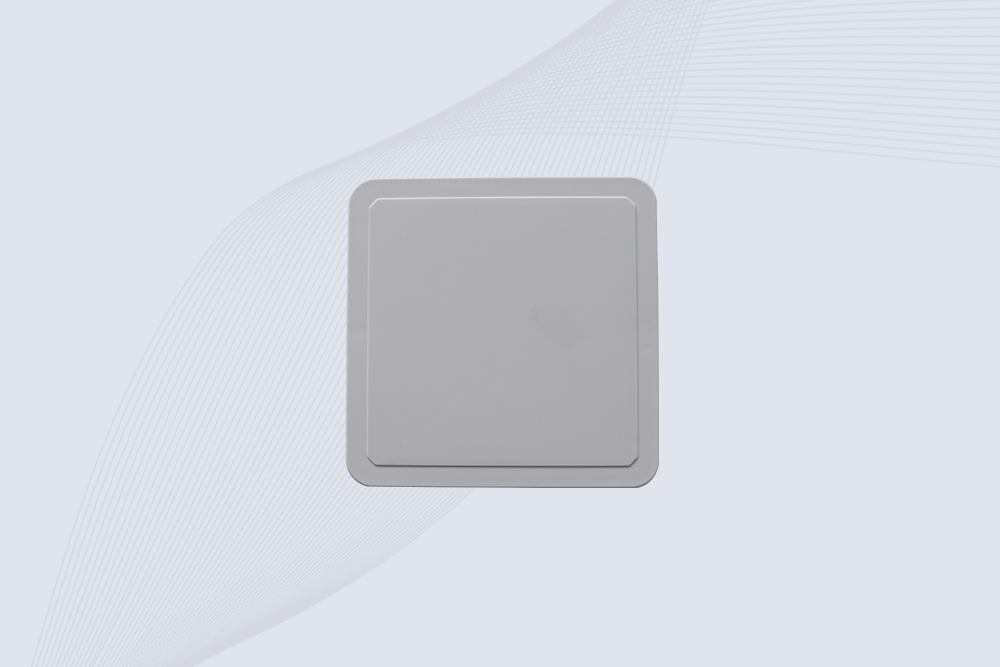
Cykeo CYKEO-A6 UHF RFID panel antenna features 6dBi gain, 840-960MHz broadband, IP65 metal-ready housing for logistics/smart retail. 18mm ultra-thin design with tool-free mounting.

Cykeo CK-A3 industrial antenna RFID UHF offers 5m+ tag detection, ≤1.3:1 VSWR, IP65 rugged design, and global UHF spectrum compatibility (840-960MHz) for warehouses, factories, and retail.
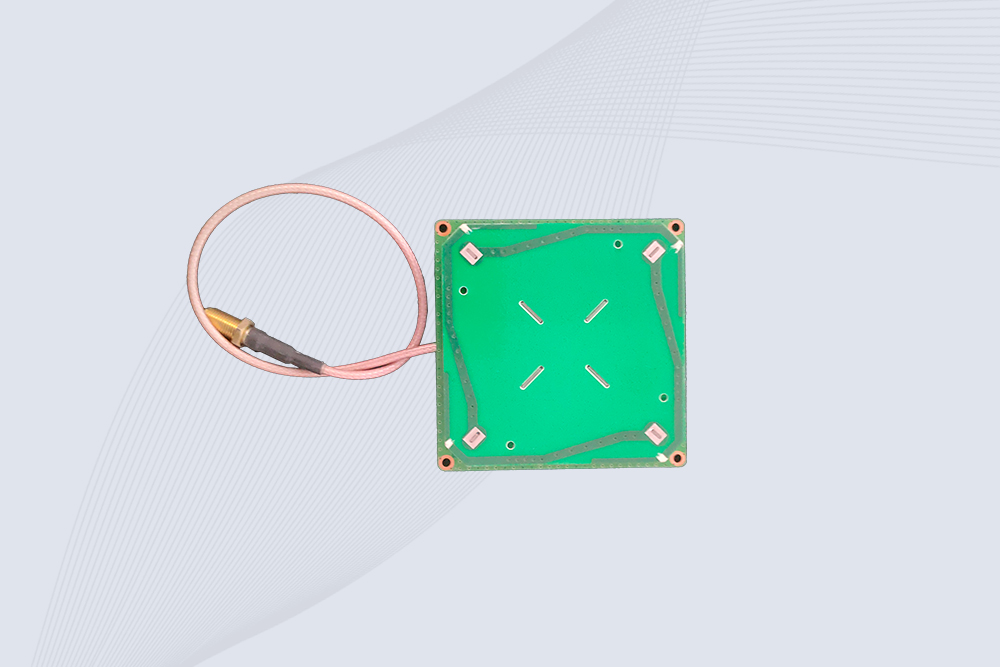
Cykeo CYKEO-B5 directional RFID antenna provides 5dBi gain with 60° narrow beamwidth for precise inventory tracking. IP65-rated, global UHF frequency support, and low VSWR.
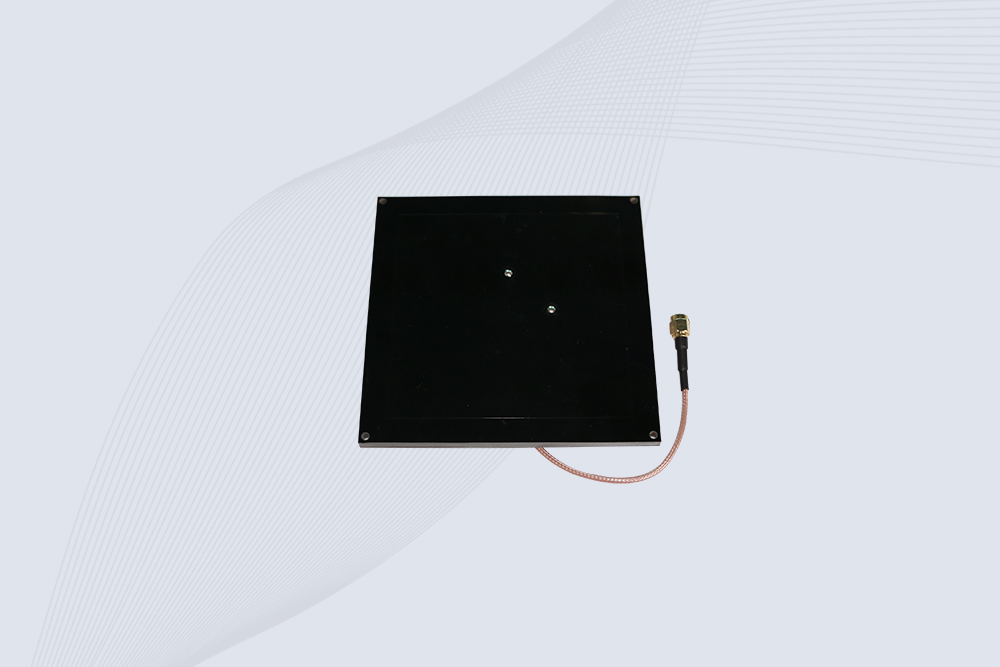
Create your own high-performance DIY RFID antenna! 5dBi gain, 840-960MHz tunable, step-by-step guides. Compatible with Arduino, Raspberry Pi, and commercial UHF readers.
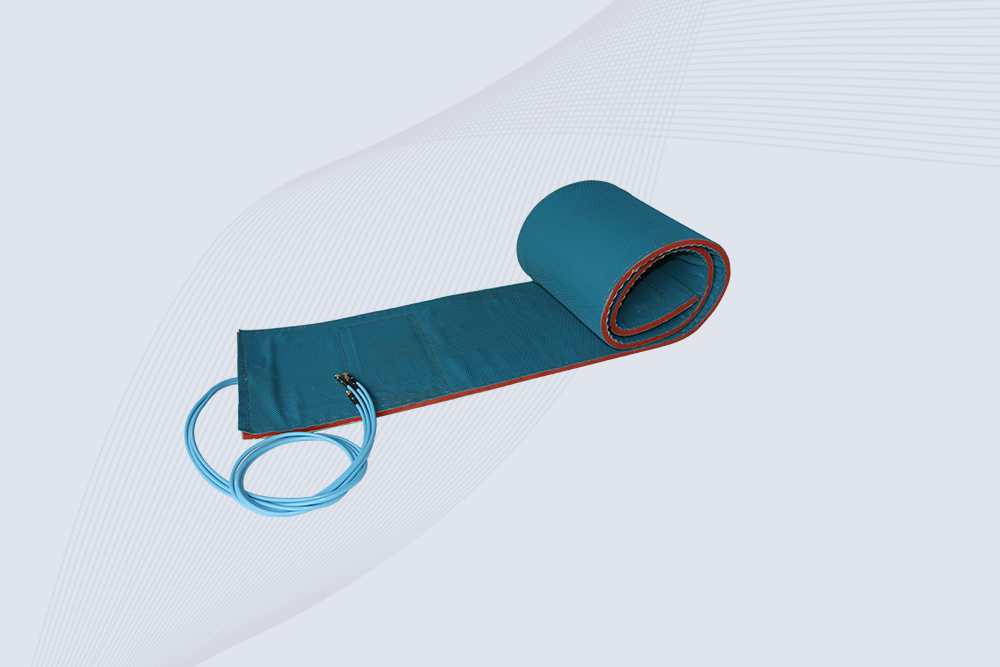
Cykeo CYKEO-A7 Flexible RFID Antenna features 840-960MHz wideband tuning, 7dBi gain, and IP68 rating for medical/retail/industrial curved surface deployments. 98% read accuracy with peel-and-stick installation.

Cykeo CYKEO-B5A industrial Passive RFID Antenna delivers 5dBi gain, 70° beamwidth, and -40°C~55°C operation for warehouses/smart cabinets. Compatible with Zebra/Impinj readers.
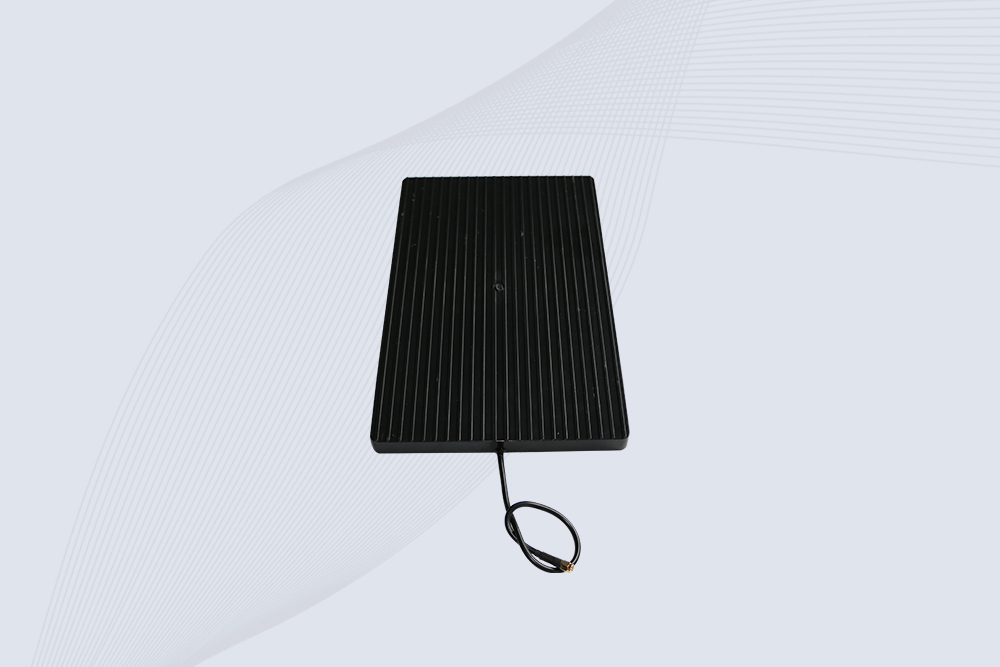
Cykeo’s CYKEO-A9B High Gain RFID Antenna delivers 15m+ read range with 9dBi amplification. Features IP54 rugged design, 840-960MHz bandwidth, and 80° beamwidth for warehouse/manufacturing RFID systems.

Cykeo’s enterprise-grade 8dbi Impinj RFID Antenna 10m+ read range with 840-960MHz tuning. Features IP65 housing, 1.4 VSWR, 35° beamwidth for retail/warehouse RFID systems.

Cykeo CYKEO-A9 industrial UHF RFID antenna delivers 9dBi gain, 840-960MHz frequency range, and IP65 protection for warehouse/logistics/retail RFID systems. Features N-type connector and ≤1.3:1 VSWR.

CYKEO UHF RFID Antenna built for long-distance and industrial applications. This antenna rfid uhf delivers strong gain, outdoor durability, and reliable tag performance in warehouses, yards, and vehicle ID systems.
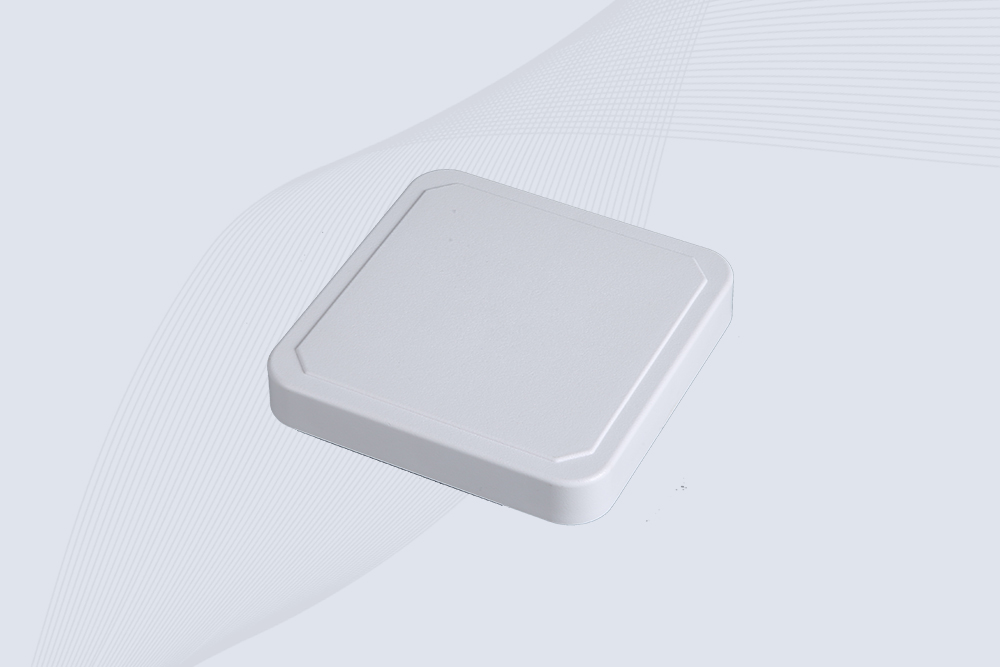
CYKEO Antenna RFID delivers reliable long-range UHF performance in warehouses, retail shelves, and cold-chain environments. This compact uhf rfid antenna provides stable reads with circular polarization and ultra-wide 840–960 MHz support, ideal for industrial tracking, smart shelves, and asset monitoring.

Cykeo’s CYKEO-C8 UHF RFID antennas delivers 8dBi gain, 840-960MHz full-band coverage, and IP65 ruggedness for manufacturing/warehouse RFID systems. Industrial RFID Antennas Features

Cykeo’s 8dBi UHF RFID antenna and reader kit delivers 10m+ range, 840-960MHz broadband, and IP65 ruggedness for factories, warehouses, and logistics. ISO 18000-6C & EPC Gen2 certified.
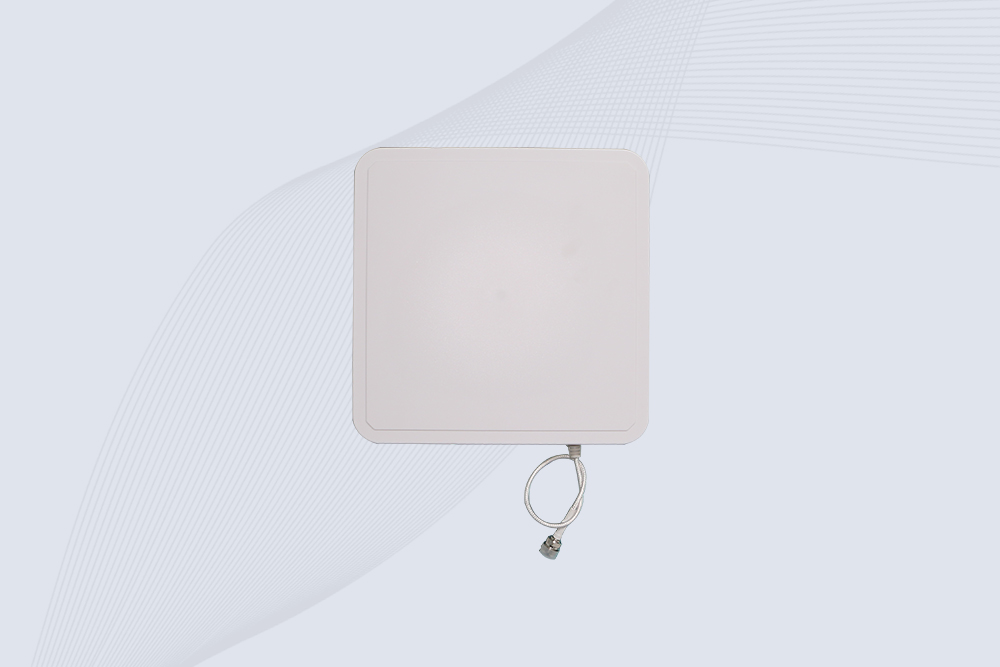
Cykeo CYKEO-A9A industrial UHF RFID reader and antenna kit delivers 10m range, 500 tags/sec, IP65 ruggedness for manufacturing/logistics. Supports EPC Gen2, ISO18000-6C.
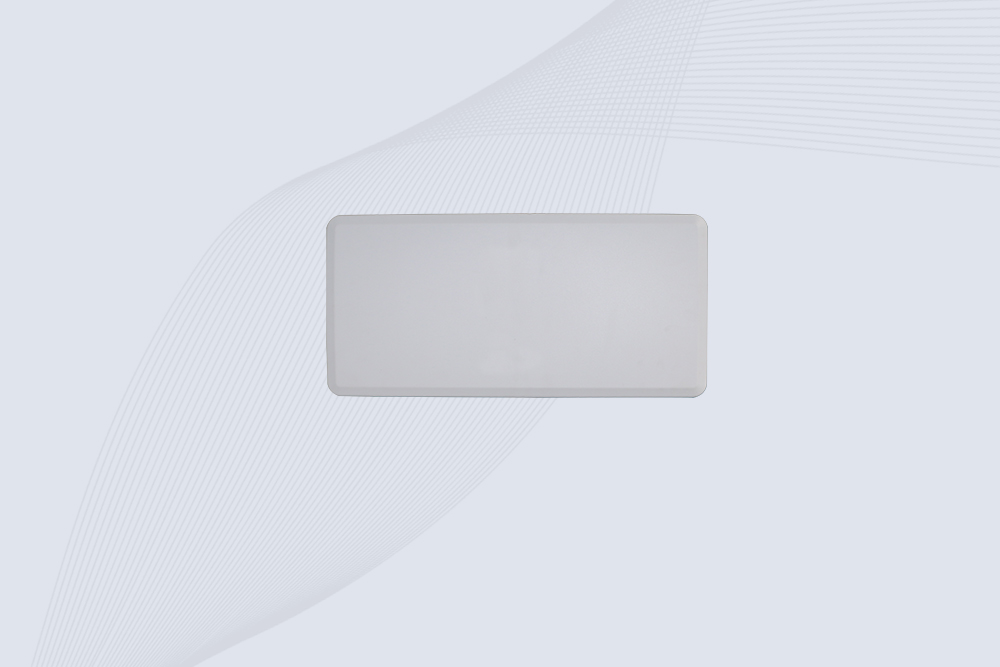
Cykeo’s CYKEO-A12C UHF Large RFID Antenna delivers 12dBi gain, 840-960MHz global frequency, IP65 ruggedness for logistics/warehousing/automotive. 40° beamwidth ensures stable 15m+ tag reads.

CYKEO Near Field RFID Antenna provides precise 5–30 cm reading for shelves, cabinets, and workstations. This compact rfid shelf antenna delivers stable short-range performance around metal and clutter, ideal for pharmacies, libraries, and electronics sorting.
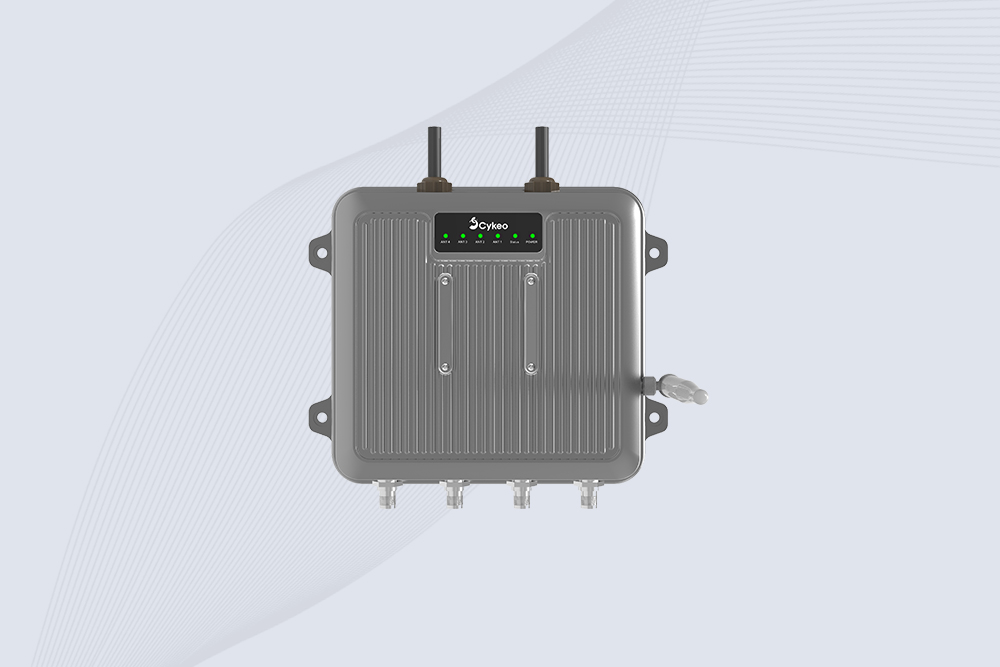
Cykeo CYKEO-C1 industrial Forklift RFID Reader features 20m read range, 600 tags/sec scanning, Impinj R2000 chipset, and IP67 rugged design. Ideal for warehouse logistics and manufacturing. Supports ISO 18000-6C/6B protocols.
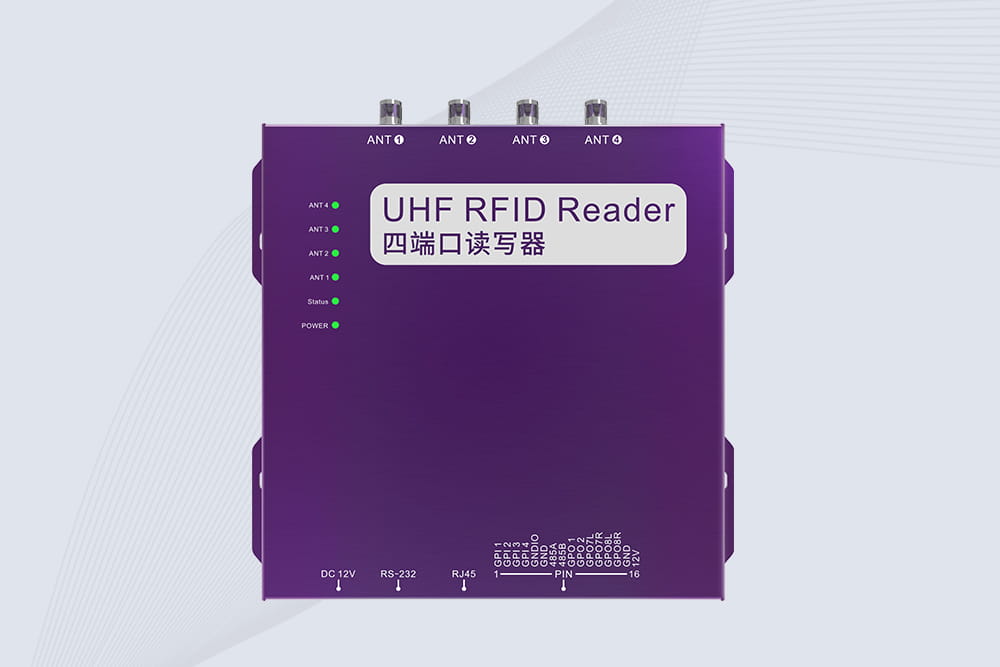
Cykeo CYKEO-R4 industrial UHF RFID Fixed Reader features 4 TNC ports, 400+ tags/sec speed, IP67 housing, and global frequency compliance for vehicle inspection, smart warehouse, and asset management systems.
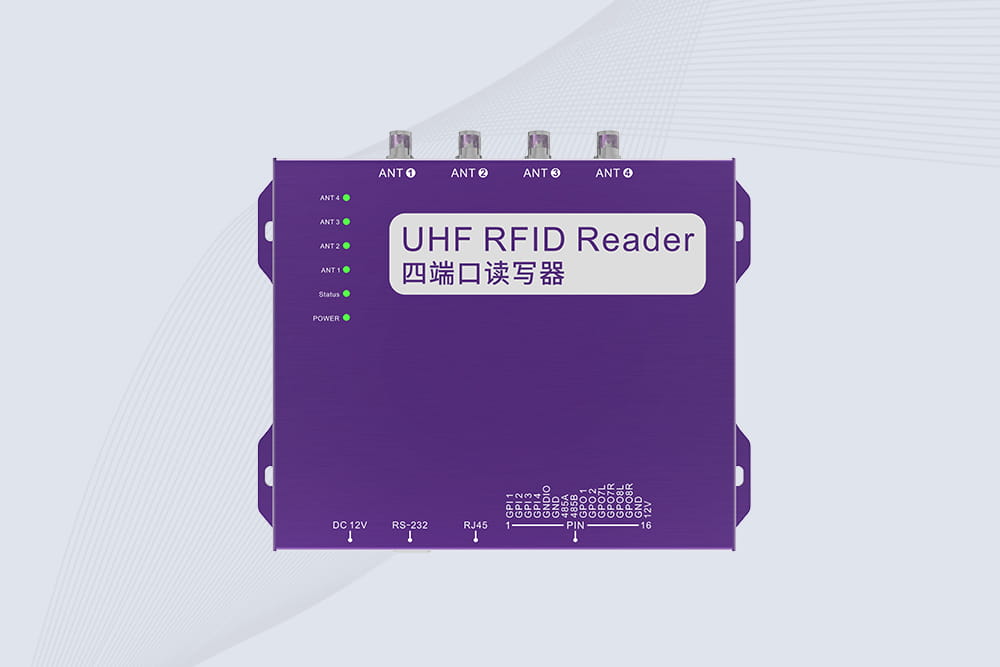
Cykeo’s CYKEO-R4L 4-port Fixed UHF RFID Reader delivers 400 tags/sec scanning, ISO 18000-6C compliance, and IP65 protection. Ideal for warehouse automation, manufacturing WIP tracking, and logistics management.
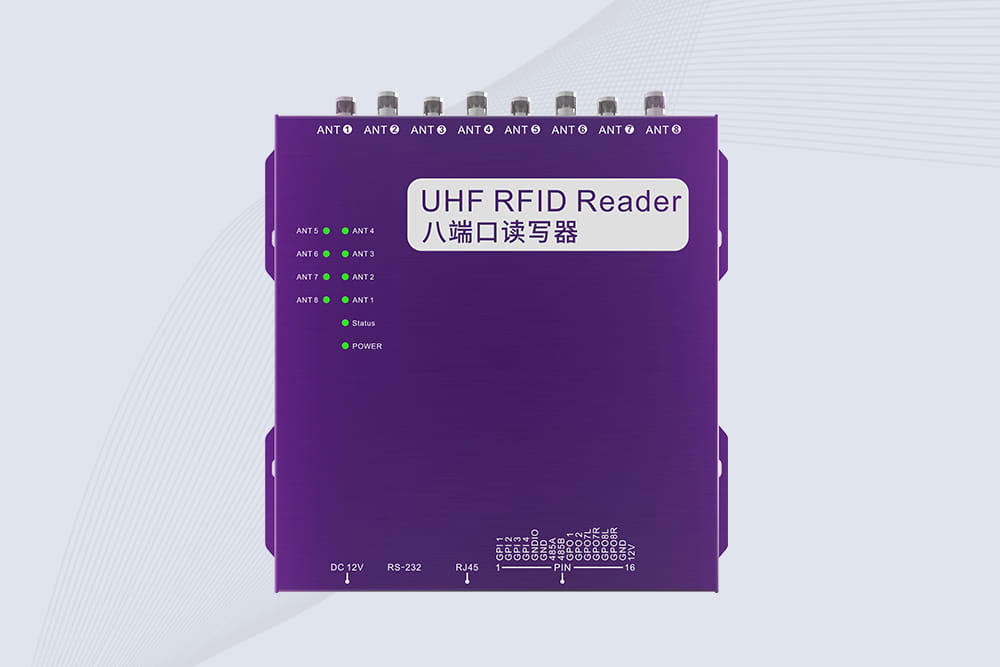
CYKEO CYKEO-R8L Fixed RFID Reader with 8-port UHF design, Impinj-based RF core and up to 20m read range. An industrial Fixed RFID Reader for vehicle inspection, warehouse portals, smart manufacturing lines and secure access checkpoints.
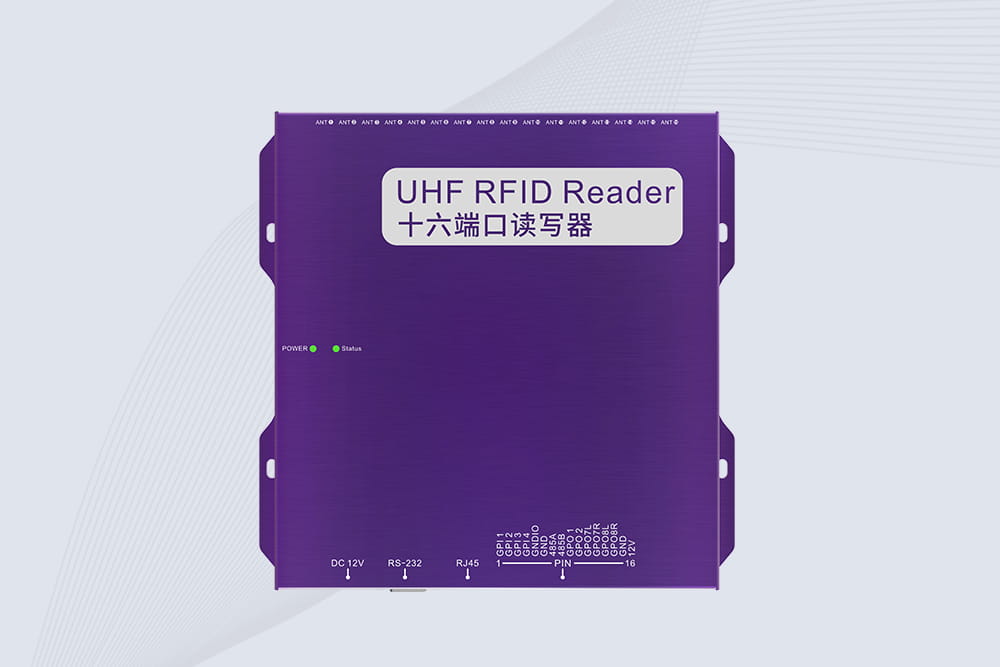
RFID Fixed Reader from CYKEO – the CYKEO-R16L 16-port UHF fixed reader for warehouses, smart cabinets, and production lines. Long-range, multi-tag reading, stable performance for 24/7 industrial use.

Discover how uhf rfid label technology enables fast, long-range tracking up to 10m with high accuracy for logistics, retail, and automated inventory systems.
More
Unlock the power of UHF RFID with this easy-to-follow guide on programming RFID cards and applying UHF RFID technology in asset management, logistics, and smart warehousing. Learn how to streamline your operations with real-world insights and prac...
More
does rfid work through metal? Learn when RFID signals can pass through metal, why metal blocks or reflects RF energy, and which tag designs improve reliable industrial reading.
More
RFID tags can be read and written using a compatible RFID reader/writer. Reading retrieves stored data, while writing encodes new information into writable R...
More