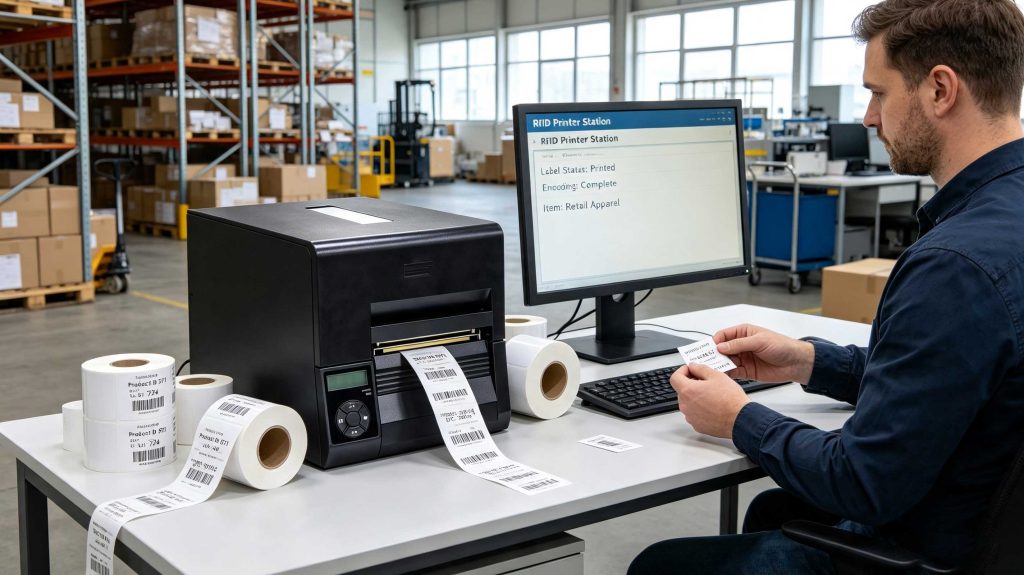
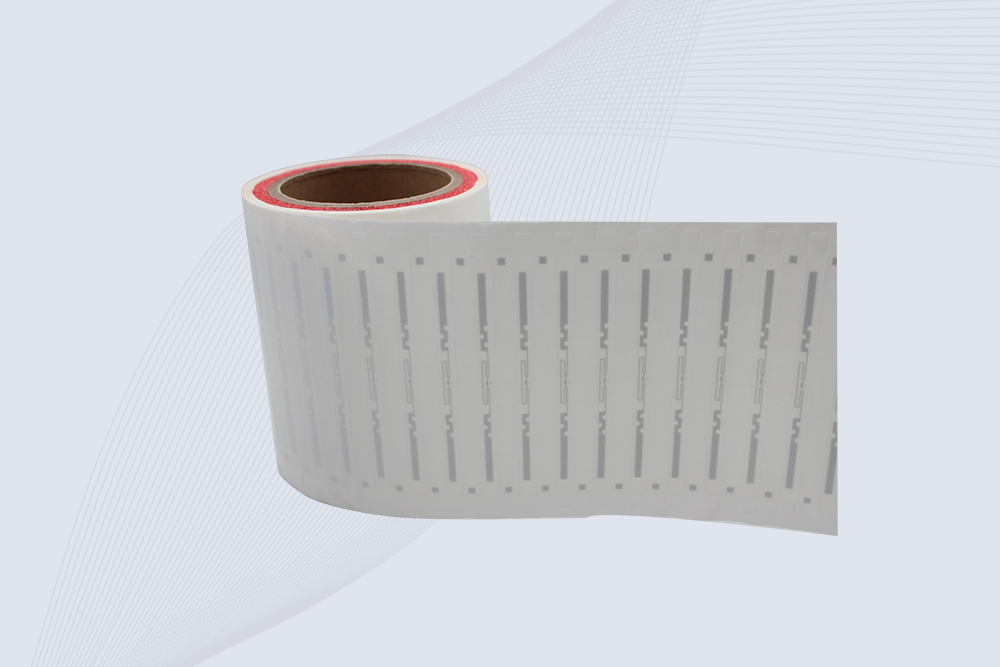
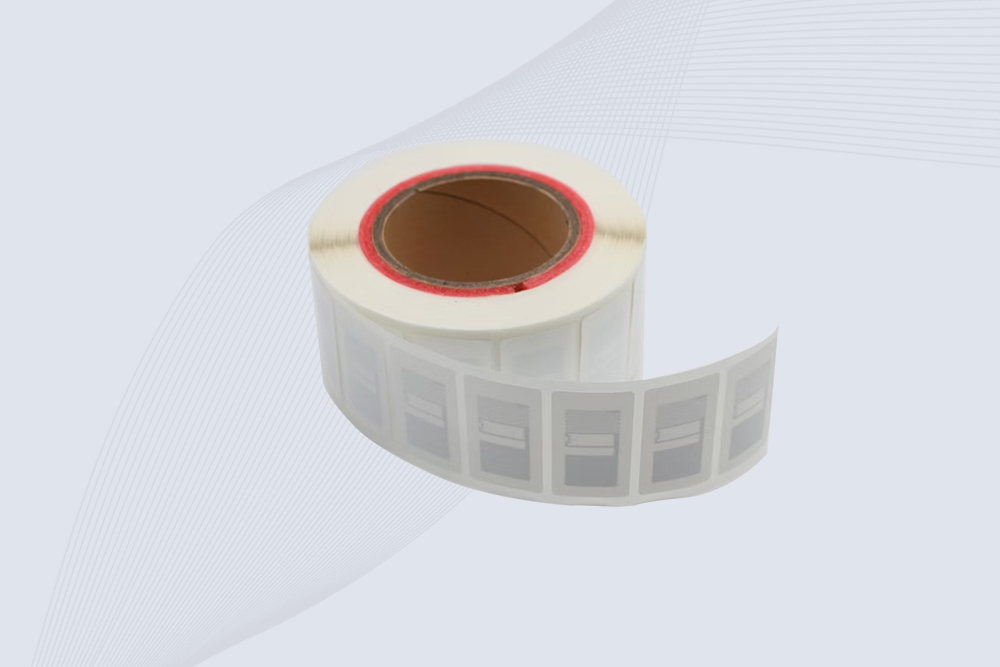
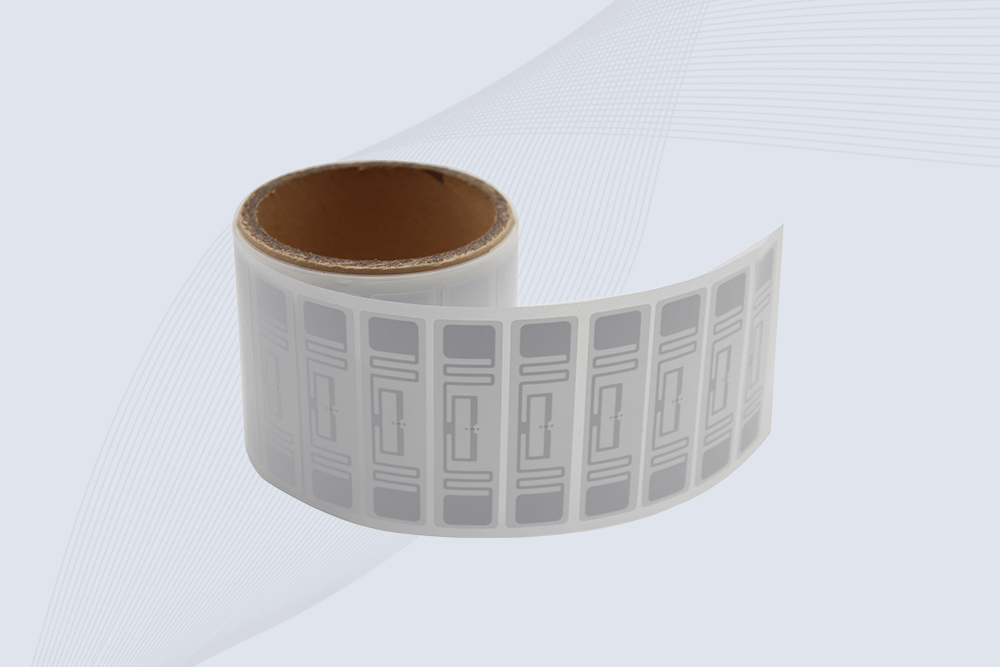
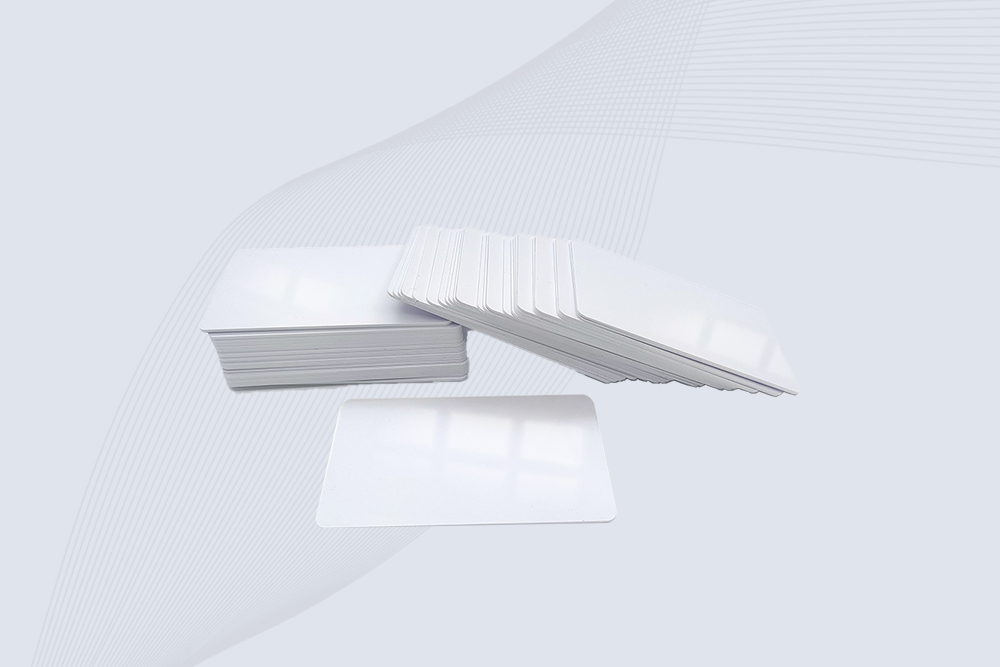
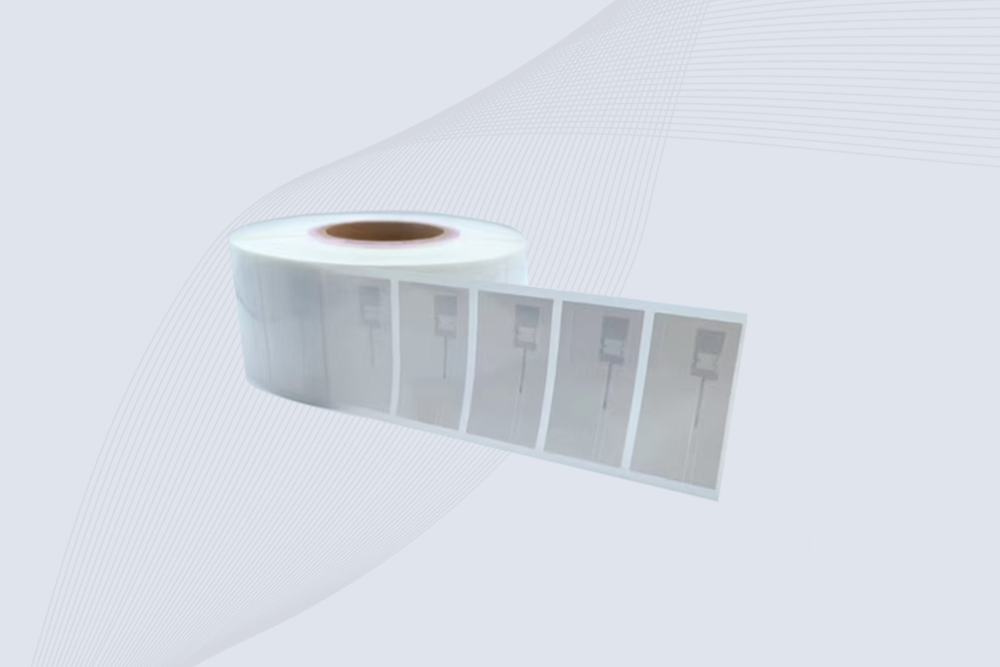
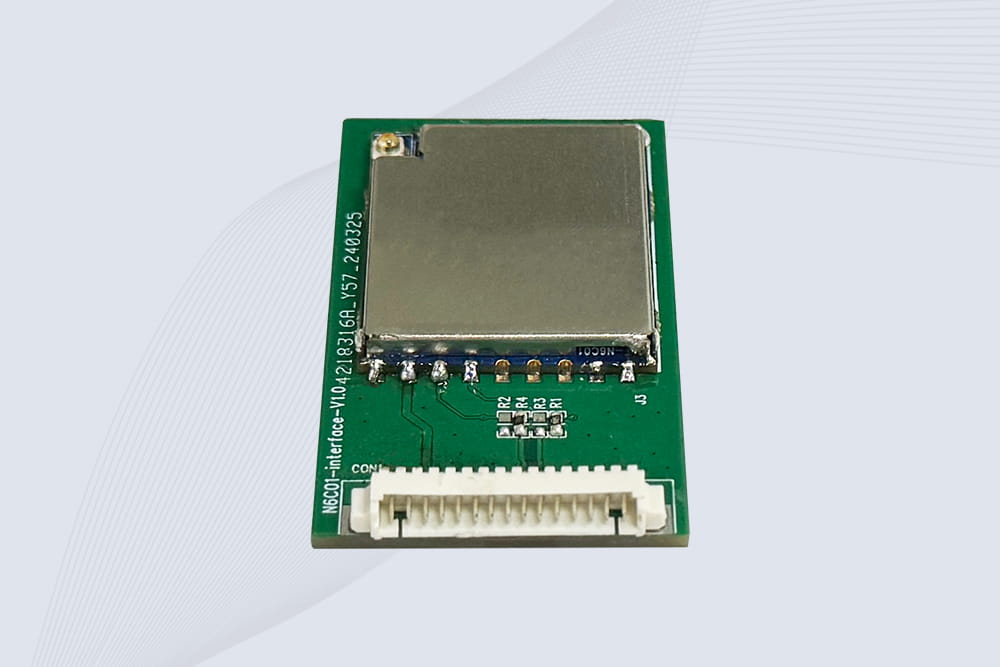
Yes, you can print RFID tags. An RFID tag can carry printed information such as a product name, barcode, serial number, or logo while its RFID chip is electronically encoded with identification data. In practical deployments, printing and RFID encoding are often performed together using an RFID printer/encoder, allowing one label to serve both visual and electronic identification needs.
Can you print rfid tags for real-world applications?
The important distinction is between printing the label surface and encoding the RFID chip.
A conventional thermal printer can print text, graphics, or barcodes onto some RFID-compatible materials, but printing alone does not write information into the RFID chip. An RFID printer/encoder combines the two operations: it prints the visible label and communicates with the RFID inlay to encode its electronic data.
This is not merely a terminology issue. I have seen RFID deployment teams prepare beautifully printed labels that still fail at the reader because the EPC was never correctly encoded—or because the wrong tag construction was selected for the product.
GS1 describes EPC as the bridge between GS1 identifiers and RAIN RFID, allowing identifiers such as GTINs to be serialized and encoded into RFID tags.
A typical printable RFID label may contain:
Label element
Purpose
Human-readable text
Product, asset, batch or serial information
Barcode / QR code
Visual identification and fallback scanning
RFID inlay
Electronic identification
EPC memory
Stores the primary RFID identifier
User memory
Stores additional application data when required
Antenna
Receives and backscatters RF energy
The result is one physical label with two identification layers: what a person can see and what an RFID reader can capture.
How RFID Tags Are Printed and Encoded
The workflow used in production is usually more controlled than simply pressing “print.”
1. Select the correct RFID inlay
The tag must match the operating environment.
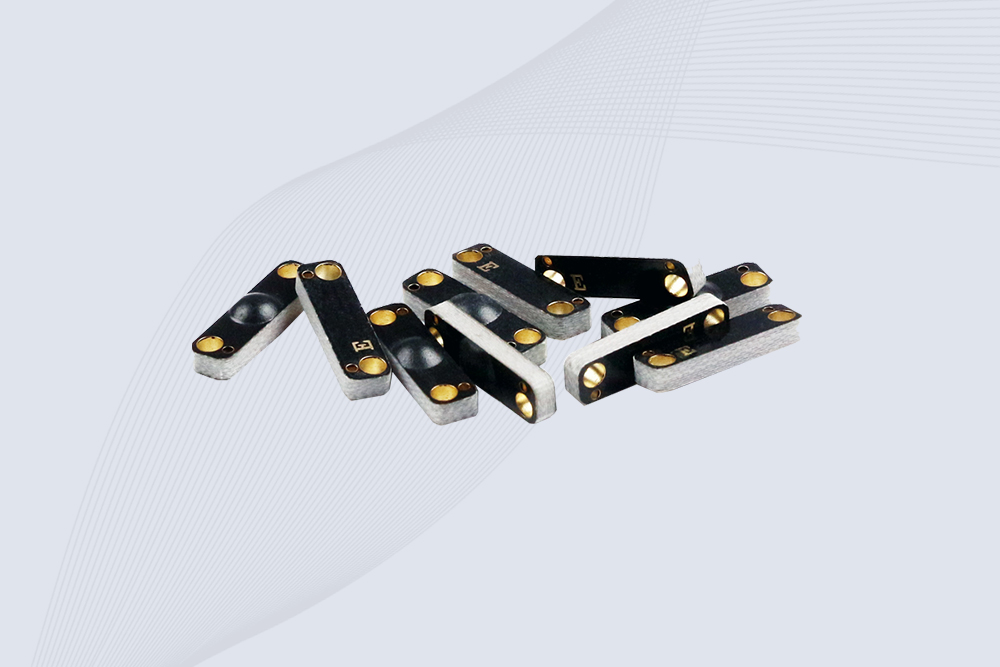
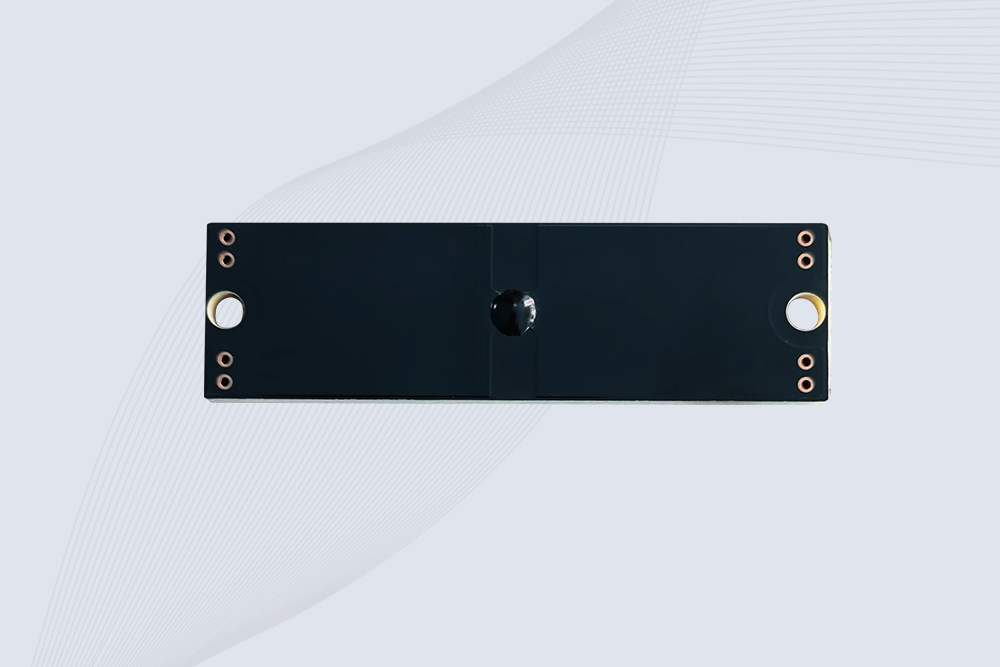
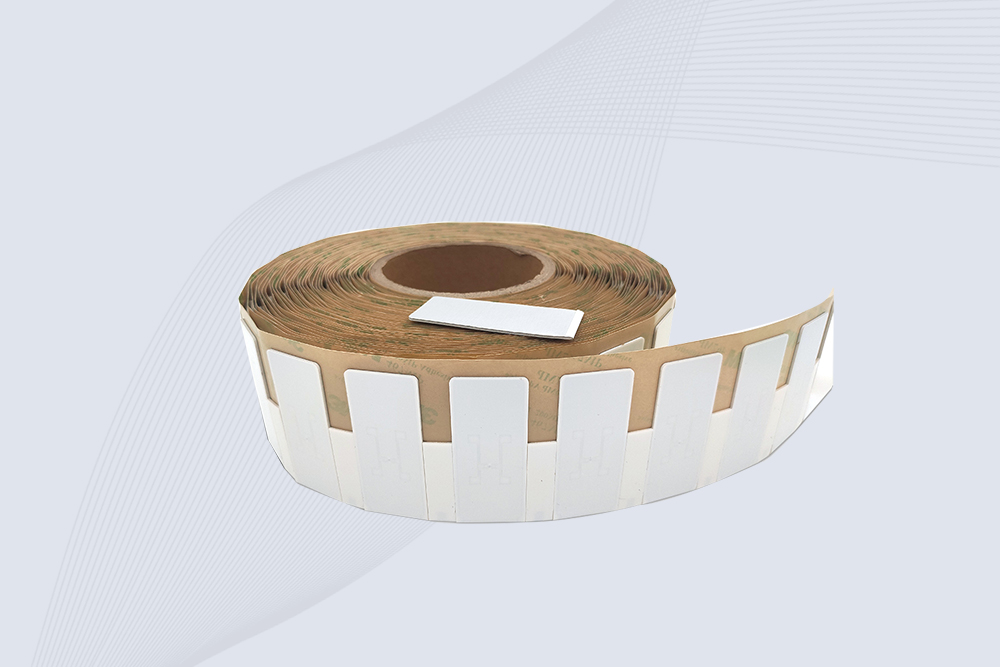
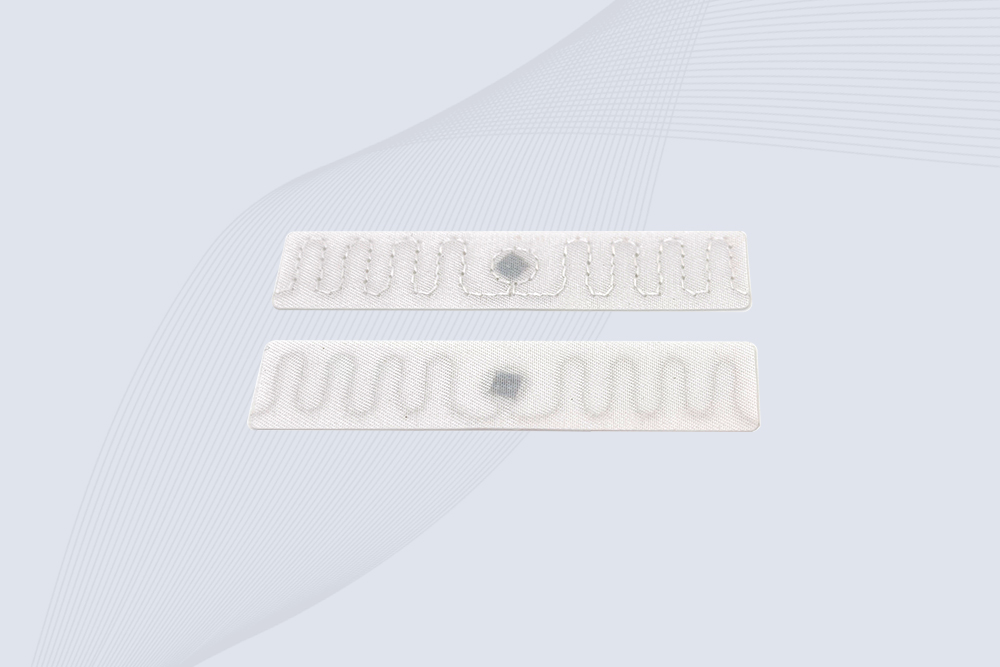
For clothing, paper labels and hangtags are common. For cartons or plastic containers, a different inlay construction may be appropriate. Metal surfaces can require specialized on-metal RFID tags because the surrounding material changes RF behavior.
This is where many first installations go wrong. The printer is often blamed when the real problem is tag selection.
2. Prepare the EPC or application data
The RFID chip needs electronic data in addition to the printed information.
For a retail item, this could associate a GTIN with a unique serial number. GS1 explains that EPC is designed for serialized identification, rather than simply repeating a generic product number across every item.
GS1 also documents multiple EPC encoding schemes. For example, SGTIN-96 uses 96 bits, while longer schemes such as SGTIN-198 can accommodate broader alphanumeric serial-number requirements.
That matters when designing a tag database. A serial number that looks harmless in a spreadsheet may not fit the selected EPC encoding scheme.
3. Print and encode
An RFID printer/encoder can print the visible artwork while writing the electronic RFID data.
Commercial RFID printer documentation explicitly supports reading and writing—or encoding—RFID tags during the printing process.
For high-volume operations, this makes RFID label production much more practical:
Generate item ID
Print human-readable information
Print barcode or QR code
Encode EPC
Verify the RFID response
Reject failed labels
Continue to the next tag
The physical label comes out looking ordinary. The difference is inside the inlay.
What Information Can Be Printed on an RFID Tag?
There is considerable flexibility in the visible layer.
A retail RFID label might contain:
Brand or company logo
Product SKU
Size and color
Price
Barcode
QR code
Serial number
Batch information
Care instructions
The electronic layer can contain EPC information and, depending on the tag and application, additional User Memory data.
GS1 notes that Application Identifier data can also be encoded into the User memory of EPC/RFID tags.
That creates an interesting operational advantage: the printed surface can remain simple while the electronic identity carries structured machine-readable information.
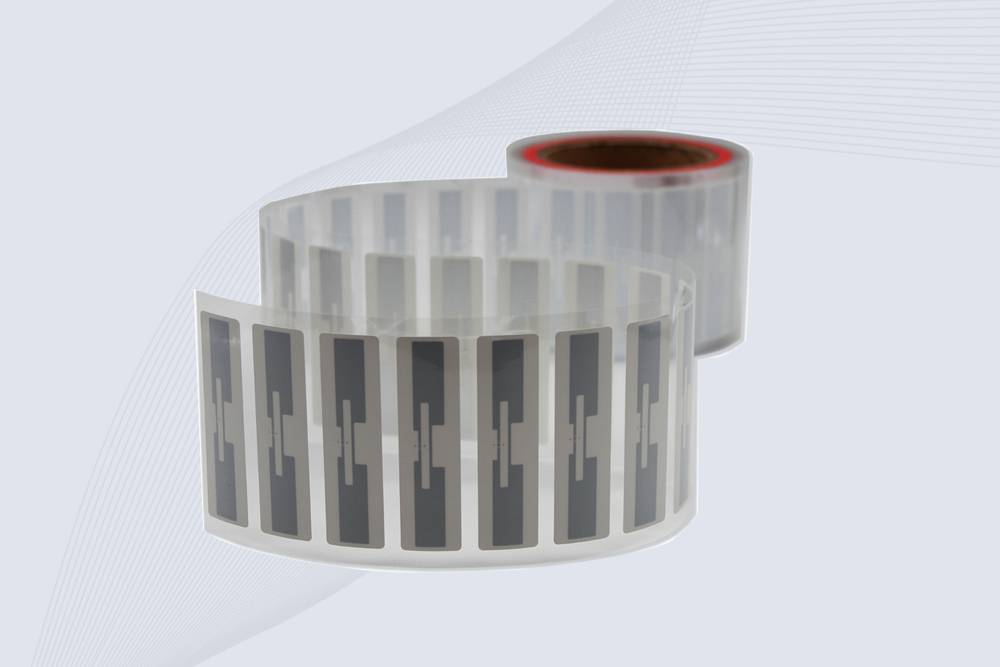
RFID labels are printed and electronically encoded before entering inventory operations.
Can You Print RFID Tags With a Normal Printer?
Sometimes the printed portion can be produced with conventional printing equipment, depending on the RFID label construction.
But if the requirement is to print and encode RFID tags in one production cycle, an RFID printer/encoder is the more appropriate solution.
This distinction becomes especially important when thousands of tags are being issued. A barcode can be printed onto a label and scanned visually; an RFID tag also has to survive an electronic verification step.
GS1’s RFID guidance recognizes the relationship between printed barcode information and EPC/RFID data, including bidirectional translation between business identifiers, printed barcodes, and RFID encodings.
Can RFID Tags Be Reprinted or Reused?
The answer depends on the tag type and what has already been encoded.
A paper RFID label that has been permanently attached to a product is normally treated as a consumable identification label. Reprinting the paper does not necessarily mean the RFID chip has been changed.
Some RFID tags support rewriting of electronic data. GS1 specifically notes that some RFID tags can be rewritten, although the practical reuse strategy depends on the tag, memory configuration, locking settings, adhesive construction, and application requirements.
For this reason, I would separate three concepts:
Reprint the visible label
Rewrite the RFID memory
Physically remove and reuse the complete RFID tag
They are not the same operation.
Cykeo RFID Tag Writing for Practical Deployment
For smaller issuing stations, laboratories, libraries, warehouses, and production workstations, Cykeo’s desktop RFID writing approach is particularly relevant.
A near-field antenna can deliberately constrain the read/write area rather than allowing nearby tags to respond unintentionally. Cykeo desktop RFID equipment can provide a controlled reading range of up to approximately 30 cm and a writing range controlled to approximately 10 cm, with maximum port output of 33 dBm.
That type of short-range behavior is useful when an operator is writing a single label on a desk and does not want the system accidentally communicating with tags several workstations away.
The practical interface also matters. Cykeo provides automatic card/tag writing functions, demonstration software, rapid batch writing, tag filtering, Type-C communication, and C# and Java development resources. For an OEM or application developer, those details can reduce the distance between a prototype and a working issuing station.
What I Check Before Deploying Printable RFID Tags
In field testing, I would not approve a tag simply because it reads successfully once.
I check:
Read consistency across repeated tests
Write verification after encoding
EPC uniqueness
Printed barcode readability
RFID-to-barcode data consistency
Tag orientation
Product material interaction
Adhesive performance
Batch rejection handling
Database synchronization
A printed label that looks perfect but carries the wrong EPC is still a bad label.
And that is the real answer to can you print RFID tags: yes—but reliable RFID printing means treating the printed identity and electronic identity as one controlled production process.
RFID Tag Printing Is More Than Printing a Label
The useful part of RFID printing begins after the label leaves the printhead.
A production RFID label has two identities:
Visible identity: text, barcode, QR code, logo, SKU or serial number
Electronic identity: EPC, TID and, where supported, User Memory data
GS1 describes EPC as the identification layer that connects GS1 identifiers with RAIN RFID, including serialized GTIN-based identification.
That distinction becomes important when a retailer, warehouse or manufacturer starts issuing tens of thousands of tags. A visually correct label can still contain an incorrect EPC.
RFID Encoding and Printing Workflow
A reliable production workflow normally looks like this:
Modern RFID printer/encoders are designed specifically for this combined operation. Zebra’s RFID documentation, for example, describes printers that write information to the RFID transponder, verify encoding, and simultaneously print text, graphics or barcodes on the label.
The verification step should not be treated as optional.
If a label prints perfectly but the EPC write fails, the operator needs to know before that label reaches inventory.
RFID Tag Memory: What Actually Gets Written?
A common implementation mistake is treating the RFID chip as though it were simply a wireless barcode.
For Gen2 RFID tags, memory is organized into different areas. GS1 documentation identifies EPC, User Memory, control information and tag-manufacturer information among the data associated with RAIN RFID tags.
Data
Typical role
EPC
Primary serialized item identity
TID
Identifies information about the RFID chip/tag
User Memory
Optional application-specific data
Access/Kill information
Security and tag-management functions
For retail, the EPC is usually the critical field.
GS1’s current standards repository lists the EPC Tag Data Standard 2.3.0 as the current version and describes it as defining EPC and the memory contents of Gen2 RFID tags.
The practical lesson is simple: do not design the database first and worry about tag memory afterward.
The identifier structure, memory capacity and encoding method should be considered together.
EPC Serialization Matters
Suppose a retailer has 50,000 identical black jackets.
A barcode may identify the product model. RFID can go further by assigning a serialized identity to each physical item.
For example:
Item
Product ID
Serial
Jacket A
GTIN X
000001
Jacket B
GTIN X
000002
Jacket C
GTIN X
000003
The three garments share the same product identity but have different electronic identities.
GS1 explains that shorter EPC binary schemes such as SGTIN-96 use fewer bits, while longer schemes such as SGTIN-198 provide a larger serial-number range but require more memory.
That is a small technical decision with a long operational consequence.
If the serialization architecture is poorly planned, changing it after labels have already entered circulation can become expensive.
RFID Printer vs Desktop RFID Writer
These devices solve different problems.
Requirement
RFID Printer/Encoder
Desktop RFID Writer
Print labels
Yes
Usually no
Encode RFID
Yes
Yes
Batch tag writing
Yes
Yes
Individual tag registration
Yes
Excellent
Barcode printing
Yes
No / external
Compact workstation use
Moderate
Excellent
High-volume label production
Excellent
Limited
Development/testing
Good
Excellent
For a packaging line producing thousands of labels, an industrial RFID printer/encoder is normally the better fit.
For a workstation where an employee receives blank tags, writes identifiers, filters tags and checks them individually, a compact desktop RFID writer can be more practical.
This is where Cykeo’s desktop RFID writing platform fits well.
Cykeo Desktop RFID Writing Advantages
Cykeo’s desktop RFID writer uses a near-field antenna to deliberately control the operating area.
The specified operating range is approximately:
Read range: within 30 cm
Write range: within 10 cm
Maximum RF output: 33 dBm
Communication: Type-C
Development: C# and Java resources
That short writing range is useful in an office or issuing workstation. Imagine three unencoded tags sitting beside an operator’s keyboard. A long-range reader can turn a simple writing task into a tag-selection problem. Near-field operation makes the intended tag much easier to isolate.
Cykeo also provides automatic card/tag writing demonstration software, batch writing functions and rapid tag filtering.
For an operator issuing tags at a desk, this matters more than an impressive theoretical read-distance figure.
A Practical Cykeo Workflow
A typical desktop issuing station can be configured as:
Blank RFID tag → place tag in writing zone → identify tag → generate/receive ID → write EPC → read back → verify → register in database
For batch operations:
Tag group → filter → write sequentially → verify → reject failed tags → continue
That architecture is particularly suitable for:
Retail product tagging
Library tags
Asset registration
Medical supply identification
Tool management
Warehouse item registration
Small-batch production
RFID label conversion
RFID vs Barcode: Why Print Both?
RFID does not necessarily replace the barcode.
In many deployments, the stronger approach is to put both on the same label.
Feature
Barcode
RFID
Requires line of sight
Usually
No
Multiple items per read
Limited
Yes
Human-readable
Yes
No
Low-cost identification
Excellent
Good
Serialized identification
Possible
Strong
Automated inventory
Limited
Strong
Printed information
Excellent
Excellent when combined
GS1 notes that EPC RFID can identify serialized items without requiring an operator to scan a barcode, and that multiple RFID tags can be read simultaneously.
So the two technologies can complement each other.
A cashier can still scan a barcode manually when necessary. An inventory reader can simultaneously identify the RFID tag without requiring the operator to align every label with a scanner.
Industry Applications
Retail and Apparel
RFID labels can be printed with:
SKU
Size
Color
Price
Barcode
Serial number
The RFID layer then supports inventory visibility, receiving, stock checks and automated checkout.
For apparel stores, the combination of printed barcode + RFID is particularly practical because the garment remains visually identifiable even when RFID equipment is not available.
Warehousing
At goods receiving, RFID labels can be encoded before cartons enter the storage process.
A fixed rfid reader or handheld reader can subsequently identify multiple tagged items without individually presenting every barcode to a scanner.
Hospitals and Medical Supply Rooms
RFID labels can be assigned to:
Medical supplies
Equipment
Surgical instruments
Consumables
Storage bins
The tag database can connect the physical object with its electronic identity.
Tool Management
A serialized RFID tag can associate a tool with:
Tool ID
Employee
Department
Storage position
Maintenance record
Issue/return history
The tag becomes the physical link between the tool and the management software.
RFID Tag Printing Deployment Strategy
Before purchasing equipment, I recommend testing the complete chain rather than testing the printer alone.
Stage 1 — Define the identifier
Decide whether the application needs:
GTIN
Serialized GTIN
Asset ID
Internal serial number
Custom identifier
GS1 specifically warns that proprietary, non-standard tag-data schemes can create interference between applications.
Stage 2 — Select the RFID inlay
Test the tag against the actual product.
Paper, cardboard, plastic, liquid and metal can behave very differently around RF.
Stage 3 — Test write reliability
Do not stop after one successful write.
Test a representative batch and record:
Write success
Read-back success
EPC correctness
Barcode correctness
Failed-label rate
Position sensitivity
Stage 4 — Test the database connection
The electronic EPC and printed serial number should correspond to the same database record.
Stage 5 — Test at operating speed
A workstation that performs perfectly at 20 labels may behave differently at 2,000.
Measure the real workflow.
A retail operator batch-encodes RFID tags and verifies each electronic identity before the tags are attached to merchandise.
FAQ
1. Can you print RFID tags with a regular printer?
You can print the visible portion of some RFID labels with conventional printing equipment, but electronic RFID encoding requires an RFID writer or RFID printer/encoder.
2. Can RFID tags be printed with barcodes?
Yes. RFID labels commonly combine human-readable information, barcodes or QR codes with an RFID inlay.
3. Can you write data to an RFID tag after printing?
Yes, when the RFID chip supports writable memory and has not been permanently locked. RFID printer/encoders can write and verify tag data.
4. Can one RFID label contain both a barcode and RFID data?
Yes. This is often useful because barcode scanning provides a familiar fallback while RFID enables automated identification.
5. What is EPC in an RFID tag?
EPC is an Electronic Product Code used to identify physical objects through RFID. GS1 describes it as a bridge between GS1 identifiers and RAIN RFID.
6. Can RFID tags be written in batches?
Yes. Batch encoding is widely used when large quantities of tags must receive individual identifiers. The application should still verify each written tag.
7. Is a desktop RFID writer suitable for RFID tag issuing?
Yes. A desktop writer is particularly suitable for controlled workstation operations such as tag registration, small-batch encoding, verification and item identification. Cykeo’s near-field desktop design is intended to keep the writing area controlled rather than unnecessarily expanding the RF field.
SEO Ending
Can you print RFID tags? Absolutely—but professional RFID printing means more than putting ink on an inlay. The useful production model combines printed identification, electronic encoding, verification and database registration in one controlled process.
For high-volume label production, RFID printer/encoders can combine printing and encoding. For workstation-based tag issuing, Cykeo’s compact RFID writing platform provides a more controlled near-field environment, batch writing support, filtering, Type-C communication and C#/Java development resources.
When the printed barcode and electronic EPC describe the same physical item, RFID becomes much more than a label. It becomes a machine-readable identity attached directly to the object.
That is the practical answer to can you print RFID tags.
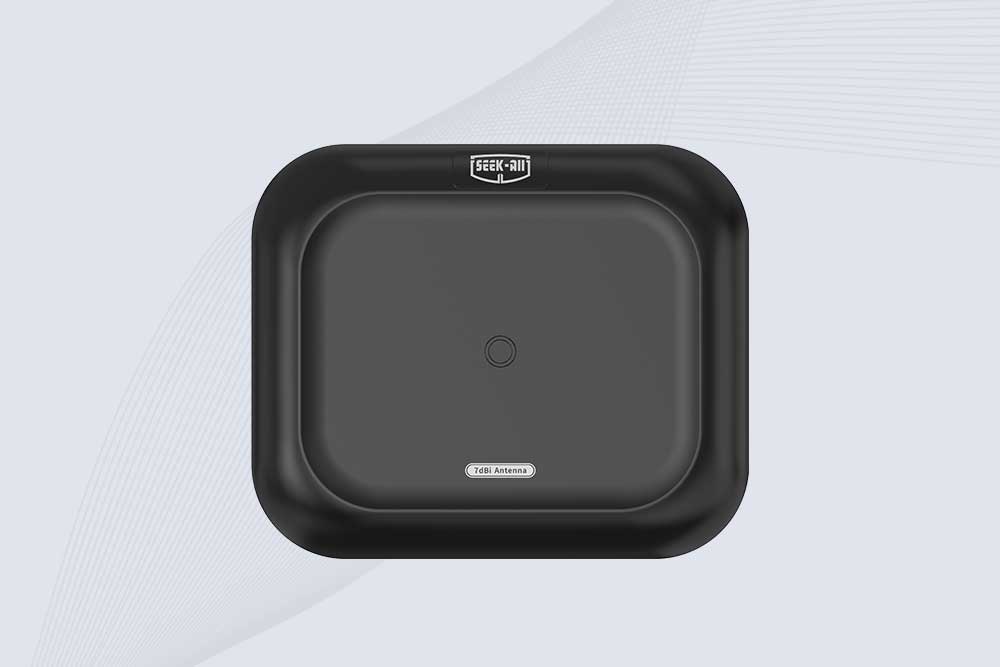
Explore the SSD-A07 UHF RFID antenna with 7 dBi gain, circular polarization, adjustable 840–960 MHz frequency, and 60°/75° beamwidth for stable RFID read/write performance.
SSD-A06 UHF RFID antenna with circular polarization, adjustable 840–960 MHz frequency, ≥4.5 dBi gain, and a compact directional design for RFID systems.
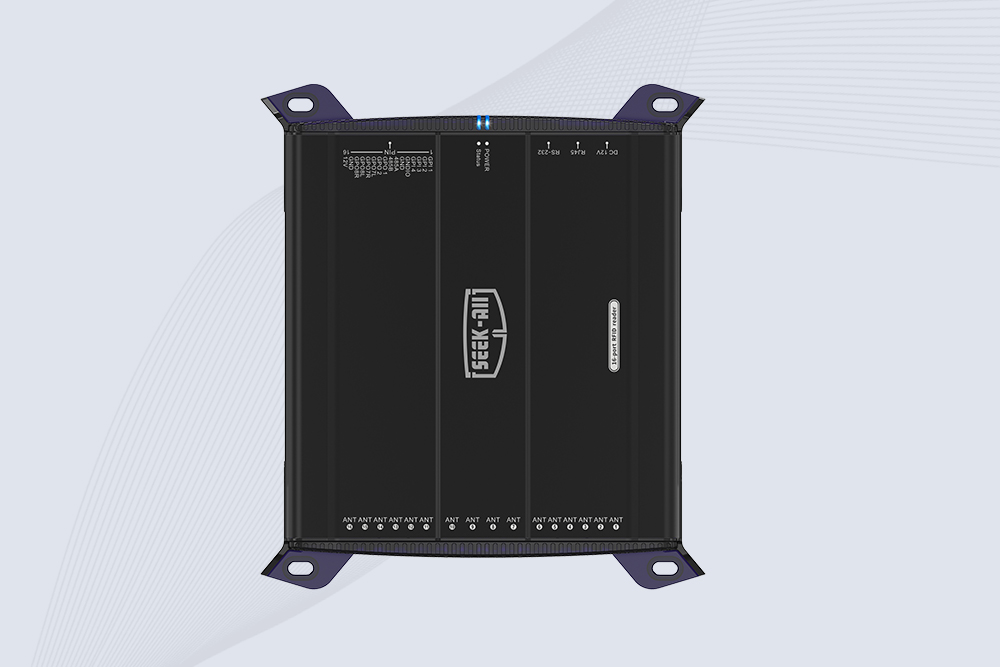
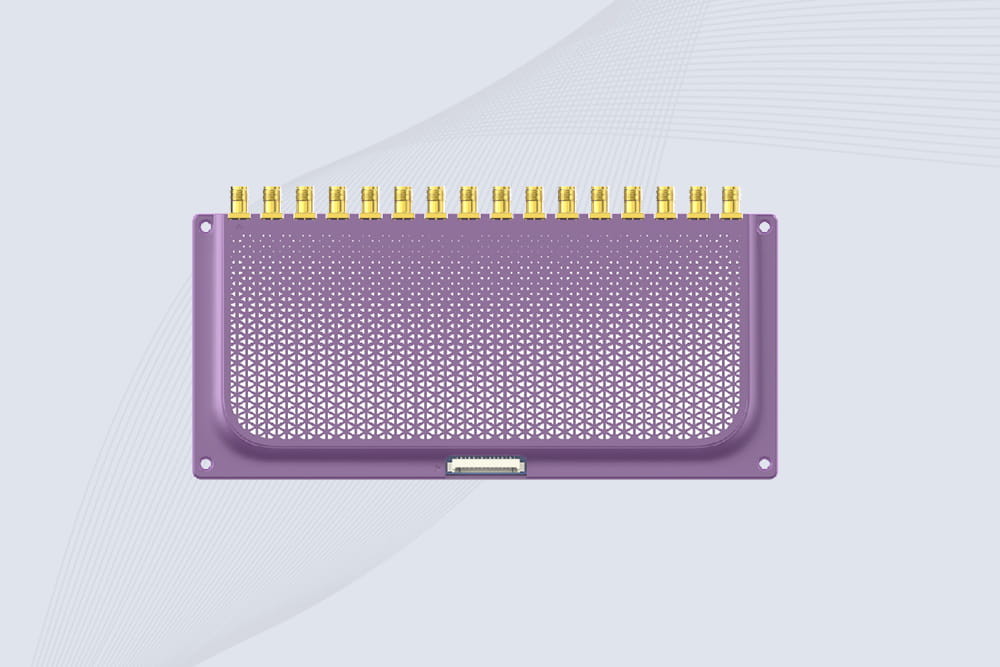
SSD-R16L Multi-Channel RFID Infrastructure for Automated Inventory Management ✔️ 16-Port High-Density RFID Reading Equipped with 16 SMA antenna ports, SSD-R16L supports multi-antenna deployment for warehouses, retail stores, logistics, production lines, and large-area RFID identification. ✔️ High-Speed & Long-Range Performance With up to 33…
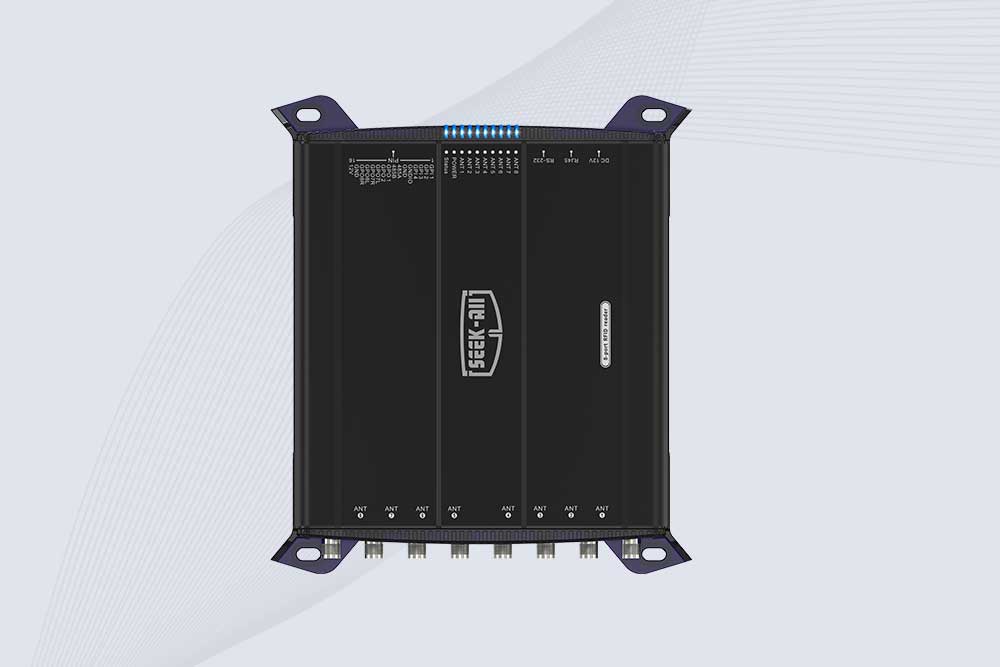
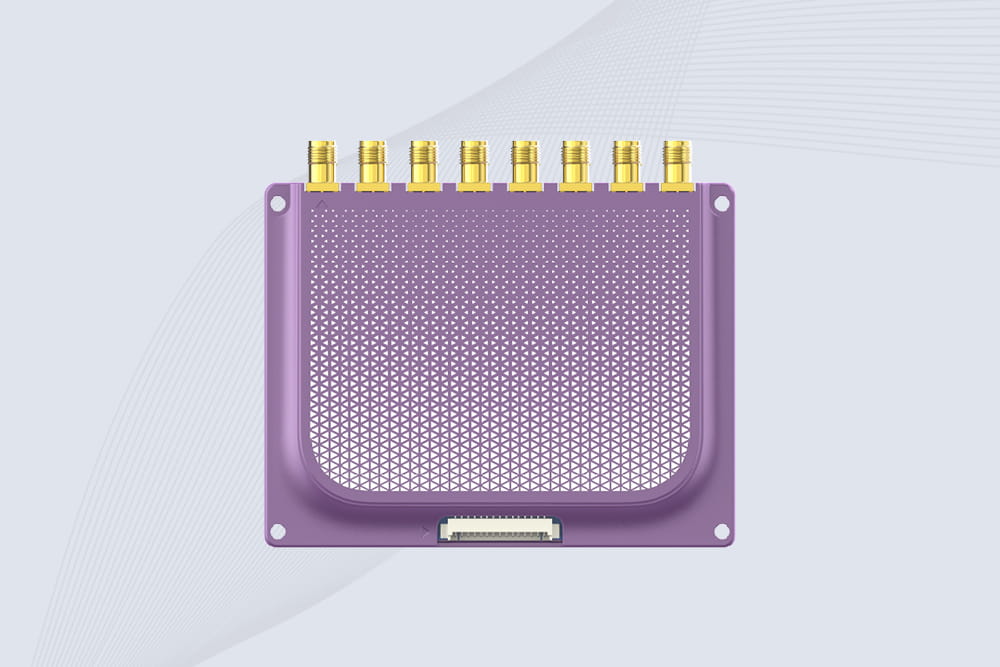
SSD-R8L 8-port UHF RFID reader with 33dBm output, up to 20m reading range and 600+ tags/s recognition. Ideal for warehouse, logistics, retail and asset tracking.
CYKEO Passive RFID Tags are made for wet and high-humidity environments where standard labels do not last. This rfid passive tag is often used around liquids, chemicals and temperature changes, providing stable reading distance and long data life for industrial tracking.
CYKEO CYKEO-PCB1504 Metal RFID Tags is a compact anti-metal UHF RFID solution built for direct mounting on metal surfaces. With stable 8-meter read range, Ucode-8 chip, and long data retention, this rfid metal tag fits tools, containers, automotive parts, and industrial asset tracking.
CYKEO CYKEO-PCB7020 On-Metal RFID Tags are designed for reliable tracking on steel and metal surfaces. Built with an FR4 epoxy body and industrial-grade chips, these On-Metal RFID Tags deliver stable performance, long data life, and chemical resistance, making them a dependable RFID anti-metal tag for harsh environments.
The CYKEO CYKEO-60-25 Anti-Metal RFID Tag is built for metal surfaces where standard tags fail. Designed for long-range performance, harsh environments, and stable data retention, this Anti-Metal RFID Tag is ideal for industrial assets, containers, and equipment tracking using on metal RFID tags.
The CYKEO RFID Laundry Tag is designed for long-term textile identification in harsh laundry environments. Built to withstand high heat, chemicals, and repeated washing, this RFID Laundry Tag delivers stable performance for hotels, hospitals, and industrial laundry operations using laundry rfid tags at scale.
The CYKEO CYKEO-125-7 RFID Book Tag is designed for reliable book and document tracking in libraries and archives. This RFID Book Tag delivers long read range, dense placement support, and stable performance on shelves, making it a practical rfid tag on books for library automation, file management, and archival systems.
CYKEO RFID tags in hospitals are designed for sterile environments where accuracy matters. These autoclavable RFID tags support long-term tracking of surgical tools, implants, and medications, helping hospitals improve visibility, compliance, and patient safety.
CYKEO RFID Cable Tie Tag is built for reliable identification on metal surfaces. This UHF RFID Cable Tie Tag is widely used in rfid tags for inventory systems, industrial asset management and Hospital RFID Tags, offering stable read performance, long service life and global EPC Gen2 compatibility.
CYKEO RFID Asset Tag is designed for stable identification of metal assets in industrial environments. This UHF RFID Asset Tag is commonly used for rfid tag asset tracking on equipment, tools and containers, providing reliable reads, long service life and ISO/IEC 18000-6C support.
CYKEO UHF RFID Card is designed for fast identification and long-term use in industrial and commercial systems. Supporting ISO 18000-6C, this UHF RFID Card works at 860–960 MHz and is suitable for custom RFID cards used in asset tracking, access control and inventory management.
CYKEO HF RFID Cards are designed for secure and stable access control systems. These 13.56 MHz RFID key cards support ISO 14443-A, reliable rewriting and long service life, making HF RFID Cards suitable for offices, campuses, events and membership management.
CYKEO UHF RFID Tag is designed for reliable tracking of metal jewelry and high-value items. This Jewelry RFID Tag supports long-range reading up to 8 meters, anti-counterfeit protection and stable performance on metal, making it suitable for retail, inventory control and asset management.
CYKEO Embedded RFID Modules are designed for compact industrial and IoT devices that require stable UHF performance. These UHF RFID Modules support global protocols, flexible power control, and reliable multi-tag reading for smart cabinets, production lines, and asset tracking systems.
CYKEO Embedded RFID Module is built for compact IoT and industrial devices that need stable UHF performance. This UHF module supports global protocols, low power operation, and reliable multi-tag reading for smart lockers, production lines, and always-on RFID systems.
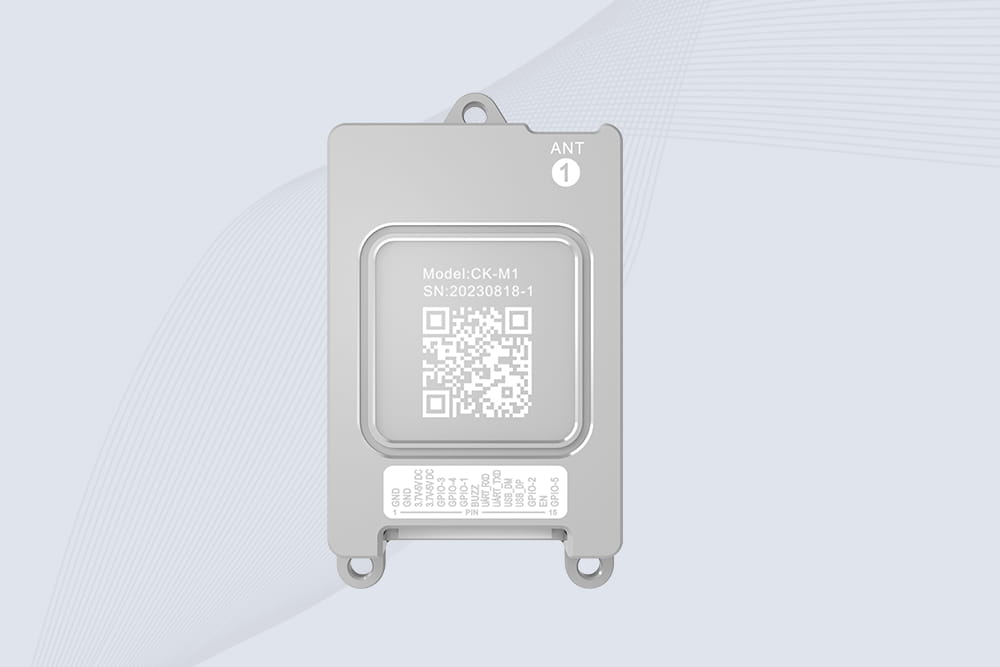
CYKEO CYKEO-M1 drone rfid module is a compact UHF RFID reader module designed for drones and UAV platforms. It supports long-range aerial scanning, fast multi-tag reading, and stable performance in wind, vibration, and outdoor environments.
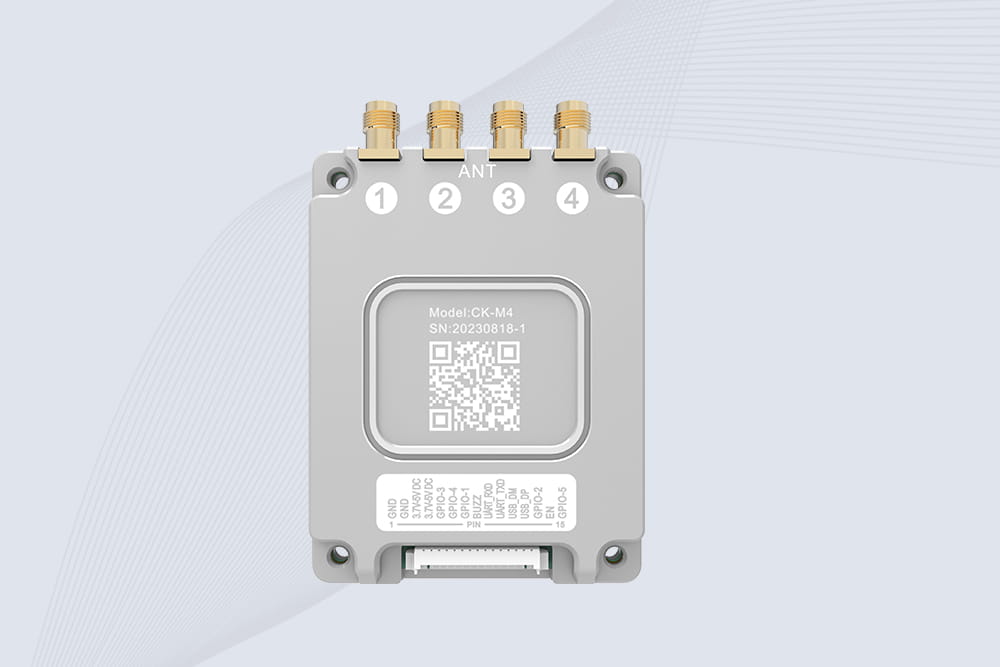
CYKEO CYKEO-M4 RC522 RFID Module is an industrial-grade UHF RFID reader with 4 ports, supporting ISO, EPC, and GB protocols. High-speed, accurate reading for IoT, automation, and warehouse applications.
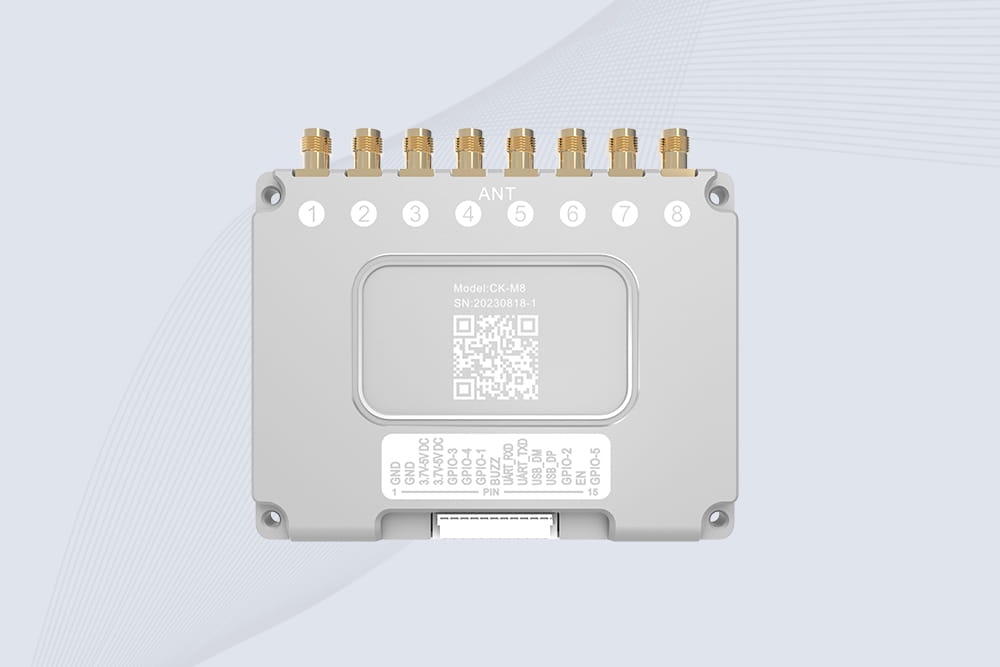
CYKEO CYKEO-M8 Module RFID is an 8-port UHF R2000 RFID Module designed for high-density, multi-tag environments. Stable 33dBm output, ISO & GB protocol support, ideal for warehouses, factories, and automated systems.
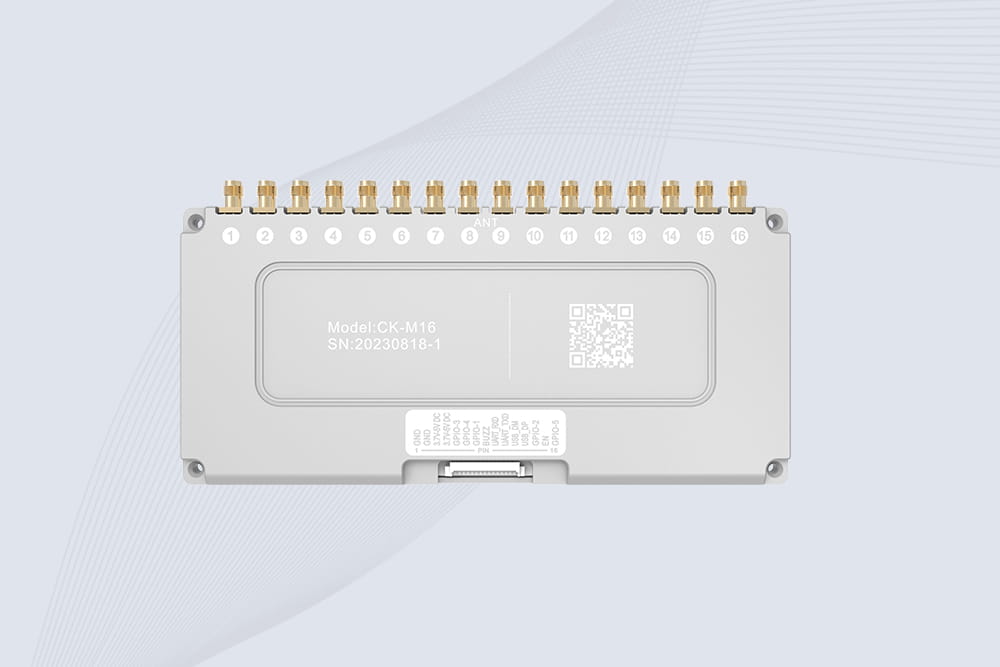
CYKEO CYKEO-M16 RFID Module is a 16-port UHF RFID reader module based on the R2000 chipset. Designed for dense tag environments, it supports ISO and GB standards and delivers stable multi-antenna control for industrial automation.
The CYKEO CYKEO-M16L RFID Reader Module is a 16-channel UHF RFID core designed for dense tag environments. With adjustable 33dBm output, multi-protocol support, and stable multi-antenna control, this RFID Tag Reader Module fits industrial automation, warehouse systems, and large-scale IoT deployments.
CYKEO CYKEO-M8L module RFID is a compact industrial UHF module built for dense tag and multi-antenna environments. With 8 RF ports, adjustable 33 dBm output, and ISO & GB protocol support, it is widely used in factories, warehouses, and automated tracking systems.
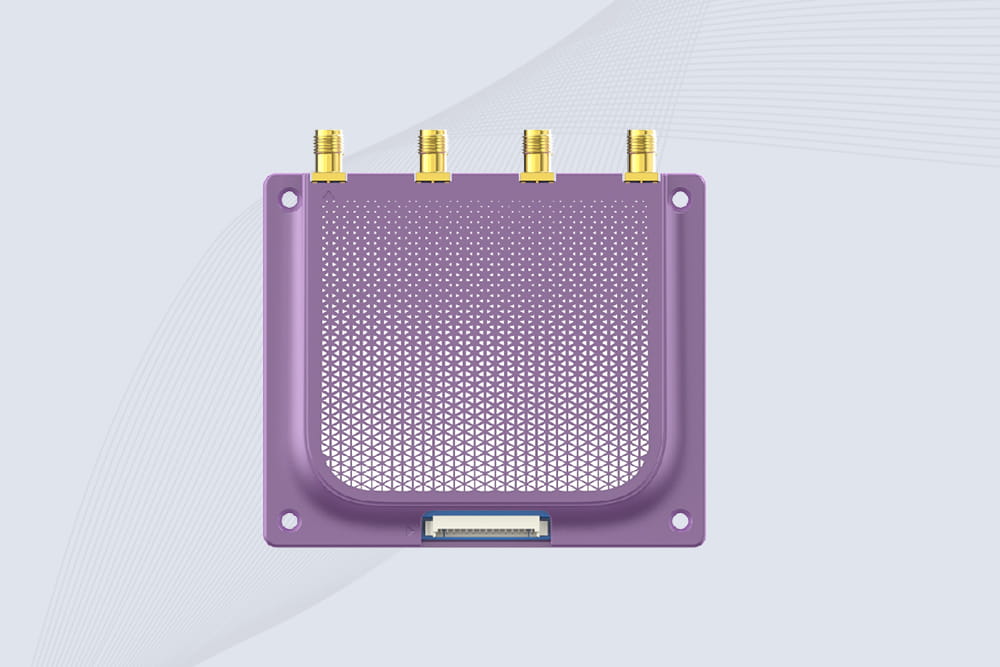
CYKEOCYKEO-M4L UHF RFID Module is a compact 4-channel RFID tag reader module designed for dense tag environments. Supporting ISO and GB protocols, it delivers stable reads up to 10 meters for industrial and IoT systems.
Cykeo CYKEO-A11 UHF RFID reader antenna delivers 11dBi gain, 840-960MHz frequency range, and IP65 ruggedness for retail, logistics, and industrial RFID systems. Features low VSWR and easy installation.
CYKEO Antenna RFID Reader delivers stable long-range UHF performance with a 10.5dBi directional design, built for warehouses, conveyor portals, and industrial RFID systems. This rfid reader antenna provides 20m+ read distance and rugged IP67 protection.
Cykeo CYKEO-A5B industrial Linear RFID Antenna delivers 5dBi gain, ≤1.5:1 VSWR, and IP65 rugged design for warehouse, production line, and logistics UHF systems.
Cykeo’s CYKEO-B12 Long Range RFID Antenna delivers 15m+ read range with 12dBi gain, IP65 rugged design, and global 840-960MHz UHF support. Ideal for warehouse/logistics asset tracking.
Cykeo CYKEO-B10 Long Distance RFID Antenna offers 10dBi gain, 840-960MHz frequency range, IP65 rating, and 20m+ coverage for logistics/warehousing/ETC systems. Low VSWR ensures stable signal transmission.
Cykeo CYKEO-A6 UHF RFID panel antenna features 6dBi gain, 840-960MHz broadband, IP65 metal-ready housing for logistics/smart retail. 18mm ultra-thin design with tool-free mounting.
Cykeo CK-A3 industrial antenna RFID UHF offers 5m+ tag detection, ≤1.3:1 VSWR, IP65 rugged design, and global UHF spectrum compatibility (840-960MHz) for warehouses, factories, and retail.
Cykeo CYKEO-B5 directional RFID antenna provides 5dBi gain with 60° narrow beamwidth for precise inventory tracking. IP65-rated, global UHF frequency support, and low VSWR.
Create your own high-performance DIY RFID antenna! 5dBi gain, 840-960MHz tunable, step-by-step guides. Compatible with Arduino, Raspberry Pi, and commercial UHF readers.
Cykeo CYKEO-A7 Flexible RFID Antenna features 840-960MHz wideband tuning, 7dBi gain, and IP68 rating for medical/retail/industrial curved surface deployments. 98% read accuracy with peel-and-stick installation.
Cykeo CYKEO-B5A industrial Passive RFID Antenna delivers 5dBi gain, 70° beamwidth, and -40°C~55°C operation for warehouses/smart cabinets. Compatible with Zebra/Impinj readers.
Cykeo’s CYKEO-A9B High Gain RFID Antenna delivers 15m+ read range with 9dBi amplification. Features IP54 rugged design, 840-960MHz bandwidth, and 80° beamwidth for warehouse/manufacturing RFID systems.
Cykeo’s enterprise-grade 8dbi Impinj RFID Antenna 10m+ read range with 840-960MHz tuning. Features IP65 housing, 1.4 VSWR, 35° beamwidth for retail/warehouse RFID systems.
Cykeo CYKEO-A9 industrial UHF RFID antenna delivers 9dBi gain, 840-960MHz frequency range, and IP65 protection for warehouse/logistics/retail RFID systems. Features N-type connector and ≤1.3:1 VSWR.
CYKEO UHF RFID Antenna built for long-distance and industrial applications. This antenna rfid uhf delivers strong gain, outdoor durability, and reliable tag performance in warehouses, yards, and vehicle ID systems.
CYKEO Antenna RFID delivers reliable long-range UHF performance in warehouses, retail shelves, and cold-chain environments. This compact uhf rfid antenna provides stable reads with circular polarization and ultra-wide 840–960 MHz support, ideal for industrial tracking, smart shelves, and asset monitoring.
Cykeo’s CYKEO-C8 UHF RFID antennas delivers 8dBi gain, 840-960MHz full-band coverage, and IP65 ruggedness for manufacturing/warehouse RFID systems. Industrial RFID Antennas Features
Cykeo’s 8dBi UHF RFID antenna and reader kit delivers 10m+ range, 840-960MHz broadband, and IP65 ruggedness for factories, warehouses, and logistics. ISO 18000-6C & EPC Gen2 certified.
Cykeo’s CYKEO-A12C UHF Large RFID Antenna delivers 12dBi gain, 840-960MHz global frequency, IP65 ruggedness for logistics/warehousing/automotive. 40° beamwidth ensures stable 15m+ tag reads.
CYKEO Near Field RFID Antenna provides precise 5–30 cm reading for shelves, cabinets, and workstations. This compact rfid shelf antenna delivers stable short-range performance around metal and clutter, ideal for pharmacies, libraries, and electronics sorting.
Learn how long do led tennis court lights last and how asset tracking tag systems improve visibility, reduce loss, and enable real-time tracking efficiency.
Got a single RC522 module? Learn what to do with RC522 RFID module 1pc. We cover real first-step projects like a simple lock or logger to get you started.
Thinking of buying an Android RFID handheld reader? Here’s a hands-on account of deploying the Cykeo CK-B3L in a working warehouse, covering performance quirks, durability, and hidden operational costs.
best RFID reader to pair with the CK-A10A 10dBi antenna,Check out my top picks for Cykeorfid readers that give you better range, accuracy, and overall performance — tested in real-world environments.
 Cykeo RFID IoT Solution Products R&D Manufacturer