 Cykeo RFID IoT Solution Products R&D Manufacturer

How Does RFID Work: The Technology Behind Automatic Identification
147How does RFID work? Learn RFID tag communication, reader technology, and real applications with Cykeo RFID experts. Discover smarter identification solutions.
MoreAll RFID Product
Where is RFID used? RFID is used in warehouses, retail stores, manufacturing plants, libraries, healthcare operations, transportation, and access-control systems. Radio Frequency Identification helps organizations identify tagged items, record movements, manage inventory, and automate selected workflows without requiring each tag to be scanned individually.
RFID is not limited to one industry or one type of device. A contactless access card, a label on a clothing item, a tag attached to a reusable shipping container, and an industrial reader beside a warehouse entrance can all be part of RFID-based systems. Their applications differ, but the underlying purpose is similar: connect a physical object or credential with information a system can use.
The best way to understand where RFID is used is to look at the task it performs. In a warehouse, it may help identify cartons moving through a receiving area. In a library, it can support book circulation and inventory checks. In manufacturing, it may identify tools, components, or work-in-process items as they move between stations.
One point often gets overlooked: an RFID reader detecting a tag does not, by itself, complete a business transaction. Software must interpret the read, associate it with the right record, and apply the rules for that location or process. That distinction is especially important when a business is deciding whether RFID can improve an existing workflow.
RFID stands for Radio Frequency Identification. It uses radio-frequency communication to identify compatible tags attached to products, assets, cards, or other objects.
A typical RFID system includes three core elements:
Depending on the application, the system may also include antennas, controllers, network connections, middleware, and specialized equipment.
For example, a distribution center may attach RFID labels to cartons and install a fixed reader at a goods passage. When tagged cartons pass through the configured reading zone, the reader captures their identifiers. Connected software can compare those identifiers against an expected shipment list and flag discrepancies for review.
The result is not simply faster scanning. It is a different way of collecting identification data: the system can capture compatible tags within its reading zone without requiring a worker to aim a handheld scanner at every label.
RFID is particularly useful when one or more of the following conditions apply:
RFID is not automatically the best choice for every situation. A small stockroom with infrequent transactions may work perfectly well with barcodes. A high-volume operation with many tagged items moving through a defined passage may have a stronger case for RFID.
The decision should follow the operational requirement, not the novelty of the technology.
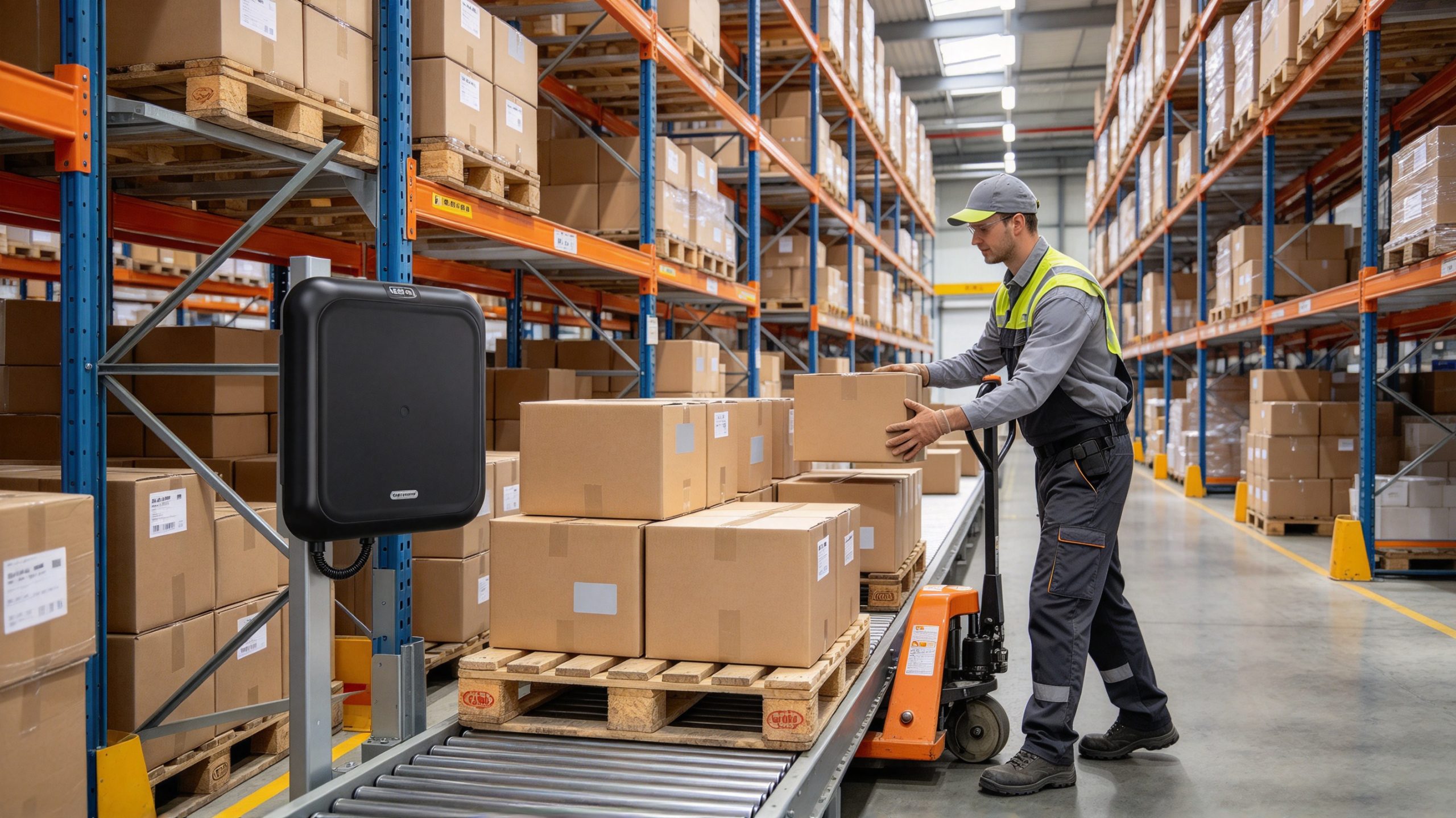
Warehousing and logistics are among the most recognizable RFID applications. Tags can be attached to individual products, shipping cartons, pallets, reusable containers, or equipment. Readers are installed where identification is needed, such as receiving docks, dispatch points, conveyor lines, or selected storage areas.
Common applications include:
Consider a receiving dock during a busy shift. Several pallets arrive close together, and employees need to confirm that the goods match the delivery documentation. If cartons carry compatible RFID tags and pass through a properly configured reading zone, the system can collect multiple identifiers without requiring each label to be scanned separately.
That does not guarantee every carton will be read. Tag placement, packaging, nearby metal, liquid contents, pallet movement, and reader configuration can all affect performance. The application also needs rules for repeated reads and unexpected tags.
A longer reading distance is not always better. If a reader at a receiving doorway also detects tags on nearby shelves, the software may receive data about items that have not actually crossed the doorway.
For that reason, installation teams should test the boundary of the intended reading area, not just whether tags can be detected at the maximum distance. Antenna placement, reader power, tag orientation, and software filtering should be evaluated together.
This is one of the most practical distinctions between a successful RFID pilot and a frustrating installation: the system needs to identify the correct items at the correct point, rather than merely detect as many tags as possible.
Retailers use RFID to identify individual products and improve visibility across stockrooms, sales floors, distribution centers, and selected checkout processes. Tags may be attached to clothing labels, footwear packaging, accessories, and other merchandise.
Typical applications include:
GS1’s retail inventory examples describe capturing item-level RFID identifiers during goods receiving and using reader data to update inventory records and support replenishment.
A store’s inventory system may show that a particular jacket is available, yet an employee cannot find it on the sales floor. The item may still be in the stockroom, placed in the wrong location, or already sold without the record being updated.
Item-level RFID can help staff conduct inventory checks and identify discrepancies between recorded stock and the physical merchandise. It does not automatically explain why an item is missing, but it can provide better identification data for investigating the discrepancy.
That is where the operational value often lies. The technology supports more frequent and repeatable stock checks; staff and software still need to resolve exceptions.
RFID has applications in hospitals, healthcare supply chains, and medical-equipment management. The U.S. Food and Drug Administration identifies uses that include inventory control, equipment tracking, patient-related applications, and helping ensure that patients receive the correct medications and medical devices.
Healthcare applications may include:
A hospital equipment team, for example, may need to identify where tagged equipment was last detected or check whether equipment has been returned to a designated storage area. RFID can provide identification events at configured reading points, while the software maintains equipment records and supports staff workflows.
Healthcare deployments require particular care. The FDA notes that radio-frequency transmitters, including RFID systems, may raise electromagnetic-interference concerns for certain electronic medical devices. Facilities should assess their environment and follow relevant device and safety guidance rather than assuming that every RFID installation is appropriate everywhere.
Libraries use RFID to identify books and other circulating materials. Depending on the system, tags and readers can support:
At a staff workstation, a desktop RFID reader may be used to register a new tag or associate it with a book record. A self-service station has a broader role: it combines RFID reading with a user interface and library-management software so that the borrowing or return transaction can be processed.
The distinction is easy to miss when choosing equipment. A reader that successfully reads a book tag is only one component of a working circulation system. The application must also confirm the item record, borrower permissions where applicable, and transaction status.
Manufacturers can use RFID to identify components, work-in-process items, tools, reusable containers, and finished goods. Readers may be installed at production stations, assembly areas, inspection points, or dispatch locations.
Common uses include:
For example, a tagged component can be identified at a designated production station. The connected system can associate that read with a production record, provided the component identity and process rules are configured correctly.
RFID does not automatically verify product quality or prove that a manufacturing step has been completed correctly. It provides identification data that can be used alongside quality-control systems, operator confirmations, and other production records.
RFID is also used in transportation systems, toll collection, vehicle identification, and access credentials. In these applications, the tag or credential is associated with a vehicle, account, person, or permission record.
Examples include:
GS1’s RFID guidelines identify electronic toll collection systems as an established application of RFID
A toll tag, however, is not equivalent to a general-purpose industrial inventory tag. Different applications use different frequency bands, tag formats, readers, and system rules. Choosing equipment for transportation or access control therefore requires checking the requirements of the specific system.
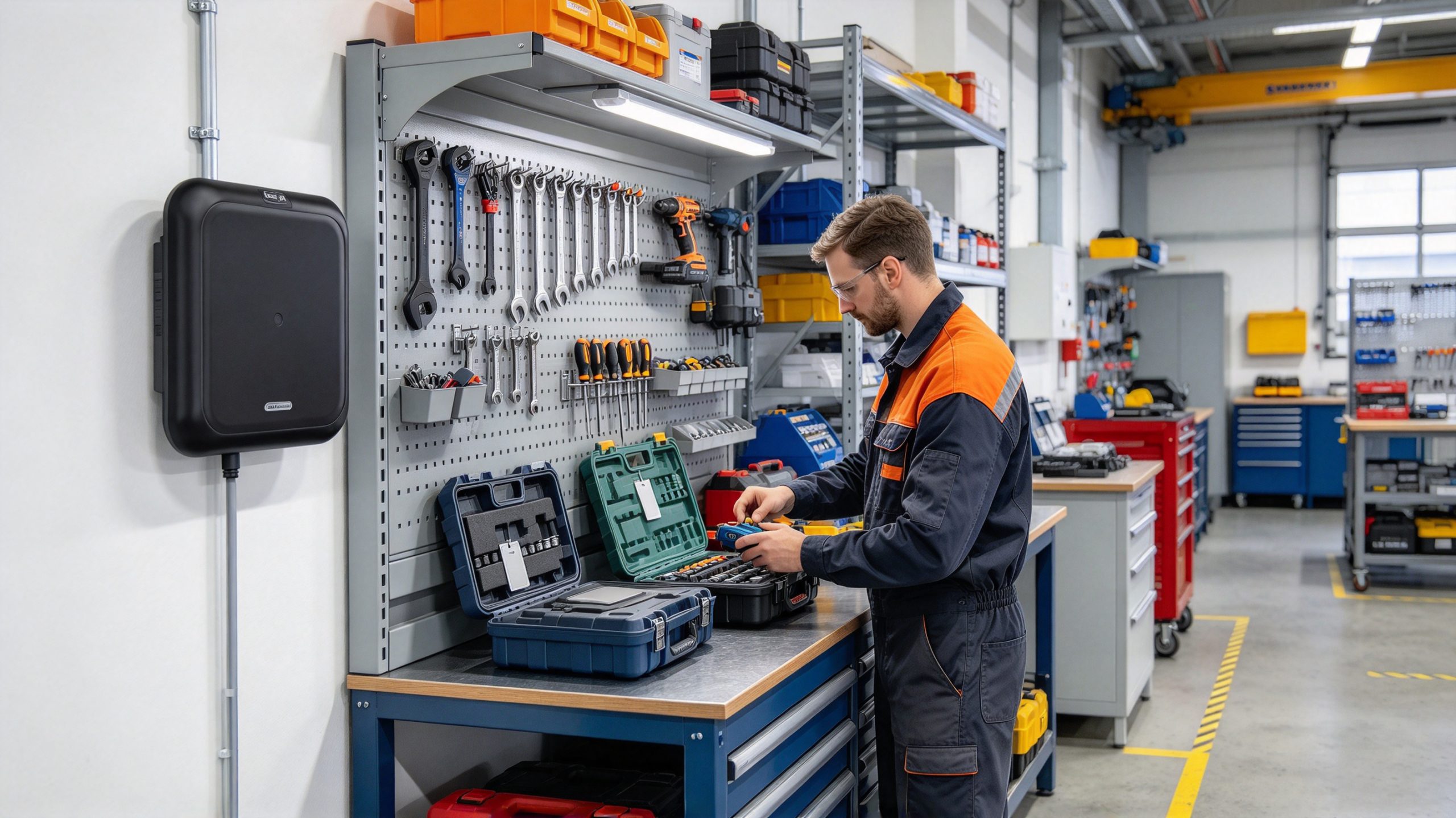
RFID is not a niche concept limited to experimental projects. Its use spans consumer products, logistics, industrial assets, and other identification applications. Industry data helps illustrate the scale of the technology, although shipment figures should not be mistaken for the number of active systems.
The RAIN Alliance reported that 42.7 billion RAIN RFID tag chips were shipped globally in 2025 by four participating chip manufacturers. This was lower than the record reported for 2024, and the Alliance discussed factors including semiconductor inventory cycles, tariff uncertainty, and retail destocking. The statistic measures reported tag-chip shipments, not the number of individual RFID deployments or the performance of any specific application.
For a business deciding where RFID should be used, the more relevant question is whether the technology solves a recurring operational problem. If staff spend substantial time scanning items individually, if equipment is difficult to account for, or if movement records are incomplete, RFID may be worth testing.
A pilot should measure results such as inventory-check time, missed reads, duplicate events, manual corrections, and the number of discrepancies that remain unresolved. Those figures provide a more useful basis for a deployment decision than market growth alone.
Knowing where RFID is used is only the first step. A system that works well for counting apparel in a retail store may not perform the same way around metal tools, liquid containers, or densely packed industrial components. The application determines the tag, reader, antenna arrangement, and software requirements.
Before selecting equipment, define what the system must identify and what action should follow each read.
Record the type of item being tagged, its material, dimensions, storage position, and movement pattern. A tag attached to a cardboard carton has different requirements from one mounted on a metal tool or a reusable liquid container.
For metal or liquid-heavy environments, test the proposed tag on the actual item rather than relying on a specification sheet alone. Mounting position, tag orientation, nearby materials, and reader placement can all affect read performance.
| Application | Common equipment approach | Key design consideration |
|---|---|---|
| Warehouse receiving and dispatch | Fixed UHF reader with suitable antennas | Control the read zone to distinguish intended shipments from nearby stock |
| Retail inventory | Handheld or fixed RFID readers | Make stock counts practical without disrupting store operations |
| Library circulation | Desktop reader or self-service circulation equipment | Connect tag reads to the correct book record and borrowing workflow |
| Tool and asset management | Fixed or desktop reader, depending on workflow | Ensure tags remain readable on the actual tools and equipment |
| Manufacturing traceability | Fixed readers at defined process points | Associate each read with the correct production step and item record |
| Access control | RFID reader and compatible credential system | Validate permissions through the access-control software, not merely the presence of a tag |
These are starting points, not universal configurations. The right choice depends on read distance, throughput, item density, environment, integration requirements, and the cost of a missed or unintended read.
A longer read range is not automatically better. In a warehouse doorway, for example, the system should identify the cartons passing through the intended lane rather than nearby inventory waiting on a rack.
Practical testing should include normal operating conditions: multiple tagged items moving together, different tag orientations, nearby metal structures, and adjacent tagged stock. Adjust antenna placement, reader power, tag selection, and filtering rules based on observed results.
RFID identifies a tag, but the business application must decide what the read means. A reader may capture an identifier when a carton passes through a receiving area; inventory software still needs to associate that identifier with the expected shipment and update the appropriate record.
A reliable implementation should define:
GS1 provides RFID and supply-chain implementation resources that can help organizations plan identification and data exchange across operations.
RFID and barcodes solve overlapping identification problems, but their operating methods differ. A barcode generally needs to be optically visible to the scanner. RFID can read compatible tags by radio, potentially identifying multiple tagged items within a configured read zone without individually aiming a scanner at each label.
| Factor | RFID | Barcode |
|---|---|---|
| Reading method | Radio-frequency communication with a compatible tag | Optical scanning of printed code |
| Line of sight | Often not required, depending on tag and environment | Usually required |
| Multiple-item capture | Possible when the reader and tags support it | Typically scanned one code at a time |
| Environmental sensitivity | Can be affected by metal, liquids, tag orientation, and radio conditions | Can be affected by damage, dirt, poor print quality, and visibility |
| Infrastructure | Requires compatible tags, readers, and software | Requires printed codes and compatible scanners |
| Common fit | Automated inventory, movement capture, asset tracking, and circulation workflows | Item lookup, shipping labels, retail checkout, and lower-cost identification tasks |
RFID is not automatically the better option for every operation. If staff only need to look up one visible item at a time, barcodes may be simpler and more economical. If the process involves frequent inventory counts, bulk identification, or capturing item movement through a defined point, RFID may offer operational advantages. Some organizations use both.
GS1’s RFID guidance and implementation resources discuss applications across consumer goods and supply chains.
Even suitable RFID hardware can produce disappointing results when the installation does not reflect the real operating environment.
GS1 implementation guidance also highlights tag placement, environmental conditions, and coordination between business processes and technology.
A pilot is often the most practical way to evaluate a proposed system. Test representative items in the actual environment, measure successful identification and unwanted reads, and confirm that the resulting records support the intended workflow before expanding deployment.
RFID is commonly used in warehouses, retail inventory management, manufacturing, logistics, libraries, healthcare operations, asset tracking, and access control. The specific application depends on the type of tag, reader, operating environment, and software connected to the system.
People may encounter RFID in contactless access credentials, electronic toll collection, library self-service systems, retail merchandise labels, and transportation-related applications. In many cases, the technology operates in the background, identifying a compatible tag when it enters the configured reading area.
Warehouses use RFID to identify tagged cartons, pallets, reusable containers, and other inventory. Readers can be installed at receiving and dispatch points or used with handheld equipment during stock checks. The system can record item events, provided the tags, readers, and warehouse software are correctly configured.
Healthcare applications include inventory control, equipment tracking, identifying medication or medical devices, and certain patient-related workflows. The U.S. Food and Drug Administration describes these applications while also noting that RFID equipment can cause electromagnetic interference with some medical devices. Healthcare installations therefore require appropriate safety and compatibility assessment.
Libraries use RFID for book and media identification, circulation, self-service borrowing and returns, and inventory checks. A desktop RFID reader can support tag registration and item administration, while a self-service station connects reading hardware with the library’s circulation system. The software must correctly associate each tag with its library record.
Manufacturers can use RFID to identify components, work-in-process items, tools, containers, and finished products. Readers positioned at selected production stages can capture item events and provide data for traceability. RFID identification alone, however, does not verify product quality or prove that a manufacturing operation was completed correctly.
No. RFID is useful when automated identification, repeated inventory checks, or capturing item movement can improve a workflow. Barcodes may be more practical for low-volume operations where workers can easily scan visible labels. Some businesses combine both technologies, choosing the identification method that best fits each process.
Where RFID is used depends on the identification problem an organization needs to solve. Warehouses use it to capture inventory movement, retailers use it to support stock visibility, libraries use it for circulation, and manufacturers use it to identify components and assets.
The important decision is not simply whether RFID can read a tag. It is whether the complete system can identify the right item, capture the right event, and deliver reliable information to the application that needs it. Tag selection, read-zone design, integration, and real-world testing should all be considered before deployment.
For businesses researching where is RFID used, the strongest starting point is a clearly defined workflow and a pilot that reflects actual operating conditions.
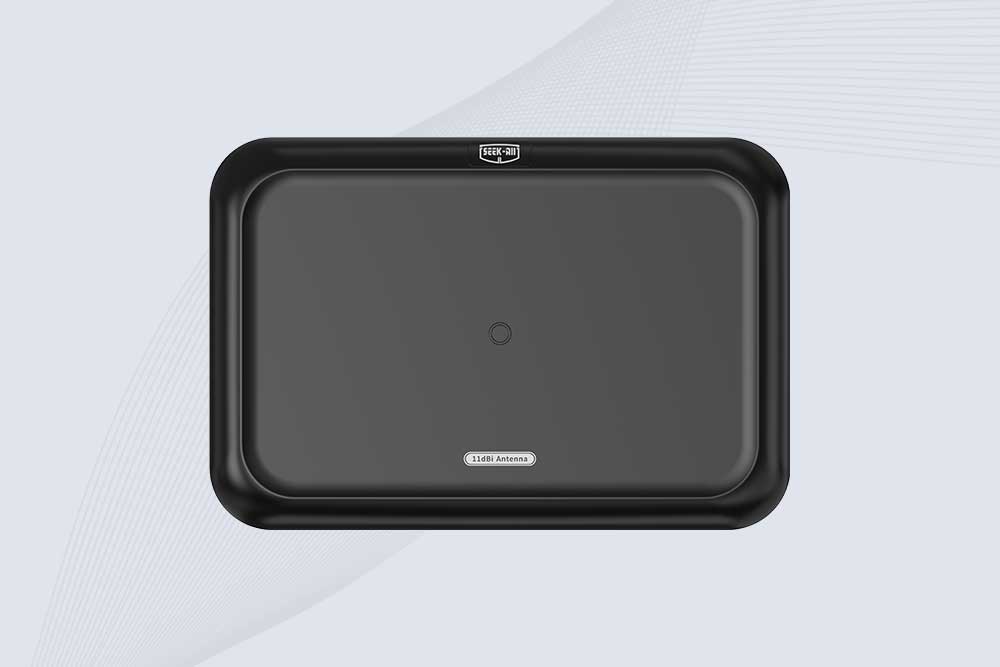
SSD-A11 UHF RFID antenna features 840–960 MHz adjustable frequency, ≥10.5 dBi gain, circular polarization and 50Ω impedance for fixed RFID systems.
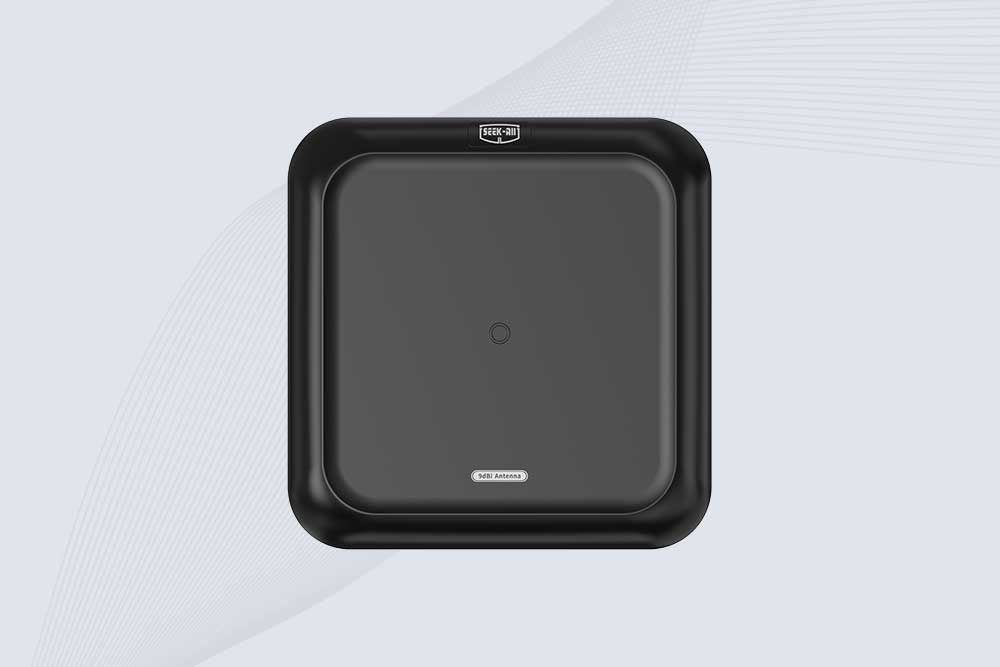
SSD-A09 is a 9 dBi UHF RFID antenna with 840–960 MHz adjustable frequency, circular polarization, 50Ω impedance and directional 60° × 60° coverage.
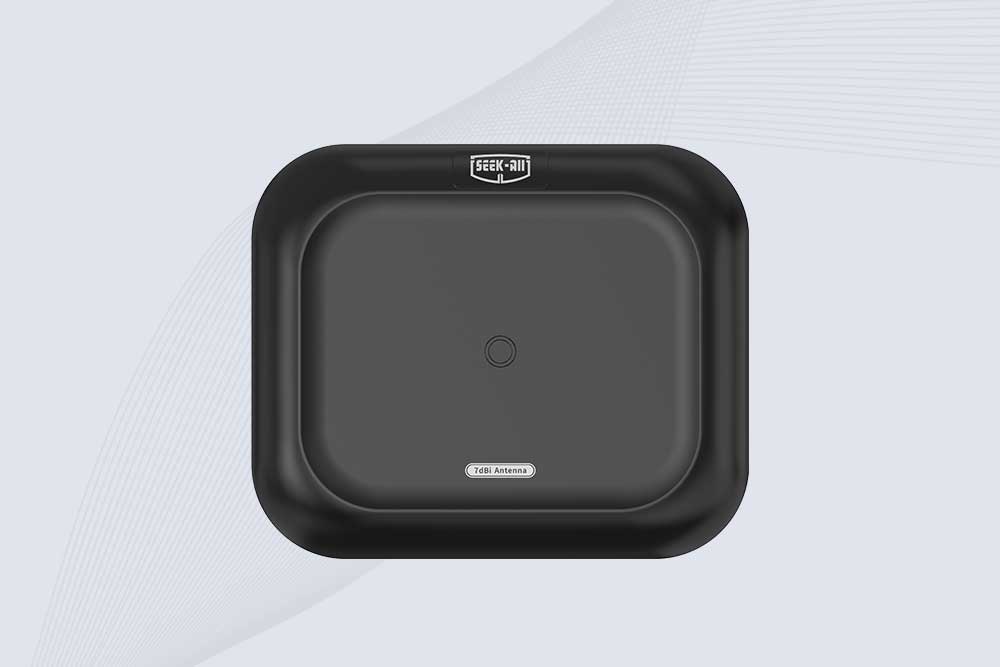
Explore the SSD-A07 UHF RFID antenna with 7 dBi gain, circular polarization, adjustable 840–960 MHz frequency, and 60°/75° beamwidth for stable RFID read/write performance.

SSD-A06 UHF RFID antenna with circular polarization, adjustable 840–960 MHz frequency, ≥4.5 dBi gain, and a compact directional design for RFID systems.

Discover SSD-D4AL, a USB-HID UHF RFID reader with 4/8/16 antenna options, Impinj E710/X3M1 chipset, plug-and-play USB power, and OEM customization.
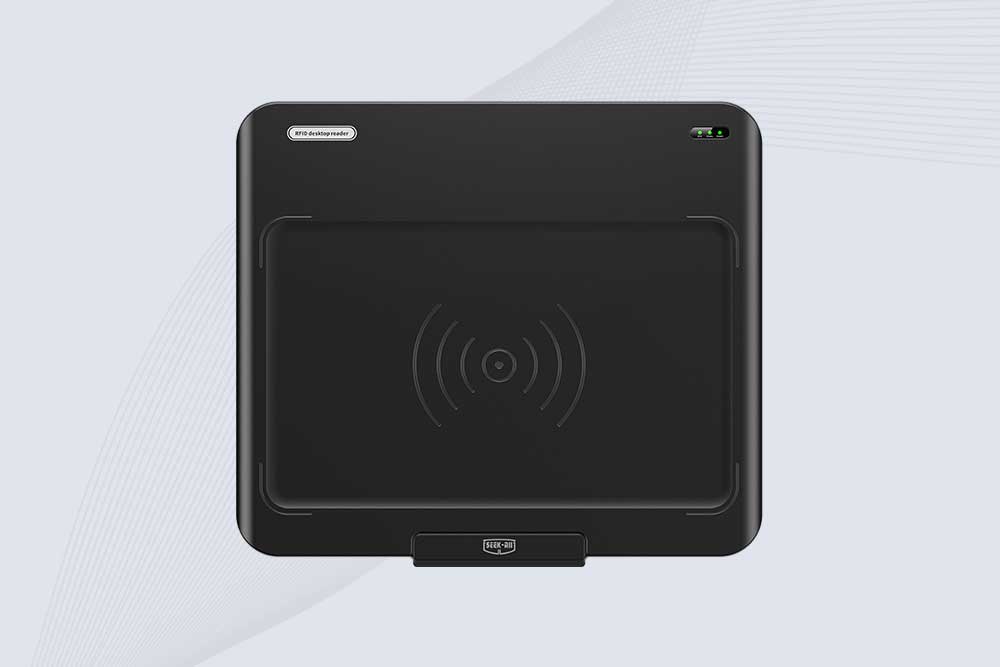
SSD-D3AL is a USB-HID UHF RFID reader with 0–30 cm reading, 0–15 cm writing, over 600 tags/s recognition, USB plug-and-play operation and OEM Logo customization.
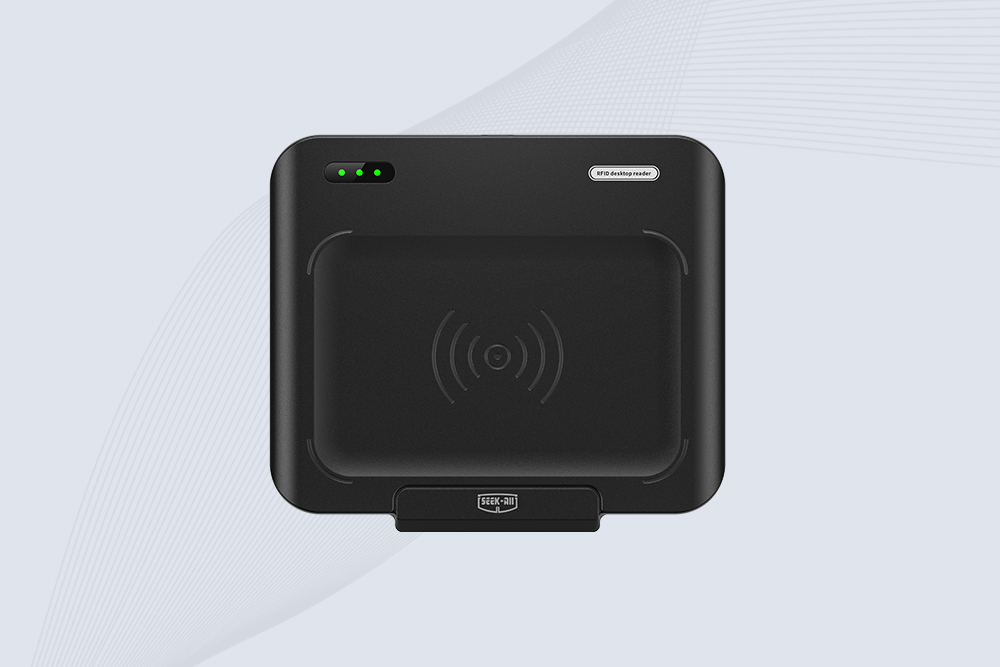
SSD-D1AL is a compact USB UHF RFID reader with Impinj E710/X3M1 chipset, USB-HID, 600+ tags/s recognition, 4/8/16 antenna support and plug-and-play USB power.
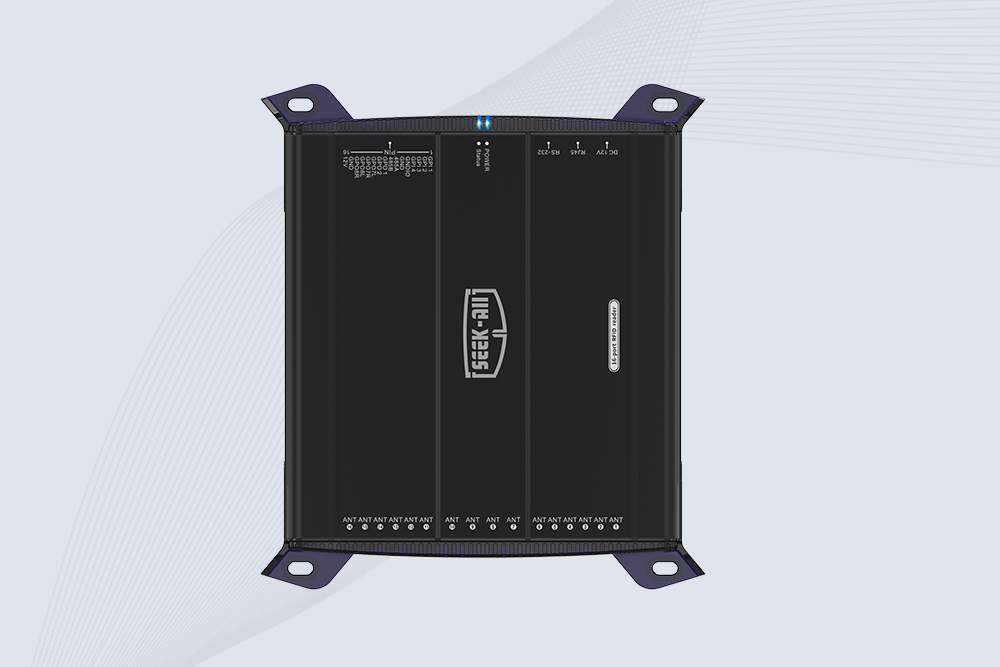
SSD-R16L Multi-Channel RFID Infrastructure for Automated Inventory Management ✔️ 16-Port High-Density RFID Reading Equipped with 16 SMA antenna ports, SSD-R16L supports multi-antenna deployment for warehouses, retail stores, logistics, production lines, and large-area RFID identification. ✔️ High-Speed & Long-Range Performance With up to 33…
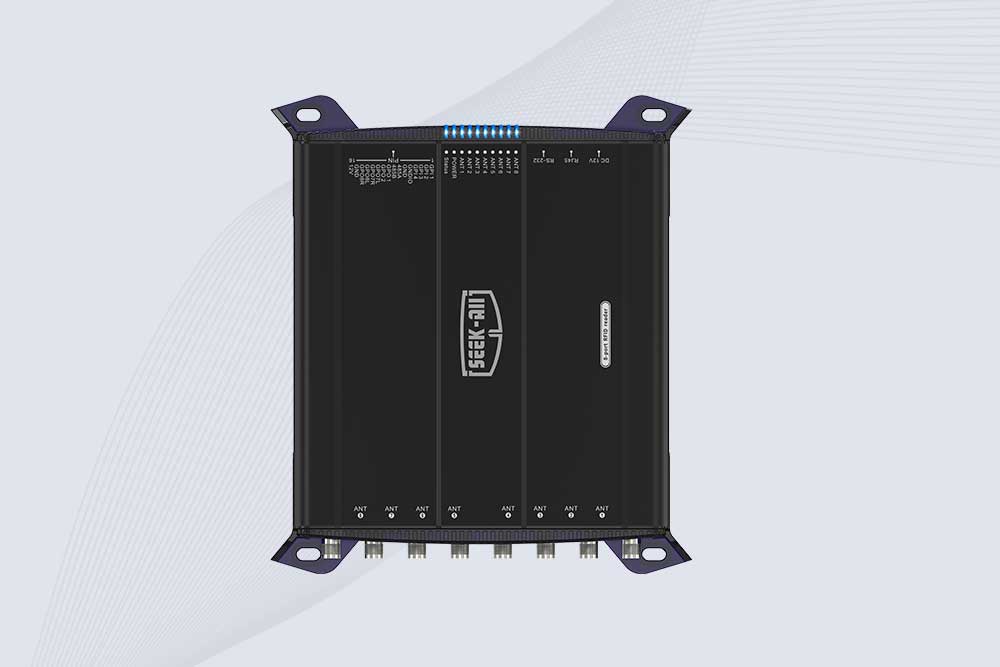
SSD-R8L 8-port UHF RFID reader with 33dBm output, up to 20m reading range and 600+ tags/s recognition. Ideal for warehouse, logistics, retail and asset tracking.
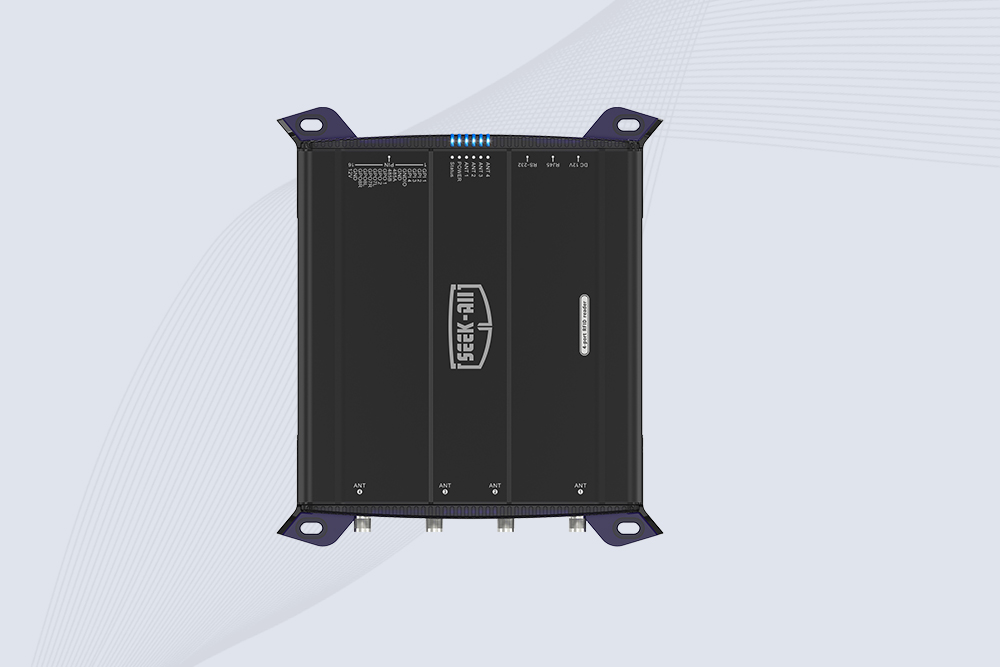
SSD-R4L is a 4-port UHF RFID fixed reader with 33dBm output power, up to 20m reading range, EPC C1G2 support and 600+ tags/s reading speed.

CYKEO CYKEO-D1LA USB RFID Reader is a compact desktop solution with near-field control for precise tag reading and encoding. Powered by USB, supporting ISO 18000-6C, and built for stable batch writing, this usb rfid tag reader fits retail, libraries, offices, and controlled RFID encoding tasks.
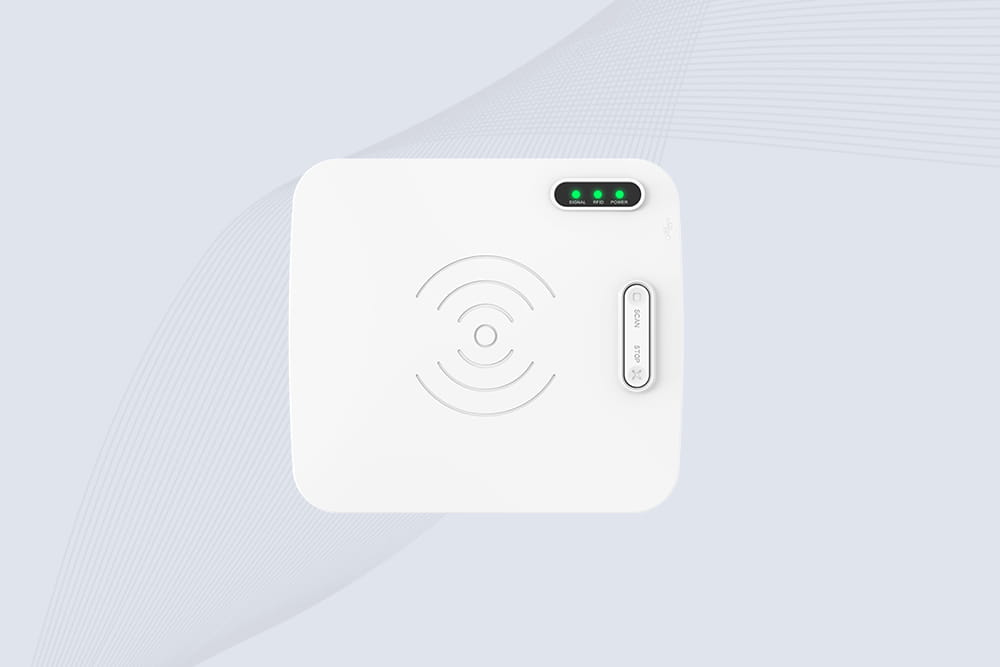
CYKEO CYKEO-D1L RFID scanner USB is a compact desktop UHF RFID scanner designed for short-range tag writing and verification. This usb rfid scanner supports batch encoding, stable 0–26 dBm output, and works across Windows, Linux, and Android systems.
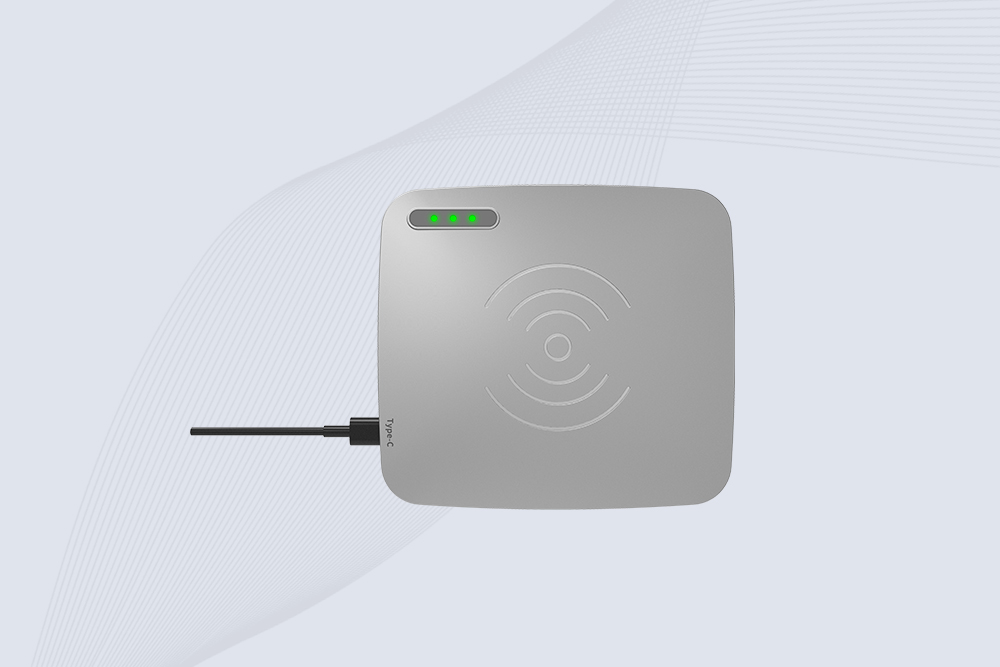
CYKEO CYKEO-D1C USB RFID Card Reader is a near-field UHF desktop writer designed for secure, short-range tag encoding. With USB-C connectivity and stable 26 dBm output, this rfid reader usb c is ideal for badge issuance, label encoding, and controlled desktop RFID workflows.
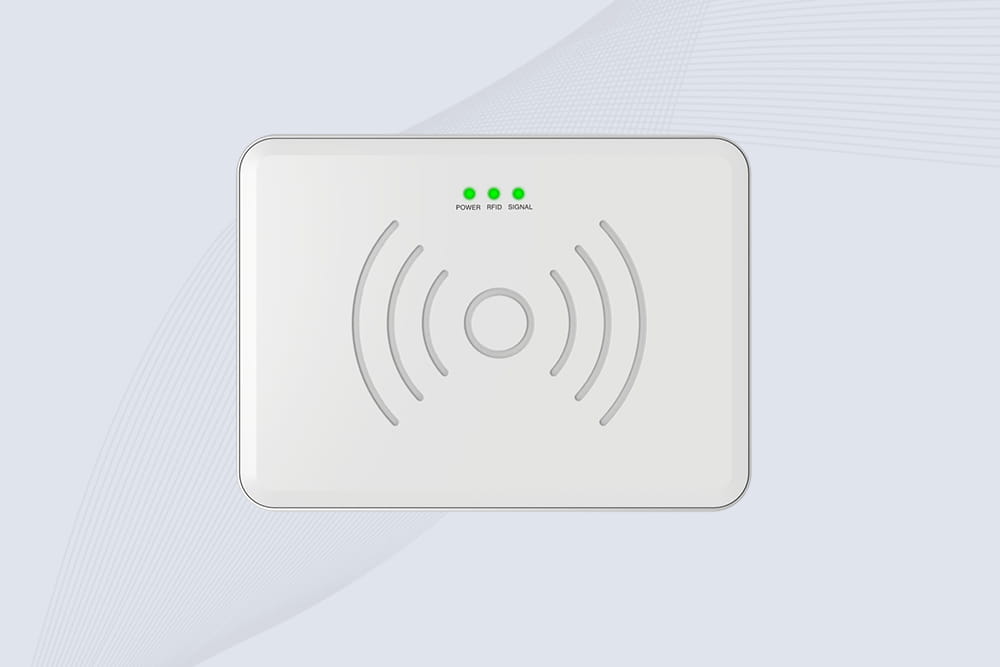
CYKEO CYKEO-D2L RFID Reader USB is a compact desktop encoder built on the Impinj R500 chip. With near-field control and stable USB power, this usb rfid card reader delivers precise tag writing for offices, retail counters, and small-scale logistics encoding tasks.
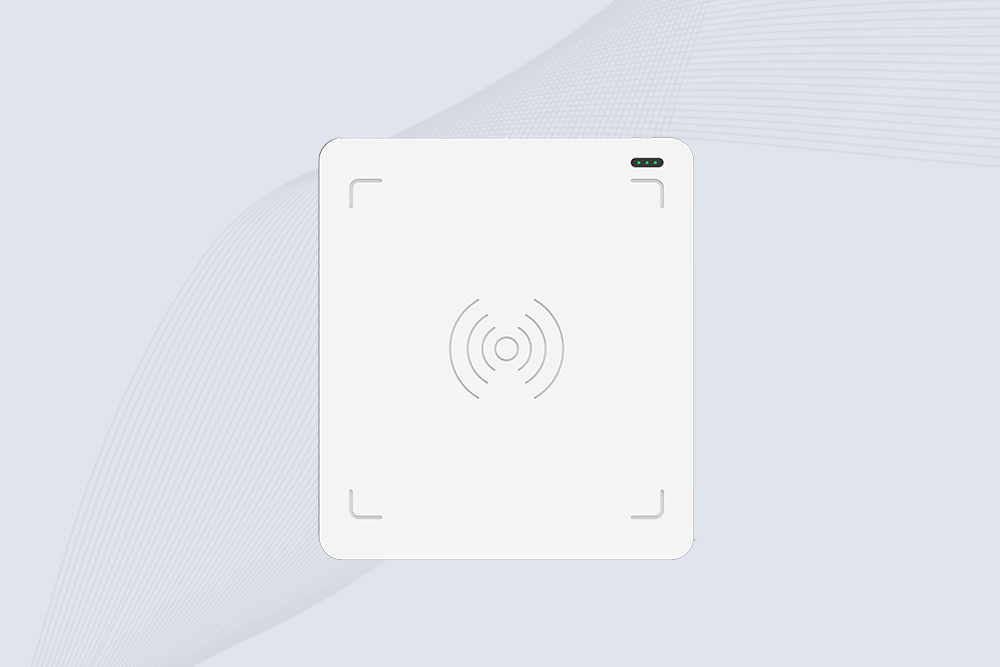
CYKEO CYKEO-D3L USB RFID Tag Reader delivers stable UHF tag reading and writing for daily desktop and light industrial tasks. Designed for controlled short-range operation, this USB RFID Tag Reader works reliably with rfid tag and reader systems in libraries, tool tracking, and inventory registration.
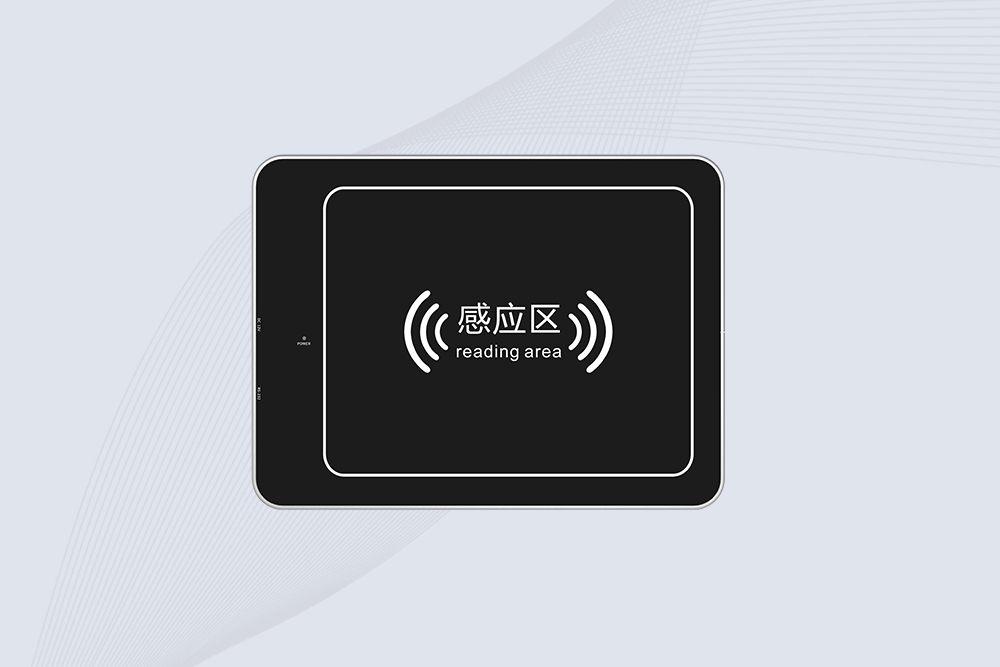
The CYKEO CYKEO-D4L UHF RFID Tag Reader is a stable Desktop RFID Reader designed for accurate tag registration, borrowing, and return workflows. Built with the Impinj R2000 chip, this UHF RFID Tag Reader delivers controlled short-range reads for libraries, asset tracking, and inventory management environments.
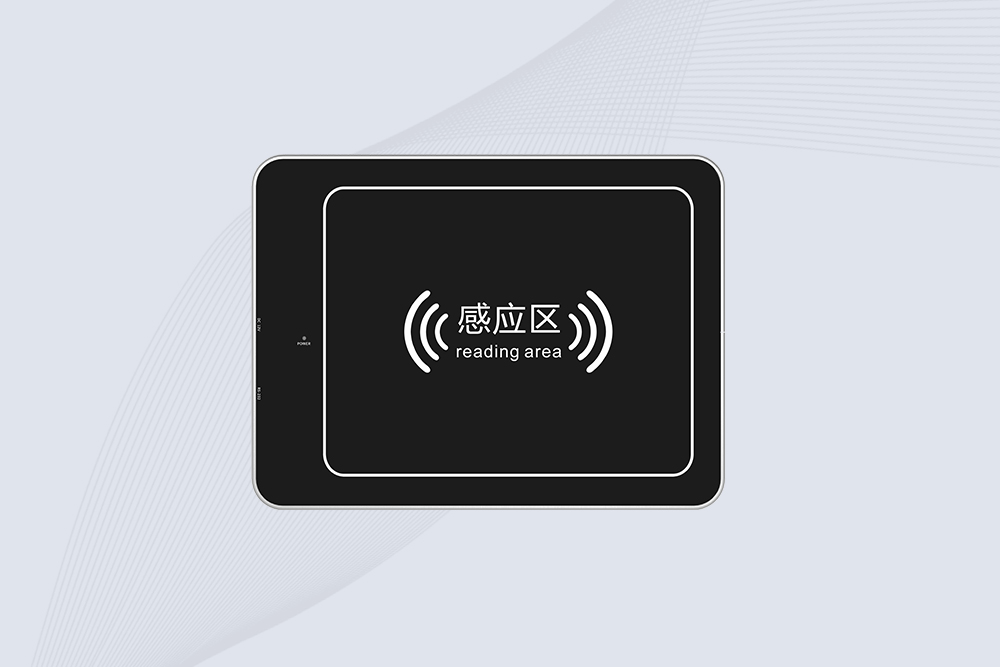
The CYKEO CYKEO-D5L Desktop RFID Card Reader is a stable UHF RFID Card Reader designed for controlled short-range reading and writing. Built for libraries, tool rooms, and asset desks, this UHF RFID Card Reader supports dense tag handling, secure data processing, and easy USB integration.
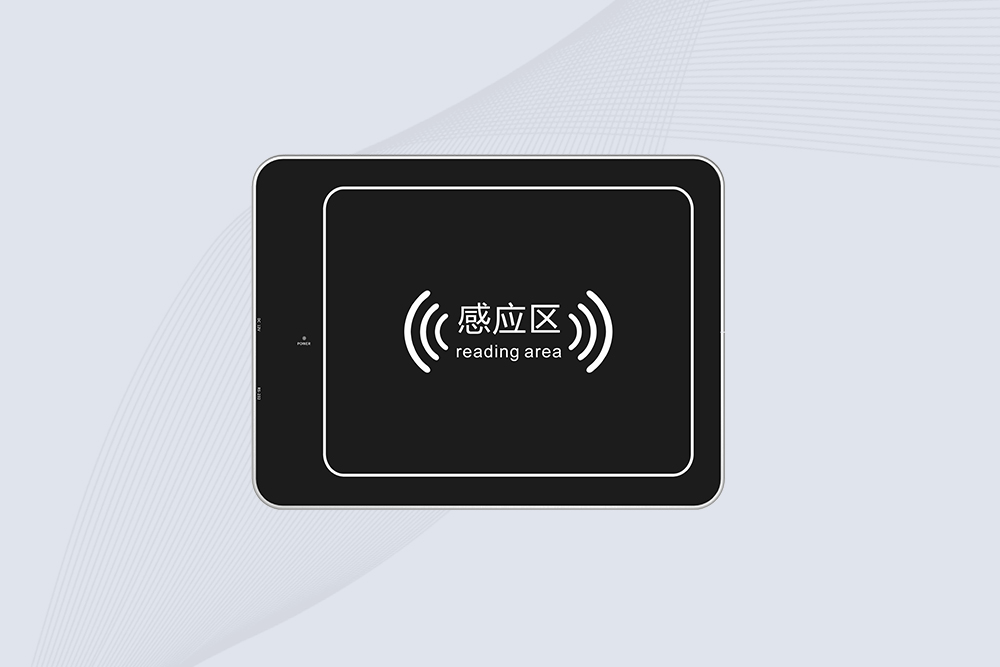
The CYKEO CYKEO-D6L RFID Reader Writer is a heavy-duty Desktop RFID Reader designed for short-range, high-accuracy tag programming. Built for libraries, labs, and asset desks, this RFID Reader Writer supports batch processing, stable 33dBm output, and seamless integration with existing management systems.
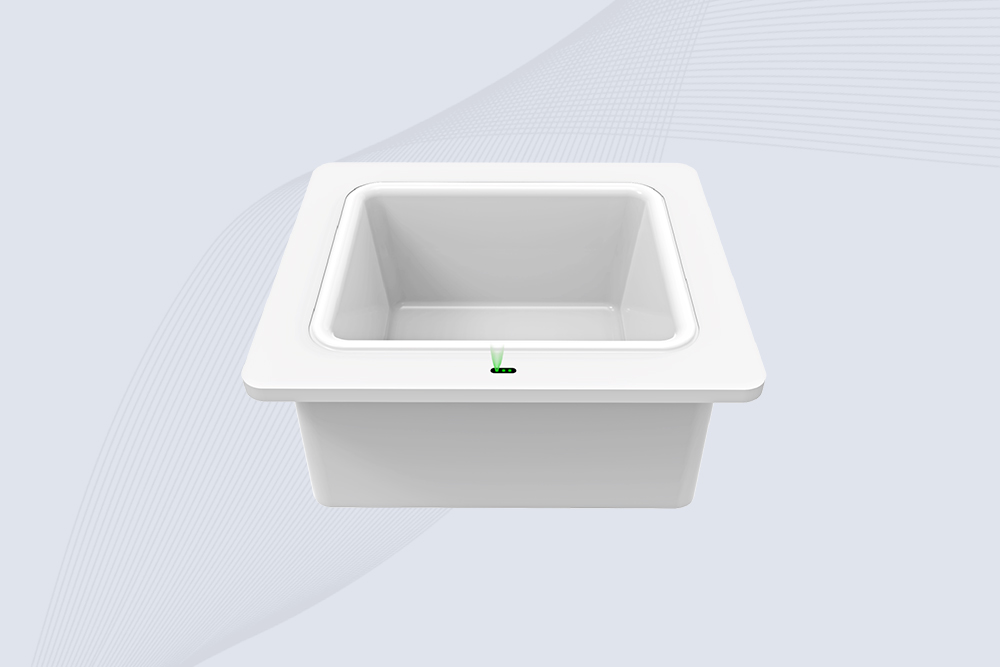
Cykeo CYKEO-D8B UHF RFID tunnel and RFID Desktop Reader features 30+ items batch reading,
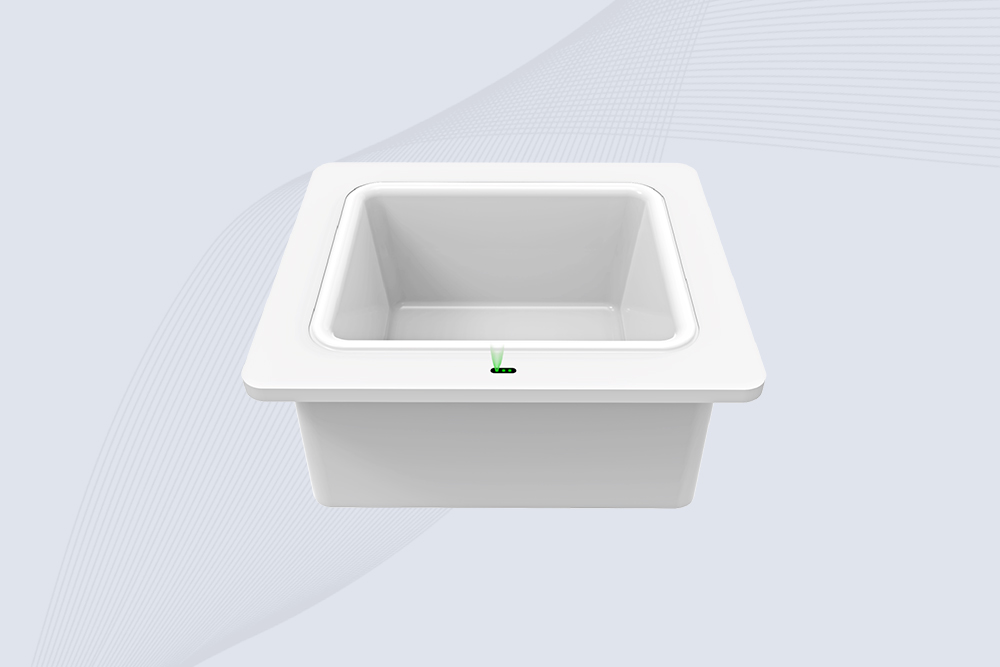
Cykeo CYKEO-D8A embedded RFID badge reader offers 30+ tags/sec scanning, 20cm anti-crosstalk precision, and DC 12V power for unmanned stores, warehouses, and smart inventory systems.
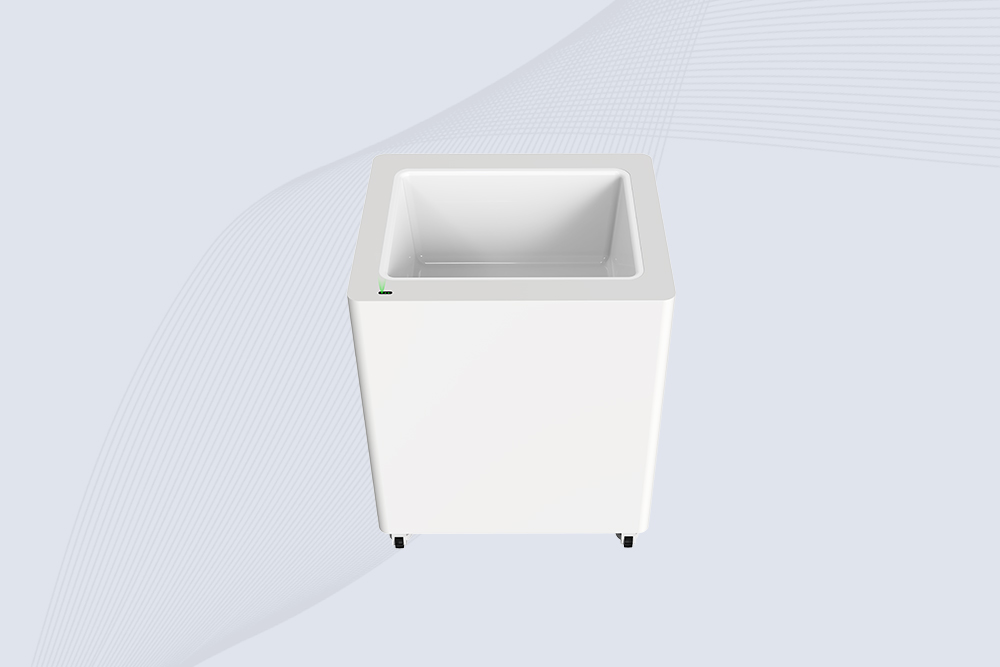
Cykeo’s CYKEO-D8C UHF RFID gate reader achieves 200-tag/batch scanning with adjustable power control, ideal for retail inventory and smart warehouse management.
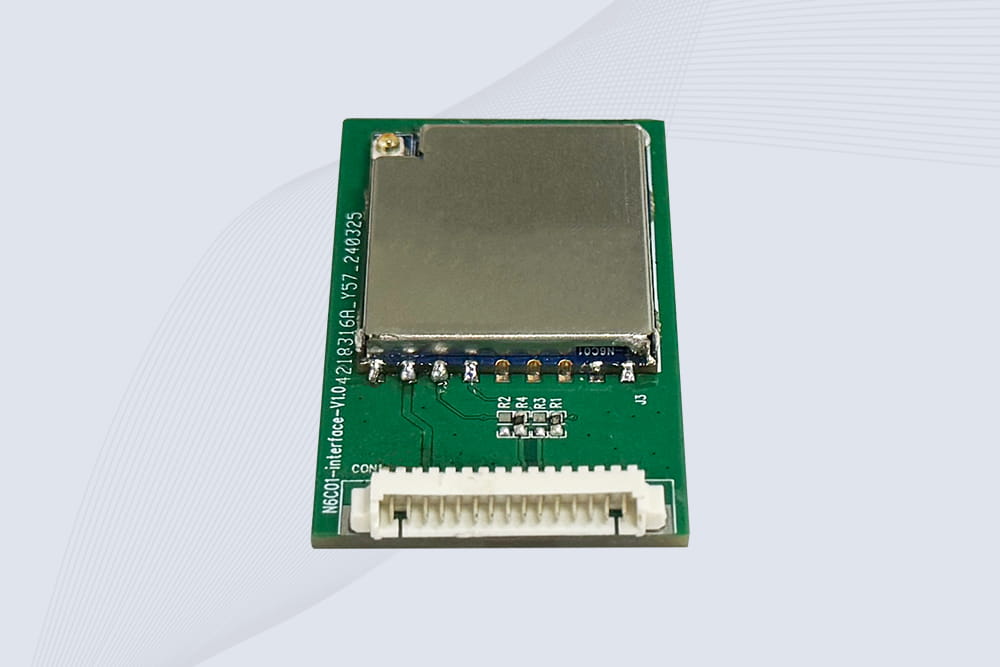
CYKEO Embedded RFID Modules are designed for compact industrial and IoT devices that require stable UHF performance. These UHF RFID Modules support global protocols, flexible power control, and reliable multi-tag reading for smart cabinets, production lines, and asset tracking systems.
CYKEO Embedded RFID Module is built for compact IoT and industrial devices that need stable UHF performance. This UHF module supports global protocols, low power operation, and reliable multi-tag reading for smart lockers, production lines, and always-on RFID systems.
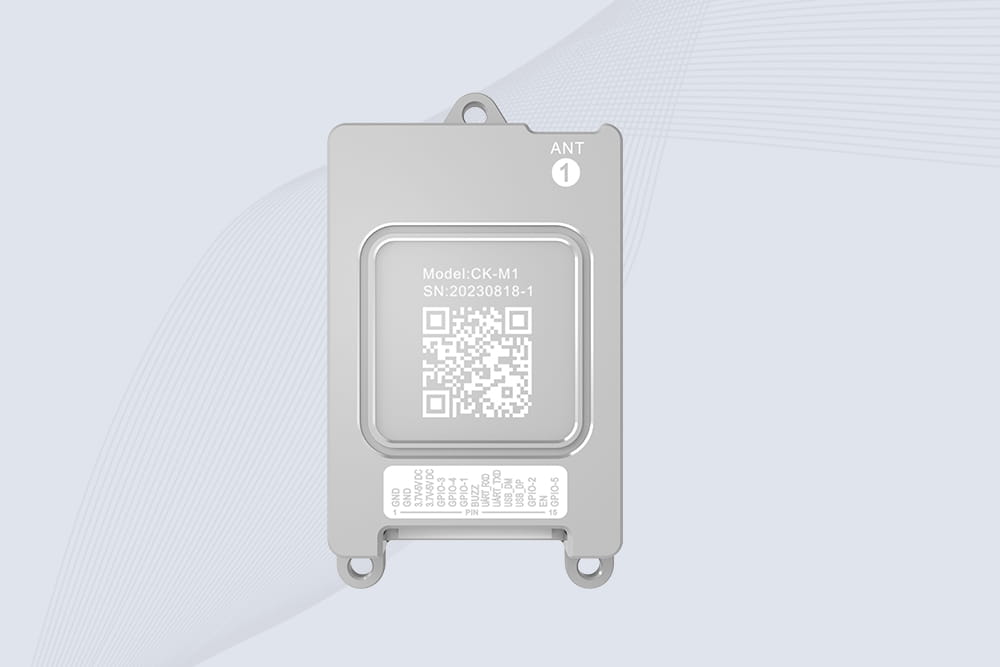
CYKEO CYKEO-M1 drone rfid module is a compact UHF RFID reader module designed for drones and UAV platforms. It supports long-range aerial scanning, fast multi-tag reading, and stable performance in wind, vibration, and outdoor environments.
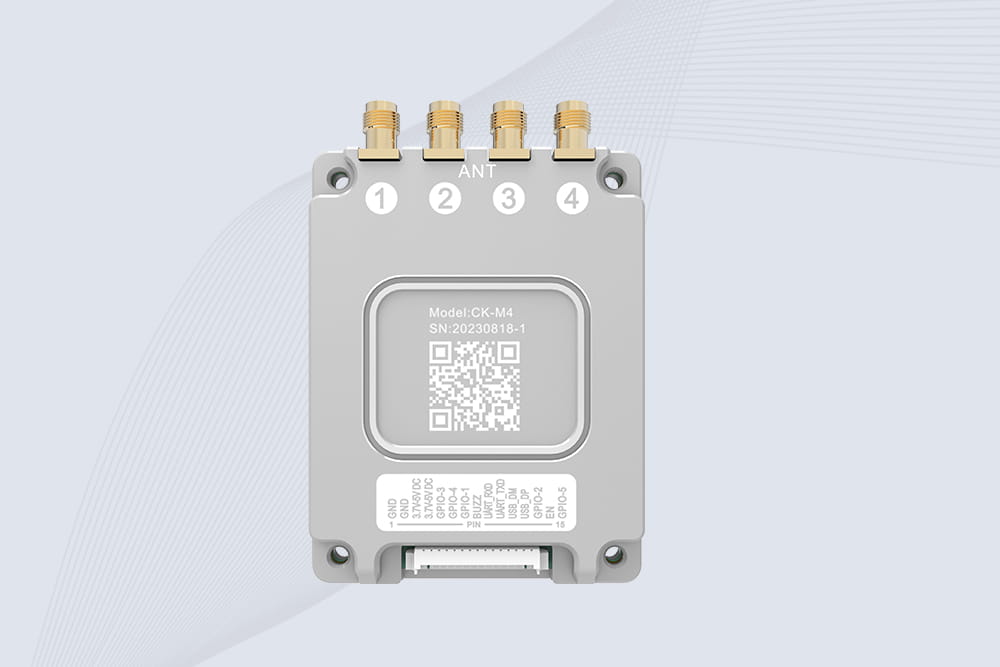
CYKEO CYKEO-M4 RC522 RFID Module is an industrial-grade UHF RFID reader with 4 ports, supporting ISO, EPC, and GB protocols. High-speed, accurate reading for IoT, automation, and warehouse applications.
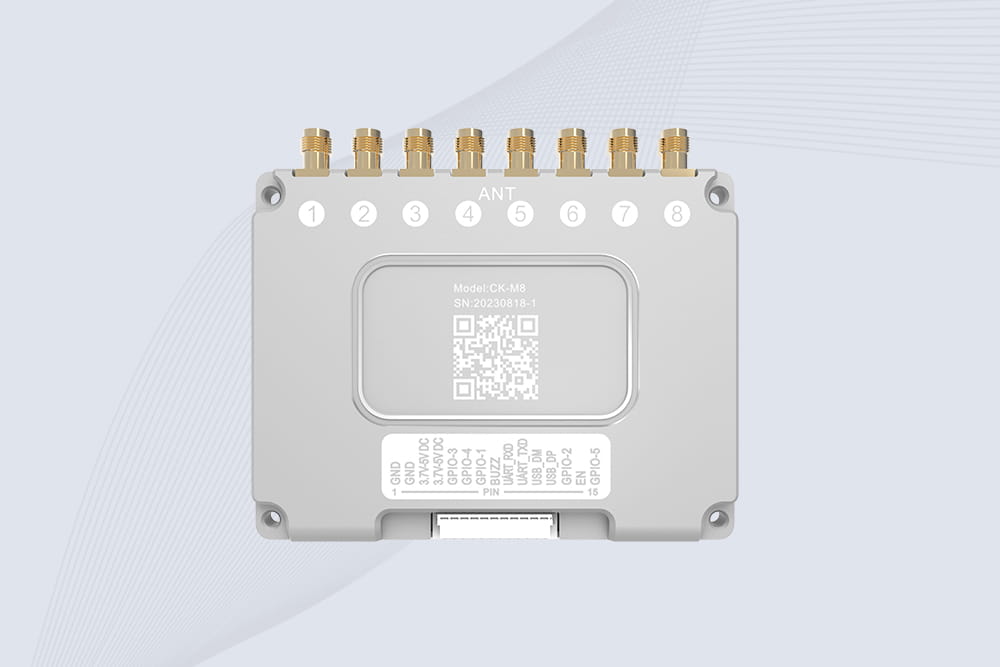
CYKEO CYKEO-M8 Module RFID is an 8-port UHF R2000 RFID Module designed for high-density, multi-tag environments. Stable 33dBm output, ISO & GB protocol support, ideal for warehouses, factories, and automated systems.
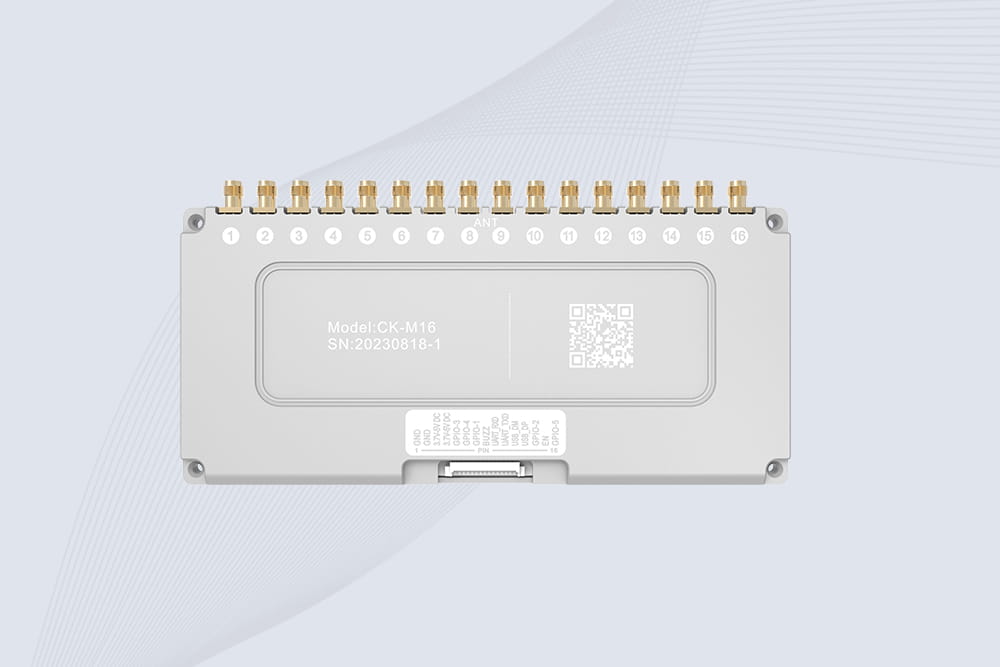
CYKEO CYKEO-M16 RFID Module is a 16-port UHF RFID reader module based on the R2000 chipset. Designed for dense tag environments, it supports ISO and GB standards and delivers stable multi-antenna control for industrial automation.
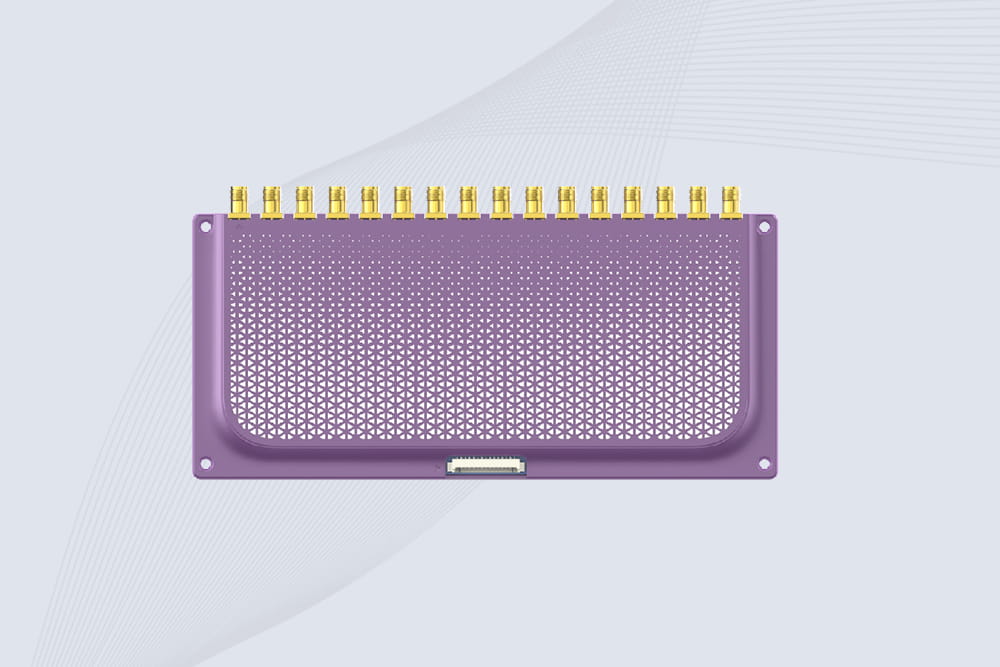
The CYKEO CYKEO-M16L RFID Reader Module is a 16-channel UHF RFID core designed for dense tag environments. With adjustable 33dBm output, multi-protocol support, and stable multi-antenna control, this RFID Tag Reader Module fits industrial automation, warehouse systems, and large-scale IoT deployments.
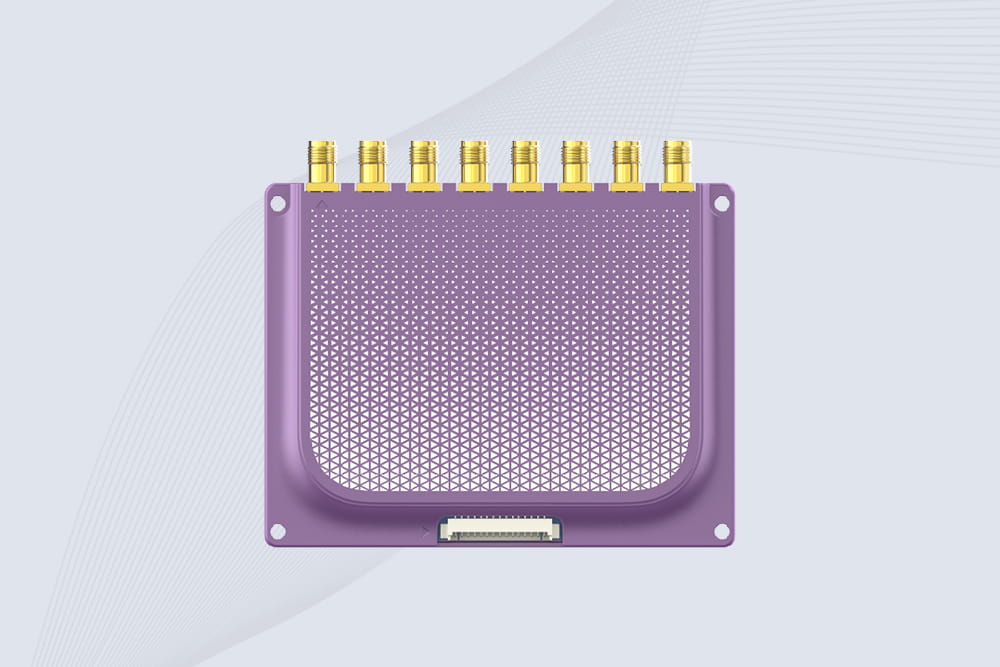
CYKEO CYKEO-M8L module RFID is a compact industrial UHF module built for dense tag and multi-antenna environments. With 8 RF ports, adjustable 33 dBm output, and ISO & GB protocol support, it is widely used in factories, warehouses, and automated tracking systems.
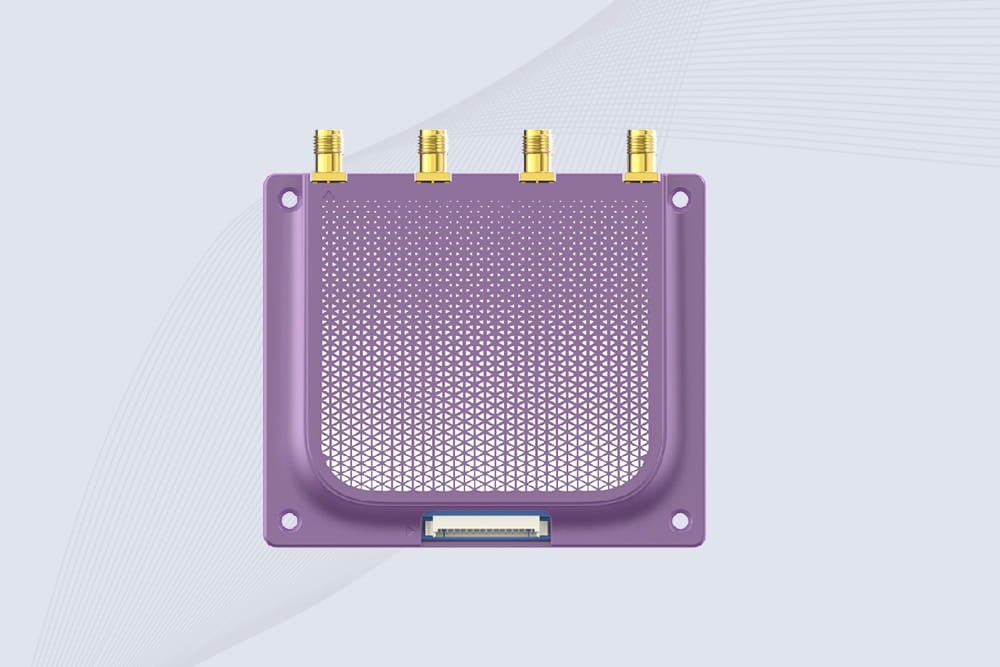
CYKEOCYKEO-M4L UHF RFID Module is a compact 4-channel RFID tag reader module designed for dense tag environments. Supporting ISO and GB protocols, it delivers stable reads up to 10 meters for industrial and IoT systems.
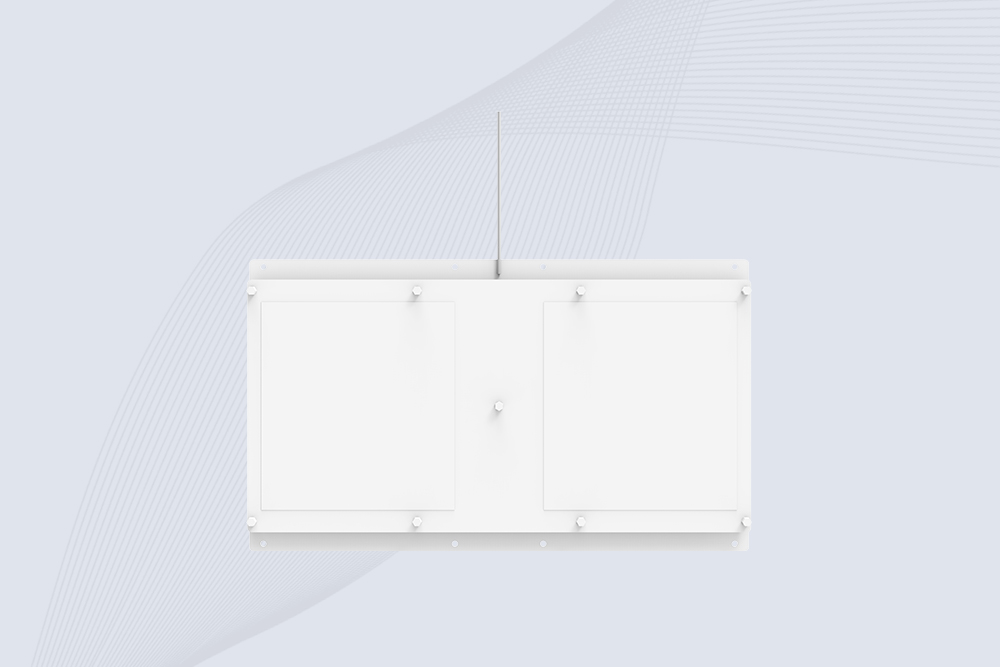
Cykeo CYKEO-A11 UHF RFID reader antenna delivers 11dBi gain, 840-960MHz frequency range, and IP65 ruggedness for retail, logistics, and industrial RFID systems. Features low VSWR and easy installation.

CYKEO Antenna RFID Reader delivers stable long-range UHF performance with a 10.5dBi directional design, built for warehouses, conveyor portals, and industrial RFID systems. This rfid reader antenna provides 20m+ read distance and rugged IP67 protection.

Cykeo CYKEO-PHF3 industrial HF RFID Antenna offers 24-point dynamic tracking, ISO 14443A/15693 protocols, metal-environment stability for archives/libraries/manufacturing.

Cykeo CYKEO-A5B industrial Linear RFID Antenna delivers 5dBi gain, ≤1.5:1 VSWR, and IP65 rugged design for warehouse, production line, and logistics UHF systems.

Cykeo’s CYKEO-B12 Long Range RFID Antenna delivers 15m+ read range with 12dBi gain, IP65 rugged design, and global 840-960MHz UHF support. Ideal for warehouse/logistics asset tracking.
Cykeo CYKEO-B10 Long Distance RFID Antenna offers 10dBi gain, 840-960MHz frequency range, IP65 rating, and 20m+ coverage for logistics/warehousing/ETC systems. Low VSWR ensures stable signal transmission.
Cykeo CYKEO-A6 UHF RFID panel antenna features 6dBi gain, 840-960MHz broadband, IP65 metal-ready housing for logistics/smart retail. 18mm ultra-thin design with tool-free mounting.

Cykeo CK-A3 industrial antenna RFID UHF offers 5m+ tag detection, ≤1.3:1 VSWR, IP65 rugged design, and global UHF spectrum compatibility (840-960MHz) for warehouses, factories, and retail.
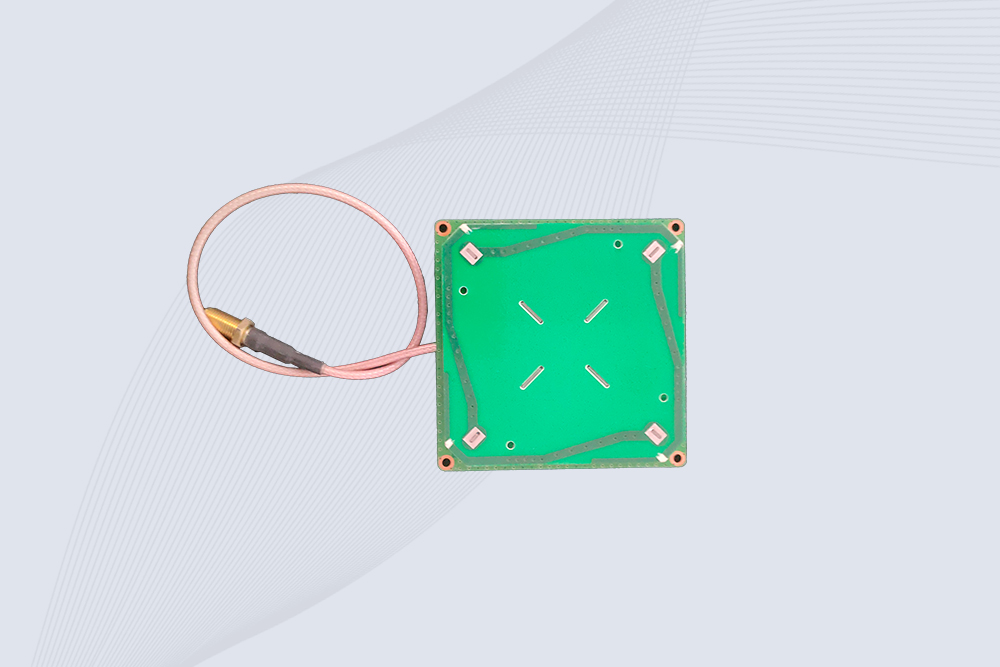
Cykeo CYKEO-B5 directional RFID antenna provides 5dBi gain with 60° narrow beamwidth for precise inventory tracking. IP65-rated, global UHF frequency support, and low VSWR.
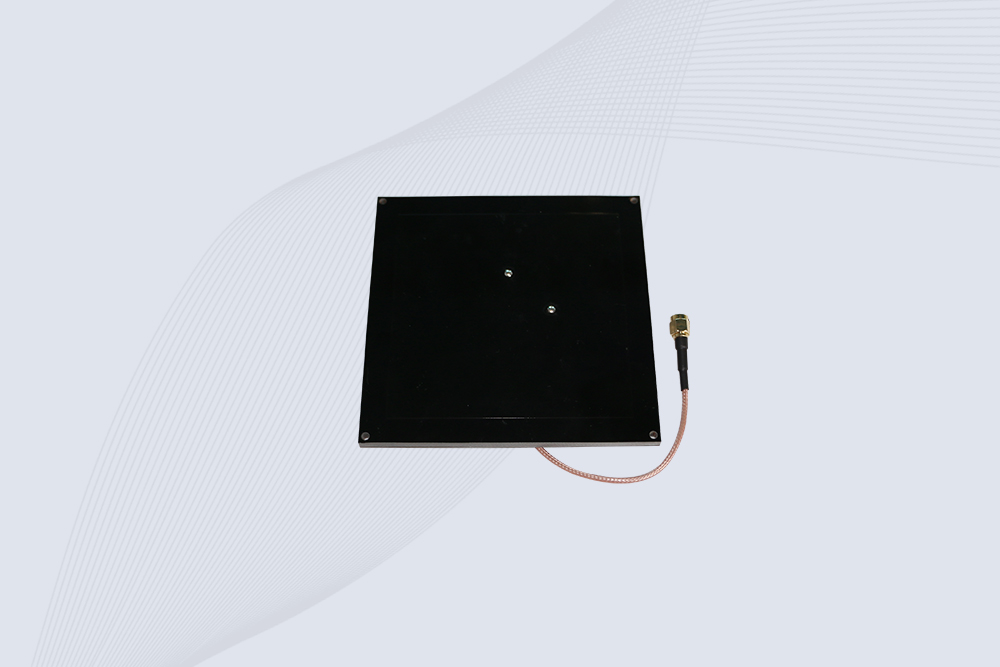
Create your own high-performance DIY RFID antenna! 5dBi gain, 840-960MHz tunable, step-by-step guides. Compatible with Arduino, Raspberry Pi, and commercial UHF readers.
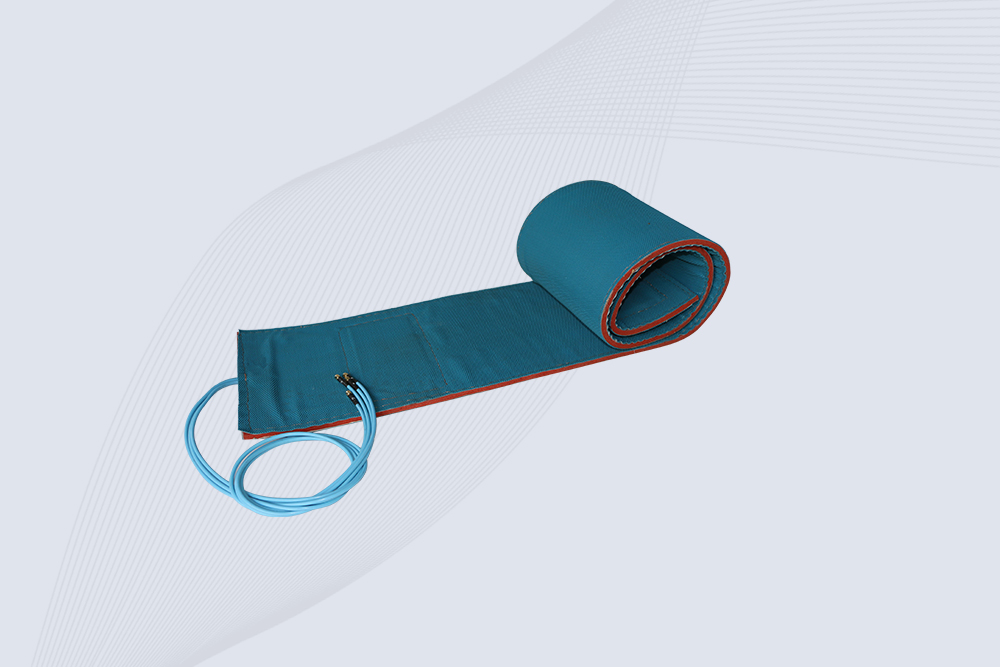
Cykeo CYKEO-A7 Flexible RFID Antenna features 840-960MHz wideband tuning, 7dBi gain, and IP68 rating for medical/retail/industrial curved surface deployments. 98% read accuracy with peel-and-stick installation.

Cykeo CYKEO-B5A industrial Passive RFID Antenna delivers 5dBi gain, 70° beamwidth, and -40°C~55°C operation for warehouses/smart cabinets. Compatible with Zebra/Impinj readers.
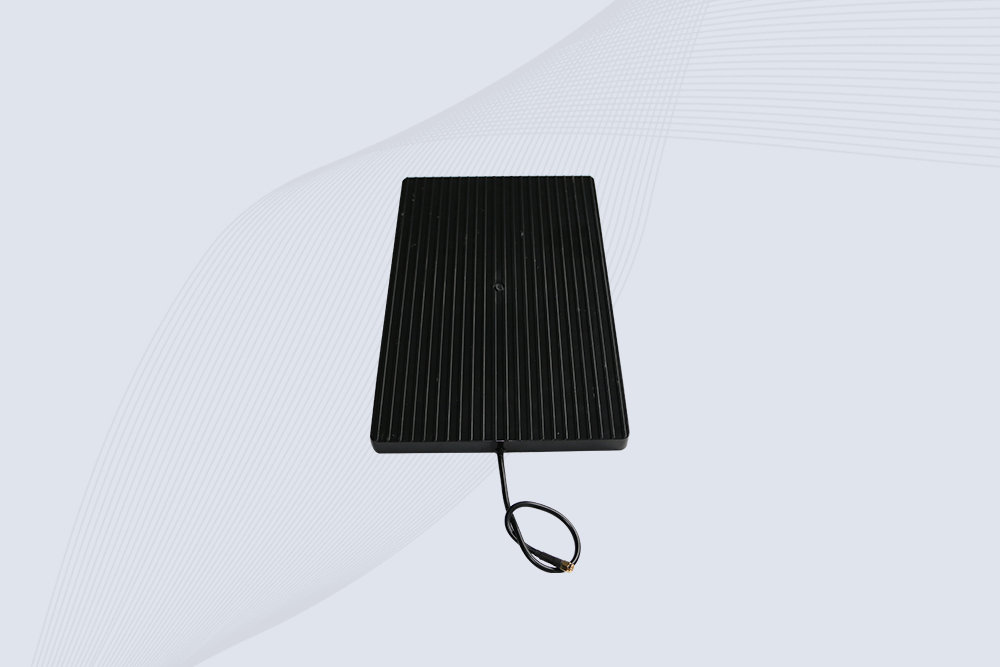
Cykeo’s CYKEO-A9B High Gain RFID Antenna delivers 15m+ read range with 9dBi amplification. Features IP54 rugged design, 840-960MHz bandwidth, and 80° beamwidth for warehouse/manufacturing RFID systems.

Cykeo’s enterprise-grade 8dbi Impinj RFID Antenna 10m+ read range with 840-960MHz tuning. Features IP65 housing, 1.4 VSWR, 35° beamwidth for retail/warehouse RFID systems.
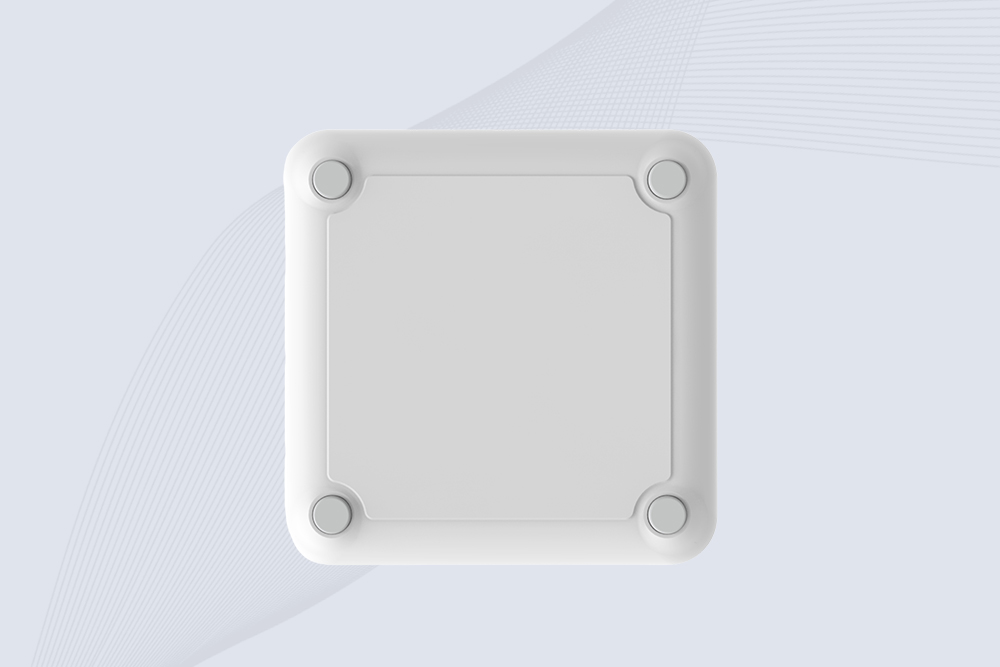
Cykeo CYKEO-A9 industrial UHF RFID antenna delivers 9dBi gain, 840-960MHz frequency range, and IP65 protection for warehouse/logistics/retail RFID systems. Features N-type connector and ≤1.3:1 VSWR.
CYKEO UHF RFID Antenna built for long-distance and industrial applications. This antenna rfid uhf delivers strong gain, outdoor durability, and reliable tag performance in warehouses, yards, and vehicle ID systems.
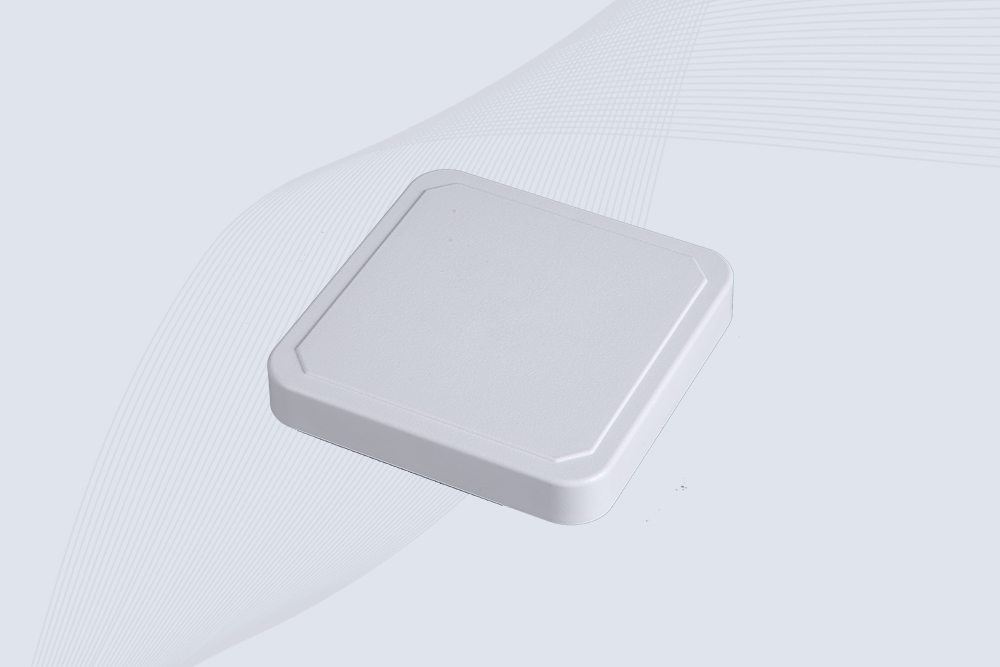
CYKEO Antenna RFID delivers reliable long-range UHF performance in warehouses, retail shelves, and cold-chain environments. This compact uhf rfid antenna provides stable reads with circular polarization and ultra-wide 840–960 MHz support, ideal for industrial tracking, smart shelves, and asset monitoring.
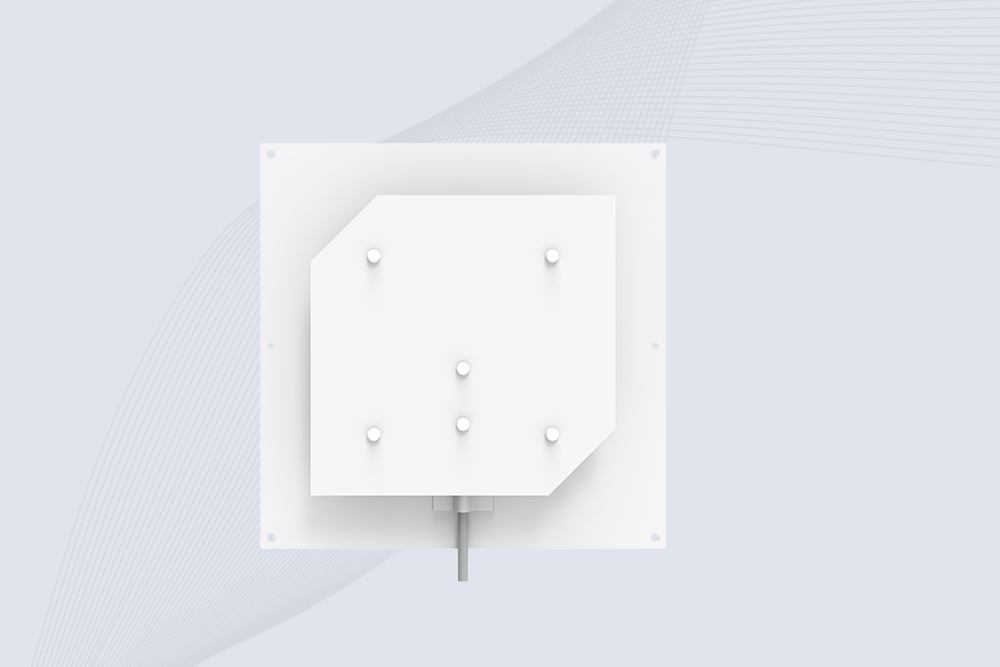
Cykeo’s CYKEO-C8 UHF RFID antennas delivers 8dBi gain, 840-960MHz full-band coverage, and IP65 ruggedness for manufacturing/warehouse RFID systems. Industrial RFID Antennas Features
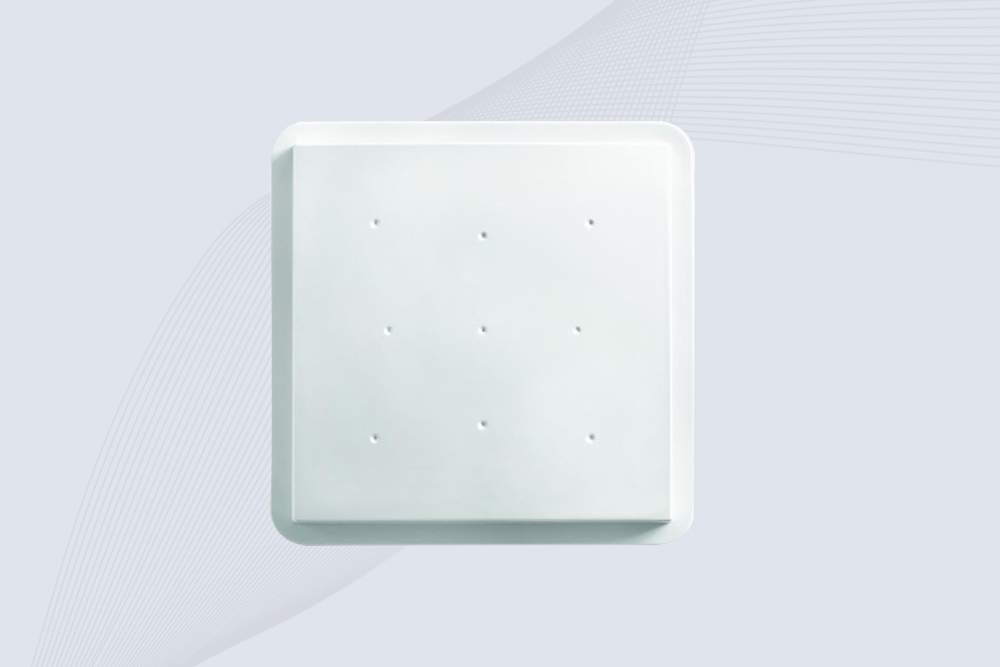
Cykeo’s 8dBi UHF RFID antenna and reader kit delivers 10m+ range, 840-960MHz broadband, and IP65 ruggedness for factories, warehouses, and logistics. ISO 18000-6C & EPC Gen2 certified.
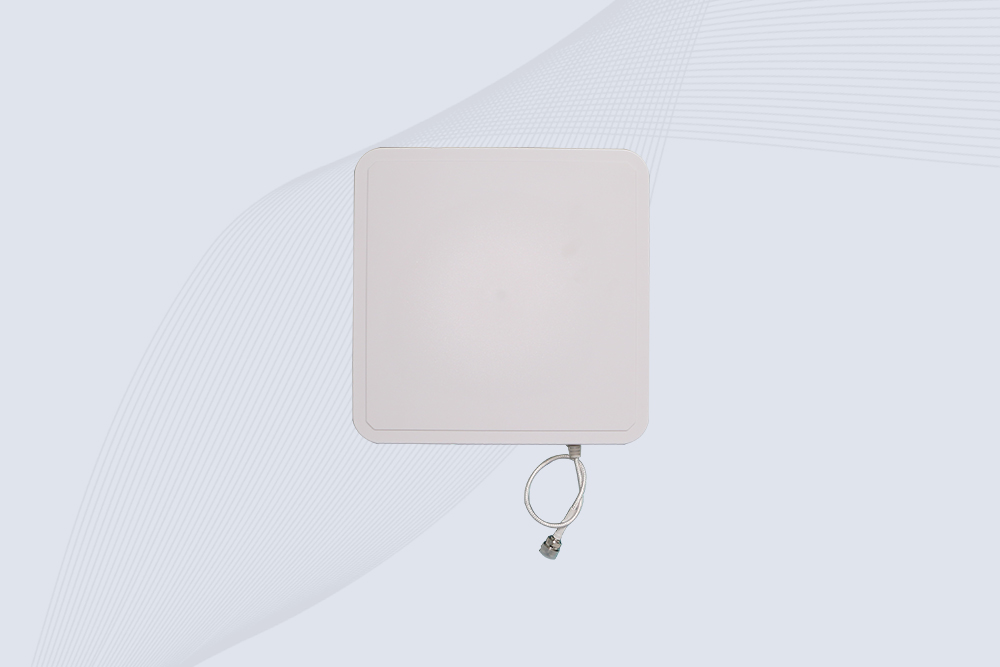
Cykeo CYKEO-A9A industrial UHF RFID reader and antenna kit delivers 10m range, 500 tags/sec, IP65 ruggedness for manufacturing/logistics. Supports EPC Gen2, ISO18000-6C.
How does RFID work? Learn RFID tag communication, reader technology, and real applications with Cykeo RFID experts. Discover smarter identification solutions.
More
CK-C2 UHF RFID Inventory Scanner Cart makes tracking tools, books, and medical equipment simple. Roll it down the aisle, scan hundreds of items in minutes, customize with Cykeo antennas and readers, and integrate with ERP or IoT systems using SDK ...
More
RFID tags UHF deliver long-range identification, fast bulk reading, and reliable asset tracking for logistics, retail, and industrial applications with Cykeo.
More
Learn proven strategies to improve RFID handheld reader battery life in field operations. Discover power-saving settings, maintenance tips, and Cykeo’s rugged solutions.
More