What does uhf rfid mean refers to Ultra High Frequency Radio Frequency Identification, a wireless identification technology that uses radio waves between 860–960 MHz to automatically identify and track tagged objects over longer distances than traditional RFID systems.
In RFID system development and application testing with Cykeo engineers, UHF RFID is often the first technology considered when customers need fast identification of hundreds or thousands of items.
Many people know RFID as a “wireless barcode,” but UHF RFID is much more than that.
It allows businesses to create real-time visibility for products, assets, tools, and inventory without requiring direct scanning.
In a warehouse, a worker can walk past a pallet and capture information from multiple tagged items.
In a retail store, employees can check hundreds of products without manually scanning every barcode.
That difference changes how companies manage physical objects.
What Is UHF RFID Technology?
UHF RFID definition and operating principle
UHF RFID means Ultra High Frequency Radio Frequency Identification.
It operates within the high-frequency radio spectrum commonly used for industrial identification applications.
The communication process works through electromagnetic energy.
Reader sends a radio frequency signal.
RFID tag receives energy.
Tag transmits stored information.
Reader collects the data.
Software updates the management system.
Unlike barcode technology, UHF RFID does not require direct visual alignment.
UHF RFID Technology Advantages: Why Businesses Use It
Longer reading distance
One major advantage of UHF RFID is its extended reading capability.
Compared with HF RFID systems commonly used for cards and access control, UHF RFID is designed for applications requiring wider coverage.
Typical UHF RFID applications can achieve:
Several meters of reading distance
Fast identification of multiple tags
Large-area inventory monitoring
Actual performance depends on:
Reader power
Antenna design
Tag quality
Environmental conditions
In Cykeo RFID projects, engineers often test reading performance in the real environment because warehouse structures, metal objects, and product materials can influence RF behavior.
Multiple tag identification capability
Traditional barcode systems usually identify products one by one.
UHF RFID can identify multiple tags simultaneously.
This makes it suitable for:
Warehouse inventory
Retail stock counting
Tool management
Logistics tracking
For example:
A warehouse pallet contains 200 tagged products.
Instead of opening packages and scanning items individually, a UHF RFID reader can collect product information automatically.
UHF RFID Frequency Standards and Regulations
UHF RFID performance depends on regional frequency regulations.
Major standards include:
Region
Frequency Range
United States
902–928 MHz
Europe
865–868 MHz
China
920–925 MHz
The international standard commonly used for UHF RFID is:
EPC Class 1 Gen2 / ISO 18000-6C
According to GS1, EPC Gen2 RFID standards provide a global framework for item-level identification and supply chain visibility.
UHF RFID vs HF RFID: Understanding the Difference
Feature
UHF RFID
HF RFID
Frequency
860–960 MHz
13.56 MHz
Reading Distance
Longer
Shorter
Reading Speed
High
Moderate
Multi-tag Reading
Excellent
Limited
Common Uses
Inventory, logistics, retail
Cards, payments, access
The choice depends on the application.
UHF RFID is preferred when companies need:
Fast inventory counting
Long-distance identification
Large-scale tracking
HF RFID is often selected for:
Payment cards
Smart cards
Near-field applications
UHF RFID Applications Across Industries
Retail inventory management
Retailers use UHF RFID for:
Clothing tracking
Stock checking
Smart shelves
Automated checkout
A fashion store with thousands of products can improve inventory visibility by attaching RFID tags to individual items.
Manufacturing and industrial tracking
Factories use UHF RFID to monitor:
Components
Production processes
Work-in-progress materials
Finished goods
RFID helps connect physical production activities with digital systems.
Logistics and warehouse management
Warehouses use UHF RFID for:
Pallet identification
Shipment verification
Receiving automation
Inventory control
Tool and asset management
Industrial companies use UHF RFID to track:
Maintenance tools
Equipment
High-value assets
This reduces manual searching and improves utilization.
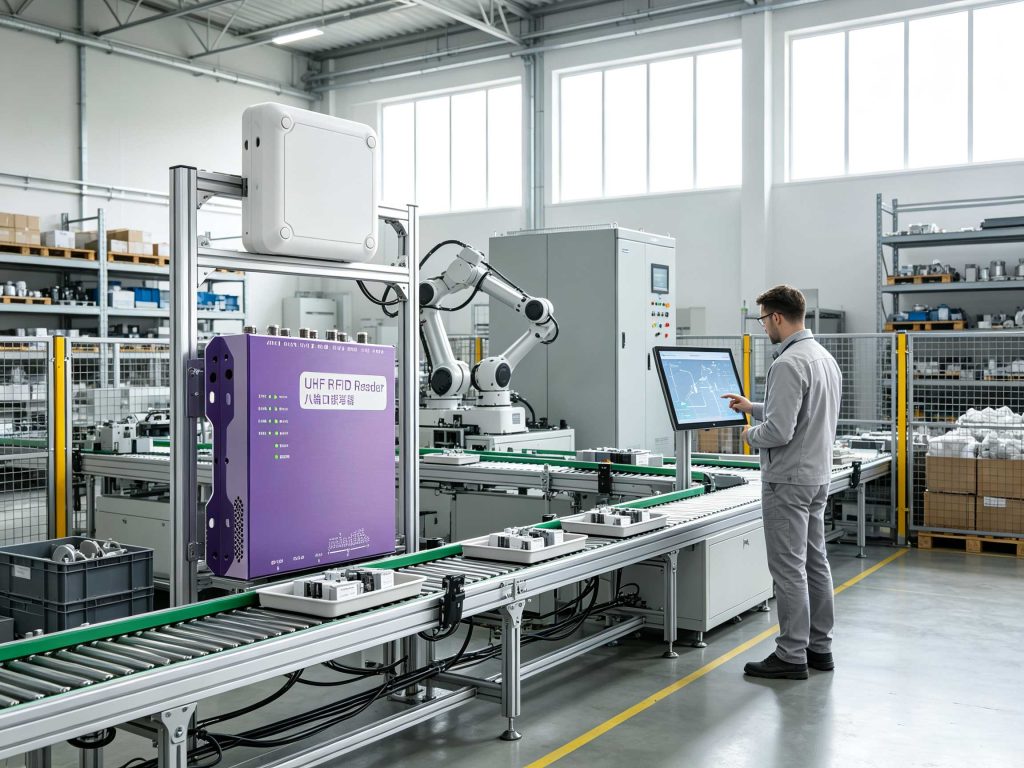
A smart warehouse using UHF RFID technology for automated inventory identification and tracking.
How to Choose a UHF RFID Solution
Understanding what does uhf rfid mean is only the beginning.
Selecting a UHF RFID system requires evaluating:
Reader performance
Important factors:
Reading speed
Output power
Antenna compatibility
Communication interface
RFID tag selection
Different environments require different tags:
Paper labels for retail products
Durable tags for industrial assets
Anti-metal tags for metal surfaces
Software integration
A complete UHF RFID solution should connect with:
ERP systems
Warehouse software
Retail platforms
Asset management systems
Cykeo UHF RFID Engineering Experience
Cykeo develops UHF RFID readers, RFID modules, and identification systems for industrial and commercial applications.
Through practical engineering projects, Cykeo focuses on:
RF performance optimization
Multi-tag recognition algorithms
Antenna matching
System integration
The real challenge of UHF RFID is not simply reading a tag.
It is achieving reliable identification in complex environments.
UHF RFID Technical Validation Data: Measuring Real-World Identification Performance
Evaluating UHF RFID System Reliability
Understanding what does uhf rfid mean requires looking beyond the definition of Ultra High Frequency Radio Frequency Identification. In professional deployments, the real value of UHF RFID comes from its ability to provide stable identification in complex environments.
Cykeo engineers evaluate UHF RFID systems under practical conditions including:
Warehouse metal structures
Dense product storage
Multiple tag environments
Outdoor industrial applications
Fast-moving logistics processes
The performance of a UHF RFID system depends on the relationship between:
Reader Power + Antenna Design + Tag Quality + Environment + Software Processing
A powerful reader alone cannot guarantee accurate identification.
The entire RFID architecture must be optimized.
UHF RFID Technical Performance Parameters
1. Reading distance and coverage capability
One of the main reasons companies select UHF RFID is its longer reading distance.
For industrial UHF RFID systems, reading distances can reach several meters depending on configuration.
Cykeo UHF RFID readers support adjustable power output and antenna optimization to adapt to different application environments.
2. High-speed multi-tag identification
Modern businesses often need to identify hundreds of objects quickly.
UHF RFID provides advantages in:
Batch inventory counting
Automated warehouse operations
Retail stock checking
Asset management
A warehouse worker does not need to scan every individual item.
Instead:
RFID reader sends RF signals.
Multiple tags respond.
Anti-collision algorithms manage communication.
Data is transferred to management software.
This dramatically reduces manual inventory workload.
3. Protocol compatibility
Professional UHF RFID systems commonly support:
EPC Class 1 Gen2
ISO 18000-6C
These standards allow equipment from different manufacturers to work within the same RFID ecosystem.
According to RAIN Alliance, RAIN RFID based on EPC Gen2 technology is designed for global item identification applications across retail, logistics, and industrial sectors.
Cykeo UHF RFID Advantages
1. Industrial-grade UHF RFID reader design
Cykeo develops UHF RFID readers and modules for demanding identification environments.
Key advantages include:
Stable RF performance
Fast tag recognition
Flexible communication interfaces
Industrial deployment capability
Applications include:
Manufacturing
Logistics
Retail
Asset tracking
Tool management
2. High-speed identification algorithm
In practical RFID environments, many tags may appear within the reader field at the same time.
Without efficient algorithms, systems may experience:
Slow recognition
Data conflicts
Missed tags
Cykeo UHF RFID systems use optimized anti-collision processing to improve multi-tag identification efficiency.
This is important for:
Warehouse pallets
Clothing racks
Tool cabinets
Production lines
3. Flexible reader configuration
Different industries require different RFID hardware forms.
Cykeo provides solutions including:
Fixed UHF RFID readers
Suitable for:
Production lines
Warehouse entrances
Smart cabinets
Automated checkpoints
Advantages:
Continuous monitoring
Hands-free operation
Integration with industrial systems
Handheld RFID devices
Suitable for:
Inventory counting
Asset searching
Field inspections
Advantages:
Mobile operation
Flexible deployment
Fast verification
RFID modules for OEM development
Suitable for:
Equipment manufacturers
Smart devices
Custom RFID systems
Advantages:
Compact integration
API support
Application customization
UHF RFID Industry Applications
1. Smart retail inventory management
Retailers use UHF RFID to improve:
Product visibility
Inventory accuracy
Replenishment efficiency
Fashion stores commonly attach RFID tags to:
Clothing
Shoes
Bags
Accessories
Employees can quickly check inventory without manually scanning every item.
2. Manufacturing production tracking
Manufacturers use UHF RFID for:
Work-in-progress tracking
Component management
Production monitoring
Quality traceability
Example:
A production line can automatically record when components enter different manufacturing stages.
This reduces manual recording errors.
3. Logistics and warehouse automation
UHF RFID supports:
Pallet identification
Shipment verification
Receiving automation
Warehouse inventory
Large logistics operations benefit from faster information collection.
4. Tool and equipment management
Industrial companies often lose efficiency searching for tools.
UHF RFID helps track:
Maintenance equipment
Inspection tools
Shared assets
Applications include:
Aviation maintenance
Railway maintenance
Power inspection
Industrial workshops
UHF RFID technology provides automatic identification and asset visibility in industrial environments.
Frequently Asked Questions About UHF RFID
FAQ 1: What does uhf rfid mean?
UHF RFID means Ultra High Frequency Radio Frequency Identification, a wireless technology using 860–960 MHz signals to identify and track objects over longer distances.
FAQ 2: How far can UHF RFID read tags?
Reading distance depends on reader power, antenna design, and tag type. Many UHF RFID systems can read tags several meters away.
FAQ 3: Is UHF RFID better than HF RFID?
Neither technology is universally better. UHF RFID is preferred for long-distance, high-speed inventory applications, while HF RFID is commonly used for short-range applications.
FAQ 4: What industries use UHF RFID?
UHF RFID is widely used in:
Retail
Manufacturing
Logistics
Healthcare
Asset management
Transportation
FAQ 5: Can UHF RFID read multiple tags at once?
Yes. UHF RFID systems are designed for multi-tag identification using anti-collision algorithms.
FAQ 6: What protocol does UHF RFID use?
Most industrial UHF RFID systems use EPC Class 1 Gen2 / ISO 18000-6C standards.
FAQ 7: How do I choose a UHF RFID reader?
Selection should consider:
Required reading distance
Number of tags
Installation environment
Communication interface
Software integration requirements
Understanding the Value of UHF RFID Technology
Knowing what does uhf rfid mean helps businesses understand why this technology has become essential for modern identification systems.
UHF RFID provides more than wireless communication.
It creates a bridge between physical objects and digital management platforms.
From retail inventory and smart warehouses to industrial automation and asset tracking, UHF RFID enables companies to collect information faster and make better operational decisions.
Cykeo provides professional UHF RFID readers, modules, and customized identification solutions designed for reliable performance in real-world applications.
With engineering experience in RF technology, antenna optimization, and system integration, Cykeo helps businesses build efficient RFID identification systems.
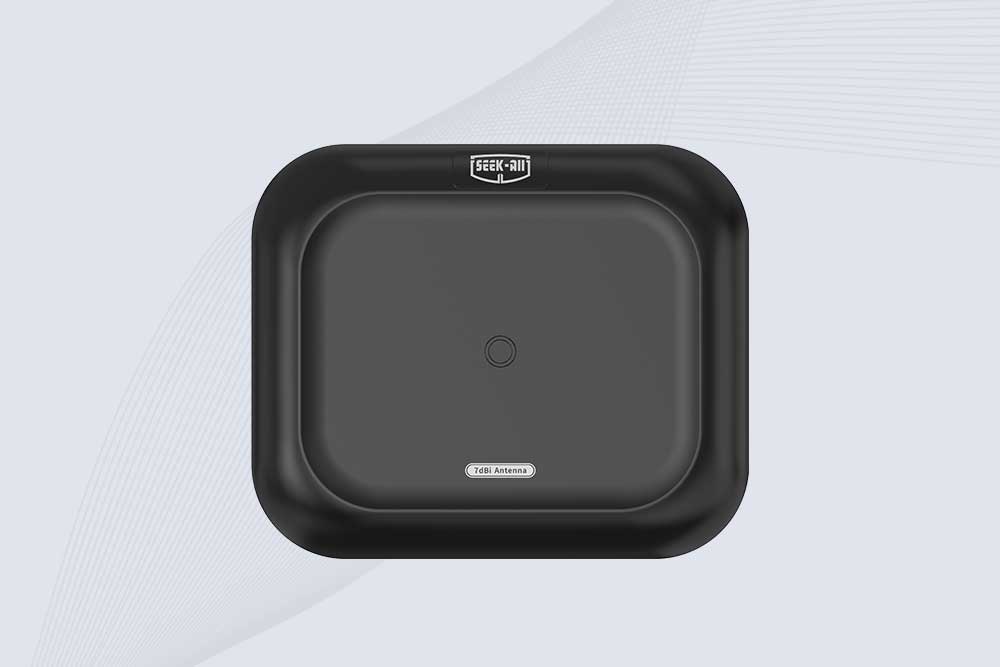
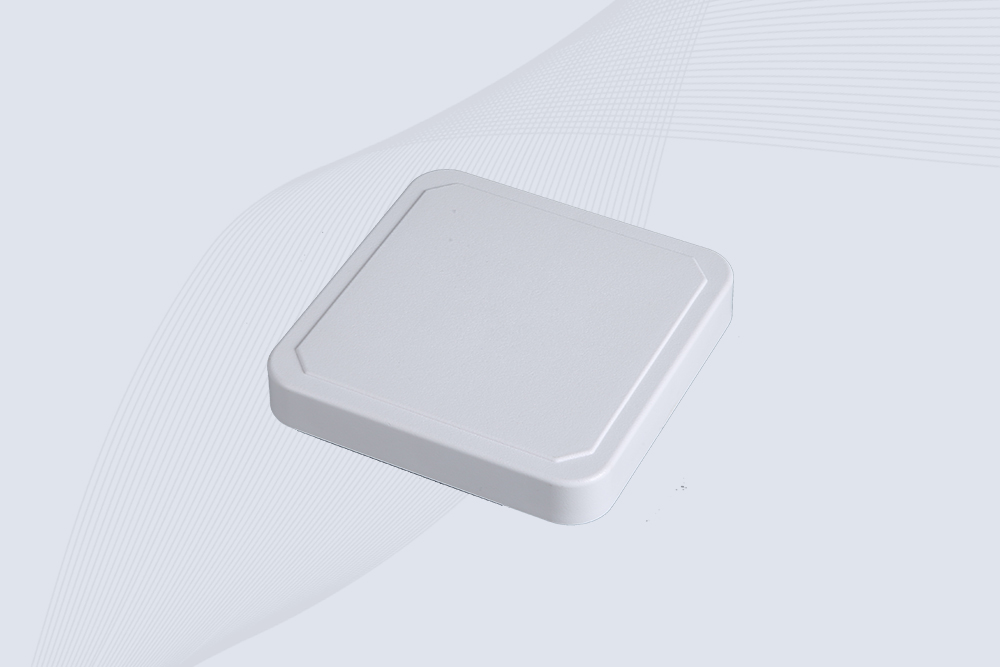
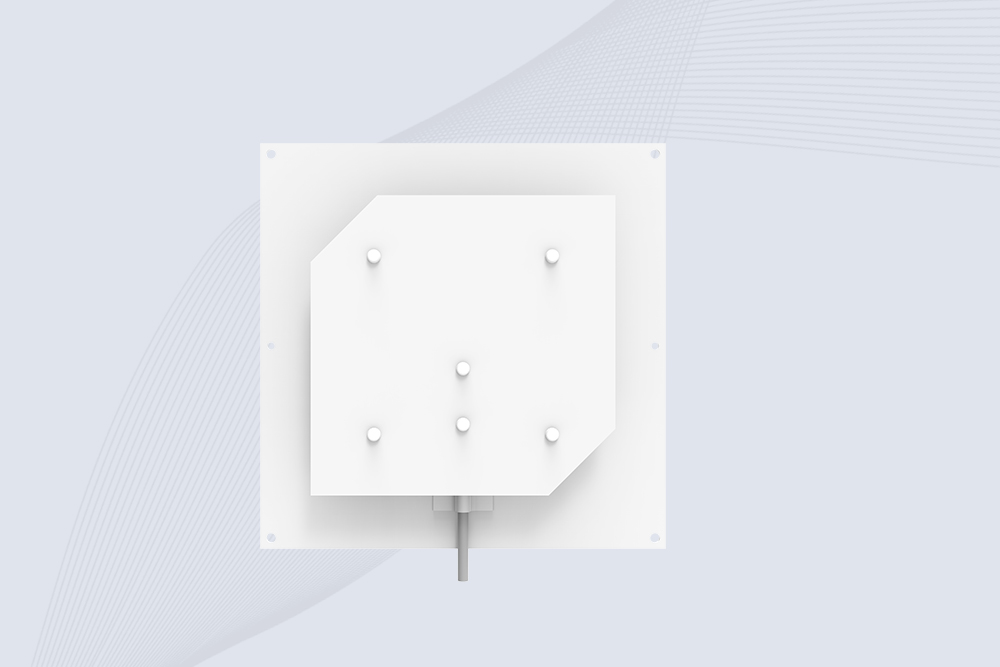
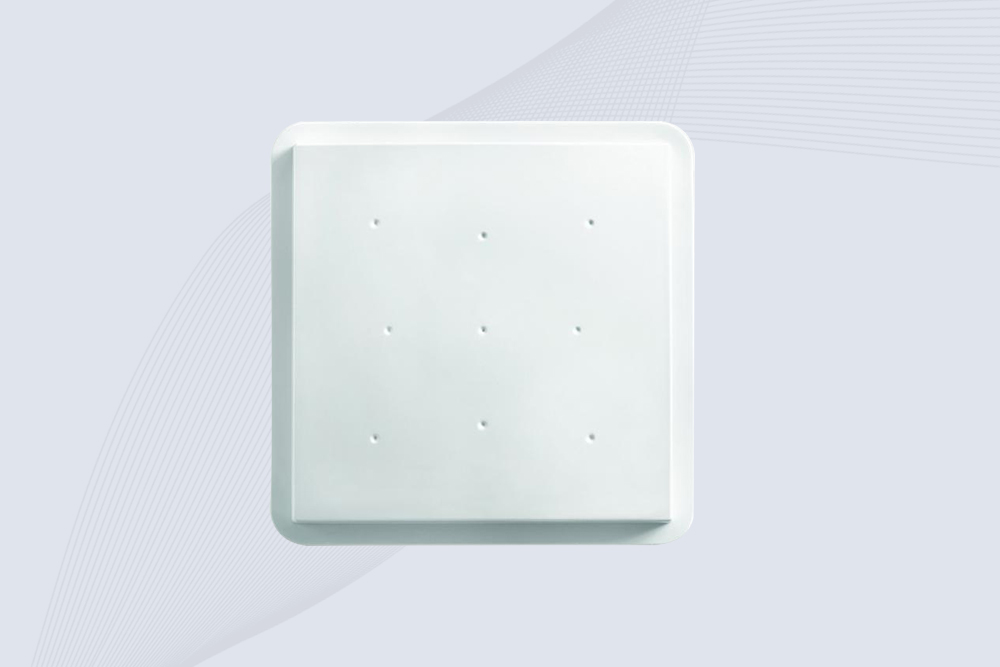
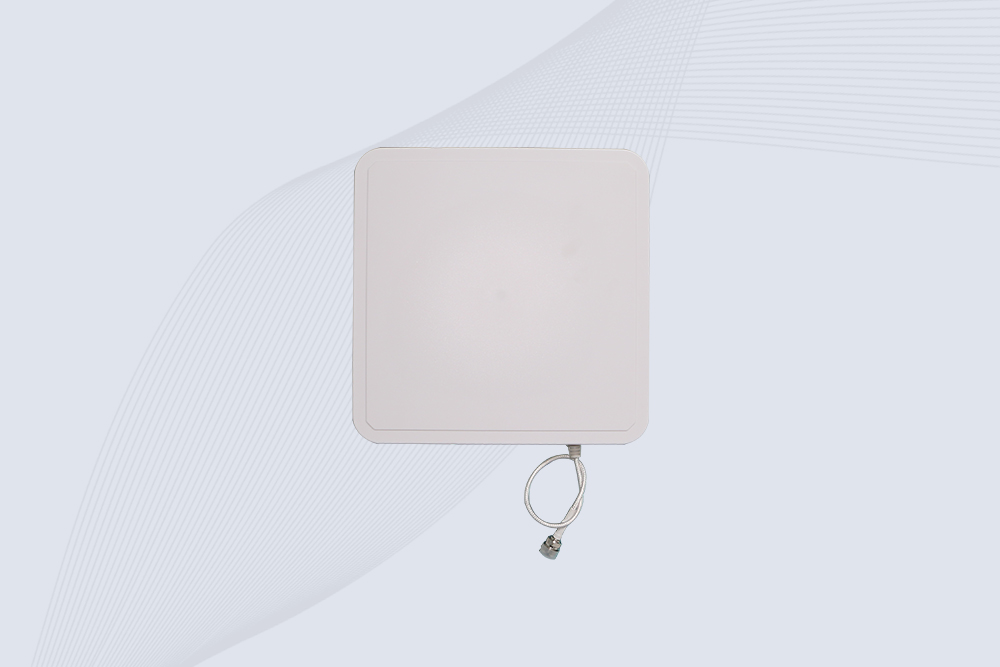
Explore the SSD-A07 UHF RFID antenna with 7 dBi gain, circular polarization, adjustable 840–960 MHz frequency, and 60°/75° beamwidth for stable RFID read/write performance.
SSD-A06 UHF RFID antenna with circular polarization, adjustable 840–960 MHz frequency, ≥4.5 dBi gain, and a compact directional design for RFID systems.
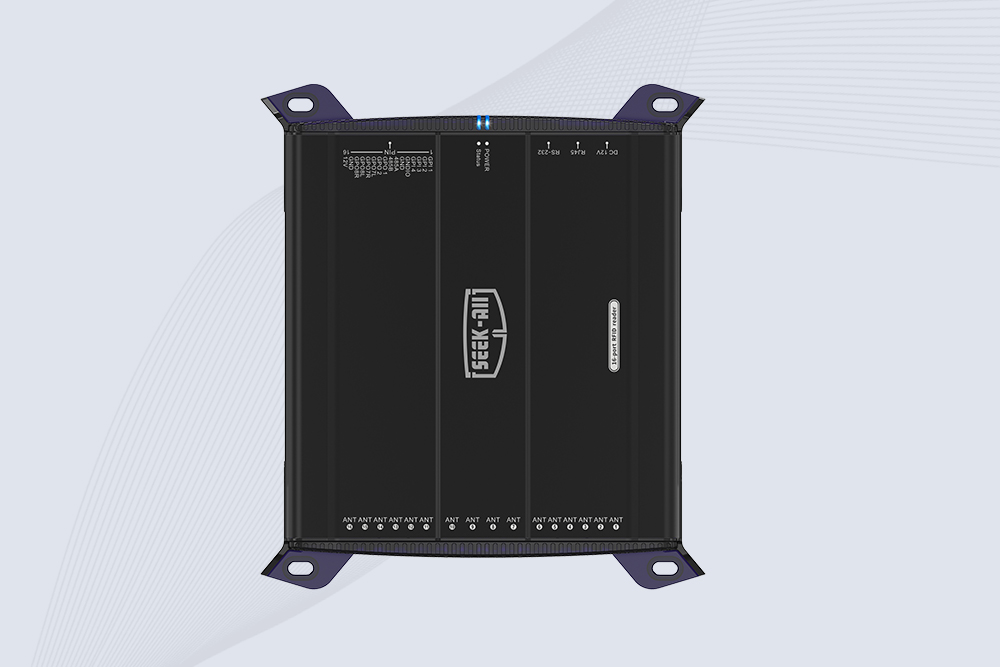
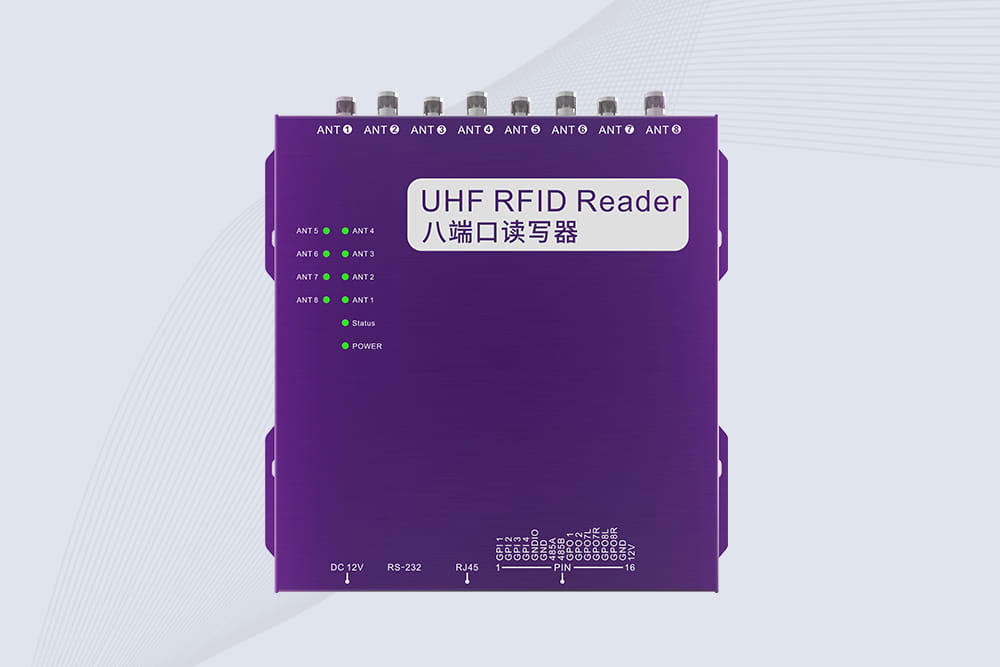
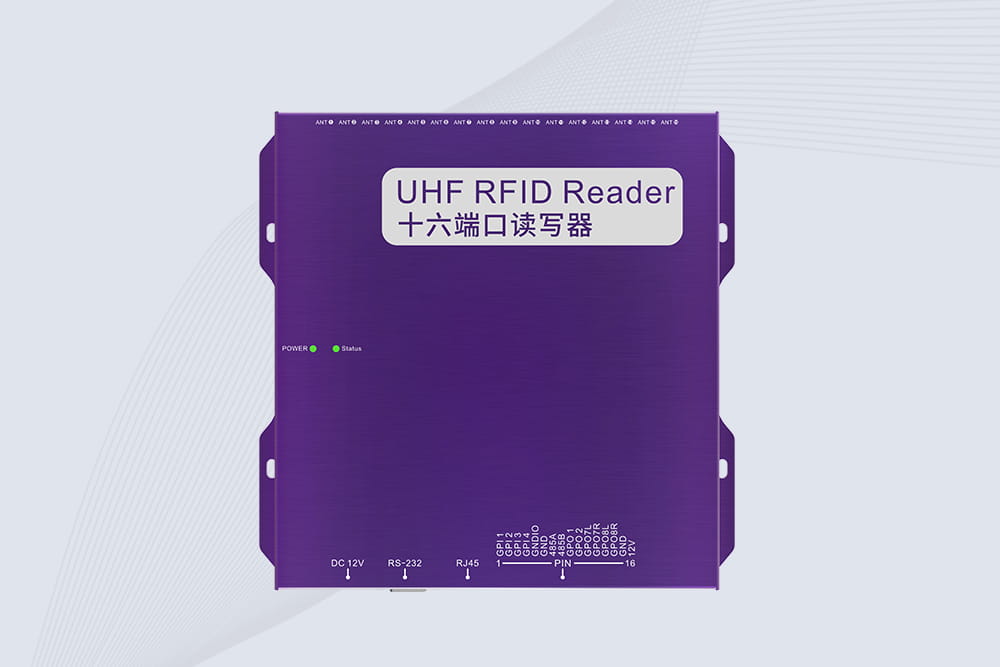
SSD-R16L Multi-Channel RFID Infrastructure for Automated Inventory Management ✔️ 16-Port High-Density RFID Reading Equipped with 16 SMA antenna ports, SSD-R16L supports multi-antenna deployment for warehouses, retail stores, logistics, production lines, and large-area RFID identification. ✔️ High-Speed & Long-Range Performance With up to 33…
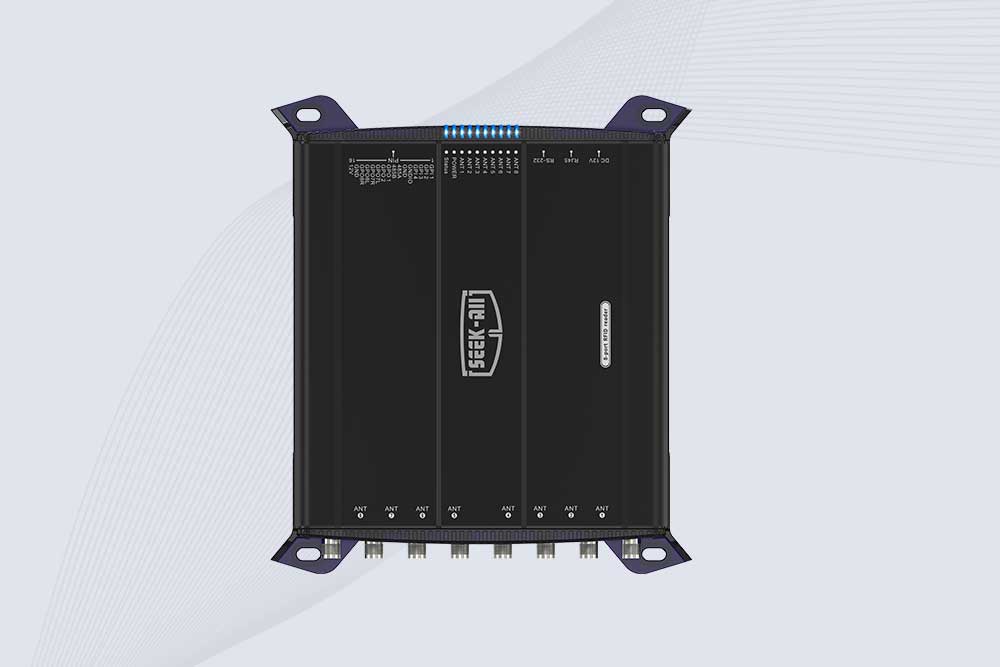
SSD-R8L 8-port UHF RFID reader with 33dBm output, up to 20m reading range and 600+ tags/s recognition. Ideal for warehouse, logistics, retail and asset tracking.
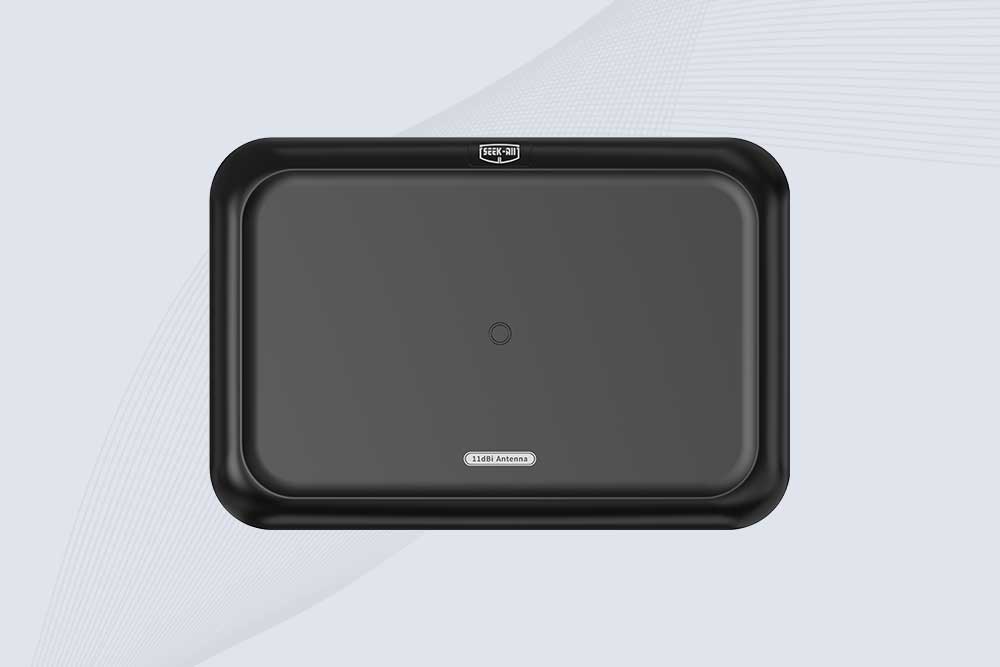
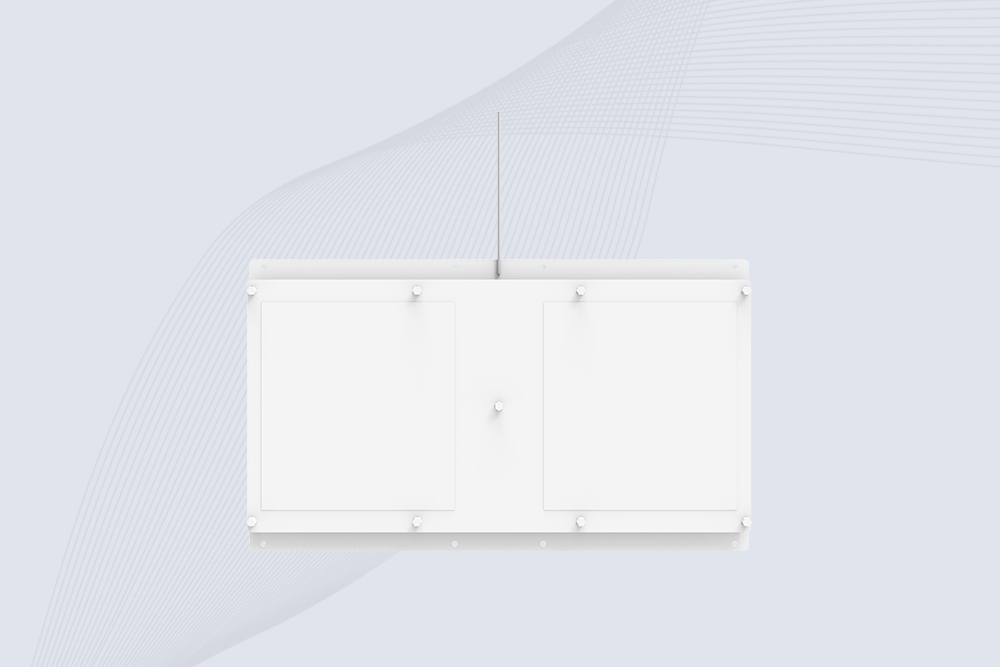
Cykeo CYKEO-A11 UHF RFID reader antenna delivers 11dBi gain, 840-960MHz frequency range, and IP65 ruggedness for retail, logistics, and industrial RFID systems. Features low VSWR and easy installation.
CYKEO Antenna RFID Reader delivers stable long-range UHF performance with a 10.5dBi directional design, built for warehouses, conveyor portals, and industrial RFID systems. This rfid reader antenna provides 20m+ read distance and rugged IP67 protection.
Cykeo CYKEO-A5B industrial Linear RFID Antenna delivers 5dBi gain, ≤1.5:1 VSWR, and IP65 rugged design for warehouse, production line, and logistics UHF systems.
Cykeo’s CYKEO-B12 Long Range RFID Antenna delivers 15m+ read range with 12dBi gain, IP65 rugged design, and global 840-960MHz UHF support. Ideal for warehouse/logistics asset tracking.
Cykeo CYKEO-B10 Long Distance RFID Antenna offers 10dBi gain, 840-960MHz frequency range, IP65 rating, and 20m+ coverage for logistics/warehousing/ETC systems. Low VSWR ensures stable signal transmission.
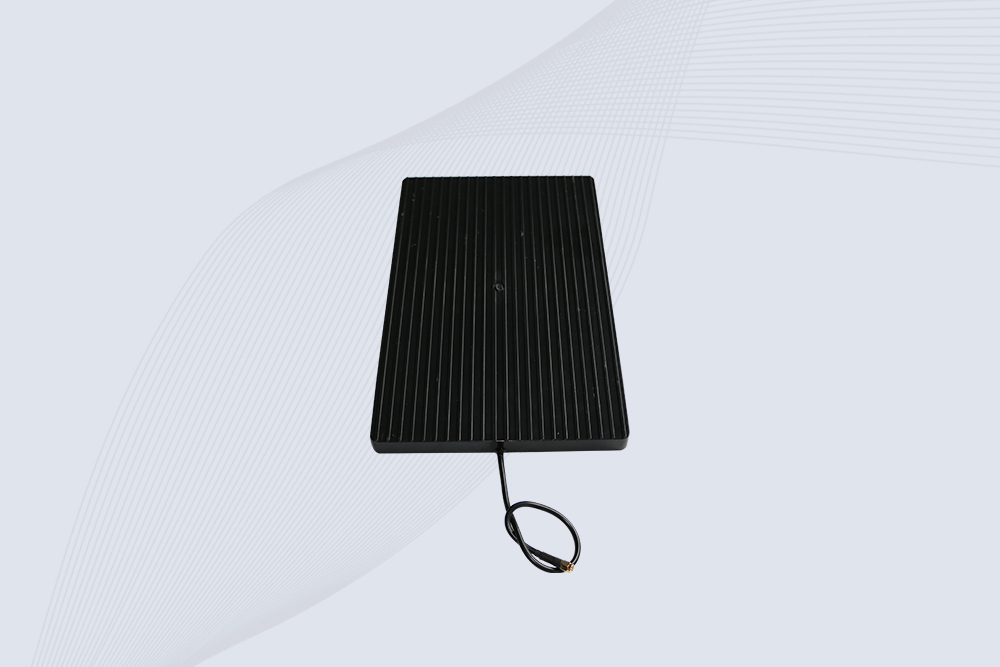
Cykeo CYKEO-A6 UHF RFID panel antenna features 6dBi gain, 840-960MHz broadband, IP65 metal-ready housing for logistics/smart retail. 18mm ultra-thin design with tool-free mounting.
Cykeo CK-A3 industrial antenna RFID UHF offers 5m+ tag detection, ≤1.3:1 VSWR, IP65 rugged design, and global UHF spectrum compatibility (840-960MHz) for warehouses, factories, and retail.
Cykeo CYKEO-B5 directional RFID antenna provides 5dBi gain with 60° narrow beamwidth for precise inventory tracking. IP65-rated, global UHF frequency support, and low VSWR.
Create your own high-performance DIY RFID antenna! 5dBi gain, 840-960MHz tunable, step-by-step guides. Compatible with Arduino, Raspberry Pi, and commercial UHF readers.
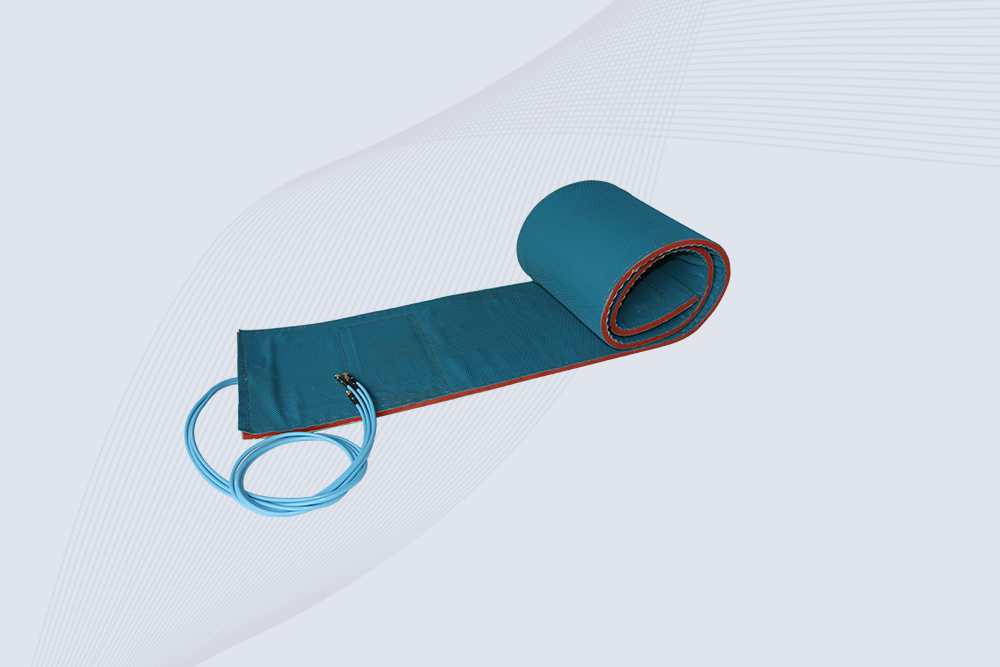
Cykeo CYKEO-A7 Flexible RFID Antenna features 840-960MHz wideband tuning, 7dBi gain, and IP68 rating for medical/retail/industrial curved surface deployments. 98% read accuracy with peel-and-stick installation.
Cykeo CYKEO-B5A industrial Passive RFID Antenna delivers 5dBi gain, 70° beamwidth, and -40°C~55°C operation for warehouses/smart cabinets. Compatible with Zebra/Impinj readers.
Cykeo’s CYKEO-A9B High Gain RFID Antenna delivers 15m+ read range with 9dBi amplification. Features IP54 rugged design, 840-960MHz bandwidth, and 80° beamwidth for warehouse/manufacturing RFID systems.
Cykeo’s enterprise-grade 8dbi Impinj RFID Antenna 10m+ read range with 840-960MHz tuning. Features IP65 housing, 1.4 VSWR, 35° beamwidth for retail/warehouse RFID systems.
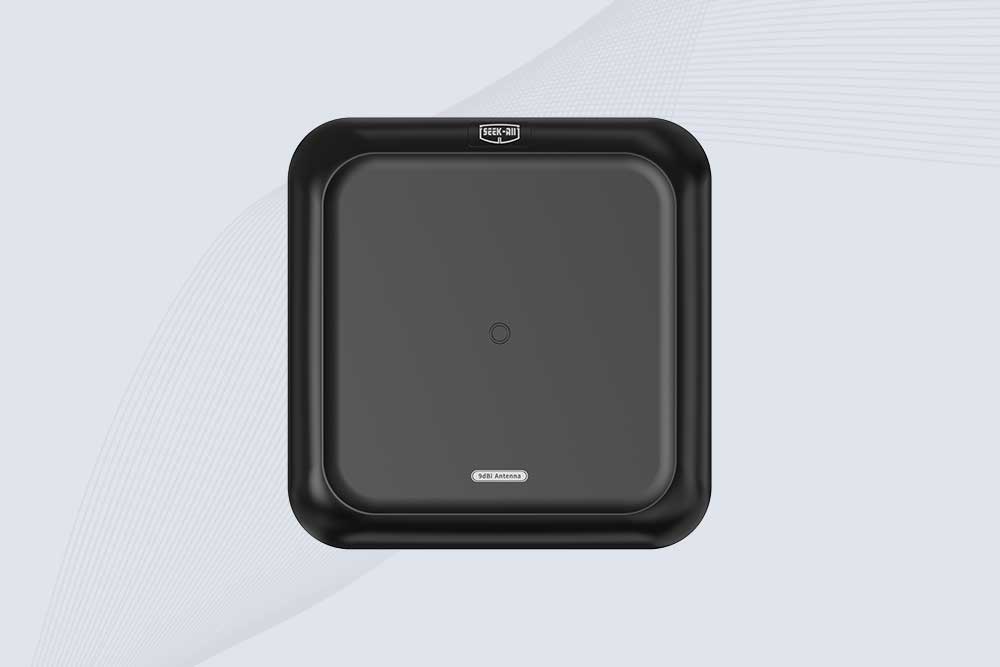
Cykeo CYKEO-A9 industrial UHF RFID antenna delivers 9dBi gain, 840-960MHz frequency range, and IP65 protection for warehouse/logistics/retail RFID systems. Features N-type connector and ≤1.3:1 VSWR.
CYKEO UHF RFID Antenna built for long-distance and industrial applications. This antenna rfid uhf delivers strong gain, outdoor durability, and reliable tag performance in warehouses, yards, and vehicle ID systems.
CYKEO Antenna RFID delivers reliable long-range UHF performance in warehouses, retail shelves, and cold-chain environments. This compact uhf rfid antenna provides stable reads with circular polarization and ultra-wide 840–960 MHz support, ideal for industrial tracking, smart shelves, and asset monitoring.
Cykeo’s CYKEO-C8 UHF RFID antennas delivers 8dBi gain, 840-960MHz full-band coverage, and IP65 ruggedness for manufacturing/warehouse RFID systems. Industrial RFID Antennas Features
Cykeo’s 8dBi UHF RFID antenna and reader kit delivers 10m+ range, 840-960MHz broadband, and IP65 ruggedness for factories, warehouses, and logistics. ISO 18000-6C & EPC Gen2 certified.
Cykeo’s CYKEO-A12C UHF Large RFID Antenna delivers 12dBi gain, 840-960MHz global frequency, IP65 ruggedness for logistics/warehousing/automotive. 40° beamwidth ensures stable 15m+ tag reads.
CYKEO Near Field RFID Antenna provides precise 5–30 cm reading for shelves, cabinets, and workstations. This compact rfid shelf antenna delivers stable short-range performance around metal and clutter, ideal for pharmacies, libraries, and electronics sorting.
Cykeo CYKEO-C1 industrial Forklift RFID Reader features 20m read range, 600 tags/sec scanning, Impinj R2000 chipset, and IP67 rugged design. Ideal for warehouse logistics and manufacturing. Supports ISO 18000-6C/6B protocols.
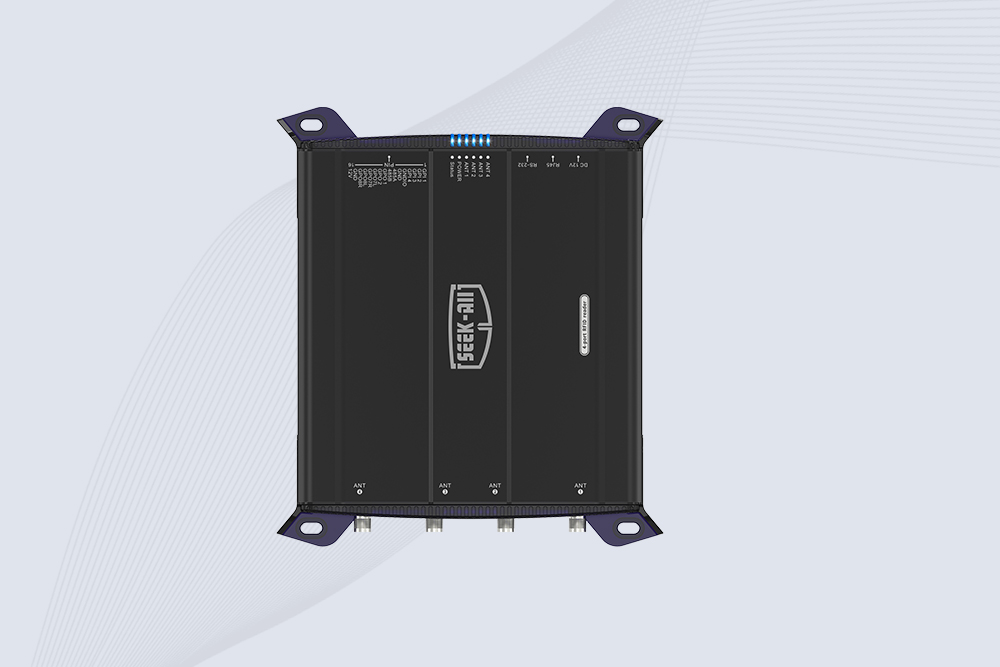
Cykeo CYKEO-R4 industrial UHF RFID Fixed Reader features 4 TNC ports, 400+ tags/sec speed, IP67 housing, and global frequency compliance for vehicle inspection, smart warehouse, and asset management systems.
CYKEO CYKEO-R8L Fixed RFID Reader with 8-port UHF design, Impinj-based RF core and up to 20m read range. An industrial Fixed RFID Reader for vehicle inspection, warehouse portals, smart manufacturing lines and secure access checkpoints.
RFID Fixed Reader from CYKEO – the CYKEO-R16L 16-port UHF fixed reader for warehouses, smart cabinets, and production lines. Long-range, multi-tag reading, stable performance for 24/7 industrial use.
handheld RFID reader is a portable intelligent device widely used in asset inventory, warehouse logistics, and medical tracking. This article introduces its working principle, structural components, frequency support, and selection suggestions to ...
How to use RFID reader: Connect the RFID reader to software, place compatible tags in the reading area, and read or write tag data based on the application r...
Discover rfid handheld reader writer solutions from Cykeo for mobile inventory, asset tracking, and tag programming. Improve field operations with fast RFID reading, writing, and data management.
Supply chain RFID enables real-time visibility, faster inventory flow, and fewer errors across logistics networks, warehouses, and global distribution chains.
 Cykeo RFID IoT Solution Products R&D Manufacturer