What does rfid stand for in retail refers to Radio Frequency Identification, a wireless technology that allows retailers to identify, track, and manage products automatically using RFID tags, readers, and connected software systems.
In retail technology projects reviewed with Cykeo engineers, many businesses understand RFID as simply a replacement for barcode scanning. In practice, RFID represents a much broader change in how stores collect and use product information.
A barcode tells a system what product is being scanned.
RFID allows a retail system to understand where products are, how many items exist, and how inventory changes over time.
This difference becomes important in modern retail environments where thousands of products move every day.
A fashion store, for example, may need to manage different sizes, colors, collections, and seasonal inventory. Manual counting quickly becomes outdated.
RFID creates continuous product visibility.
What Does RFID Mean in Retail?
RFID definition: Radio Frequency Identification explained
RFID stands for Radio Frequency Identification.
It is an automatic identification technology that uses radio waves to exchange information between:
Unlike traditional barcode scanning, RFID does not require direct visual contact.
RFID Retail Technology: Why Stores Use Radio Frequency Identification
Retailers adopt RFID because product visibility directly affects business decisions.
Common retail challenges include:
Inventory inaccuracies
Slow stock counting
Product searching difficulties
Online and offline inventory mismatch
Long checkout times
RFID addresses these problems by creating item-level identification.
For example:
A customer searches for a jacket online.
The system checks store inventory.
RFID data confirms whether the product is physically available.
The customer receives more accurate information.
This connection between physical products and digital inventory is one of RFID’s biggest advantages.
How RFID Works in Retail Operations
RFID tags in retail products
Retail RFID tags usually contain:
Unique electronic identification number
Product reference information
Tracking data
The tag itself does not need to store all product details.
Instead, the RFID system connects the unique identifier with information stored in retail databases.
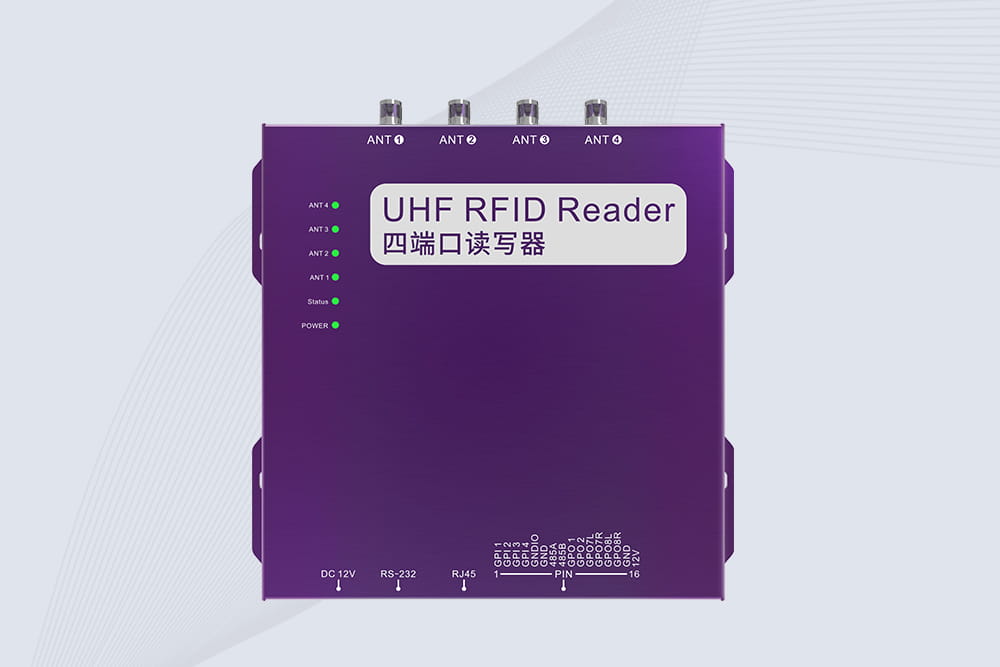
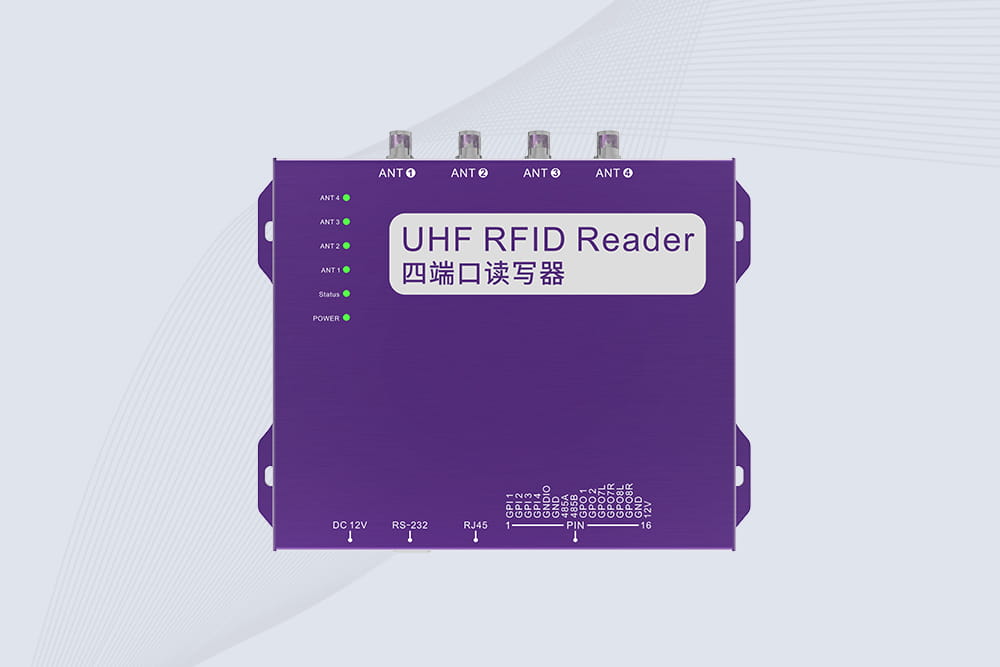
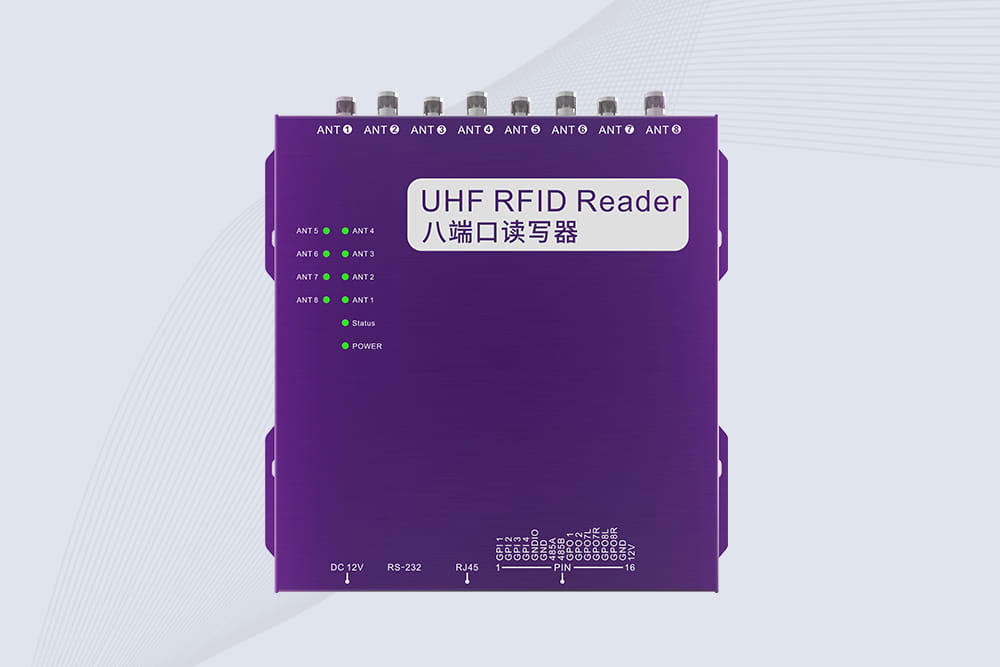
RFID readers collect product information
Retail readers can be installed in different locations:
Store entrance
Used for:
Security applications
Customer flow analysis
Product movement monitoring
Inventory areas
Used for:
Stock counting
Product locating
Replenishment management
Checkout area
Used for:
Faster transactions
Self-service checkout
Automatic product recognition
RFID vs Barcode in Retail: Key Differences
Feature
RFID
Barcode
Reading Method
Radio communication
Optical scanning
Line of Sight Required
No
Yes
Multiple Product Reading
Yes
Usually one at a time
Data Collection Speed
Fast
Slower
Inventory Automation
High
Limited
In practical retail environments, RFID does not completely replace barcodes.
Many businesses use both technologies together.
Barcodes remain useful for traditional operations, while RFID provides automation and visibility.
Retail RFID Applications and Business Value
Fashion and apparel stores
Fashion retail is one of the most common RFID application areas.
RFID helps manage:
Clothing inventory
Size and color availability
Store transfers
Online order fulfillment
During RFID retail evaluations, one recurring issue appears: inventory records often become inaccurate because products move faster than manual updates.
RFID solves this by automatically capturing product movement.
Smart checkout systems
RFID enables faster checkout experiences.
A customer can place multiple tagged products on a reader platform.
The system automatically identifies:
Product type
Quantity
Price information
This reduces waiting time and supports self-service retail models.
Warehouse and distribution operations
Retail supply chains use RFID for:
Receiving verification
Shipment tracking
Inventory control
Products can be tracked from warehouse arrival to store shelf.
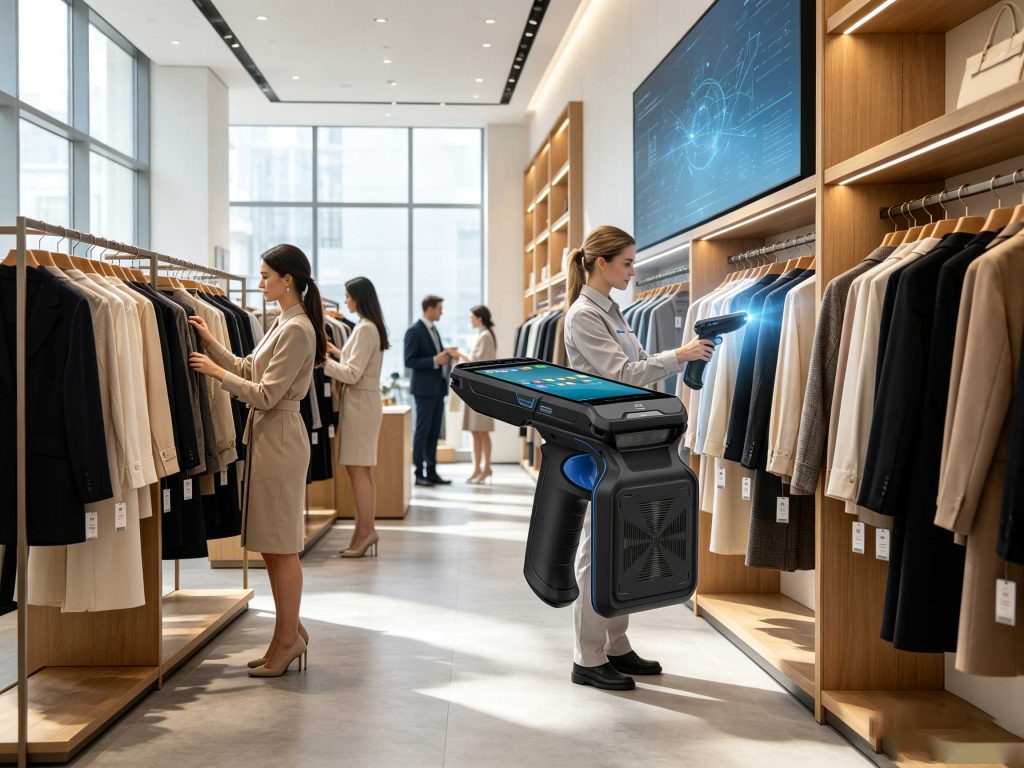
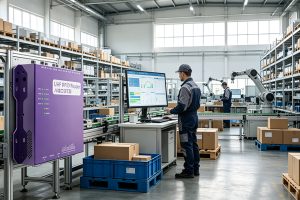
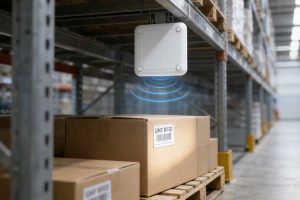
A modern retail environment using RFID technology for product identification and inventory visibility.
Choosing RFID Solutions for Retail Applications
Understanding what does rfid stand for in retail is only the first step.
Selecting the correct RFID solution requires evaluating:
Product type
Different products require different tags.
Examples:
Clothing → RFID label tags
Metal products → On-metal RFID tags
High-value goods → Durable RFID tags
Store environment
Retailers should consider:
Store size
Product density
Customer traffic
Reading distance requirements
System integration
A complete RFID retail solution should connect with:
POS systems
ERP software
Inventory platforms
E-commerce systems
According to GS1, standardized RFID identification helps companies create consistent product visibility across supply chains and retail operations.
Cykeo RFID Retail Technology Experience
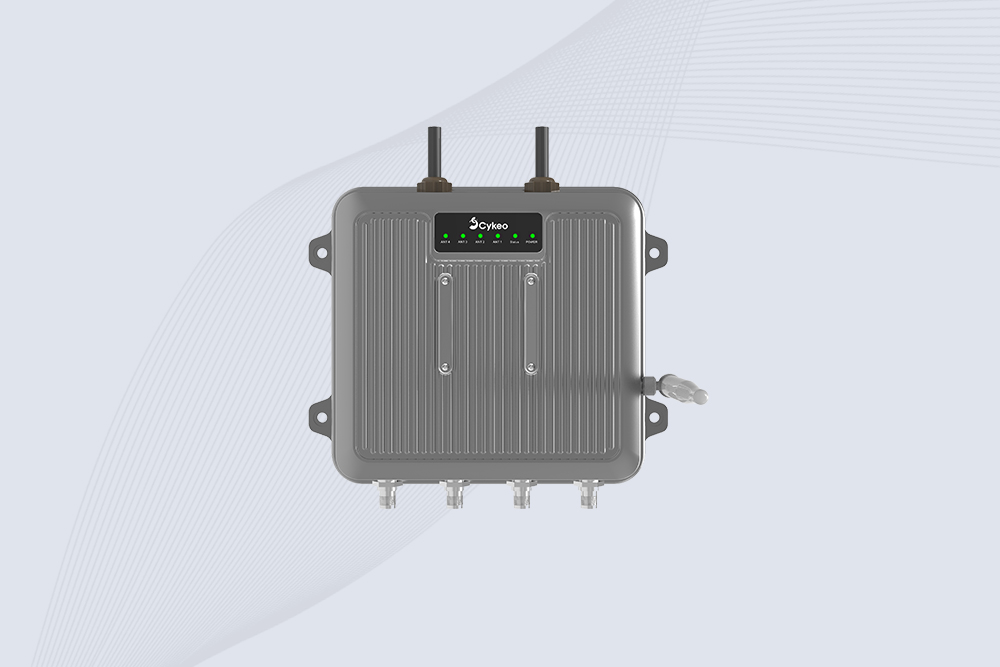
Cykeo develops RFID readers, modules, and smart identification solutions for retail and industrial applications.
Through practical RFID system design experience, Cykeo engineers focus on:
Reader performance optimization
Antenna configuration
Tag selection
Software integration
Real environment testing
Retail RFID success depends on matching technology with workflow.
The best system is not simply the most powerful hardware.
It is the solution that fits the store’s daily operation.
RFID Retail Technical Validation Data: Measuring Real Store Performance
RFID System Performance Evaluation in Retail Environments
Understanding what does rfid stand for in retail is not only about knowing the technology definition. Retailers must also evaluate whether an RFID system can perform reliably under real operational conditions.
In Cykeo RFID application testing, engineers usually examine the complete identification chain:
RFID Tag → RFID Reader → Antenna System → Software Platform → Retail Decision
Each part affects the final result.
A retail environment is challenging because products are constantly moving. Clothing items are folded, stacked, displayed, purchased, returned, and transferred between locations.
A successful RFID system must continue working despite these changing conditions.
RFID Retail Technical Validation Metrics
1. Multi-tag reading performance
Retail stores rarely handle one product at a time.
A customer may purchase:
Multiple shirts
Shoes
Bags
Sports equipment
Therefore, RFID readers must identify multiple tags simultaneously.
Key testing points include:
Test Item
Purpose
Multi-tag recognition
Verify batch product identification
Reading stability
Ensure consistent performance
Anti-collision capability
Prevent tag communication conflicts
Reading accuracy
Reduce missing or incorrect reads
Cykeo UHF RFID solutions are designed for applications requiring high-speed identification, including smart retail checkout and inventory management.
2. RFID frequency and protocol compatibility
Most retail item-level RFID applications use UHF RFID technology.
Typical specifications include:
Parameter
Retail Requirement
Frequency Range
860–960 MHz
Standard
EPC Class 1 Gen2 / ISO 18000-6C
Application
Apparel, inventory, logistics
Communication
Wireless identification
Standardized RFID protocols allow retailers to build scalable systems across different suppliers and locations.
According to GS1, EPC-based RFID standards support global product identification and supply chain visibility.
Cykeo RFID Retail Advantages
1. High-performance UHF RFID identification
Cykeo RFID systems provide reliable identification capability for:
Smart clothing stores
Retail inventory management
Automated checkout systems
Warehouse operations
The technology is designed for environments where speed and accuracy are critical.
For retail stores, this means:
Faster stock counting
Reduced manual scanning
Better inventory visibility
Improved customer experience
2. RFID smart checkout integration capability
Modern retailers increasingly require integrated equipment.
Cykeo smart retail checkout solutions combine:
UHF RFID reading
Barcode scanning
Touchscreen interaction
Network communication
This creates an all-in-one workflow.
A customer can:
Place products on the RFID platform.
Allow automatic identification.
Confirm product information.
Complete payment.
The process removes repetitive scanning steps.
3. Optimized antenna design for retail environments
RFID performance depends heavily on antenna engineering.
Retail products create difficult RF conditions:
Dense clothing stacks
Different tag positions
Various product materials
Customer movement
Cykeo RFID equipment uses application-oriented antenna optimization to improve:
Reading consistency
Signal coverage
Product recognition accuracy
This helps reduce:
Missed tag detection
Unwanted duplicate reads
Checkout interruptions
4. Flexible deployment architecture
Retail businesses have different scales.
Cykeo RFID solutions can support:
Small retail stores
Applications:
Smart checkout
Product identification
Inventory checking
Chain retailers
Applications:
Multi-store inventory visibility
Centralized management
Data integration
Distribution centers
Applications:
Warehouse tracking
Shipment verification
Supply chain management
RFID Retail Industry Application Cases
Fashion Retail Case
Fashion stores are among the earliest adopters of RFID.
Typical applications:
Inventory accuracy improvement
RFID helps employees quickly verify:
Available products
Missing items
Incorrect stock records
Smart fitting room experience
RFID can support:
Product recognition
Customer recommendation systems
Digital shopping experiences
Faster checkout
Customers can complete purchases without scanning each item individually.
Sports Equipment Retail Case
Sports retailers manage large product categories:
Shoes
Clothing
Accessories
Equipment
RFID provides better product visibility across:
Store shelves
Warehouses
Distribution channels
Luxury Retail Case
Luxury brands use RFID technology for:
Product traceability
Inventory management
Customer service improvement
RFID helps connect physical products with digital information.
Smart Unmanned Store Case
RFID supports automated retail models.
Applications include:
Self-service shopping
Automated checkout
Reduced waiting time
The combination of RFID and digital payment technology creates a more efficient shopping environment.
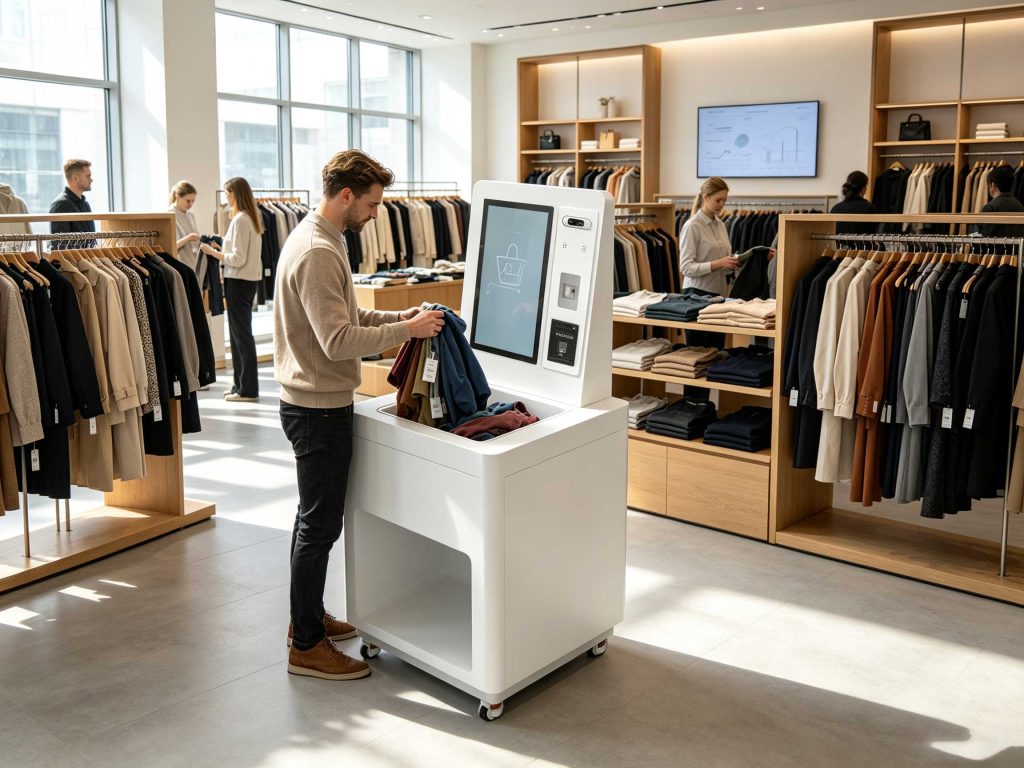
RFID technology enables faster checkout and accurate product management in modern retail stores.
Frequently Asked Questions About RFID in Retail
FAQ 1: What does RFID stand for in retail?
RFID stands for Radio Frequency Identification. In retail, it refers to wireless technology used to identify, track, and manage products through RFID tags and readers.
FAQ 2: Why do retailers use RFID technology?
Retailers use RFID to improve inventory accuracy, speed up checkout processes, reduce manual work, and gain better visibility into product movement.
FAQ 3: Is RFID replacing barcode systems in retail?
Not completely. Many retailers use RFID together with barcode systems because both technologies provide different operational advantages.
FAQ 4: What RFID frequency is commonly used in retail?
UHF RFID between 860–960 MHz is commonly used for retail inventory and product tracking because it supports longer reading distances and fast identification.
FAQ 5: Can RFID read multiple products at the same time?
Yes. RFID systems can identify multiple tagged products simultaneously, making them suitable for clothing stores and smart checkout applications.
FAQ 6: How does RFID improve fashion inventory management?
RFID provides real-time product visibility, helping retailers track clothing items by style, size, and location with greater accuracy.
FAQ 7: What should retailers consider before installing RFID?
Retailers should evaluate:
Product type
Store layout
Required reading speed
Software integration
Future expansion requirements
Building Smarter Retail With RFID Technology
Understanding what does rfid stand for in retail is the beginning of building a modern retail operation.
RFID represents more than a wireless identification method. It connects physical products with digital information, allowing retailers to improve inventory accuracy, automate workflows, and create better customer experiences.
From fashion stores to smart checkout systems, RFID technology is changing how businesses manage products.
Cykeo provides professional RFID readers, modules, and smart retail identification solutions designed for reliable performance in real-world environments.
By combining RFID engineering expertise with practical retail applications, Cykeo helps companies move toward faster, more accurate, and more intelligent retail operations.
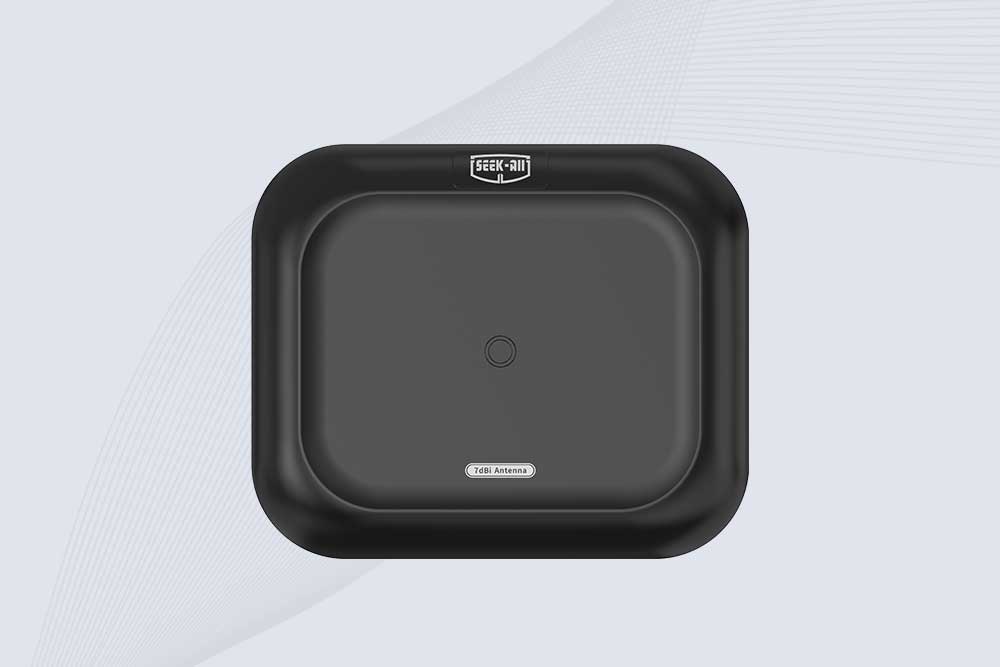
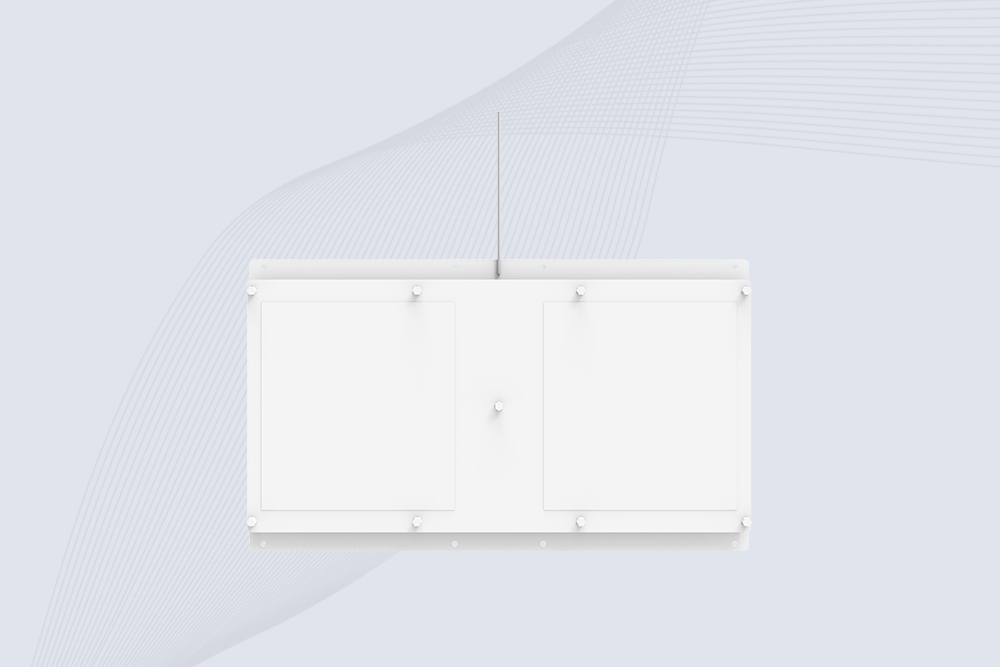
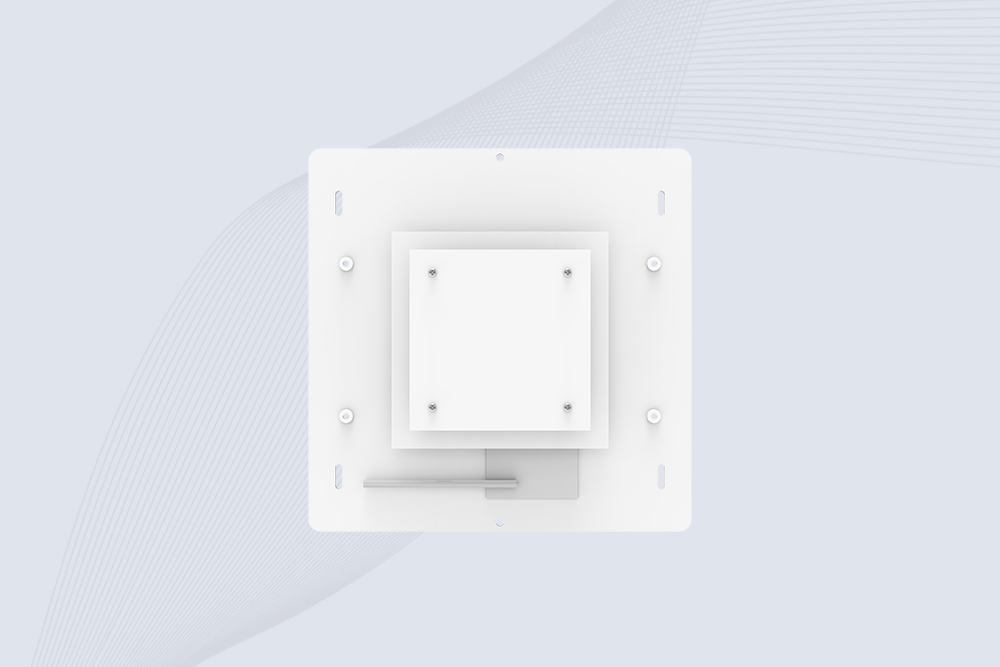
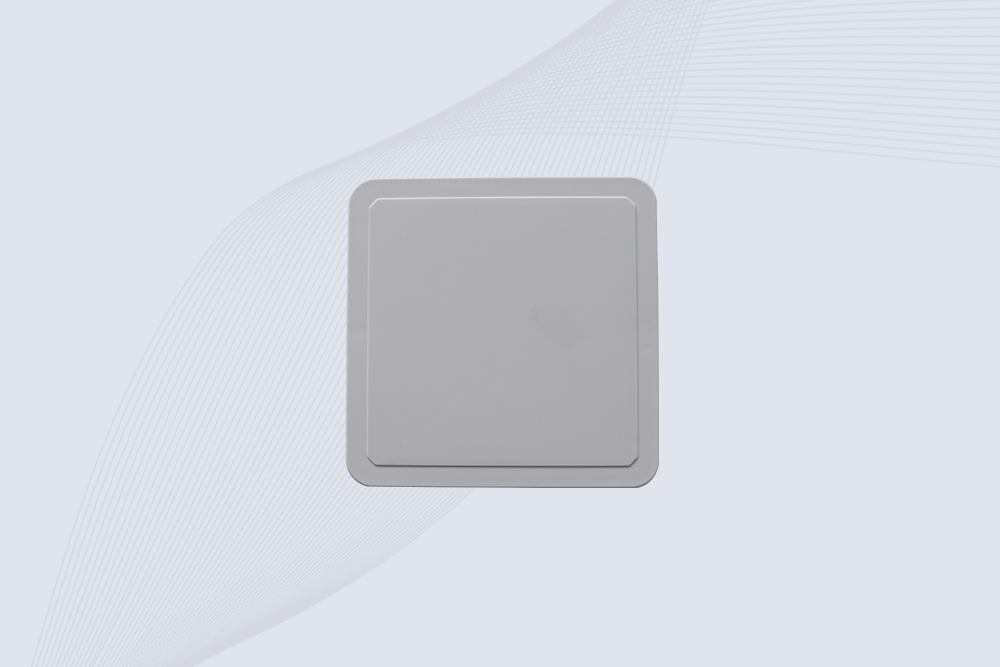
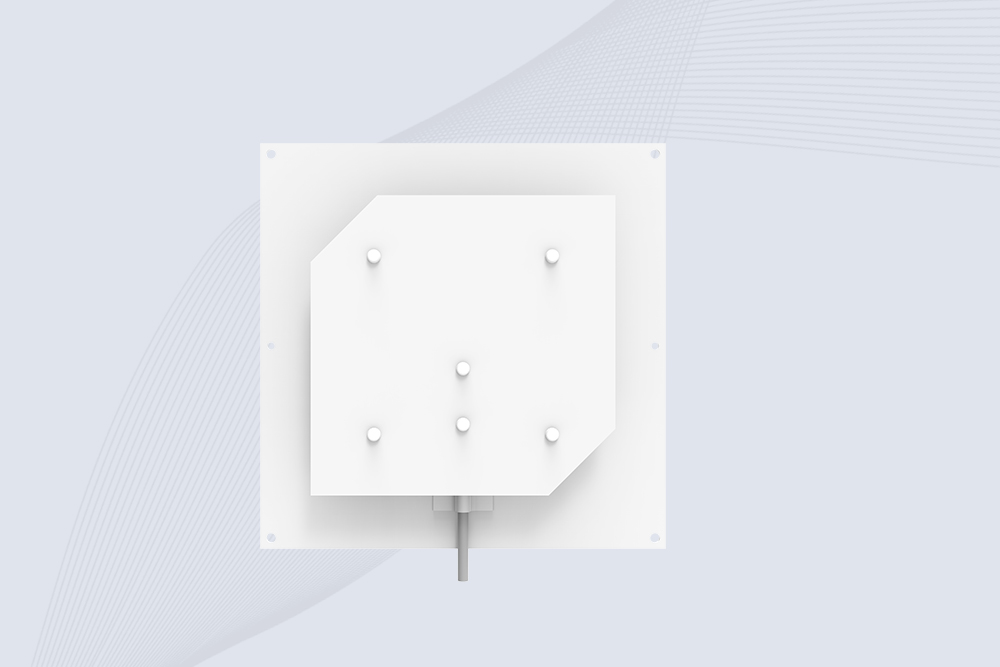
Explore the SSD-A07 UHF RFID antenna with 7 dBi gain, circular polarization, adjustable 840–960 MHz frequency, and 60°/75° beamwidth for stable RFID read/write performance.
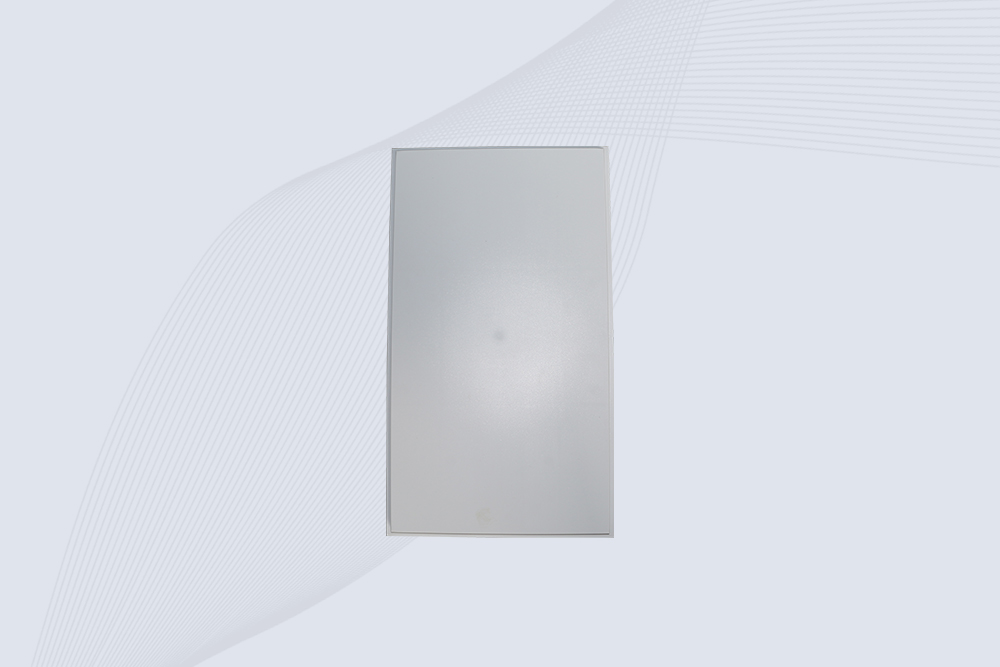
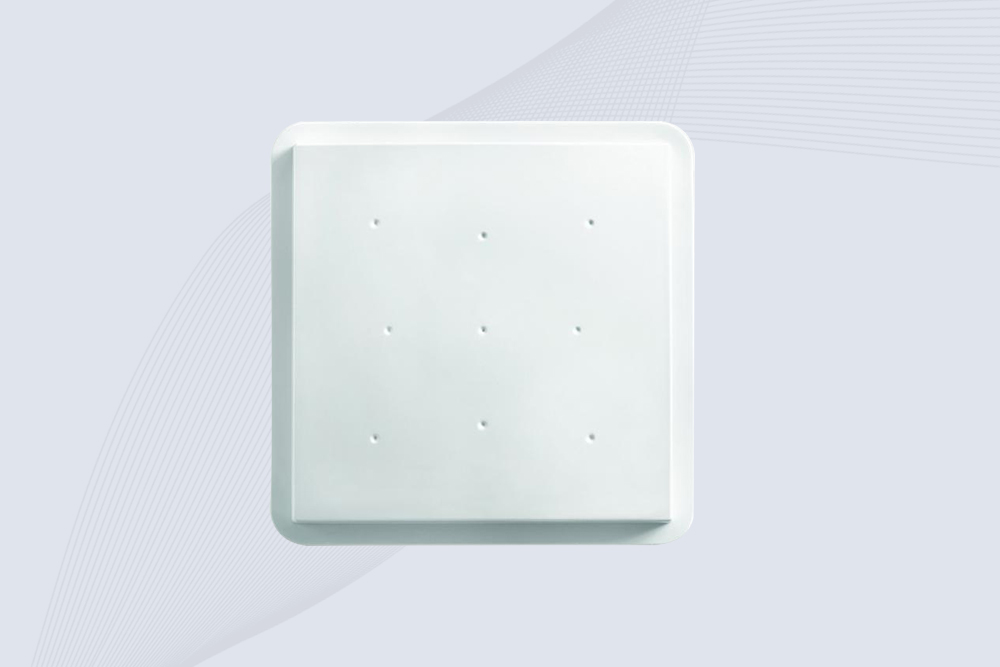
SSD-A06 UHF RFID antenna with circular polarization, adjustable 840–960 MHz frequency, ≥4.5 dBi gain, and a compact directional design for RFID systems.
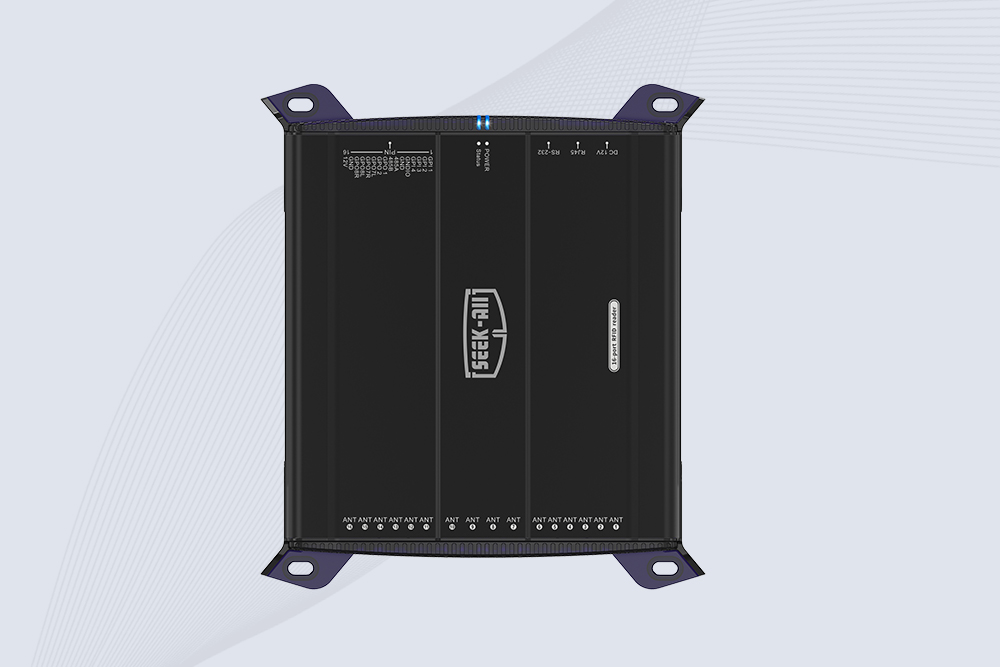
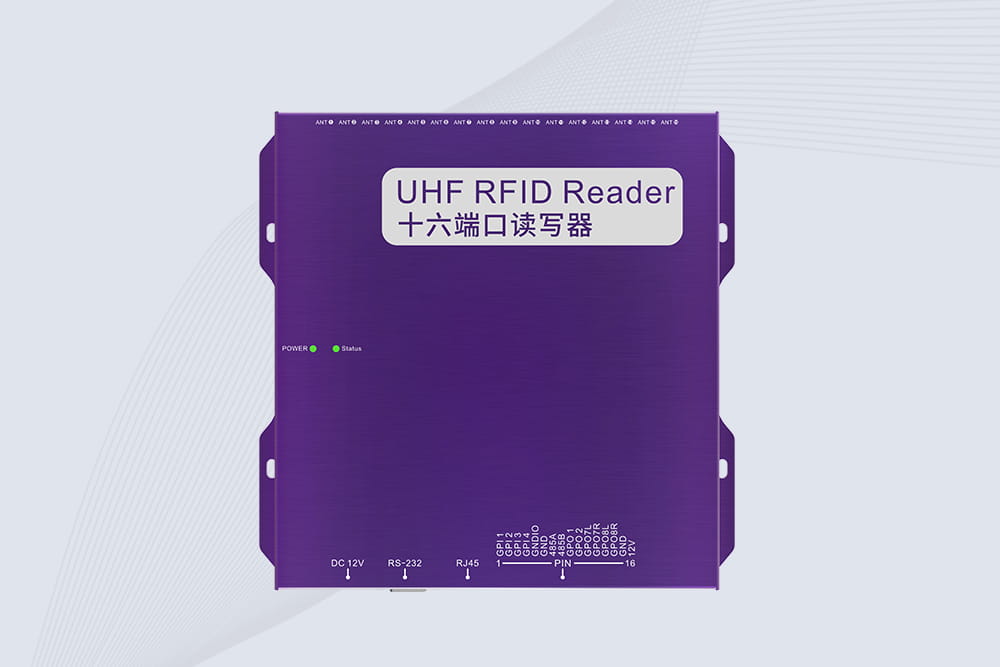
SSD-R16L Multi-Channel RFID Infrastructure for Automated Inventory Management ✔️ 16-Port High-Density RFID Reading Equipped with 16 SMA antenna ports, SSD-R16L supports multi-antenna deployment for warehouses, retail stores, logistics, production lines, and large-area RFID identification. ✔️ High-Speed & Long-Range Performance With up to 33…
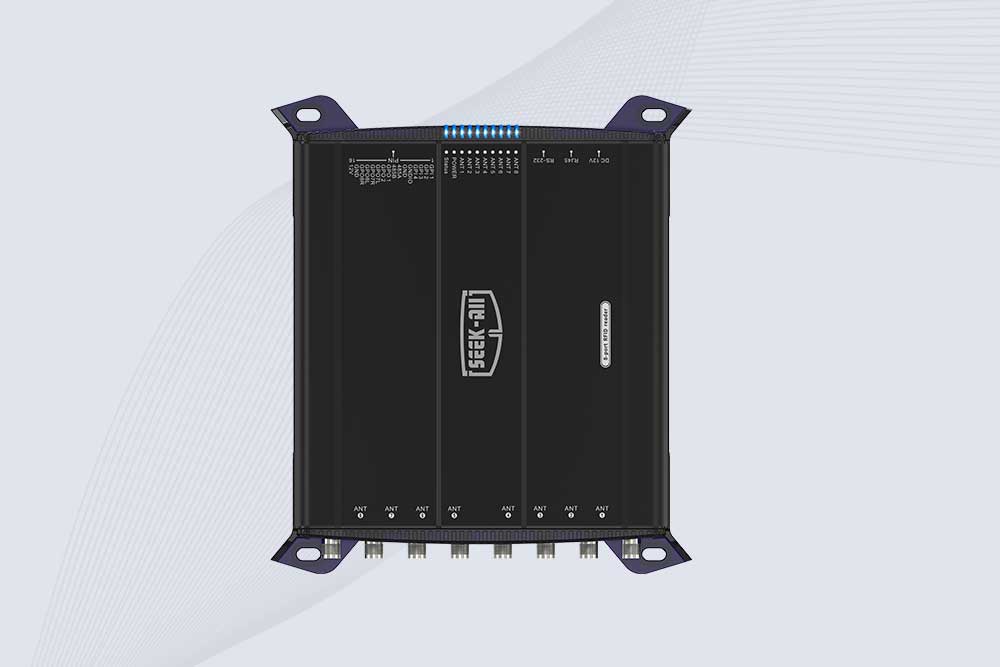
SSD-R8L 8-port UHF RFID reader with 33dBm output, up to 20m reading range and 600+ tags/s recognition. Ideal for warehouse, logistics, retail and asset tracking.
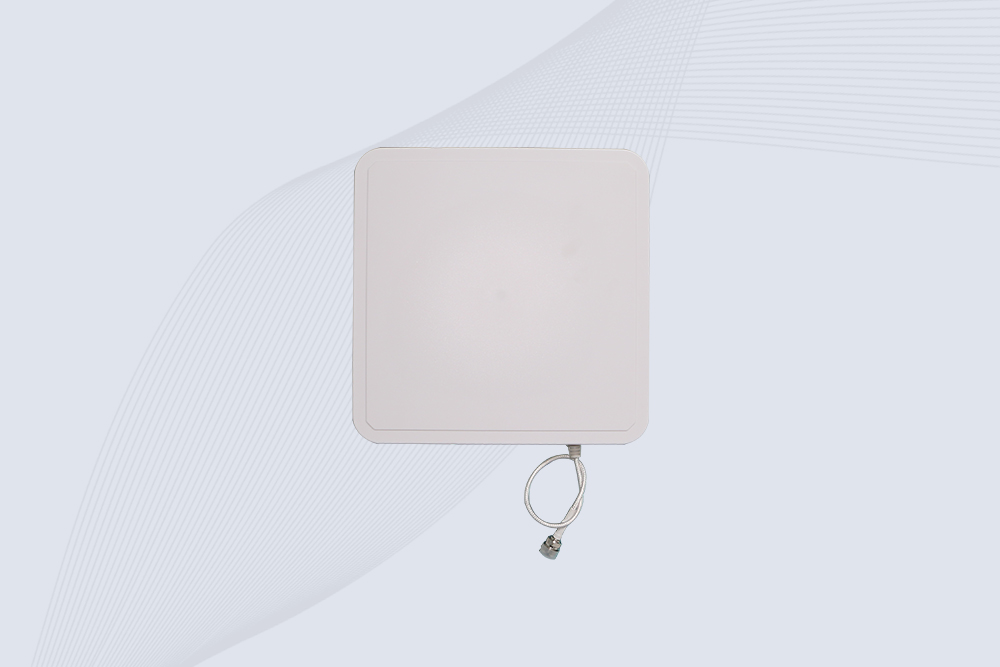
Cykeo CYKEO-A11 UHF RFID reader antenna delivers 11dBi gain, 840-960MHz frequency range, and IP65 ruggedness for retail, logistics, and industrial RFID systems. Features low VSWR and easy installation.
CYKEO Antenna RFID Reader delivers stable long-range UHF performance with a 10.5dBi directional design, built for warehouses, conveyor portals, and industrial RFID systems. This rfid reader antenna provides 20m+ read distance and rugged IP67 protection.
Cykeo CYKEO-A5B industrial Linear RFID Antenna delivers 5dBi gain, ≤1.5:1 VSWR, and IP65 rugged design for warehouse, production line, and logistics UHF systems.
Cykeo’s CYKEO-B12 Long Range RFID Antenna delivers 15m+ read range with 12dBi gain, IP65 rugged design, and global 840-960MHz UHF support. Ideal for warehouse/logistics asset tracking.
Cykeo CYKEO-B10 Long Distance RFID Antenna offers 10dBi gain, 840-960MHz frequency range, IP65 rating, and 20m+ coverage for logistics/warehousing/ETC systems. Low VSWR ensures stable signal transmission.
Cykeo CYKEO-A6 UHF RFID panel antenna features 6dBi gain, 840-960MHz broadband, IP65 metal-ready housing for logistics/smart retail. 18mm ultra-thin design with tool-free mounting.
Cykeo CK-A3 industrial antenna RFID UHF offers 5m+ tag detection, ≤1.3:1 VSWR, IP65 rugged design, and global UHF spectrum compatibility (840-960MHz) for warehouses, factories, and retail.
Cykeo CYKEO-B5 directional RFID antenna provides 5dBi gain with 60° narrow beamwidth for precise inventory tracking. IP65-rated, global UHF frequency support, and low VSWR.
Create your own high-performance DIY RFID antenna! 5dBi gain, 840-960MHz tunable, step-by-step guides. Compatible with Arduino, Raspberry Pi, and commercial UHF readers.
Cykeo CYKEO-A7 Flexible RFID Antenna features 840-960MHz wideband tuning, 7dBi gain, and IP68 rating for medical/retail/industrial curved surface deployments. 98% read accuracy with peel-and-stick installation.
Cykeo CYKEO-B5A industrial Passive RFID Antenna delivers 5dBi gain, 70° beamwidth, and -40°C~55°C operation for warehouses/smart cabinets. Compatible with Zebra/Impinj readers.
Cykeo’s CYKEO-A9B High Gain RFID Antenna delivers 15m+ read range with 9dBi amplification. Features IP54 rugged design, 840-960MHz bandwidth, and 80° beamwidth for warehouse/manufacturing RFID systems.
Cykeo’s enterprise-grade 8dbi Impinj RFID Antenna 10m+ read range with 840-960MHz tuning. Features IP65 housing, 1.4 VSWR, 35° beamwidth for retail/warehouse RFID systems.
Cykeo CYKEO-A9 industrial UHF RFID antenna delivers 9dBi gain, 840-960MHz frequency range, and IP65 protection for warehouse/logistics/retail RFID systems. Features N-type connector and ≤1.3:1 VSWR.
CYKEO UHF RFID Antenna built for long-distance and industrial applications. This antenna rfid uhf delivers strong gain, outdoor durability, and reliable tag performance in warehouses, yards, and vehicle ID systems.
CYKEO Antenna RFID delivers reliable long-range UHF performance in warehouses, retail shelves, and cold-chain environments. This compact uhf rfid antenna provides stable reads with circular polarization and ultra-wide 840–960 MHz support, ideal for industrial tracking, smart shelves, and asset monitoring.
Cykeo’s CYKEO-C8 UHF RFID antennas delivers 8dBi gain, 840-960MHz full-band coverage, and IP65 ruggedness for manufacturing/warehouse RFID systems. Industrial RFID Antennas Features
Cykeo’s 8dBi UHF RFID antenna and reader kit delivers 10m+ range, 840-960MHz broadband, and IP65 ruggedness for factories, warehouses, and logistics. ISO 18000-6C & EPC Gen2 certified.
Cykeo’s CYKEO-A12C UHF Large RFID Antenna delivers 12dBi gain, 840-960MHz global frequency, IP65 ruggedness for logistics/warehousing/automotive. 40° beamwidth ensures stable 15m+ tag reads.
CYKEO Near Field RFID Antenna provides precise 5–30 cm reading for shelves, cabinets, and workstations. This compact rfid shelf antenna delivers stable short-range performance around metal and clutter, ideal for pharmacies, libraries, and electronics sorting.
Cykeo CYKEO-C1 industrial Forklift RFID Reader features 20m read range, 600 tags/sec scanning, Impinj R2000 chipset, and IP67 rugged design. Ideal for warehouse logistics and manufacturing. Supports ISO 18000-6C/6B protocols.
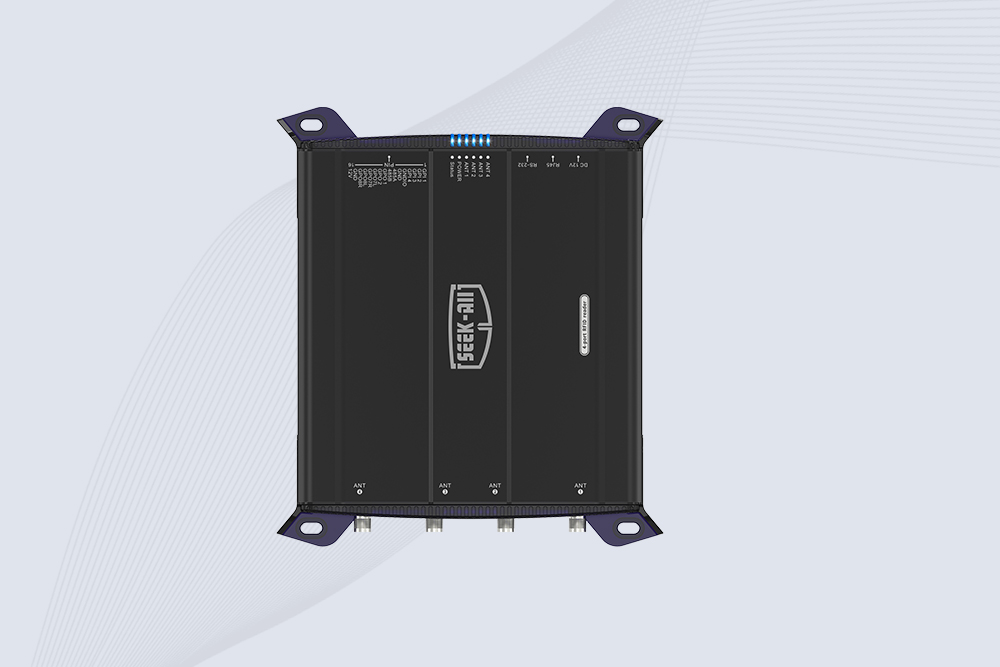
Cykeo CYKEO-R4 industrial UHF RFID Fixed Reader features 4 TNC ports, 400+ tags/sec speed, IP67 housing, and global frequency compliance for vehicle inspection, smart warehouse, and asset management systems.
CYKEO CYKEO-R8L Fixed RFID Reader with 8-port UHF design, Impinj-based RF core and up to 20m read range. An industrial Fixed RFID Reader for vehicle inspection, warehouse portals, smart manufacturing lines and secure access checkpoints.
RFID Fixed Reader from CYKEO – the CYKEO-R16L 16-port UHF fixed reader for warehouses, smart cabinets, and production lines. Long-range, multi-tag reading, stable performance for 24/7 industrial use.
Learn what is a rfid reader, how RFID readers communicate with tags, and how Cykeo RFID technology improves tracking, automation, inventory, and asset management.
RFID tool management uses RFID tags, readers, smart cabinets, mobile devices, and software to track tools and improve inventory control. It helps companies r...
Learn how RFID tool tracking works — from tag selection and reader setup to real-world workflows and troubleshooting. A complete guide for factories, workshops, and field service teams to regain control of tool management.
 Cykeo RFID IoT Solution Products R&D Manufacturer