 Cykeo RFID IoT Solution Products R&D Manufacturer
Case Study: How RFID Slashed Stockouts by 40% in a 200-Store Retail Chain
824Discover how a major retail chain reduced stockouts by 40% using RFID for real-time inventory tracking. Learn actionable strategies to apply in your stores.
MoreAll RFID Product
what are rfid readers? RFID readers are electronic devices that communicate with RFID tags through radio frequency signals to identify, collect, and transfer product information automatically. They are widely used in inventory management, retail automation, logistics tracking, healthcare assets, and industrial identification systems.
During RFID system deployments, the reader is the component that connects physical objects with digital information. In real warehouse projects, I have seen the difference between a properly configured RFID reader and a basic installation within the first few hours of operation.
A warehouse with thousands of tagged cartons does not fail because RFID technology cannot read tags. It usually fails because the reader antenna position, output power, tag orientation, and software filtering are not correctly matched.
An RFID reader performs three core operations:
Unlike barcode scanners, RFID readers do not require direct visual contact. Multiple tagged items can be detected simultaneously, which makes them suitable for high-volume identification environments.
According to data from GS1, RFID technology has become an important automatic identification method in supply chains because businesses require more accurate item-level visibility and real-time data collection.
An RFID reader is not only a scanning device. It is a complete RF communication system.
A typical RFID reader includes several technical modules:
The RF module generates and receives radio signals.
For UHF RFID systems, readers commonly operate in the 860–960 MHz frequency range based on regional regulations.
Main functions include:
High-performance readers must maintain stable communication even when hundreds of tags respond at the same time.
The antenna determines how effectively the reader communicates with tags.
Different applications require different antenna designs:
| Application Environment | Recommended Reader Configuration |
|---|---|
| Warehouse entrance | Fixed RFID reader with multiple antennas |
| Retail checkout | Integrated RFID reading platform |
| Tag encoding station | Desktop RFID reader |
| Industrial equipment tracking | High-power industrial RFID reader |
In one retail self-checkout project, the antenna tuning was more important than simply increasing reader power. A stronger signal does not always mean better performance. Excessive RF energy can create unwanted tag reflections and reduce reading stability.
Modern RFID readers include processing capability for:
Cykeo RFID readers are designed around practical deployment requirements, supporting integration with enterprise systems through communication interfaces and software development resources.
RFID readers are categorized according to installation method and application environment.
Fixed RFID readers are permanently installed in locations such as:
Advantages:
They are commonly used when companies need real-time inventory visibility without manual scanning.
Desktop RFID readers are designed for close-range operations.
Typical applications include:
Cykeo desktop RFID writing devices use near-field antenna designs to control reading and writing areas. This reduces accidental reading of surrounding tags and improves operational accuracy.
Typical technical characteristics:
| Feature | Example Capability |
|---|---|
| Communication | Mini USB |
| Development Support | C#, Java SDK resources |
| Reading Distance | Controlled near-field range |
| Writing Distance | Short-range precision writing |
| Application | RFID encoding workstation |
Handheld readers combine mobility with RFID identification.
They are often used for:
Operators can move through storage areas while collecting hundreds or thousands of tag records.
RFID readers and barcode scanners are both identification technologies, but their operating methods are fundamentally different.
| Feature | RFID Reader | Barcode Scanner |
|---|---|---|
| Communication Method | Radio frequency | Optical scanning |
| Line of Sight | Not required | Required |
| Multiple Item Reading | Yes | Usually one by one |
| Reading Speed | High-speed batch reading | Manual scanning speed |
| Environmental Adaptability | Strong with correct tags | Limited by label visibility |
| Automation Capability | Excellent | Moderate |
For businesses managing large quantities of products, RFID readers provide a more automated approach.
A retail distribution center handling seasonal inventory may need to process thousands of products daily. Manually scanning each barcode creates operational pressure. RFID readers allow companies to capture inventory movement during normal workflows.
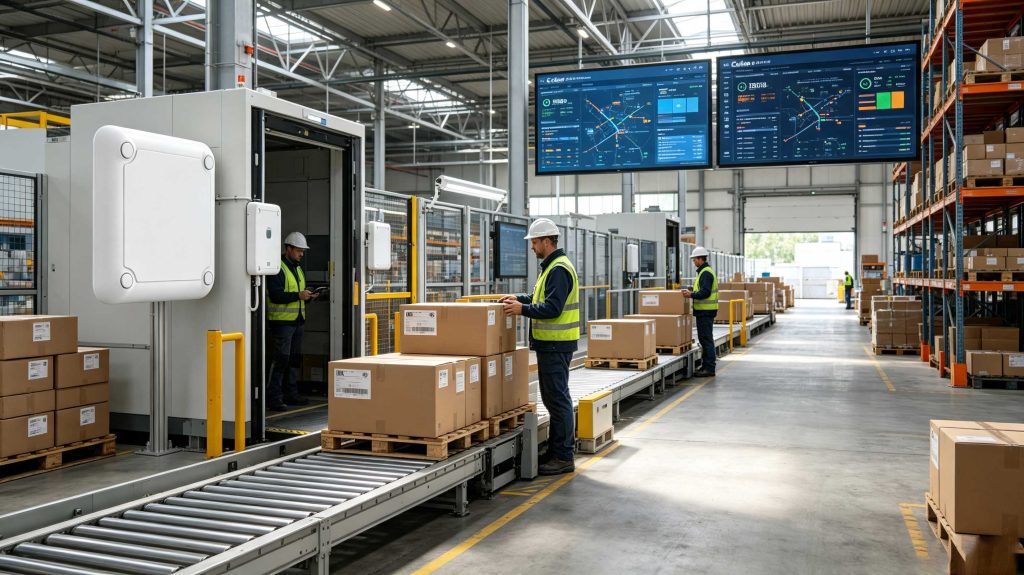
The value of RFID readers is not simply reading tags. Their real purpose is creating a continuous connection between physical inventory and digital management systems.
In practical deployments, companies use RFID readers to answer questions that traditional manual systems struggle with:
This visibility allows businesses to improve inventory accuracy, reduce manual operations, and build smarter workflows.
what are rfid readers is ultimately a question about how organizations transform physical objects into connected digital data. RFID readers provide the communication bridge that makes automated identification possible.
In real RFID projects, the reader is rarely the weakest component on a specification sheet. The failure usually appears at the installation site: metal interference near production lines, dense tag environments inside cartons, inconsistent tag orientation, or communication delays between hardware and software platforms.
During Cykeo RFID deployment projects, our engineering team has tested readers in warehouses, retail back rooms, tool management rooms, and industrial production environments where hundreds or thousands of tags must be processed continuously. The difference between a laboratory test and a commercial installation is significant. A reader must maintain stable inventory speed while handling real-world interference.
Cykeo RFID readers are designed around this requirement. By integrating high-performance RF modules, optimized antenna systems, anti-collision algorithms, and flexible communication interfaces, Cykeo provides reliable identification performance for enterprise applications.
Key technical advantages include:
| Feature | Cykeo RFID Reader Capability | Business Value |
|---|---|---|
| UHF RFID Technology | Supports EPC C1G2 / ISO18000-6C protocols | Compatible with global RFID ecosystems |
| High-Speed Identification | Multi-tag reading capability | Faster inventory operations |
| Adjustable Output Power | Up to 33 dBm output power depending on model | Flexible deployment range |
| Anti-Collision Processing | Handles dense tag environments | Reduces missed reads |
| Multiple Interfaces | Ethernet, RS-232, USB options | Easier system integration |
| SDK Support | C#, Java development resources | Faster software development |
According to data published by GS1, RFID adoption in retail and supply chain environments has expanded because organizations require automatic identification technologies that improve visibility and operational efficiency. RFID readers are the hardware foundation that converts tagged physical objects into usable digital data.
A professional RFID system is not only a reader. It is a complete data path.
A typical Cykeo RFID architecture includes five layers:
RFID tags store identification information through an integrated chip and antenna structure.
Depending on the application, companies may use:
The tag does not need a battery in most UHF applications. It receives energy from the reader antenna field and sends stored information back through radio frequency communication.
The reader creates the RF field, captures tag responses, filters duplicate signals, and transfers information to the application system.
Cykeo readers focus on several engineering details:
In warehouse environments, this difference becomes obvious. A reader installed at a loading gate may process thousands of tagged cartons every hour. Small reading errors accumulate into inventory discrepancies.
Collected RFID data must move into enterprise software.
Common communication methods include:
This allows integration with:
The software platform processes:
A well-designed RFID system does not simply “read tags.” It creates a real-time operational picture.
The final purpose of RFID is improving decisions.
Typical applications include:
Choosing identification technology requires understanding the environment.
| Technology | RFID Reader | Barcode Scanner | NFC Reader |
|---|---|---|---|
| Reading Method | Radio frequency | Optical scanning | Near-field communication |
| Line of Sight Required | No | Yes | Usually yes |
| Multiple Item Reading | Yes | No | Usually one-to-one |
| Reading Distance | Up to several meters depending on system | Centimeters to meters | Usually centimeters |
| Environmental Resistance | Strong | Limited by label visibility | Short range |
| Best Application | Inventory, logistics, automation | Simple identification | Mobile interaction |
A barcode scanner works well when employees manually scan products one by one. RFID changes the workflow by allowing automatic batch identification.
For example, in a clothing warehouse, a worker does not need to locate every SKU label and point a scanner. Hundreds of tagged garments can be identified while passing through an RFID reading zone.
That operational difference is why RFID has become important in industries requiring speed and accuracy.
Retail stores often struggle with inaccurate inventory records.
A typical manual counting process may require employees to check thousands of items individually. RFID allows stores to perform faster cycle counting and improve inventory visibility.
Applications:
Cykeo RFID readers support retail equipment requiring:
Modern warehouses require continuous material visibility.
RFID readers can be installed at:
A logistics company can automatically record:
This reduces dependence on manual scanning.
In factories and maintenance facilities, missing tools create expensive delays.
RFID systems allow organizations to track:
Cykeo RFID readers combined with RFID tool cabinets provide automated management workflows.
Hospitals require accurate control of:
RFID improves visibility without requiring manual counting of every item.
A successful RFID project requires more than purchasing readers.
Evaluate:
Consider:
For compact desktop applications, near-field RFID readers provide controlled reading areas.
For warehouse gates, high-power fixed readers are more suitable.
RFID performance depends heavily on physical objects.
Testing should include:
A system that works in an office may behave differently inside a warehouse.
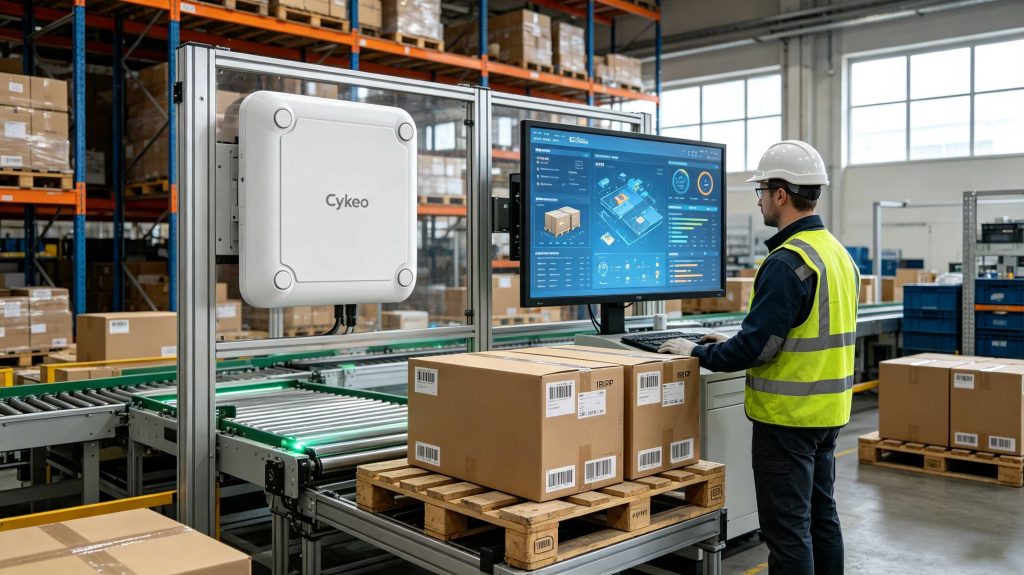
An RFID reader identifies tagged objects through radio frequency communication. It is commonly used for inventory tracking, asset management, retail automation, and industrial identification.
Reading distance depends on antenna design, frequency, tag type, and output power. UHF RFID readers can typically achieve several meters of reading distance in suitable environments.
Yes. RFID readers support anti-collision algorithms that allow multiple RFID tags to be identified simultaneously.
For large-scale inventory operations, RFID provides advantages because it does not require line-of-sight scanning and can process multiple items automatically.
Yes. Cykeo provides communication interfaces and development resources including C# and Java materials for system integration.
RFID readers are widely used in:
RFID technology becomes valuable when identification speed, accuracy, and automation requirements exceed traditional scanning methods. What are RFID readers is not only a question about hardware; it represents the foundation of modern digital tracking systems.
Cykeo RFID readers combine reliable RF performance, flexible integration options, and industrial application experience to help enterprises build smarter inventory, logistics, and asset management solutions.
From retail self-checkout platforms to warehouse automation systems, Cykeo provides RFID identification technology designed for real operational environments.
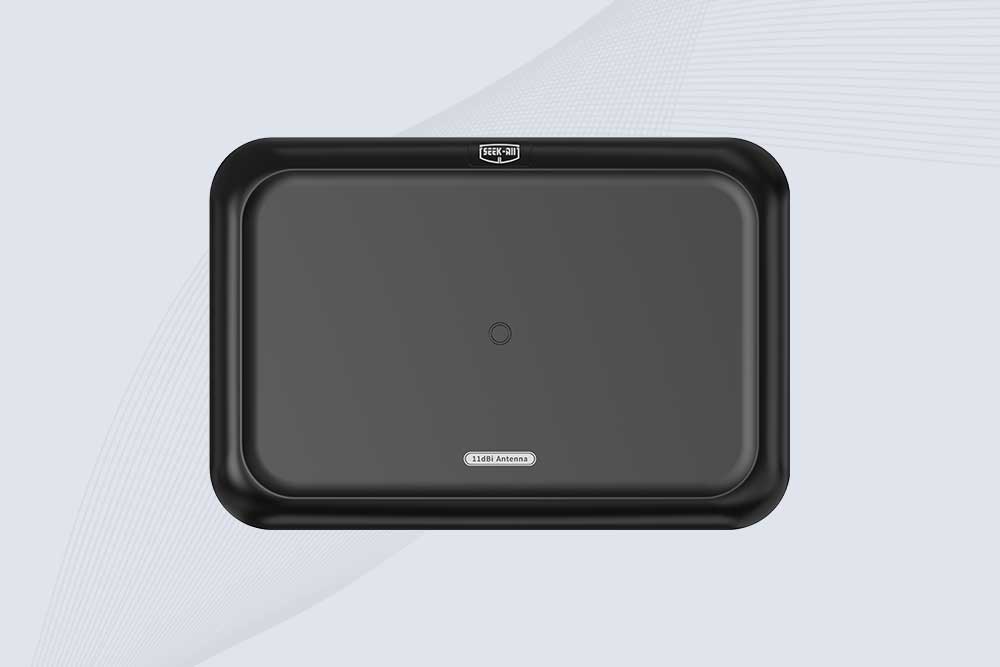
SSD-A11 UHF RFID antenna features 840–960 MHz adjustable frequency, ≥10.5 dBi gain, circular polarization and 50Ω impedance for fixed RFID systems.
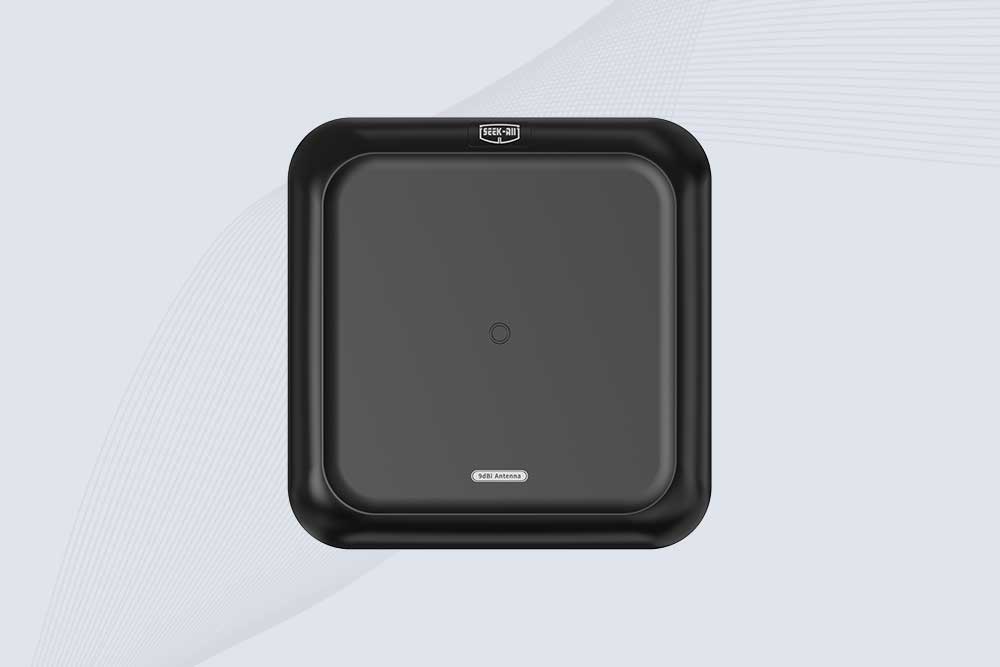
SSD-A09 is a 9 dBi UHF RFID antenna with 840–960 MHz adjustable frequency, circular polarization, 50Ω impedance and directional 60° × 60° coverage.
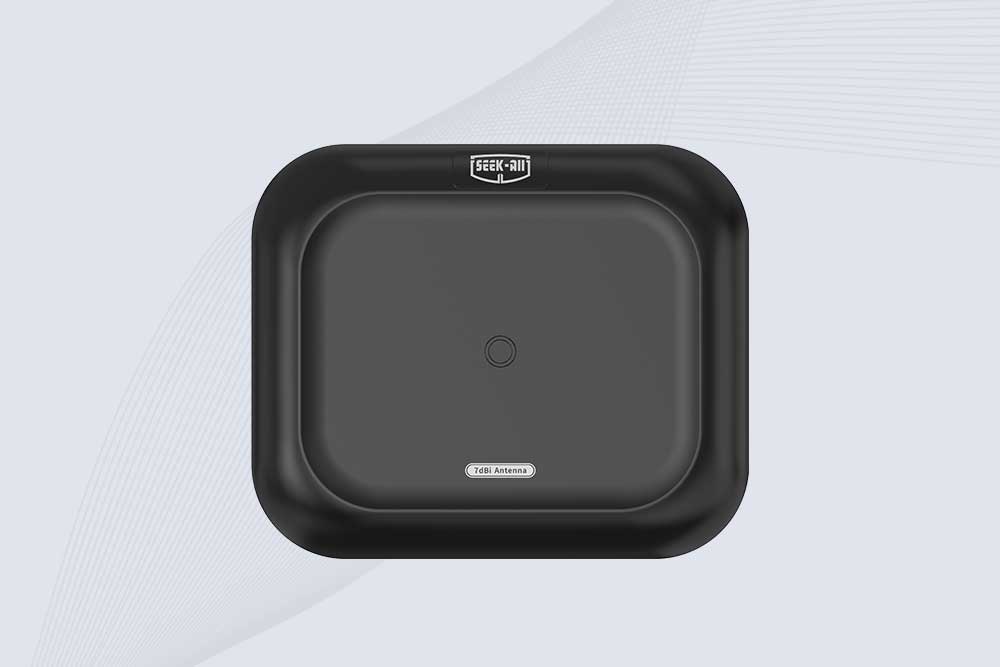
Explore the SSD-A07 UHF RFID antenna with 7 dBi gain, circular polarization, adjustable 840–960 MHz frequency, and 60°/75° beamwidth for stable RFID read/write performance.

SSD-A06 UHF RFID antenna with circular polarization, adjustable 840–960 MHz frequency, ≥4.5 dBi gain, and a compact directional design for RFID systems.
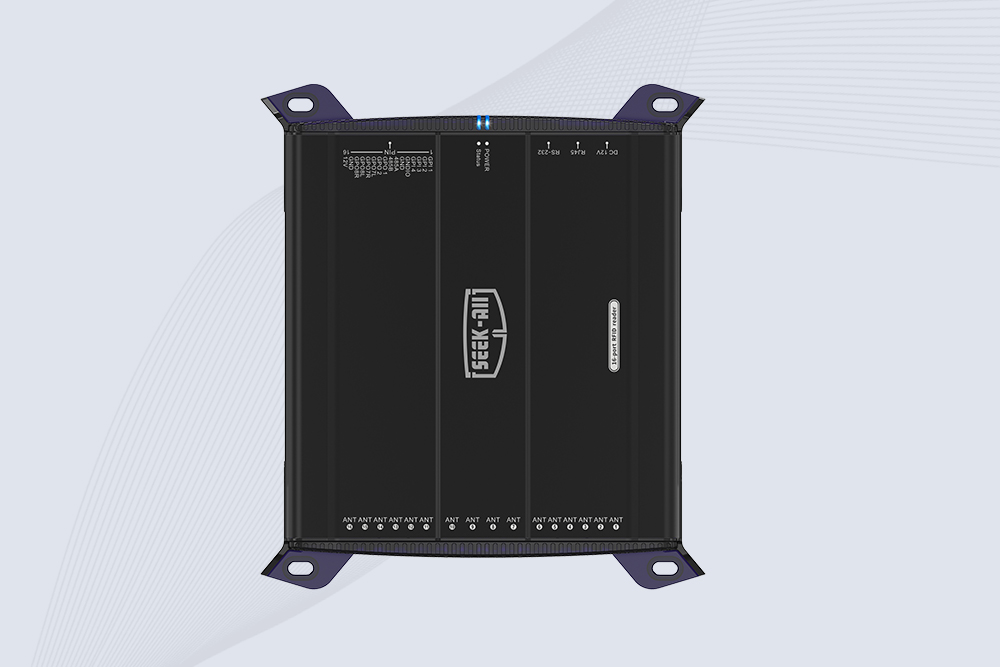
SSD-R16L Multi-Channel RFID Infrastructure for Automated Inventory Management ✔️ 16-Port High-Density RFID Reading Equipped with 16 SMA antenna ports, SSD-R16L supports multi-antenna deployment for warehouses, retail stores, logistics, production lines, and large-area RFID identification. ✔️ High-Speed & Long-Range Performance With up to 33…
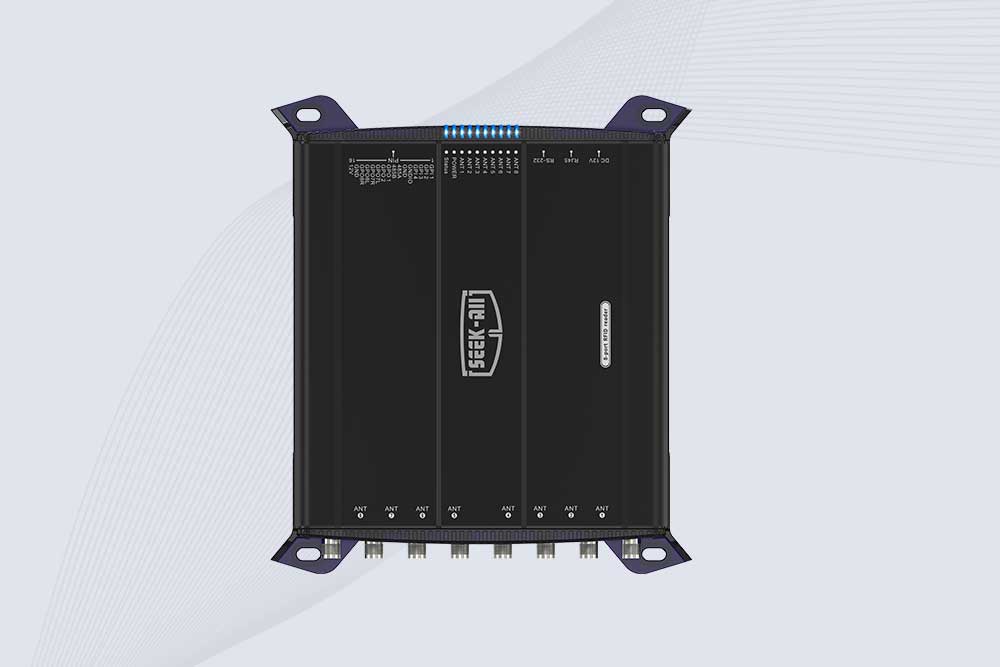
SSD-R8L 8-port UHF RFID reader with 33dBm output, up to 20m reading range and 600+ tags/s recognition. Ideal for warehouse, logistics, retail and asset tracking.
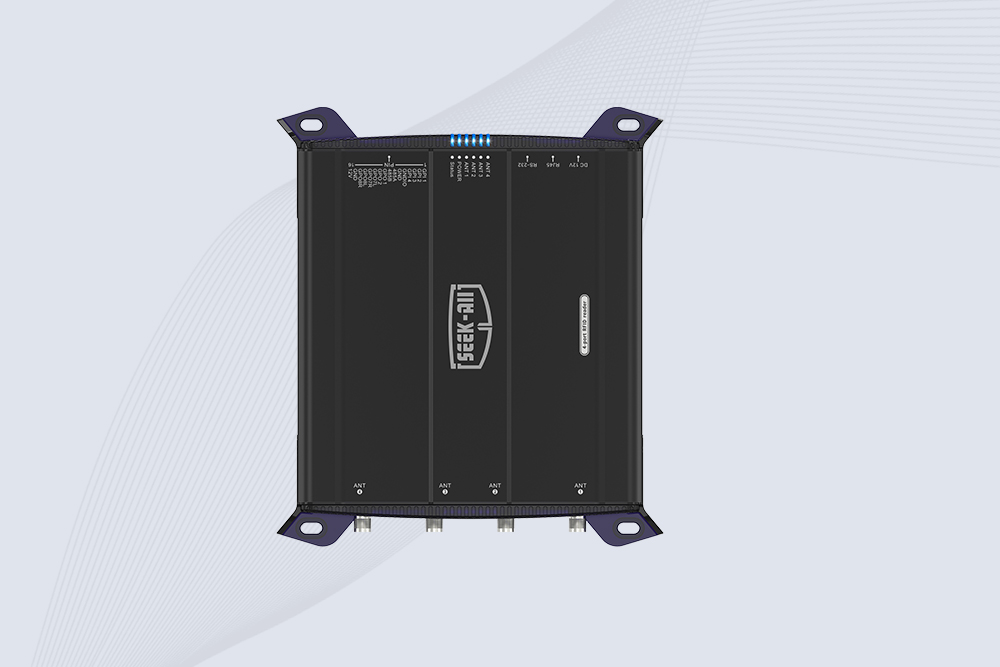
SSD-R4L is a 4-port UHF RFID fixed reader with 33dBm output power, up to 20m reading range, EPC C1G2 support and 600+ tags/s reading speed.
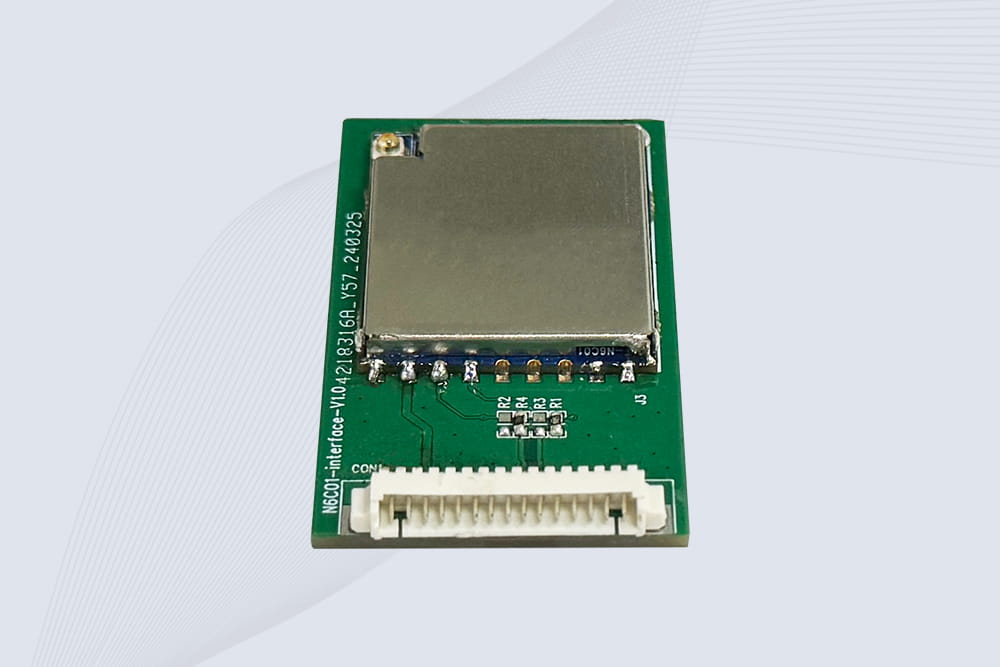
CYKEO Embedded RFID Modules are designed for compact industrial and IoT devices that require stable UHF performance. These UHF RFID Modules support global protocols, flexible power control, and reliable multi-tag reading for smart cabinets, production lines, and asset tracking systems.
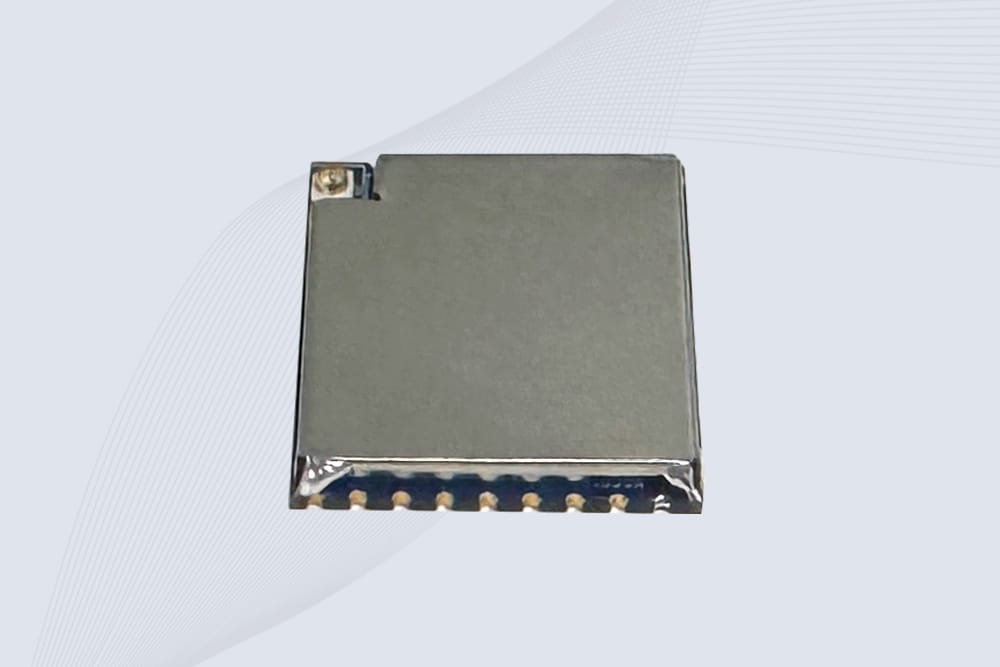
CYKEO Embedded RFID Module is built for compact IoT and industrial devices that need stable UHF performance. This UHF module supports global protocols, low power operation, and reliable multi-tag reading for smart lockers, production lines, and always-on RFID systems.
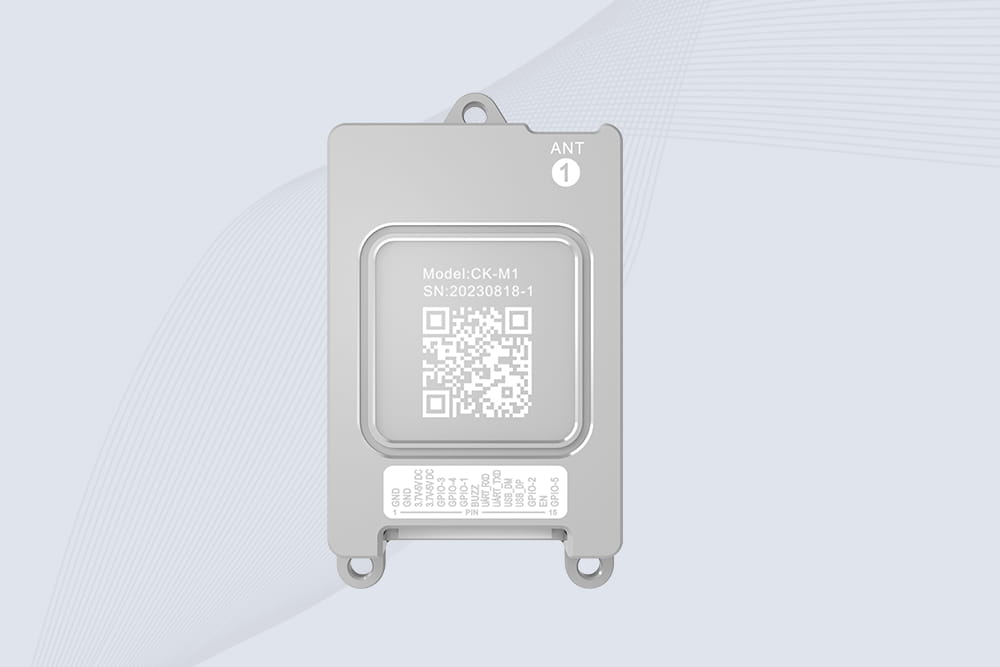
CYKEO CYKEO-M1 drone rfid module is a compact UHF RFID reader module designed for drones and UAV platforms. It supports long-range aerial scanning, fast multi-tag reading, and stable performance in wind, vibration, and outdoor environments.
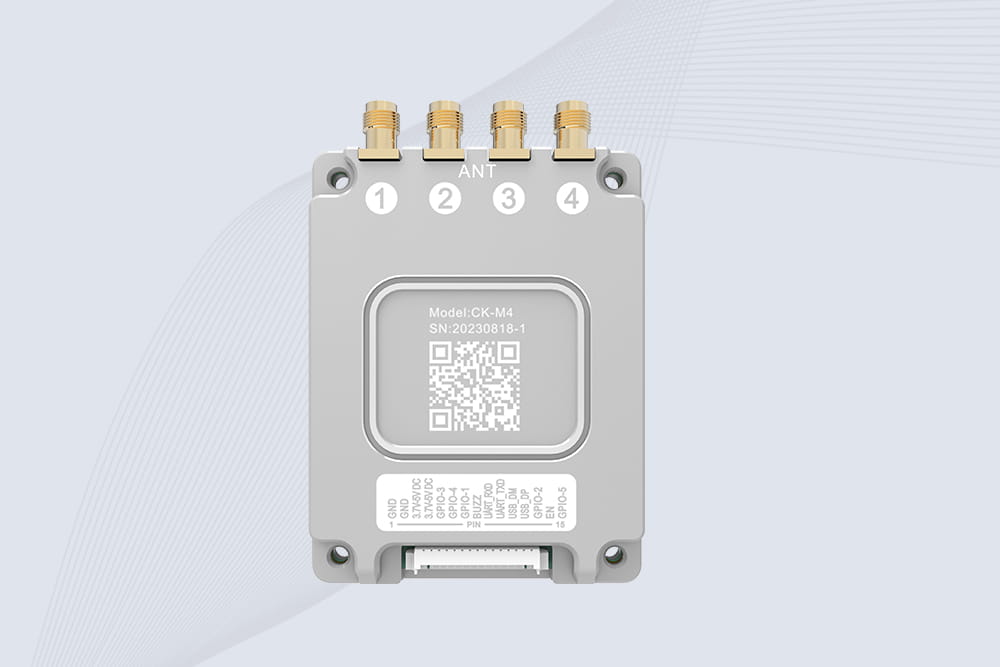
CYKEO CYKEO-M4 RC522 RFID Module is an industrial-grade UHF RFID reader with 4 ports, supporting ISO, EPC, and GB protocols. High-speed, accurate reading for IoT, automation, and warehouse applications.
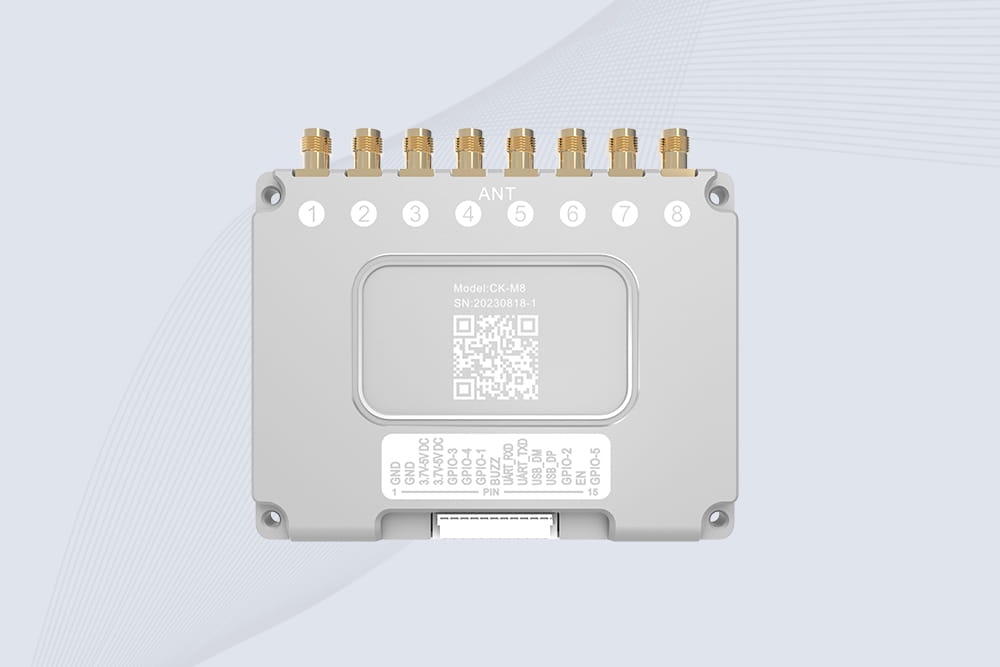
CYKEO CYKEO-M8 Module RFID is an 8-port UHF R2000 RFID Module designed for high-density, multi-tag environments. Stable 33dBm output, ISO & GB protocol support, ideal for warehouses, factories, and automated systems.
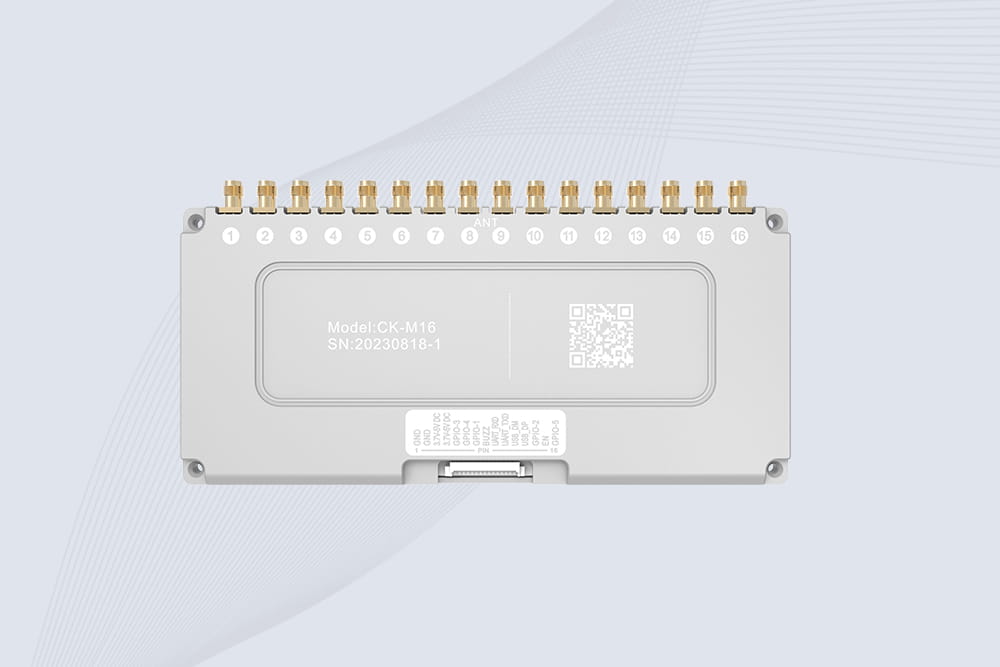
CYKEO CYKEO-M16 RFID Module is a 16-port UHF RFID reader module based on the R2000 chipset. Designed for dense tag environments, it supports ISO and GB standards and delivers stable multi-antenna control for industrial automation.
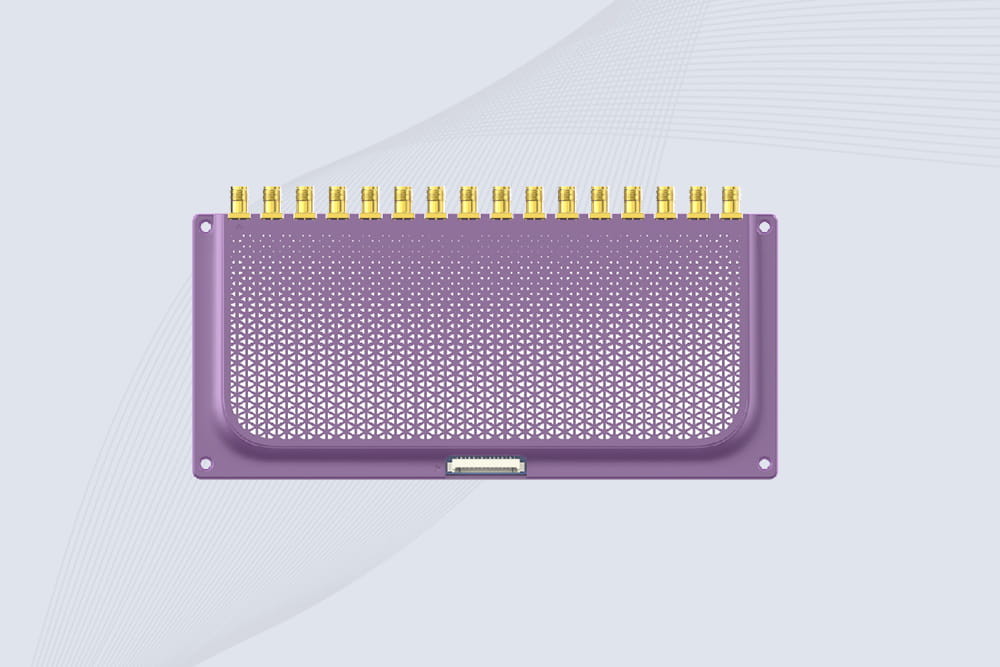
The CYKEO CYKEO-M16L RFID Reader Module is a 16-channel UHF RFID core designed for dense tag environments. With adjustable 33dBm output, multi-protocol support, and stable multi-antenna control, this RFID Tag Reader Module fits industrial automation, warehouse systems, and large-scale IoT deployments.
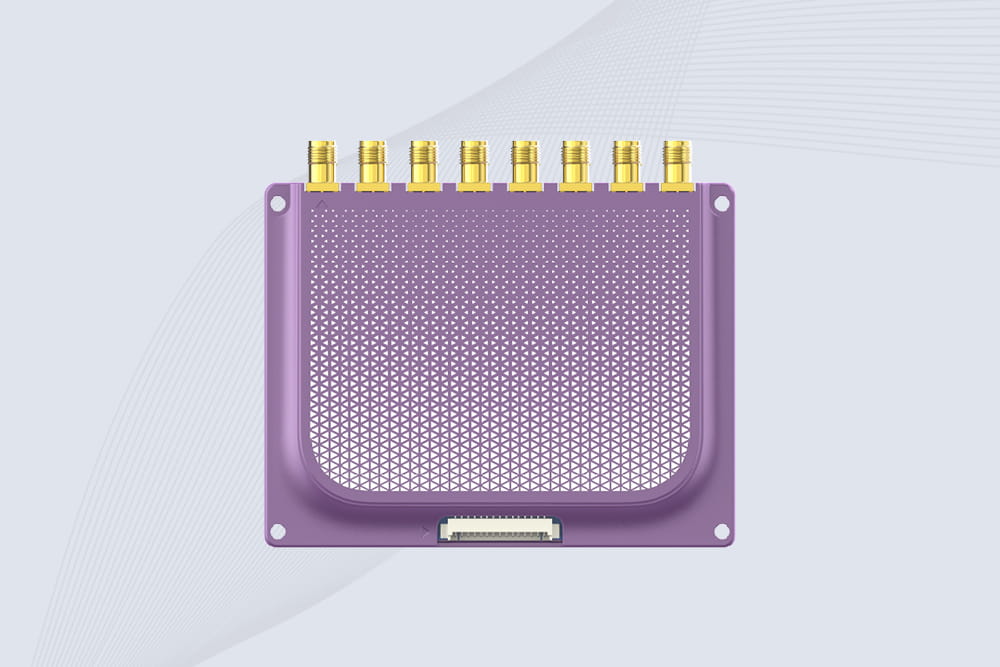
CYKEO CYKEO-M8L module RFID is a compact industrial UHF module built for dense tag and multi-antenna environments. With 8 RF ports, adjustable 33 dBm output, and ISO & GB protocol support, it is widely used in factories, warehouses, and automated tracking systems.
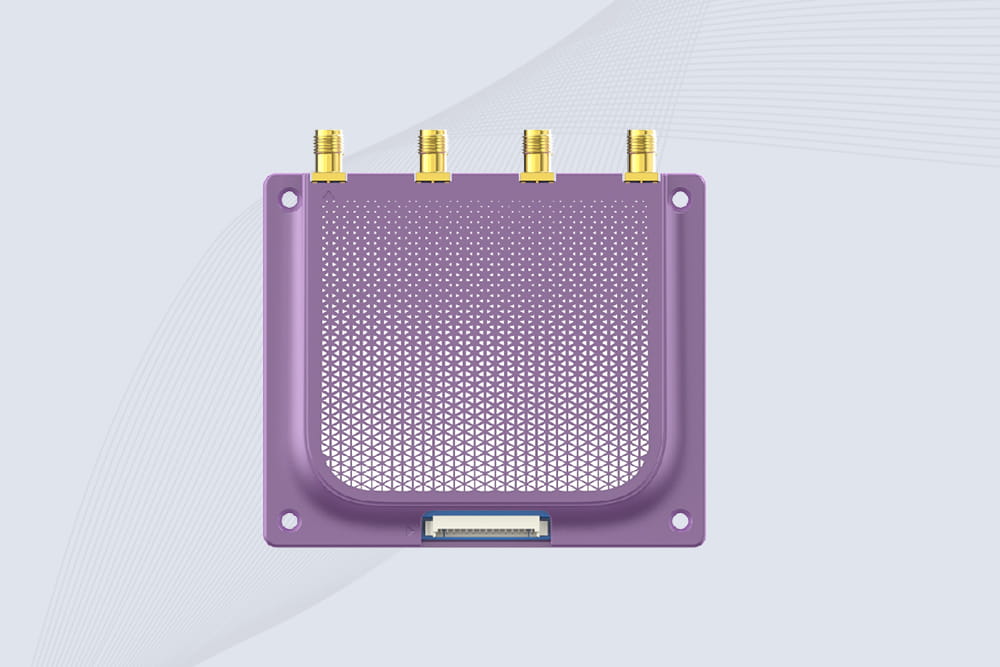
CYKEOCYKEO-M4L UHF RFID Module is a compact 4-channel RFID tag reader module designed for dense tag environments. Supporting ISO and GB protocols, it delivers stable reads up to 10 meters for industrial and IoT systems.
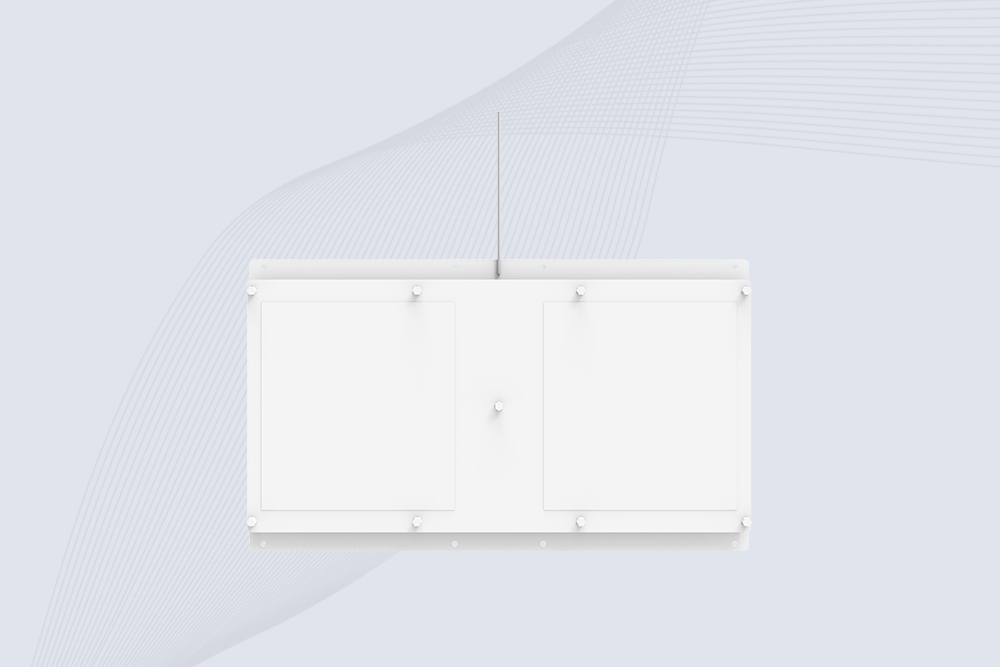
Cykeo CYKEO-A11 UHF RFID reader antenna delivers 11dBi gain, 840-960MHz frequency range, and IP65 ruggedness for retail, logistics, and industrial RFID systems. Features low VSWR and easy installation.
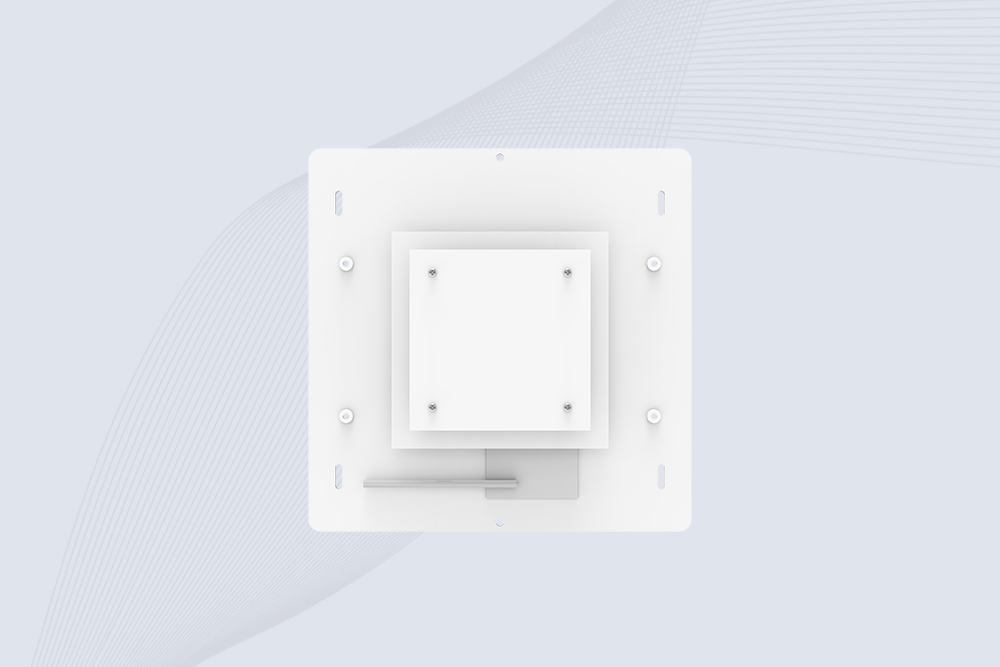
CYKEO Antenna RFID Reader delivers stable long-range UHF performance with a 10.5dBi directional design, built for warehouses, conveyor portals, and industrial RFID systems. This rfid reader antenna provides 20m+ read distance and rugged IP67 protection.

Cykeo CYKEO-PHF3 industrial HF RFID Antenna offers 24-point dynamic tracking, ISO 14443A/15693 protocols, metal-environment stability for archives/libraries/manufacturing.

Cykeo CYKEO-A5B industrial Linear RFID Antenna delivers 5dBi gain, ≤1.5:1 VSWR, and IP65 rugged design for warehouse, production line, and logistics UHF systems.

Cykeo’s CYKEO-B12 Long Range RFID Antenna delivers 15m+ read range with 12dBi gain, IP65 rugged design, and global 840-960MHz UHF support. Ideal for warehouse/logistics asset tracking.
Cykeo CYKEO-B10 Long Distance RFID Antenna offers 10dBi gain, 840-960MHz frequency range, IP65 rating, and 20m+ coverage for logistics/warehousing/ETC systems. Low VSWR ensures stable signal transmission.
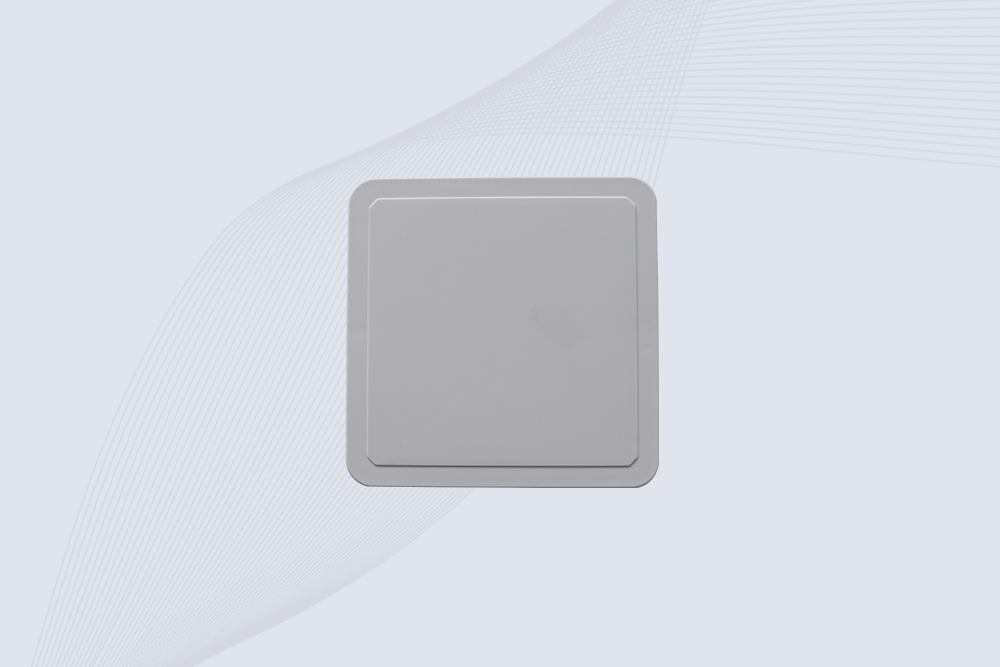
Cykeo CYKEO-A6 UHF RFID panel antenna features 6dBi gain, 840-960MHz broadband, IP65 metal-ready housing for logistics/smart retail. 18mm ultra-thin design with tool-free mounting.

Cykeo CK-A3 industrial antenna RFID UHF offers 5m+ tag detection, ≤1.3:1 VSWR, IP65 rugged design, and global UHF spectrum compatibility (840-960MHz) for warehouses, factories, and retail.
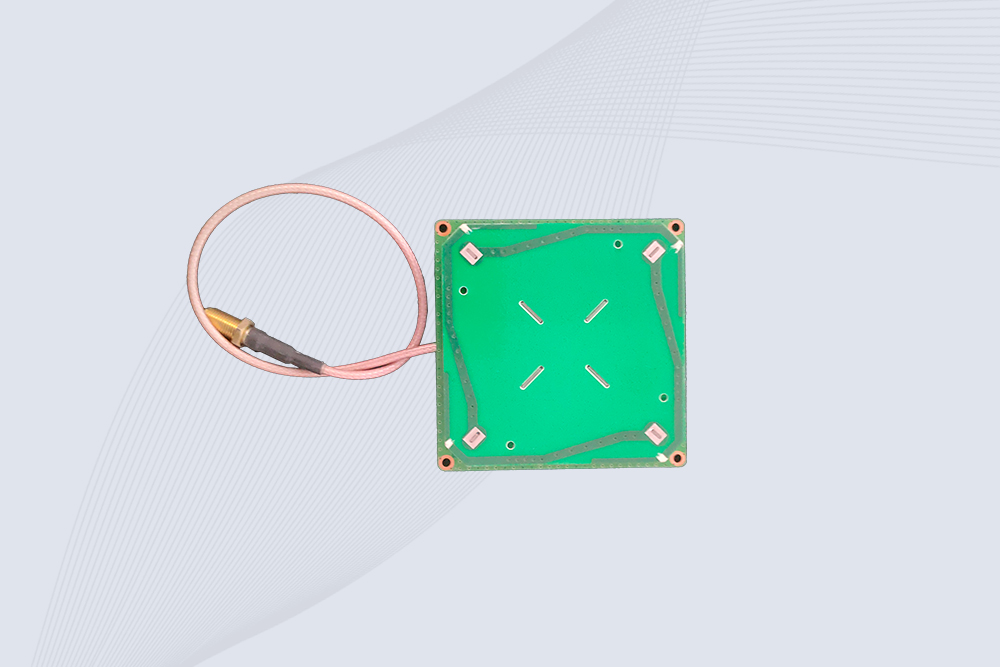
Cykeo CYKEO-B5 directional RFID antenna provides 5dBi gain with 60° narrow beamwidth for precise inventory tracking. IP65-rated, global UHF frequency support, and low VSWR.
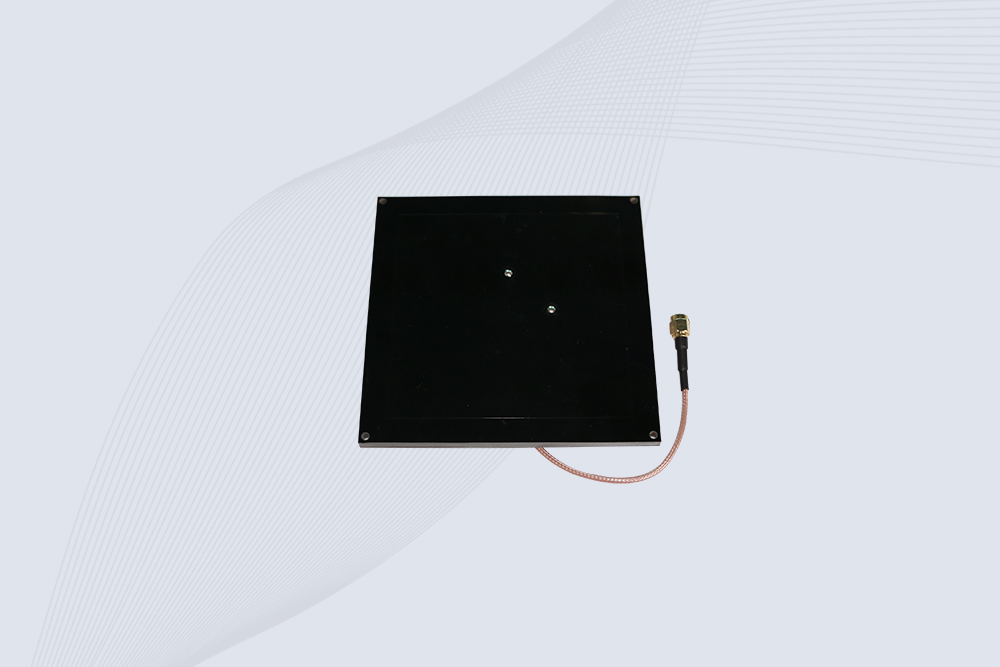
Create your own high-performance DIY RFID antenna! 5dBi gain, 840-960MHz tunable, step-by-step guides. Compatible with Arduino, Raspberry Pi, and commercial UHF readers.
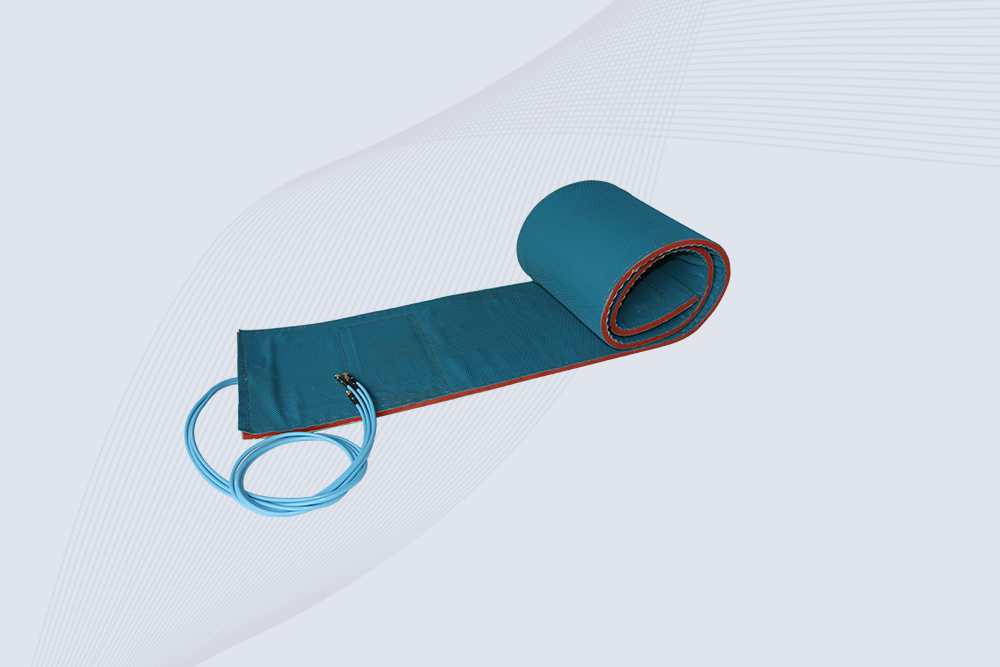
Cykeo CYKEO-A7 Flexible RFID Antenna features 840-960MHz wideband tuning, 7dBi gain, and IP68 rating for medical/retail/industrial curved surface deployments. 98% read accuracy with peel-and-stick installation.
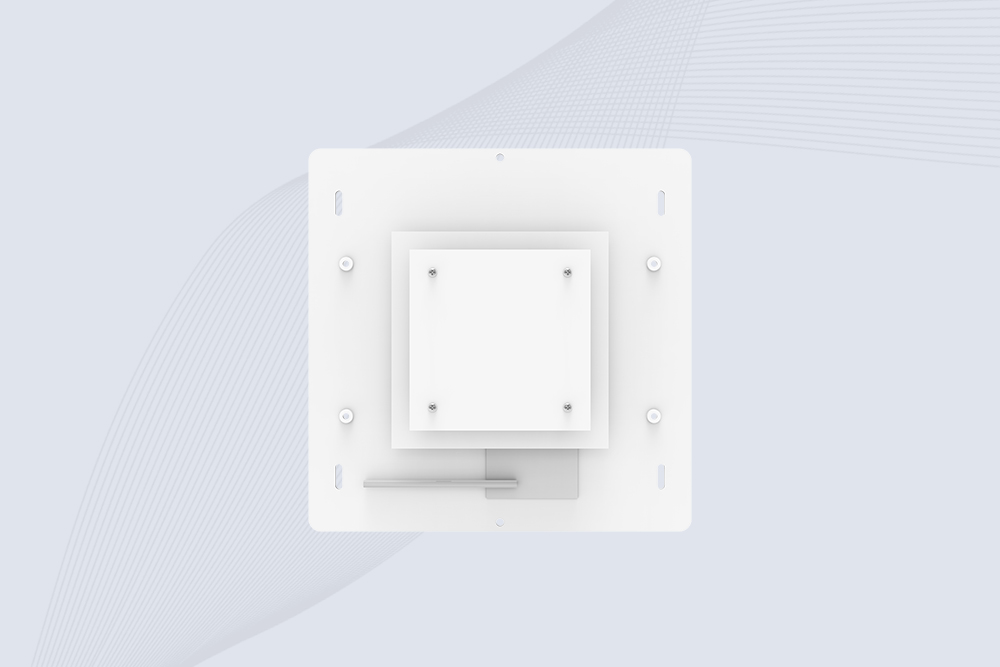
Cykeo CYKEO-B5A industrial Passive RFID Antenna delivers 5dBi gain, 70° beamwidth, and -40°C~55°C operation for warehouses/smart cabinets. Compatible with Zebra/Impinj readers.
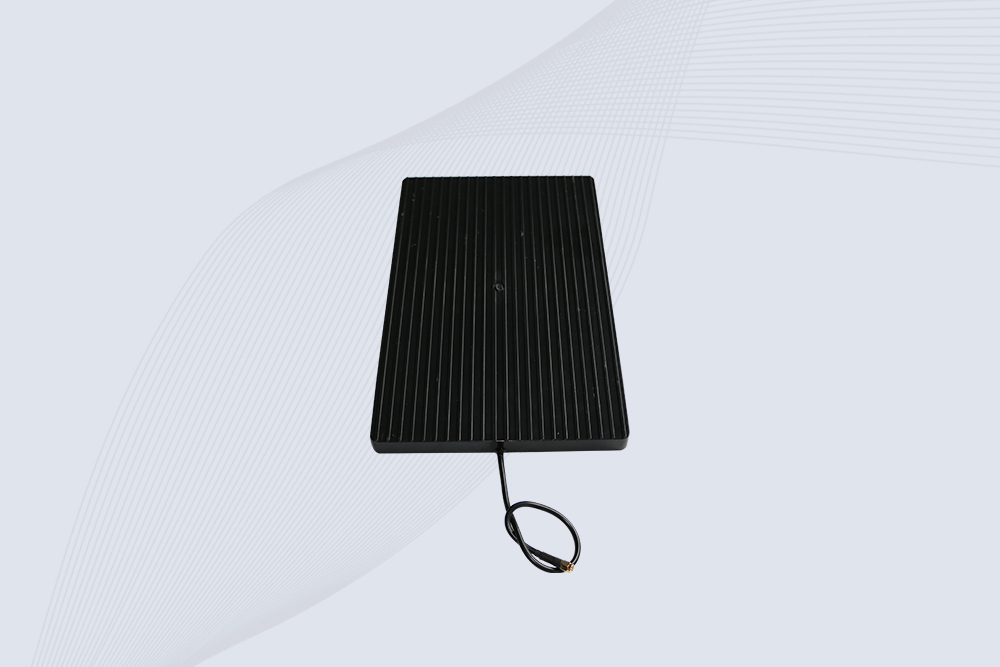
Cykeo’s CYKEO-A9B High Gain RFID Antenna delivers 15m+ read range with 9dBi amplification. Features IP54 rugged design, 840-960MHz bandwidth, and 80° beamwidth for warehouse/manufacturing RFID systems.

Cykeo’s enterprise-grade 8dbi Impinj RFID Antenna 10m+ read range with 840-960MHz tuning. Features IP65 housing, 1.4 VSWR, 35° beamwidth for retail/warehouse RFID systems.
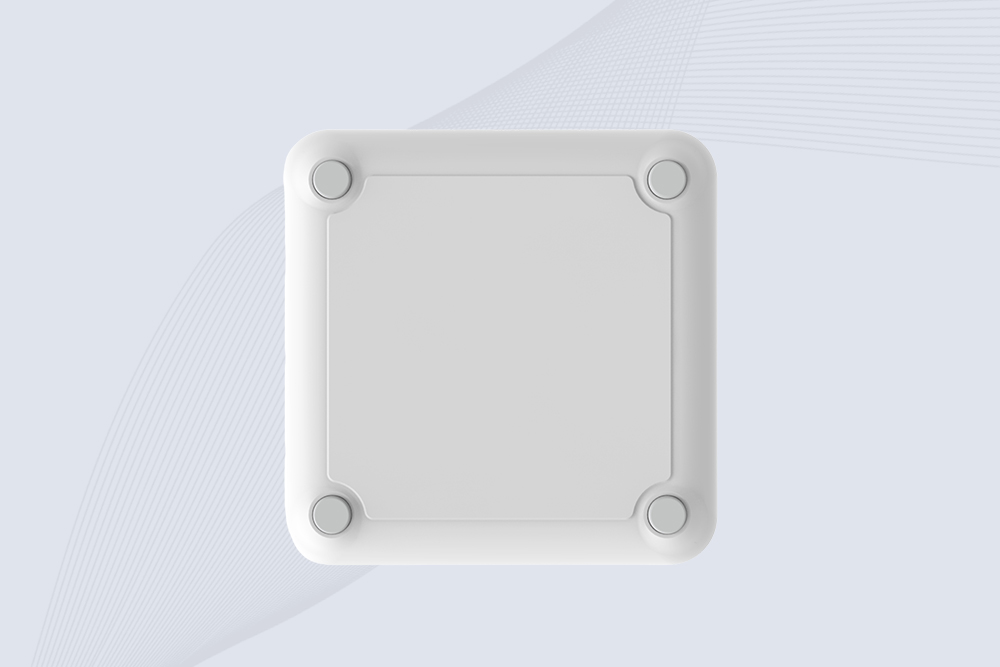
Cykeo CYKEO-A9 industrial UHF RFID antenna delivers 9dBi gain, 840-960MHz frequency range, and IP65 protection for warehouse/logistics/retail RFID systems. Features N-type connector and ≤1.3:1 VSWR.
CYKEO UHF RFID Antenna built for long-distance and industrial applications. This antenna rfid uhf delivers strong gain, outdoor durability, and reliable tag performance in warehouses, yards, and vehicle ID systems.
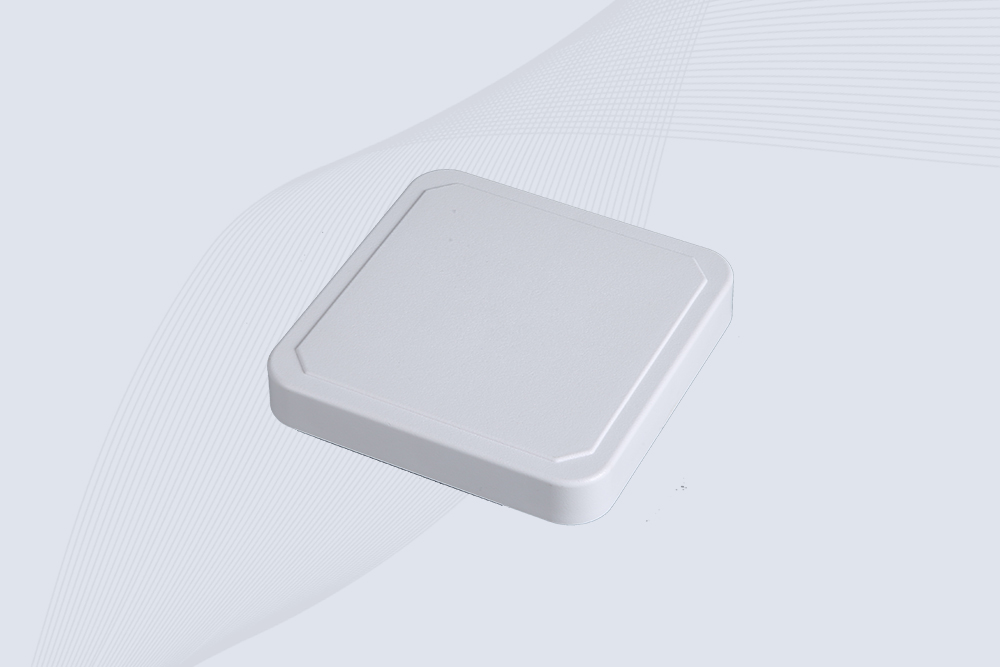
CYKEO Antenna RFID delivers reliable long-range UHF performance in warehouses, retail shelves, and cold-chain environments. This compact uhf rfid antenna provides stable reads with circular polarization and ultra-wide 840–960 MHz support, ideal for industrial tracking, smart shelves, and asset monitoring.
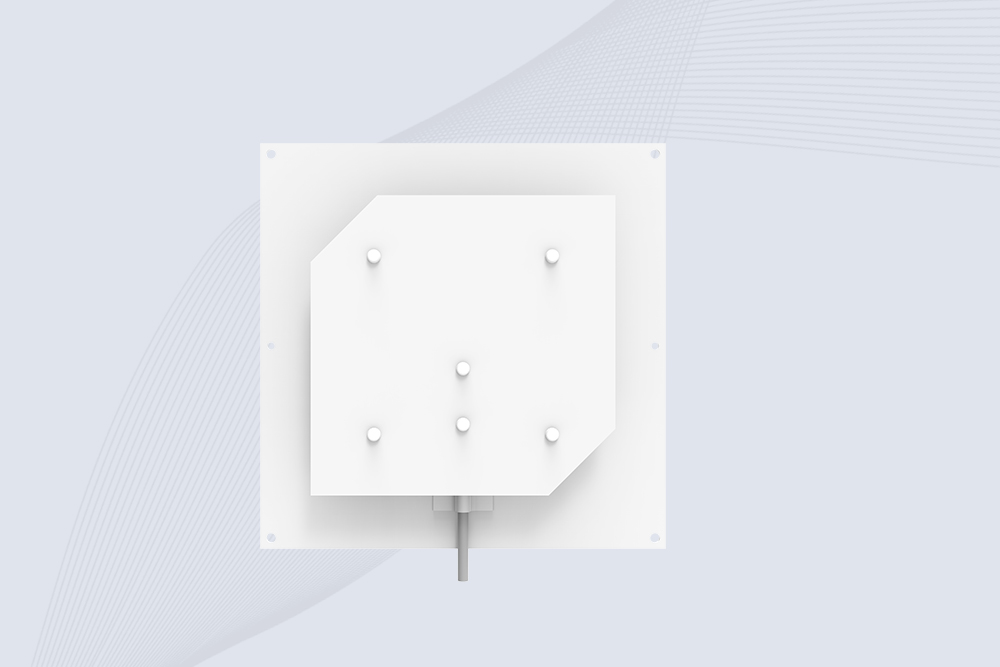
Cykeo’s CYKEO-C8 UHF RFID antennas delivers 8dBi gain, 840-960MHz full-band coverage, and IP65 ruggedness for manufacturing/warehouse RFID systems. Industrial RFID Antennas Features
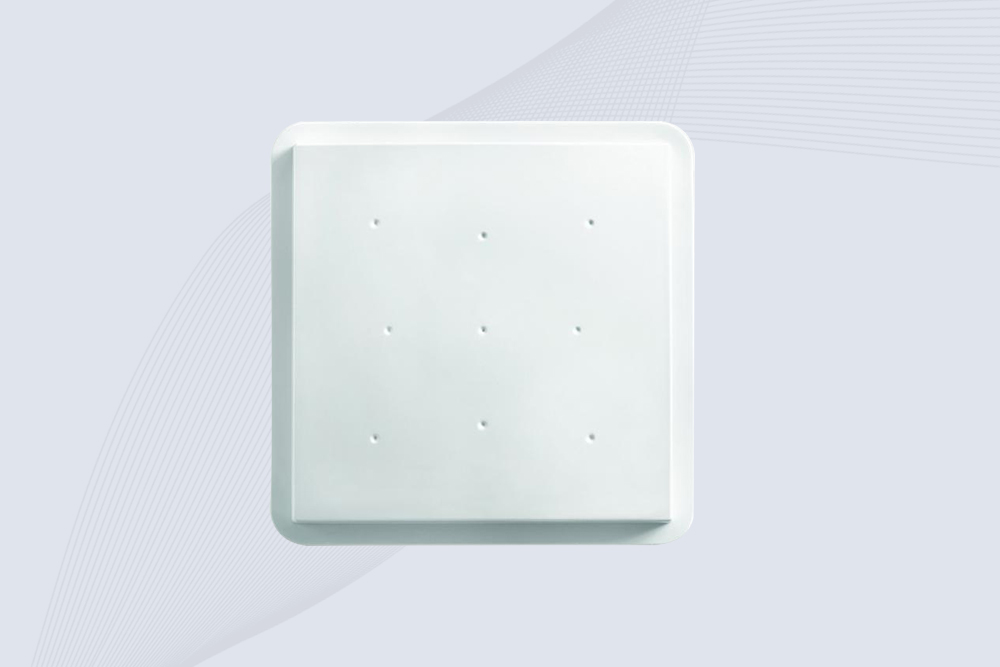
Cykeo’s 8dBi UHF RFID antenna and reader kit delivers 10m+ range, 840-960MHz broadband, and IP65 ruggedness for factories, warehouses, and logistics. ISO 18000-6C & EPC Gen2 certified.
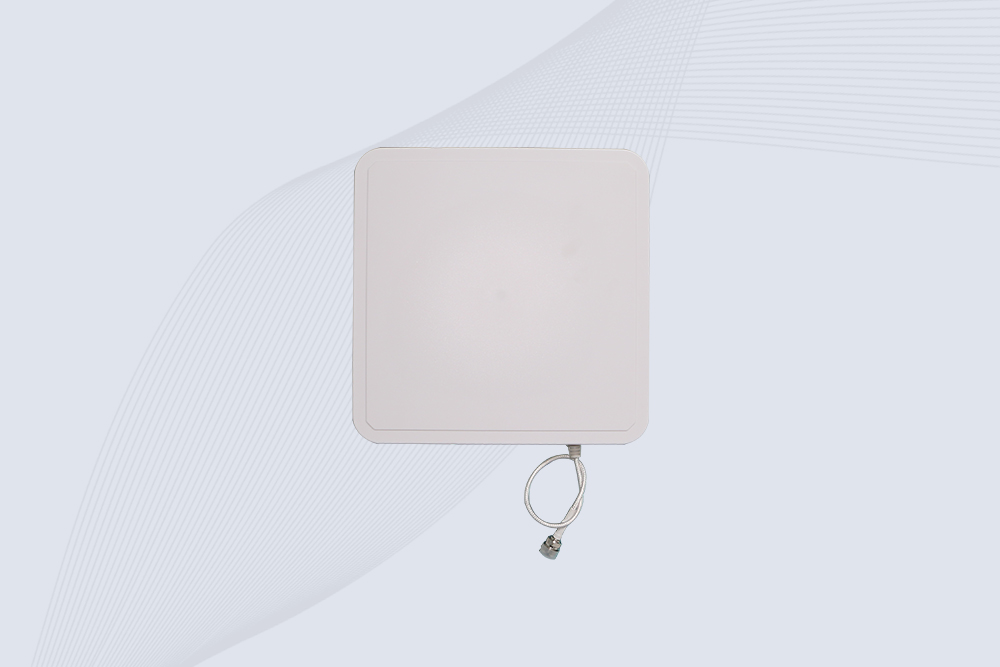
Cykeo CYKEO-A9A industrial UHF RFID reader and antenna kit delivers 10m range, 500 tags/sec, IP65 ruggedness for manufacturing/logistics. Supports EPC Gen2, ISO18000-6C.
Cykeo’s CYKEO-A12C UHF Large RFID Antenna delivers 12dBi gain, 840-960MHz global frequency, IP65 ruggedness for logistics/warehousing/automotive. 40° beamwidth ensures stable 15m+ tag reads.

CYKEO Near Field RFID Antenna provides precise 5–30 cm reading for shelves, cabinets, and workstations. This compact rfid shelf antenna delivers stable short-range performance around metal and clutter, ideal for pharmacies, libraries, and electronics sorting.
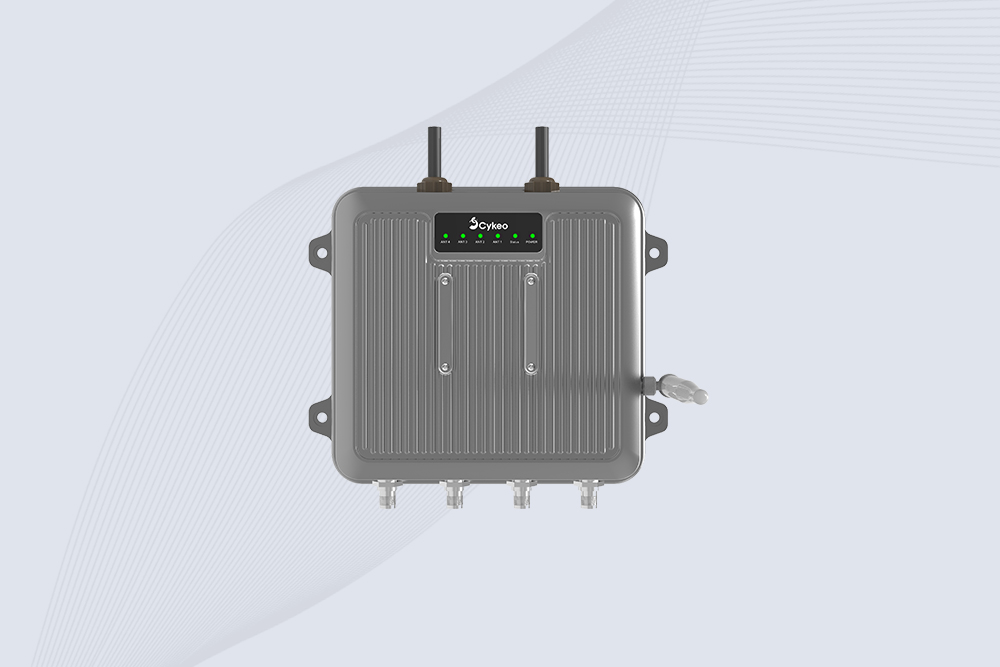
Cykeo CYKEO-C1 industrial Forklift RFID Reader features 20m read range, 600 tags/sec scanning, Impinj R2000 chipset, and IP67 rugged design. Ideal for warehouse logistics and manufacturing. Supports ISO 18000-6C/6B protocols.
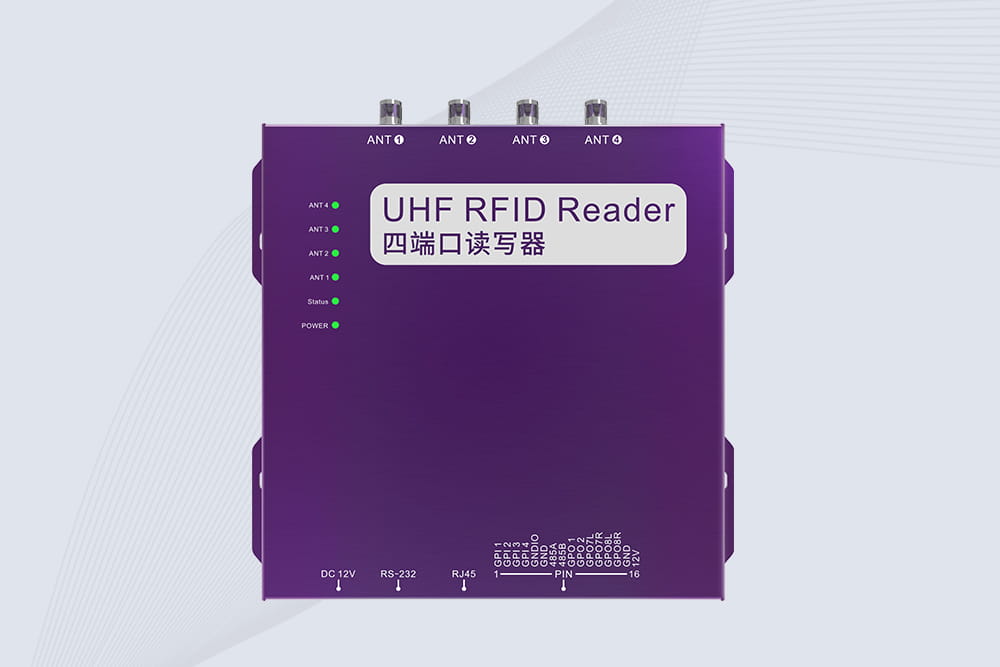
Cykeo CYKEO-R4 industrial UHF RFID Fixed Reader features 4 TNC ports, 400+ tags/sec speed, IP67 housing, and global frequency compliance for vehicle inspection, smart warehouse, and asset management systems.
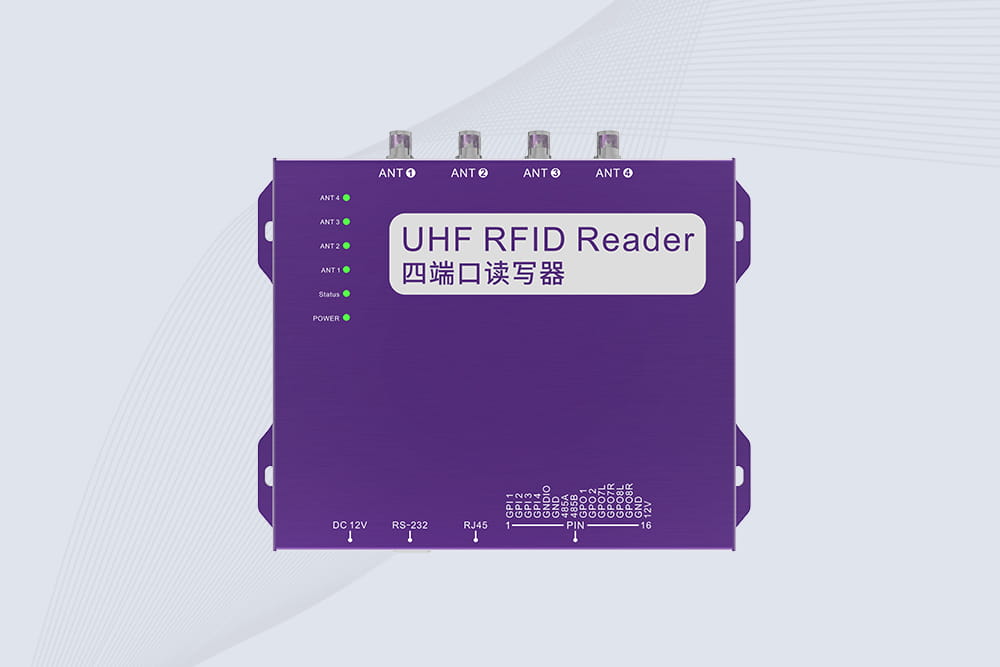
Cykeo’s CYKEO-R4L 4-port Fixed UHF RFID Reader delivers 400 tags/sec scanning, ISO 18000-6C compliance, and IP65 protection. Ideal for warehouse automation, manufacturing WIP tracking, and logistics management.
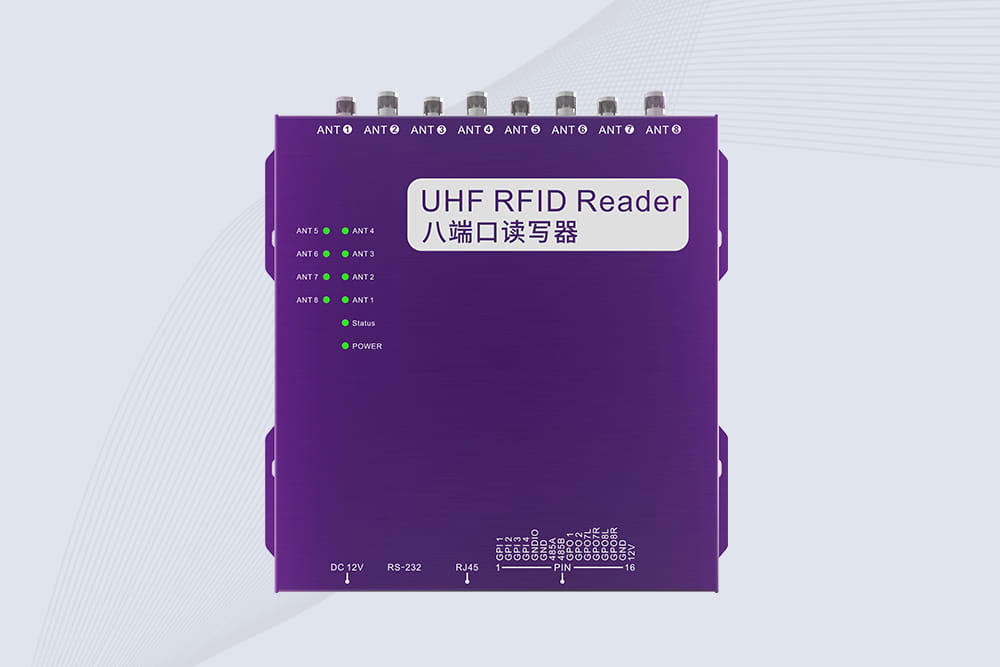
CYKEO CYKEO-R8L Fixed RFID Reader with 8-port UHF design, Impinj-based RF core and up to 20m read range. An industrial Fixed RFID Reader for vehicle inspection, warehouse portals, smart manufacturing lines and secure access checkpoints.
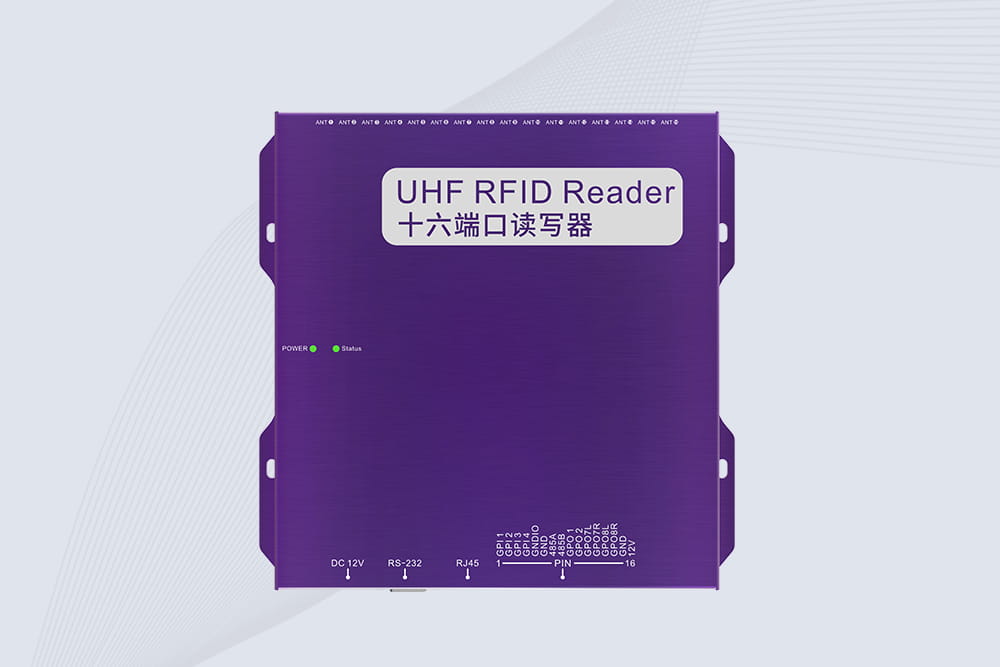
RFID Fixed Reader from CYKEO – the CYKEO-R16L 16-port UHF fixed reader for warehouses, smart cabinets, and production lines. Long-range, multi-tag reading, stable performance for 24/7 industrial use.

Discover how a major retail chain reduced stockouts by 40% using RFID for real-time inventory tracking. Learn actionable strategies to apply in your stores.
More
RFID technology is revolutionizing medical equipment and asset management. This article explores RFID applications in the healthcare industry, highlighting benefits, real-world use cases, and future trends to help hospitals reduce costs and improv...
More
how the CK-T2 Industrial RFID Floor Gate streamlines automated warehouse management. With 0–3 m vertical read range, 500+ tags/sec processing, MQTT integration, and API support, it empowers solution providers and developers to optimize inventory, ...
More
How do RFID tags work? Discover RFID tag technology, communication principles, applications, and expert insights from Cykeo RFID engineers today.
More