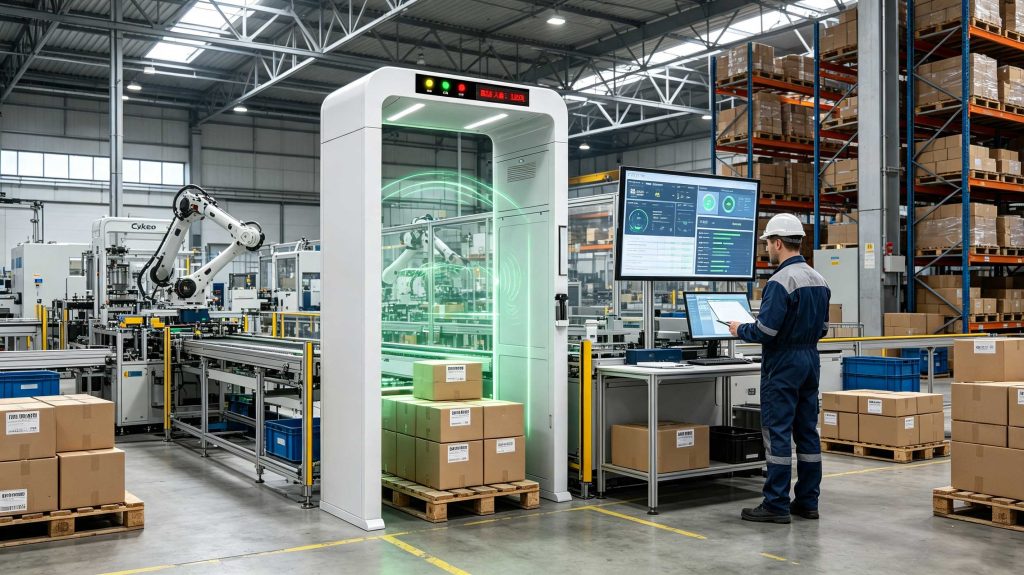
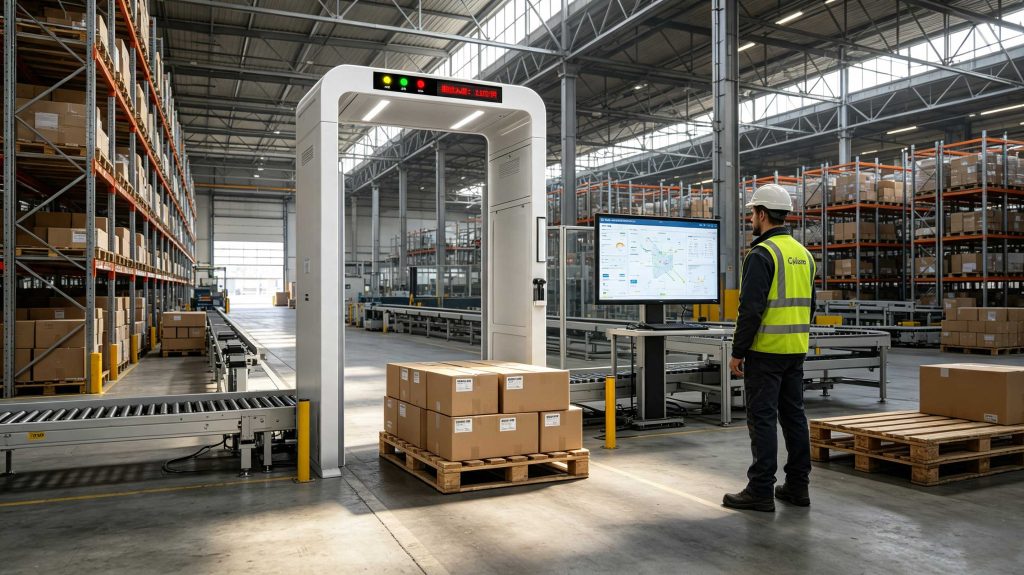
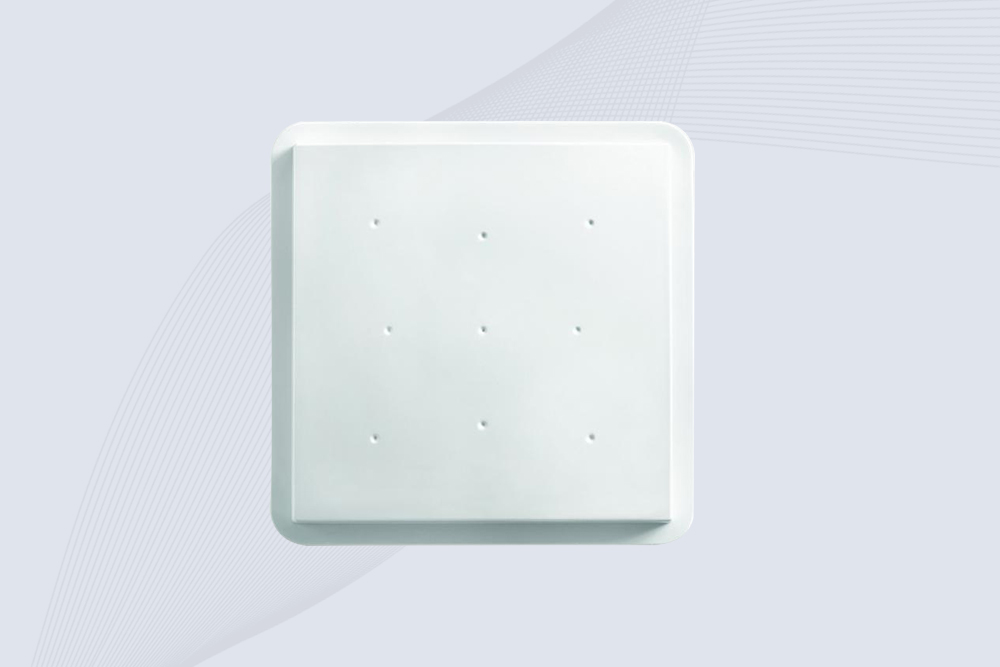
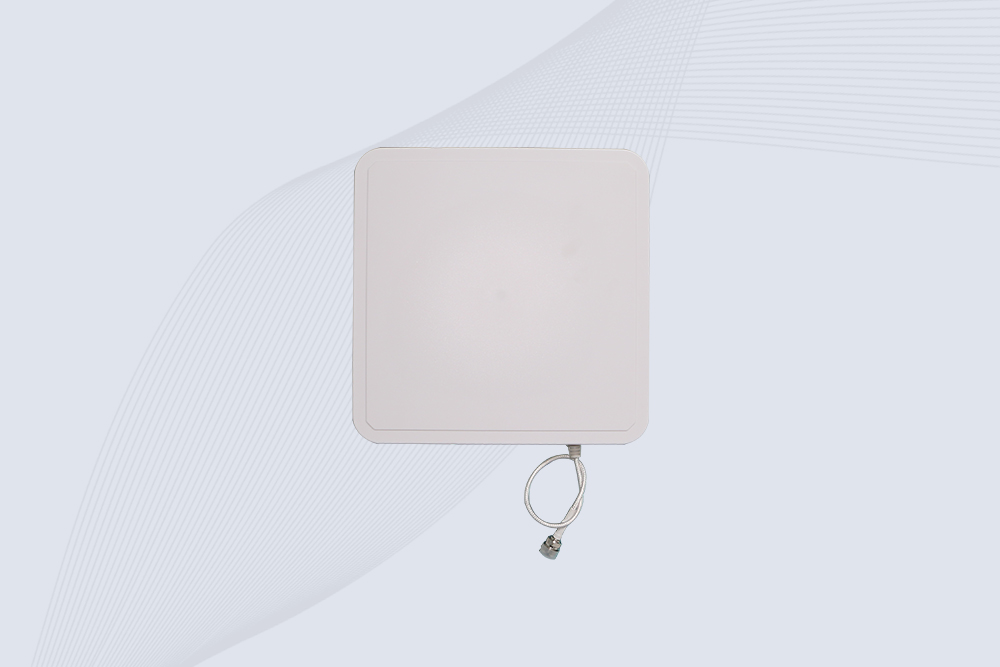
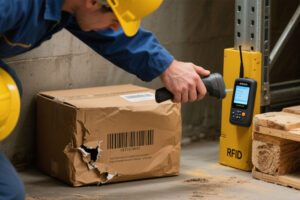
what are integrated rfid portals? Integrated RFID portals are automated identification systems that combine RFID readers, antennas, and control components into a unified gateway structure to detect tagged items as they pass through. They enable fast, hands-free tracking in warehouses, retail stores, hospitals, and industrial facilities.
Unlike traditional scanning methods that require workers to manually locate and scan individual labels, integrated RFID portals create a controlled reading zone where multiple RFID tags can be identified simultaneously. In practical deployments, this changes the workflow from “search and record” to “automatic capture and verification.”
How Integrated RFID Portals Work in Real Industrial Environments
An integrated RFID portal is not simply an RFID reader placed beside a doorway. It is a complete identification point designed around the movement pattern of goods, tools, or assets.
During an installation project for a logistics warehouse, our engineering team found that antenna placement was more important than increasing reader power alone. A poorly positioned antenna created missed reads near the portal edge, while optimized antenna angles significantly improved detection consistency.
This is where professional RFID portal design becomes important.
Cykeo integrated RFID portal solutions focus on balancing:
Reading distance
Tag orientation
Environmental interference
Data processing speed
Installation requirements
The objective is not only to read RFID tags, but to create reliable operational data.
Why Businesses Use Integrated RFID Portals for Automated Tracking
Modern supply chains require faster identification without adding more manual processes.
Integrated RFID portals are commonly used for:
Warehouse Entry and Exit Management
Warehouses handle thousands of product movements every day. RFID portals installed at loading areas automatically record:
Incoming goods
Outgoing shipments
Pallet movement
Inventory transfer
Employees no longer need to scan every carton individually.
Retail Inventory Automation
Retail environments use RFID portals to improve:
Stock visibility
Replenishment accuracy
Loss prevention
Self-service checkout processes
For clothing stores, an RFID portal can identify multiple garments on a rack or cart, helping employees complete inventory checks faster.
Industrial Asset Tracking
Manufacturing facilities often manage expensive tools and equipment.
RFID portals can automatically record:
Tool movement
Equipment circulation
Maintenance status
Location history
This reduces the risk of misplaced assets.
RFID Portal Technology Experience: What Matters During Deployment
After working with RFID identification projects across warehouses and industrial environments, one lesson is clear: RFID portal performance depends on application engineering, not only hardware specifications.
A portal installed in a clean laboratory environment may perform differently from one installed beside:
Metal storage racks
Conveyor systems
Forklift traffic areas
Dense product packaging
Real deployment requires evaluating:
Tag Characteristics
Different products require different RFID tags.
Examples:
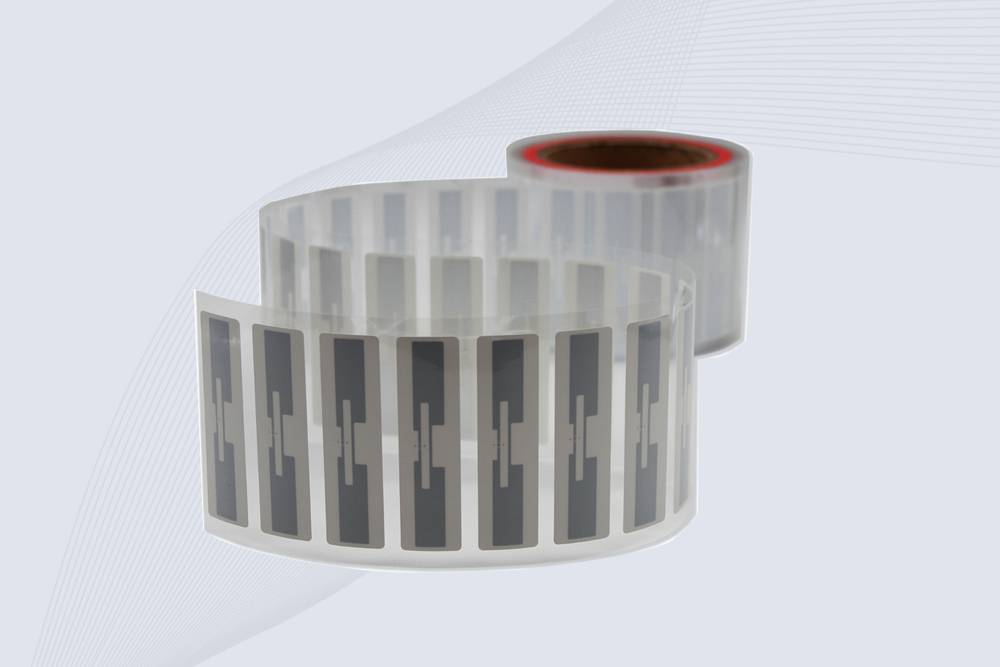
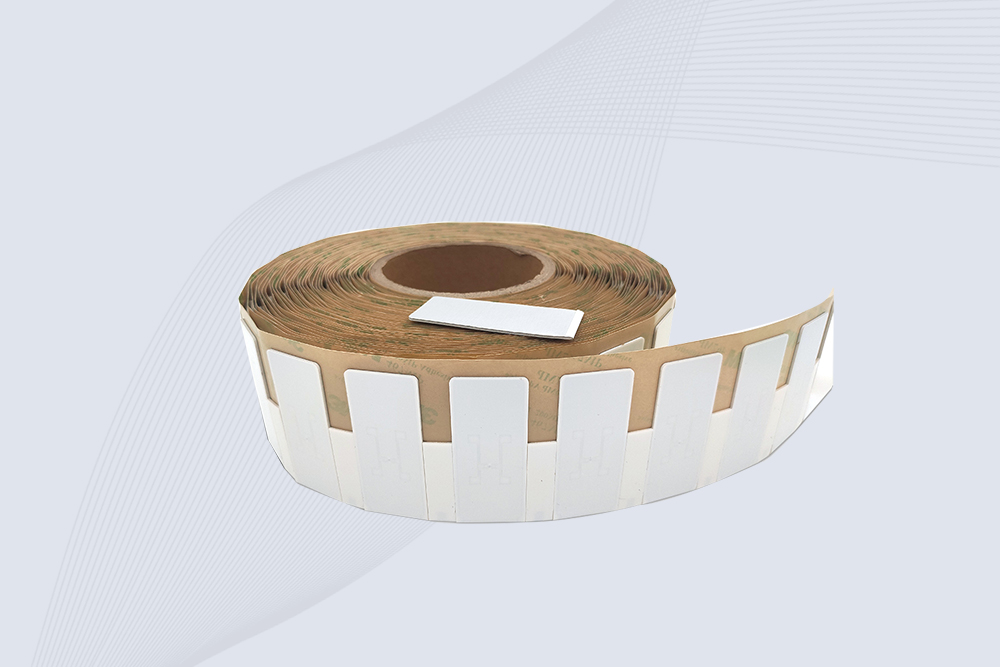
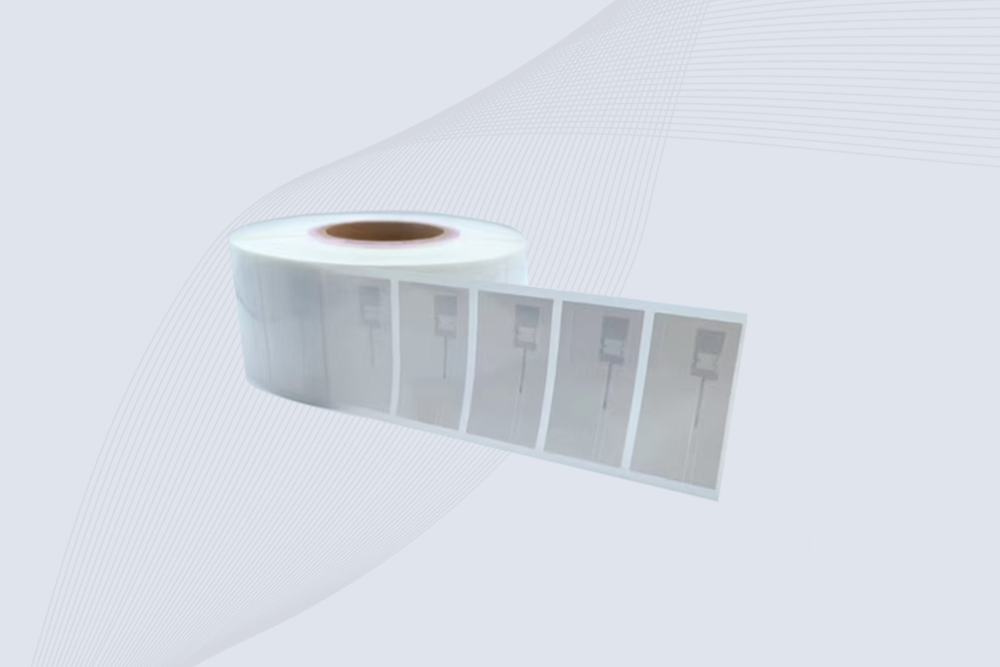
Paper labels for retail products
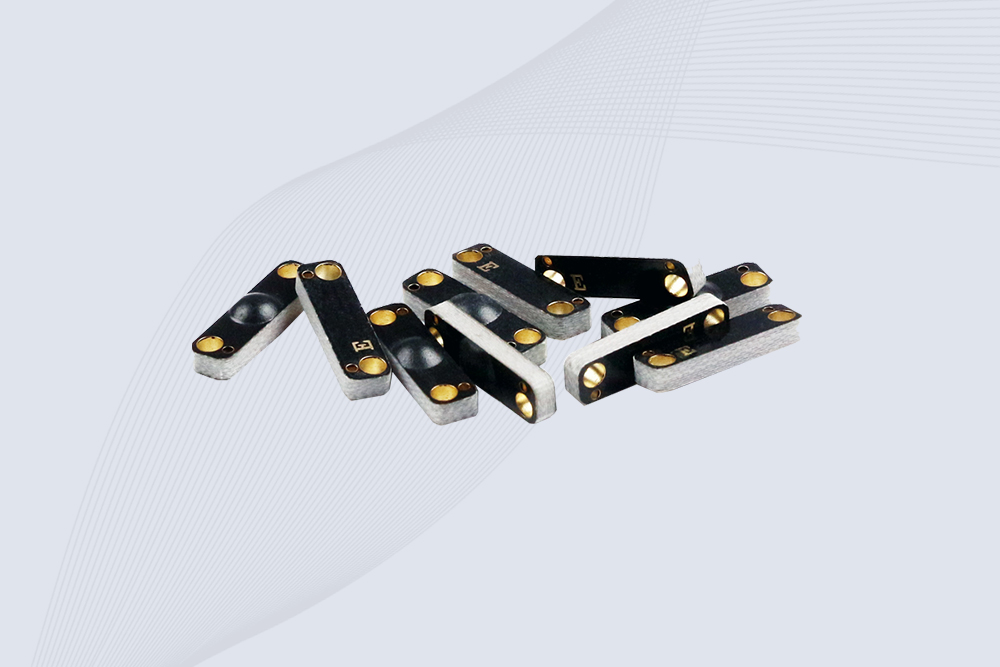
Anti-metal tags for equipment
Durable tags for industrial assets
Reading Zone Design
The portal should match the movement route.
For example:
A warehouse pallet moving through a doorway requires wide-area detection.
A tool cabinet entrance requires controlled short-range identification.
Software Integration
An RFID portal creates value when data connects with business systems.
Common integrations include:
Warehouse Management System (WMS)
Enterprise Resource Planning (ERP)
Manufacturing Execution System (MES)
Retail inventory platforms
Integrated RFID portals capture item movement automatically and transmit real-time identification data to enterprise systems.
Industry Data Supporting RFID Adoption
The global adoption of RFID continues because companies need higher visibility across physical operations.
According to GS1, RFID technology is widely used across retail and supply chain applications because it enables automatic identification and improved product visibility.
Research from Auburn University RFID Lab has demonstrated the impact of RFID-based inventory systems in retail environments, particularly improving inventory accuracy and operational efficiency.
These developments explain why integrated RFID portals are becoming a key infrastructure component in automated identification systems.
Integrated RFID Portals vs Traditional Barcode Gates
Comparison
Integrated RFID Portal
Barcode Gate
Identification Method
Radio frequency
Optical scanning
Line of Sight
Not required
Required
Multiple Item Reading
Supported
Usually one item
Manual Operation
Minimal
Higher
Reading Speed
Fast batch detection
Slower scanning process
Data Automation
High
Medium
Barcode systems remain useful for simple identification tasks, but RFID portals provide advantages when organizations need continuous movement tracking.
Cykeo Integrated RFID Portal Approach
Cykeo designs RFID identification solutions for industrial and commercial environments where stability matters.
Key advantages include:
High-Performance UHF RFID Processing
Cykeo RFID systems support:
EPC C1G2 / ISO18000-6C protocols
Dense tag identification
Multi-tag processing
Adjustable RF performance
Flexible System Integration
Enterprise customers require hardware that works with existing software.
Cykeo solutions provide:
Communication interfaces
Development support
SDK resources
Custom integration capability
Designed for Real Applications
From warehouse entrances to retail automation points, Cykeo focuses on practical deployment conditions rather than only laboratory performance.
Cykeo Integrated RFID Portal Technical Advantages
Integrated RFID portals are designed to solve a problem that traditional handheld scanning cannot fully handle: automatic, continuous, and high-speed identification of tagged items while people, pallets, carts, or assets pass through a defined area.
In real warehouse deployments, the difference is not only the RFID reading distance. The real challenge appears when dozens or hundreds of tagged items move simultaneously. Tags may overlap, orientations may change, and metal structures may create signal reflections. A reliable RFID portal must manage these variables through antenna design, RF algorithms, filtering logic, and software integration.
Cykeo integrated RFID portals combine high-performance UHF RFID readers, optimized antenna arrays, industrial enclosure design, and intelligent data processing to create a complete identification gateway for logistics, manufacturing, retail, and asset management environments.
RFID Portal Hardware Architecture: From RF Signal to Business Data
A professional RFID portal is not simply an RFID reader installed between two frames. It is a complete identification system consisting of multiple layers.
1. UHF RFID Reader Module
The reader is responsible for generating RF energy, receiving tag responses, and executing anti-collision algorithms.
Key technical functions include:
EPC Class1 Gen2 / ISO 18000-6C protocol compatibility
Multi-tag identification
Adjustable output power control
Real-time tag filtering
Fast inventory processing
Communication with enterprise software systems
In Cykeo RFID solutions, industrial readers can support high-density tag environments where hundreds of tags may appear within seconds.
According to the GS1 RFID implementation guidelines, EPC-based RFID systems are widely adopted in supply chain applications because they enable unique item identification and automated data capture.
2. Antenna Array Design and Reading Zone Control
The antenna structure determines the actual performance of an RFID portal.
A poorly designed portal may create:
blind zones
excessive reading outside the gate area
missed tags caused by orientation changes
interference between multiple readers
Cykeo integrated RFID portals use controlled antenna layouts to create a stable reading zone.
Typical deployment considerations:
Environment
RFID Portal Design Focus
Warehouse entrance
Fast pallet recognition
Production line
Precise item tracking
Retail backroom
Inventory accuracy
Tool management
Missing asset detection
Laundry management
Bulk item counting
The goal is not maximum distance. In many industrial environments, excessive range creates more problems than benefits. Controlled identification is often more valuable than simply reading farther.
RFID Portal Performance Comparison
RFID Portal vs Traditional Barcode Gate
Feature
RFID Portal
Barcode System
Identification method
Radio frequency
Optical scanning
Line of sight required
No
Yes
Multiple item reading
Yes
Usually one by one
Reading speed
Milliseconds per tag
Depends on operator
Manual operation
Low
High
Data automation
High
Medium
Barcode systems remain useful for many applications, but RFID portals change the workflow completely.
During a warehouse project evaluation, I observed an outbound loading area where operators manually scanned cartons before shipment. The bottleneck was not scanning speed itself; the issue was human interruption. Every missed scan created reconciliation work later.
After RFID portal deployment, the process shifted from “operator confirms every item” to “system automatically records movement events.”
That operational change is where RFID creates measurable value.
RFID Portal vs NFC Comparison
Technology
RFID Portal
NFC
Frequency
Usually UHF 860–960 MHz
13.56 MHz
Reading distance
Several meters possible
Usually centimeters
Multiple tag reading
Excellent
Limited
Typical applications
Logistics, inventory
Payment, access control
Bulk identification
Suitable
Not suitable
NFC is designed for close interaction. RFID portals are designed for automatic movement tracking.
Industry Case Studies
1. Smart Warehouse Inventory Tracking
Large distribution centers use RFID portals at:
receiving docks
shipping exits
warehouse zones
sorting areas
When tagged cartons pass through the portal, the system automatically records:
item ID
movement direction
timestamp
location event
This reduces manual scanning workload and improves inventory visibility.
2. Retail Apparel Management
Fashion retailers face frequent inventory challenges:
fast product turnover
seasonal stock changes
misplaced garments
RFID portals help monitor product movement between:
warehouse
store backroom
sales floor
The Zara RFID deployment is widely recognized as one of the most discussed retail RFID examples, demonstrating how item-level identification can support inventory visibility.
3. Manufacturing Production Tracking
Manufacturers use RFID portals to track:
work-in-progress products
production containers
tooling assets
finished goods
Compared with manual recording, RFID creates a continuous digital record of movement.
RFID Portal Deployment Strategy
A successful RFID portal installation requires more than hardware installation.
Step 1: Define Tracking Objectives
Before selecting equipment, determine:
What items need identification?
How many tags pass per minute?
Where should reading happen?
What data should be collected?
Step 2: Analyze the Physical Environment
RFID performance is affected by:
metal surfaces
liquid materials
electromagnetic interference
portal width
tag placement
A warehouse with steel racks requires different antenna planning compared with a clothing distribution center.
Step 3: Software Integration
A complete RFID portal normally connects with:
WMS (Warehouse Management System)
ERP software
MES platforms
inventory databases
Cykeo provides development support including:
SDK tools
API documentation
C# development resources
Java development resources
This allows customers to integrate RFID data into existing enterprise systems.
An integrated RFID portal automatically identifies tagged goods as pallets pass through the warehouse gateway.
FAQ: Integrated RFID Portals
1. What are integrated RFID portals used for?
Integrated RFID portals are used for automatic identification of tagged products, assets, cartons, and materials when they move through controlled areas such as warehouse doors or production lines.
2. How far can RFID portals read tags?
Reading distance depends on reader power, antenna design, tag type, and environment. UHF RFID portals can typically achieve several meters of coverage under suitable conditions.
3. Can RFID portals read multiple tags at the same time?
Yes. UHF RFID technology supports anti-collision algorithms that allow multiple tags to be identified simultaneously.
4. Are RFID portals better than barcode systems?
For automated environments requiring high-speed identification, RFID portals provide advantages because they do not require direct scanning and can process multiple tags together.
5. Can RFID portals work with existing warehouse software?
Yes. RFID portals can connect with enterprise systems through APIs, SDKs, and standard communication interfaces.
6. Do RFID portals require special RFID tags?
Most UHF RFID portals work with EPC Class1 Gen2 / ISO 18000-6C compatible tags.
SEO Ending
Integrated RFID portals are becoming an essential infrastructure component for modern warehouses, factories, and retail operations. By combining UHF RFID readers, controlled antenna systems, and intelligent software integration, businesses can move from manual tracking to automated item visibility.
Cykeo integrated RFID portal solutions are engineered for real-world deployment scenarios where accuracy, stability, and system integration matter. From warehouse entrances to production lines, RFID portals provide reliable identification performance for enterprise digital transformation.
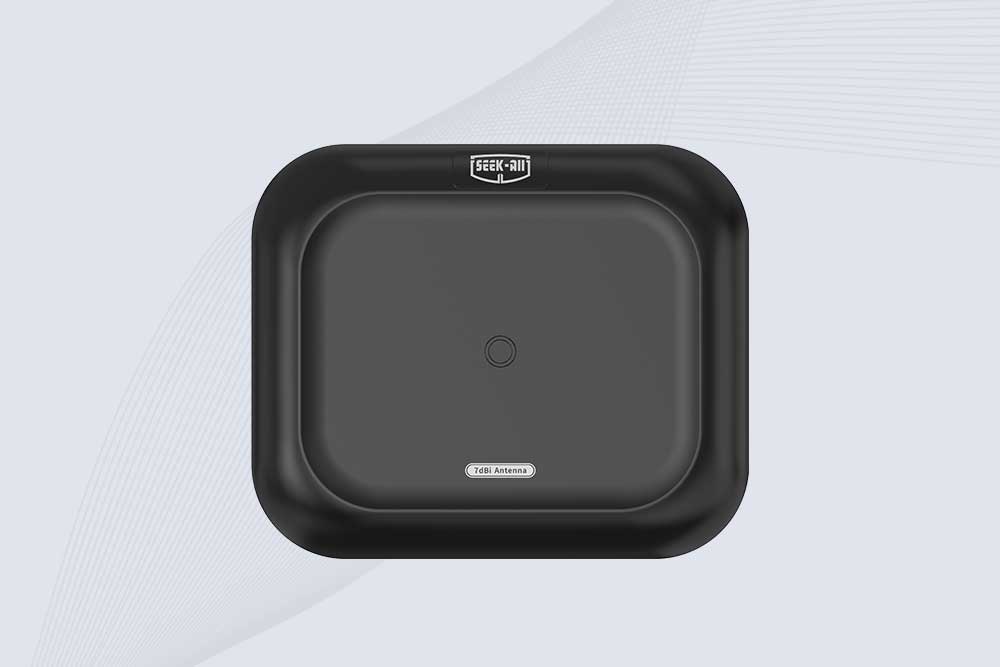
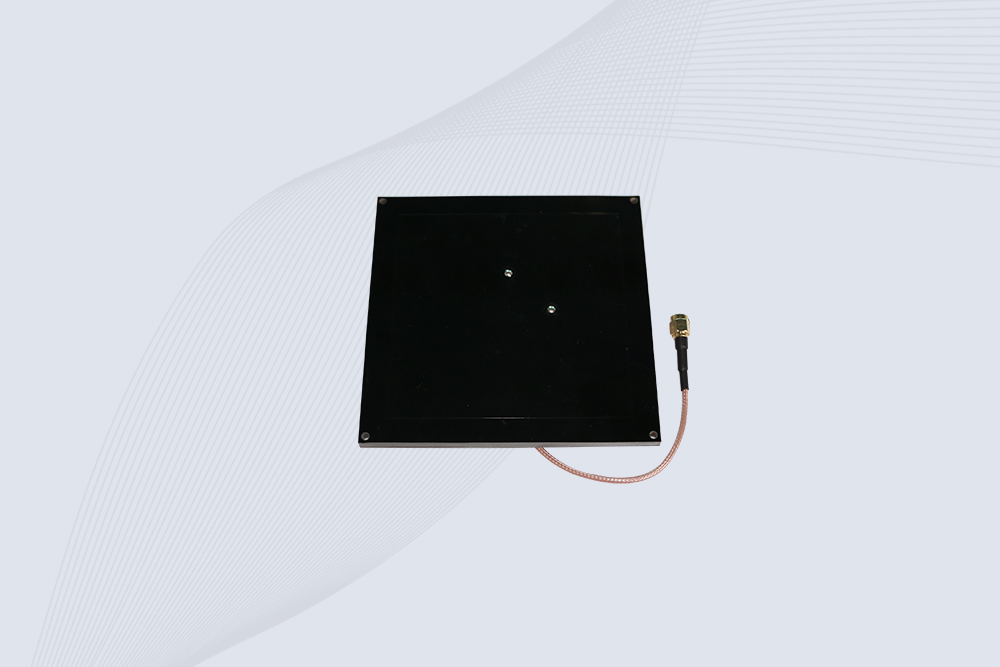
Explore the SSD-A07 UHF RFID antenna with 7 dBi gain, circular polarization, adjustable 840–960 MHz frequency, and 60°/75° beamwidth for stable RFID read/write performance.
SSD-A06 UHF RFID antenna with circular polarization, adjustable 840–960 MHz frequency, ≥4.5 dBi gain, and a compact directional design for RFID systems.
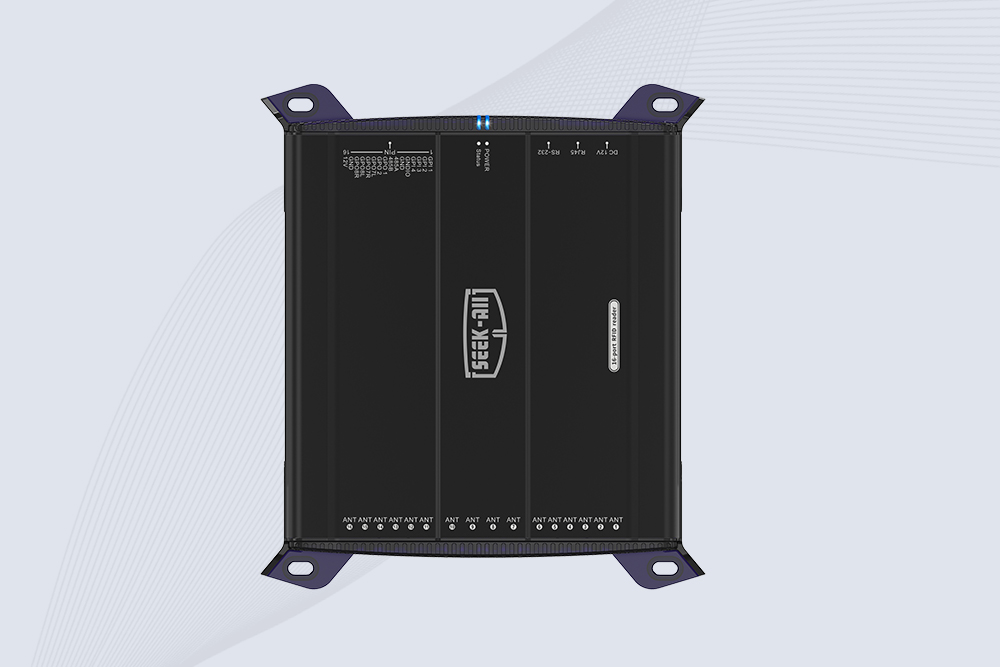
SSD-R16L Multi-Channel RFID Infrastructure for Automated Inventory Management ✔️ 16-Port High-Density RFID Reading Equipped with 16 SMA antenna ports, SSD-R16L supports multi-antenna deployment for warehouses, retail stores, logistics, production lines, and large-area RFID identification. ✔️ High-Speed & Long-Range Performance With up to 33…
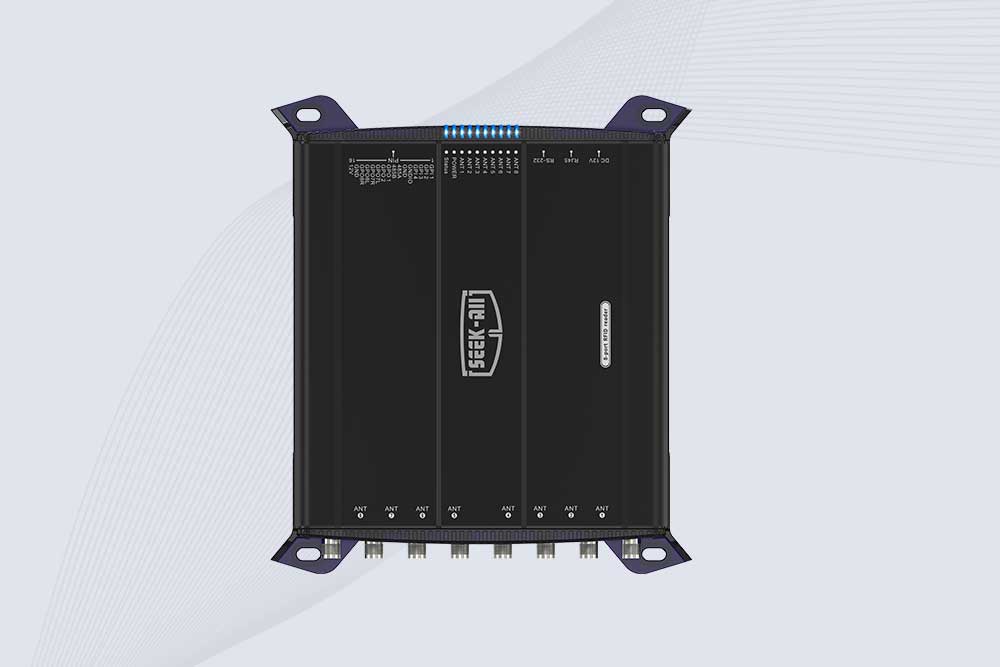
SSD-R8L 8-port UHF RFID reader with 33dBm output, up to 20m reading range and 600+ tags/s recognition. Ideal for warehouse, logistics, retail and asset tracking.
CYKEO Passive RFID Tags are made for wet and high-humidity environments where standard labels do not last. This rfid passive tag is often used around liquids, chemicals and temperature changes, providing stable reading distance and long data life for industrial tracking.
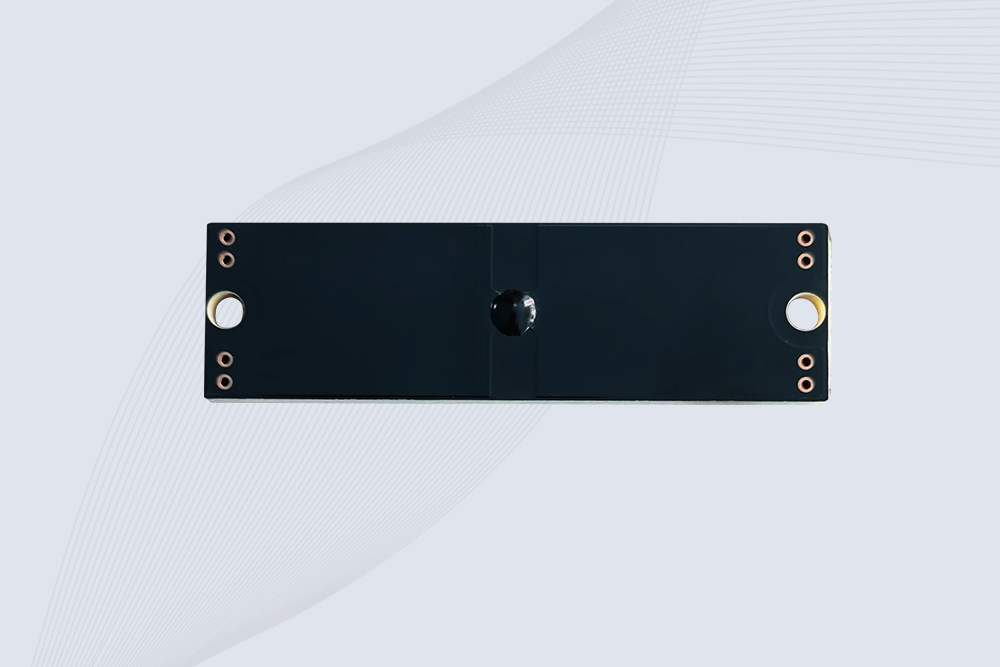
CYKEO CYKEO-PCB1504 Metal RFID Tags is a compact anti-metal UHF RFID solution built for direct mounting on metal surfaces. With stable 8-meter read range, Ucode-8 chip, and long data retention, this rfid metal tag fits tools, containers, automotive parts, and industrial asset tracking.
CYKEO CYKEO-PCB7020 On-Metal RFID Tags are designed for reliable tracking on steel and metal surfaces. Built with an FR4 epoxy body and industrial-grade chips, these On-Metal RFID Tags deliver stable performance, long data life, and chemical resistance, making them a dependable RFID anti-metal tag for harsh environments.
The CYKEO CYKEO-60-25 Anti-Metal RFID Tag is built for metal surfaces where standard tags fail. Designed for long-range performance, harsh environments, and stable data retention, this Anti-Metal RFID Tag is ideal for industrial assets, containers, and equipment tracking using on metal RFID tags.
The CYKEO RFID Laundry Tag is designed for long-term textile identification in harsh laundry environments. Built to withstand high heat, chemicals, and repeated washing, this RFID Laundry Tag delivers stable performance for hotels, hospitals, and industrial laundry operations using laundry rfid tags at scale.
The CYKEO CYKEO-125-7 RFID Book Tag is designed for reliable book and document tracking in libraries and archives. This RFID Book Tag delivers long read range, dense placement support, and stable performance on shelves, making it a practical rfid tag on books for library automation, file management, and archival systems.
CYKEO RFID tags in hospitals are designed for sterile environments where accuracy matters. These autoclavable RFID tags support long-term tracking of surgical tools, implants, and medications, helping hospitals improve visibility, compliance, and patient safety.
CYKEO RFID Cable Tie Tag is built for reliable identification on metal surfaces. This UHF RFID Cable Tie Tag is widely used in rfid tags for inventory systems, industrial asset management and Hospital RFID Tags, offering stable read performance, long service life and global EPC Gen2 compatibility.
CYKEO RFID Asset Tag is designed for stable identification of metal assets in industrial environments. This UHF RFID Asset Tag is commonly used for rfid tag asset tracking on equipment, tools and containers, providing reliable reads, long service life and ISO/IEC 18000-6C support.
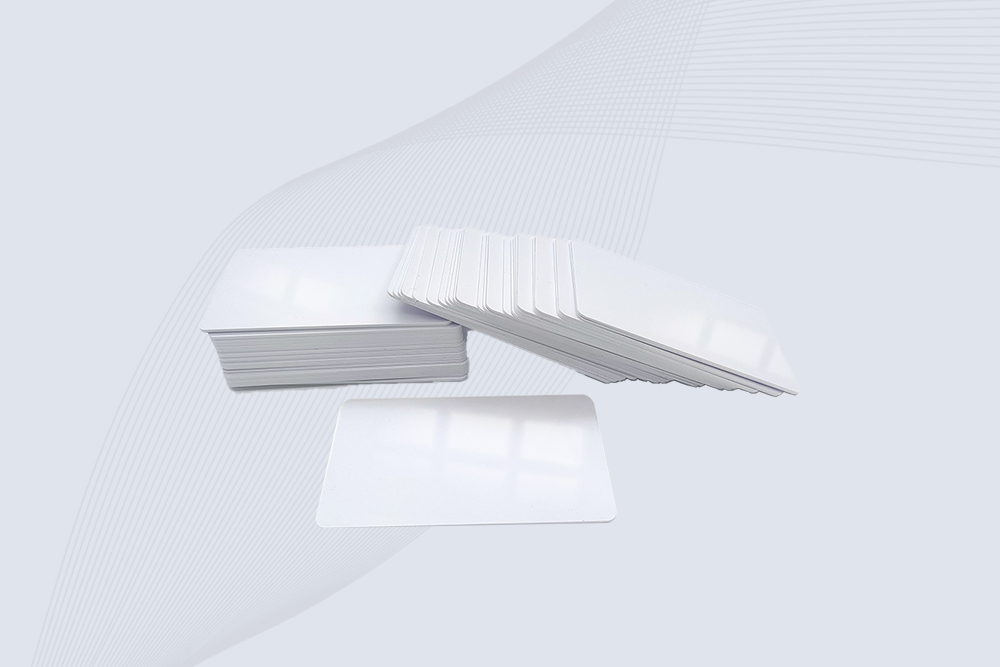
CYKEO UHF RFID Card is designed for fast identification and long-term use in industrial and commercial systems. Supporting ISO 18000-6C, this UHF RFID Card works at 860–960 MHz and is suitable for custom RFID cards used in asset tracking, access control and inventory management.
CYKEO HF RFID Cards are designed for secure and stable access control systems. These 13.56 MHz RFID key cards support ISO 14443-A, reliable rewriting and long service life, making HF RFID Cards suitable for offices, campuses, events and membership management.
CYKEO UHF RFID Tag is designed for reliable tracking of metal jewelry and high-value items. This Jewelry RFID Tag supports long-range reading up to 8 meters, anti-counterfeit protection and stable performance on metal, making it suitable for retail, inventory control and asset management.
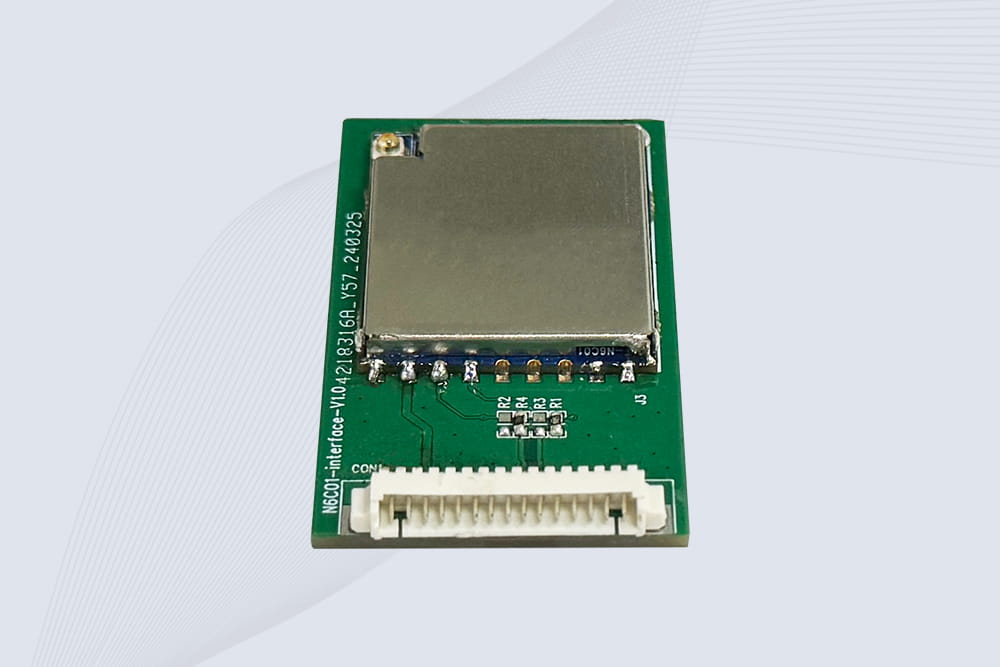
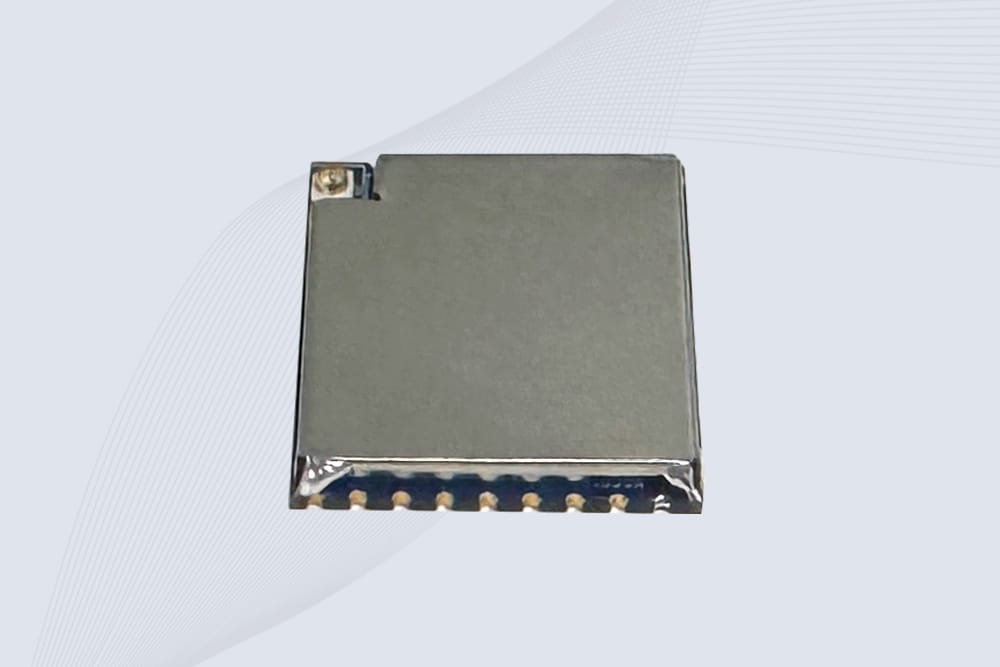
CYKEO Embedded RFID Modules are designed for compact industrial and IoT devices that require stable UHF performance. These UHF RFID Modules support global protocols, flexible power control, and reliable multi-tag reading for smart cabinets, production lines, and asset tracking systems.
CYKEO Embedded RFID Module is built for compact IoT and industrial devices that need stable UHF performance. This UHF module supports global protocols, low power operation, and reliable multi-tag reading for smart lockers, production lines, and always-on RFID systems.
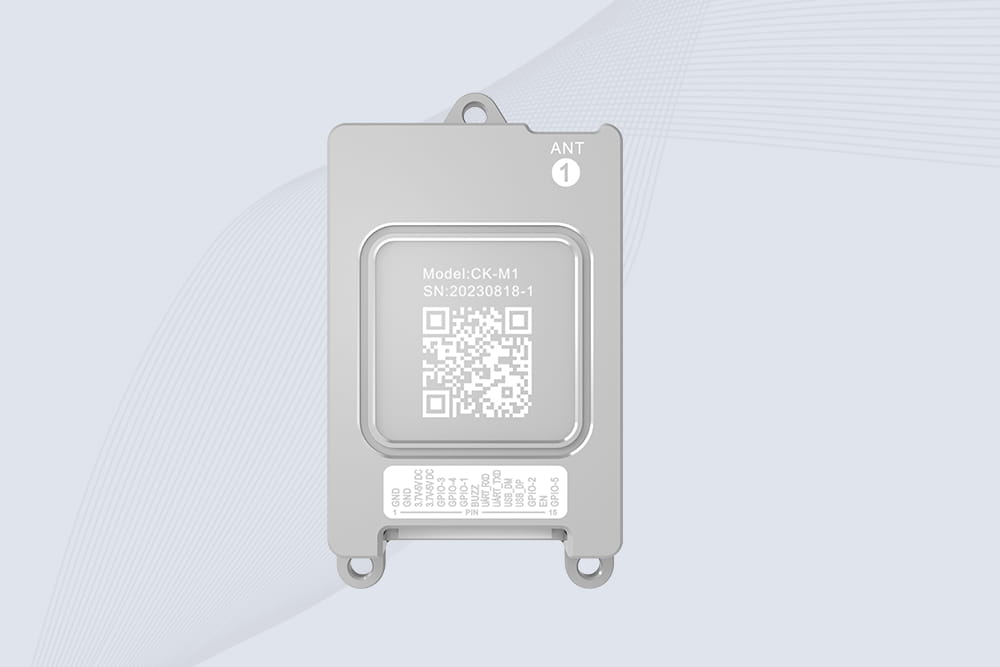
CYKEO CYKEO-M1 drone rfid module is a compact UHF RFID reader module designed for drones and UAV platforms. It supports long-range aerial scanning, fast multi-tag reading, and stable performance in wind, vibration, and outdoor environments.
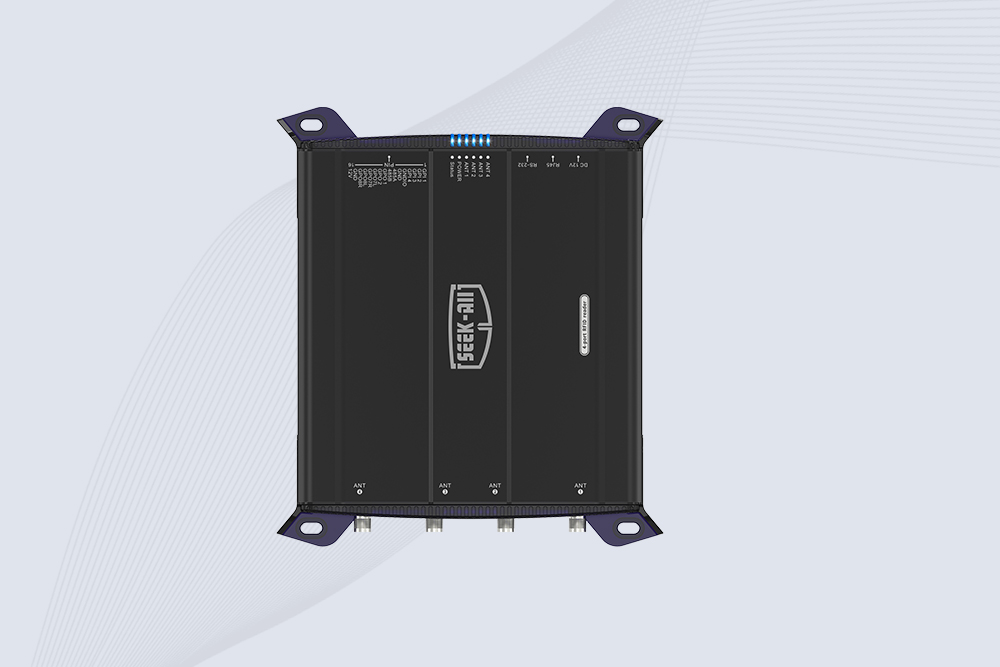
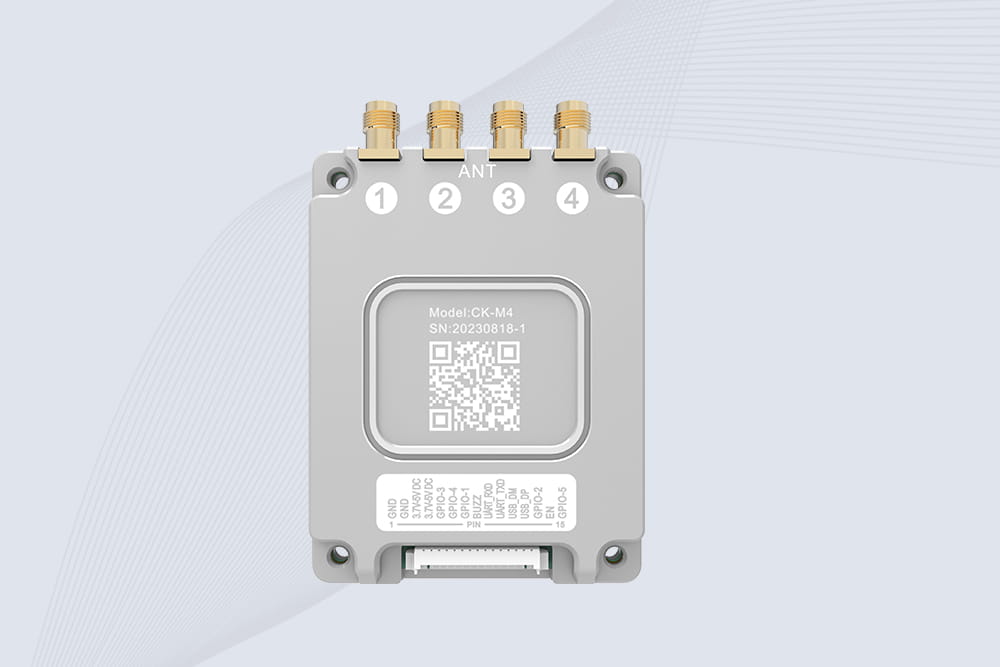
CYKEO CYKEO-M4 RC522 RFID Module is an industrial-grade UHF RFID reader with 4 ports, supporting ISO, EPC, and GB protocols. High-speed, accurate reading for IoT, automation, and warehouse applications.
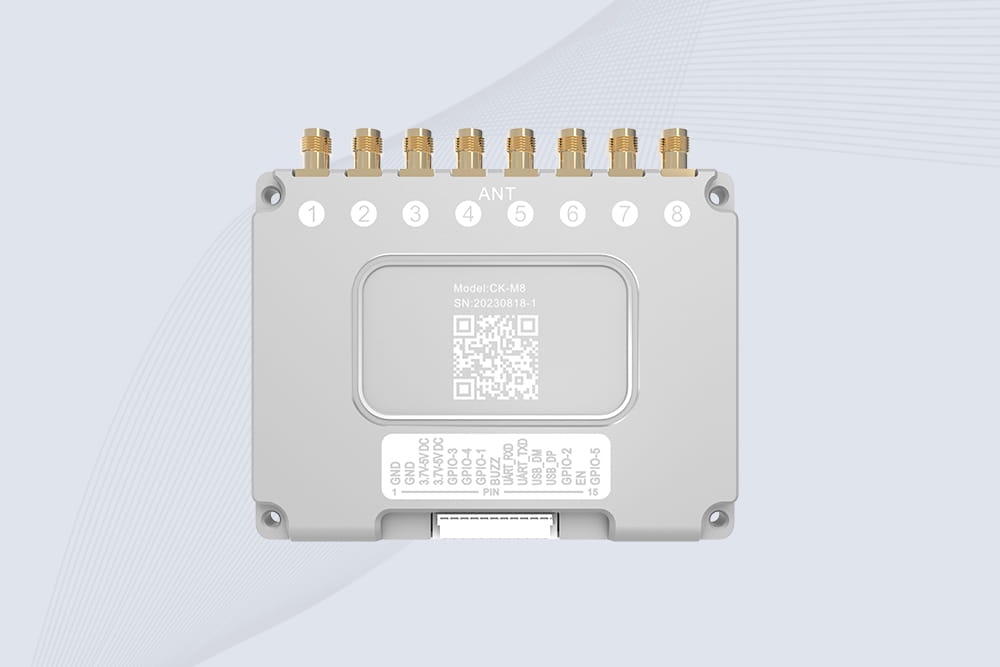
CYKEO CYKEO-M8 Module RFID is an 8-port UHF R2000 RFID Module designed for high-density, multi-tag environments. Stable 33dBm output, ISO & GB protocol support, ideal for warehouses, factories, and automated systems.
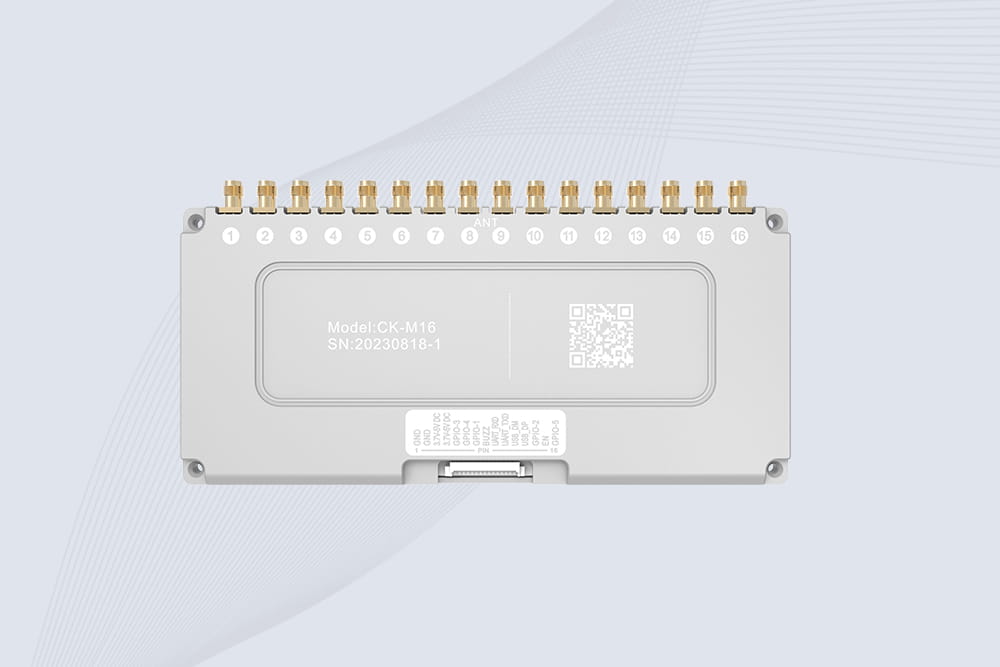
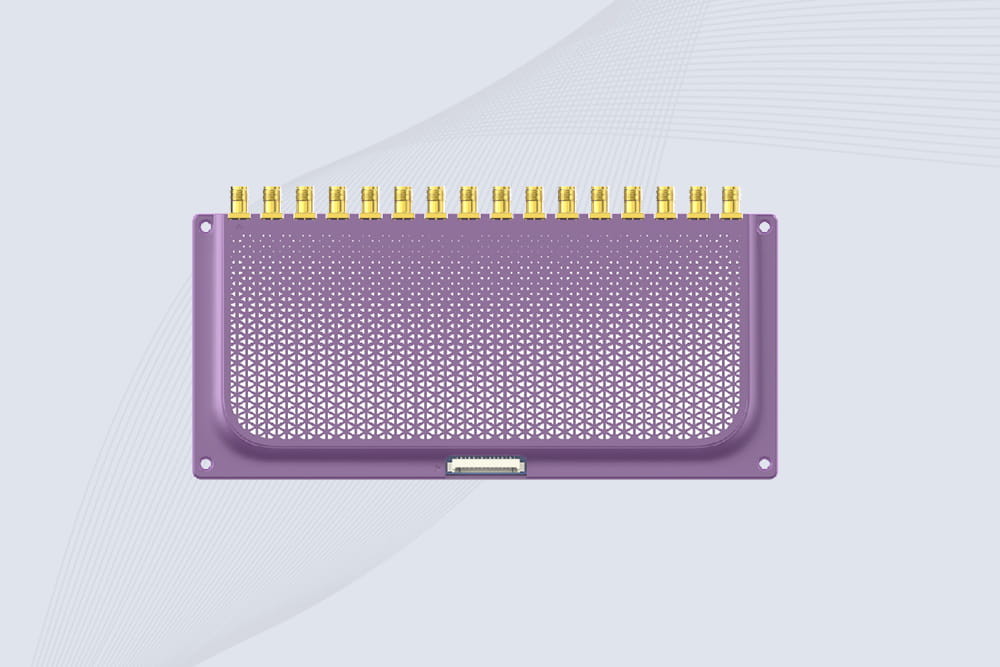
CYKEO CYKEO-M16 RFID Module is a 16-port UHF RFID reader module based on the R2000 chipset. Designed for dense tag environments, it supports ISO and GB standards and delivers stable multi-antenna control for industrial automation.
The CYKEO CYKEO-M16L RFID Reader Module is a 16-channel UHF RFID core designed for dense tag environments. With adjustable 33dBm output, multi-protocol support, and stable multi-antenna control, this RFID Tag Reader Module fits industrial automation, warehouse systems, and large-scale IoT deployments.
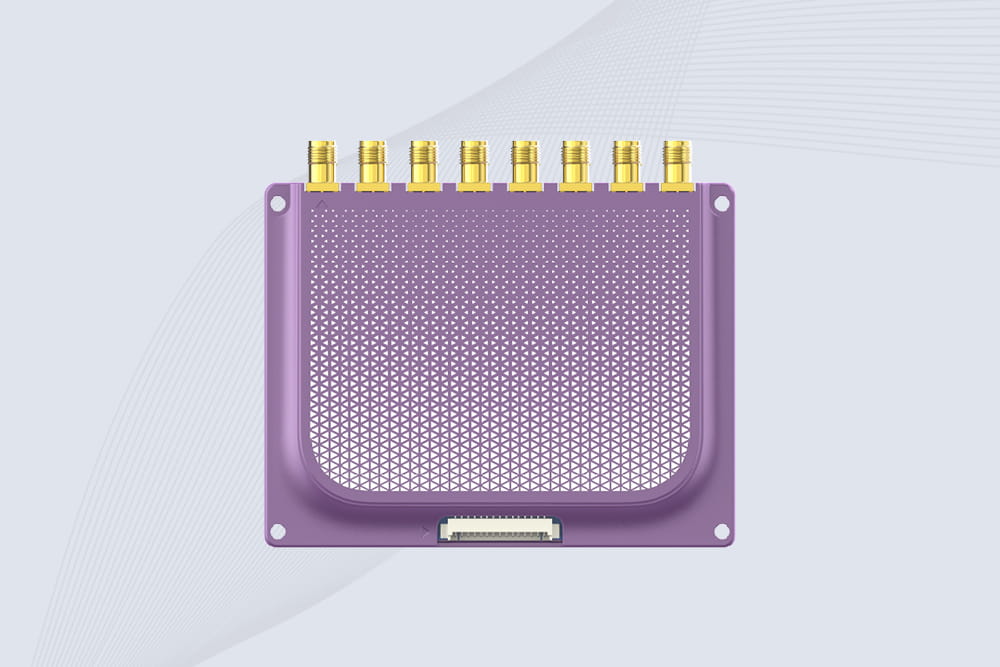
CYKEO CYKEO-M8L module RFID is a compact industrial UHF module built for dense tag and multi-antenna environments. With 8 RF ports, adjustable 33 dBm output, and ISO & GB protocol support, it is widely used in factories, warehouses, and automated tracking systems.
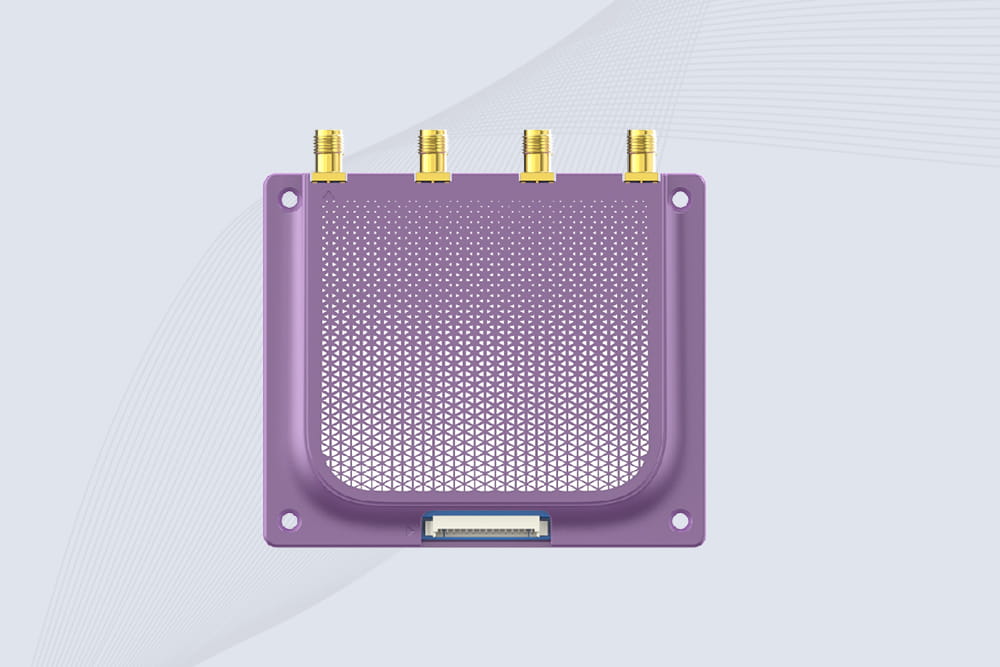
CYKEOCYKEO-M4L UHF RFID Module is a compact 4-channel RFID tag reader module designed for dense tag environments. Supporting ISO and GB protocols, it delivers stable reads up to 10 meters for industrial and IoT systems.
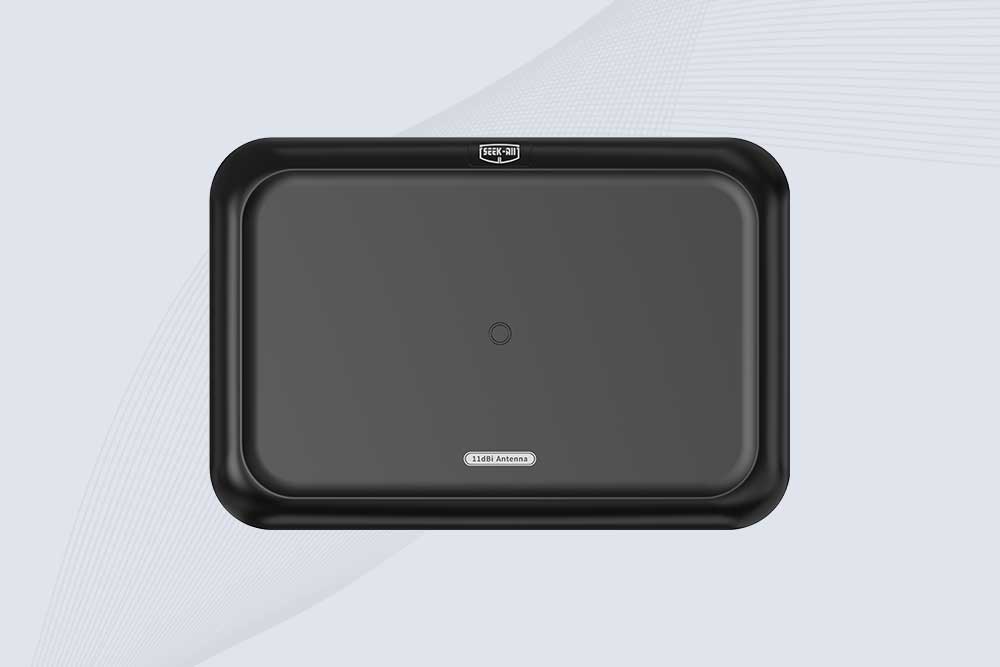
Cykeo CYKEO-A11 UHF RFID reader antenna delivers 11dBi gain, 840-960MHz frequency range, and IP65 ruggedness for retail, logistics, and industrial RFID systems. Features low VSWR and easy installation.
CYKEO Antenna RFID Reader delivers stable long-range UHF performance with a 10.5dBi directional design, built for warehouses, conveyor portals, and industrial RFID systems. This rfid reader antenna provides 20m+ read distance and rugged IP67 protection.
Cykeo CYKEO-A5B industrial Linear RFID Antenna delivers 5dBi gain, ≤1.5:1 VSWR, and IP65 rugged design for warehouse, production line, and logistics UHF systems.
Cykeo’s CYKEO-B12 Long Range RFID Antenna delivers 15m+ read range with 12dBi gain, IP65 rugged design, and global 840-960MHz UHF support. Ideal for warehouse/logistics asset tracking.
Cykeo CYKEO-B10 Long Distance RFID Antenna offers 10dBi gain, 840-960MHz frequency range, IP65 rating, and 20m+ coverage for logistics/warehousing/ETC systems. Low VSWR ensures stable signal transmission.
Cykeo CYKEO-A6 UHF RFID panel antenna features 6dBi gain, 840-960MHz broadband, IP65 metal-ready housing for logistics/smart retail. 18mm ultra-thin design with tool-free mounting.
Cykeo CK-A3 industrial antenna RFID UHF offers 5m+ tag detection, ≤1.3:1 VSWR, IP65 rugged design, and global UHF spectrum compatibility (840-960MHz) for warehouses, factories, and retail.
Cykeo CYKEO-B5 directional RFID antenna provides 5dBi gain with 60° narrow beamwidth for precise inventory tracking. IP65-rated, global UHF frequency support, and low VSWR.
Create your own high-performance DIY RFID antenna! 5dBi gain, 840-960MHz tunable, step-by-step guides. Compatible with Arduino, Raspberry Pi, and commercial UHF readers.
Cykeo CYKEO-A7 Flexible RFID Antenna features 840-960MHz wideband tuning, 7dBi gain, and IP68 rating for medical/retail/industrial curved surface deployments. 98% read accuracy with peel-and-stick installation.
Cykeo CYKEO-B5A industrial Passive RFID Antenna delivers 5dBi gain, 70° beamwidth, and -40°C~55°C operation for warehouses/smart cabinets. Compatible with Zebra/Impinj readers.
Cykeo’s CYKEO-A9B High Gain RFID Antenna delivers 15m+ read range with 9dBi amplification. Features IP54 rugged design, 840-960MHz bandwidth, and 80° beamwidth for warehouse/manufacturing RFID systems.
Cykeo’s enterprise-grade 8dbi Impinj RFID Antenna 10m+ read range with 840-960MHz tuning. Features IP65 housing, 1.4 VSWR, 35° beamwidth for retail/warehouse RFID systems.
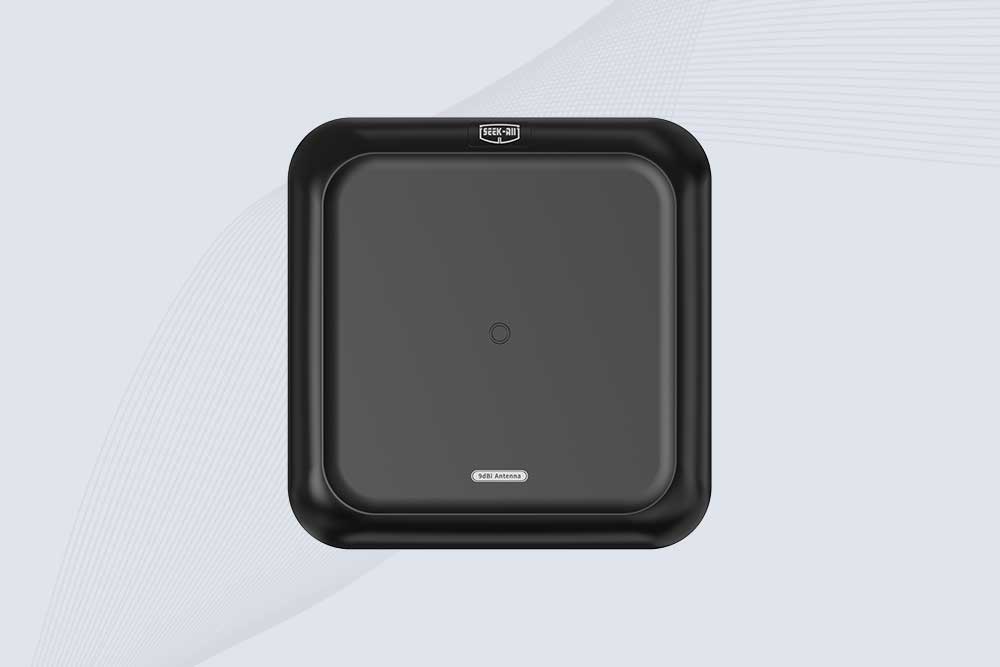
Cykeo CYKEO-A9 industrial UHF RFID antenna delivers 9dBi gain, 840-960MHz frequency range, and IP65 protection for warehouse/logistics/retail RFID systems. Features N-type connector and ≤1.3:1 VSWR.
CYKEO UHF RFID Antenna built for long-distance and industrial applications. This antenna rfid uhf delivers strong gain, outdoor durability, and reliable tag performance in warehouses, yards, and vehicle ID systems.
CYKEO Antenna RFID delivers reliable long-range UHF performance in warehouses, retail shelves, and cold-chain environments. This compact uhf rfid antenna provides stable reads with circular polarization and ultra-wide 840–960 MHz support, ideal for industrial tracking, smart shelves, and asset monitoring.
Cykeo’s CYKEO-C8 UHF RFID antennas delivers 8dBi gain, 840-960MHz full-band coverage, and IP65 ruggedness for manufacturing/warehouse RFID systems. Industrial RFID Antennas Features
Cykeo’s 8dBi UHF RFID antenna and reader kit delivers 10m+ range, 840-960MHz broadband, and IP65 ruggedness for factories, warehouses, and logistics. ISO 18000-6C & EPC Gen2 certified.
Cykeo’s CYKEO-A12C UHF Large RFID Antenna delivers 12dBi gain, 840-960MHz global frequency, IP65 ruggedness for logistics/warehousing/automotive. 40° beamwidth ensures stable 15m+ tag reads.
CYKEO Near Field RFID Antenna provides precise 5–30 cm reading for shelves, cabinets, and workstations. This compact rfid shelf antenna delivers stable short-range performance around metal and clutter, ideal for pharmacies, libraries, and electronics sorting.
Custom 8dBi RFID panel antennas with Impinj chips for integration in retail shelves, factory lines, and automated warehouses.these antennas easy setup,and reliable performance for custom RFID antenna for retail shelves projects.
Learn how tools/equipment tracking with RFID technology reduces loss, saves time, and improves accountability. Implementation guide for industrial, construction, and healthcare operations. Expert guidance from CYKEO engineers.
Confused about RFID tag vs barcode? Discover how RFID and barcode tech differ in speed, cost, and efficiency. Learn which suits your business needs with Cykeo insights.
 Cykeo RFID IoT Solution Products R&D Manufacturer